“I prefer liberty with danger to peace with slavery.”
Jean-Jacques Rousseau · The Social Contract, 1762
 quolira
.com
quolira
quolira.com
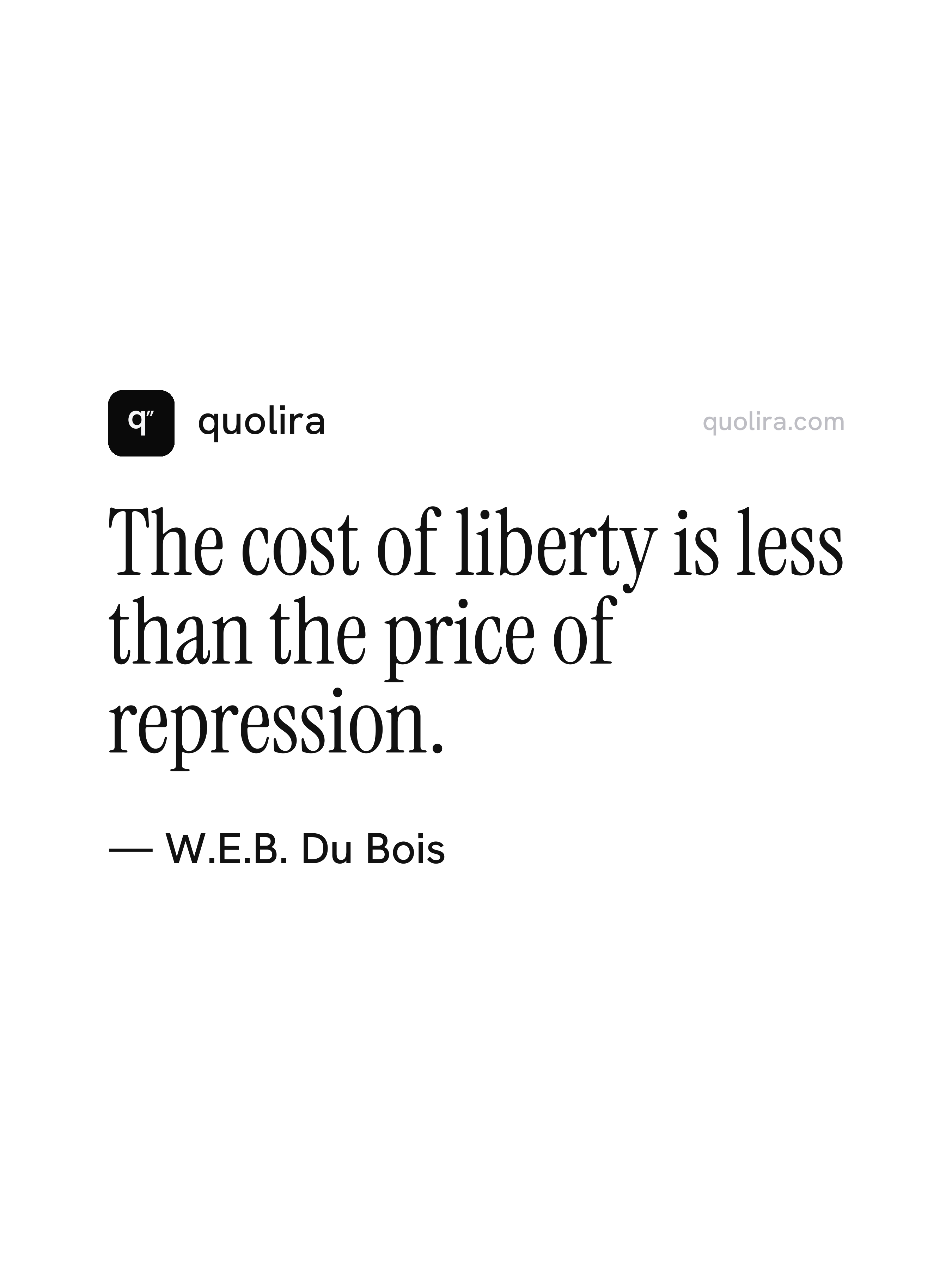
Du Bois is making an argument that might seem counterintuitive at first: that suppressing a people is actually more expensive, in every sense, than granting them freedom. He means that repression requires sustained effort, violence, and the wasting of human potential, while liberty, though it may appear to carry risks, ultimately costs society far less. The line reframes freedom as a practical necessity, not merely a moral ideal.
This line appears in Du Bois's biographical study of the abolitionist John Brown, published in 1909. The book examines Brown's life and the broader struggle against slavery in the United States. Du Bois wrote it at a time when African Americans faced widespread legal discrimination and racial violence, and the book was partly a call to understand how high the true cost of oppression really is, measured in human suffering and wasted possibility.
W.E.B. Du Bois was an American sociologist, historian, civil rights activist, and writer who became one of the most important intellectual voices on race and democracy in the twentieth century. He was a co-founder of the NAACP and the editor of its influential publication The Crisis. His book The Souls of Black Folk, published in 1903, remains a landmark work in American literature and social thought. Du Bois spent his long life arguing that the full inclusion of Black Americans in civic and political life was not only a moral imperative but a condition for the health of American democracy itself.
“I prefer liberty with danger to peace with slavery.”
Jean-Jacques Rousseau · The Social Contract, 1762
“Liberty means responsibility. That is why most men dread it.”
George Bernard Shaw · Maxims for Revolutionists, 1903
“My God! How little do my countrymen know what precious blessings they are in possession of, and which no other people on earth enjoy!”
Thomas Jefferson · Letter to James Monroe, June 17, 1785
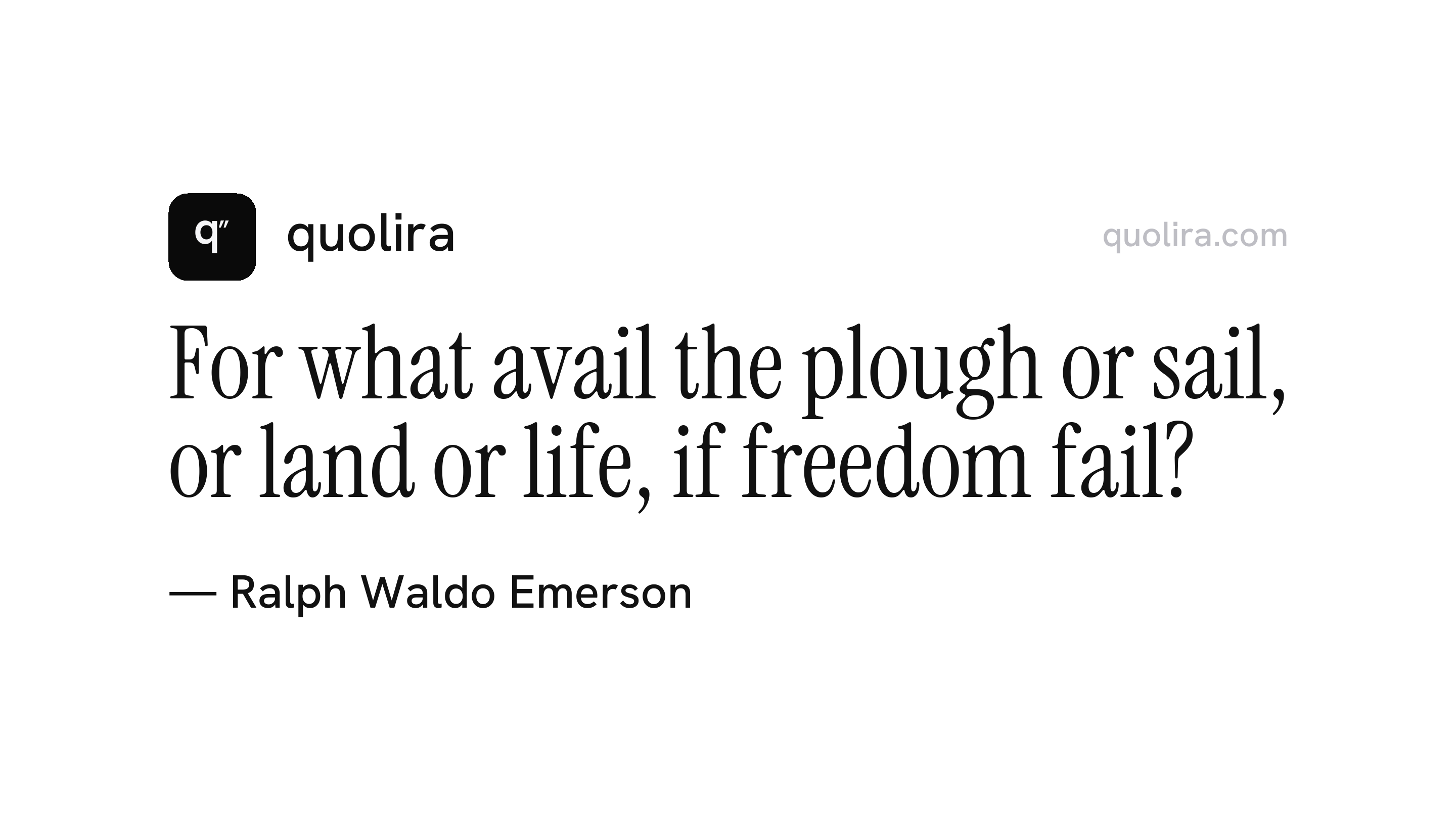
“For what avail the plough or sail, or land or life, if freedom fail?”
Ralph Waldo Emerson · "Boston," poem, 1830s
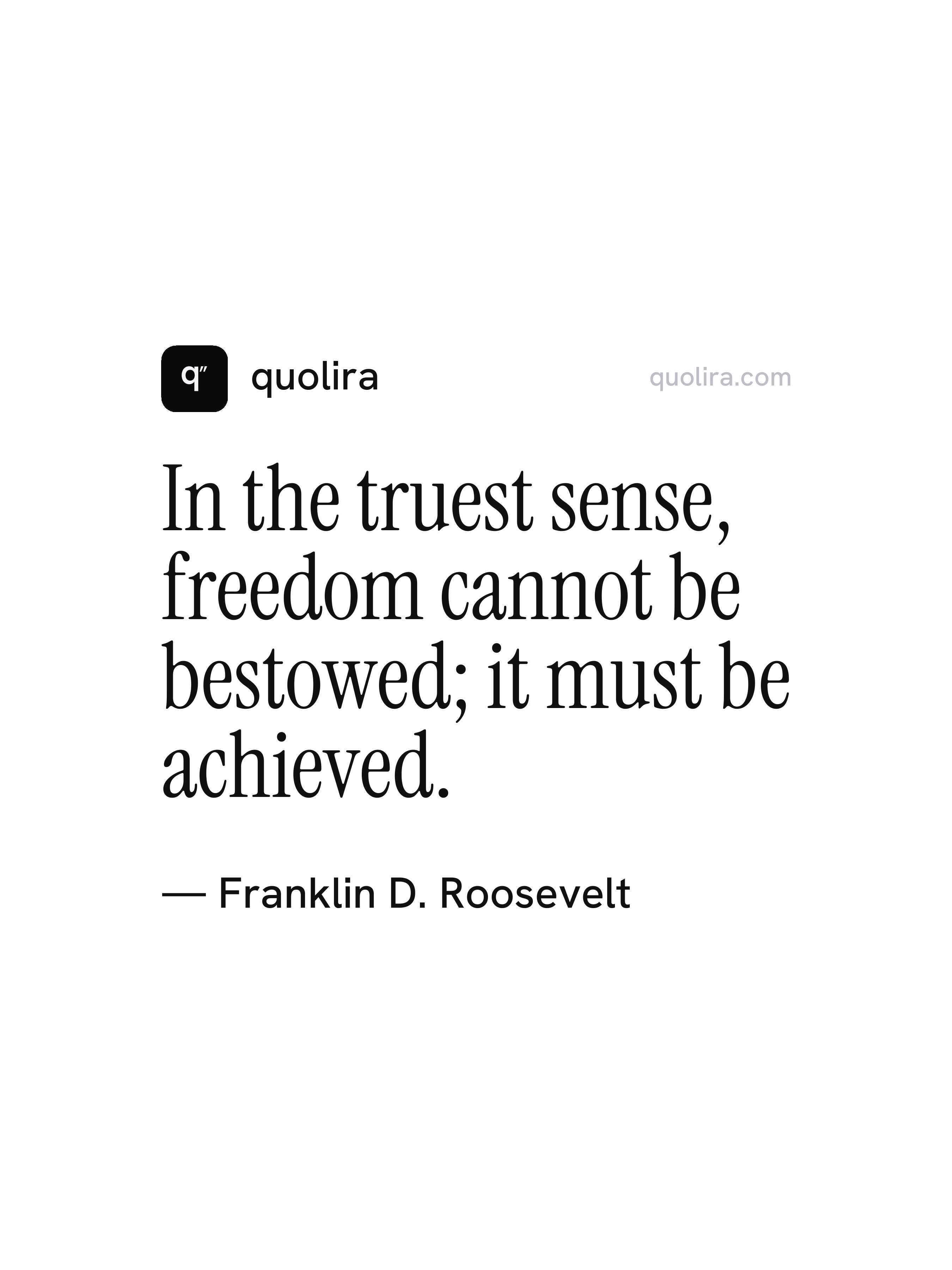
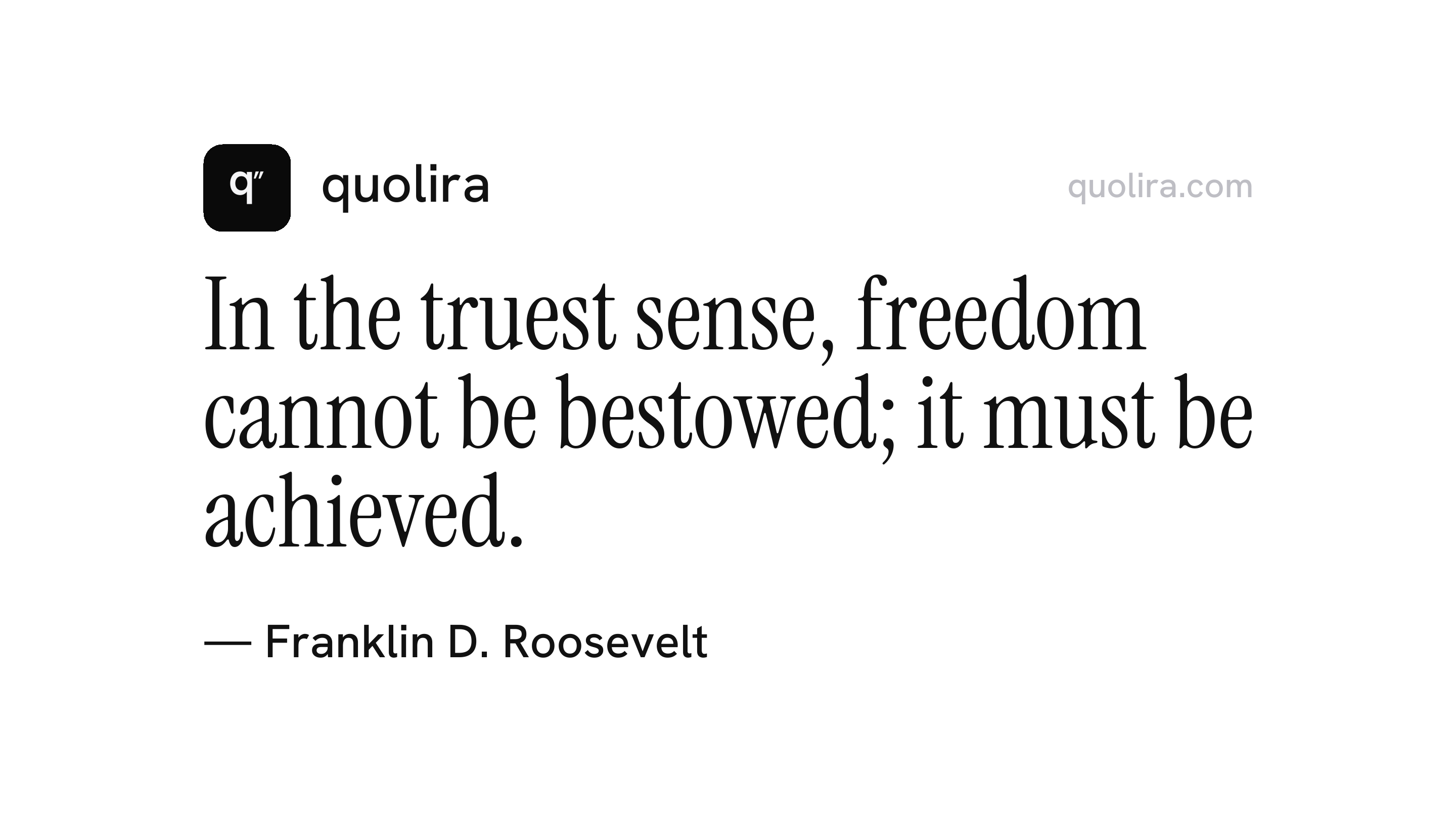
“In the truest sense, freedom cannot be bestowed; it must be achieved.”
Franklin D. Roosevelt · Speech on the Seventy-Fourth Anniversary of the Emancipation Proclamation, September 22, 1936
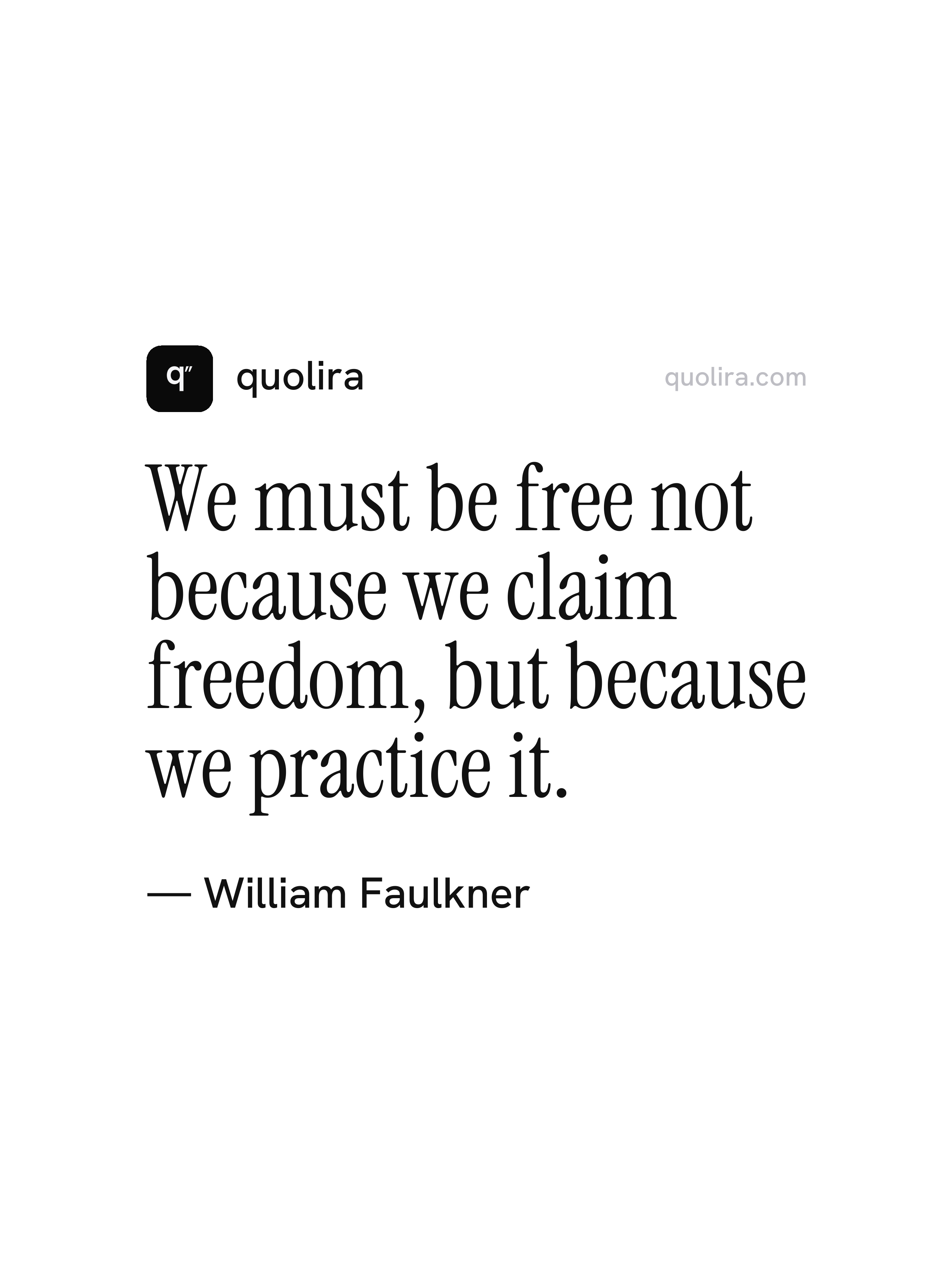
“We must be free not because we claim freedom, but because we practice it.”
William Faulkner · Essay "On Fear: Deep South in Labor," Harper's Magazine, June 1956
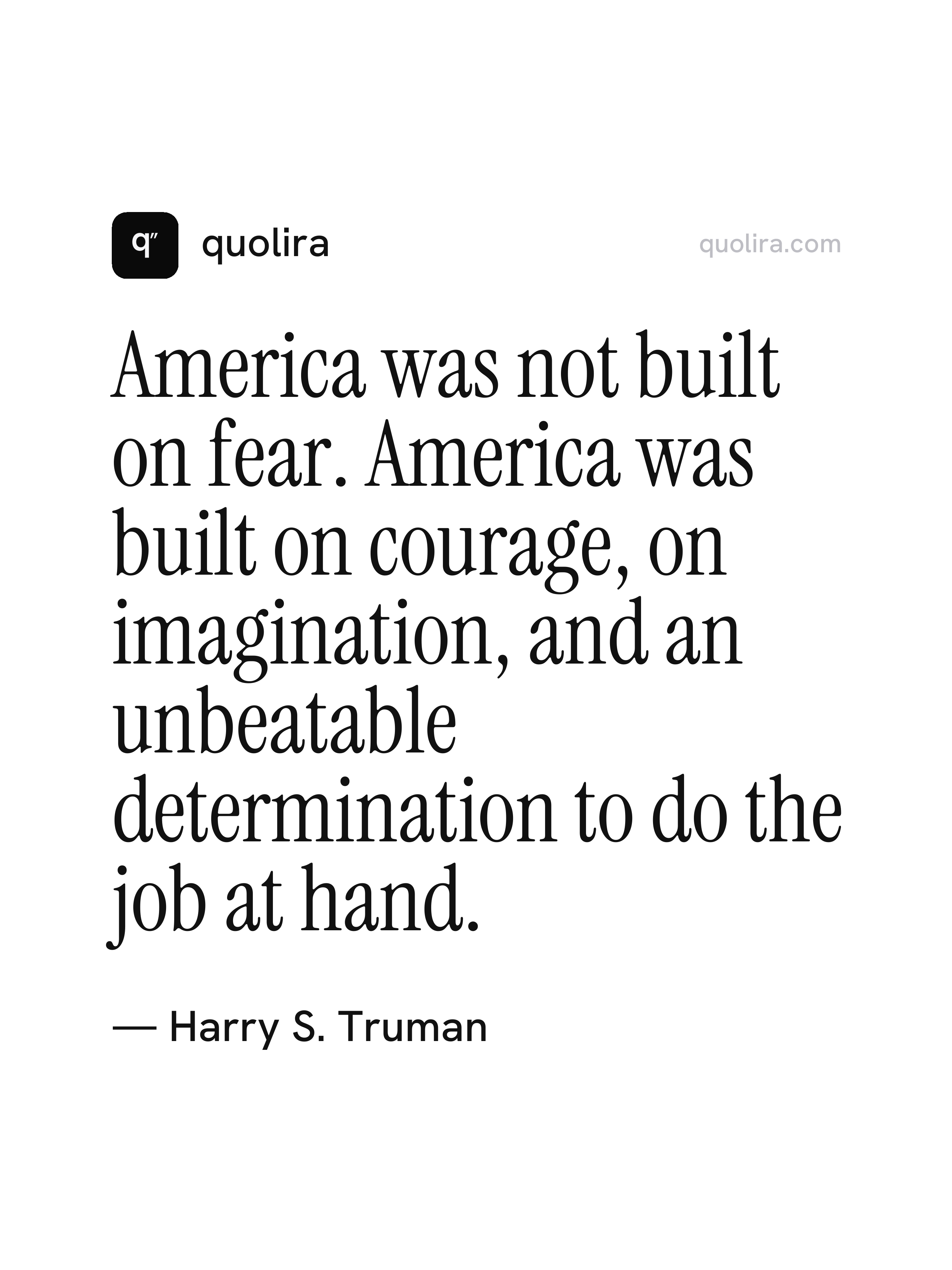
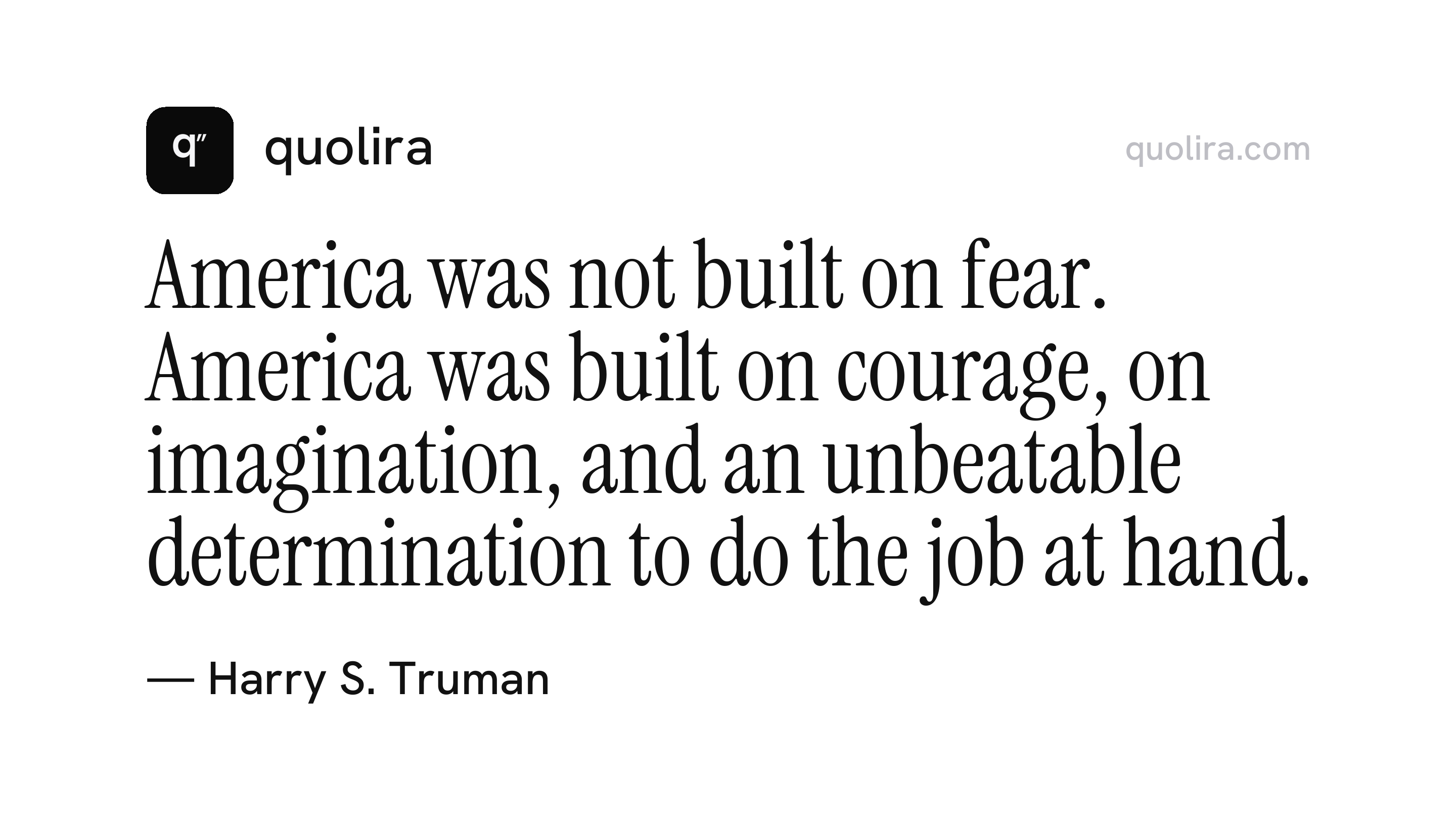
“America was not built on fear. America was built on courage, on imagination, and an unbeatable determination to do the job at hand.”
Harry S. Truman · Special Message to the Congress on the State of the Union, January 8, 1947
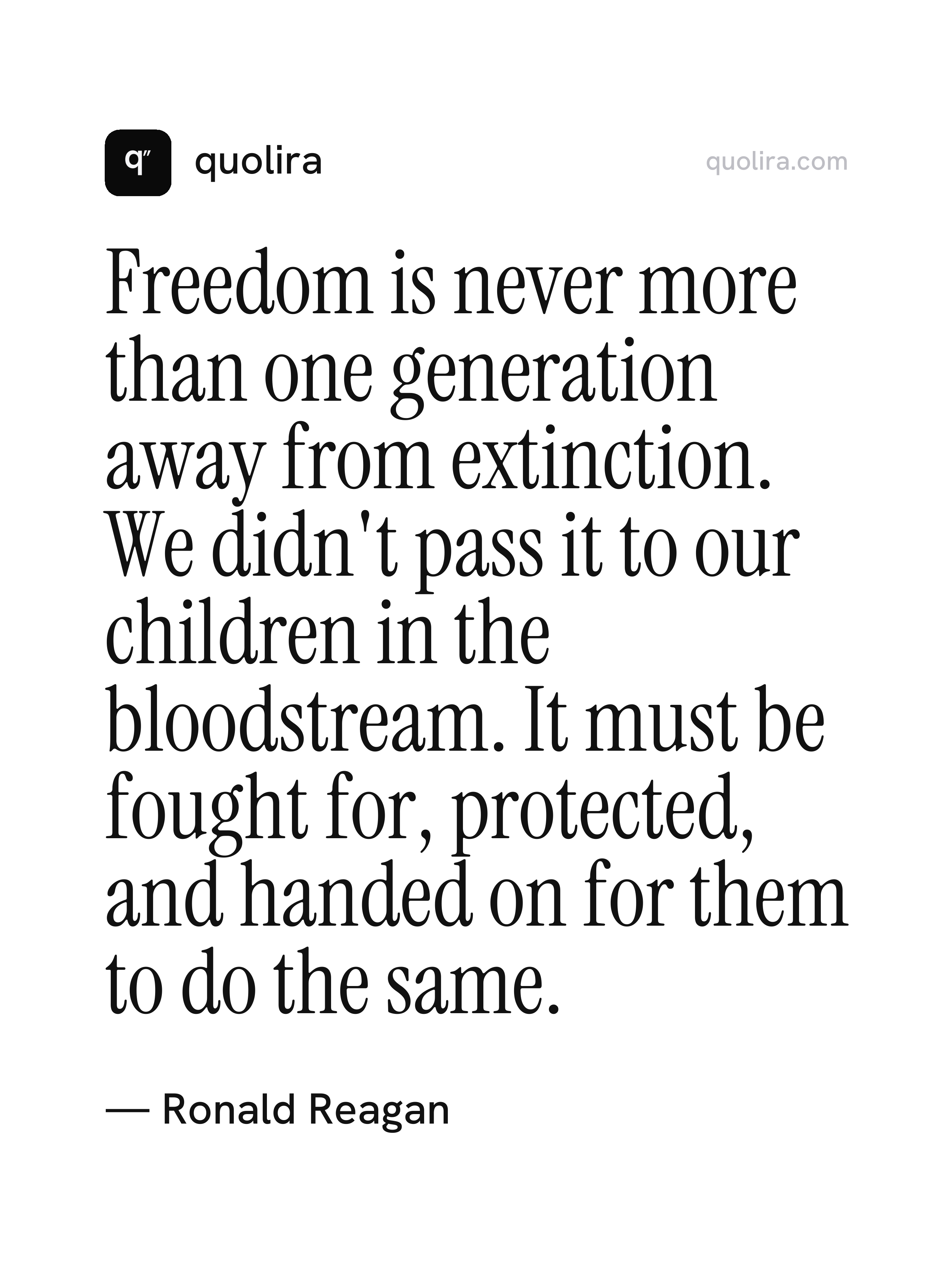
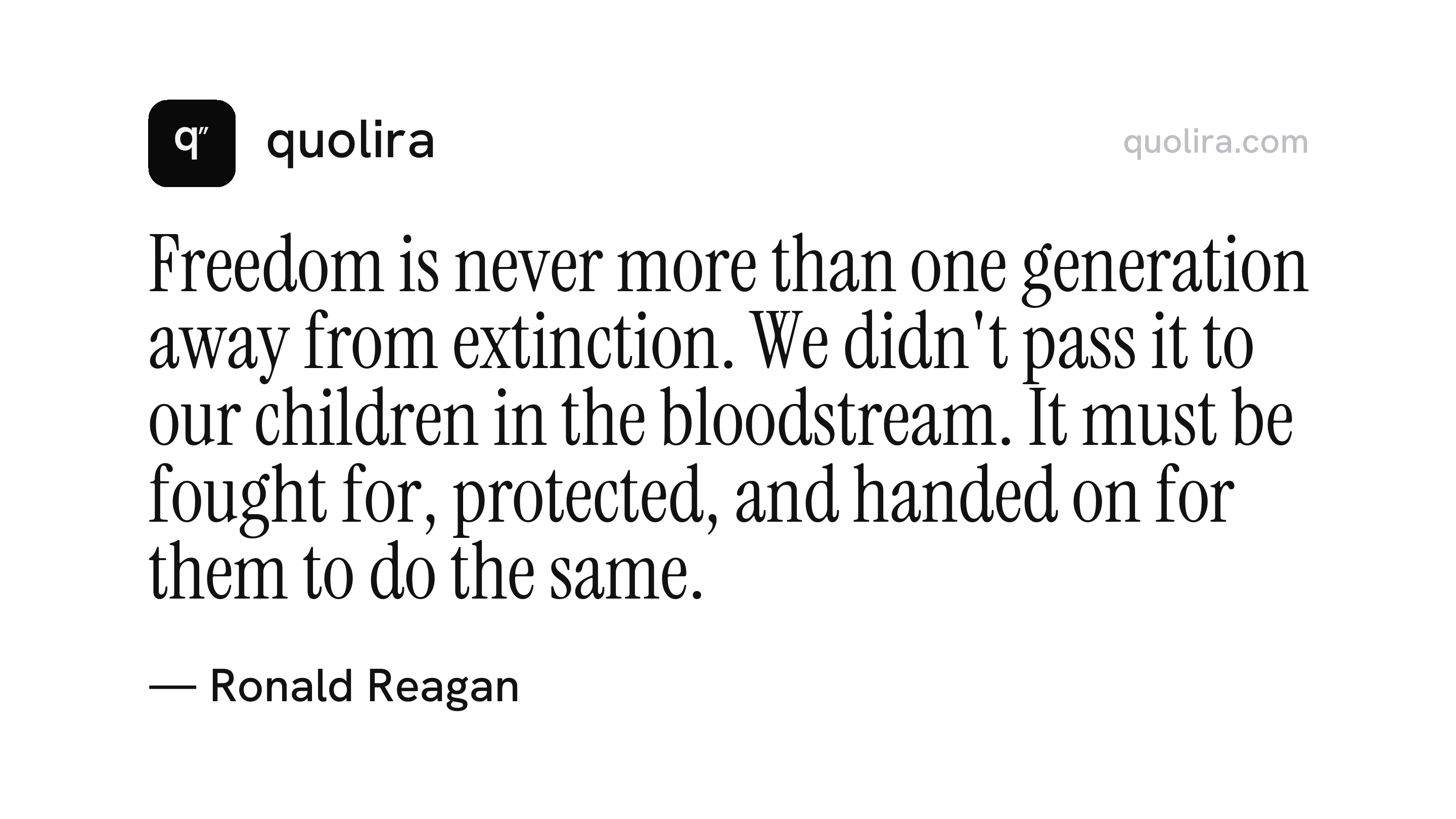
“Freedom is never more than one generation away from extinction. We didn't pass it to our children in the bloodstream. It must be fought for, protected, and handed on for them to do the same.”
Ronald Reagan · Address to the Annual Meeting of the Phoenix Chamber of Commerce, March 30, 1961
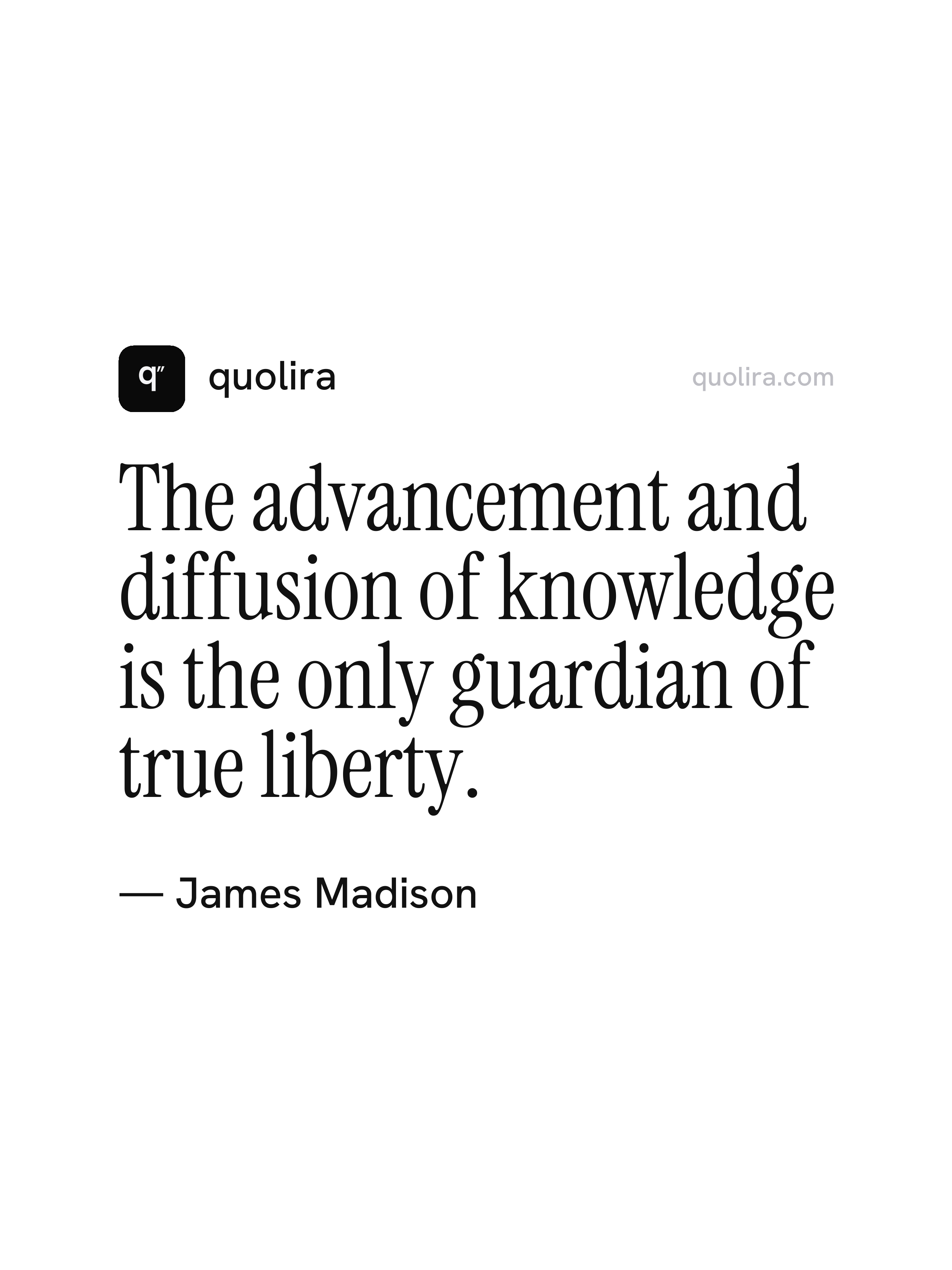
“The advancement and diffusion of knowledge is the only guardian of true liberty.”
James Madison · Letter to George Thompson, June 30, 1825
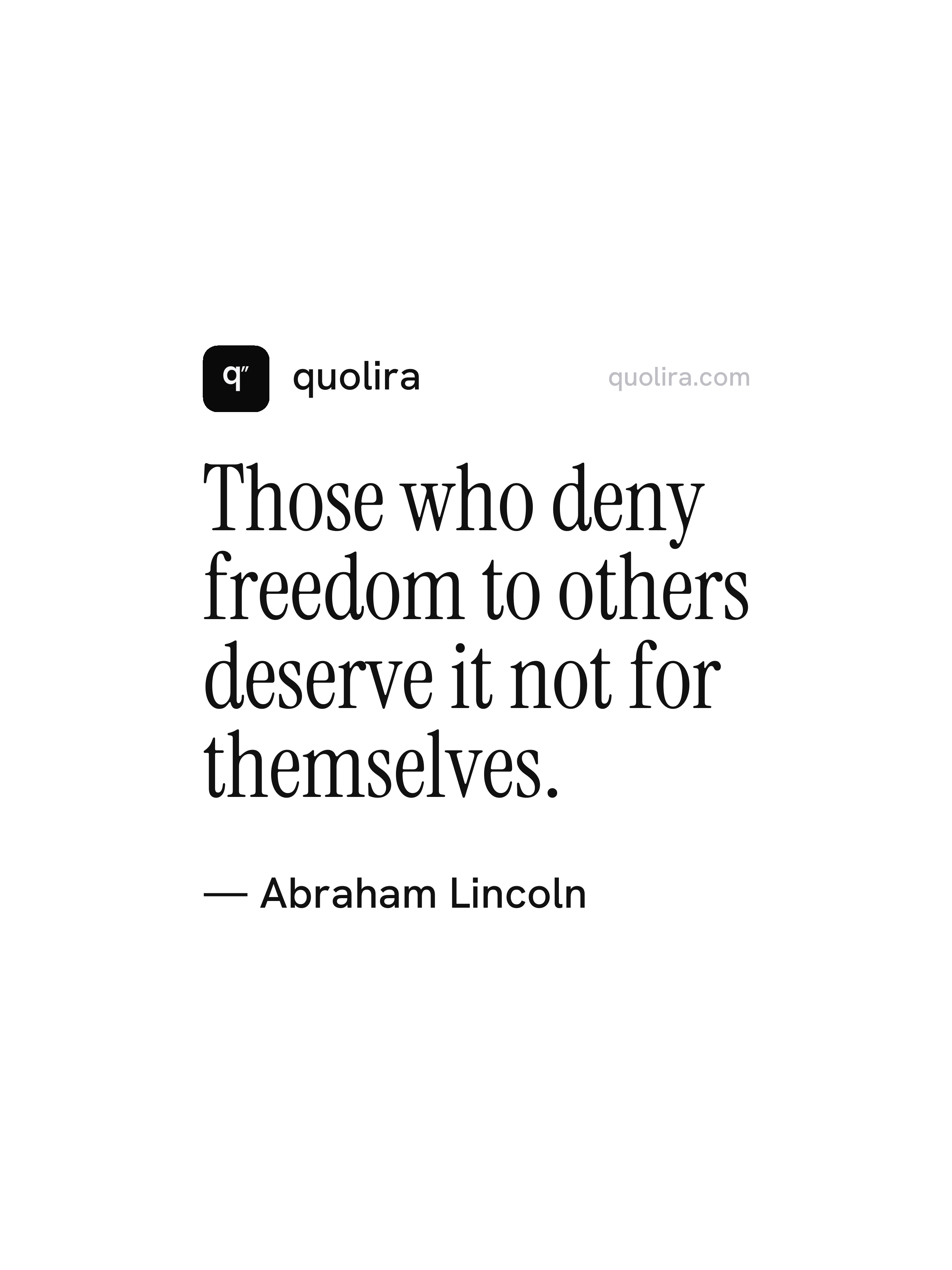
“Those who deny freedom to others deserve it not for themselves.”
Abraham Lincoln · Letter to Henry L. Pierce, April 6, 1859
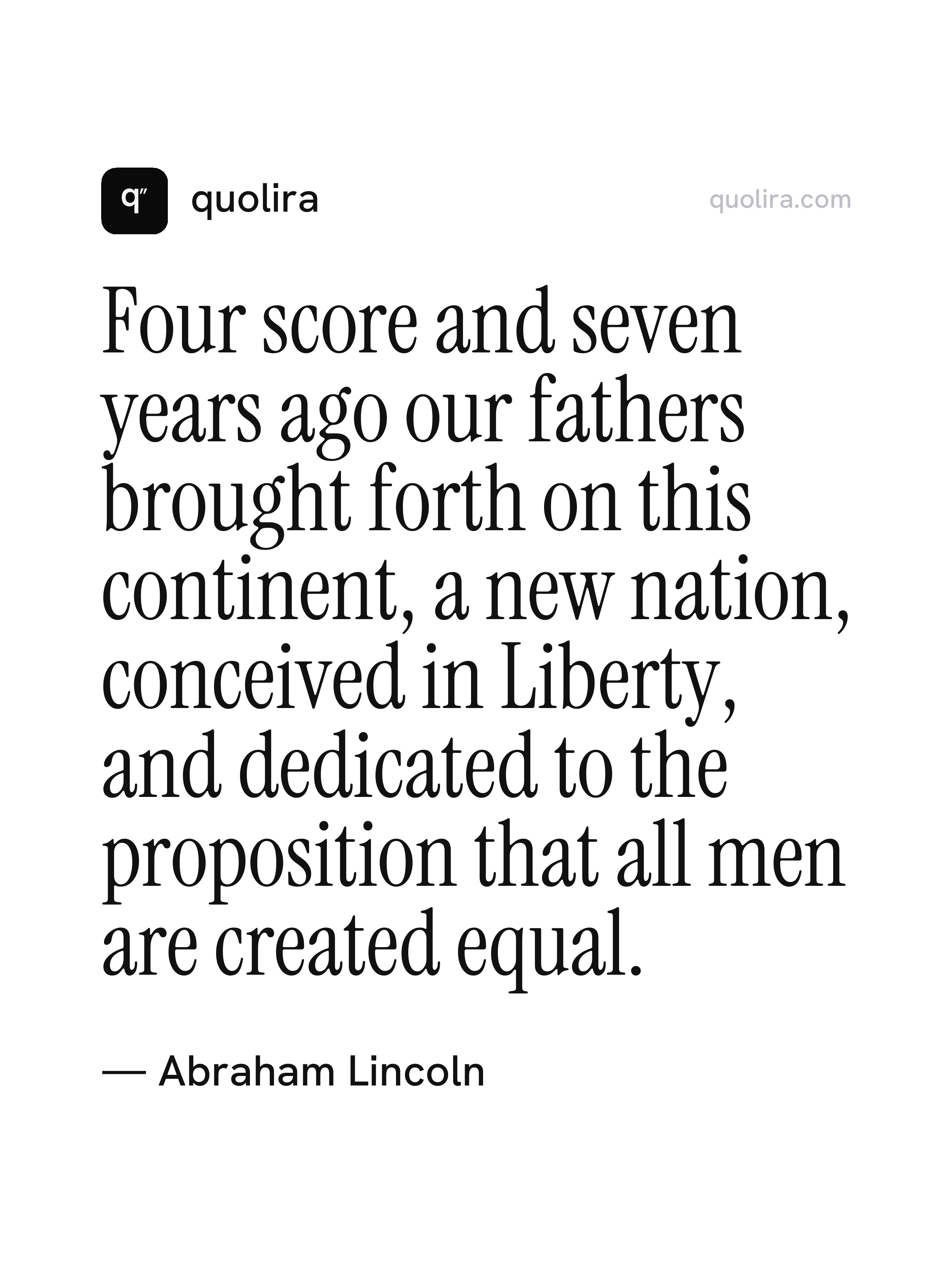
“Four score and seven years ago our fathers brought forth on this continent, a new nation, conceived in Liberty, and dedicated to the proposition that all men are created equal.”
Abraham Lincoln · Gettysburg Address, November 19, 1863
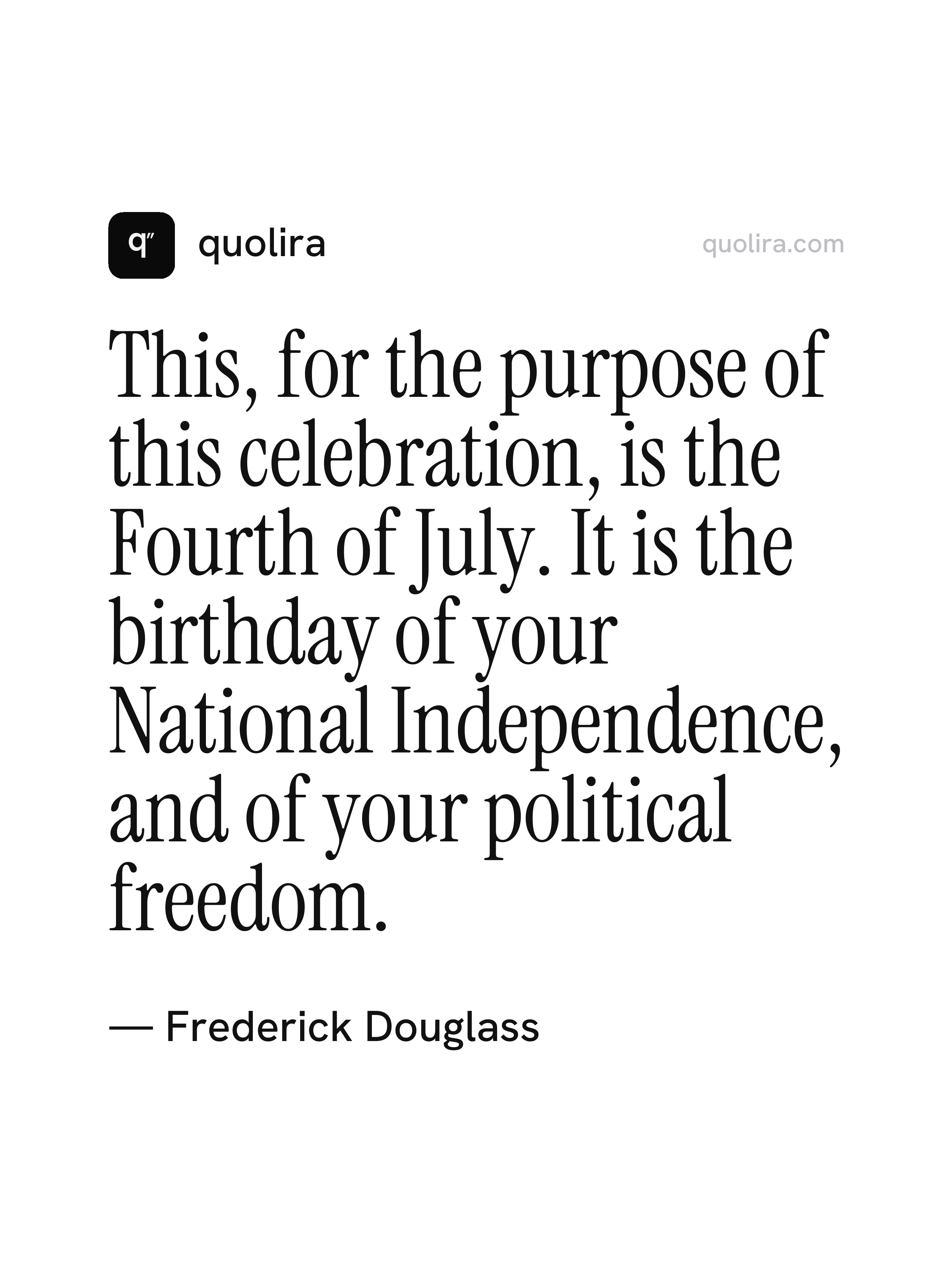
“This, for the purpose of this celebration, is the Fourth of July. It is the birthday of your National Independence, and of your political freedom.”
Frederick Douglass · What to the Slave Is the Fourth of July?, July 5, 1852