“Life is long enough, and a sufficiently generous amount has been given to us for the highest achievements if it were all well invested.”
Seneca · On the Shortness of Life
 quolira
.com
quolira
quolira.com
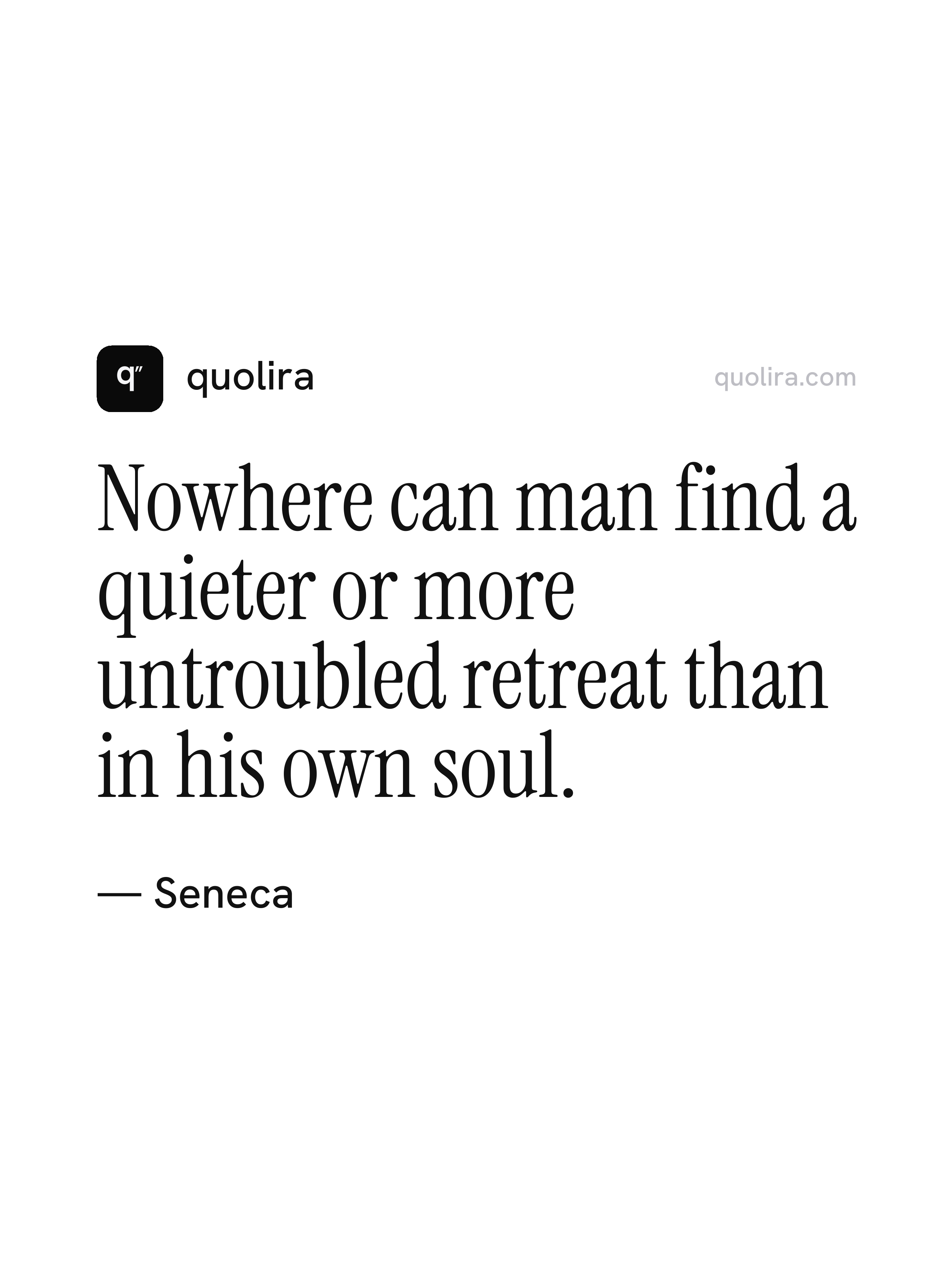
Seneca is pointing to something that many people overlook: the most reliable source of calm is not a place you travel to but a state you cultivate within yourself. No matter how chaotic or demanding the outside world becomes, a person who has developed inner steadiness carries that peace everywhere. The idea is that solitude of the mind is always available, regardless of circumstances.
This line is attributed to Seneca's moral writings rather than to a precisely identified single source, which reflects how his ideas were collected, quoted, and passed down over centuries. The sentiment runs throughout his work, particularly in his essays and letters where he returns again and again to the theme of self-possession. For Seneca, philosophy was not an abstract exercise but a practical discipline aimed at freeing a person from anxiety, external noise, and the tyranny of other people's opinions.
Seneca the Younger was a Roman Stoic philosopher and writer of the first century. He held significant political influence in Rome and produced a substantial body of work including philosophical essays, letters, and dramatic tragedies. His writing is marked by a direct, often urgent tone, as if he is speaking personally to the reader about how to live well. His influence has extended far beyond the ancient world, and his ideas remain widely studied and quoted today.
“Life is long enough, and a sufficiently generous amount has been given to us for the highest achievements if it were all well invested.”
Seneca · On the Shortness of Life
“He suffers more than necessary, who suffers before it is necessary.”
Seneca · Letters to Lucilius
“The whole future lies in uncertainty: live immediately.”
Seneca · On the Shortness of Life
“A gem cannot be polished without friction, nor a man perfected without trials.”
Seneca · Attributed, moral essays
“No man was ever wise by chance.”
Seneca · Letters to Lucilius, Letter 76
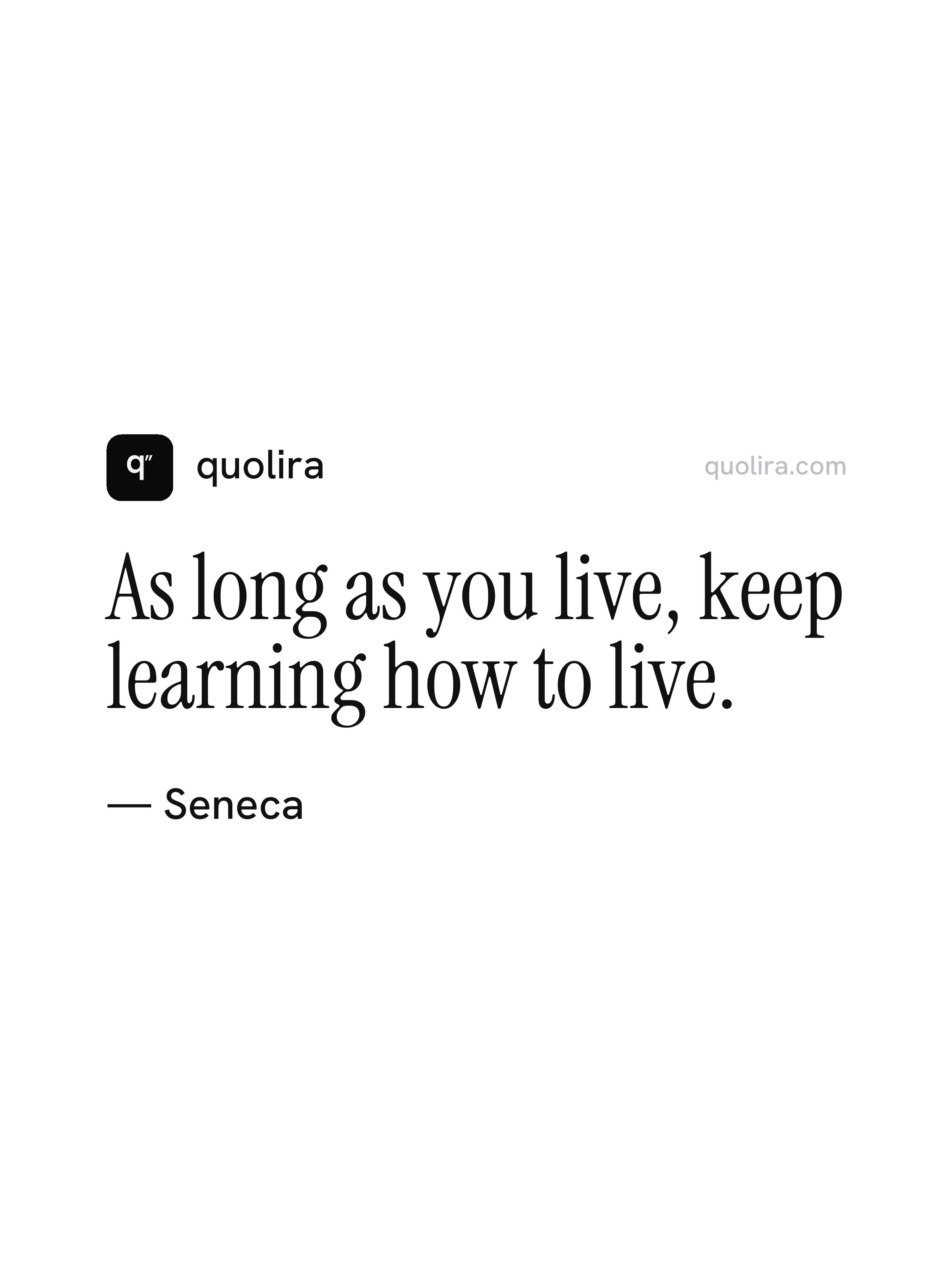
“As long as you live, keep learning how to live.”
Seneca · On the Shortness of Life
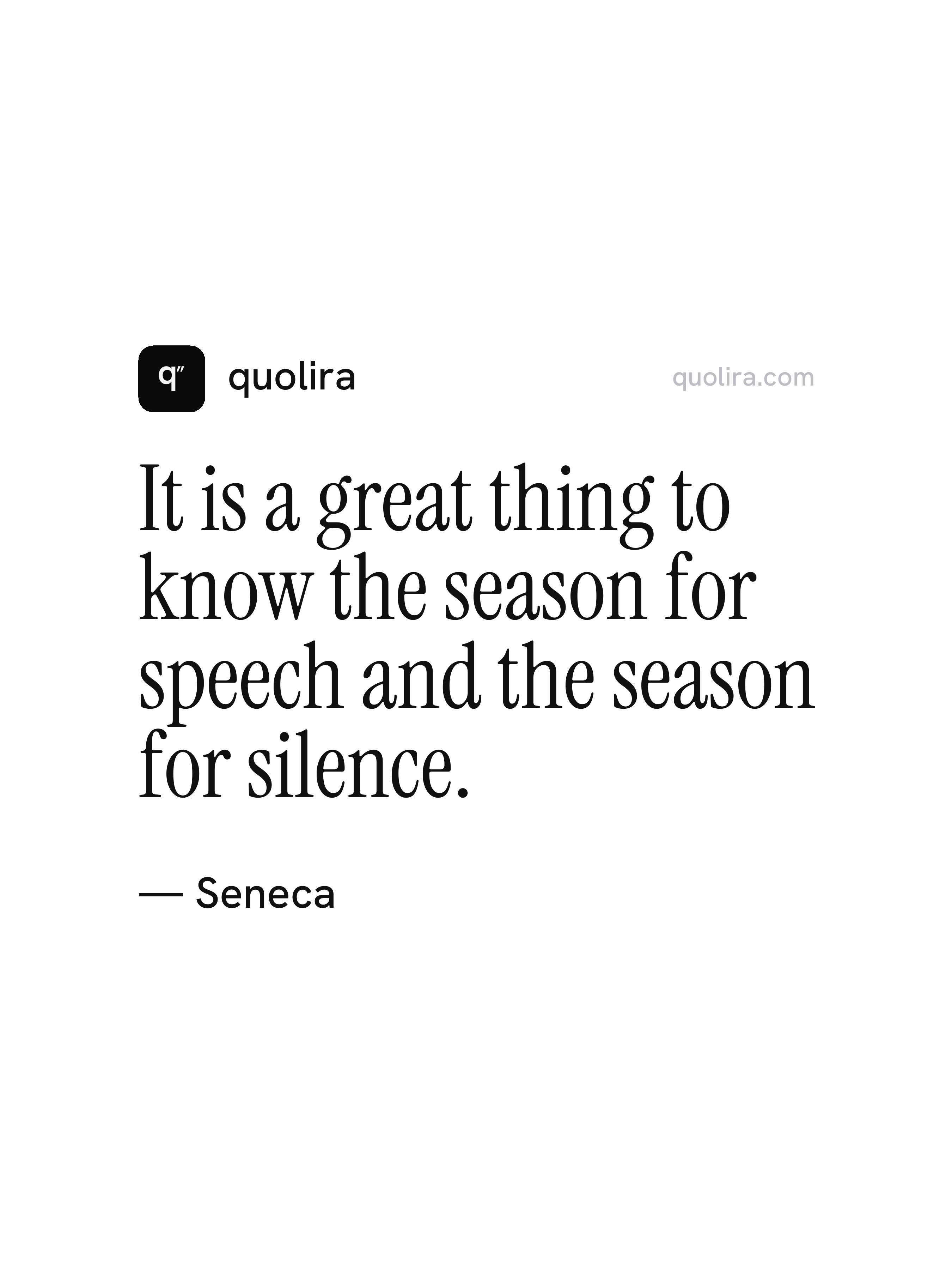
“It is a great thing to know the season for speech and the season for silence.”
Seneca · Moral essays
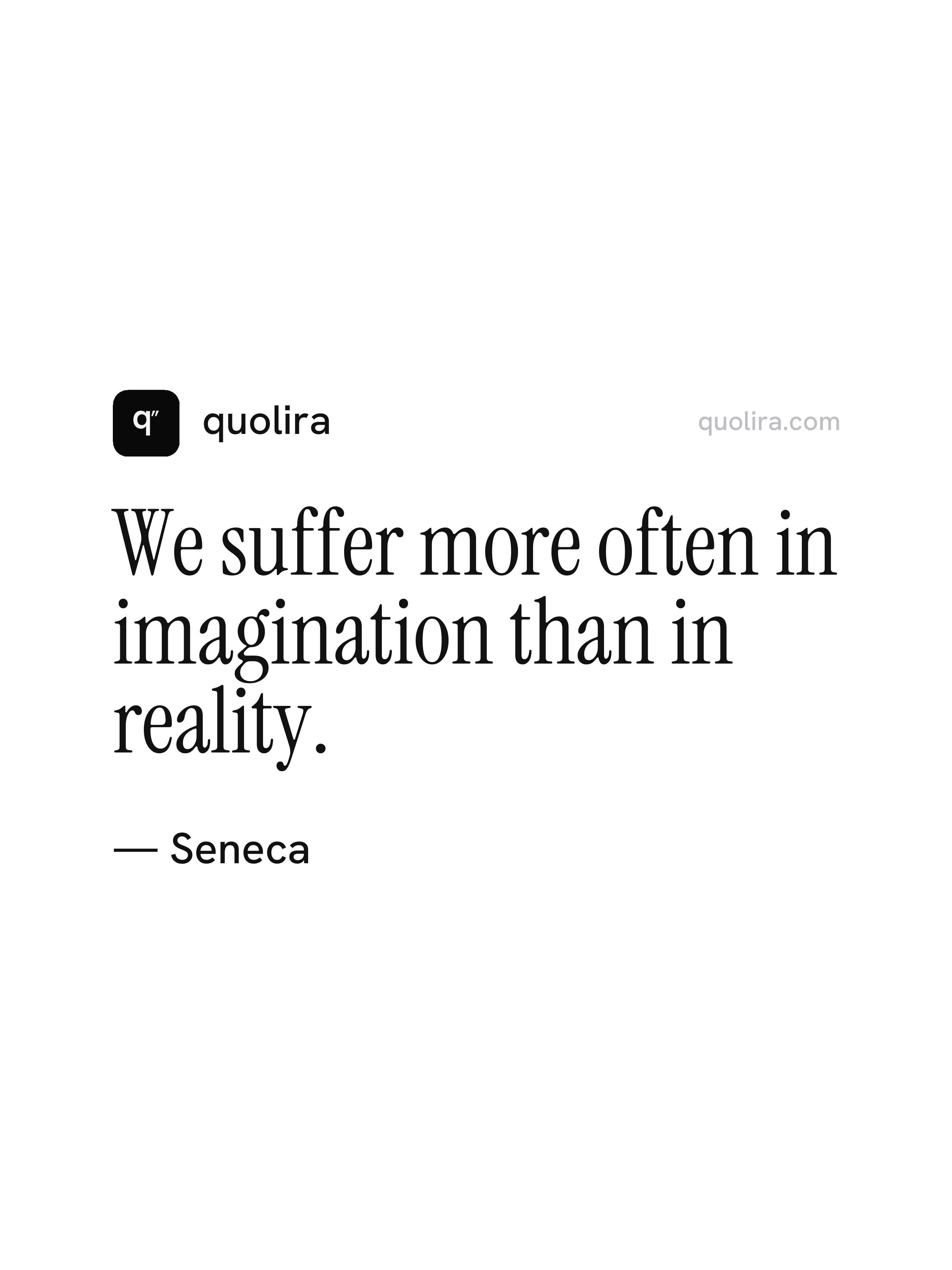
“We suffer more often in imagination than in reality.”
Seneca · Letters to Lucilius
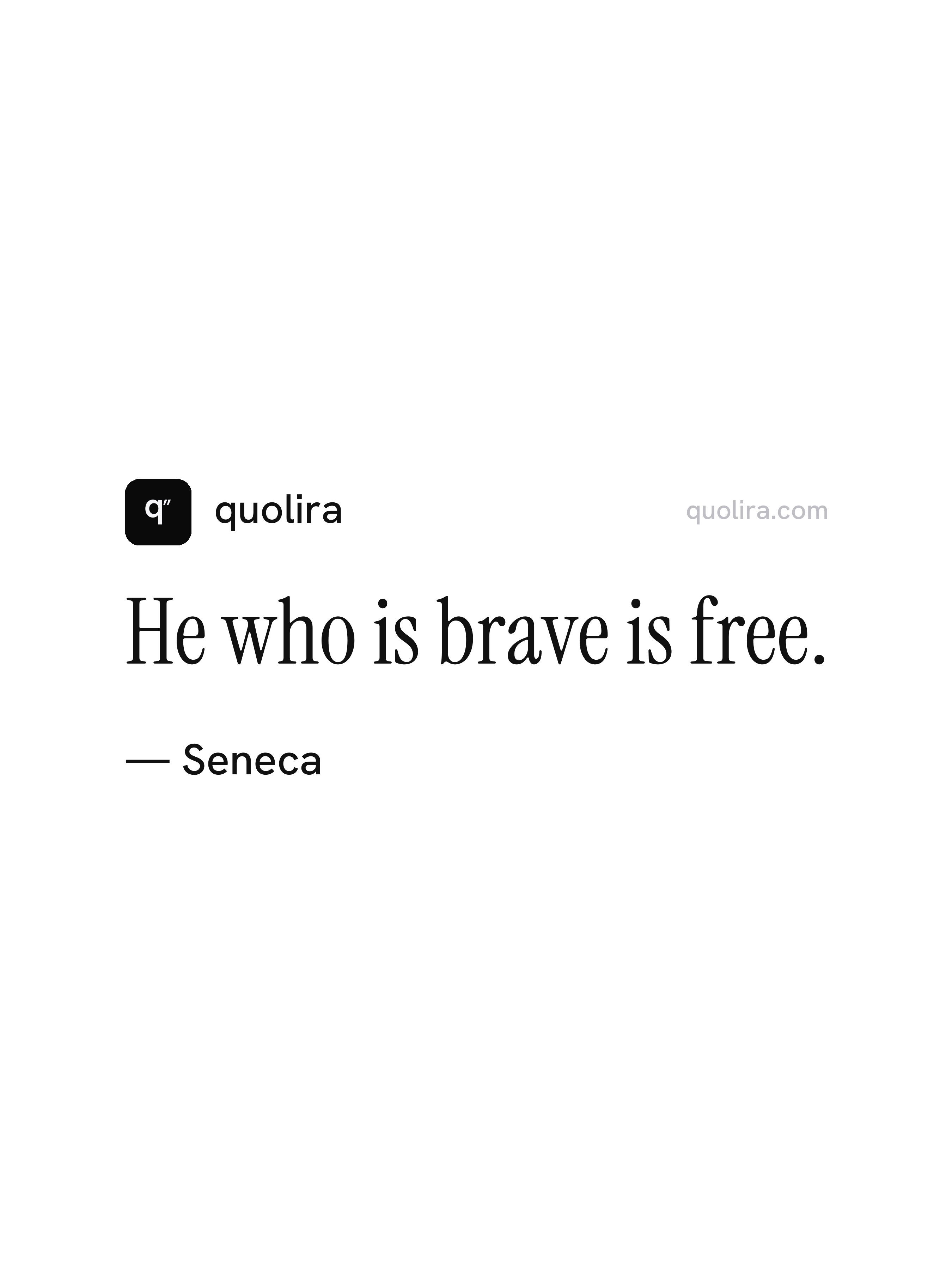
“He who is brave is free.”
Seneca · Letters to Lucilius
“Retire into yourself as much as you can. Associate with those who will make a better man of you.”
Seneca · Letters to Lucilius, Letter 7
“It is not the man who has too little, but the man who craves more, that is poor.”
Seneca · Letters to Lucilius, Letter 2
“Begin at once to live, and count each separate day as a separate life.”
Seneca · Letters to Lucilius