“A gem cannot be polished without friction, nor a man perfected without trials.”
Seneca · Attributed, moral essays
 quolira
.com
quolira
quolira.com
Seneca is confronting a tendency that many people share: postponing real living while waiting for the future to become clearer or more certain. His argument is that because the future is never guaranteed, clinging to it as a reason to delay action or enjoyment is a mistake. The instruction to live immediately is a call to engage fully with the present moment rather than treating it as a stepping stone to some better time that may never arrive.
This line appears in On the Shortness of Life, Seneca's essay on time and how people tend to misuse it. The work as a whole argues that life feels short largely because so much of it is spent waiting, planning for distant outcomes, or serving other people's agendas rather than attending to one's own. The particular emphasis on uncertainty reflects a core Stoic idea: the future cannot be relied upon, so the only place genuine life can occur is now. This idea ran through much of ancient Stoic thought and is a recurring theme in Seneca's writing.
Lucius Annaeus Seneca was a first-century Roman Stoic philosopher, dramatist, and public figure. He is remembered for the accessibility and urgency of his prose, which addressed practical questions about how to live wisely rather than dwelling in abstract theory. On the Shortness of Life is among his most enduring works and continues to be widely read and recommended across very different cultures and eras.
“A gem cannot be polished without friction, nor a man perfected without trials.”
Seneca · Attributed, moral essays
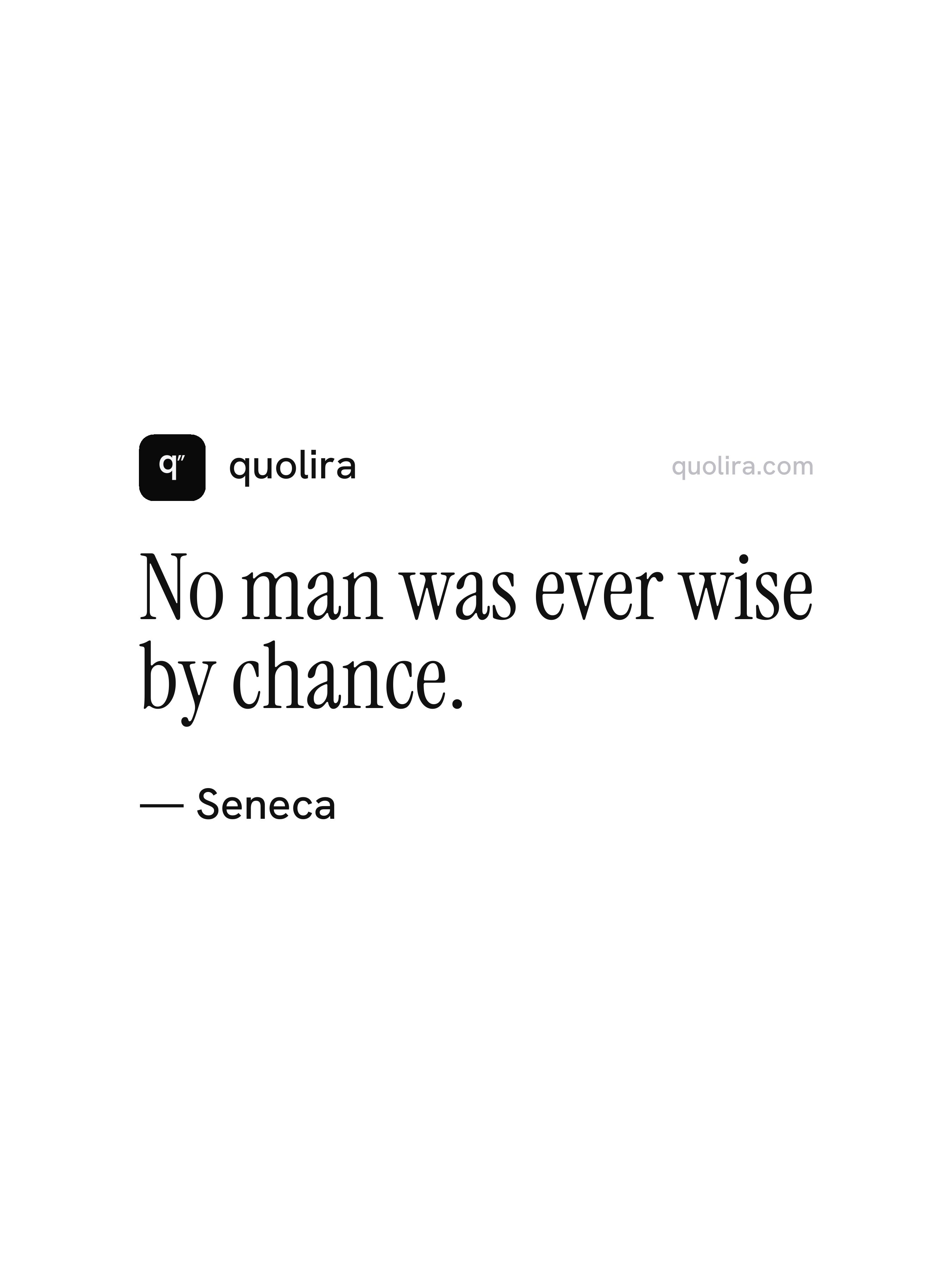
“No man was ever wise by chance.”
Seneca · Letters to Lucilius, Letter 76
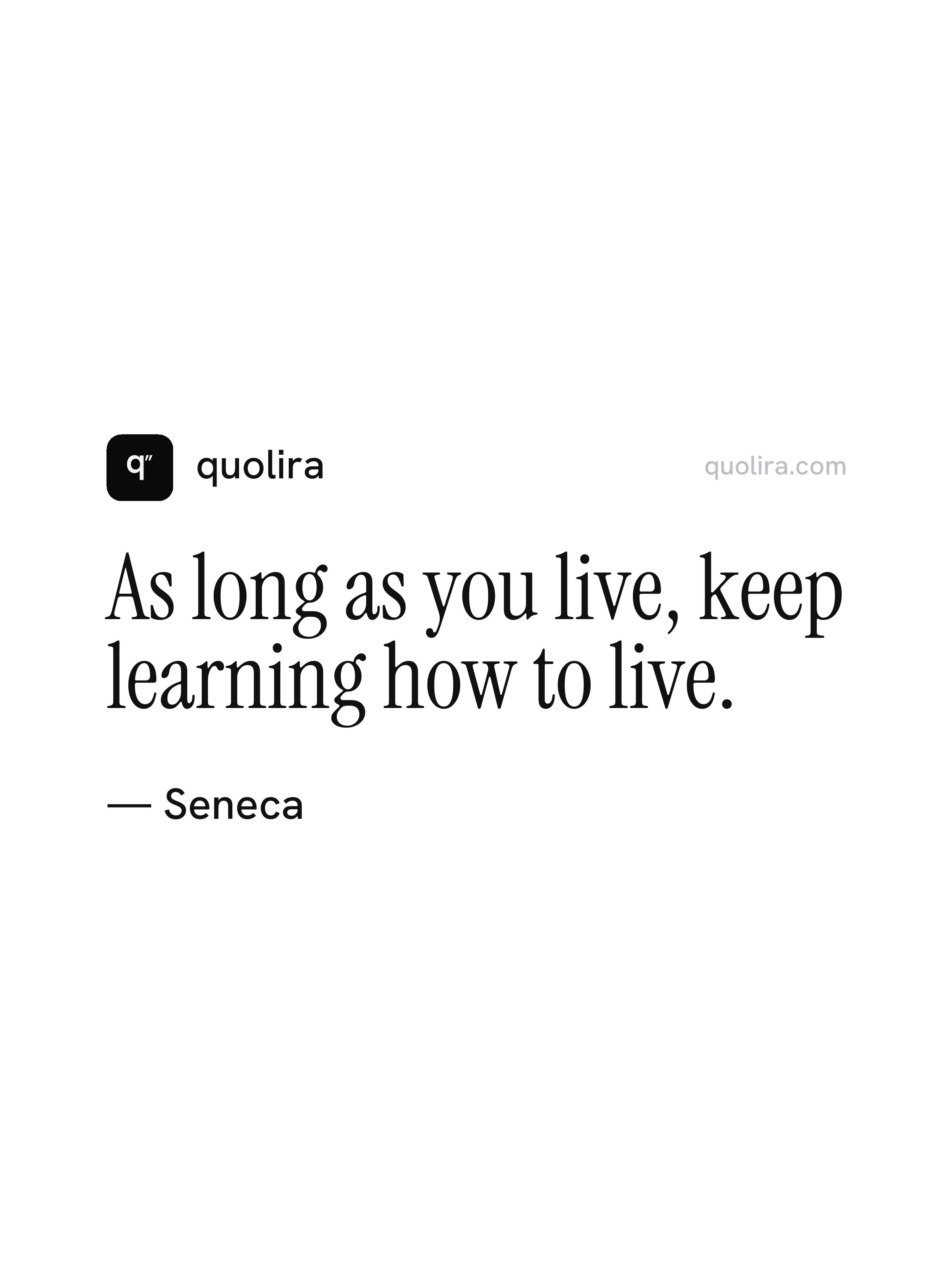
“As long as you live, keep learning how to live.”
Seneca · On the Shortness of Life
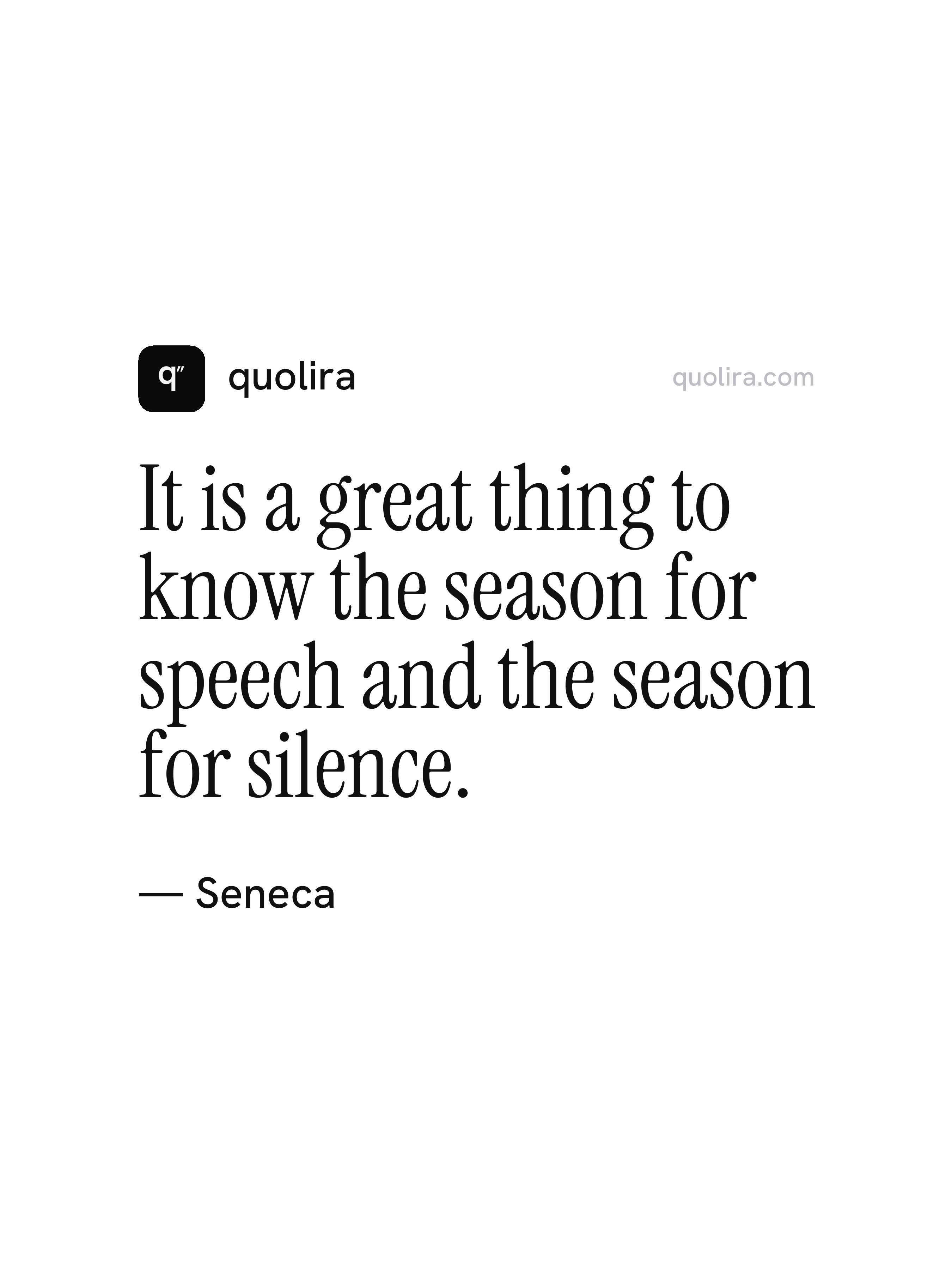
“It is a great thing to know the season for speech and the season for silence.”
Seneca · Moral essays
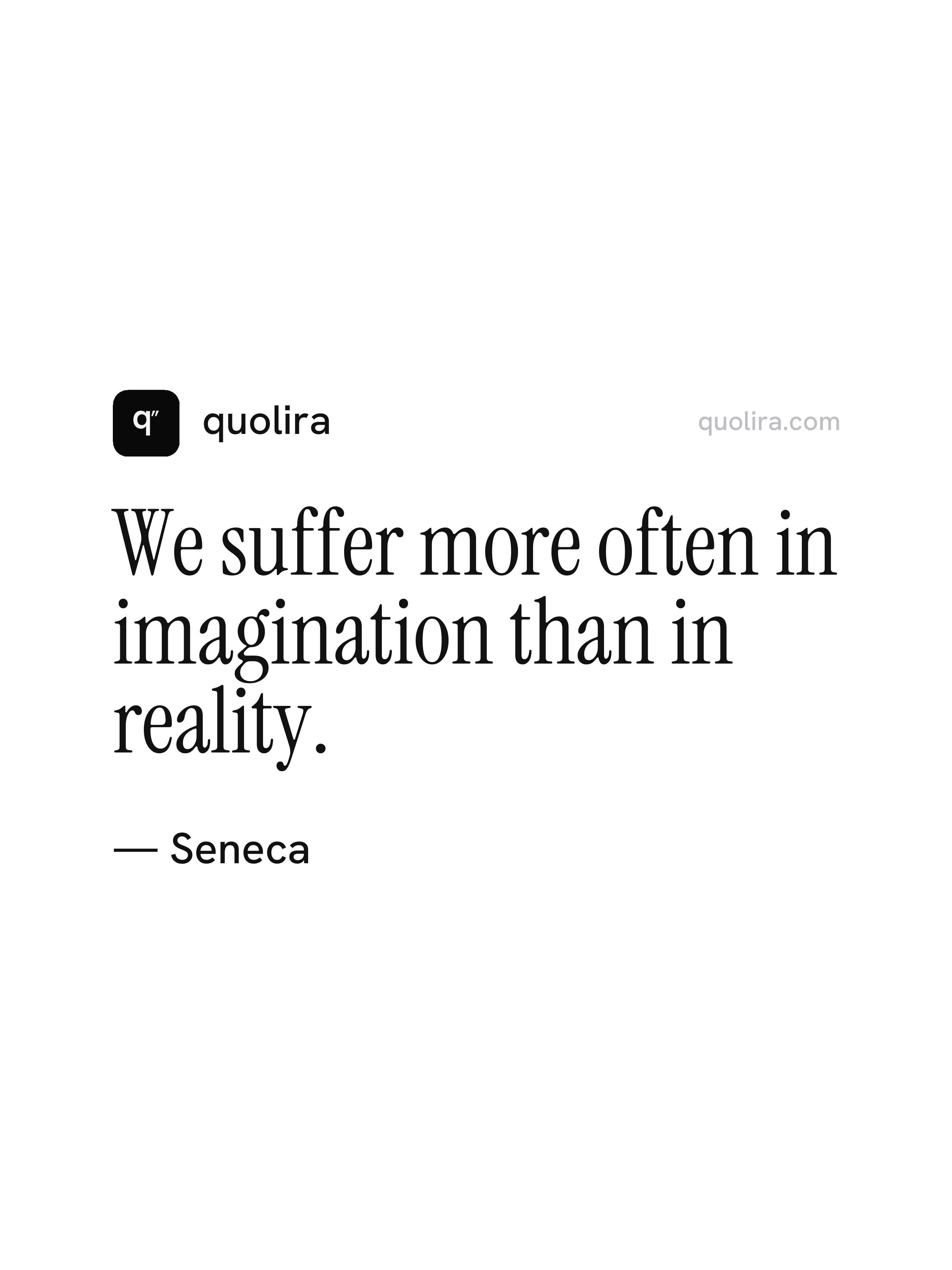
“We suffer more often in imagination than in reality.”
Seneca · Letters to Lucilius
“He who is brave is free.”
Seneca · Letters to Lucilius
“Retire into yourself as much as you can. Associate with those who will make a better man of you.”
Seneca · Letters to Lucilius, Letter 7
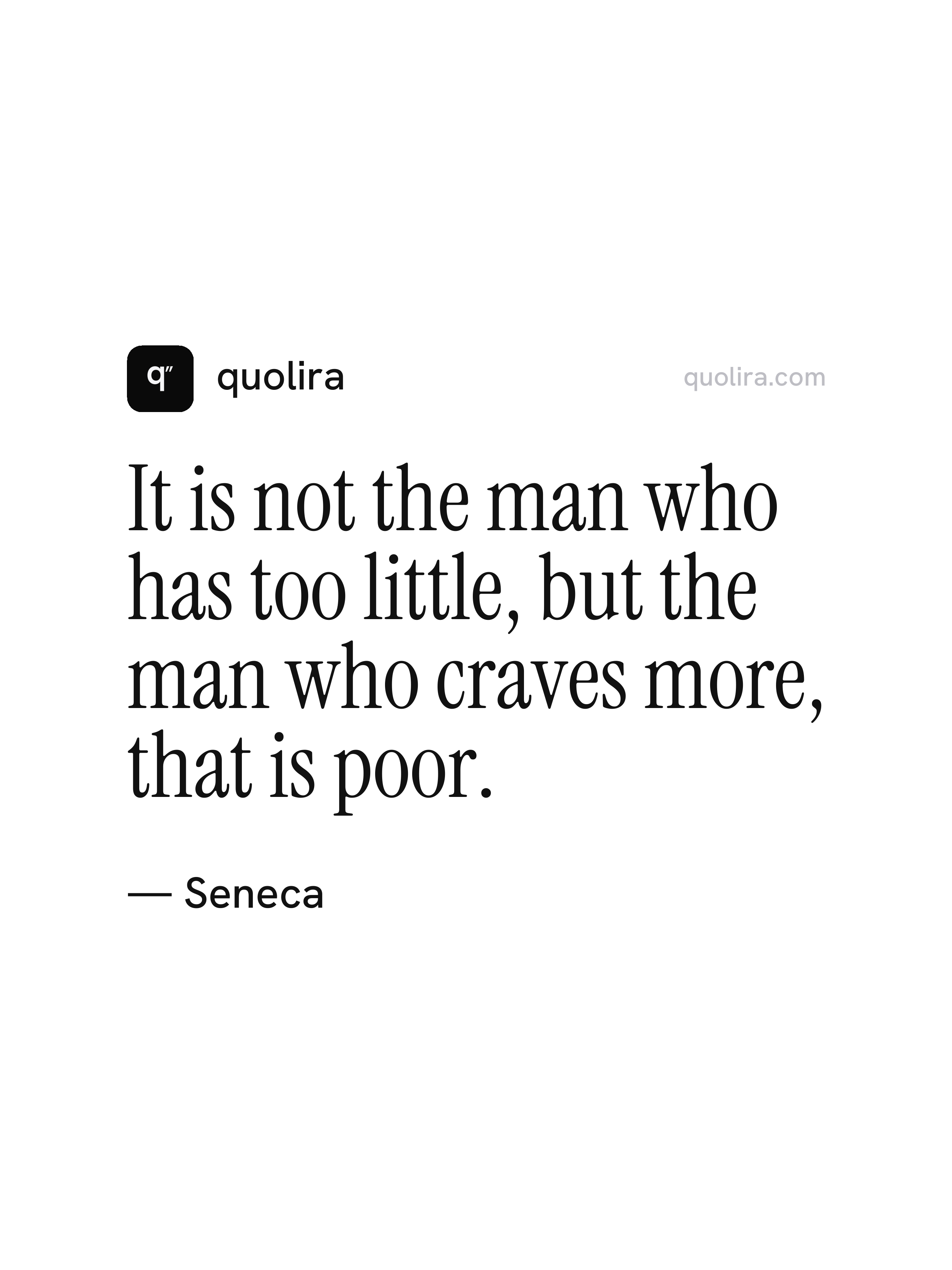
“It is not the man who has too little, but the man who craves more, that is poor.”
Seneca · Letters to Lucilius, Letter 2
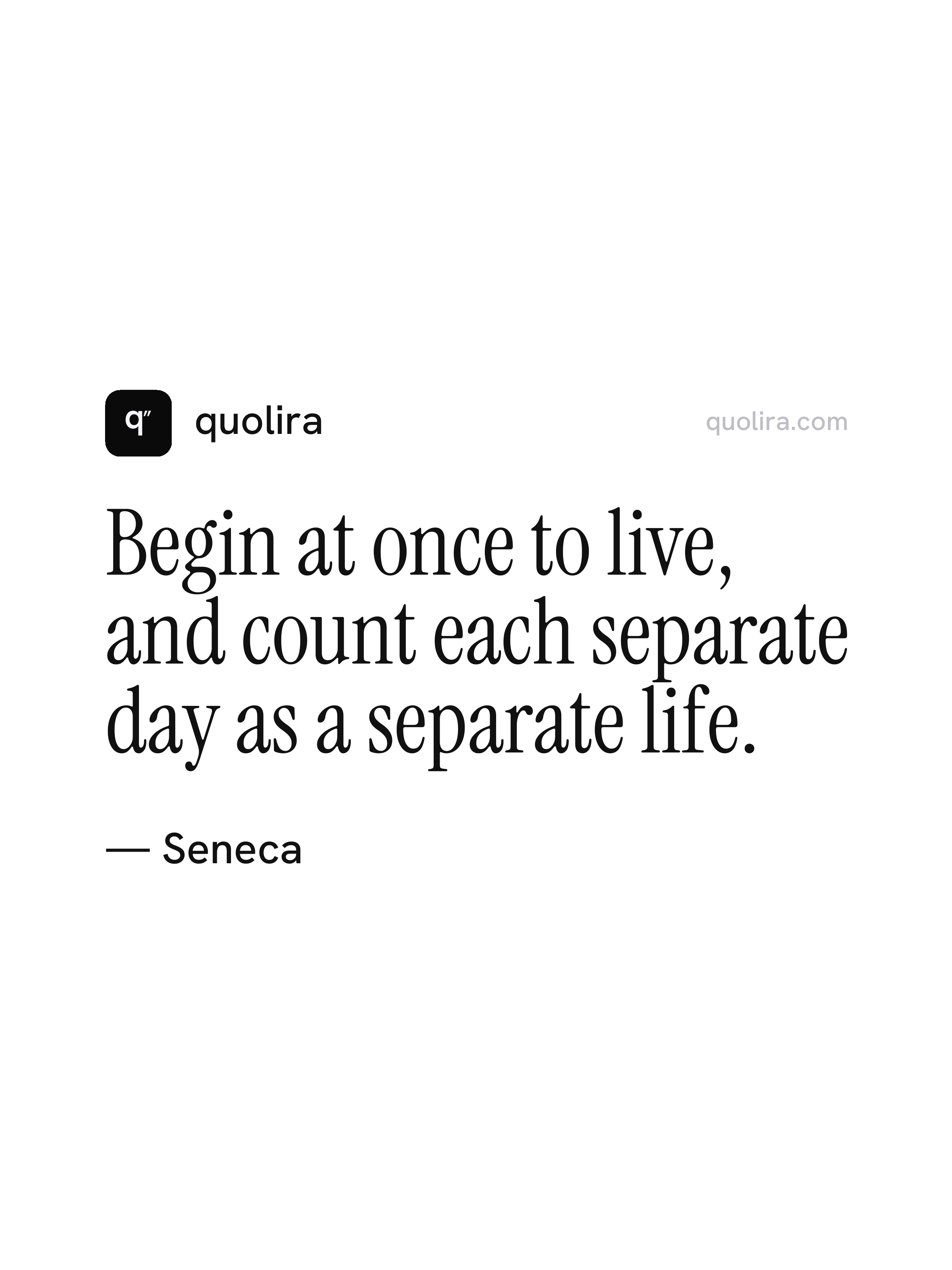
“Begin at once to live, and count each separate day as a separate life.”
Seneca · Letters to Lucilius
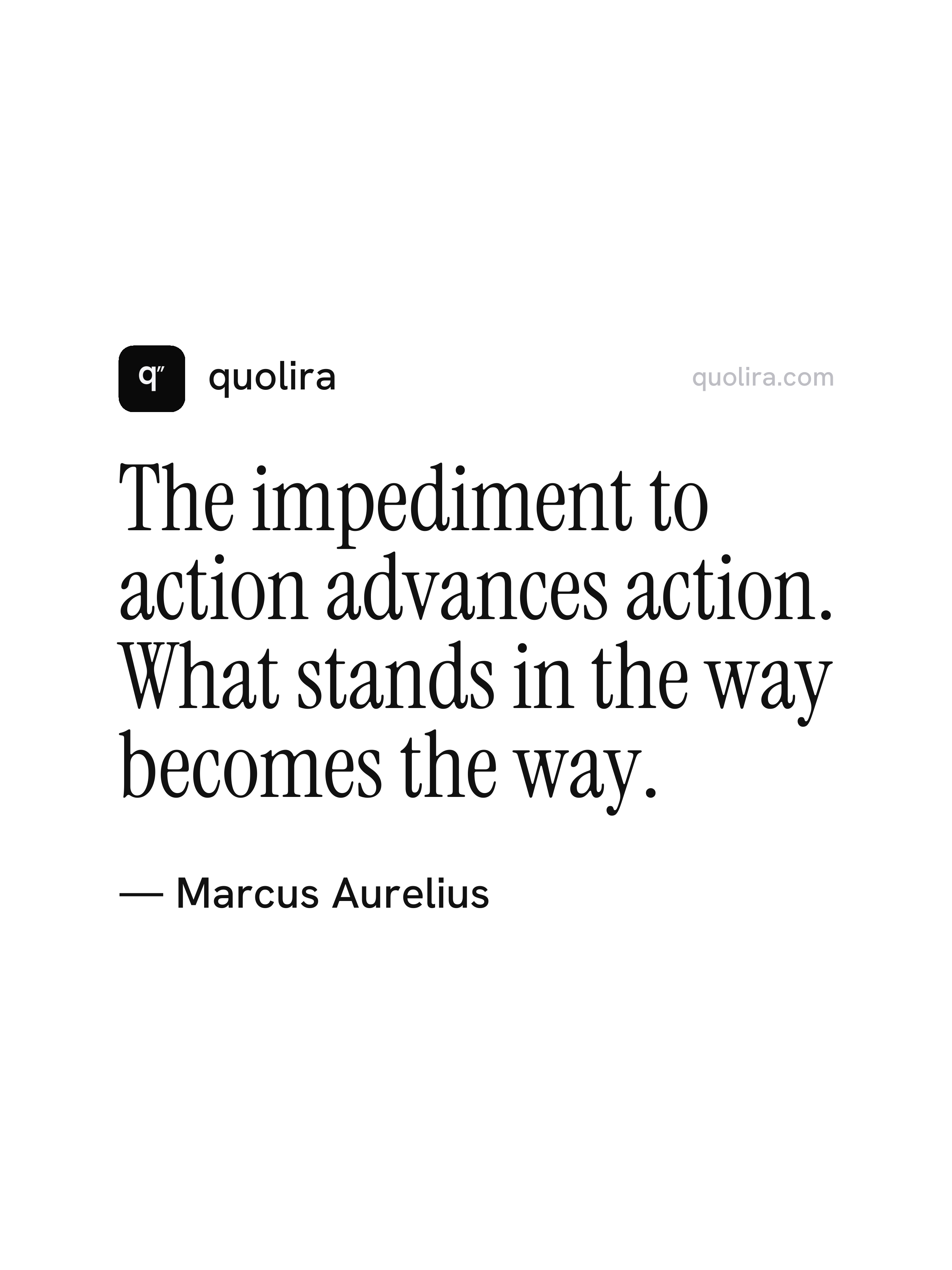
“The impediment to action advances action. What stands in the way becomes the way.”
Marcus Aurelius · Meditations
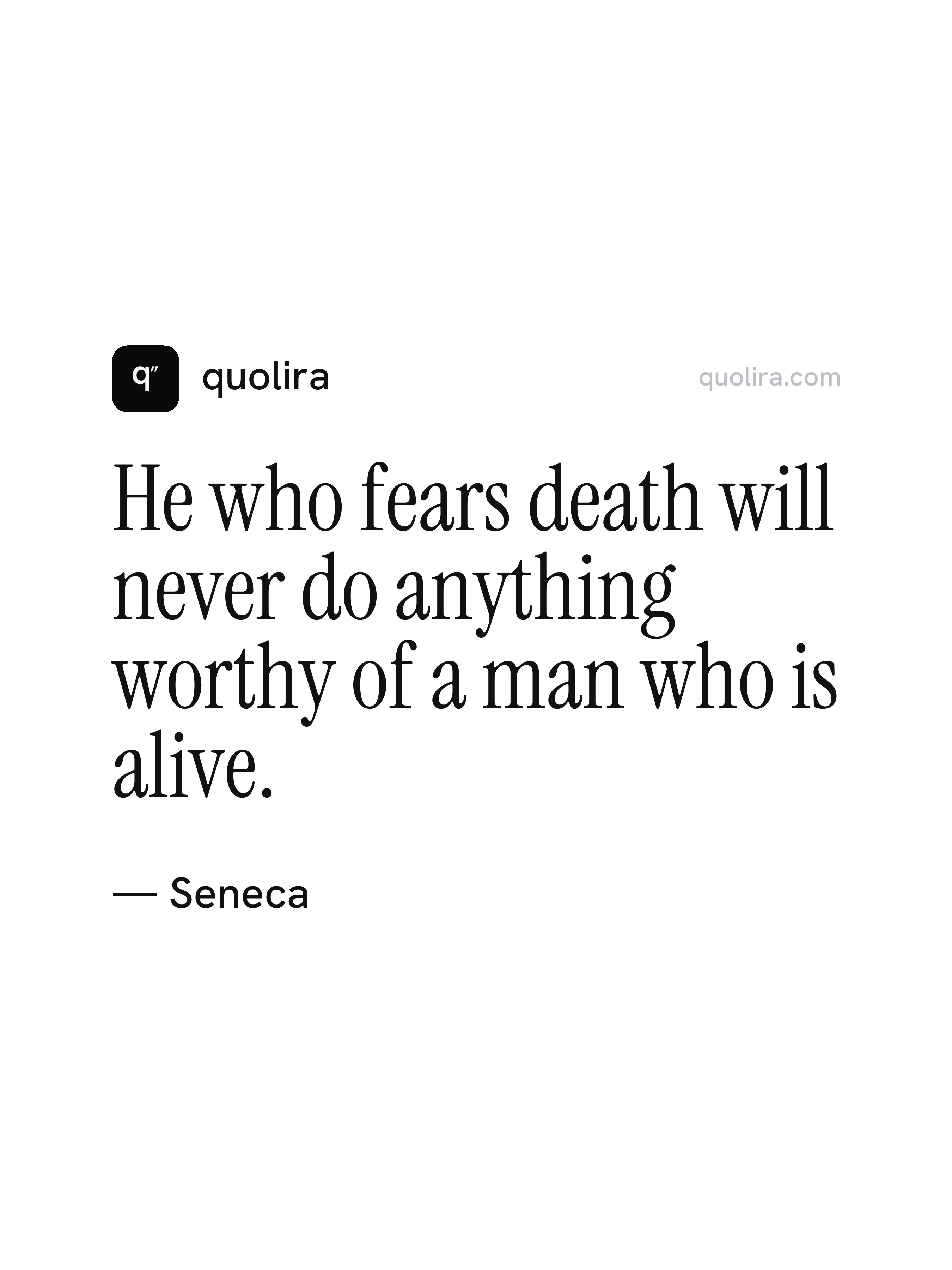
“He who fears death will never do anything worthy of a man who is alive.”
Seneca · Letters to Lucilius
“Let each thing you would do, say, or intend, be like that of a dying person.”
Marcus Aurelius · Meditations