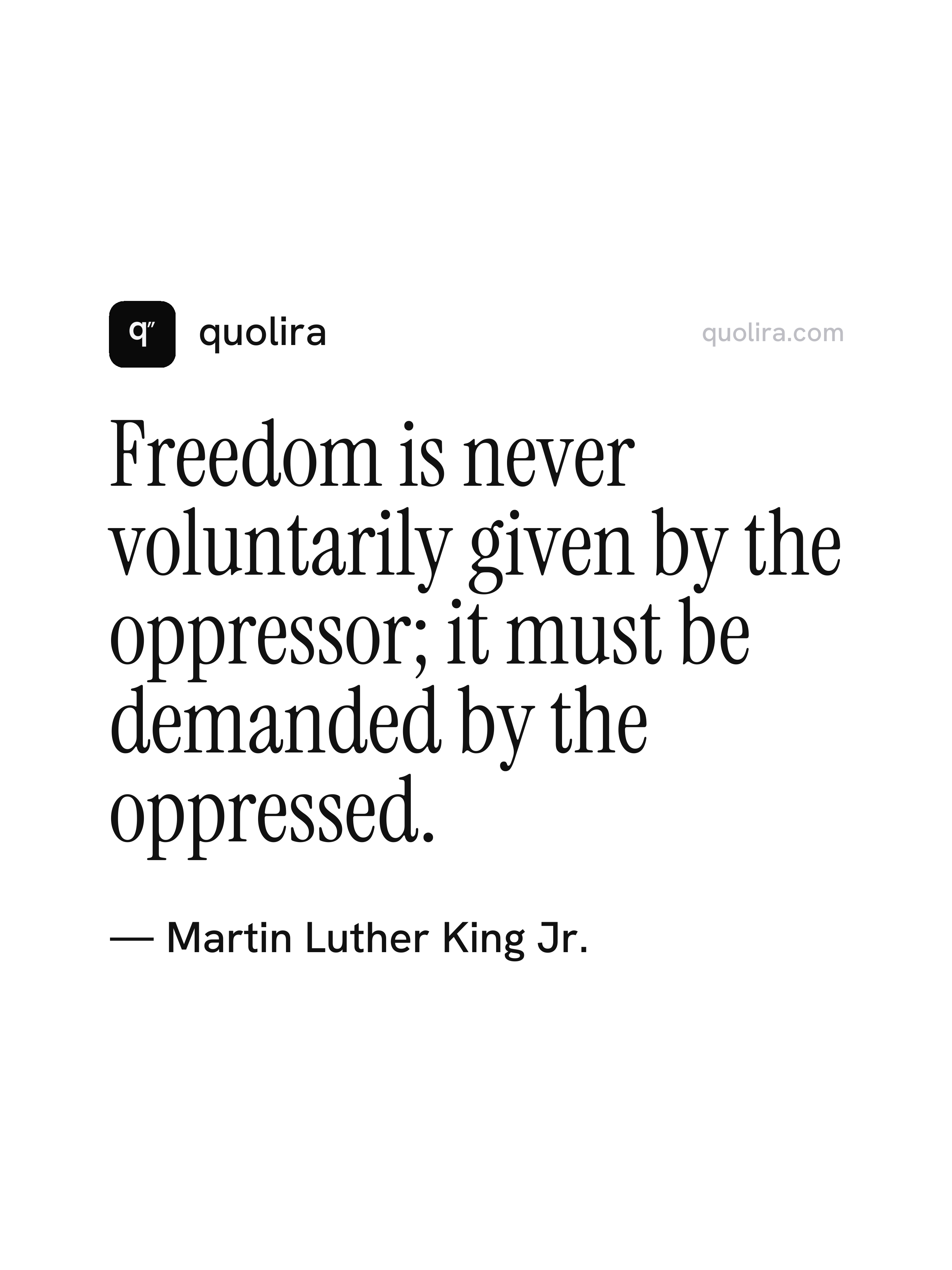
“Freedom is never voluntarily given by the oppressor; it must be demanded by the oppressed.”
Martin Luther King Jr. · Letter from Birmingham Jail, 1963
 quolira
.com
quolira
quolira.com
This phrase asserts that certain foundational truths about human beings do not need to be proved through argument or experiment because they are plain to any reasonable person. Chief among those truths is that every person is born with the same fundamental worth and the same basic rights. Jefferson is not describing how society already works but declaring how it ought to work, setting a moral standard that the new nation was committing itself to meet.
These words open the second paragraph of the Declaration of Independence, adopted by the Continental Congress on July 4, 1776. The document was written to explain to the world why the thirteen American colonies were breaking away from British rule. Jefferson drew on Enlightenment ideas about natural rights, particularly the thinking that had developed across Europe in the preceding century. The phrase has since taken on a life far beyond its original political moment, becoming a touchstone for civil rights movements, legal arguments, and moral debates throughout American history and around the world.
Thomas Jefferson was an American statesman, philosopher, and writer who served as the primary drafter of the Declaration of Independence and as the third President of the United States. He was deeply shaped by Enlightenment thought and spent much of his life wrestling with questions of liberty, equality, and self-governance. His words have proved enduring, continuing to inspire debate and aspiration centuries after they were written.
“Freedom is never voluntarily given by the oppressor; it must be demanded by the oppressed.”
Martin Luther King Jr. · Letter from Birmingham Jail, 1963
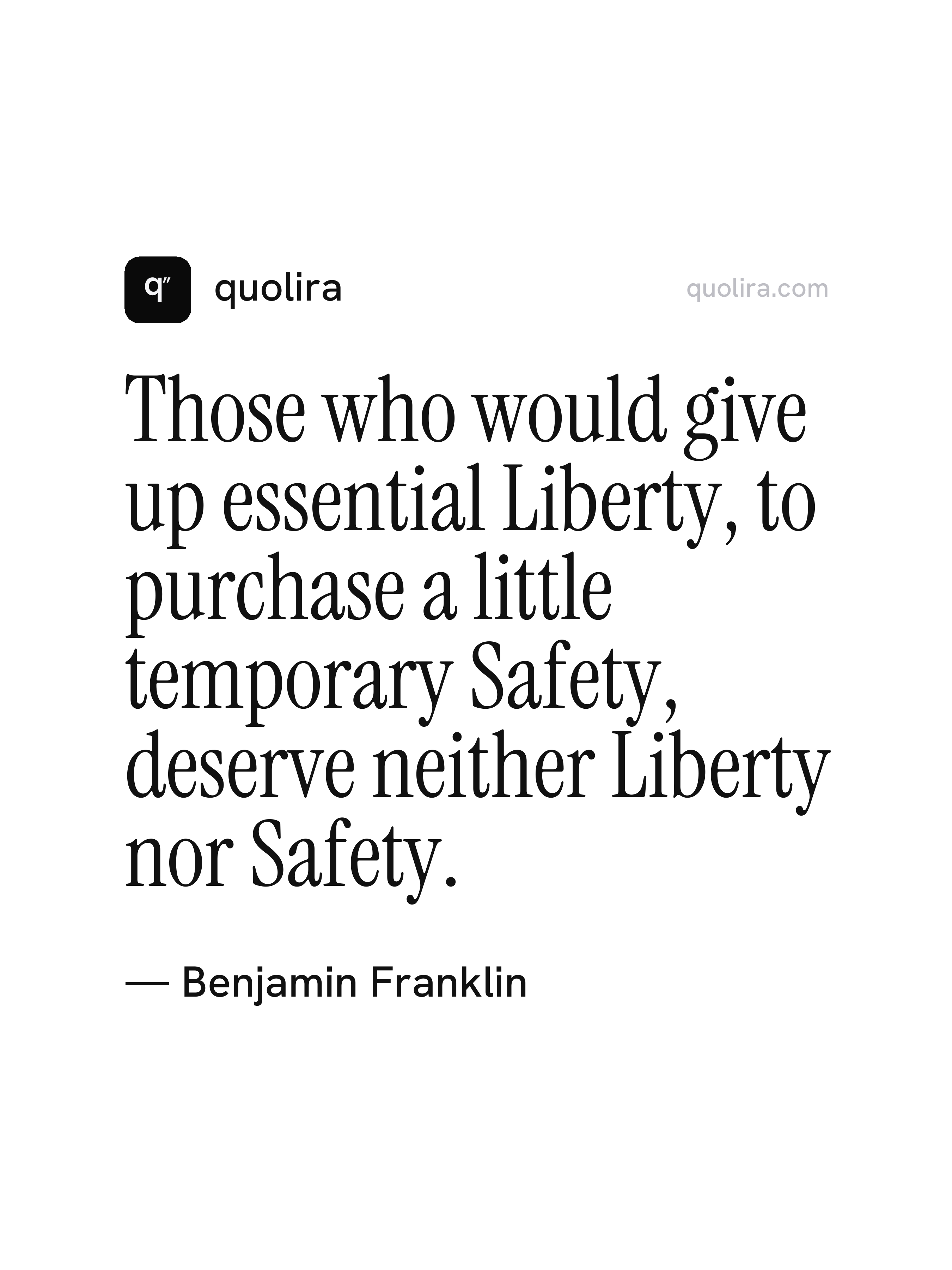
“Those who would give up essential Liberty, to purchase a little temporary Safety, deserve neither Liberty nor Safety.”
Benjamin Franklin · 1755
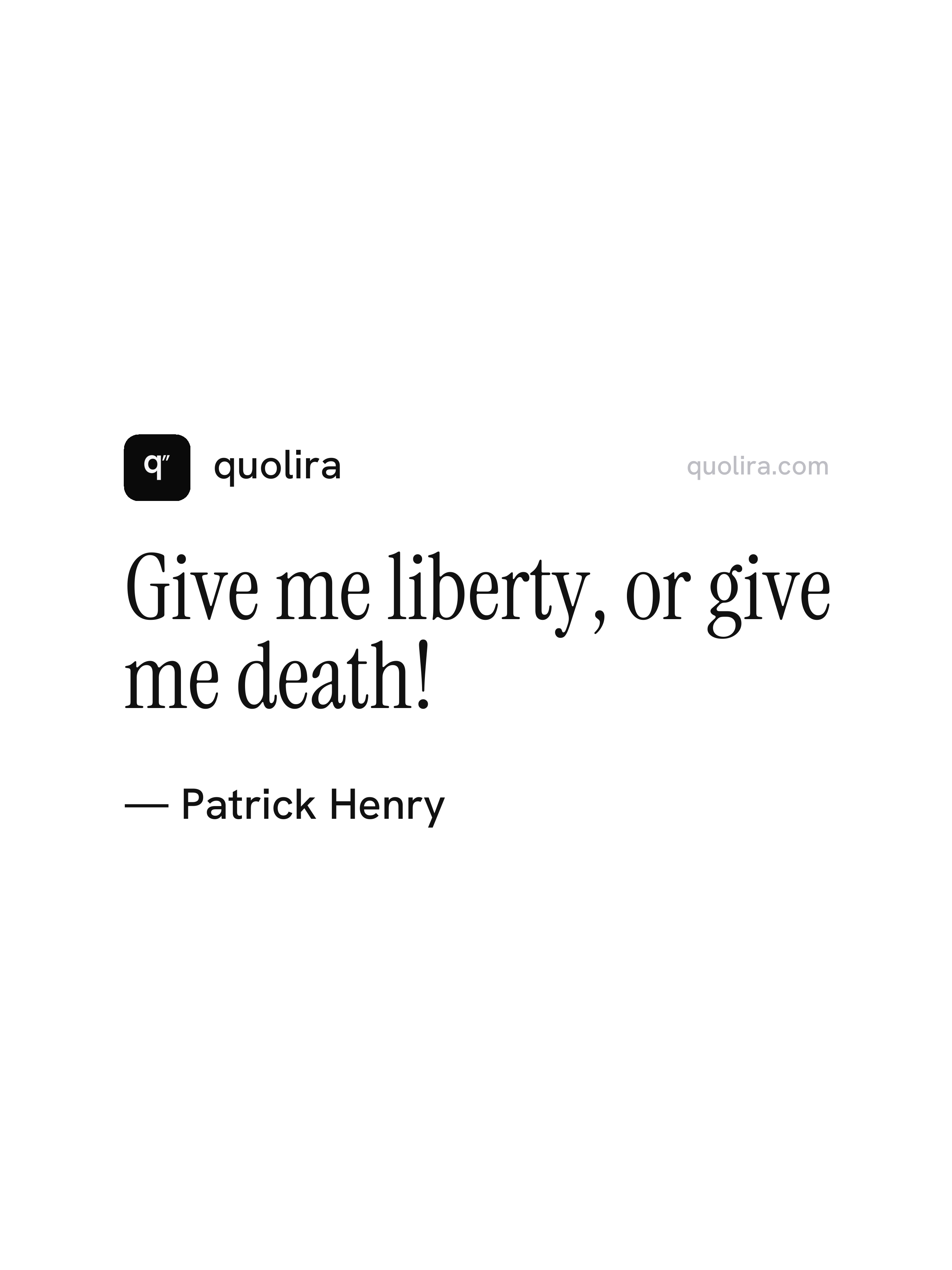
“Give me liberty, or give me death!”
Patrick Henry · Speech to the Virginia Convention, 1775
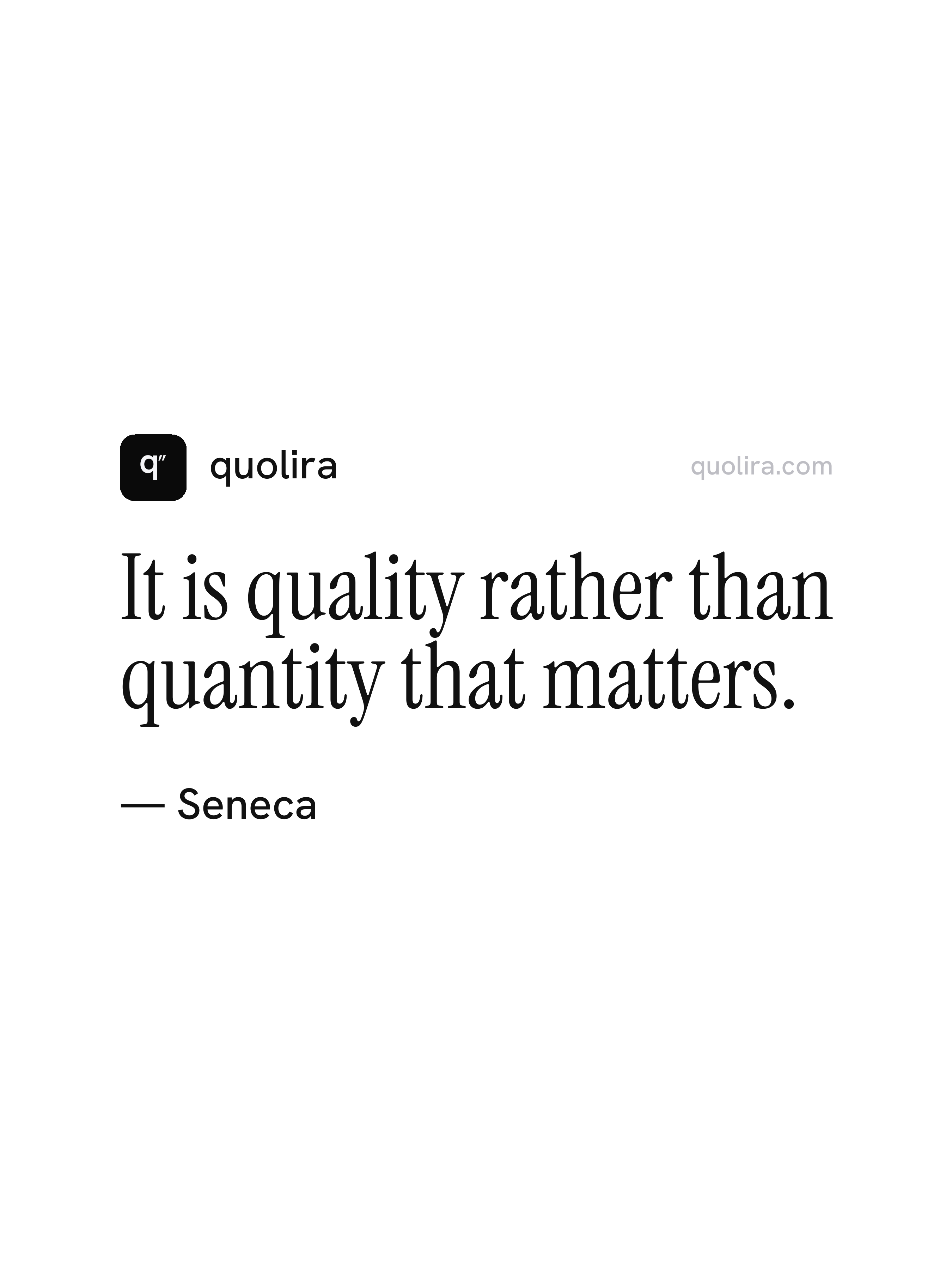
“It is quality rather than quantity that matters.”
Seneca · Letters to Lucilius, Letter 45
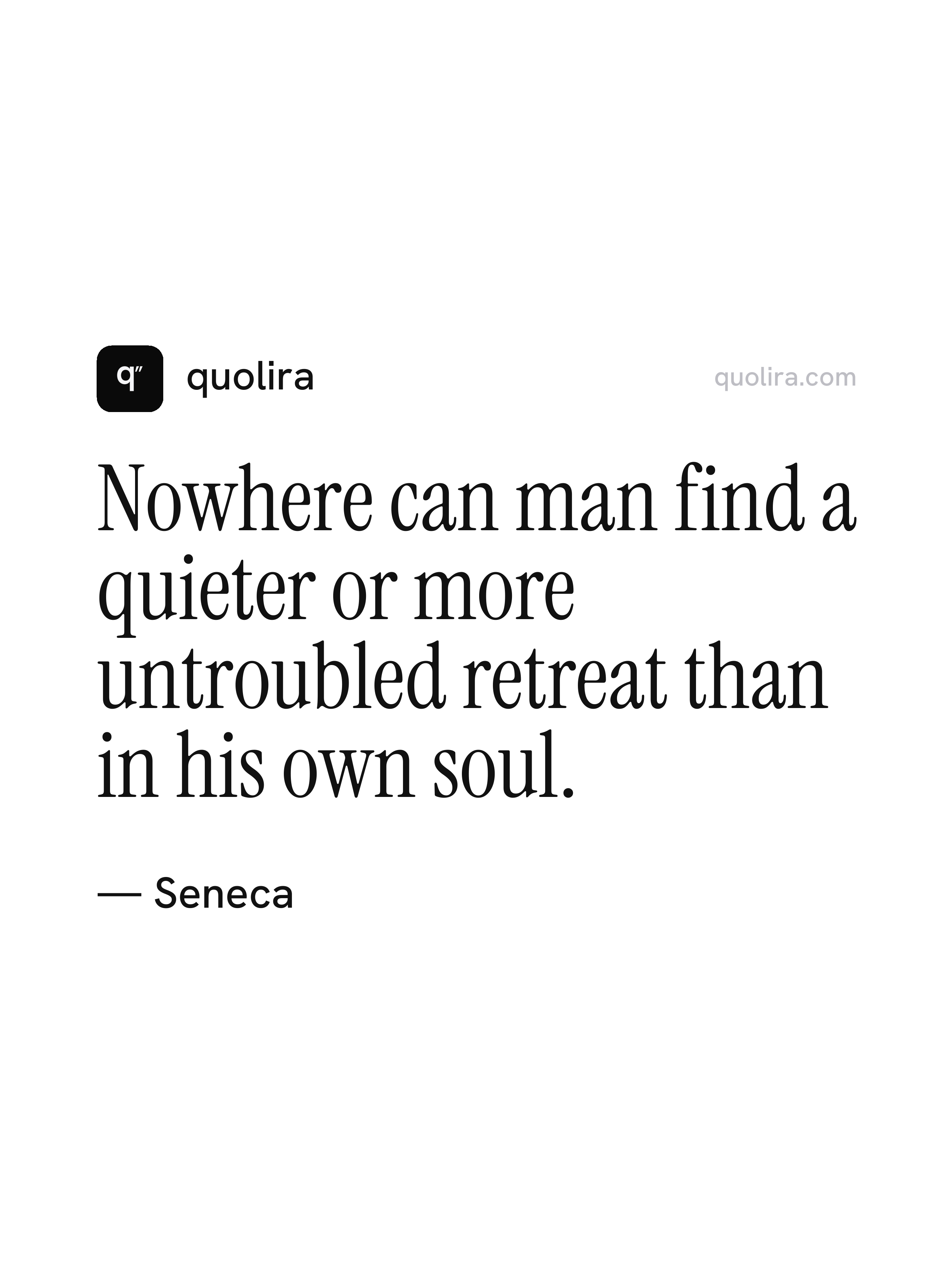
“Nowhere can man find a quieter or more untroubled retreat than in his own soul.”
Seneca · Attributed, moral writings
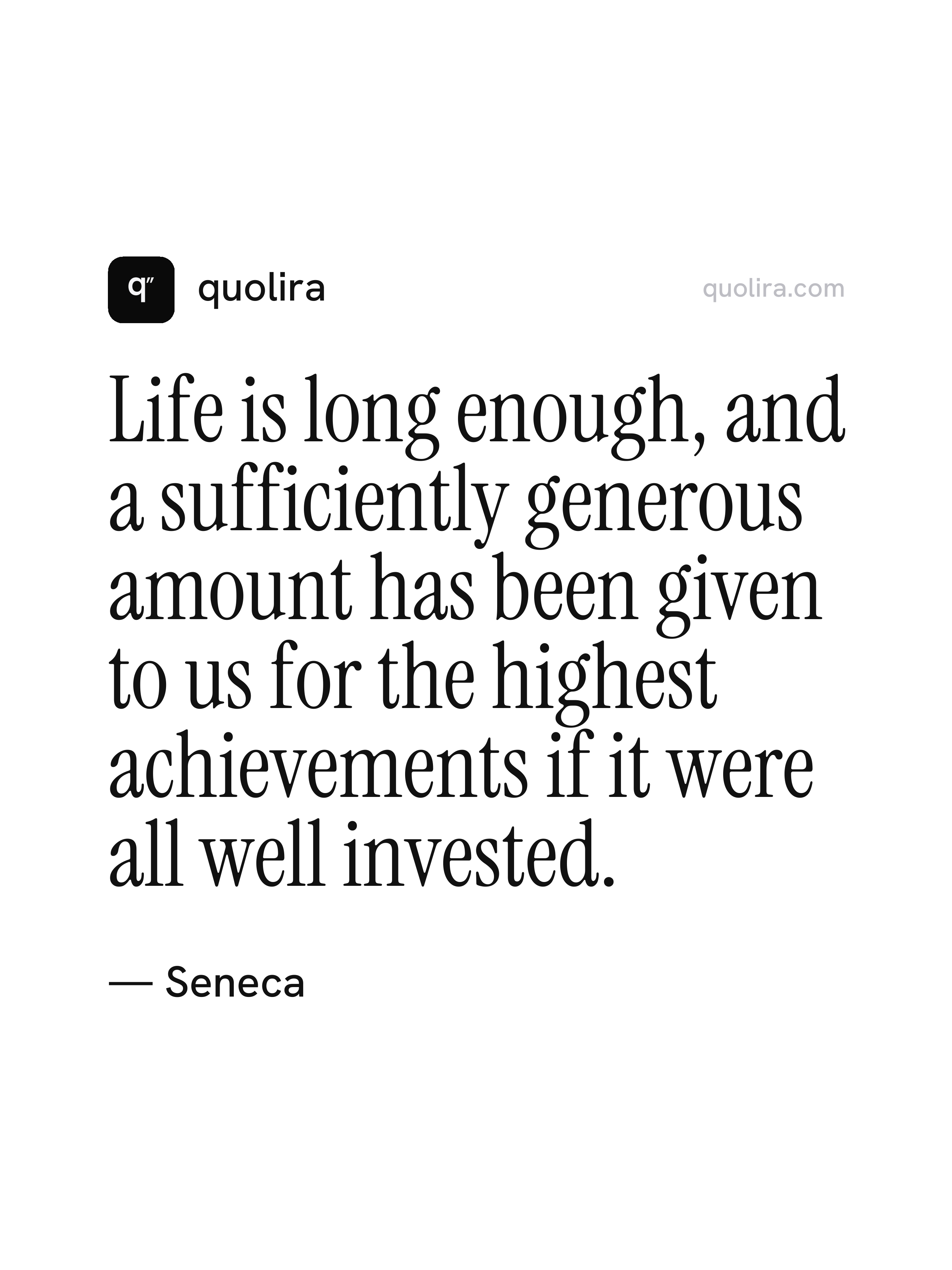
“Life is long enough, and a sufficiently generous amount has been given to us for the highest achievements if it were all well invested.”
Seneca · On the Shortness of Life
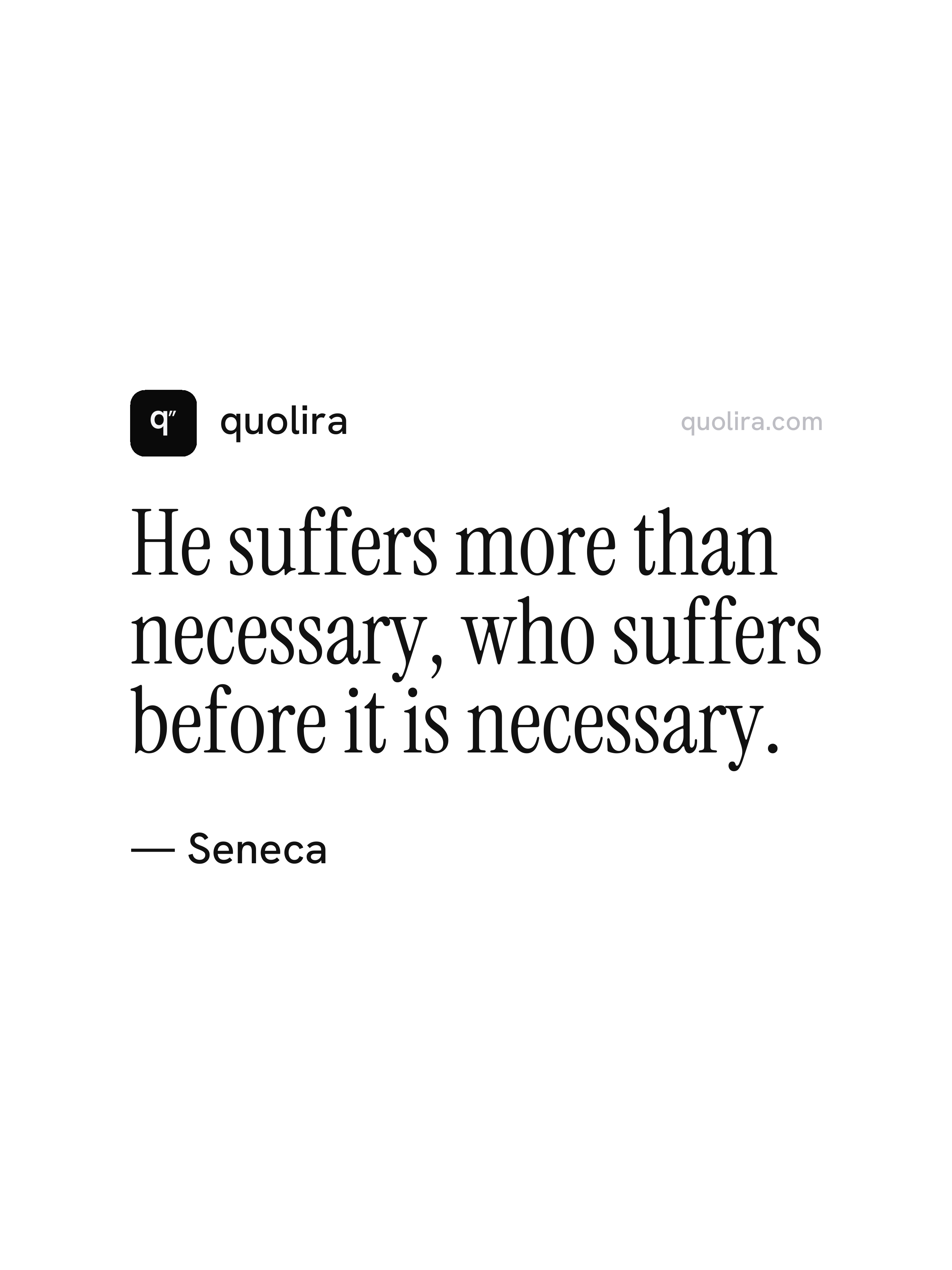
“He suffers more than necessary, who suffers before it is necessary.”
Seneca · Letters to Lucilius
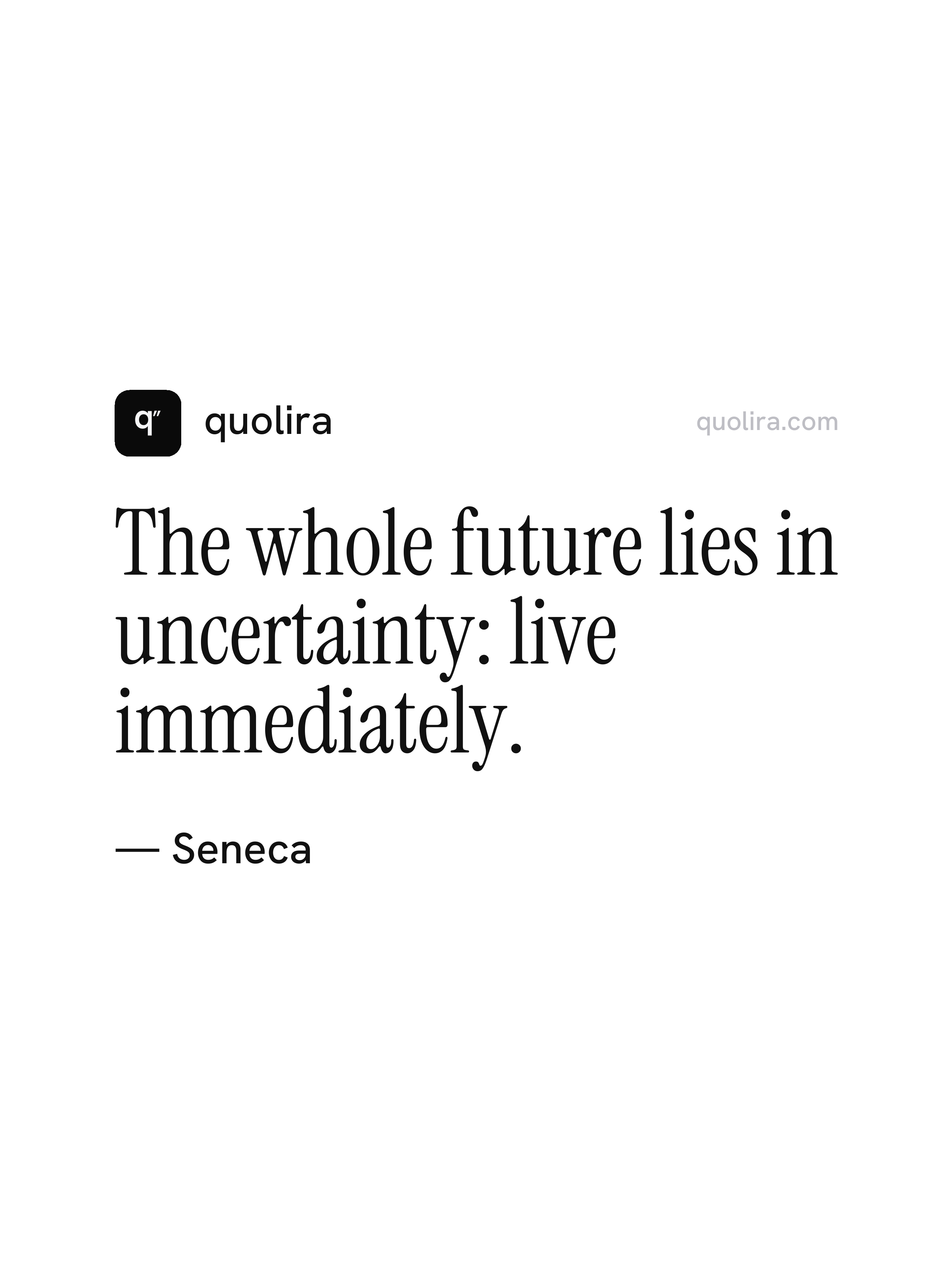
“The whole future lies in uncertainty: live immediately.”
Seneca · On the Shortness of Life
“A gem cannot be polished without friction, nor a man perfected without trials.”
Seneca · Attributed, moral essays
“No man was ever wise by chance.”
Seneca · Letters to Lucilius, Letter 76
“As long as you live, keep learning how to live.”
Seneca · On the Shortness of Life
“It is a great thing to know the season for speech and the season for silence.”
Seneca · Moral essays