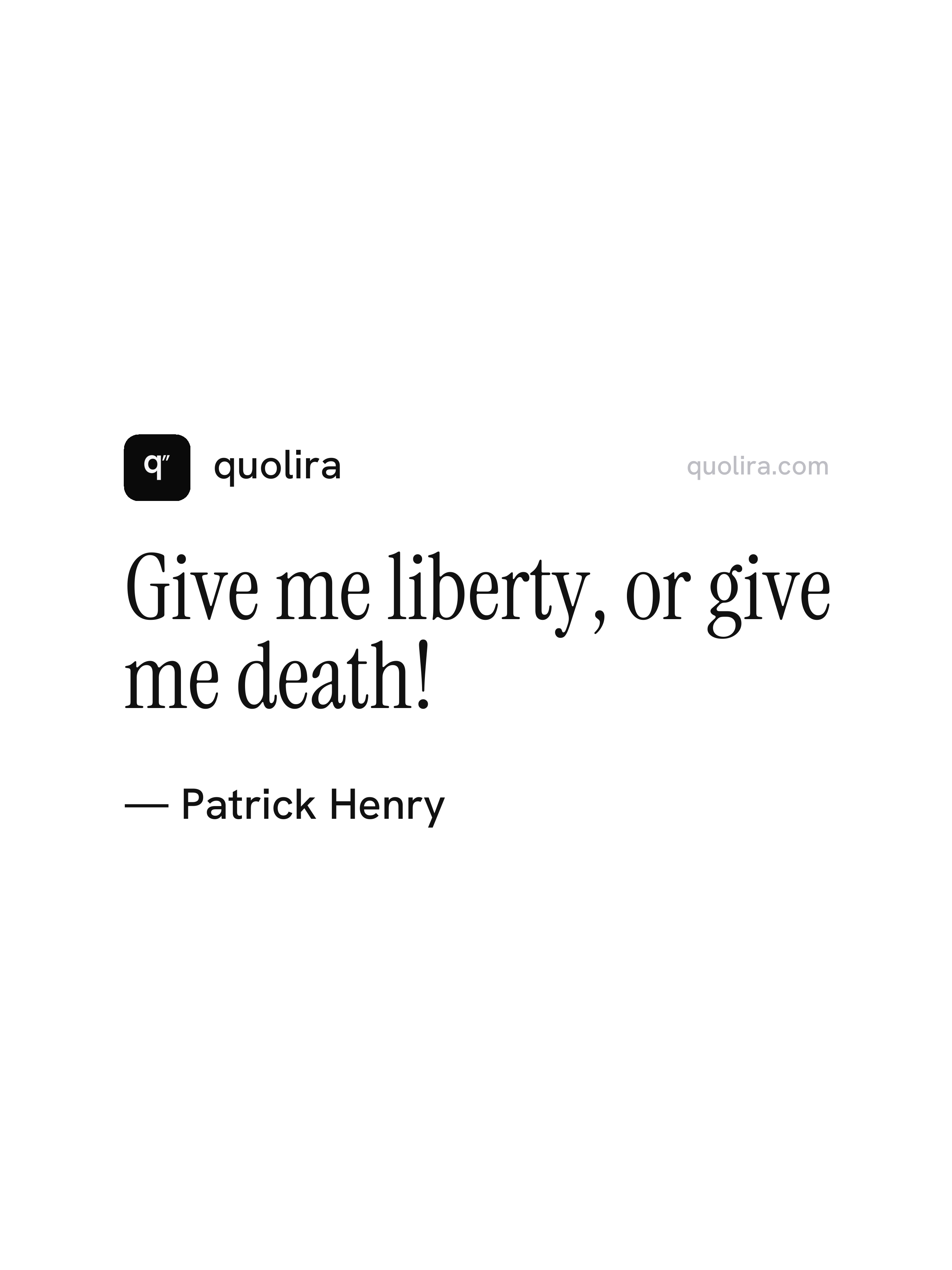
“Give me liberty, or give me death!”
Patrick Henry · Speech to the Virginia Convention, 1775
 quolira
.com
quolira
quolira.com
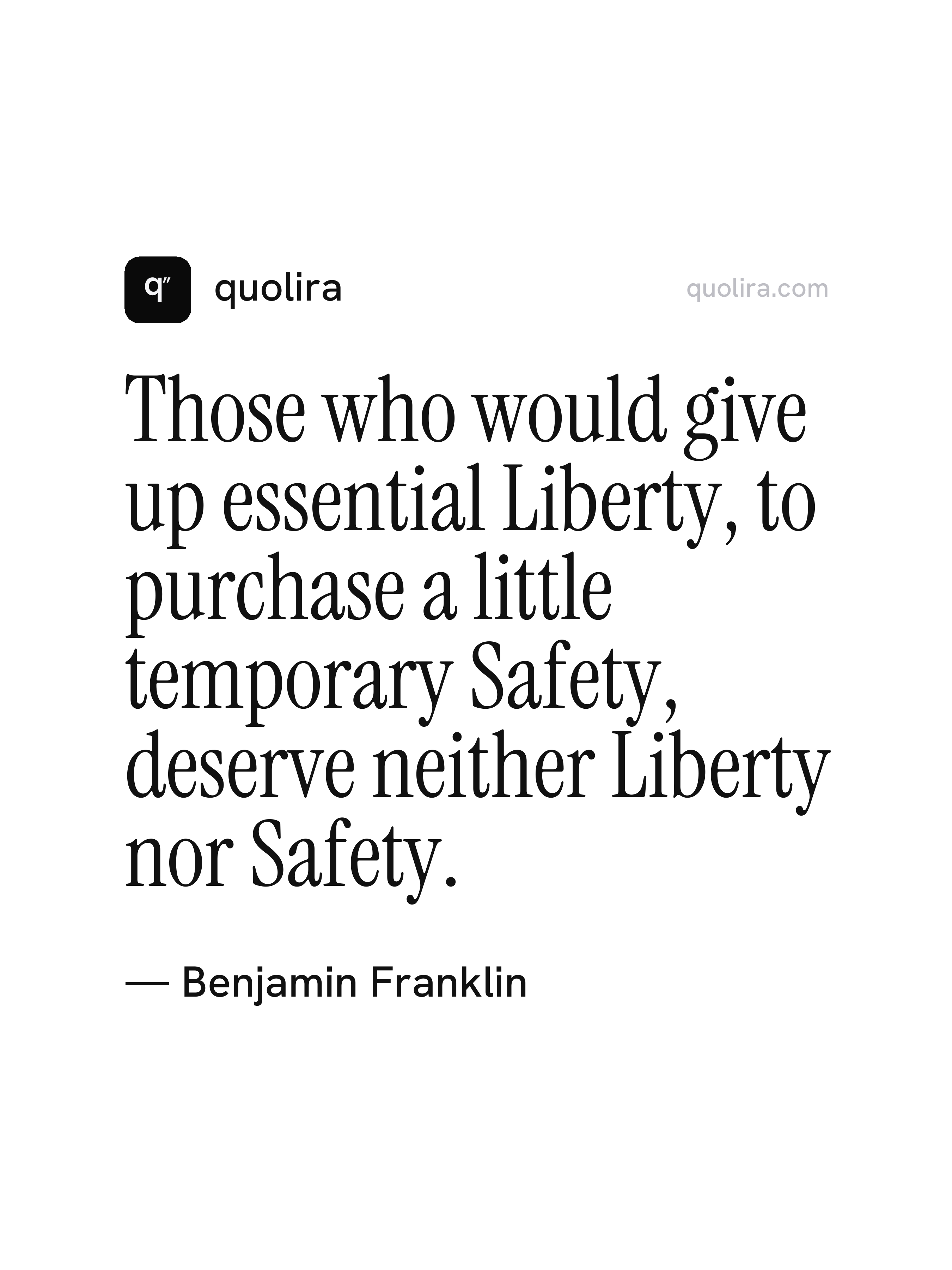
Franklin is drawing a sharp line between rights that are fundamental and protections that are merely practical. His argument is that a person who trades away core freedoms for the promise of short-term security ends up with neither: the safety turns out to be temporary, and the liberty, once given up, is gone. The statement is a warning against the political habit of using fear to justify the erosion of rights, and it asks people to think carefully about what they are actually exchanging when they accept such bargains.
Franklin wrote this line in 1755 in a message related to a dispute between the Pennsylvania Assembly and the colonial governor over taxation and the funding of frontier defense. The precise wording has been subject to some scholarly discussion about its original form and intended meaning in that specific legislative context. Over time the quote has been lifted from that narrow political setting and applied much more broadly, particularly in debates about civil liberties, national security, and the role of government during times of crisis. Its range of application has only grown since the eighteenth century.
Benjamin Franklin was an American statesman, writer, scientist, and diplomat who played a central role in the founding of the United States. He was one of the signers of both the Declaration of Independence and the Constitution, and he served as a diplomat in France during the Revolutionary War. Franklin was also celebrated during his lifetime for his scientific experiments and his practical writings, and he remains one of the most recognized figures of early American history.
“Give me liberty, or give me death!”
Patrick Henry · Speech to the Virginia Convention, 1775
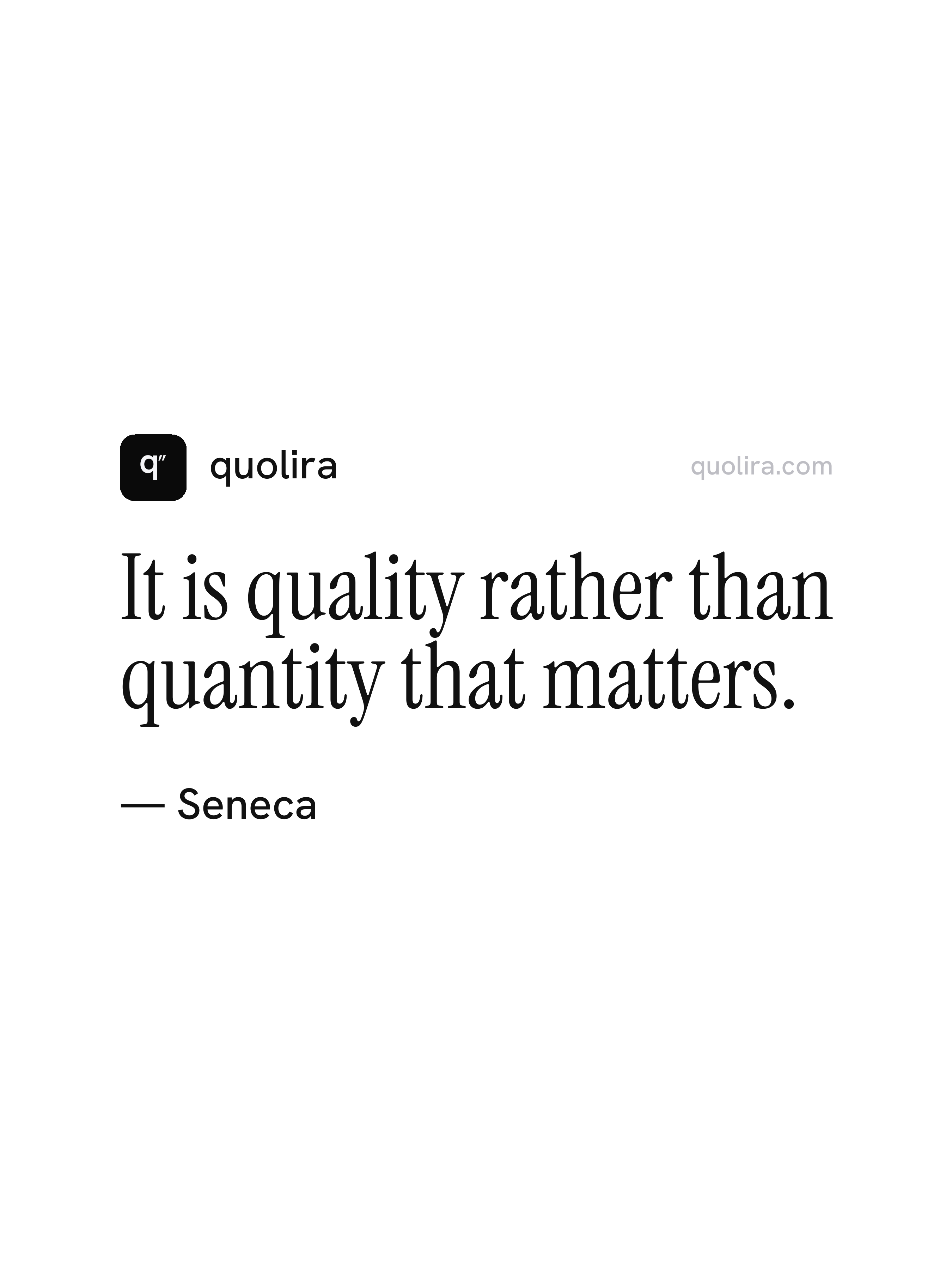
“It is quality rather than quantity that matters.”
Seneca · Letters to Lucilius, Letter 45
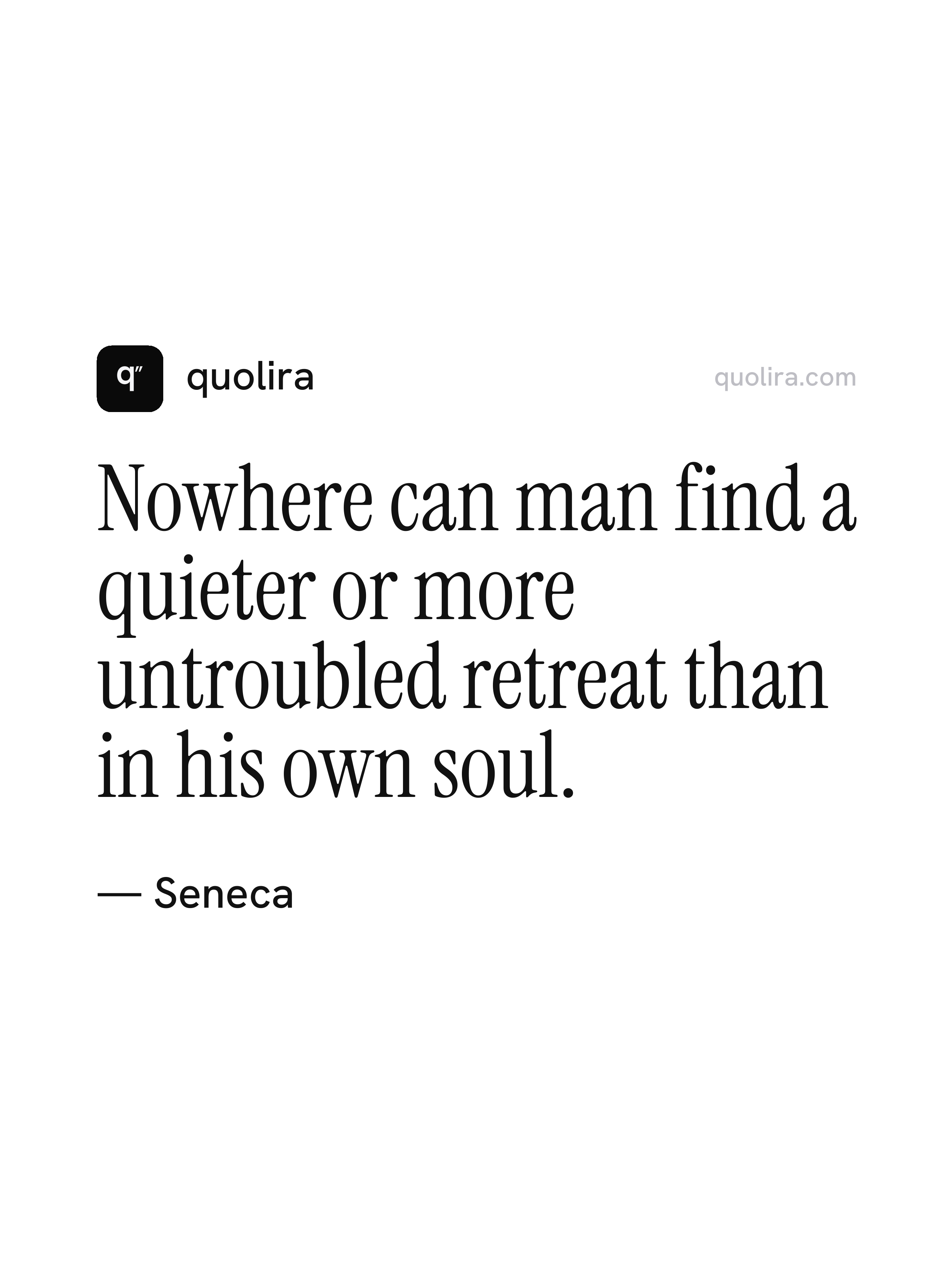
“Nowhere can man find a quieter or more untroubled retreat than in his own soul.”
Seneca · Attributed, moral writings
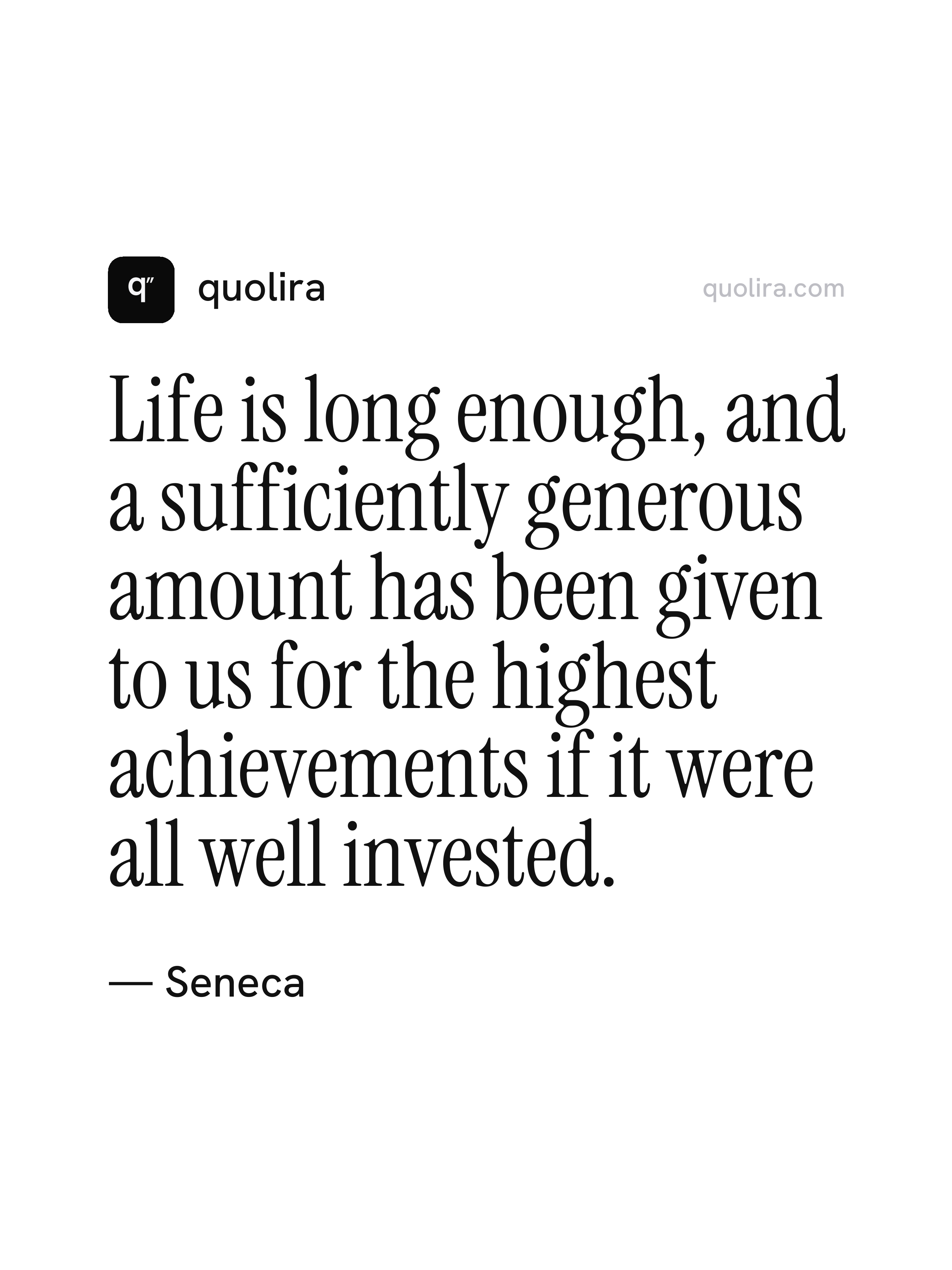
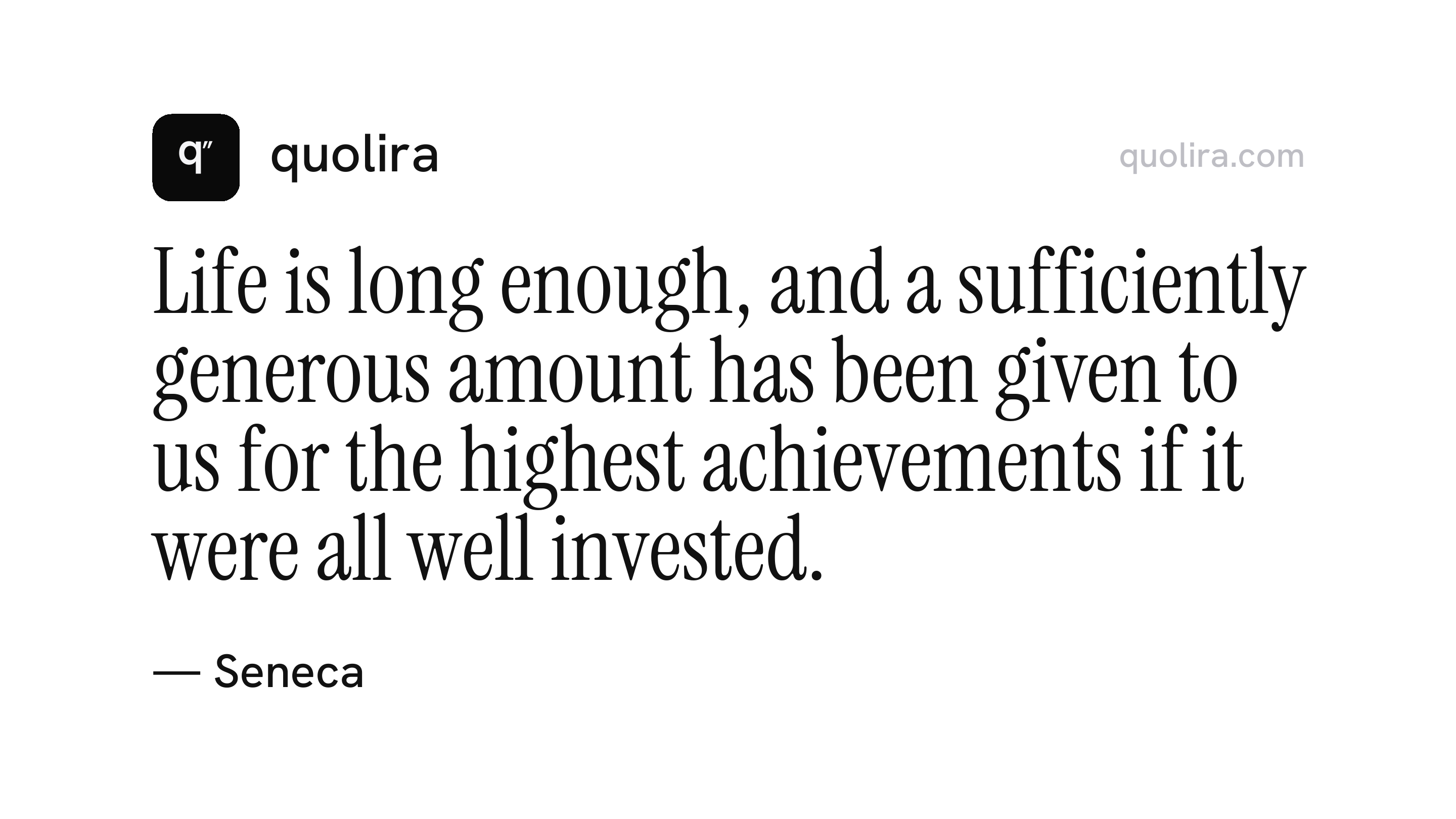
“Life is long enough, and a sufficiently generous amount has been given to us for the highest achievements if it were all well invested.”
Seneca · On the Shortness of Life
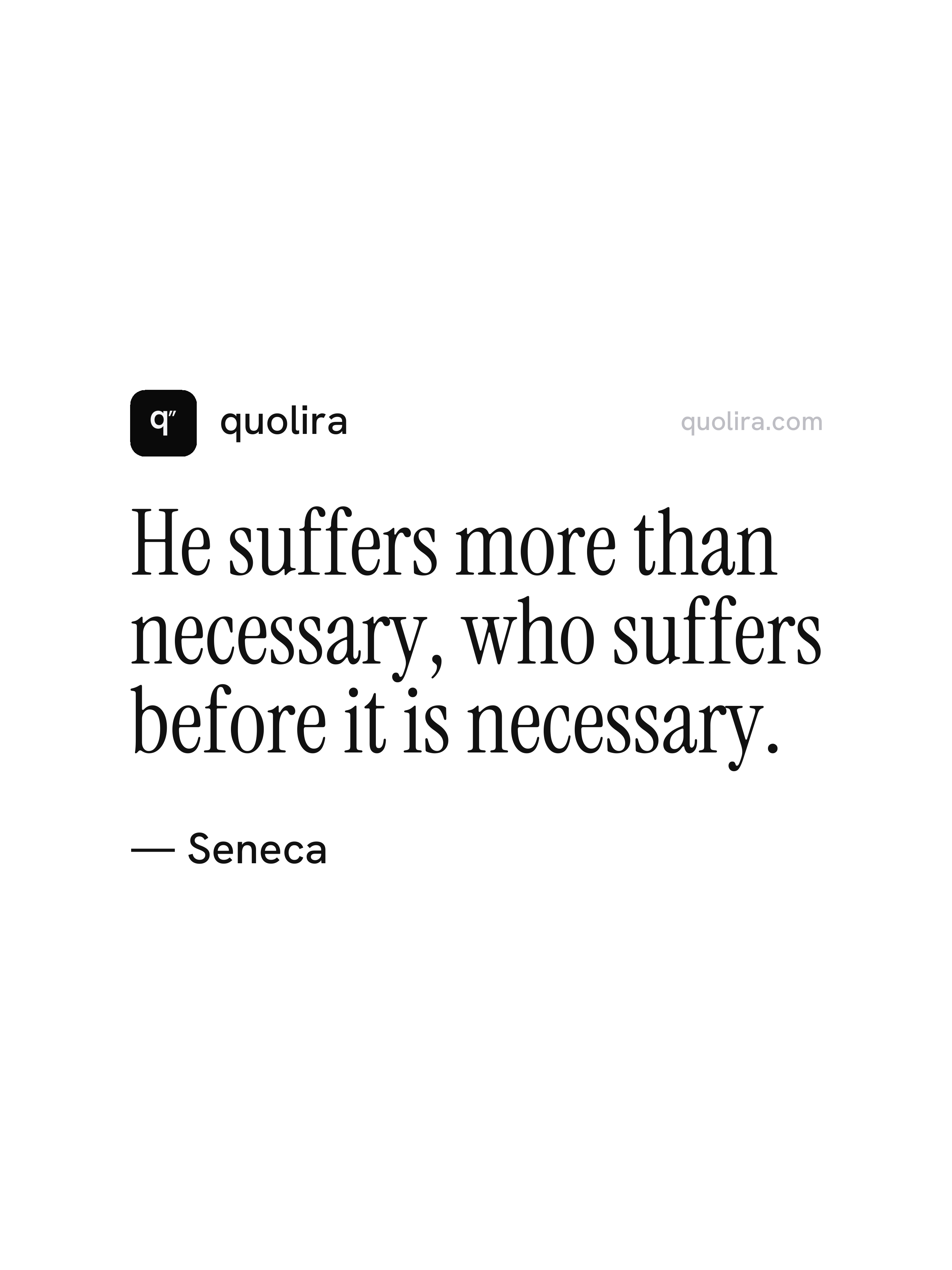
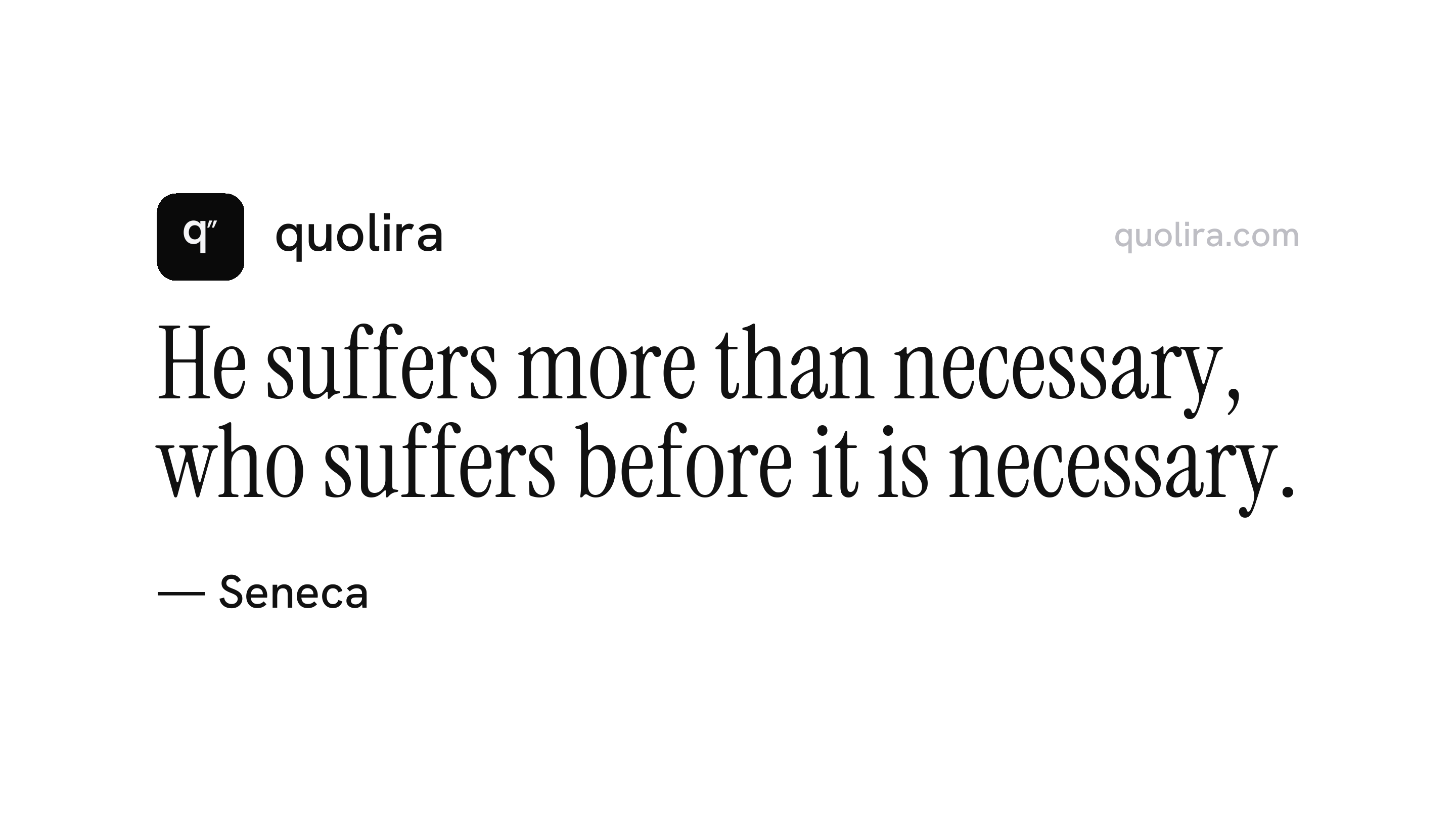
“He suffers more than necessary, who suffers before it is necessary.”
Seneca · Letters to Lucilius
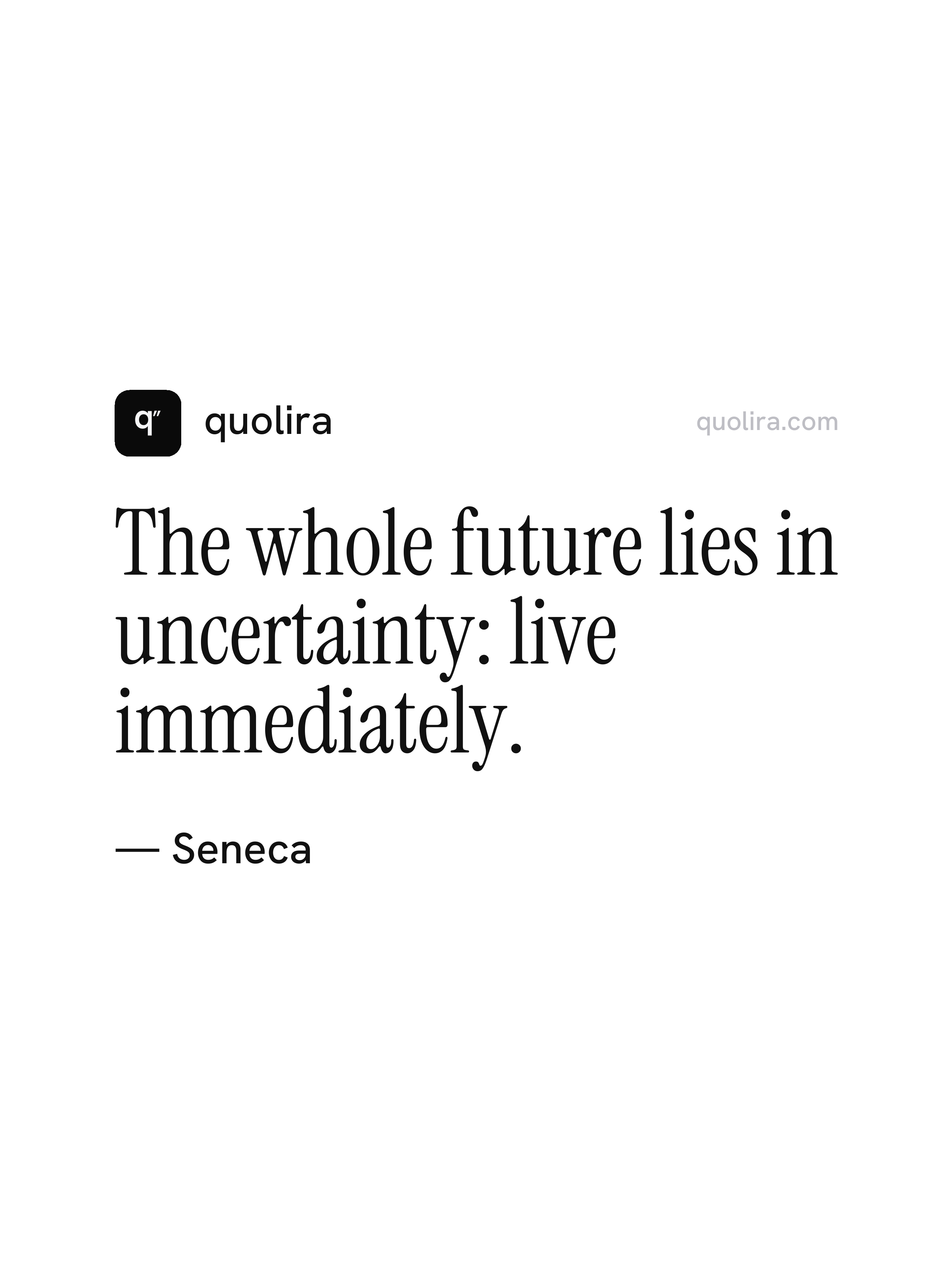
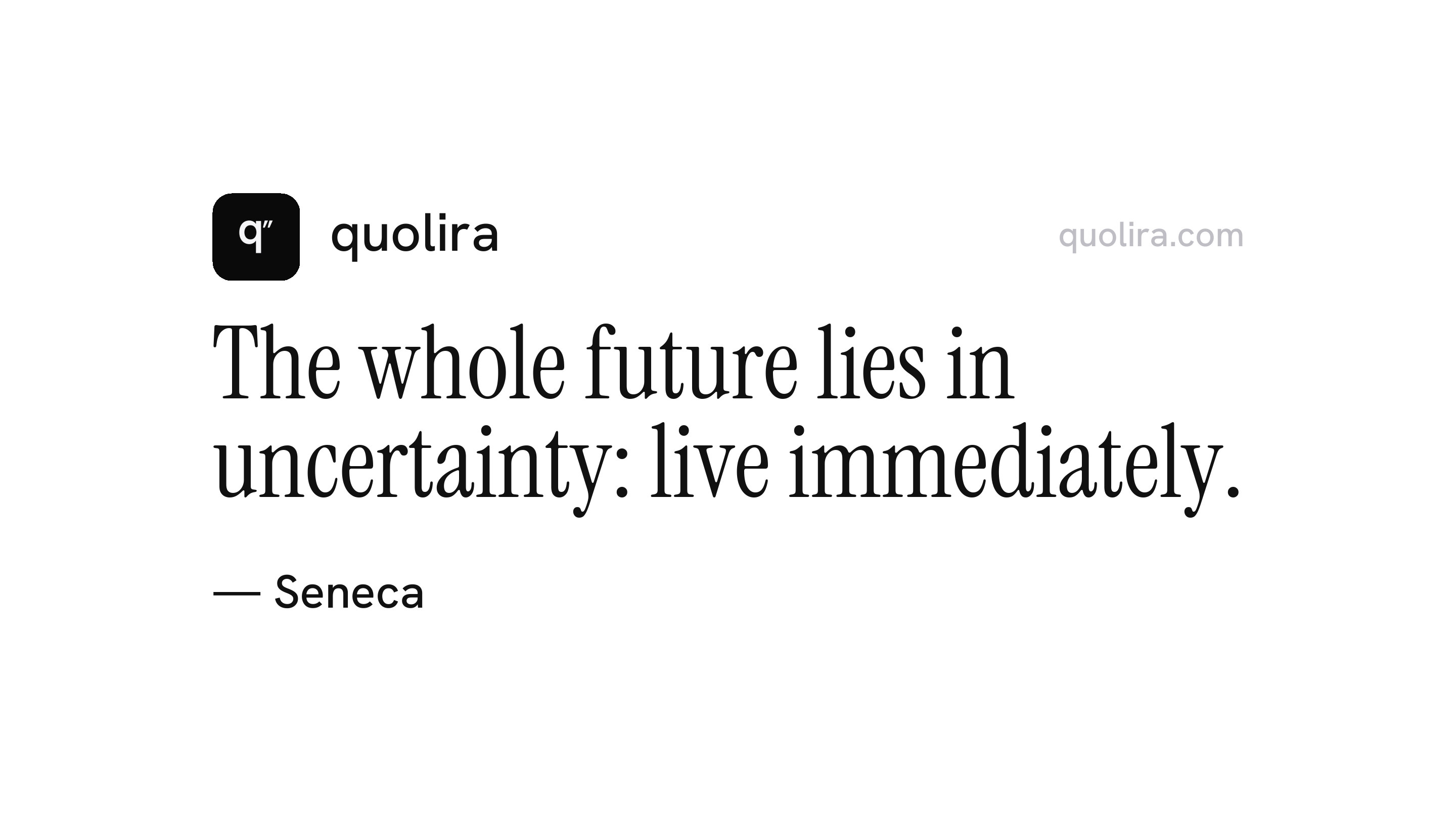
“The whole future lies in uncertainty: live immediately.”
Seneca · On the Shortness of Life
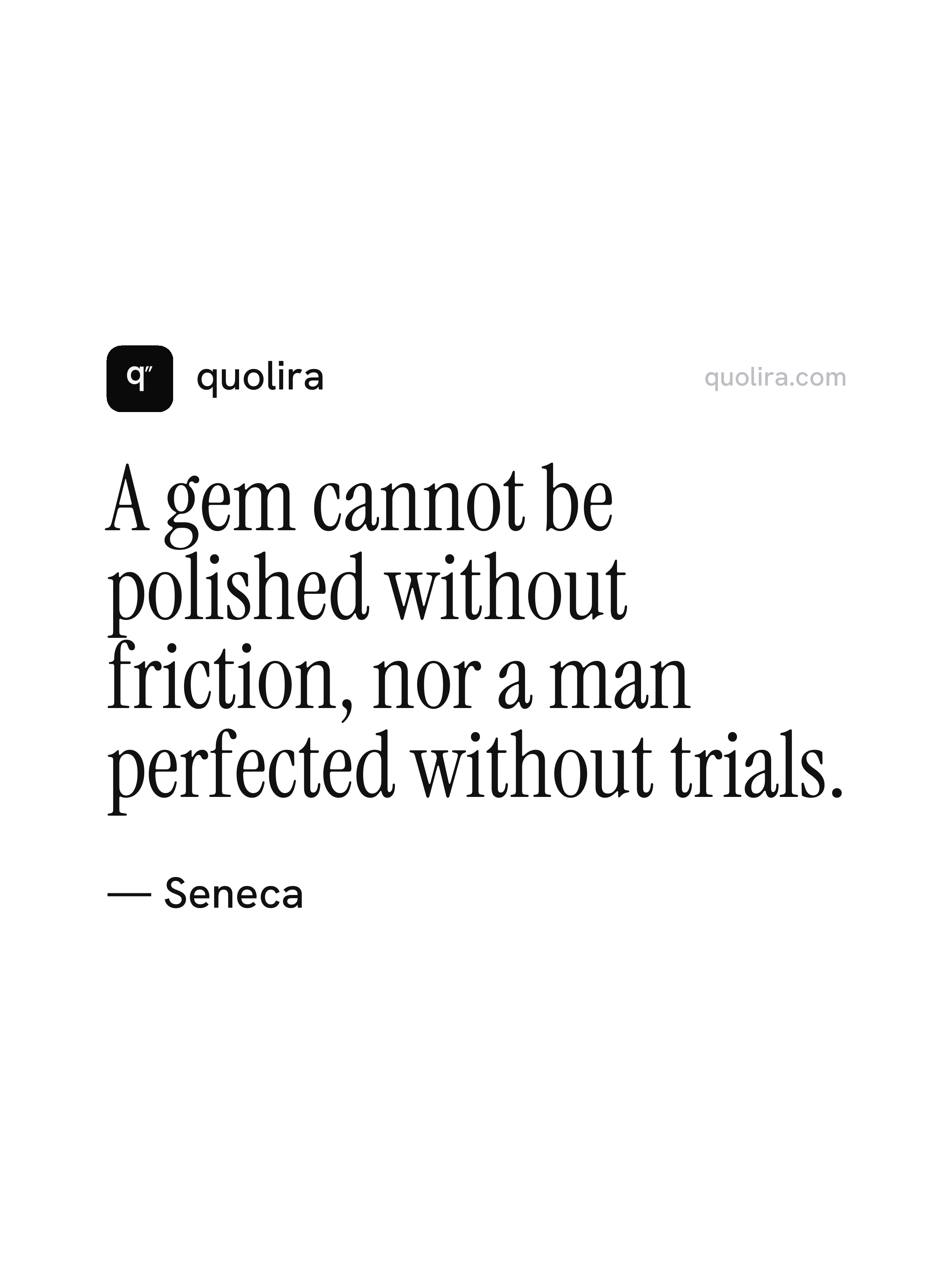
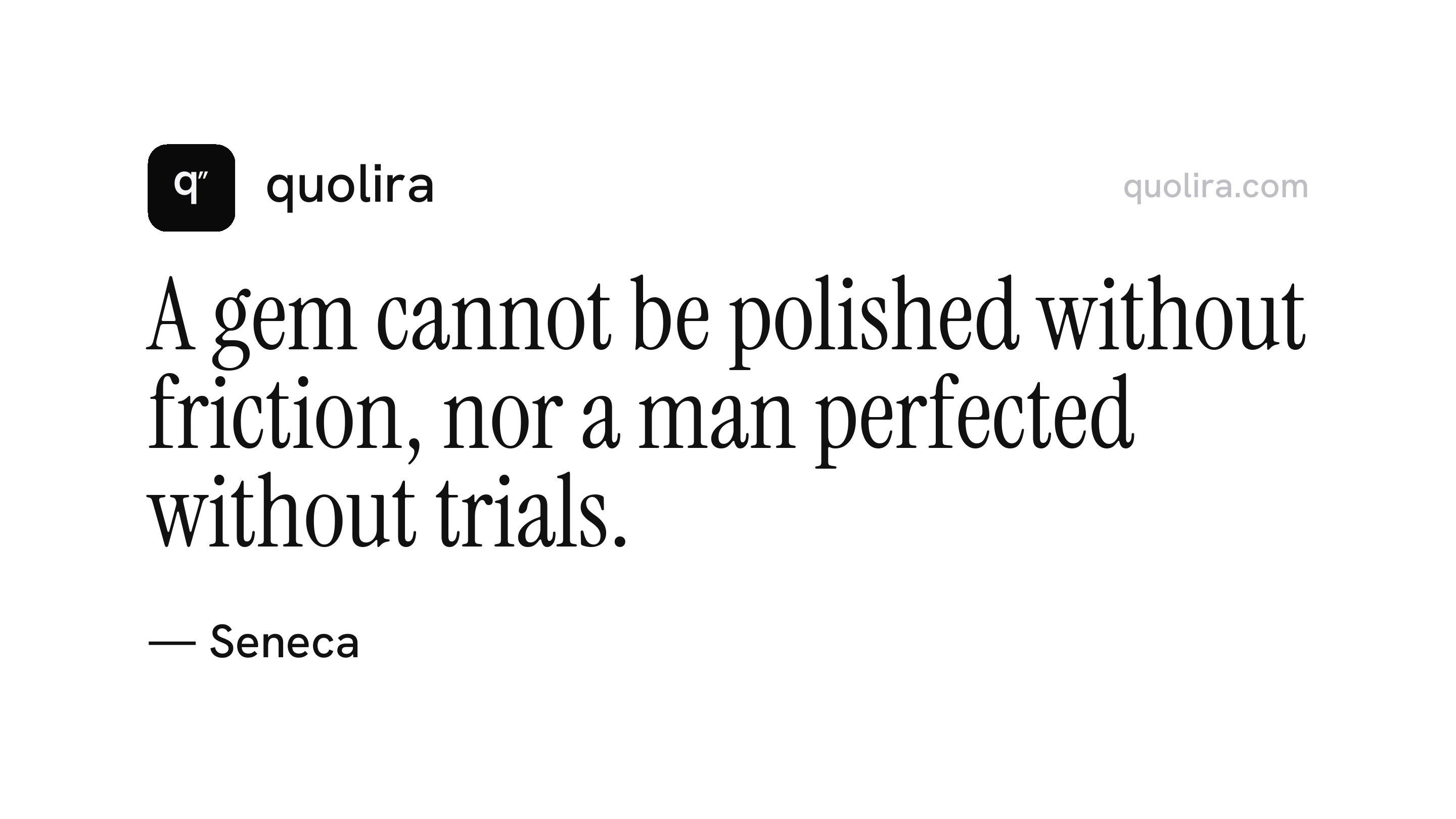
“A gem cannot be polished without friction, nor a man perfected without trials.”
Seneca · Attributed, moral essays
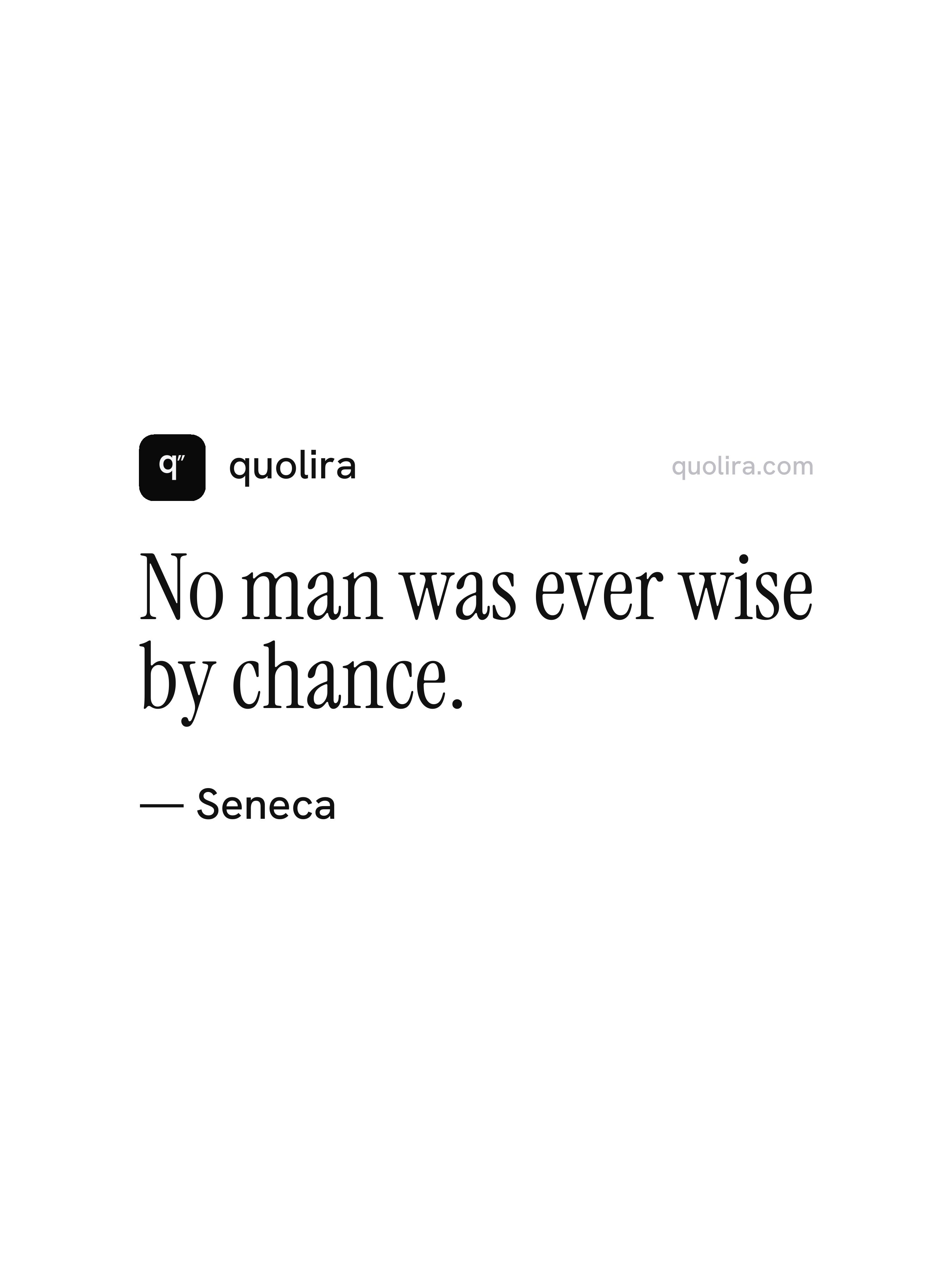
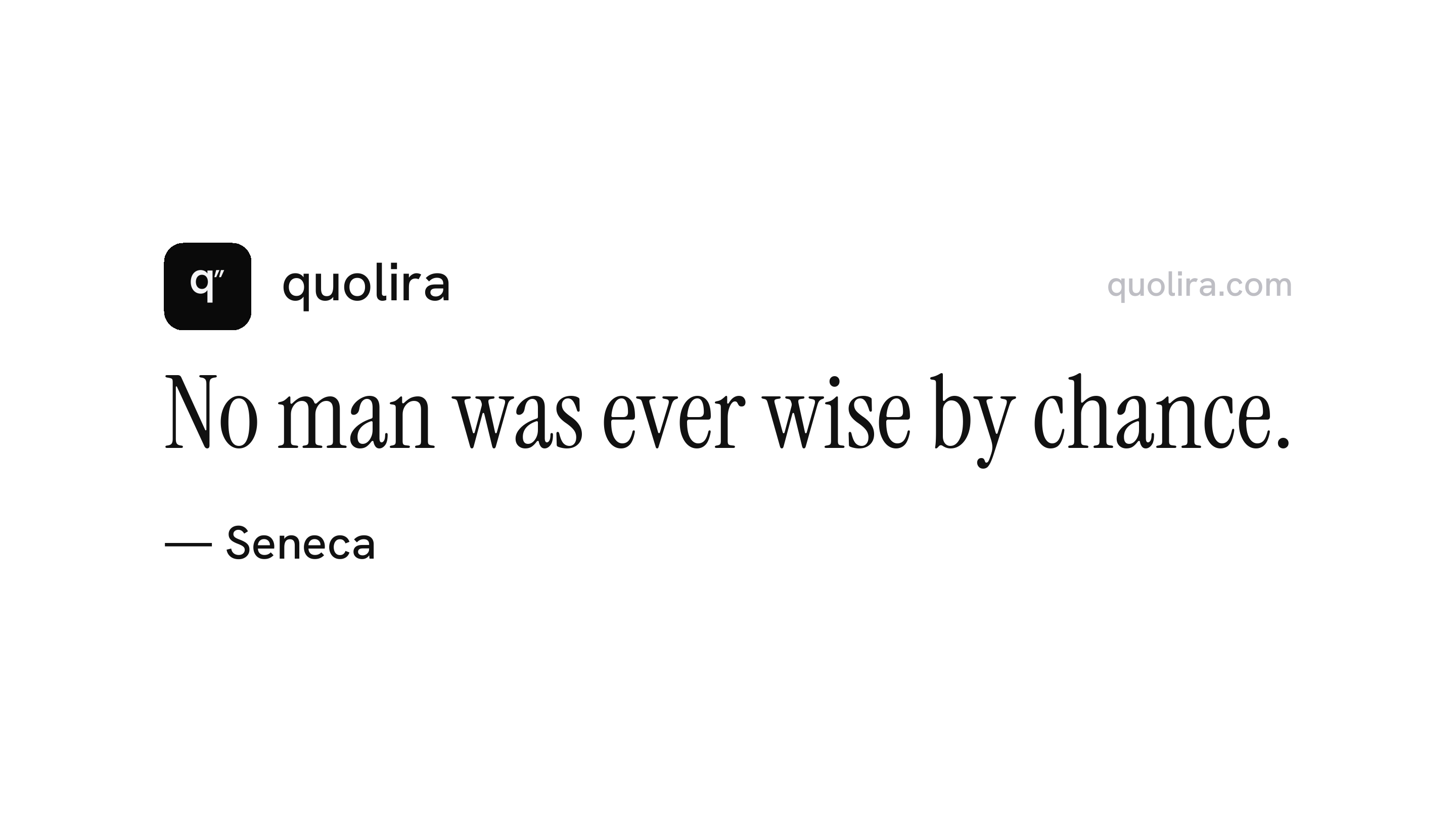
“No man was ever wise by chance.”
Seneca · Letters to Lucilius, Letter 76
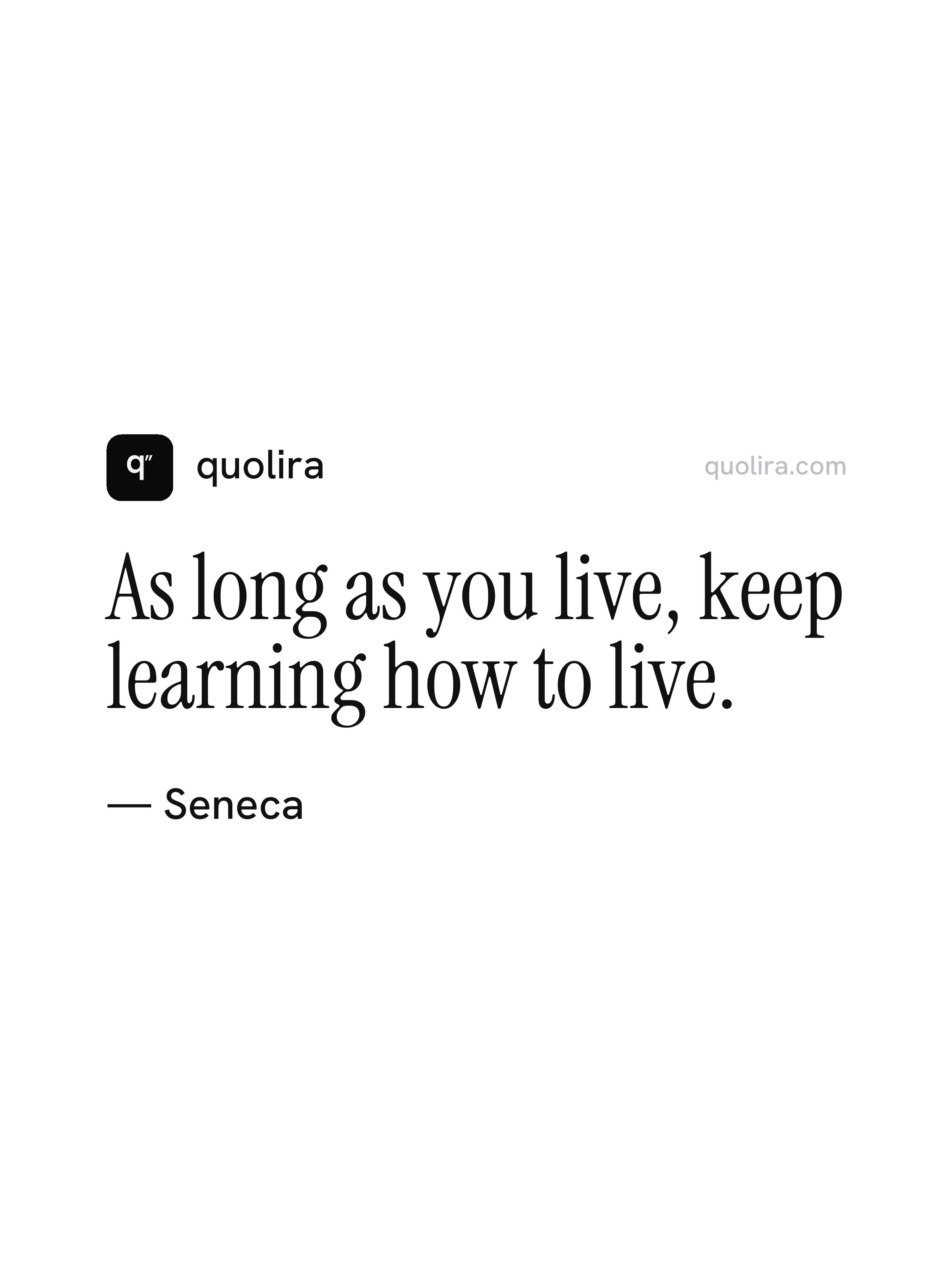
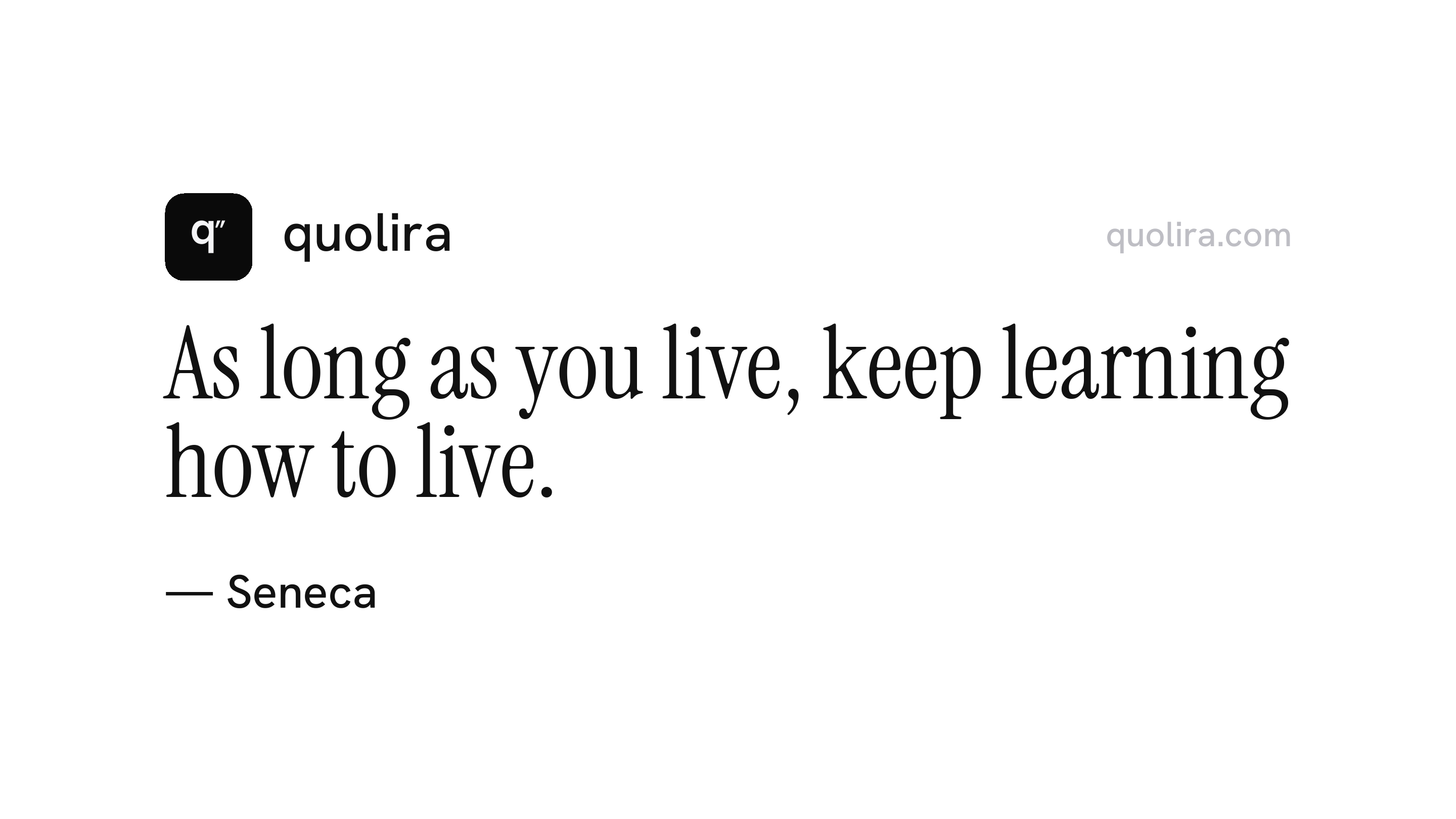
“As long as you live, keep learning how to live.”
Seneca · On the Shortness of Life
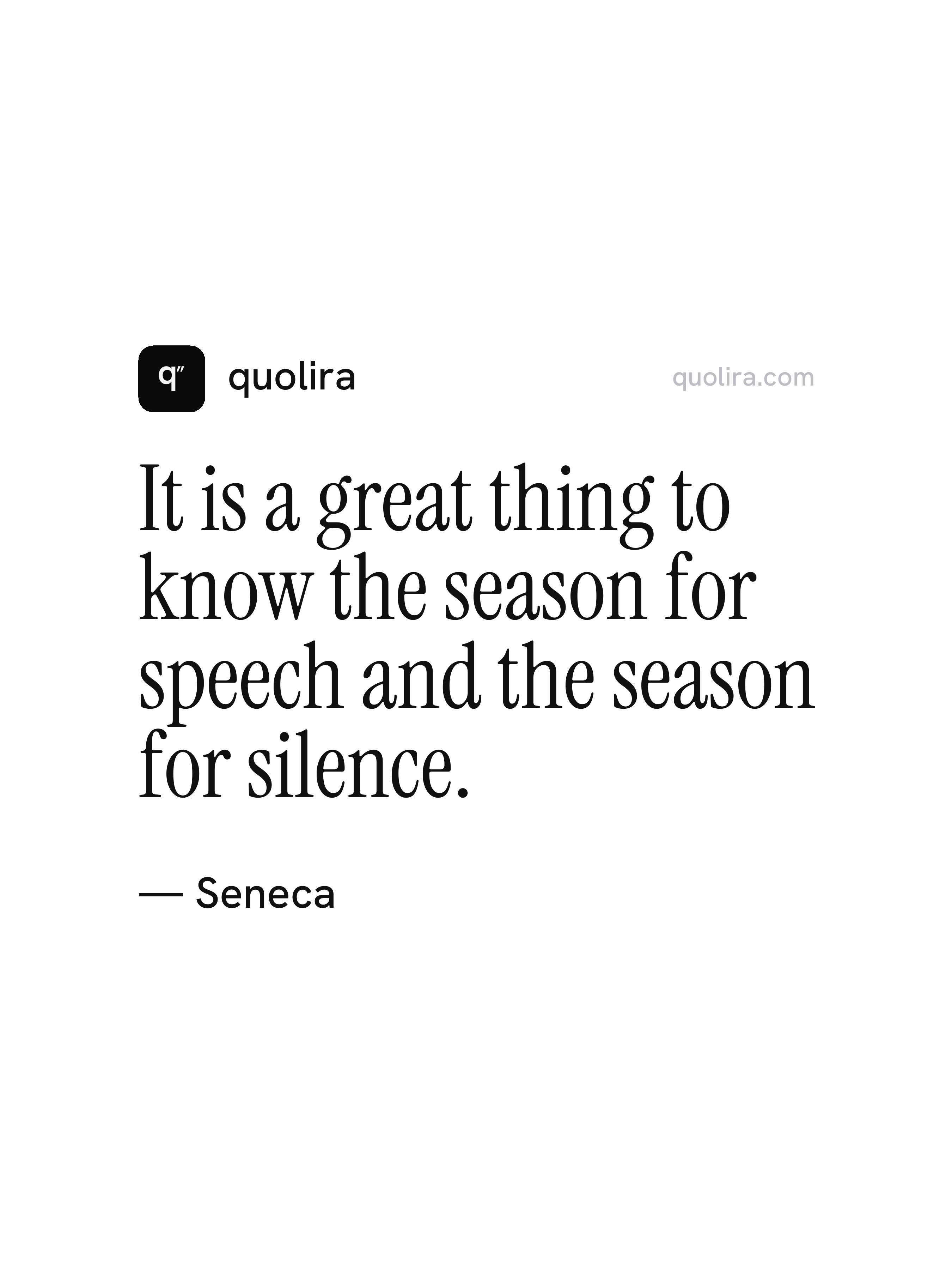
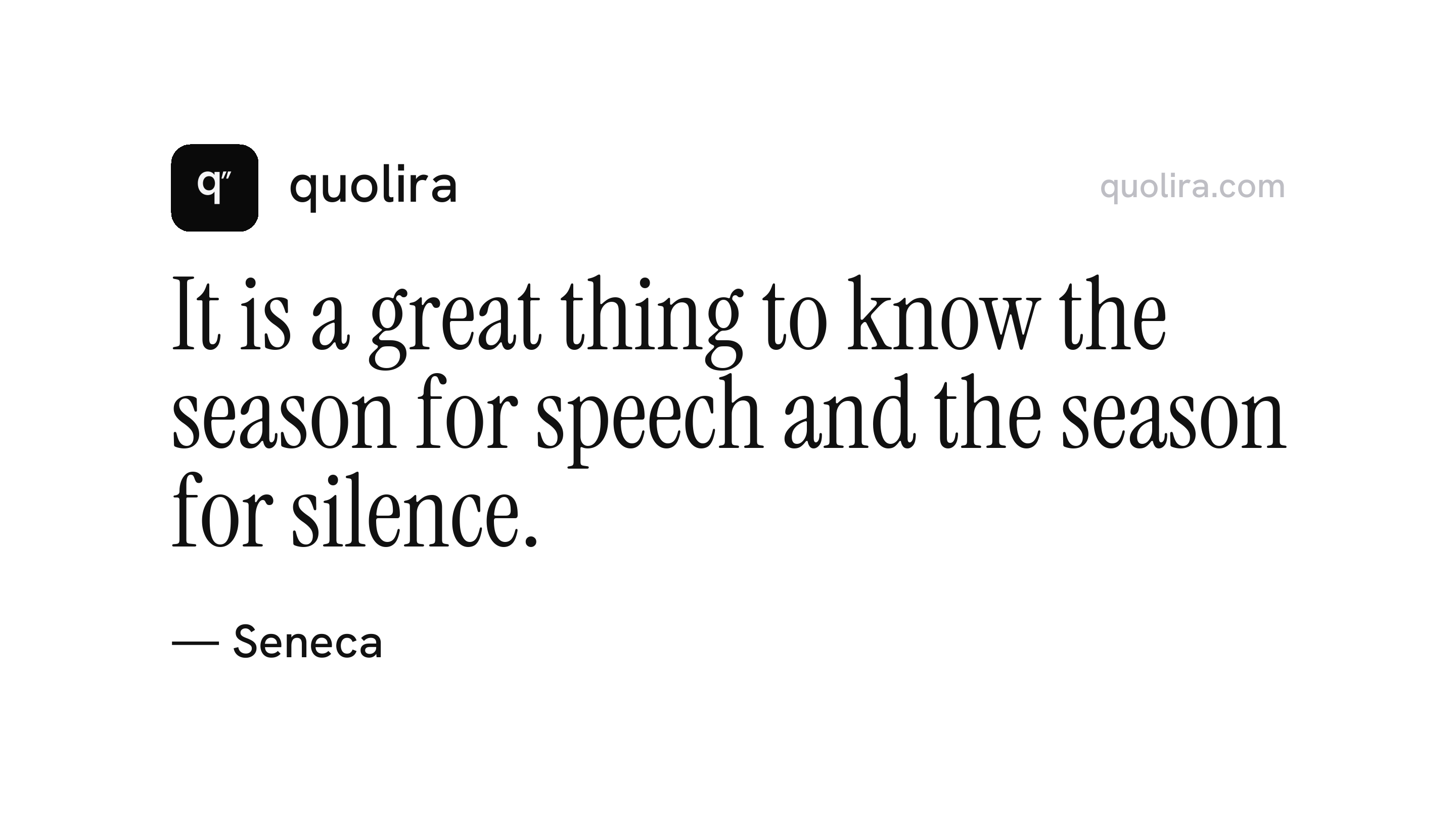
“It is a great thing to know the season for speech and the season for silence.”
Seneca · Moral essays
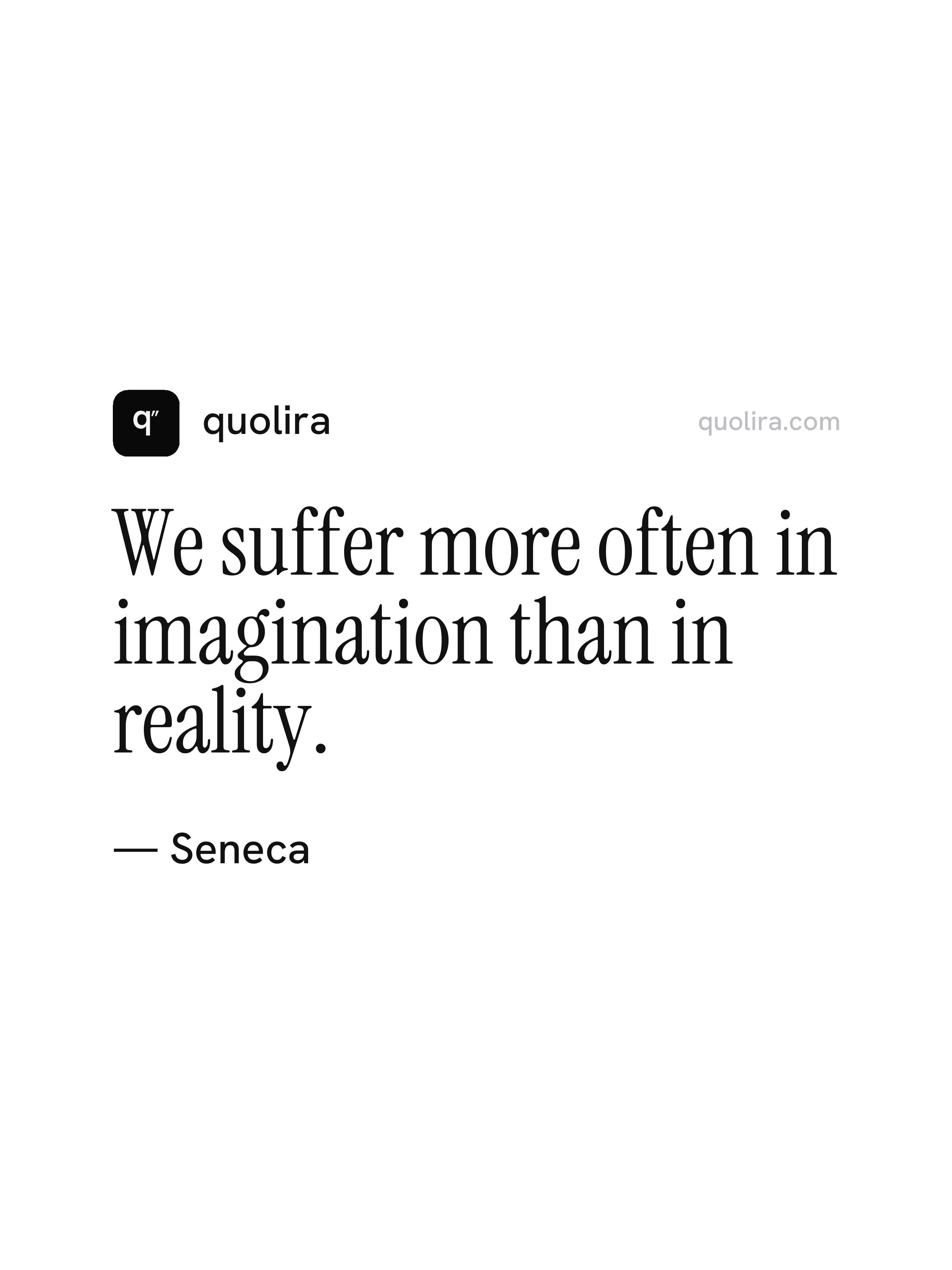
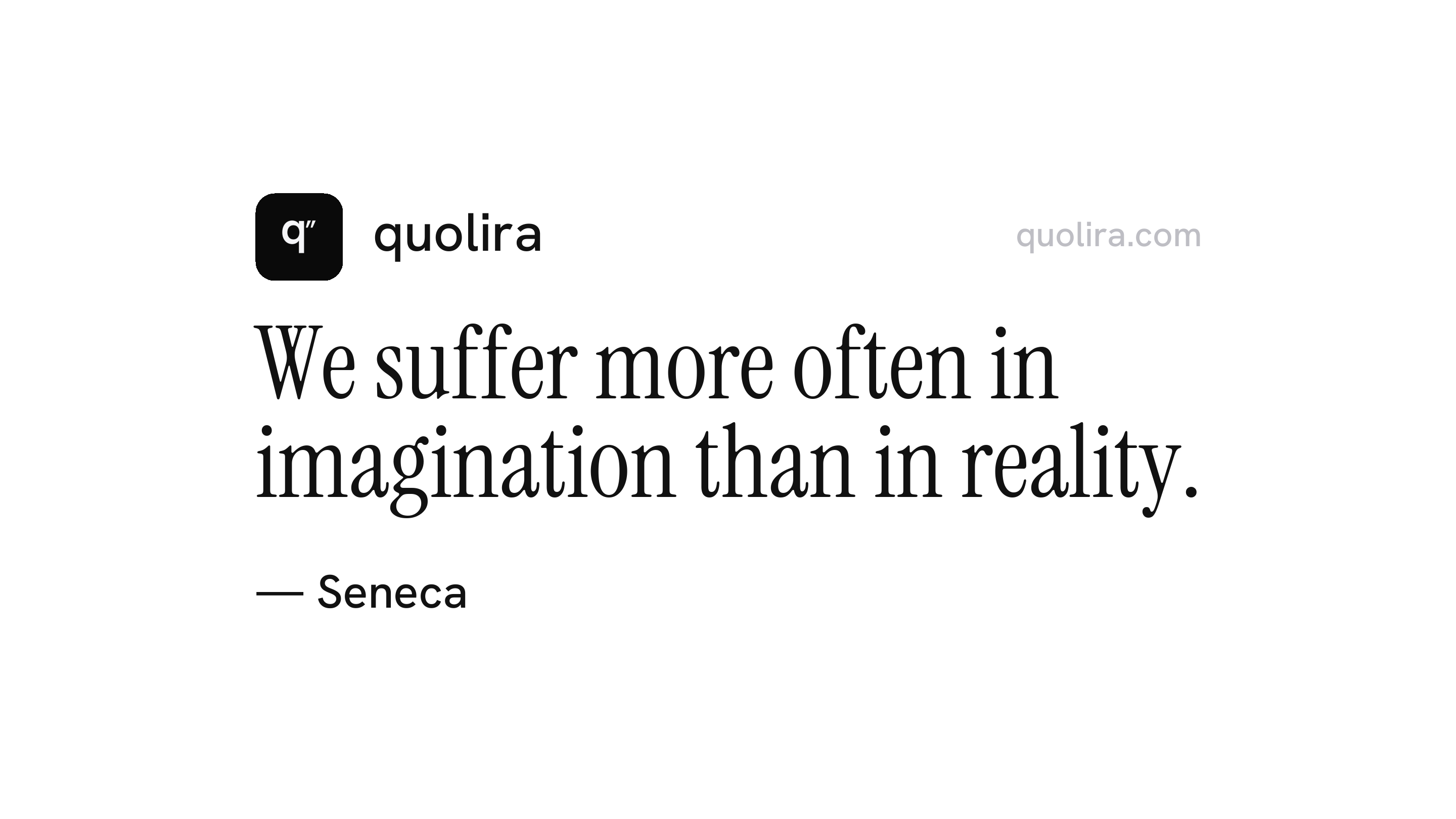
“We suffer more often in imagination than in reality.”
Seneca · Letters to Lucilius
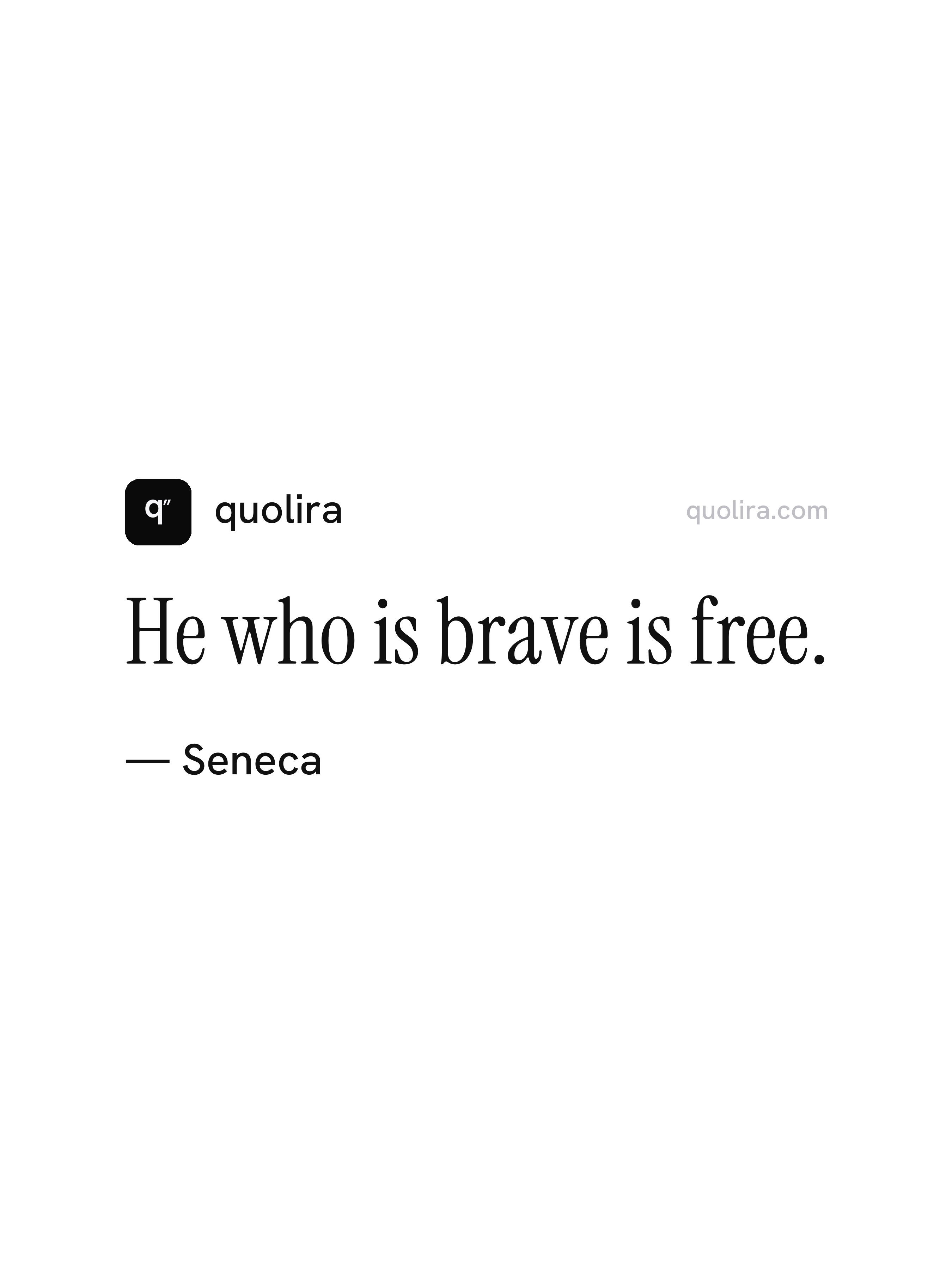
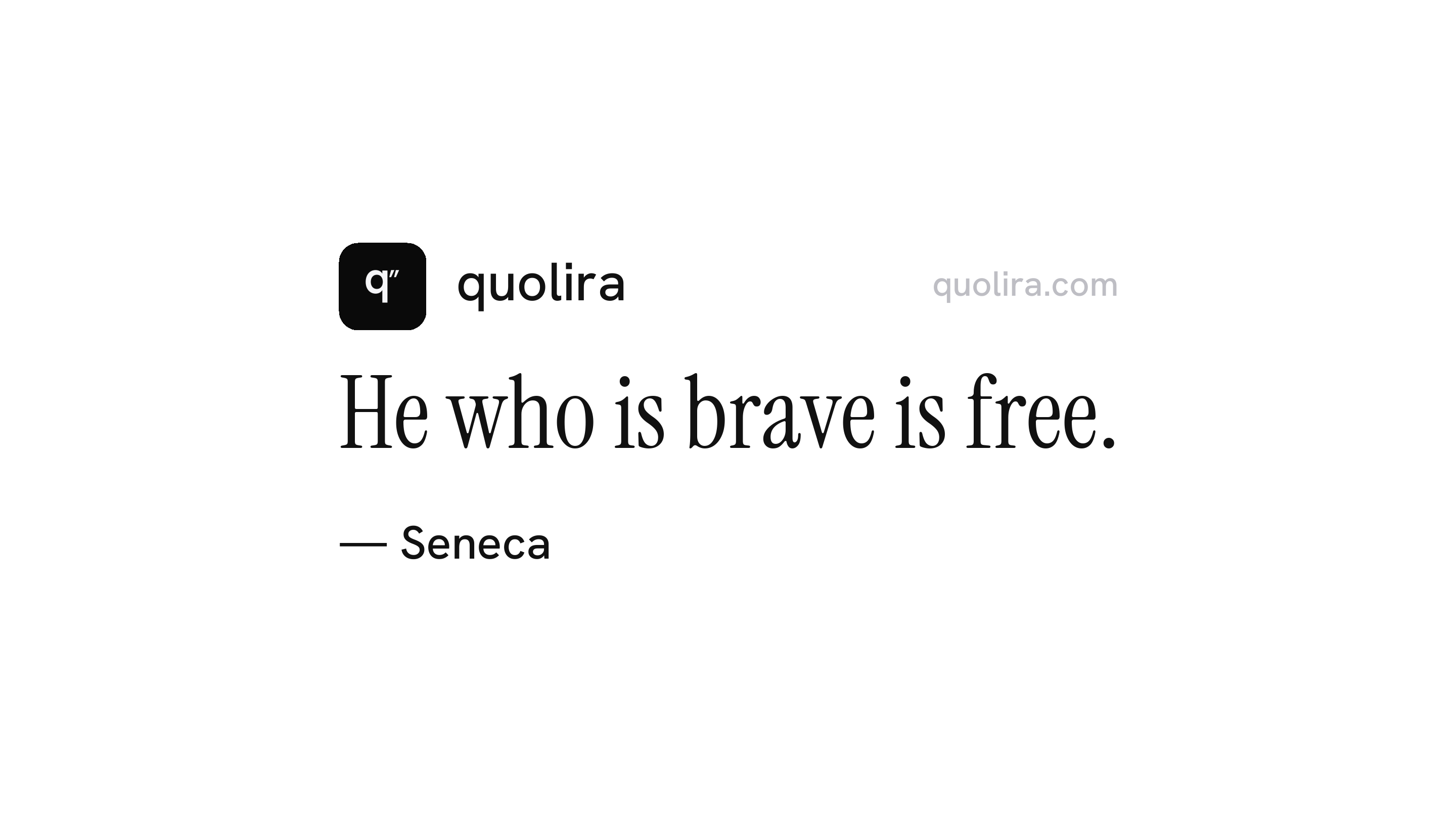
“He who is brave is free.”
Seneca · Letters to Lucilius