“It is quality rather than quantity that matters.”
Seneca · Letters to Lucilius, Letter 45
 quolira
.com
quolira
quolira.com
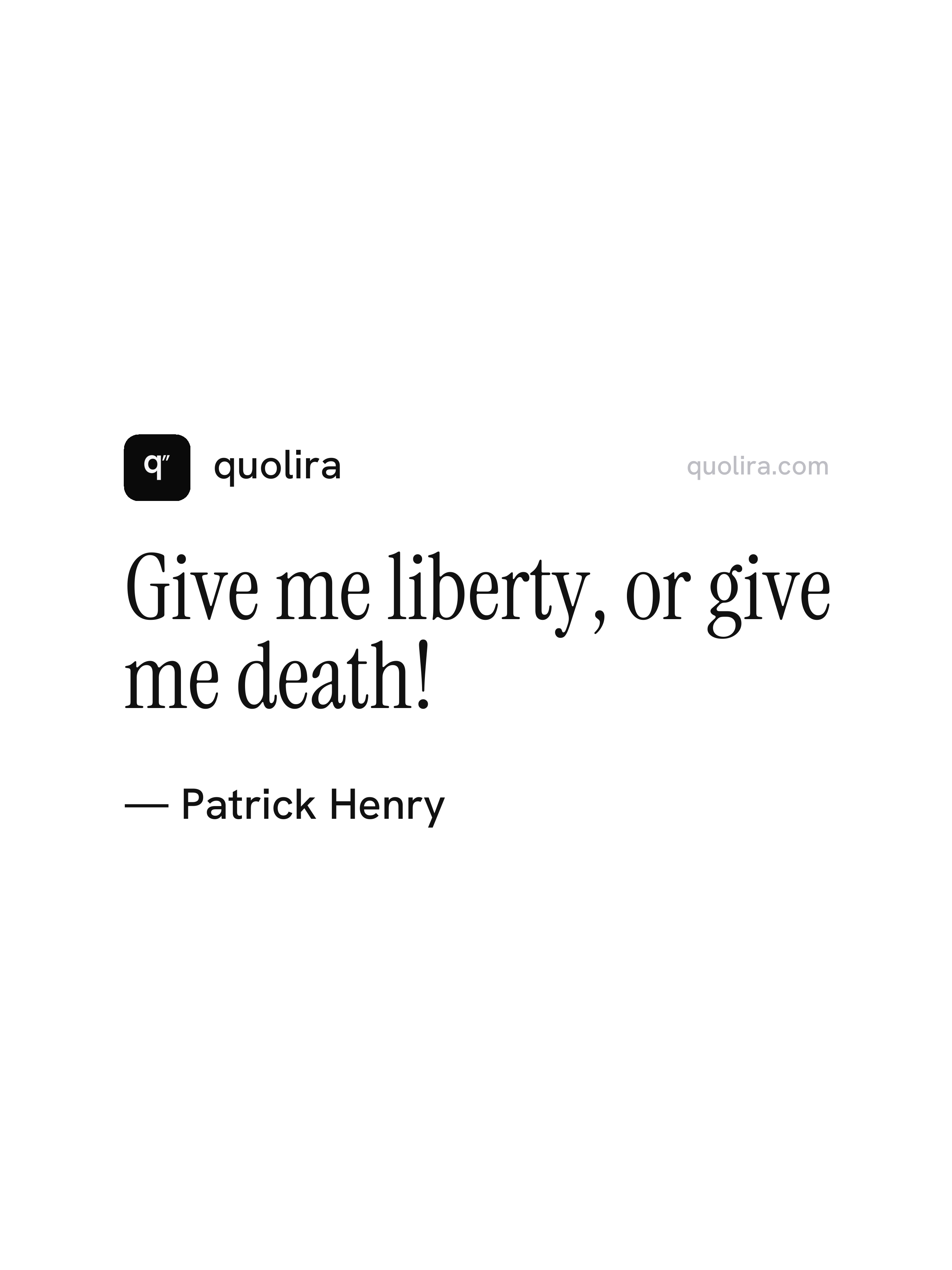
Henry is refusing any middle ground between full political freedom and death. The statement draws its power from the absolute nature of the choice he presents: life under tyranny is not truly life at all, so the only options worth considering are liberty or the grave. It is a declaration that some values matter more than personal survival, and it frames resistance to oppression as a moral obligation rather than merely a political preference.
Patrick Henry delivered this line in a speech to the Second Virginia Convention in March 1775, arguing that the colonies must take up arms against British rule. Tensions between the colonies and Britain had been building for years, and Henry was urging delegates who still hoped for a peaceful resolution to accept that conflict was unavoidable. The speech as it is known today was reconstructed from memory by witnesses years after the fact, since no written transcript was made at the time. Despite questions about its precise original wording, the speech has been celebrated as one of the great moments of American revolutionary oratory.
Patrick Henry was an American attorney, planter, and politician who became one of the leading voices for independence in colonial Virginia. He was known throughout his career as a powerful and passionate public speaker, and he served multiple terms as Governor of Virginia. He was a committed advocate of individual rights and was among those who pushed for the addition of a Bill of Rights to the United States Constitution.
“It is quality rather than quantity that matters.”
Seneca · Letters to Lucilius, Letter 45
“Nowhere can man find a quieter or more untroubled retreat than in his own soul.”
Seneca · Attributed, moral writings
“Life is long enough, and a sufficiently generous amount has been given to us for the highest achievements if it were all well invested.”
Seneca · On the Shortness of Life
“He suffers more than necessary, who suffers before it is necessary.”
Seneca · Letters to Lucilius
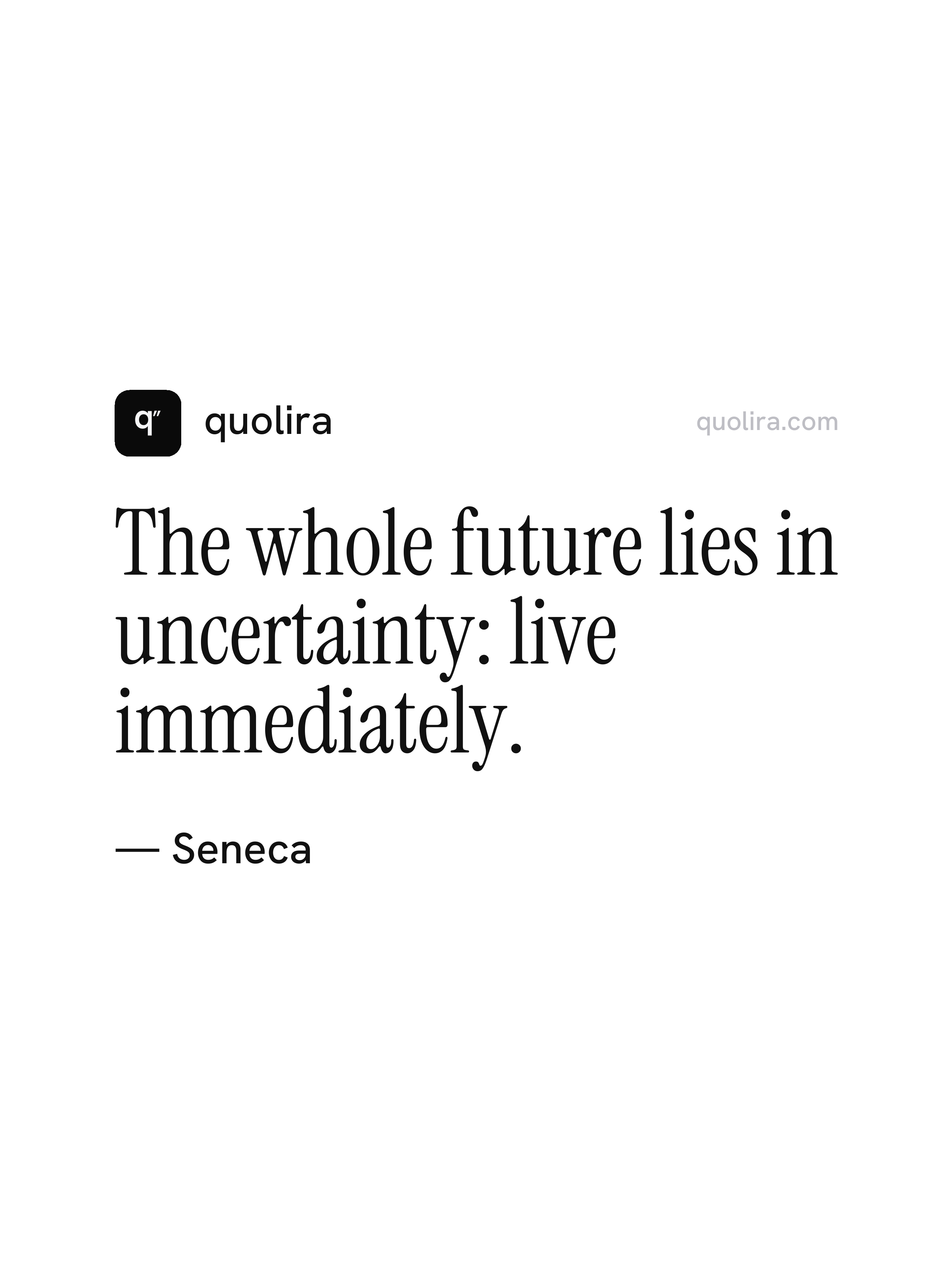
“The whole future lies in uncertainty: live immediately.”
Seneca · On the Shortness of Life
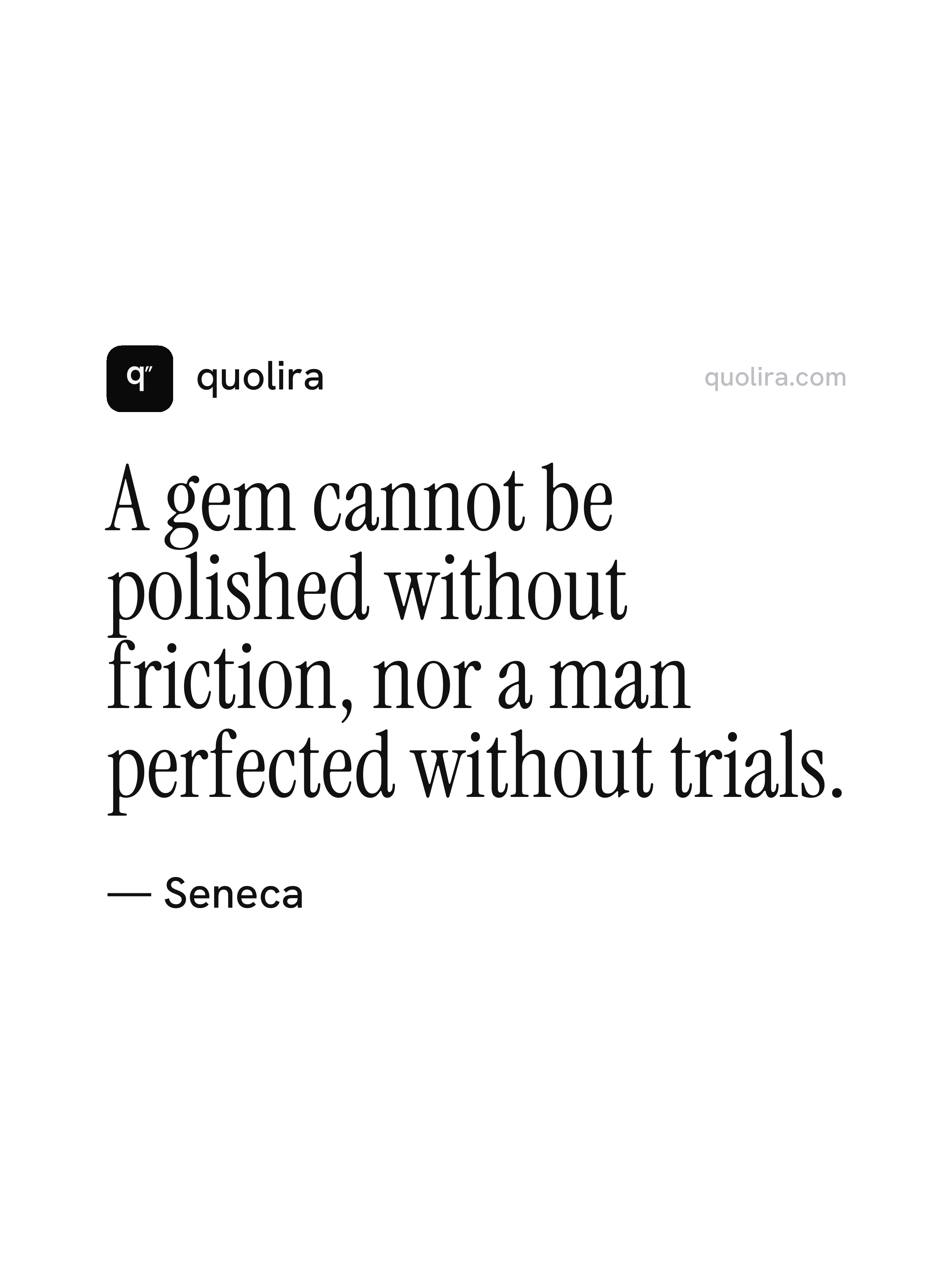
“A gem cannot be polished without friction, nor a man perfected without trials.”
Seneca · Attributed, moral essays
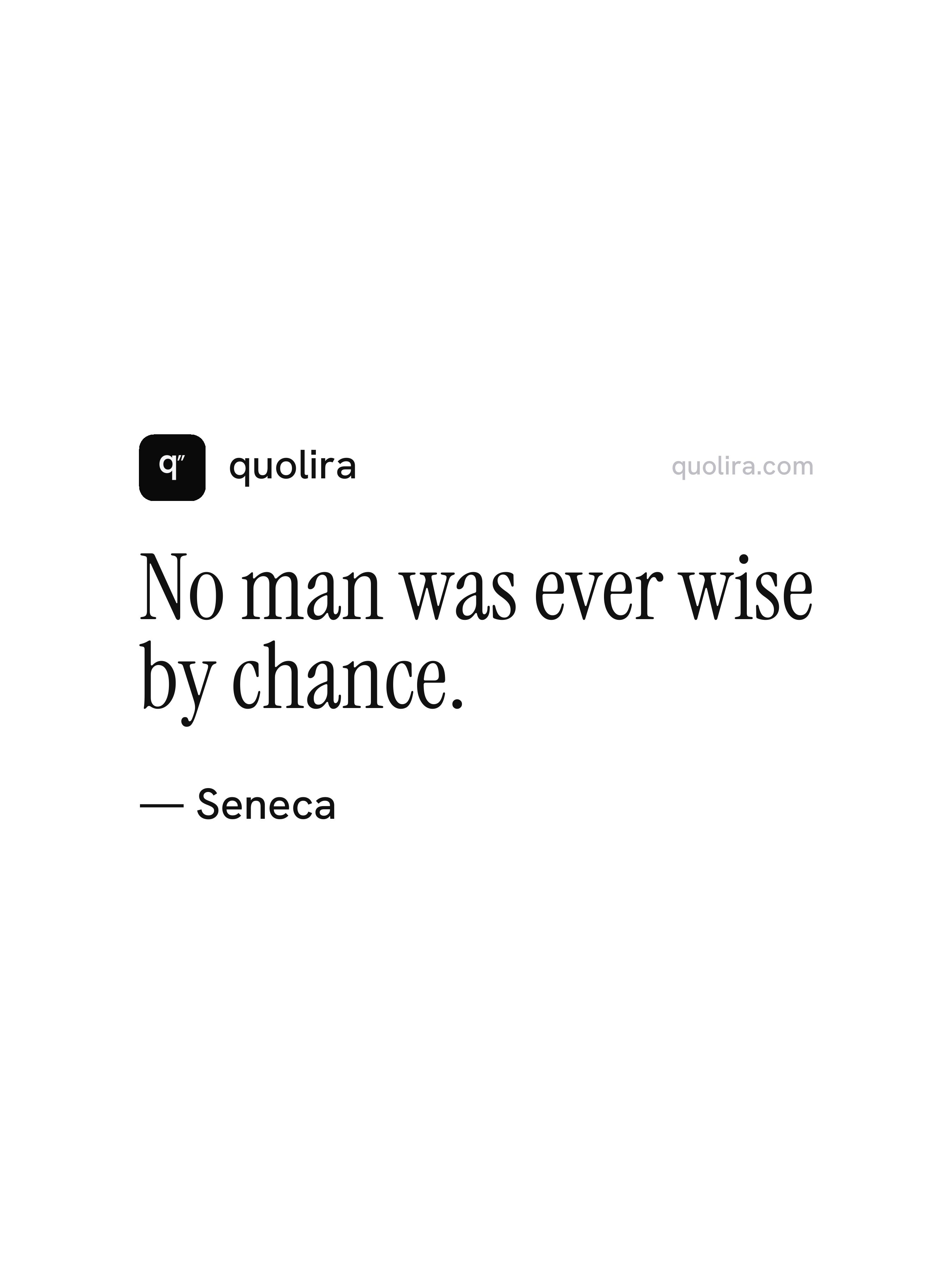
“No man was ever wise by chance.”
Seneca · Letters to Lucilius, Letter 76
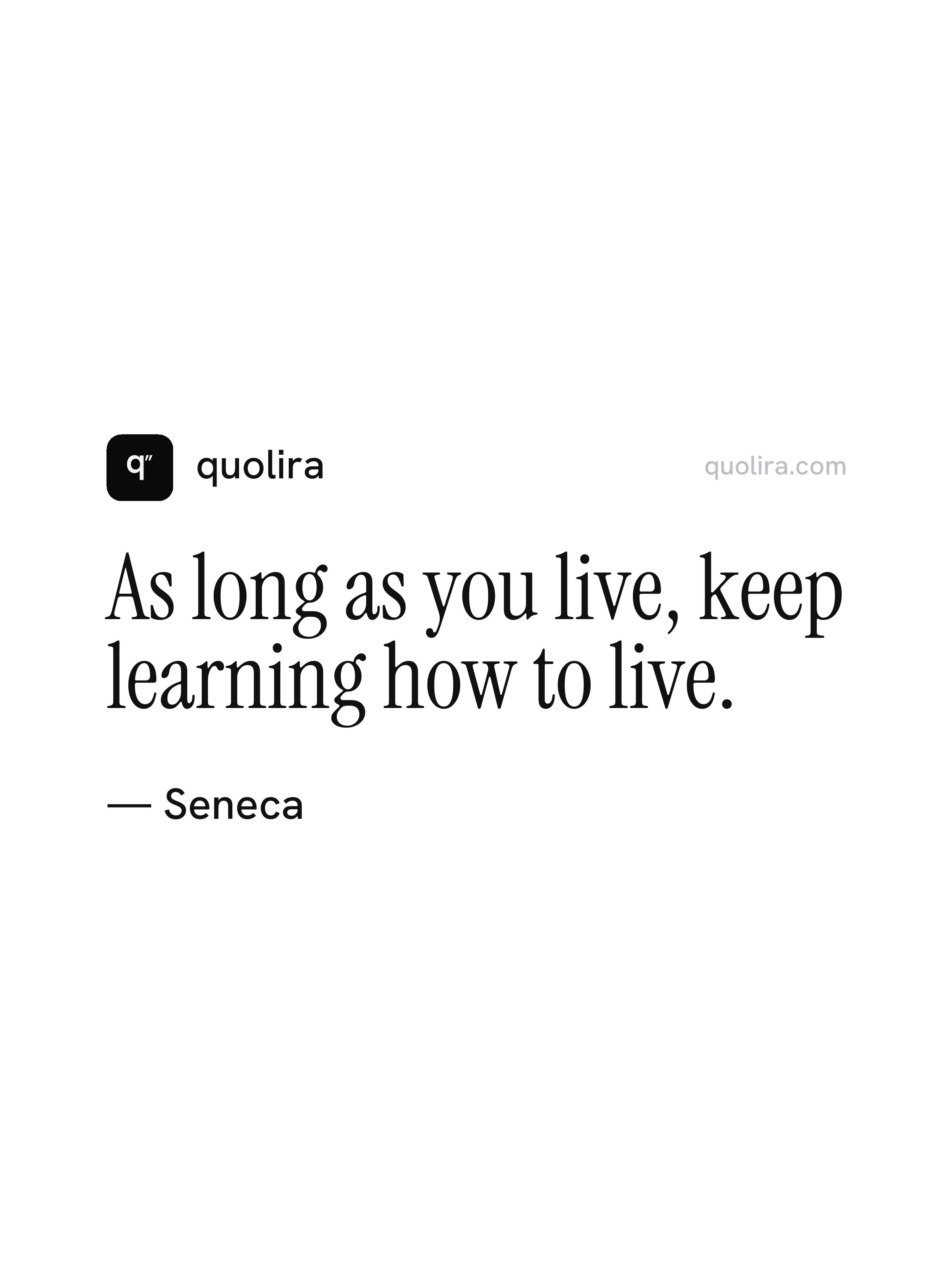
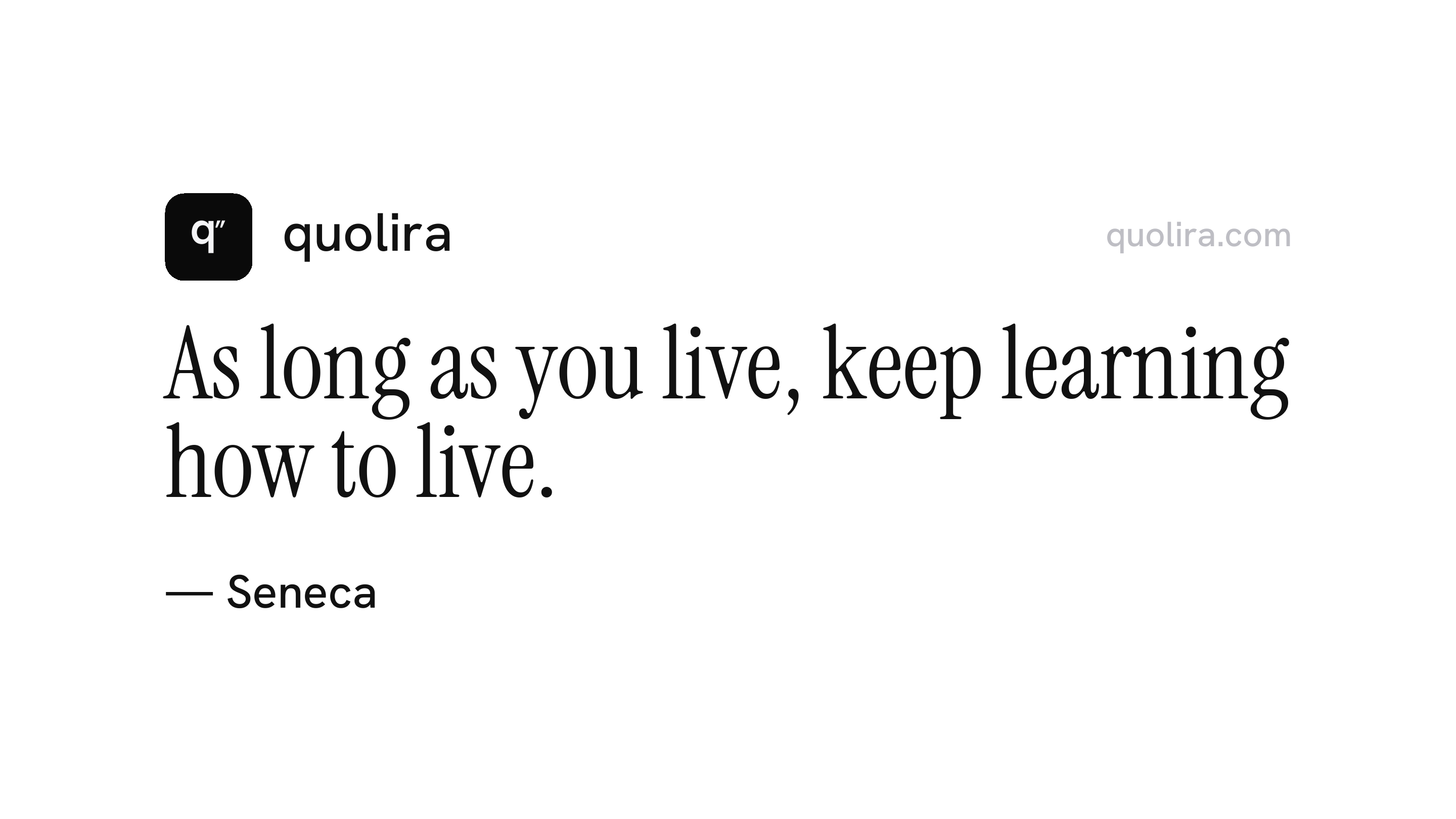
“As long as you live, keep learning how to live.”
Seneca · On the Shortness of Life
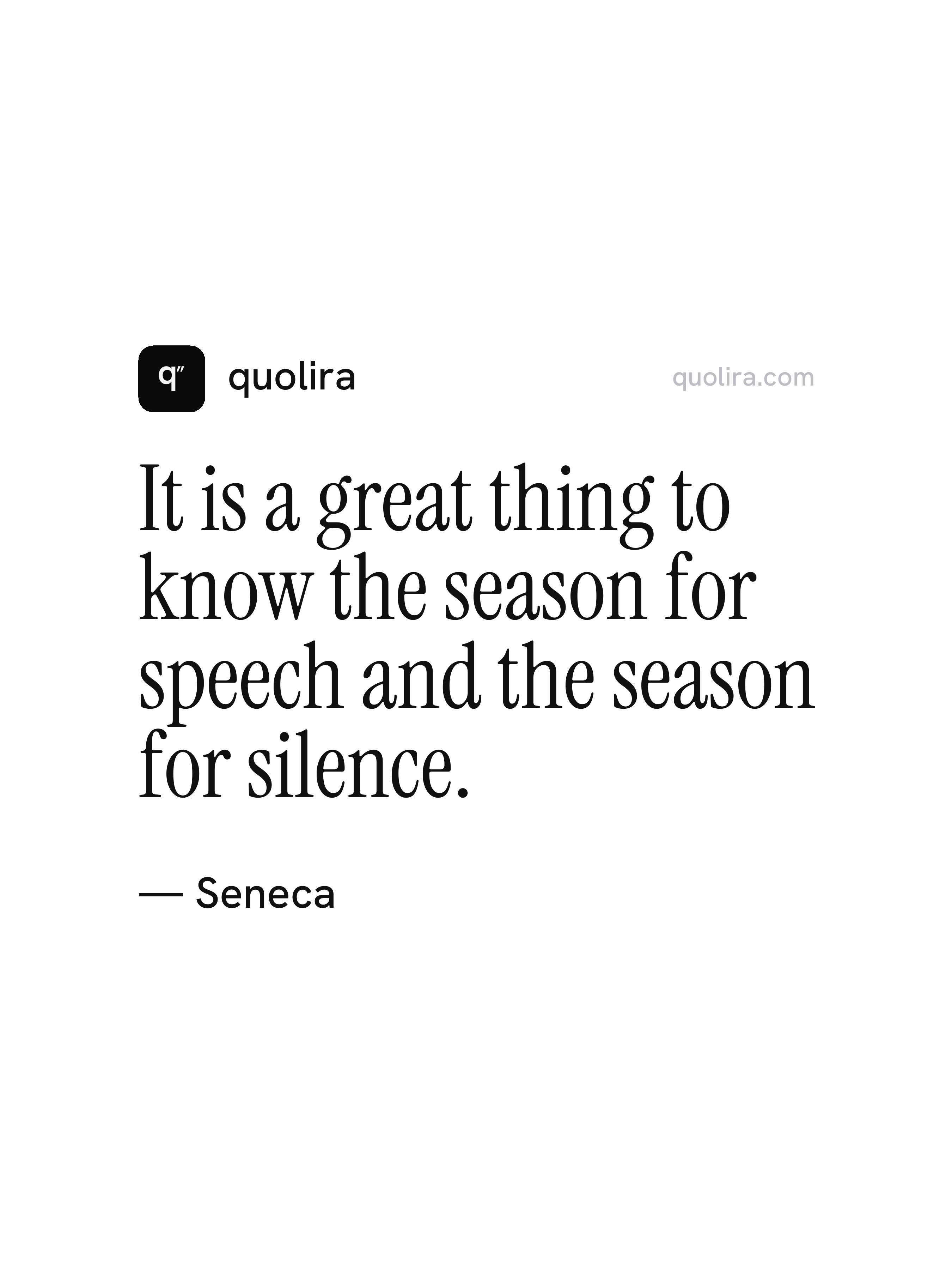
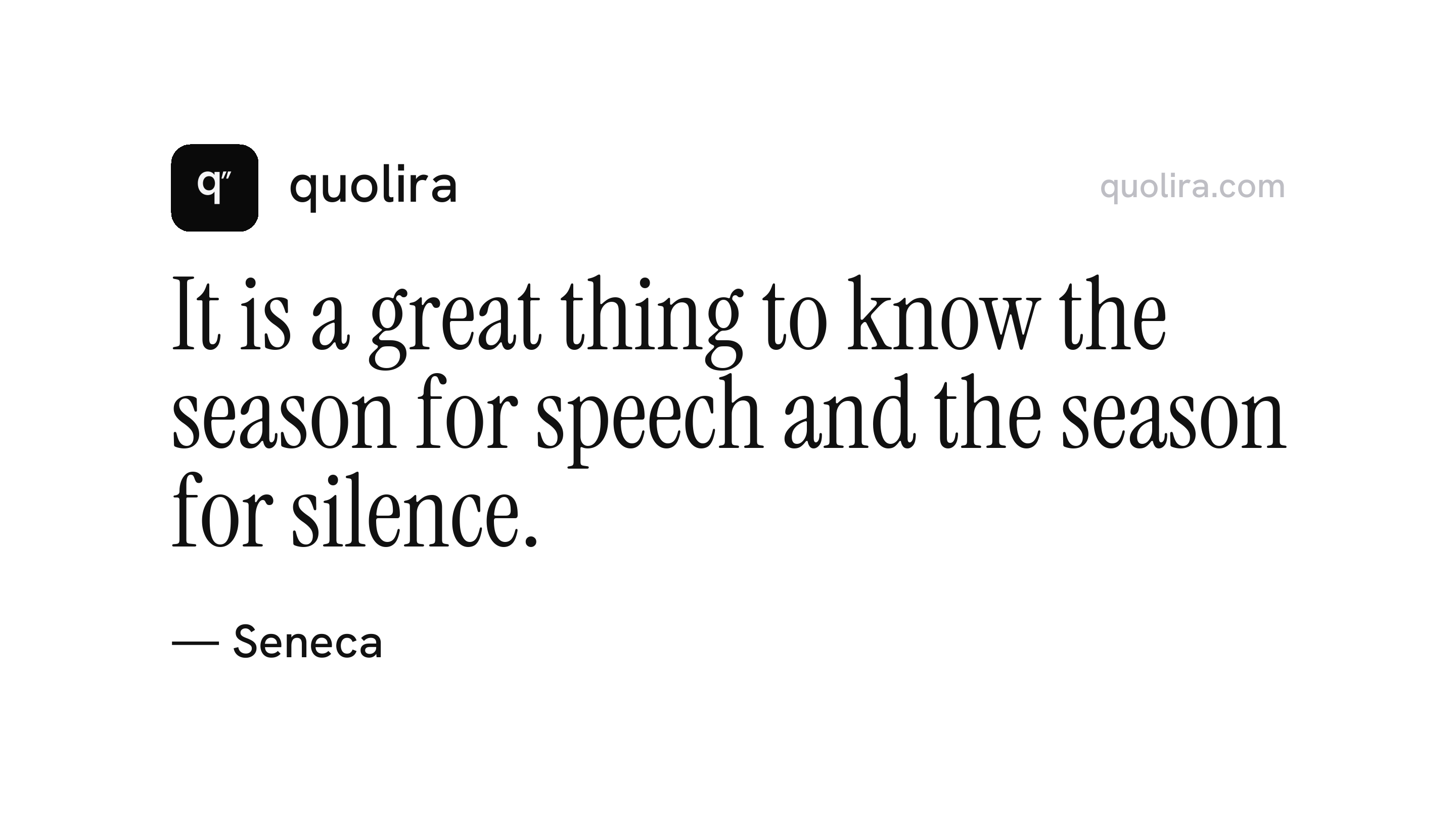
“It is a great thing to know the season for speech and the season for silence.”
Seneca · Moral essays
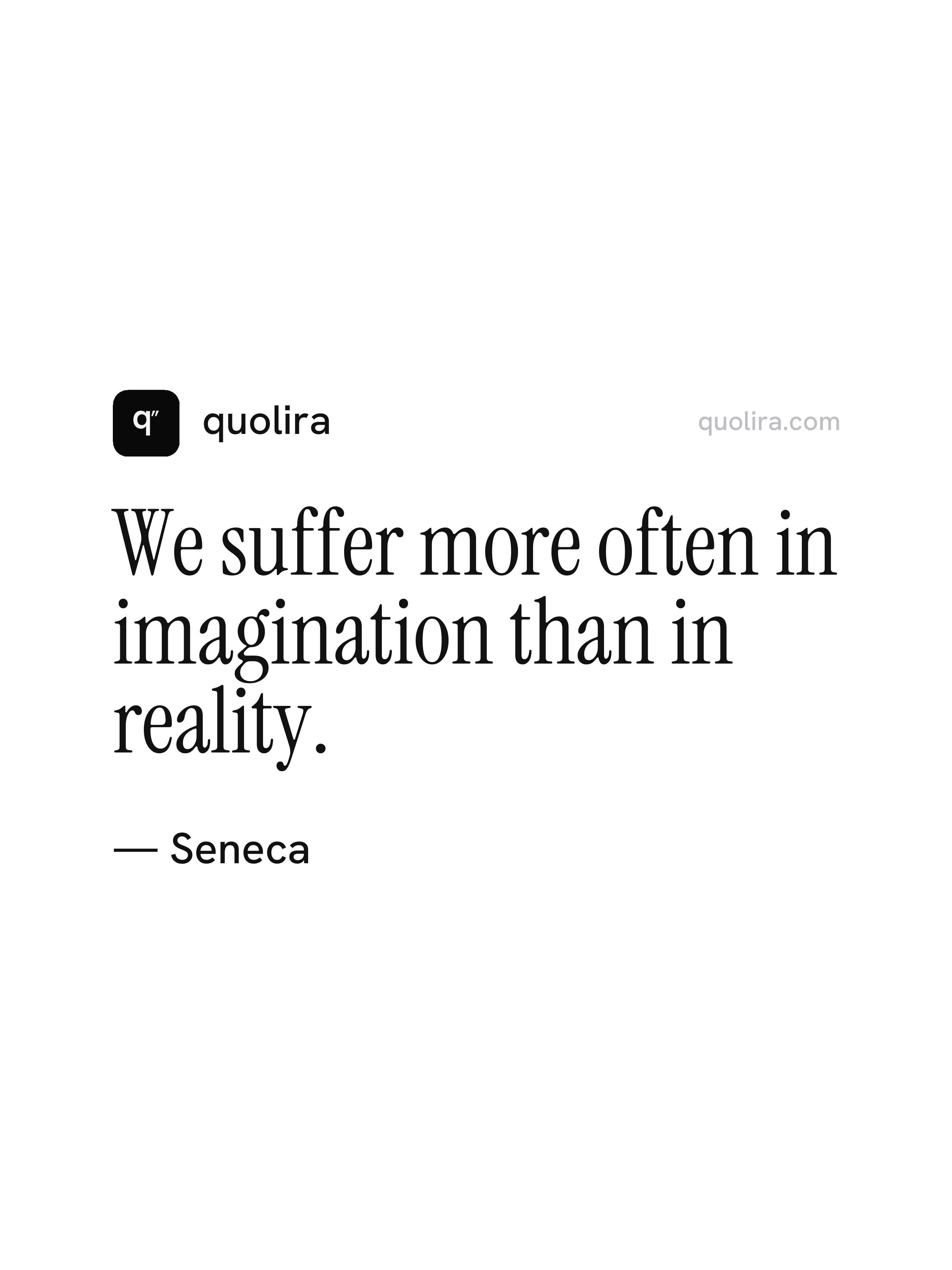
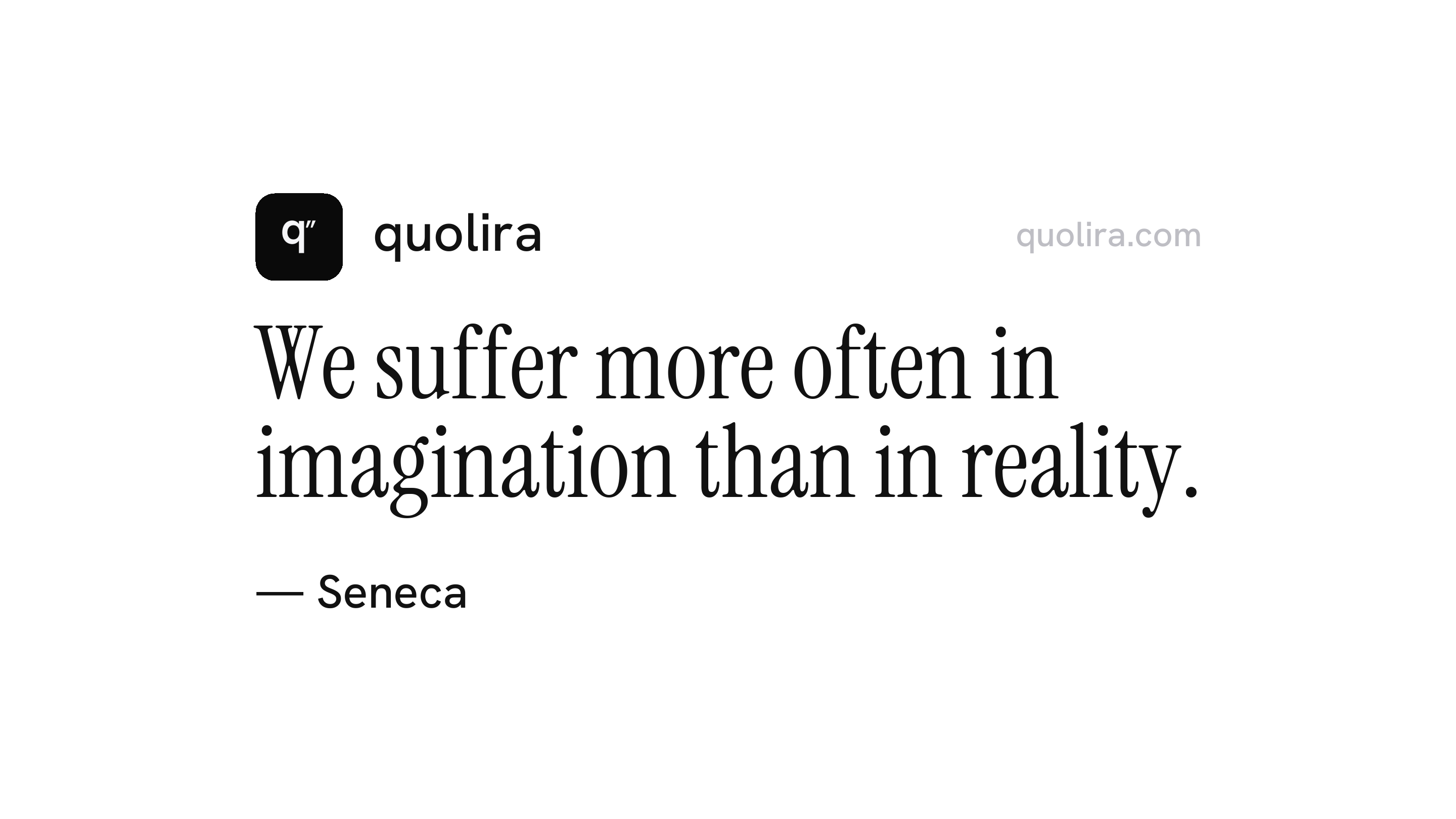
“We suffer more often in imagination than in reality.”
Seneca · Letters to Lucilius
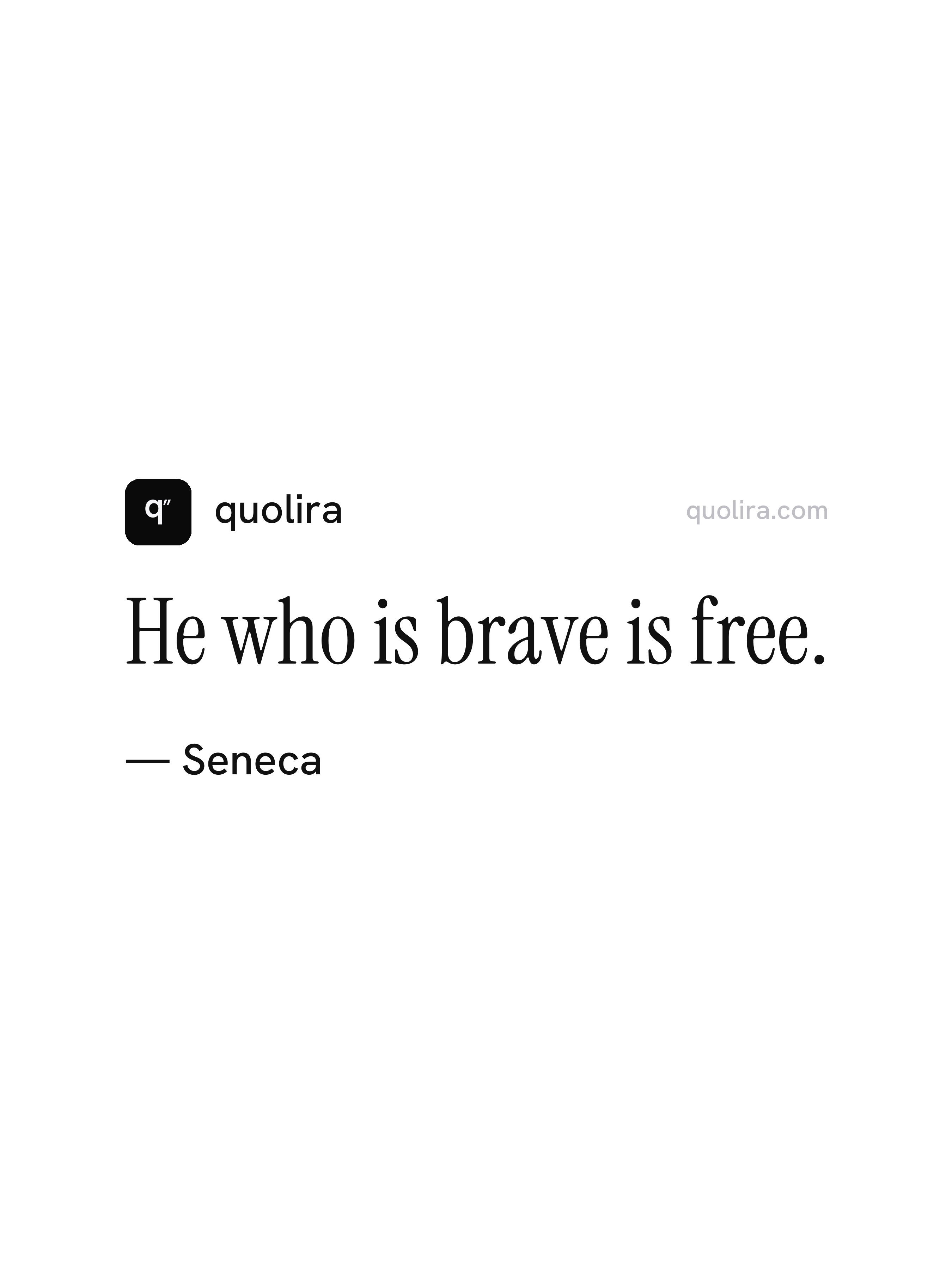
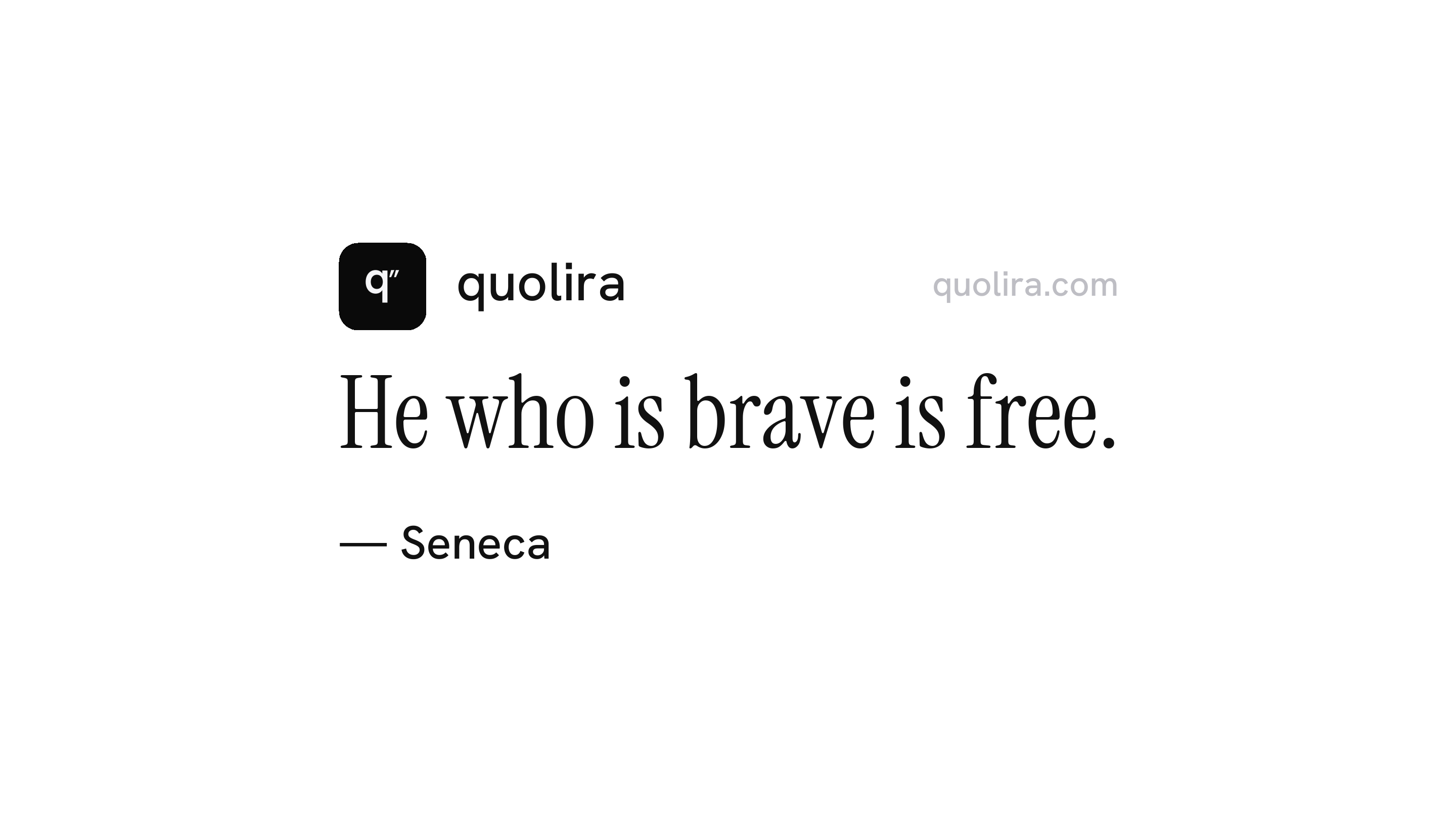
“He who is brave is free.”
Seneca · Letters to Lucilius
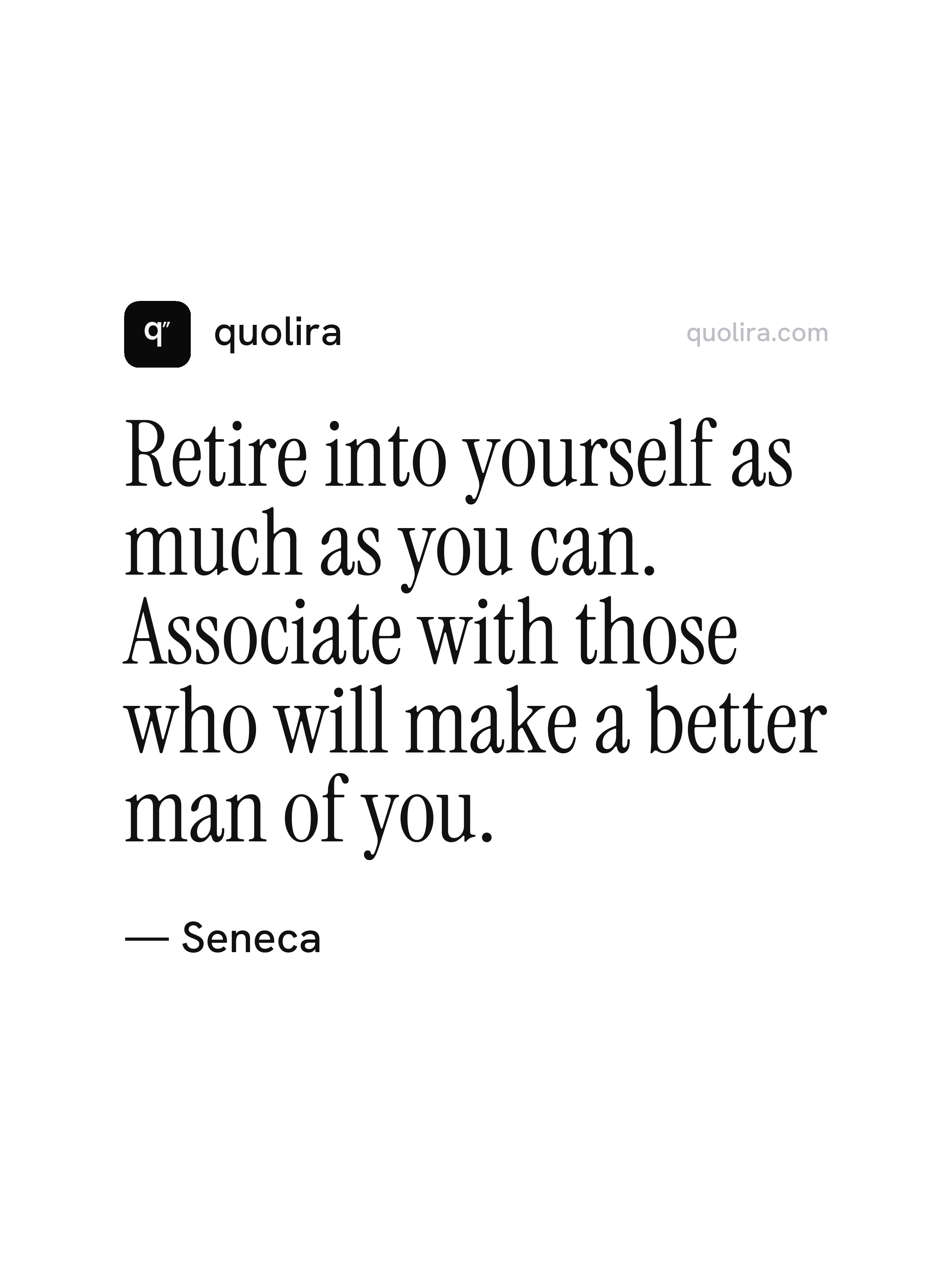
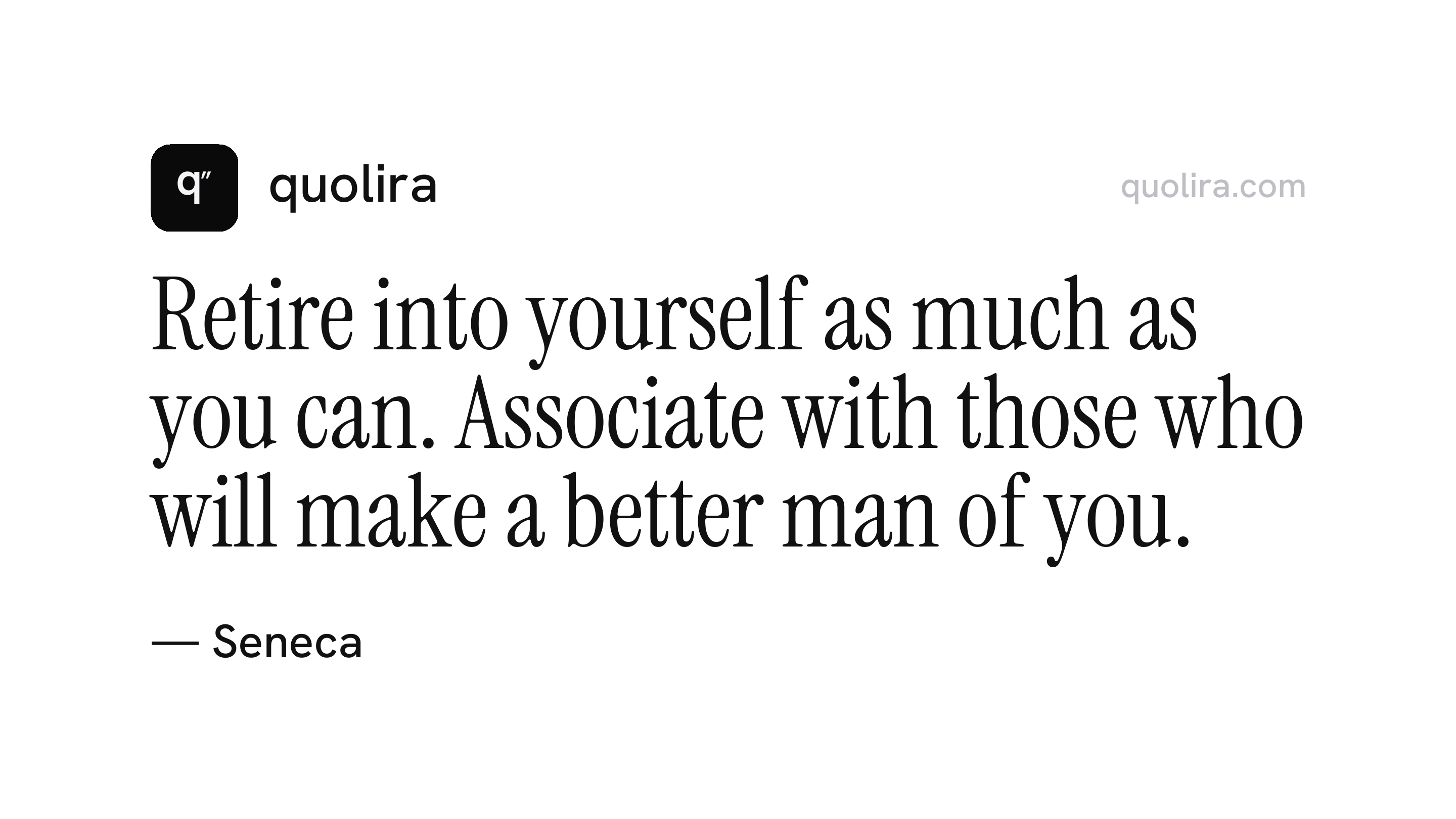
“Retire into yourself as much as you can. Associate with those who will make a better man of you.”
Seneca · Letters to Lucilius, Letter 7