“In three words I can sum up everything I've learned about life: it goes on.”
Robert Frost
 quolira
.com
quolira
quolira.com
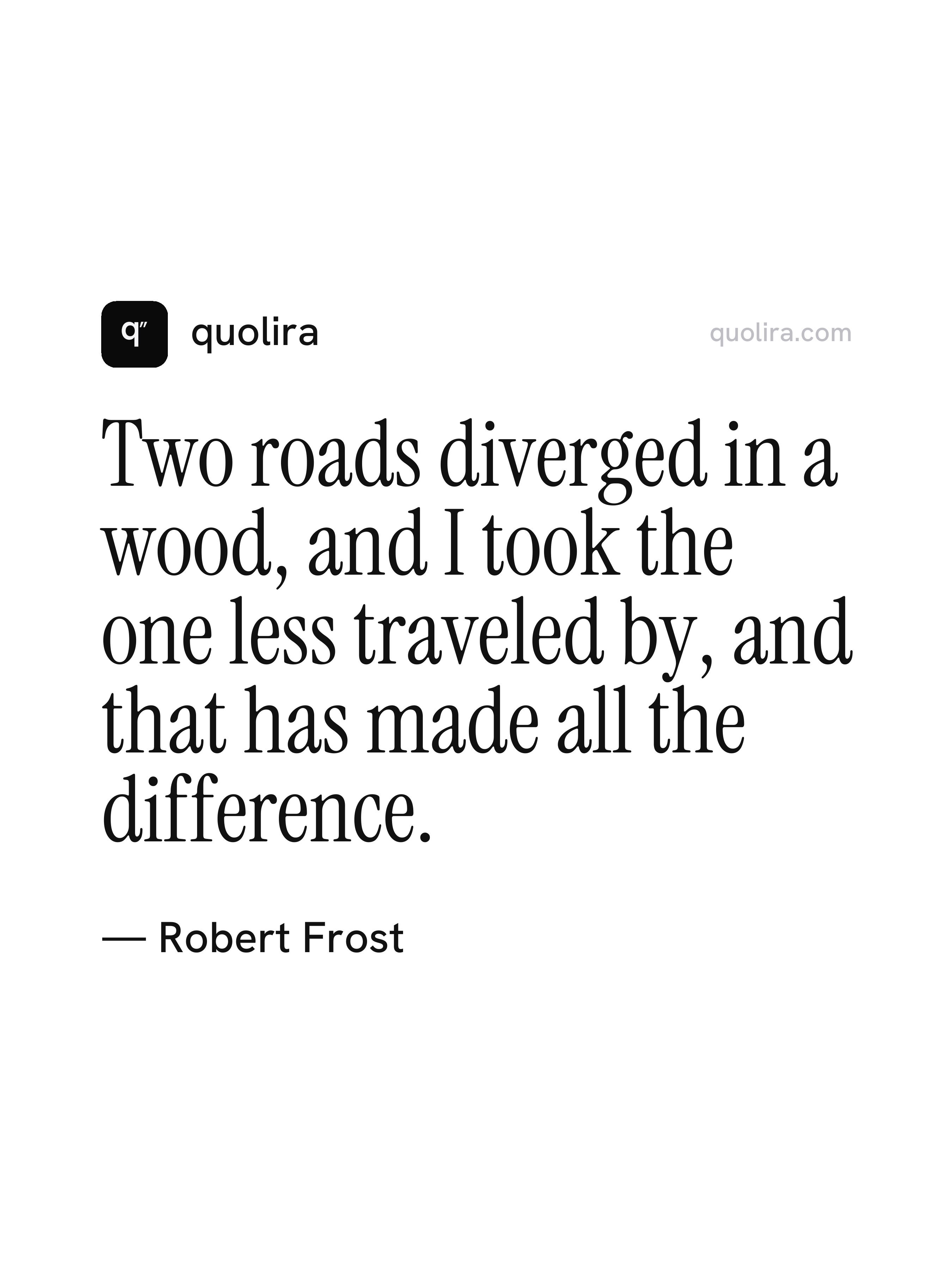
These lines are often read as a celebration of individuality and bold choice, an encouragement to break from the crowd and forge your own path. On that level the message is clear and appealing: the decisions we make, especially the unconventional ones, can shape the entire course of our lives. Many readers carry this interpretation as a personal motto, a reminder that originality and independence have their own reward.
The poem this comes from, "The Road Not Taken," is one of the most widely read poems in the English language, published in 1916. Frost himself was aware that the poem is often misread. The speaker actually admits that both roads were worn about the same and that the claim of having taken the less-traveled road is made with a sigh, looking back with a degree of self-awareness or even irony. The poem may be exploring how we construct meaning from our choices in hindsight, rather than simply cheering on nonconformity. That tension between the popular reading and the poem's actual nuance is part of what makes it endlessly interesting.
Robert Frost spent much of his life in New England and drew deeply on its landscapes and rural rhythms. He became one of the most honored American poets of his era, receiving the Pulitzer Prize for Poetry four times. His plain-spoken style concealed careful craft, and he consistently wrote poems that rewarded a second and third reading far more richly than a first glance might suggest.
“In three words I can sum up everything I've learned about life: it goes on.”
Robert Frost
“Something there is that doesn't love a wall.”
Robert Frost · Mending Wall, 1914
“I am not a teacher, but an awakener.”
Robert Frost
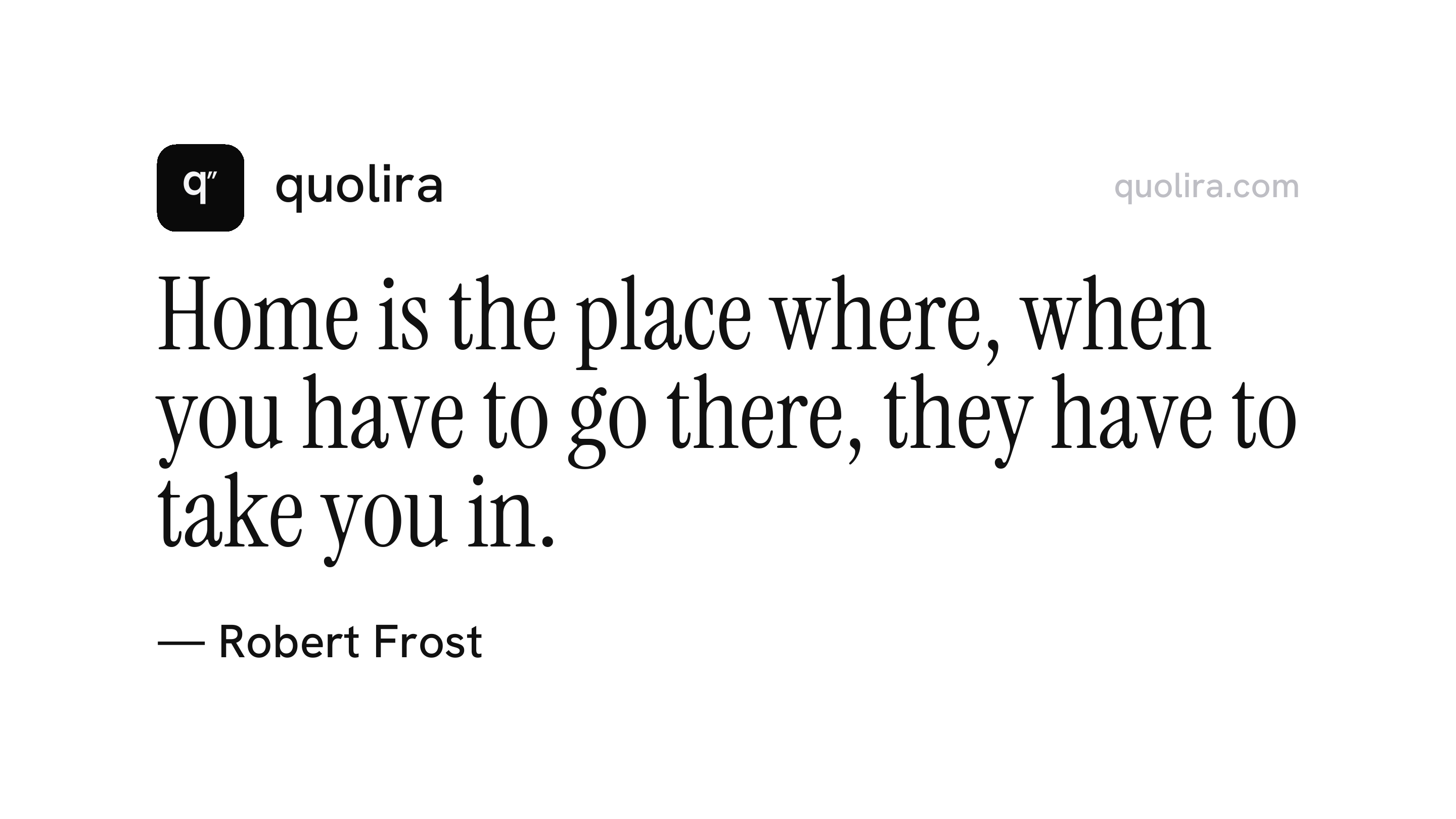
“Home is the place where, when you have to go there, they have to take you in.”
Robert Frost · The Death of the Hired Man, 1914
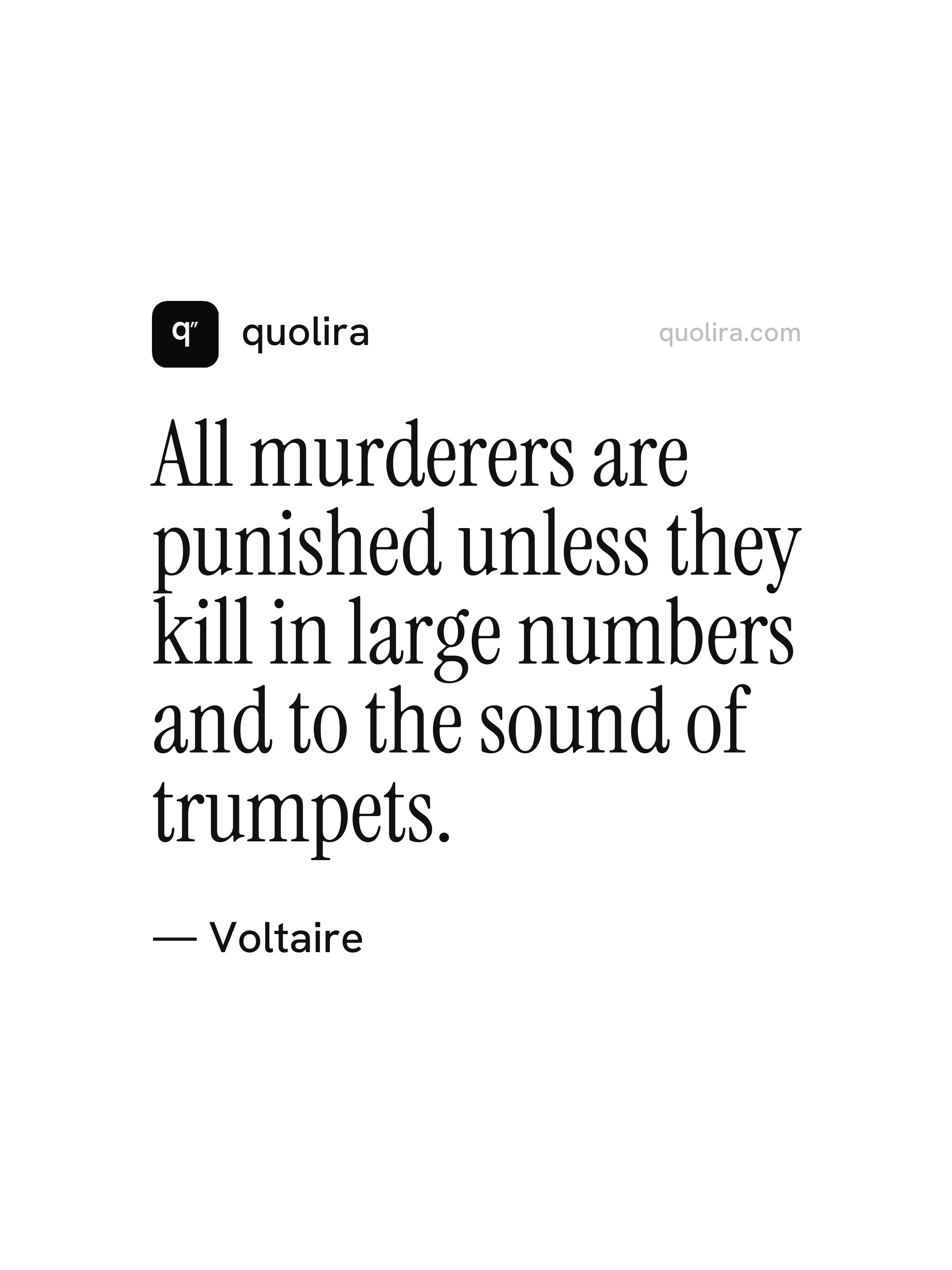
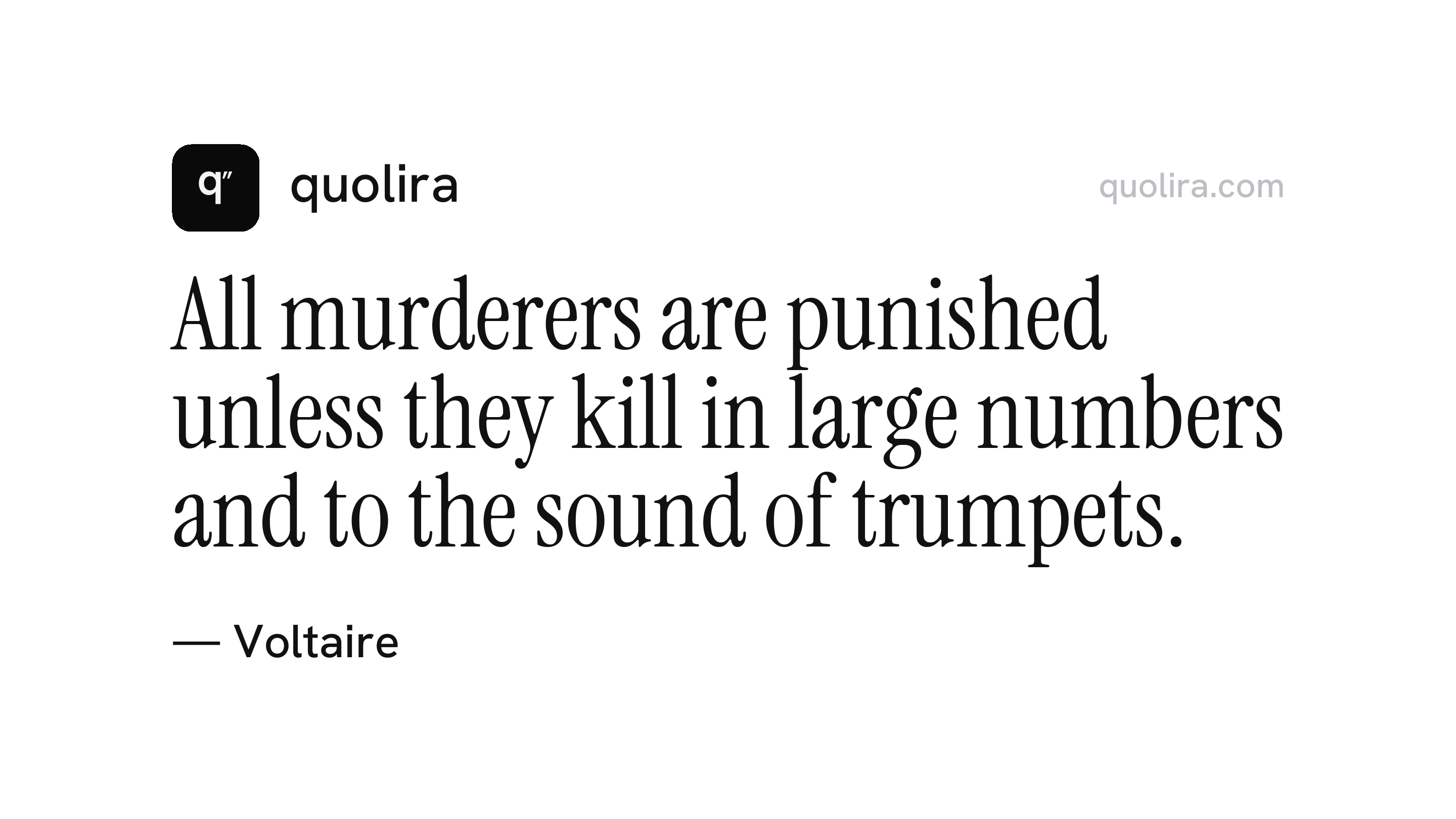
“All murderers are punished unless they kill in large numbers and to the sound of trumpets.”
Voltaire · Zadig, 1747
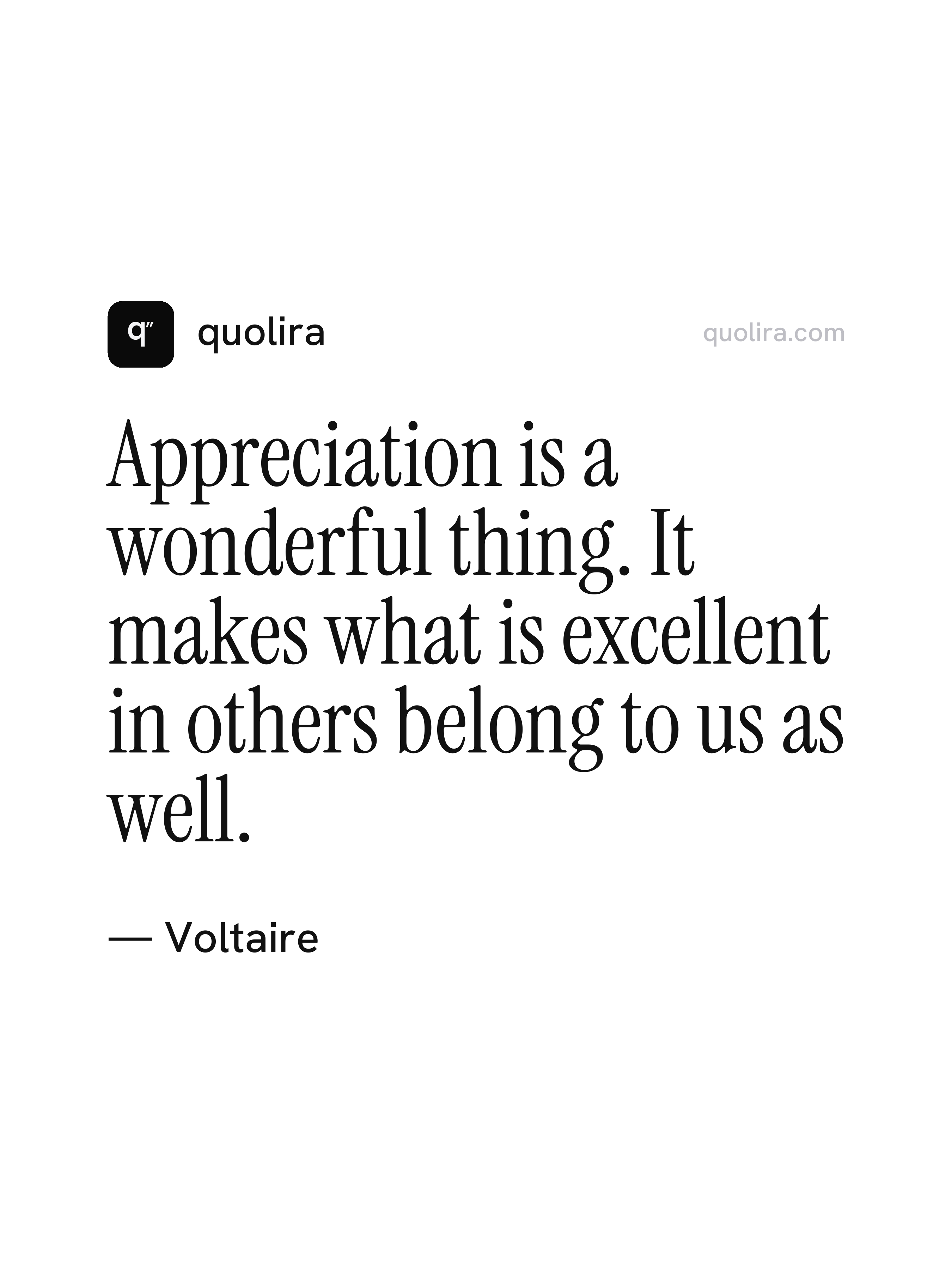
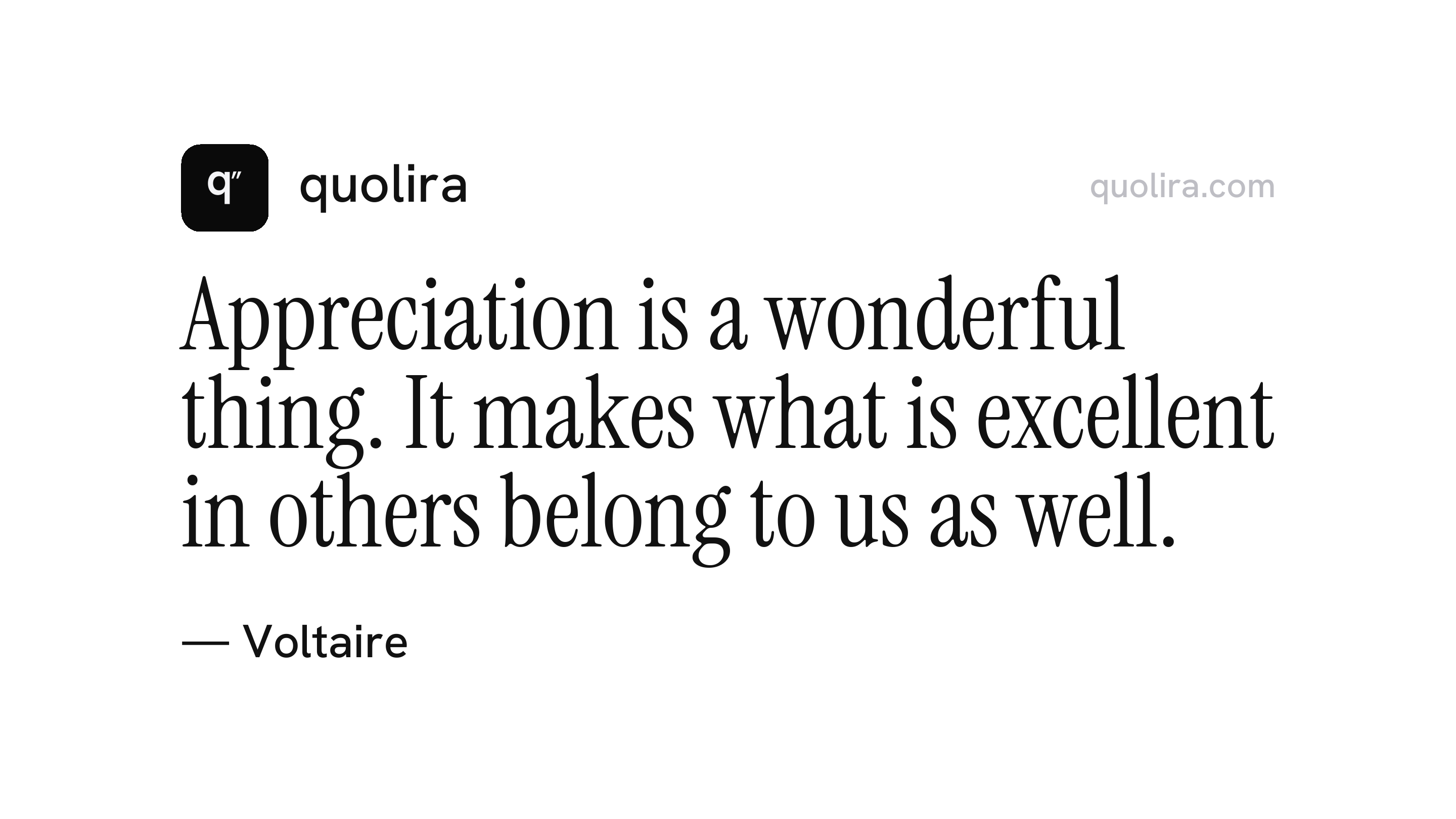
“Appreciation is a wonderful thing. It makes what is excellent in others belong to us as well.”
Voltaire
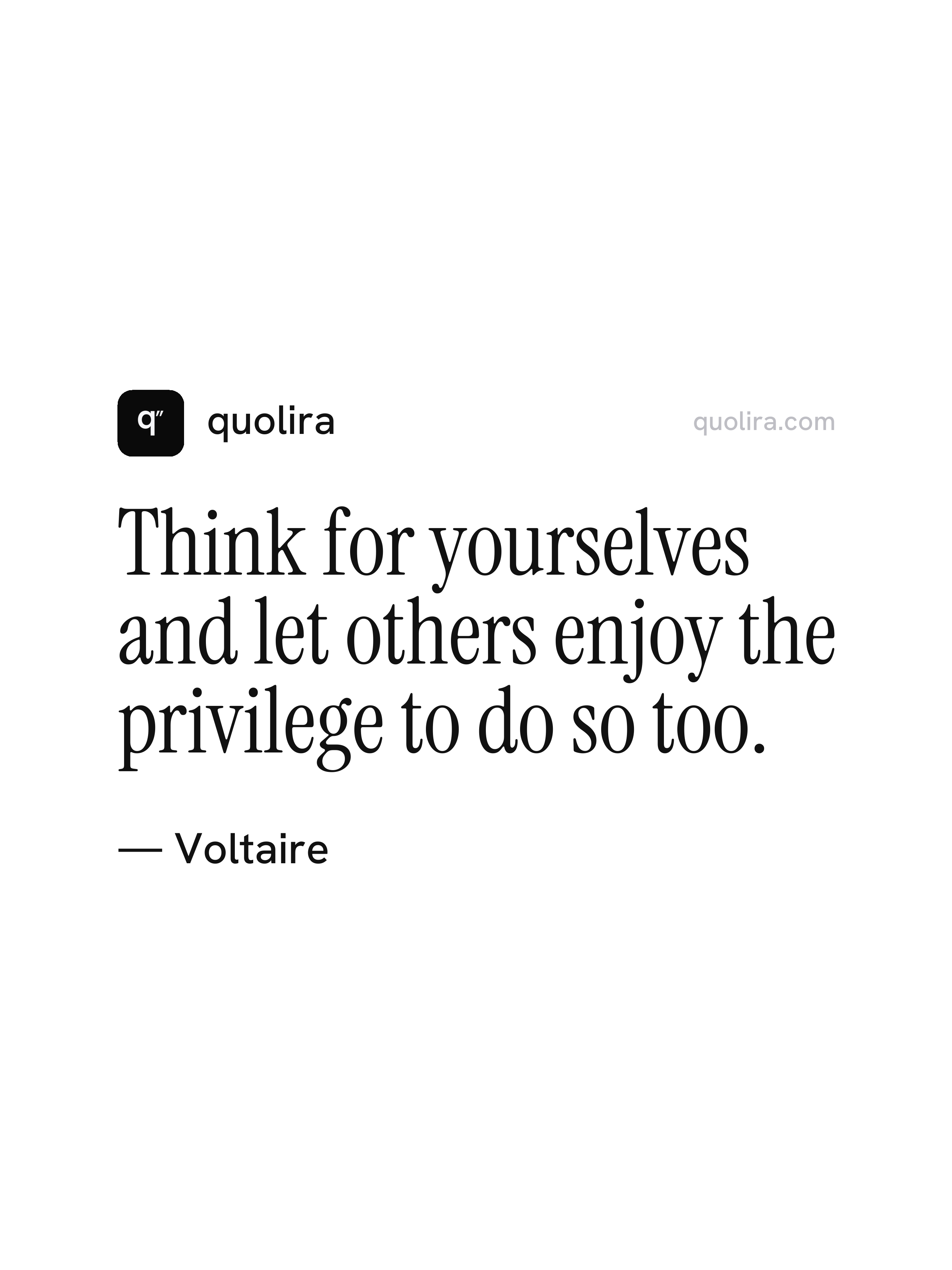
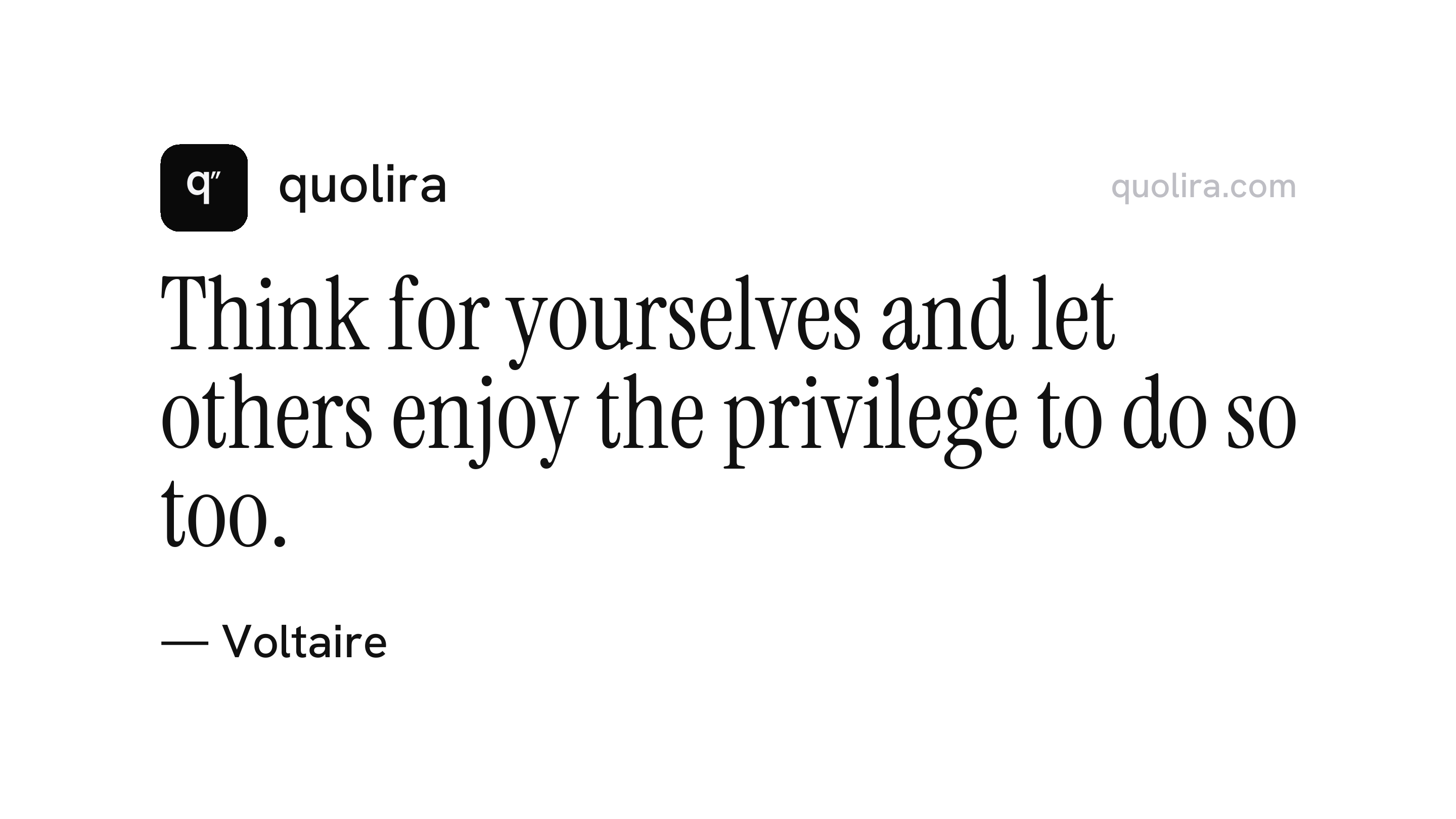
“Think for yourselves and let others enjoy the privilege to do so too.”
Voltaire
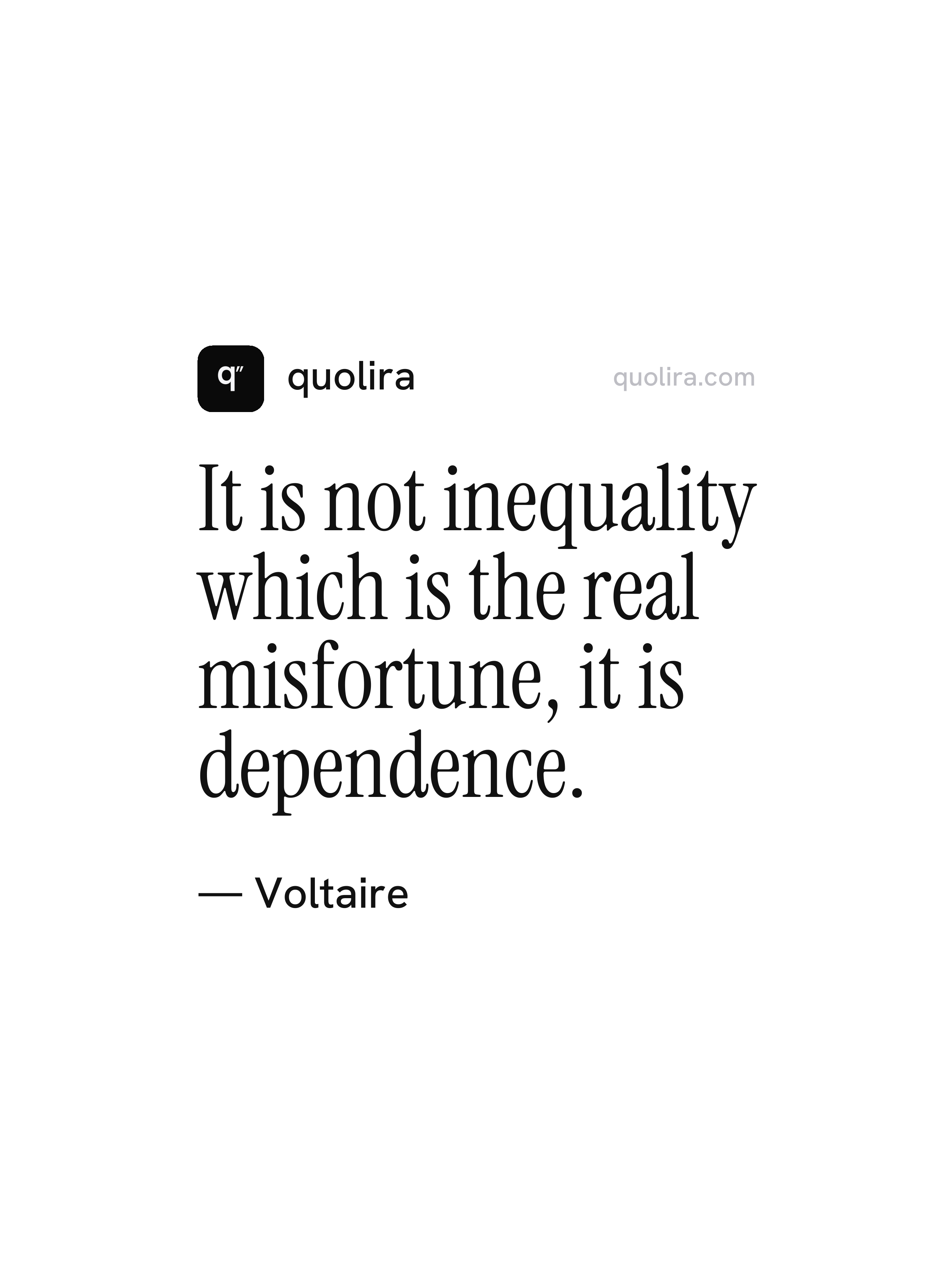
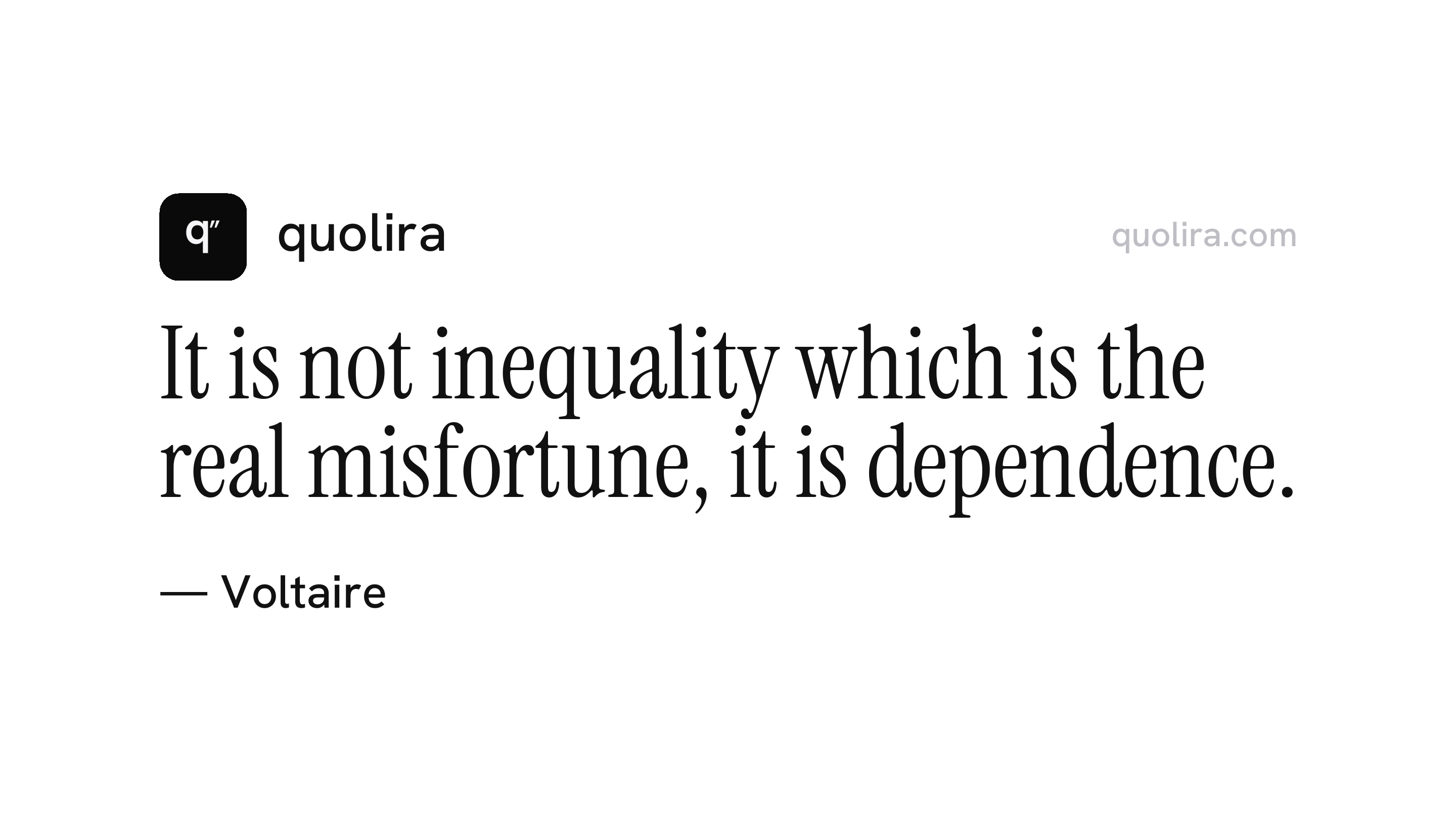
“It is not inequality which is the real misfortune, it is dependence.”
Voltaire
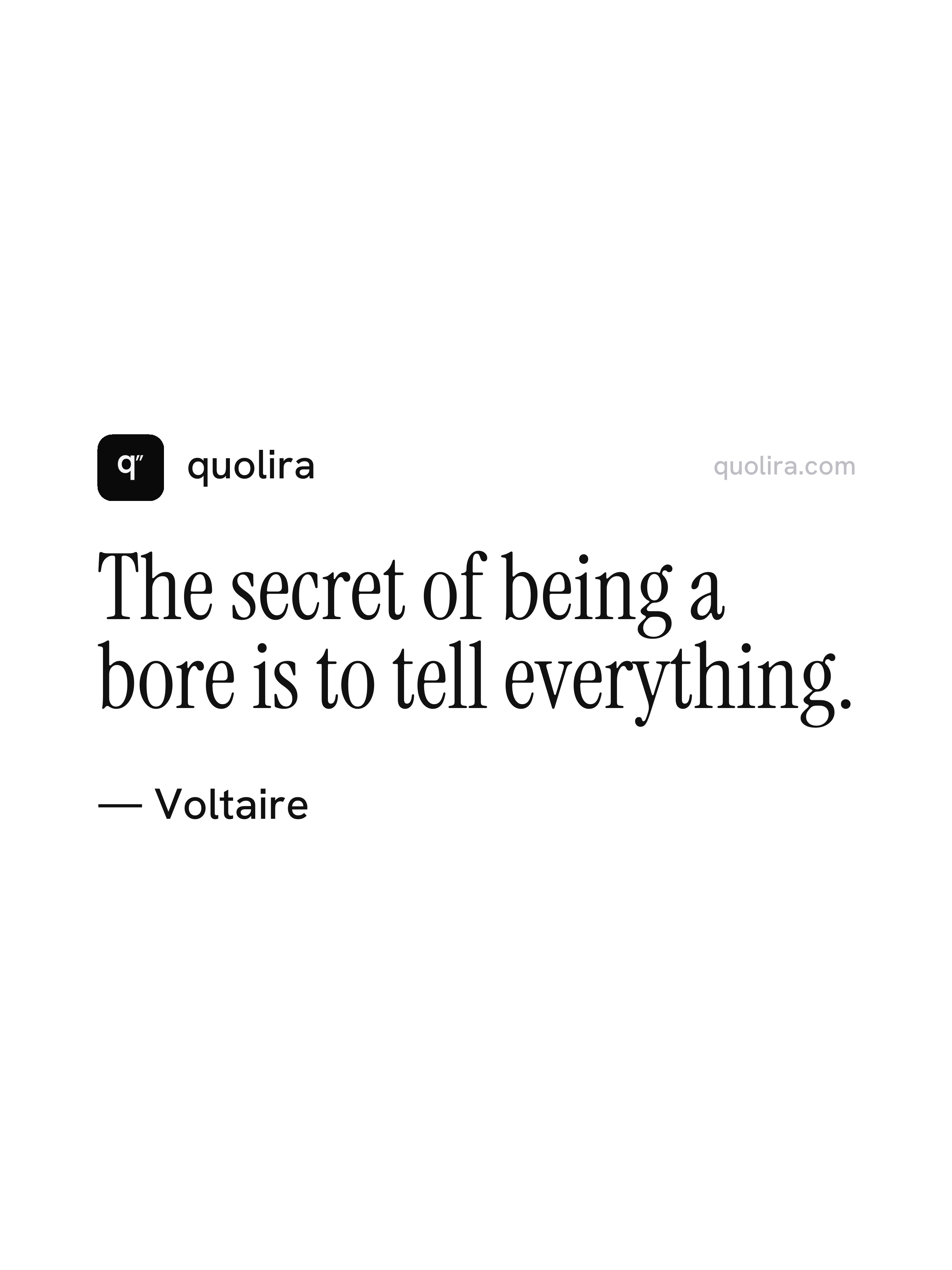
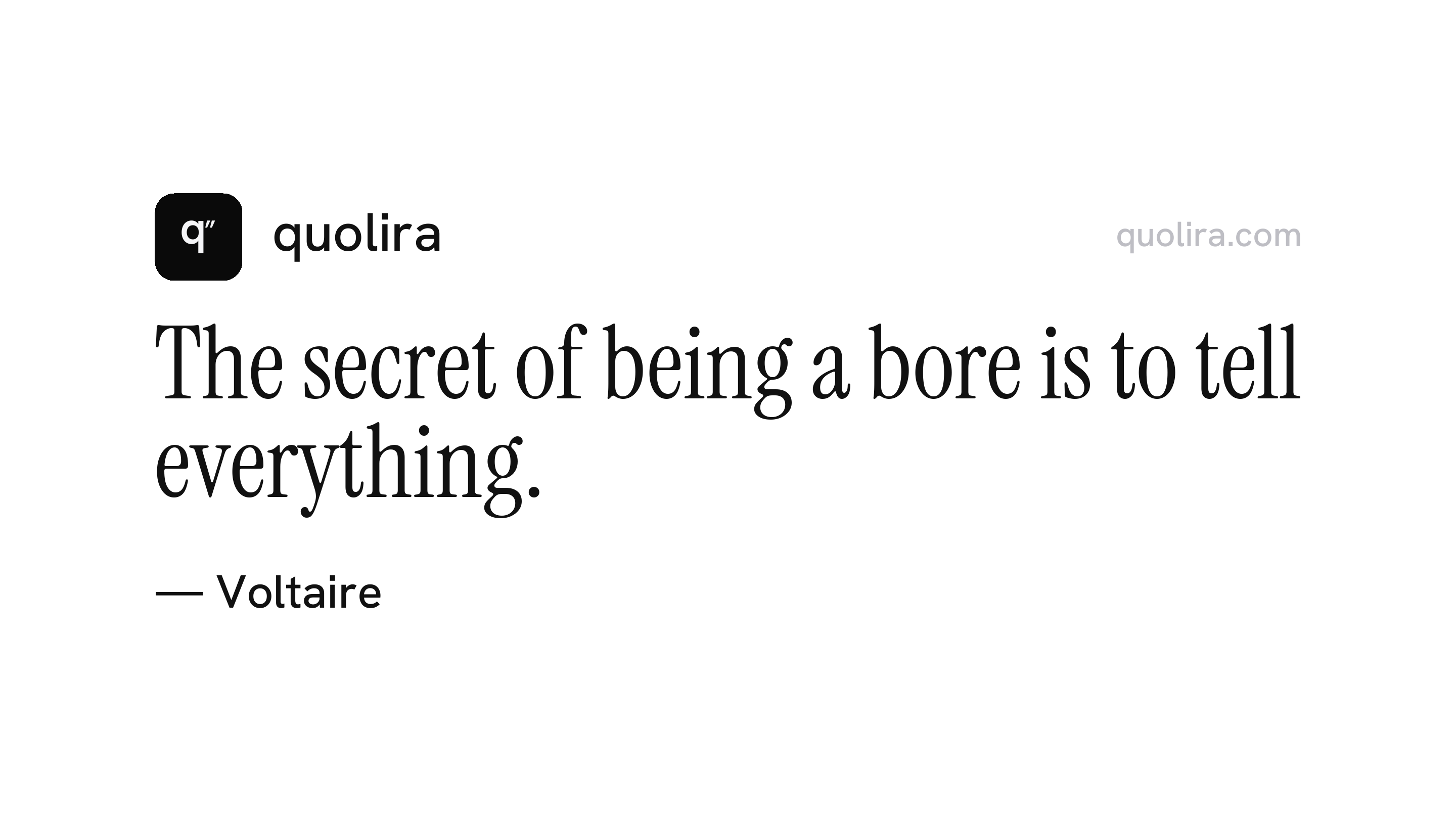
“The secret of being a bore is to tell everything.”
Voltaire · Sept Discours en Vers sur l'Homme, 1738
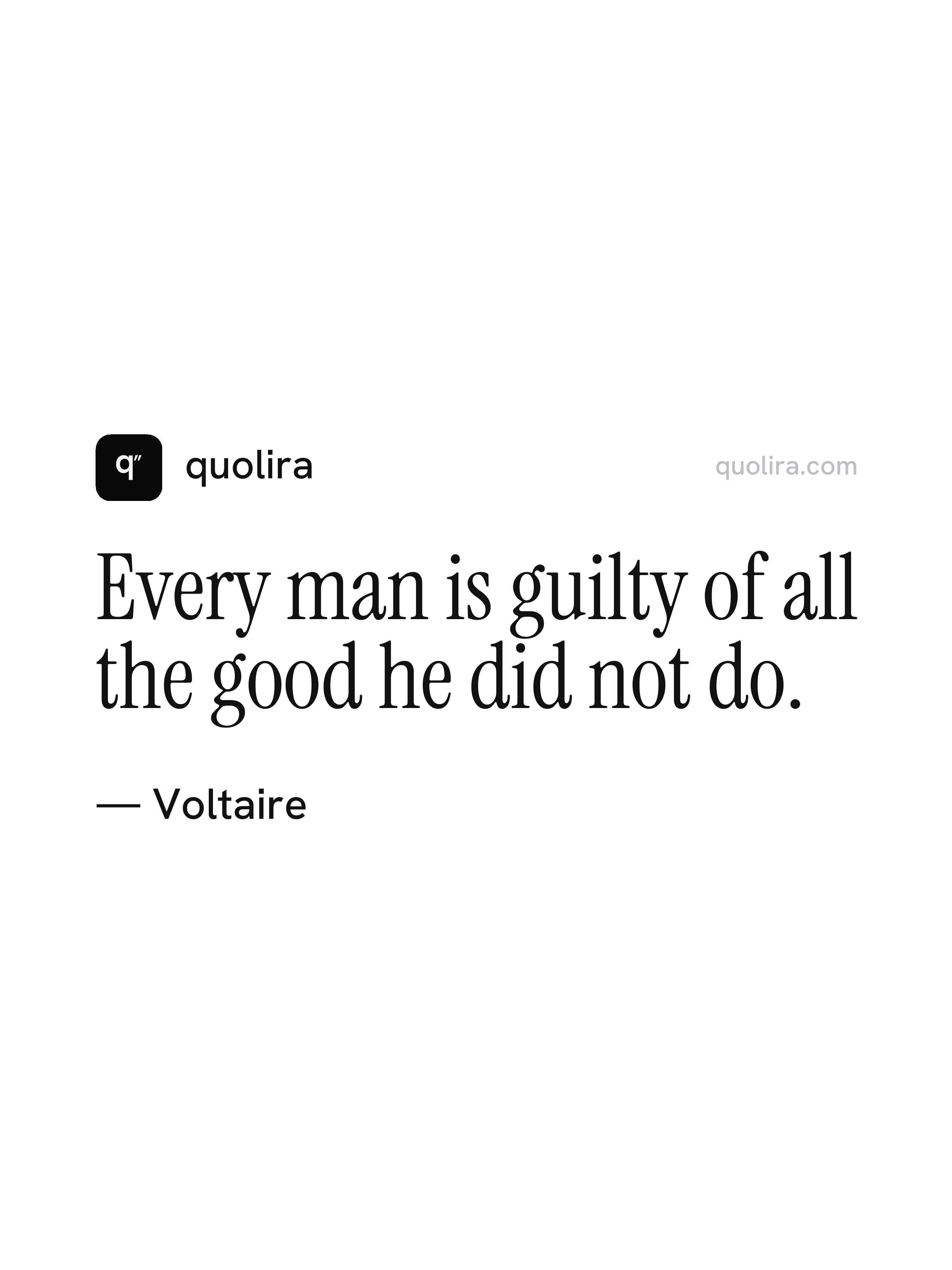
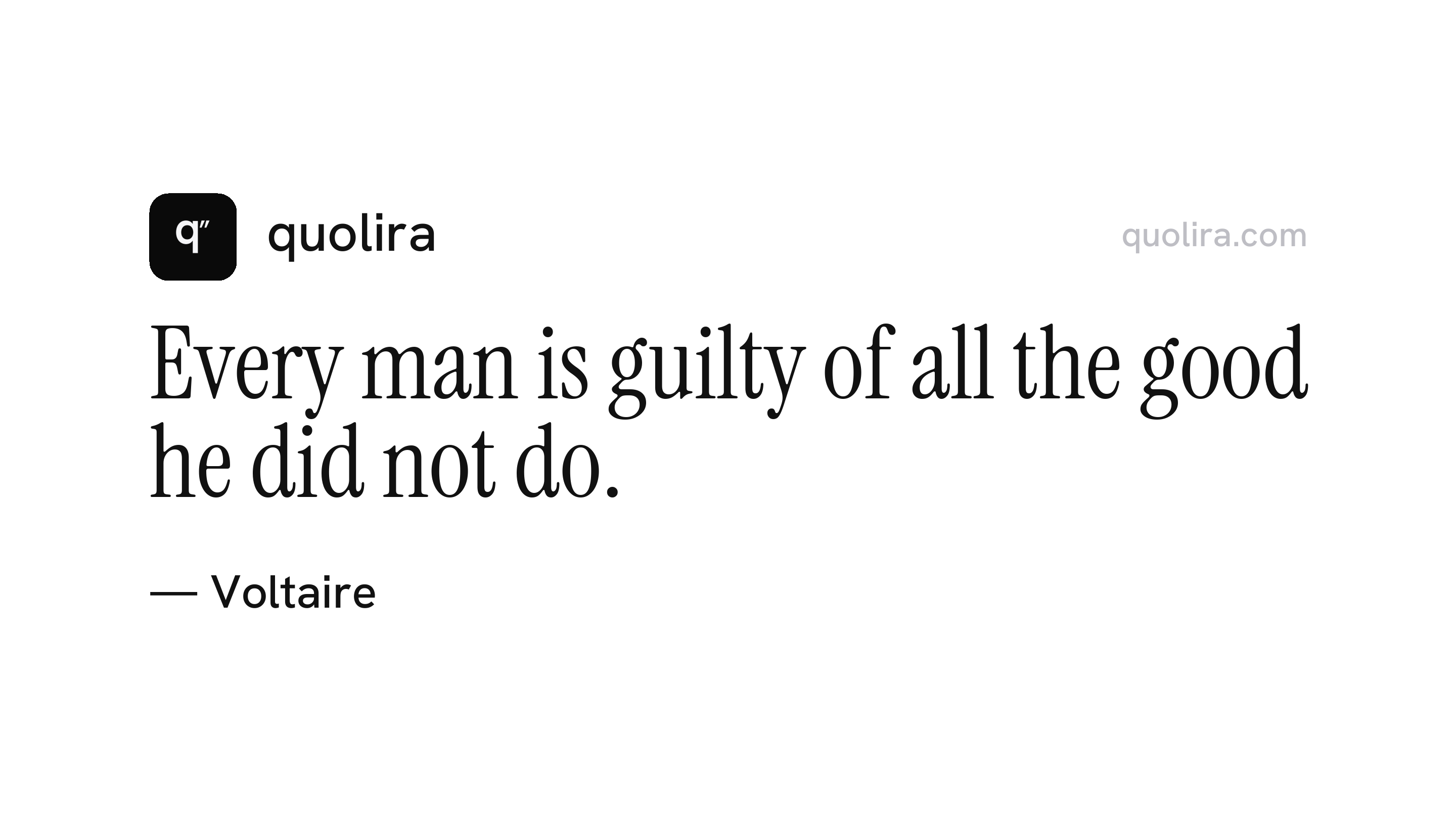
“Every man is guilty of all the good he did not do.”
Voltaire
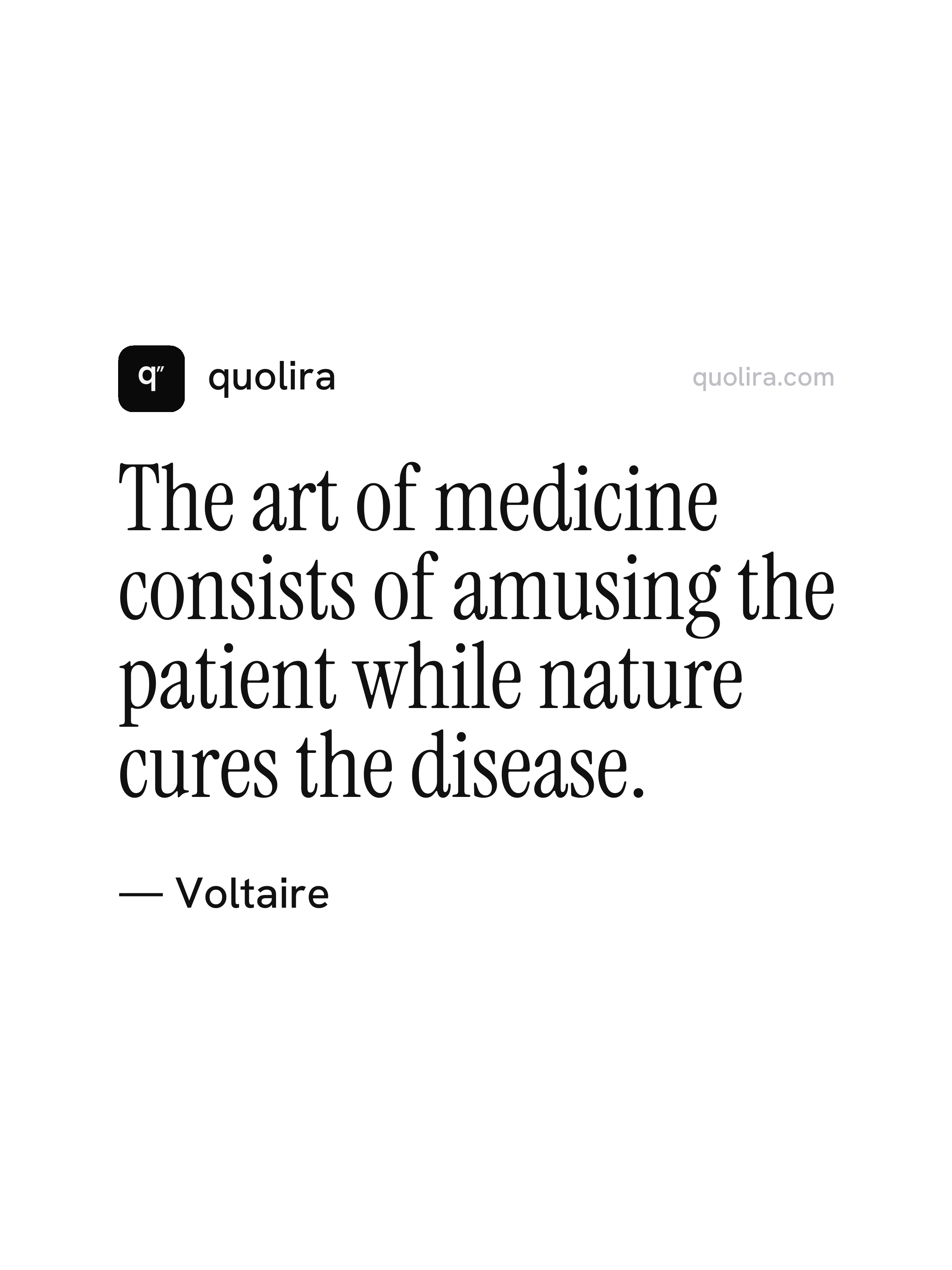
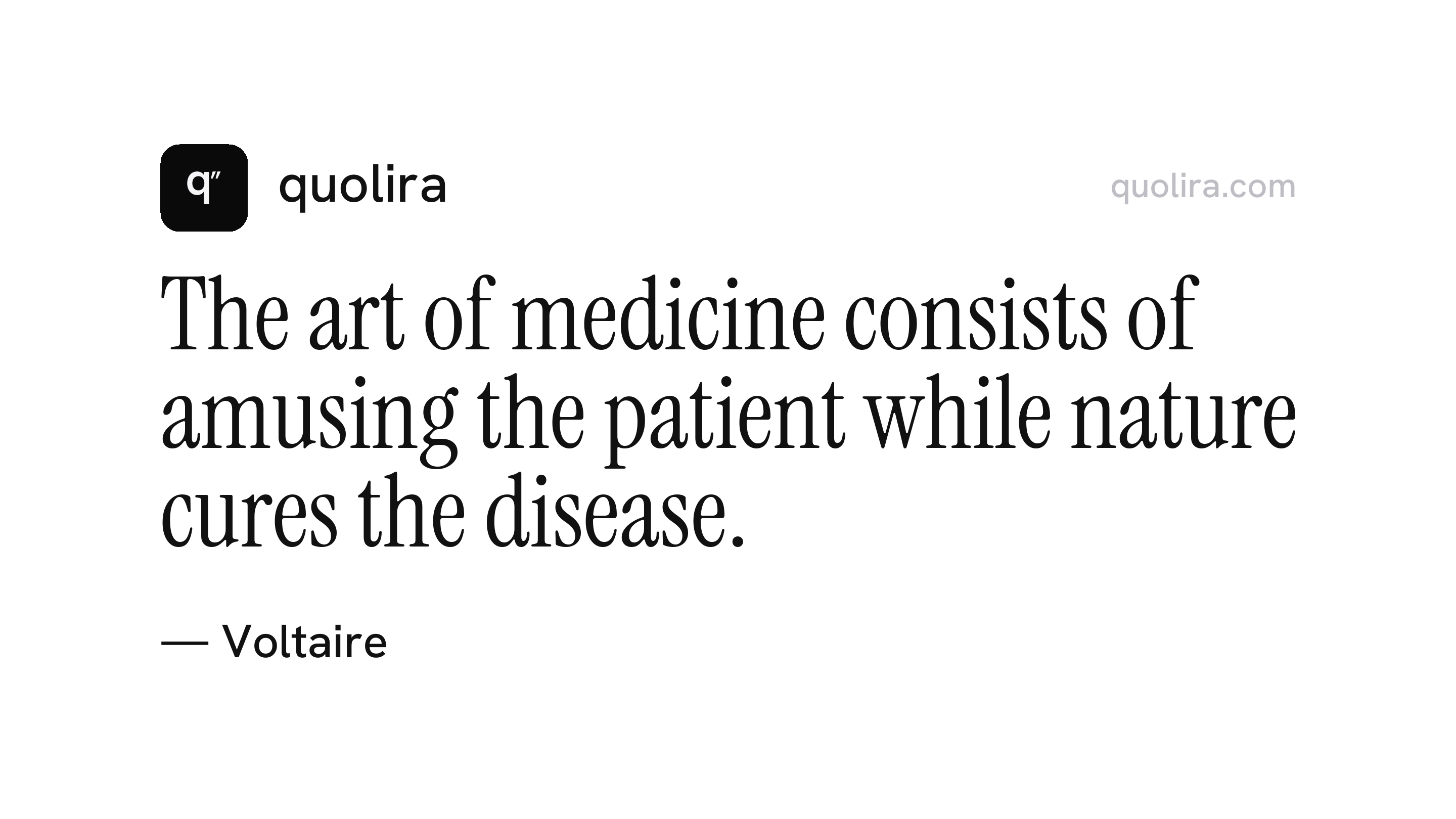
“The art of medicine consists of amusing the patient while nature cures the disease.”
Voltaire
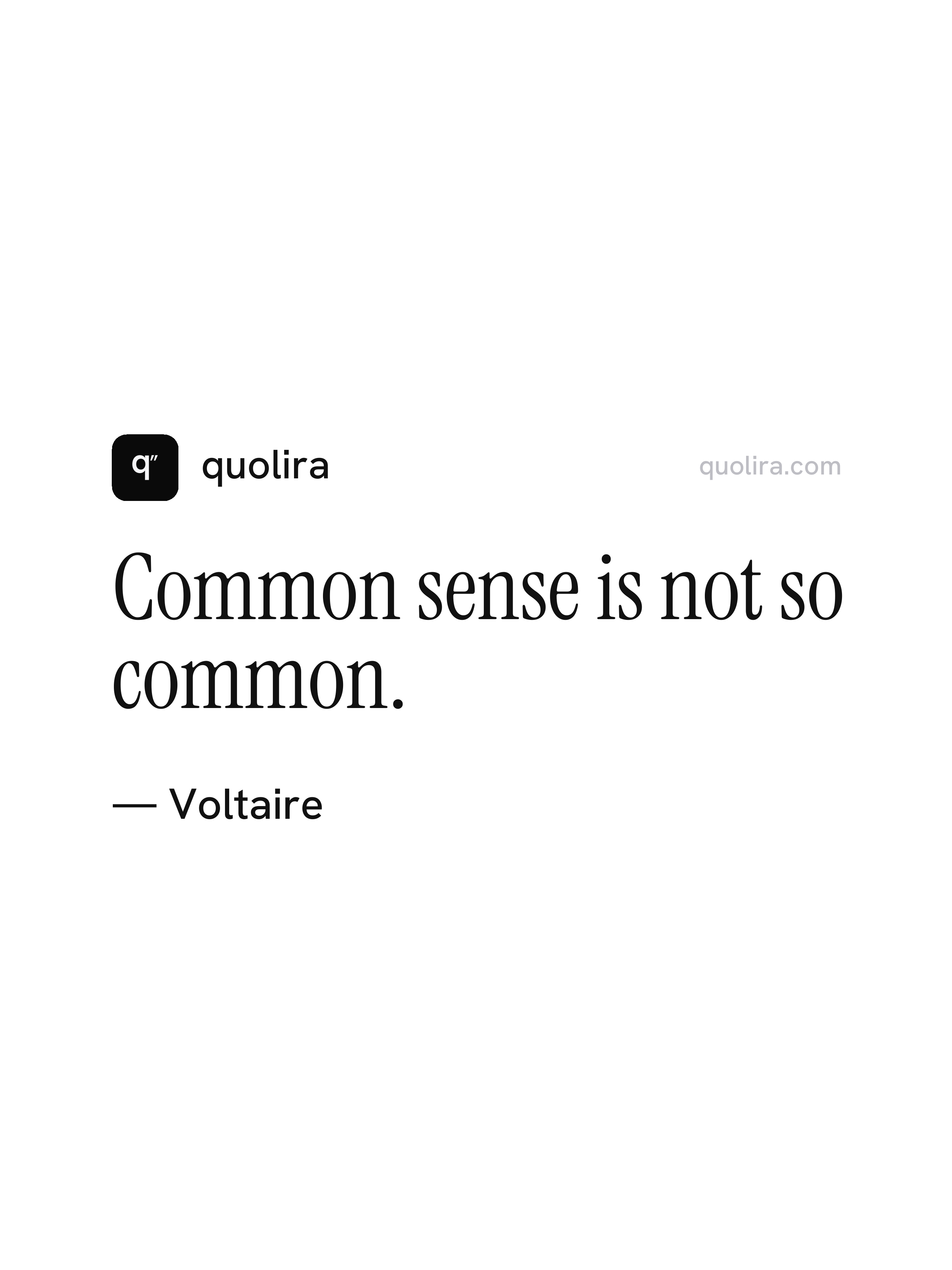
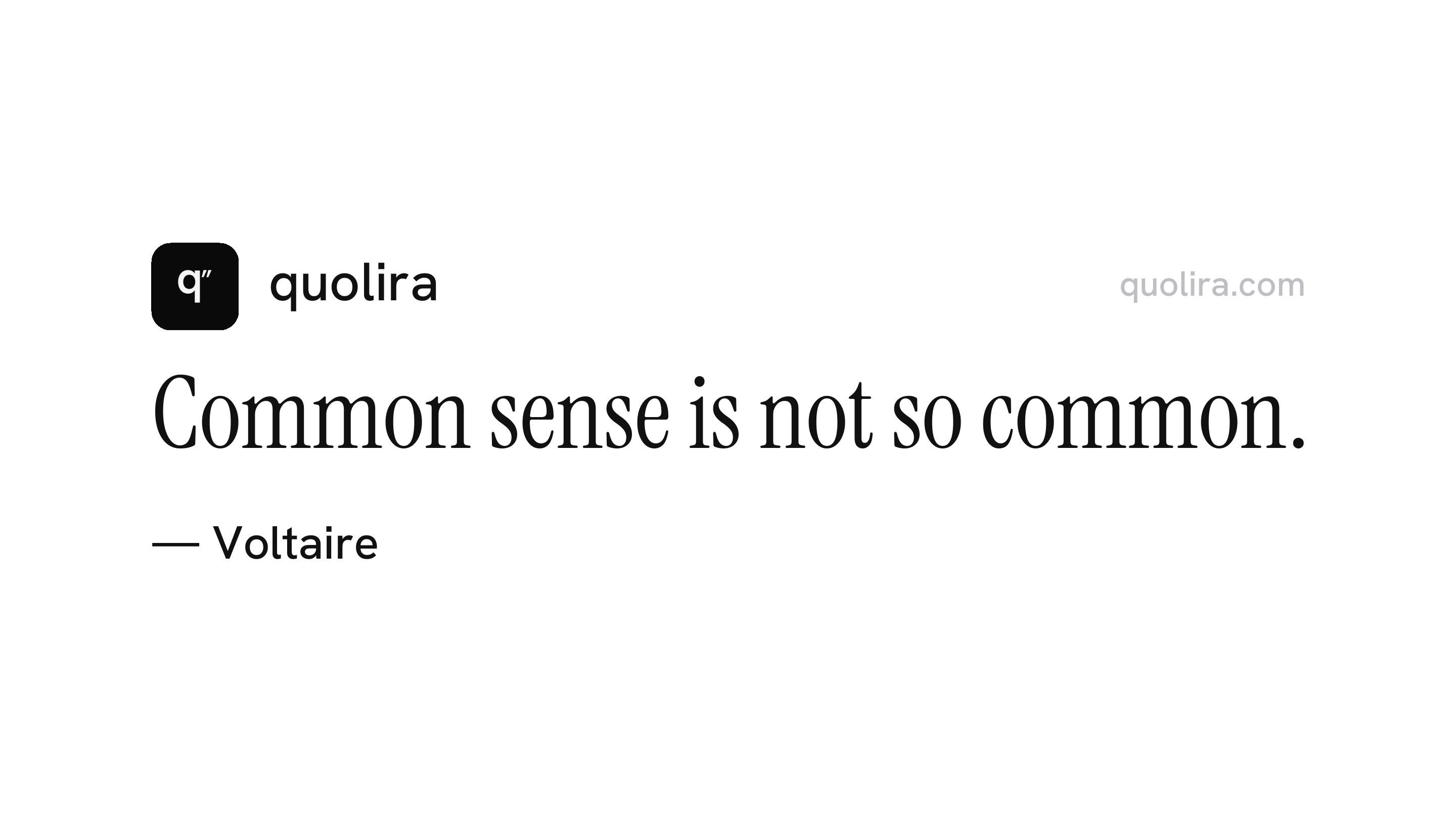
“Common sense is not so common.”
Voltaire · Philosophical Dictionary, 1764