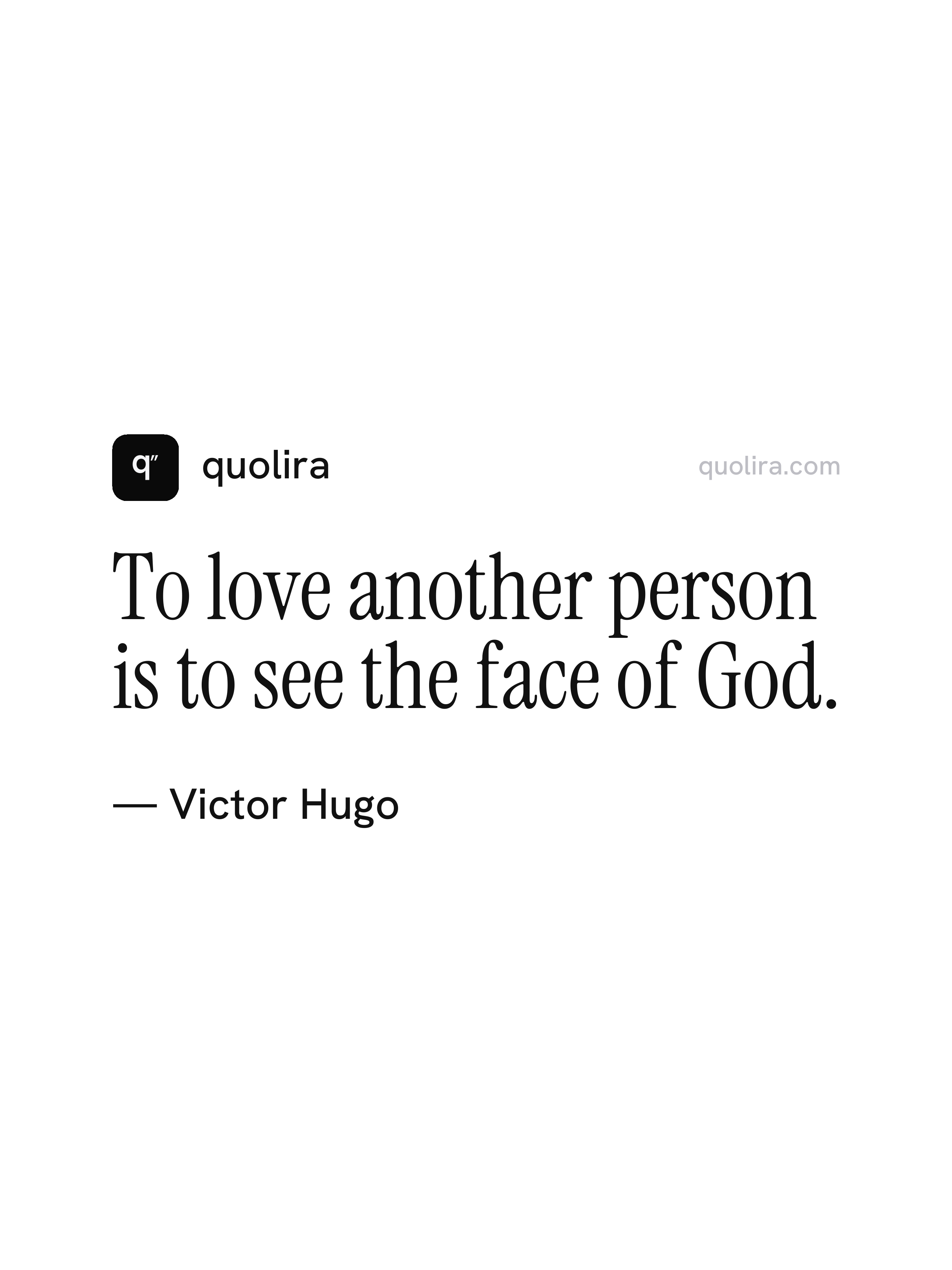
“To love another person is to see the face of God.”
Victor Hugo · Les Miserables, 1862
 quolira
.com
quolira
quolira.com
Blake's line speaks to a vision of love as complete mutual indwelling, a state in which two people do not merely share space or affection but are genuinely present within one another. The phrase "mutual in divine love" elevates this union beyond ordinary human feeling, suggesting that love at its deepest has a sacred quality. For Blake, the boundaries between self and other, and even between the human and the divine, were not fixed. This line reflects his belief that love is not just an emotion but a spiritual condition of wholeness.
"Jerusalem: The Emanation of the Giant Albion" is one of Blake's longest and most complex prophetic works, a poem composed over many years and filled with his own invented mythology. The poem deals with themes of division and unity, fall and redemption, and the struggle to restore wholeness to a fragmented world. Within this ambitious framework, love is presented as the force capable of healing separation. Blake engraved and illustrated the work himself, combining text and image in a way that was entirely his own.
William Blake was an English poet, painter, and printmaker working at the turn of the nineteenth century. He is now regarded as a foundational figure of the Romantic movement, though he was little recognized during his lifetime. His work is visionary in the most literal sense, drawing on personal spiritual experiences and a privately developed symbolic system. He created his books by hand, engraving both the words and illustrations onto copper plates. His poetry ranges from deceptively simple lyrics to vast prophetic epics.
“To love another person is to see the face of God.”
Victor Hugo · Les Miserables, 1862
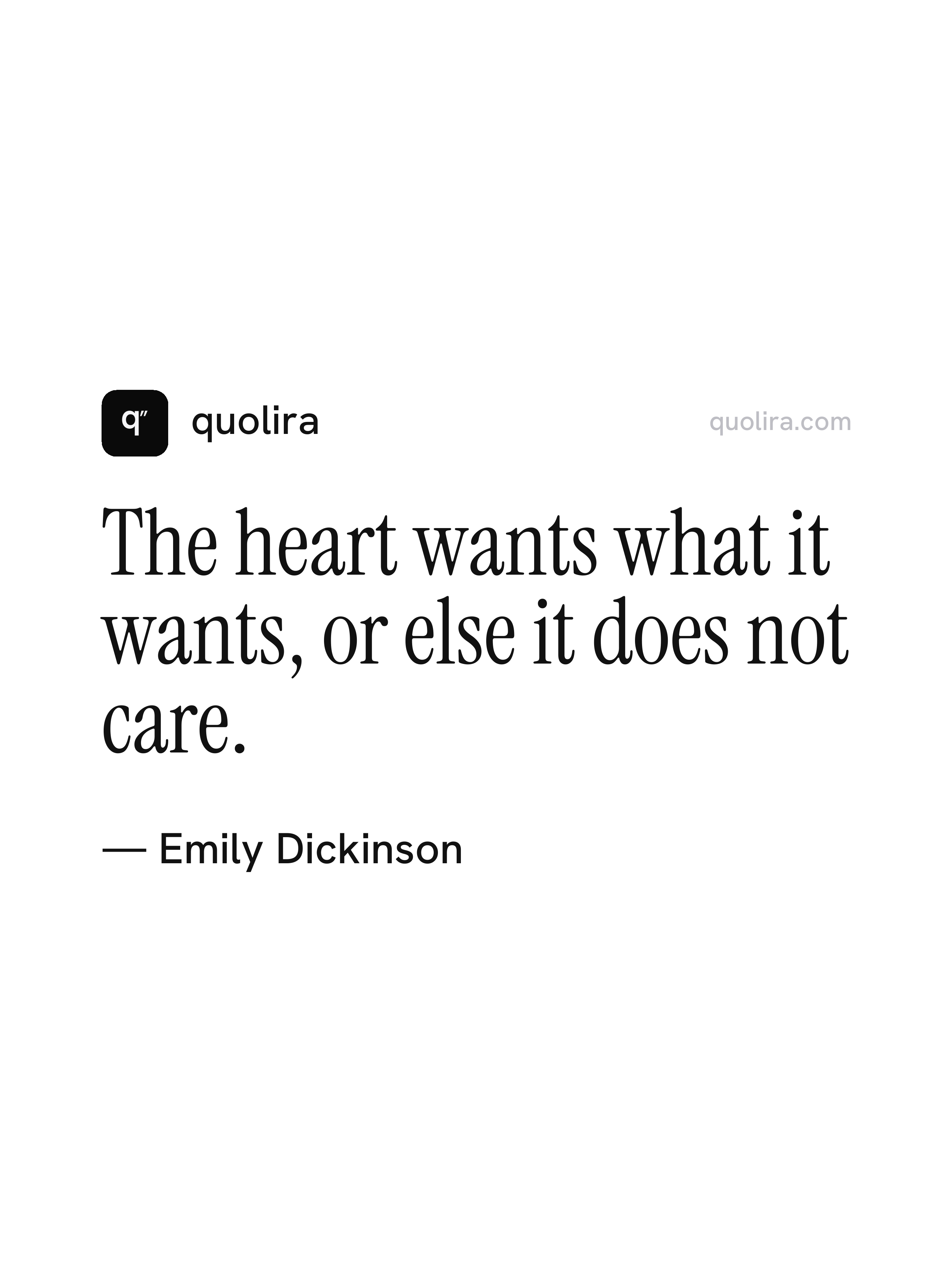
“The heart wants what it wants, or else it does not care.”
Emily Dickinson · Letter to Mrs. Joseph Haven, 1852
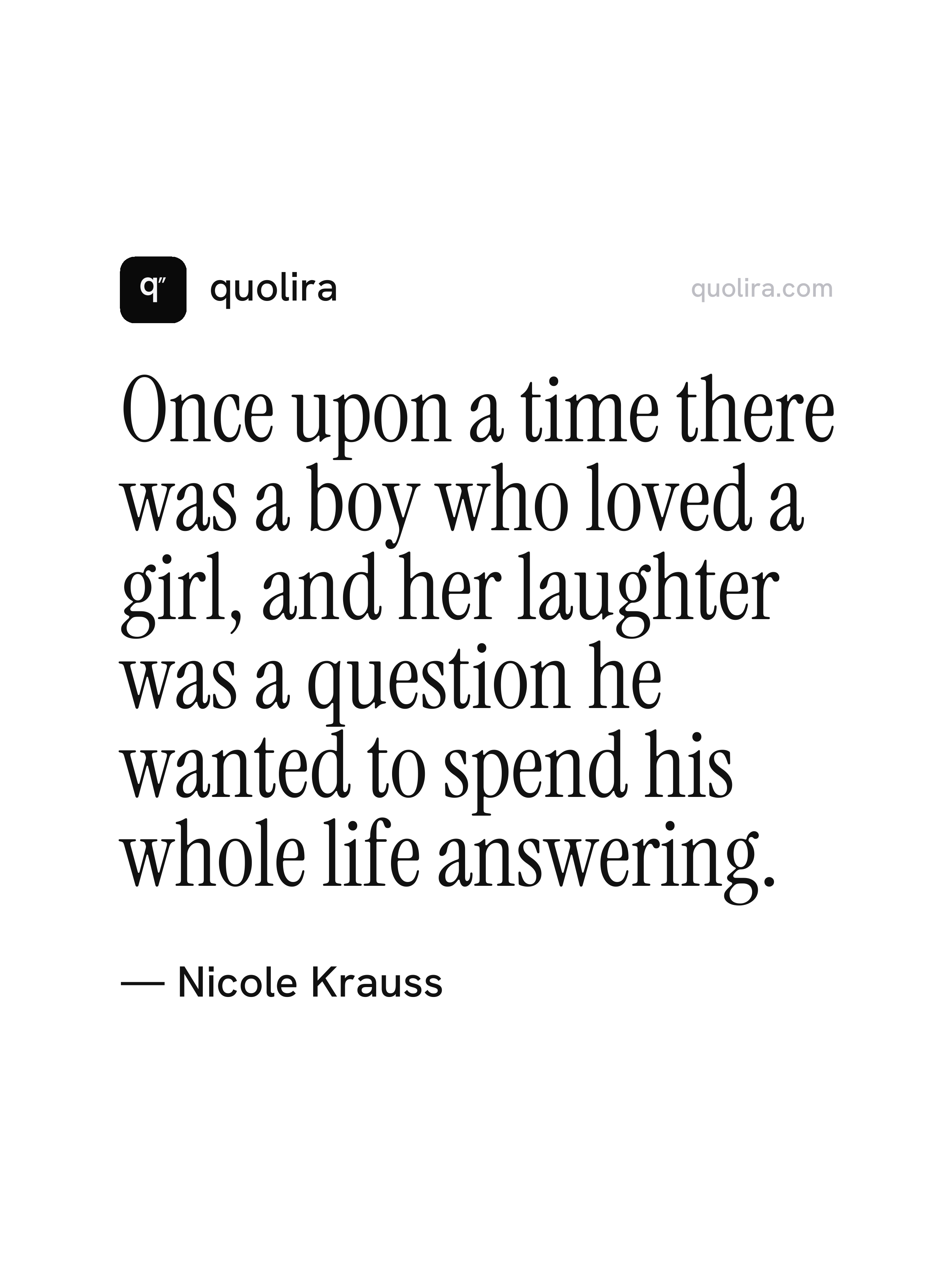
“Once upon a time there was a boy who loved a girl, and her laughter was a question he wanted to spend his whole life answering.”
Nicole Krauss · The History of Love, 2005
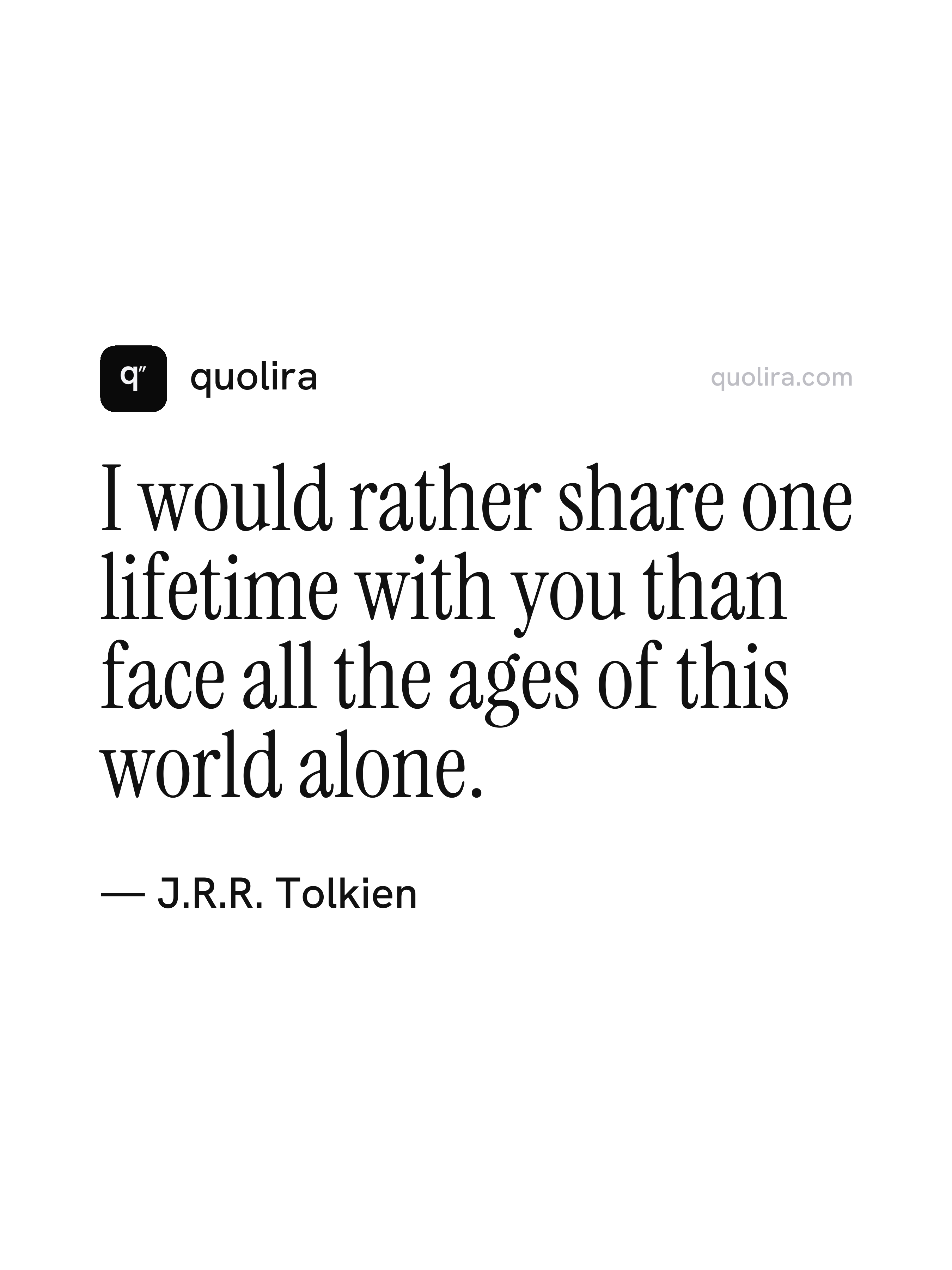
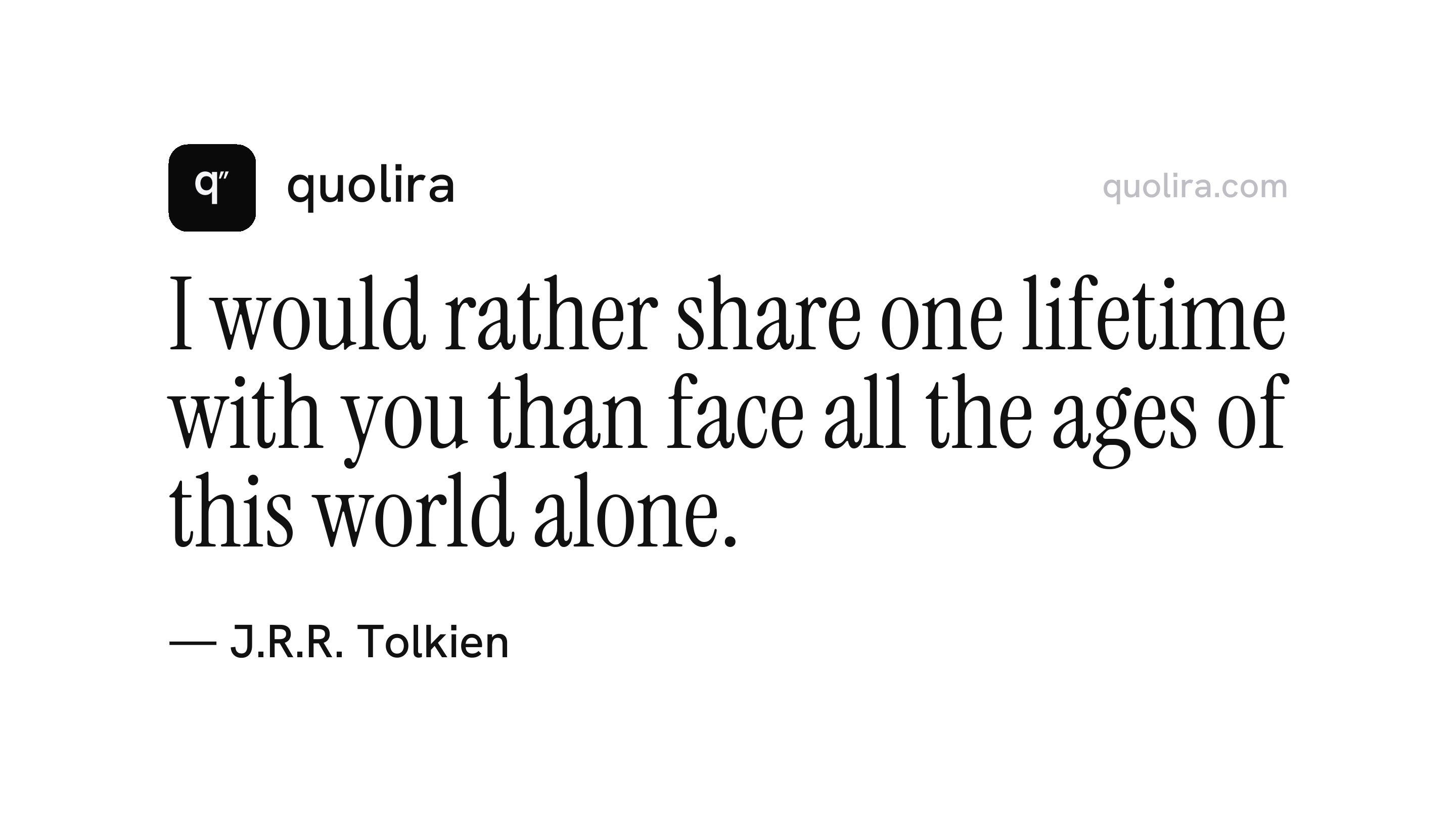
“I would rather share one lifetime with you than face all the ages of this world alone.”
J.R.R. Tolkien · The Lord of the Rings: The Fellowship of the Ring, 2001 film adaptation
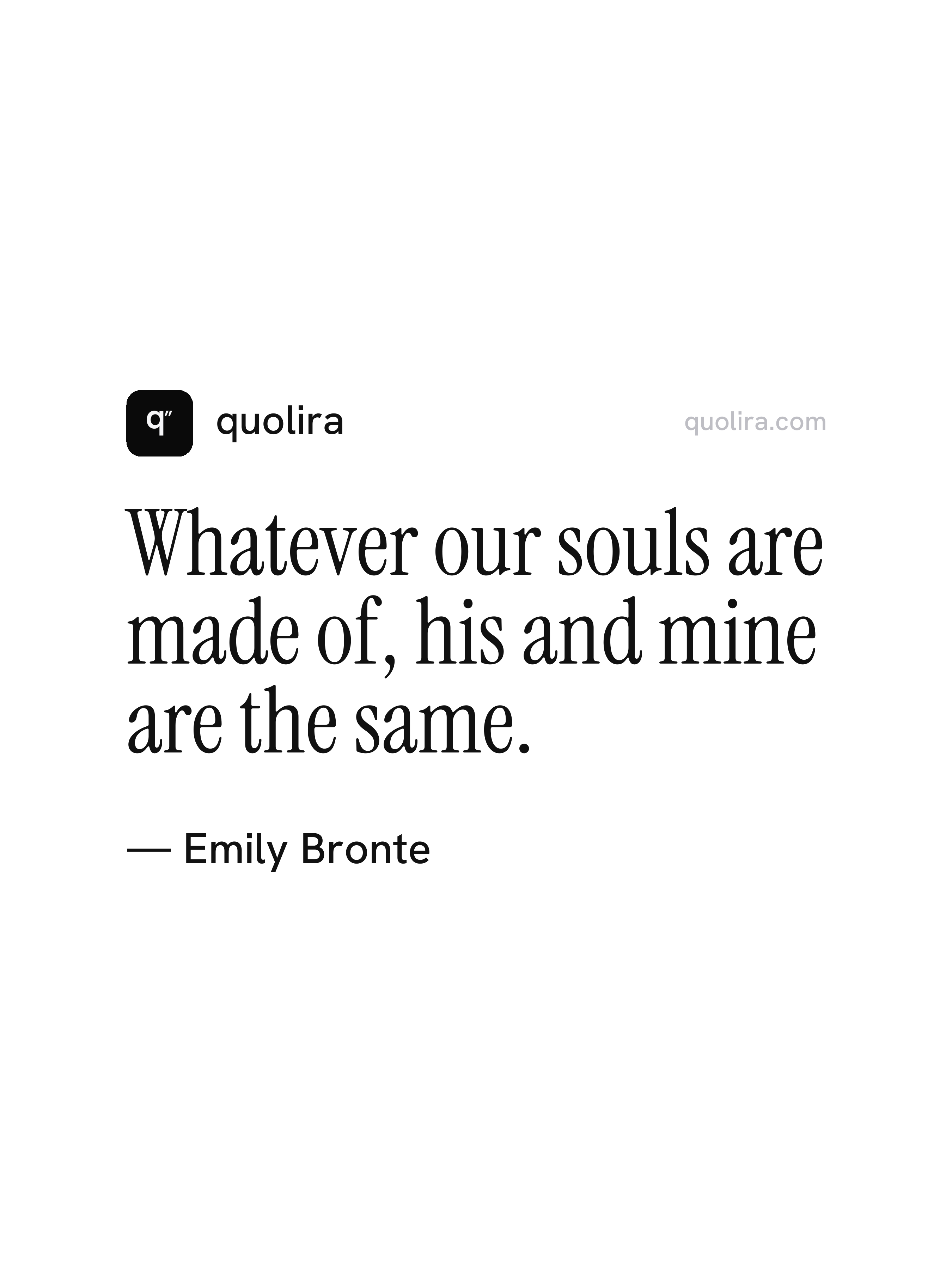
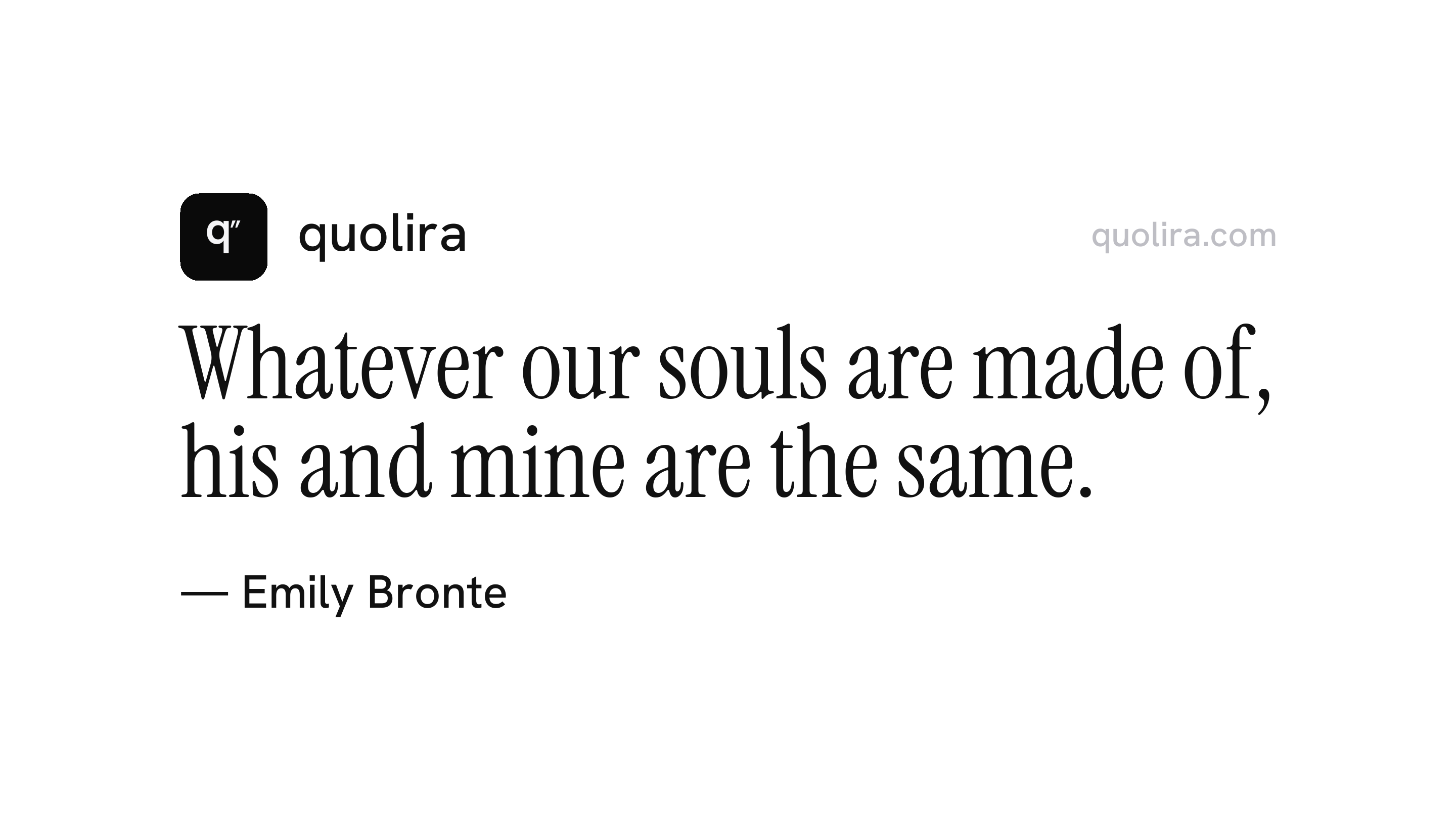
“Whatever our souls are made of, his and mine are the same.”
Emily Bronte · Wuthering Heights, 1847
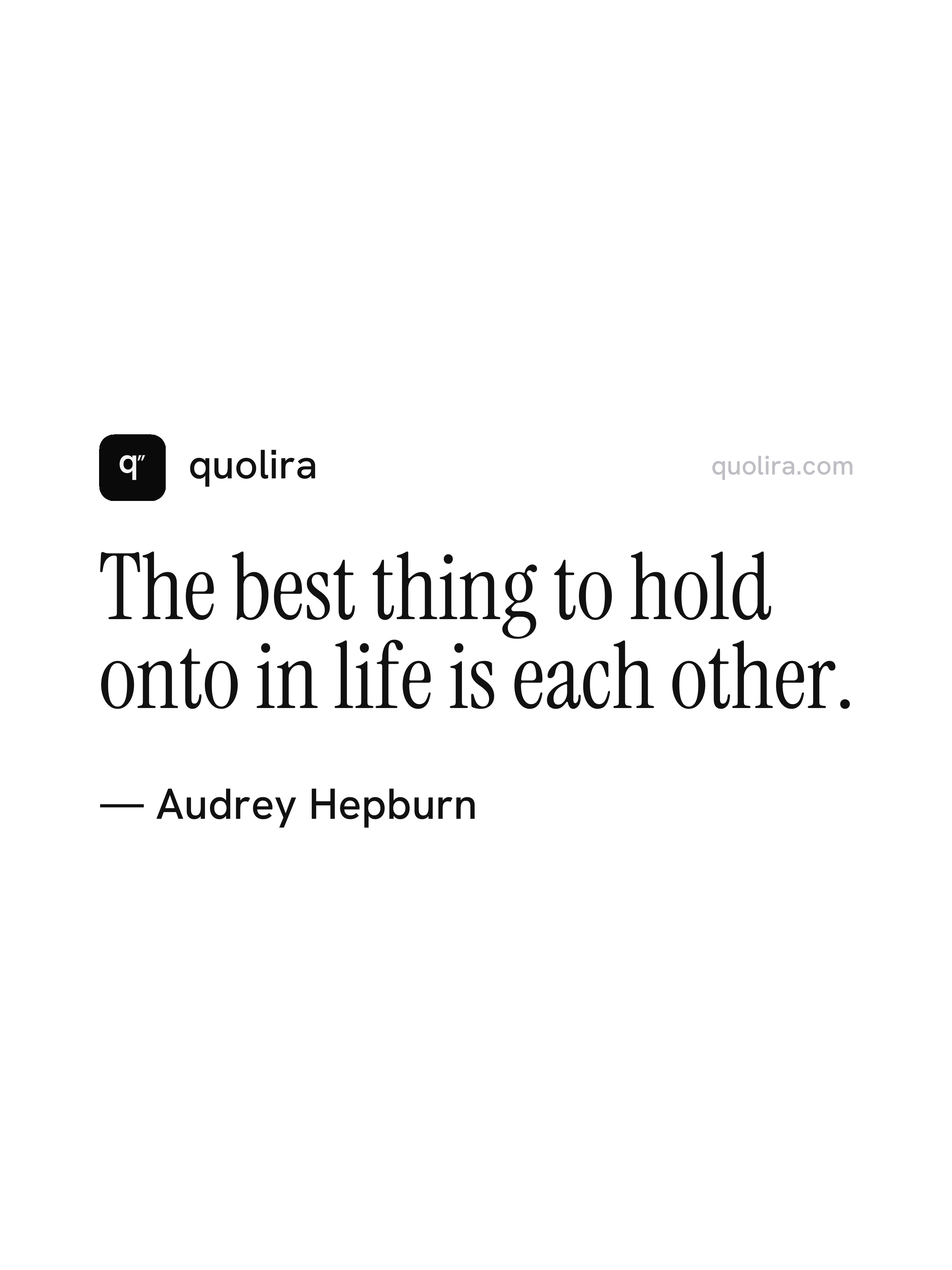
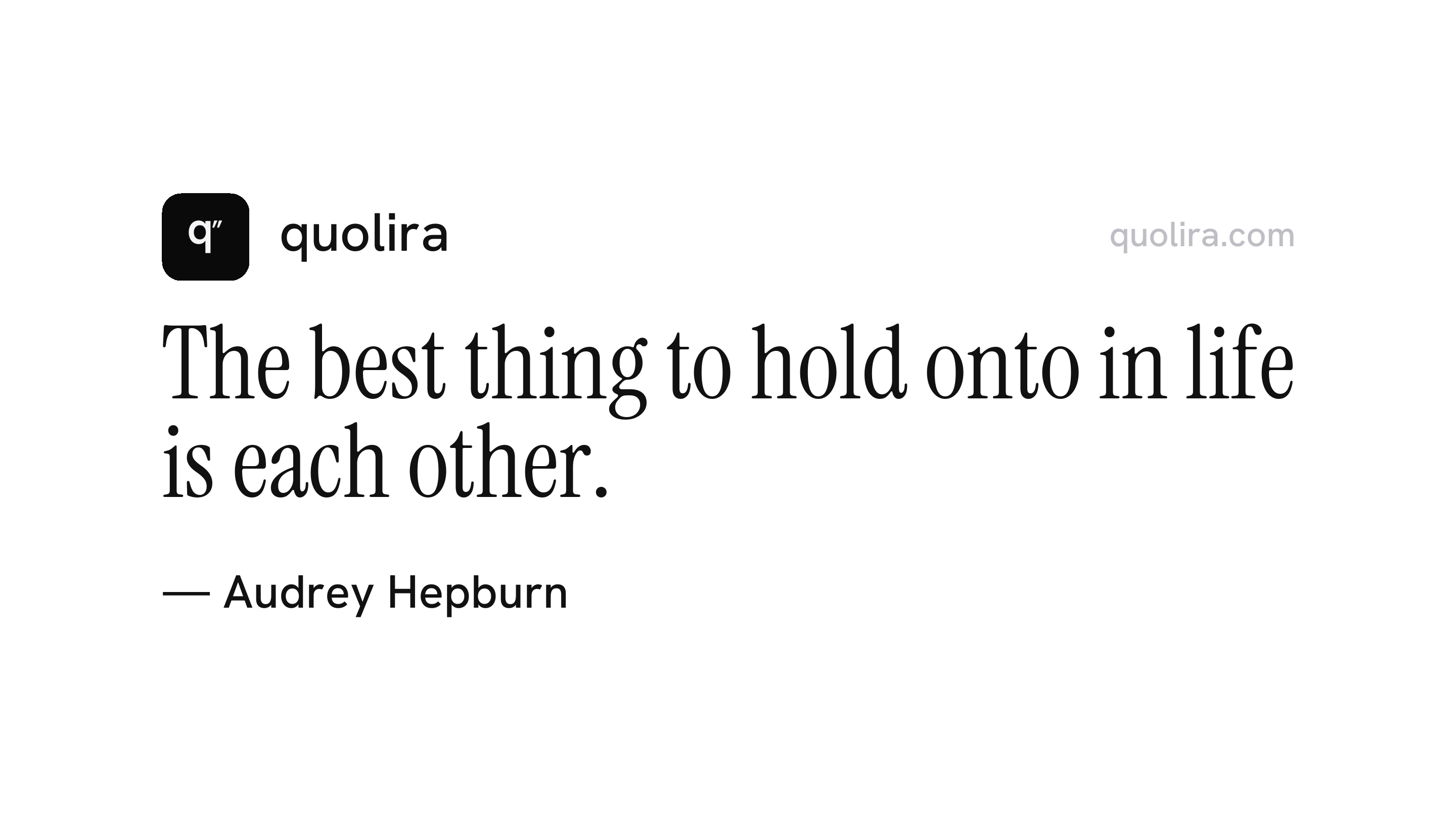
“The best thing to hold onto in life is each other.”
Audrey Hepburn
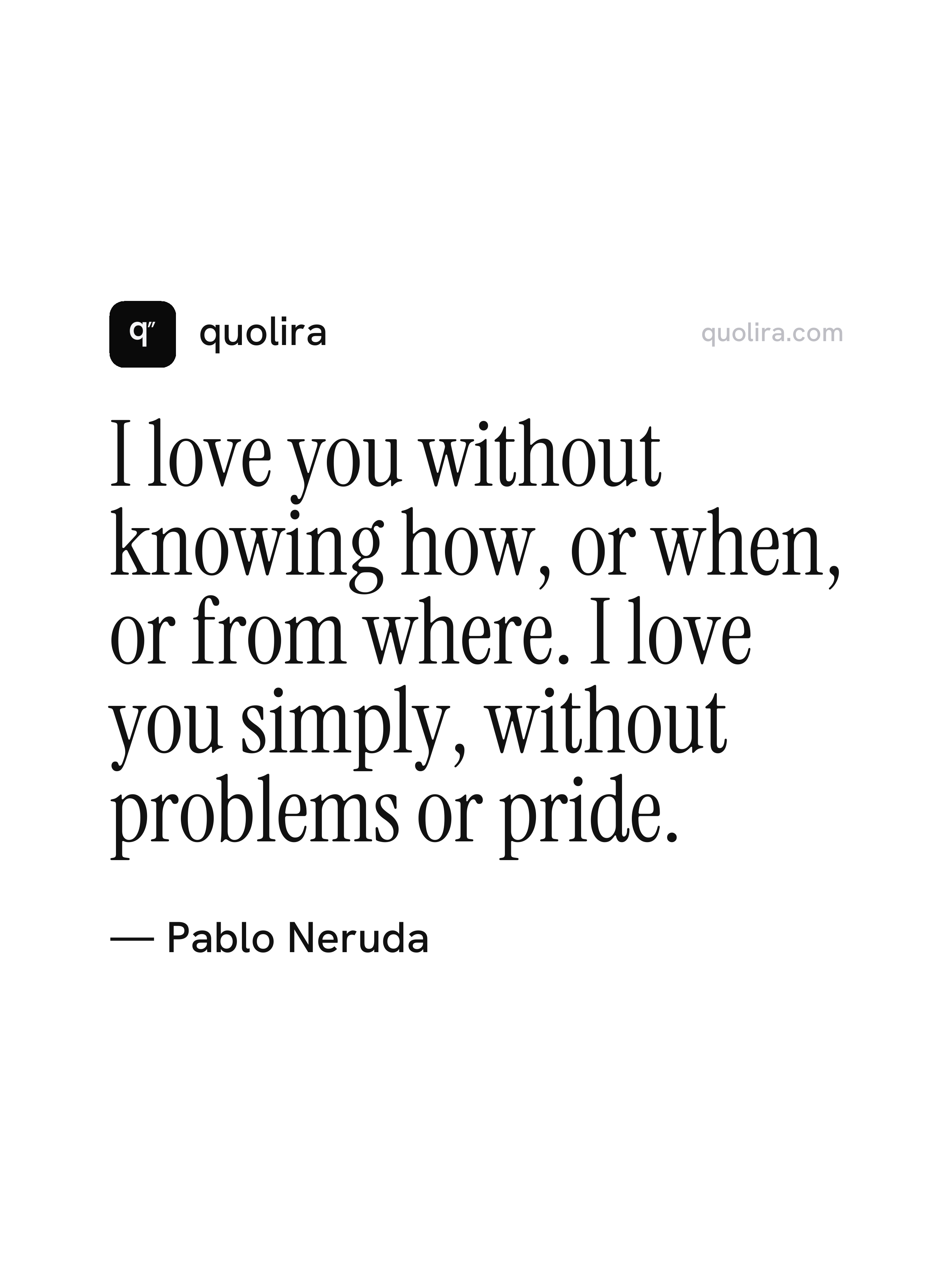
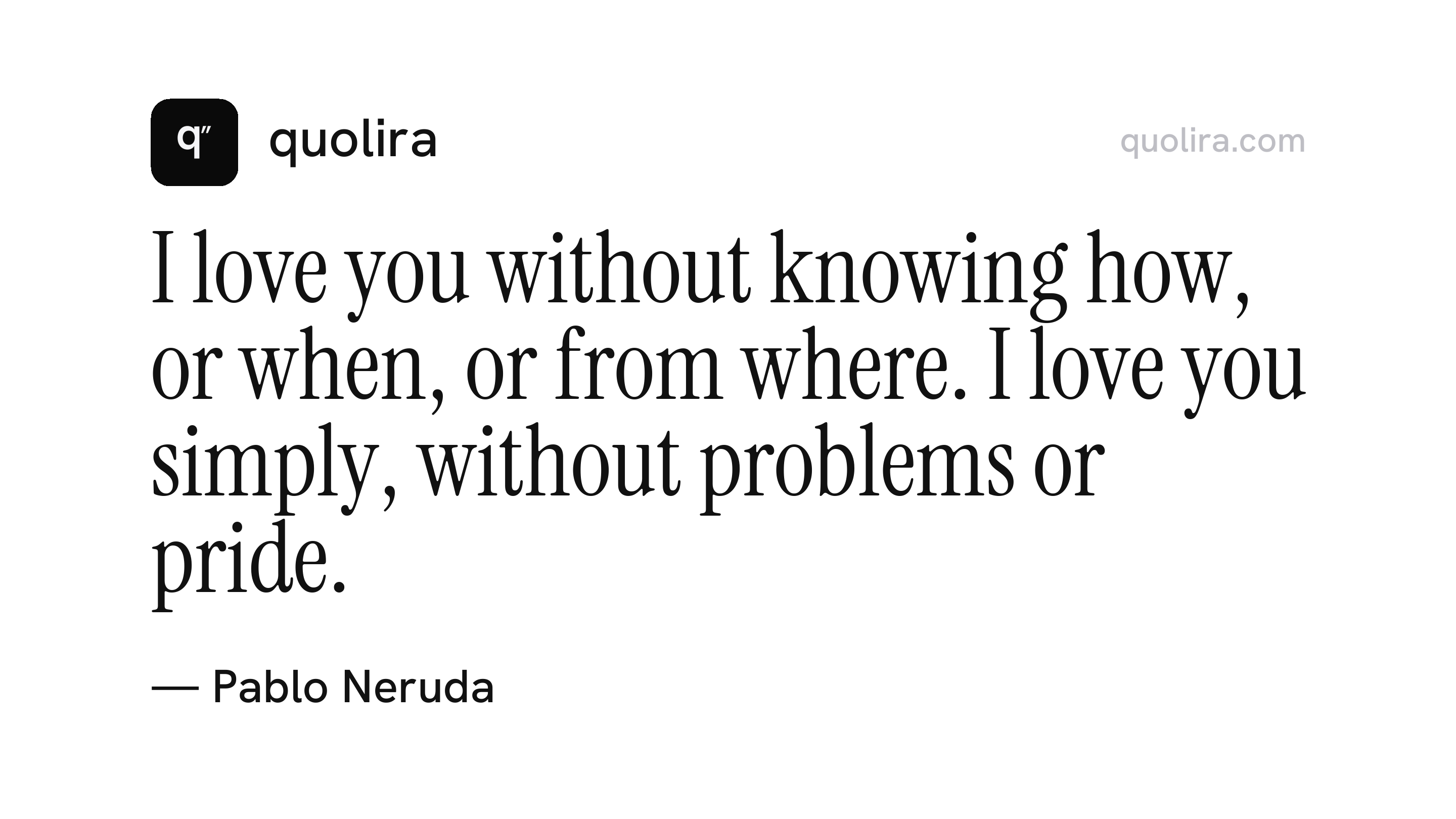
“I love you without knowing how, or when, or from where. I love you simply, without problems or pride.”
Pablo Neruda · Sonnet XVII, 100 Love Sonnets, 1960
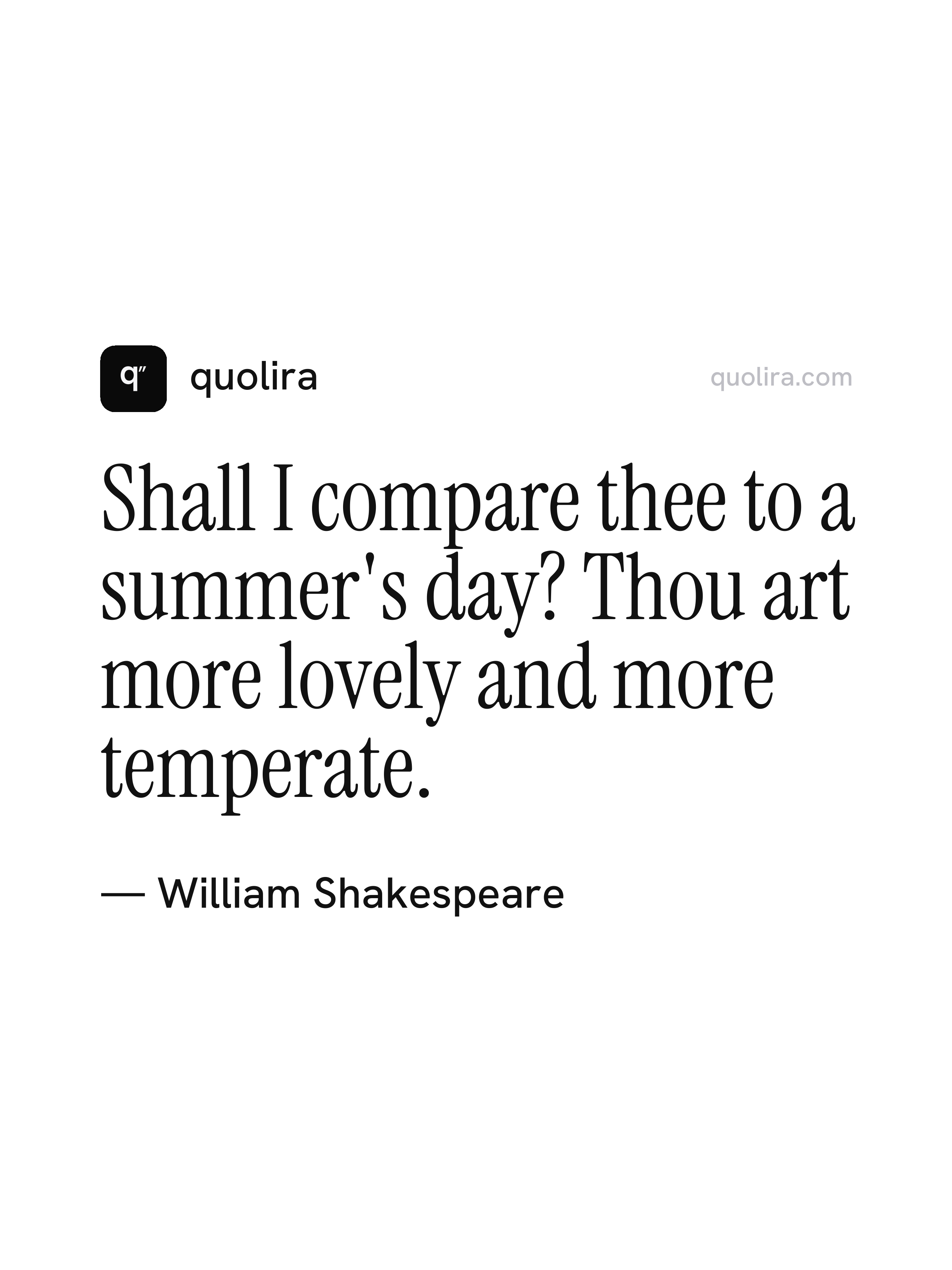
“Shall I compare thee to a summer's day? Thou art more lovely and more temperate.”
William Shakespeare · Sonnet 18, c. 1609
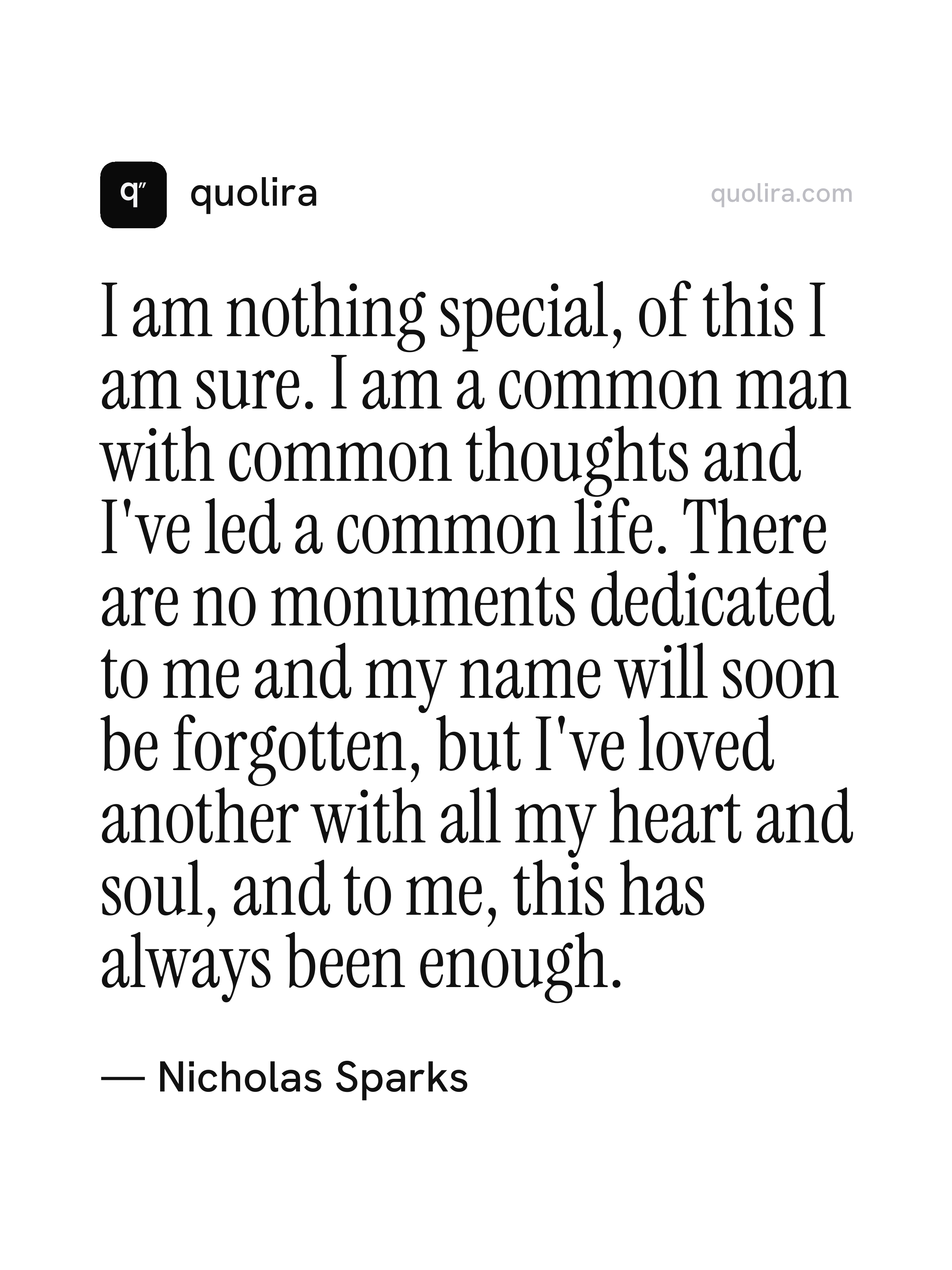
“I am nothing special, of this I am sure. I am a common man with common thoughts and I've led a common life. There are no monuments dedicated to me and my name will soon be forgotten, but I've loved another with all my heart and soul, and to me, this has always been enough.”
Nicholas Sparks · The Notebook, 1996
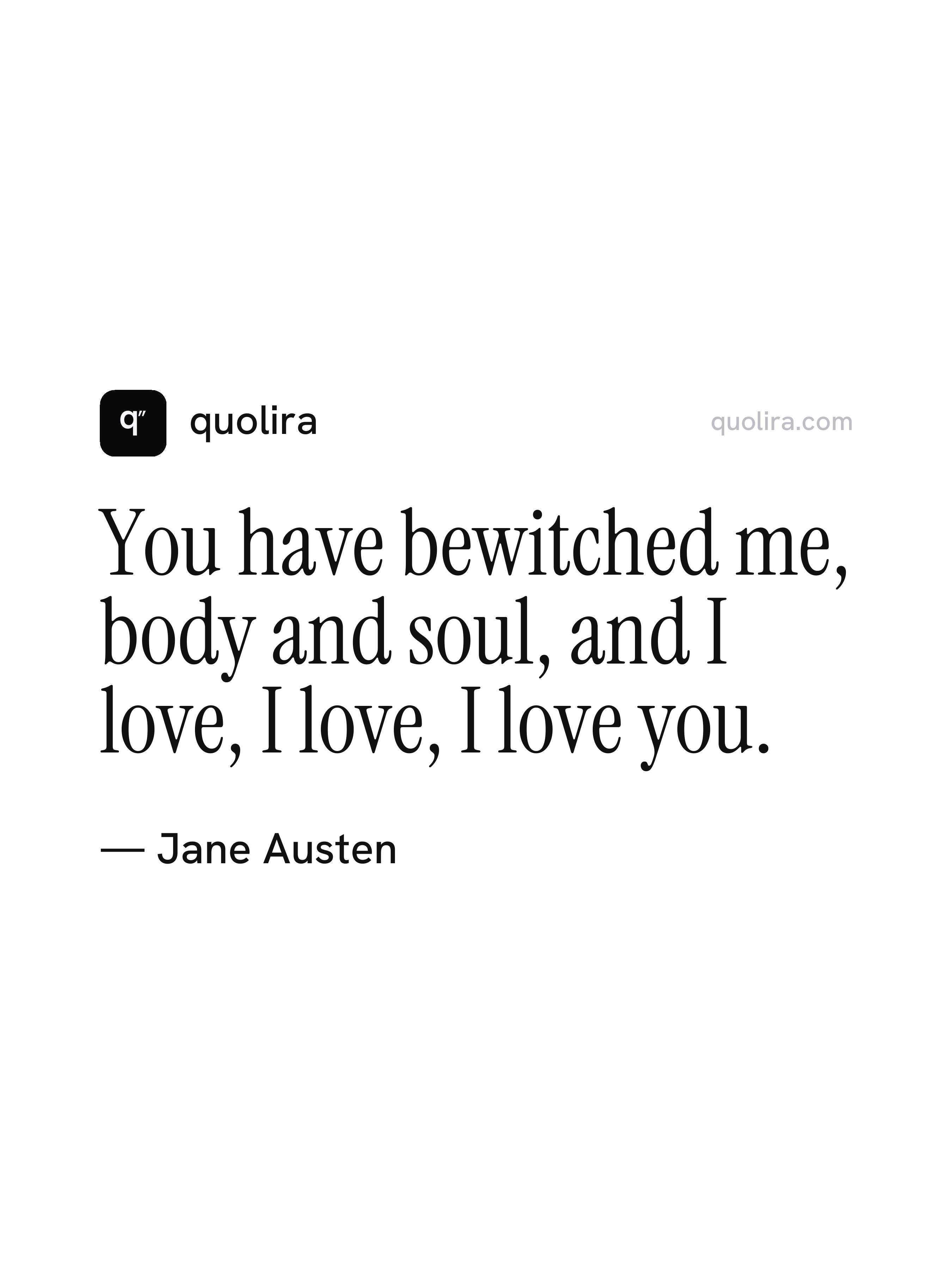
“You have bewitched me, body and soul, and I love, I love, I love you.”
Jane Austen · Pride and Prejudice, 1813
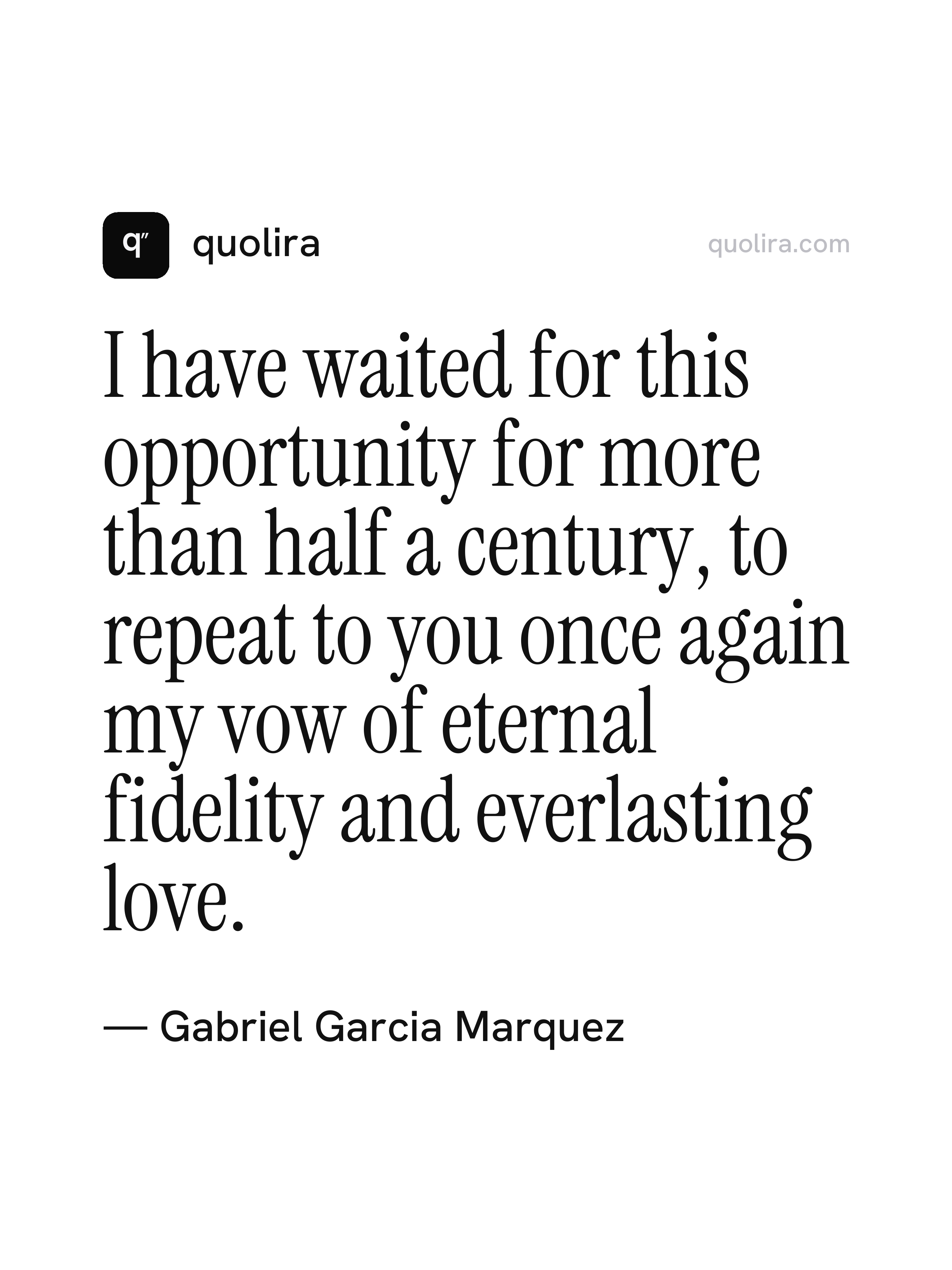
“I have waited for this opportunity for more than half a century, to repeat to you once again my vow of eternal fidelity and everlasting love.”
Gabriel Garcia Marquez · Love in the Time of Cholera, 1985
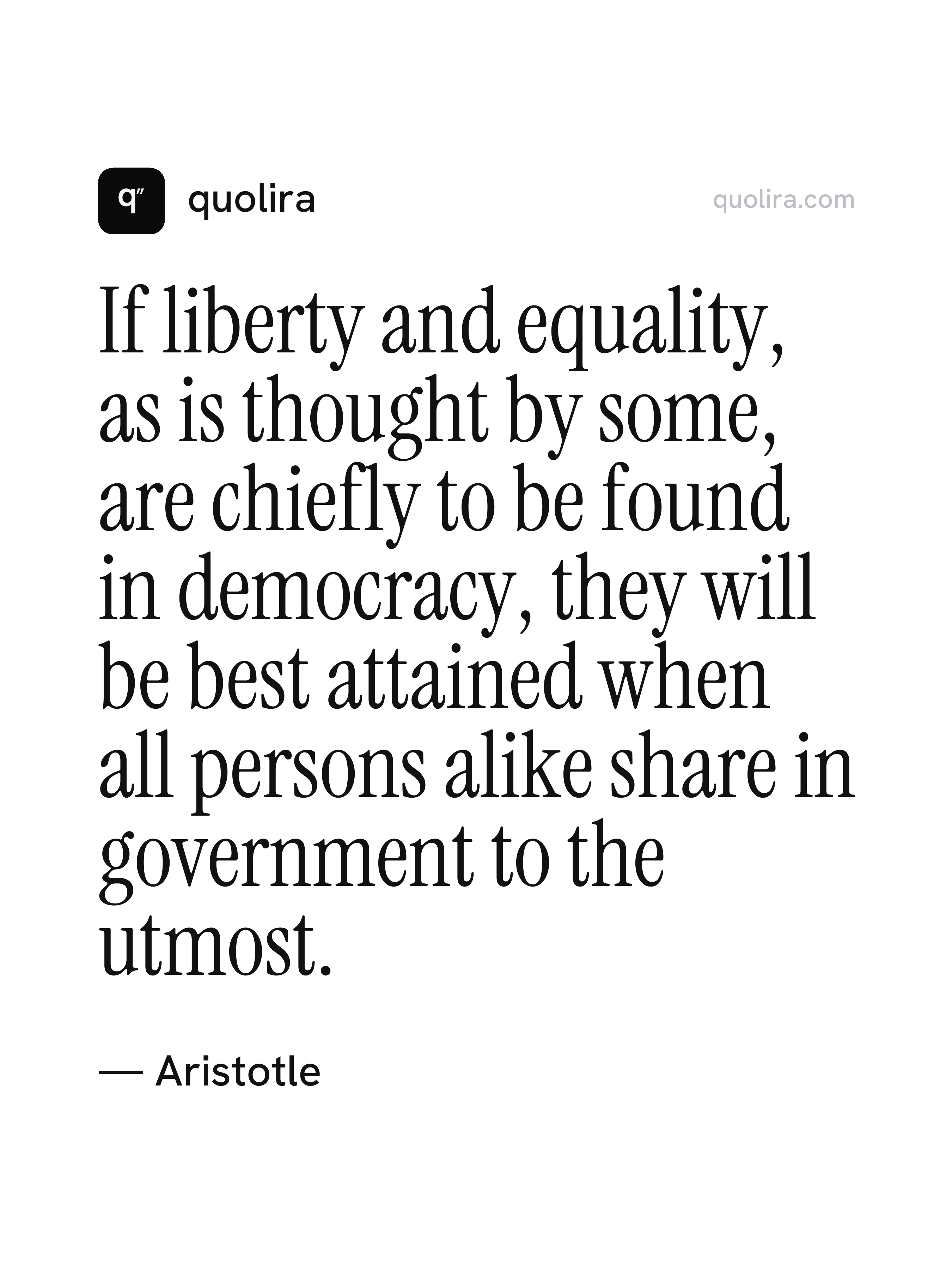
“If liberty and equality, as is thought by some, are chiefly to be found in democracy, they will be best attained when all persons alike share in government to the utmost.”
Aristotle · Politics, Book VI, c. 350 BC