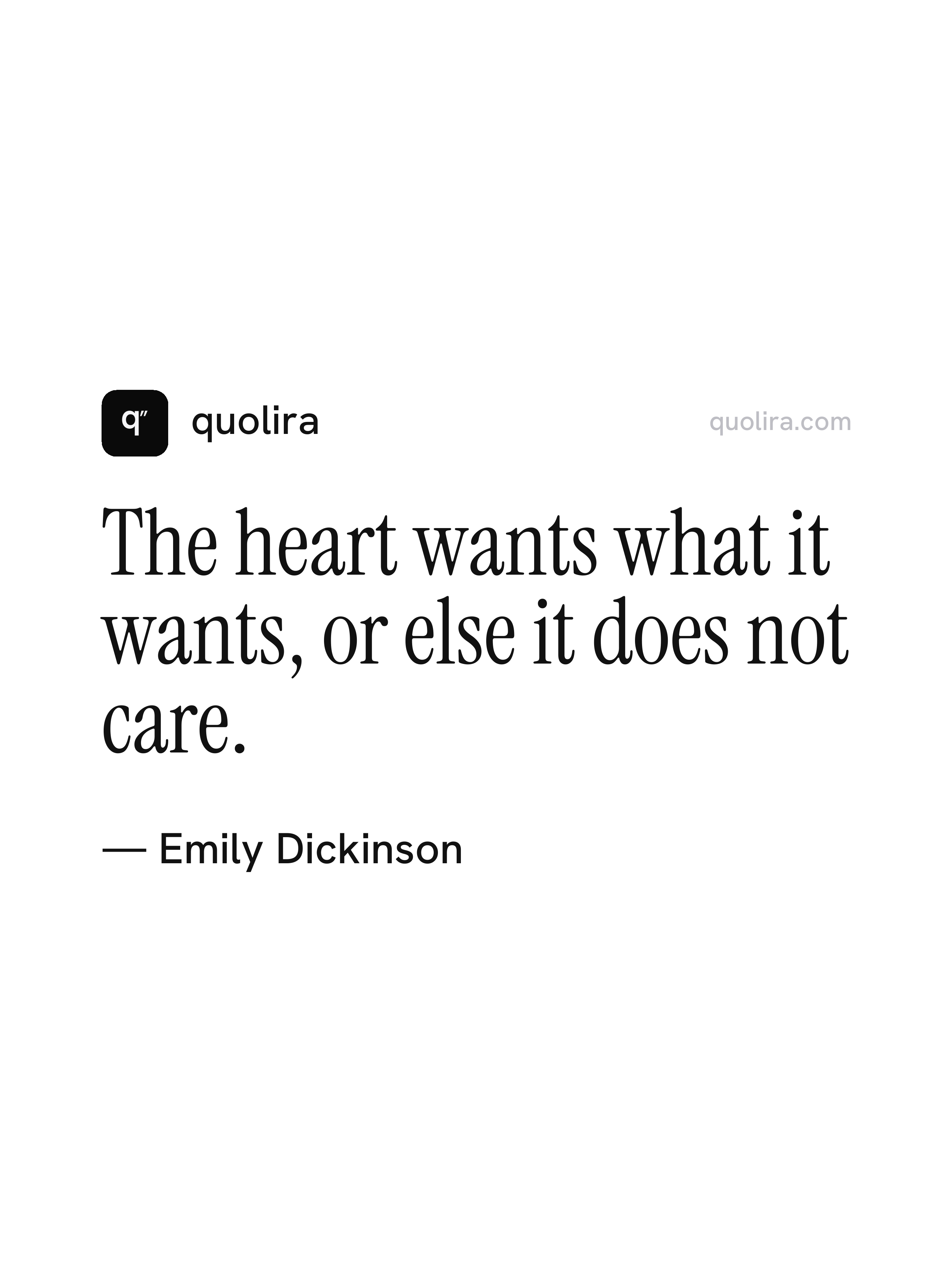
“The heart wants what it wants, or else it does not care.”
Emily Dickinson · Letter to Mrs. Joseph Haven, 1852
 quolira
.com
quolira
quolira.com
This line from Victor Hugo's vast novel places human love on the highest possible spiritual ground. To see the face of God in another person is to find the sacred in the everyday, to discover that genuine love opens a door to something larger than the self. Hugo is not making a narrowly religious claim so much as a broadly spiritual one: that love at its truest is a transformative encounter, one that reveals meaning and transcendence in the very act of caring for another human being.
"Les Miserables" is a sweeping novel set in early nineteenth-century France, following characters whose lives are shaped by poverty, injustice, and the possibility of redemption. Throughout the book, Hugo returns again and again to the idea that love, in all its forms, including parental love, romantic love, and compassion for strangers, is the force most capable of lifting people toward something better. This particular line distills that larger theme into a single sentence. It has been widely quoted and later became recognizable to many through its use in the musical adaptation of the novel.
Victor Hugo was a French poet, novelist, and dramatist who became one of the most celebrated writers of the nineteenth century. He was deeply engaged with the social and political questions of his era, and his fiction often examined poverty, injustice, and moral redemption. In addition to "Les Miserables," he is known for works such as "The Hunchback of Notre-Dame." Hugo spent years in political exile before returning to France, and he remained a prominent public figure until his death in 1885.
“The heart wants what it wants, or else it does not care.”
Emily Dickinson · Letter to Mrs. Joseph Haven, 1852
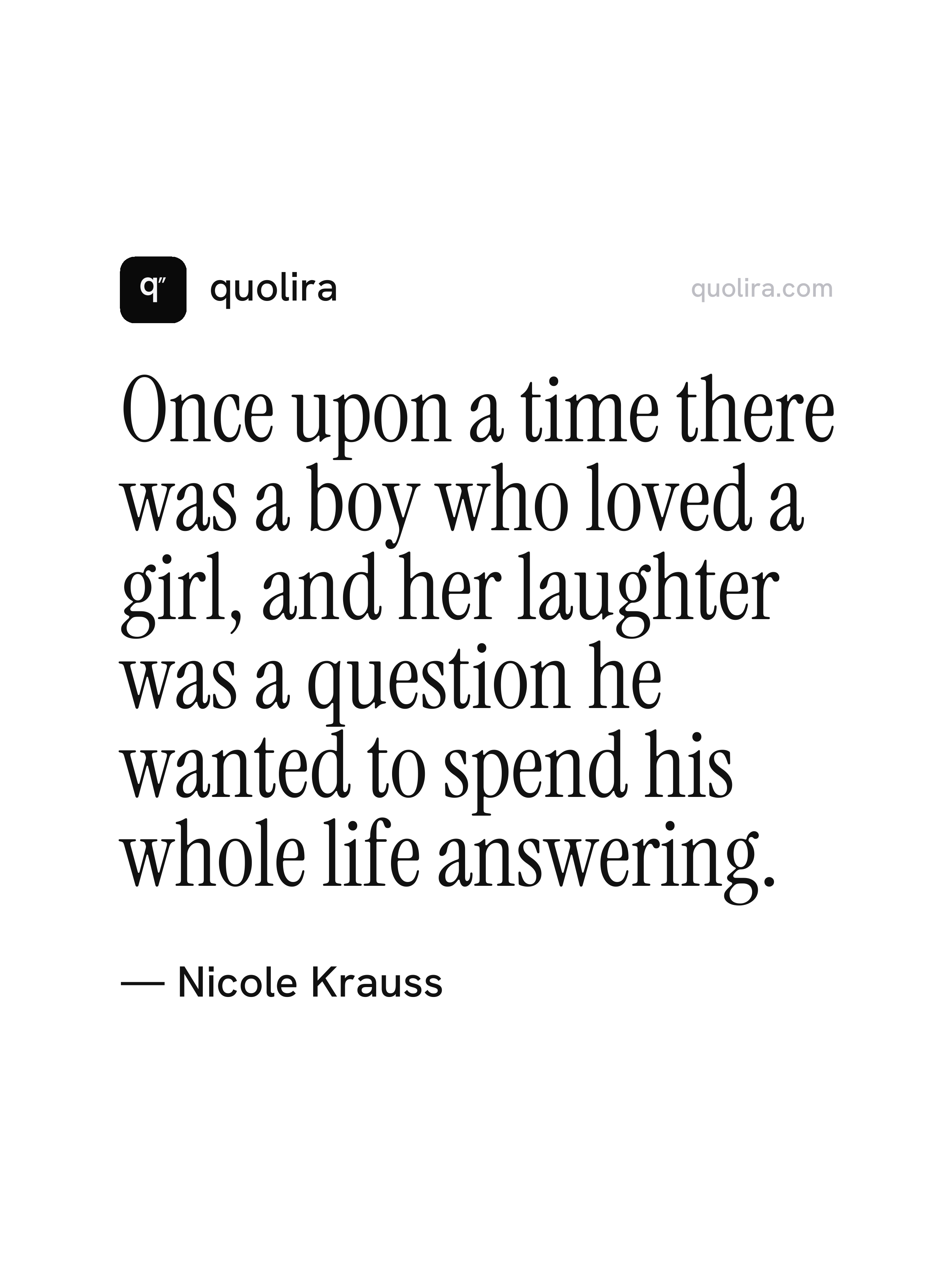
“Once upon a time there was a boy who loved a girl, and her laughter was a question he wanted to spend his whole life answering.”
Nicole Krauss · The History of Love, 2005
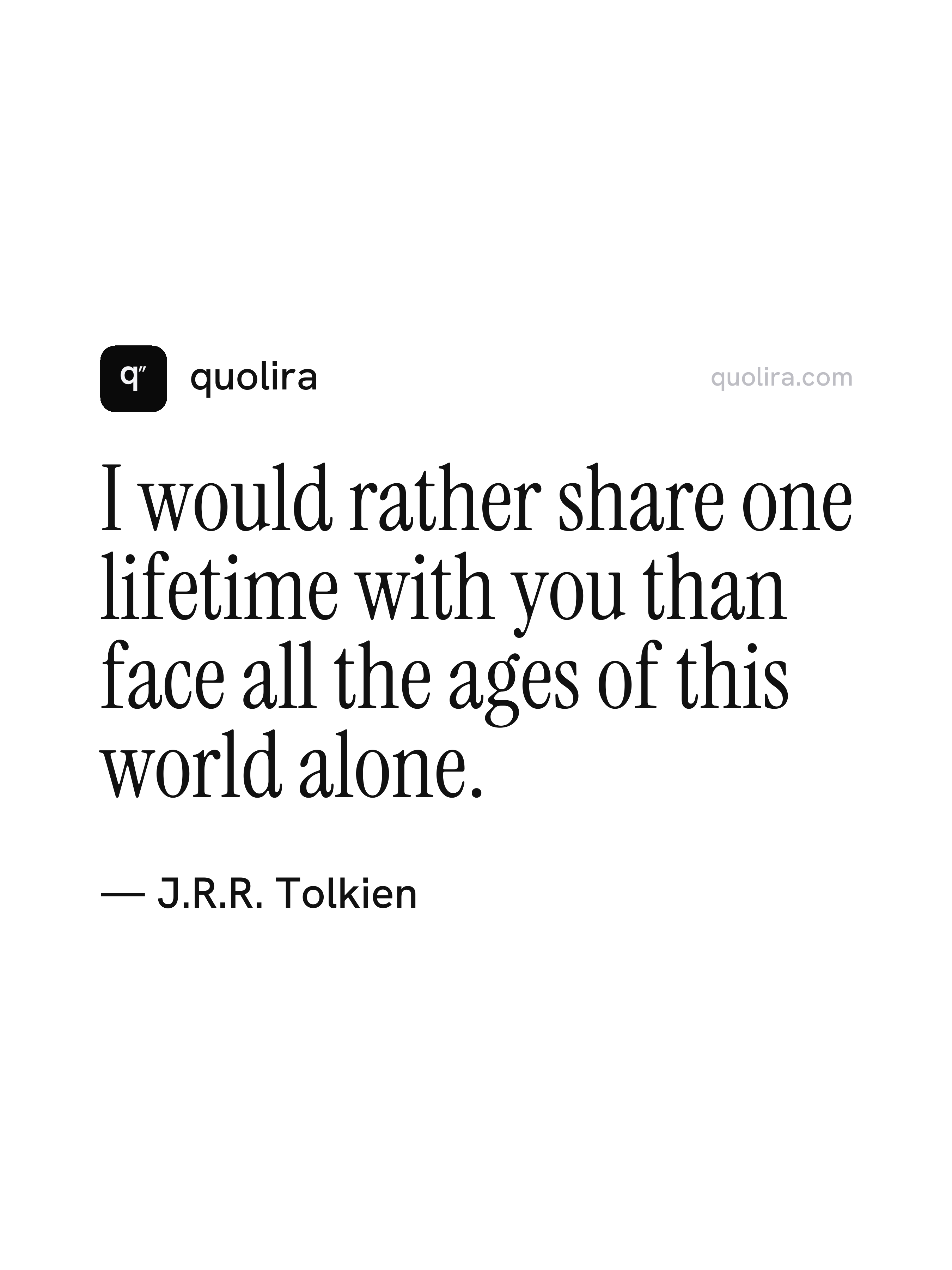
“I would rather share one lifetime with you than face all the ages of this world alone.”
J.R.R. Tolkien · The Lord of the Rings: The Fellowship of the Ring, 2001 film adaptation
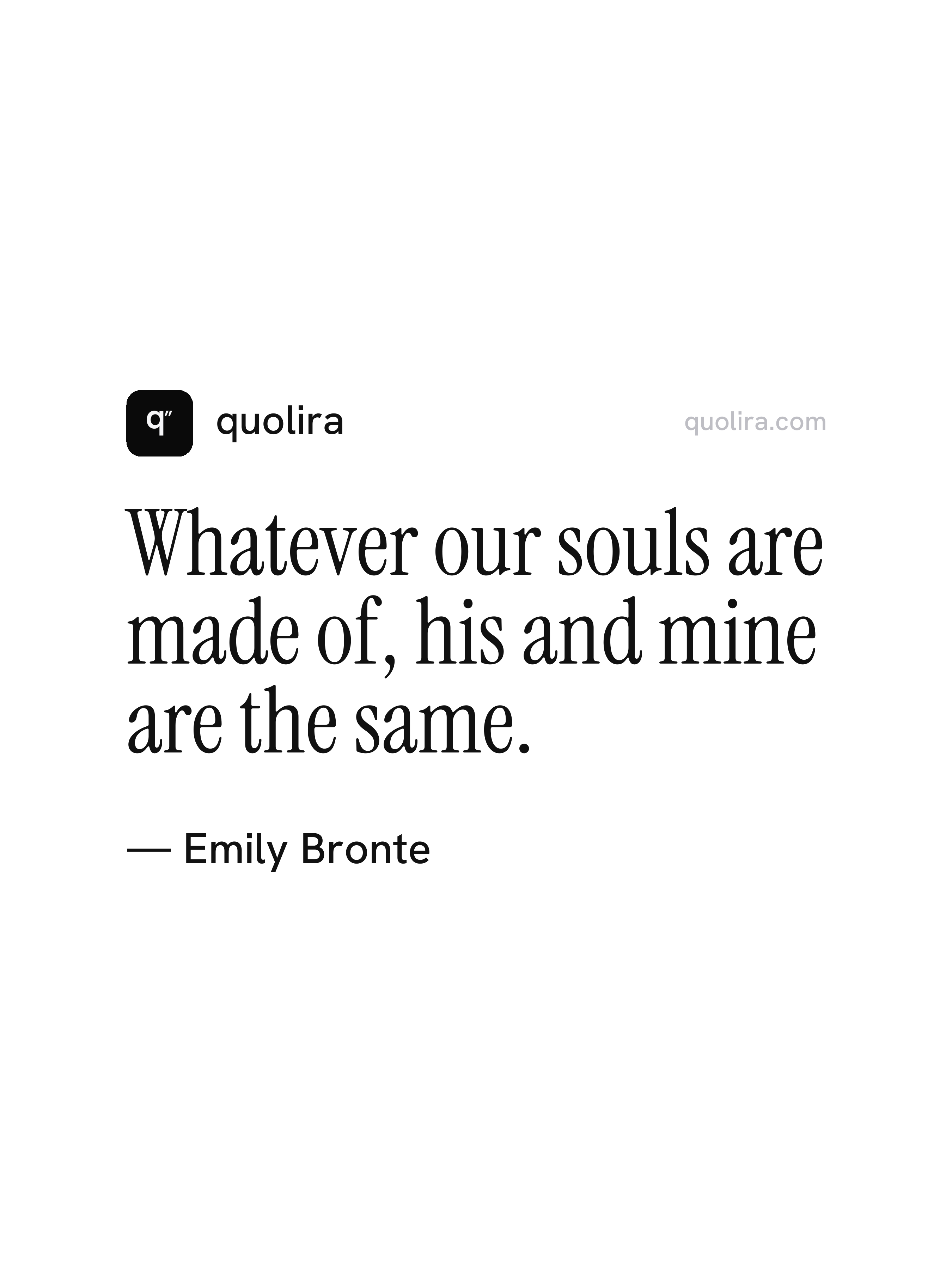
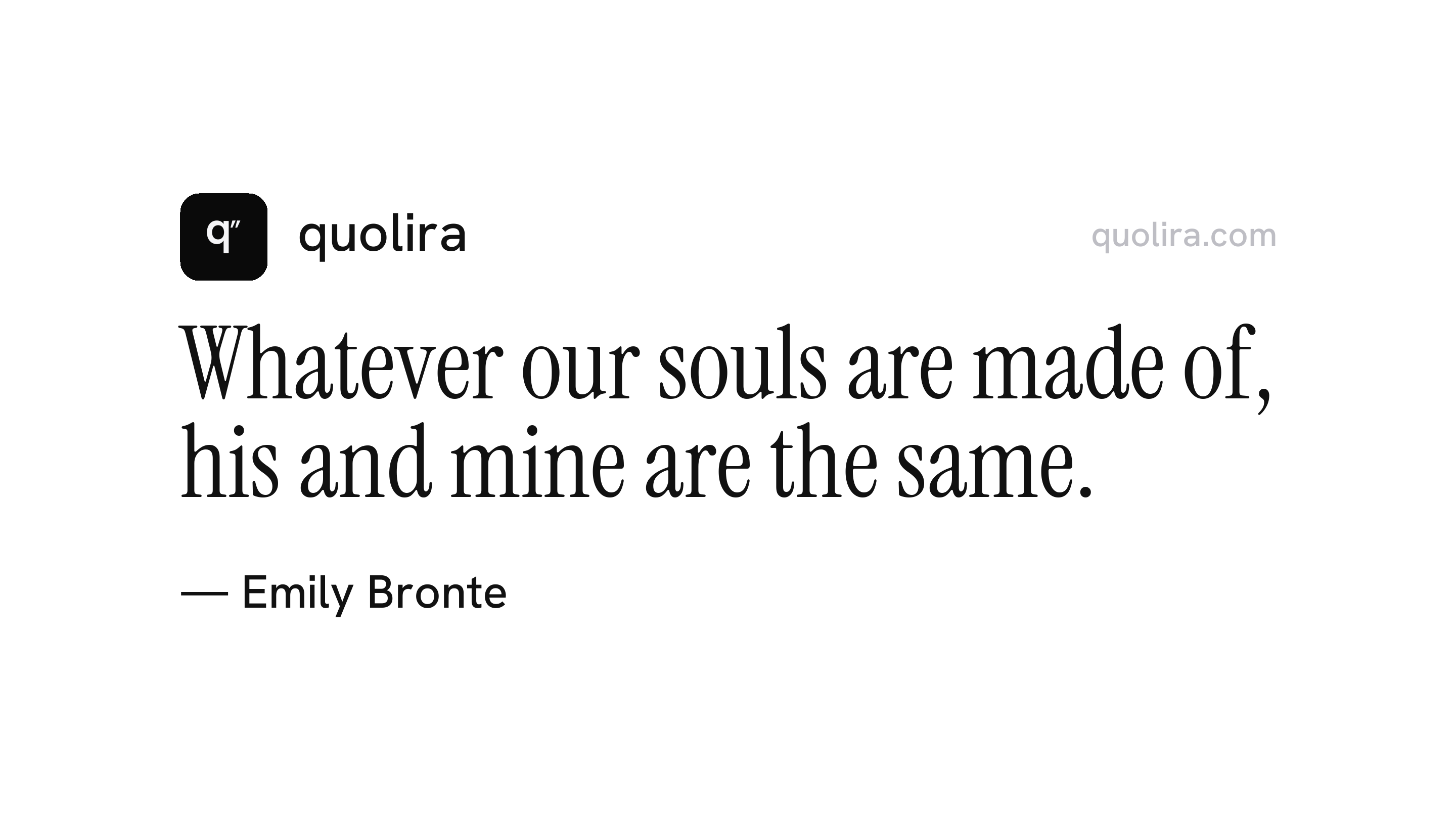
“Whatever our souls are made of, his and mine are the same.”
Emily Bronte · Wuthering Heights, 1847
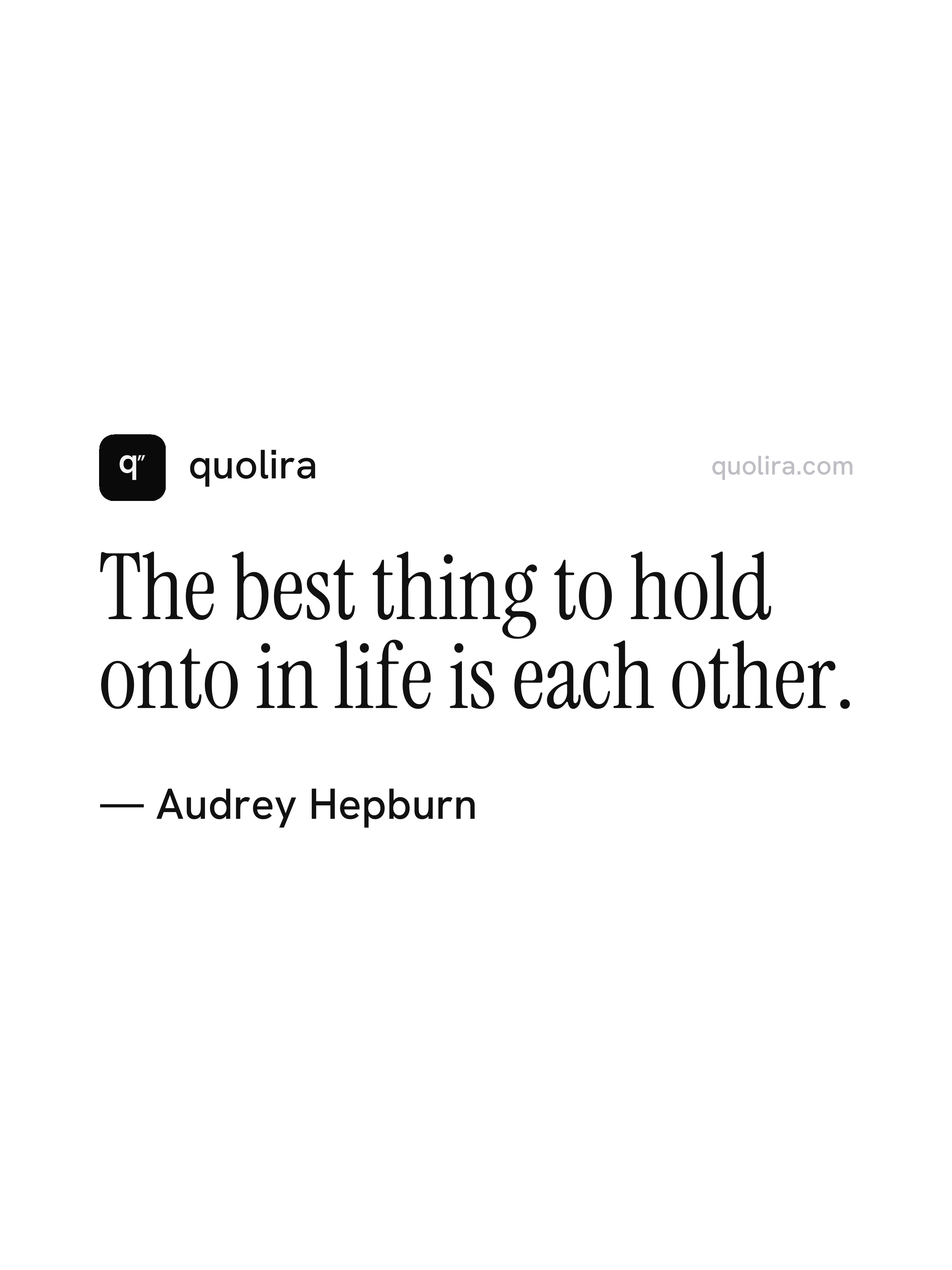
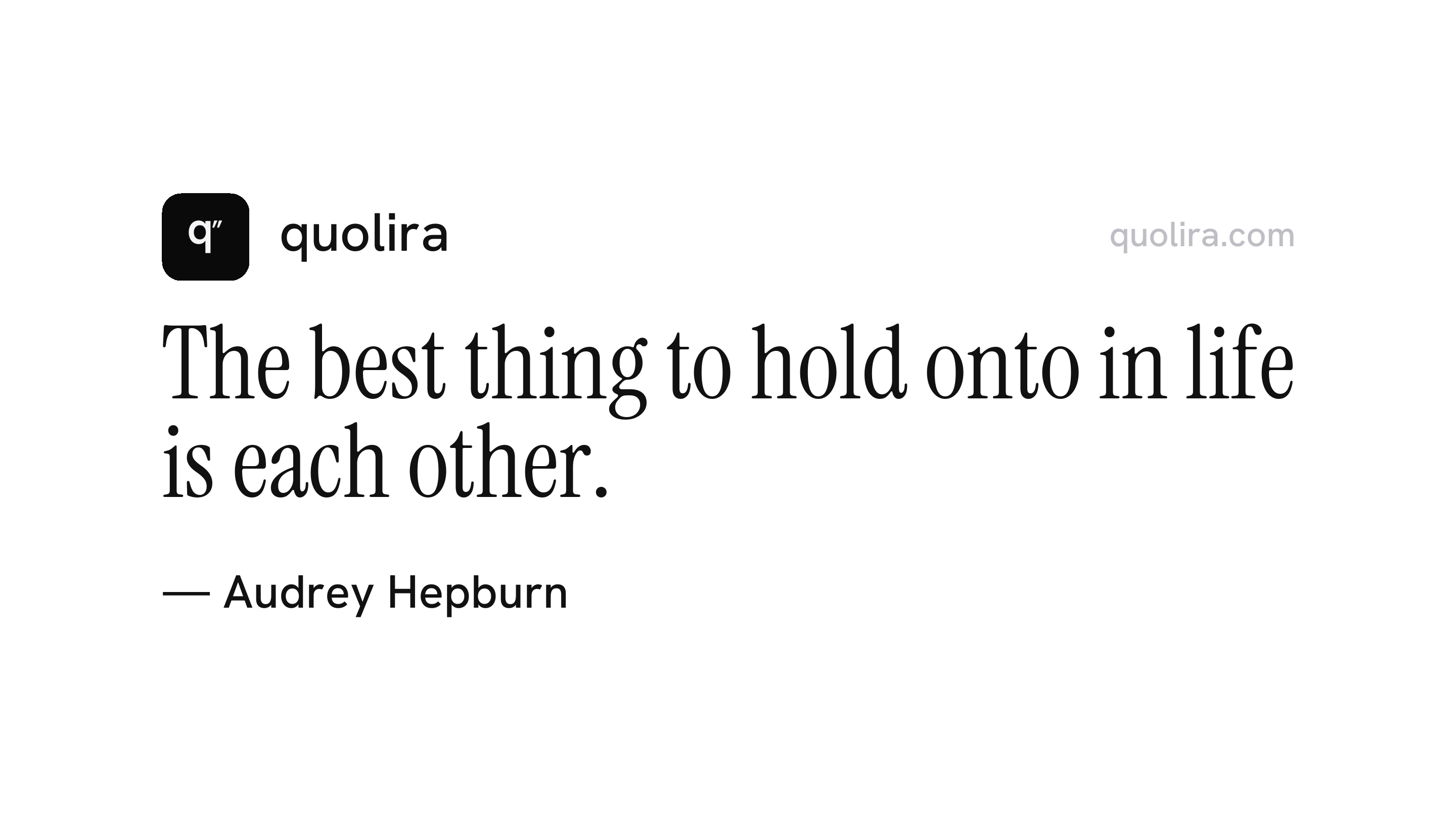
“The best thing to hold onto in life is each other.”
Audrey Hepburn
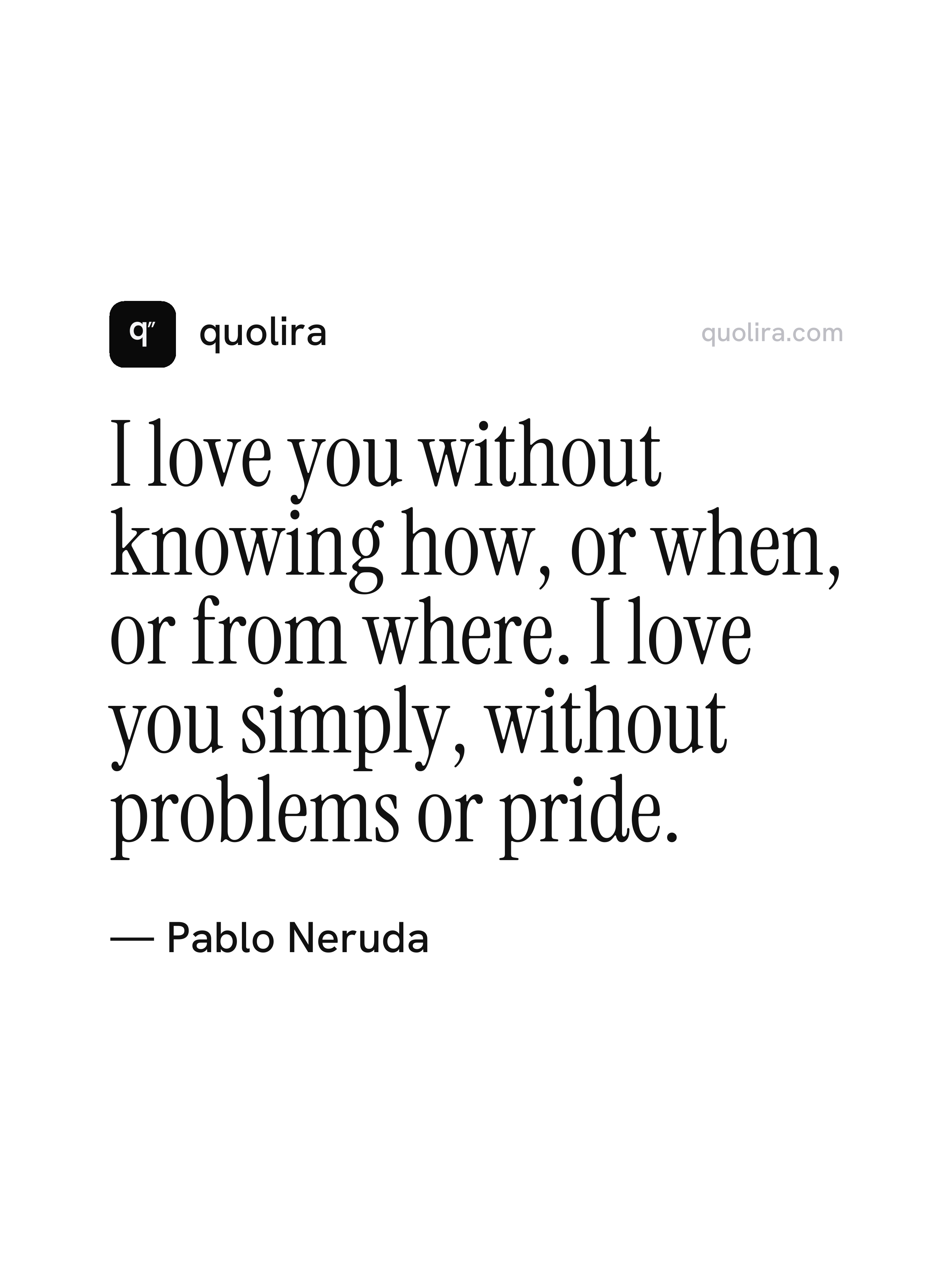
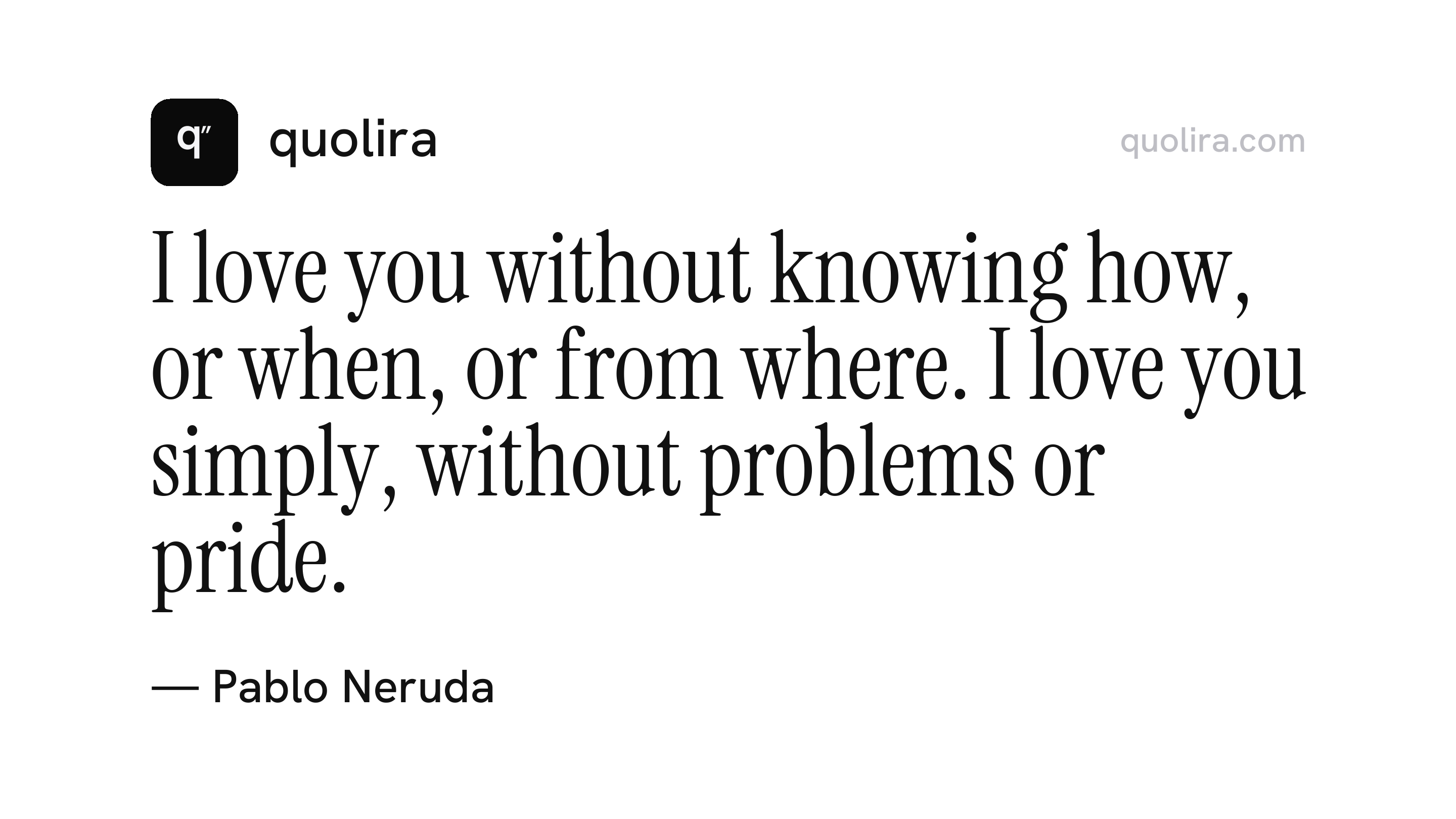
“I love you without knowing how, or when, or from where. I love you simply, without problems or pride.”
Pablo Neruda · Sonnet XVII, 100 Love Sonnets, 1960
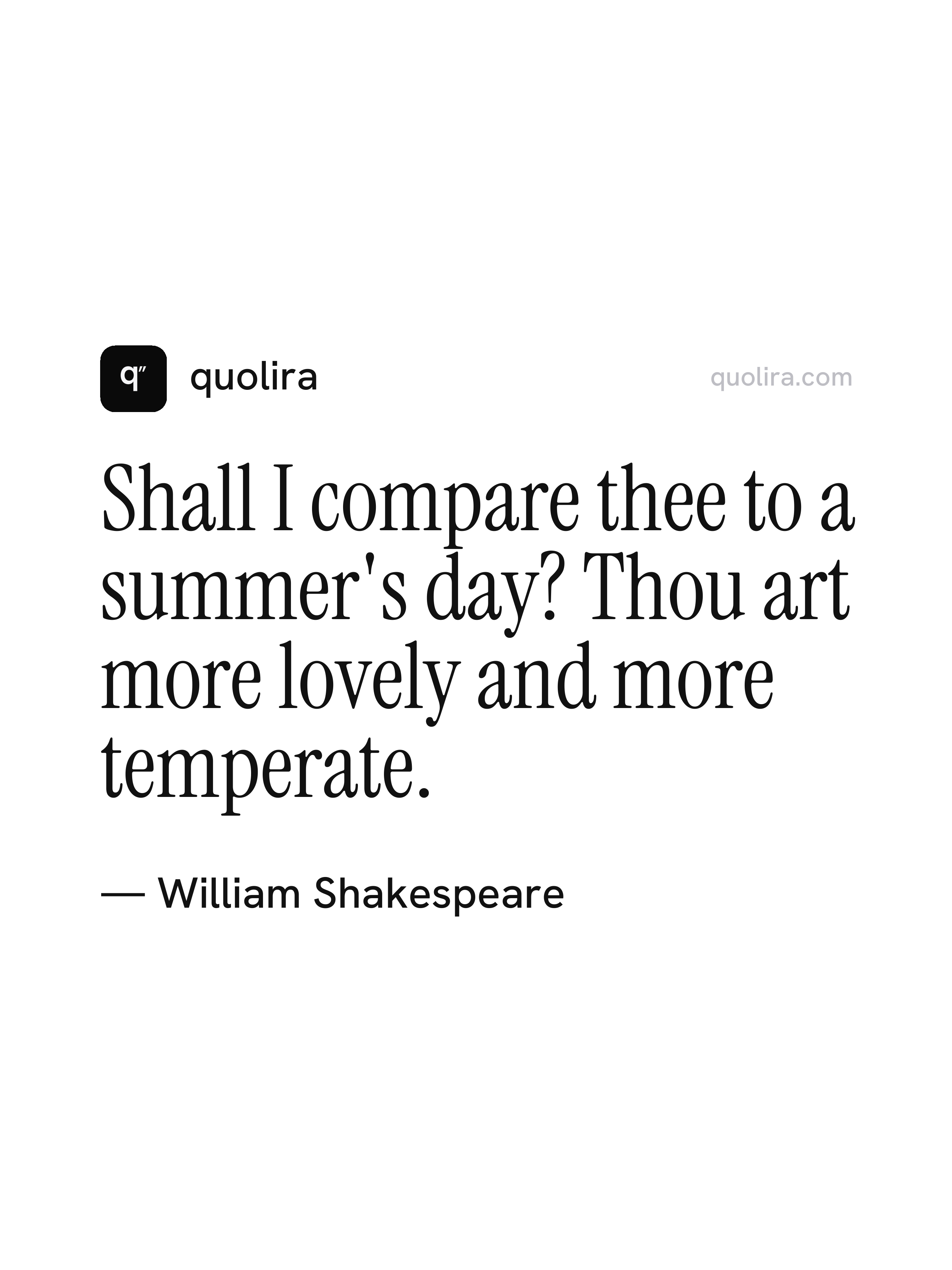
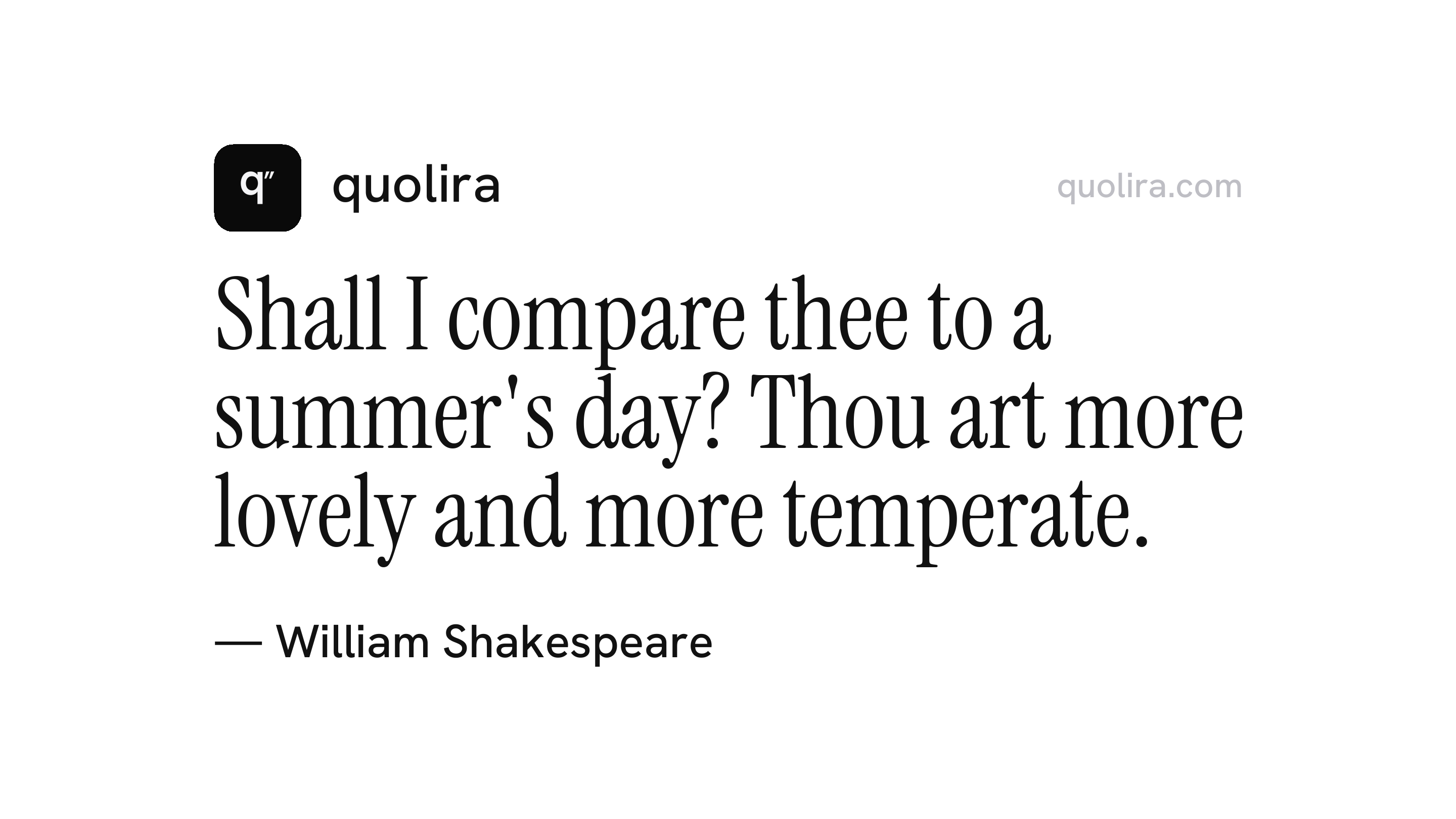
“Shall I compare thee to a summer's day? Thou art more lovely and more temperate.”
William Shakespeare · Sonnet 18, c. 1609
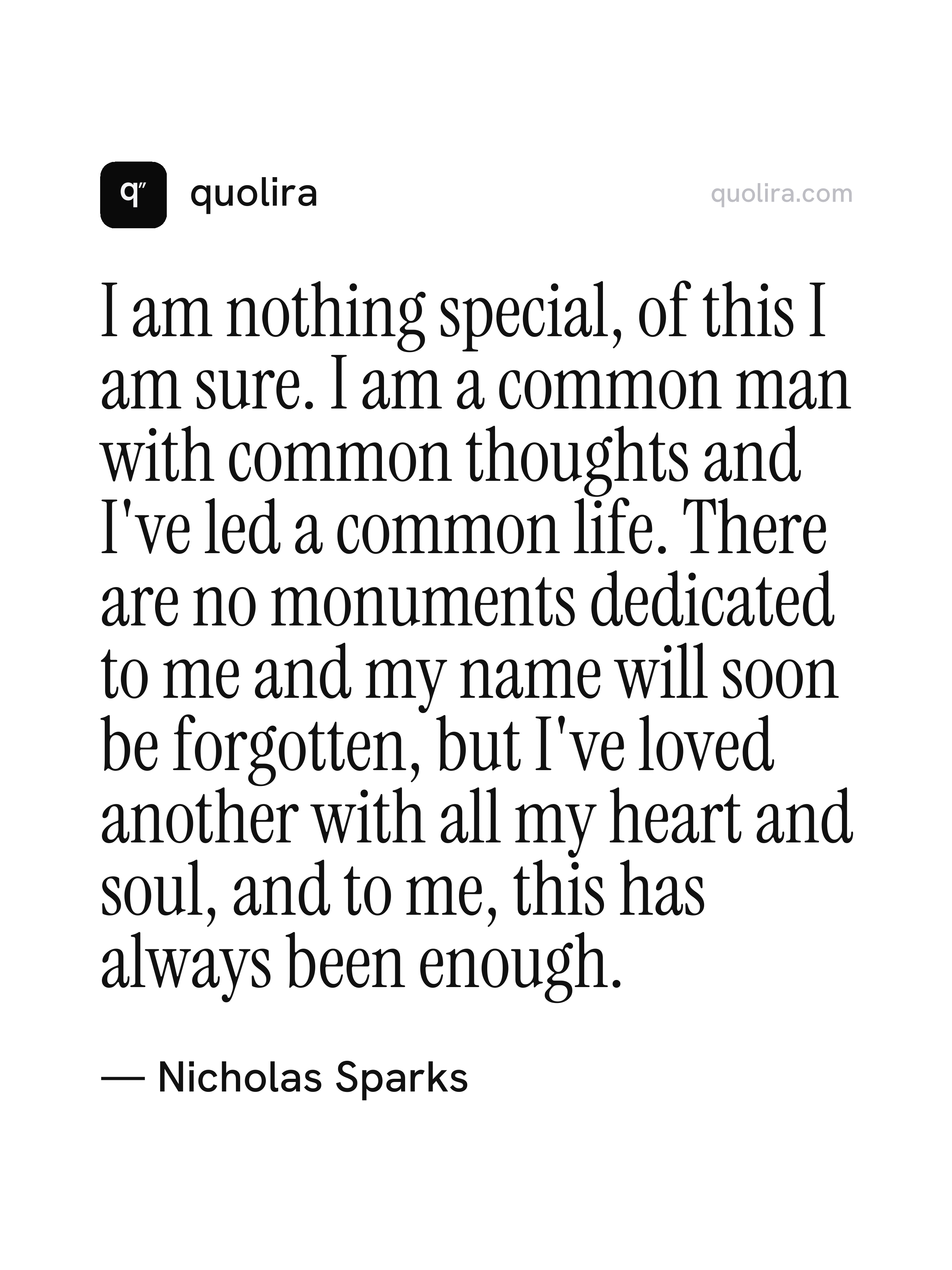
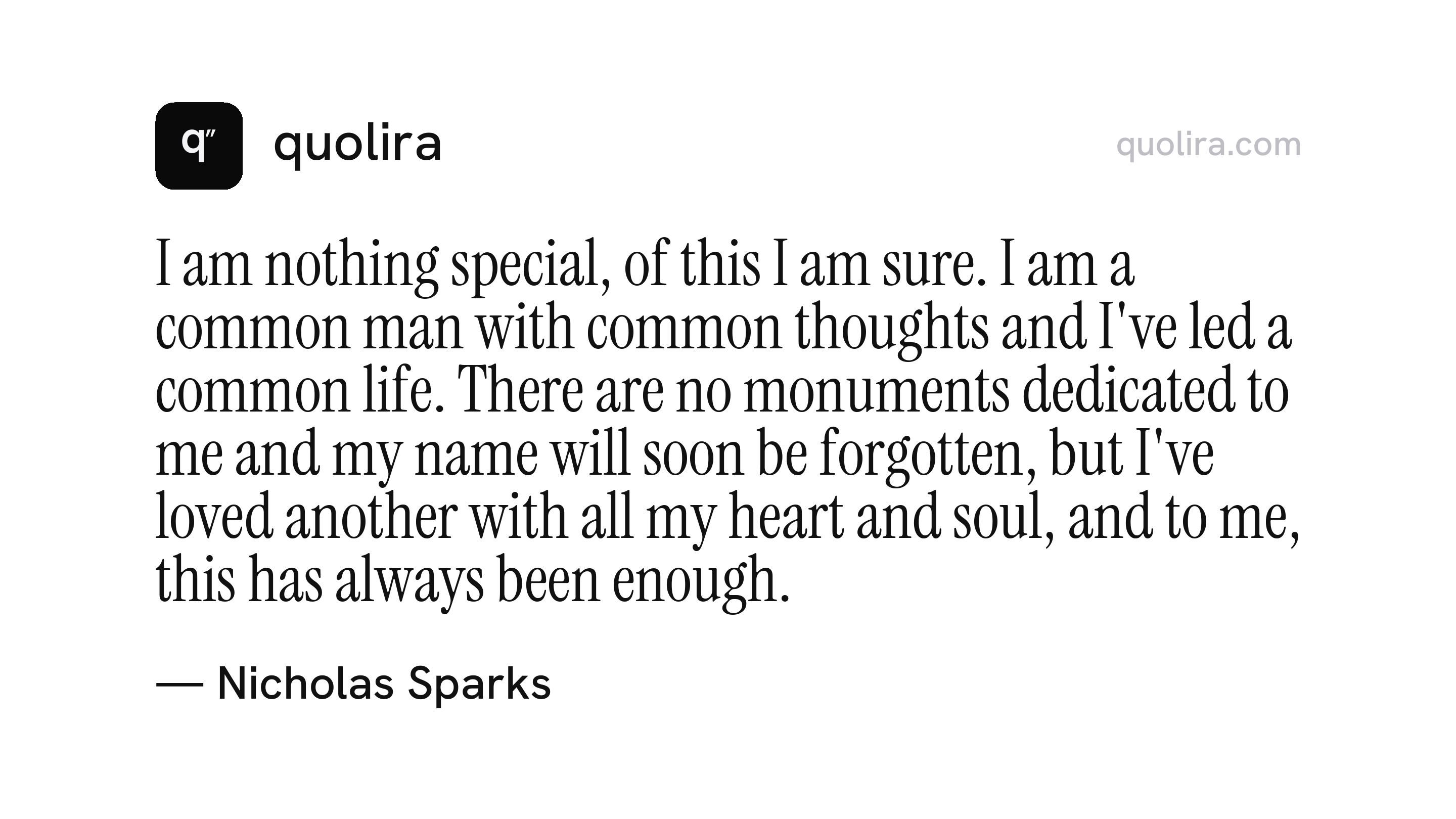
“I am nothing special, of this I am sure. I am a common man with common thoughts and I've led a common life. There are no monuments dedicated to me and my name will soon be forgotten, but I've loved another with all my heart and soul, and to me, this has always been enough.”
Nicholas Sparks · The Notebook, 1996
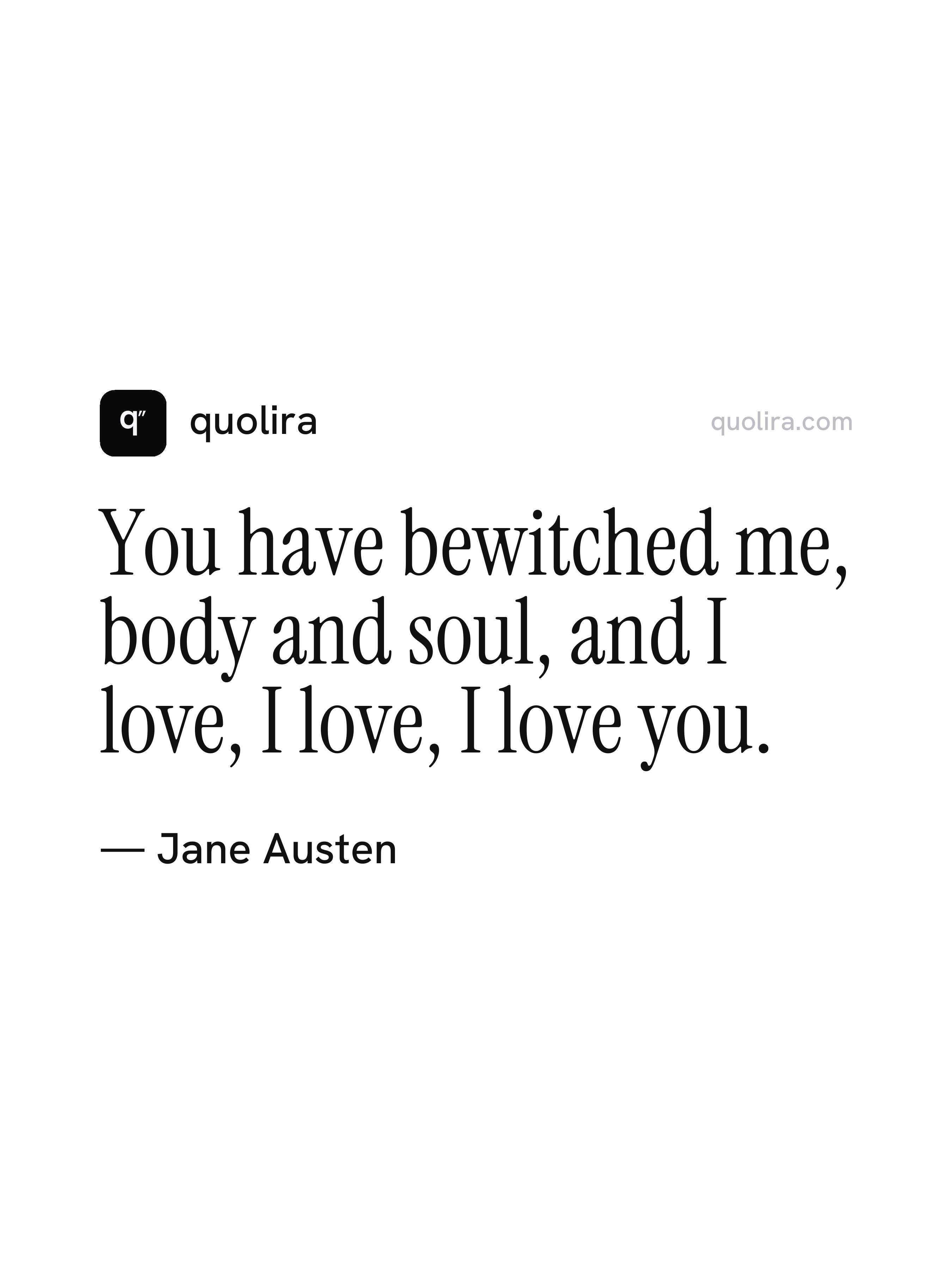
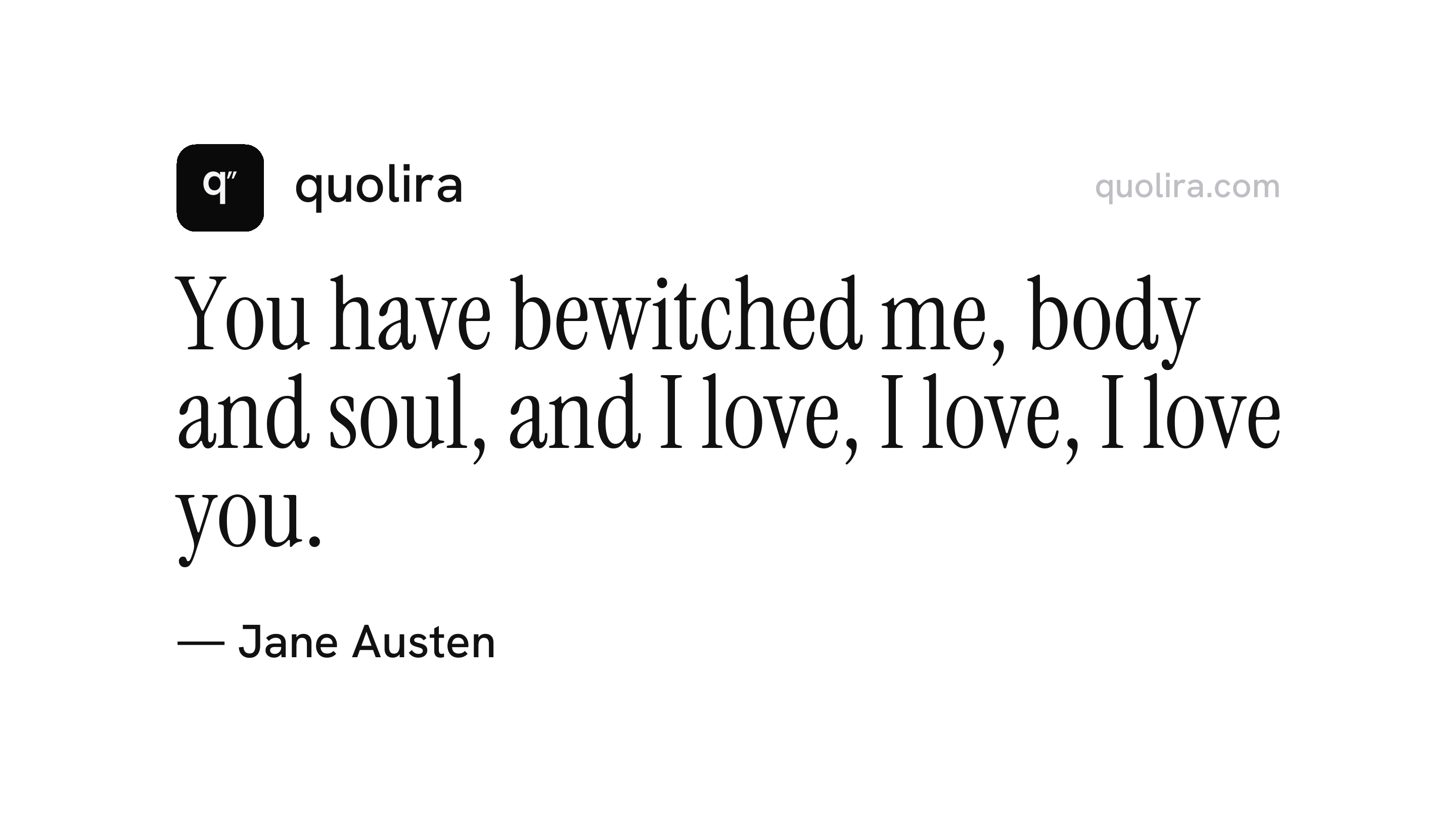
“You have bewitched me, body and soul, and I love, I love, I love you.”
Jane Austen · Pride and Prejudice, 1813
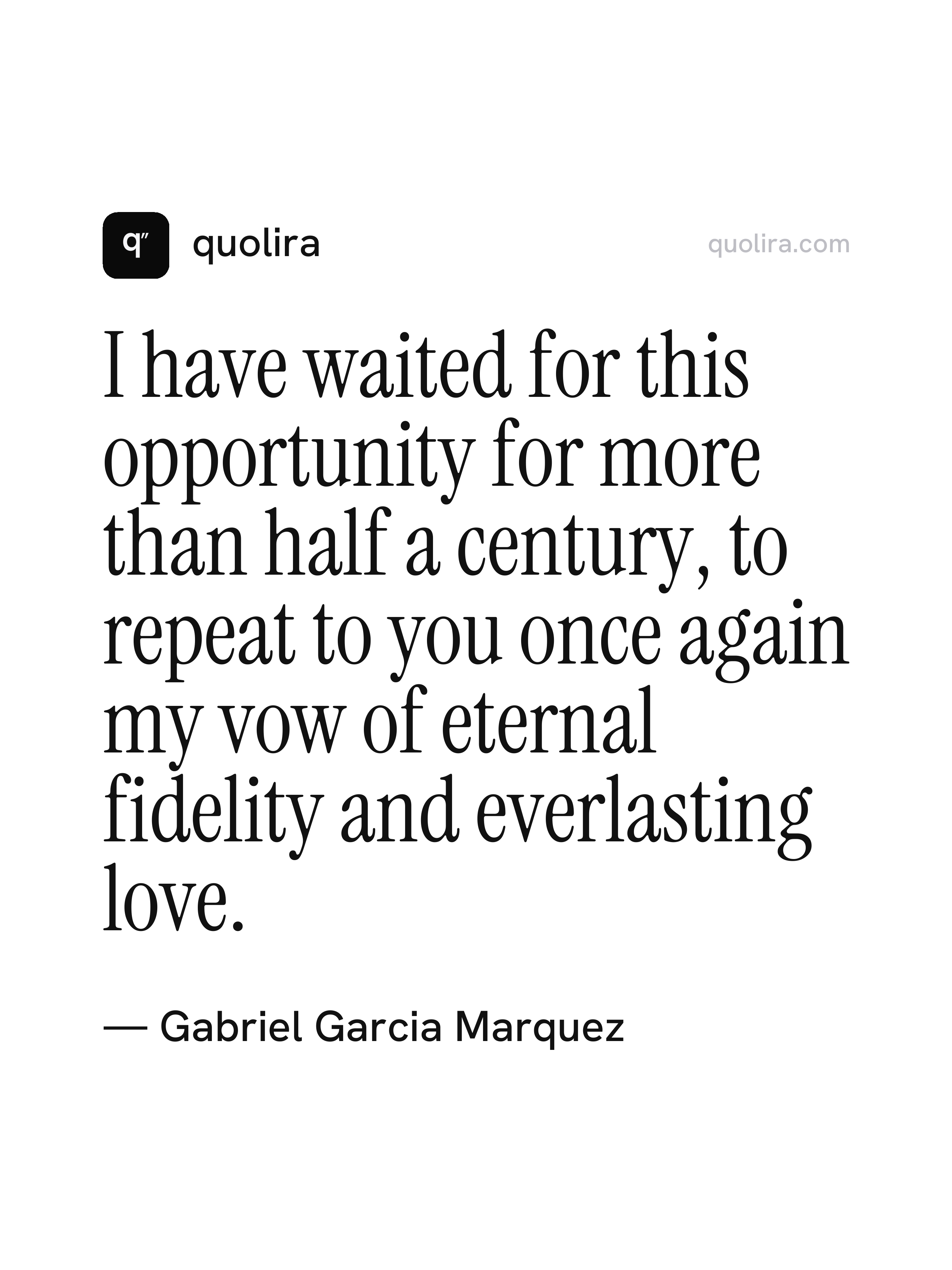
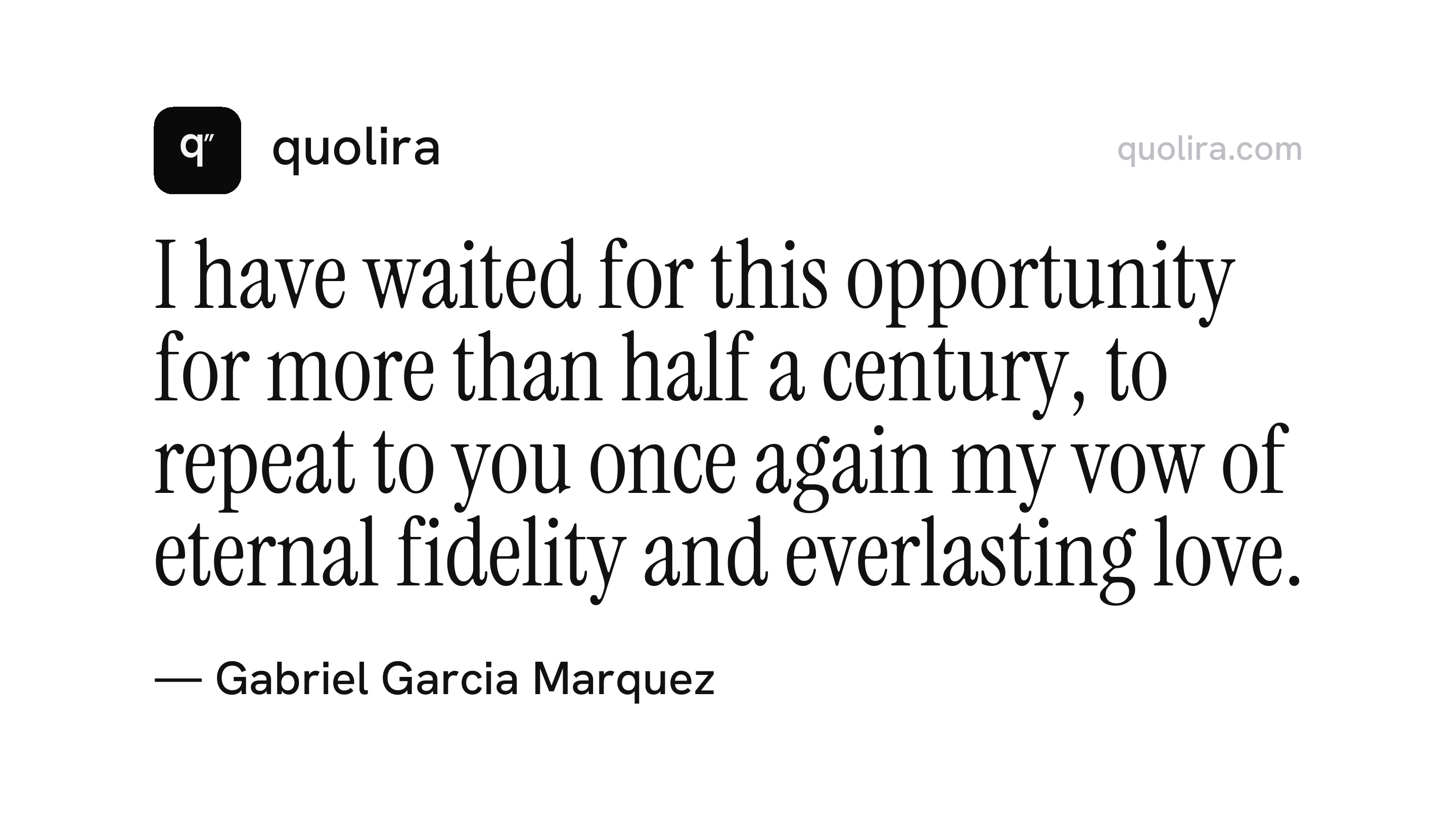
“I have waited for this opportunity for more than half a century, to repeat to you once again my vow of eternal fidelity and everlasting love.”
Gabriel Garcia Marquez · Love in the Time of Cholera, 1985
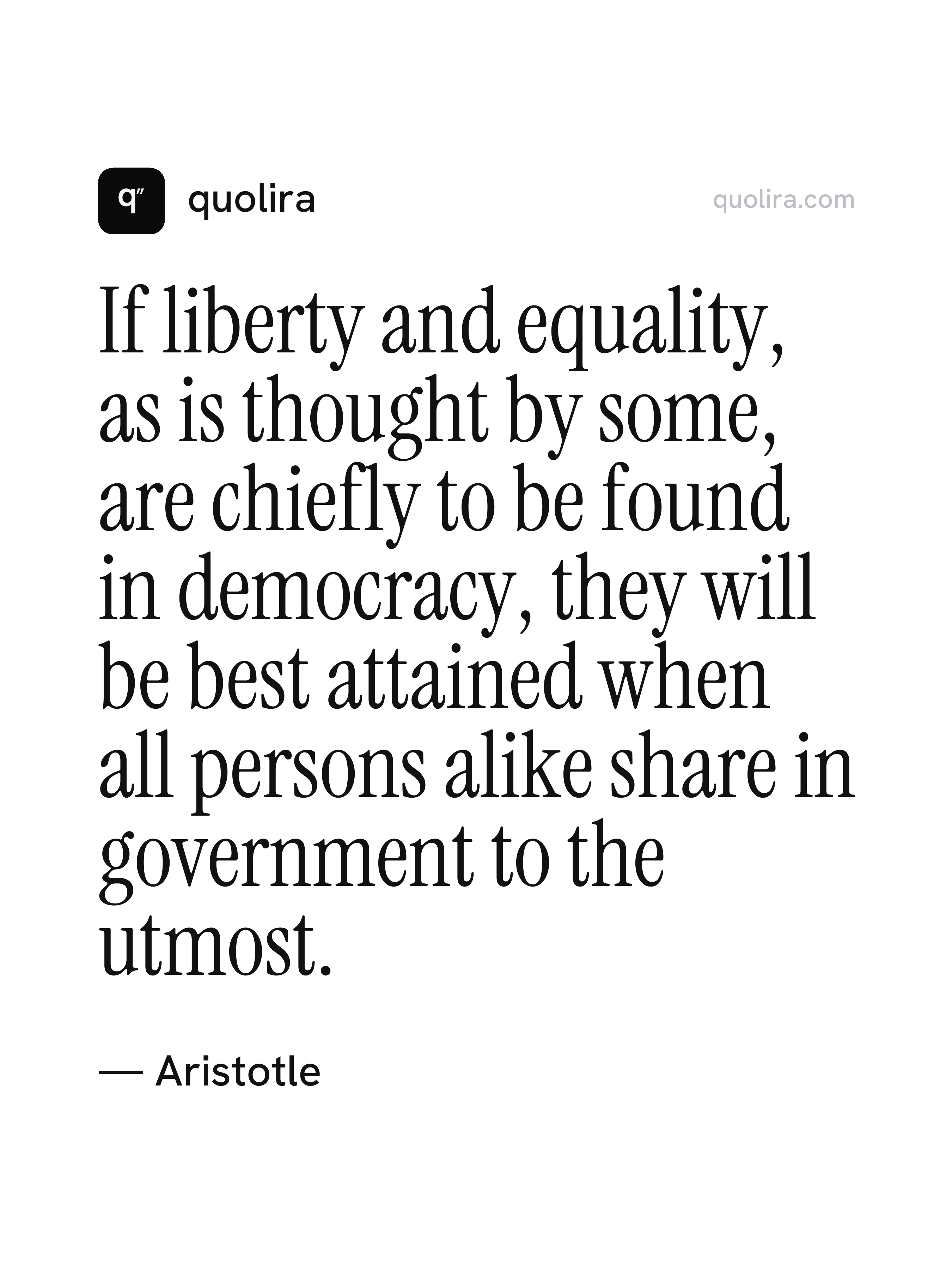
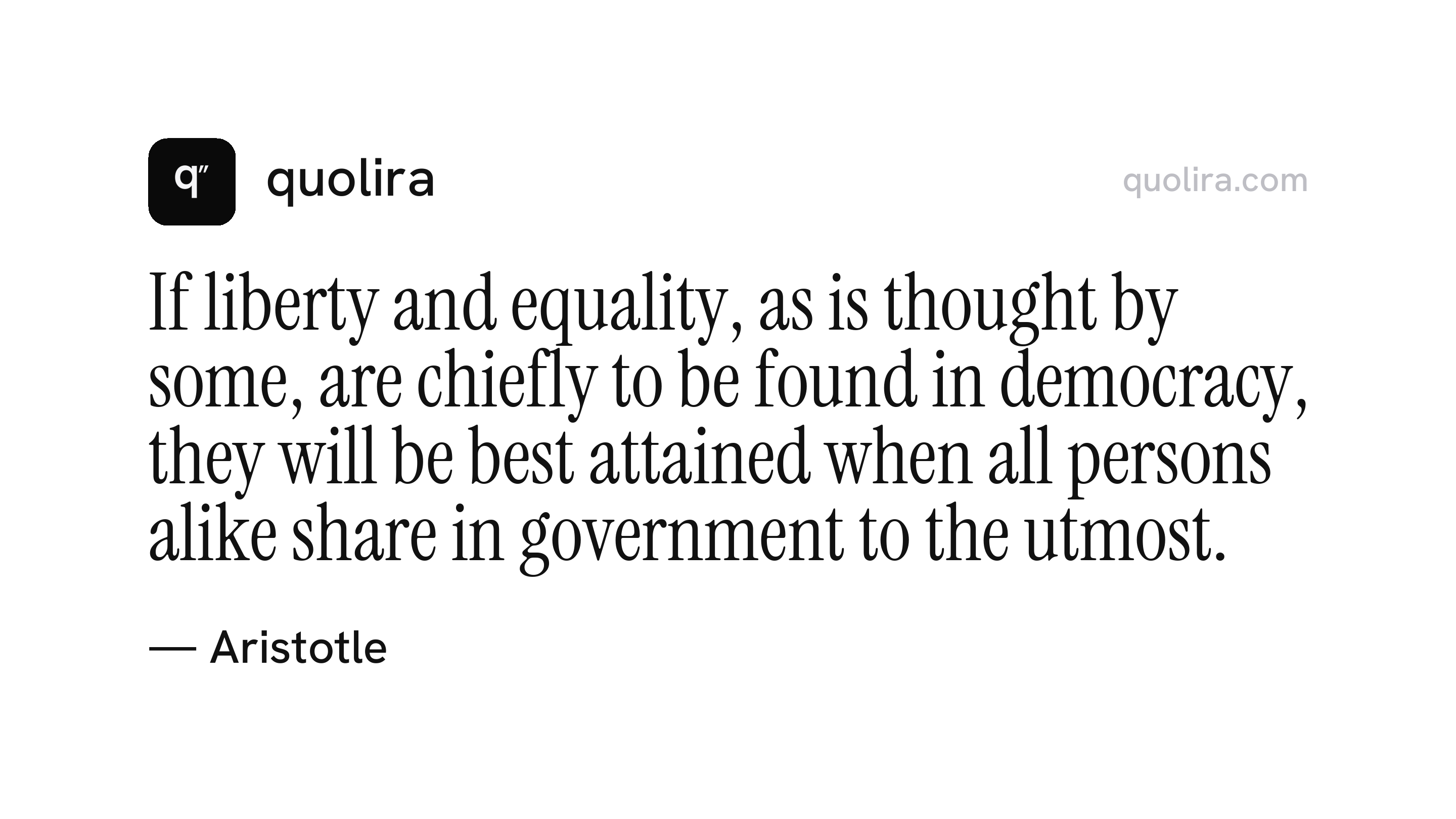
“If liberty and equality, as is thought by some, are chiefly to be found in democracy, they will be best attained when all persons alike share in government to the utmost.”
Aristotle · Politics, Book VI, c. 350 BC
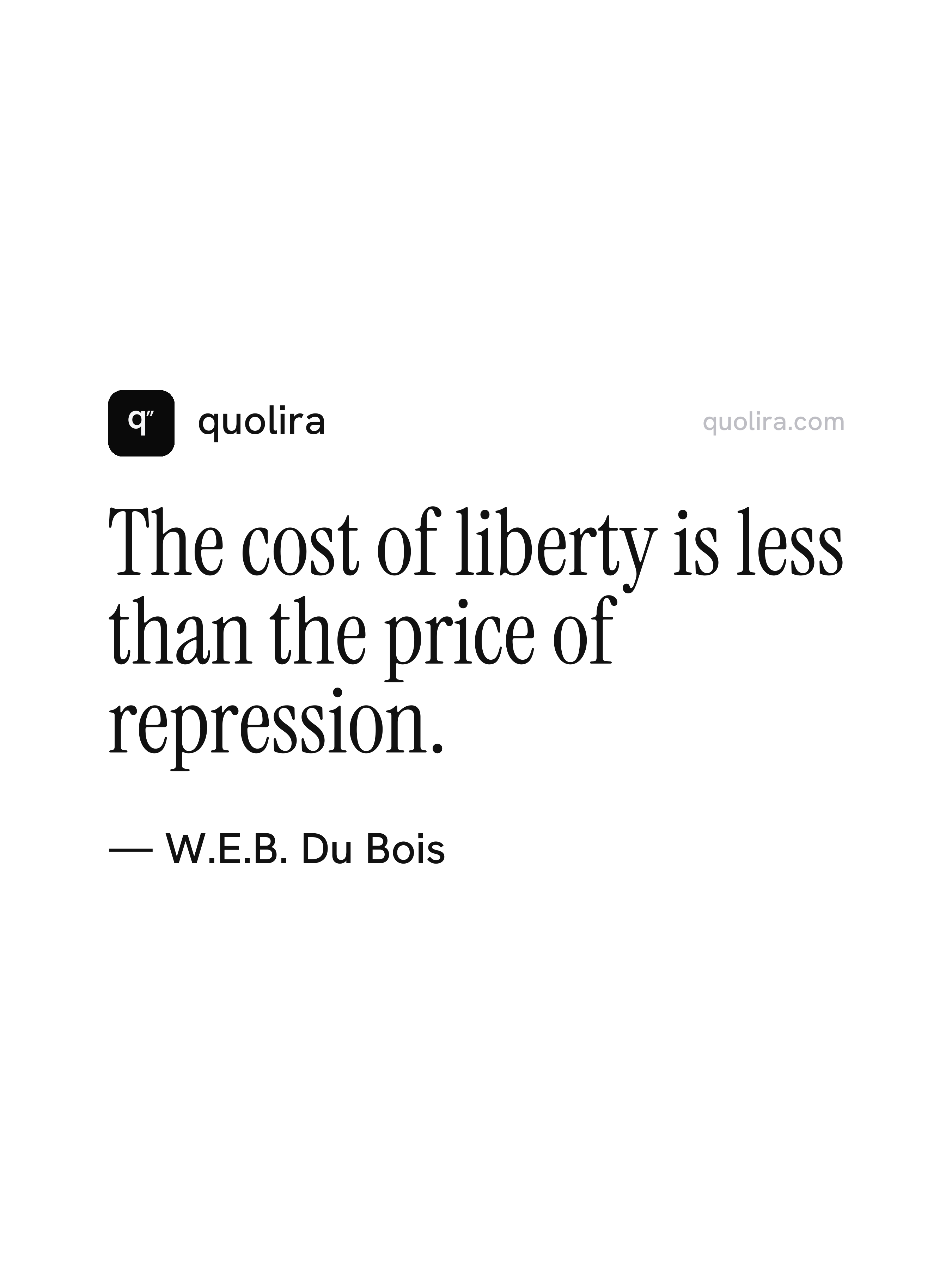
“The cost of liberty is less than the price of repression.”
W.E.B. Du Bois · John Brown, 1909