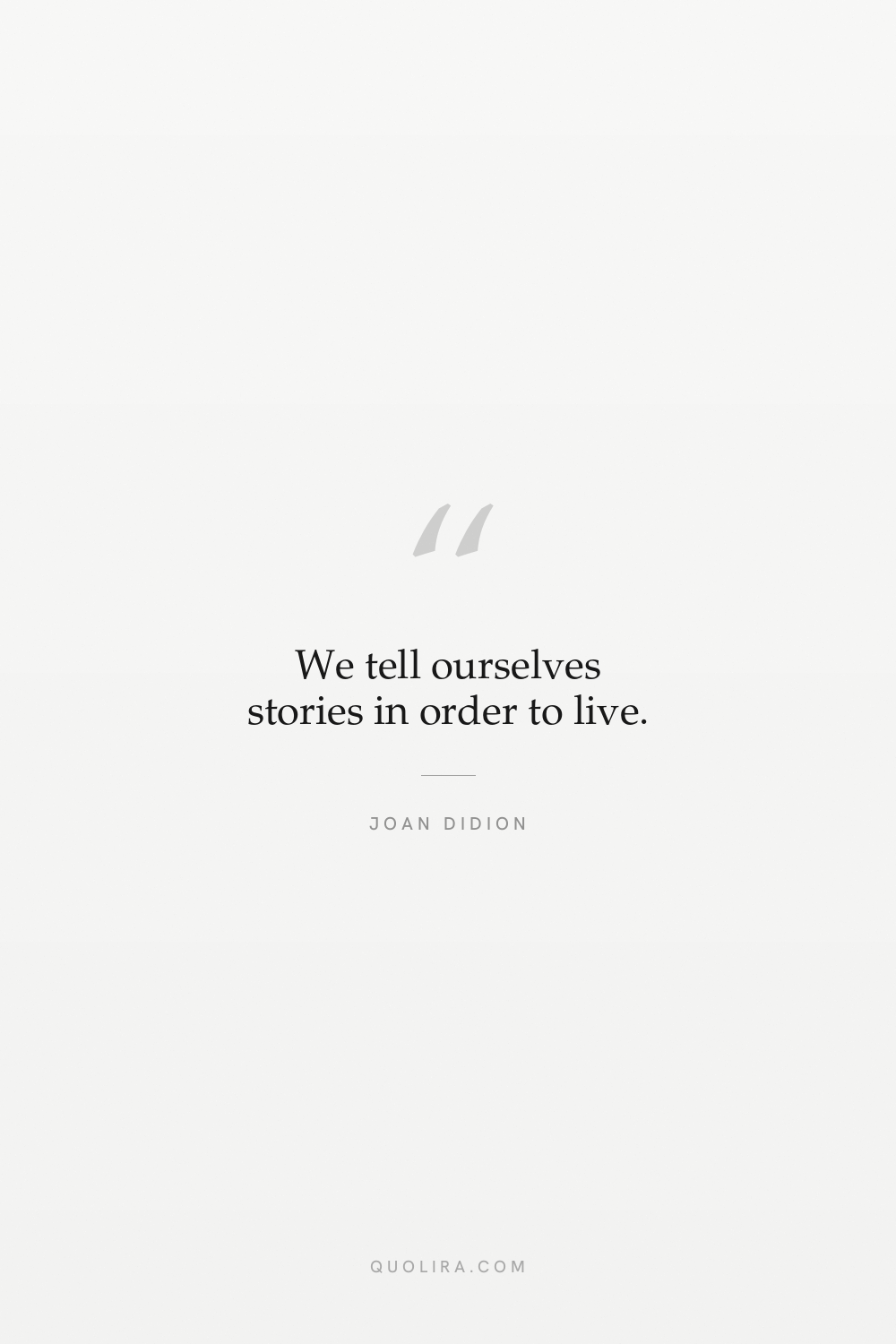
“We tell ourselves stories in order to live.”
Joan Didion · The White Album (1979)
 quolira
.com
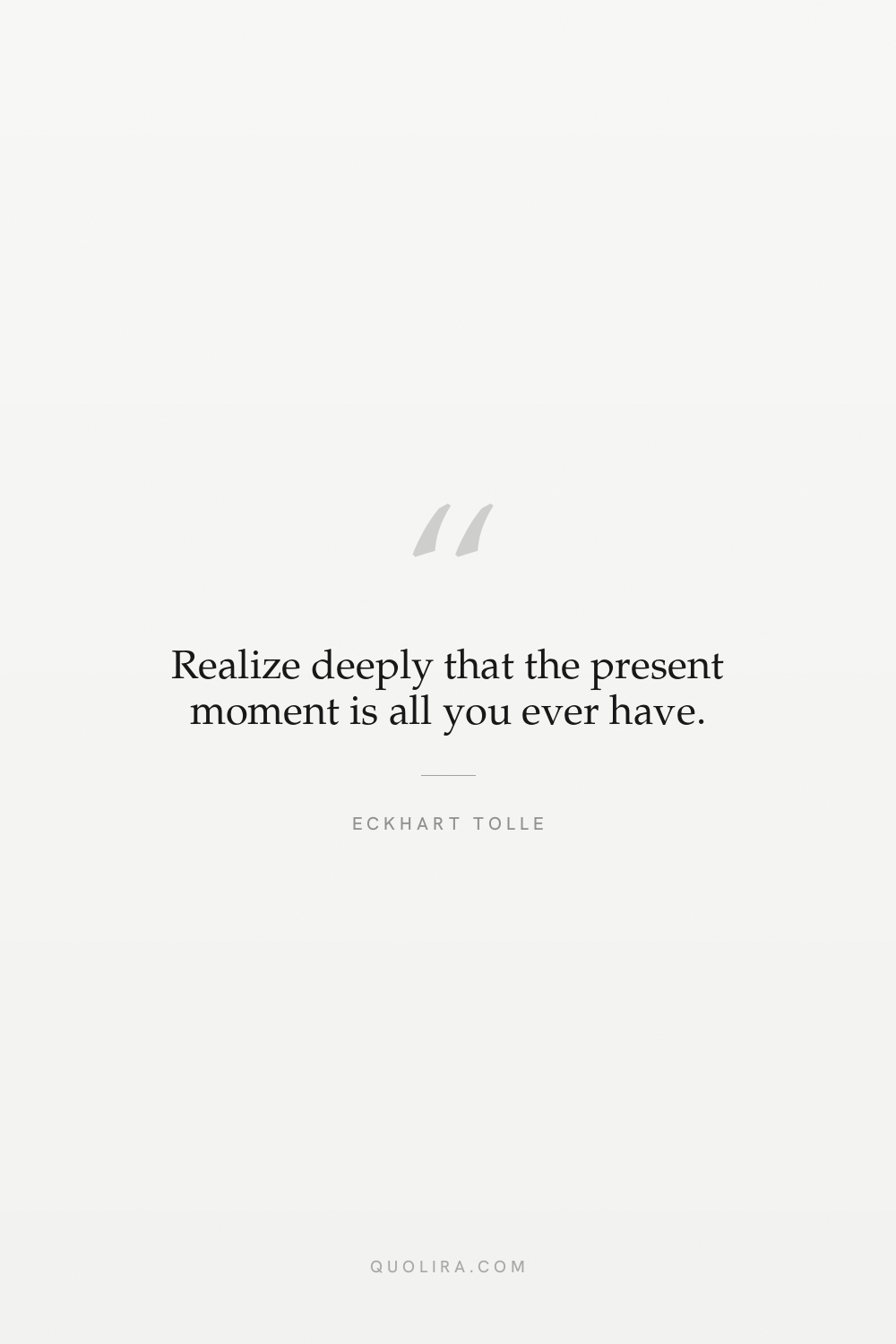
Eckhart Tolle said it, in The Power of Now (1997).
Tolle makes this point throughout The Power of Now, arguing that the present is the only place you can actually live. Much of what you're holding onto is a replay of something that already ended. You don't need to erase the past, just stop feeding it your attention.
From the collection: 11 Letting Go Quotes That Help You Loosen Your Grip · More Eckhart Tolle quotes
The quote means that life can only be experienced now, and that attention anchored in the present is the only place where living actually happens. Regret about the past and worry about the future both pull attention away from what is real. The idea encourages a steady, unhurried awareness of the current moment.
The line appears in Eckhart Tolle's The Power of Now, published in 1997, a book centered on presence, mindfulness, and freeing oneself from compulsive thinking. Tolle argues that much human suffering comes from identification with the mind's constant commentary about past and future. The book is organized as an accessible guide rather than a historical or scholarly text, and its teachings draw on a blend of spiritual traditions and personal reflection. This quote summarizes the practical core of the book's argument.
Eckhart Tolle is a German-born spiritual teacher and writer who has lived and taught primarily in the English-speaking world. He is known for books on consciousness, presence, and inner peace, and The Power of Now became one of the best-known spiritual books of its era. His writing emphasizes direct experience over doctrine, and he is often associated with contemporary mindfulness movements. Readers who come to his work seeking practical calm tend to find this quote especially useful as a simple reminder to return to the present.
“We tell ourselves stories in order to live.”
Joan Didion · The White Album (1979)
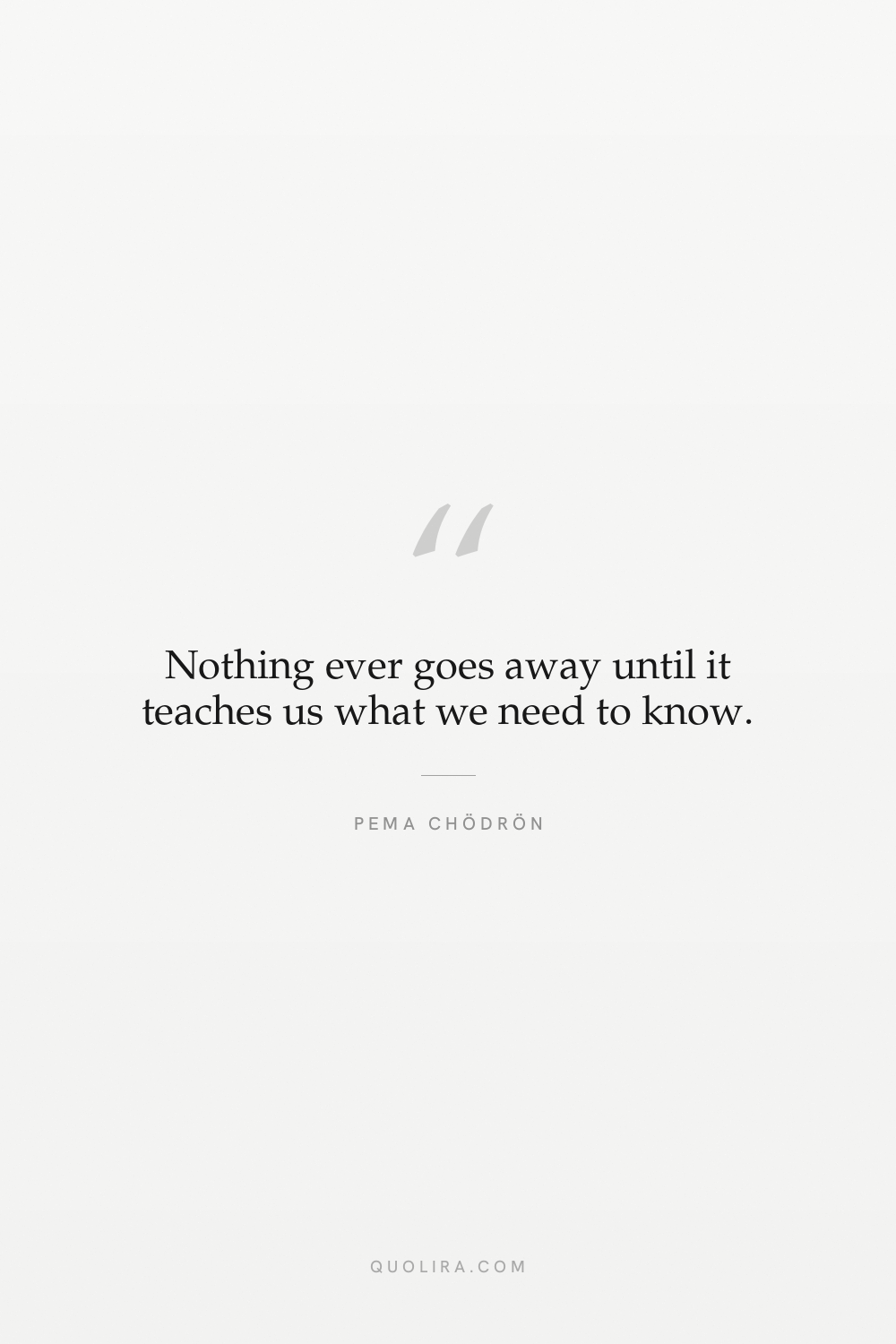
“Nothing ever goes away until it teaches us what we need to know.”
Pema Chödrön
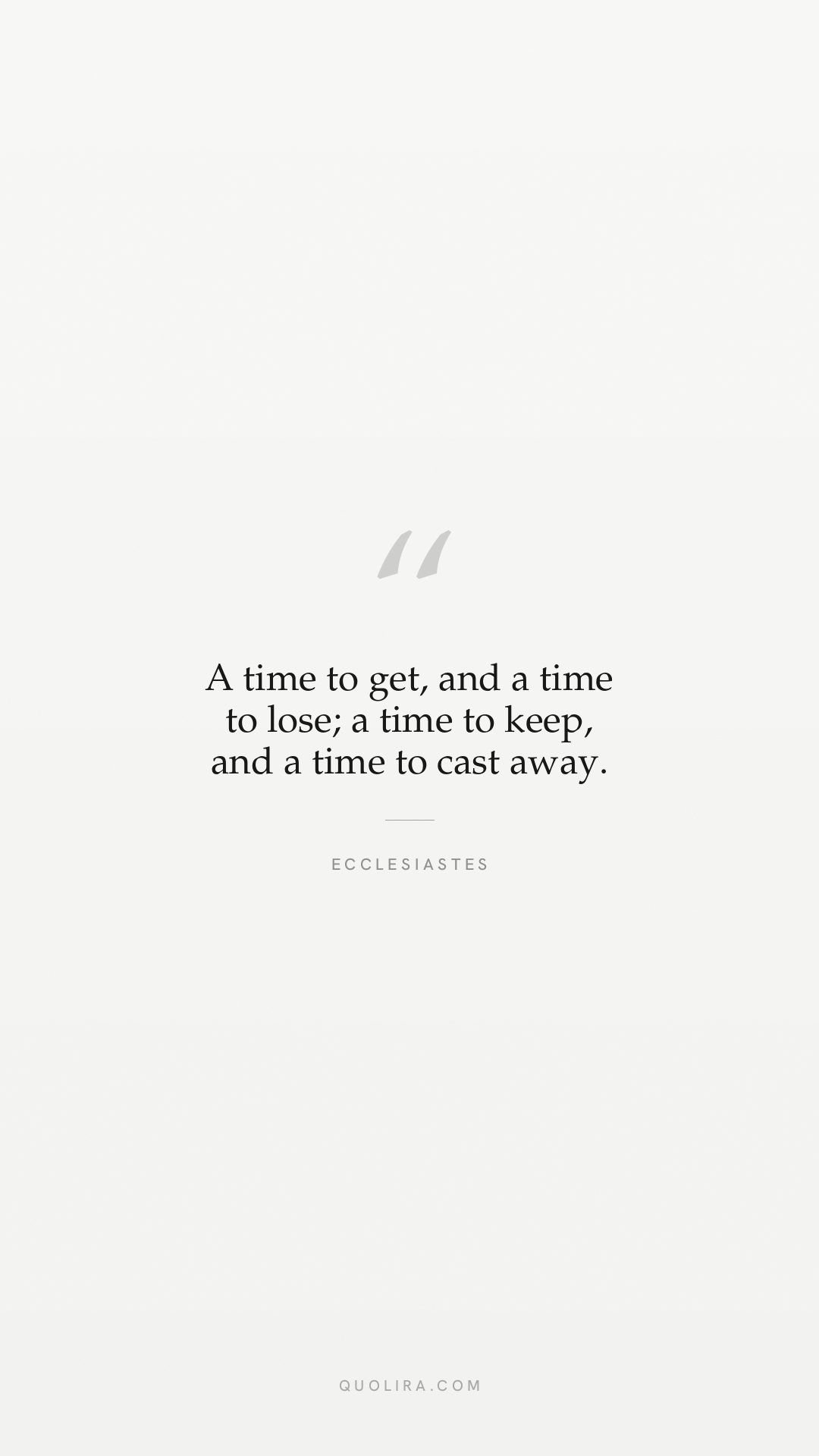
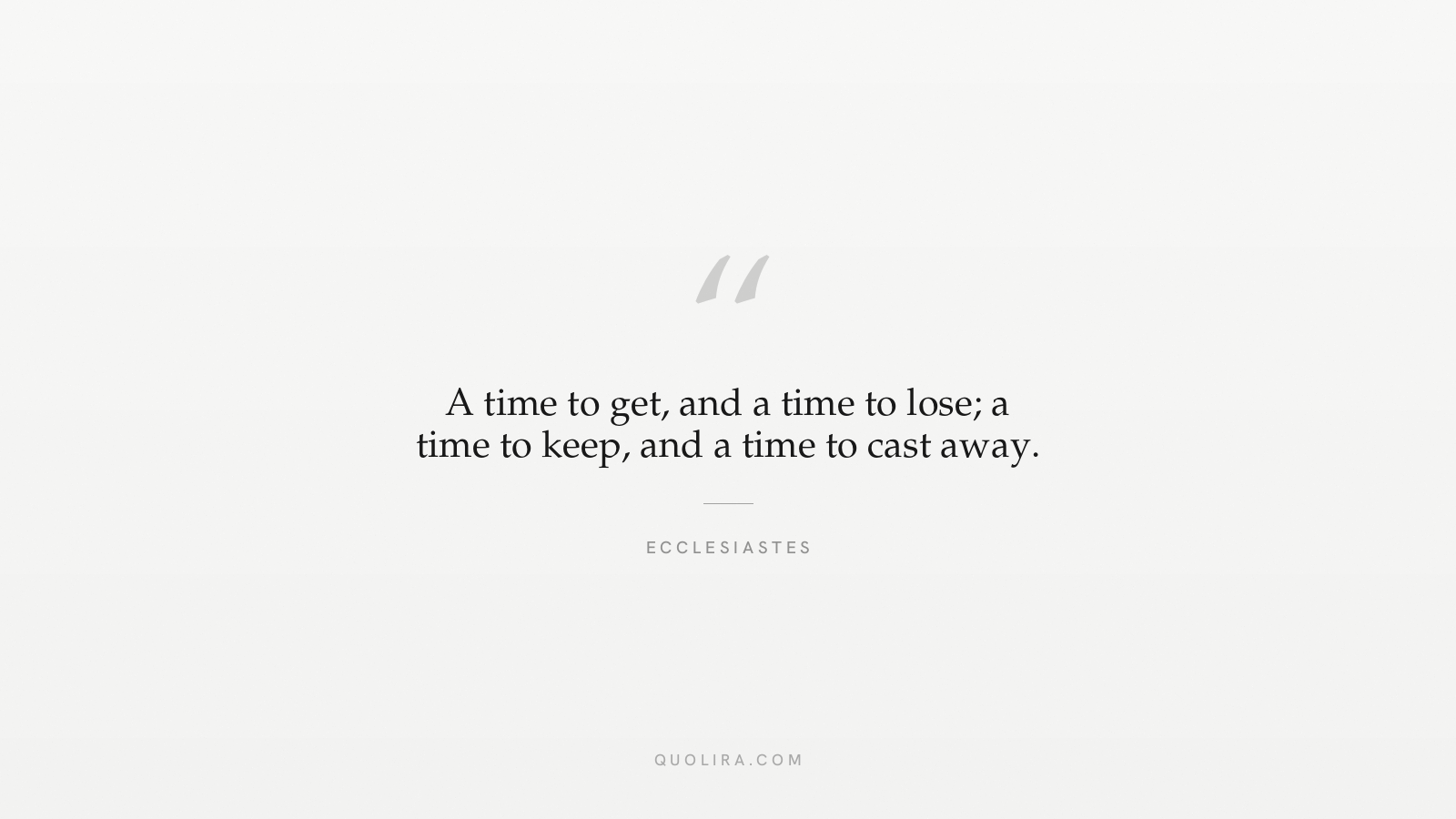
“A time to get, and a time to lose; a time to keep, and a time to cast away.”
Ecclesiastes · Ecclesiastes 3:6, King James Version
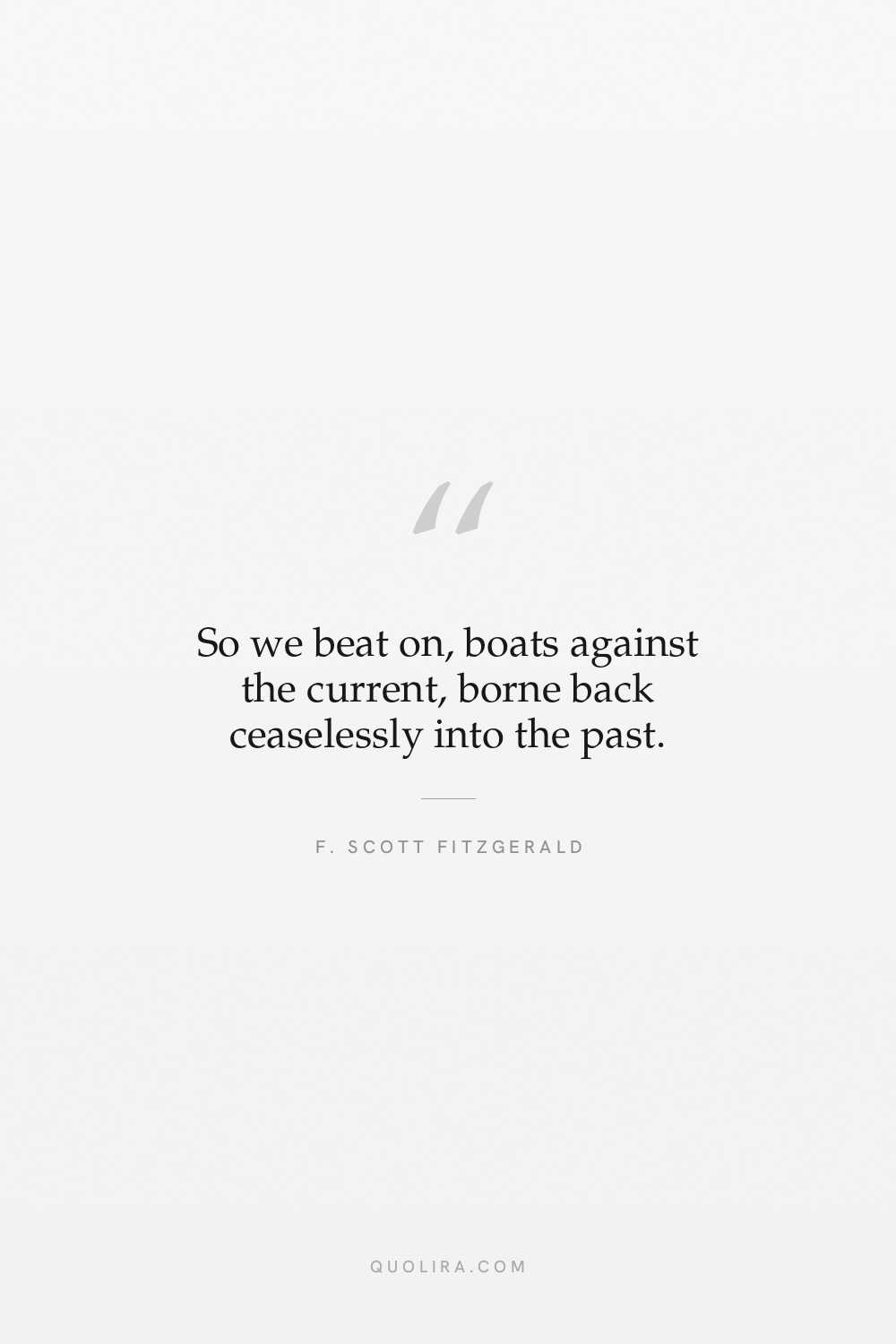
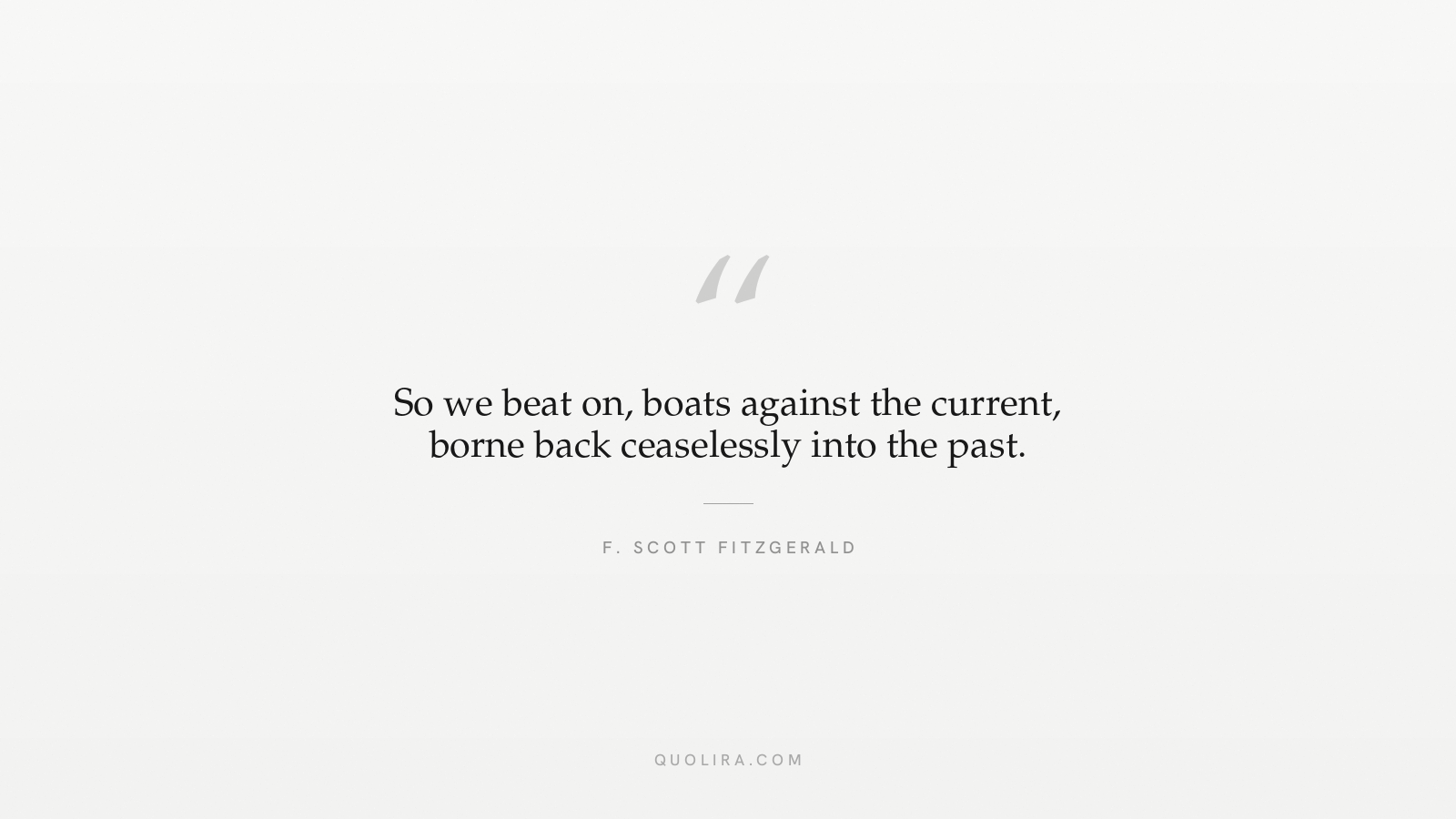
“So we beat on, boats against the current, borne back ceaselessly into the past.”
F. Scott Fitzgerald · The Great Gatsby (1925)
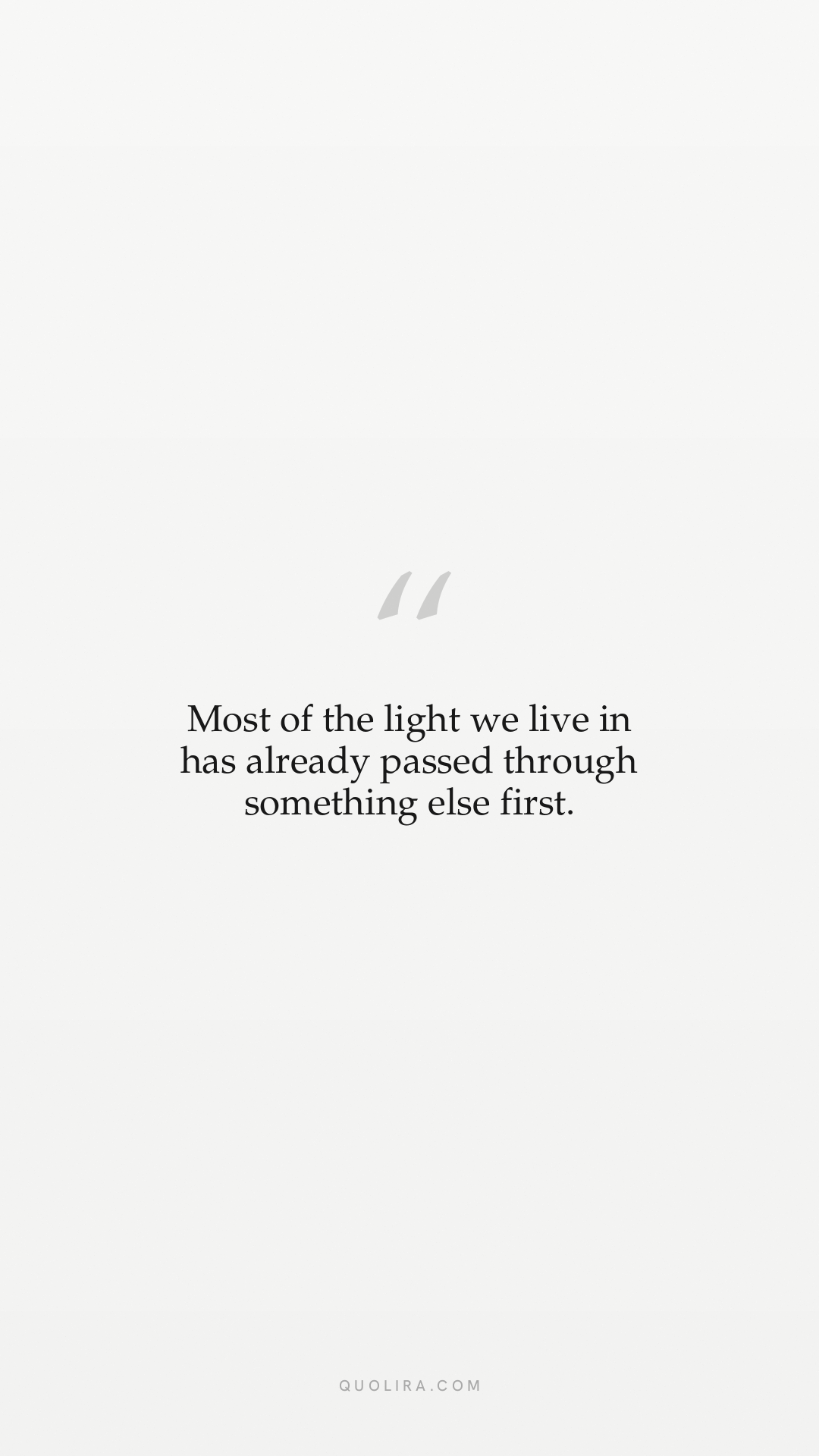
“Most of the light we live in has already passed through something else first.”
Original
“God turns you from one feeling to another and teaches by means of opposites, so that you will have two wings to fly, not one.”
Rumi · Masnavi, Book II, lines 1552-1554 (tr. Helminski, 1990)
“Come, seek, for search is the foundation of fortune: every success depends upon focusing the heart.”
Rumi · Masnavi, Book III, lines 2302-5 (tr. Helminski, 1996)
“If you wish to shine like day, burn up the night of self-existence. Dissolve in the Being who is everything.”
Rumi · Masnavi, Book I, lines 3009-12 (tr. Helminski, 1990)
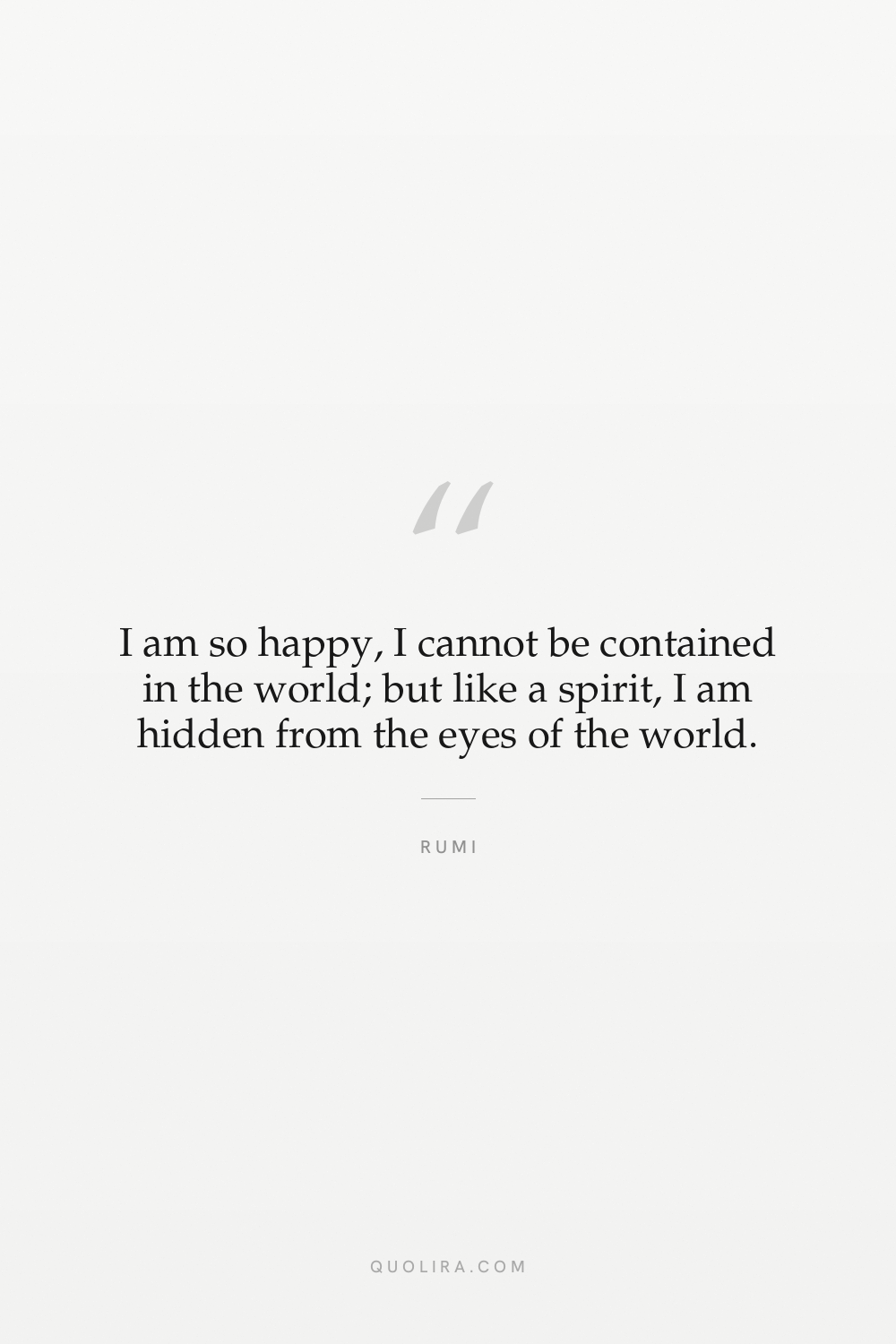
“I am so happy, I cannot be contained in the world; but like a spirit, I am hidden from the eyes of the world.”
Rumi · Divan-i Shams, ghazal 1740 (tr. Fatemeh Keshavarz, 1998)
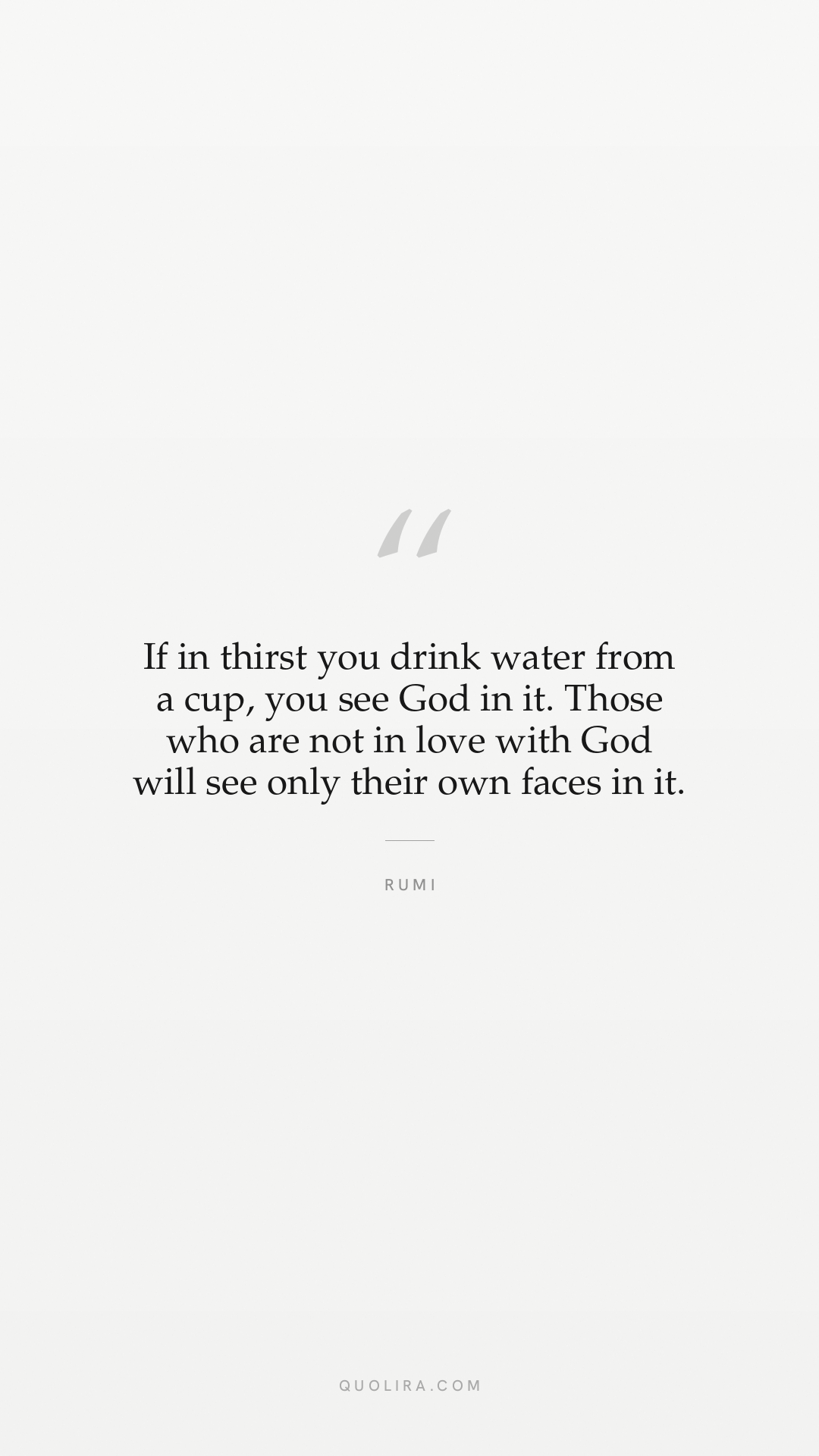
“If in thirst you drink water from a cup, you see God in it. Those who are not in love with God will see only their own faces in it.”
Rumi · Masnavi, Book VI, line 3640 (ed. Fadiman and Frager, 1997)
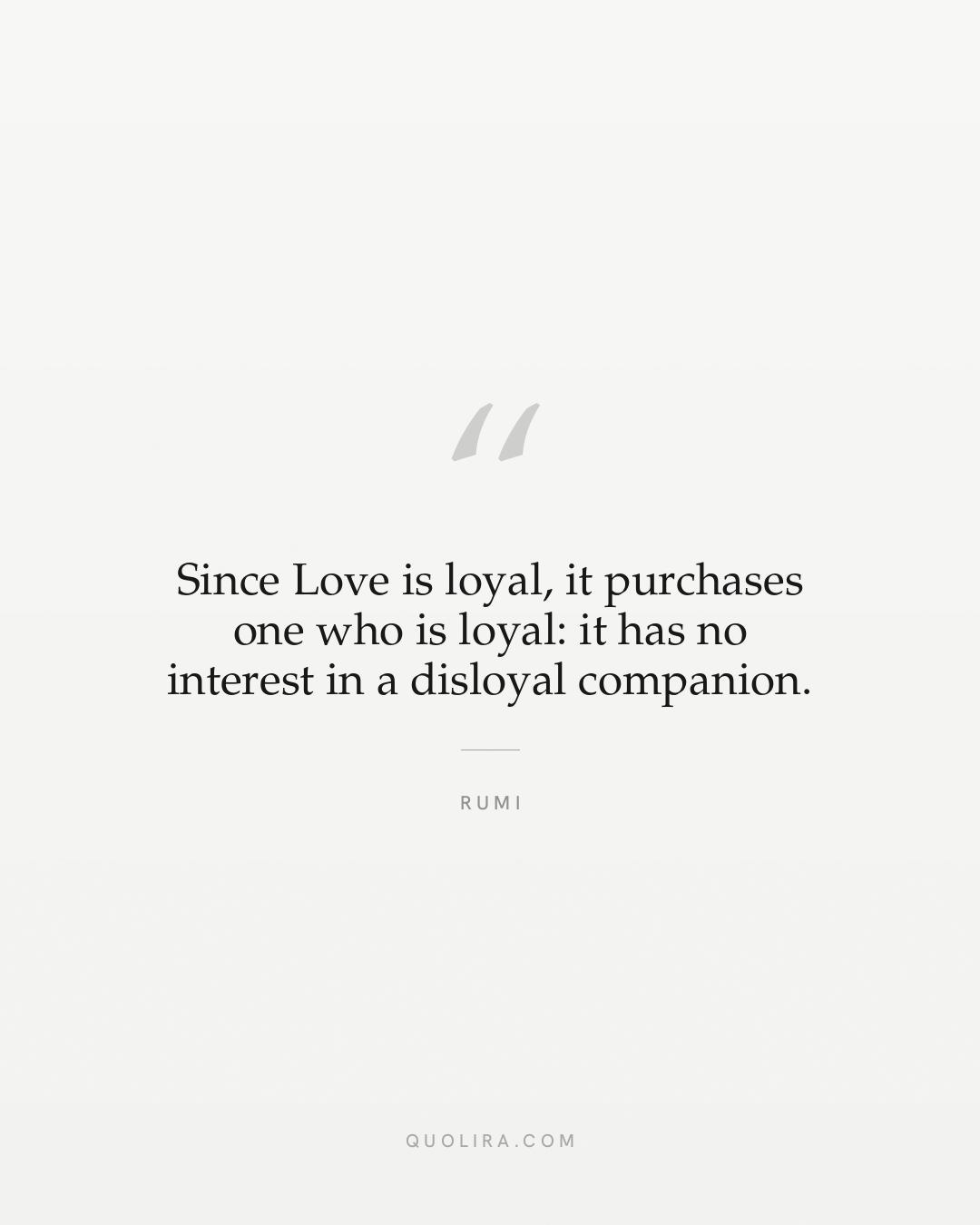
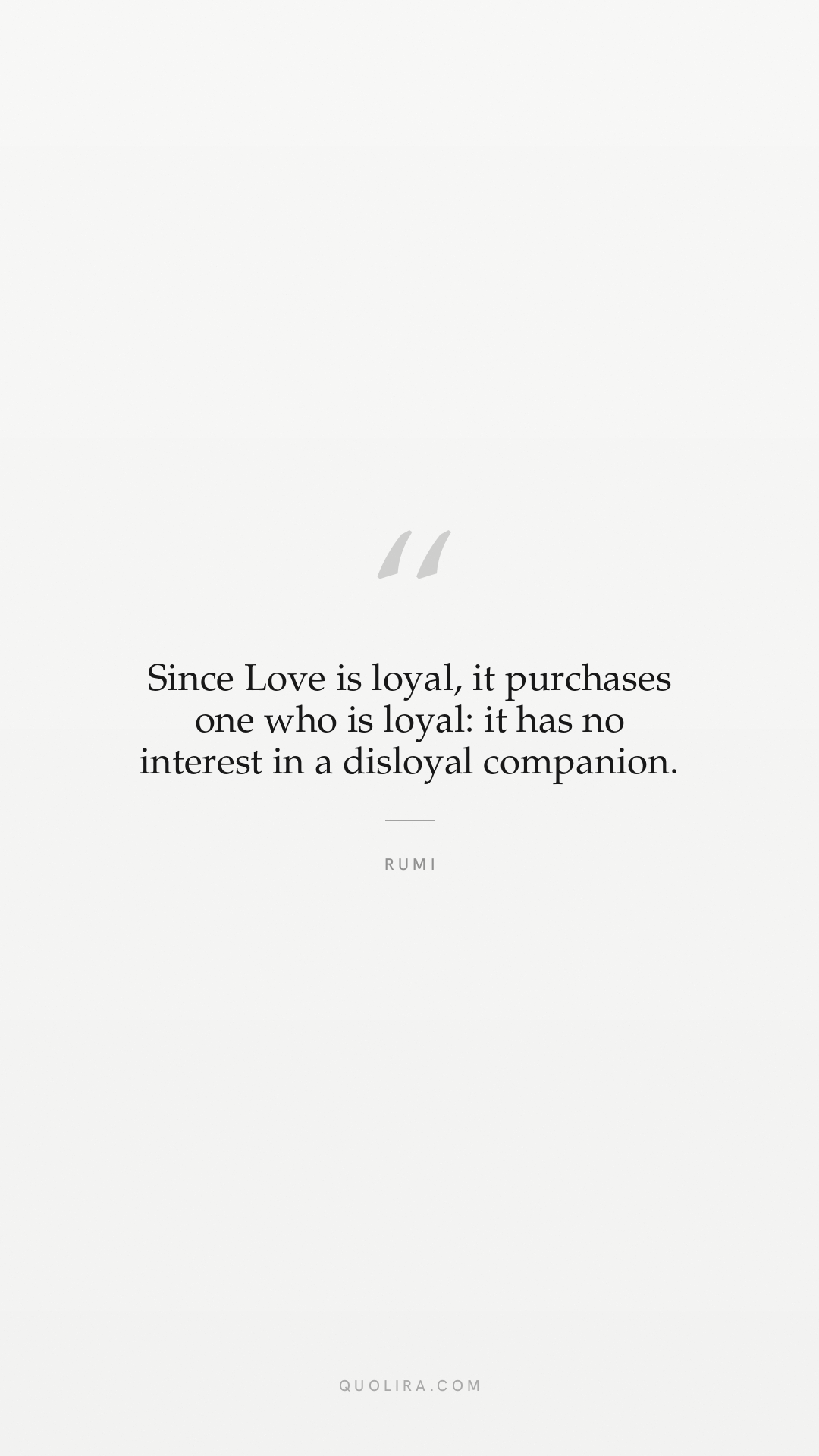
“Since Love is loyal, it purchases one who is loyal: it has no interest in a disloyal companion.”
Rumi · Masnavi, Book V, lines 1163-1169 (tr. Helminski, 1996)
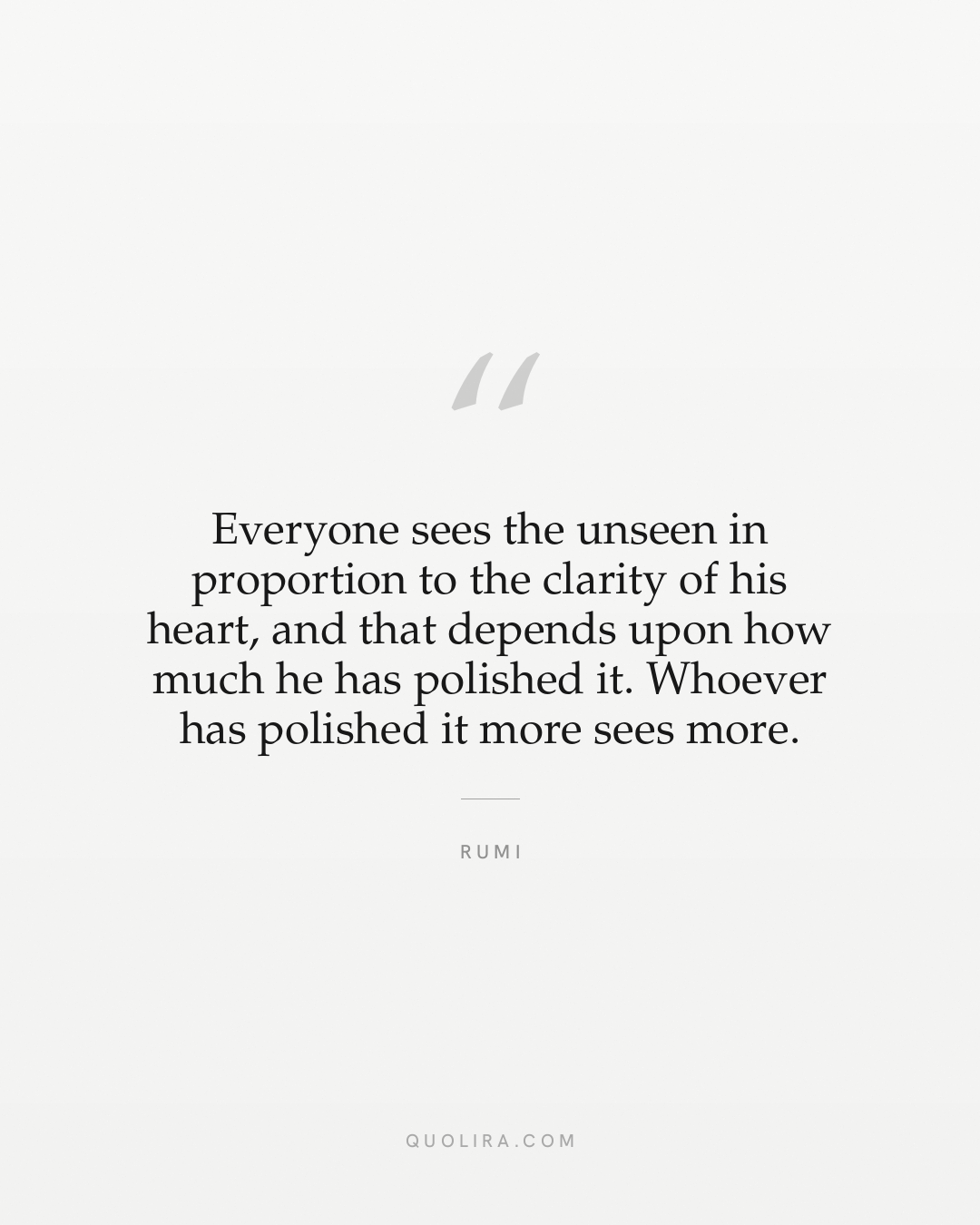
“Everyone sees the unseen in proportion to the clarity of his heart, and that depends upon how much he has polished it. Whoever has polished it more sees more.”
Rumi · Masnavi, Book IV, lines 2909-10 (tr. Chittick)