“Wealth is an option not yet taken to buy something later.”
Morgan Housel · The Psychology of Money, Chapter 9: Wealth is What You Don’t See
 quolira
.com
Morgan Housel said it, in The Psychology of Money, Chapter 9: Wealth is What You Don’t See.
Housel is making a definitional claim here, not just offering tactical advice. Saving is how wealth gets built, and it's also what wealth means. That's a stronger statement than most personal finance books make.
From the collection: 25 Psychology of Money Quotes on Wealth, Control, and Staying in the Game · More Morgan Housel quotes
The quote argues that holding back spending is not just one way to build wealth but is what wealth actually consists of. Wealth, in this view, is the money you still have and the options it gives you, not the visible purchases that money could have bought.
The line comes from Chapter 9 of The Psychology of Money, titled "Wealth is What You Don't See." That chapter builds on the idea that spending signals status, while savings are invisible to others. Housel uses everyday examples to show why people often mistake income and displays of spending for financial security. The chapter asks readers to think about the money that never gets spent and the freedom it quietly protects.
Morgan Housel is an American writer who has covered personal finance and investing for many years, including work as a columnist for The Motley Fool and later as a partner at the venture firm Collaborative Fund. He is known for writing about how behavior, emotion, and luck shape financial outcomes more than technical knowledge alone. The Psychology of Money, published in 2020, became one of his best-known books and draws on stories and observations rather than formulas.
“Wealth is an option not yet taken to buy something later.”
Morgan Housel · The Psychology of Money, Chapter 9: Wealth is What You Don’t See
“But wealth is hidden. It's income not spent.”
Morgan Housel · The Psychology of Money, Chapter 9: Wealth is What You Don’t See
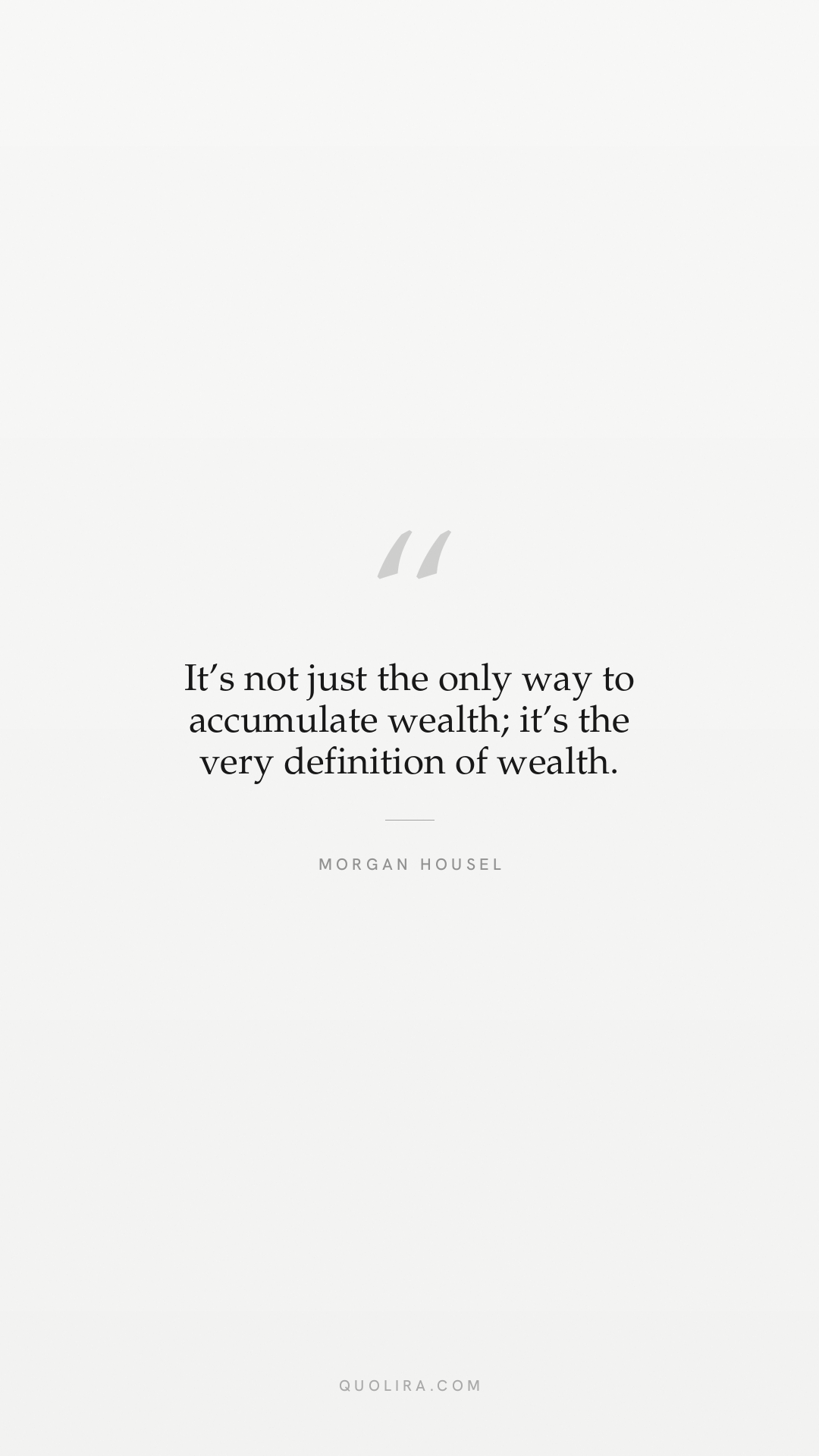
“The only way to be wealthy is to not spend the money that you do have.”
Morgan Housel · The Psychology of Money, Chapter 9: Wealth is What You Don’t See
“But the truth is that wealth is what you don't see.”
Morgan Housel · The Psychology of Money, Chapter 9: Wealth is What You Don’t See
“A genius who loses control of their emotions can be a financial disaster.”
Morgan Housel · The Psychology of Money, Introduction: The Greatest Show On Earth
“The premise of this book is that doing well with money has a little to do with how smart you are and a lot to do with how you behave.”
Morgan Housel · The Psychology of Money, Introduction: The Greatest Show On Earth
“If you know the enemy and know yourself, you need not fear the result of a hundred battles.”
Sun Tzu · The Art of War, Chapter III: Attack by Stratagem
“Although life is a matter of indifference, the use which you make of it is not a matter of indifference.”
Epictetus · Discourses, Book II, chapter 6
“Materials are indifferent, but the use which we make of them is not a matter of indifference.”
Epictetus · Discourses, Book II, chapter 5
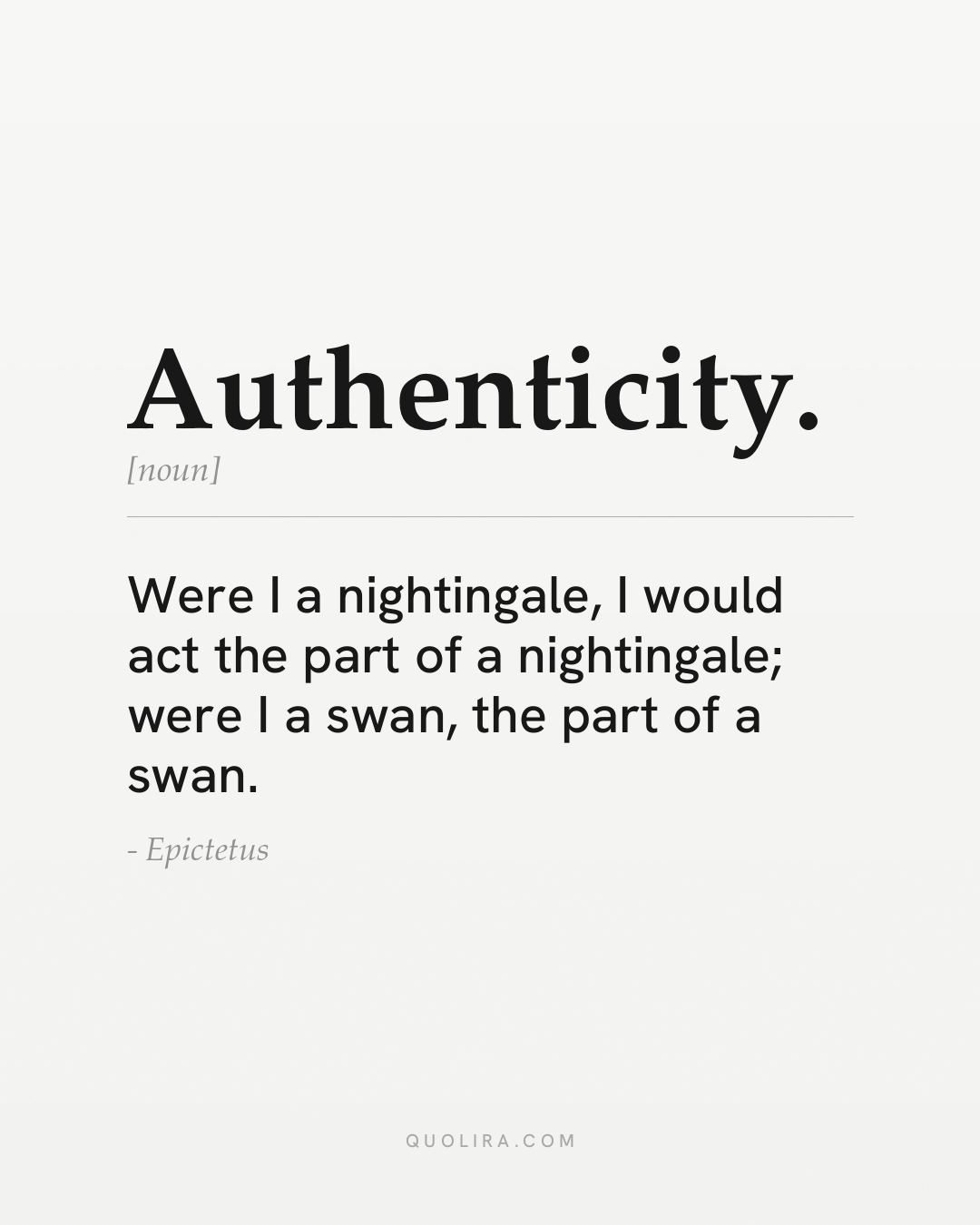
“Were I a nightingale, I would act the part of a nightingale; were I a swan, the part of a swan.”
Epictetus · Discourses, Book I, chapter 16
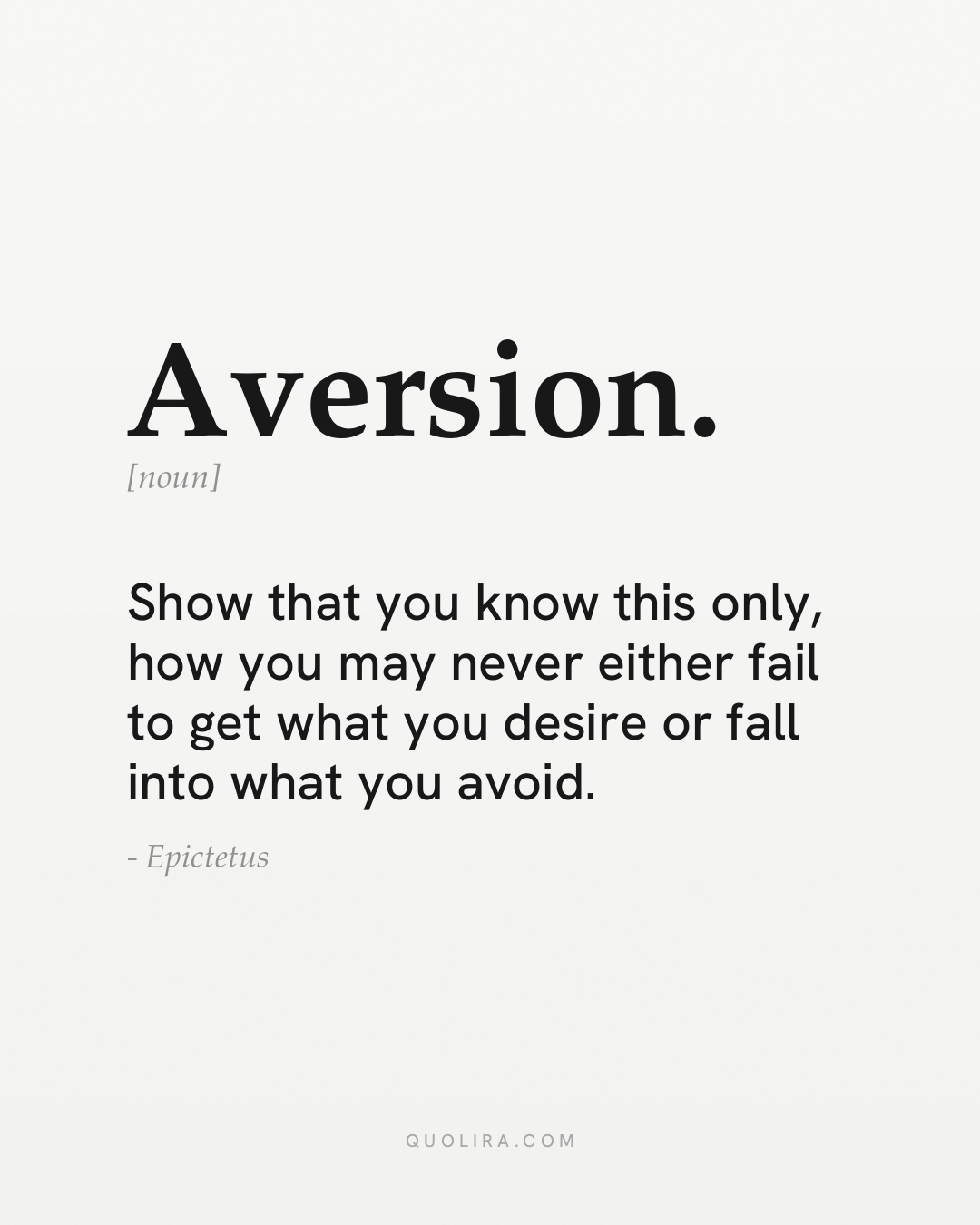
“Show that you know this only, how you may never either fail to get what you desire or fall into what you avoid.”
Epictetus · Discourses, Book II, chapter 1
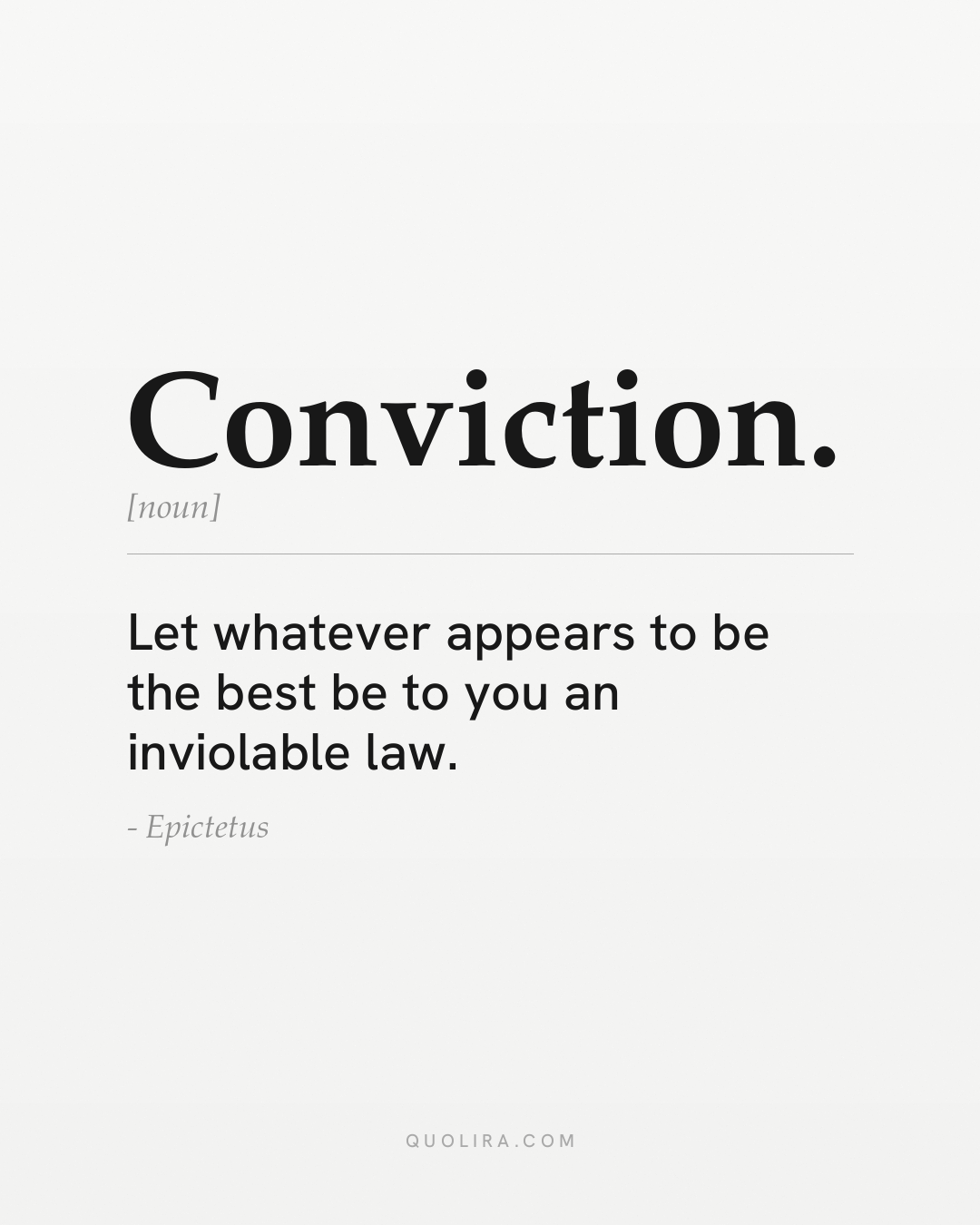
“Let whatever appears to be the best be to you an inviolable law.”
Epictetus · Enchiridion, sections 50-51