“We love the things we love for what they are.”
Robert Frost · Hyla Brook, 1916
 quolira
.com
quolira
quolira.com
The humor here is sharp but affectionate. The observation sets up a contrast between the long, patient work of raising a child and the speed at which a romantic entanglement can undo it all. At its core it is a wry acknowledgment that love and infatuation can override years of careful upbringing in very little time. Frost is poking fun at human nature, and perhaps at men in particular, without being entirely unkind about it.
This remark has the tone of the witty, spoken Frost who appeared at public readings and in interviews, rather than the careful craftsman of the published poems. Frost was known for his dry humor and sharp observations about everyday life, and lines like this one were part of how he connected with audiences beyond the page. The sentiment also touches on a theme that appears in various forms across literature and folk wisdom: the idea that a mother's years of work are held in fragile trust once her son encounters romantic love.
Robert Frost was born in San Francisco in 1874 and spent much of his adult life in New England, where he farmed, taught, and wrote. He became the most prominent American poet of his era, known for verse that was plain in surface but layered in meaning. Frost was also a compelling public presence, celebrated for his wit and storytelling at readings and public events, and that conversational sharpness is evident in remarks like this one.
“We love the things we love for what they are.”
Robert Frost · Hyla Brook, 1916
“Two roads diverged in a wood, and I took the one less traveled by, and that has made all the difference.”
Robert Frost · The Road Not Taken, 1916
“In three words I can sum up everything I've learned about life: it goes on.”
Robert Frost
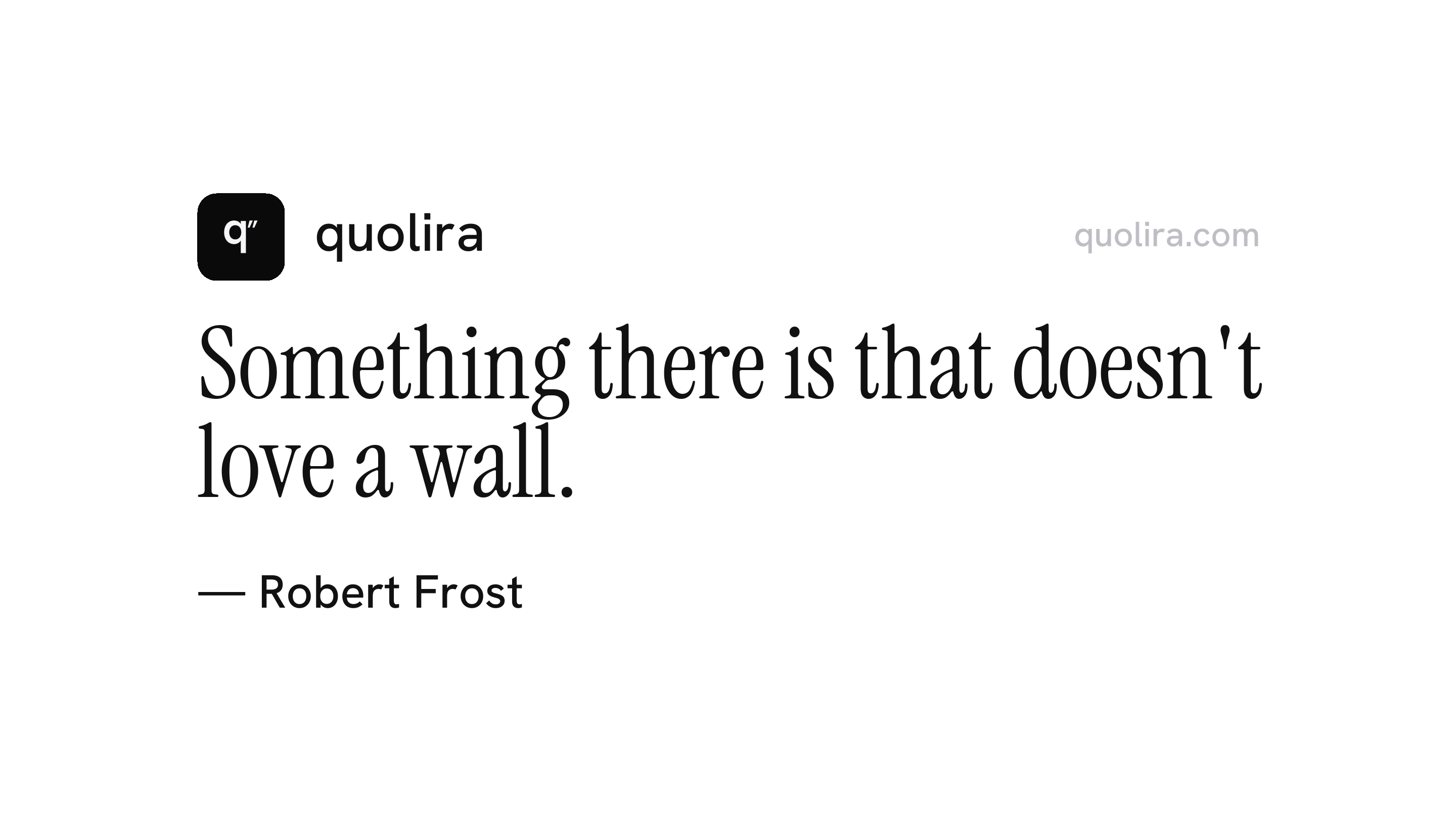
“Something there is that doesn't love a wall.”
Robert Frost · Mending Wall, 1914
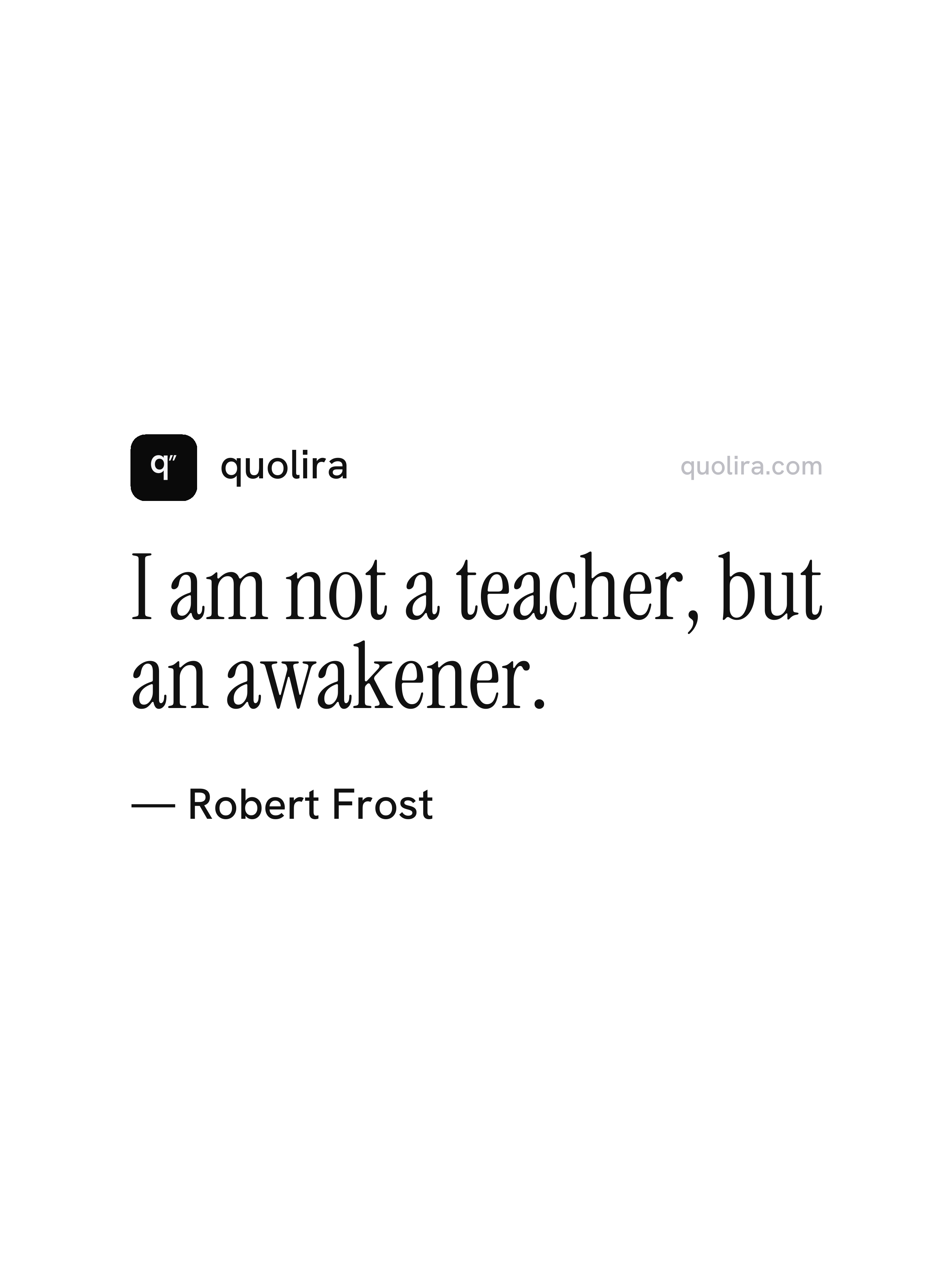
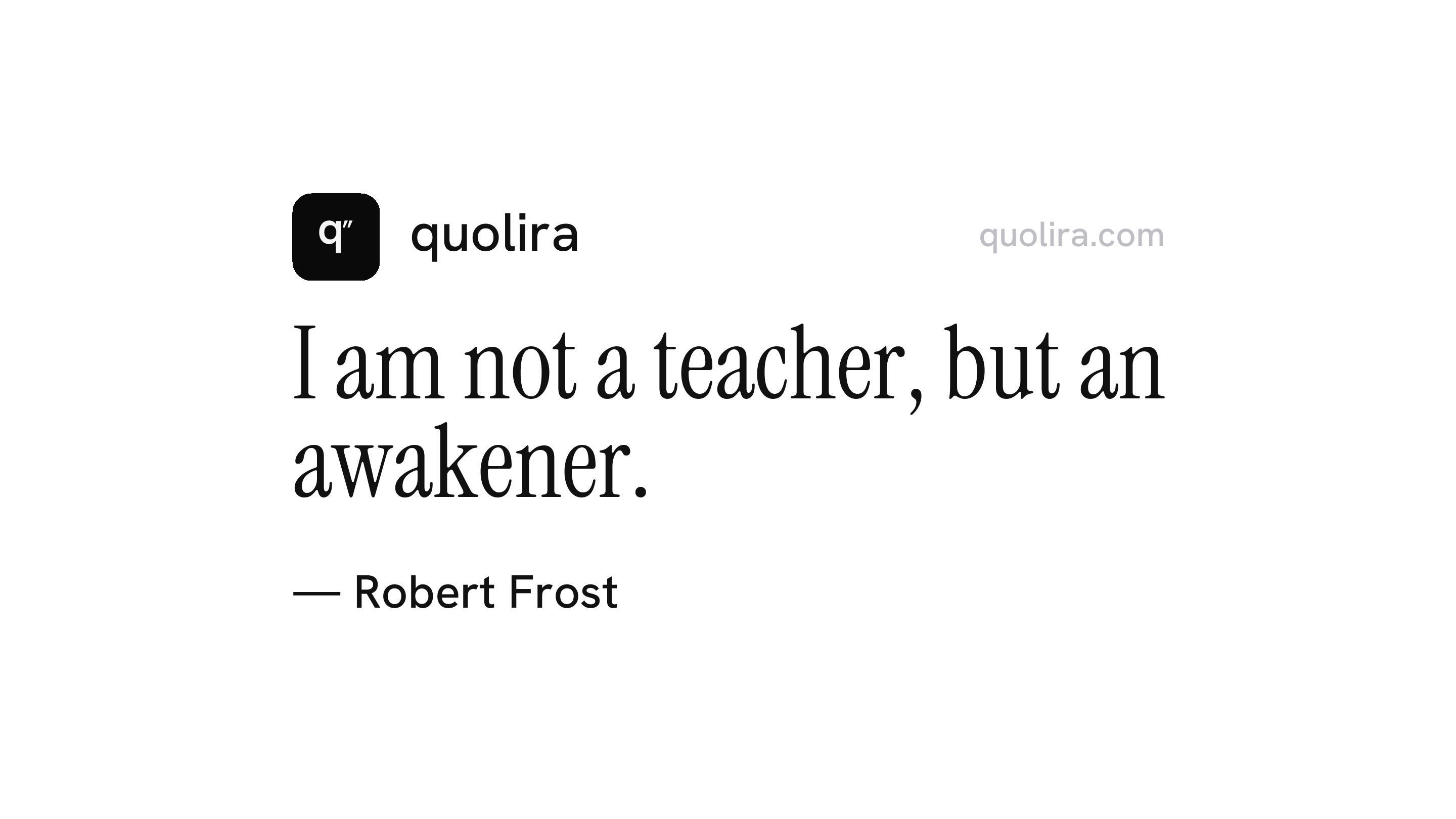
“I am not a teacher, but an awakener.”
Robert Frost
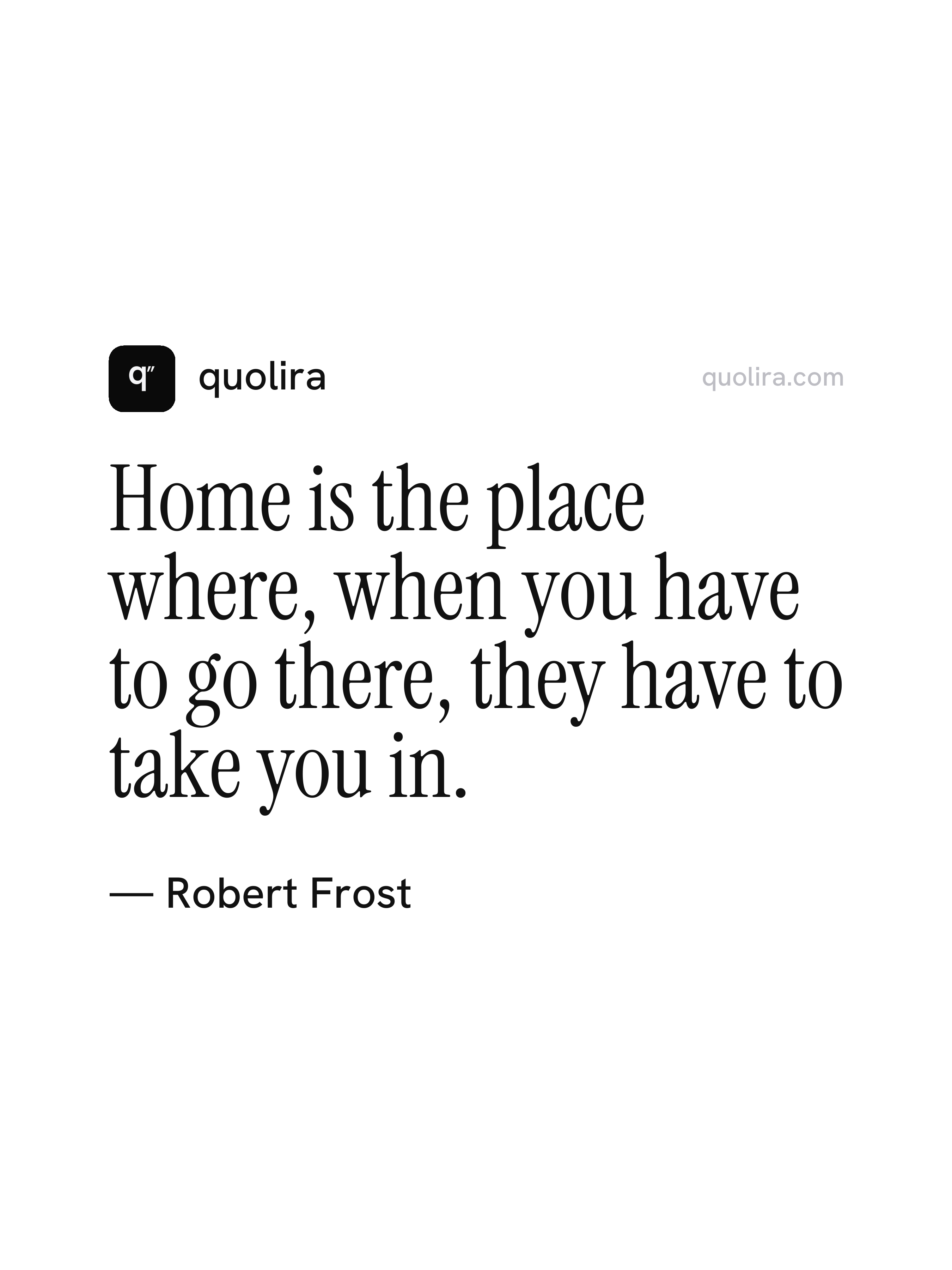
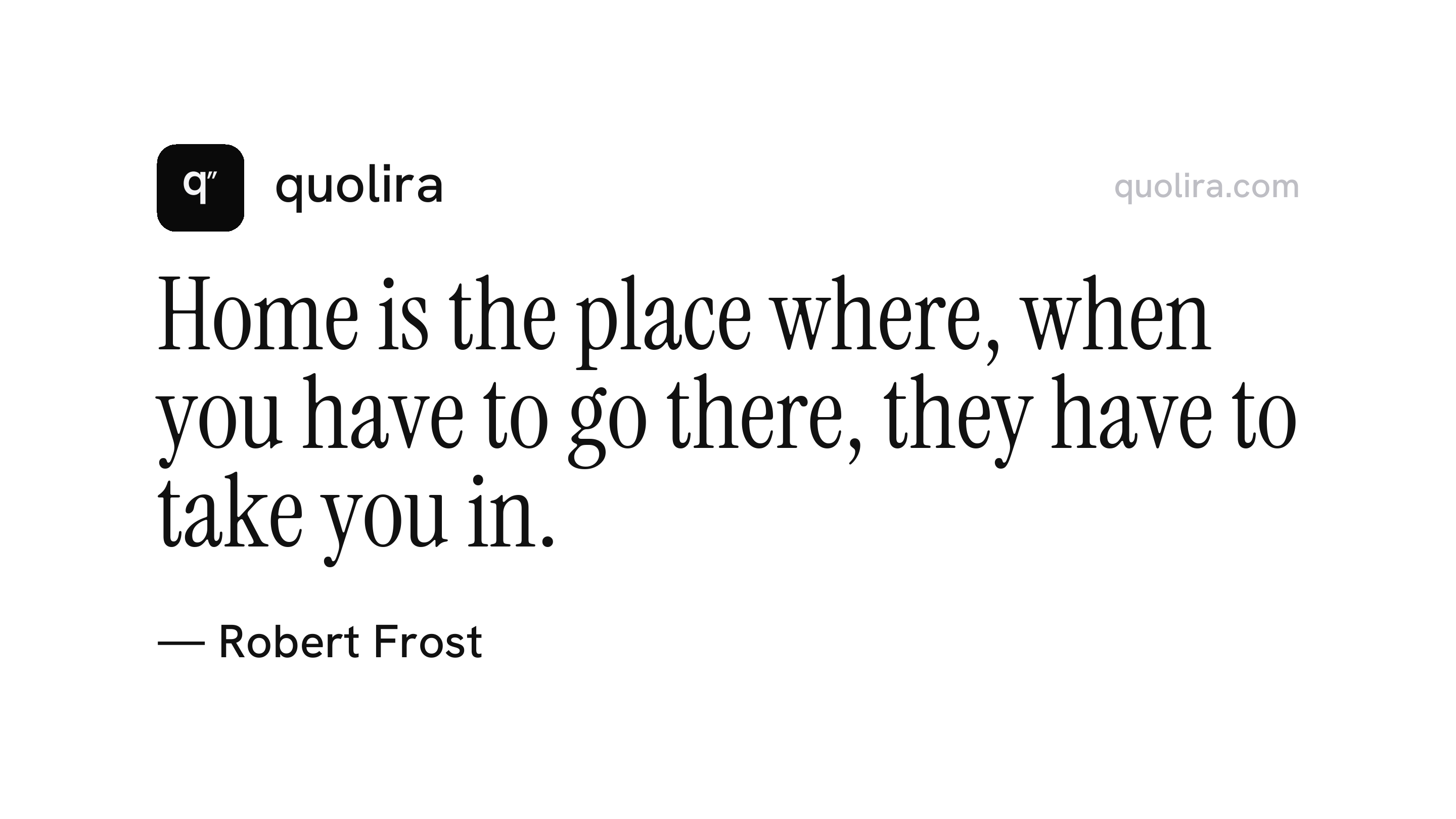
“Home is the place where, when you have to go there, they have to take you in.”
Robert Frost · The Death of the Hired Man, 1914
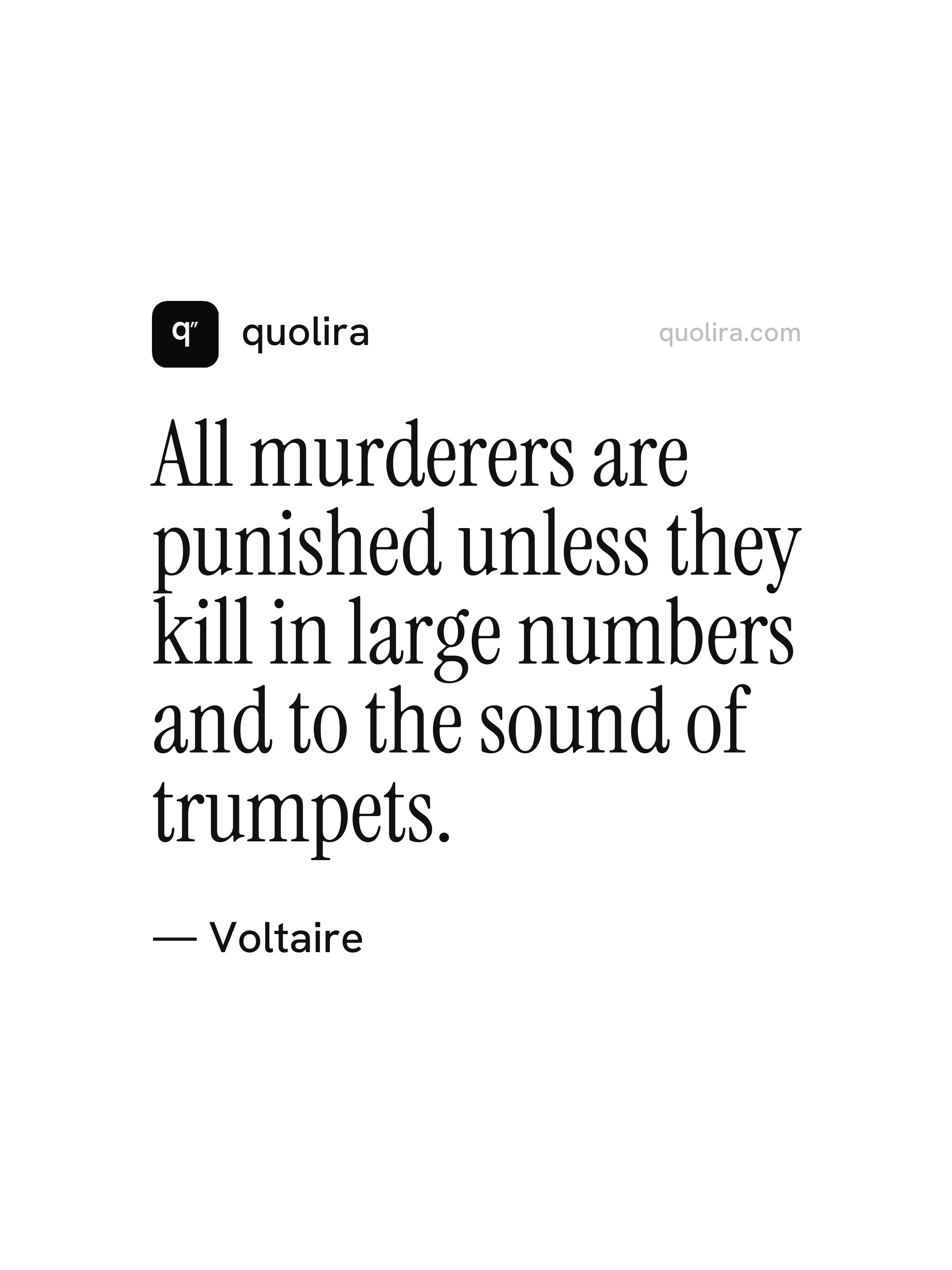
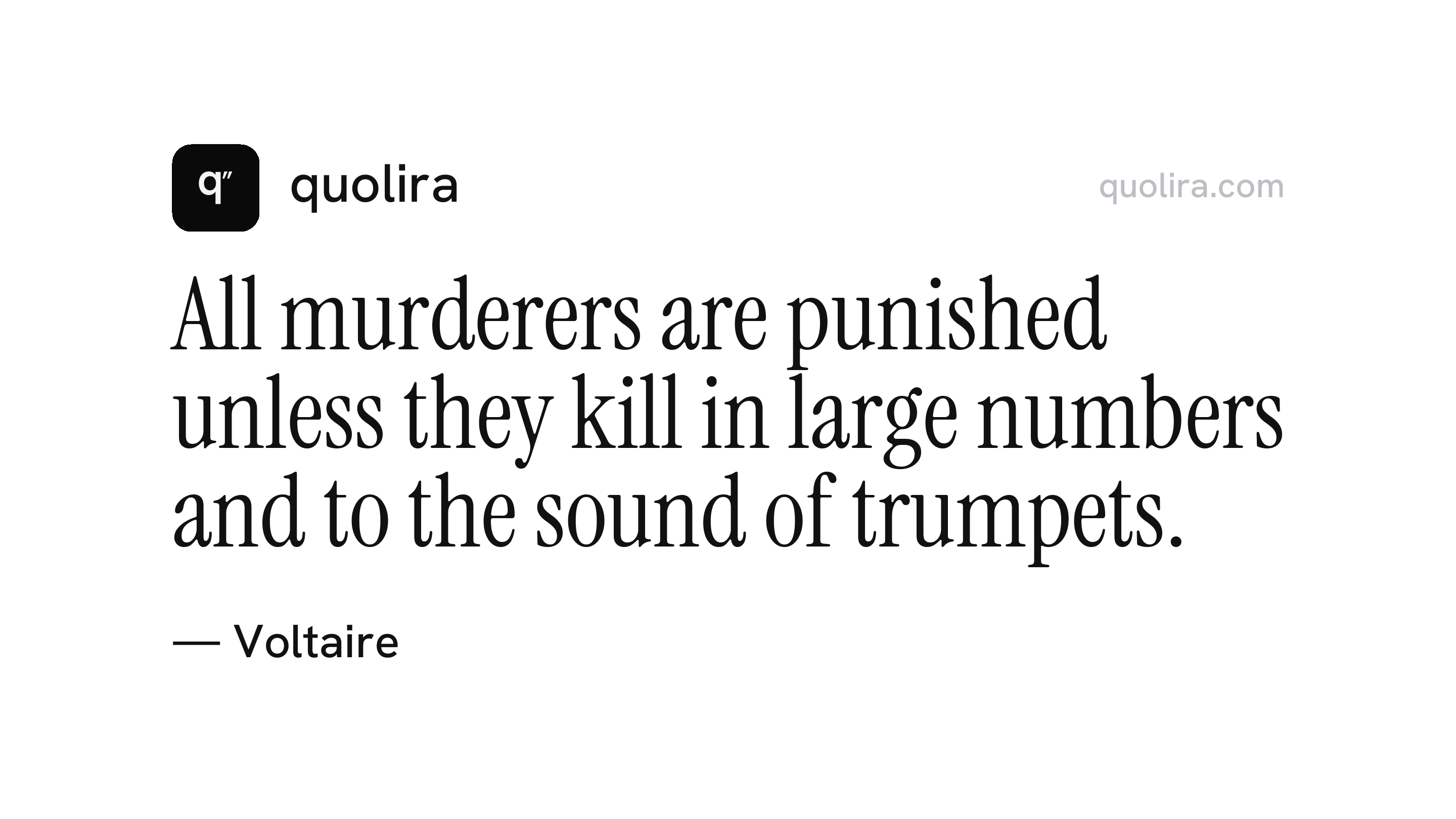
“All murderers are punished unless they kill in large numbers and to the sound of trumpets.”
Voltaire · Zadig, 1747
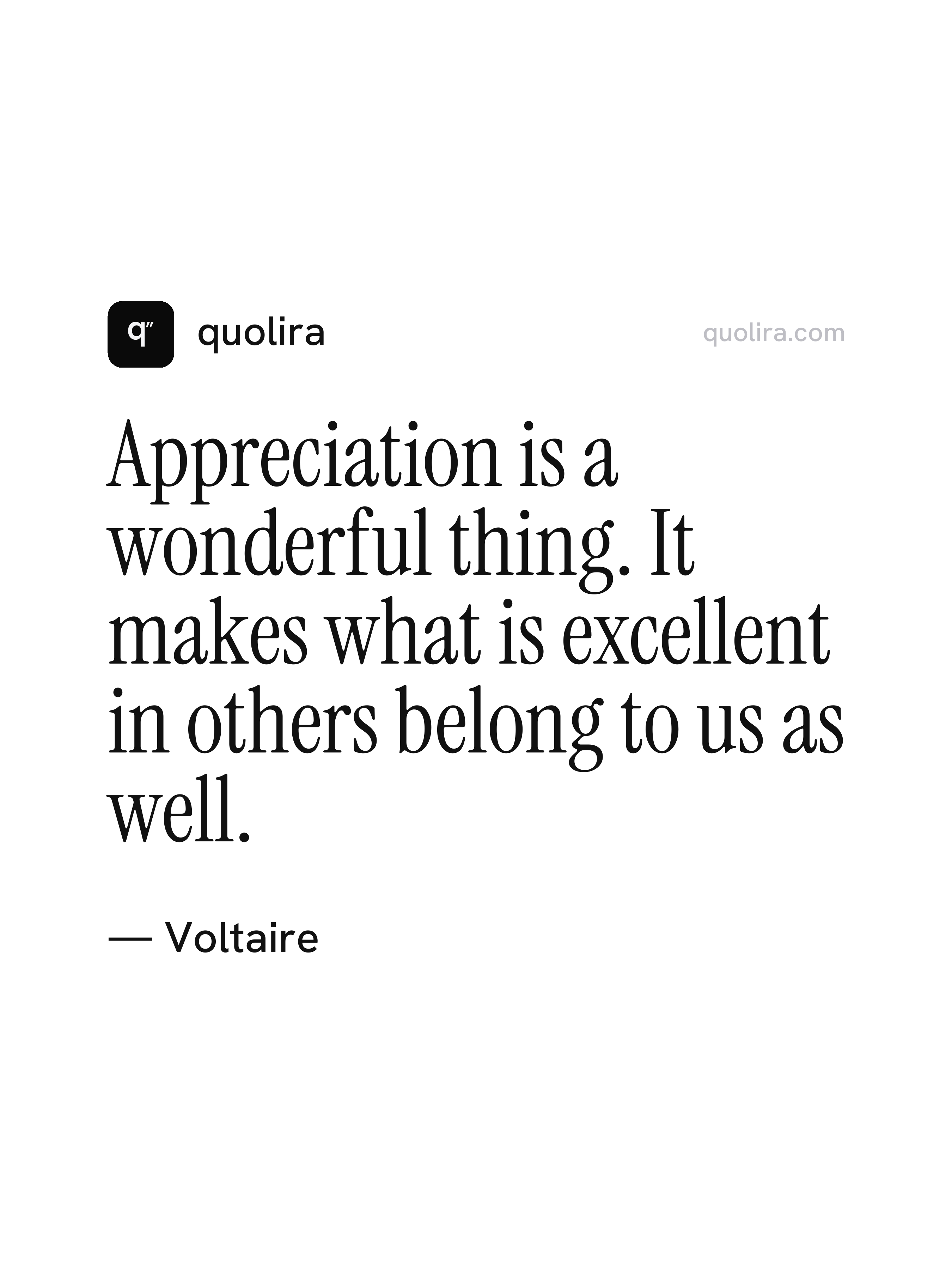
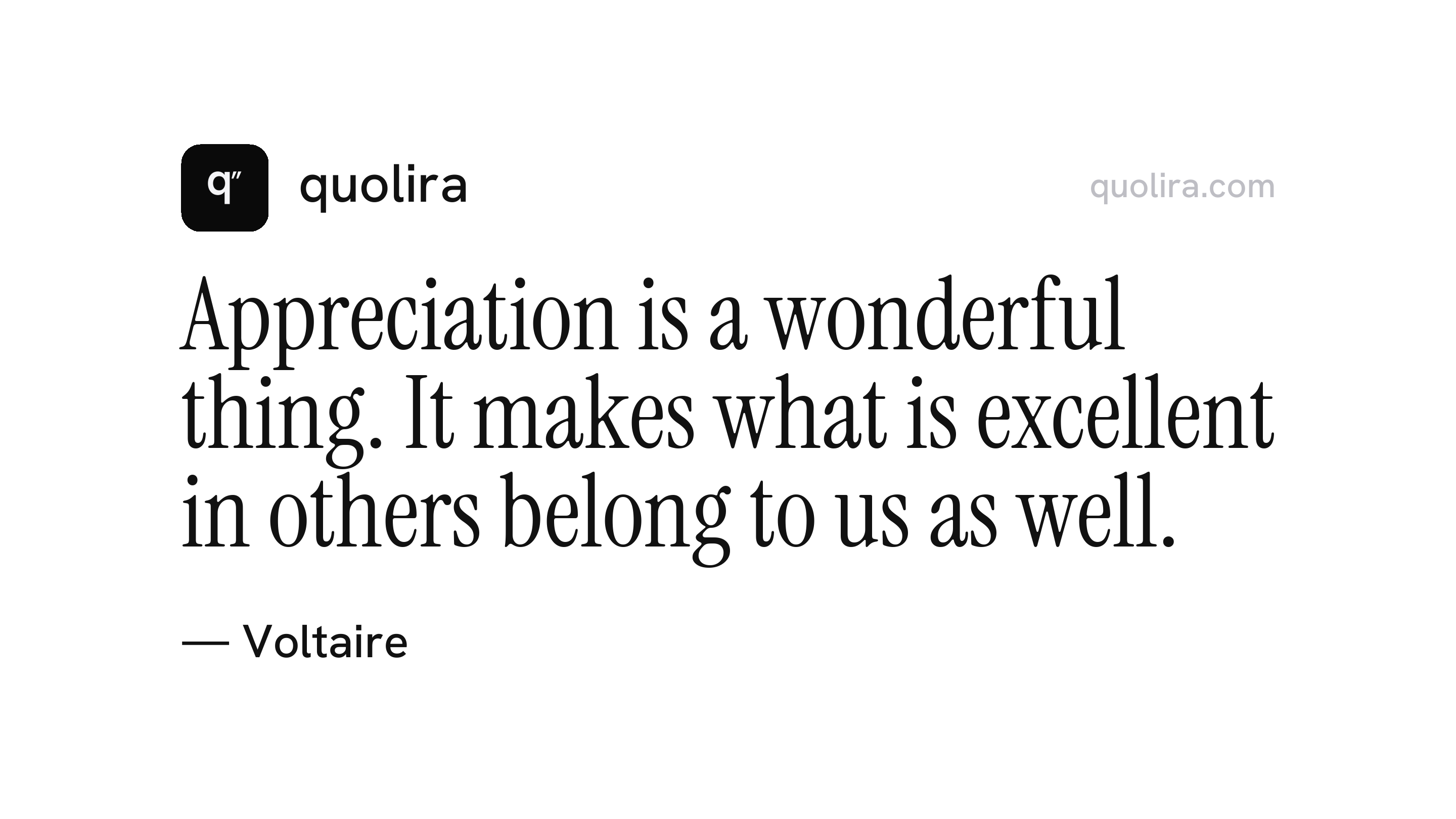
“Appreciation is a wonderful thing. It makes what is excellent in others belong to us as well.”
Voltaire
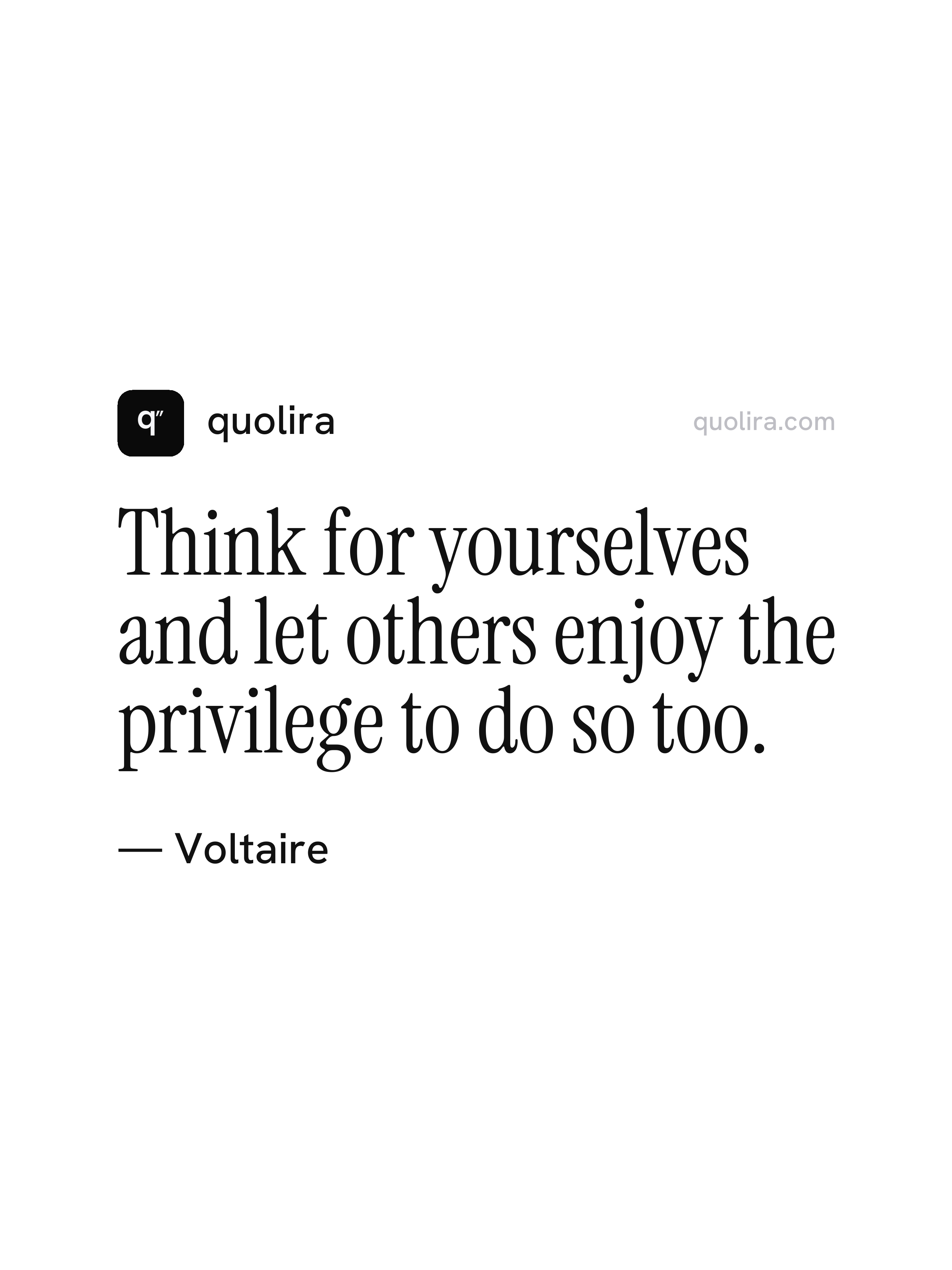
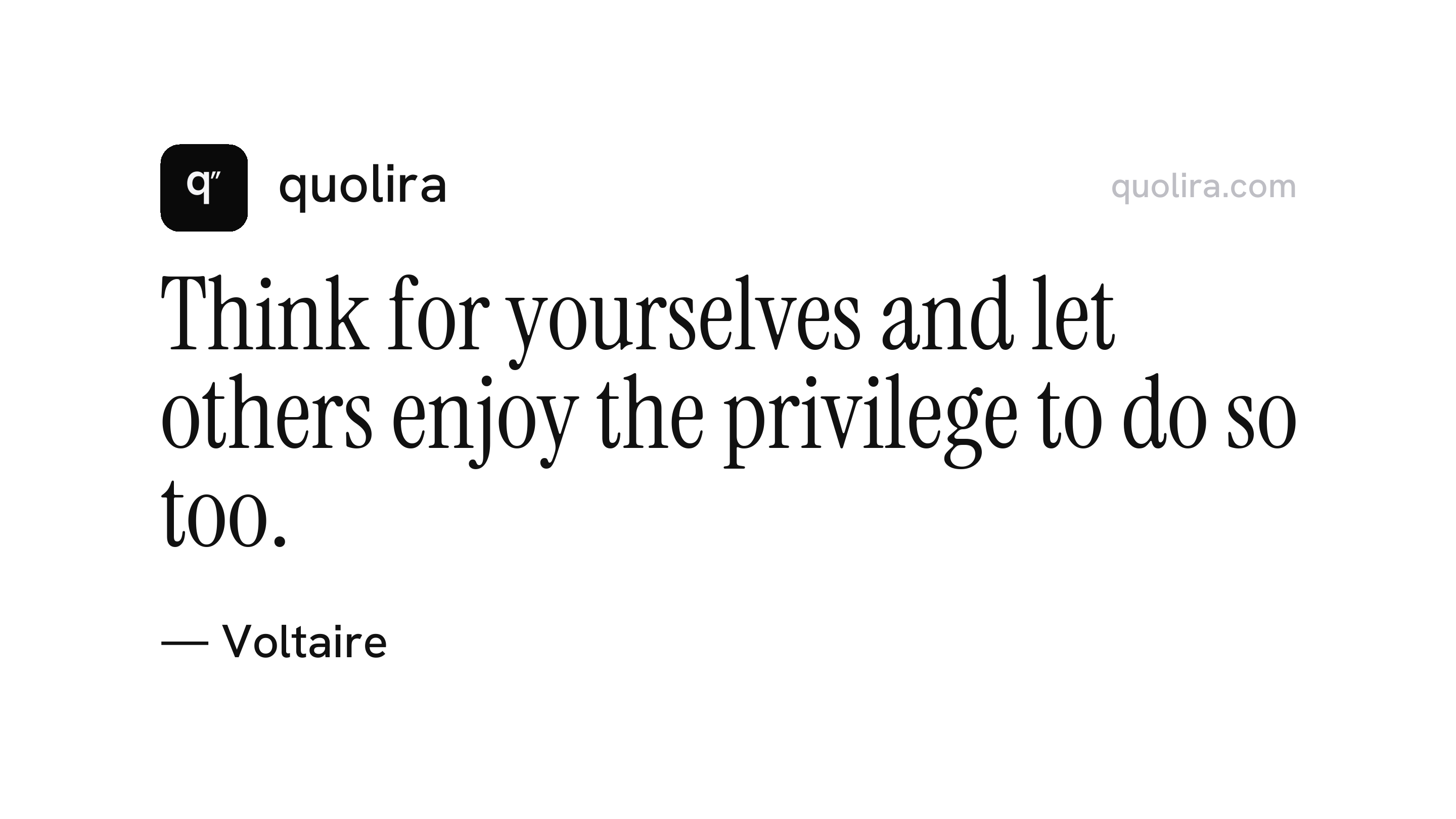
“Think for yourselves and let others enjoy the privilege to do so too.”
Voltaire
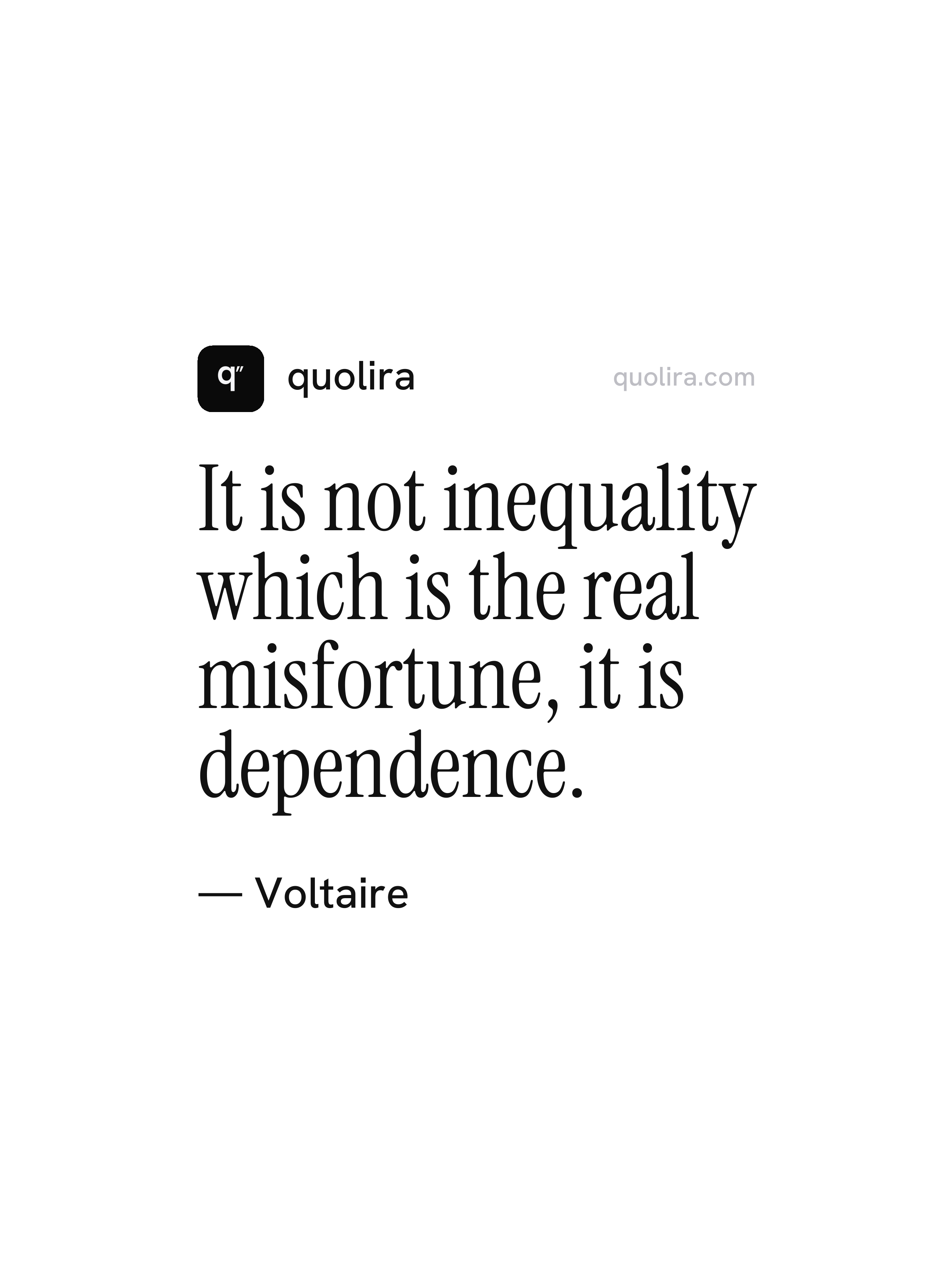
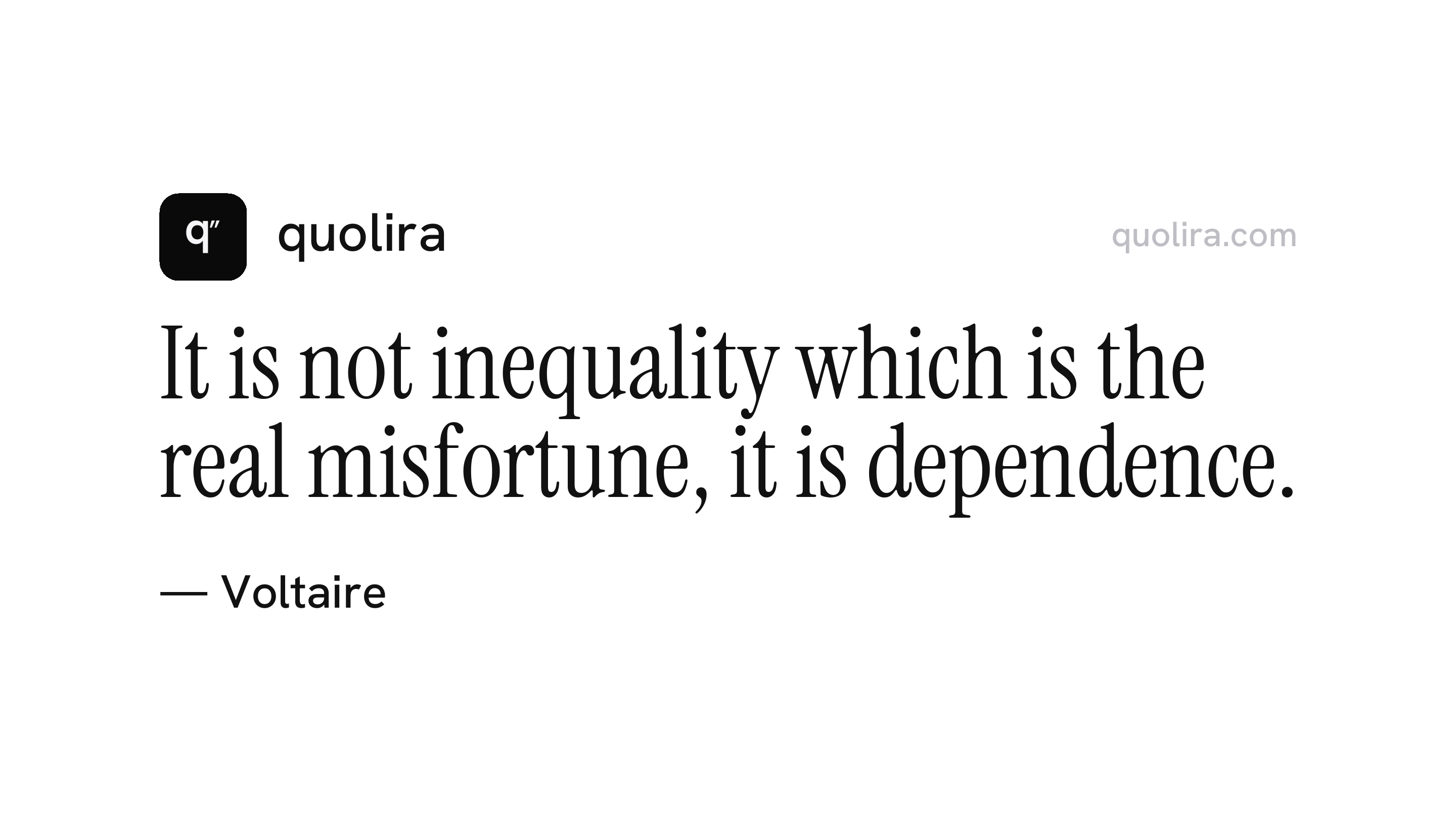
“It is not inequality which is the real misfortune, it is dependence.”
Voltaire
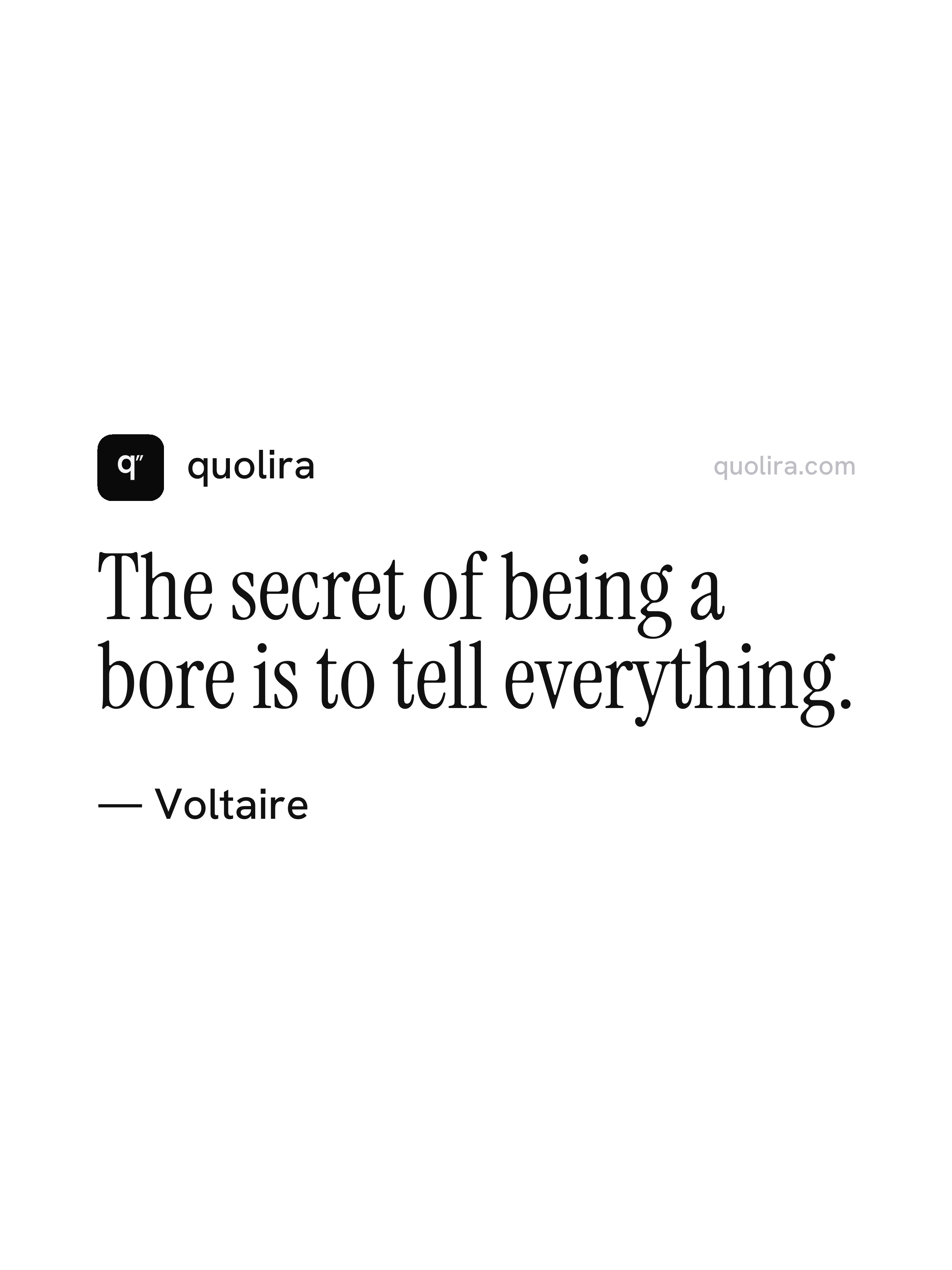
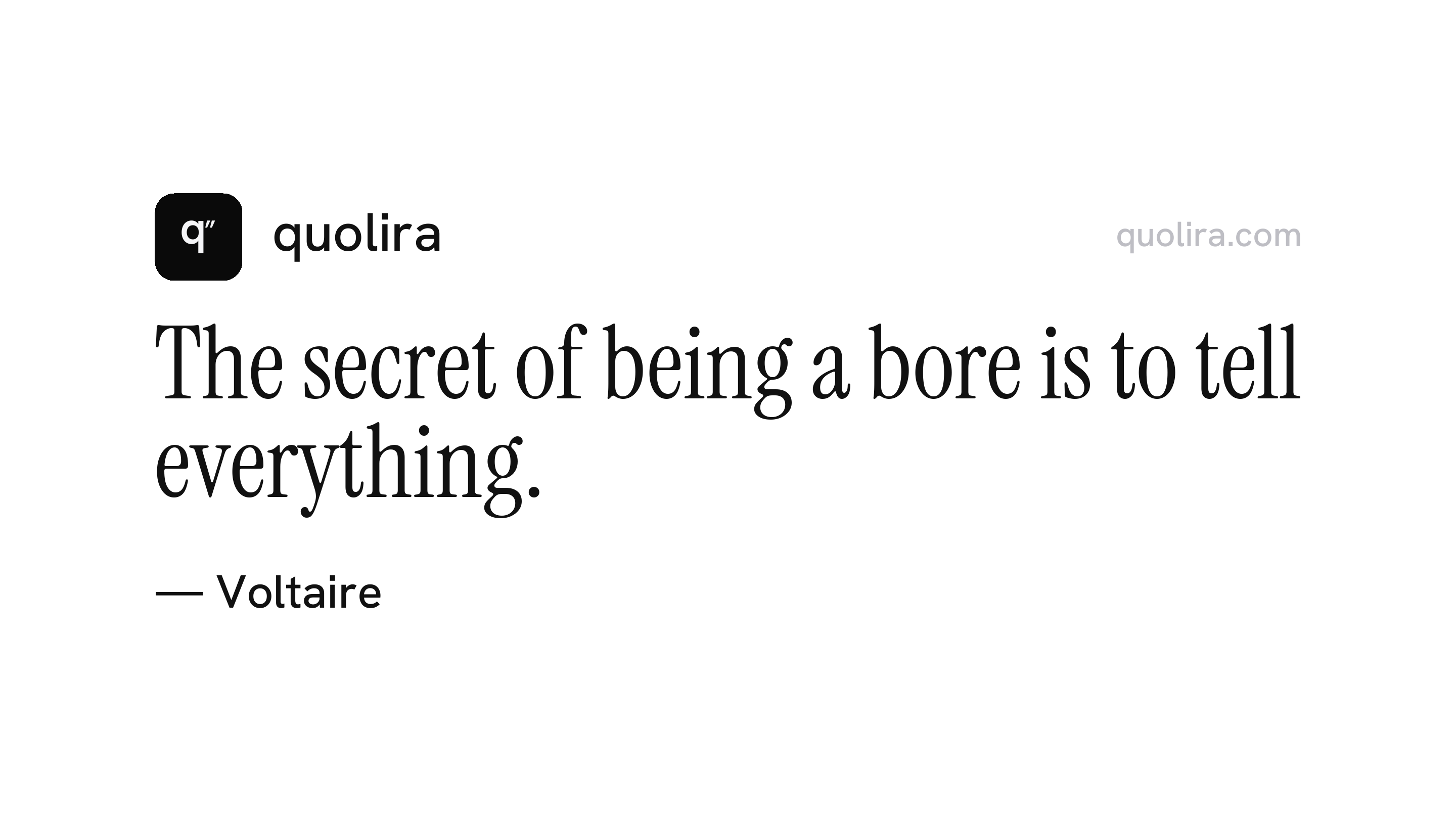
“The secret of being a bore is to tell everything.”
Voltaire · Sept Discours en Vers sur l'Homme, 1738
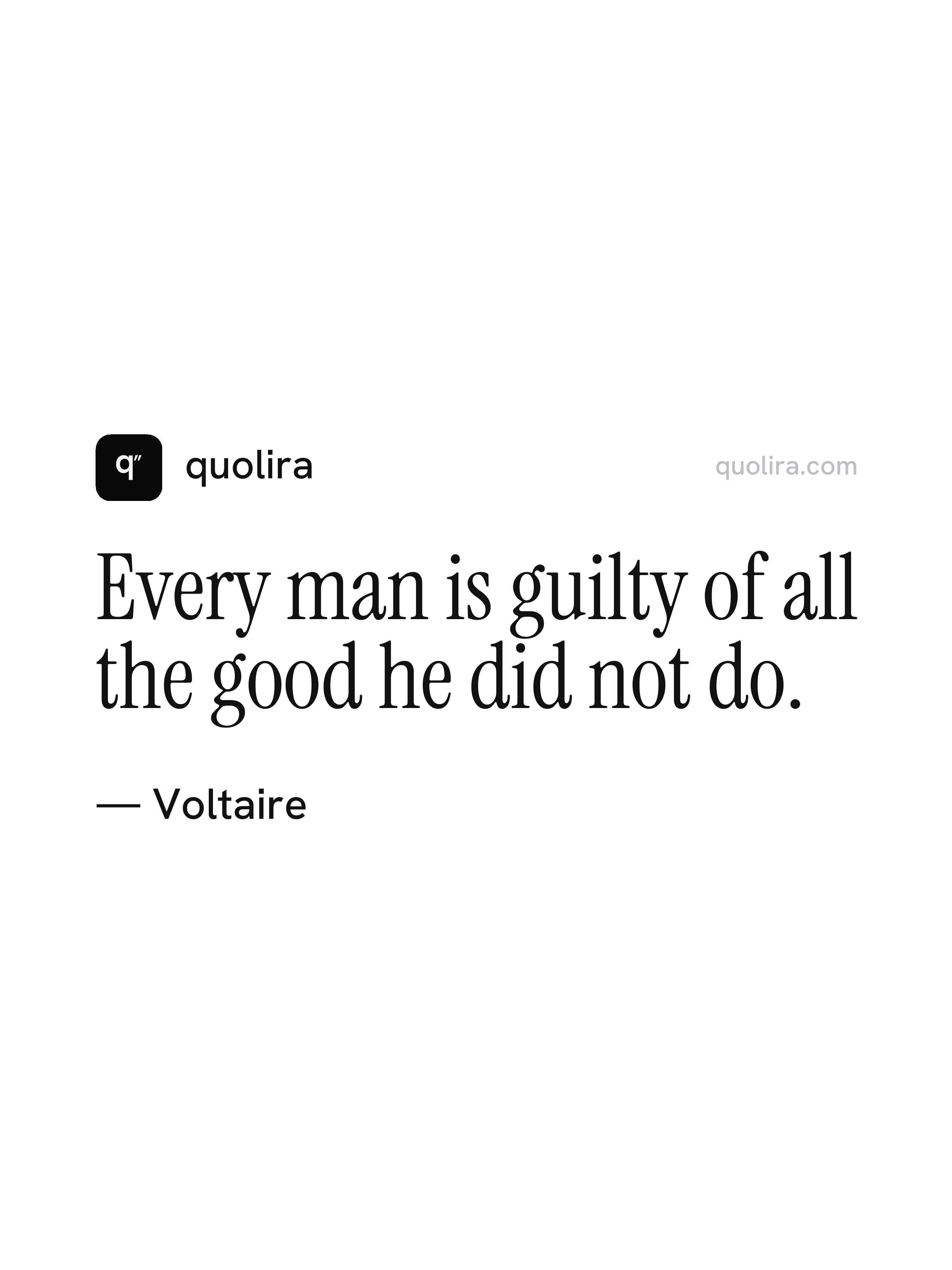
“Every man is guilty of all the good he did not do.”
Voltaire