“The only way to get rid of a temptation is to yield to it.”
Oscar Wilde · The Picture of Dorian Gray, 1890
 quolira
.com
quolira
quolira.com
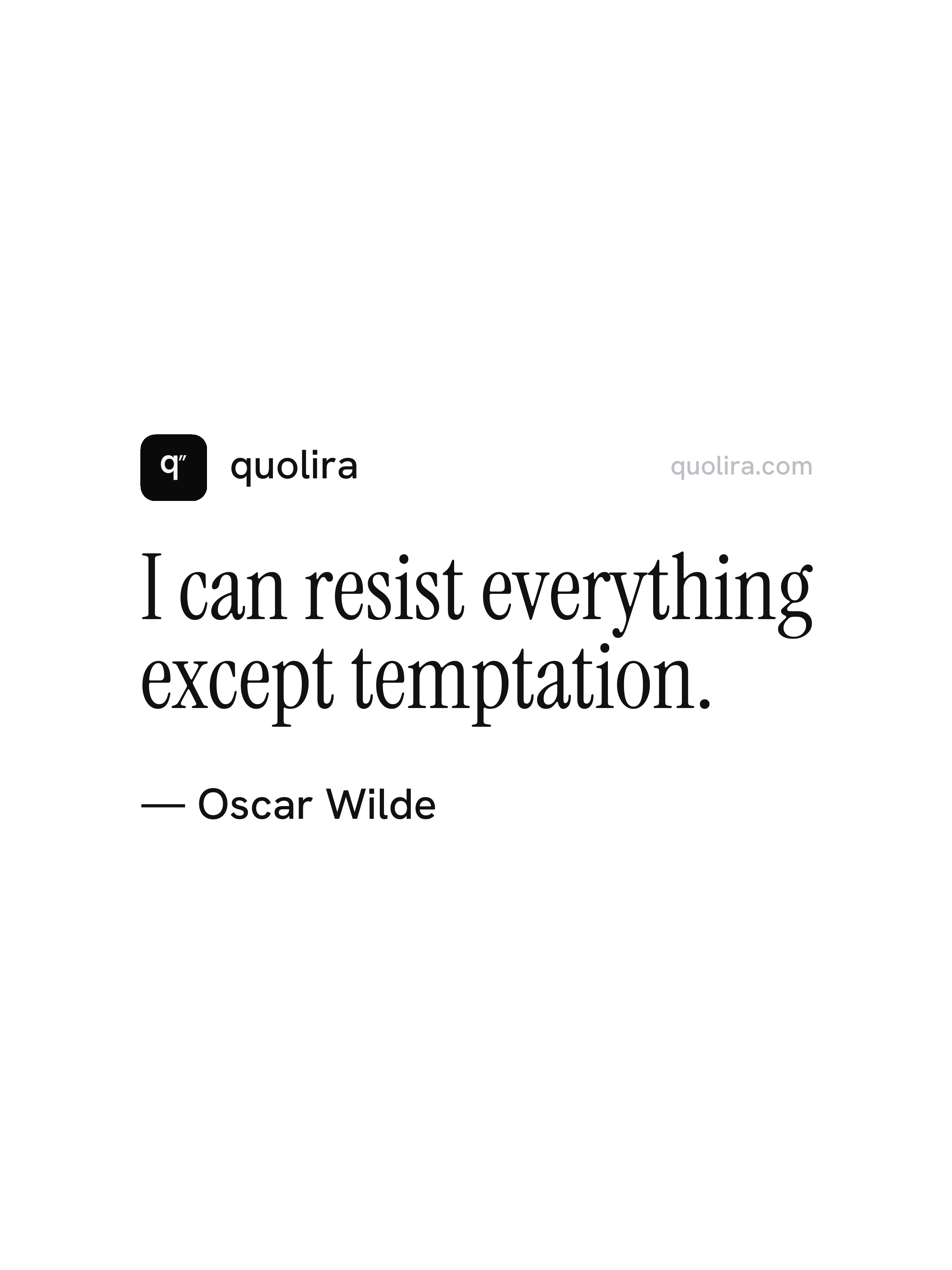
This line captures the delightful contradiction at the heart of human willpower: the speaker freely admits that temptation is the one thing they cannot refuse. By framing surrender as a kind of proud boast rather than a confession of weakness, the line turns moral failure into a witty performance. It suggests that resisting minor obstacles is easy precisely because they do not truly tempt us, while genuine temptation, by its very nature, tends to win.
The line comes from a comedy of manners centered on aristocratic London society, where secrets, scandals, and sharp conversation drive the plot. The play belongs to a tradition of drawing-room wit in which characters express their worst impulses with elegant nonchalance. Wilde used the theatrical form to expose the gap between the respectable surfaces Victorian society presented and the desires simmering underneath. The line gets its power from that gap: it sounds like self-awareness but functions as self-justification.
Oscar Wilde was an Irish writer who became one of the most celebrated figures in late-Victorian literary culture. He excelled in multiple forms, producing plays, a novel, poetry, and criticism, all marked by a distinctive style that prized paradox, beauty, and the subversive reframing of conventional morality. His personal life eventually brought him into conflict with the law, and he spent his final years in relative obscurity, but his reputation has grown steadily since his death in 1900 and his work remains widely read today.
“The only way to get rid of a temptation is to yield to it.”
Oscar Wilde · The Picture of Dorian Gray, 1890
“Love is not love which alters when it alteration finds, or bends with the remover to remove.”
William Shakespeare · Sonnet 116, c. 1609
“You don't love someone for their looks, or their clothes, or for their fancy car, but because they sing a song only you can hear.”
Oscar Wilde
“Perhaps the feelings that we experience when we are in love represent a normal state. Being in love shows a person who he should be.”
Anton Chekhov
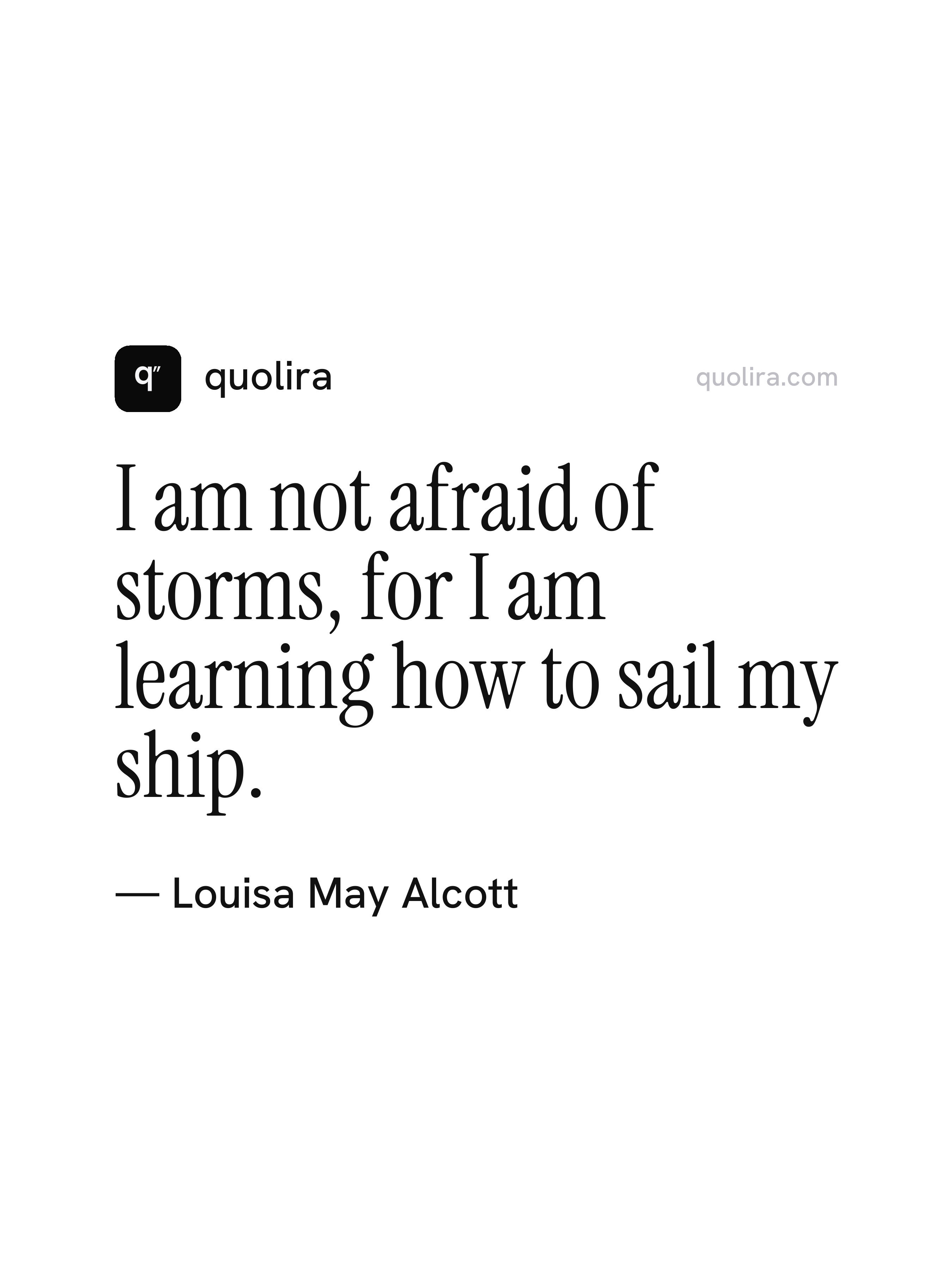
“I am not afraid of storms, for I am learning how to sail my ship.”
Louisa May Alcott · Little Women, 1868
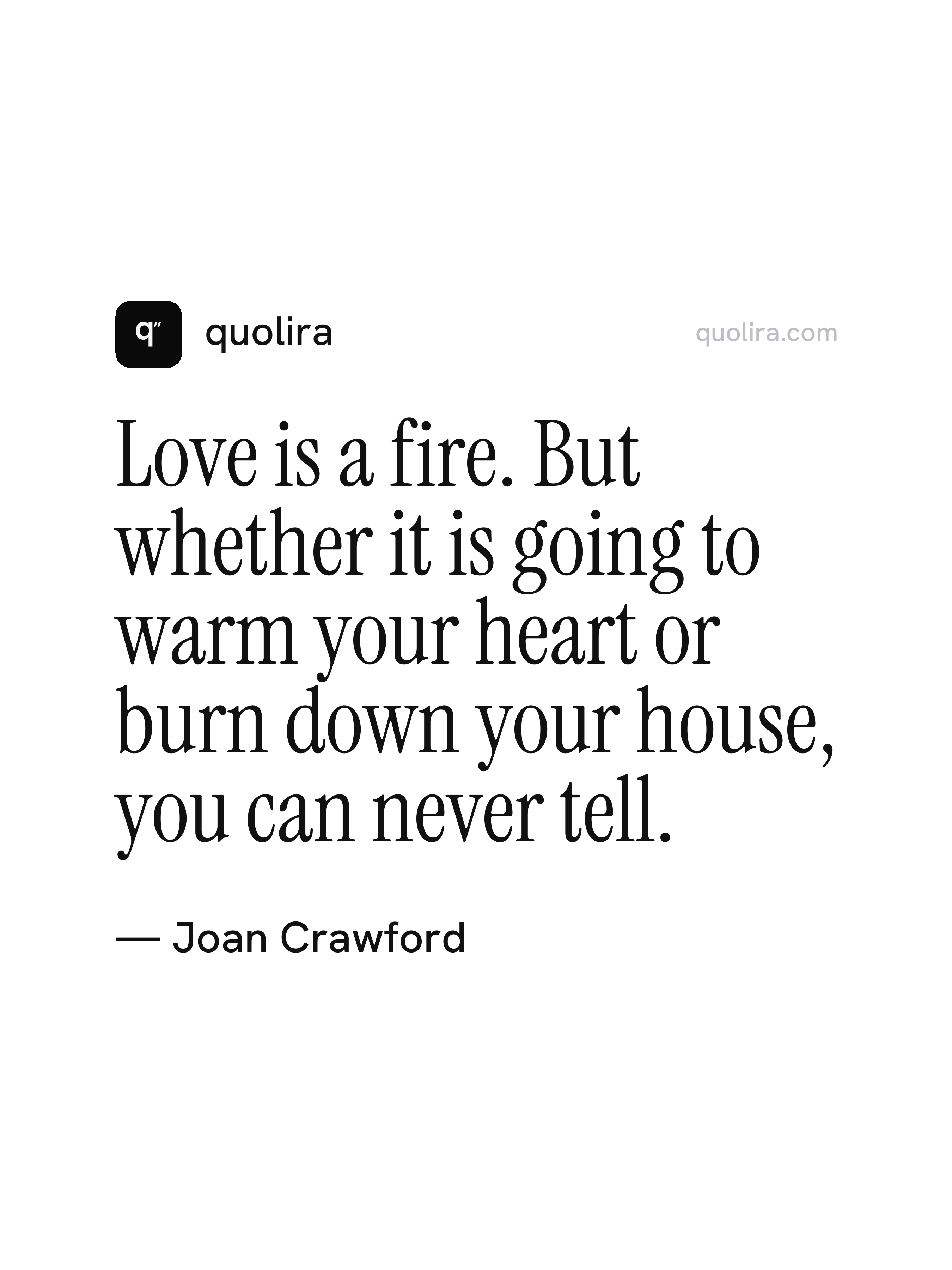
“Love is a fire. But whether it is going to warm your heart or burn down your house, you can never tell.”
Joan Crawford
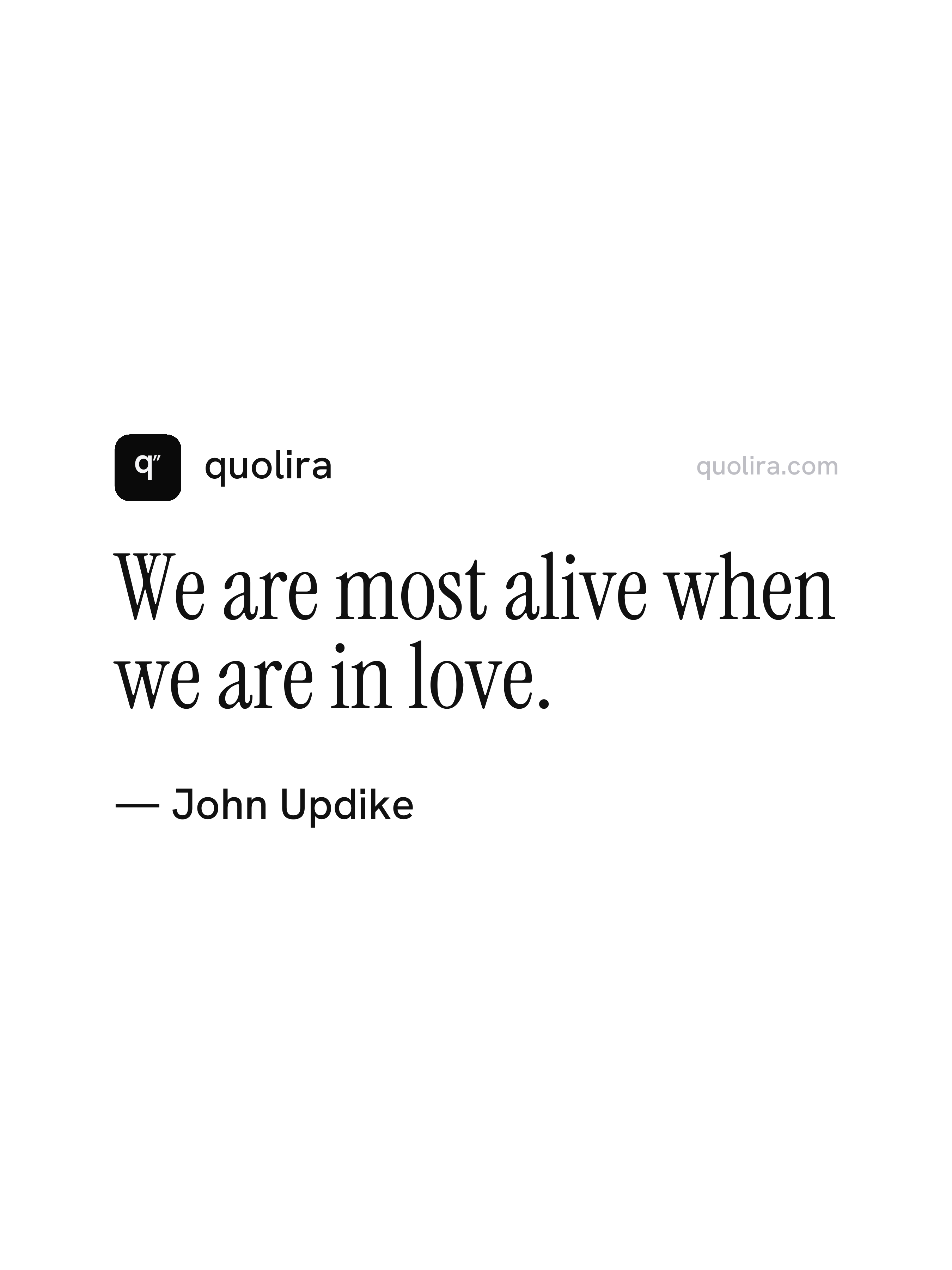
“We are most alive when we are in love.”
John Updike
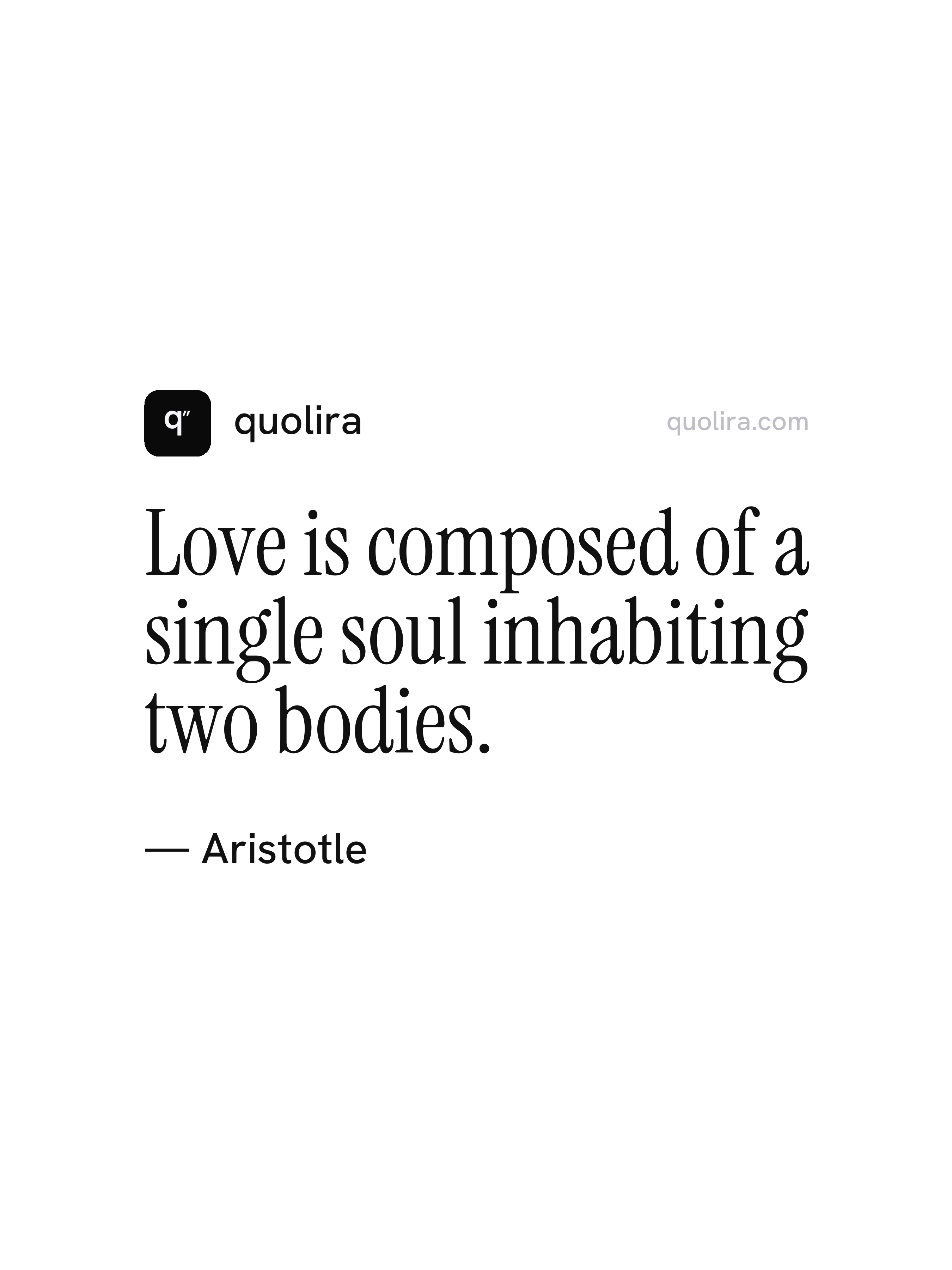
“Love is composed of a single soul inhabiting two bodies.”
Aristotle
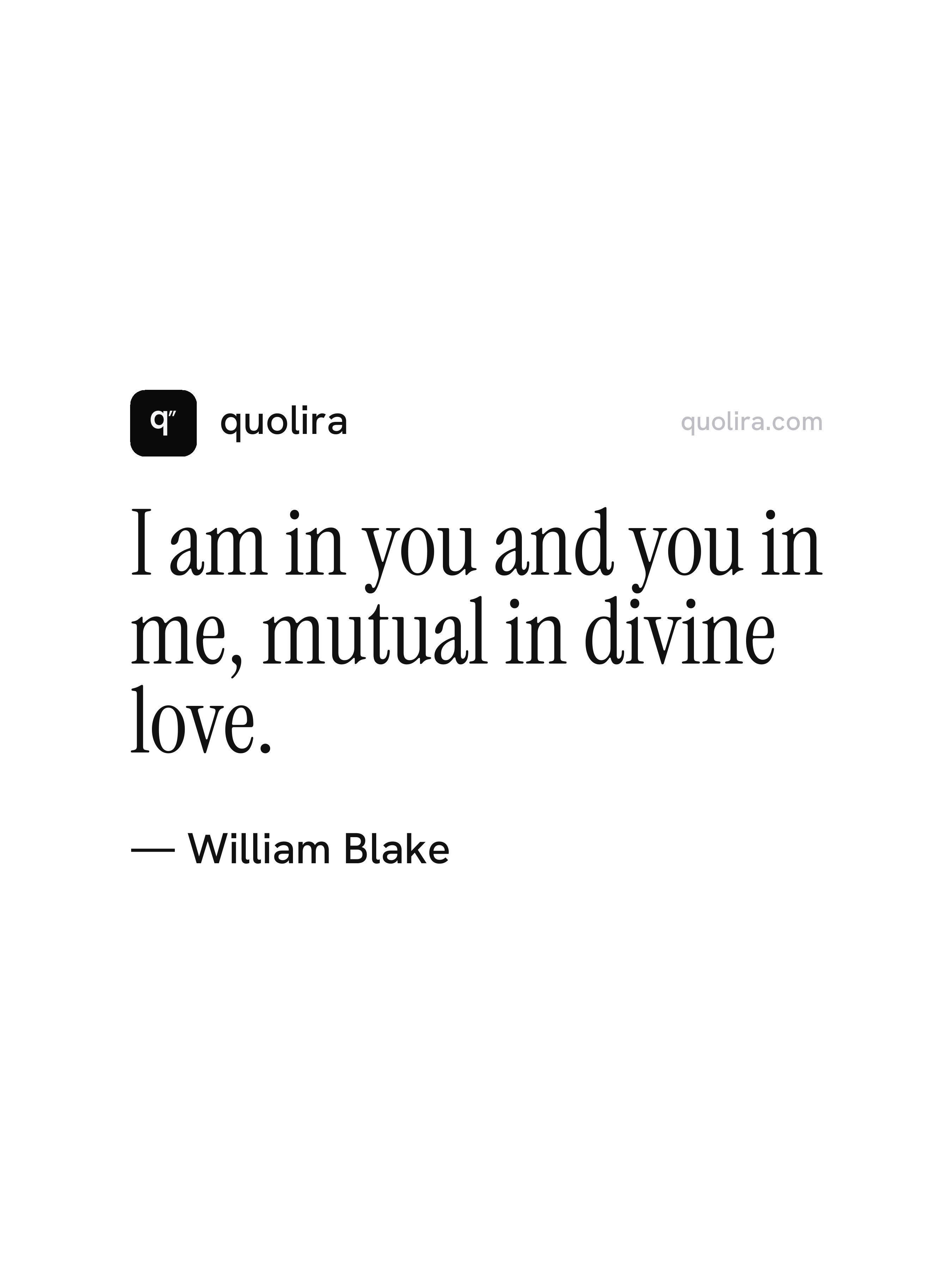
“I am in you and you in me, mutual in divine love.”
William Blake · Jerusalem: The Emanation of the Giant Albion, 1820
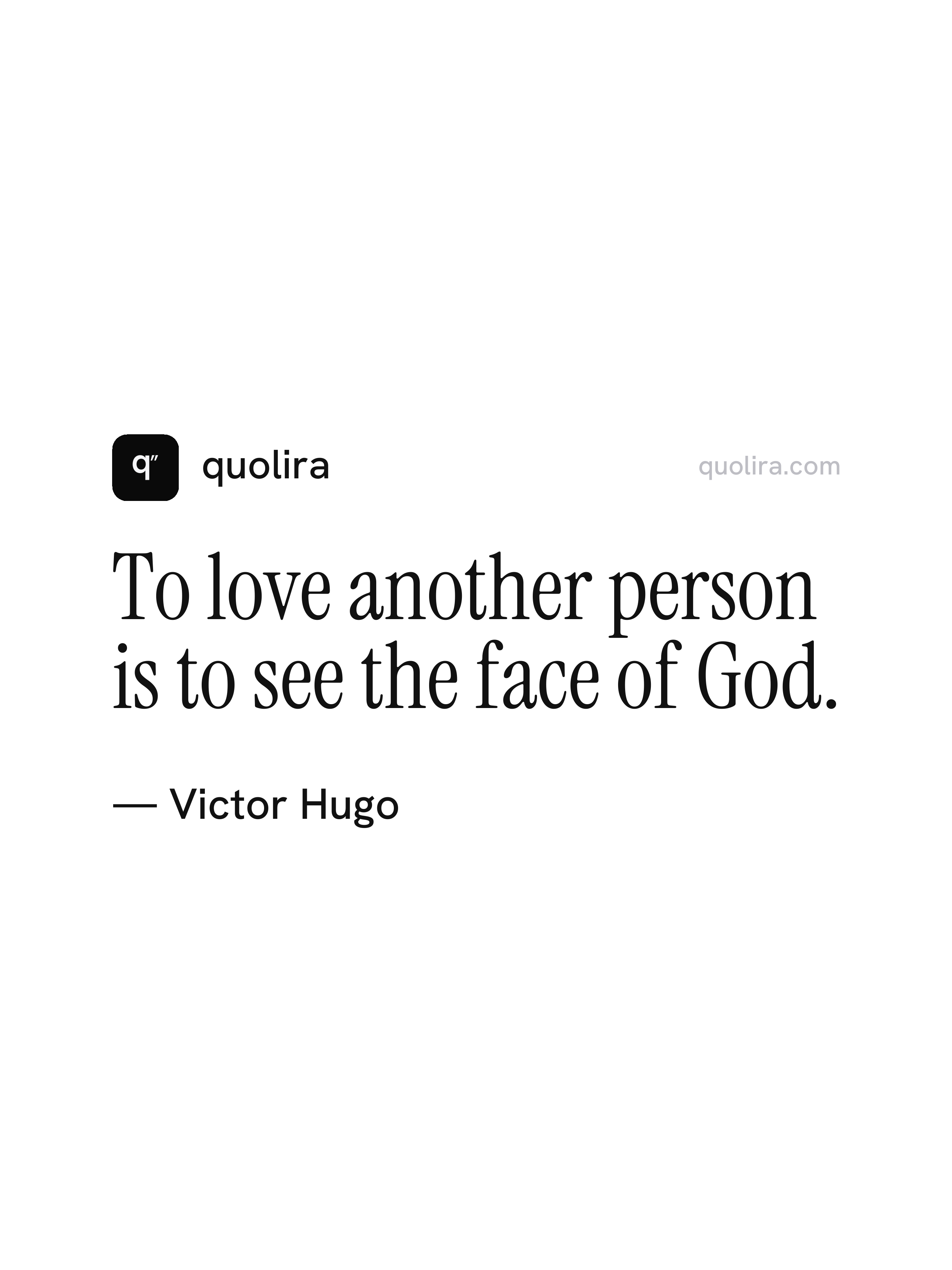
“To love another person is to see the face of God.”
Victor Hugo · Les Miserables, 1862
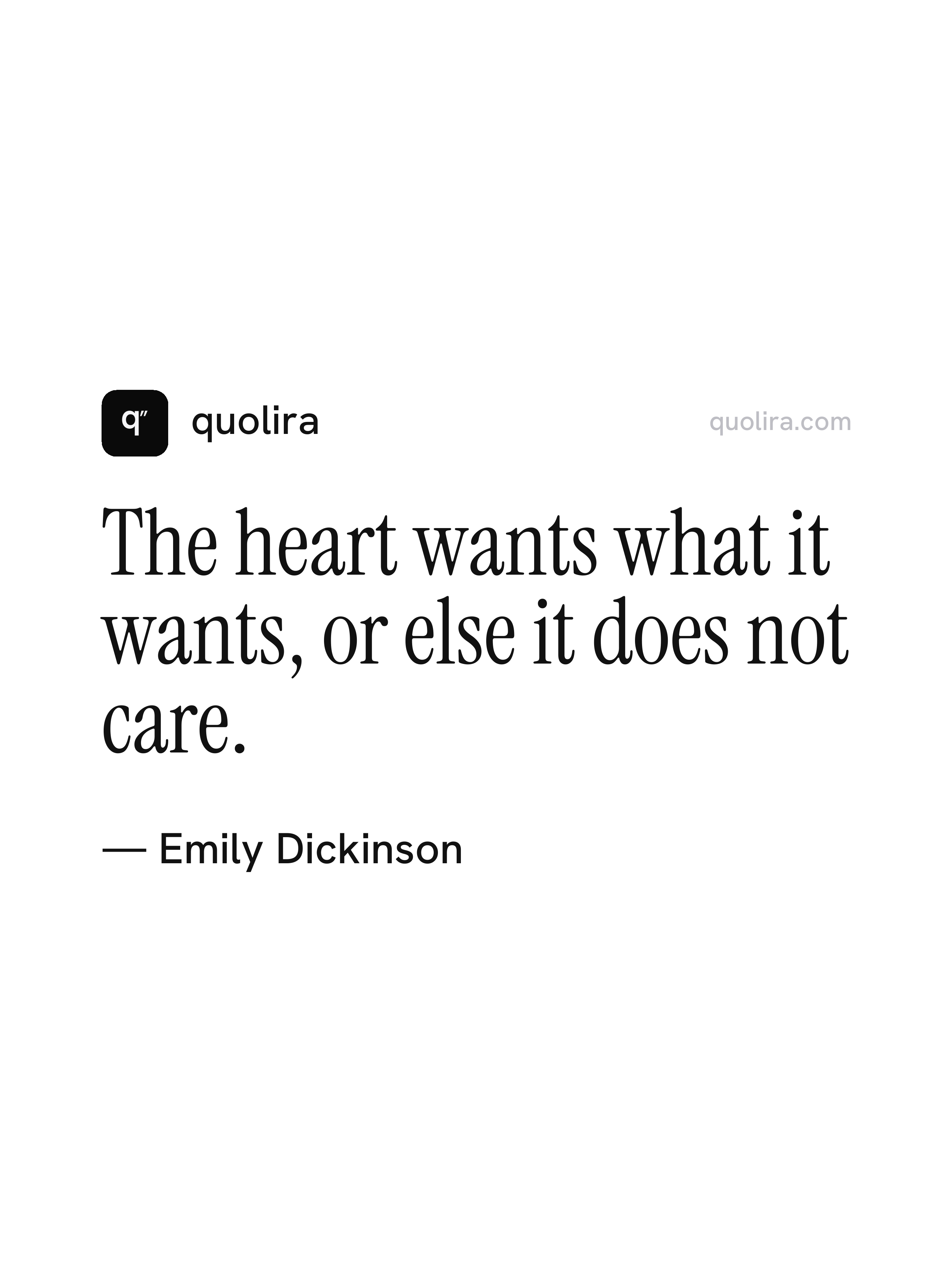
“The heart wants what it wants, or else it does not care.”
Emily Dickinson · Letter to Mrs. Joseph Haven, 1852
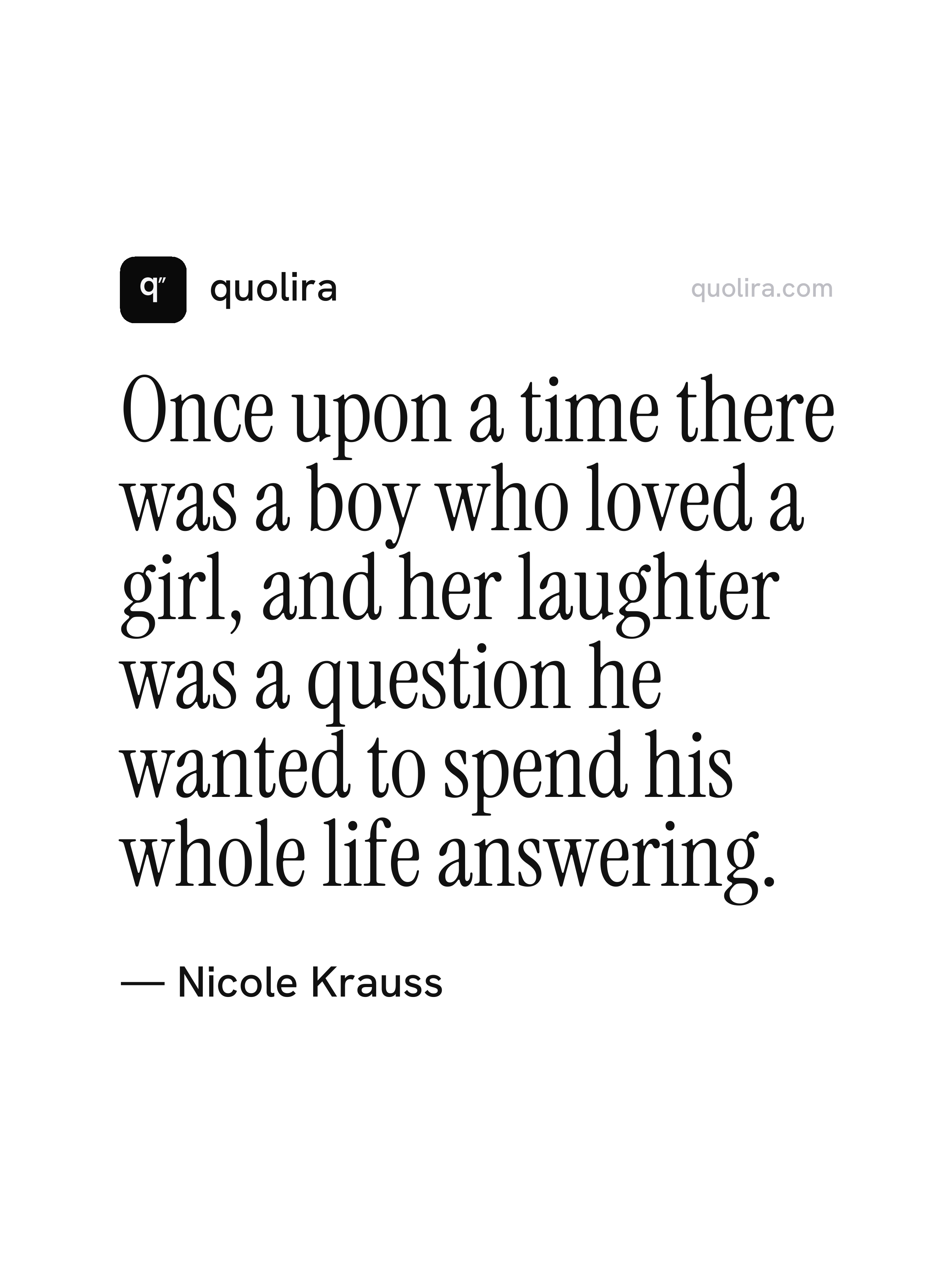
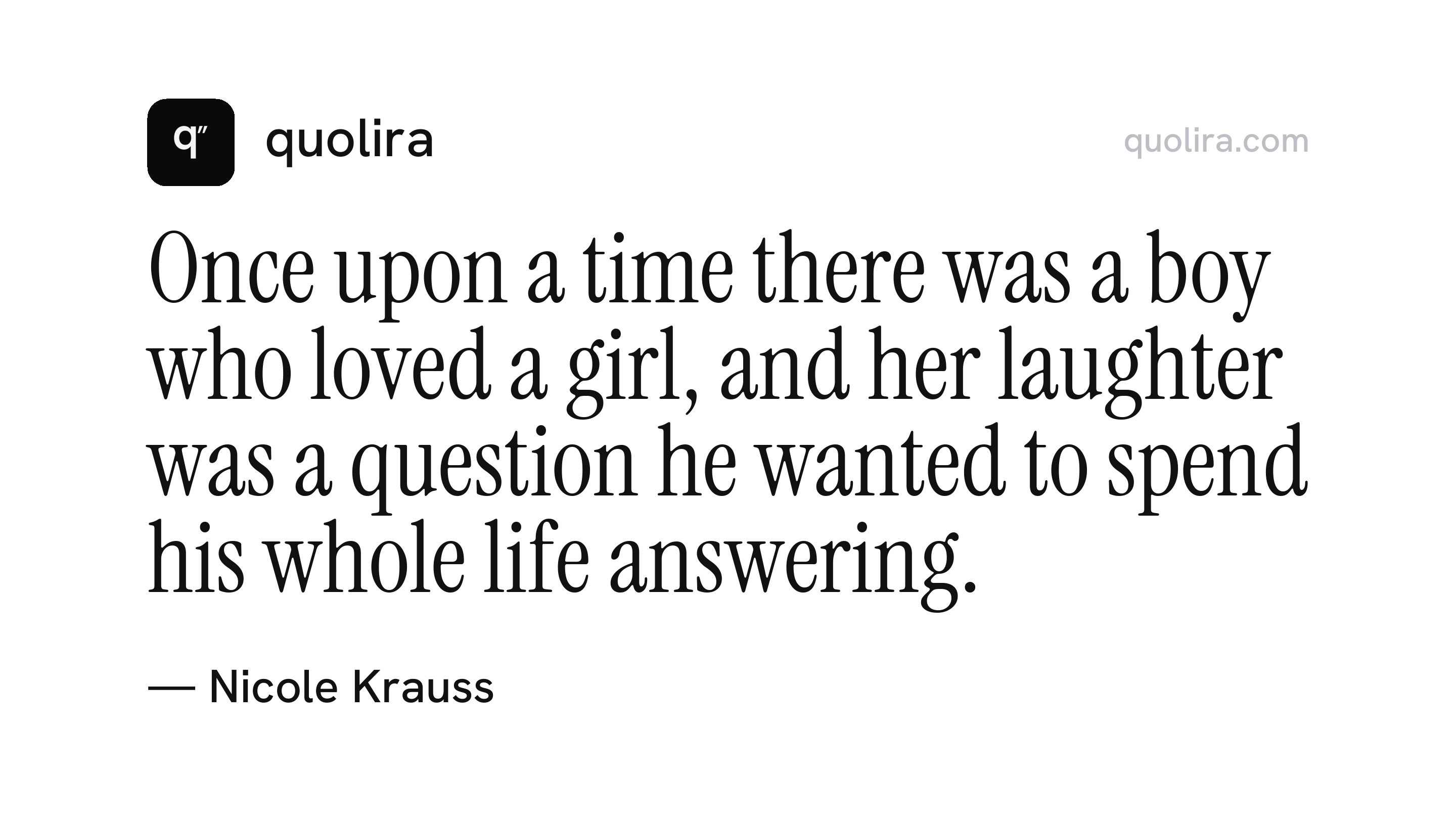
“Once upon a time there was a boy who loved a girl, and her laughter was a question he wanted to spend his whole life answering.”
Nicole Krauss · The History of Love, 2005