“I am not afraid of storms, for I am learning how to sail my ship.”
Louisa May Alcott · Little Women, 1868
 quolira
.com
quolira
quolira.com
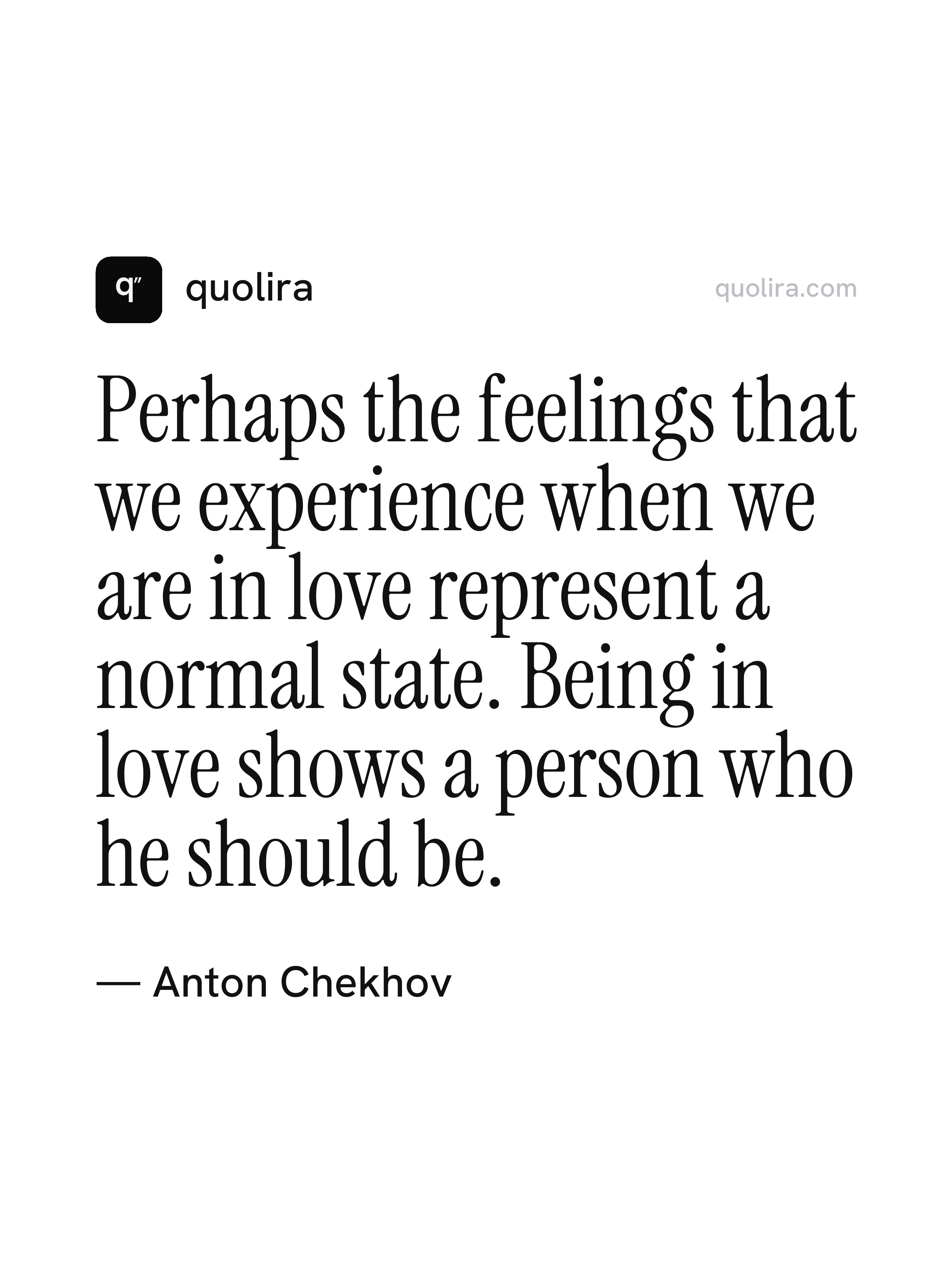
Chekhov is suggesting here that love does something more than generate pleasant feelings. It acts as a kind of revelation. When a person is deeply in love, they may become more generous, more attentive, more fully alive to the people around them. The idea is that this heightened state is not an exception to normal human experience but rather a glimpse of what a person is genuinely capable of being. Love, in this reading, serves as a moral and emotional mirror.
Chekhov wrote extensively about human relationships, longing, and the gap between how people live and how they might live. This theme runs through much of his fiction and drama, where characters often sense a better version of themselves or their circumstances but struggle to reach it. A line like this one fits naturally into his broader body of thought, reflecting his interest in what emotions reveal about human nature rather than simply how they feel in the moment.
Anton Chekhov was a Russian writer of the late nineteenth and early twentieth centuries, regarded as one of the greatest short story writers in literary history and a foundational figure in modern drama. He trained and practiced as a physician while simultaneously building a remarkable literary career. His plays and stories are celebrated for their restraint, their psychological depth, and their compassionate attention to ordinary people caught in the complexities of everyday life. He died in 1904 at the age of forty-four.
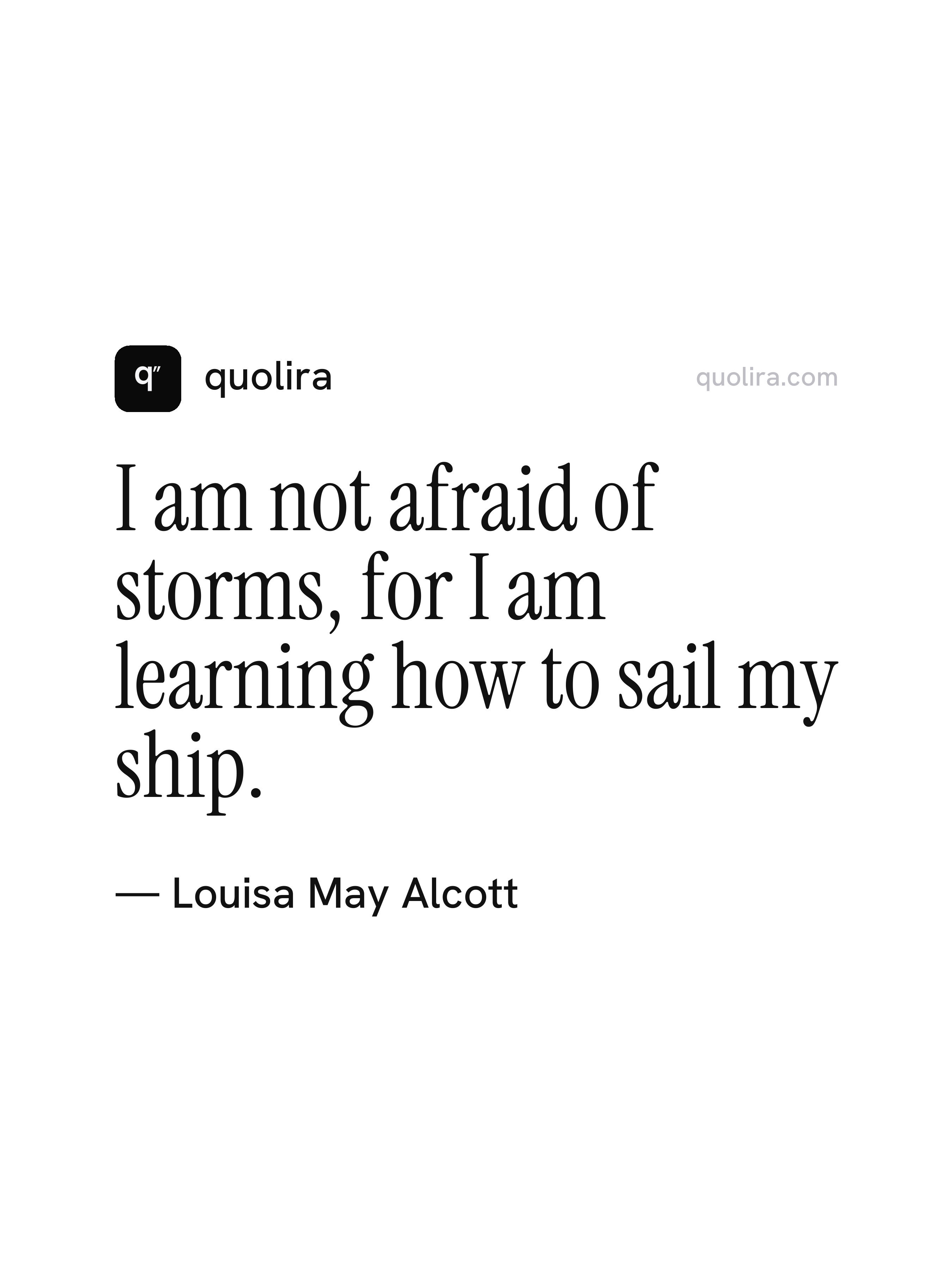
“I am not afraid of storms, for I am learning how to sail my ship.”
Louisa May Alcott · Little Women, 1868
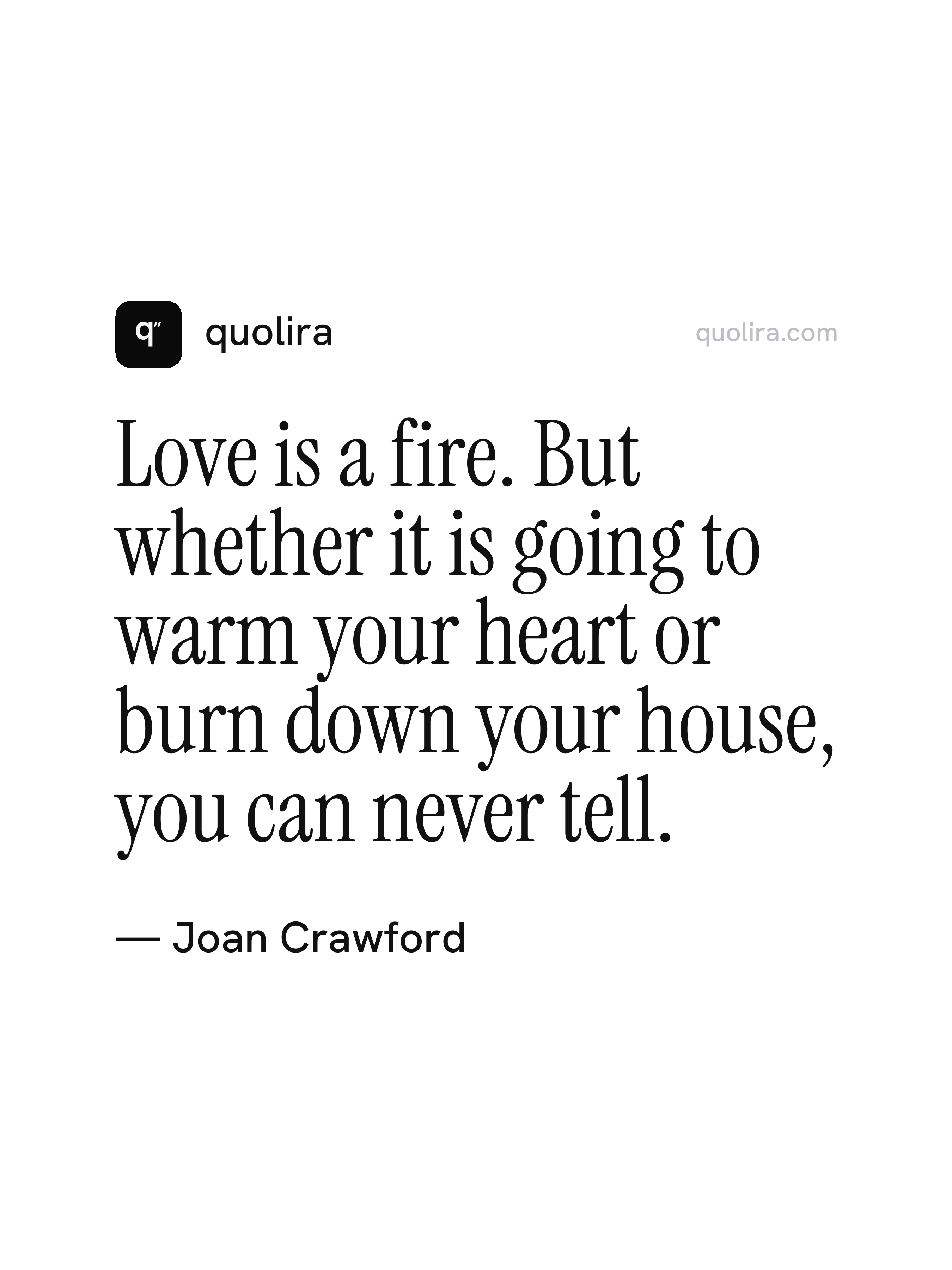
“Love is a fire. But whether it is going to warm your heart or burn down your house, you can never tell.”
Joan Crawford
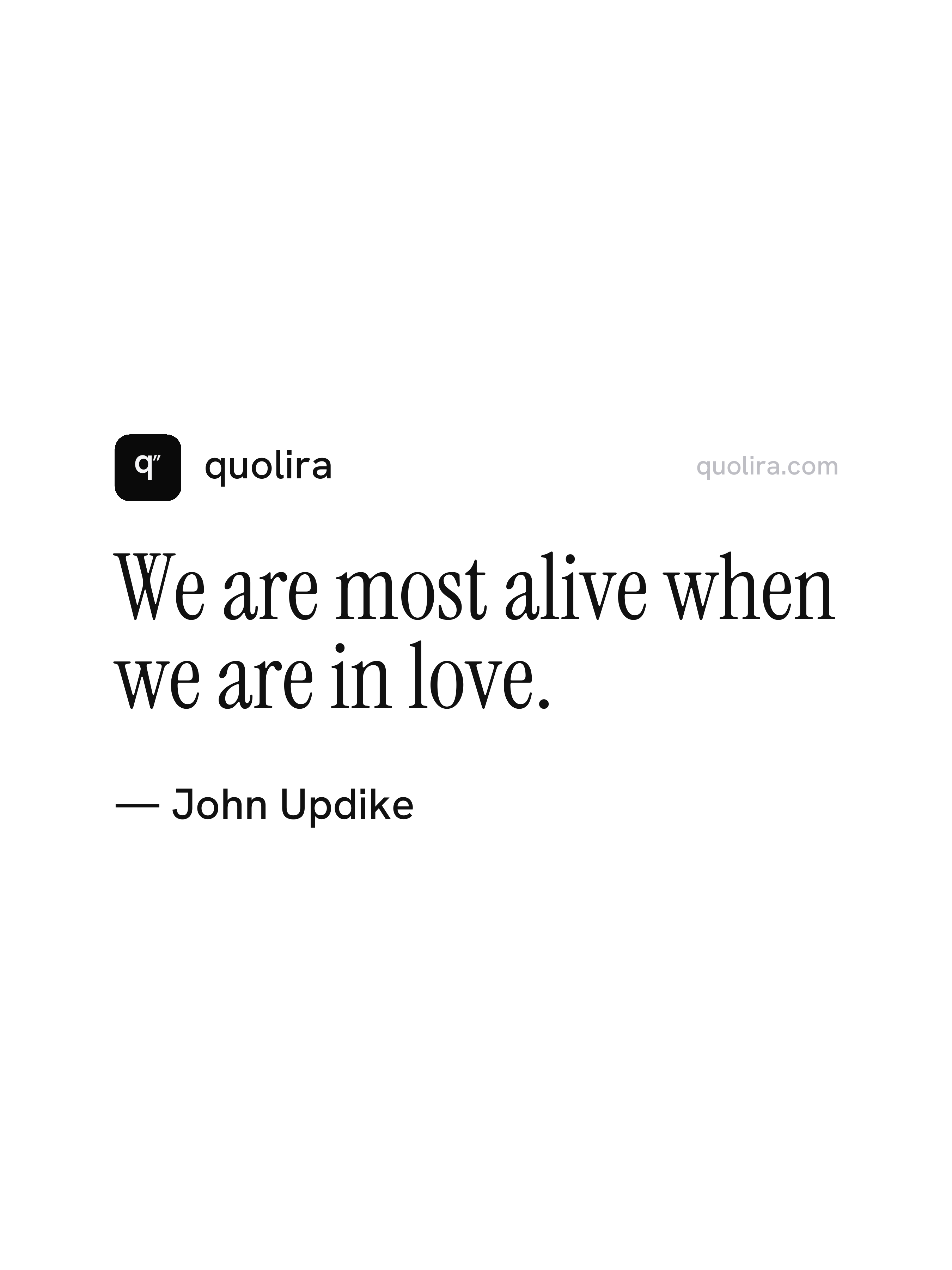
“We are most alive when we are in love.”
John Updike
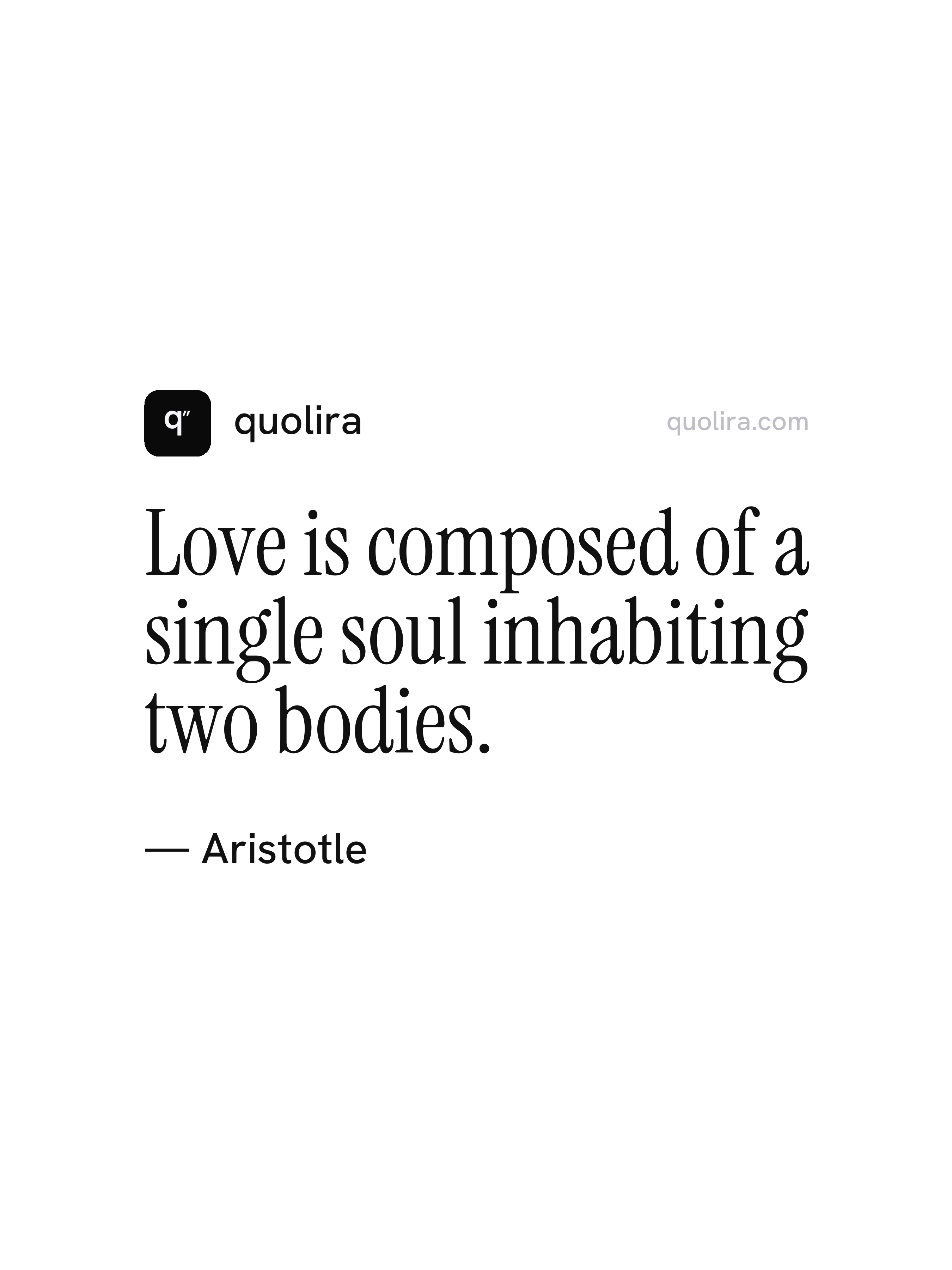
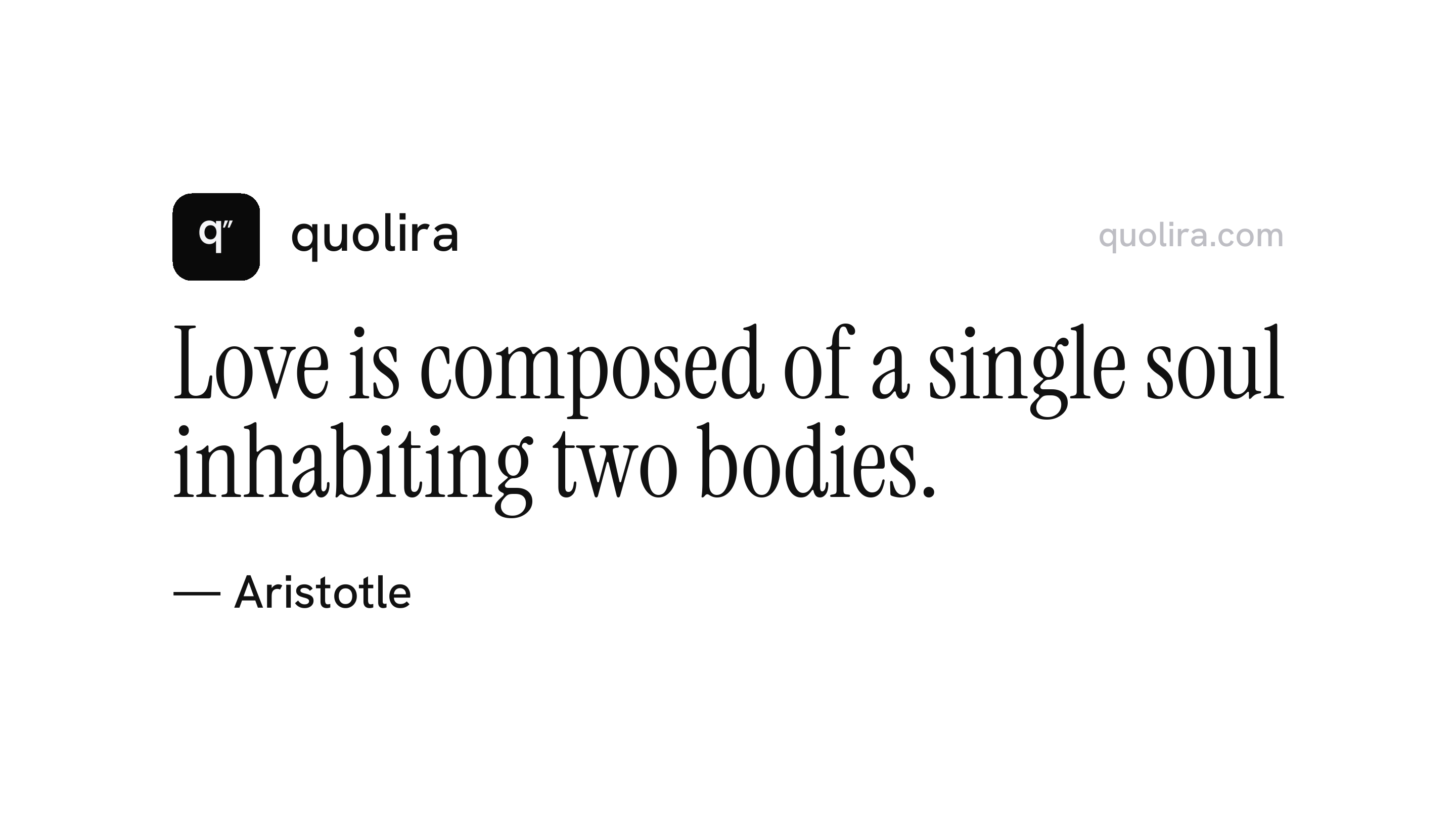
“Love is composed of a single soul inhabiting two bodies.”
Aristotle
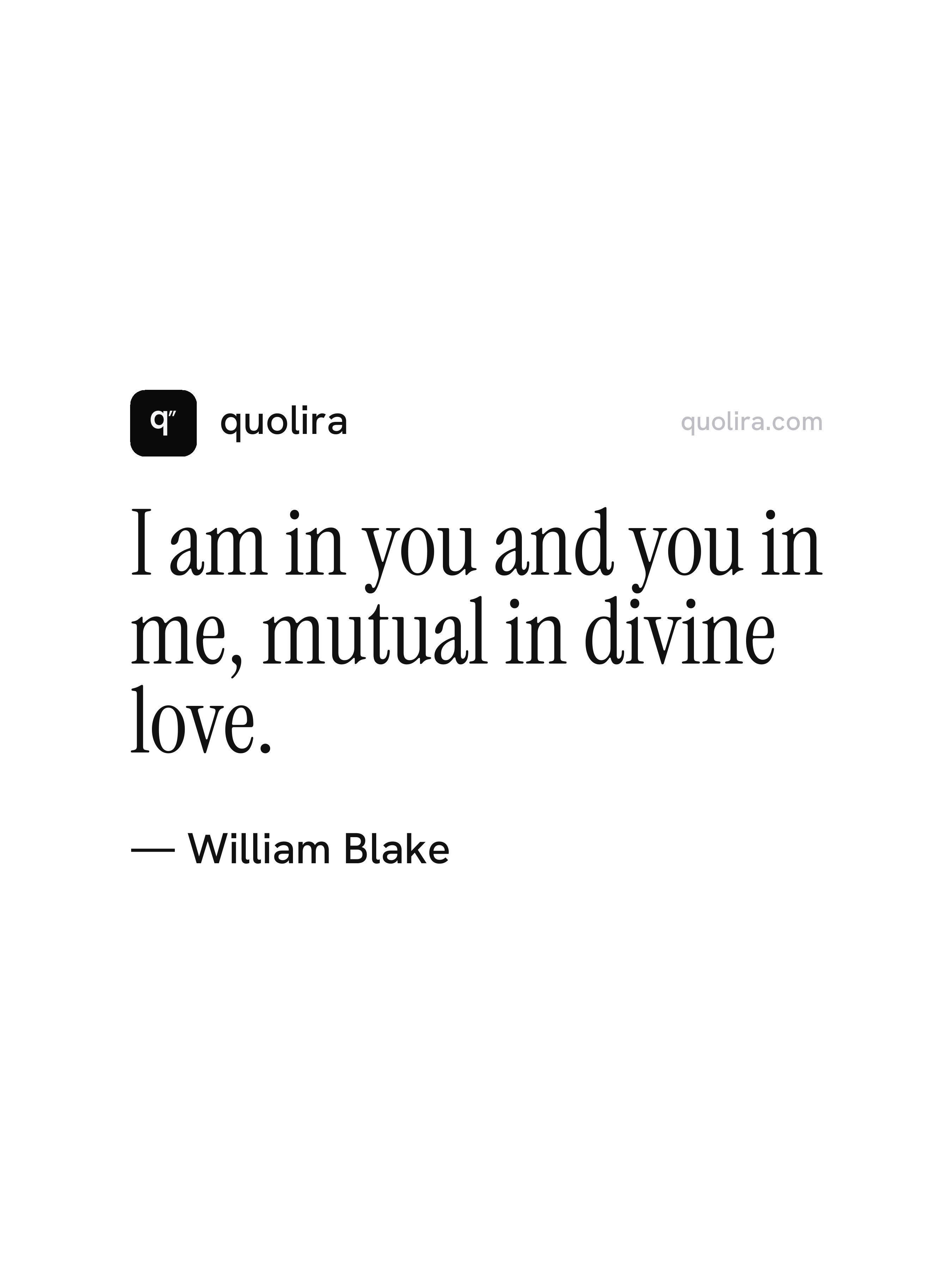
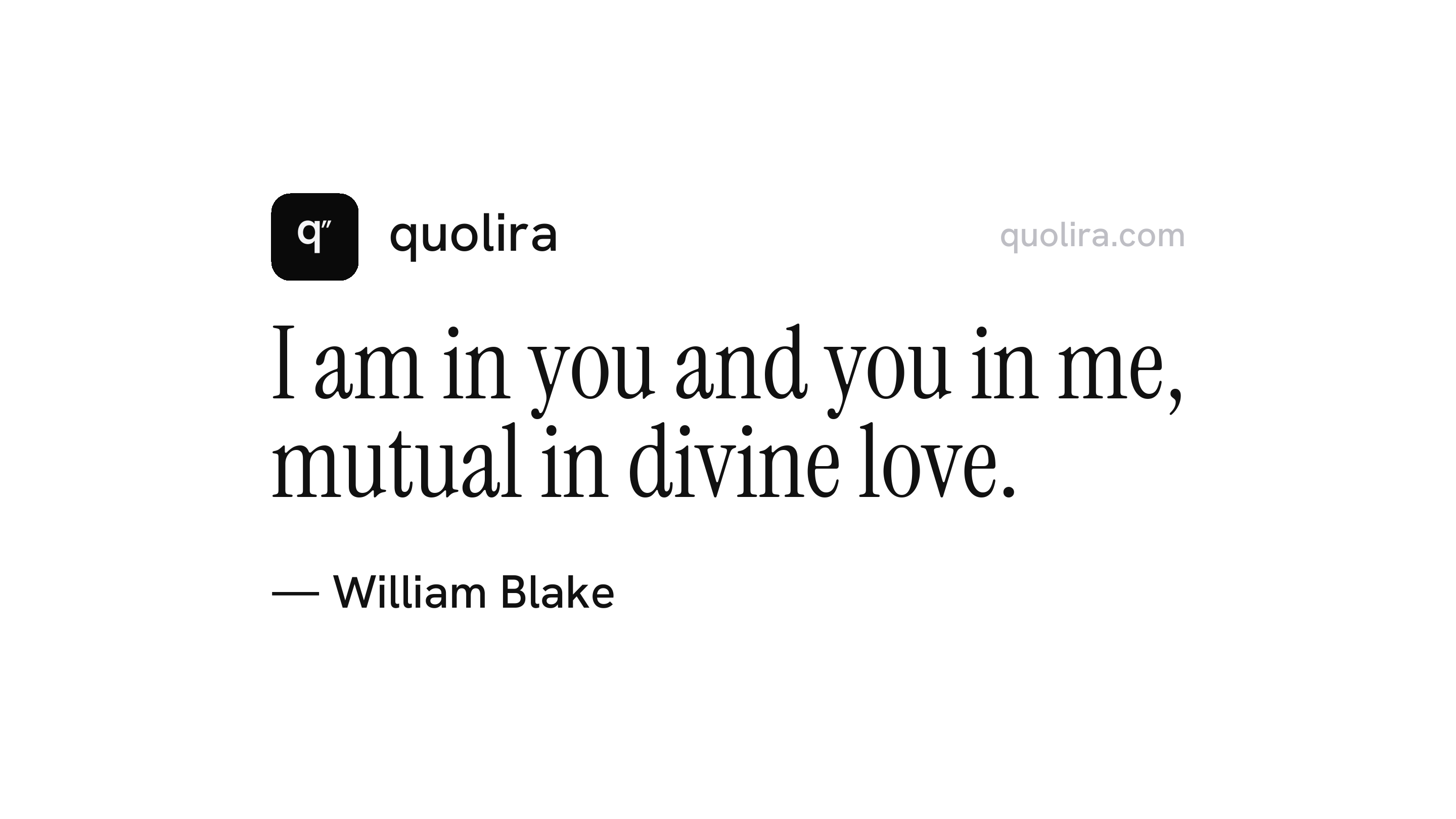
“I am in you and you in me, mutual in divine love.”
William Blake · Jerusalem: The Emanation of the Giant Albion, 1820
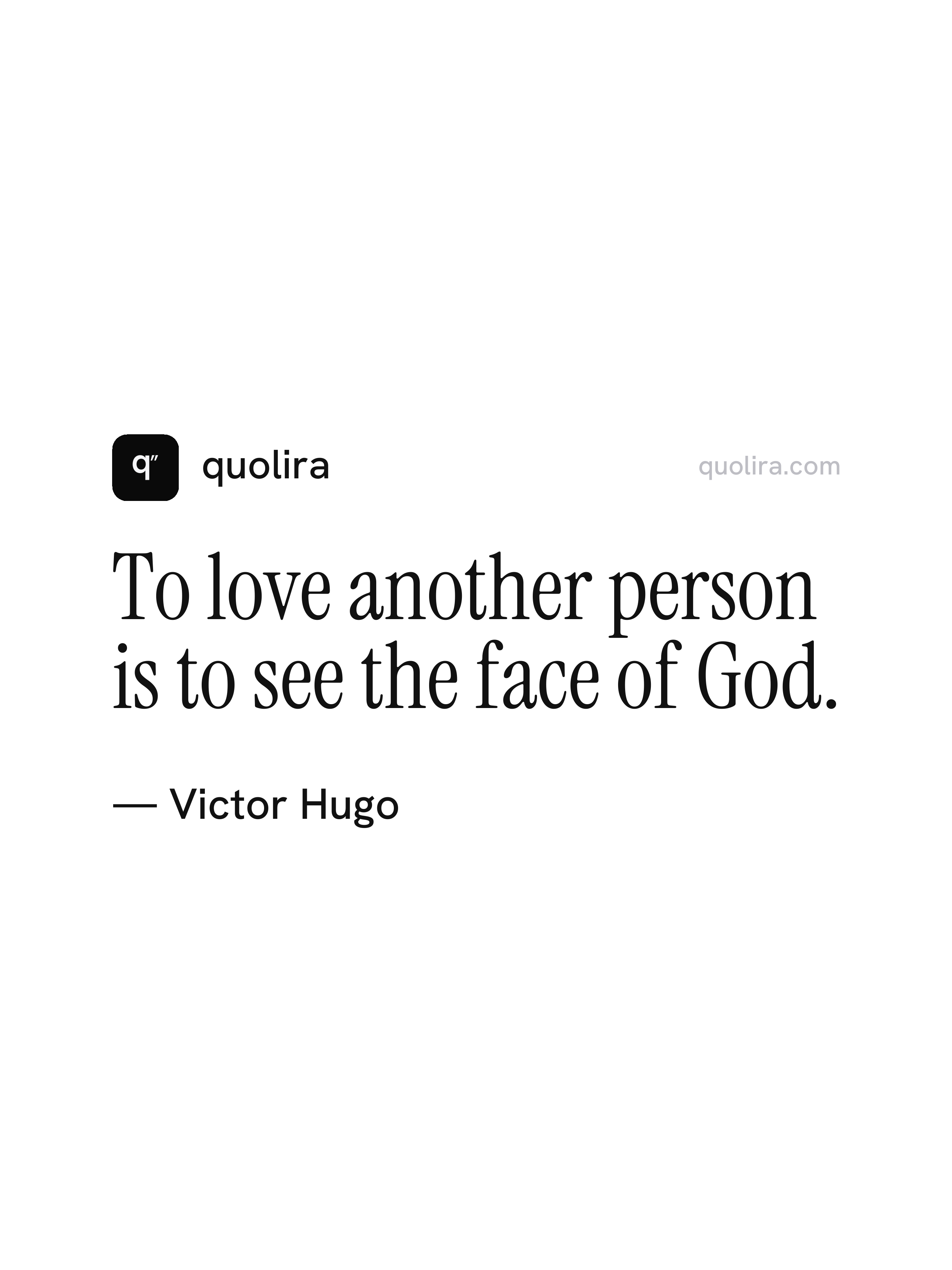
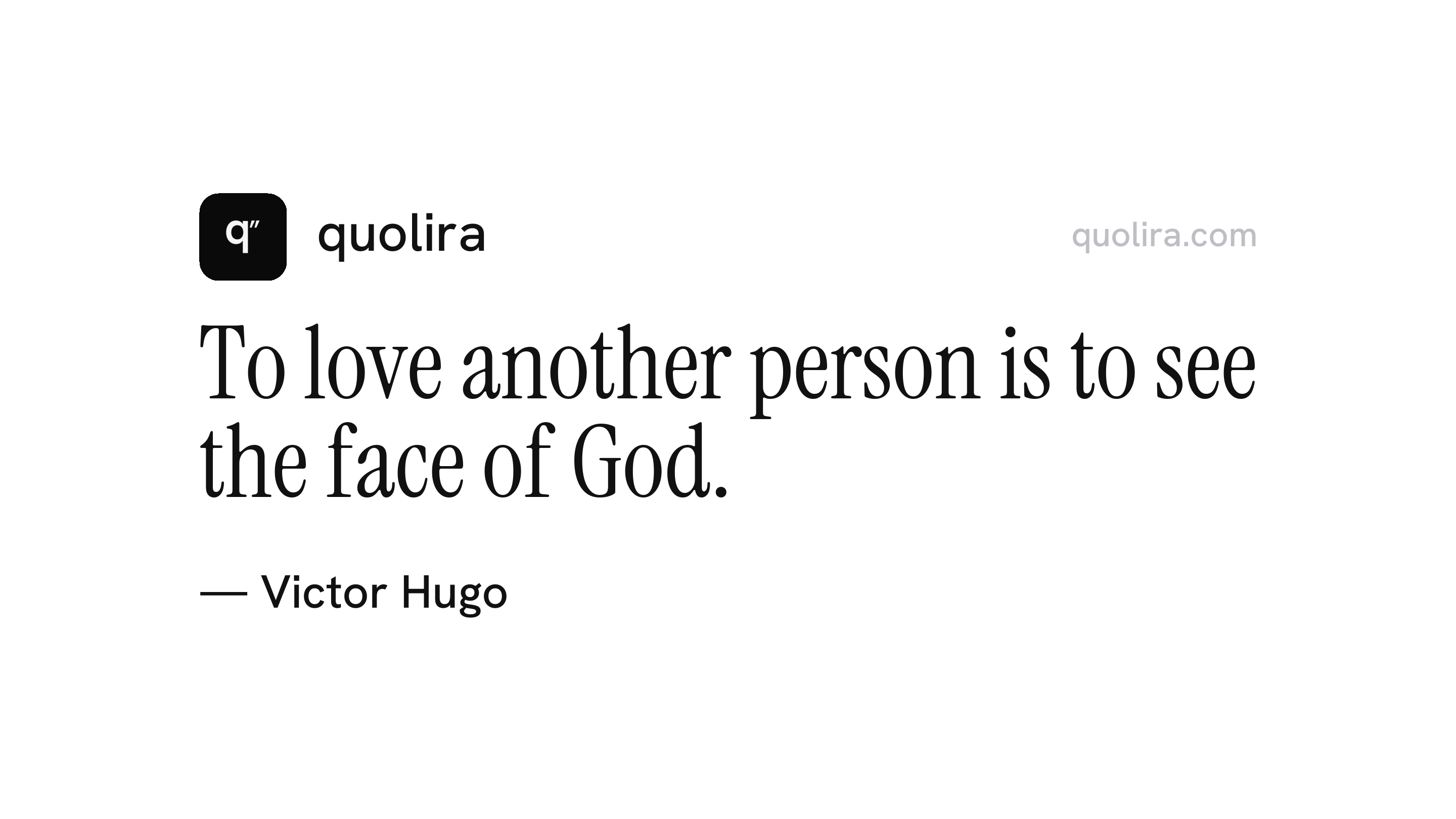
“To love another person is to see the face of God.”
Victor Hugo · Les Miserables, 1862
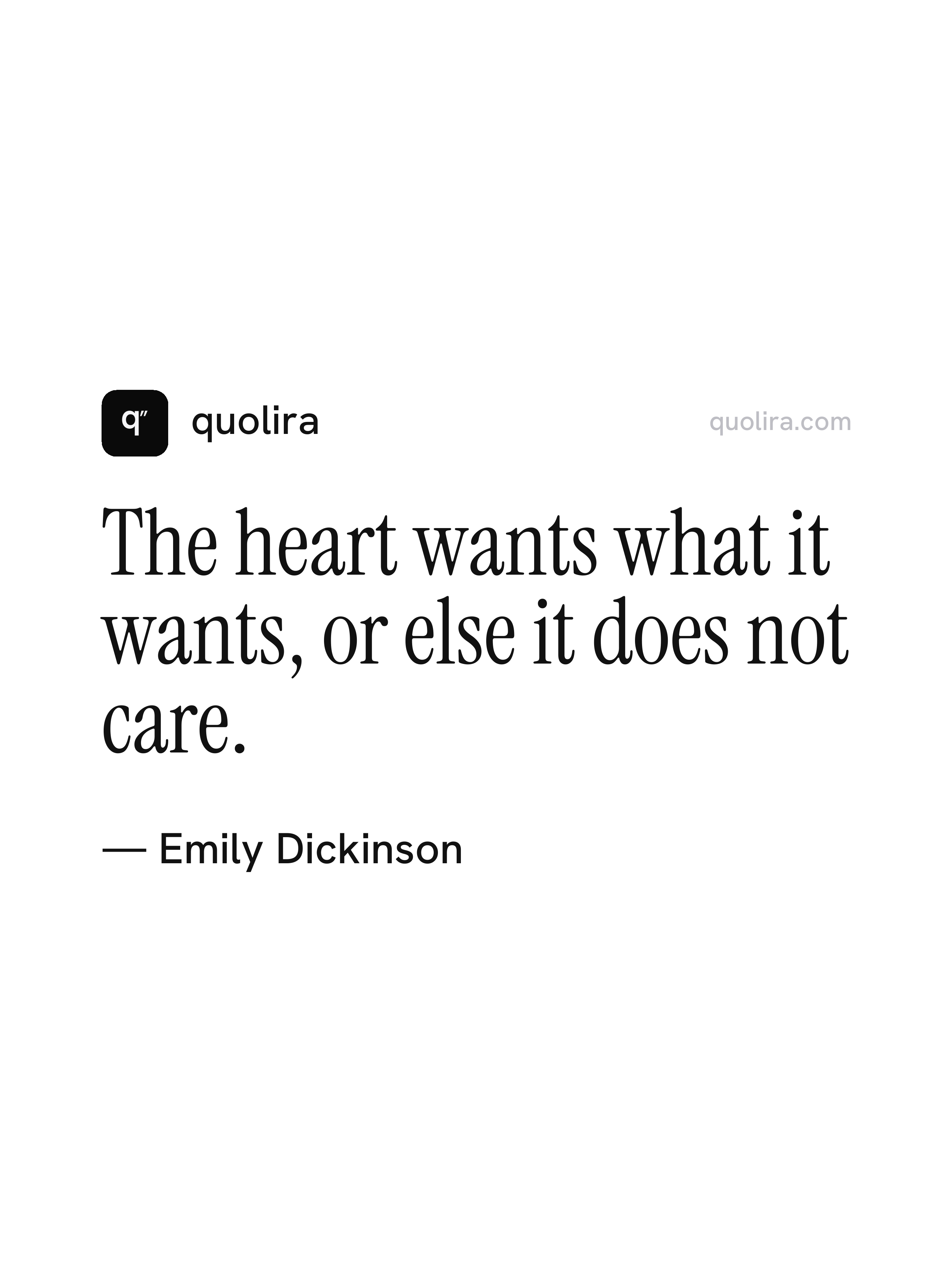
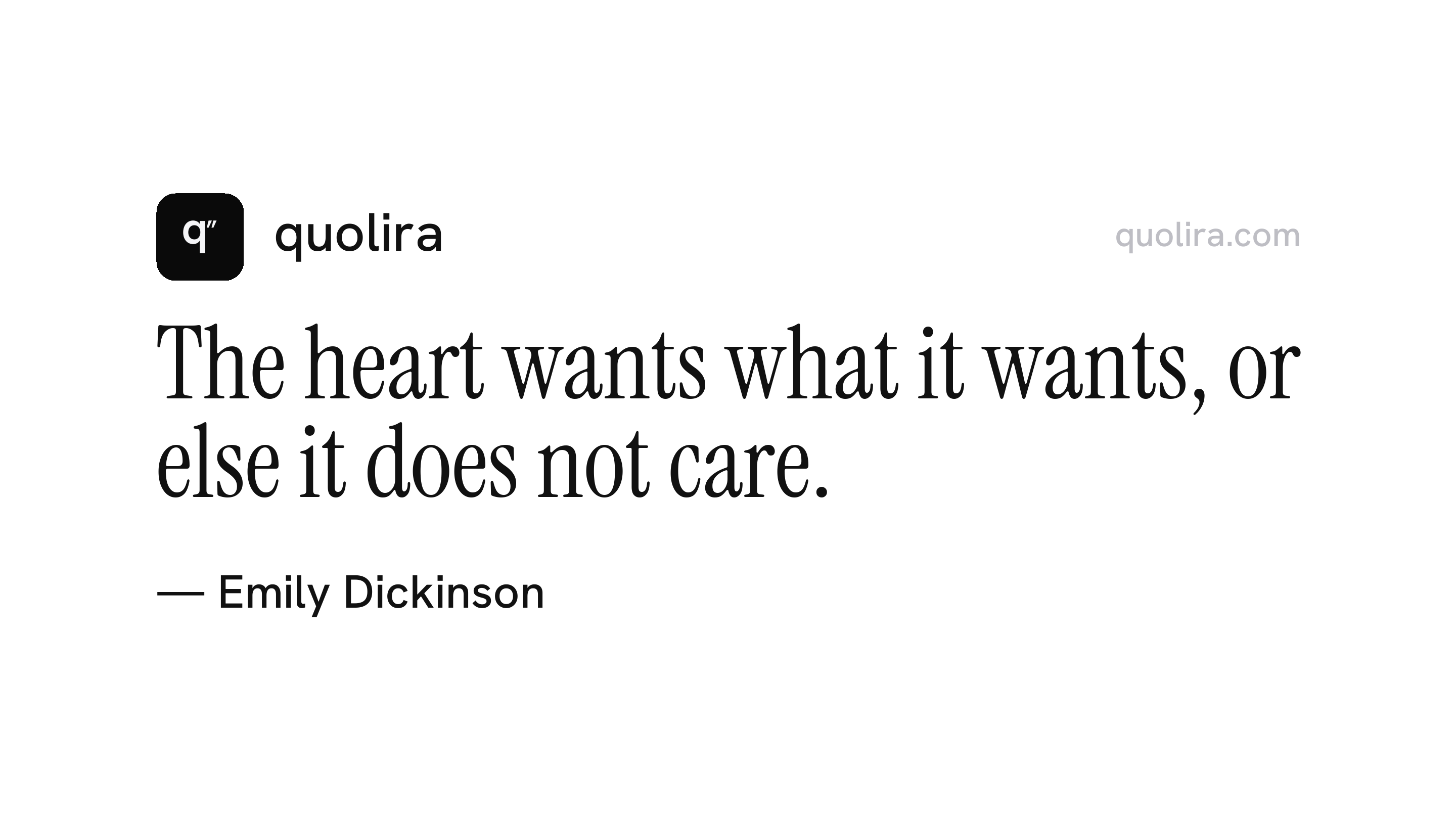
“The heart wants what it wants, or else it does not care.”
Emily Dickinson · Letter to Mrs. Joseph Haven, 1852
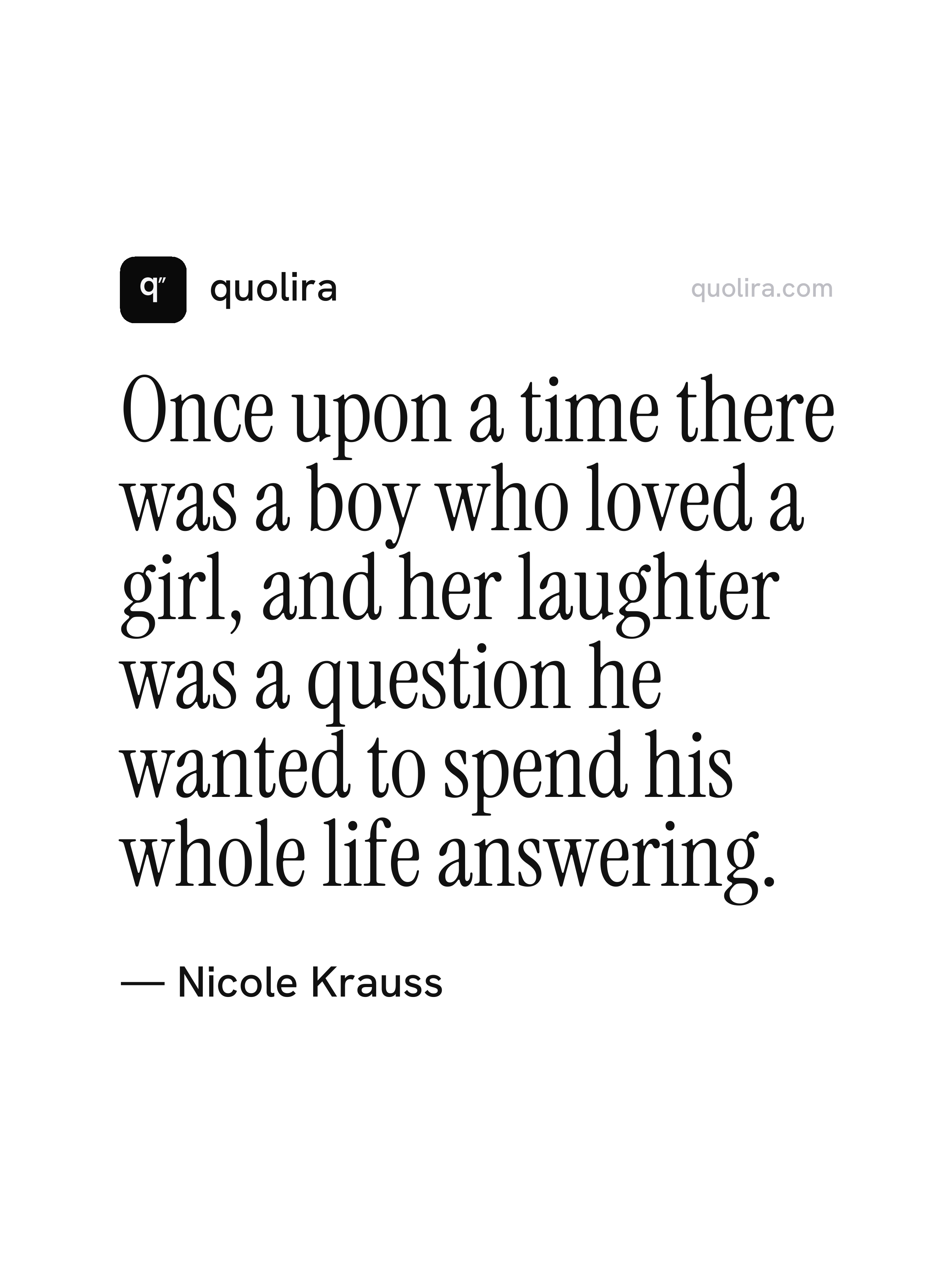
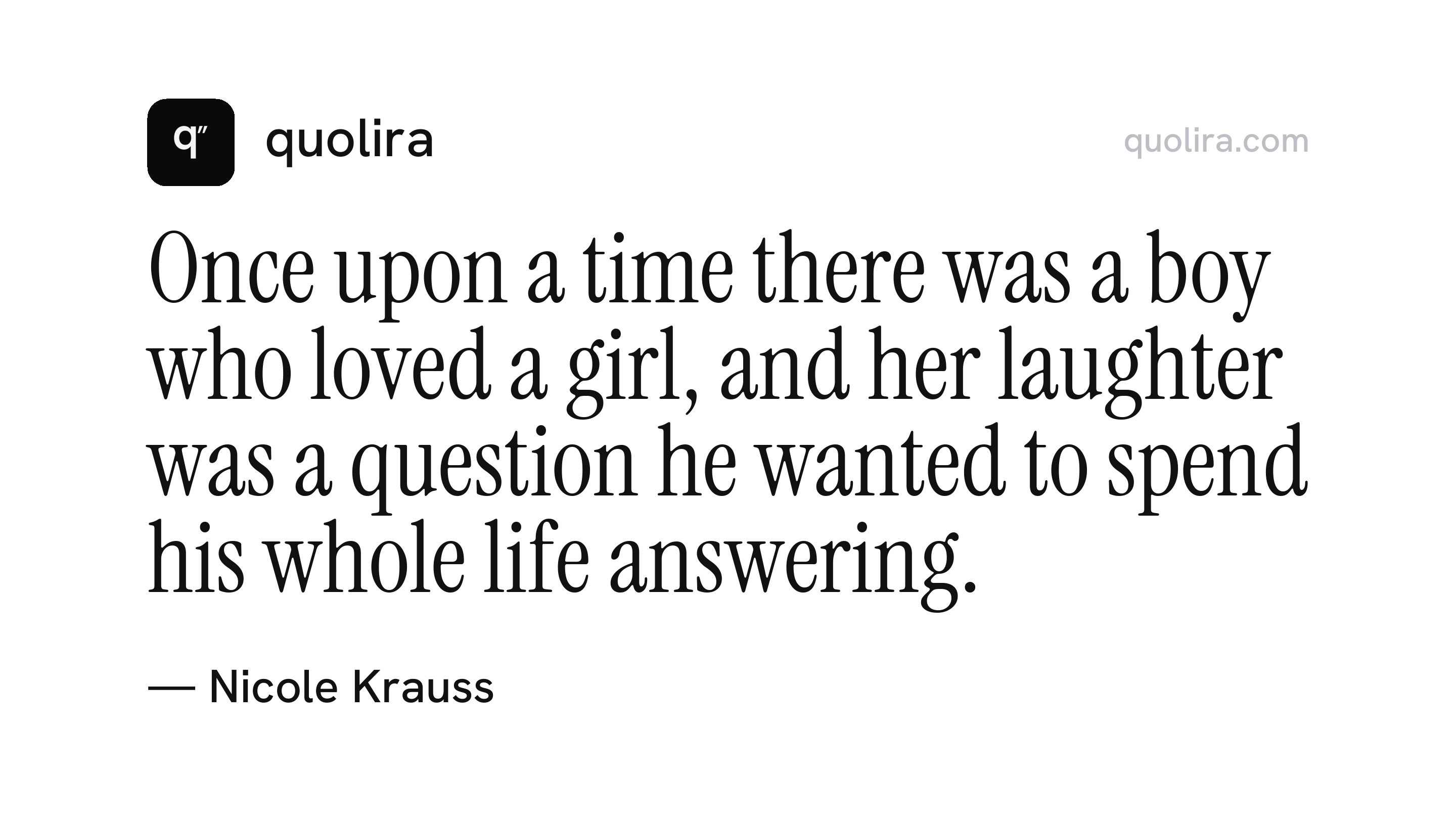
“Once upon a time there was a boy who loved a girl, and her laughter was a question he wanted to spend his whole life answering.”
Nicole Krauss · The History of Love, 2005
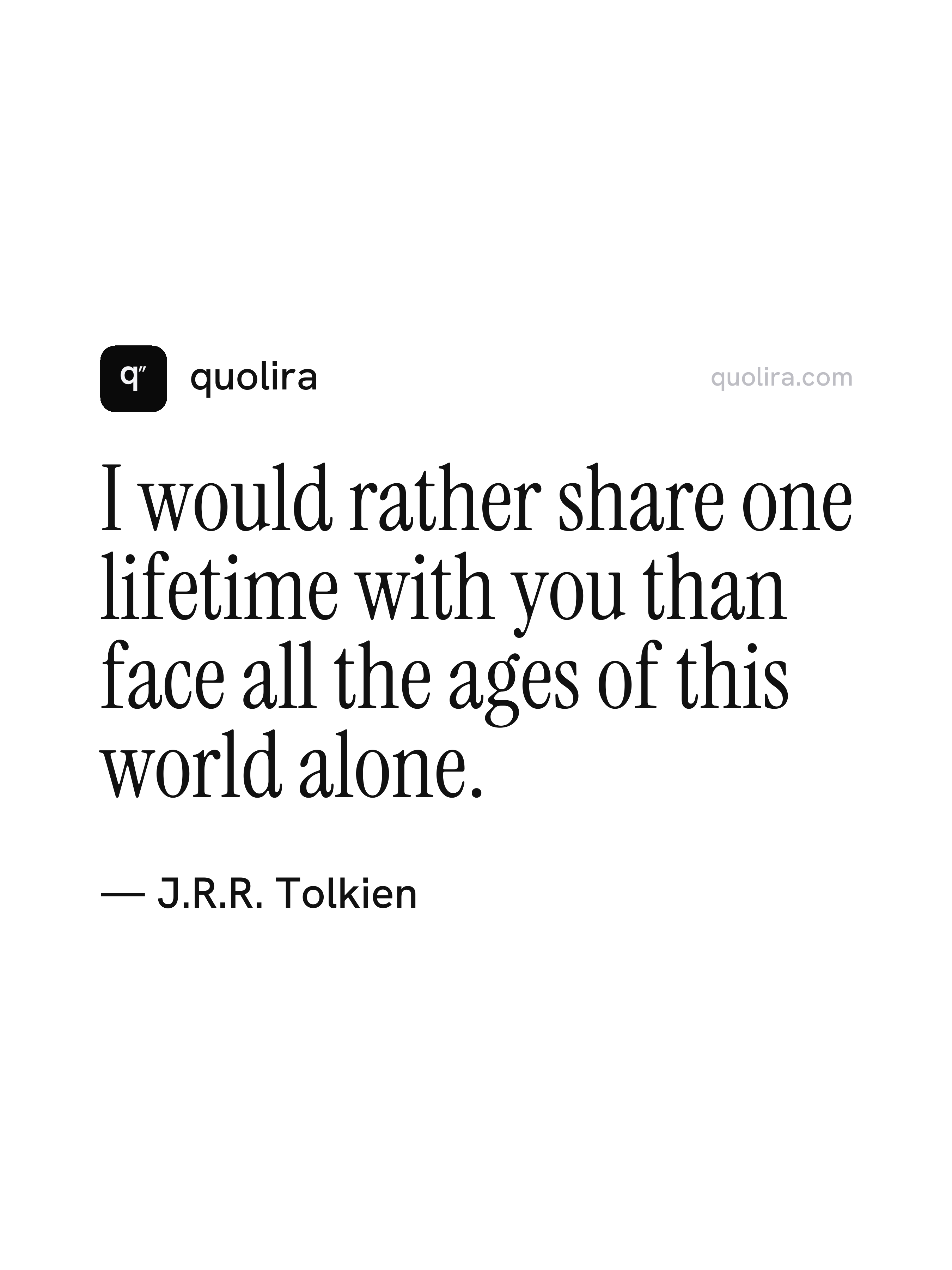
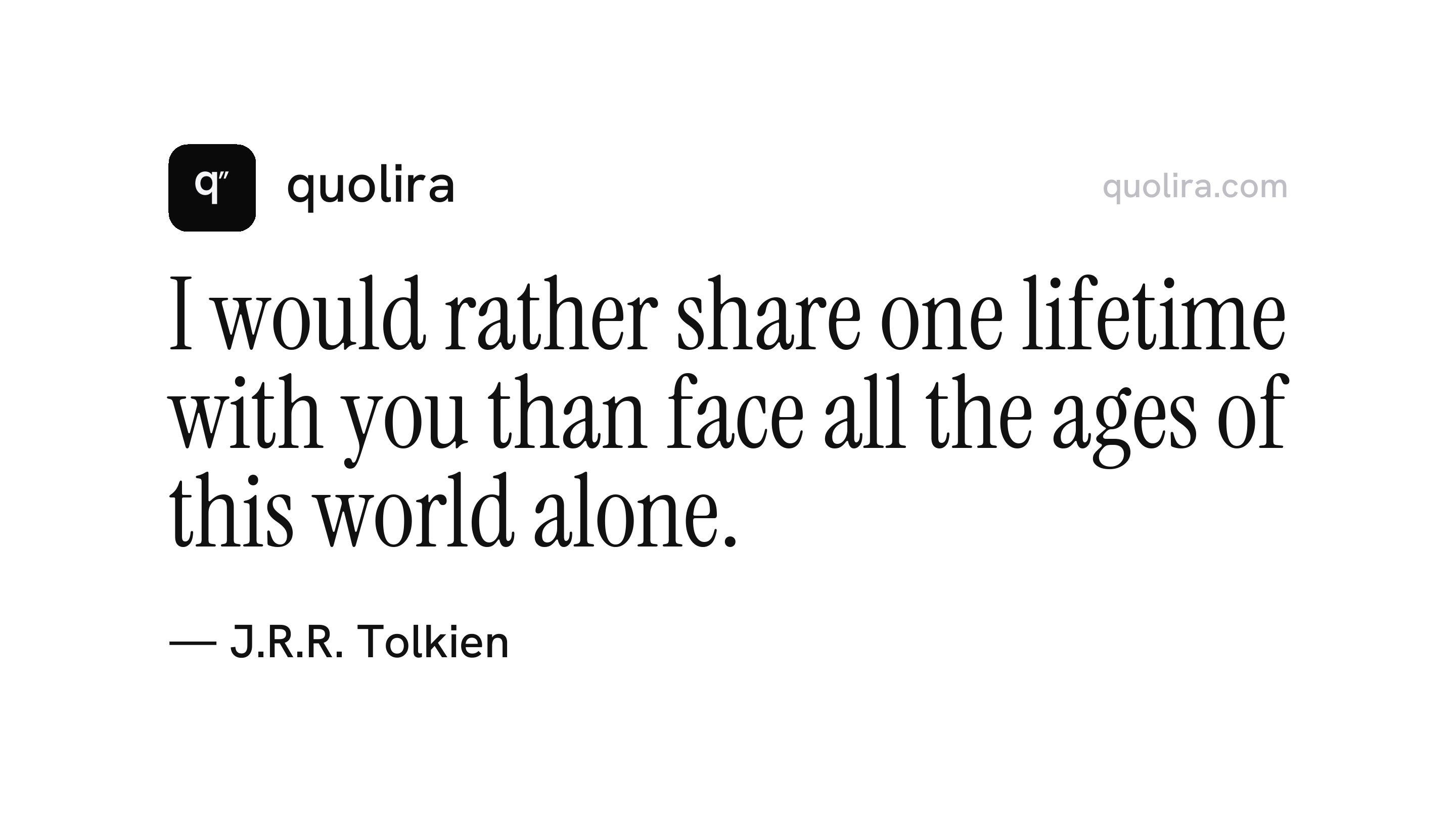
“I would rather share one lifetime with you than face all the ages of this world alone.”
J.R.R. Tolkien · The Lord of the Rings: The Fellowship of the Ring, 2001 film adaptation
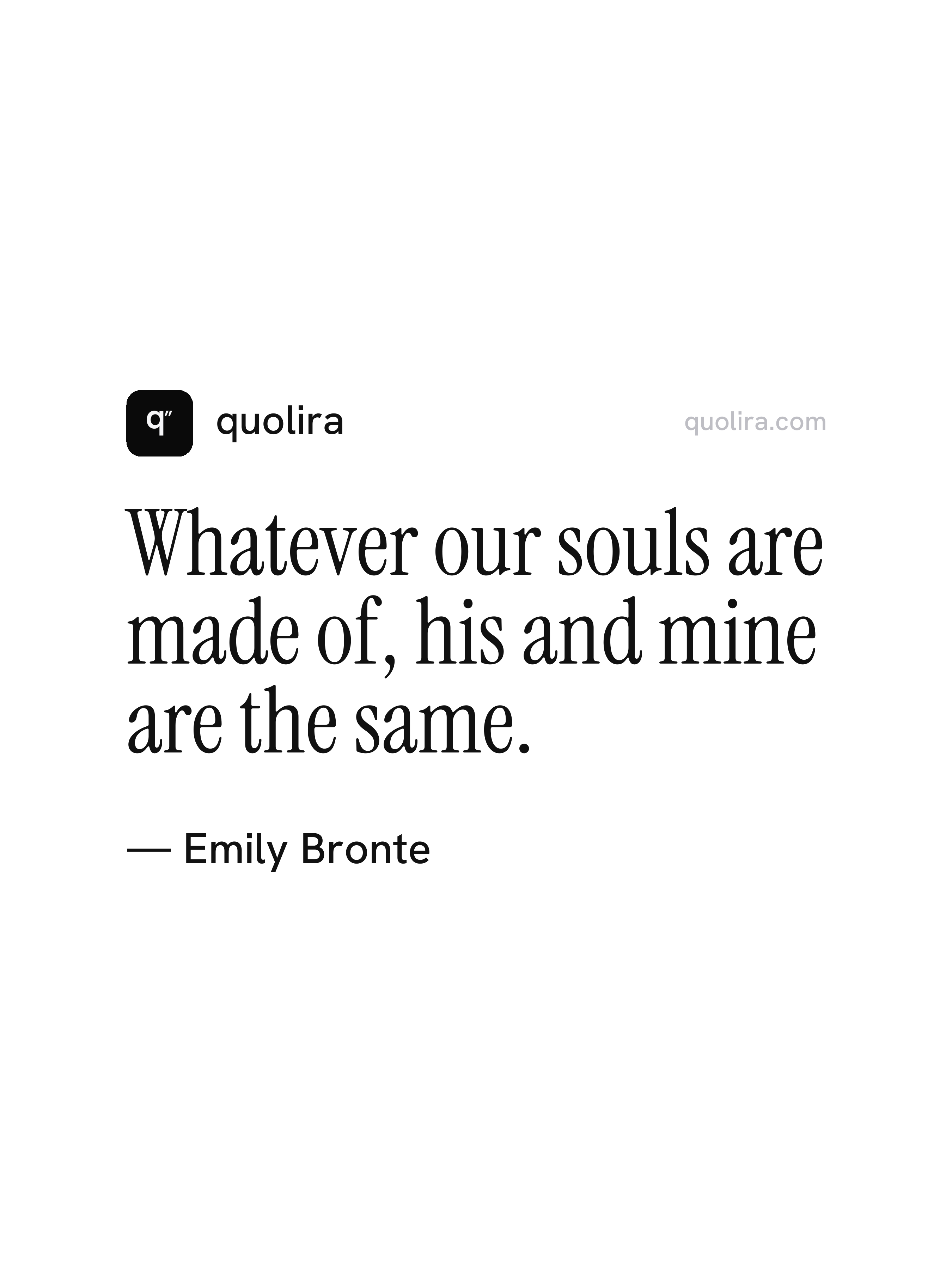
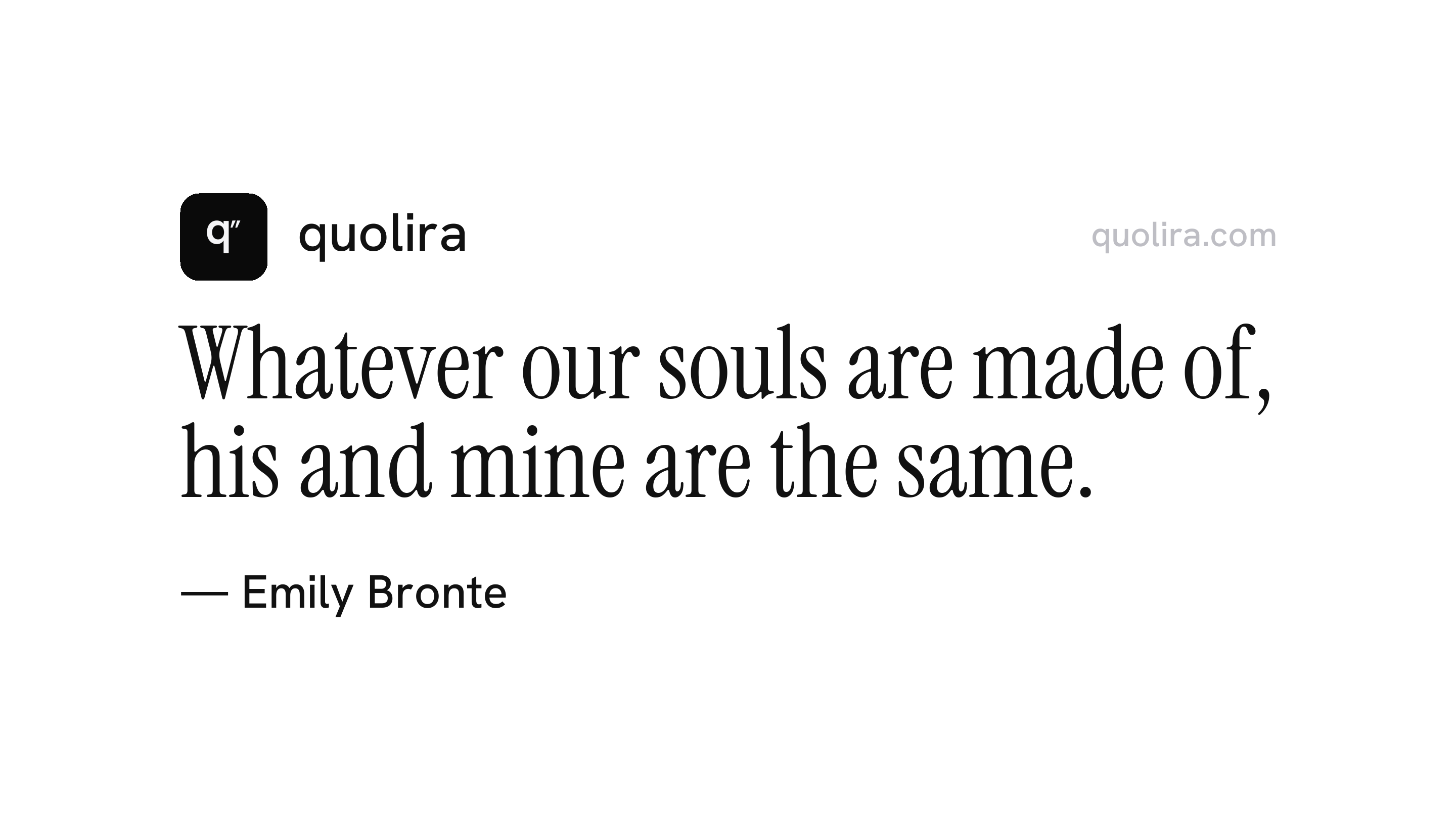
“Whatever our souls are made of, his and mine are the same.”
Emily Bronte · Wuthering Heights, 1847
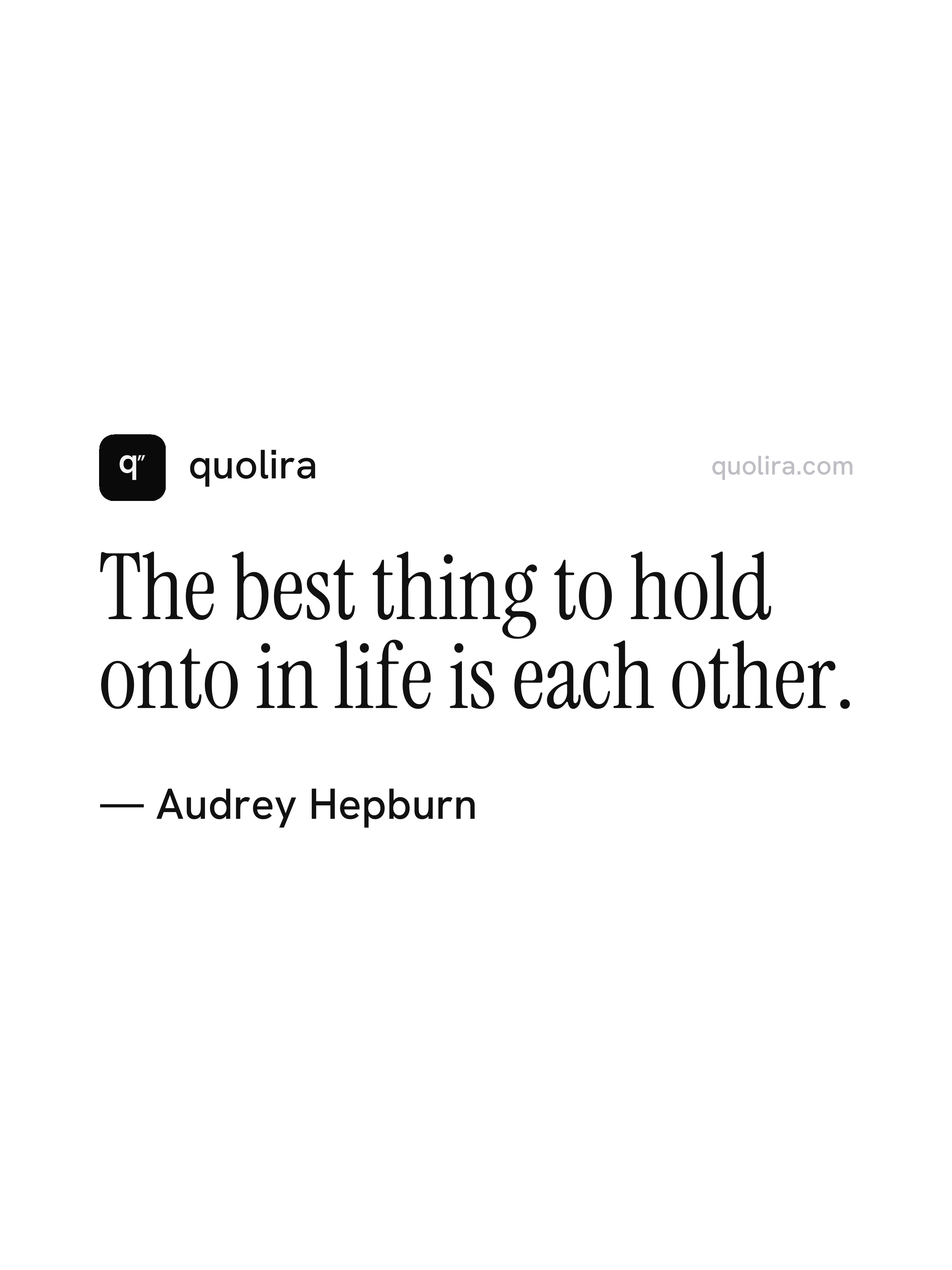
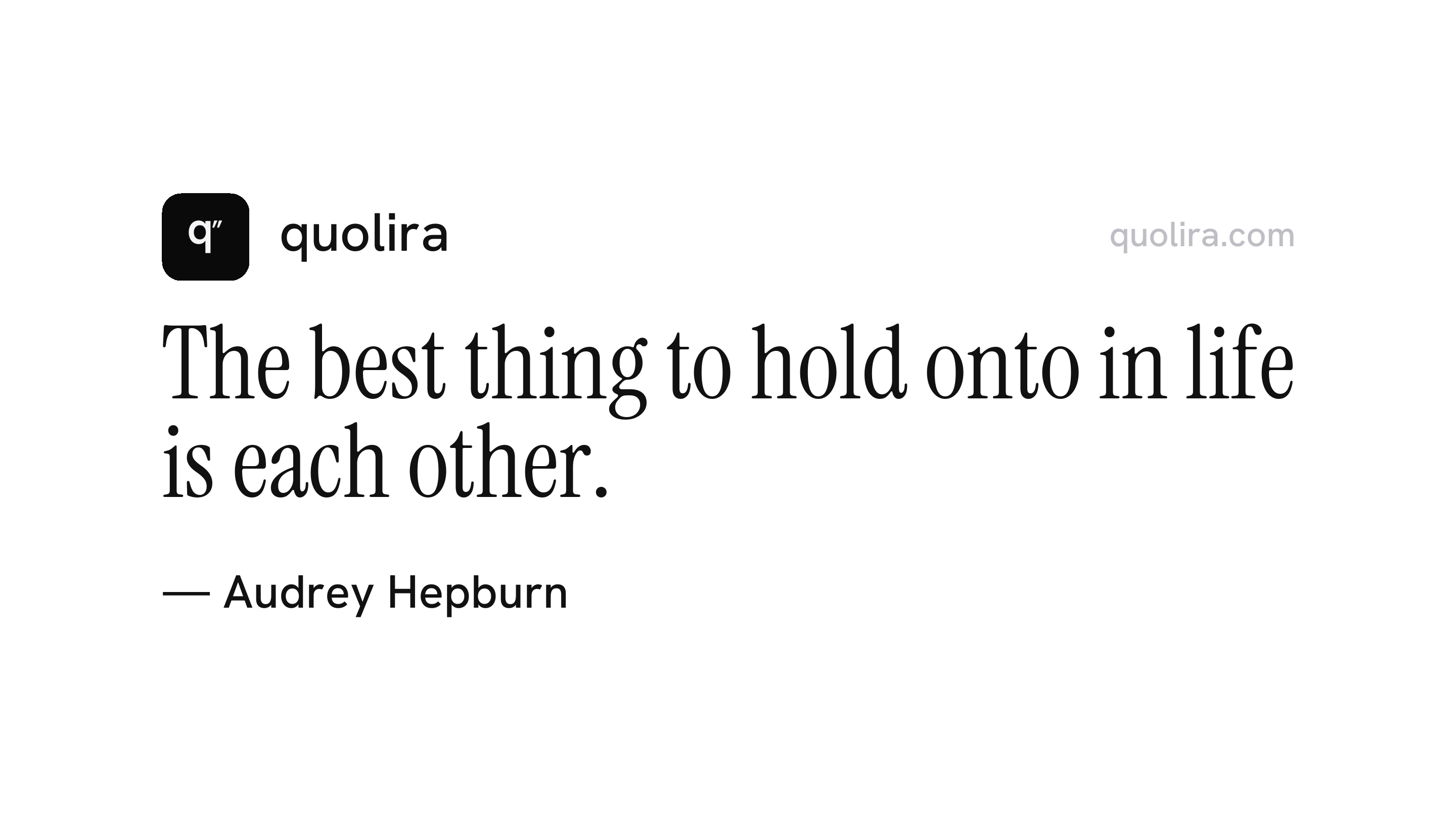
“The best thing to hold onto in life is each other.”
Audrey Hepburn
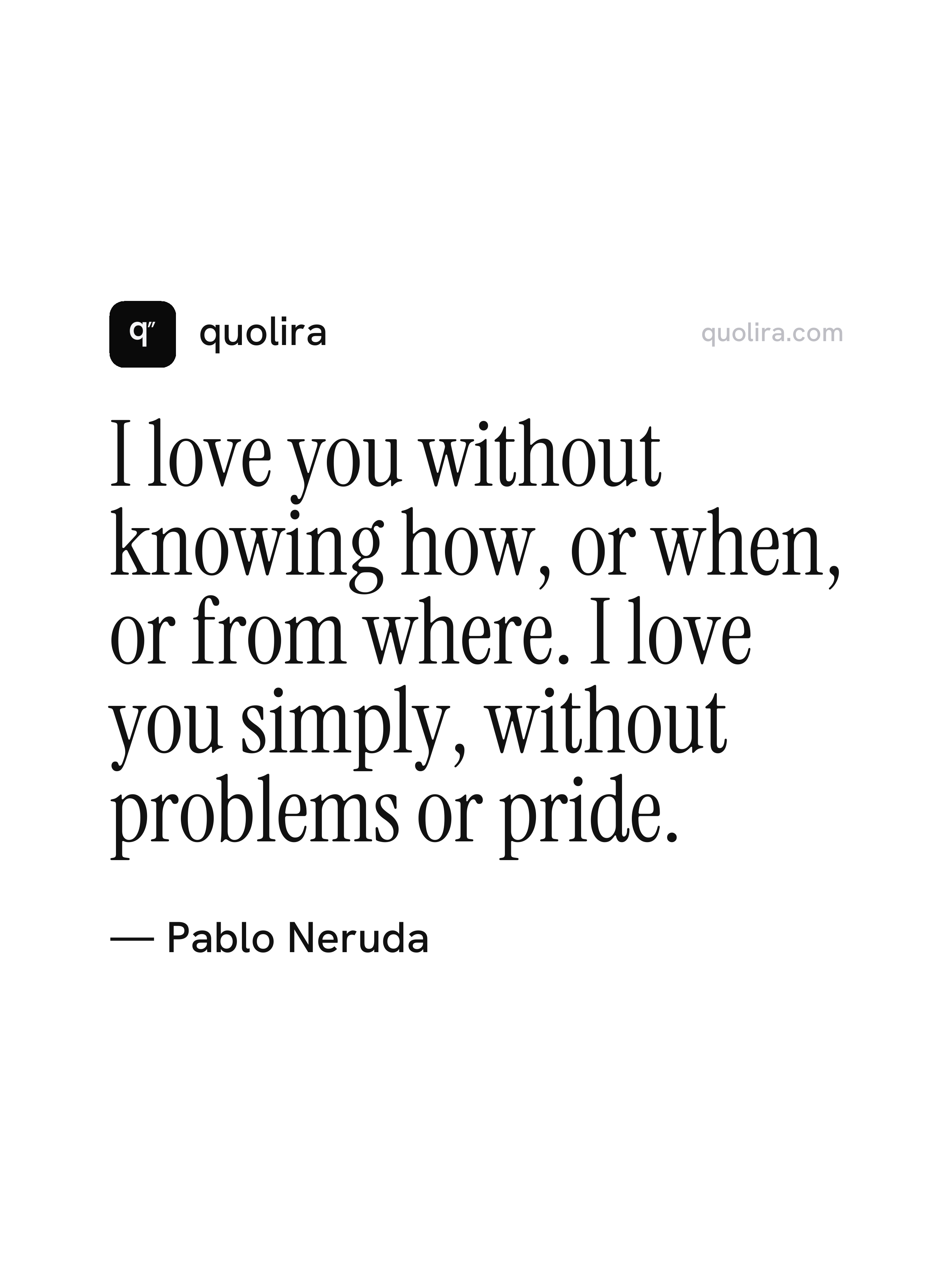
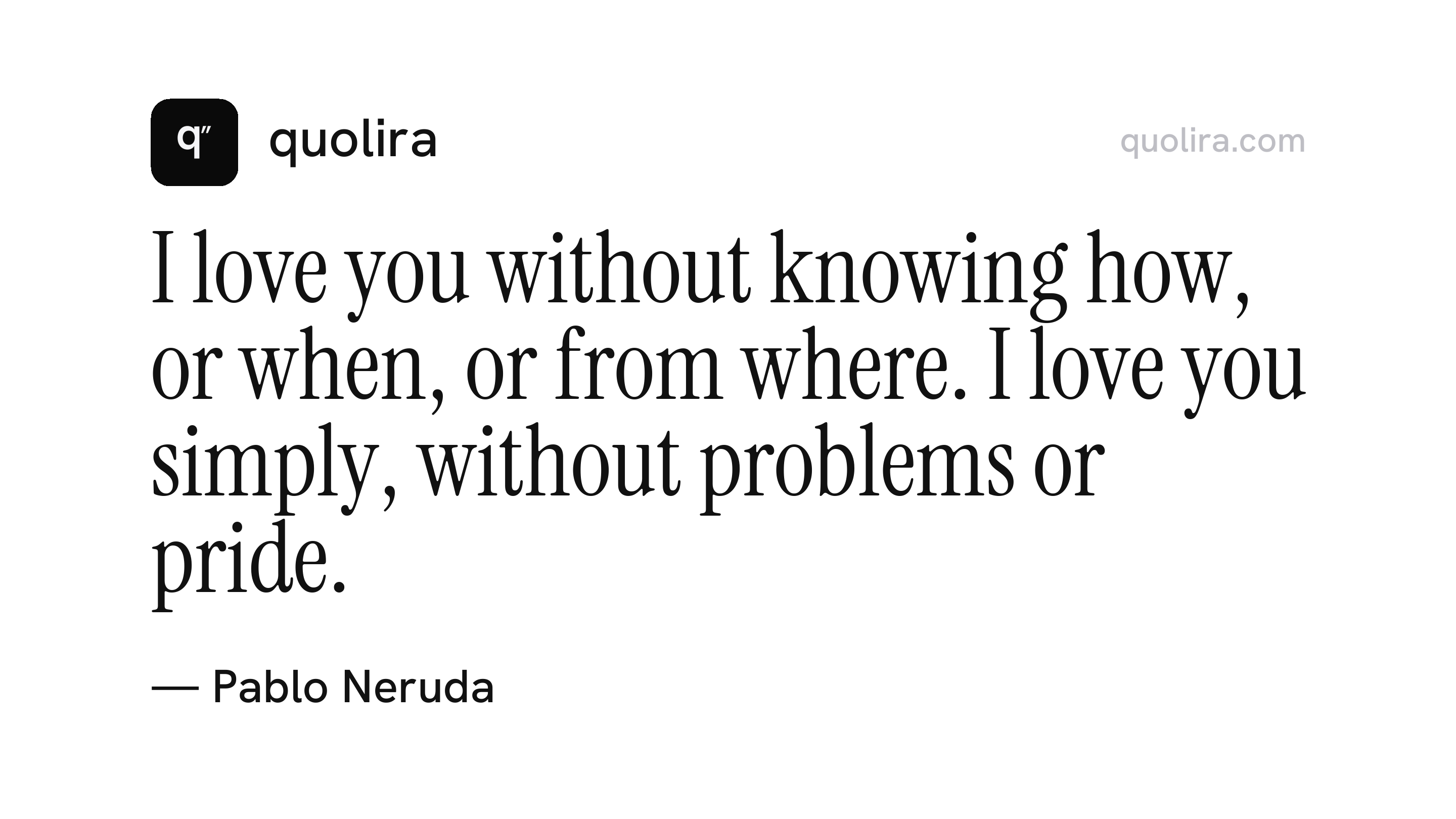
“I love you without knowing how, or when, or from where. I love you simply, without problems or pride.”
Pablo Neruda · Sonnet XVII, 100 Love Sonnets, 1960