“Nature has given us two ears, two eyes, and but one tongue, to the end that we should hear and see more than we speak.”
Socrates · attributed
 quolira
.com
quolira
quolira.com
Pinker is drawing a careful line between two ideas that are often confused. Progress, as he uses the term, does not mean arriving at a perfect world free of suffering or conflict. It means something more modest and more defensible: a slow, uneven, but real improvement in the conditions of human life, guided by the tools of reason and science and by humanist values that place human welfare at the center of our concerns. The distinction matters because critics of optimism often attack a strawman version of it, the belief in perfection, rather than the belief in gradual betterment.
This statement appears in "Enlightenment Now," Pinker's 2018 book-length argument that the intellectual tradition of the Enlightenment has been the main engine of human improvement over the past few centuries. Throughout the book, Pinker is careful to acknowledge suffering, setbacks, and ongoing problems, precisely so that his case for progress cannot be dismissed as naive cheerfulness. By defining progress in terms of direction rather than destination, he makes it a measurable and falsifiable claim rather than an article of faith. The framing also reflects a direct engagement with philosophical pessimism and with political movements that reject Enlightenment values.
Steven Pinker is a Canadian-American cognitive psychologist and linguist best known for his research on language and his popular books on human nature and society. He has been a professor at Harvard University for much of his career and has received numerous awards for both his scientific work and his contributions to public intellectual life. He is a committed defender of science, reason, and secular humanism as practical guides to improving the human condition.
“Nature has given us two ears, two eyes, and but one tongue, to the end that we should hear and see more than we speak.”
Socrates · attributed
“Contentment is natural wealth, luxury is artificial poverty.”
Socrates · attributed
“Employ your time in improving yourself by other men's writings, so that you shall gain easily what others have labored hard for.”
Socrates · attributed
“False words are not only evil in themselves, but they infect the soul with evil.”
Socrates · Plato, Phaedo
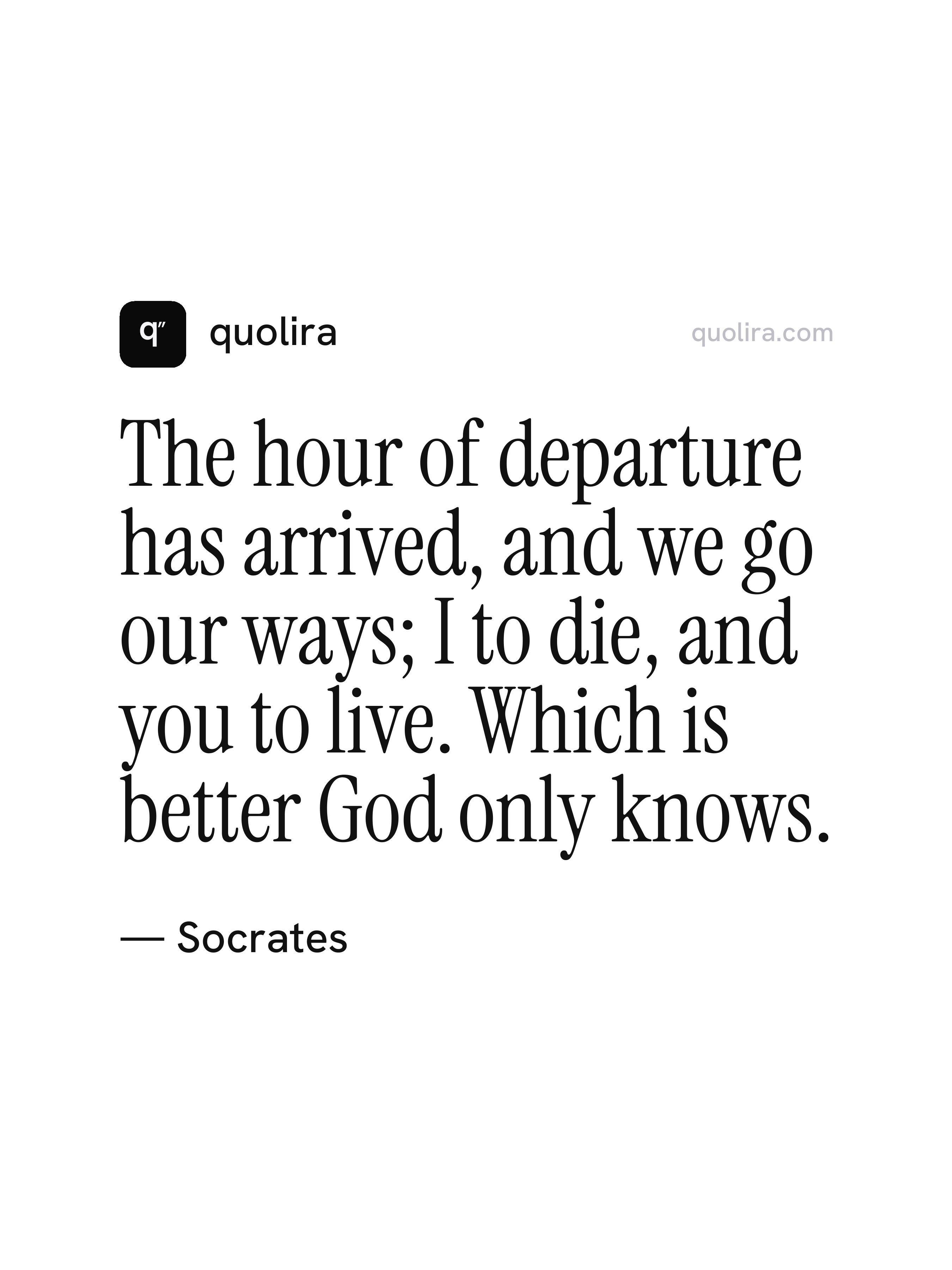
“The hour of departure has arrived, and we go our ways; I to die, and you to live. Which is better God only knows.”
Socrates · Plato, Apology
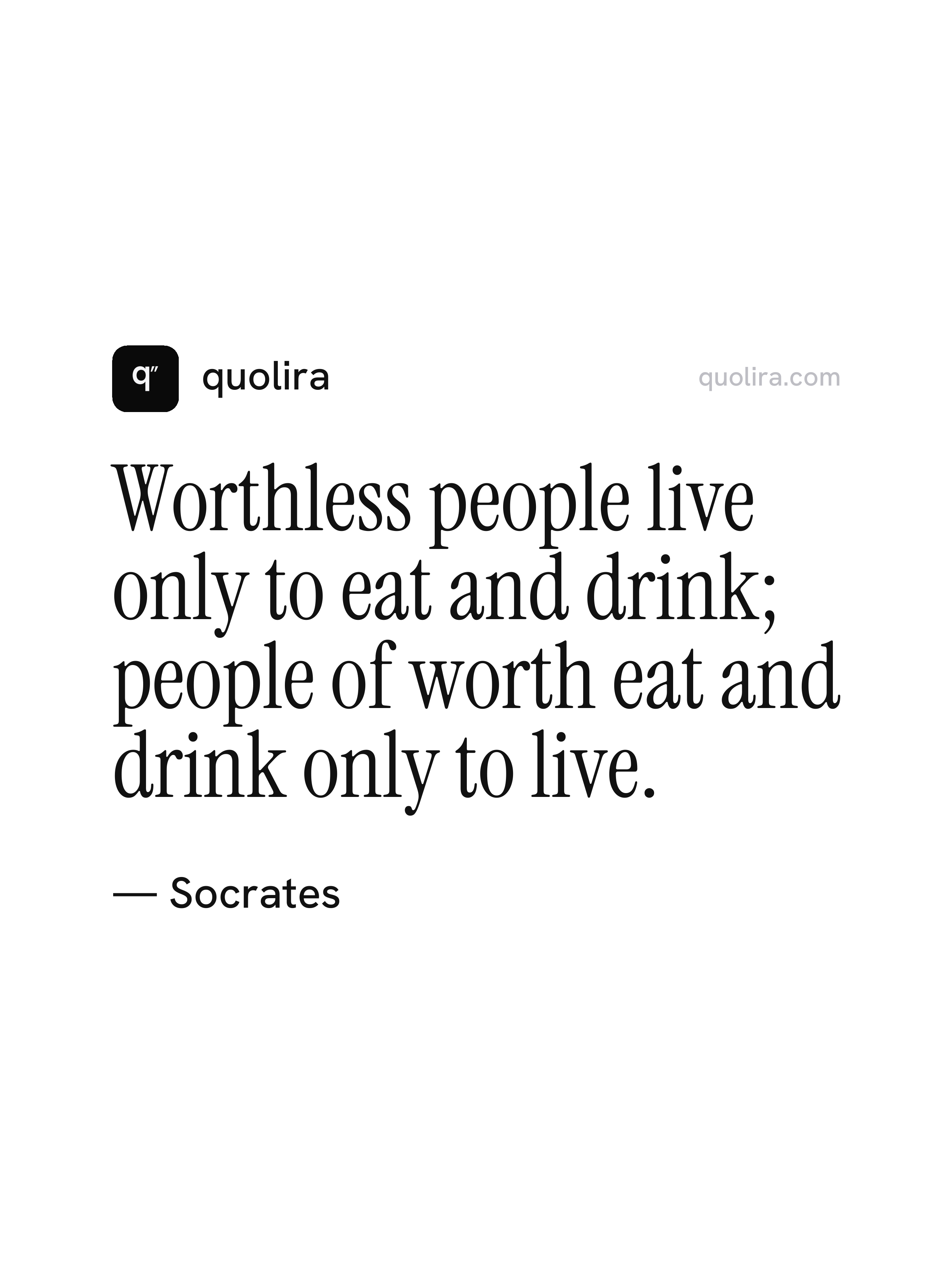
“Worthless people live only to eat and drink; people of worth eat and drink only to live.”
Socrates · attributed
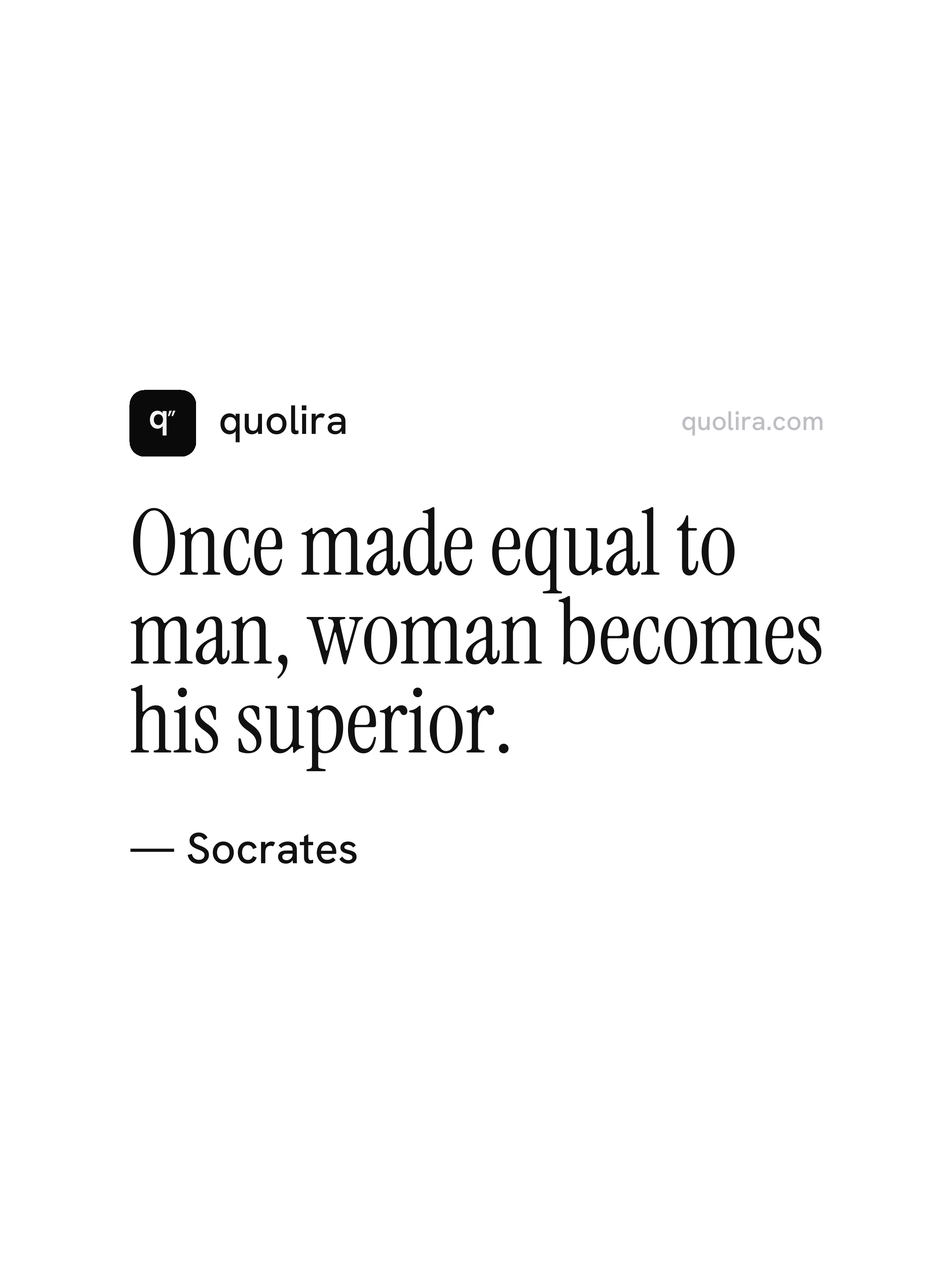
“Once made equal to man, woman becomes his superior.”
Socrates · attributed
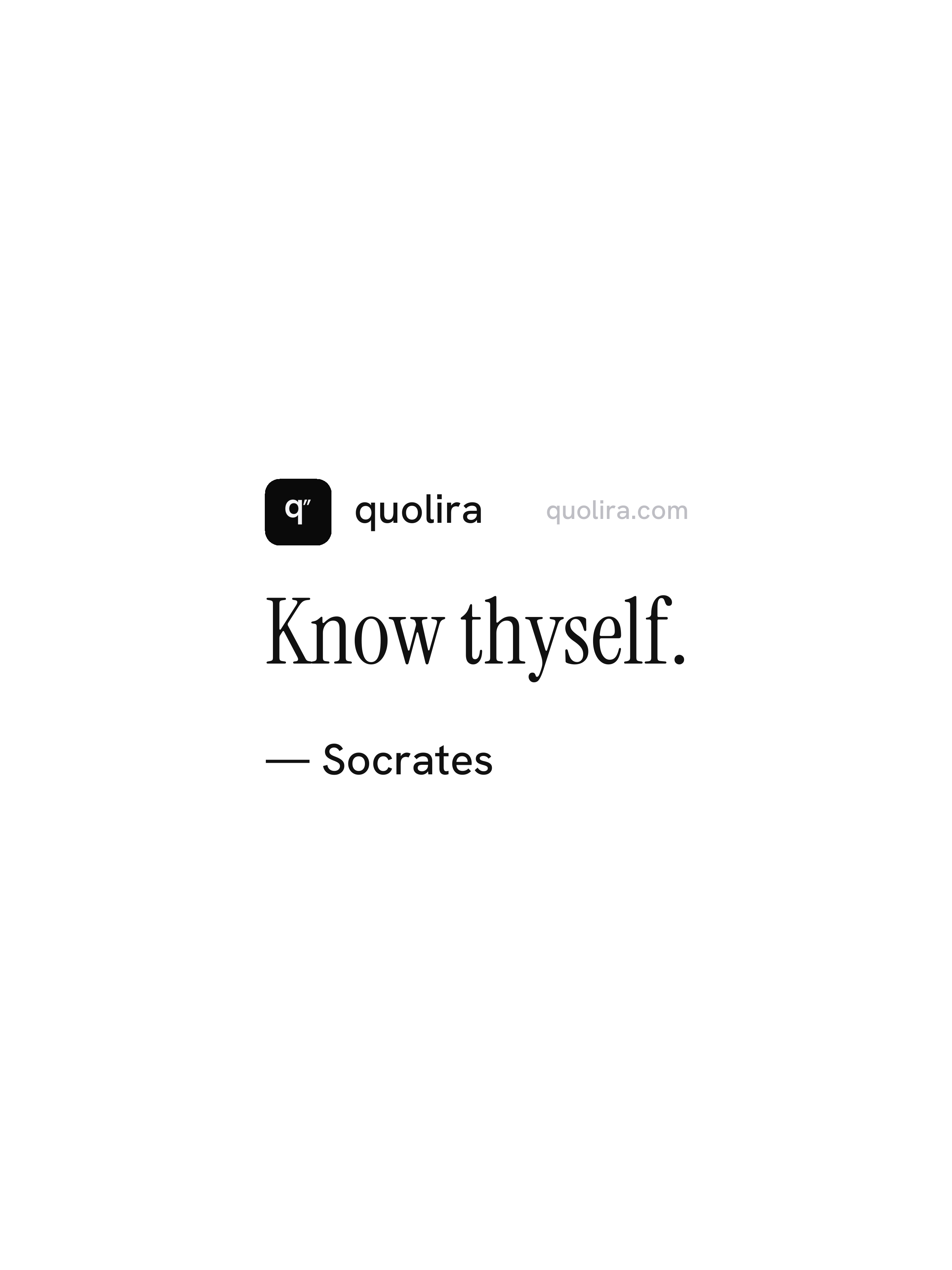
“Know thyself.”
Socrates · adopted from the Delphic maxim
“Death may be the greatest of all human blessings.”
Socrates · Plato, Apology
“Beware the barrenness of a busy life.”
Socrates · attributed
“I cannot teach anybody anything. I can only make them think.”
Socrates · attributed
“An honest man is always a child.”
Socrates · attributed