“The optimist sees opportunity in every difficulty. The coin is the same. It just depends which side you're watching.”
Original
 quolira
.com
quolira
quolira.com
This line points out a quiet bias in how human societies respond to the world: we tend to create rules, regulations, and systems only after something goes wrong. The vast majority of interactions, transactions, and moments pass without incident, yet they leave no institutional trace. Law and policy are shaped almost entirely by failure, not by the ordinary success that surrounds us every day.
There is something both funny and a little sobering about this observation. It captures the negativity bias that runs through journalism, legislation, and everyday conversation. People are wired to notice problems and to demand fixes, so the smooth functioning of daily life stays invisible. Once you see this pattern, you start noticing it everywhere: in safety regulations, in insurance policies, in workplace rules, even in the way news is reported. The line gives language to a feeling many people have had but never quite articulated.
This quote works well as a gentle counterpoint whenever a conversation fixates on what is broken. You might share it when discussing risk perception, policy design, or media negativity. It is also a useful personal reminder to pause and appreciate the countless things that quietly work in your favor each day, not just the friction you encounter. Dropping it into a discussion about gratitude or systemic thinking can open up a more balanced perspective without dismissing real problems.
“The optimist sees opportunity in every difficulty. The coin is the same. It just depends which side you're watching.”
Original
“I've been making a list of the things they don't teach you at school. They don't teach you how to love somebody. They don't teach you how to be famous. They don't teach you how to be rich or how to be poor. They don't teach you how to walk away from someone you don't love anymore. They don't teach you how to know what's happening in someone else's mind. They don't teach you what to say to someone who's dying. They don't teach you anything worth knowing.”
Neil Gaiman · The Sandman, 1989
“Time is an illusion. Lunchtime doubly so.”
Douglas Adams · The Hitchhiker's Guide to the Galaxy, 1979
“The trouble with being punctual is that nobody's there to appreciate it.”
Franklin P. Jones · widely attributed
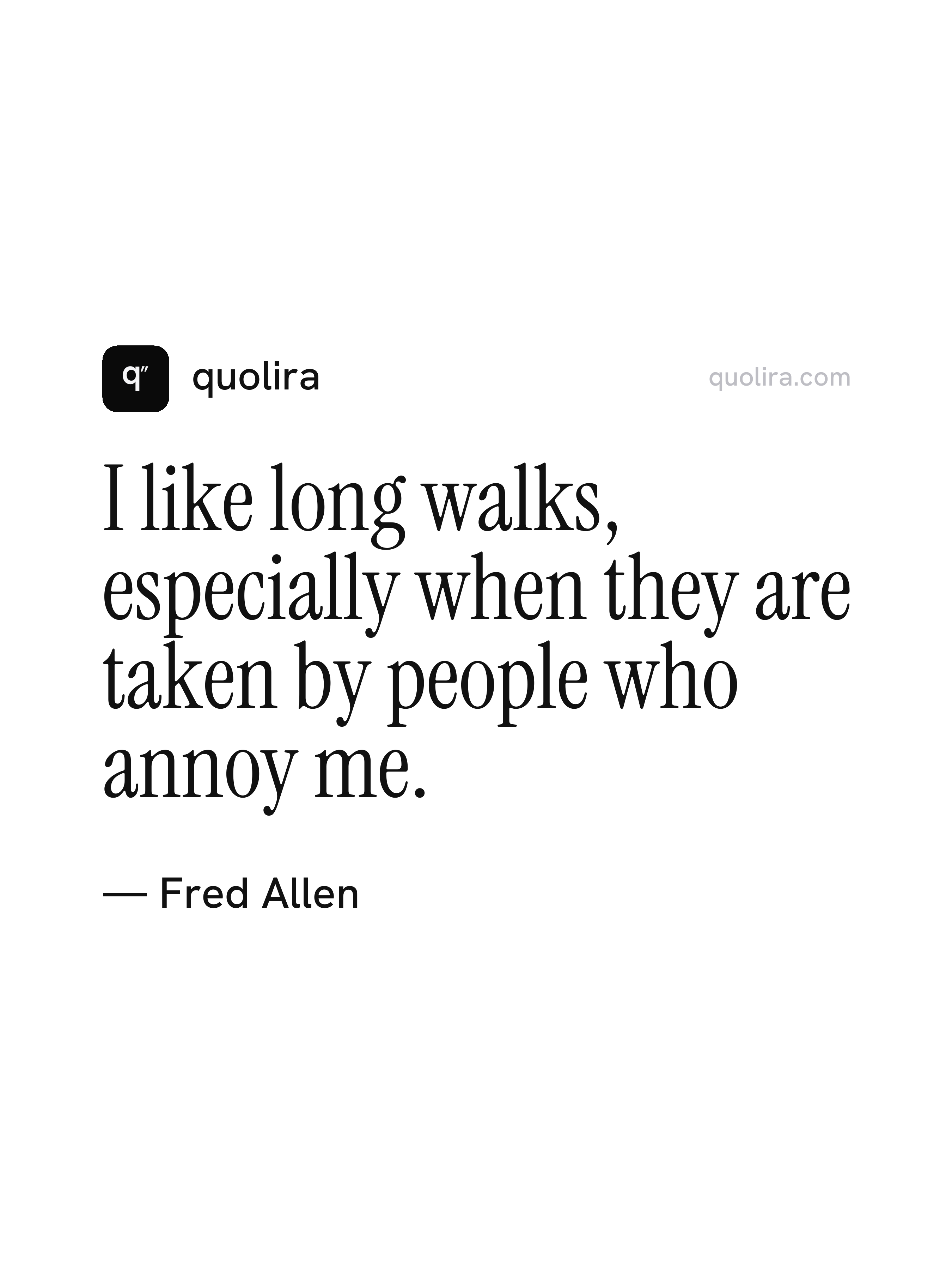
“I like long walks, especially when they are taken by people who annoy me.”
Fred Allen · widely attributed
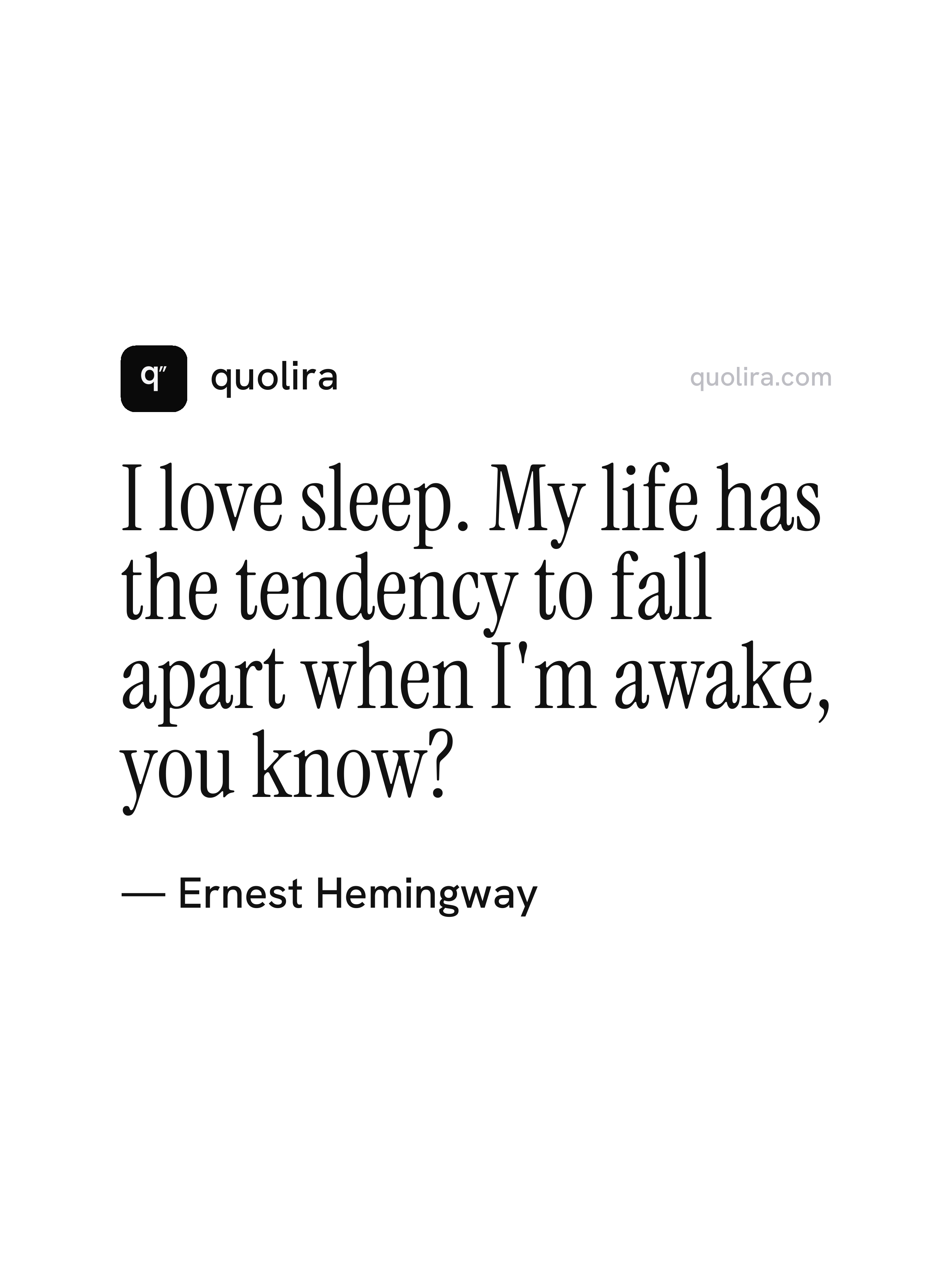
“I love sleep. My life has the tendency to fall apart when I'm awake, you know?”
Ernest Hemingway · widely attributed
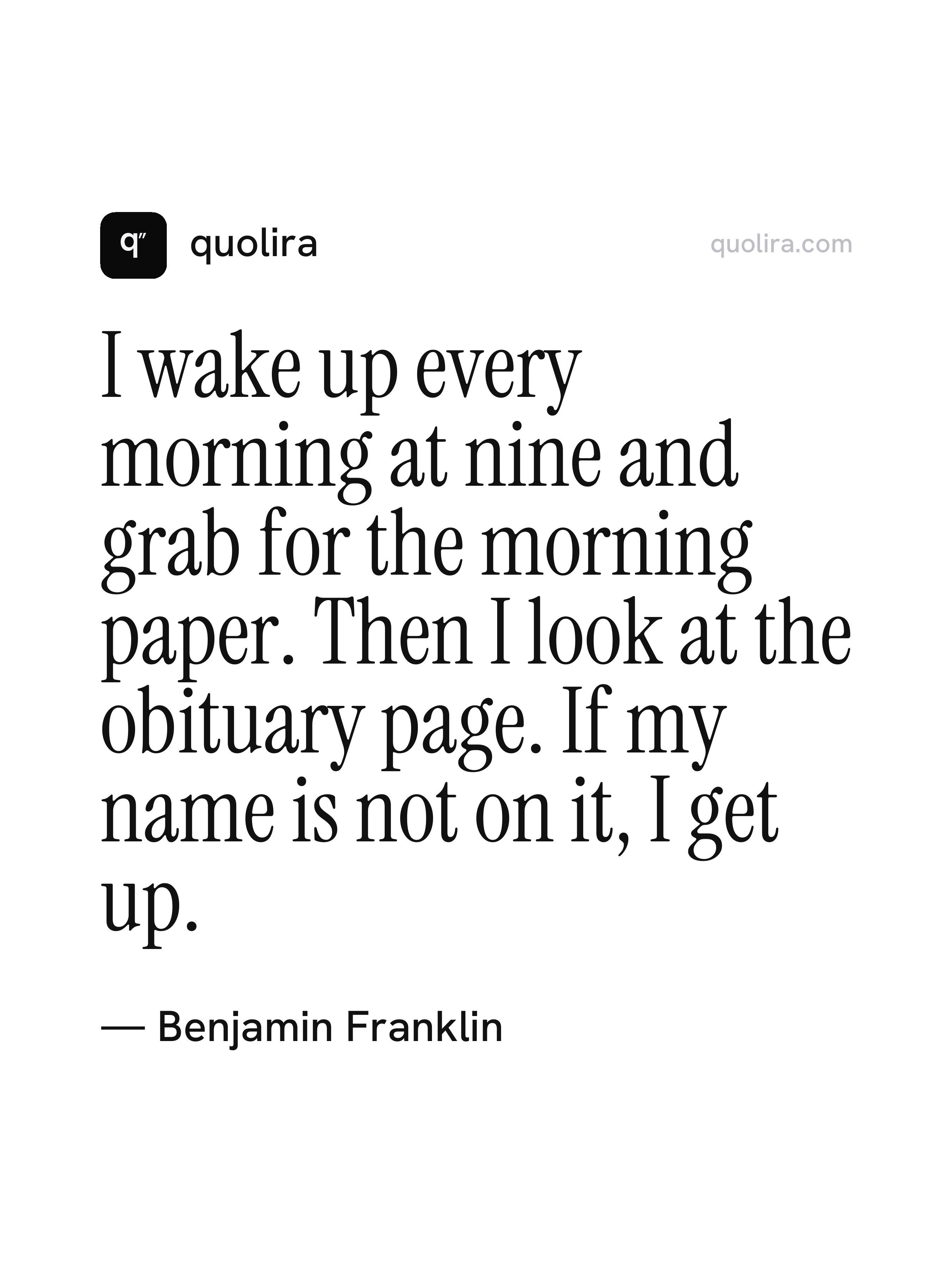
“I wake up every morning at nine and grab for the morning paper. Then I look at the obituary page. If my name is not on it, I get up.”
Benjamin Franklin · widely attributed
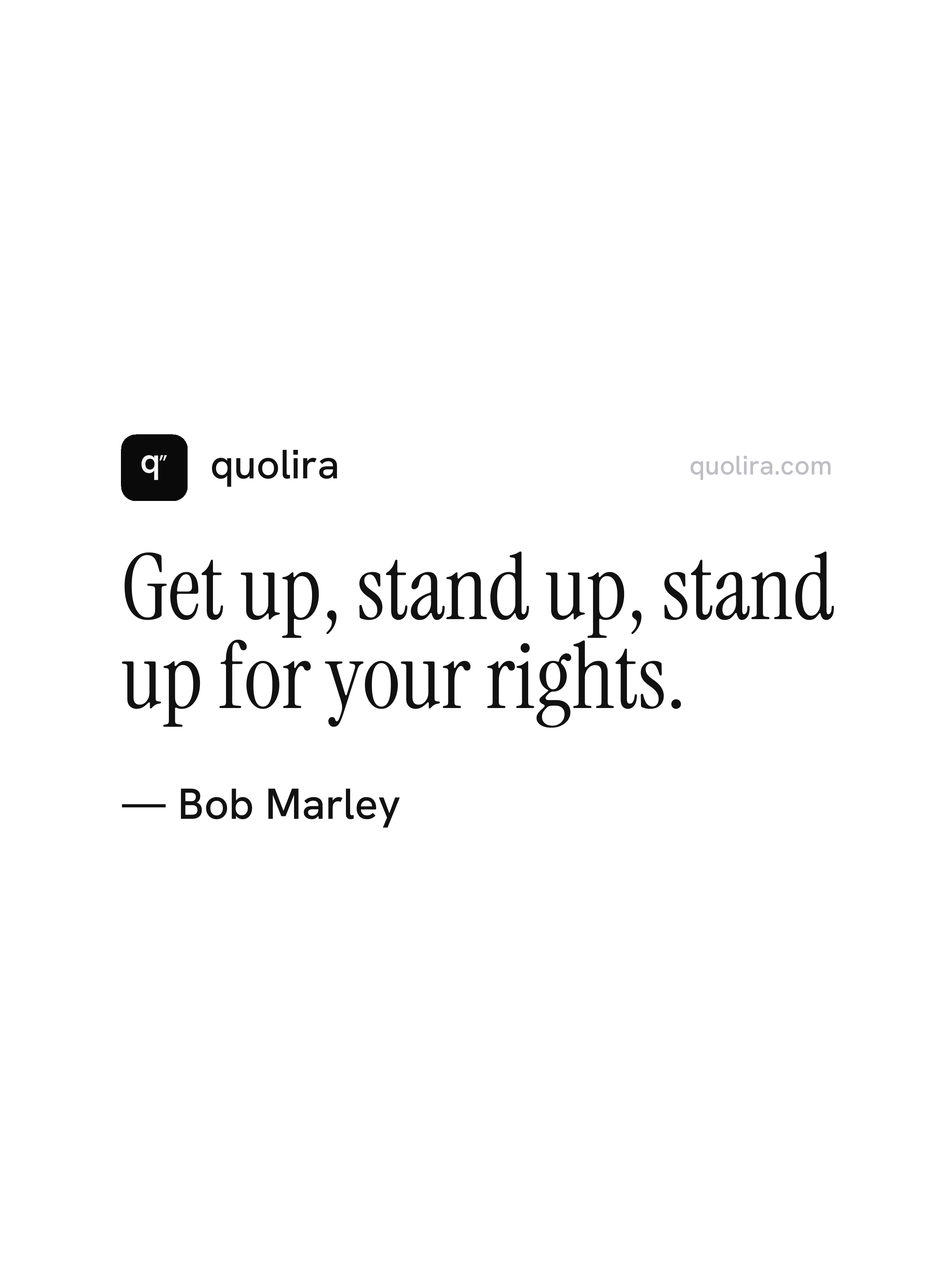
“Get up, stand up, stand up for your rights.”
Bob Marley · Get Up, Stand Up, 1973
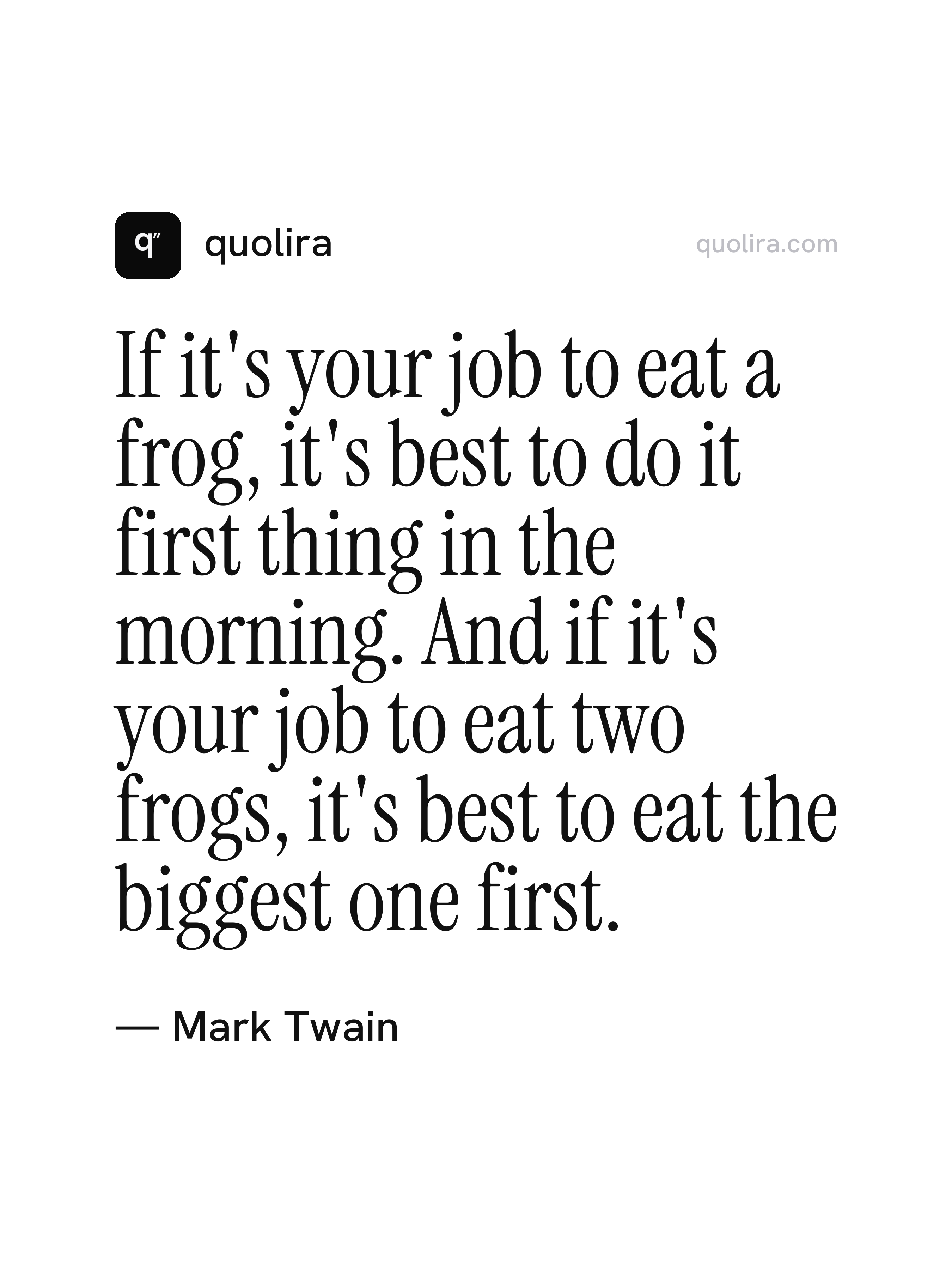
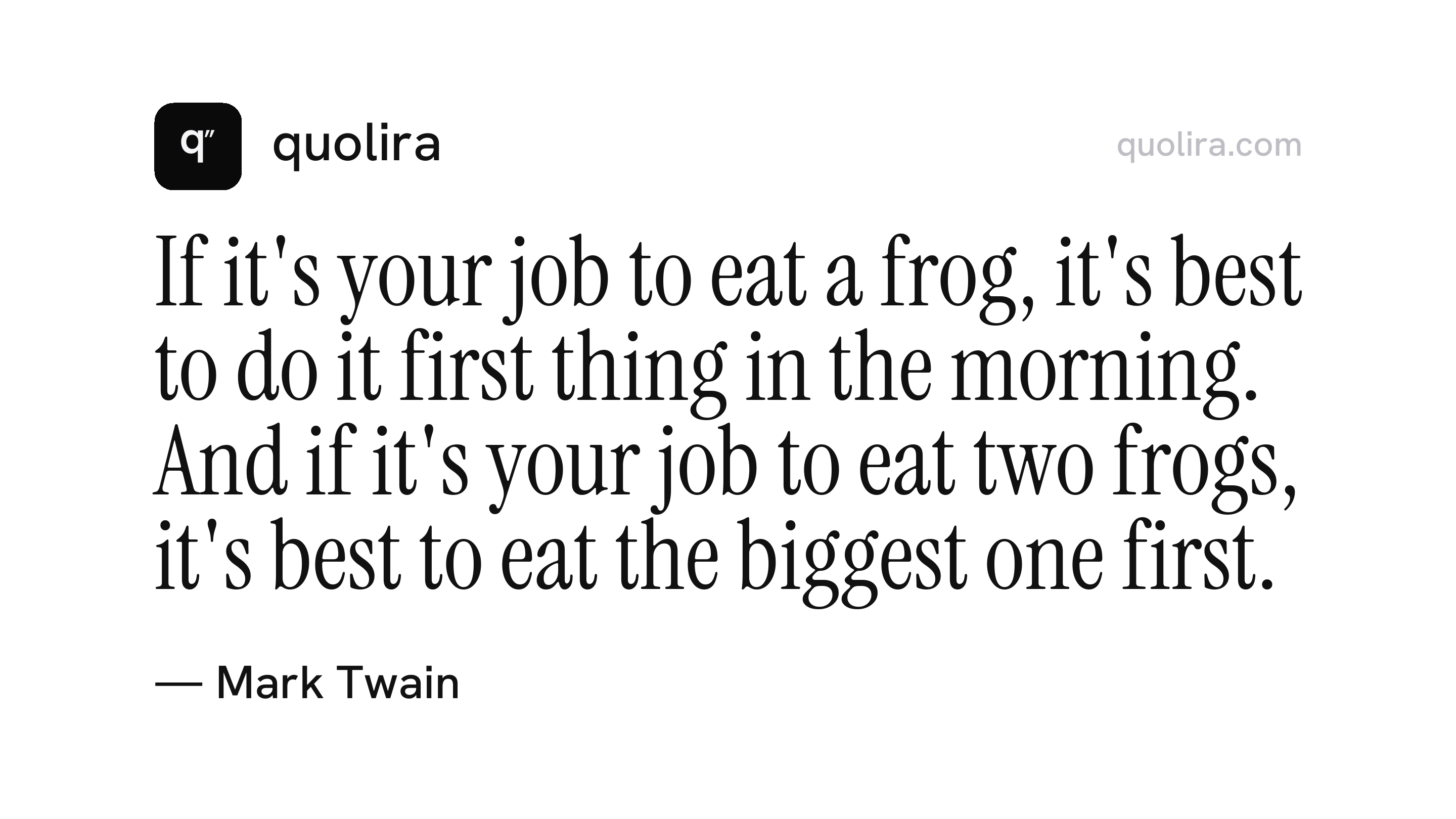
“If it's your job to eat a frog, it's best to do it first thing in the morning. And if it's your job to eat two frogs, it's best to eat the biggest one first.”
Mark Twain · widely attributed to Twain
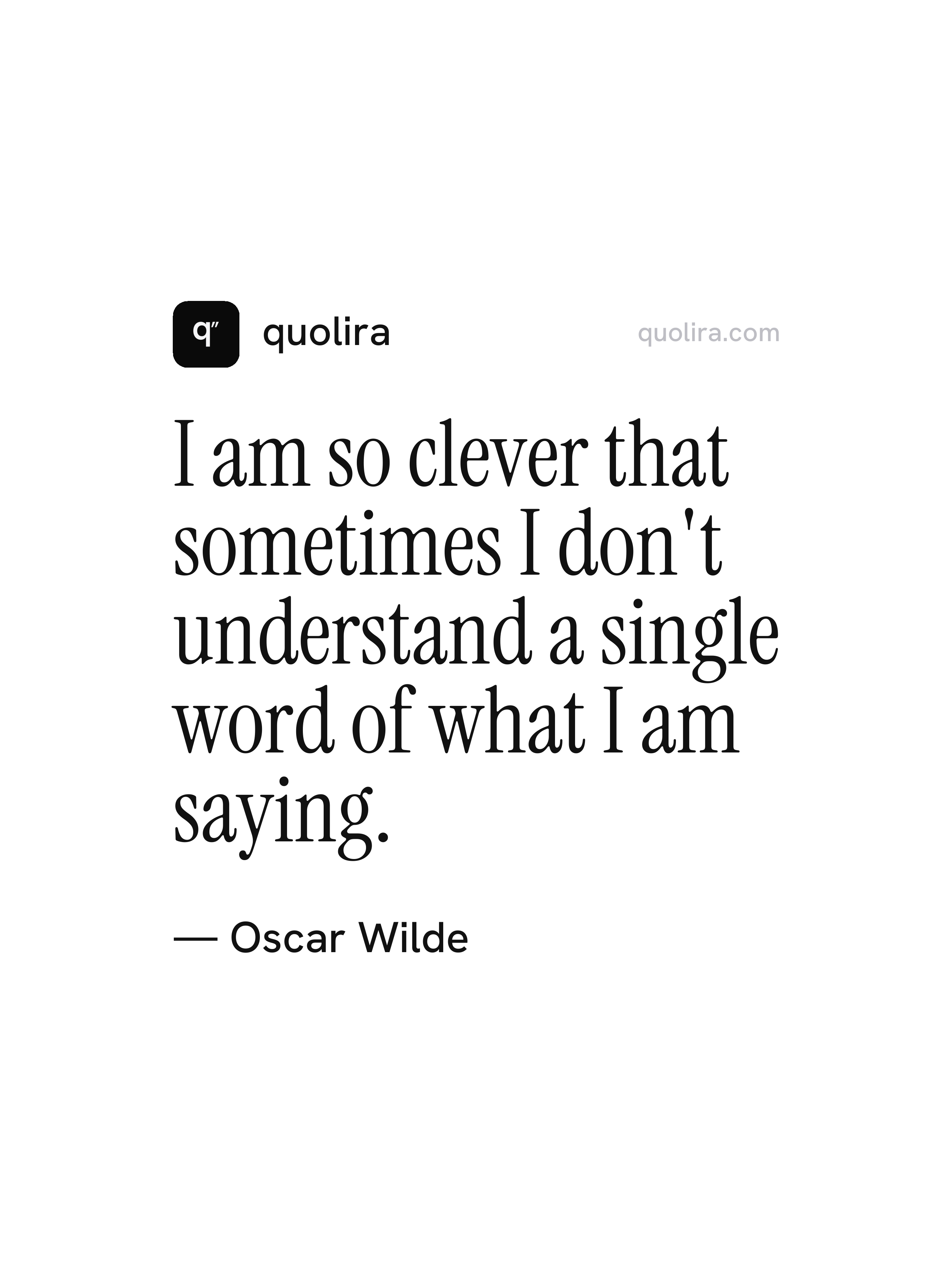
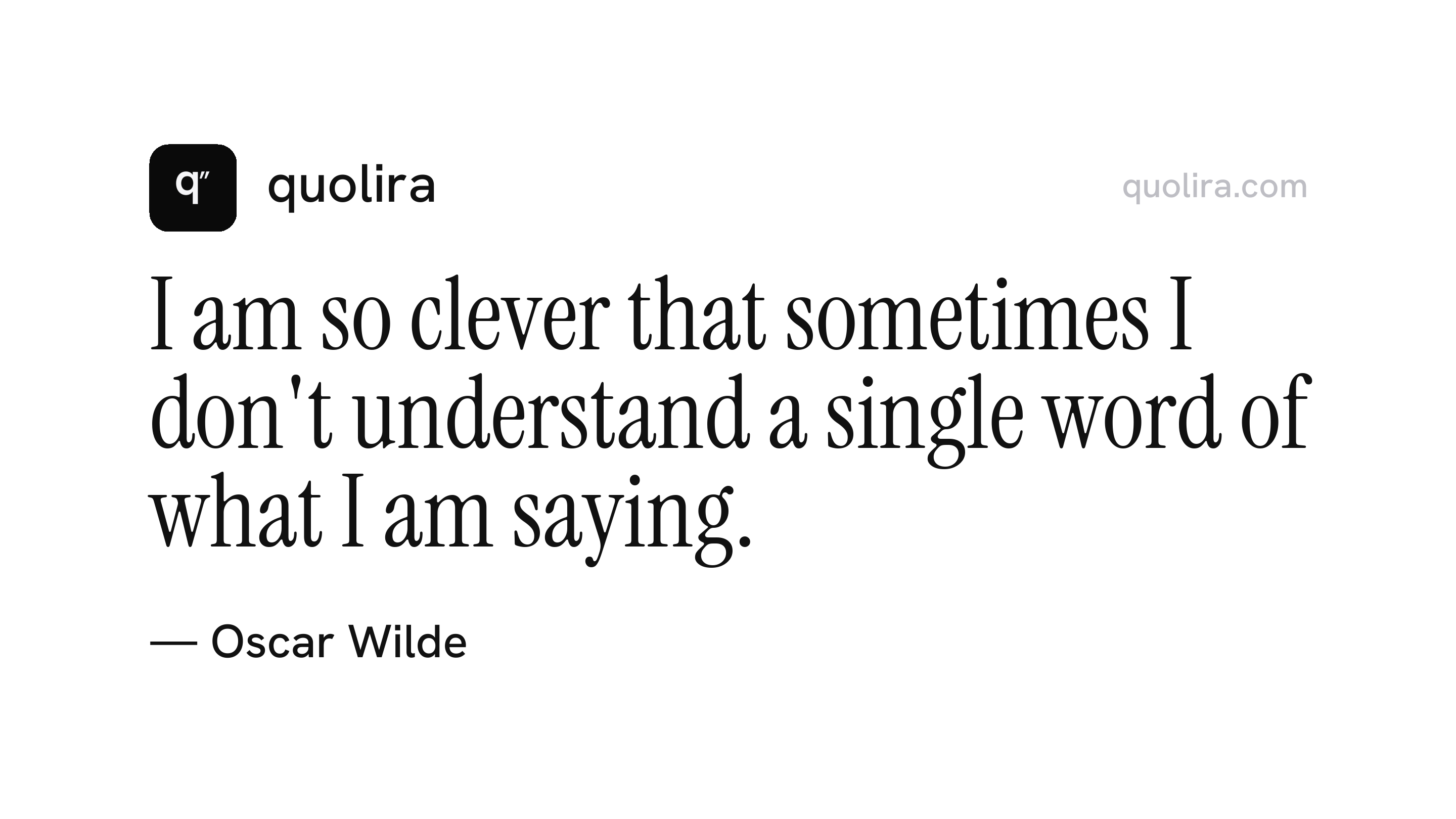
“I am so clever that sometimes I don't understand a single word of what I am saying.”
Oscar Wilde · The Happy Prince and Other Tales, 1888
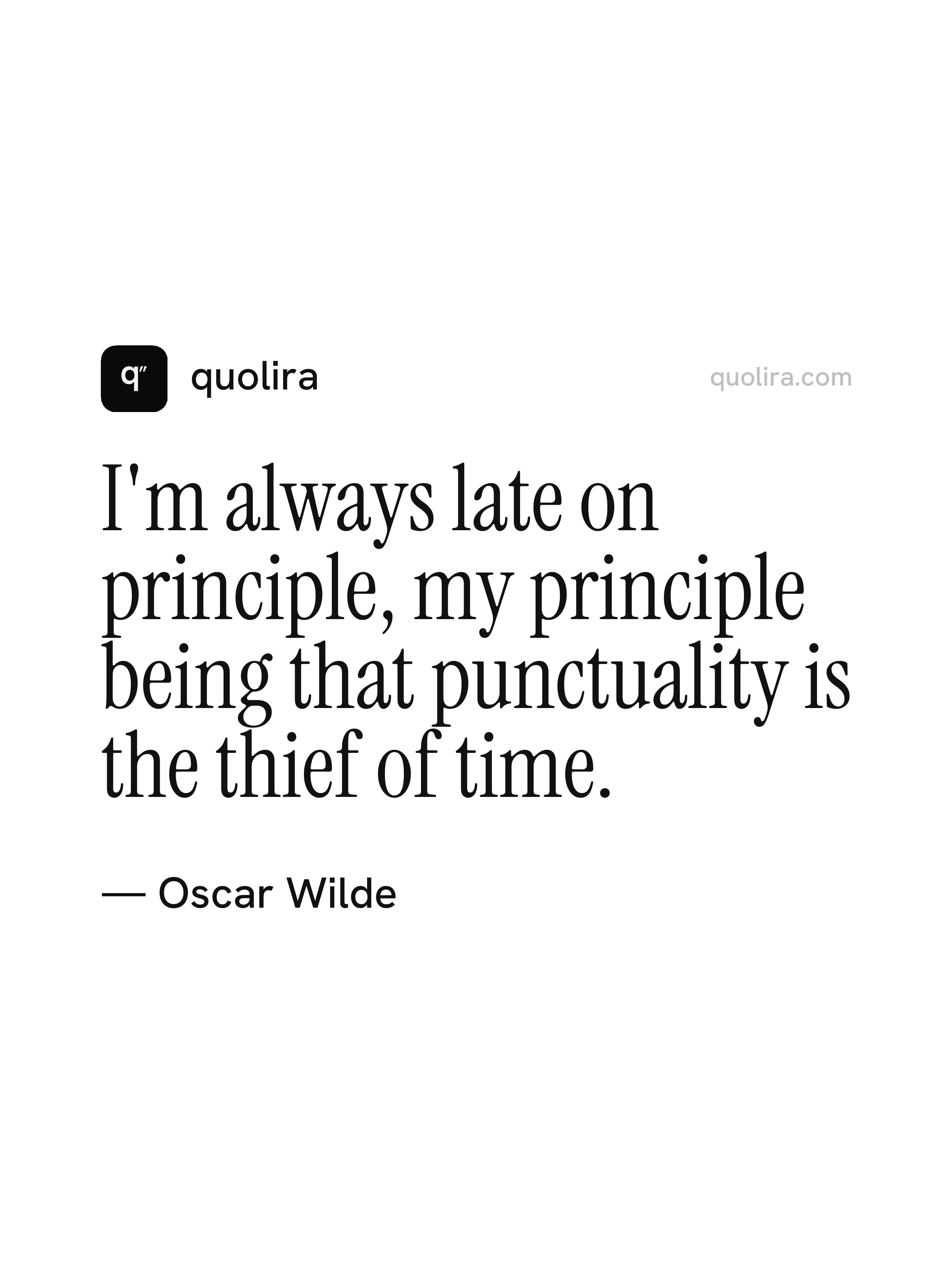
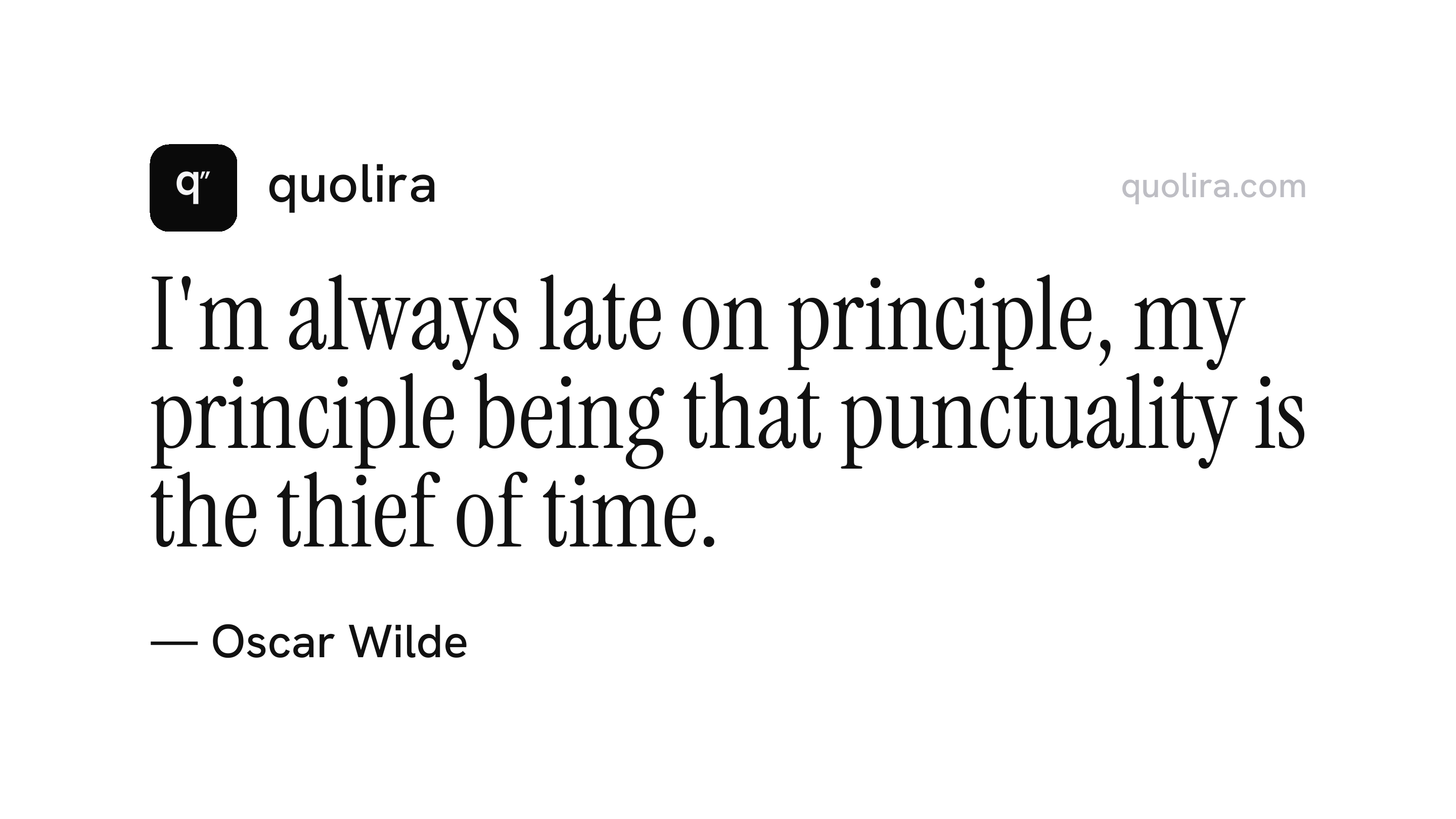
“I'm always late on principle, my principle being that punctuality is the thief of time.”
Oscar Wilde · The Picture of Dorian Gray, 1890
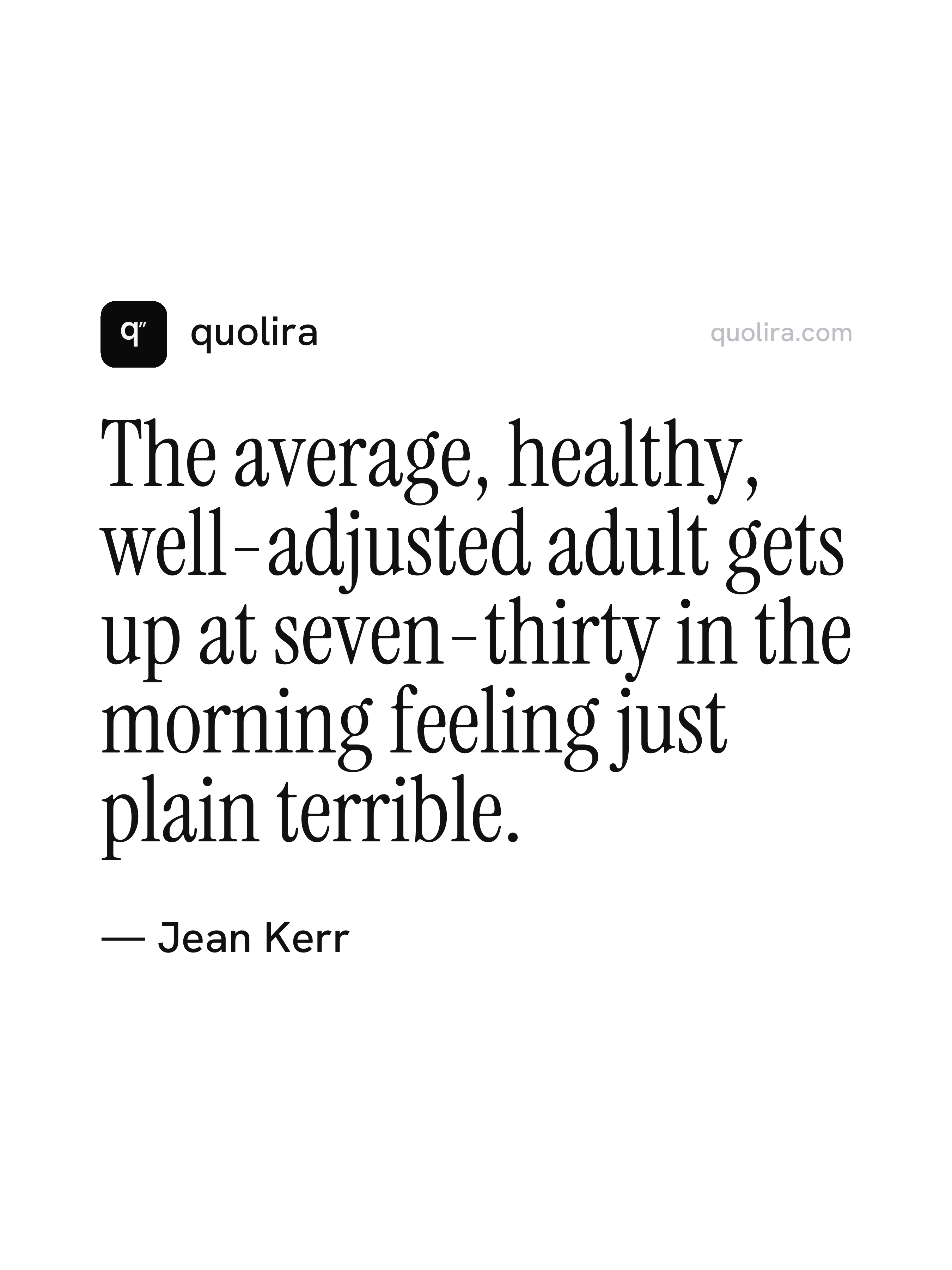
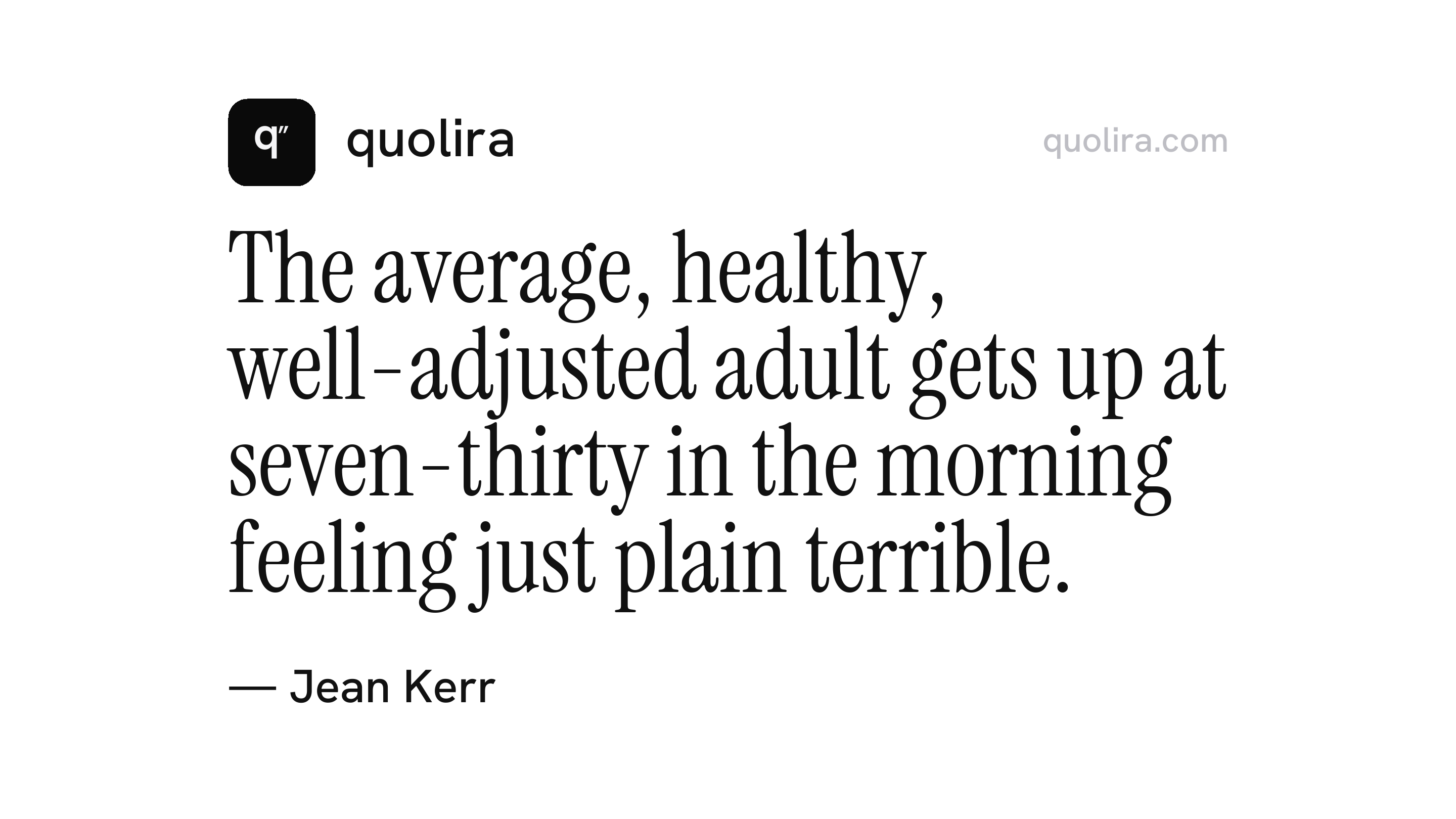
“The average, healthy, well-adjusted adult gets up at seven-thirty in the morning feeling just plain terrible.”
Jean Kerr · Please Don't Eat the Daisies, 1957