“If it's your job to eat a frog, it's best to do it first thing in the morning. And if it's your job to eat two frogs, it's best to eat the biggest one first.”
Mark Twain · widely attributed to Twain
 quolira
.com
quolira
quolira.com
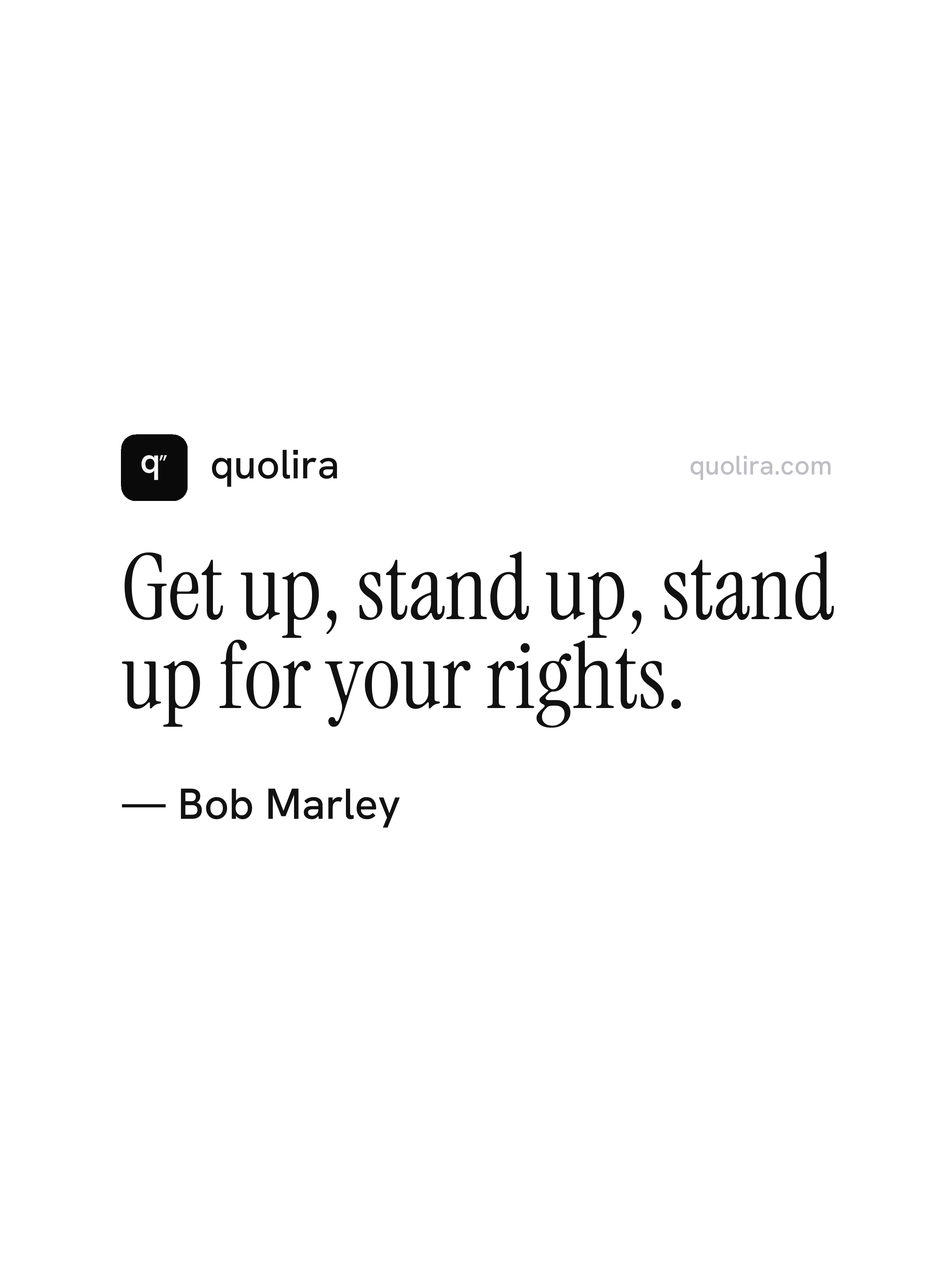
These words are a direct, energetic call to action. They tell the listener not just to be aware of injustice but to actively resist it. The repetition of "stand up" gives the line an insistent, almost physical quality, as if rising to one's feet is itself the first act of resistance. The phrase connects the simple physical act of getting up with the broader idea of claiming dignity and demanding fair treatment. It is an anthem line in the truest sense: short, memorable, and built for voices to carry together.
Bob Marley co-wrote and recorded this song in 1973 with Peter Tosh, releasing it as part of the Wailers' work during a period when reggae was becoming a global vehicle for messages about inequality and liberation. The song drew on the real experiences of people facing systemic oppression and spoke directly to movements for civil and human rights. Its directness set it apart from more metaphorical protest songs, and it became one of the most recognized expressions of resistance in popular music.
Bob Marley was a Jamaican singer, songwriter, and musician who became one of the most influential artists of the twentieth century. His work brought reggae and Rastafarian philosophy to a worldwide audience, and his songs consistently engaged with themes of freedom, justice, love, and spiritual belief. He recorded prolifically throughout the 1970s and built a legacy that has only grown since his death in 1981. He remains a global symbol of both musical creativity and the power of art to carry political meaning.
“If it's your job to eat a frog, it's best to do it first thing in the morning. And if it's your job to eat two frogs, it's best to eat the biggest one first.”
Mark Twain · widely attributed to Twain
“I am so clever that sometimes I don't understand a single word of what I am saying.”
Oscar Wilde · The Happy Prince and Other Tales, 1888
“I'm always late on principle, my principle being that punctuality is the thief of time.”
Oscar Wilde · The Picture of Dorian Gray, 1890
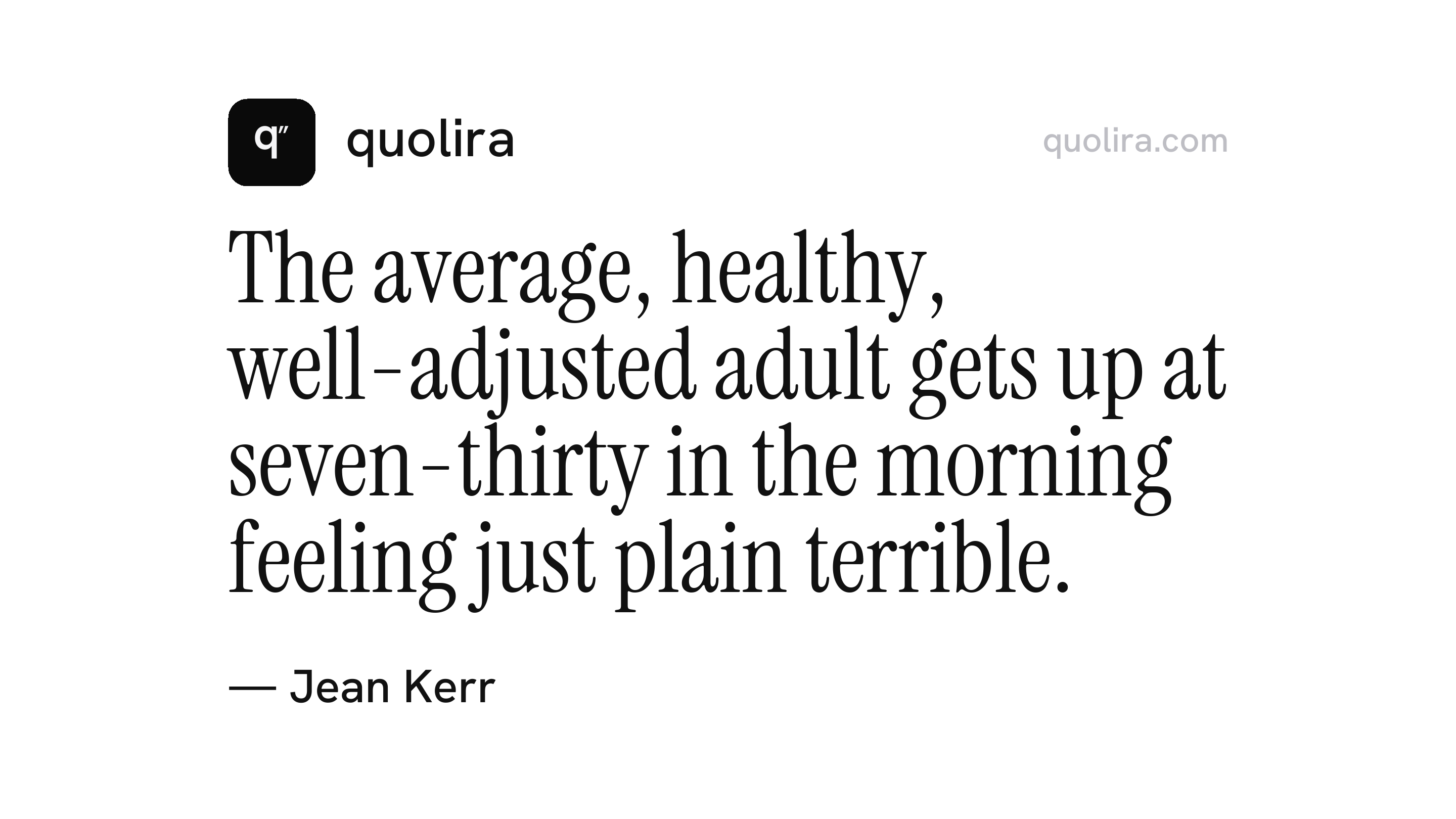
“The average, healthy, well-adjusted adult gets up at seven-thirty in the morning feeling just plain terrible.”
Jean Kerr · Please Don't Eat the Daisies, 1957
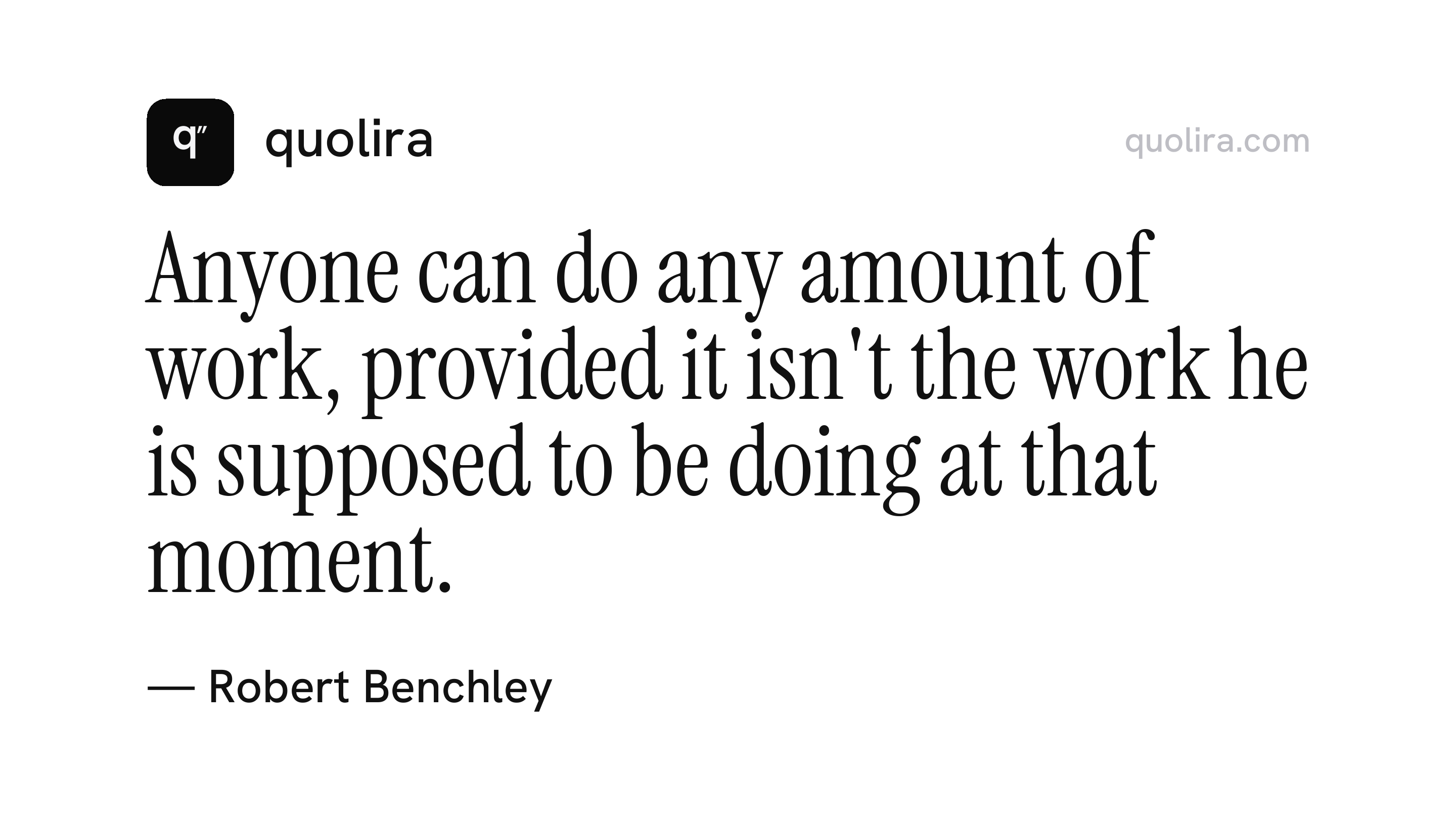
“Anyone can do any amount of work, provided it isn't the work he is supposed to be doing at that moment.”
Robert Benchley · Chips off the Old Benchley, 1949
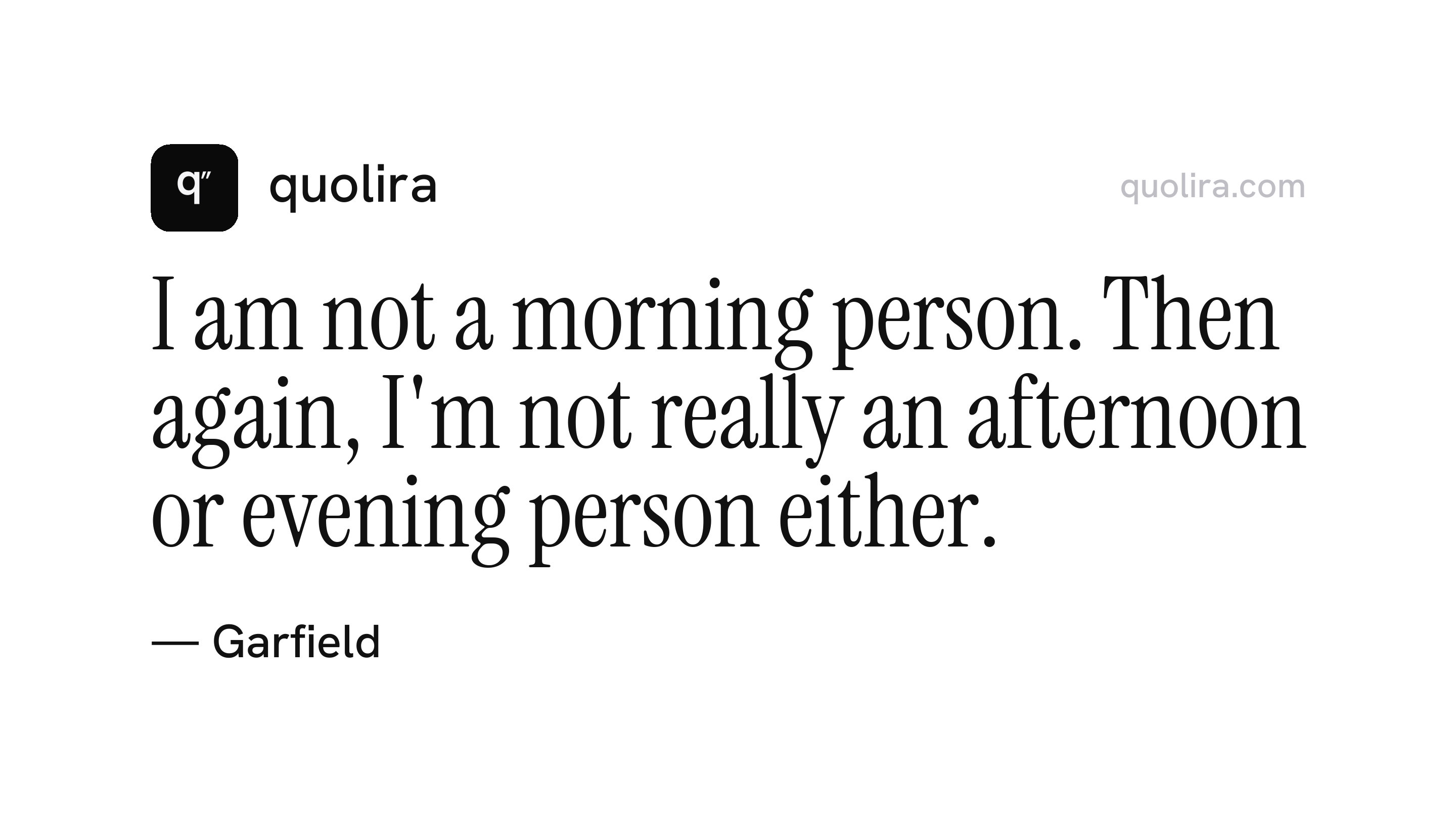
“I am not a morning person. Then again, I'm not really an afternoon or evening person either.”
Garfield · Jim Davis, Garfield comic strip
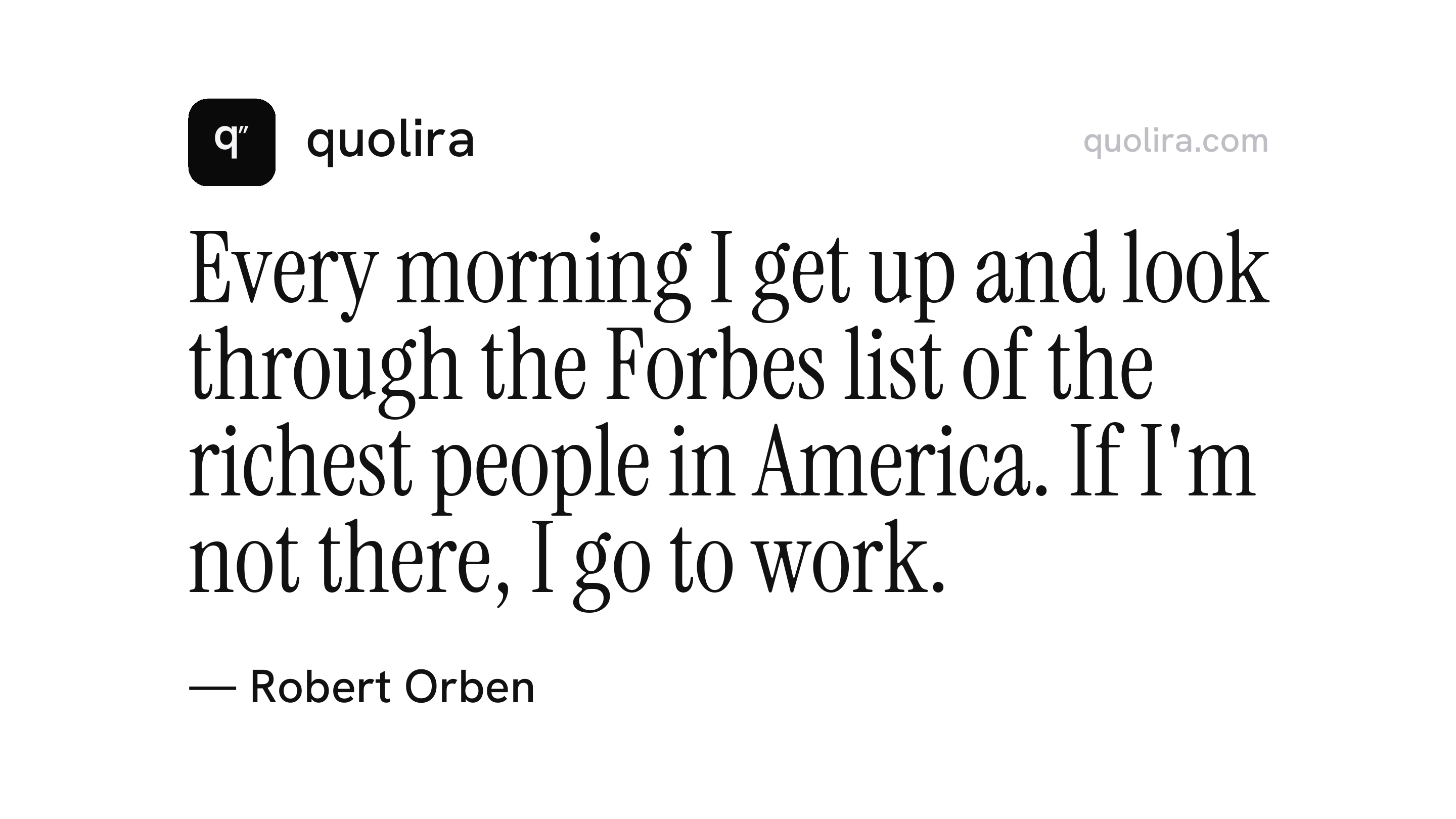
“Every morning I get up and look through the Forbes list of the richest people in America. If I'm not there, I go to work.”
Robert Orben · widely attributed
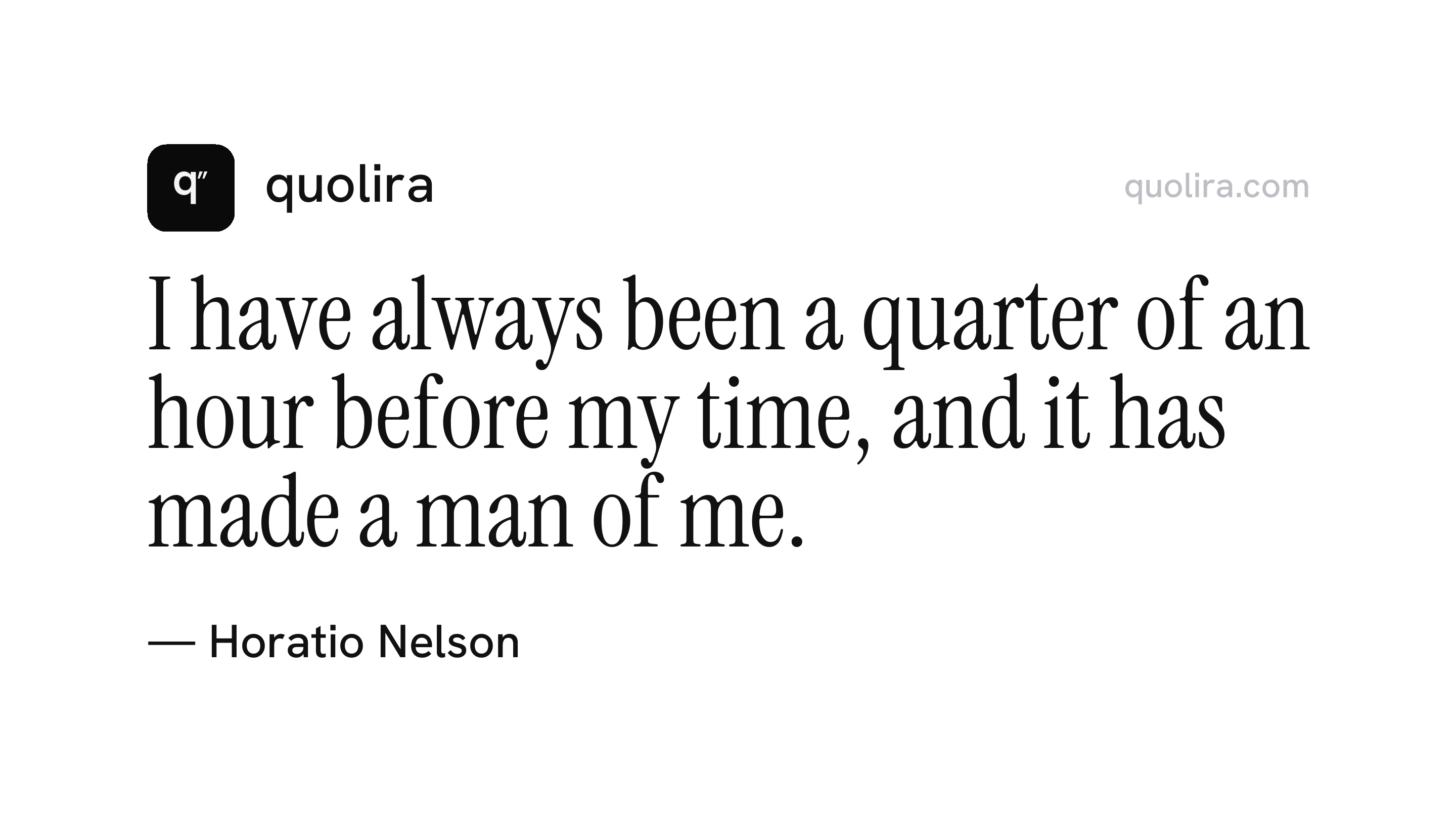
“I have always been a quarter of an hour before my time, and it has made a man of me.”
Horatio Nelson · attributed
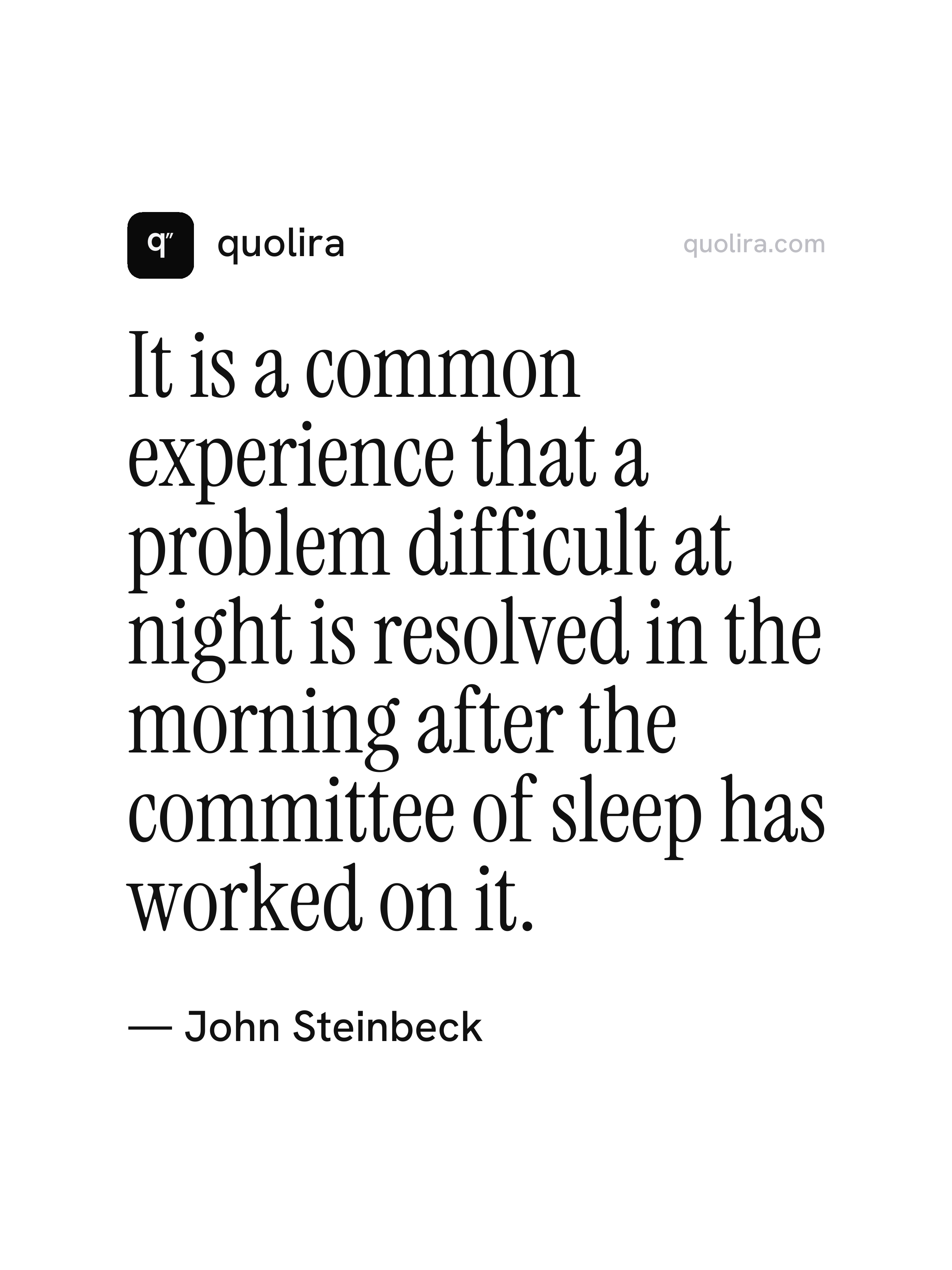
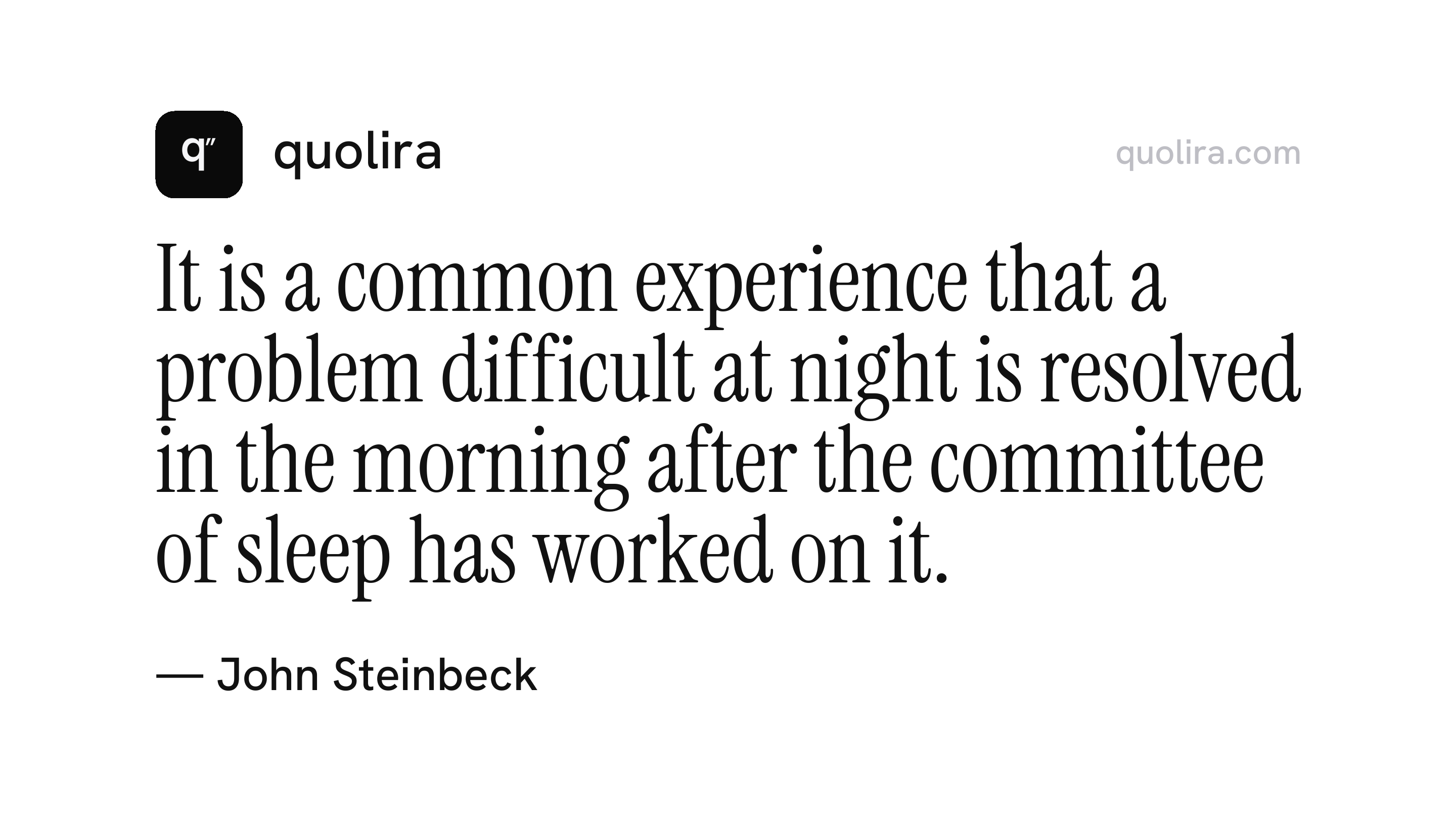
“It is a common experience that a problem difficult at night is resolved in the morning after the committee of sleep has worked on it.”
John Steinbeck · On Writing, attributed
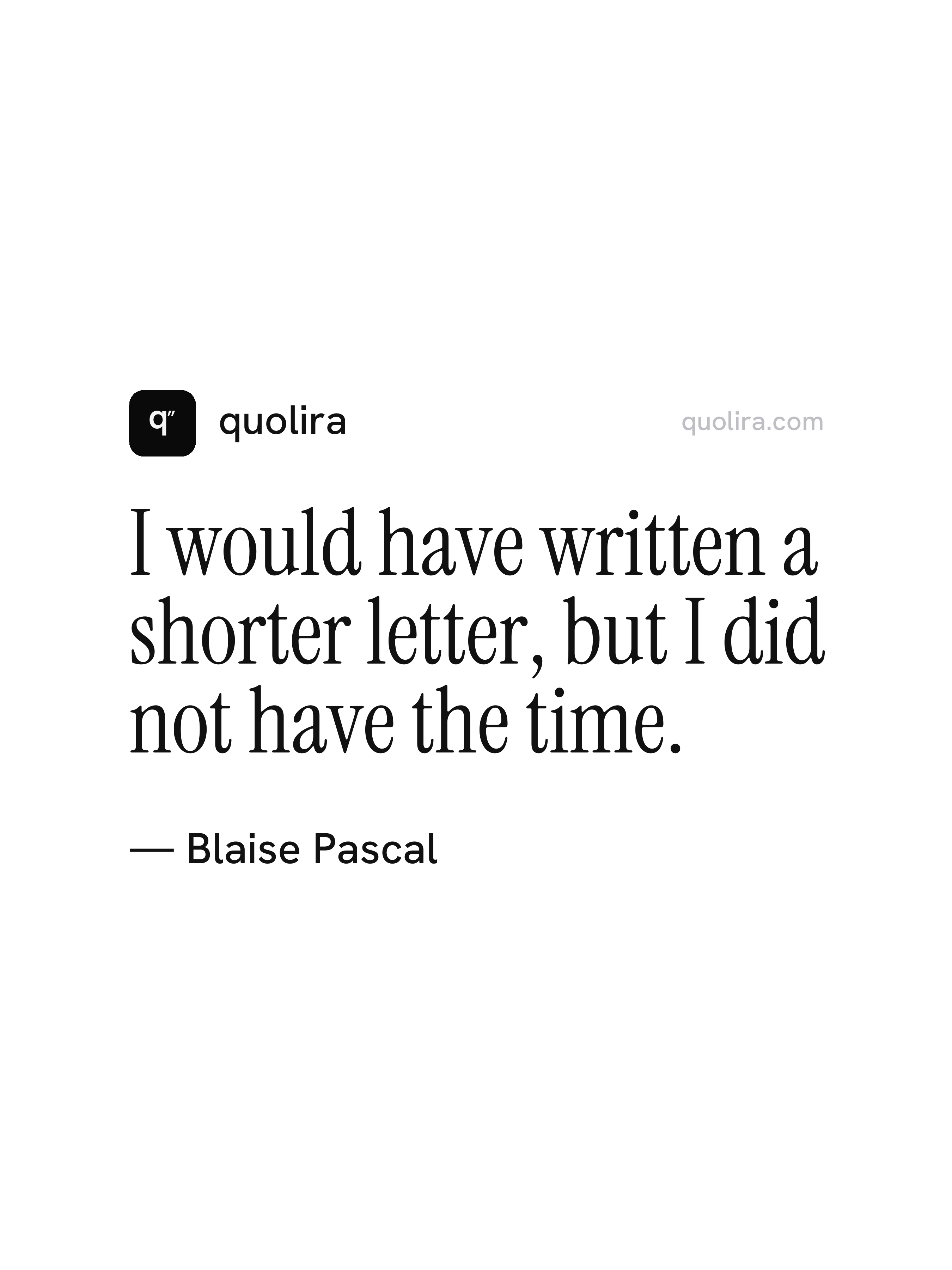
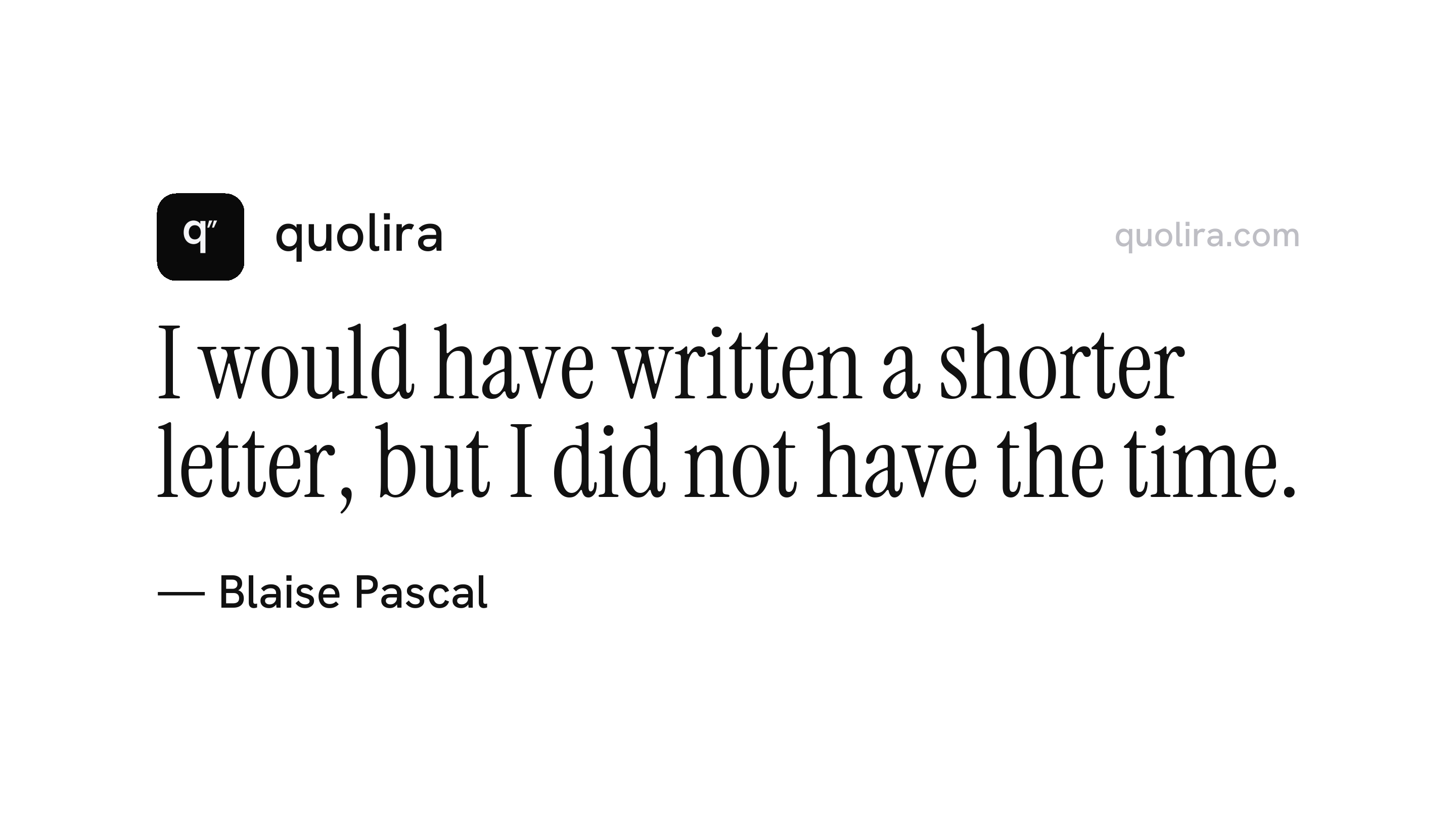
“I would have written a shorter letter, but I did not have the time.”
Blaise Pascal · Lettres provinciales, 1657
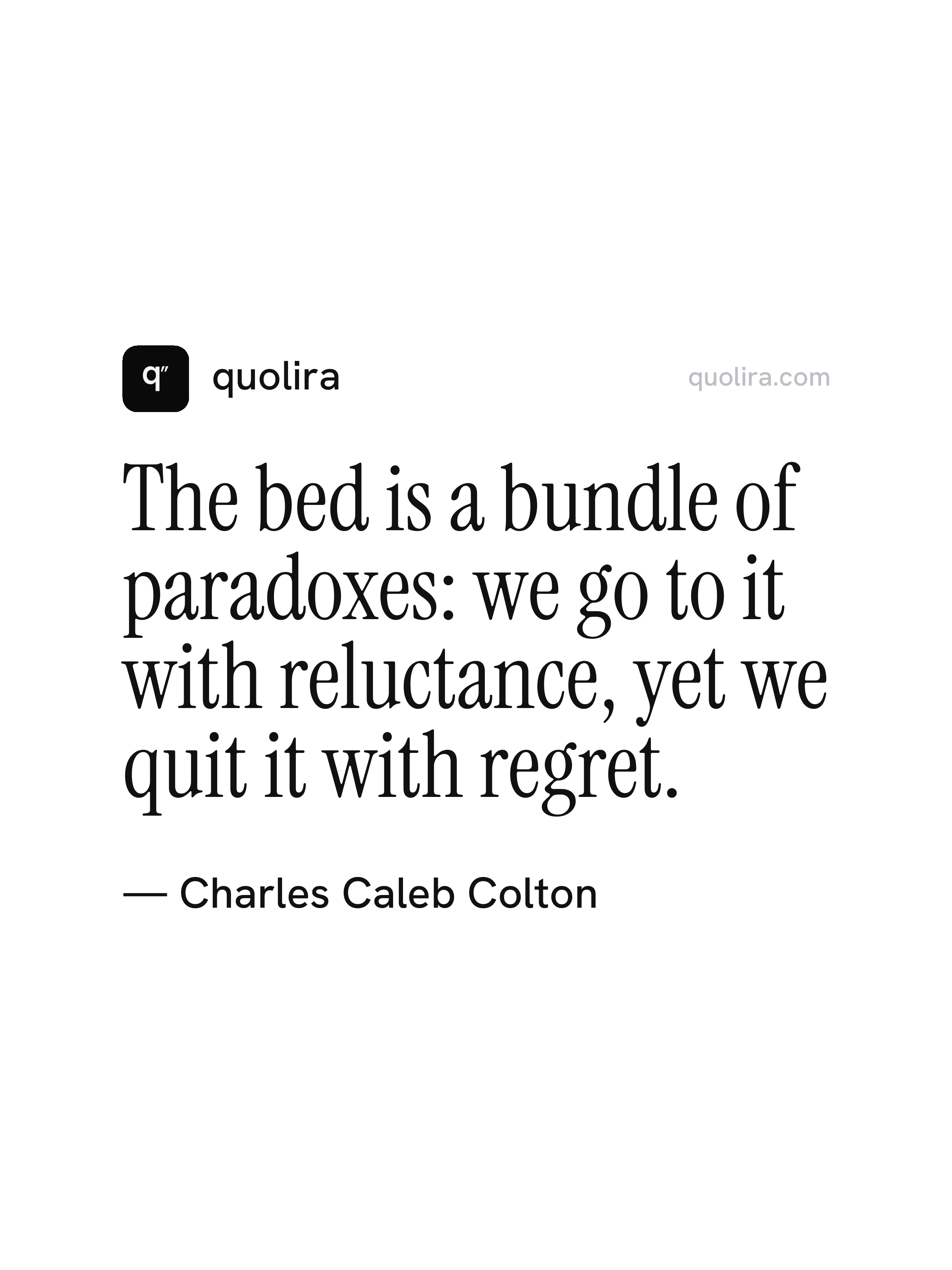
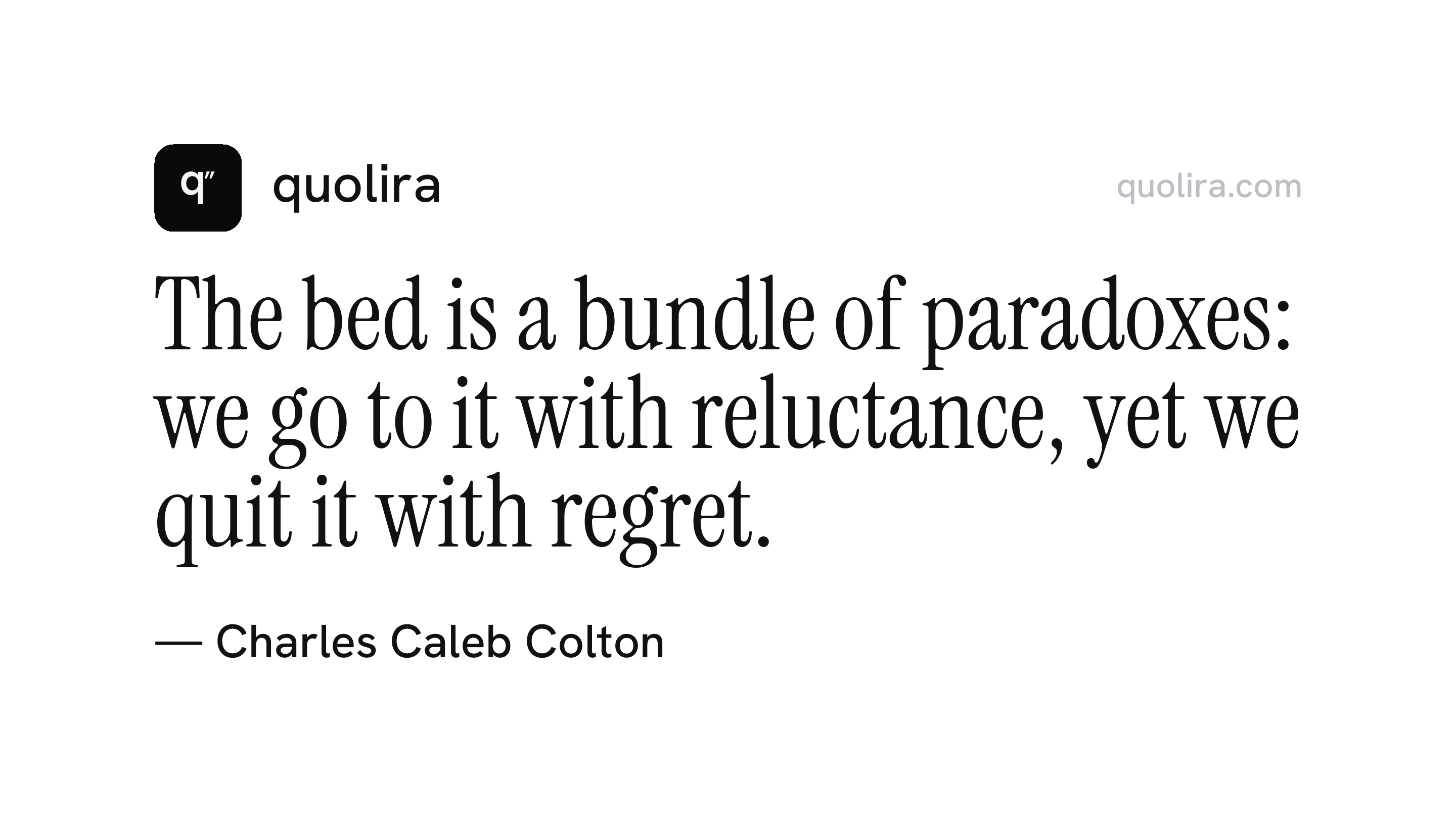
“The bed is a bundle of paradoxes: we go to it with reluctance, yet we quit it with regret.”
Charles Caleb Colton · Lacon, 1820
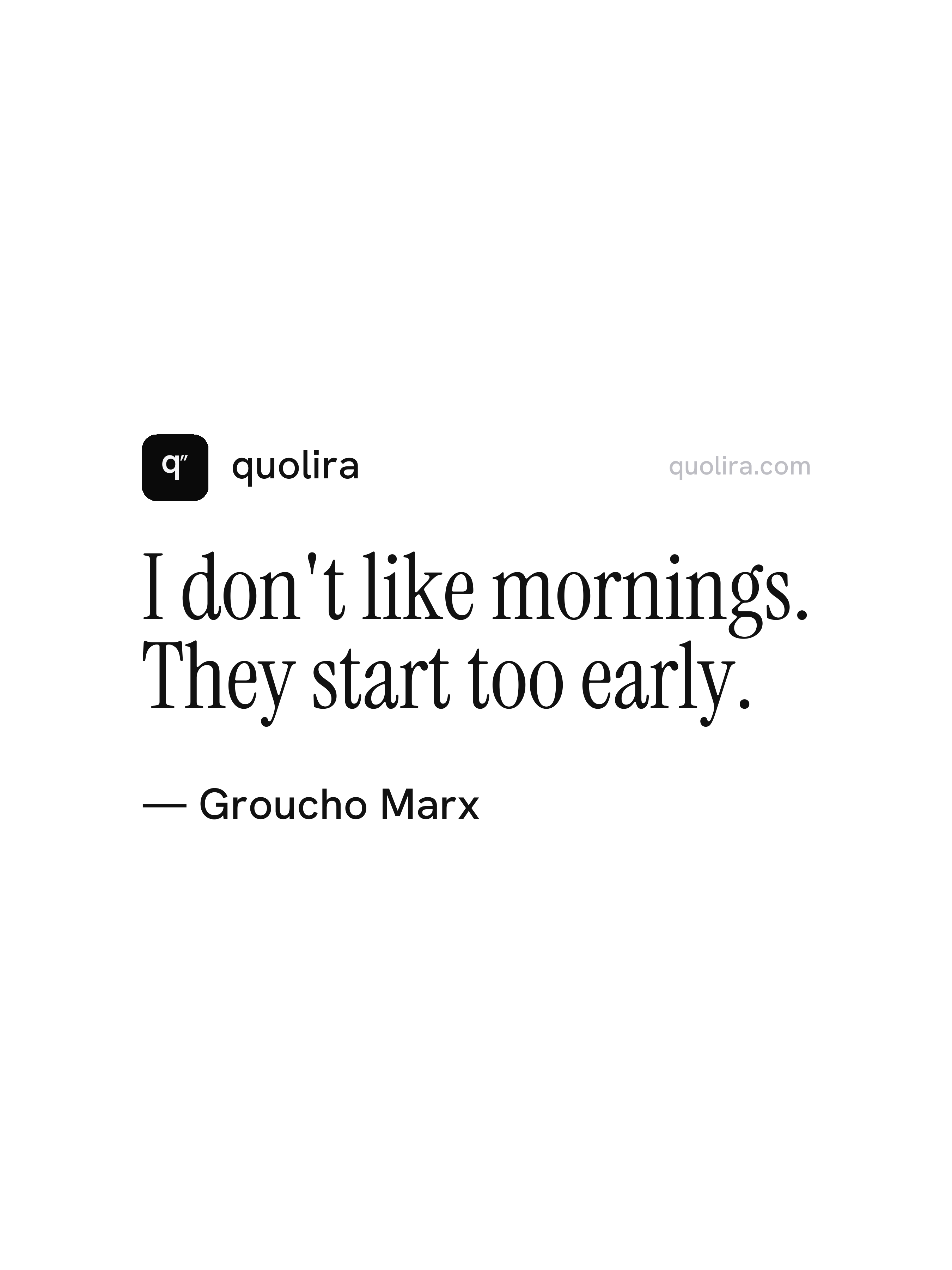
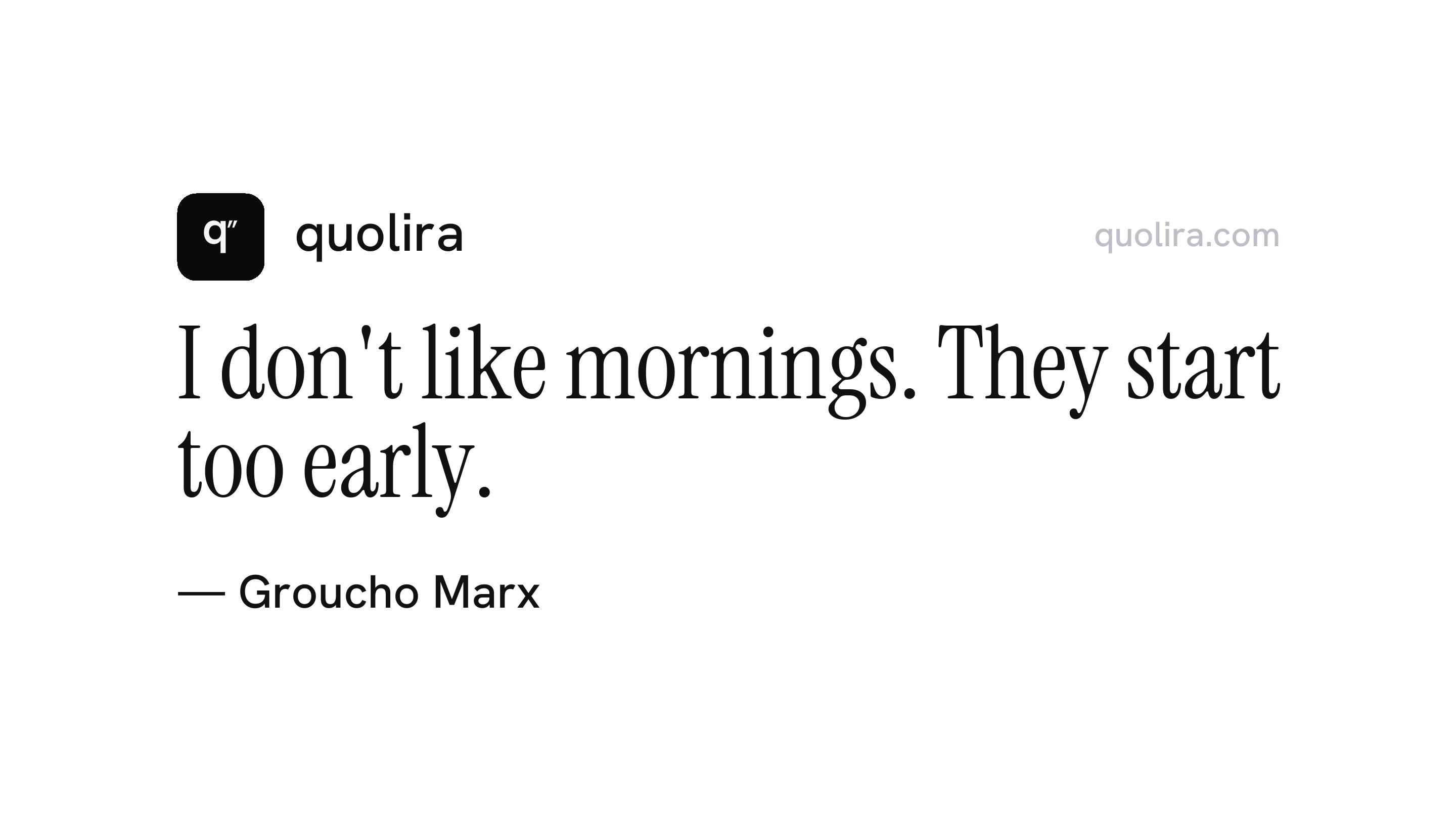
“I don't like mornings. They start too early.”
Groucho Marx · widely attributed