“The bed is a bundle of paradoxes: we go to it with reluctance, yet we quit it with regret.”
Charles Caleb Colton · Lacon, 1820
 quolira
.com
quolira
quolira.com
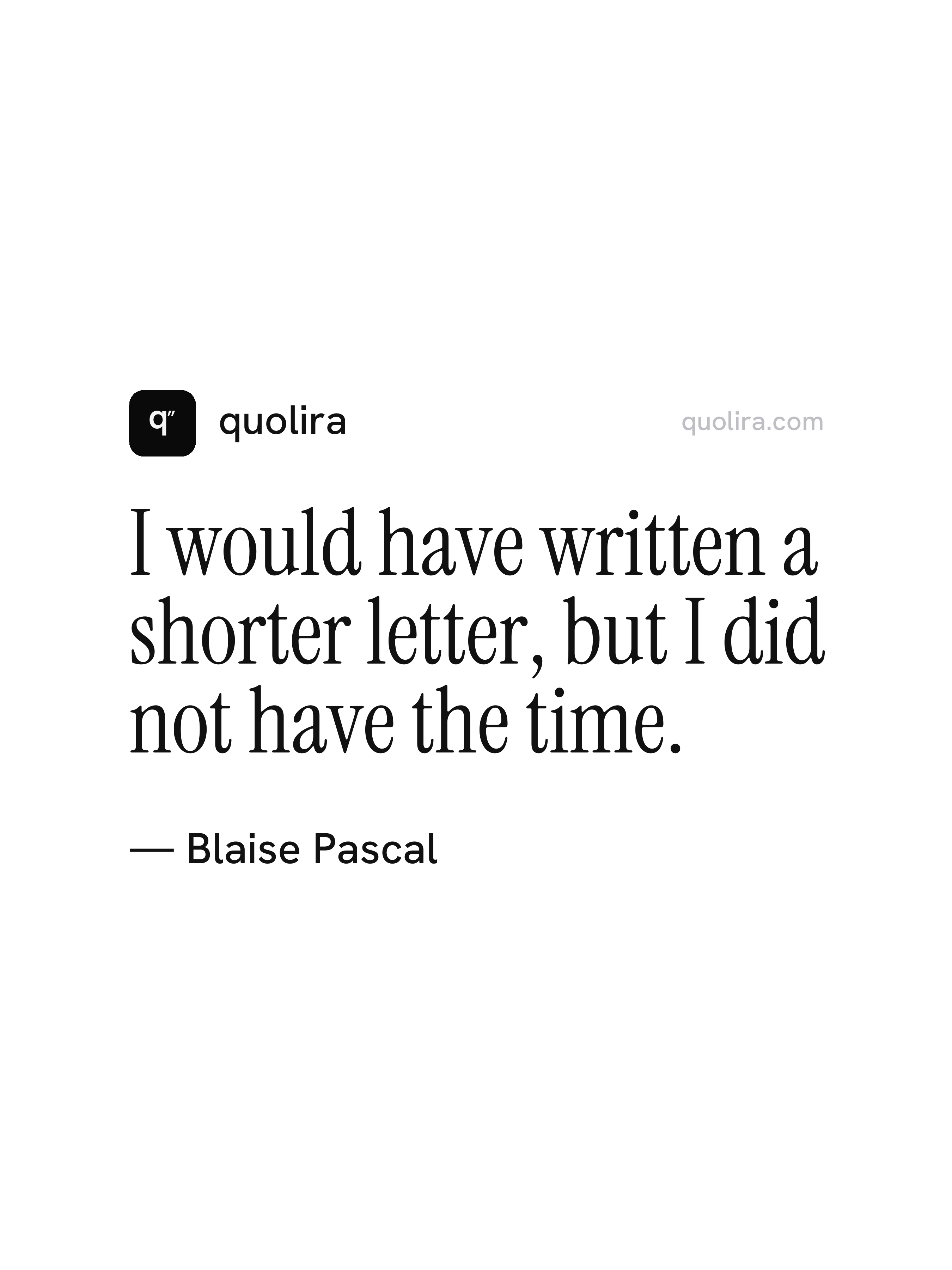
Pascal is pointing out a paradox that anyone who writes knows well: producing something brief and clear actually demands more effort than producing something long and rambling. Cutting an argument down to its essentials requires you to understand it deeply, discard what is secondary, and arrange what remains with precision. Length, in other words, is often a symptom of unfinished thinking rather than a sign of thoroughness.
The line comes from Pascal's "Lettres provinciales," a series of letters published in the 1650s in which he argued against the Jesuit moral theology of his day. The letters were admired not just for their reasoning but for their style, which was sharp and economical. The remark appears as a kind of apology for length, but it doubles as a confession about the craft of writing itself. The observation has since been adopted far beyond its original religious controversy and is now quoted in almost every discussion of clear communication.
Blaise Pascal was a seventeenth-century French mathematician, physicist, and philosopher. He made significant contributions to probability theory and the study of pressure and vacuums, and he invented an early mechanical calculator. In later life he turned his attention to theology and moral philosophy. He is remembered both for the precision of his scientific mind and for the elegance of his prose, a combination that makes his writing on communication unusually authoritative.
“The bed is a bundle of paradoxes: we go to it with reluctance, yet we quit it with regret.”
Charles Caleb Colton · Lacon, 1820
“I don't like mornings. They start too early.”
Groucho Marx · widely attributed
“I have a dream that one day I will wake up and feel rested.”
Groucho Marx · widely attributed
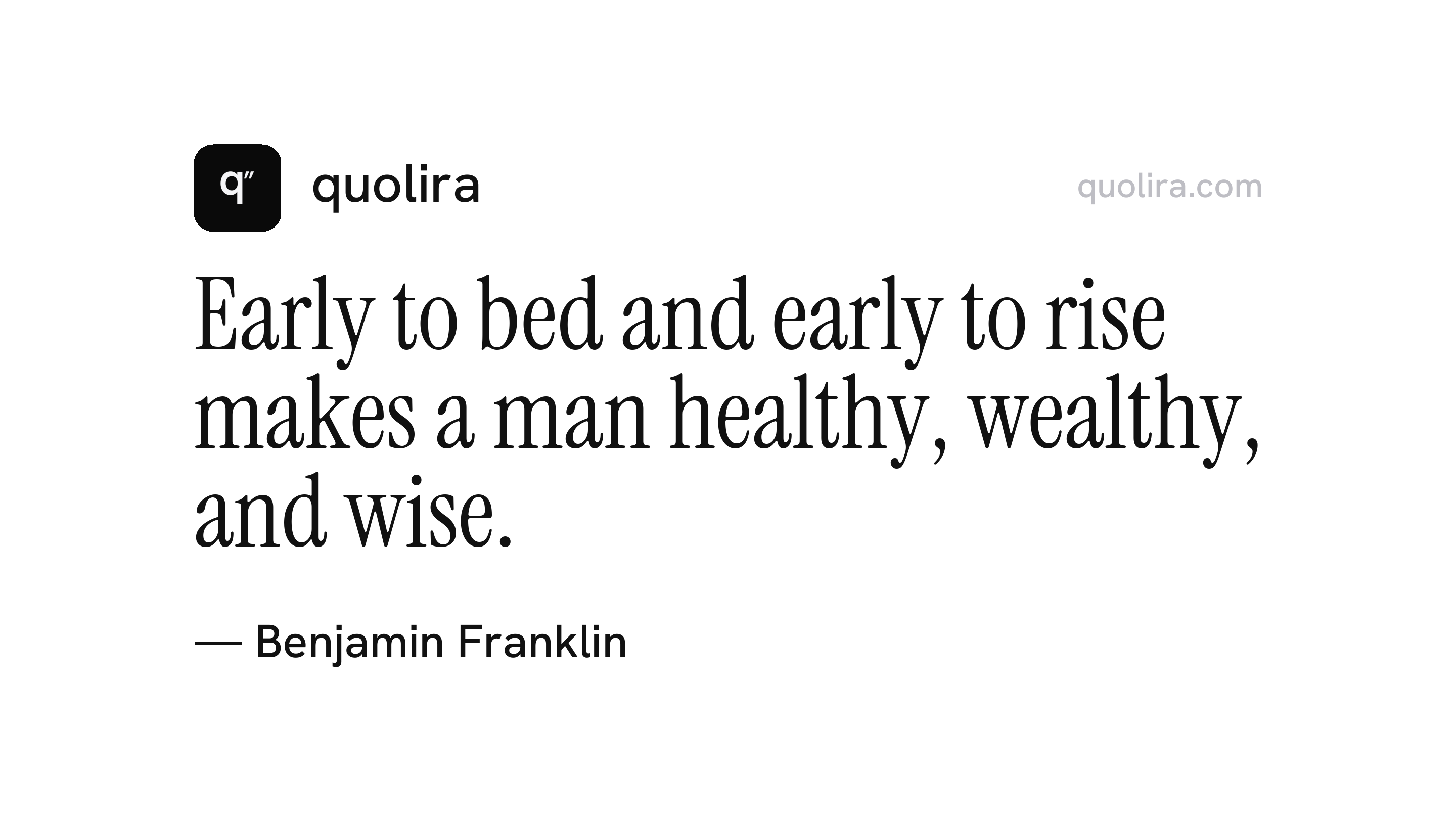
“Early to bed and early to rise makes a man healthy, wealthy, and wise.”
Benjamin Franklin · Poor Richard's Almanack, 1735
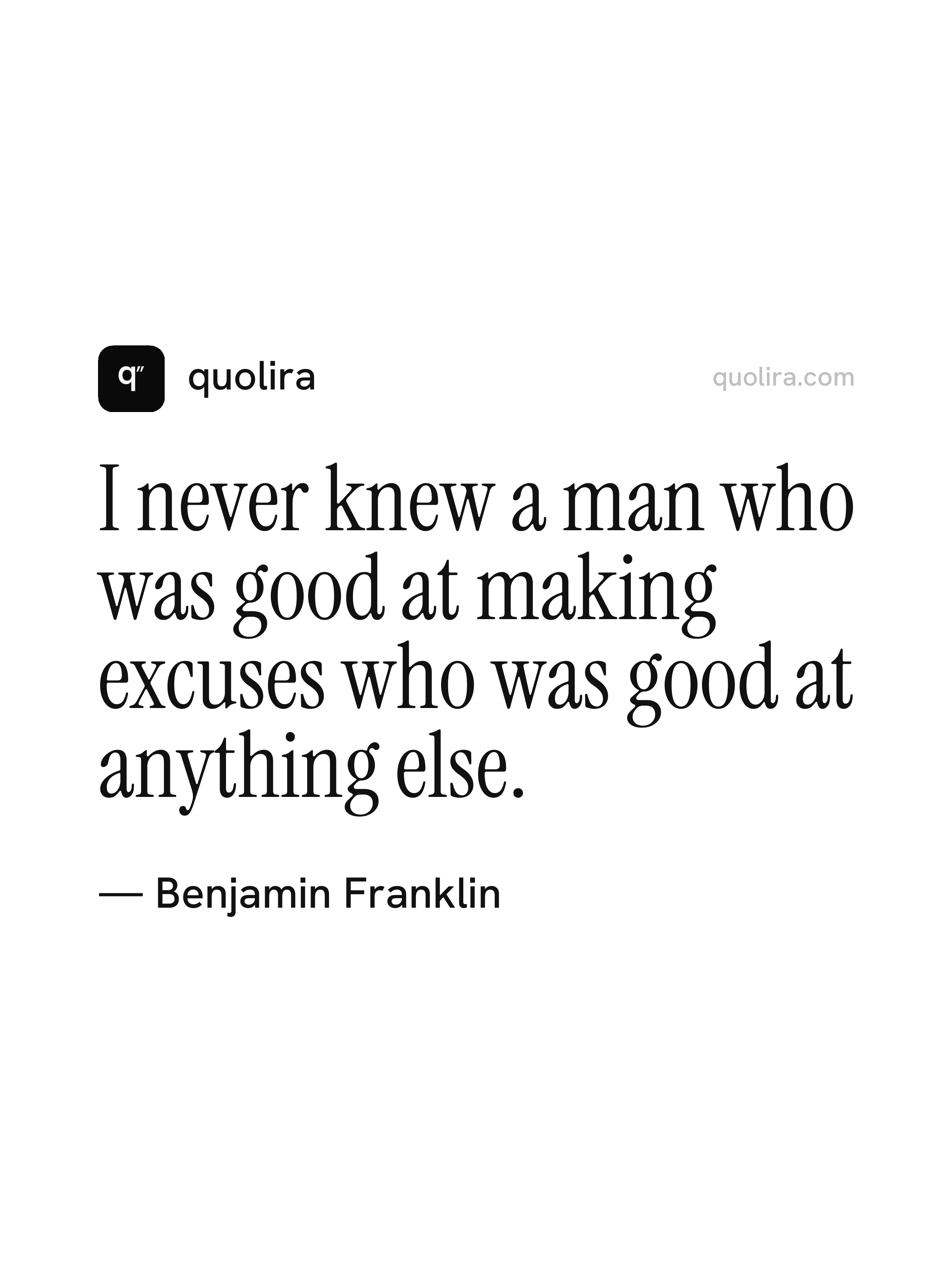
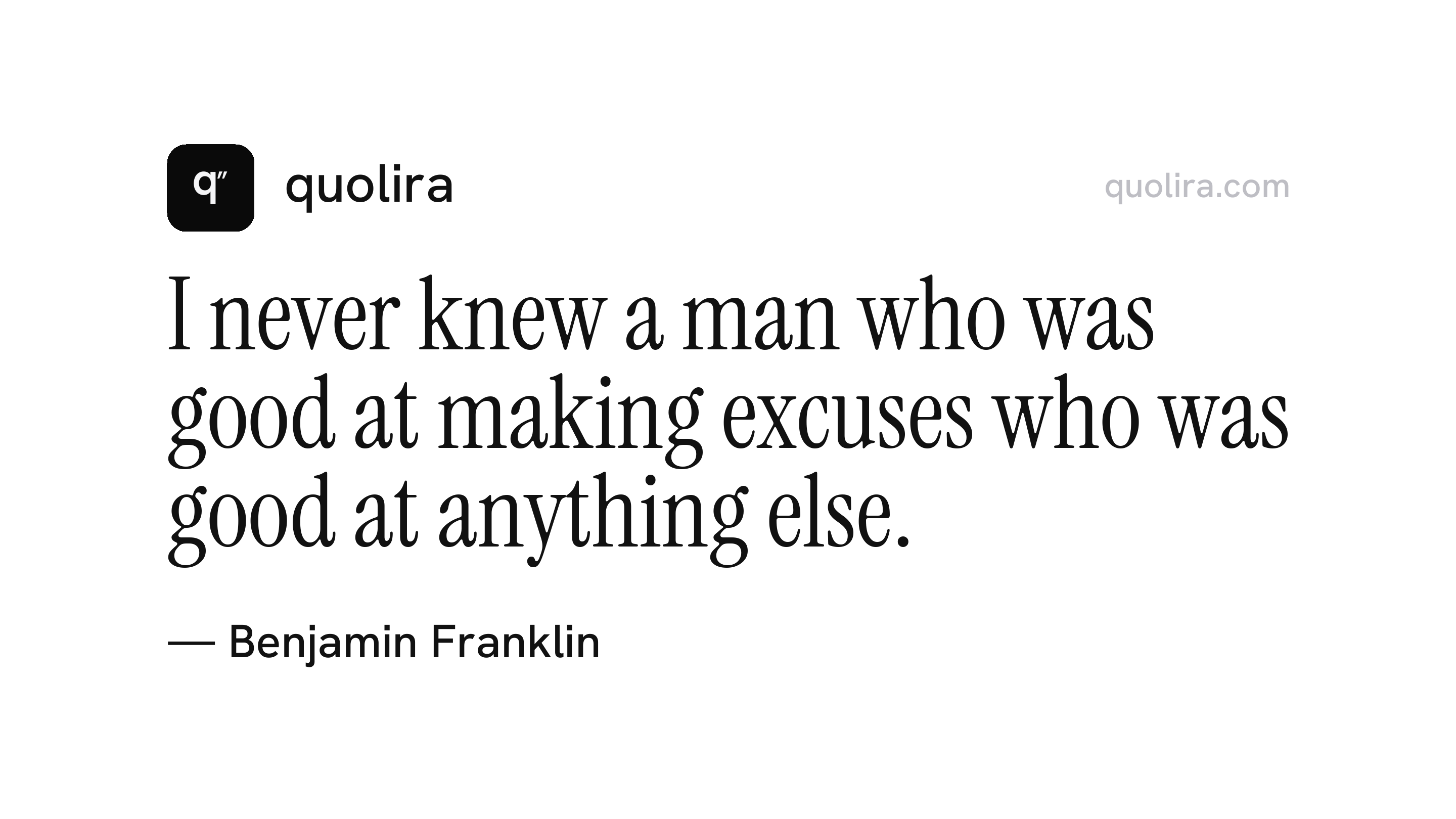
“I never knew a man who was good at making excuses who was good at anything else.”
Benjamin Franklin · Poor Richard's Almanack, attributed
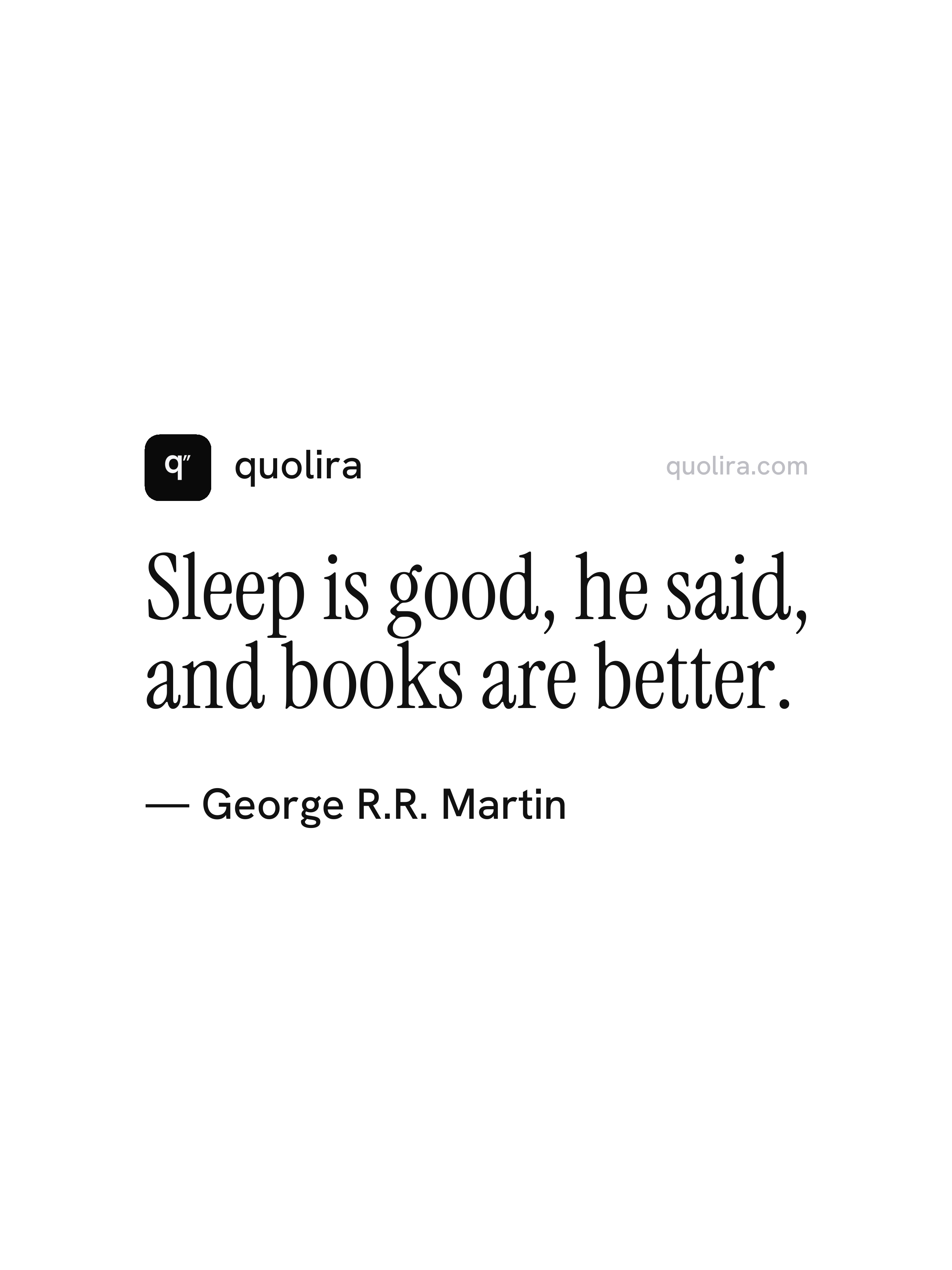
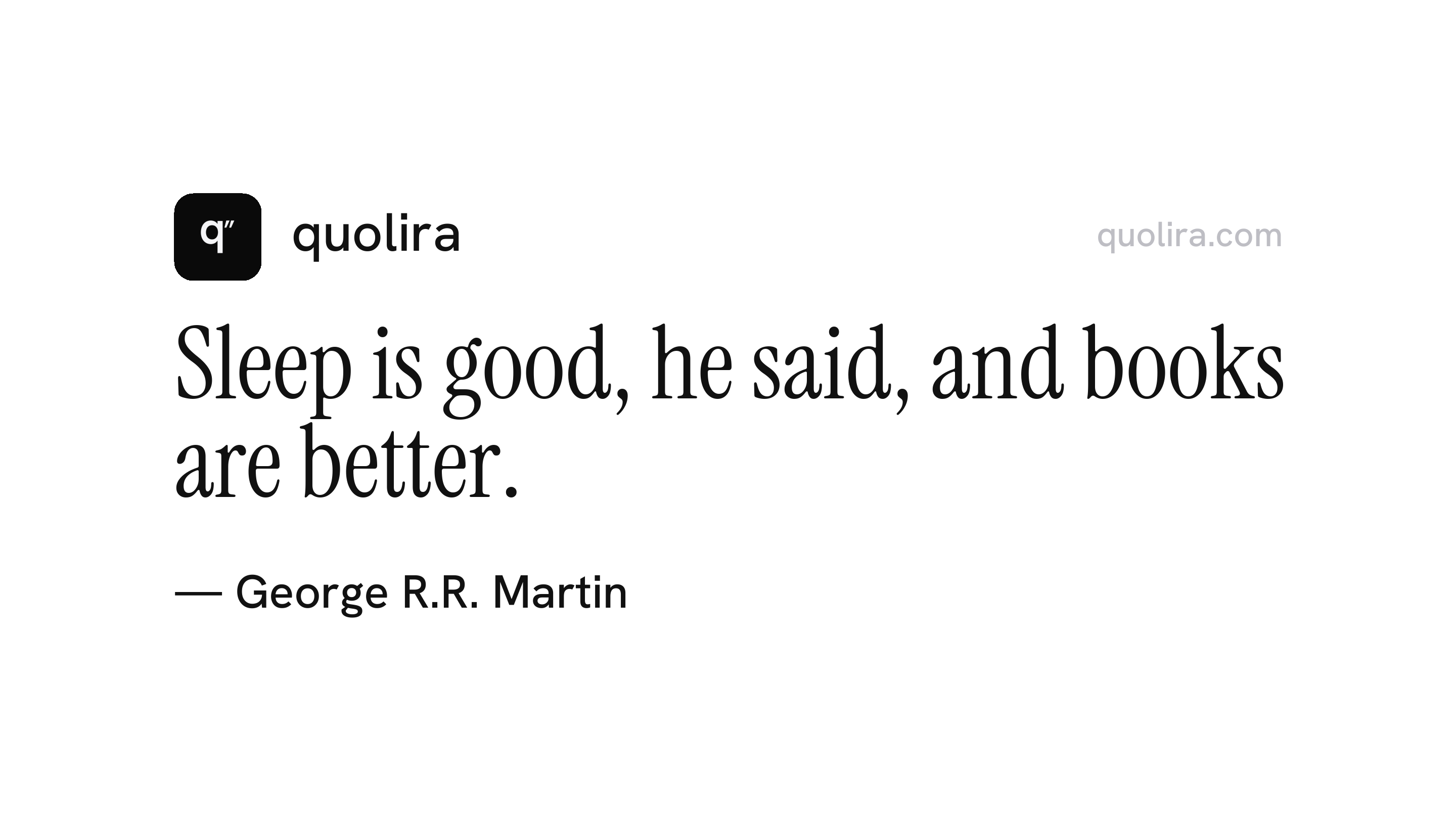
“Sleep is good, he said, and books are better.”
George R.R. Martin · A Clash of Kings, 1998
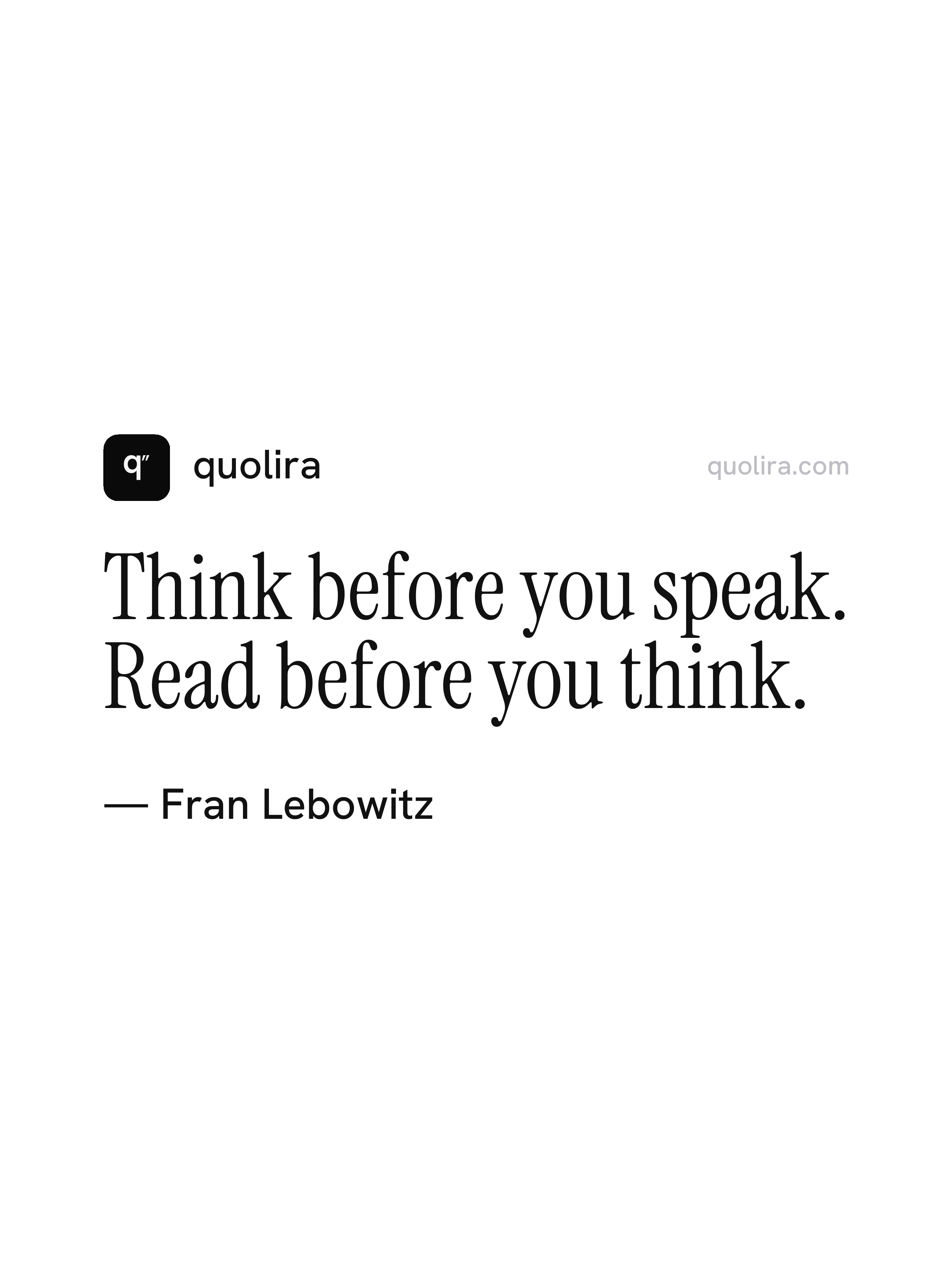
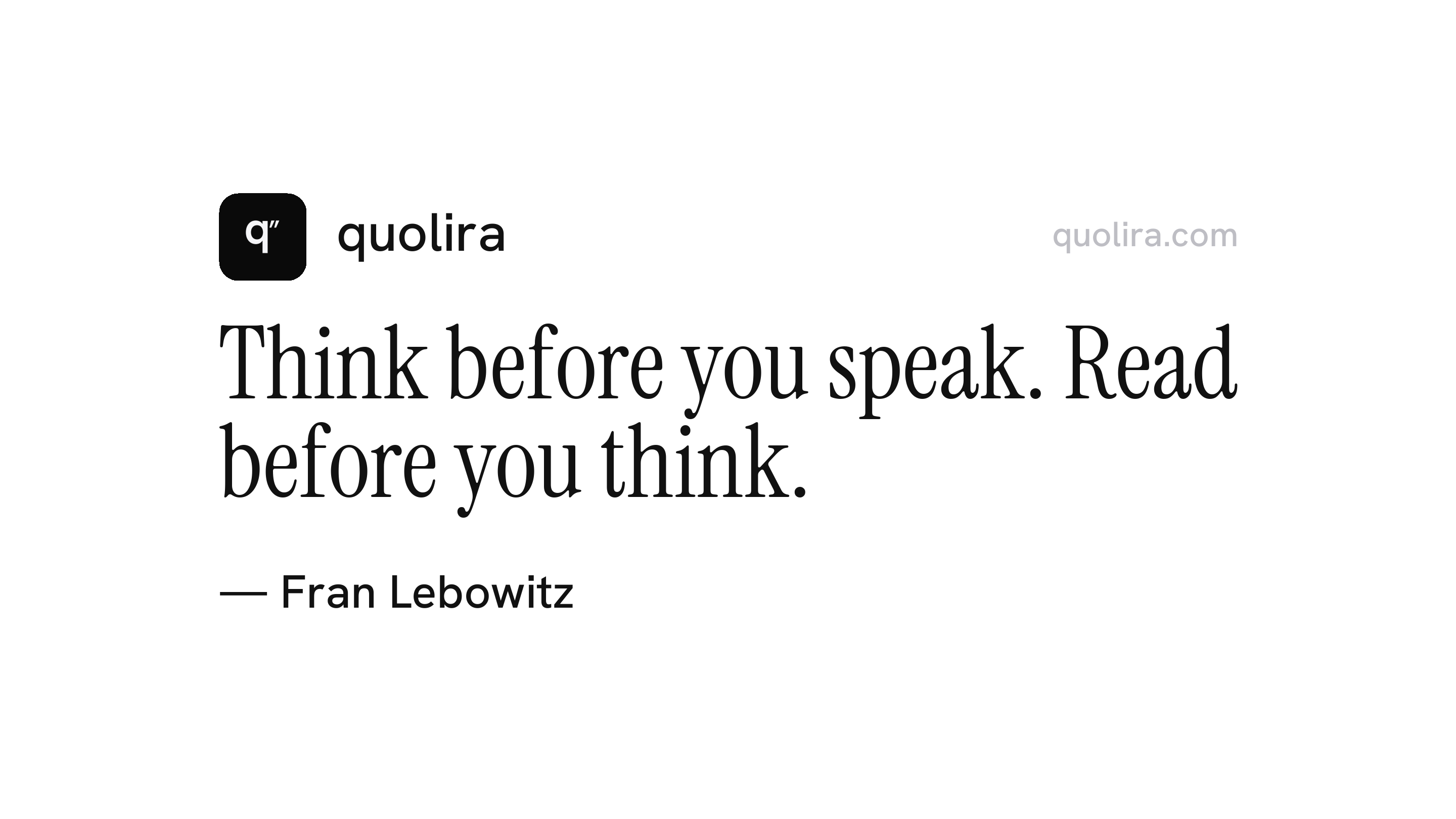
“Think before you speak. Read before you think.”
Fran Lebowitz · The Fran Lebowitz Reader, 1994
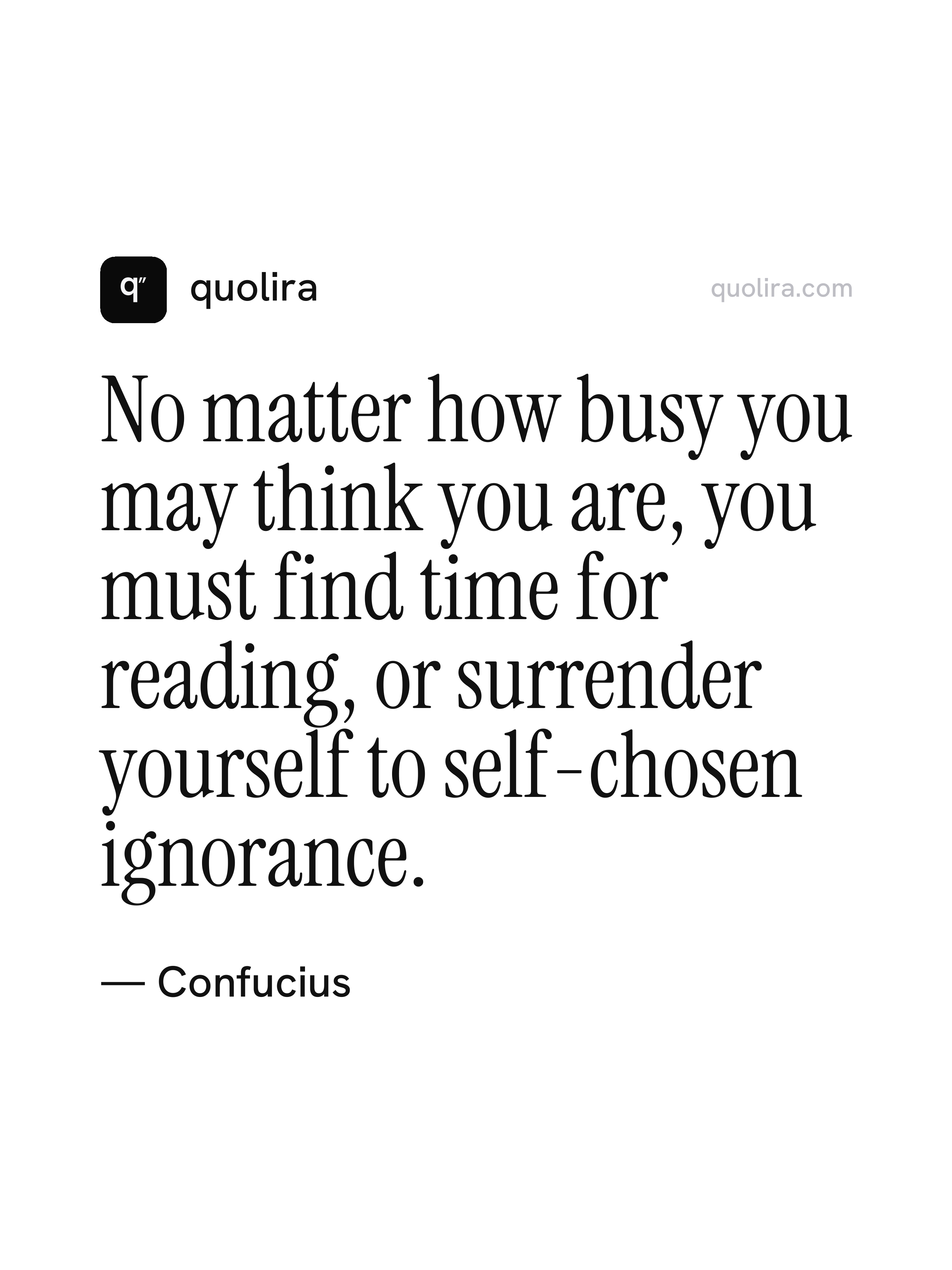
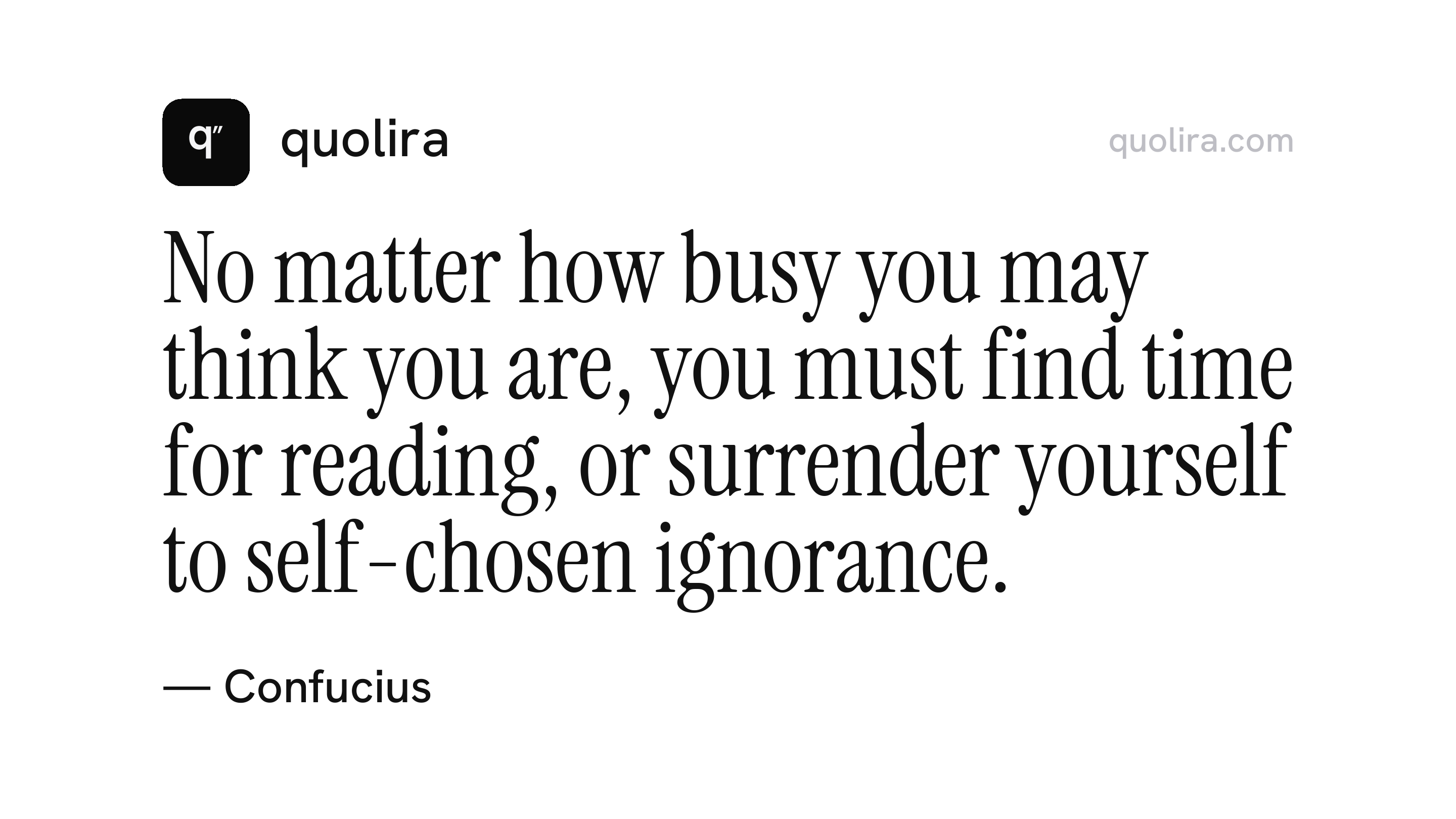
“No matter how busy you may think you are, you must find time for reading, or surrender yourself to self-chosen ignorance.”
Confucius
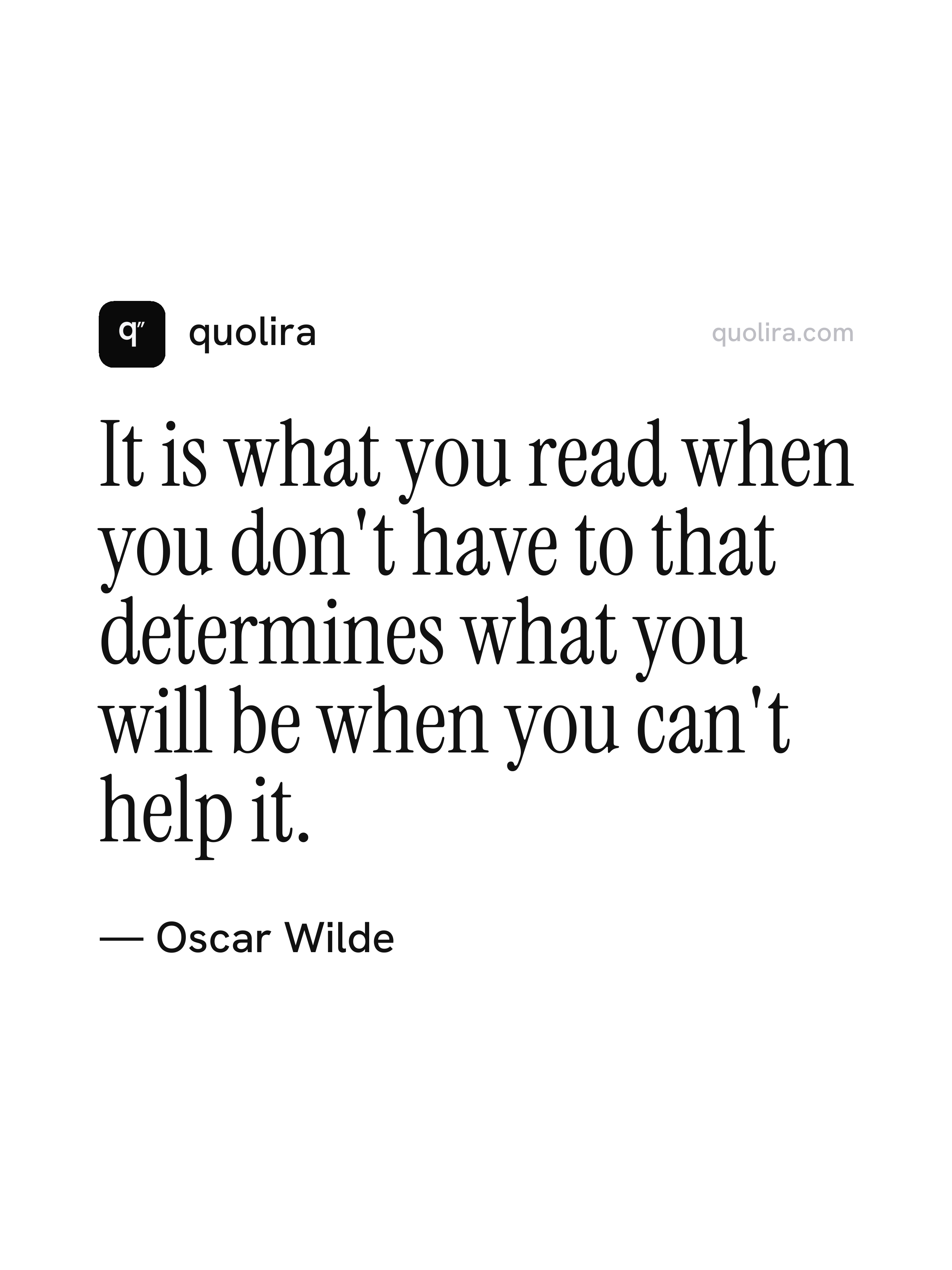
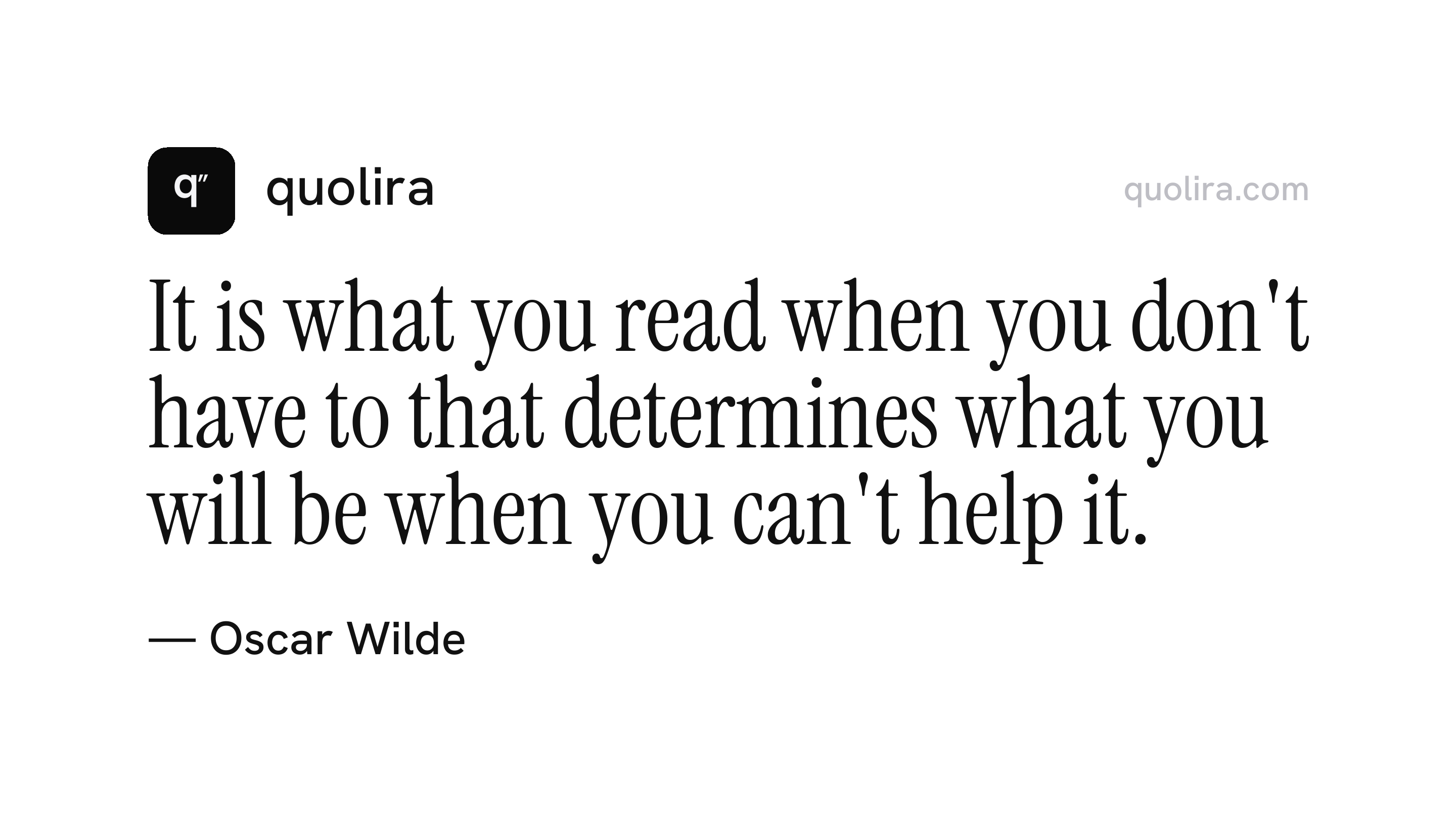
“It is what you read when you don't have to that determines what you will be when you can't help it.”
Oscar Wilde
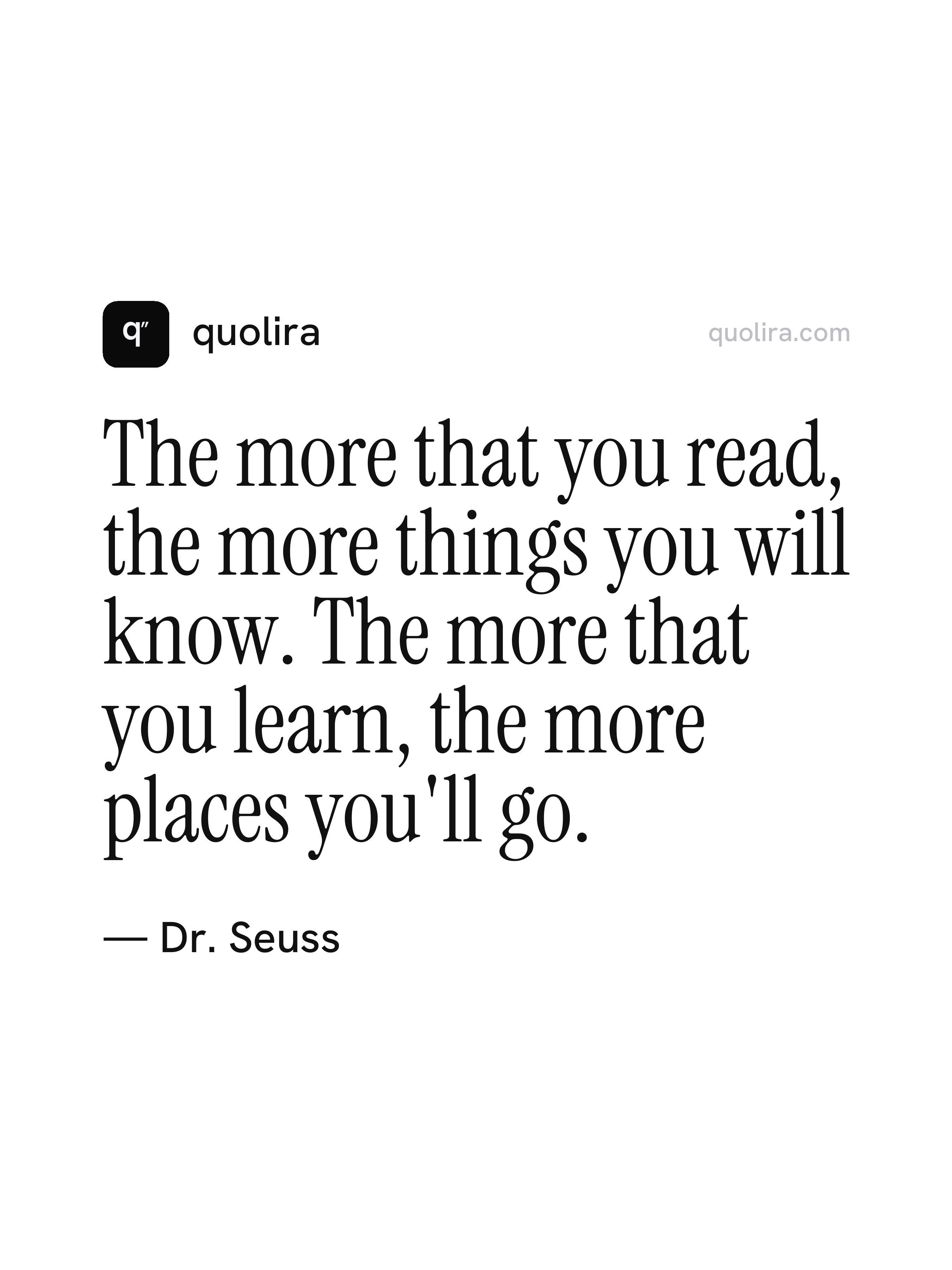
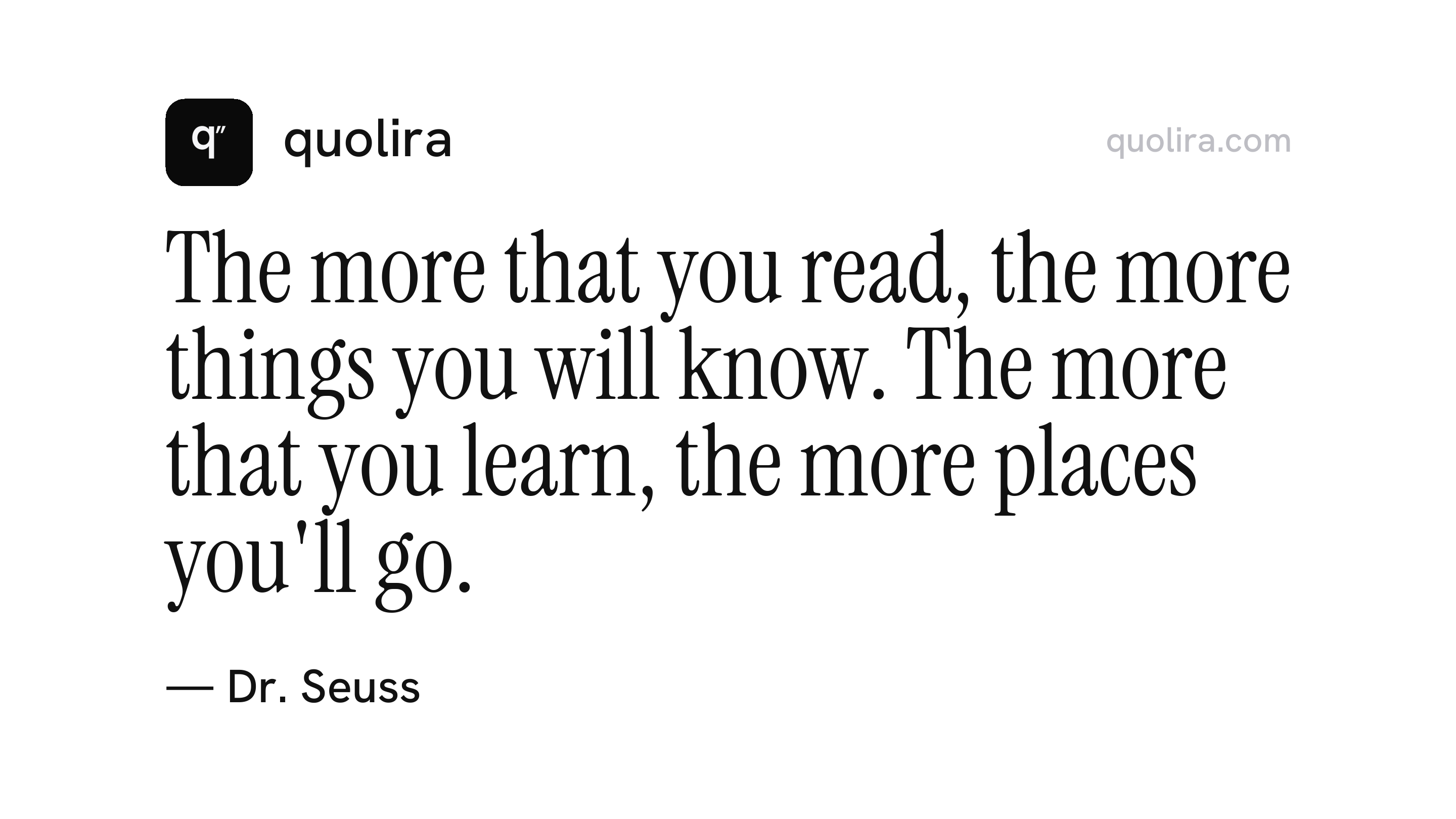
“The more that you read, the more things you will know. The more that you learn, the more places you'll go.”
Dr. Seuss · I Can Read With My Eyes Shut!, 1978
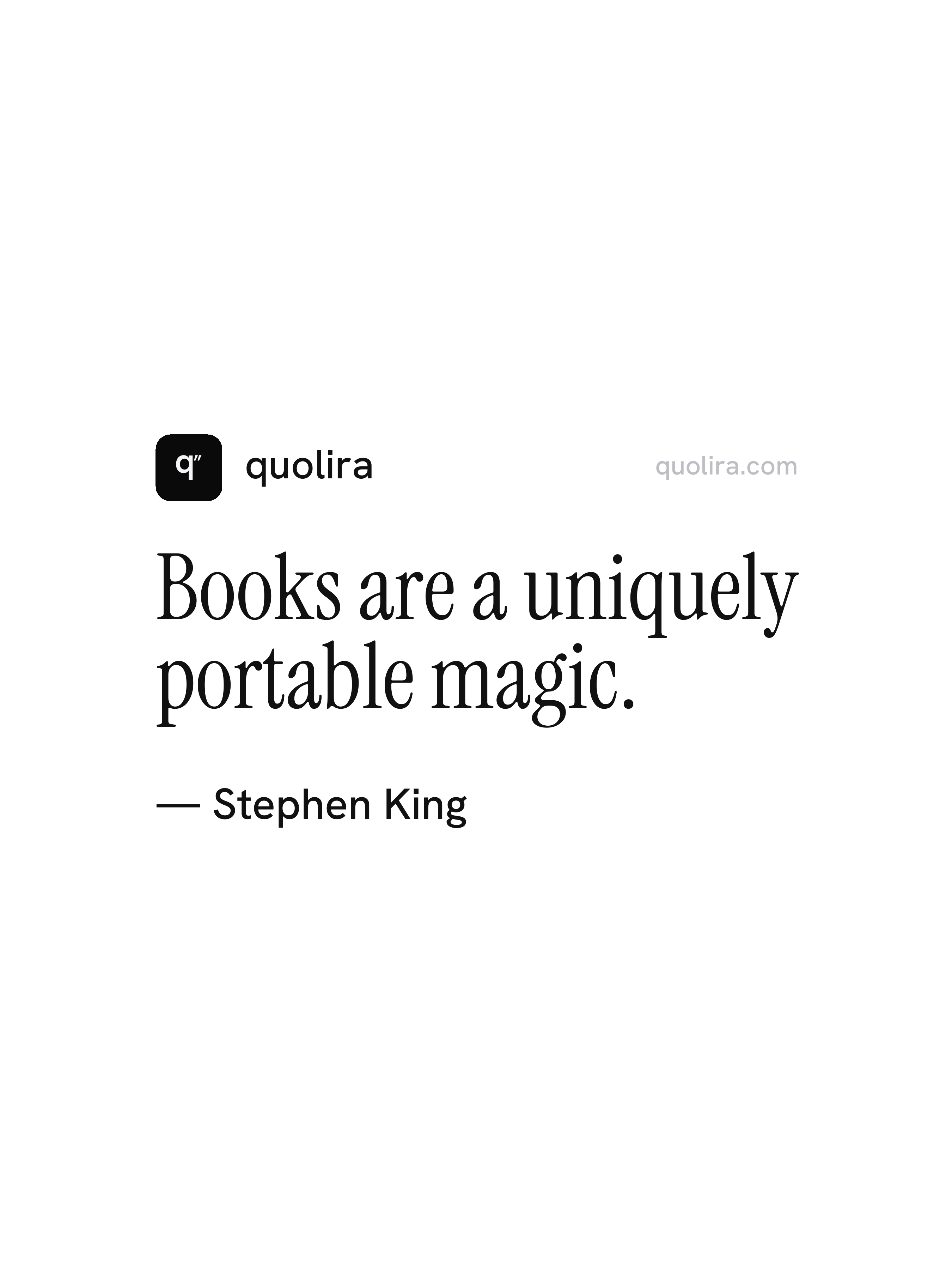
“Books are a uniquely portable magic.”
Stephen King · On Writing: A Memoir of the Craft, 2000
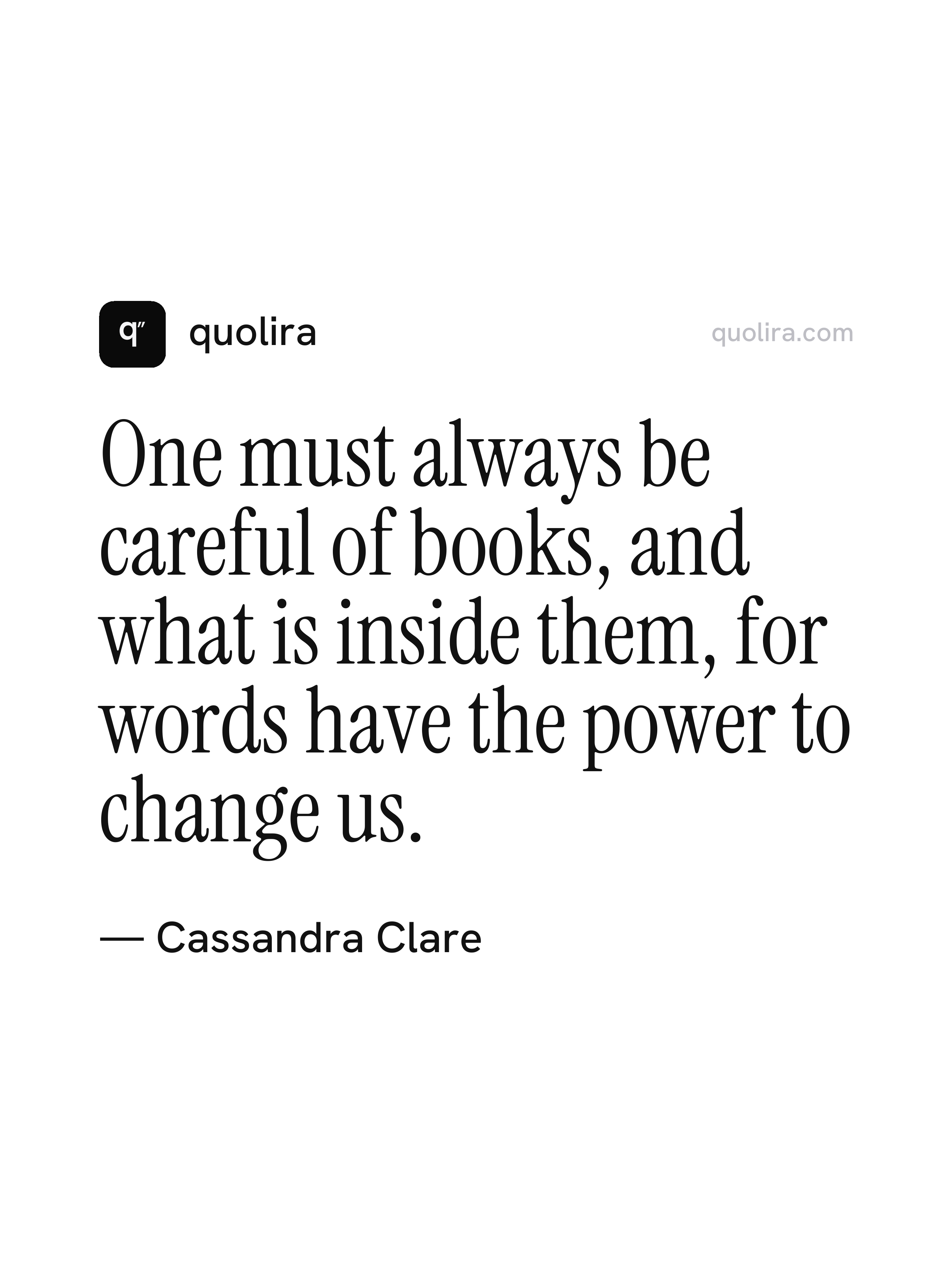
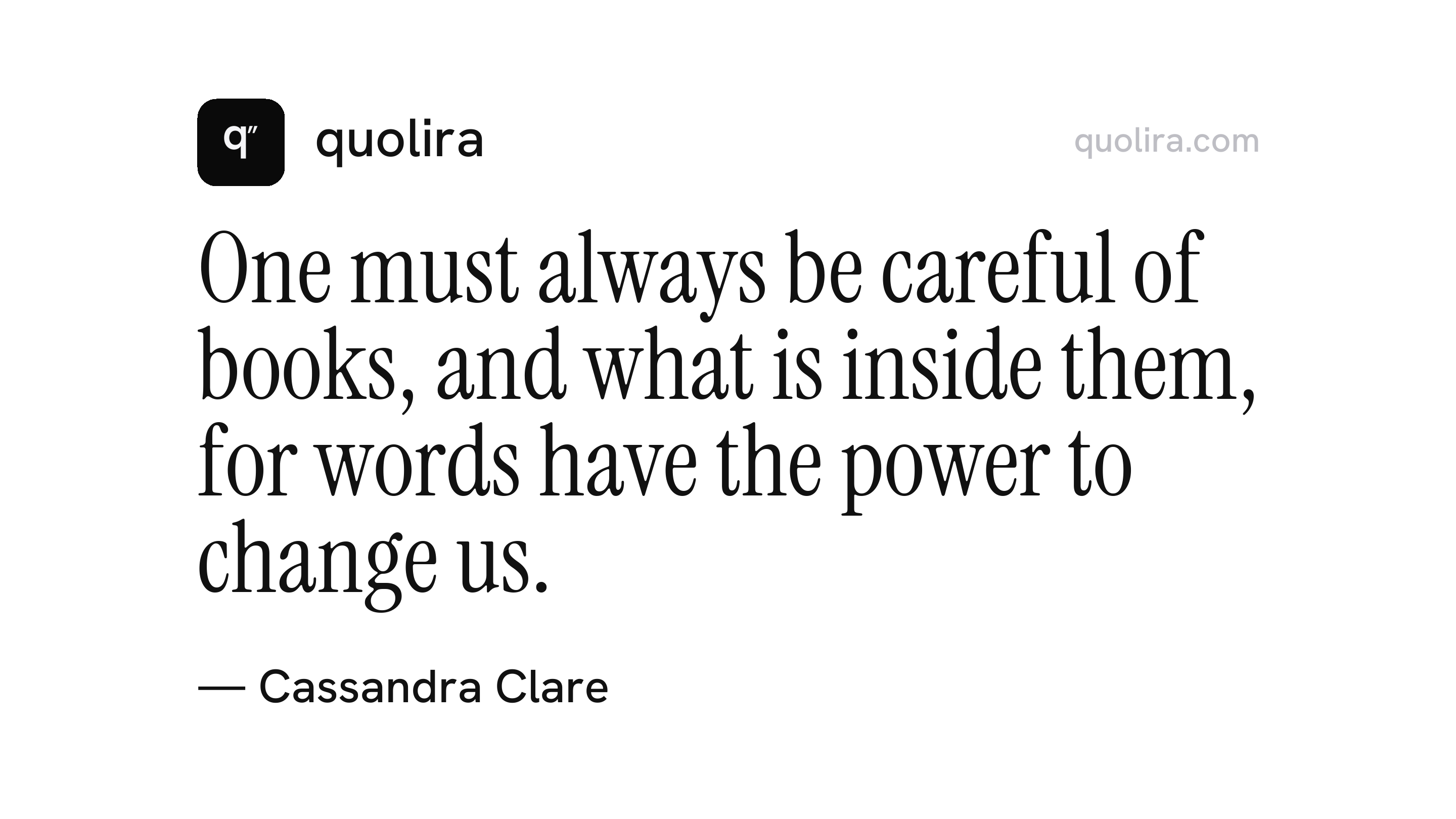
“One must always be careful of books, and what is inside them, for words have the power to change us.”
Cassandra Clare · City of Bones, 2007