“I would have written a shorter letter, but I did not have the time.”
Blaise Pascal · Lettres provinciales, 1657
 quolira
.com
quolira
quolira.com
Steinbeck is describing something many people have experienced but rarely stop to examine: the brain continues processing a difficult problem during sleep, and the answer that seemed out of reach the night before can feel obvious by morning. He gives this phenomenon a gentle, humorous name, imagining sleep as a kind of internal committee that sits through the night doing the analytical work the waking mind was too tired or too tangled to finish.
The observation fits naturally with Steinbeck's broader interest in the mysterious and intuitive parts of the creative process. He wrote extensively about how writing and thinking do not always respond to direct effort, and that stepping away from a problem is sometimes the most productive thing a writer can do. Whether or not this exact phrasing appears in a single verified source, the sentiment is consistent with ideas he expressed across his letters and notebooks about the rhythm of creative and intellectual work.
John Steinbeck was an American novelist who won the Nobel Prize in Literature in 1962. He is best known for novels exploring the lives of ordinary Americans under economic and social pressure. Beyond his fiction, he was a thoughtful observer of his own working methods and left behind a body of correspondence and journalistic writing that reveals how seriously he took the craft of putting words on a page. His reflections on writing remain widely read and quoted by writers today.
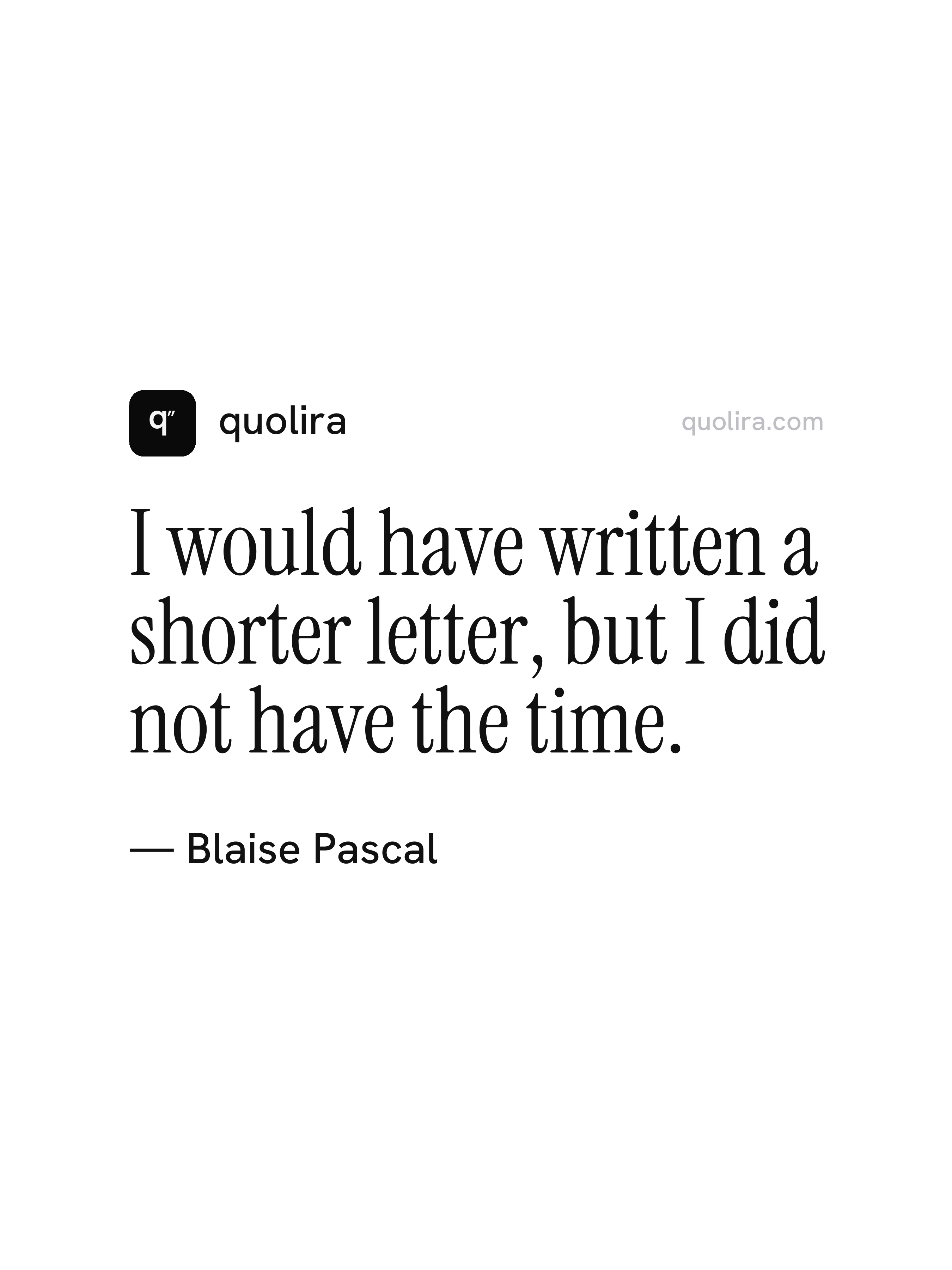
“I would have written a shorter letter, but I did not have the time.”
Blaise Pascal · Lettres provinciales, 1657
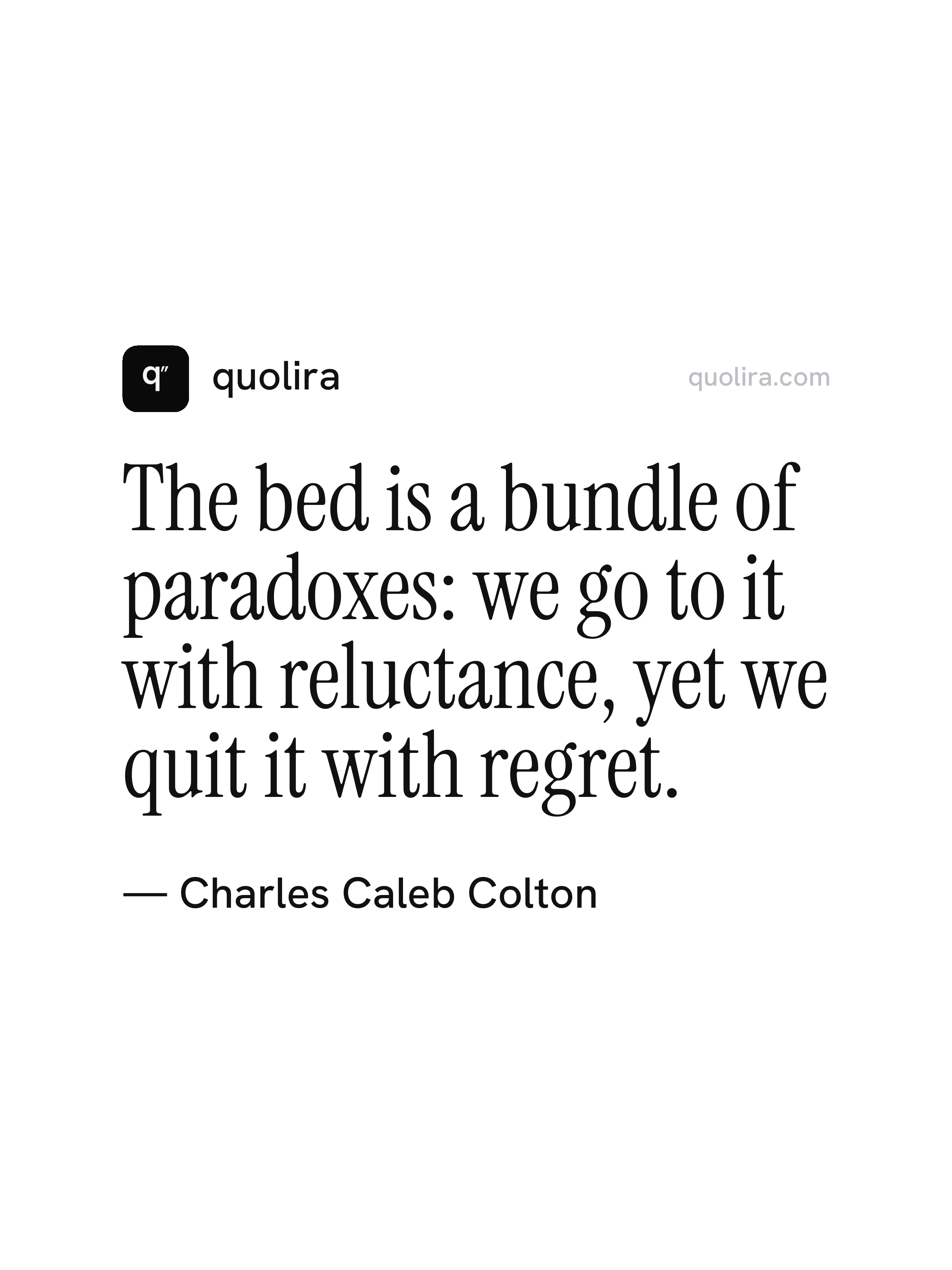
“The bed is a bundle of paradoxes: we go to it with reluctance, yet we quit it with regret.”
Charles Caleb Colton · Lacon, 1820
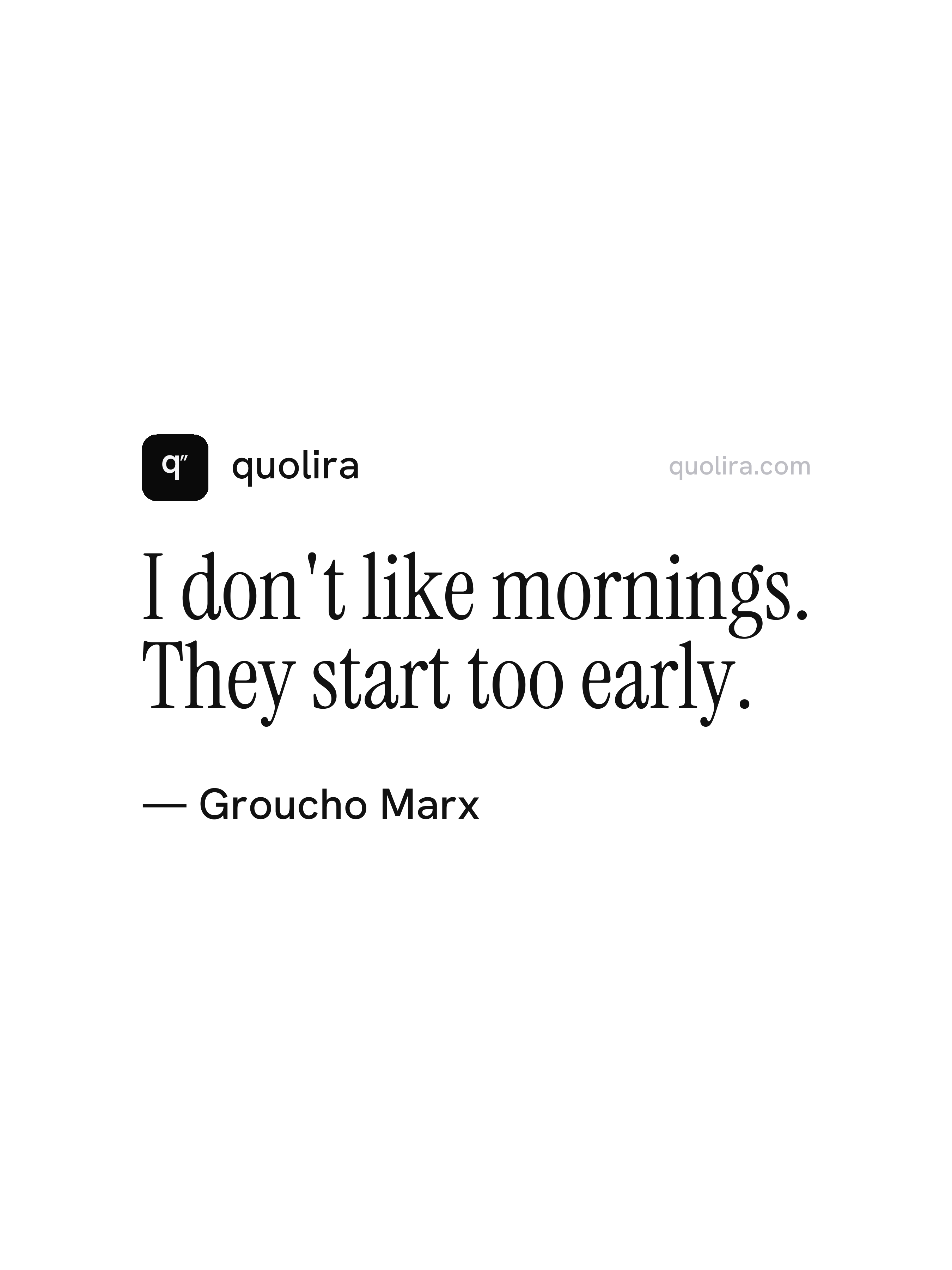
“I don't like mornings. They start too early.”
Groucho Marx · widely attributed
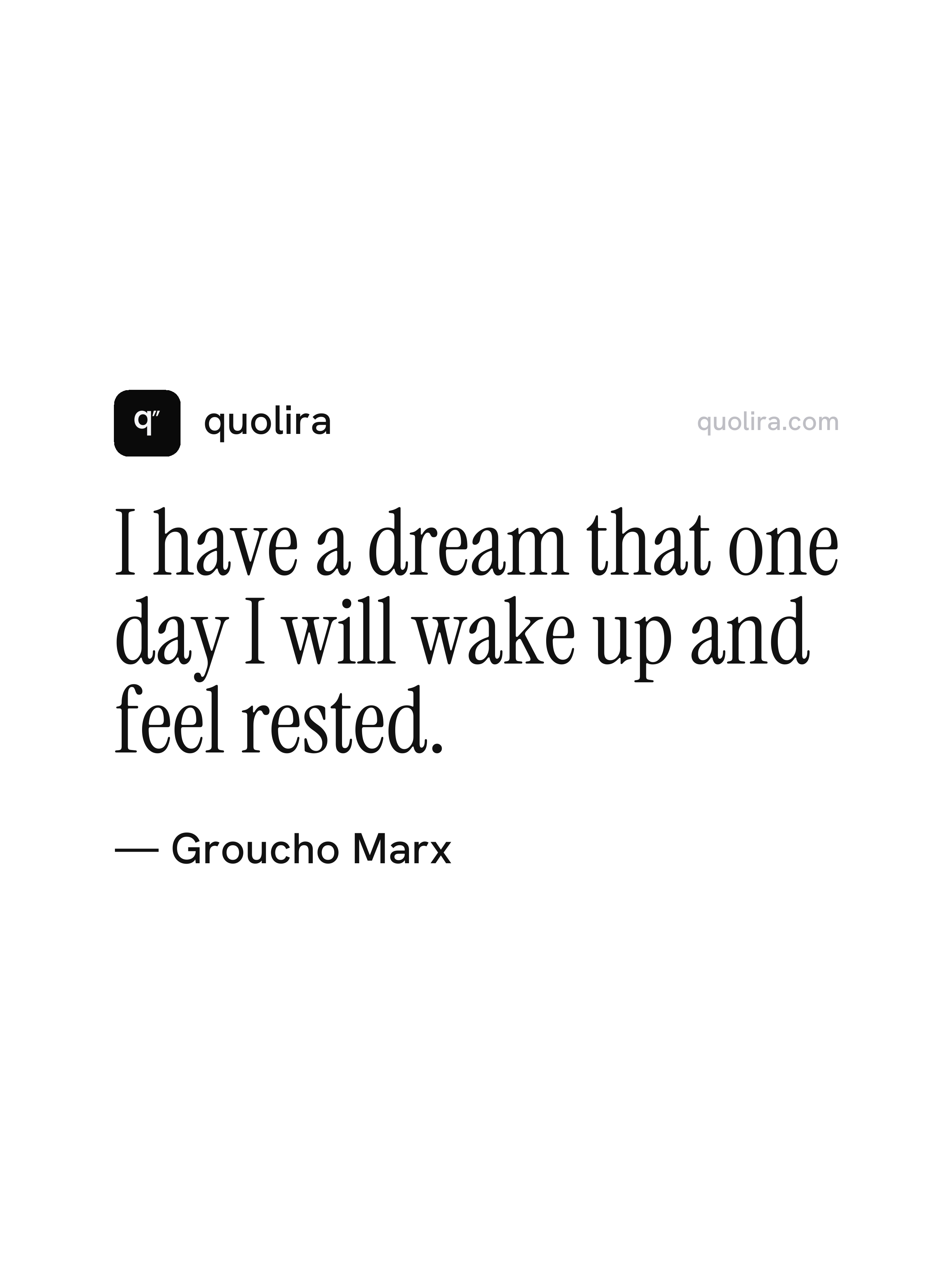
“I have a dream that one day I will wake up and feel rested.”
Groucho Marx · widely attributed
“Early to bed and early to rise makes a man healthy, wealthy, and wise.”
Benjamin Franklin · Poor Richard's Almanack, 1735
“I never knew a man who was good at making excuses who was good at anything else.”
Benjamin Franklin · Poor Richard's Almanack, attributed
“Sleep is good, he said, and books are better.”
George R.R. Martin · A Clash of Kings, 1998
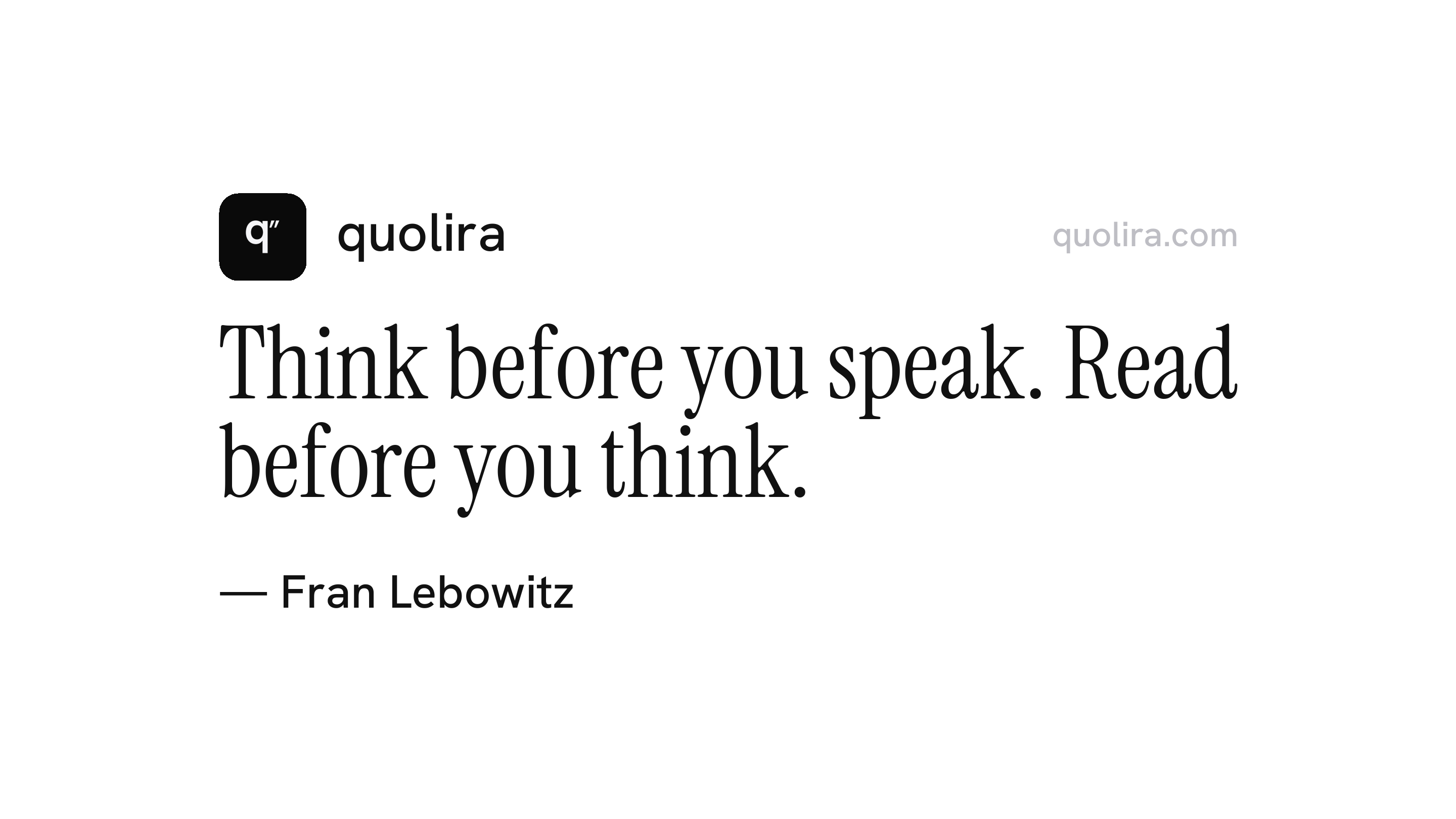
“Think before you speak. Read before you think.”
Fran Lebowitz · The Fran Lebowitz Reader, 1994
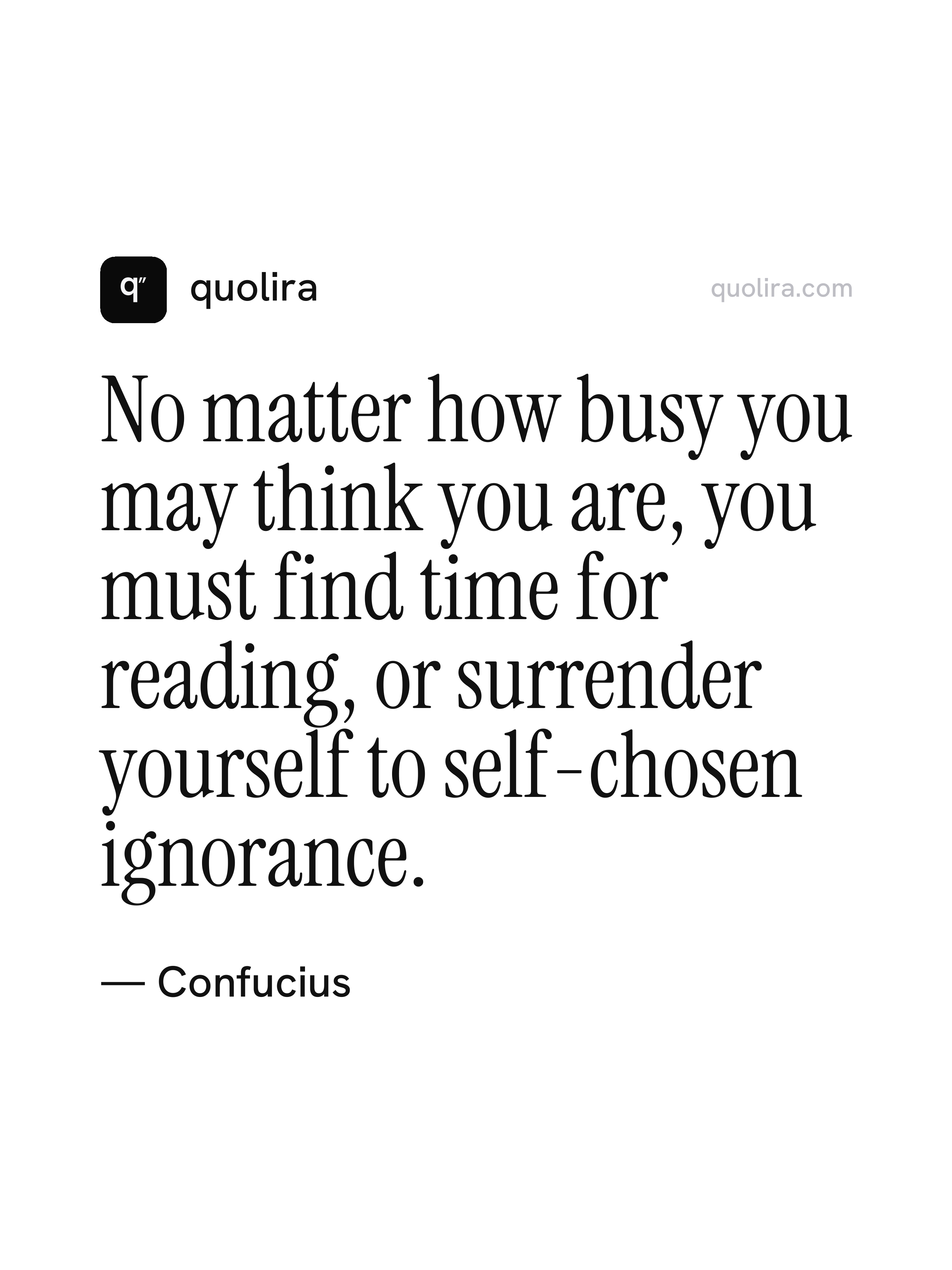
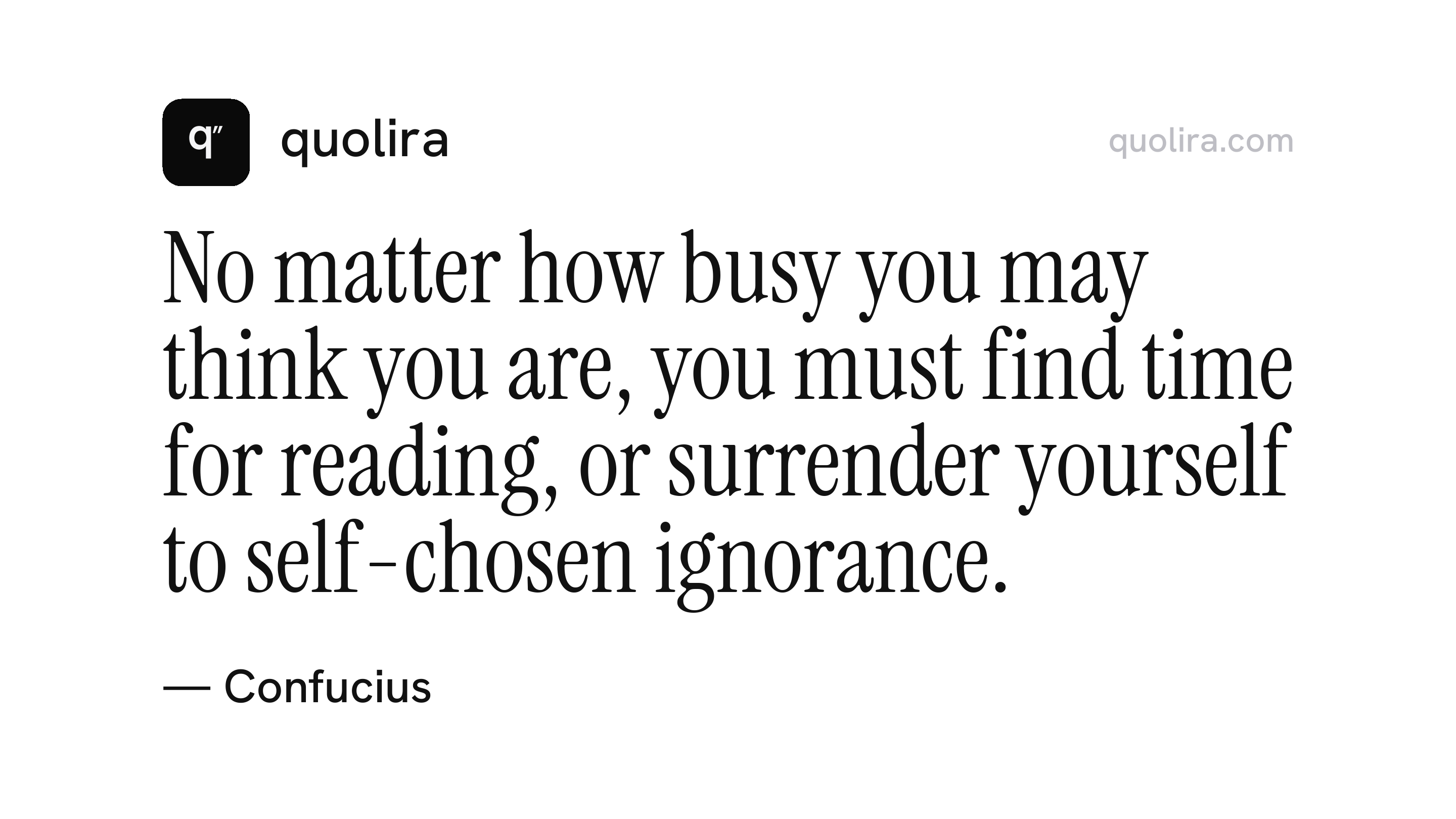
“No matter how busy you may think you are, you must find time for reading, or surrender yourself to self-chosen ignorance.”
Confucius
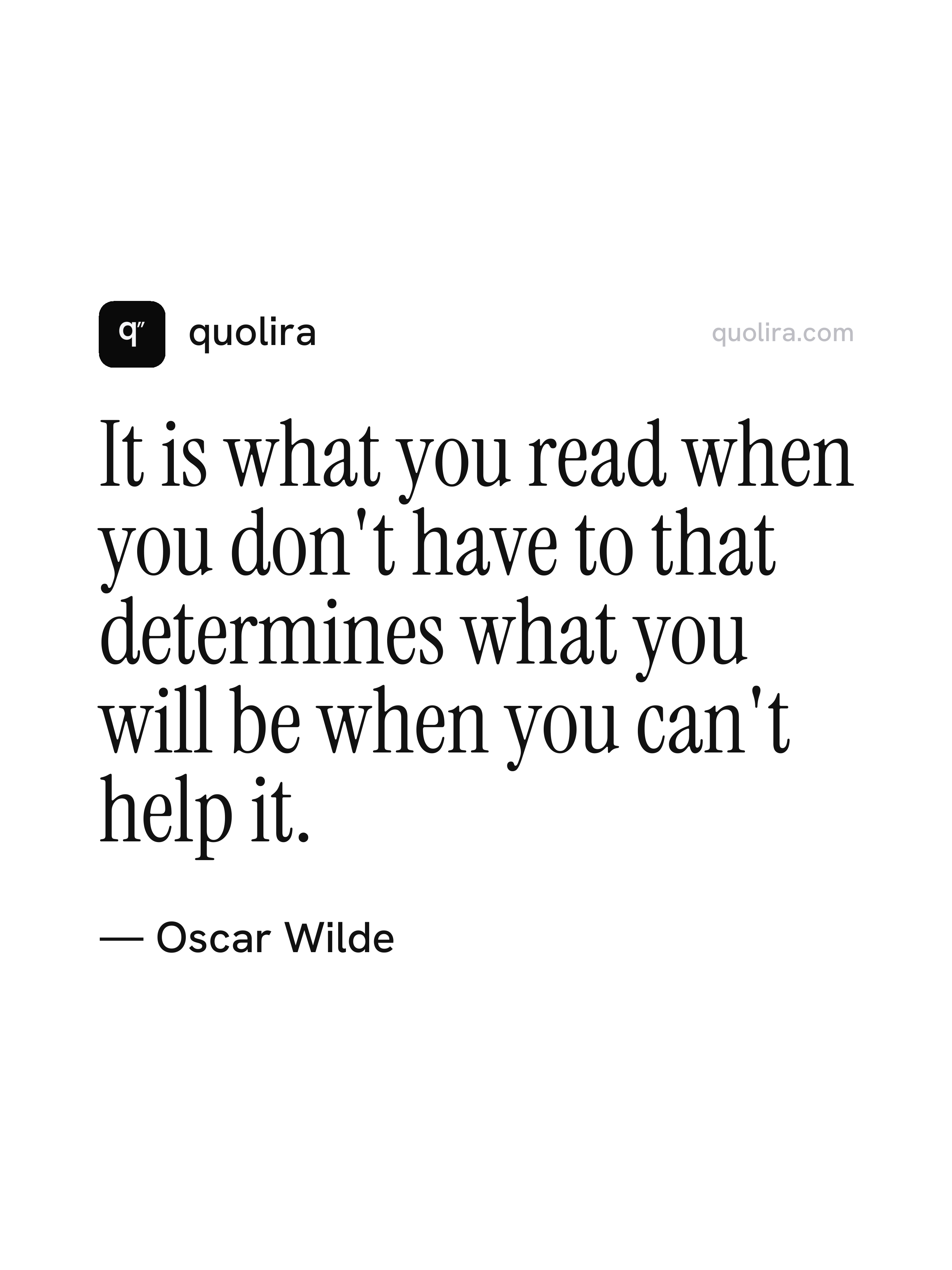
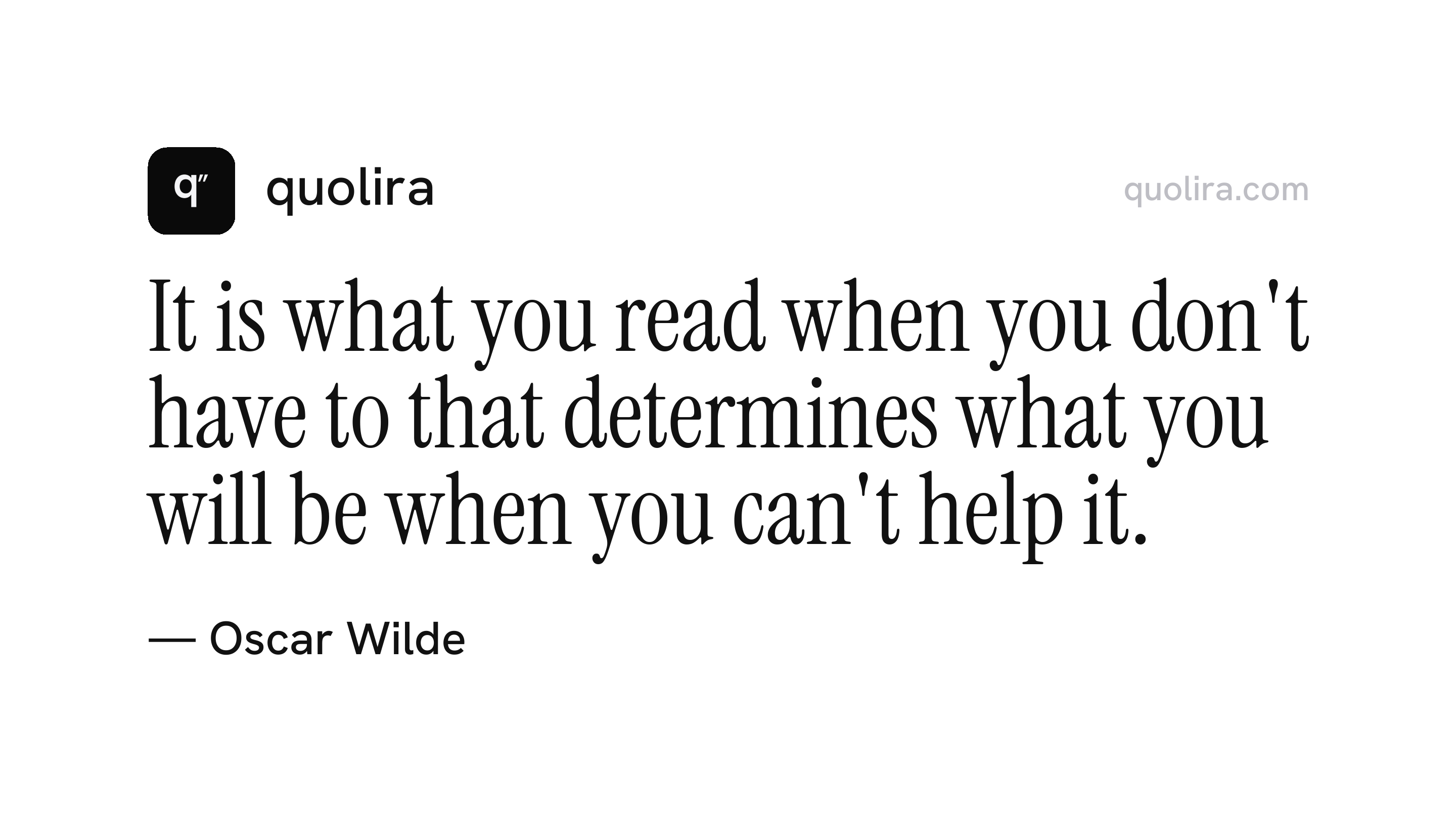
“It is what you read when you don't have to that determines what you will be when you can't help it.”
Oscar Wilde
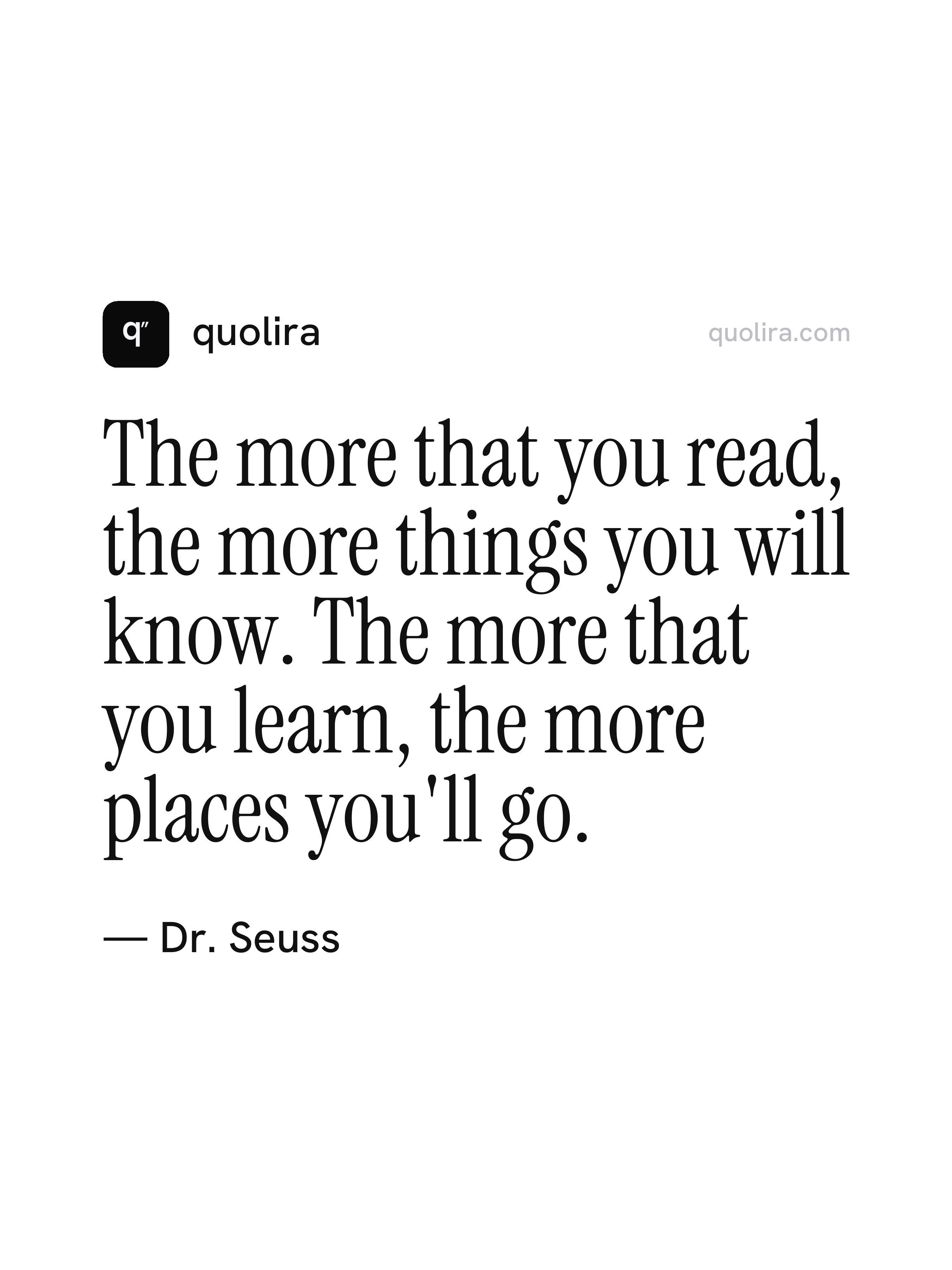
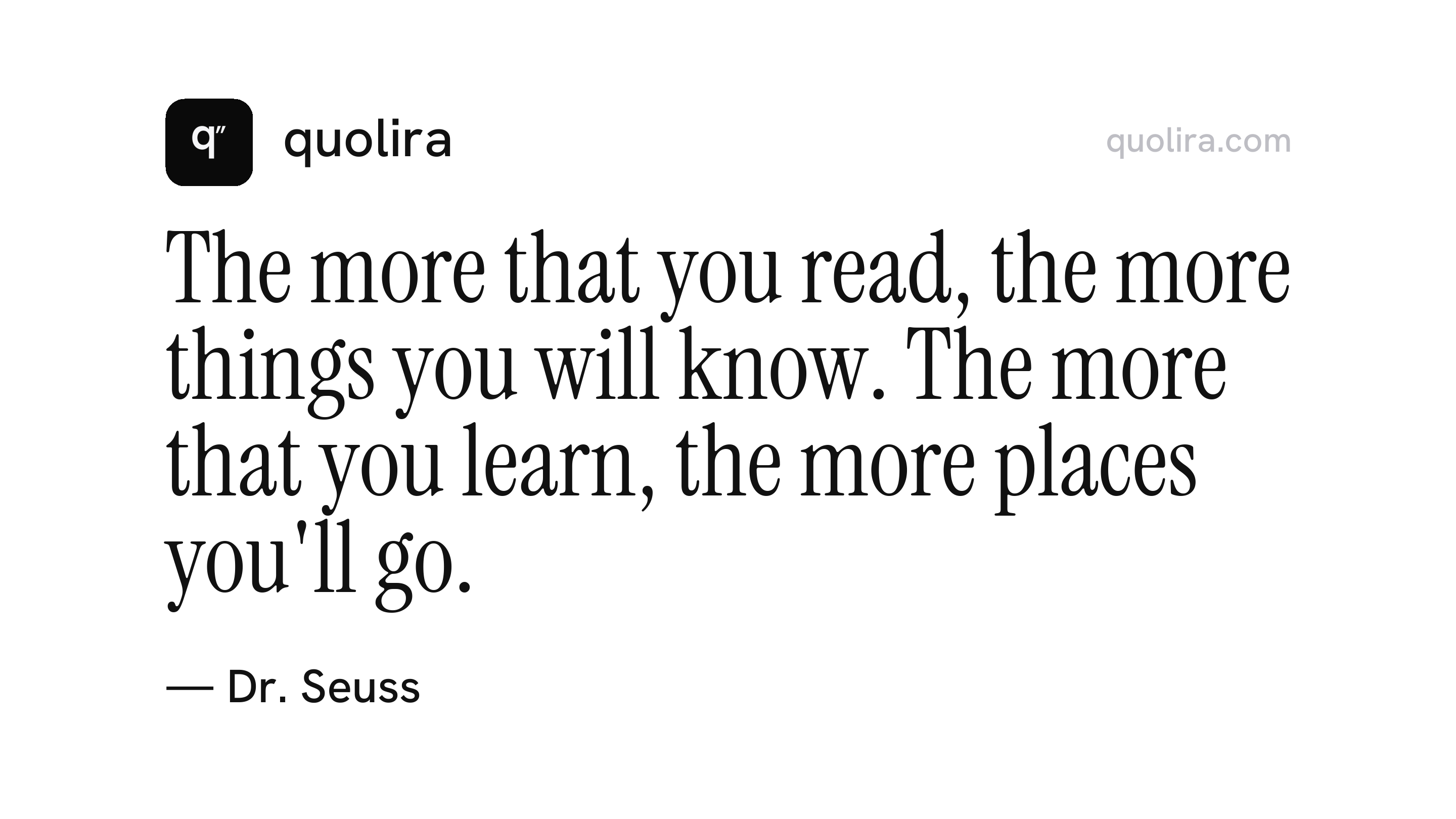
“The more that you read, the more things you will know. The more that you learn, the more places you'll go.”
Dr. Seuss · I Can Read With My Eyes Shut!, 1978
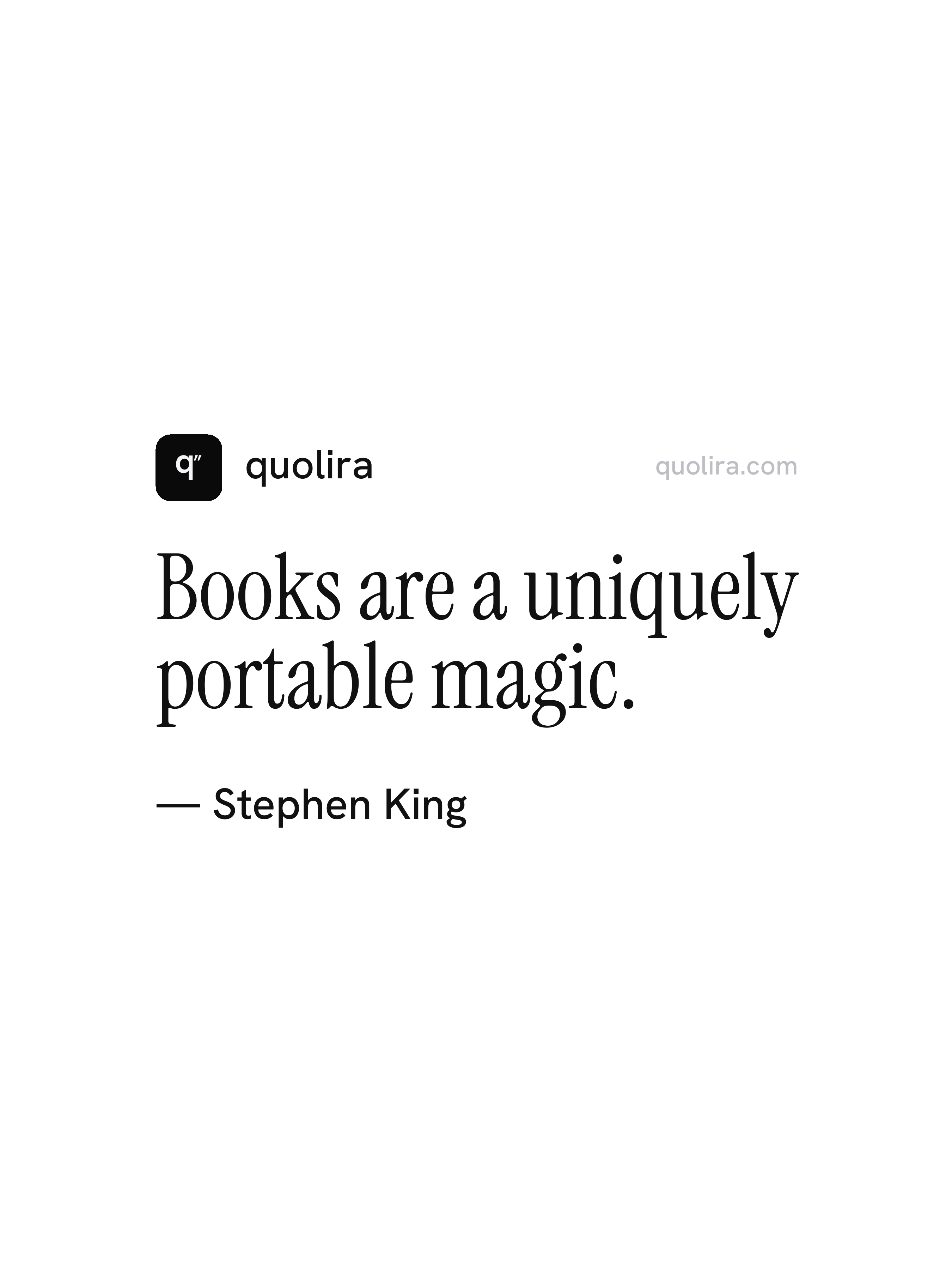
“Books are a uniquely portable magic.”
Stephen King · On Writing: A Memoir of the Craft, 2000