quolira quolira.com
The optimist sees opportunity in every difficulty. The coin is the same. It just depends which side you're watching.
489 / 1172

About this quote

Meaning

This line uses the image of a coin to reframe the familiar debate between optimism and pessimism. The idea is not that the optimist and the pessimist are looking at different things or working from different information, but that they are looking at the same reality and choosing which face of it to focus on. Difficulty and opportunity are presented as two sides of a single object, inseparable and co-existing. The emphasis falls on attention and perspective rather than circumstances, suggesting that the difference between the two outlooks is fundamentally a matter of where you direct your gaze.

Why it resonates

The coin metaphor works because it is instantly familiar and physically concrete. Everyone understands that a coin has two sides and that flipping it is a matter of chance or choice. Applying that image to something as abstract as attitude toward difficulty makes the point feel graspable rather than preachy. The line avoids the slightly tired tone of ordinary motivational language by grounding itself in something so simple and tactile that the idea clicks into place almost before you have finished reading it.

How to use it

This quote fits well in moments of personal reflection or when supporting someone working through a setback, a project that stalled, or a plan that did not unfold as hoped. It is also a useful framing device when introducing a discussion about problem-solving or resilience, because it reorients the conversation without dismissing the reality of difficulty. Because it is calm and image-based rather than loud or declarative, it tends to land better as a quiet observation than as a rallying cry.

Up next

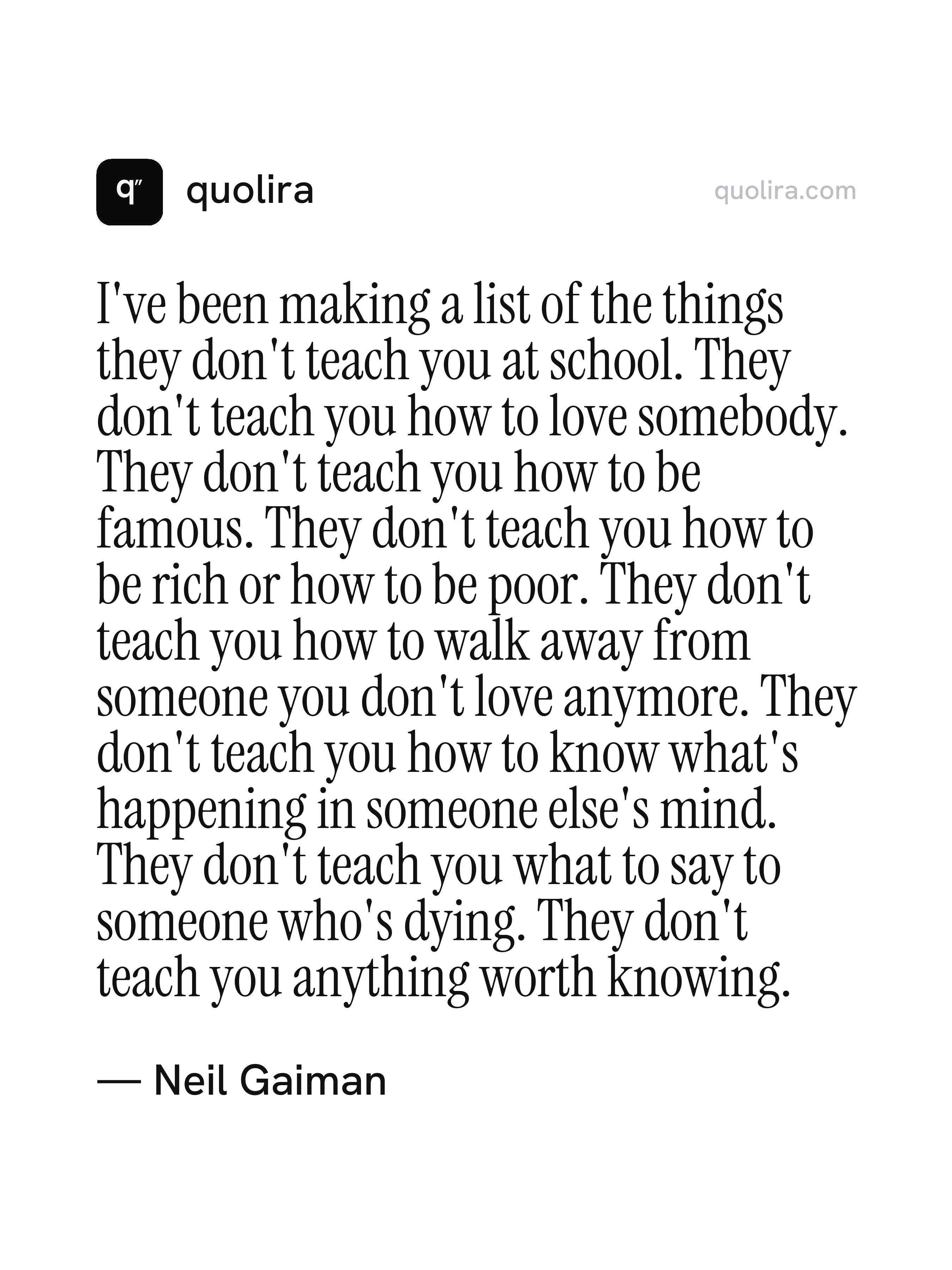
“I've been making a list of the things they don't teach you at school. They don't teach you how to love somebody. They don't teach you how to be famous. They don't teach you how to be rich or how to be poor. They don't teach you how to walk away from someone you don't love anymore. They don't teach you how to know what's happening in someone else's mind. They don't teach you what to say to someone who's dying. They don't teach you anything worth knowing.”
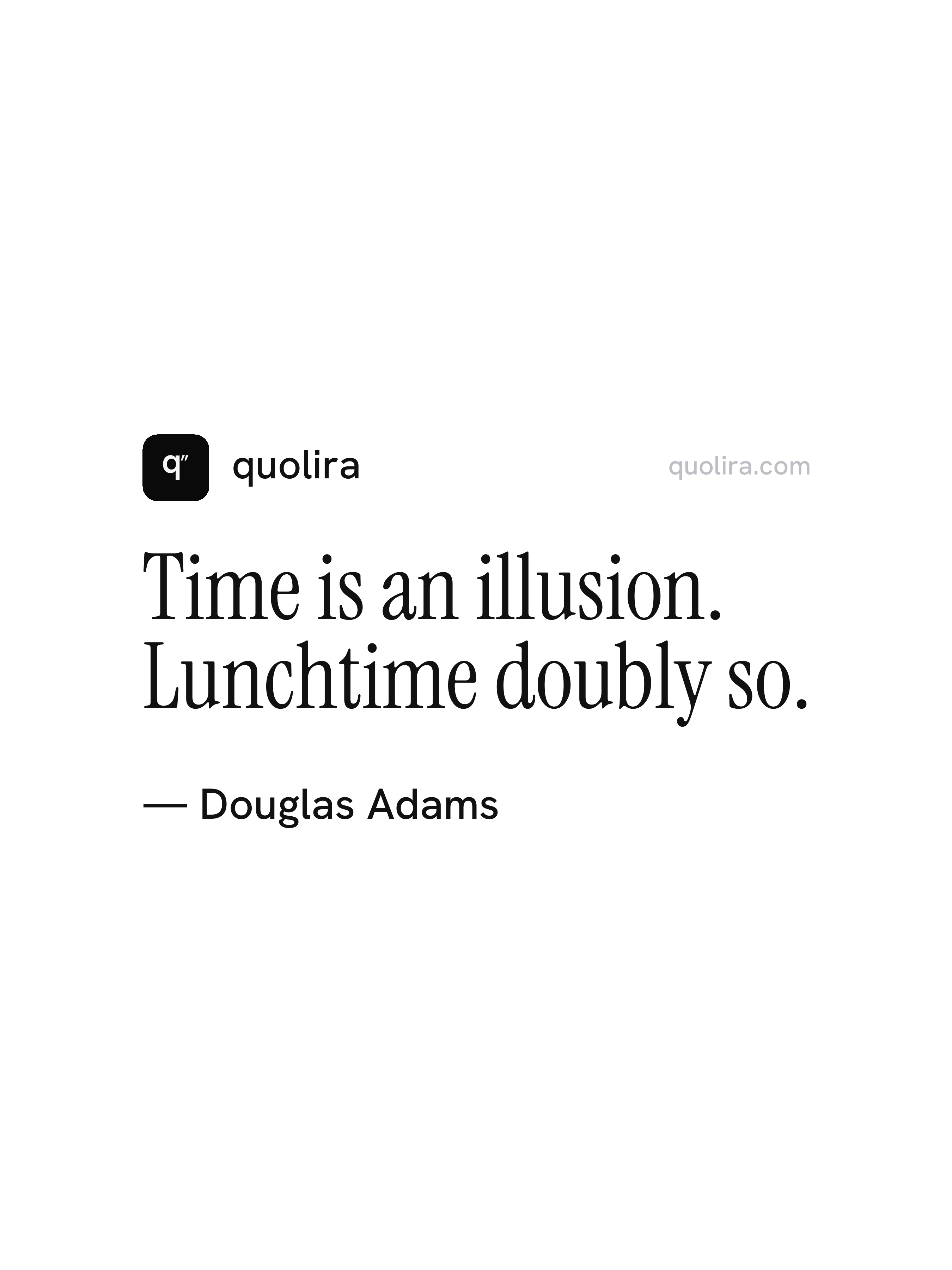
Neil Gaiman · The Sandman, 1989

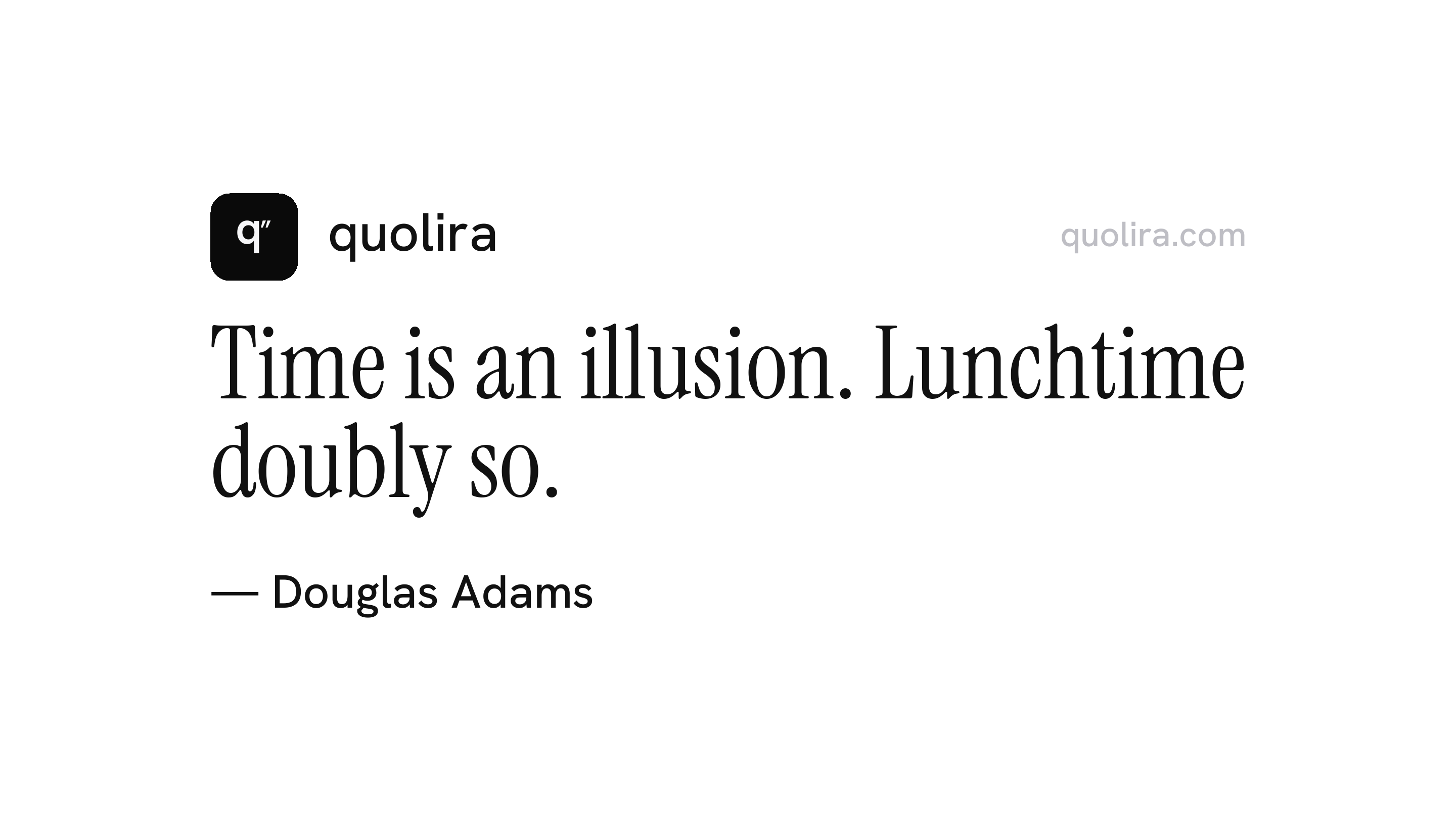
“Time is an illusion. Lunchtime doubly so.”

Douglas Adams · The Hitchhiker's Guide to the Galaxy, 1979

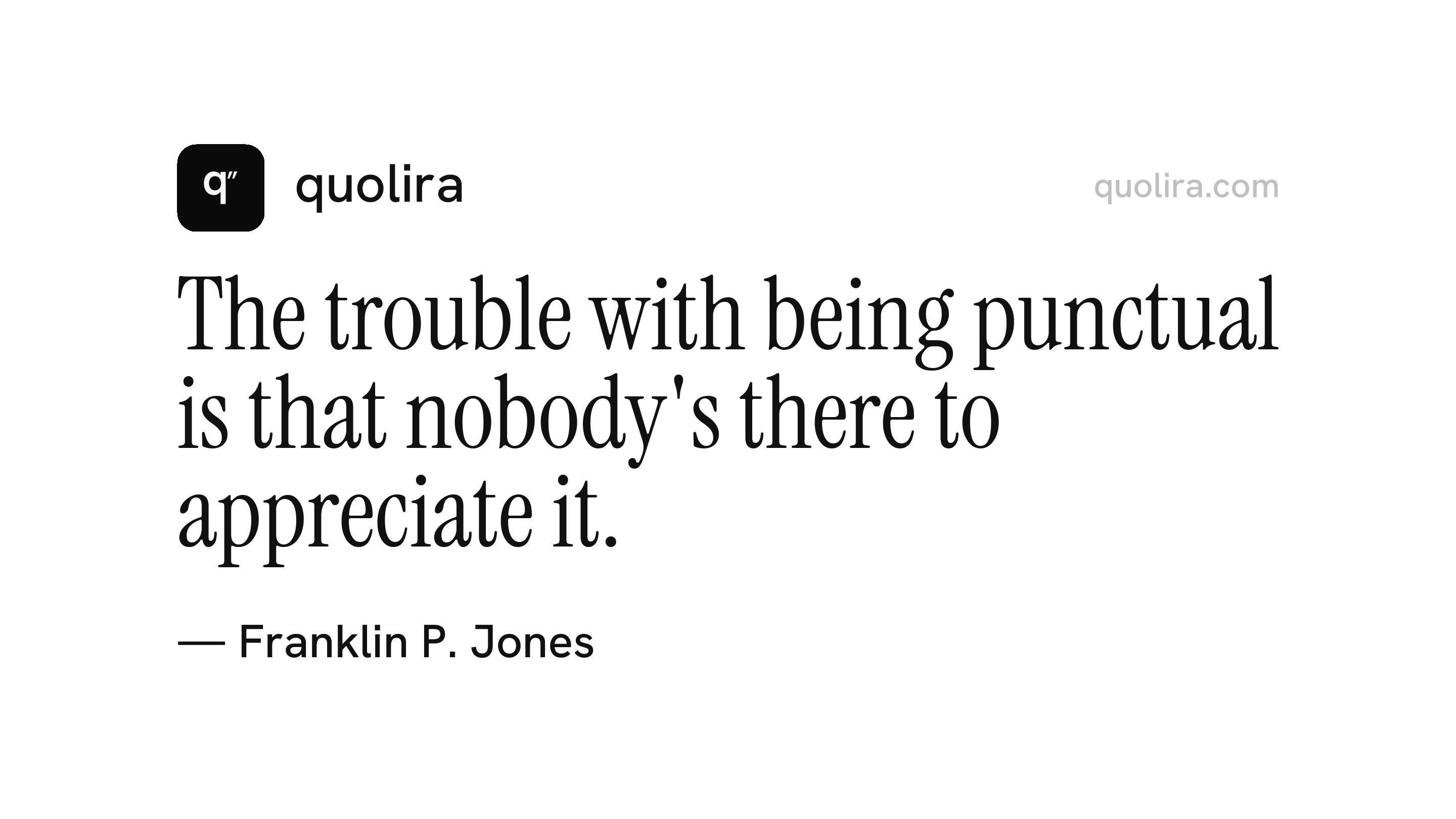
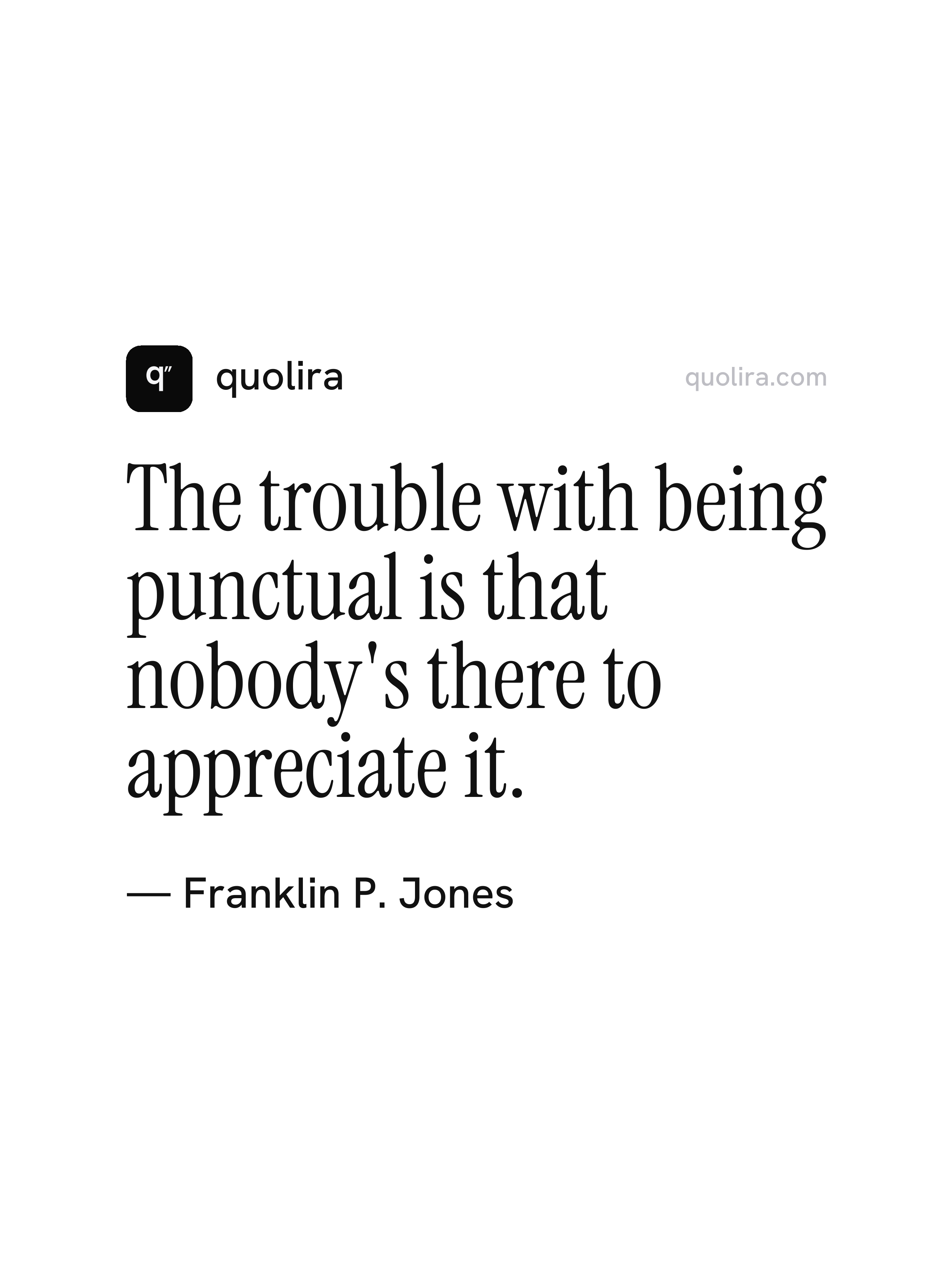
“The trouble with being punctual is that nobody's there to appreciate it.”

Franklin P. Jones · widely attributed

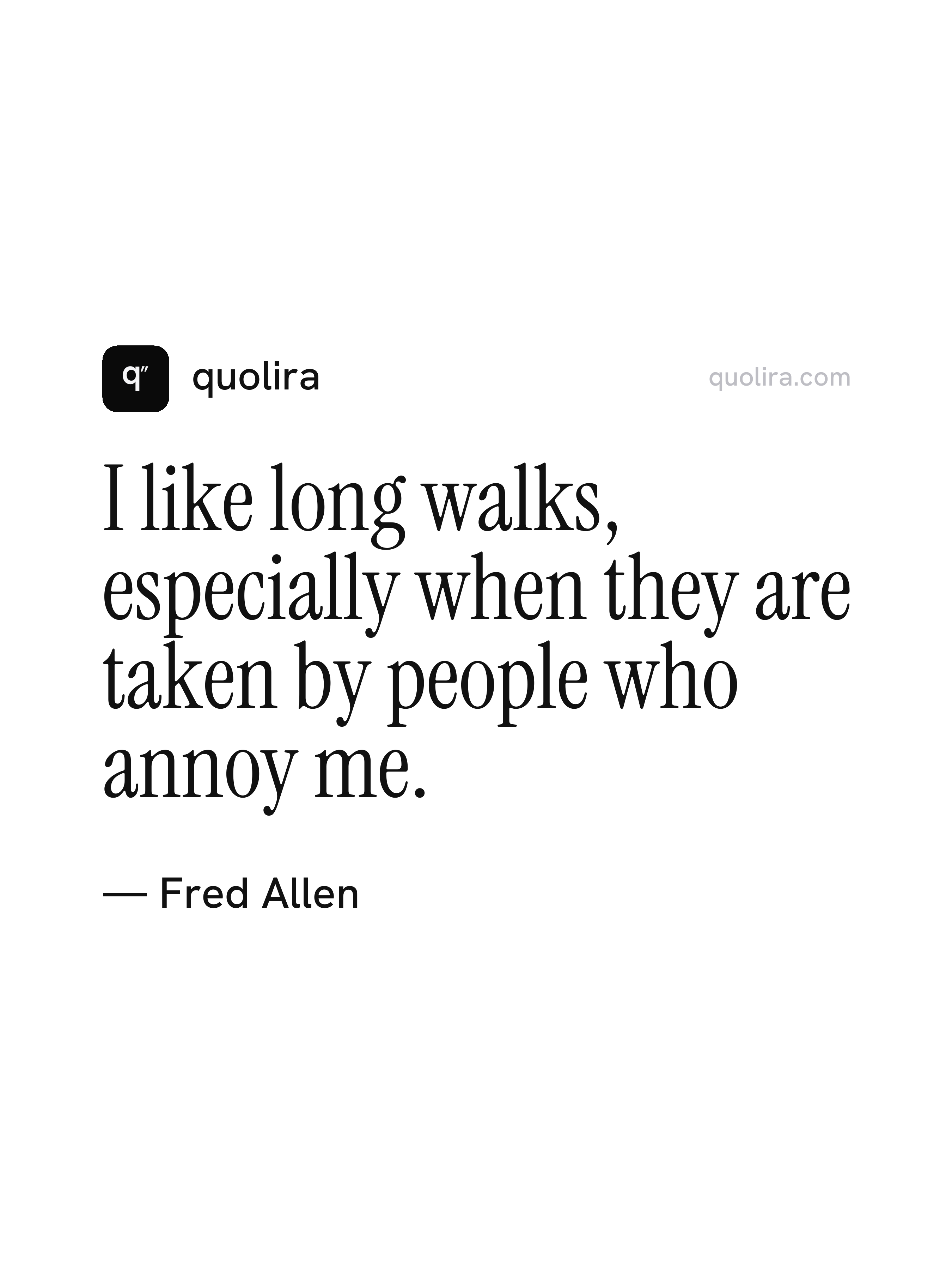
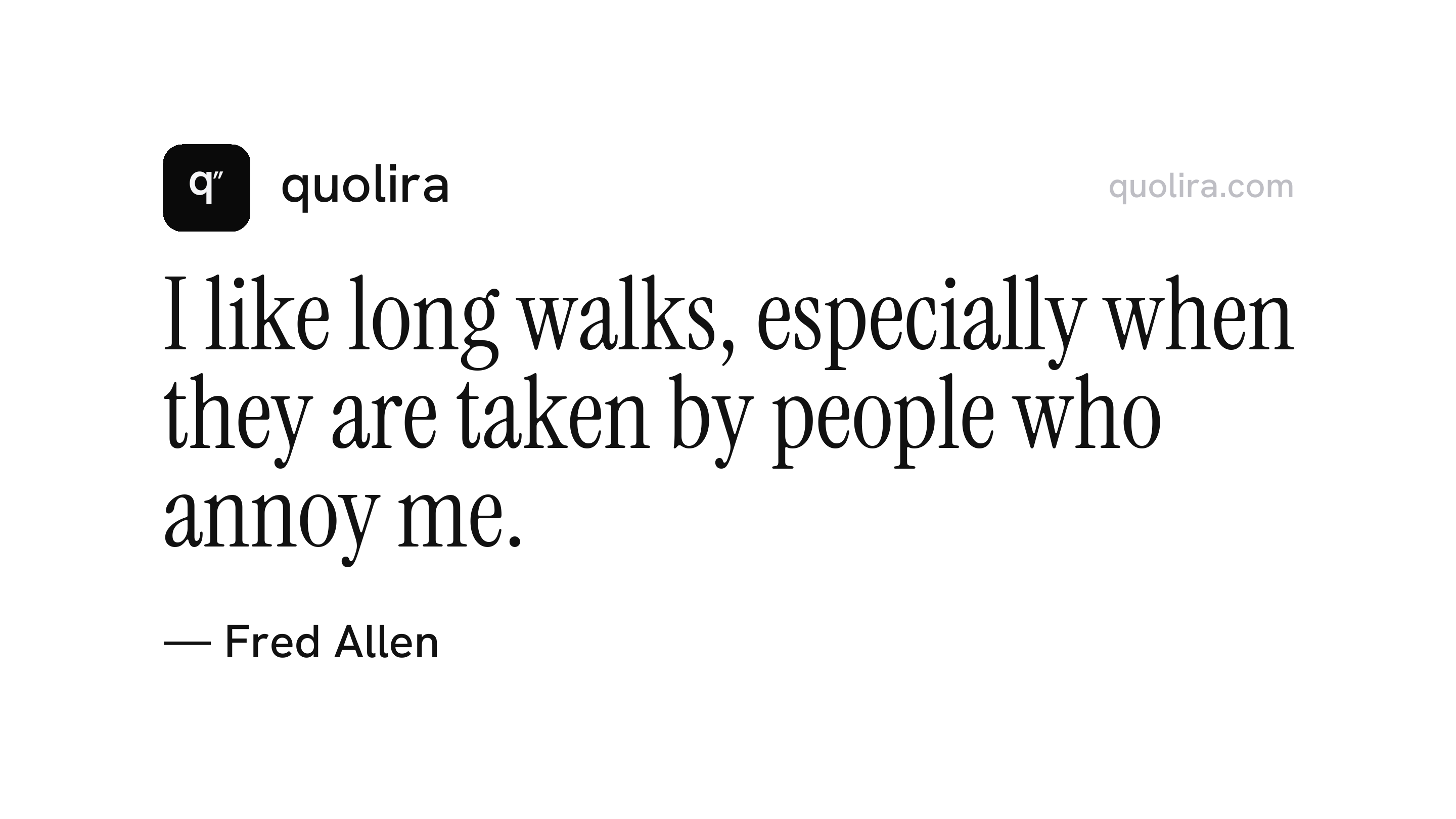
“I like long walks, especially when they are taken by people who annoy me.”

Fred Allen · widely attributed

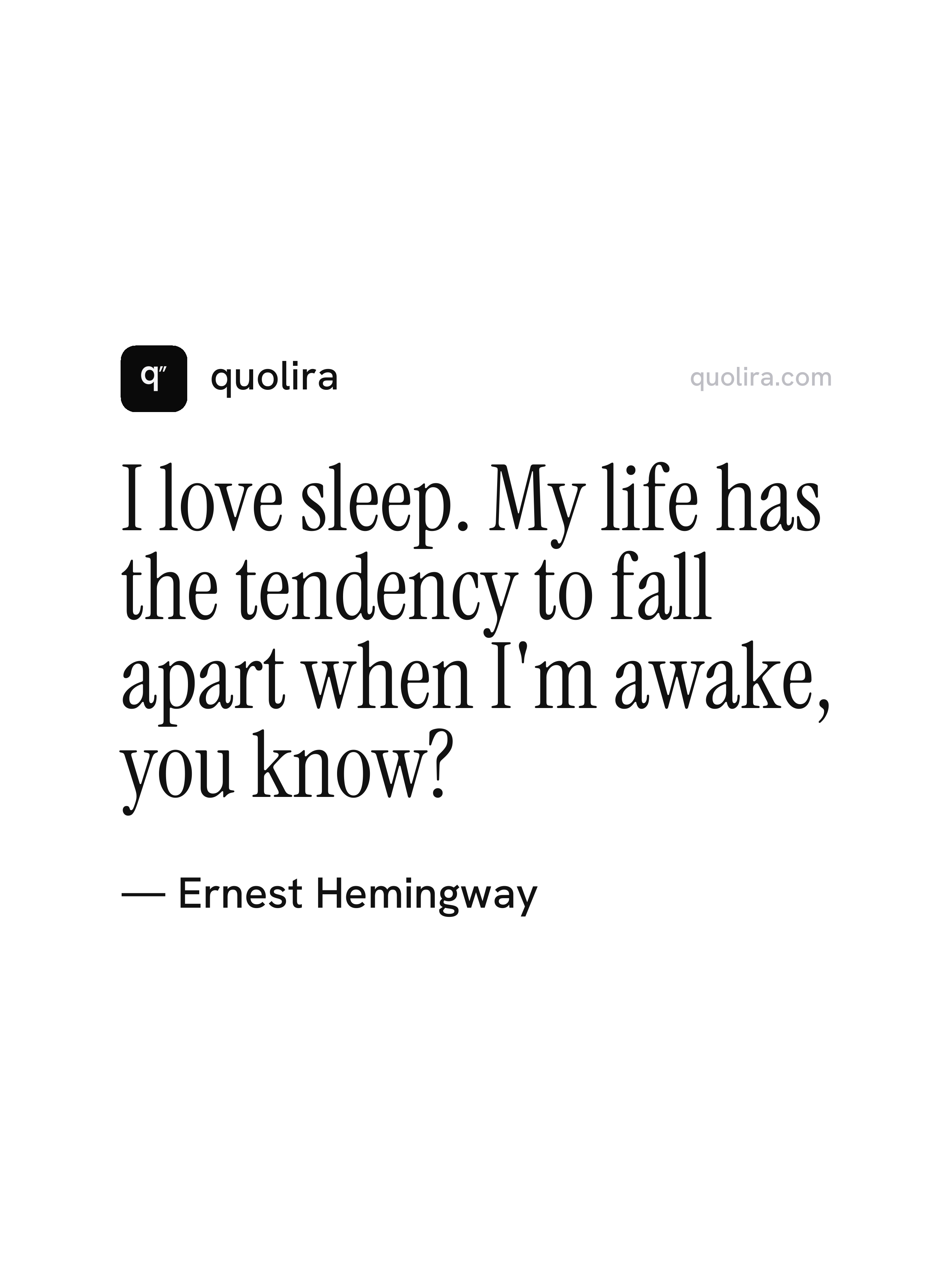
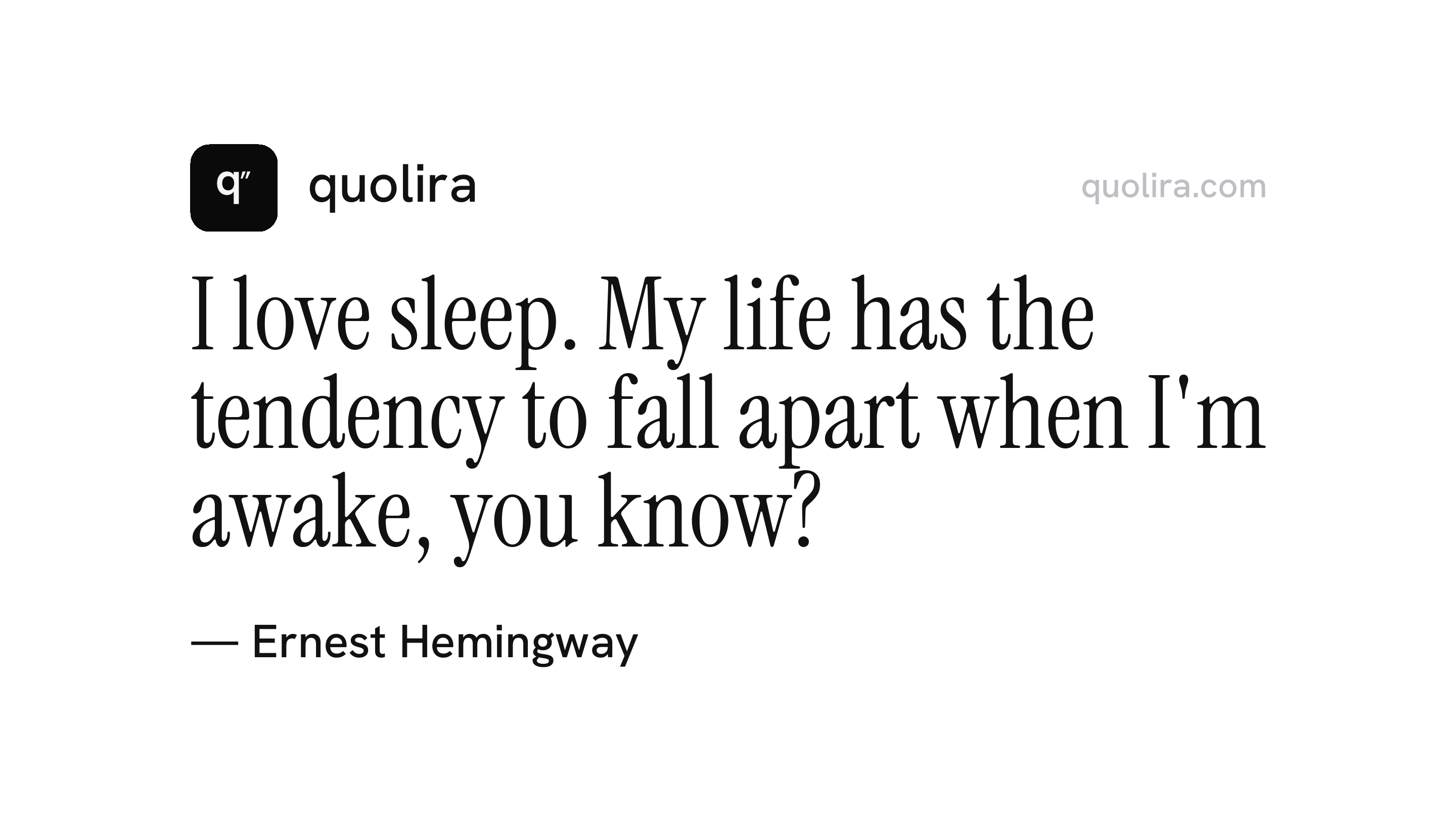
“I love sleep. My life has the tendency to fall apart when I'm awake, you know?”

Ernest Hemingway · widely attributed

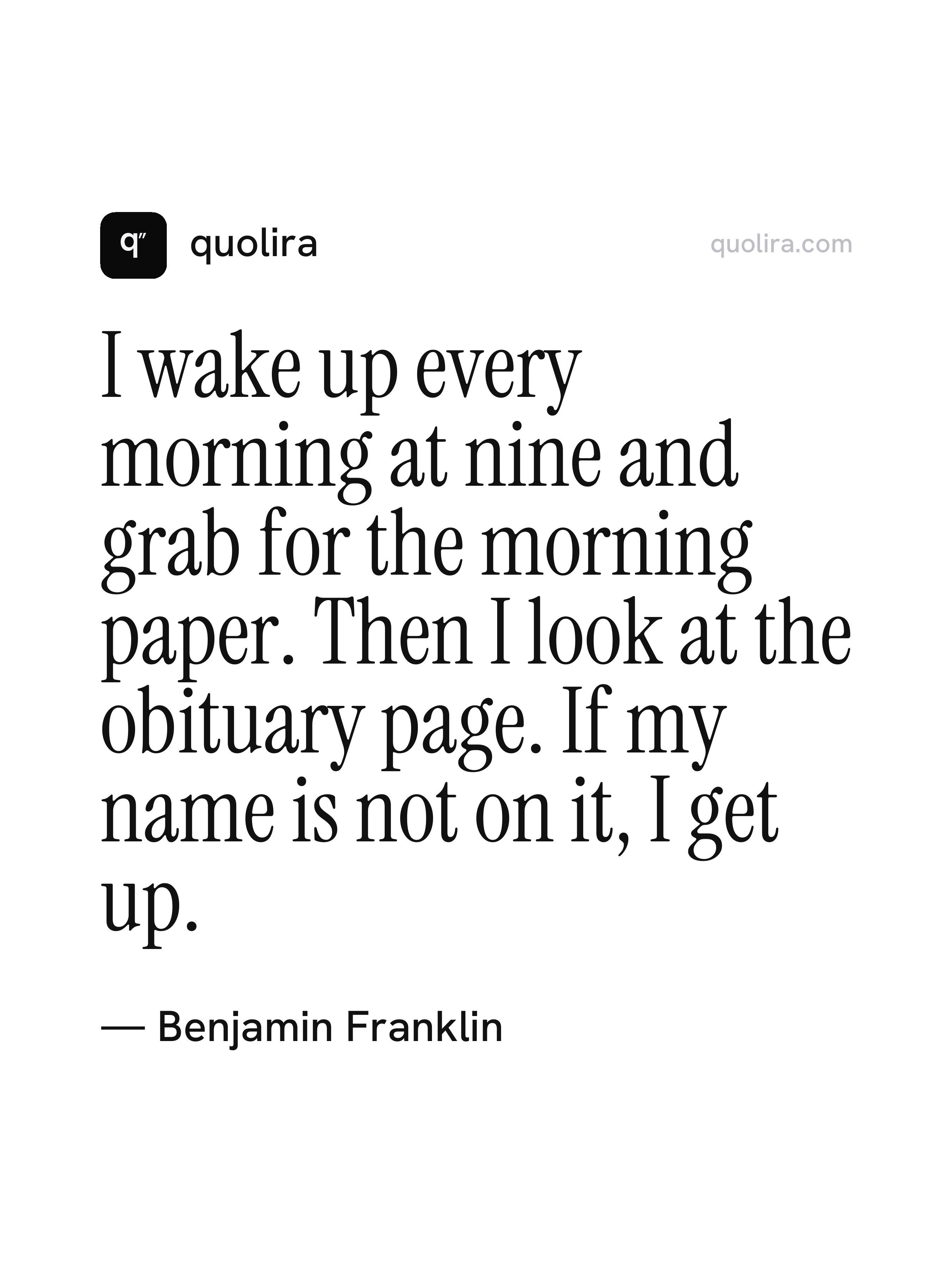
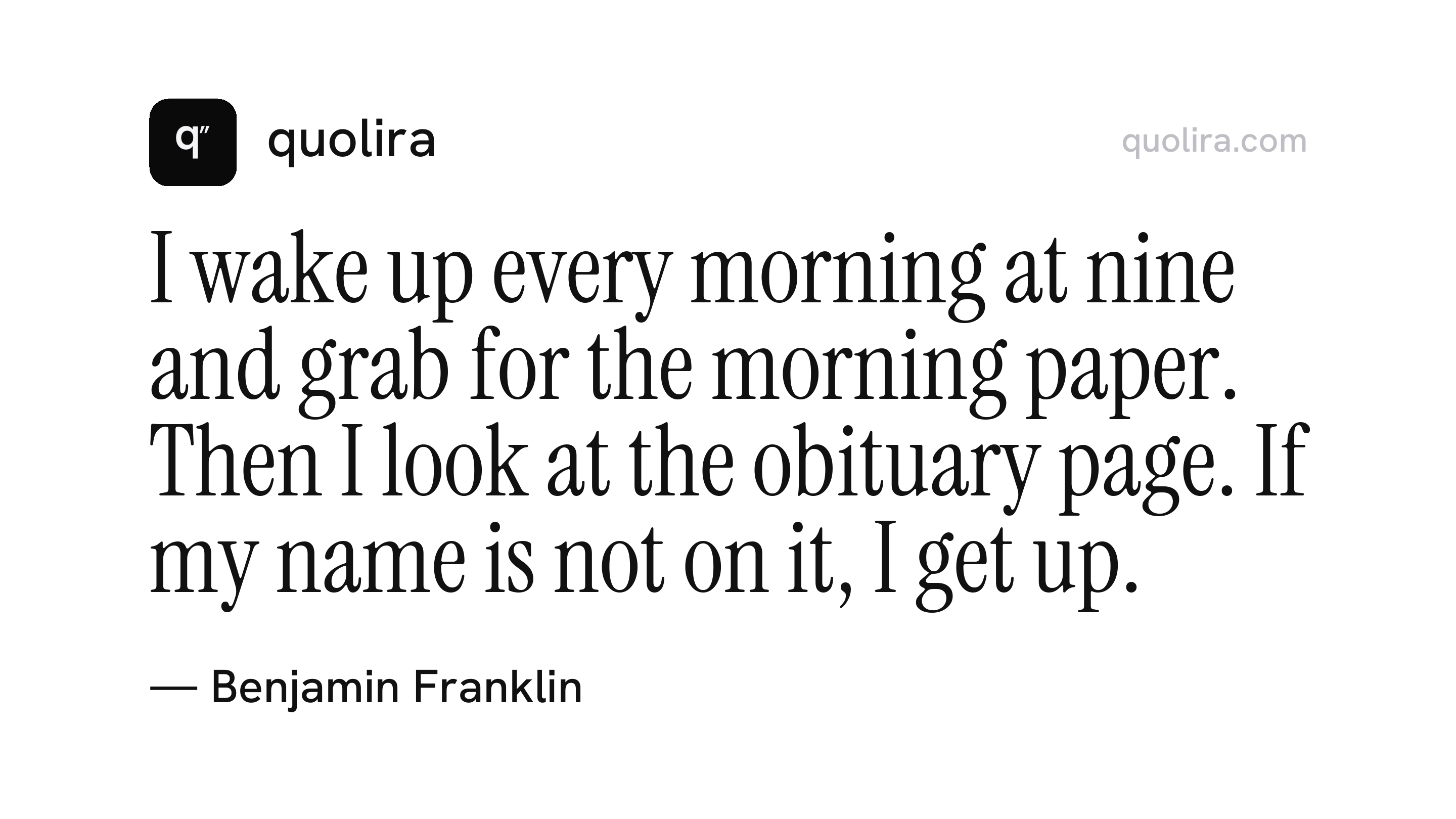
“I wake up every morning at nine and grab for the morning paper. Then I look at the obituary page. If my name is not on it, I get up.”

Benjamin Franklin · widely attributed

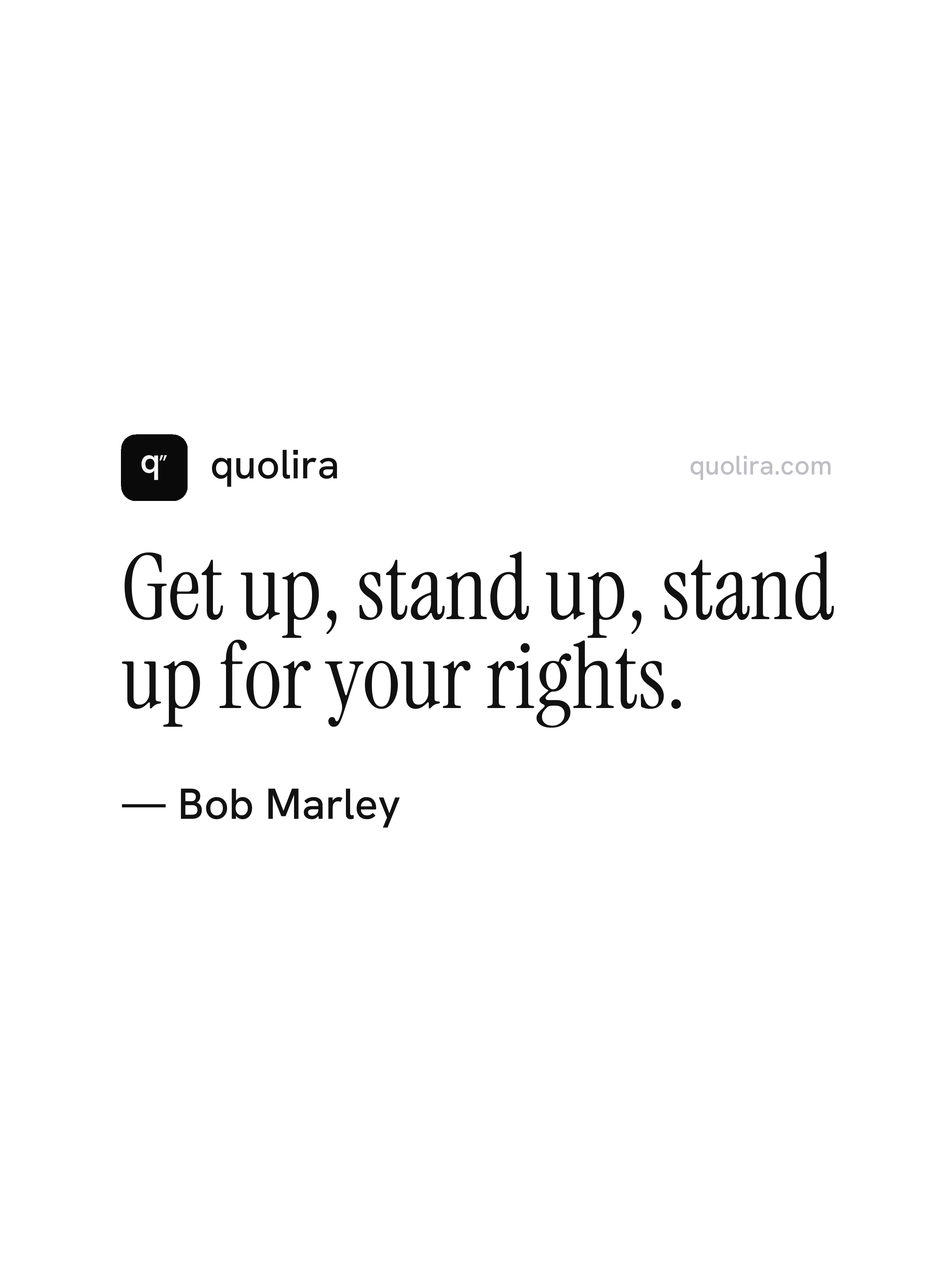
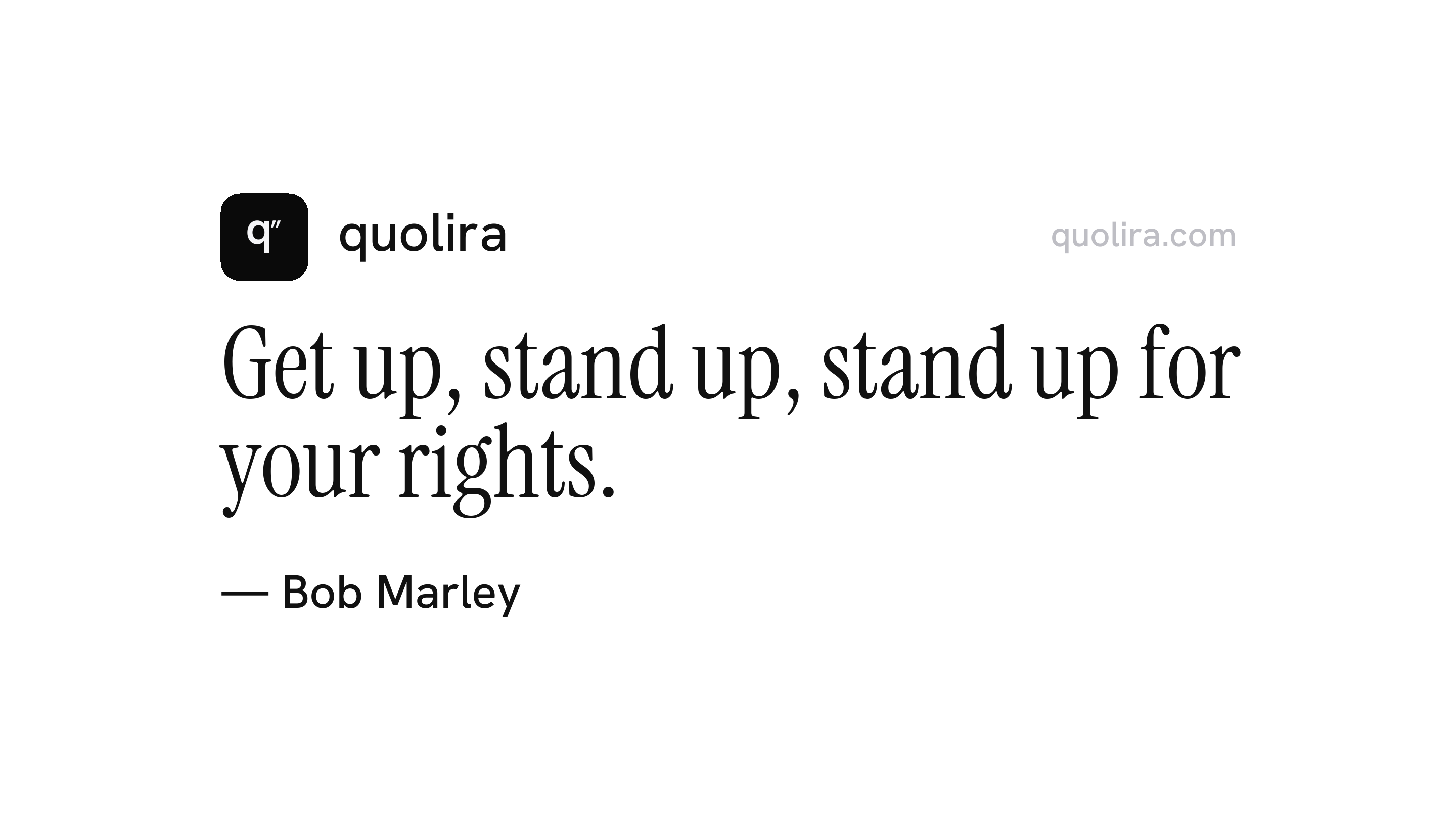
“Get up, stand up, stand up for your rights.”

Bob Marley · Get Up, Stand Up, 1973

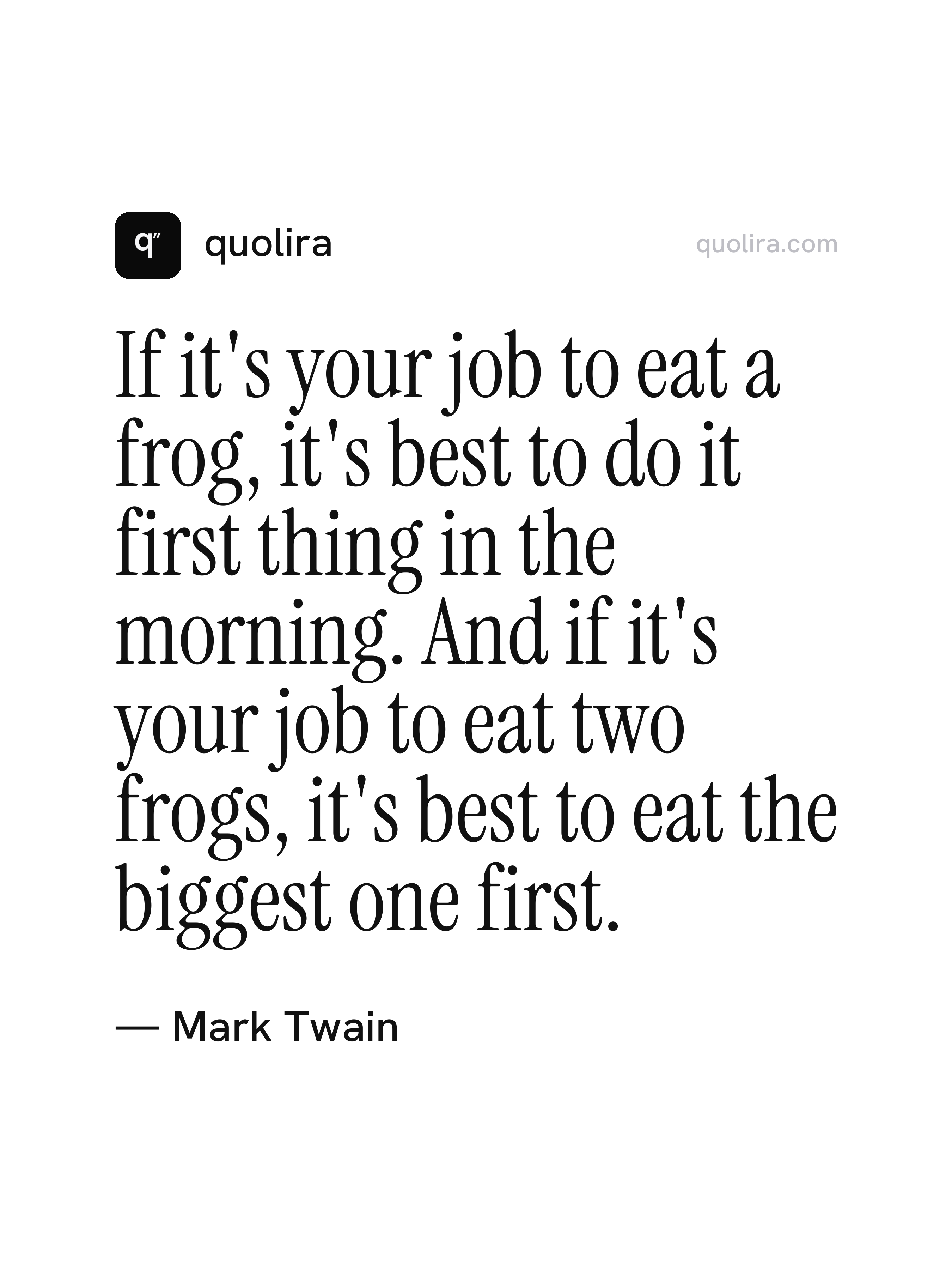
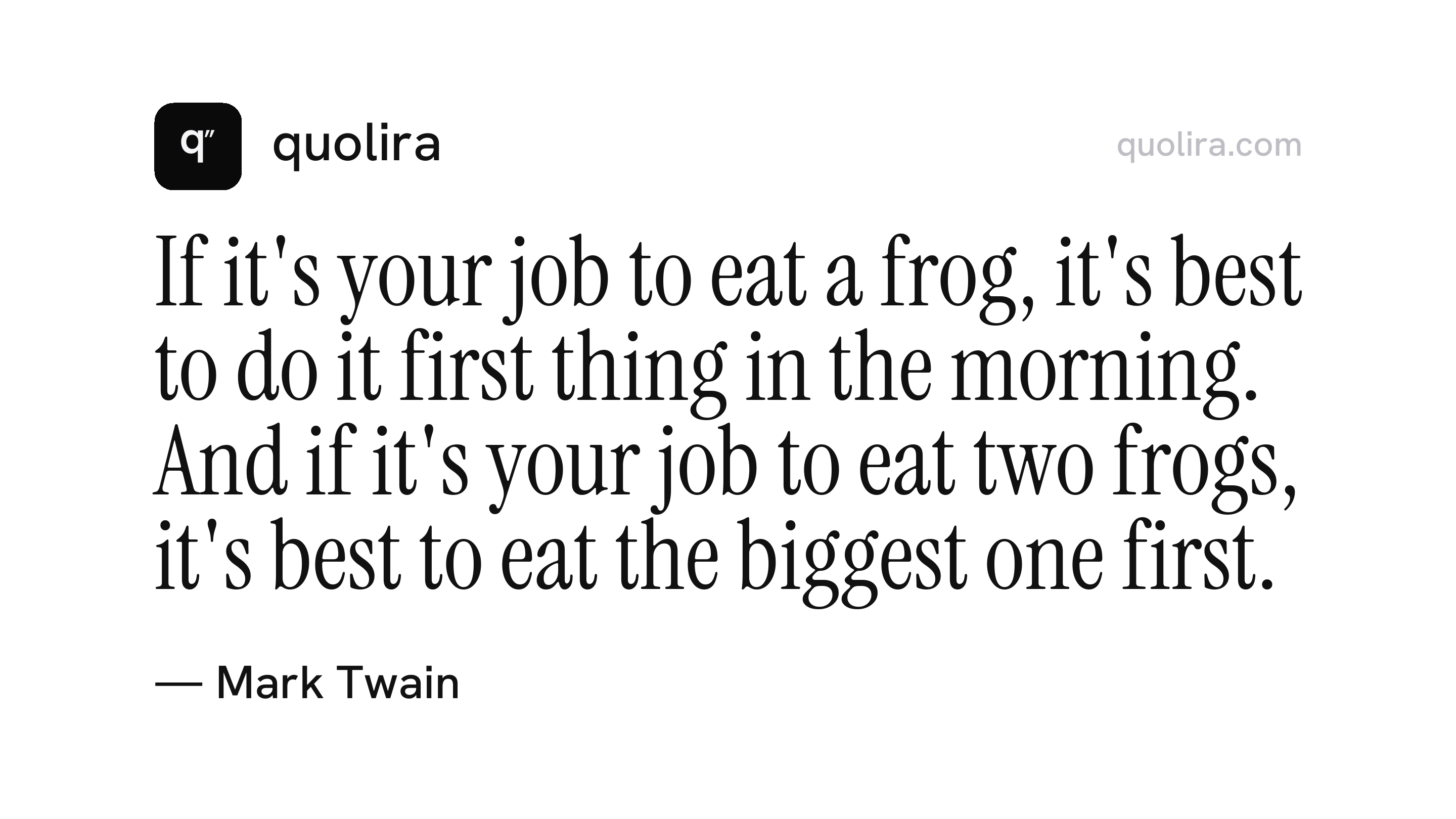
“If it's your job to eat a frog, it's best to do it first thing in the morning. And if it's your job to eat two frogs, it's best to eat the biggest one first.”

Mark Twain · widely attributed to Twain

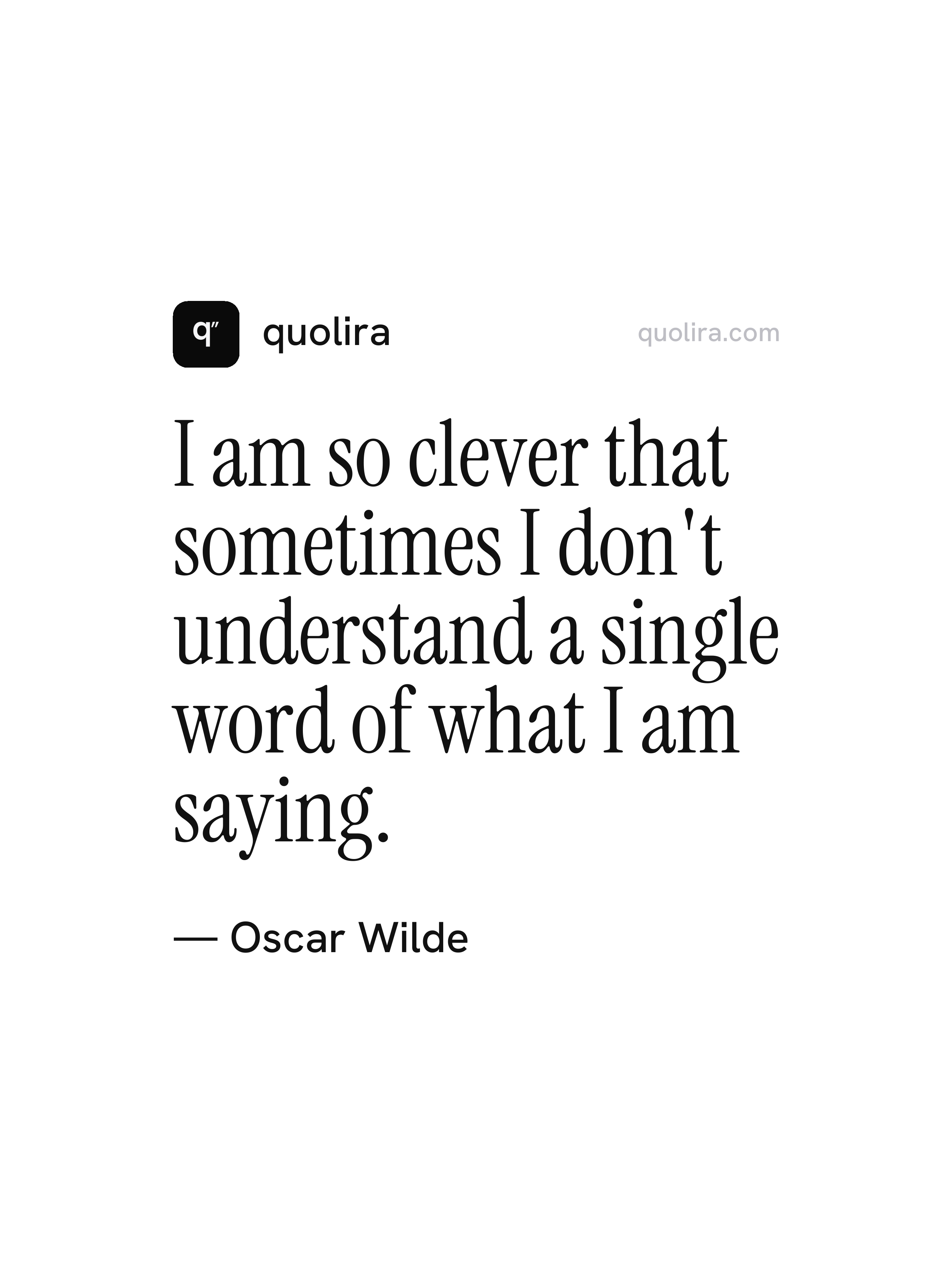
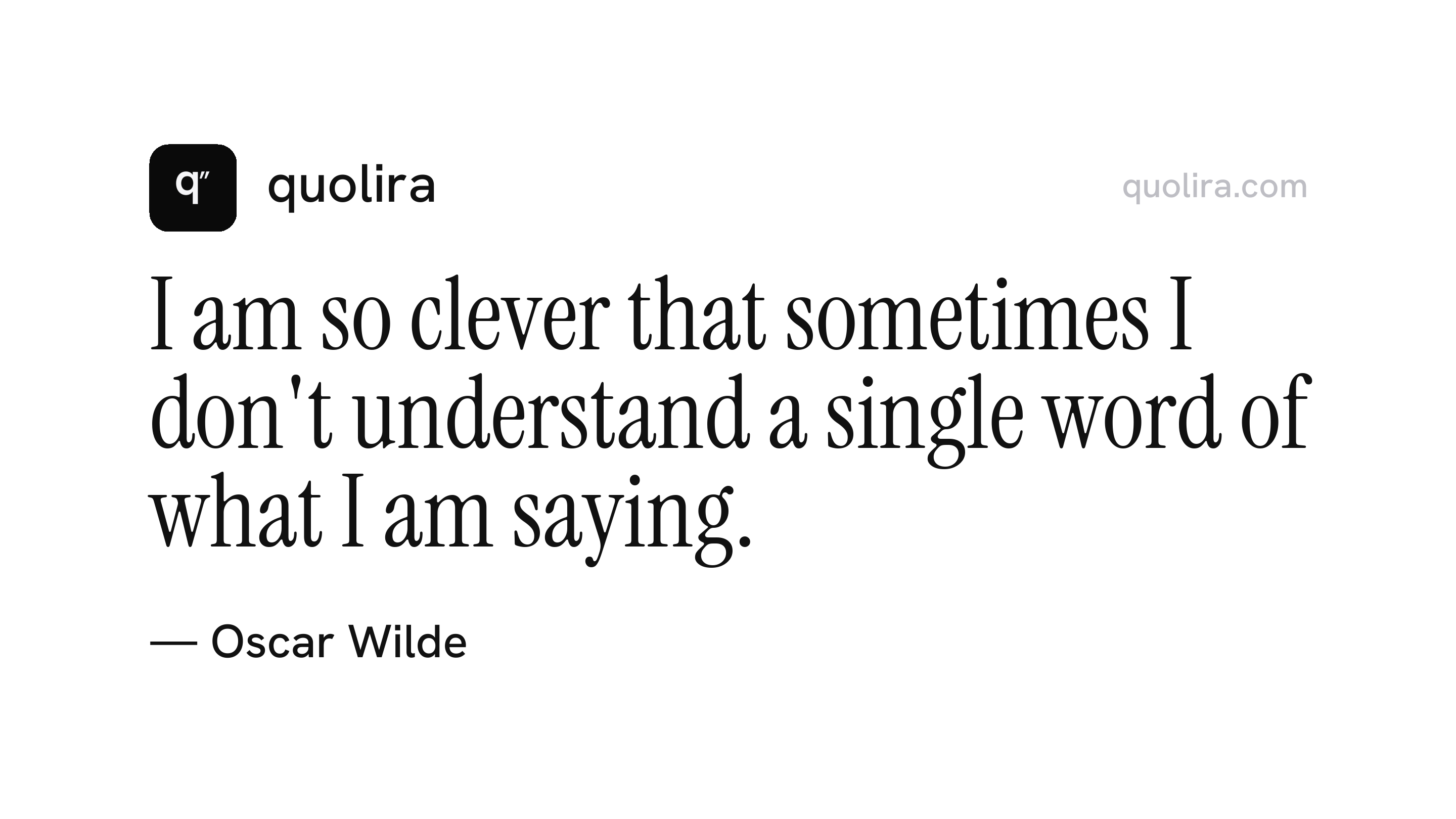
“I am so clever that sometimes I don't understand a single word of what I am saying.”

Oscar Wilde · The Happy Prince and Other Tales, 1888

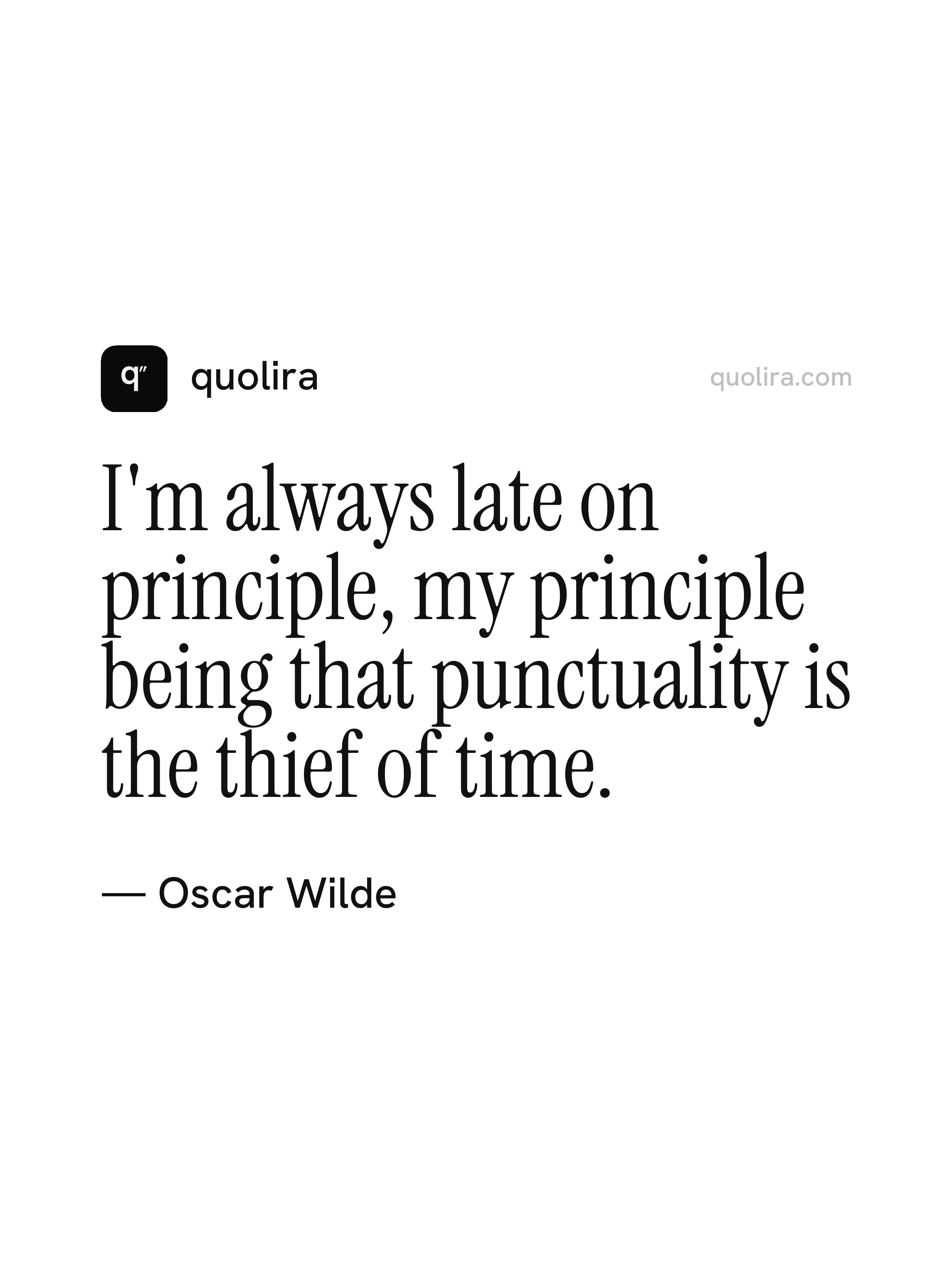
“I'm always late on principle, my principle being that punctuality is the thief of time.”

Oscar Wilde · The Picture of Dorian Gray, 1890

“The average, healthy, well-adjusted adult gets up at seven-thirty in the morning feeling just plain terrible.”

Jean Kerr · Please Don't Eat the Daisies, 1957

“Anyone can do any amount of work, provided it isn't the work he is supposed to be doing at that moment.”

Robert Benchley · Chips off the Old Benchley, 1949