“An early-morning walk is a blessing for the whole day.”
Henry David Thoreau · Journal, 1840
 quolira
.com
quolira
quolira.com
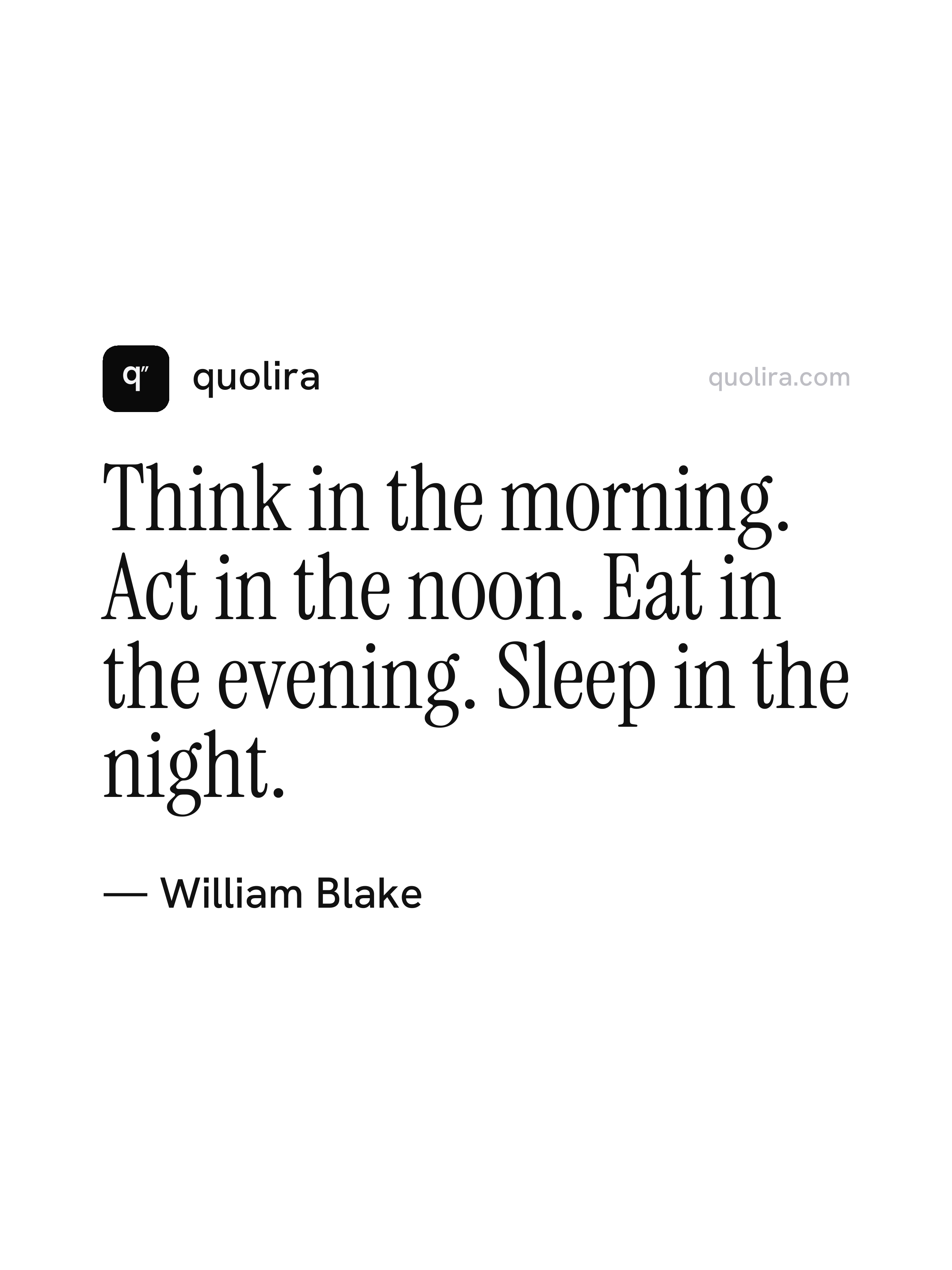
Blake is laying out an ideal rhythm for a human day, matching each mental and physical activity to the hour that best suits it. The morning, with its freshness and quiet, belongs to thought. The full energy of midday is reserved for action and doing. Evening brings nourishment and rest from effort, and night is given entirely to sleep. Read together, the four lines suggest that harmony in life comes from honoring natural cycles rather than forcing activity into the wrong part of the day.
This line comes from "The Marriage of Heaven and Hell," a prose-poem work in which Blake challenged conventional moral and religious thinking by celebrating energy, imagination, and the tension between opposites. The book is structured partly as a series of "Proverbs of Hell," short, memorable sayings that sound like folk wisdom but carry Blake's distinctly radical philosophy. This particular proverb fits that form well: it resembles practical advice on the surface, yet it also encodes Blake's deeper argument that living in alignment with natural order is itself a kind of spiritual act.
William Blake was an English poet, painter, and printmaker of the late eighteenth and early nineteenth centuries. He worked largely outside the literary mainstream of his time and was not widely celebrated during his lifetime, but later generations recognized him as one of the most original visionary artists in the English language. His work blends mythological invention, political radicalism, and intense spiritual feeling in a way that continues to feel unlike anything else in the literary tradition.
“An early-morning walk is a blessing for the whole day.”
Henry David Thoreau · Journal, 1840
“Morning is an important time of day, because how you spend your morning can often tell you what kind of day you are going to have.”
Lemony Snicket · "The Blank Book", 1999
“Every morning we are born again. What we do today is what matters most.”
Buddha
“Write it on your heart that every day is the best day in the year.”
Ralph Waldo Emerson · "Works of Ralph Waldo Emerson", 1870
“Bees do have a smell, you know, and if they don't they should, for their feet are dusted with spices from a million flowers.”
Ray Bradbury · Dandelion Wine, 1957
“It is not the language of painters but the language of nature which one should listen to.”
Vincent van Gogh · Letter to Theo van Gogh, 1885
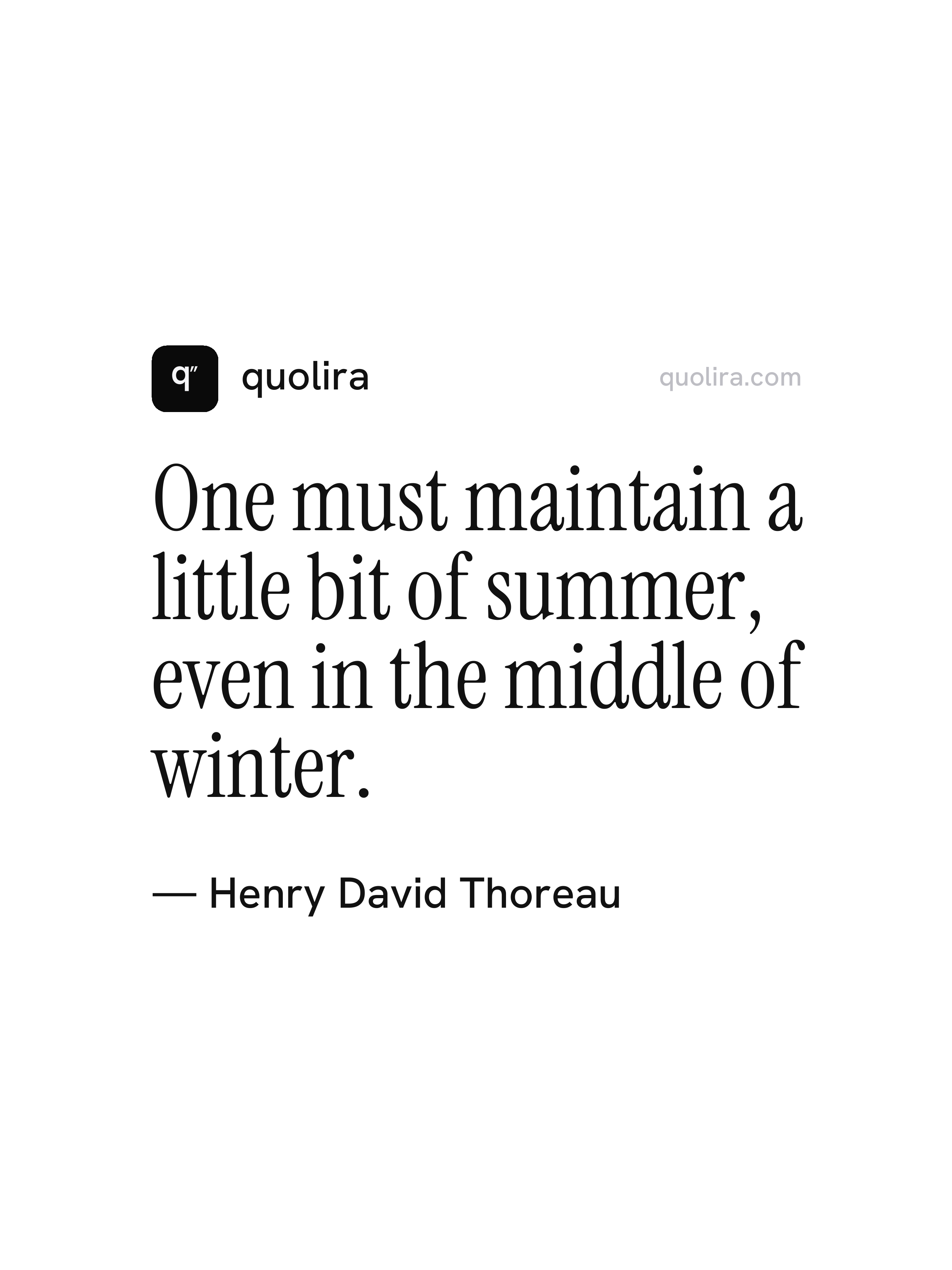
“One must maintain a little bit of summer, even in the middle of winter.”
Henry David Thoreau · Journal, January 1852
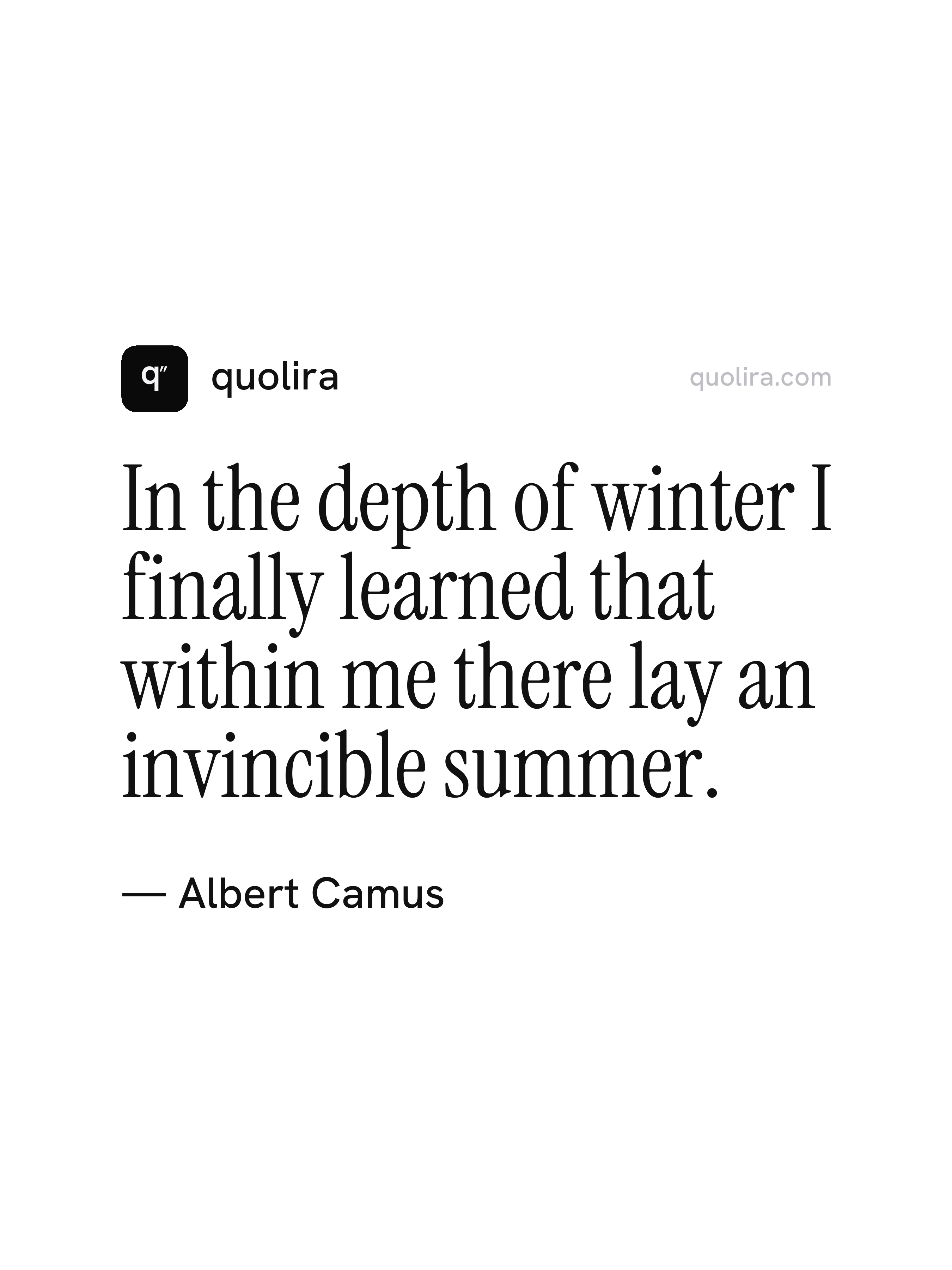
“In the depth of winter I finally learned that within me there lay an invincible summer.”
Albert Camus · Return to Tipasa, 1954
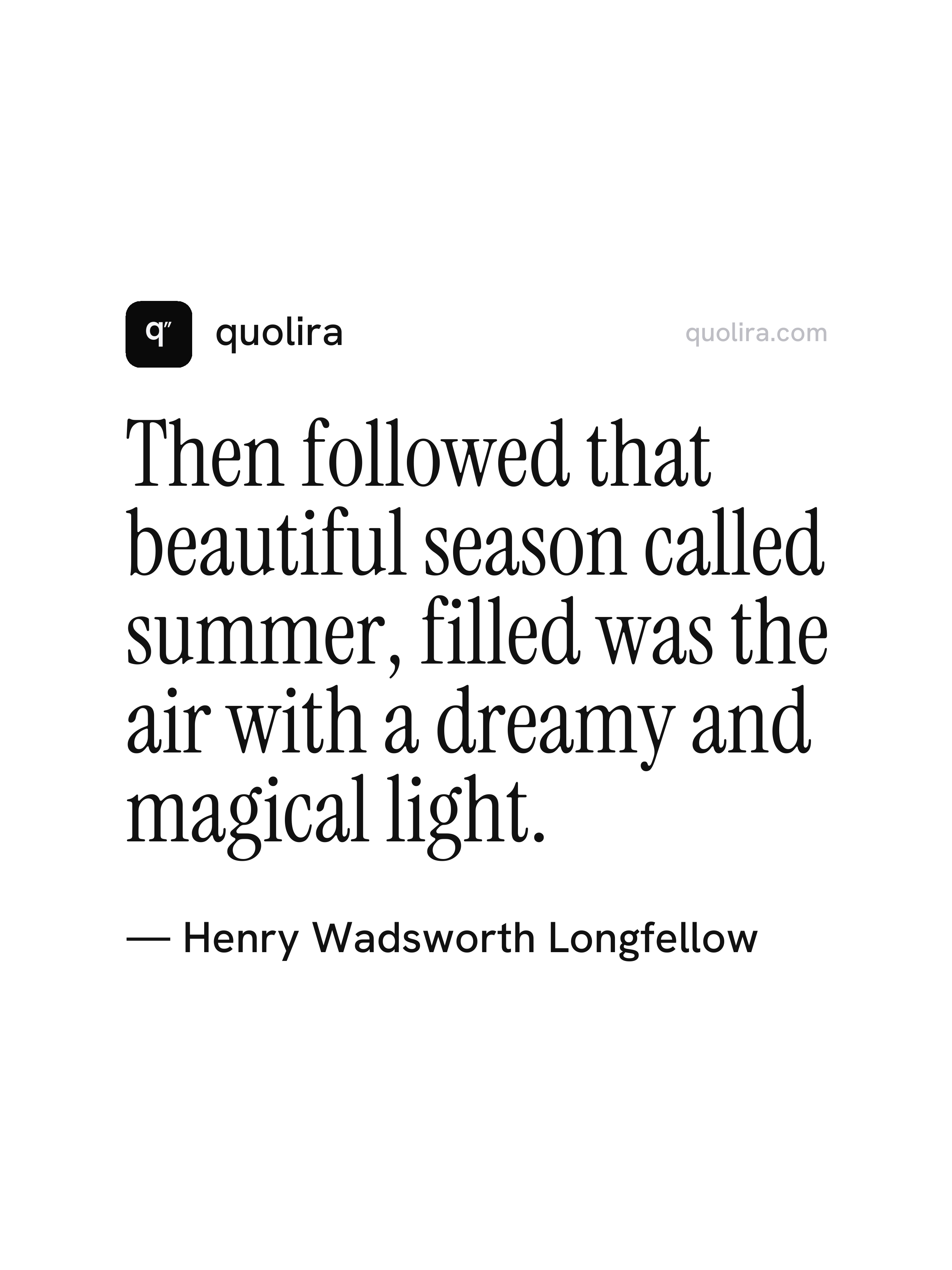
“Then followed that beautiful season called summer, filled was the air with a dreamy and magical light.”
Henry Wadsworth Longfellow · Evangeline, 1847
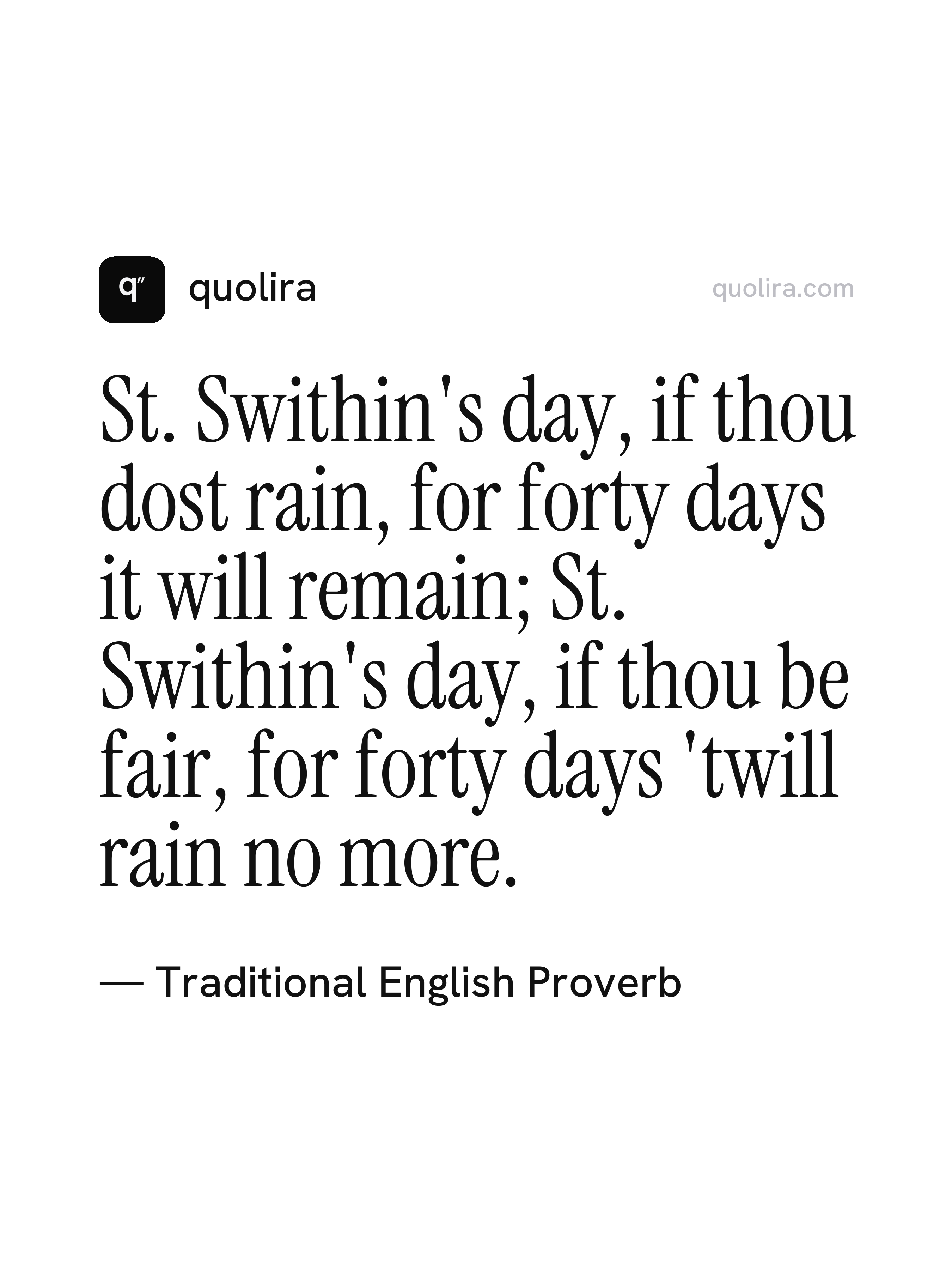
“St. Swithin's day, if thou dost rain, for forty days it will remain; St. Swithin's day, if thou be fair, for forty days 'twill rain no more.”
Traditional English Proverb · July 15 folk saying, documented widely before 1800
“I wonder what it would be like to live in a world where it was always June.”
L.M. Montgomery · Anne of Green Gables, 1908
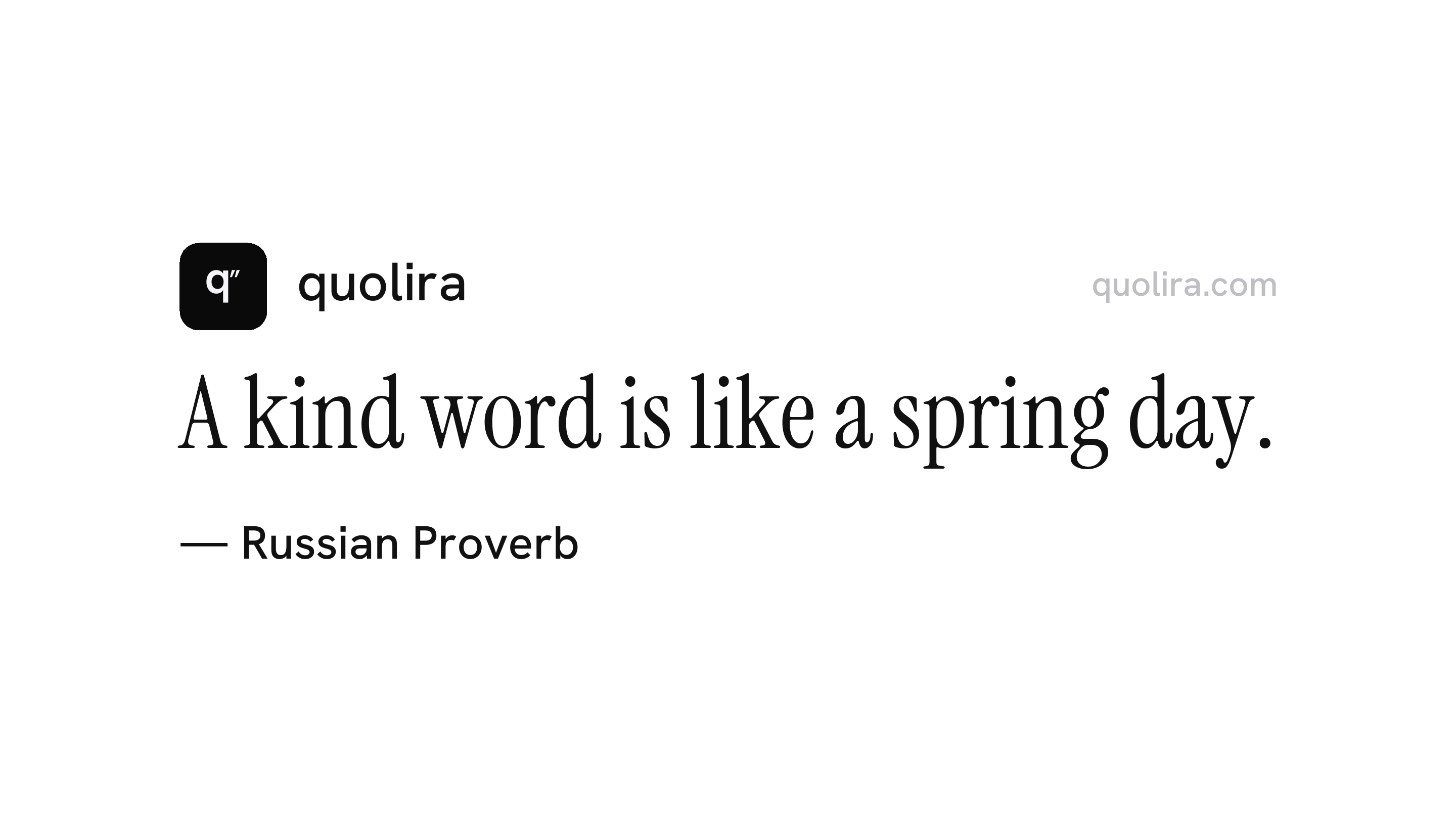
“A kind word is like a spring day.”
Russian Proverb