“Then followed that beautiful season called summer, filled was the air with a dreamy and magical light.”
Henry Wadsworth Longfellow · Evangeline, 1847
 quolira
.com
quolira
quolira.com
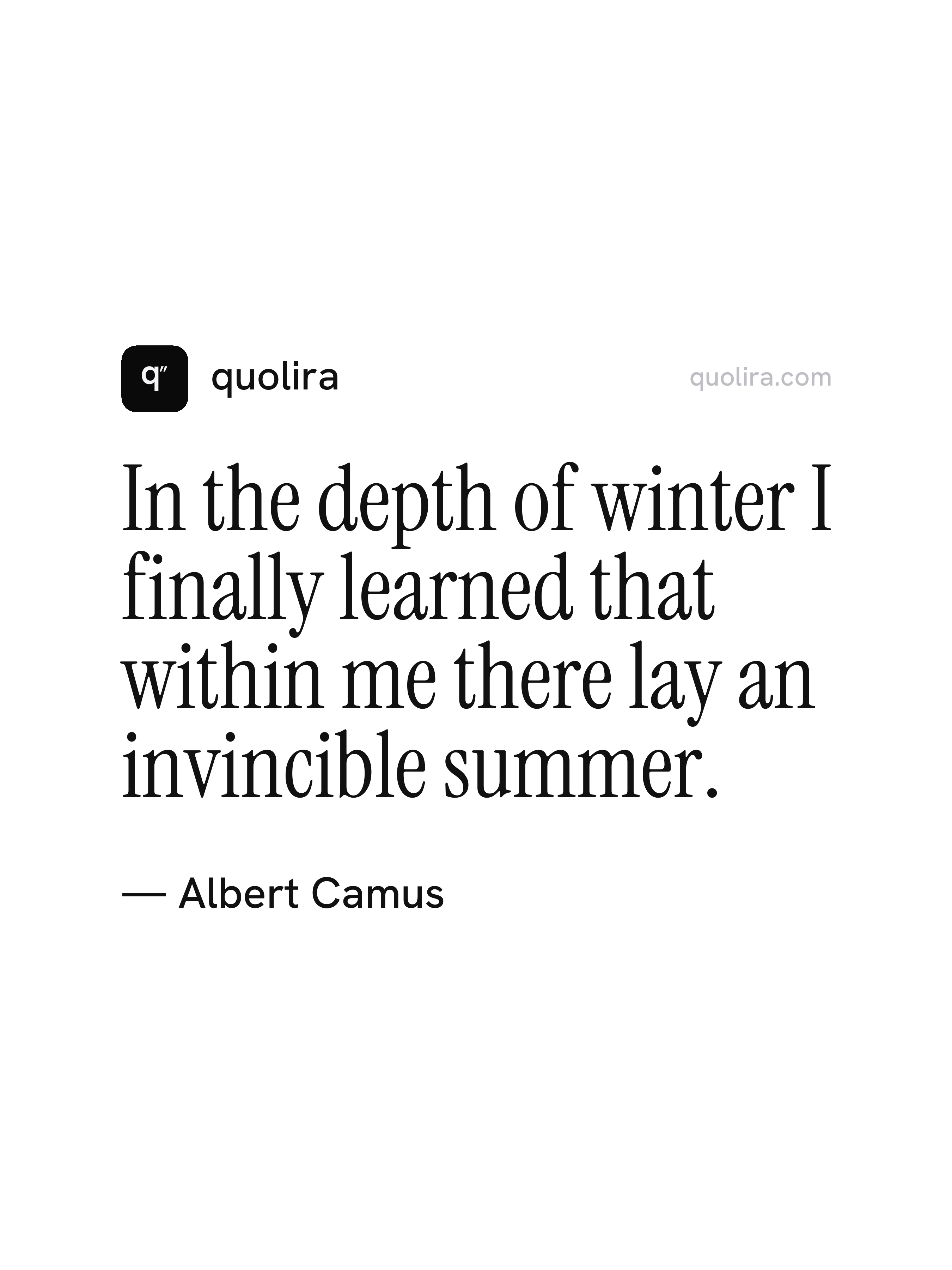
Camus is describing a moment of internal discovery, the realization that a capacity for warmth and resilience exists inside a person even during the coldest and most difficult period of life. Winter here stands for bleakness, struggle, and a sense that nothing will change. The summer he discovers within himself is not an escape from that reality but a source of strength that persists in spite of it. The word "invincible" is key: this inner summer cannot be taken away by external circumstances.
The line appears in Return to Tipasa, an essay in which Camus revisits a place in Algeria that had held great meaning for him earlier in his life. The essay was published in 1954 and is part of a collection called Summer. Camus was writing at a time when he had been through considerable personal and historical difficulty, and the essay is partly about the possibility of recovering a sense of beauty and joy in the world after loss and hardship. The broader collection connects the physical warmth of the Mediterranean landscape to ideas about life, mortality, and human endurance.
Albert Camus was a French-Algerian author and philosopher born in Algeria in 1913. He is associated with ideas about absurdism and the challenge of finding meaning in a world that offers no guaranteed answers. He received the Nobel Prize in Literature in 1957. His writing ranges across novels, essays, and plays, and he remained one of the most influential French-language writers of the twentieth century until his death in 1960.
“Then followed that beautiful season called summer, filled was the air with a dreamy and magical light.”
Henry Wadsworth Longfellow · Evangeline, 1847
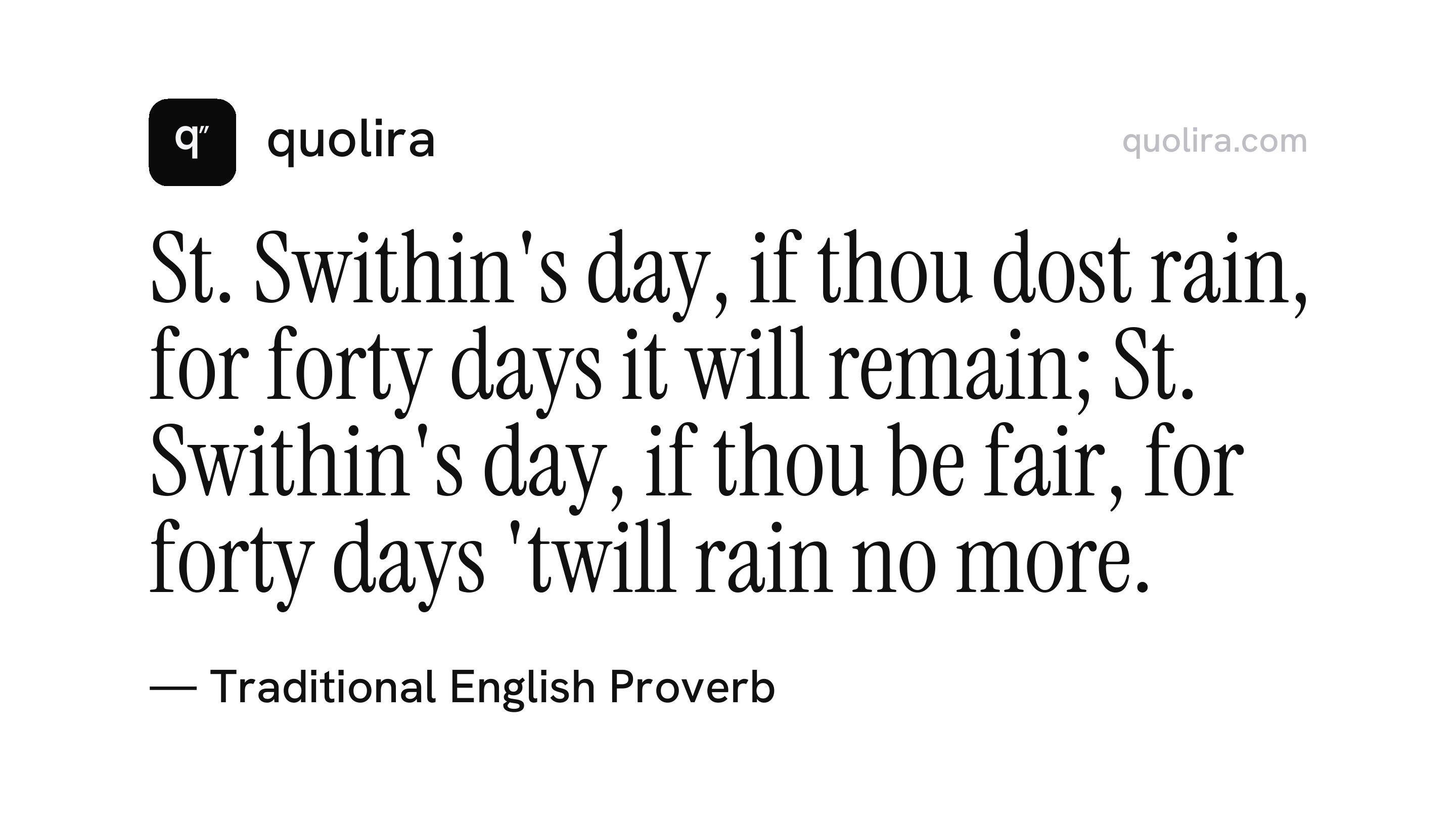
“St. Swithin's day, if thou dost rain, for forty days it will remain; St. Swithin's day, if thou be fair, for forty days 'twill rain no more.”
Traditional English Proverb · July 15 folk saying, documented widely before 1800
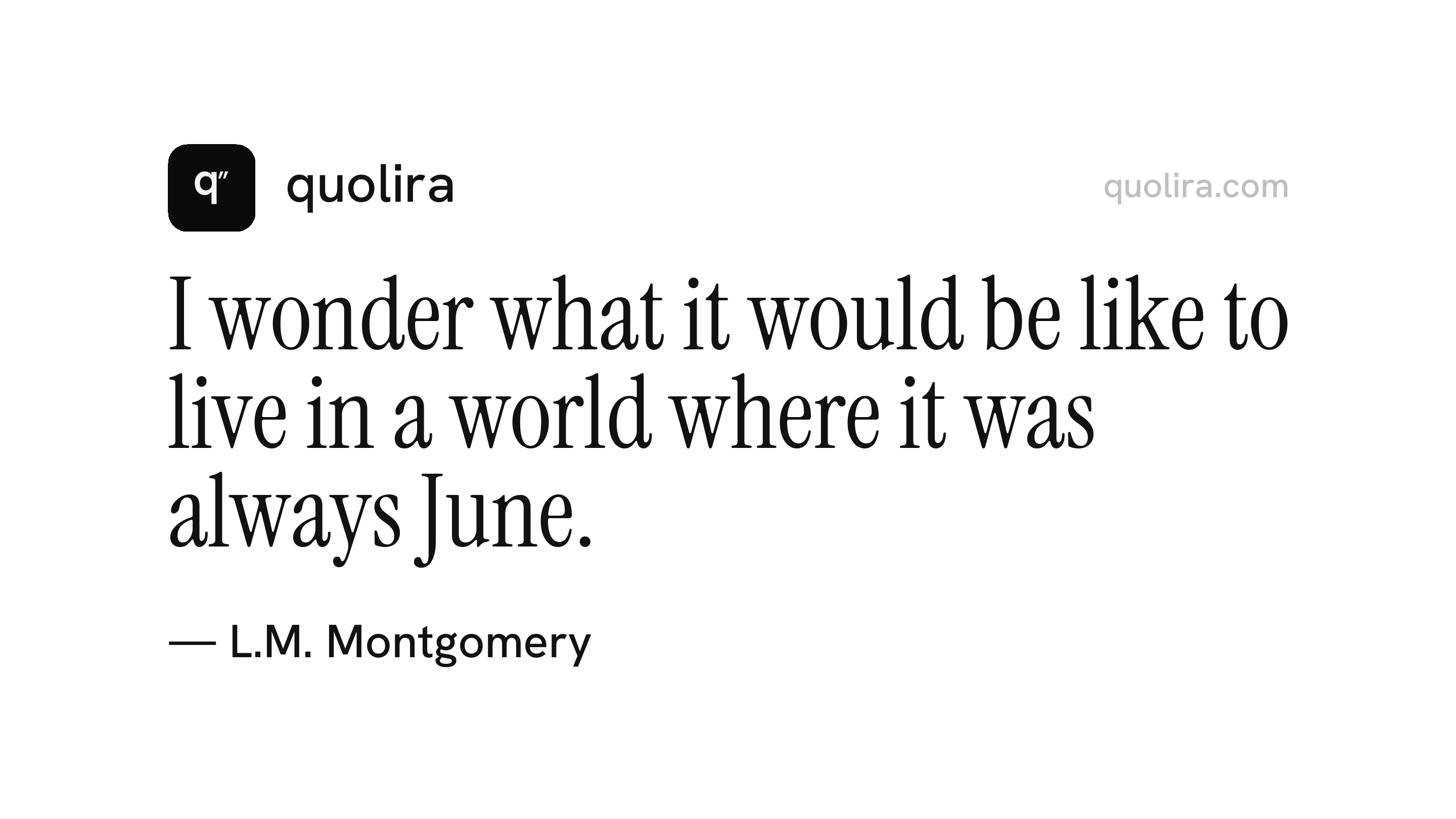
“I wonder what it would be like to live in a world where it was always June.”
L.M. Montgomery · Anne of Green Gables, 1908
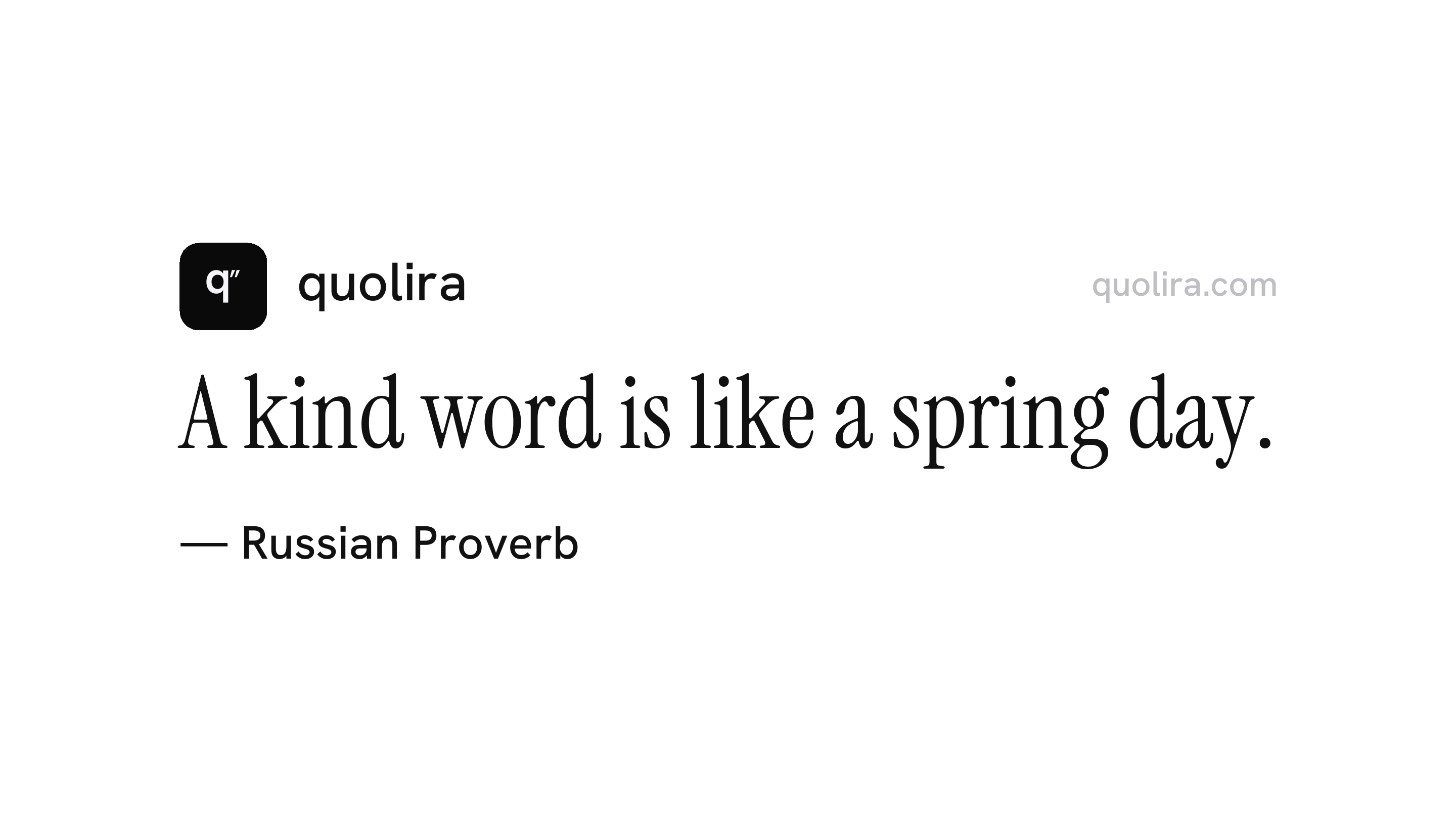
“A kind word is like a spring day.”
Russian Proverb
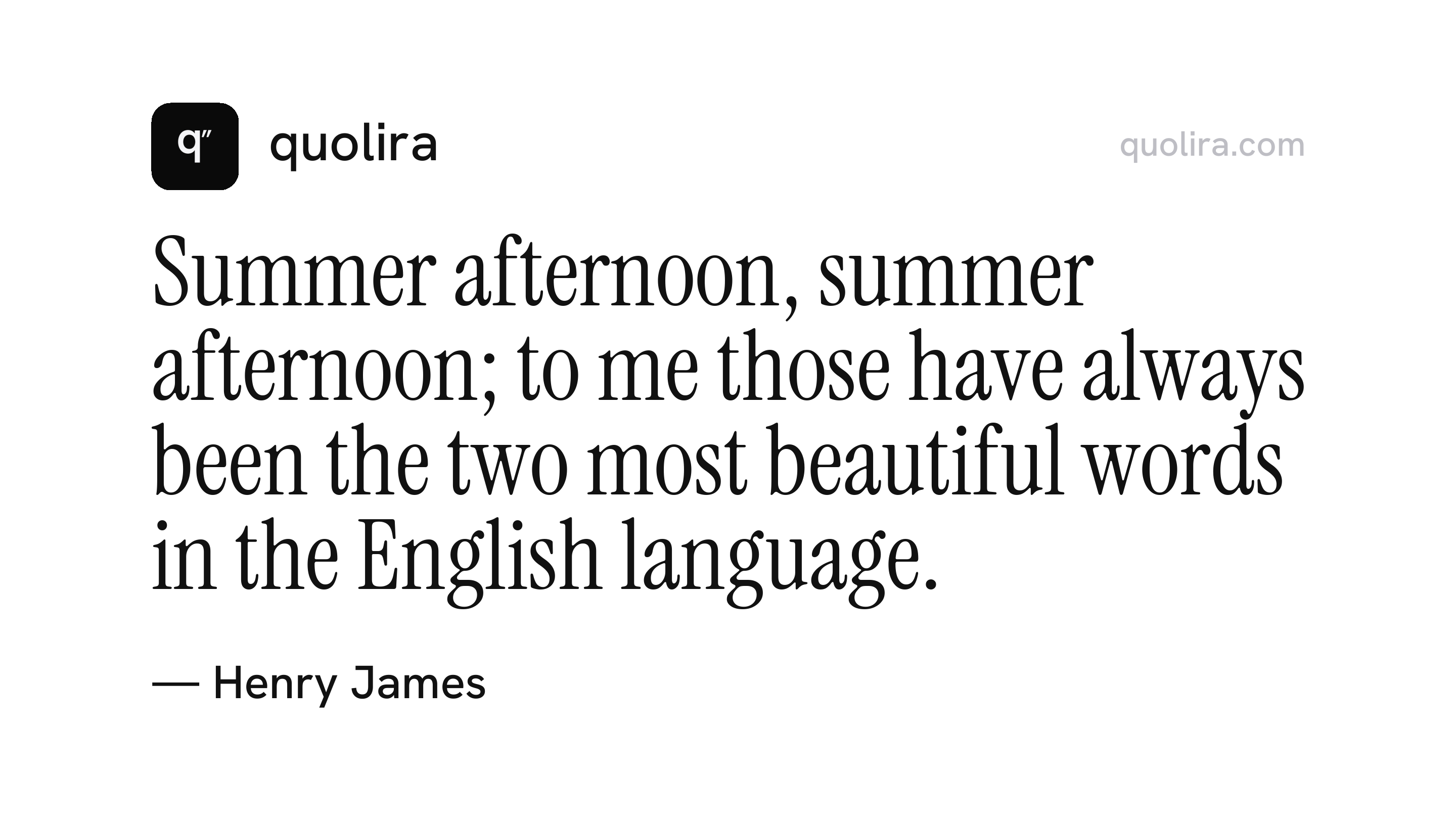
“Summer afternoon, summer afternoon; to me those have always been the two most beautiful words in the English language.”
Henry James · As quoted by Edith Wharton in A Backward Glance, 1934
“In early June the world of leaf and blade and flowers explodes, and every sunset is different.”
John Steinbeck · Travels with Charley, 1962
“Deep summer is when laziness finds respectability.”
Sam Keen
“One benefit of summer was that each day we had more light to read by.”
Jeannette Walls · The Glass Castle, 2005
“Shall I compare thee to a summer's day? Thou art more lovely and more temperate.”
William Shakespeare · Sonnet 18, c. 1609
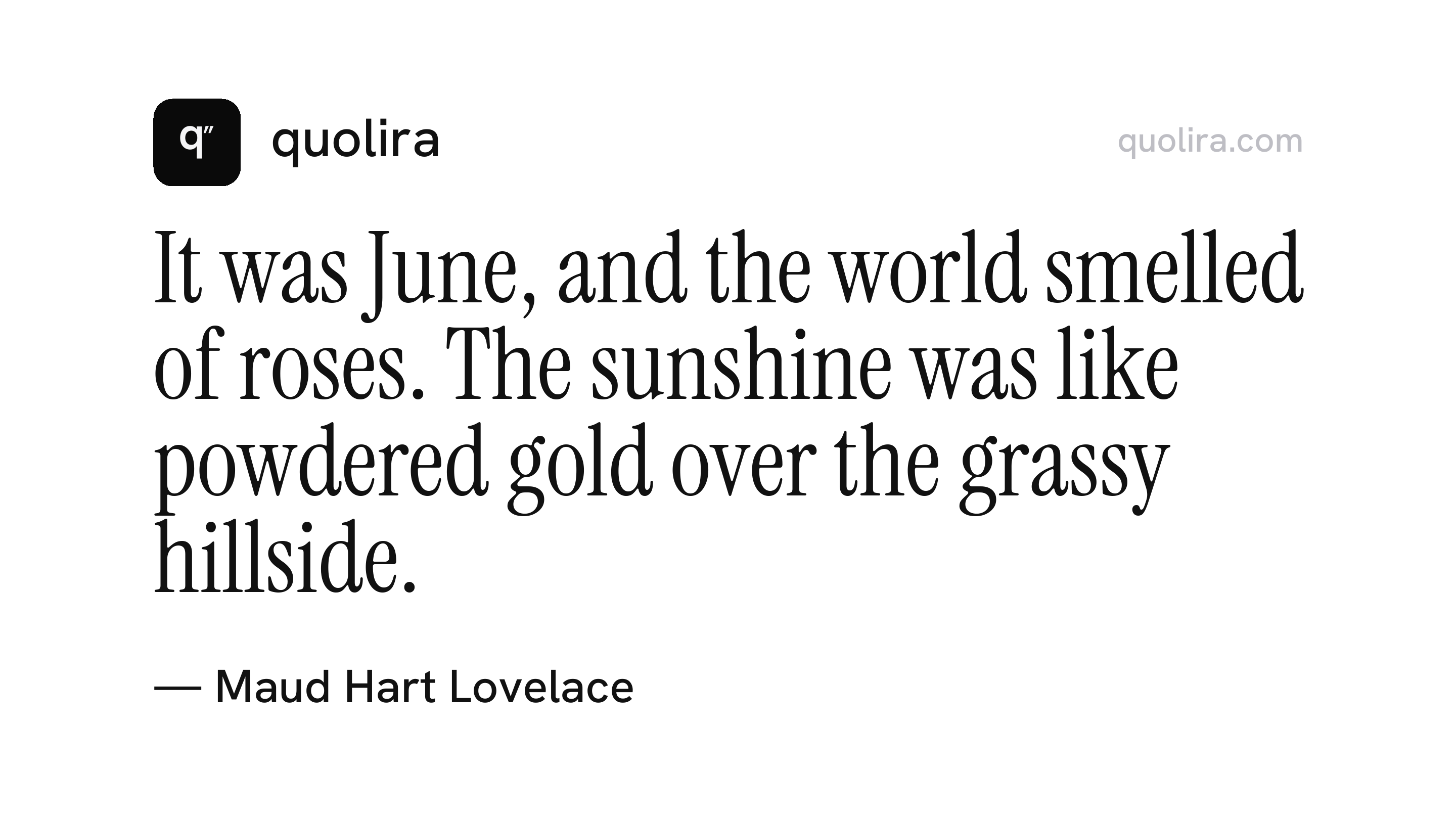
“It was June, and the world smelled of roses. The sunshine was like powdered gold over the grassy hillside.”
Maud Hart Lovelace · Betsy-Tacy, 1940
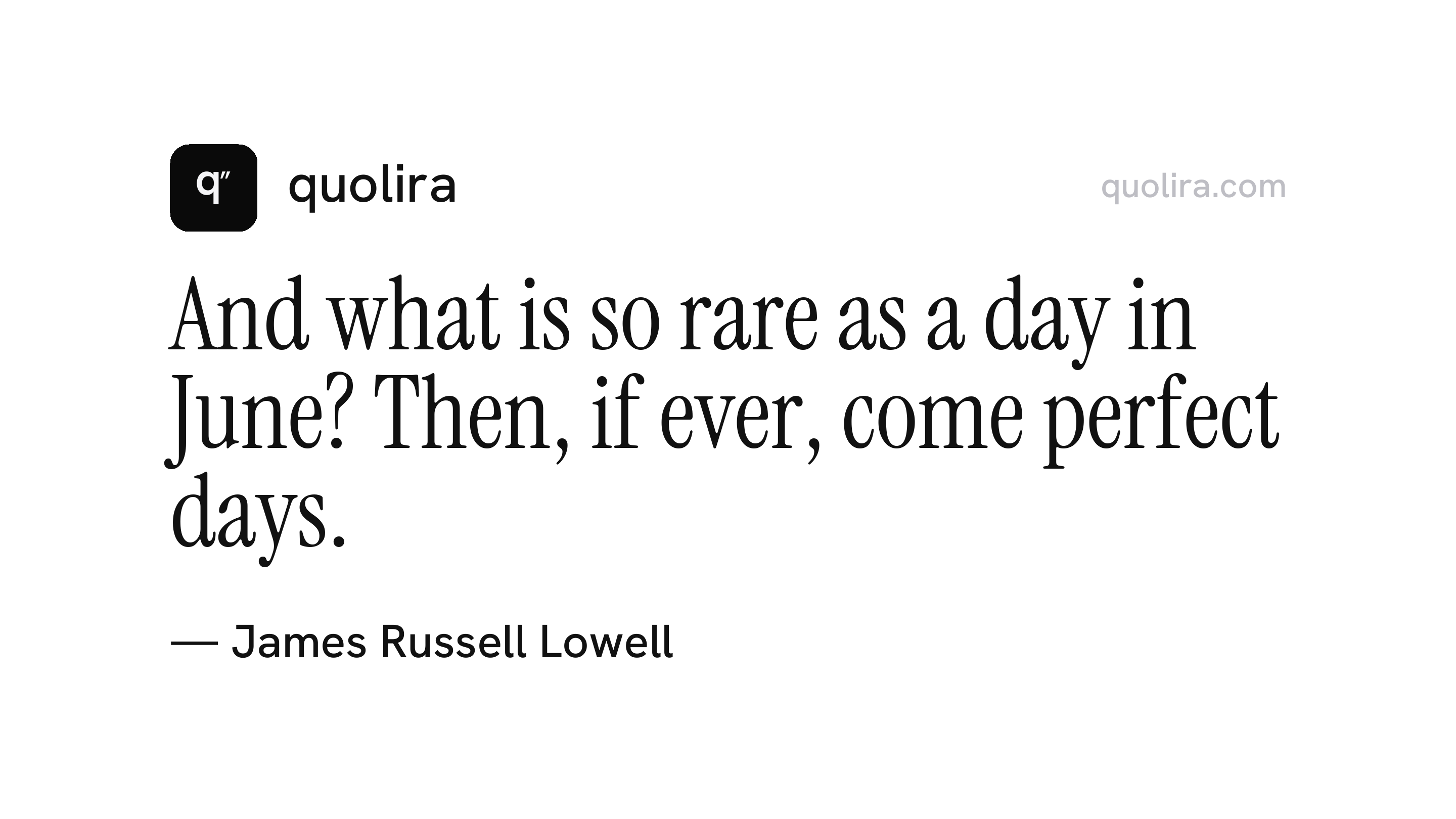
“And what is so rare as a day in June? Then, if ever, come perfect days.”
James Russell Lowell · The Vision of Sir Launfal, 1848
“You can't control what people think of you. You can only control your effort and your attitude.”
Jalen Brunson · NBA press conference, 2023