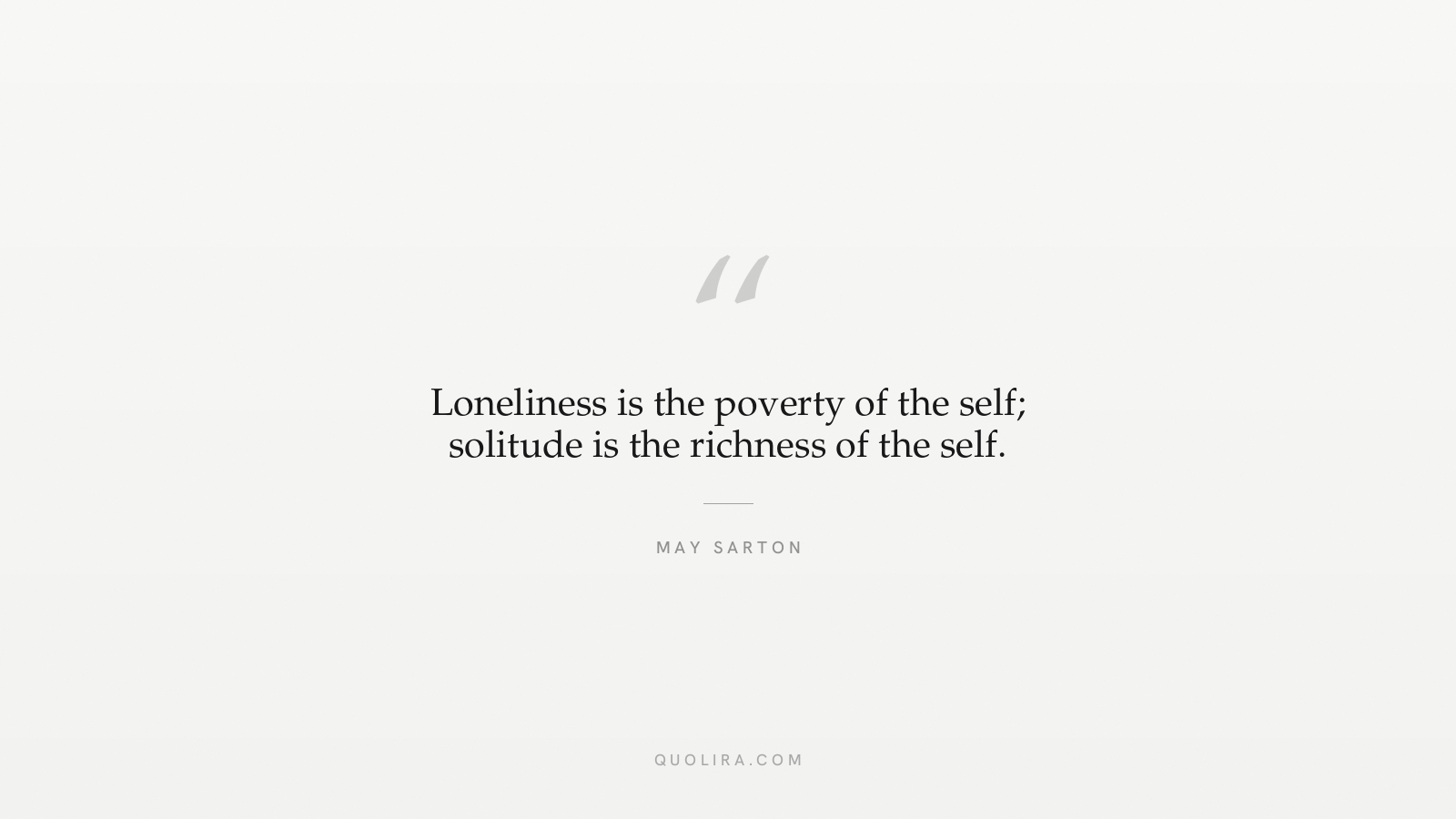
“Loneliness is the poverty of the self; solitude is the richness of the self.”
May Sarton · Mrs. Stevens Hears the Mermaids Singing, 1965
 quolira
.com
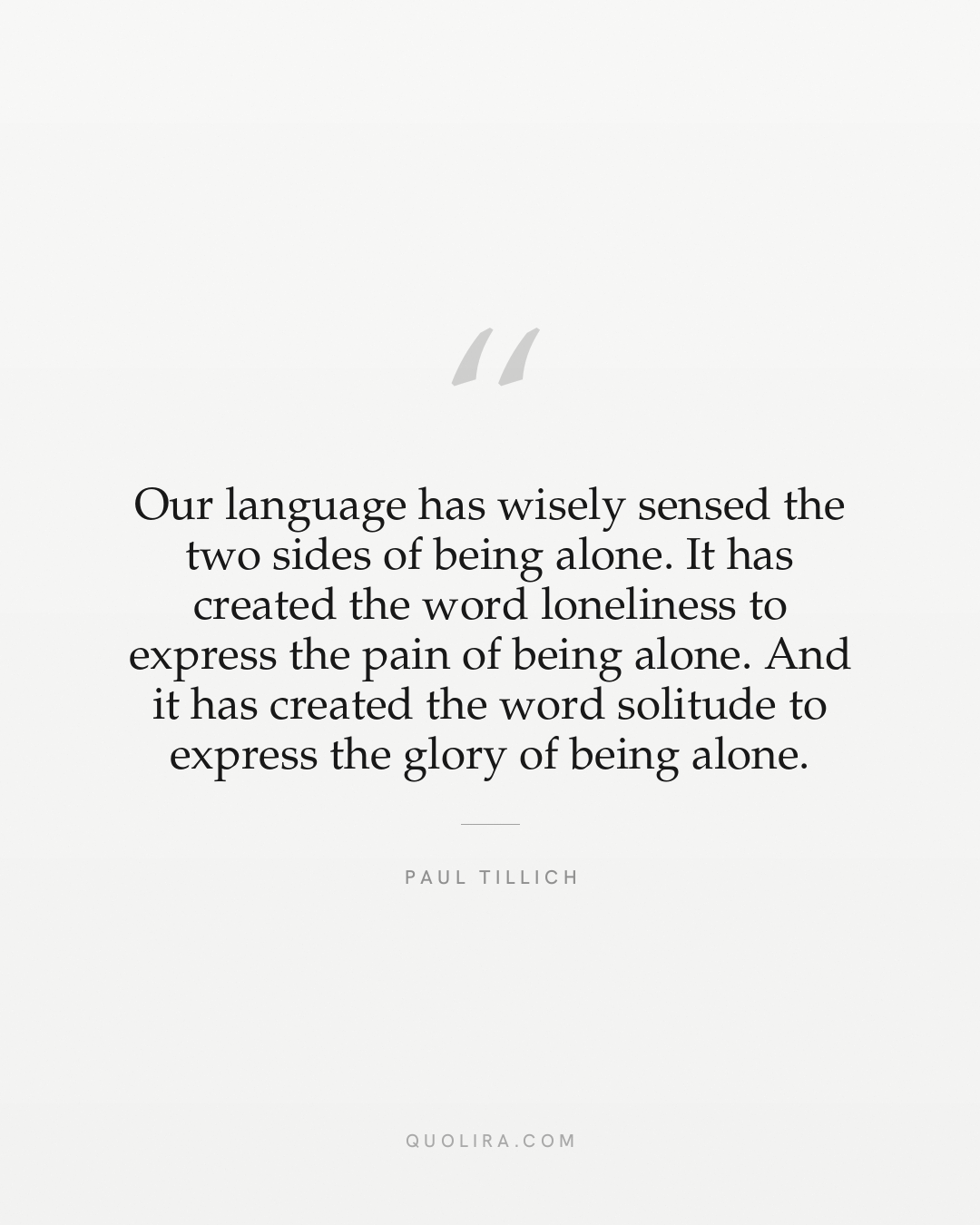
Paul Tillich said it, in The Eternal Now, 1963.
Tillich points out that English gives us two words for one state, and the difference is whether the aloneness hurts or feeds you. That helps the next time you call an evening lonely when it was actually peaceful. The word you pick shapes how the night goes.
From the collection: 25 Quotes About Loneliness and Being Alone That Still Sting · More Paul Tillich quotes
The quote means that English has two separate words for being alone, one for the painful experience of isolation and one for the valuable experience of being alone with oneself. Tillich points out that the difference is in how the state is felt and what it can offer.
The words are attributed to The Eternal Now, a 1963 collection of Paul Tillich's writings, which includes shorter essays and talks rather than a single argument. The passage uses the language of word origins to draw attention to two experiences that people often confuse. Tillich's observation invites the reader to notice that loneliness and solitude are not simply the same condition viewed from different moods. The passage fits his broader interest in human existence, meaning, and the search for a sense of wholeness.
Paul Tillich (1886 to 1965) was a German-born Protestant theologian and philosopher who later taught in the United States. He held academic posts in Germany before leaving in the 1930s and went on to teach at institutions including Union Theological Seminary and the University of Chicago. His major work, the three-volume Systematic Theology, brought existentialist themes into theological discussion. Tillich wrote often about anxiety, courage, and the meaning of being, and his essays and sermons continue to appeal to readers interested in the inner life.
“Loneliness is the poverty of the self; solitude is the richness of the self.”
May Sarton · Mrs. Stevens Hears the Mermaids Singing, 1965
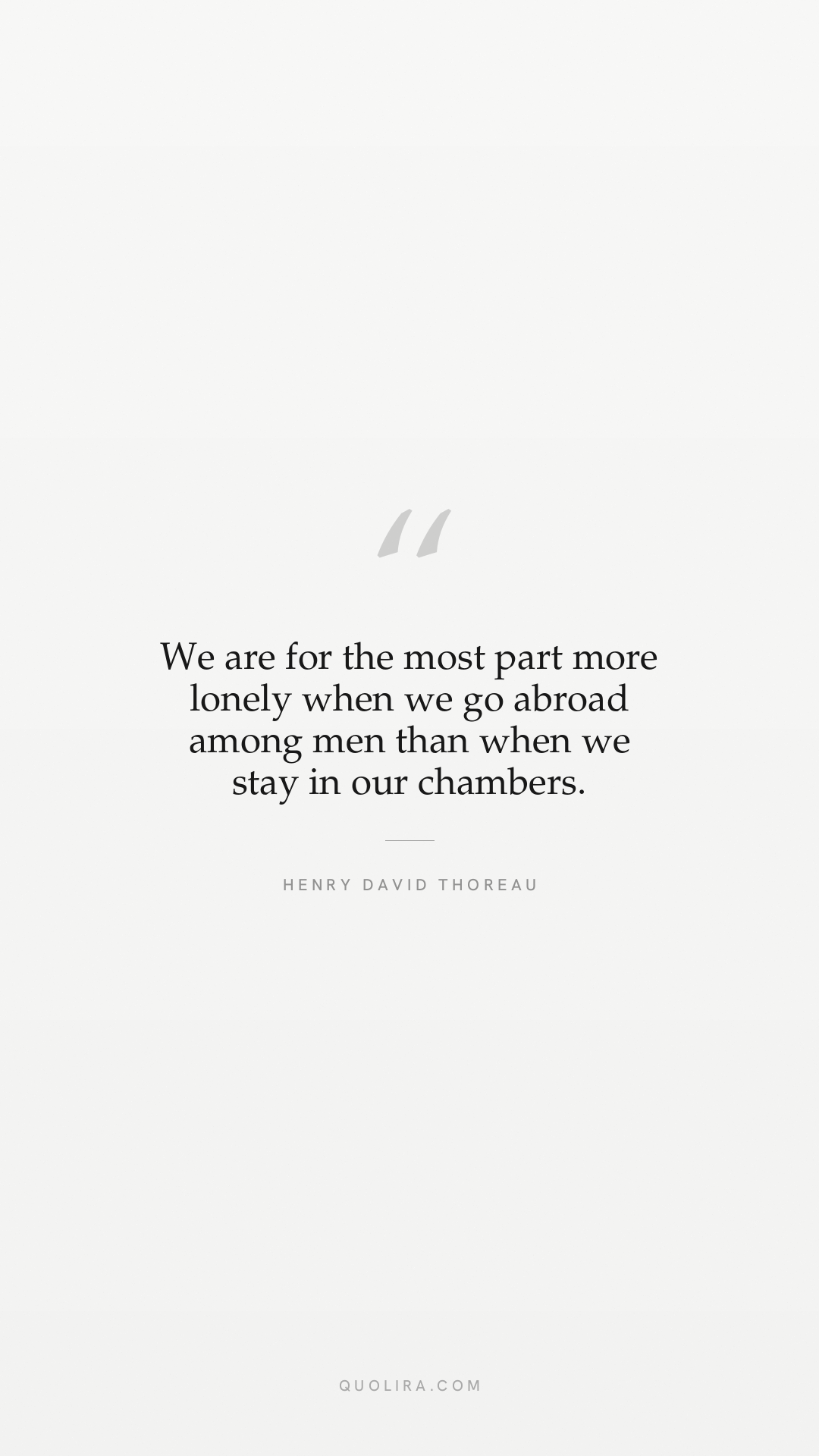
“We are for the most part more lonely when we go abroad among men than when we stay in our chambers.”
Henry David Thoreau · Walden, 1854
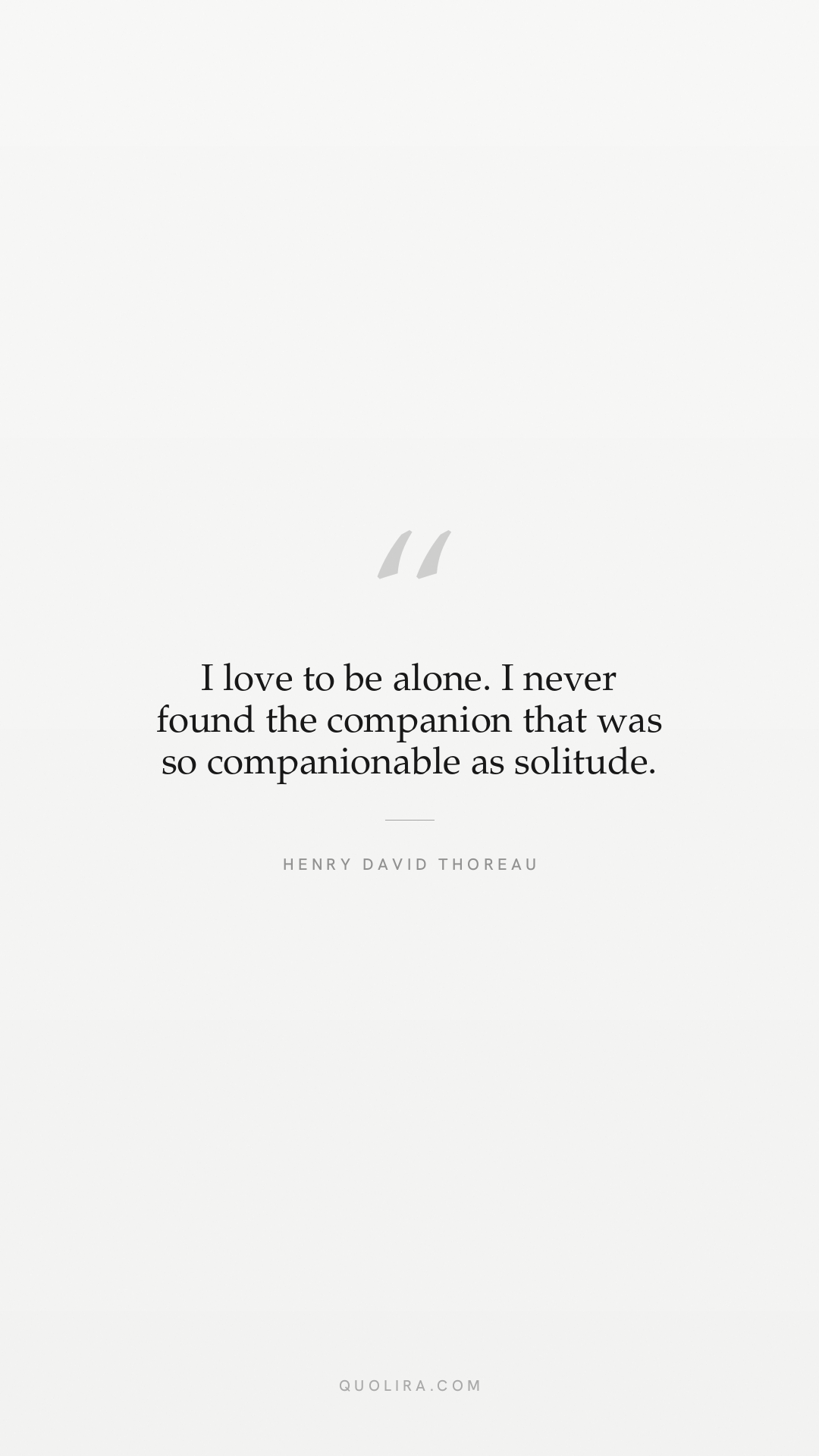
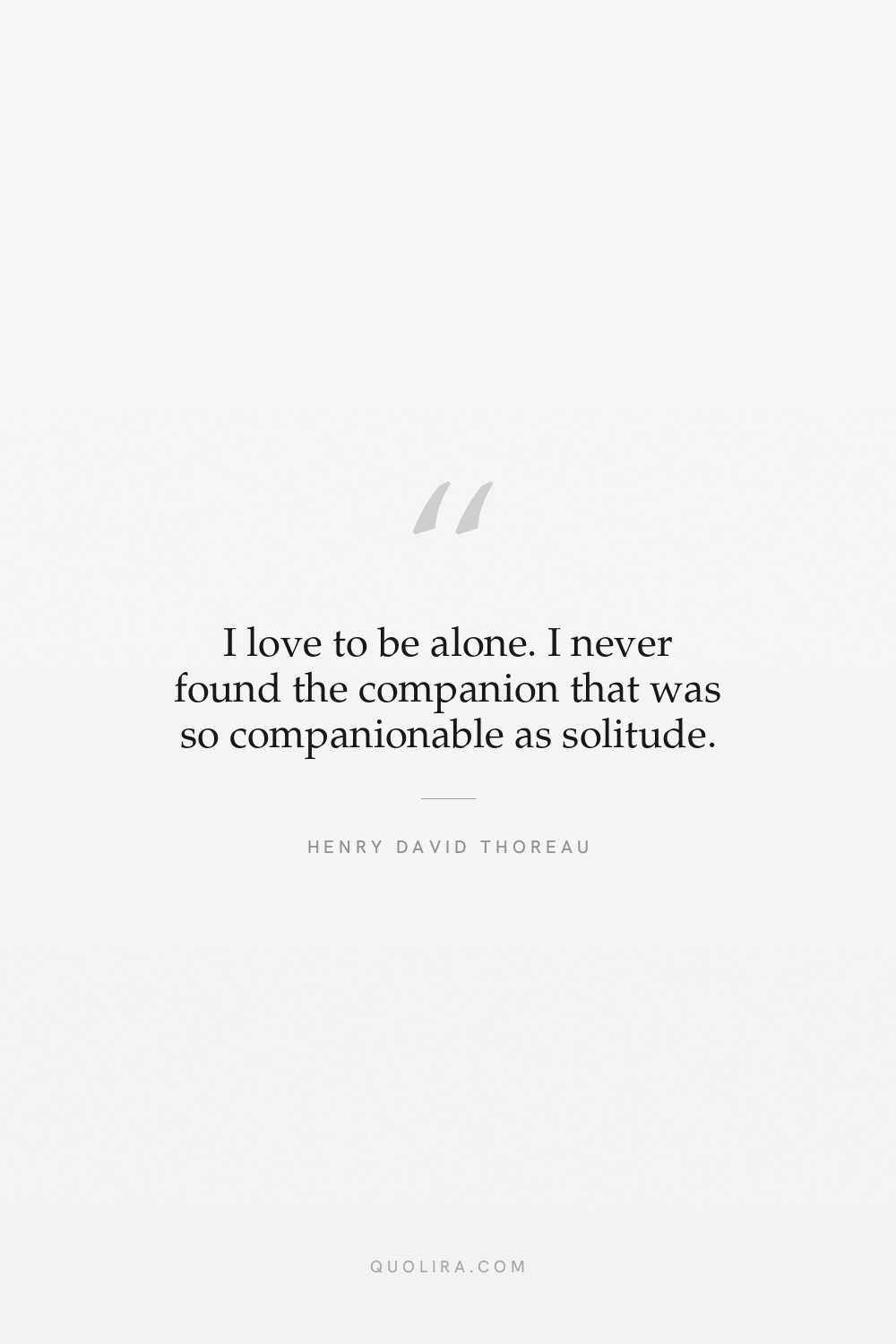
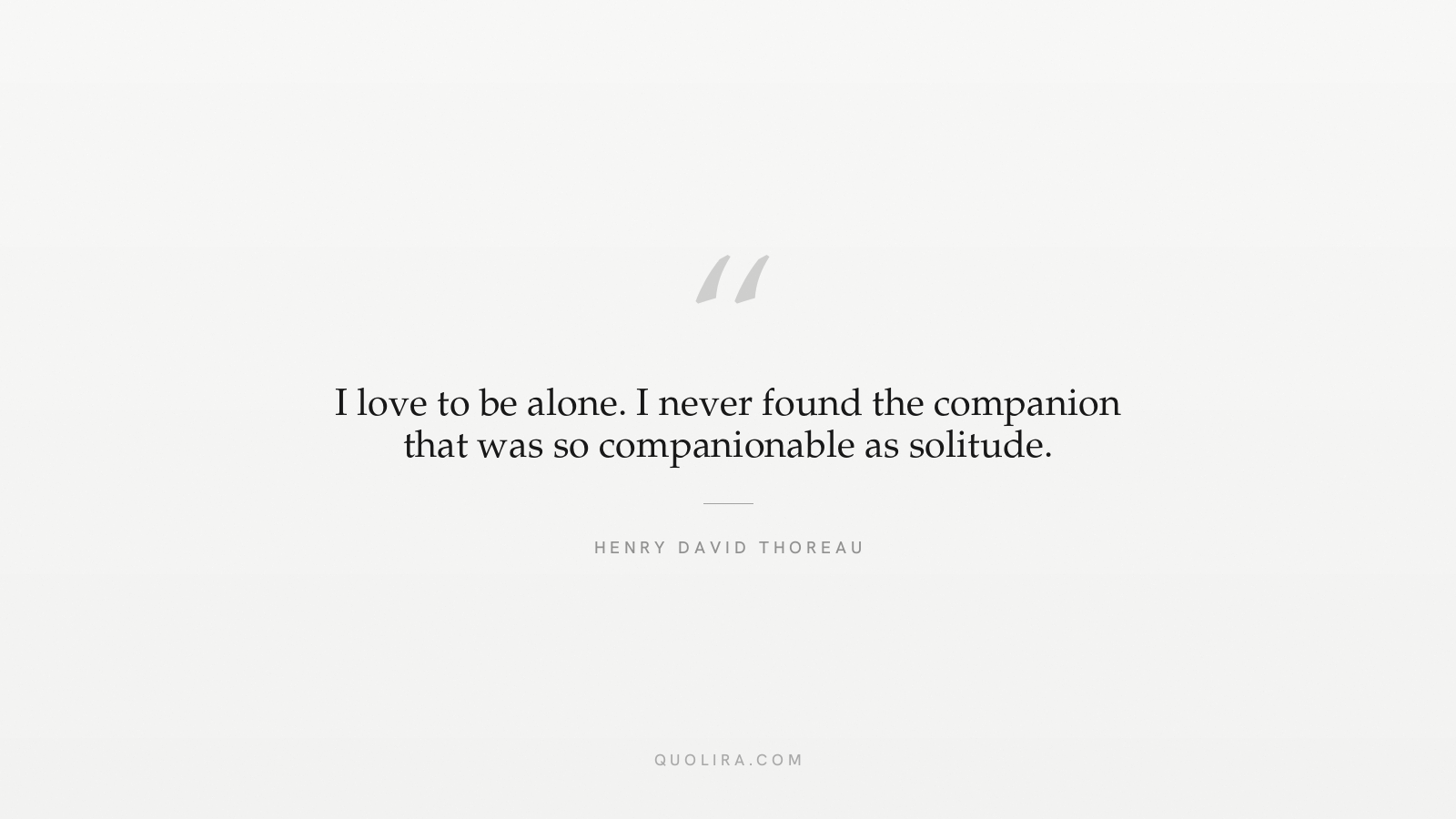
“I love to be alone. I never found the companion that was so companionable as solitude.”
Henry David Thoreau · Walden, 1854
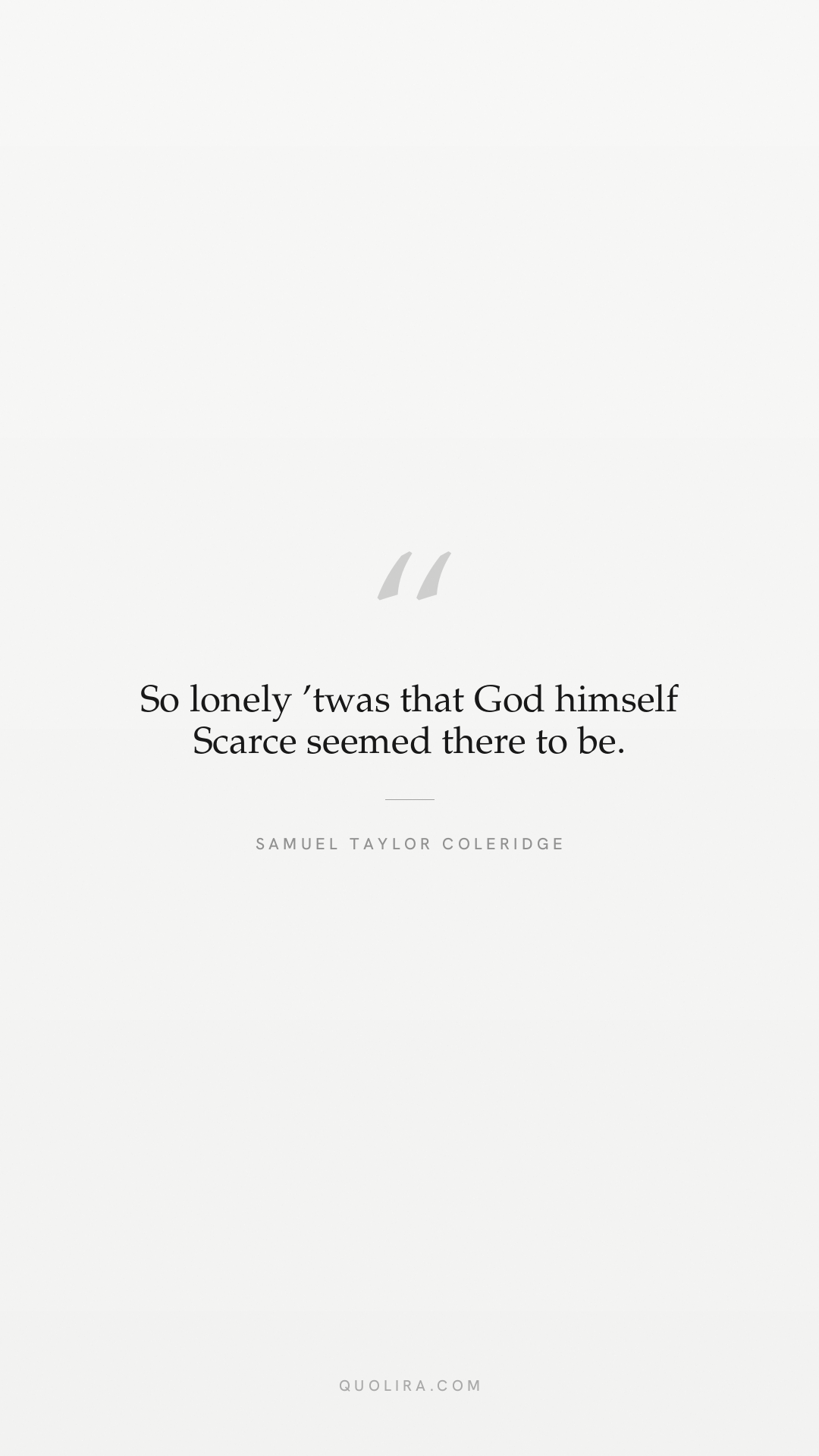
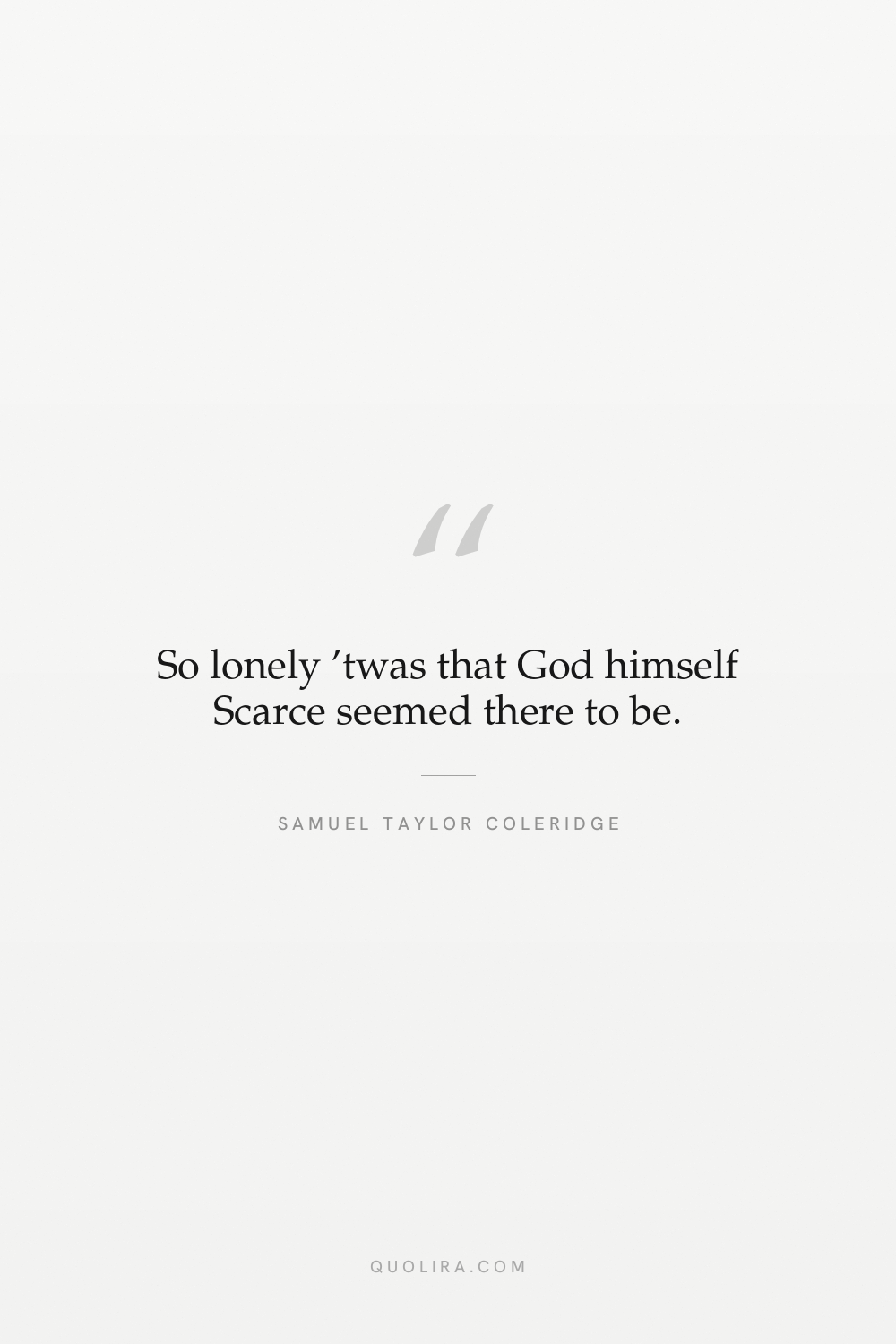
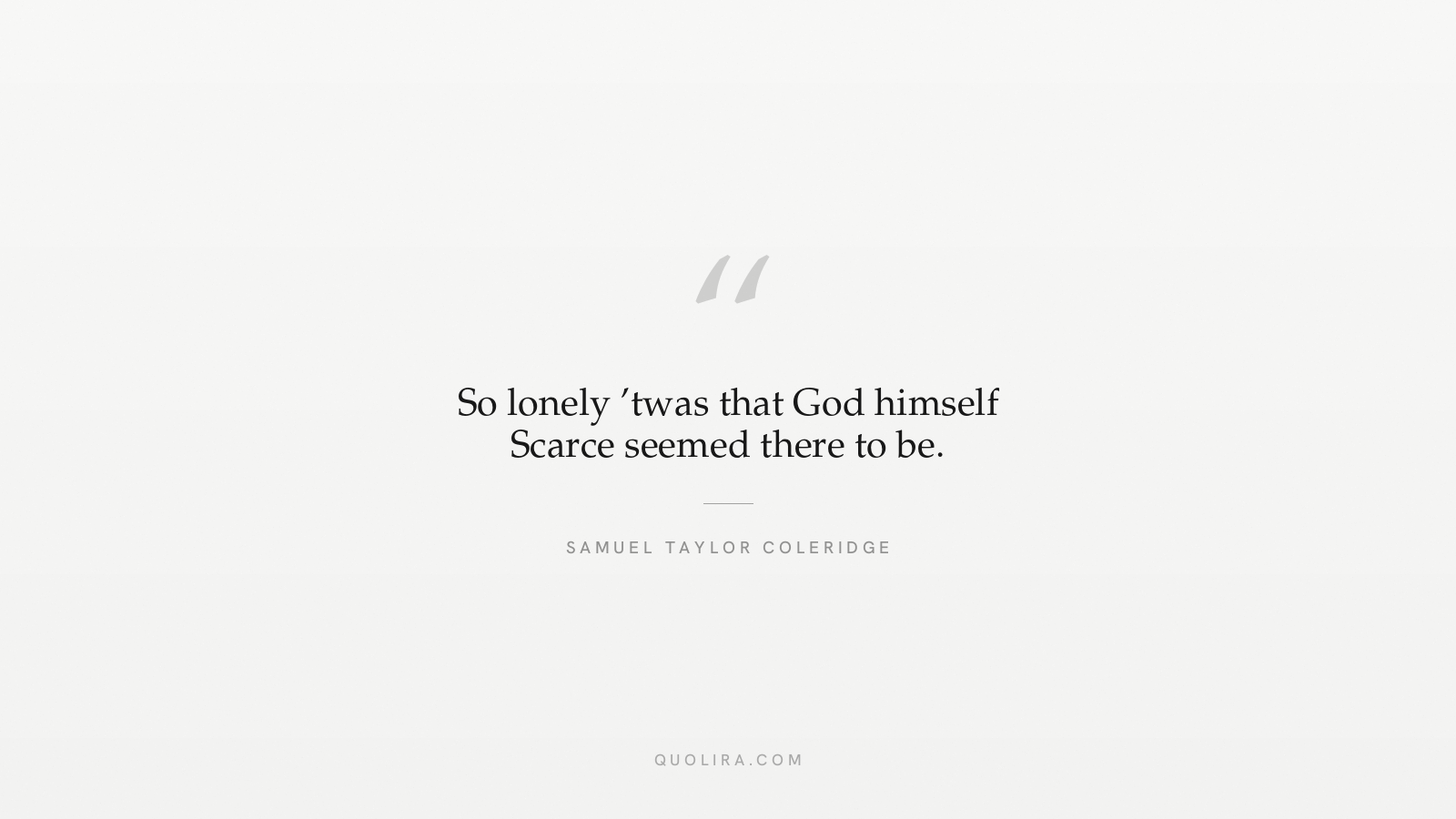
“So lonely 'twas that God himself Scarce seemed there to be.”
Samuel Taylor Coleridge · The Rime of the Ancient Mariner, 1798
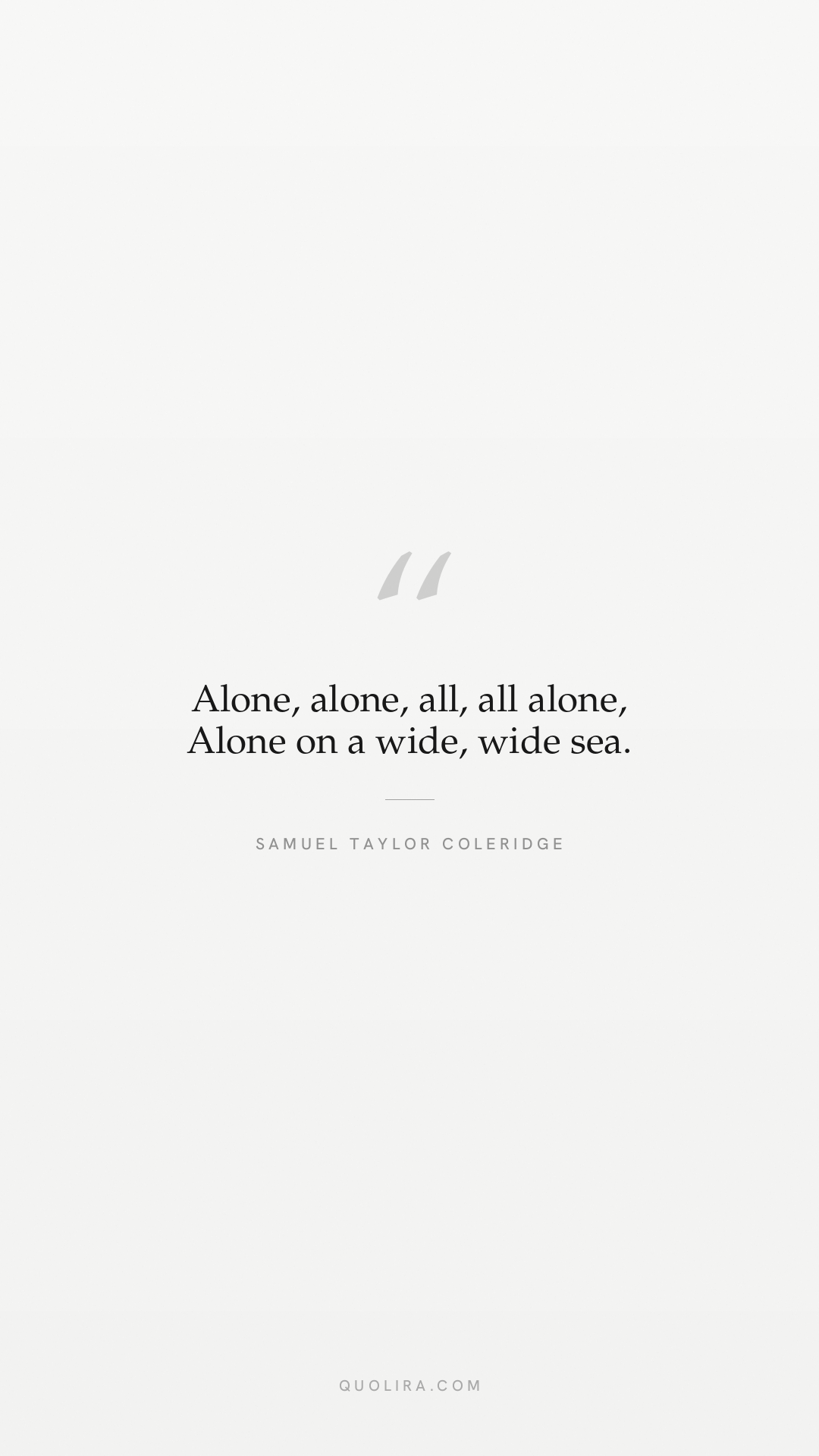
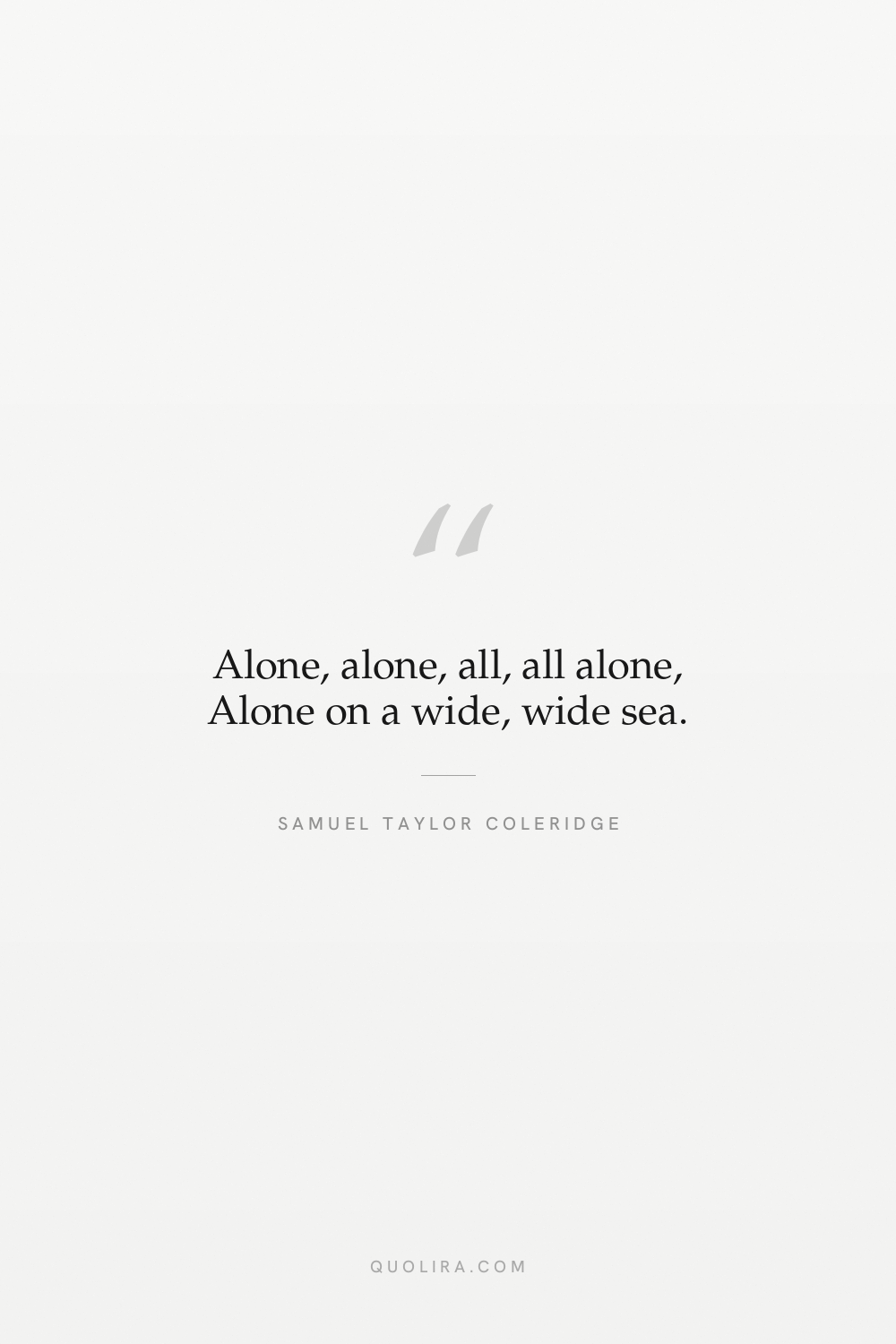
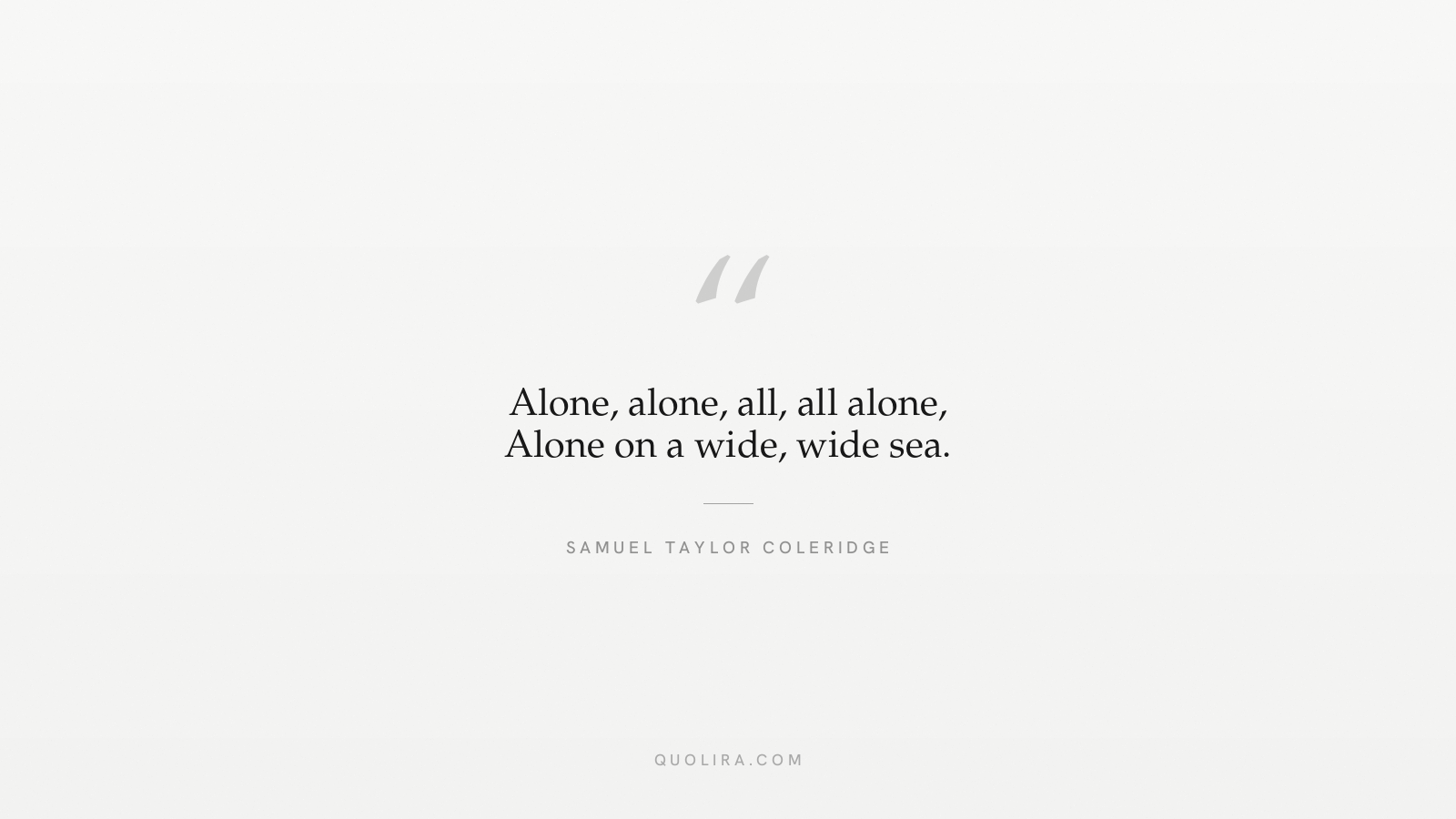
“Alone, alone, all, all alone, Alone on a wide, wide sea.”
Samuel Taylor Coleridge · The Rime of the Ancient Mariner, 1798
“Most days, we'd rather be wrong with the crowd than be right by ourselves.”
James Clear · Atomic Habits, Chapter 9: The Role of Family and Friends in Shaping Your Habits
“Pain is an effective teacher.”
James Clear · Atomic Habits, Chapter 17: How an Accountability Partner Can Change Everything
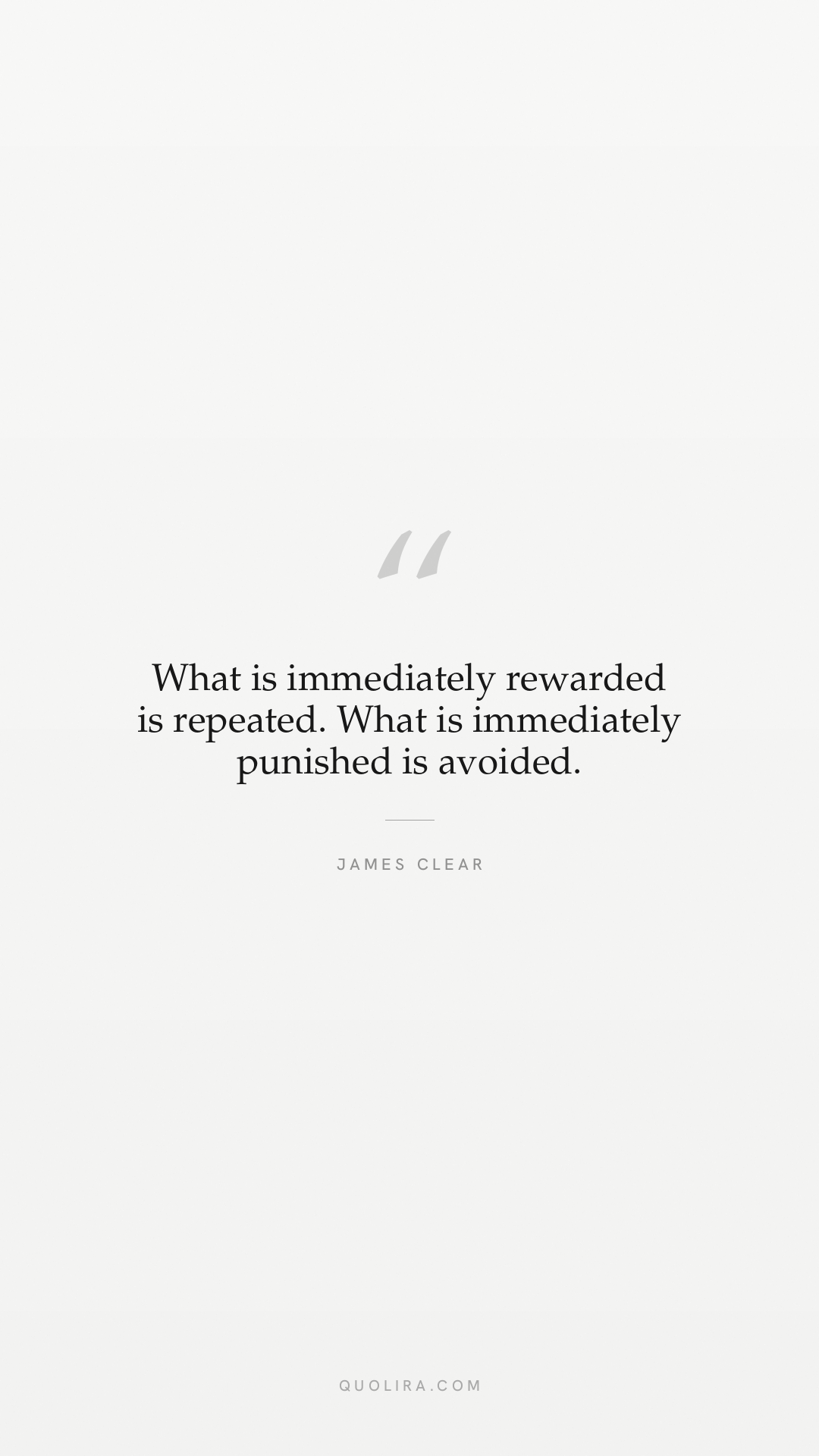
“What is immediately rewarded is repeated. What is immediately punished is avoided.”
James Clear · Atomic Habits, Chapter 15: The Cardinal Rule of Behavior Change
“Positive emotions cultivate habits. Negative emotions destroy them.”
James Clear · Atomic Habits, Chapter 15: The Cardinal Rule of Behavior Change
“A habit is a behavior that has been repeated enough times to become automatic.”
James Clear · Atomic Habits, Chapter 3: How to Build Better Habits in 4 Simple Steps
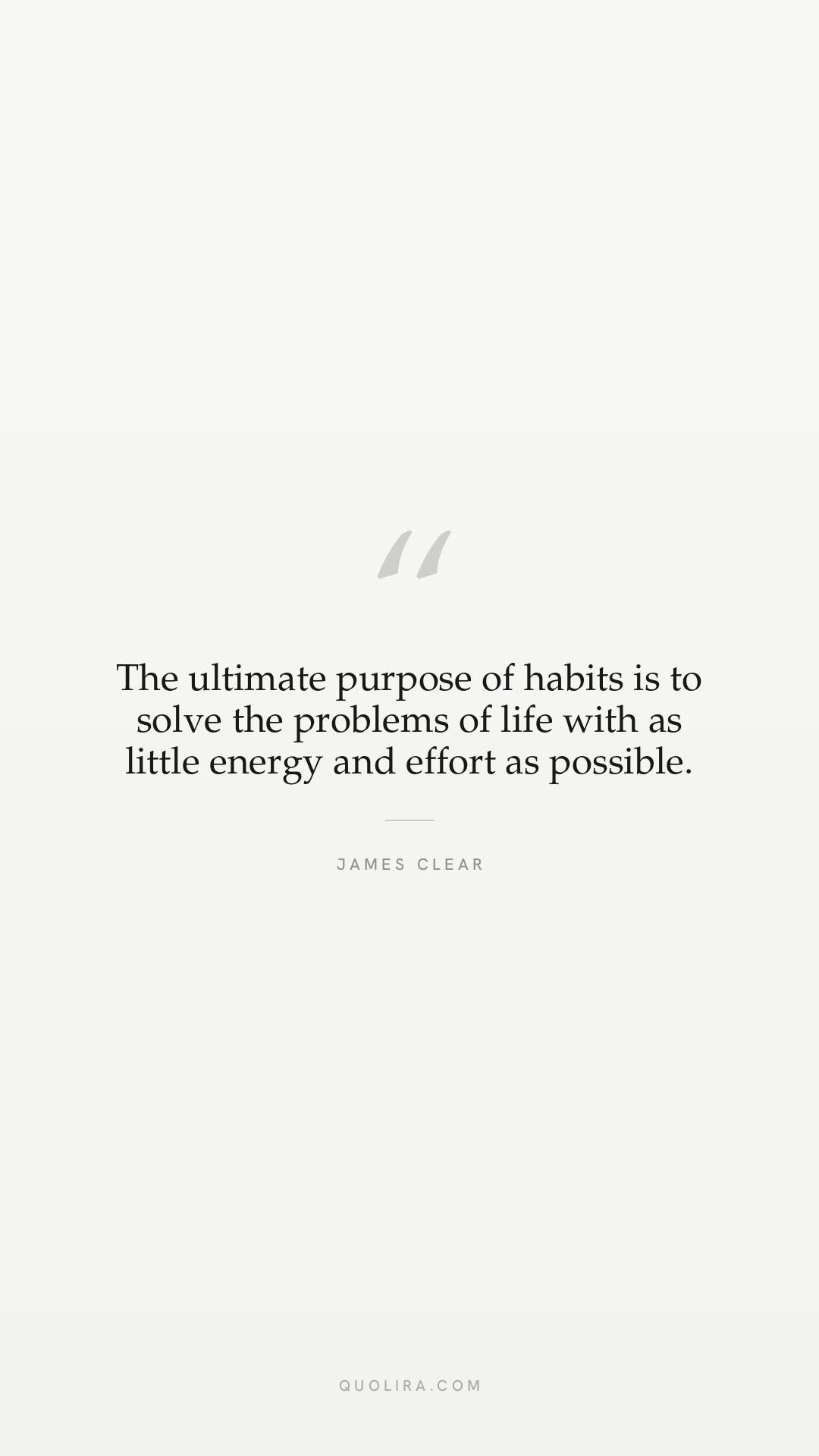
“The ultimate purpose of habits is to solve the problems of life with as little energy and effort as possible.”
James Clear · Atomic Habits, Chapter 3: How to Build Better Habits in 4 Simple Steps
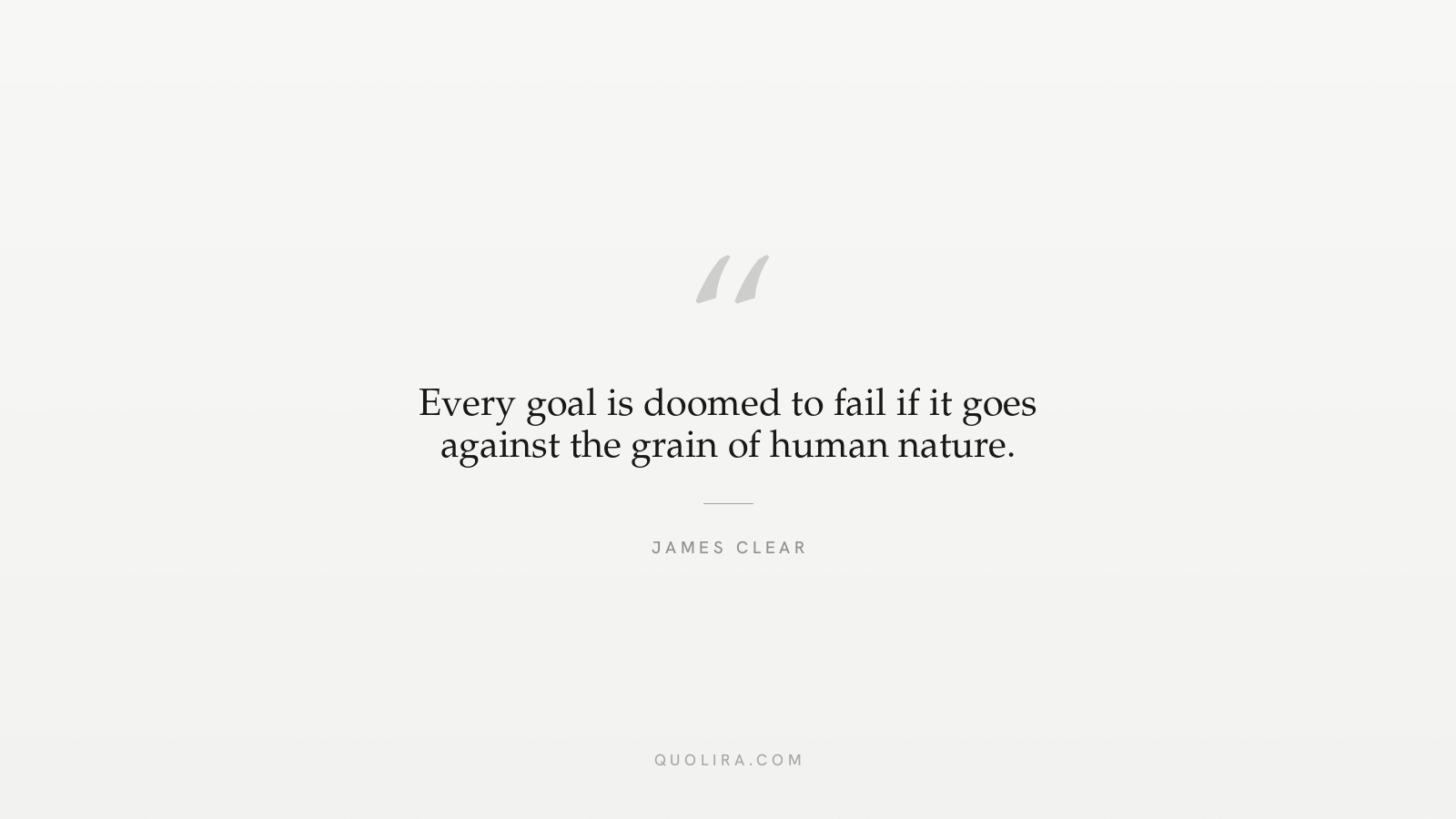
“Every goal is doomed to fail if it goes against the grain of human nature.”
James Clear · Atomic Habits, Chapter 3: How to Build Better Habits in 4 Simple Steps