“This, then, is held to be the duty of the man of wealth: to set an example of modest, unostentatious living.”
Andrew Carnegie · The Gospel of Wealth, 1889
 quolira
.com
quolira
quolira.com
Wilson is saying that a national flag does not carry meaning on its own. Its significance grows from the shared history, sacrifices, and achievements of the people who have lived under it. The flag is, in this view, a living symbol whose depth depends entirely on the experiences that generations pour into it.
Wilson delivered this line in a Flag Day address in 1917, a period when the United States had recently entered the First World War. The occasion called for words that could unite a diverse and sometimes reluctant public around a common cause. By grounding the flag's meaning in collective experience rather than abstract patriotism, Wilson aimed to remind citizens that the symbol belonged to them personally, shaped by what they and their ancestors had endured and accomplished together.
Woodrow Wilson served as the twenty-eighth President of the United States, holding office from 1913 to 1921. Before entering politics he was a scholar and university president, and his background gave his public speeches a reflective, philosophical quality. His presidency coincided with sweeping domestic reforms and the upheaval of the First World War. He was a central figure at the Paris Peace Conference and championed the idea of a League of Nations, though the United States Senate ultimately declined to ratify membership. He received the Nobel Peace Prize in 1919.
“This, then, is held to be the duty of the man of wealth: to set an example of modest, unostentatious living.”
Andrew Carnegie · The Gospel of Wealth, 1889
“Freedom is nothing but a chance to be better.”
Albert Camus
“The cost of freedom is always high, but Americans have always paid it.”
John F. Kennedy · Address to the nation, 1962
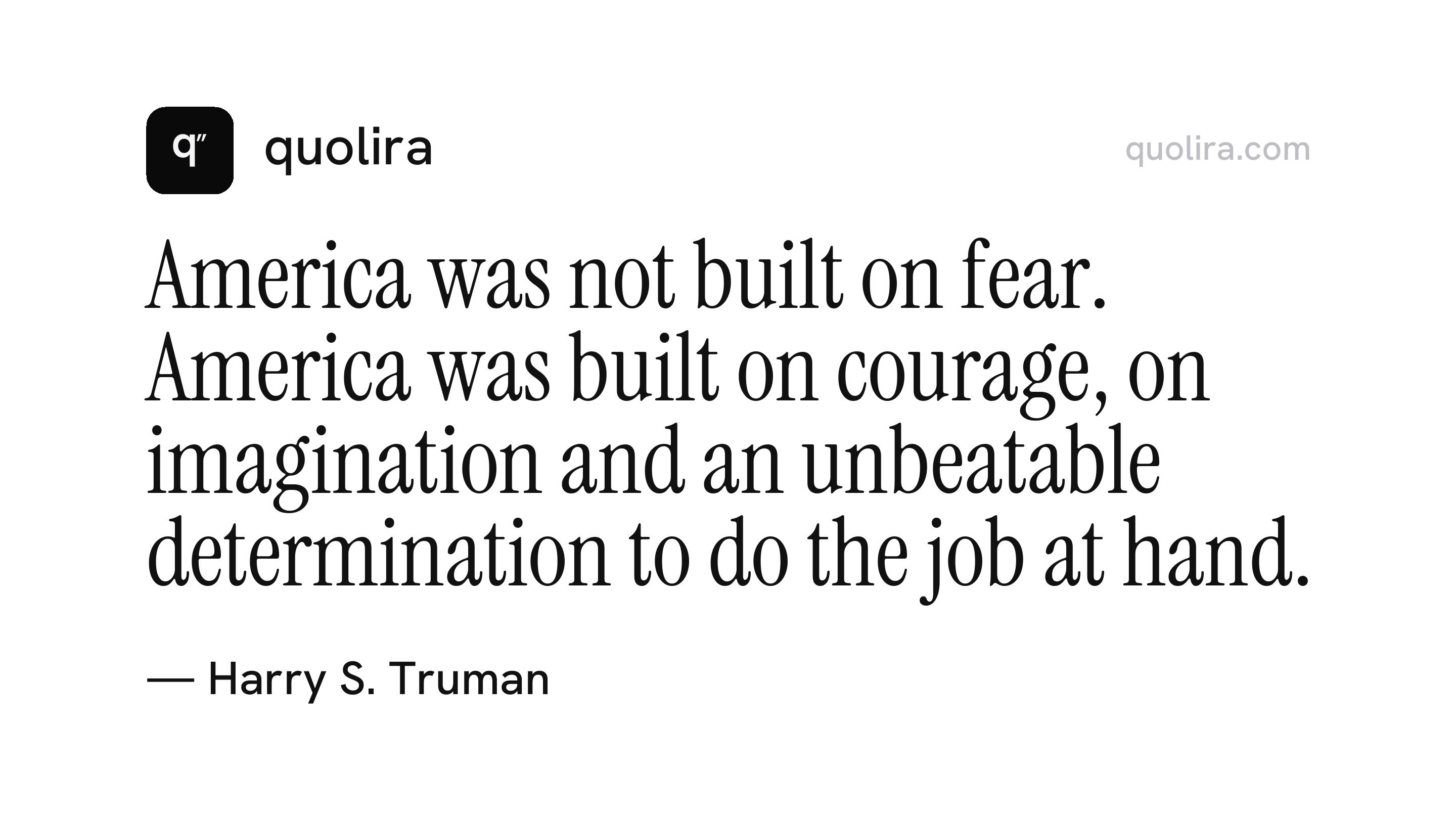
“America was not built on fear. America was built on courage, on imagination and an unbeatable determination to do the job at hand.”
Harry S. Truman
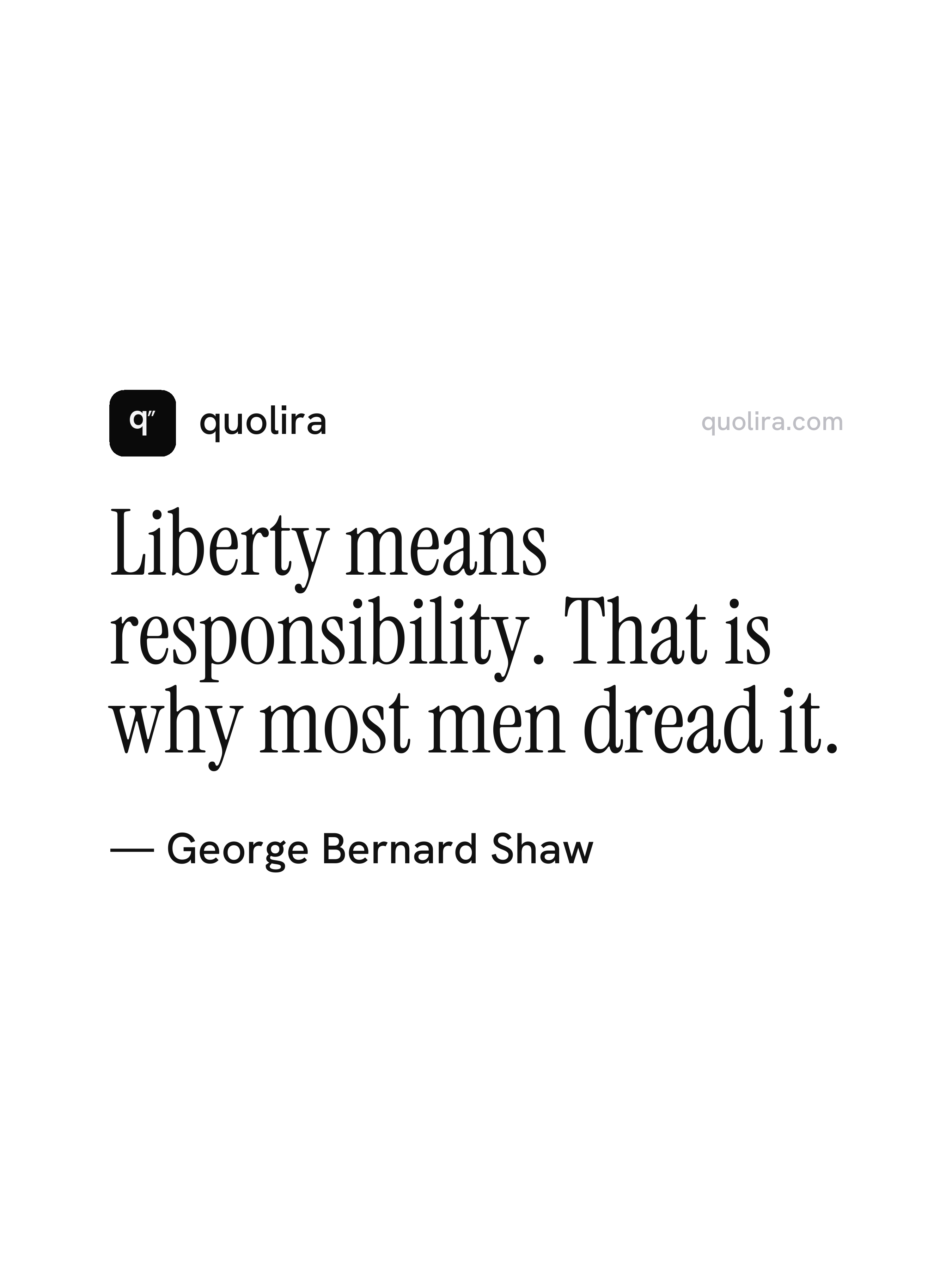
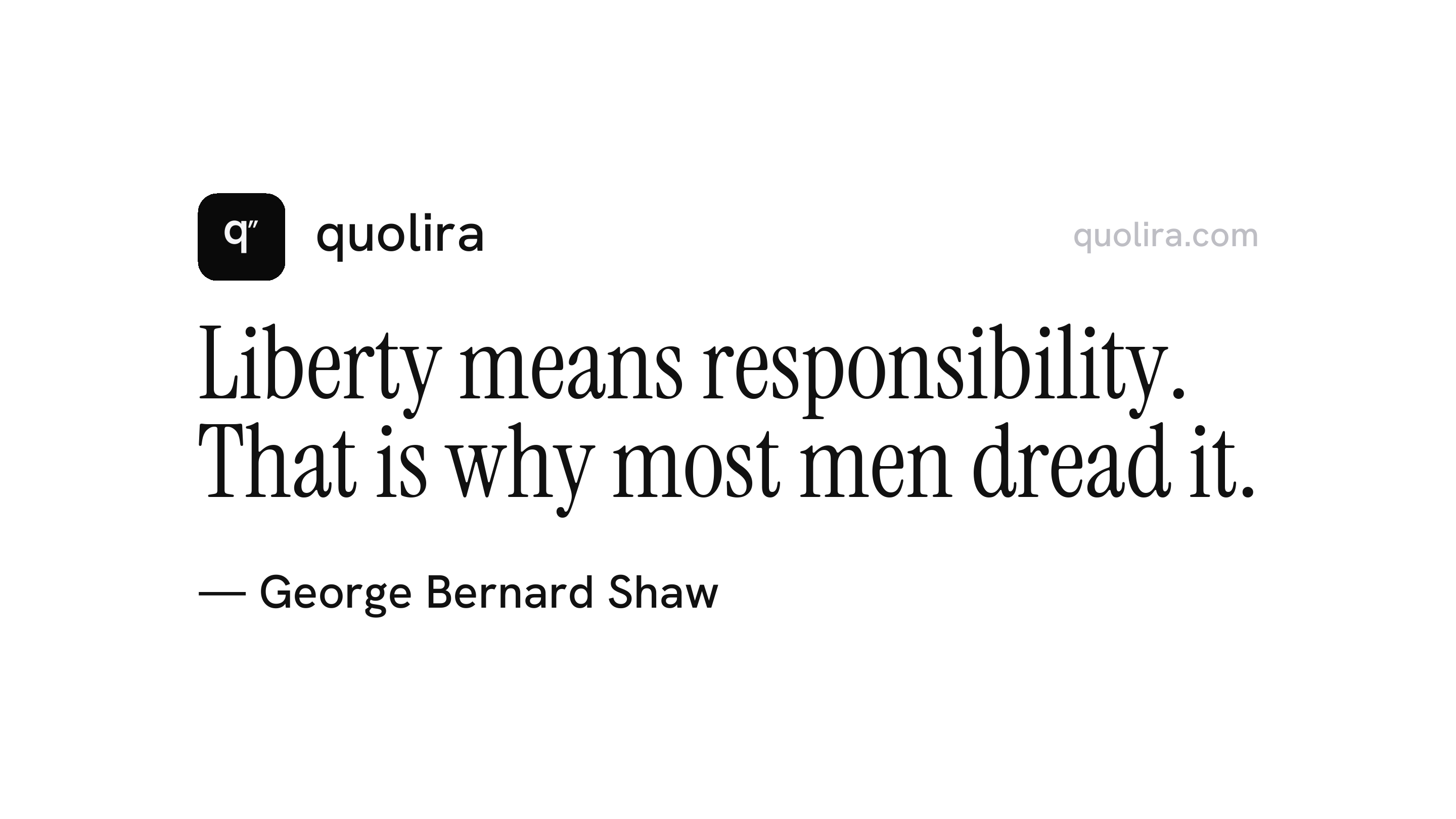
“Liberty means responsibility. That is why most men dread it.”
George Bernard Shaw · Man and Superman, 1903
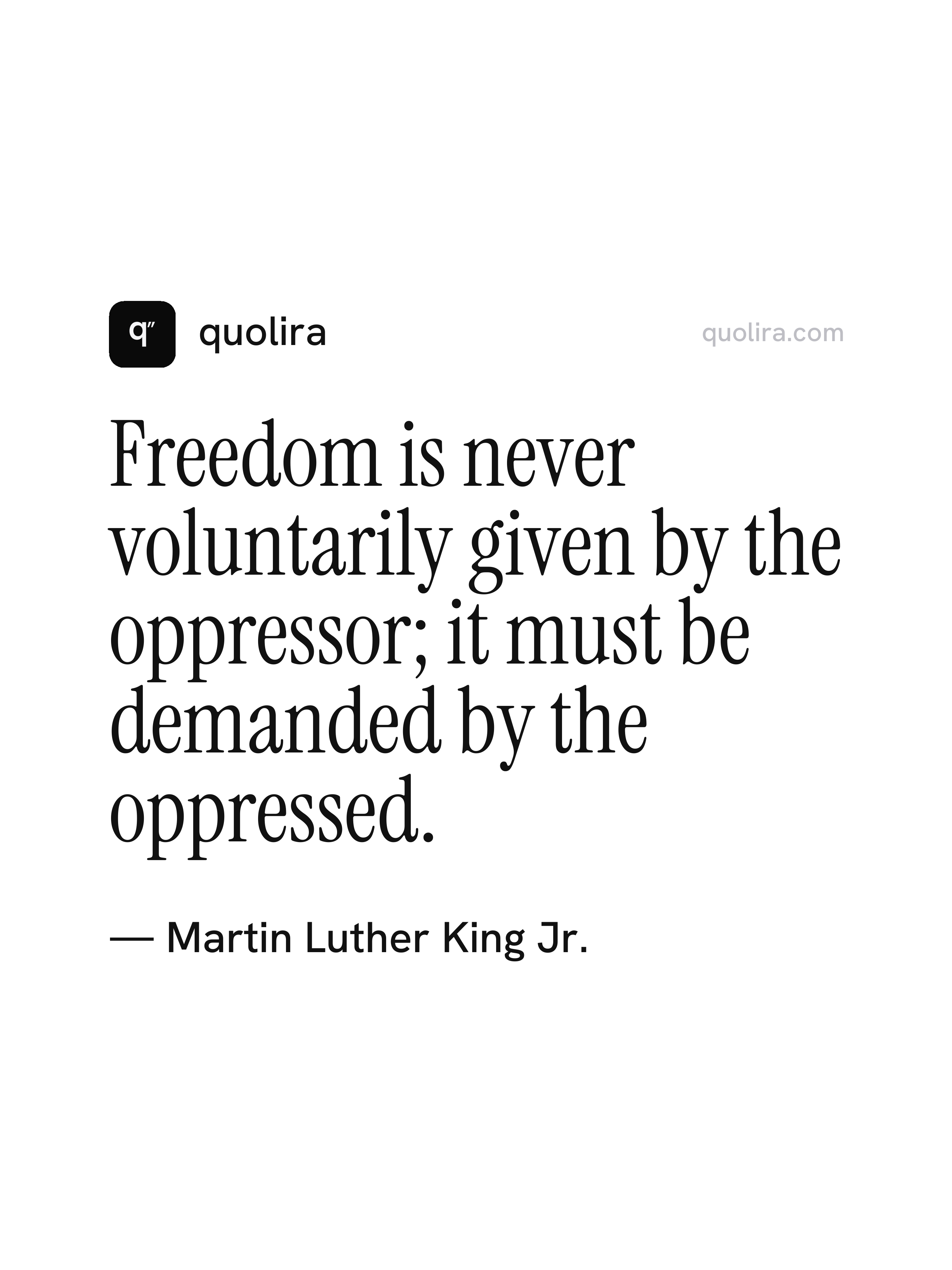
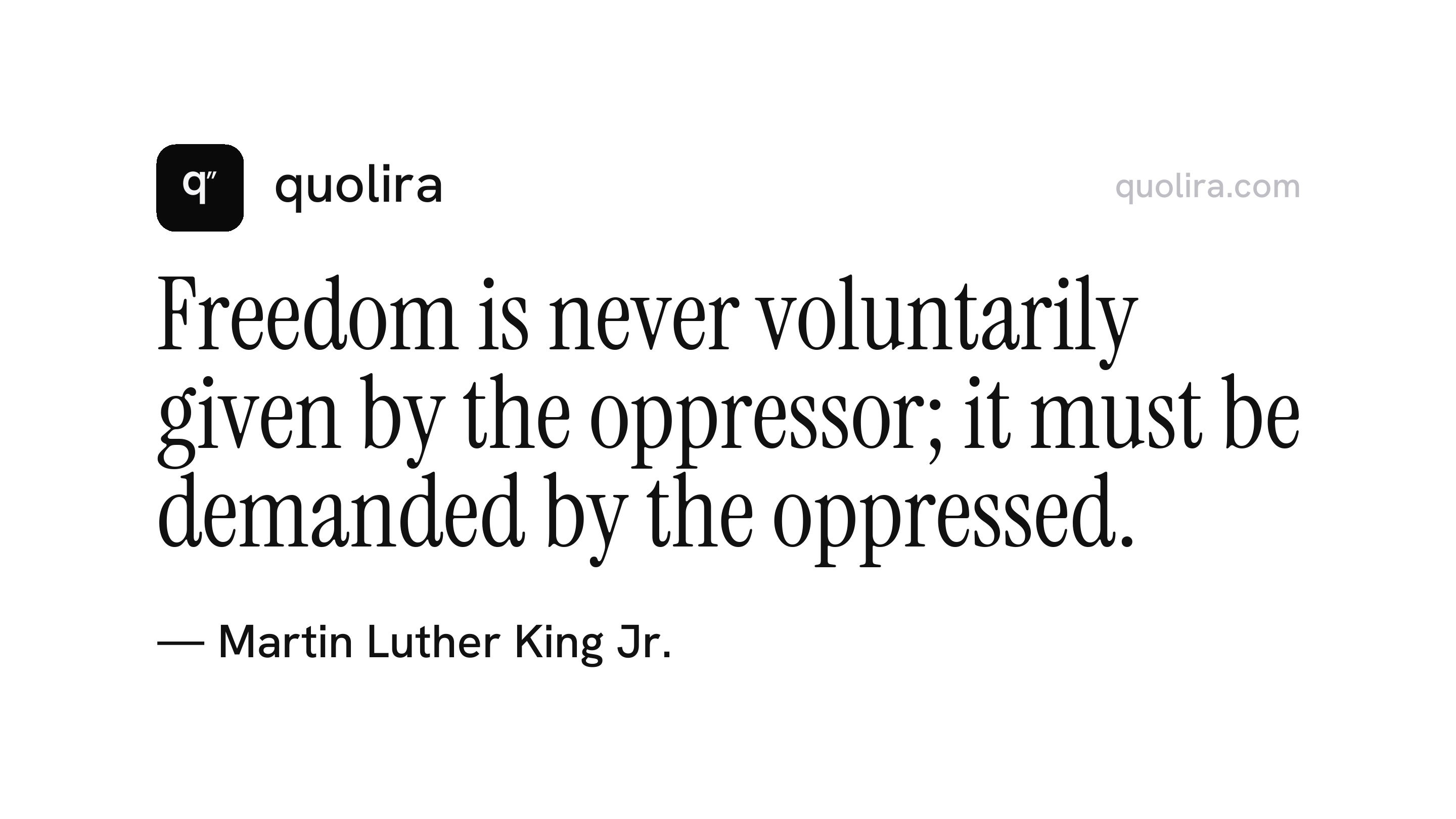
“Freedom is never voluntarily given by the oppressor; it must be demanded by the oppressed.”
Martin Luther King Jr. · Letter from Birmingham Jail, 1963
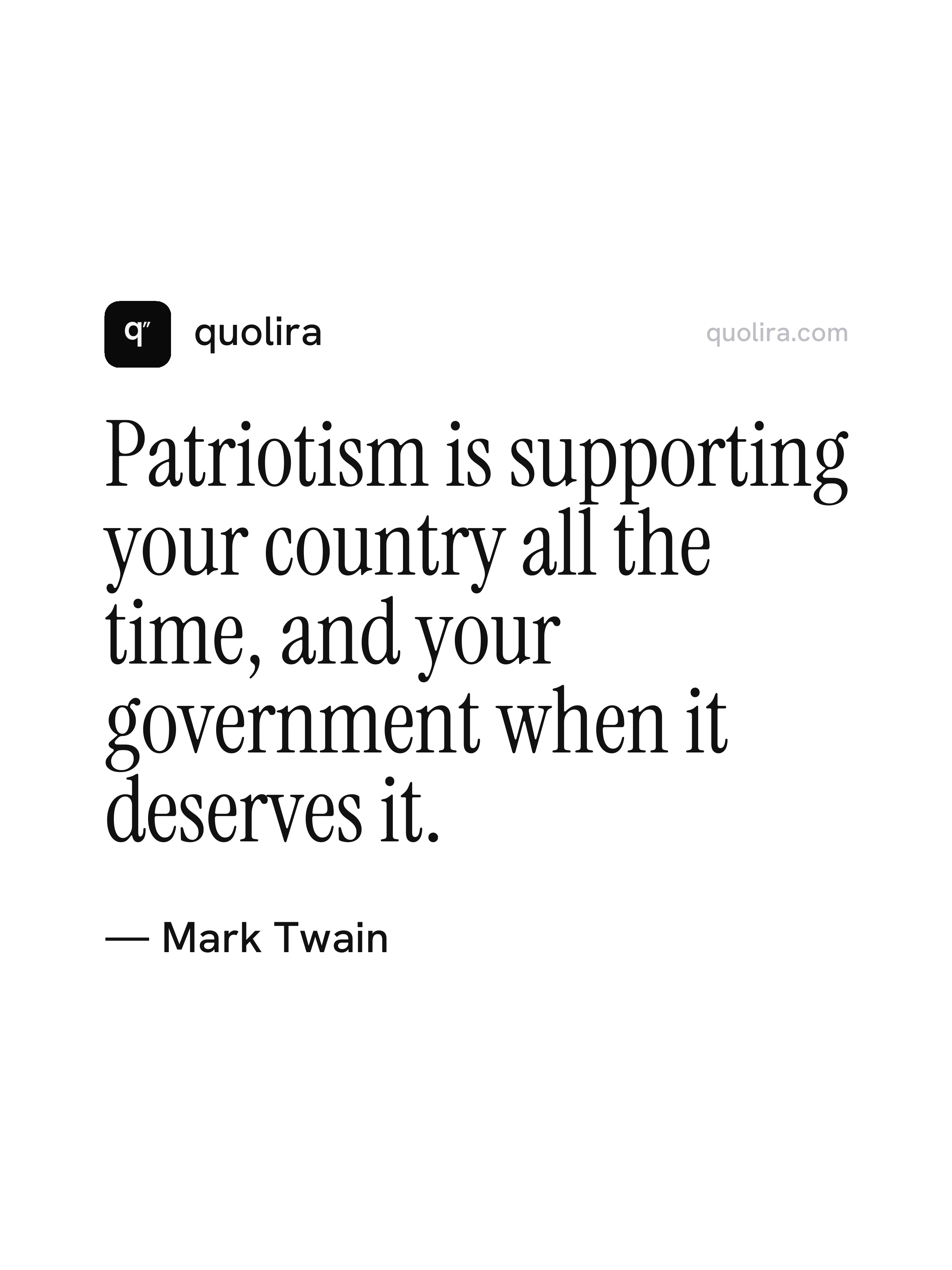
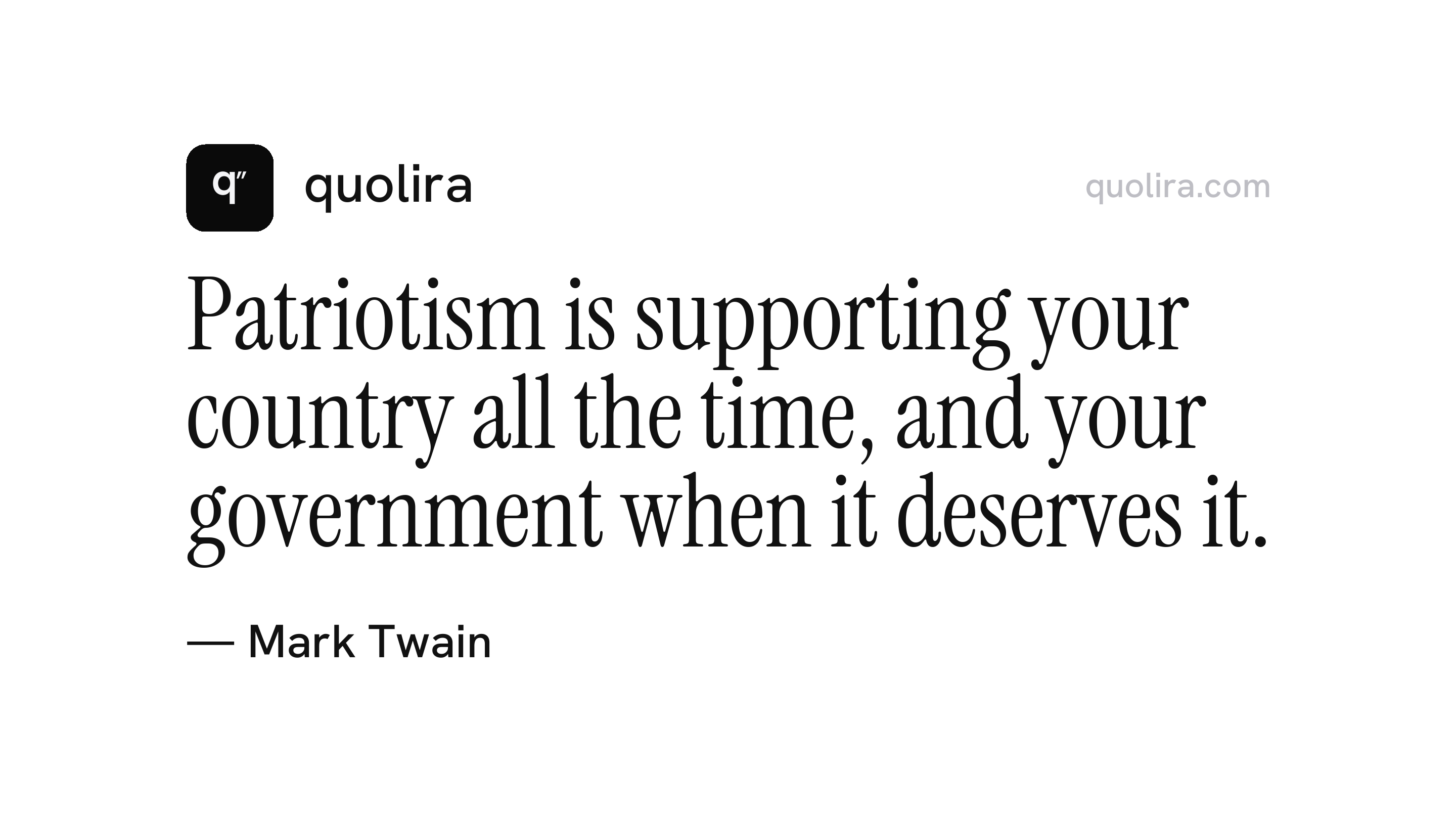
“Patriotism is supporting your country all the time, and your government when it deserves it.”
Mark Twain
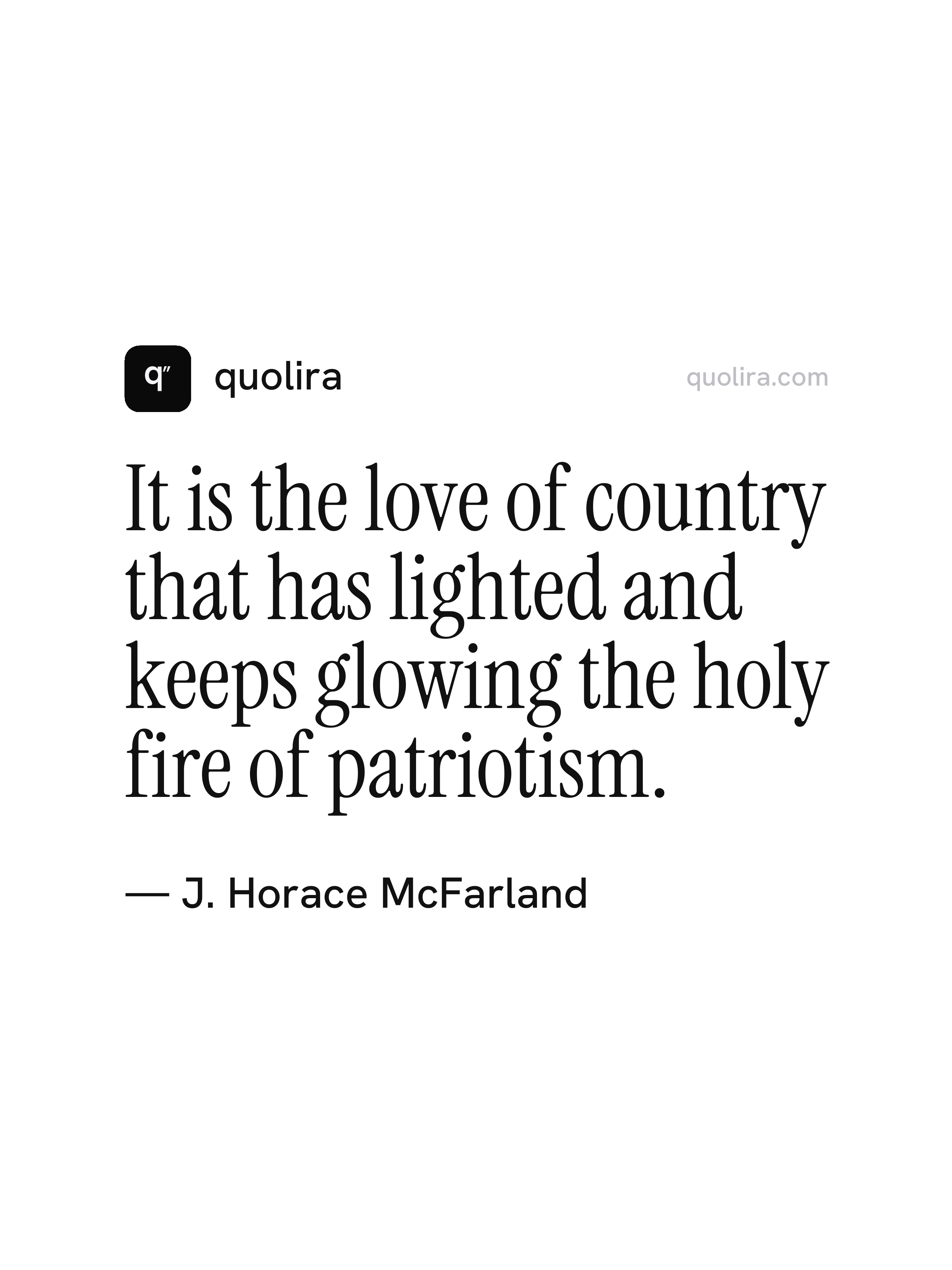
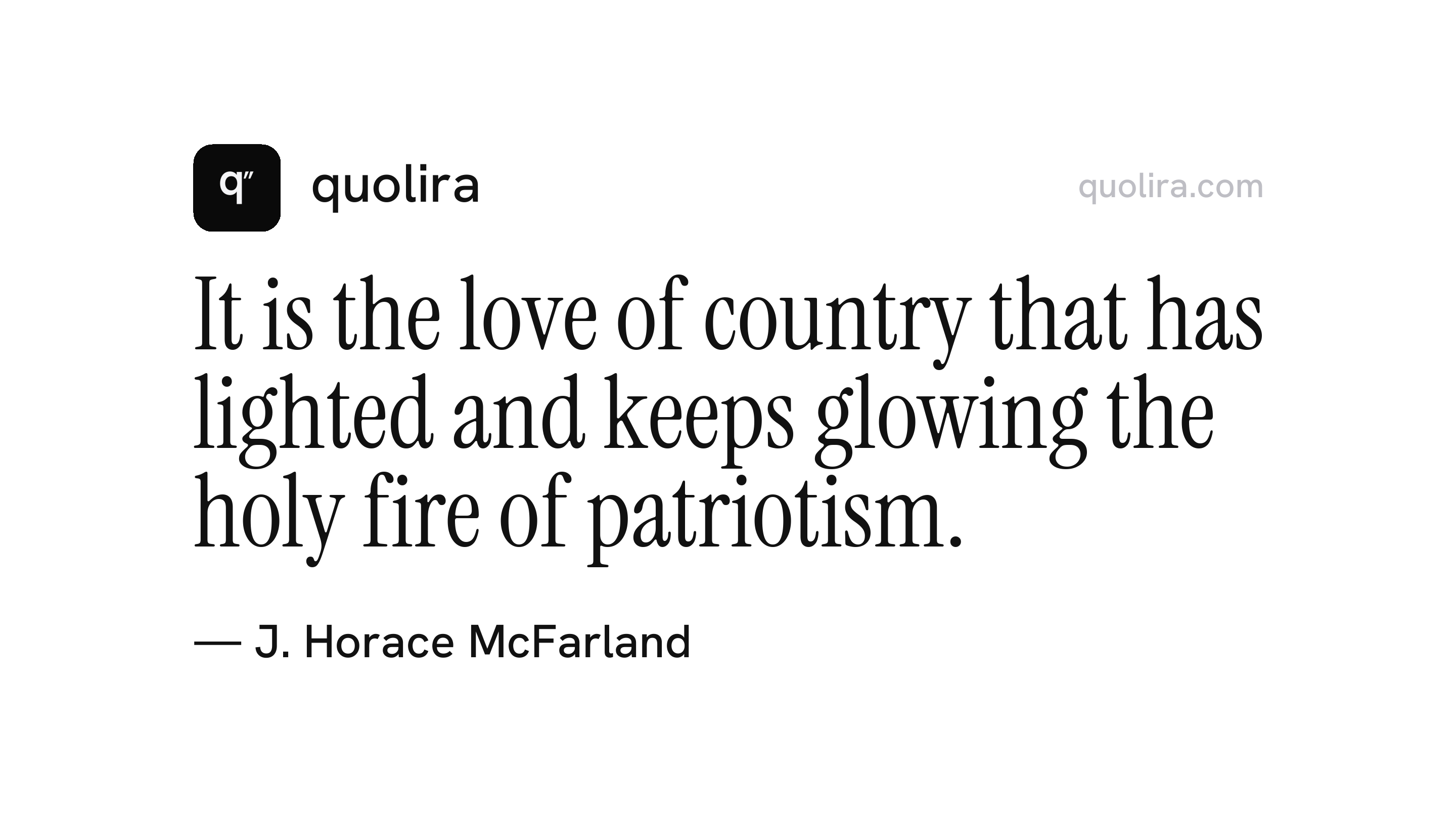
“It is the love of country that has lighted and keeps glowing the holy fire of patriotism.”
J. Horace McFarland
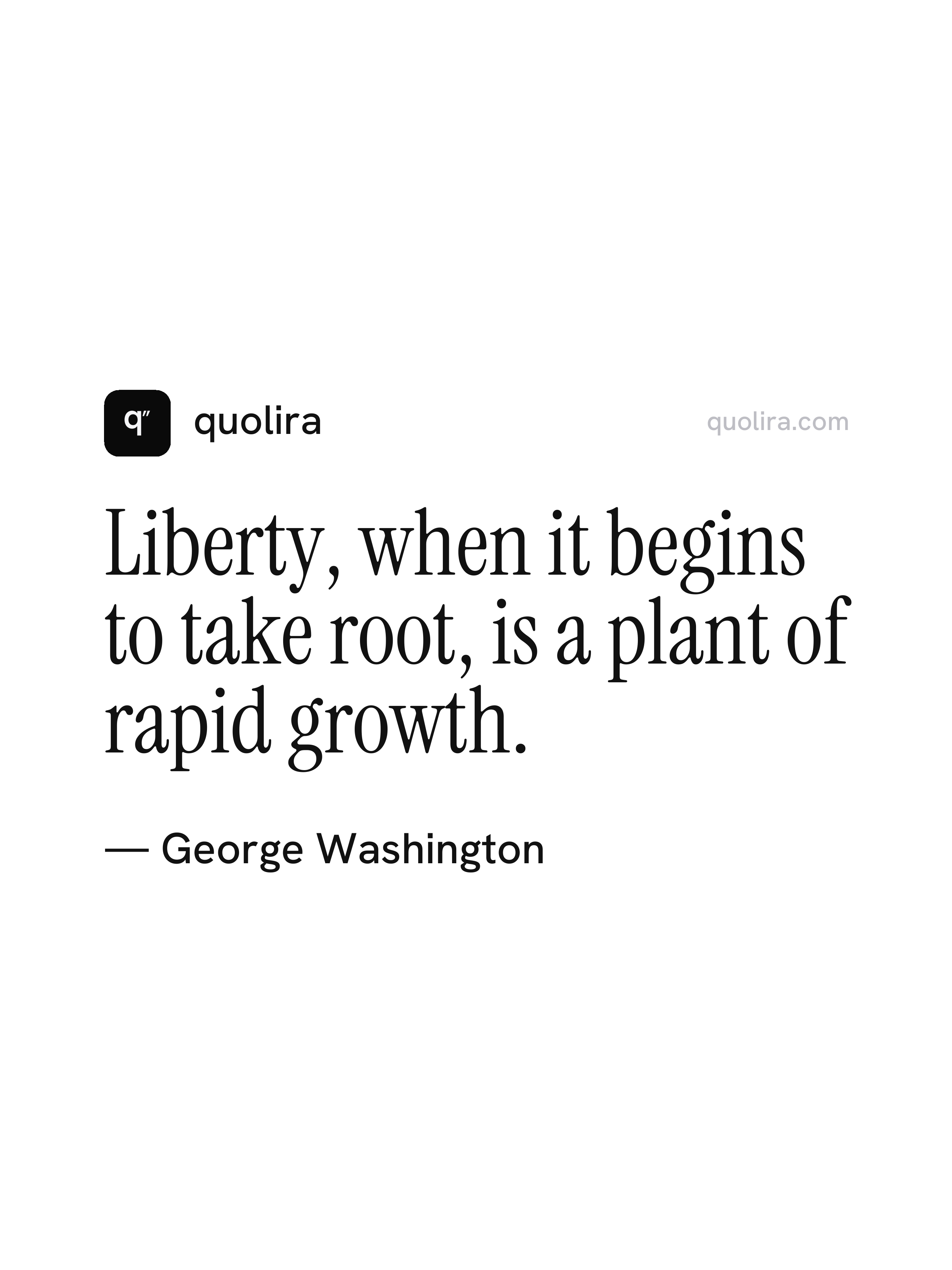
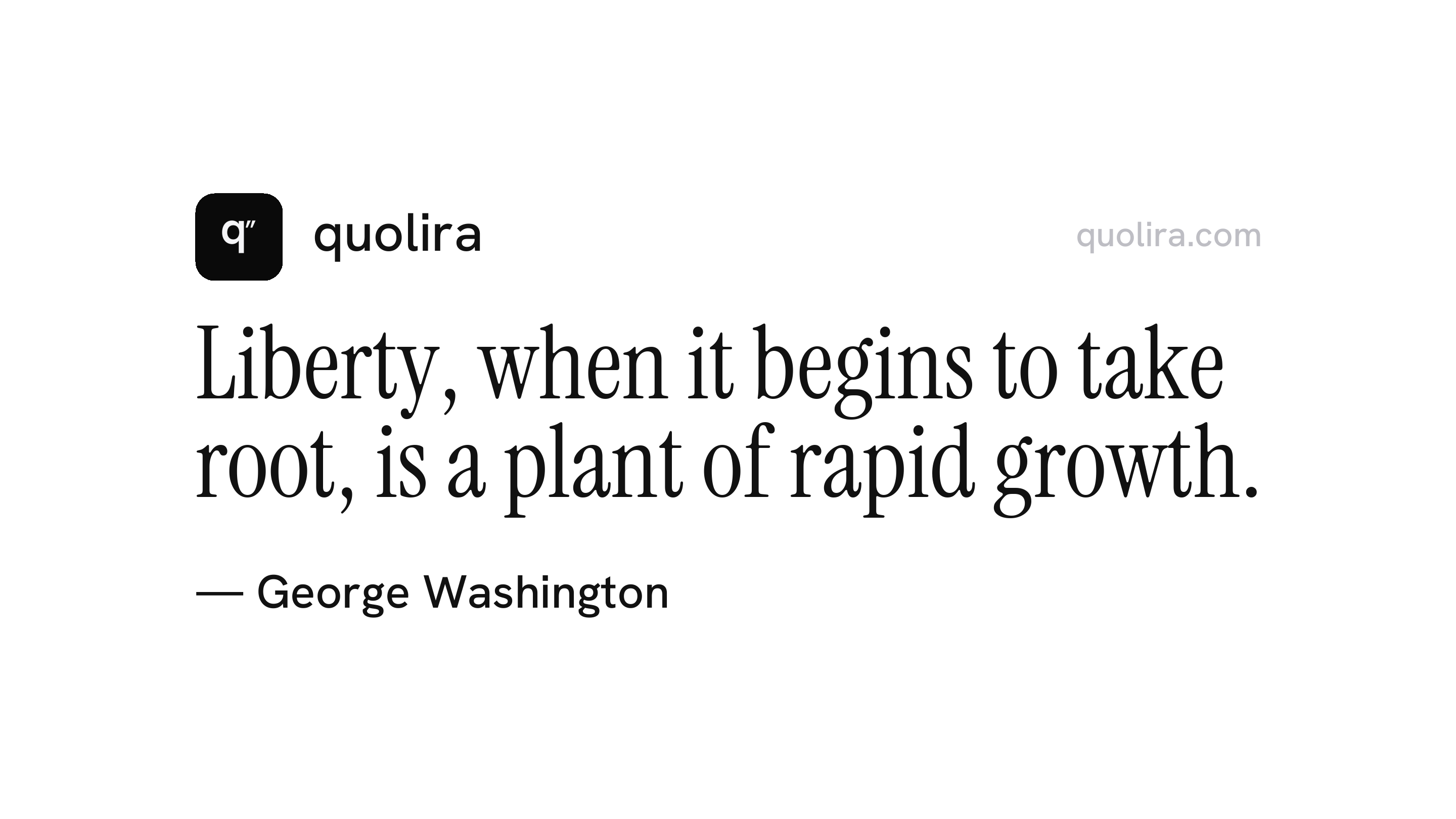
“Liberty, when it begins to take root, is a plant of rapid growth.”
George Washington · Letter to James Madison, 1788
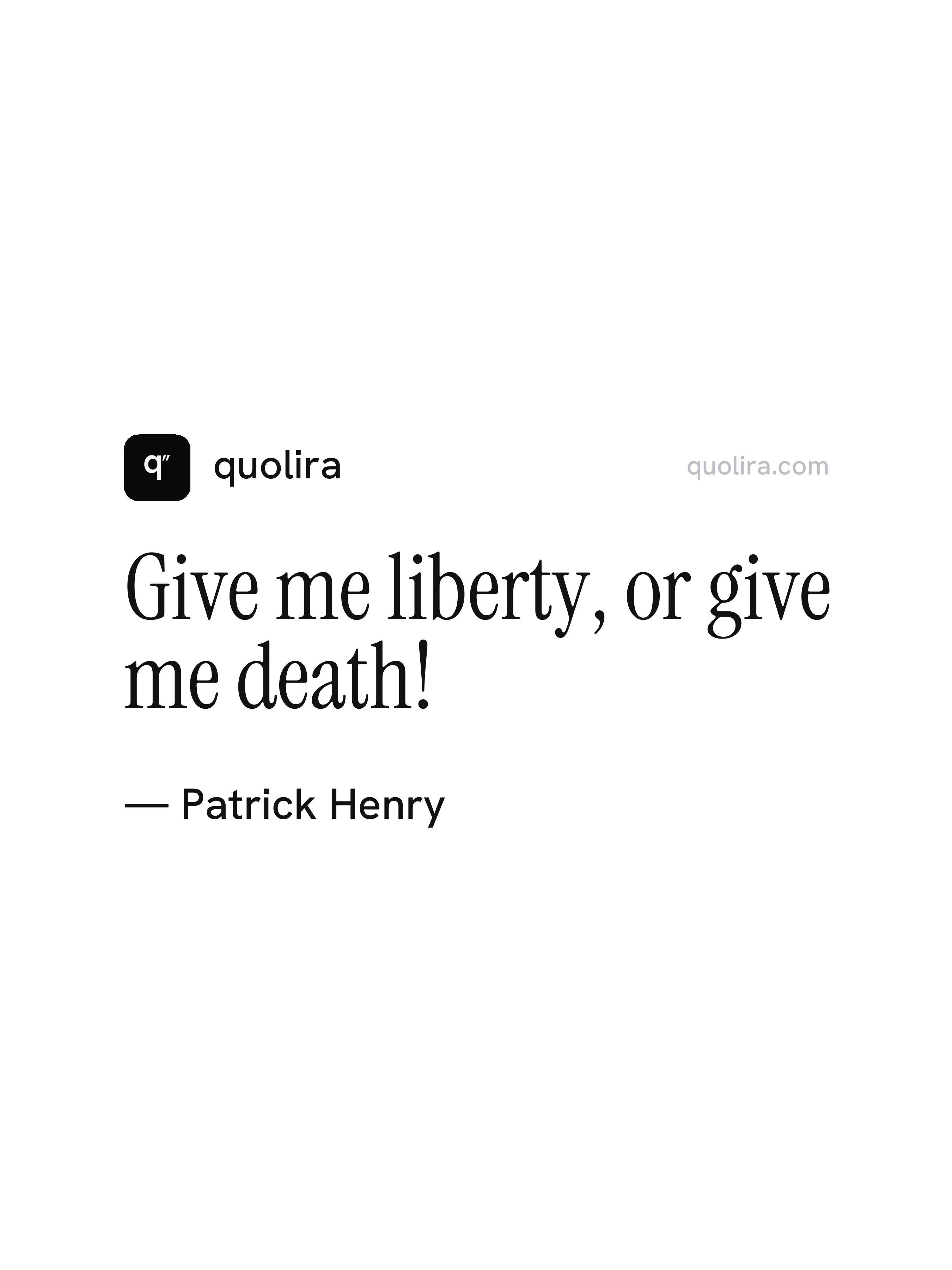
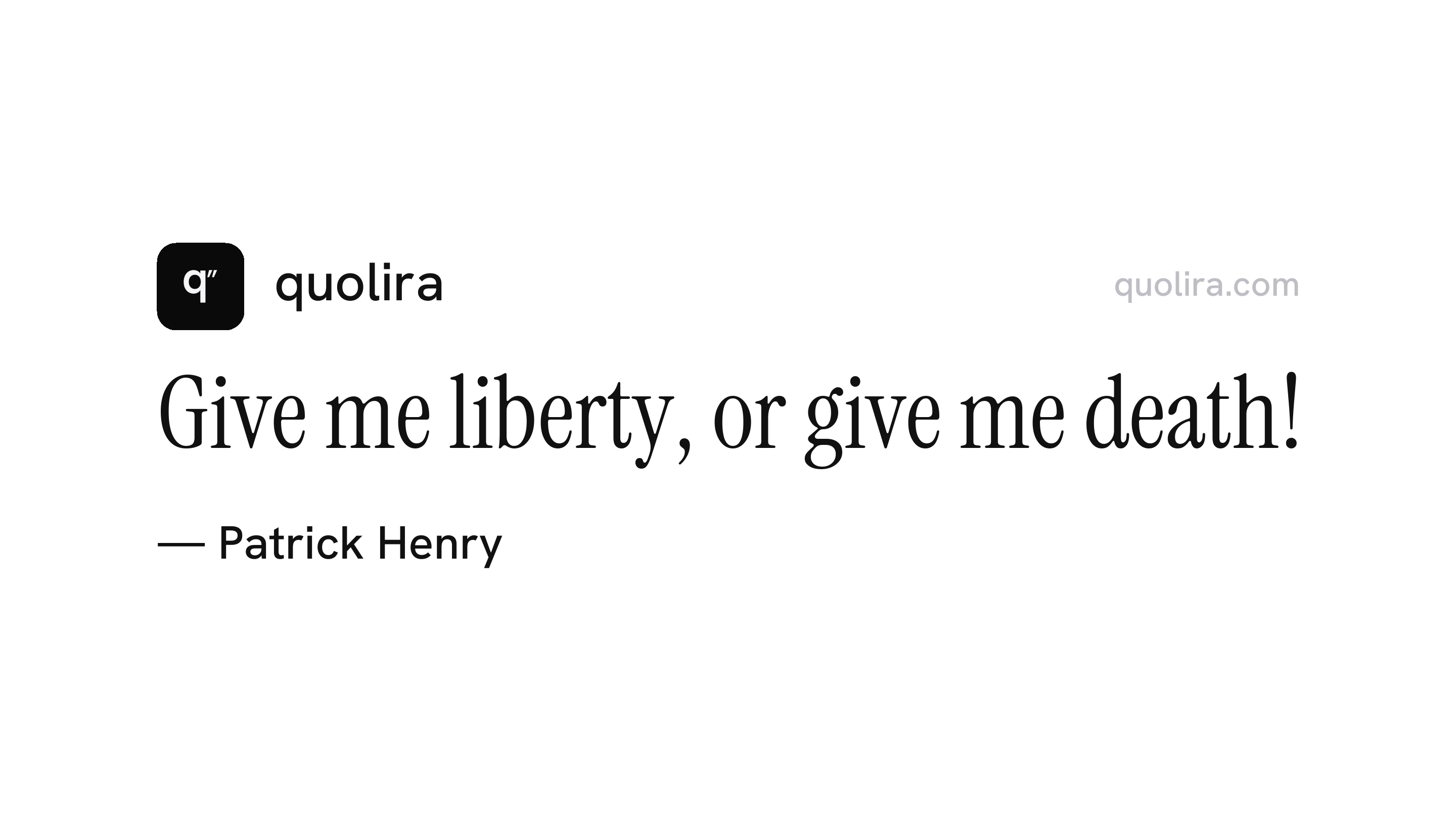
“Give me liberty, or give me death!”
Patrick Henry · Speech at St. John's Church, 1775
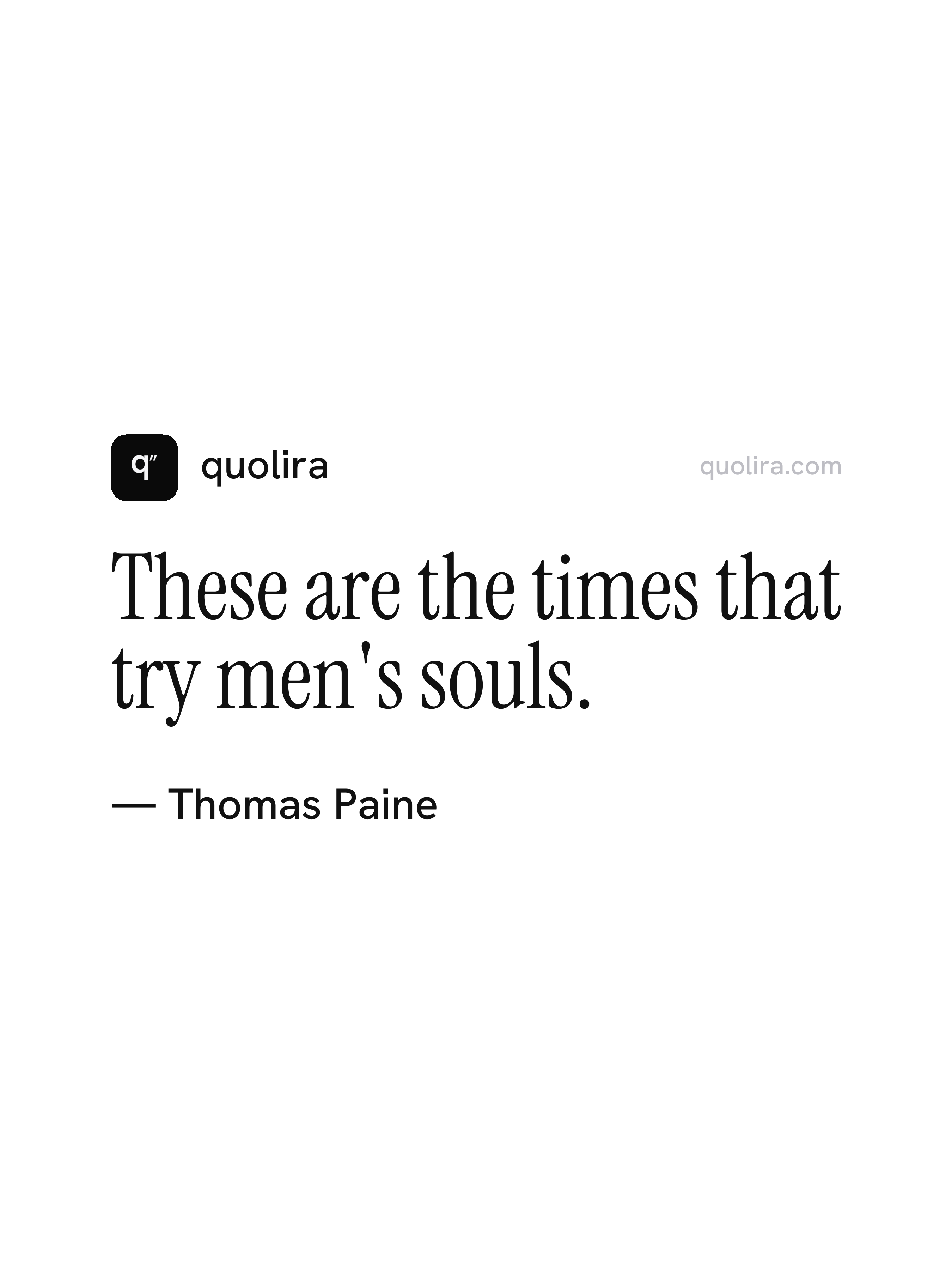
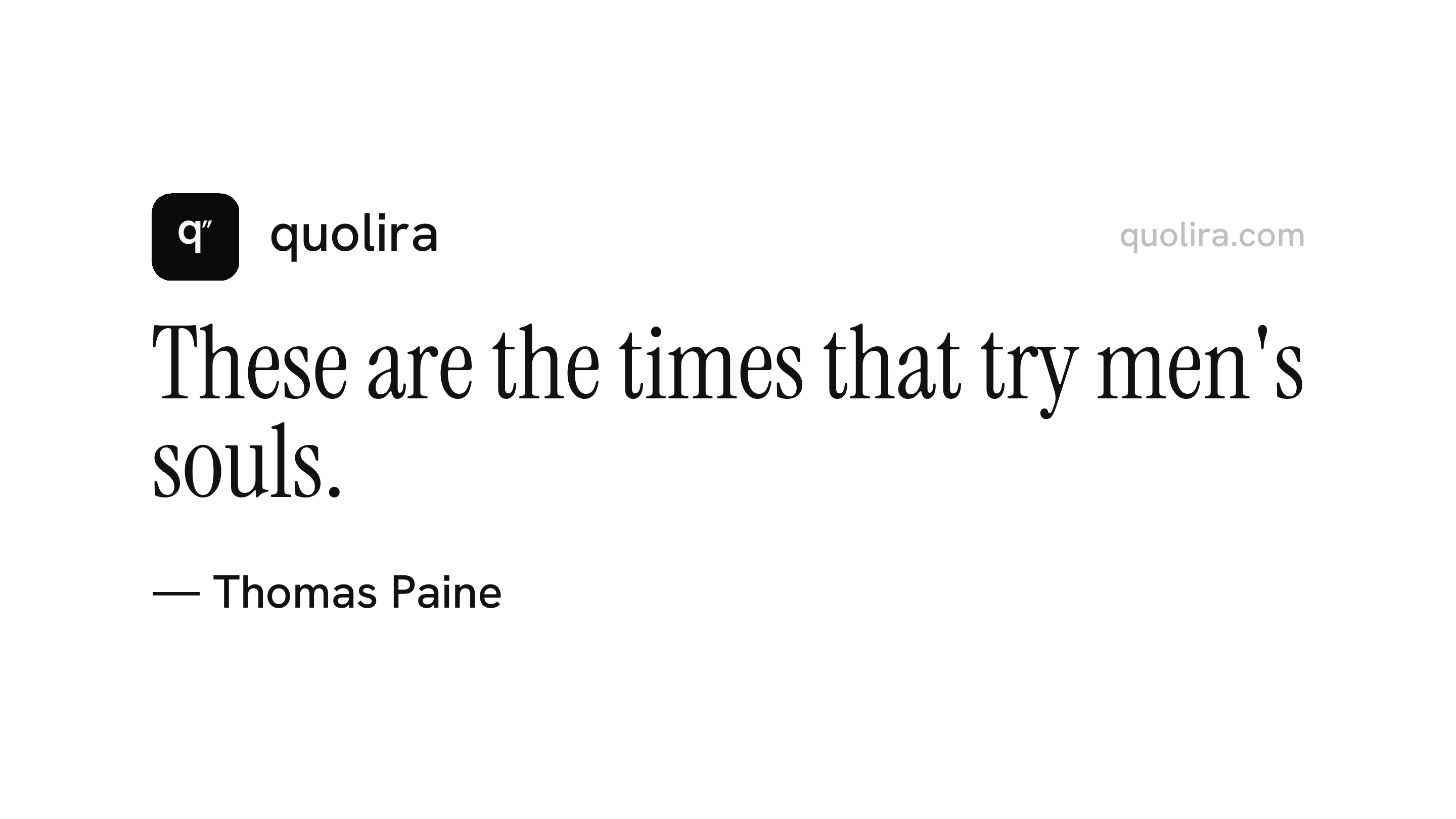
“These are the times that try men's souls.”
Thomas Paine · The American Crisis, 1776
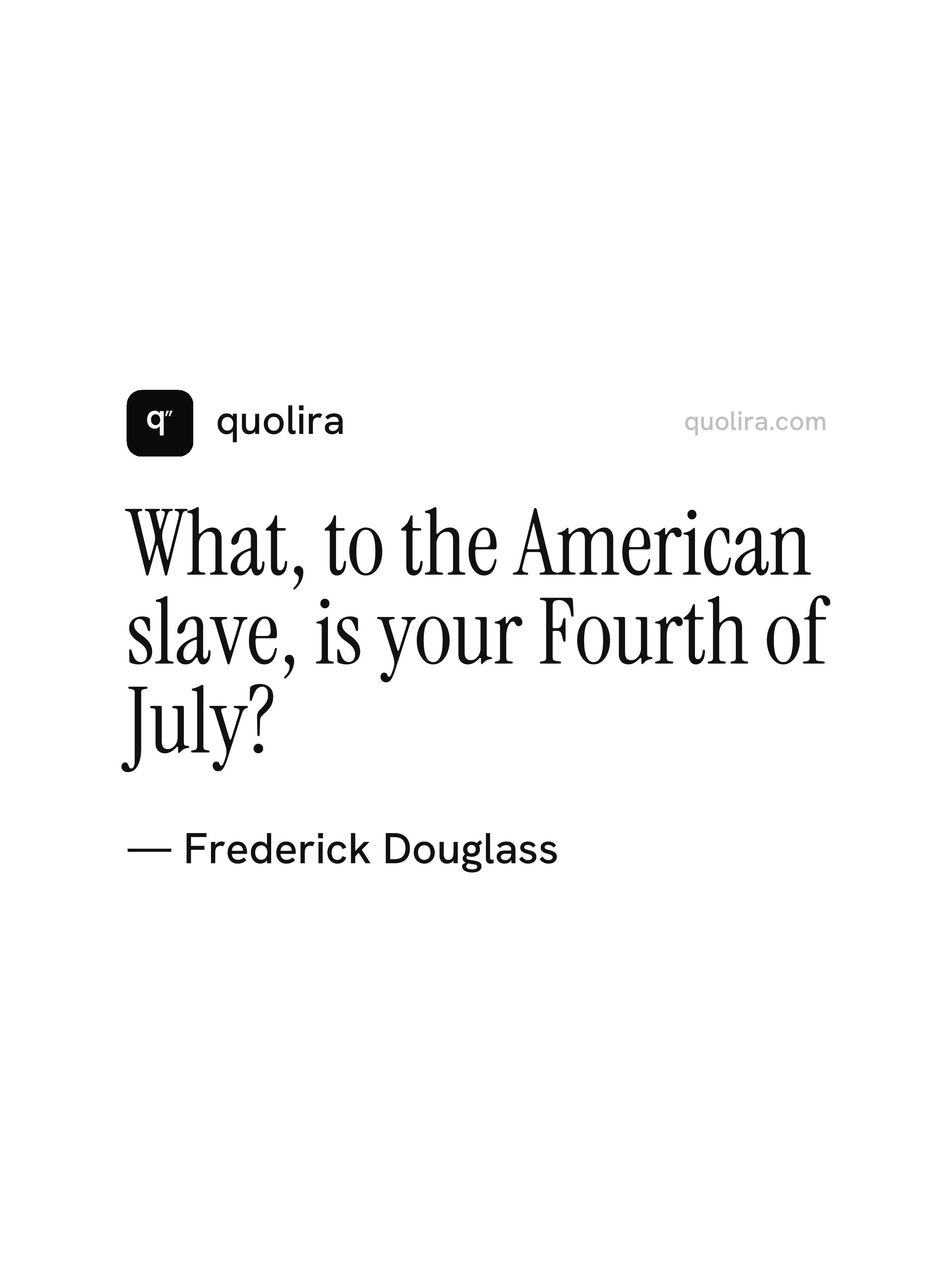
“What, to the American slave, is your Fourth of July?”
Frederick Douglass · Speech, July 5, 1852