“It is the love of country that has lighted and keeps glowing the holy fire of patriotism.”
J. Horace McFarland
 quolira
.com
quolira
quolira.com
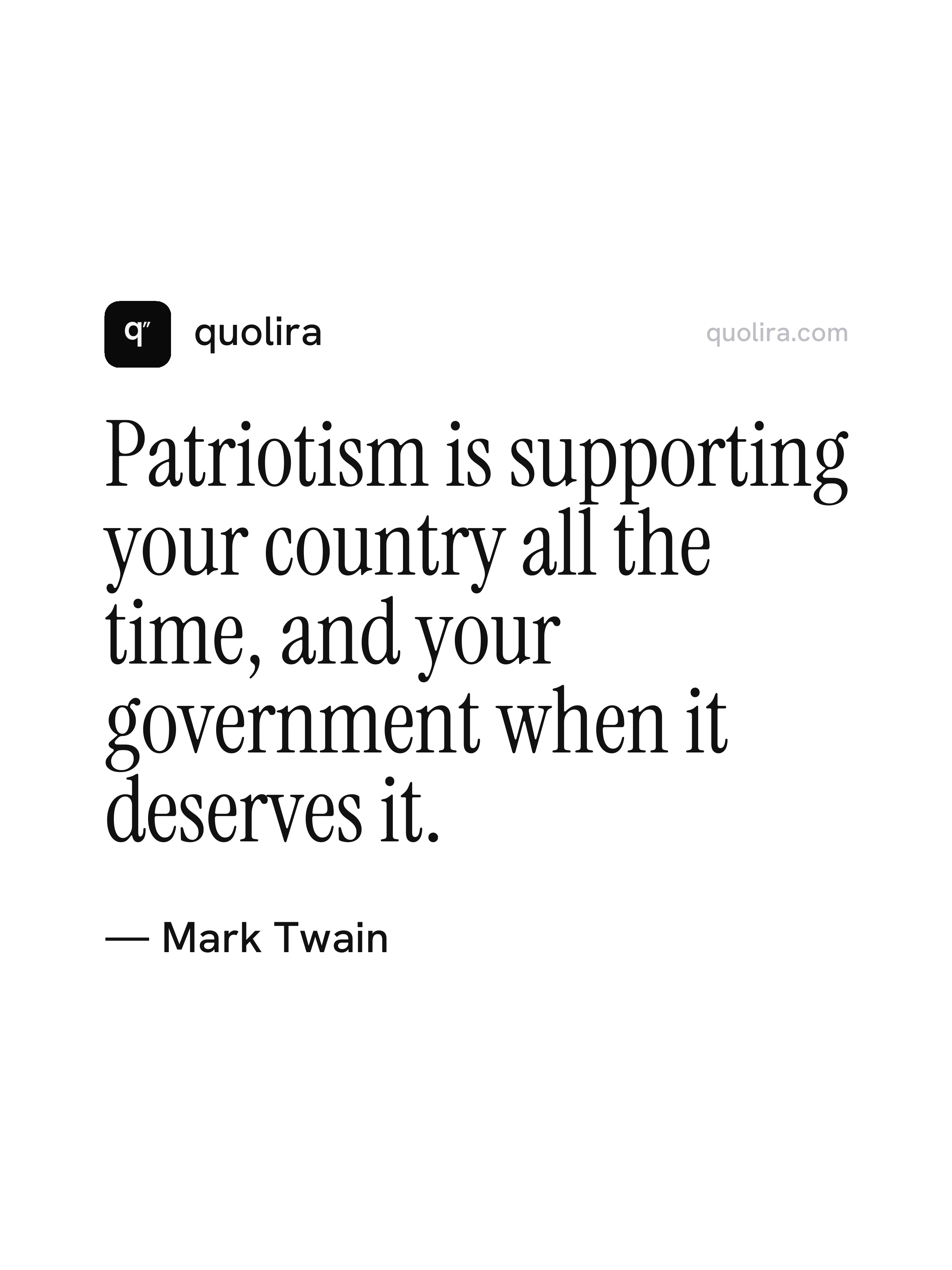
Twain is drawing a careful line between two things that are often conflated: love of one's country and uncritical loyalty to whoever happens to be governing it. Real patriotism, in his view, is a durable attachment to the nation and its people. Support for the government is something different and conditional, something that must be earned through deserving conduct. The implication is that blind obedience to the state can actually be a betrayal of genuine patriotic feeling.
This sentiment is consistent with the satirical and skeptical voice Twain used throughout his career when examining American politics and public life. He was a sharp critic of jingoism, imperialism, and the tendency of political leaders to wrap questionable policies in patriotic language. Whether or not the exact phrasing appears in a confirmed published source, the idea fits squarely within his broader body of social commentary and has been associated with him for many decades. It speaks to a distinction between civic love and governmental allegiance that remains relevant in political debate.
Mark Twain was the pen name of Samuel Langhorne Clemens, an American author and humorist born in Missouri in 1835. He is best known for novels including The Adventures of Tom Sawyer and Adventures of Huckleberry Finn, but he was also a prolific essayist, lecturer, and social critic. His writing combined vernacular humor with biting observations about race, class, and political hypocrisy in American life. He remains one of the most quoted and widely recognized figures in American literary history. He died in 1910.
“It is the love of country that has lighted and keeps glowing the holy fire of patriotism.”
J. Horace McFarland
“Liberty, when it begins to take root, is a plant of rapid growth.”
George Washington · Letter to James Madison, 1788
“Give me liberty, or give me death!”
Patrick Henry · Speech at St. John's Church, 1775
“These are the times that try men's souls.”
Thomas Paine · The American Crisis, 1776
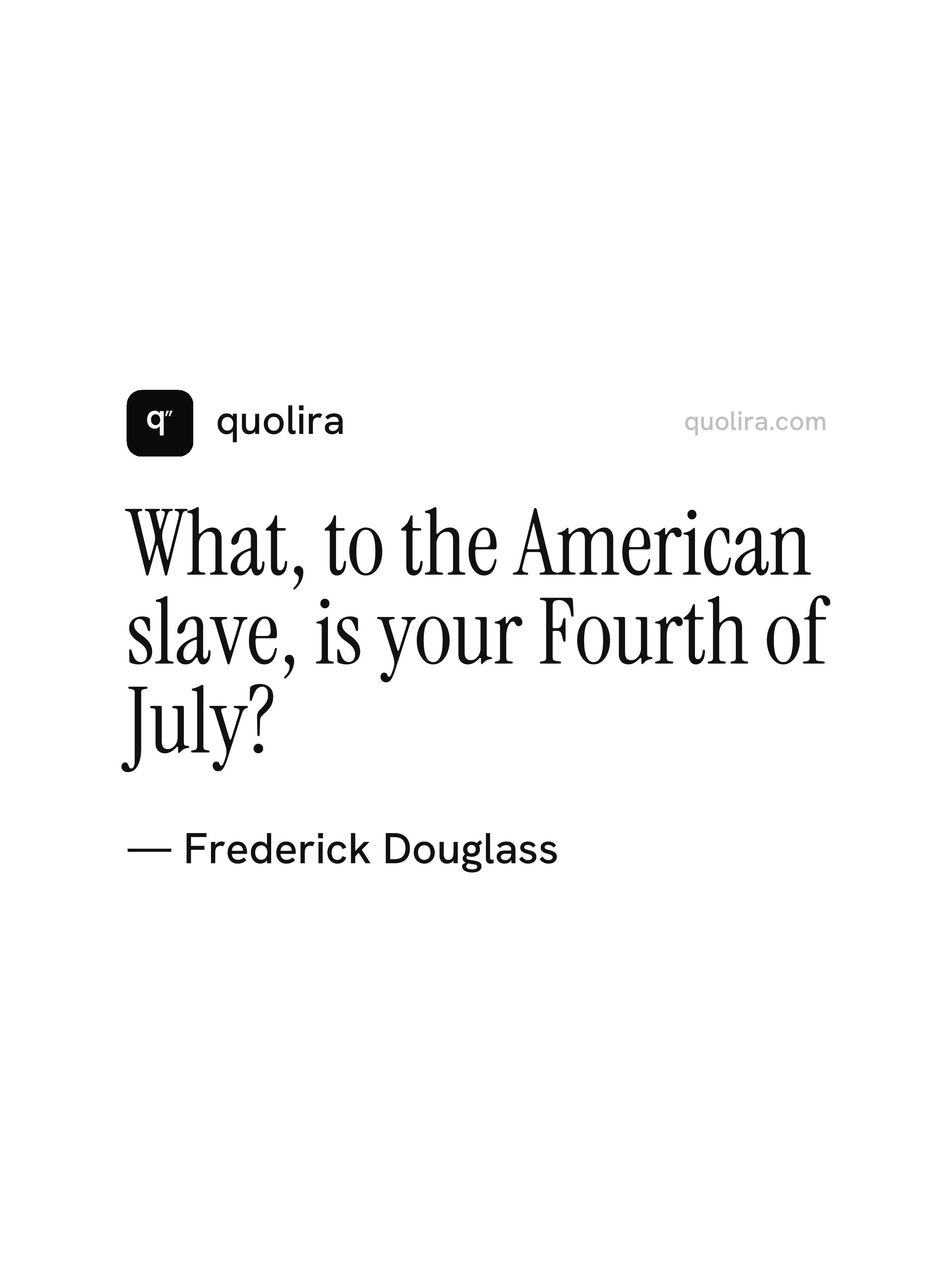
“What, to the American slave, is your Fourth of July?”
Frederick Douglass · Speech, July 5, 1852
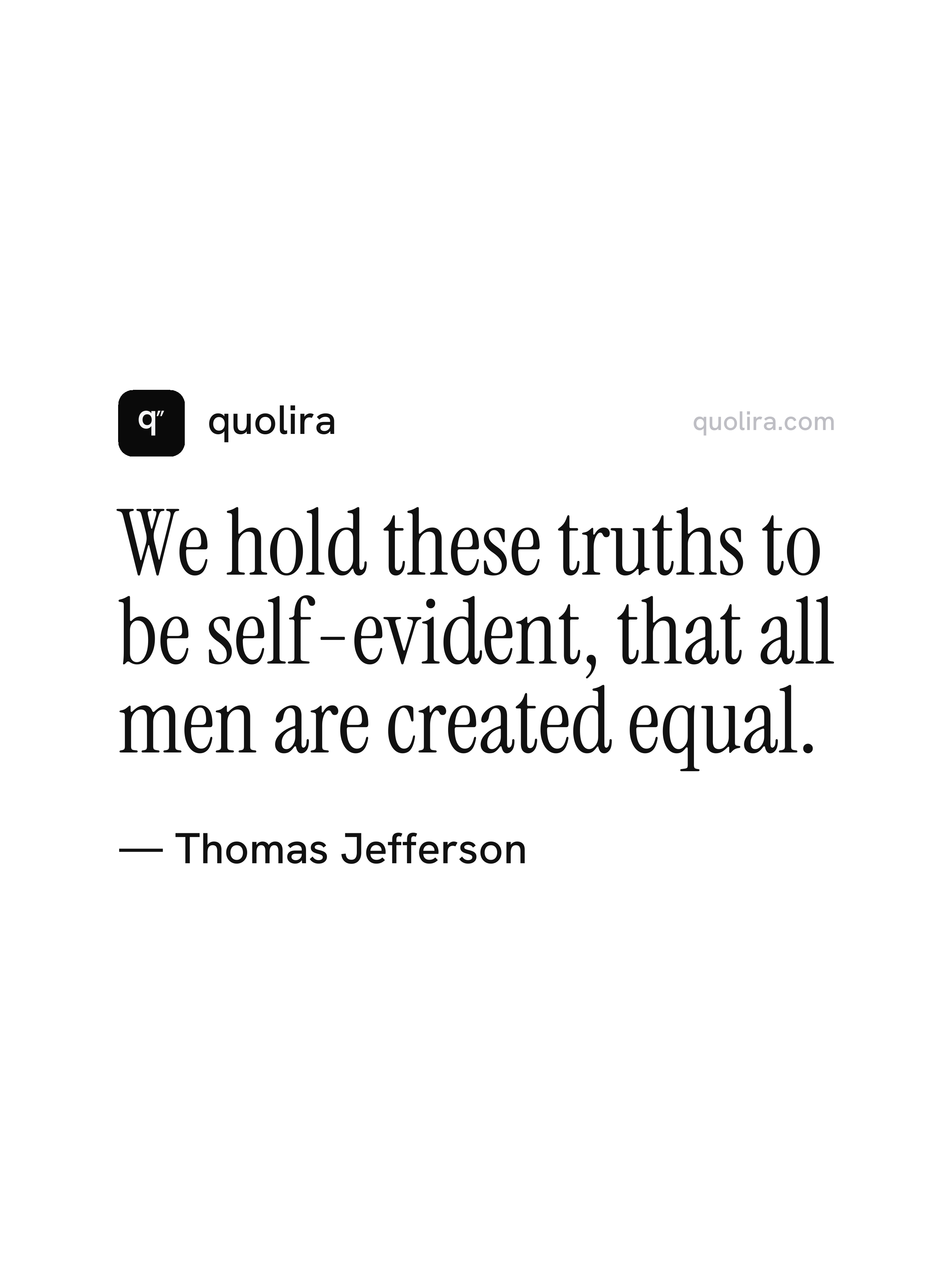
“We hold these truths to be self-evident, that all men are created equal.”
Thomas Jefferson · Declaration of Independence, 1776
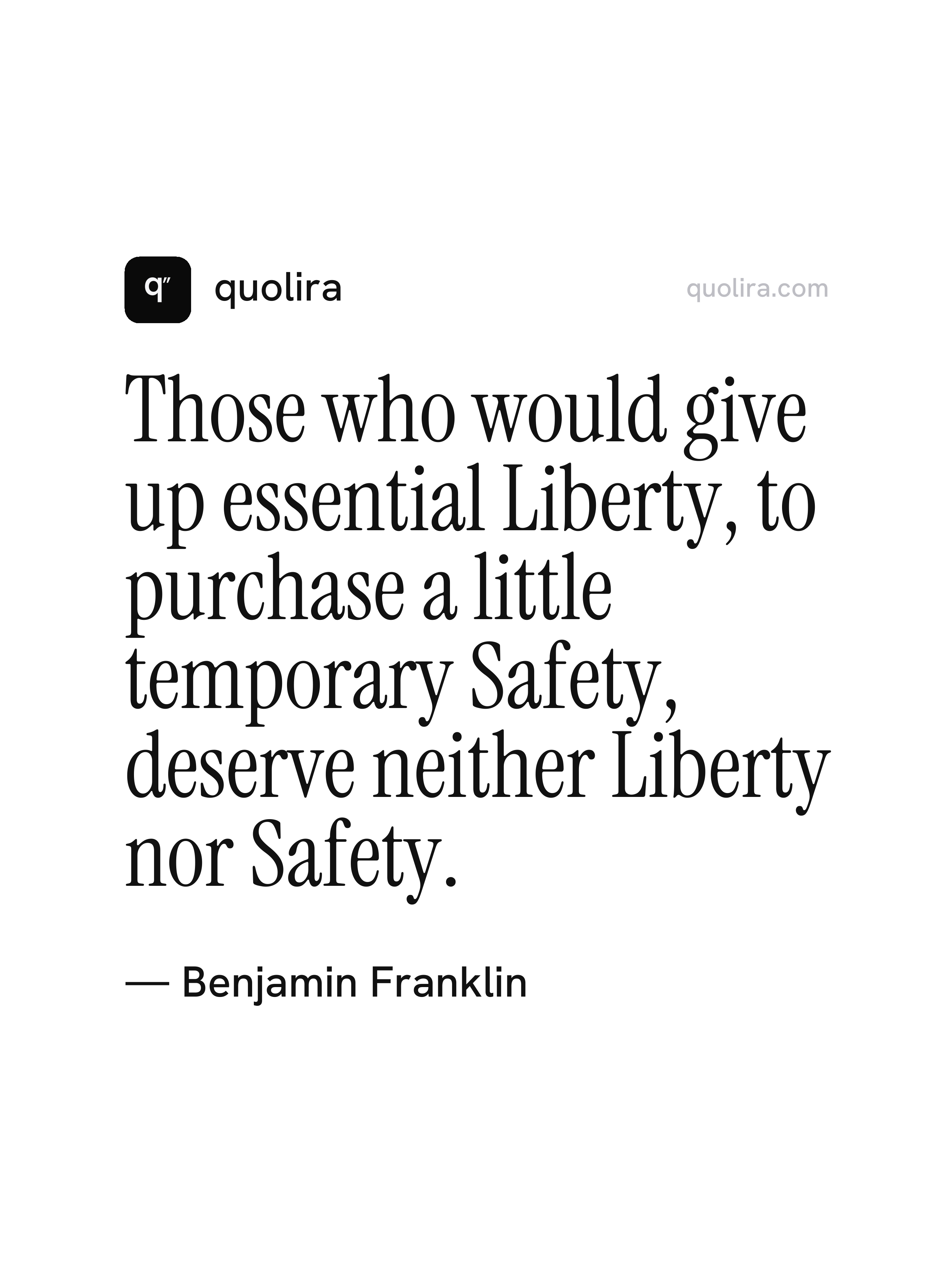
“Those who would give up essential Liberty, to purchase a little temporary Safety, deserve neither Liberty nor Safety.”
Benjamin Franklin · 1755
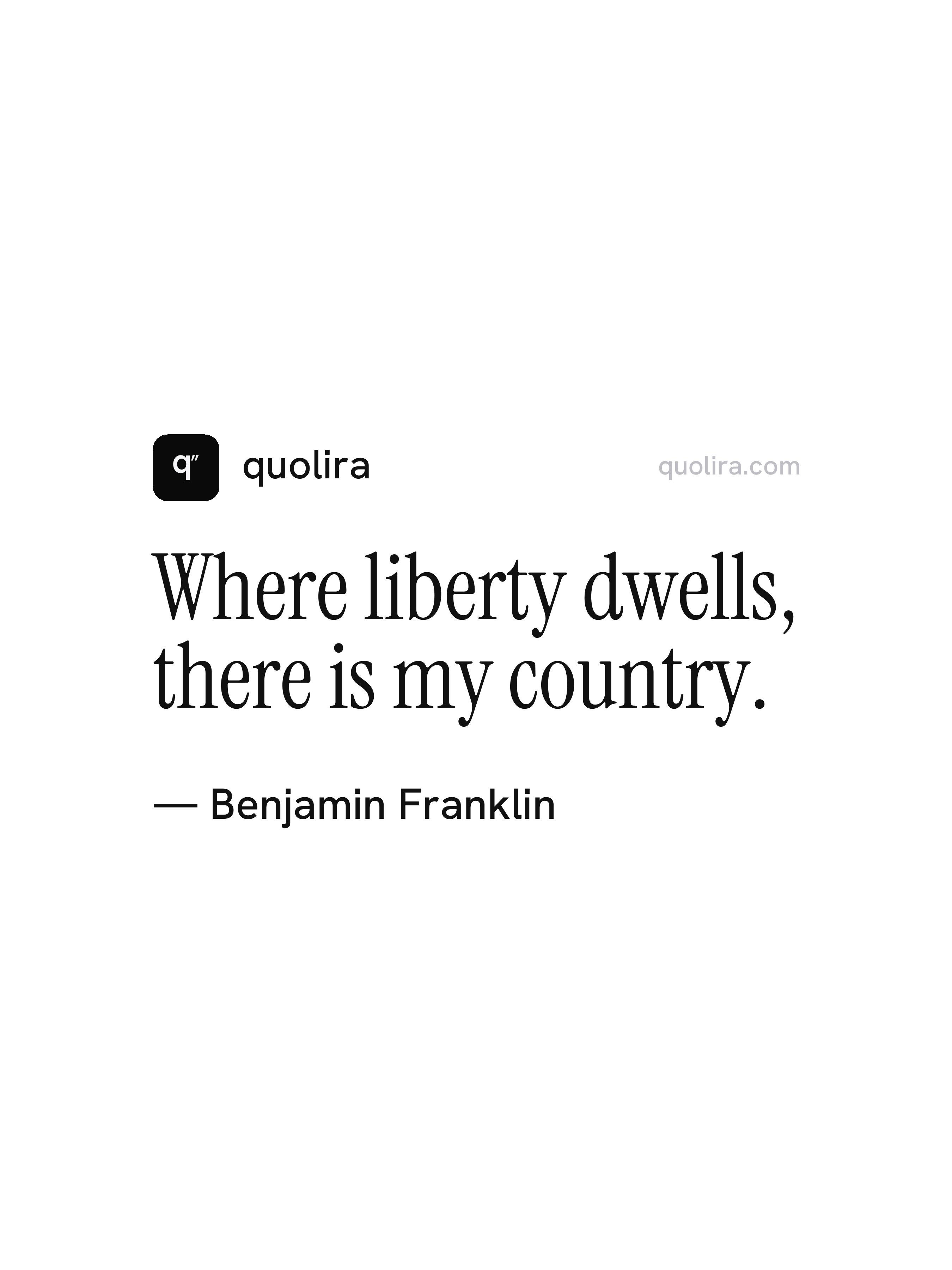
“Where liberty dwells, there is my country.”
Benjamin Franklin
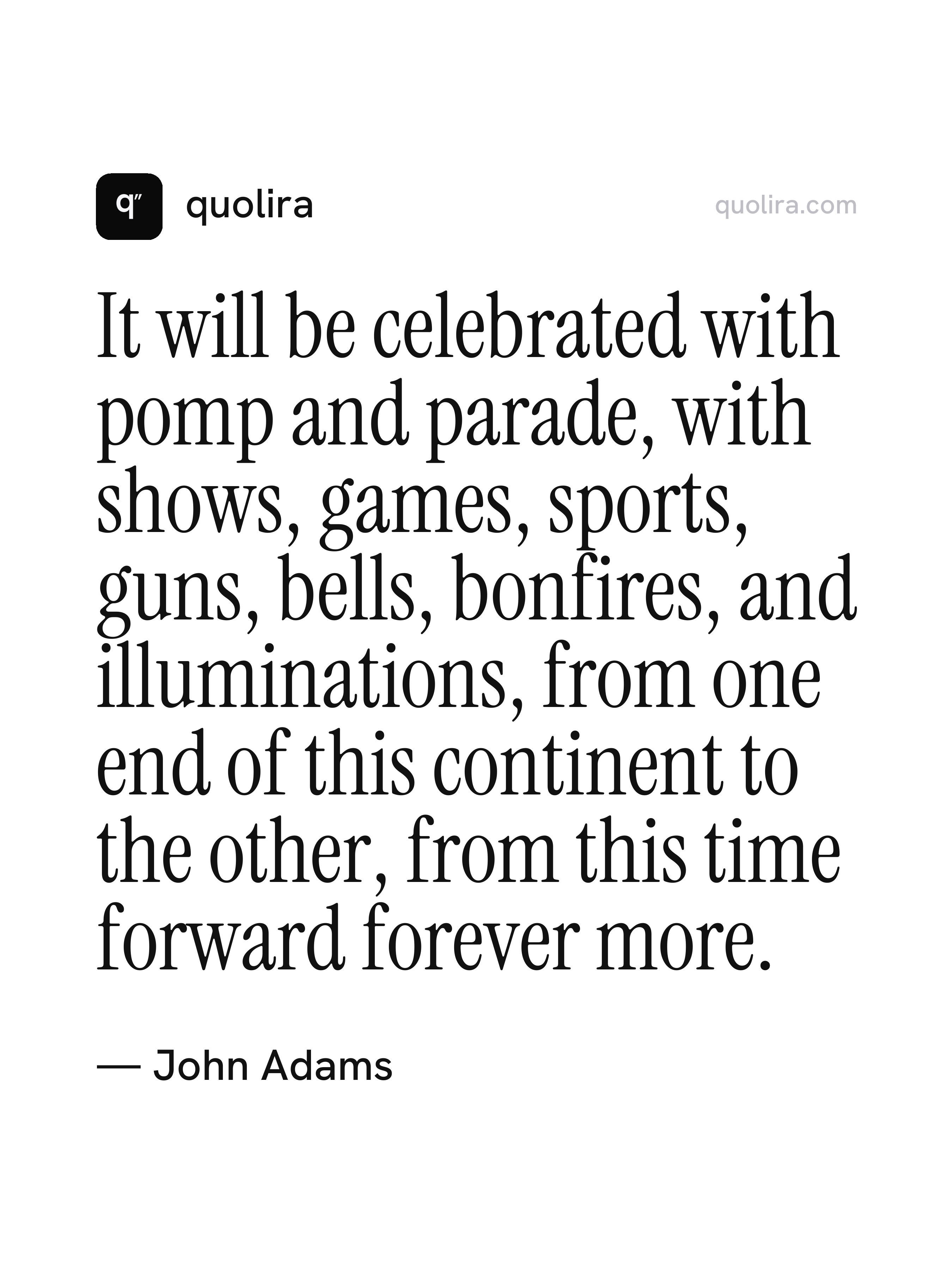
“It will be celebrated with pomp and parade, with shows, games, sports, guns, bells, bonfires, and illuminations, from one end of this continent to the other, from this time forward forever more.”
John Adams · Letter to Abigail Adams, July 3, 1776
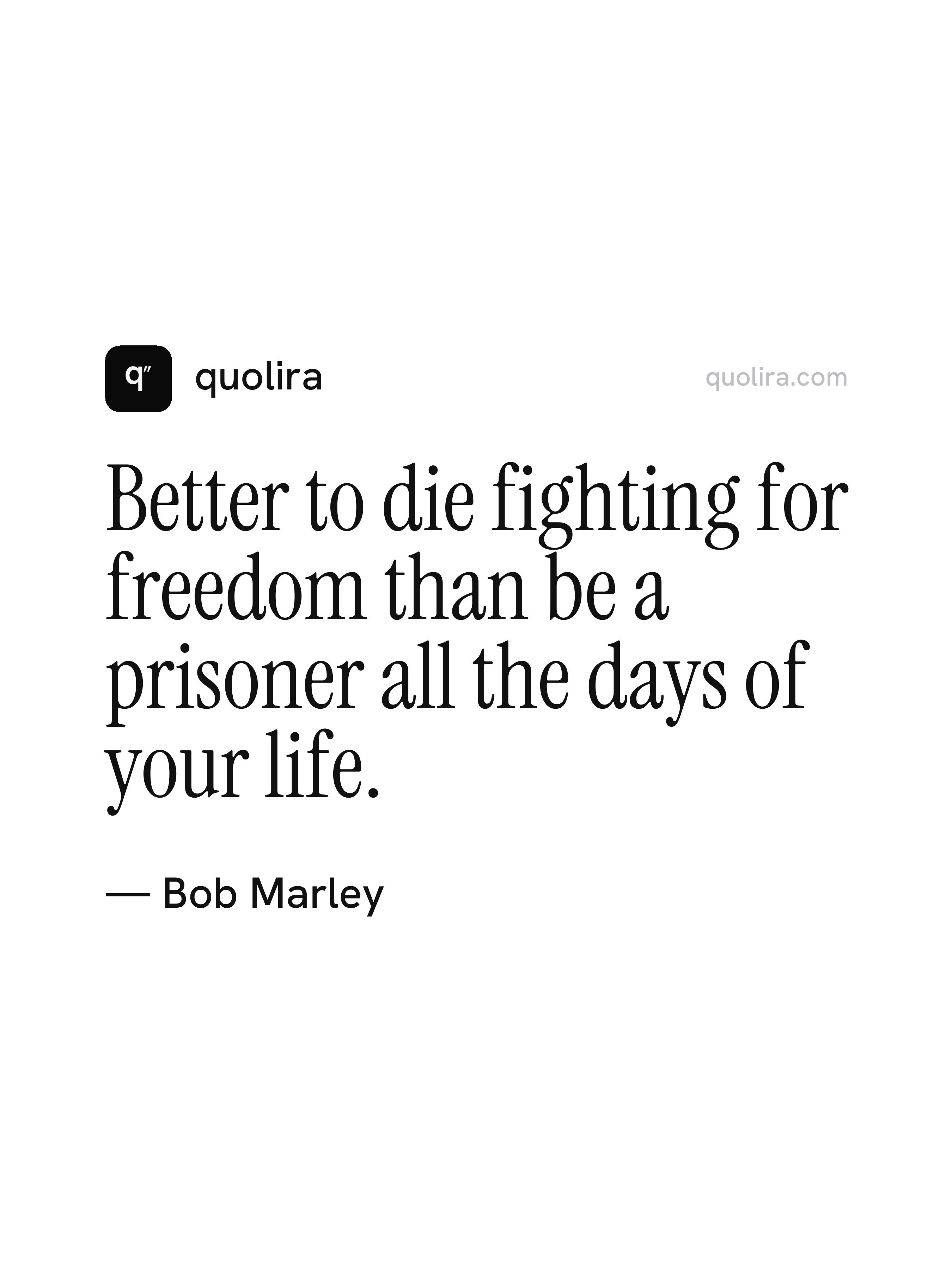
“Better to die fighting for freedom than be a prisoner all the days of your life.”
Bob Marley
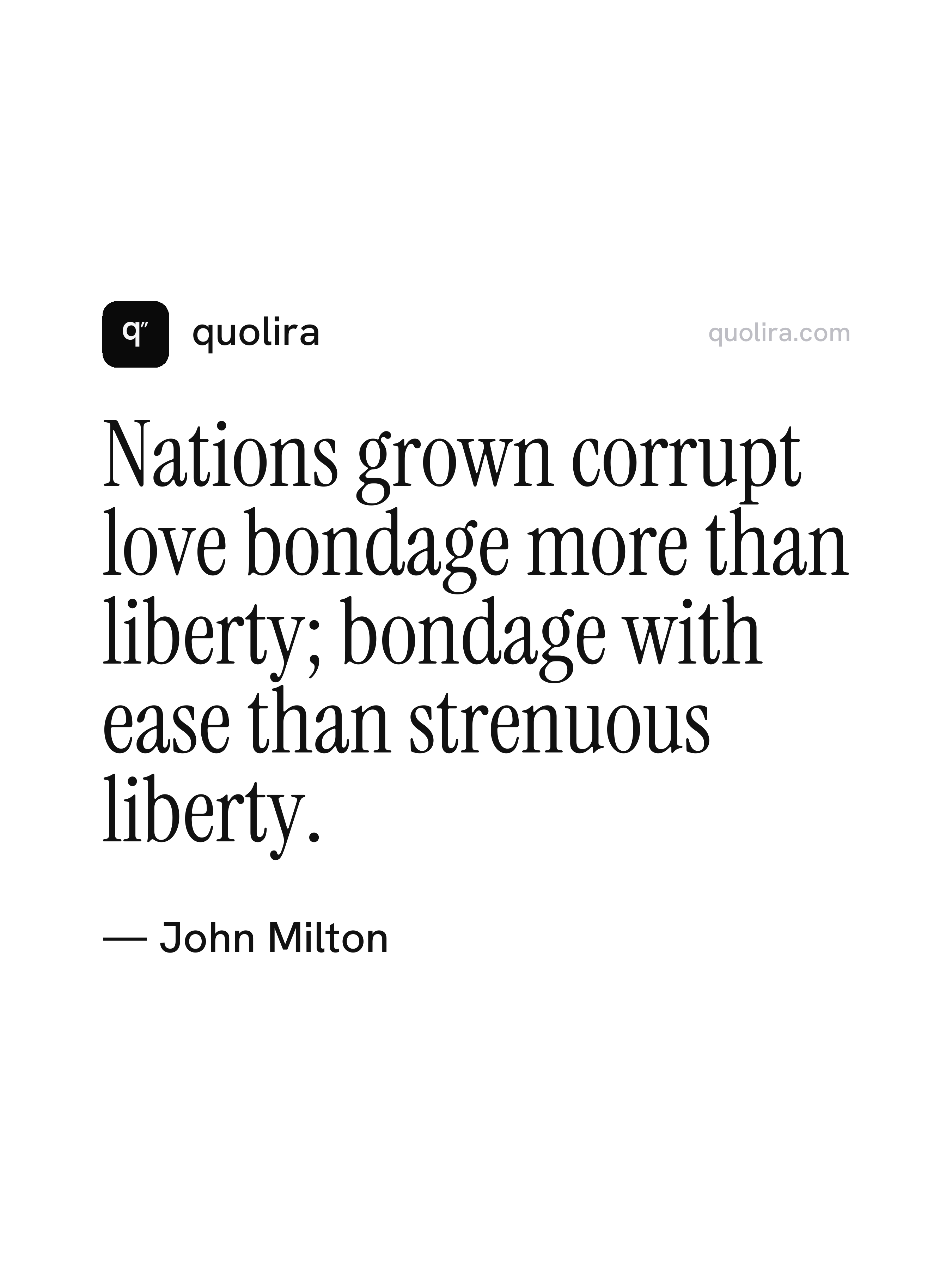
“Nations grown corrupt love bondage more than liberty; bondage with ease than strenuous liberty.”
John Milton · The Ready and Easy Way, 1660
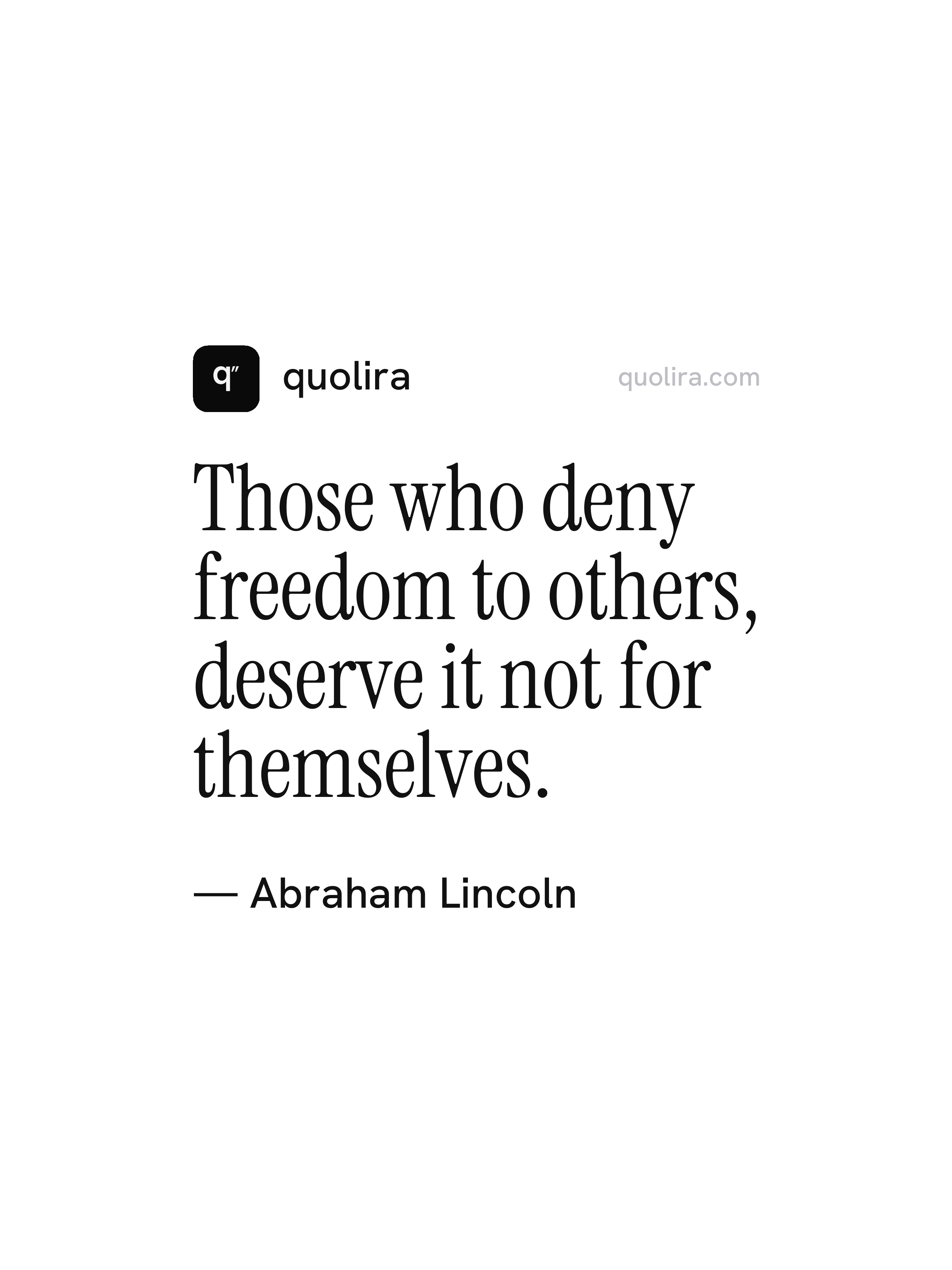
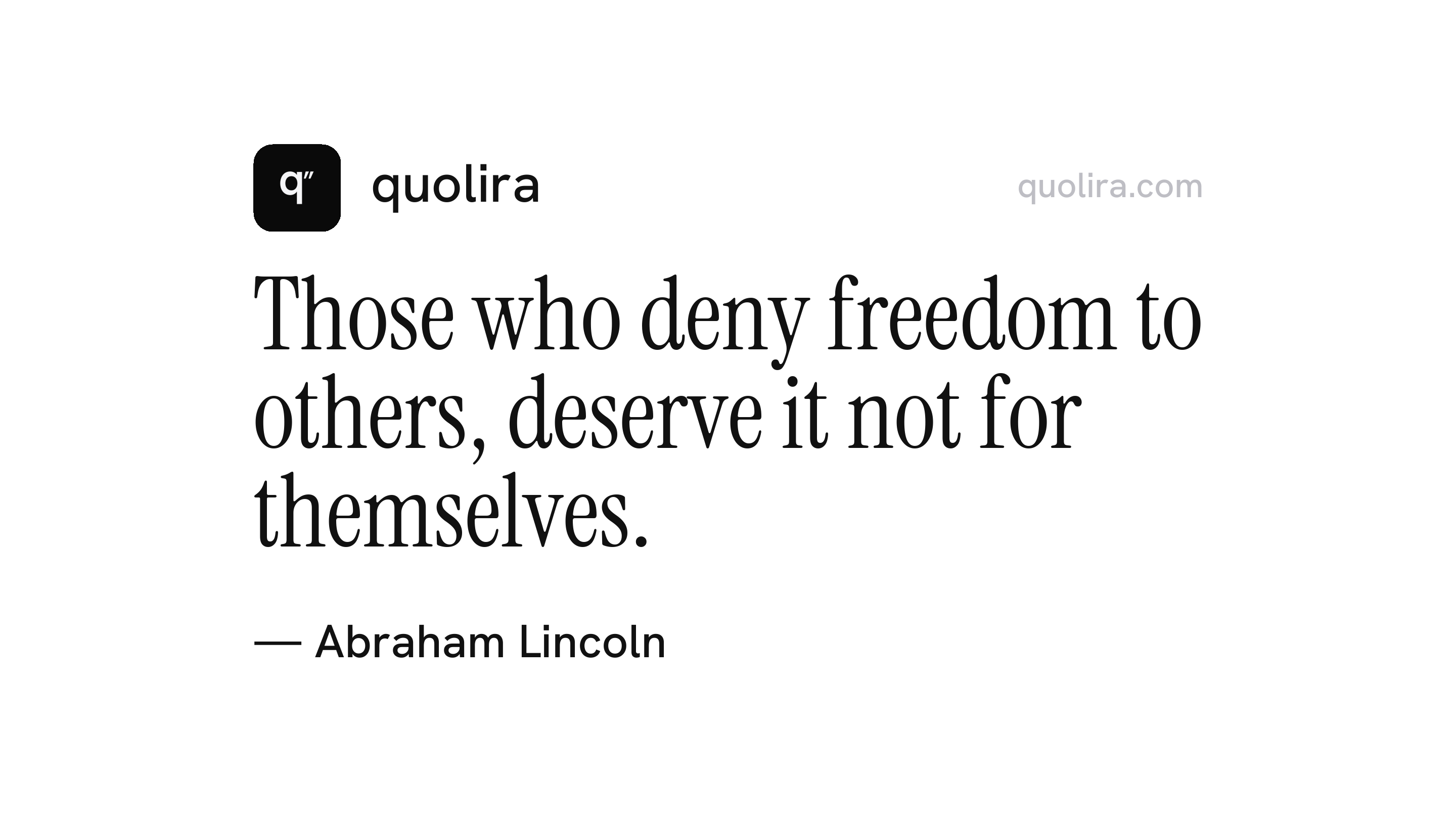
“Those who deny freedom to others, deserve it not for themselves.”
Abraham Lincoln · Letter to Henry L. Pierce, 1859