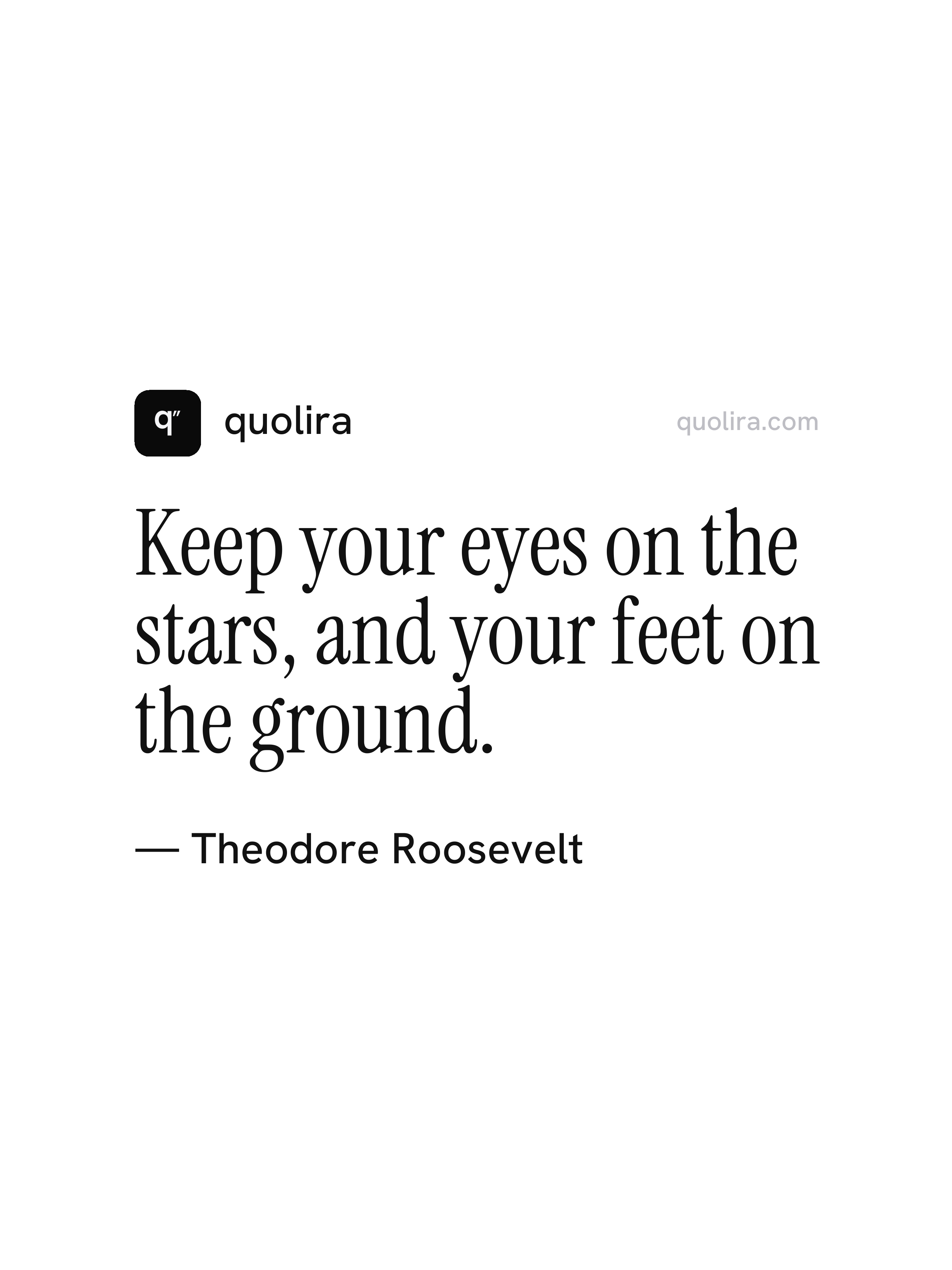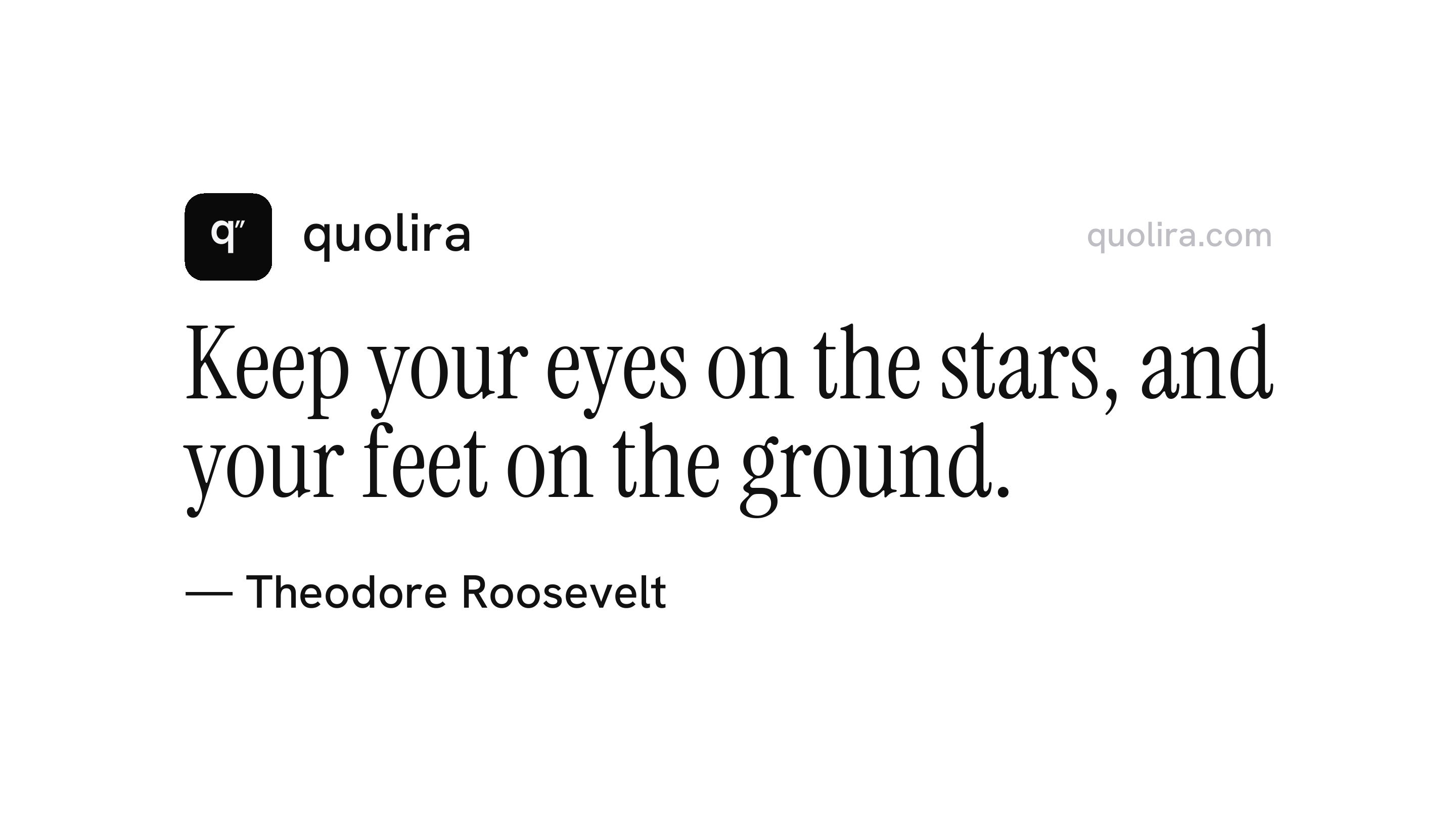
“Keep your eyes on the stars, and your feet on the ground.”
Theodore Roosevelt
 quolira
.com
quolira
quolira.com
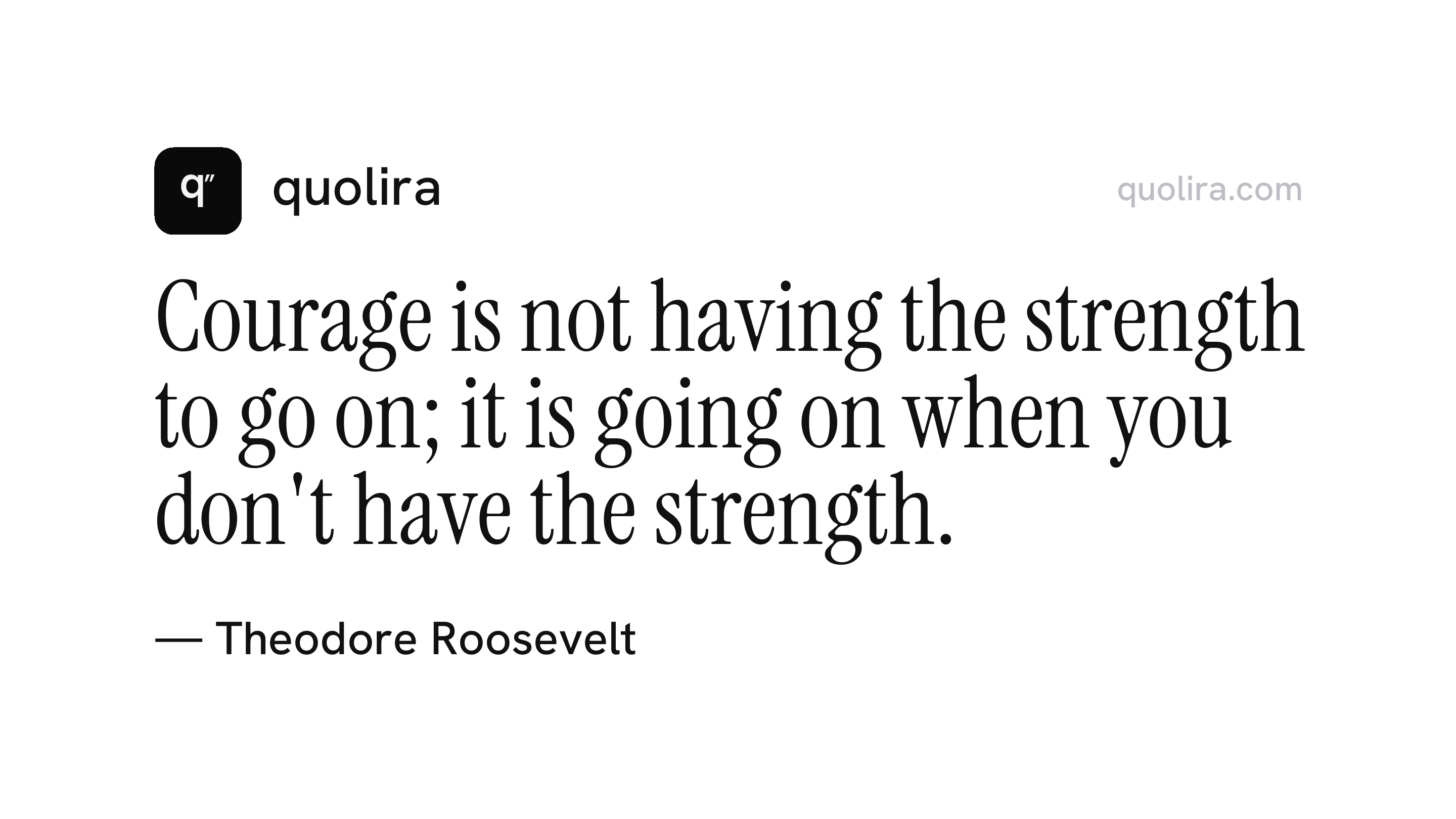
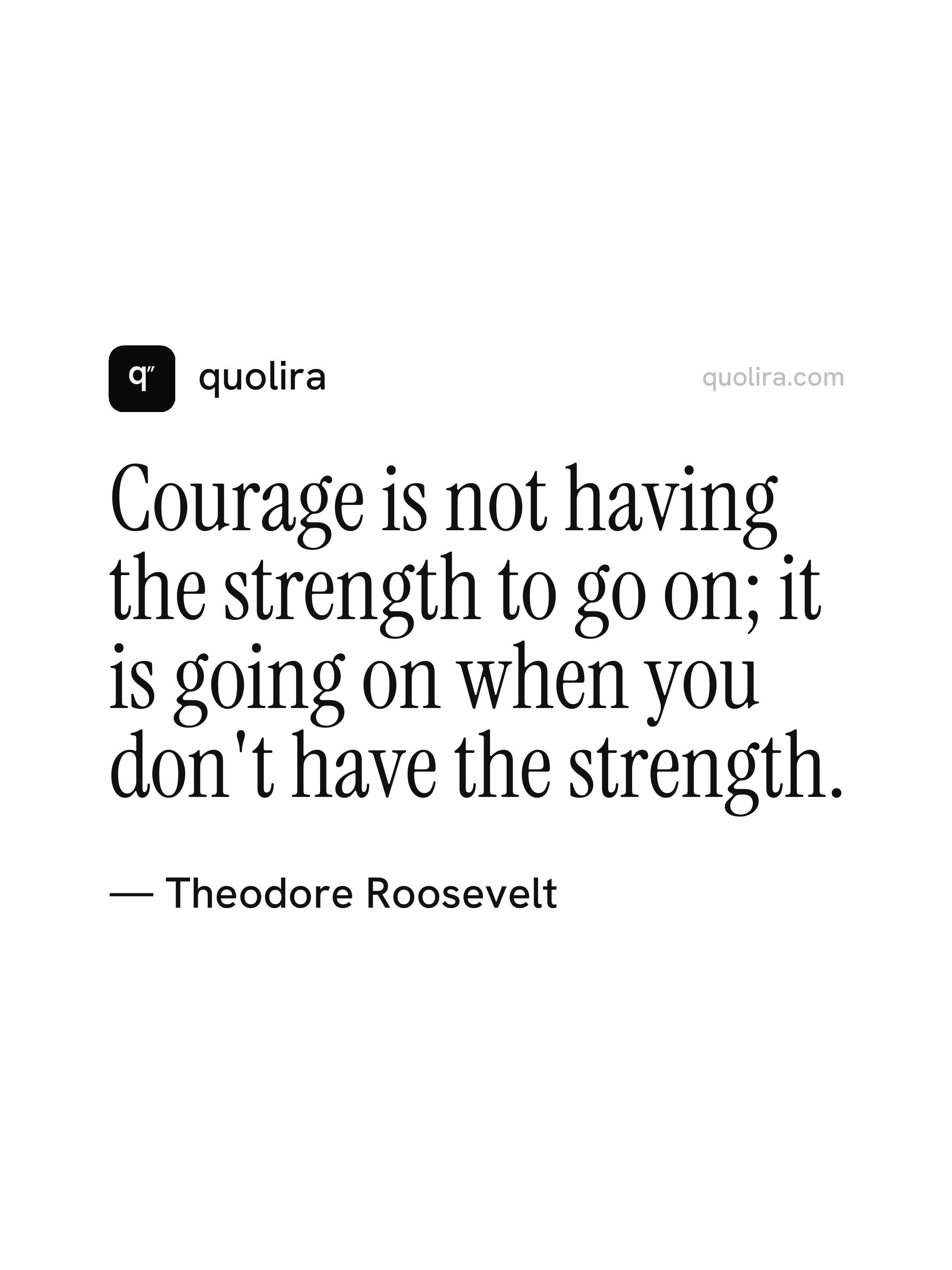
This quote reframes what courage actually is. It separates the idea of courage from physical strength or natural fearlessness and places it instead in the realm of will and choice. True bravery, by this reading, is not about having reserves left to draw on. It is about continuing forward precisely when those reserves are gone. The quote honors the kind of endurance that looks ordinary from the outside but costs everything from the inside.
Theodore Roosevelt expressed ideas like this throughout his public life, and they reflected his genuine personal experiences as much as any abstract philosophy. He faced serious illness from childhood, grieved significant personal losses, and undertook physically demanding adventures well into middle age. His thinking about courage was therefore rooted in lived difficulty rather than comfortable theorizing. He believed deeply that character was revealed not in easy moments but in the ones where continuing seemed nearly impossible, and he returned to that theme often in his speeches and writings.
Theodore Roosevelt served as the twenty-sixth president of the United States and led one of the most eventful lives in American political history. He was a soldier, rancher, author, explorer, and conservationist, among many other roles. His experiences of hardship, including serious childhood illness and profound personal loss, gave him a perspective on endurance that was more than rhetorical. He advocated throughout his career for what he called the strenuous life, a philosophy that prized effort, perseverance, and engagement with difficulty over ease or withdrawal.
“Keep your eyes on the stars, and your feet on the ground.”
Theodore Roosevelt
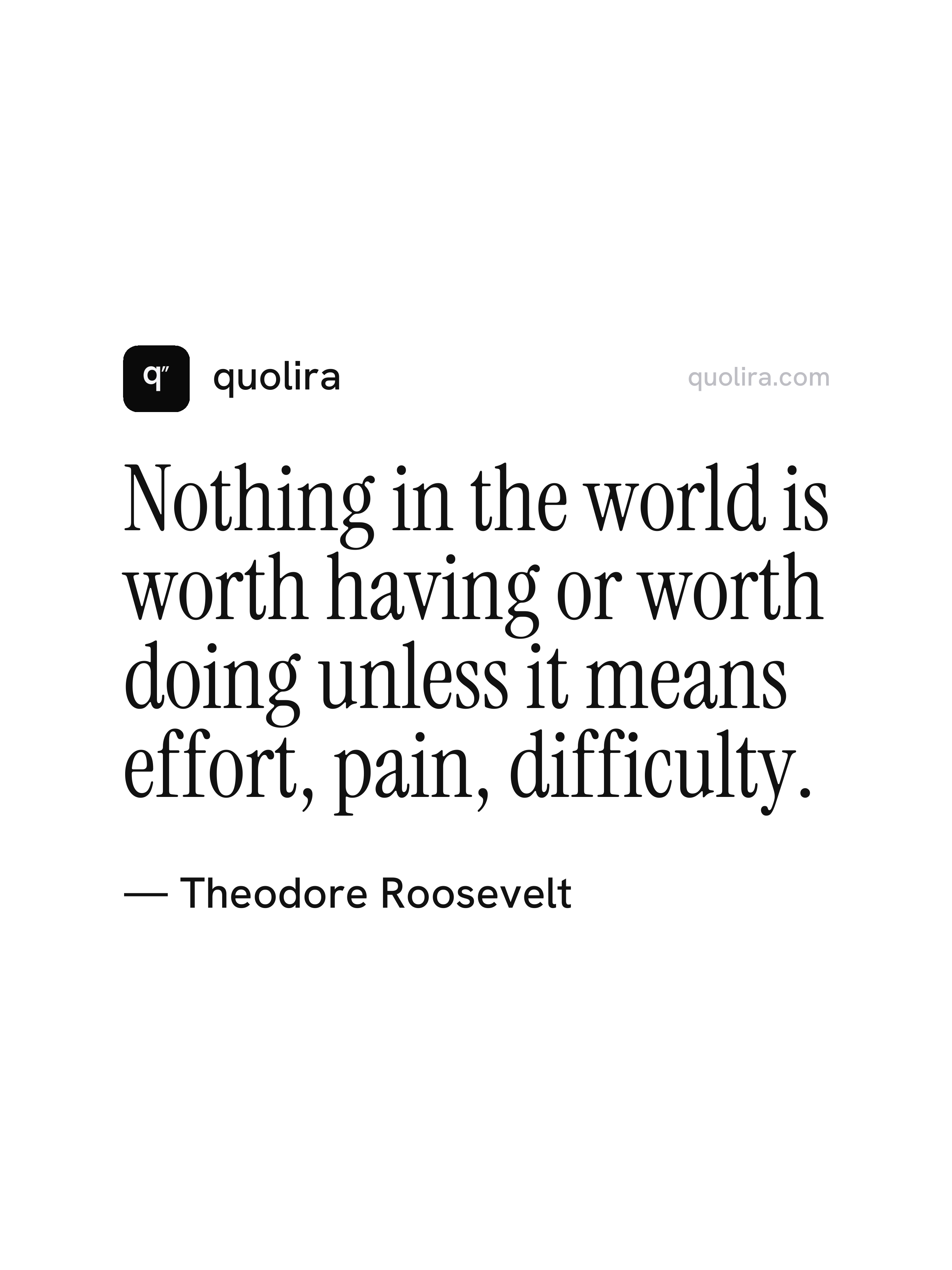
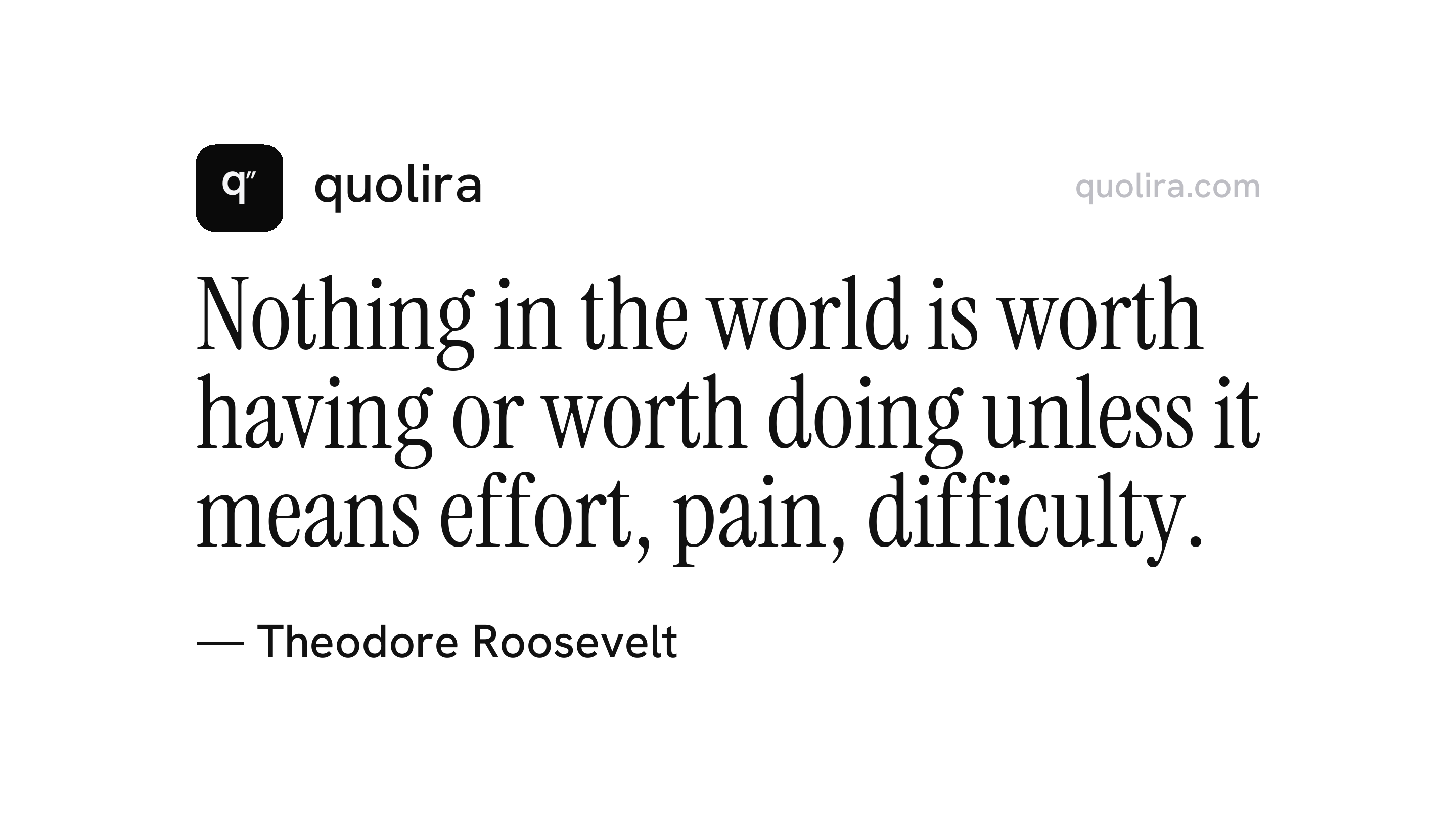
“Nothing in the world is worth having or worth doing unless it means effort, pain, difficulty.”
Theodore Roosevelt · The Strenuous Life speech, Chicago, 1899
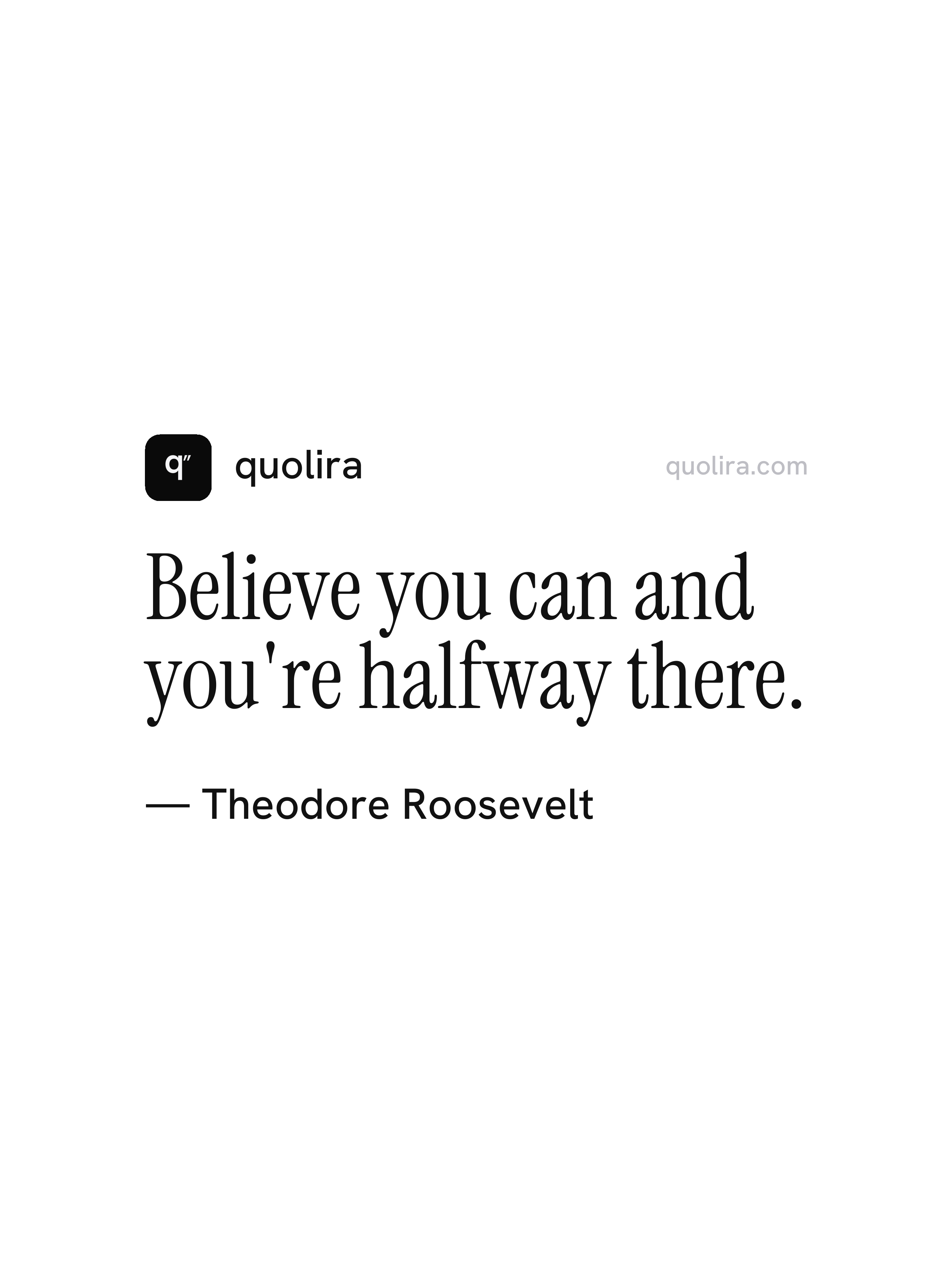
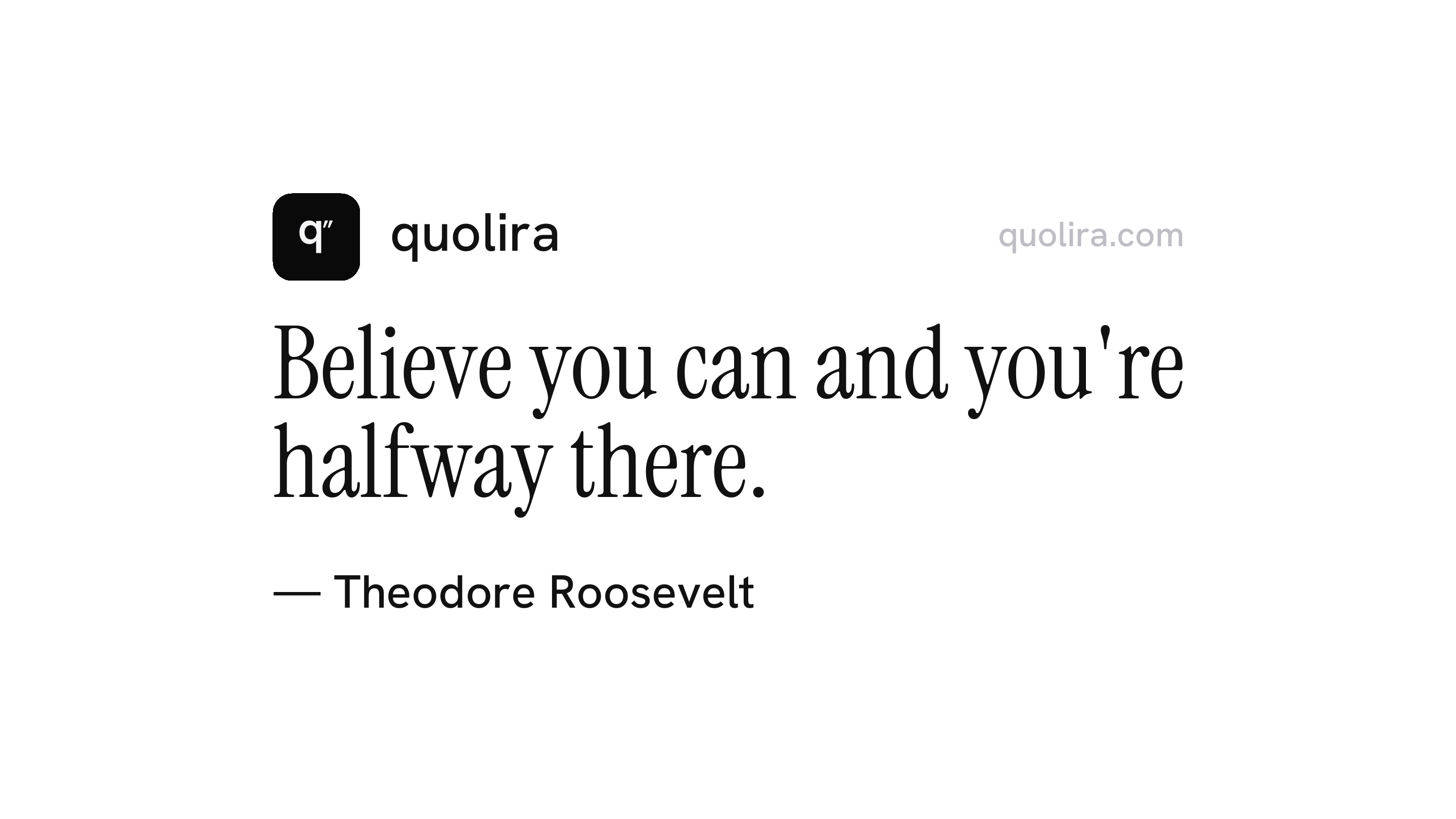
“Believe you can and you're halfway there.”
Theodore Roosevelt
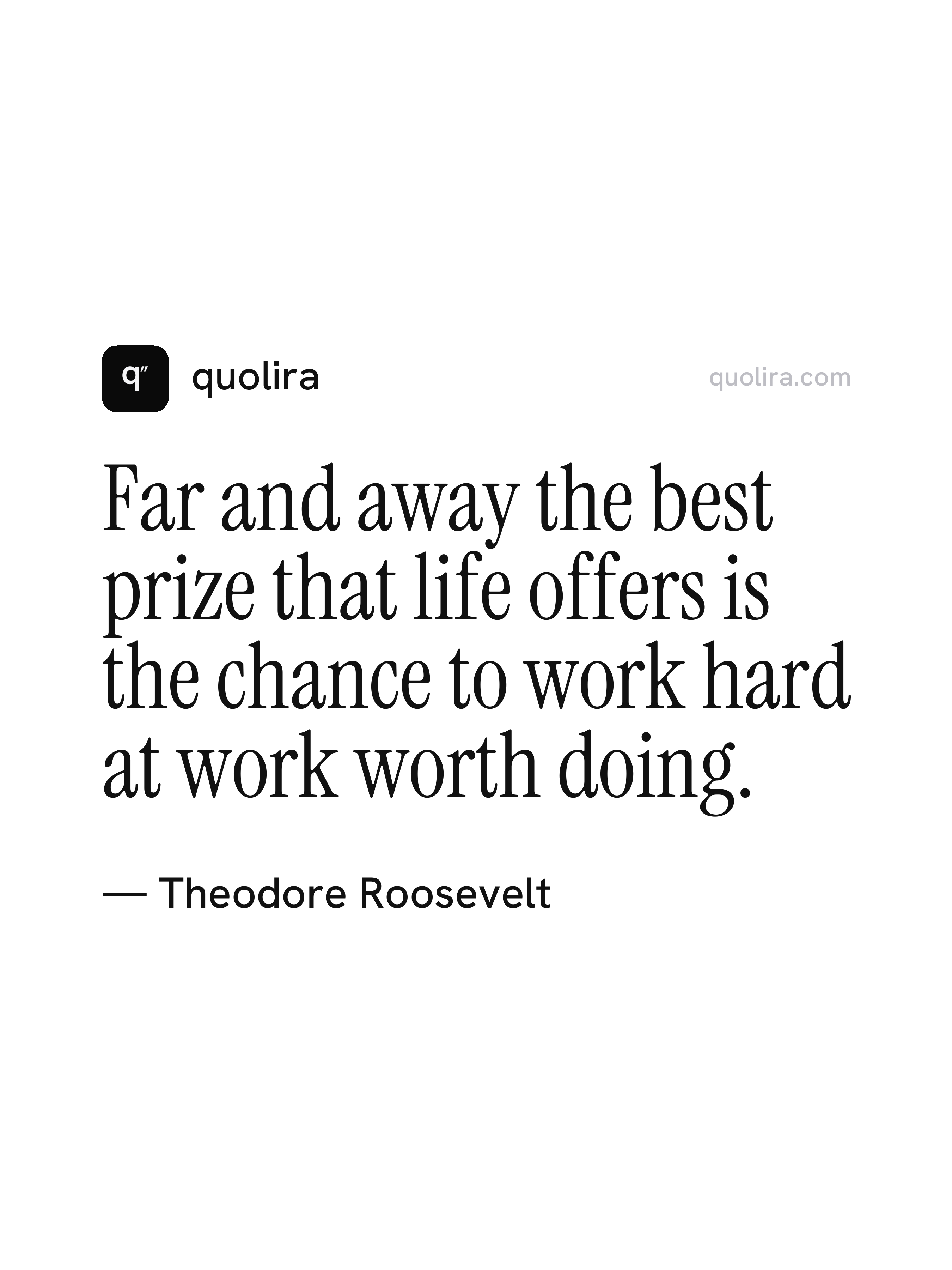
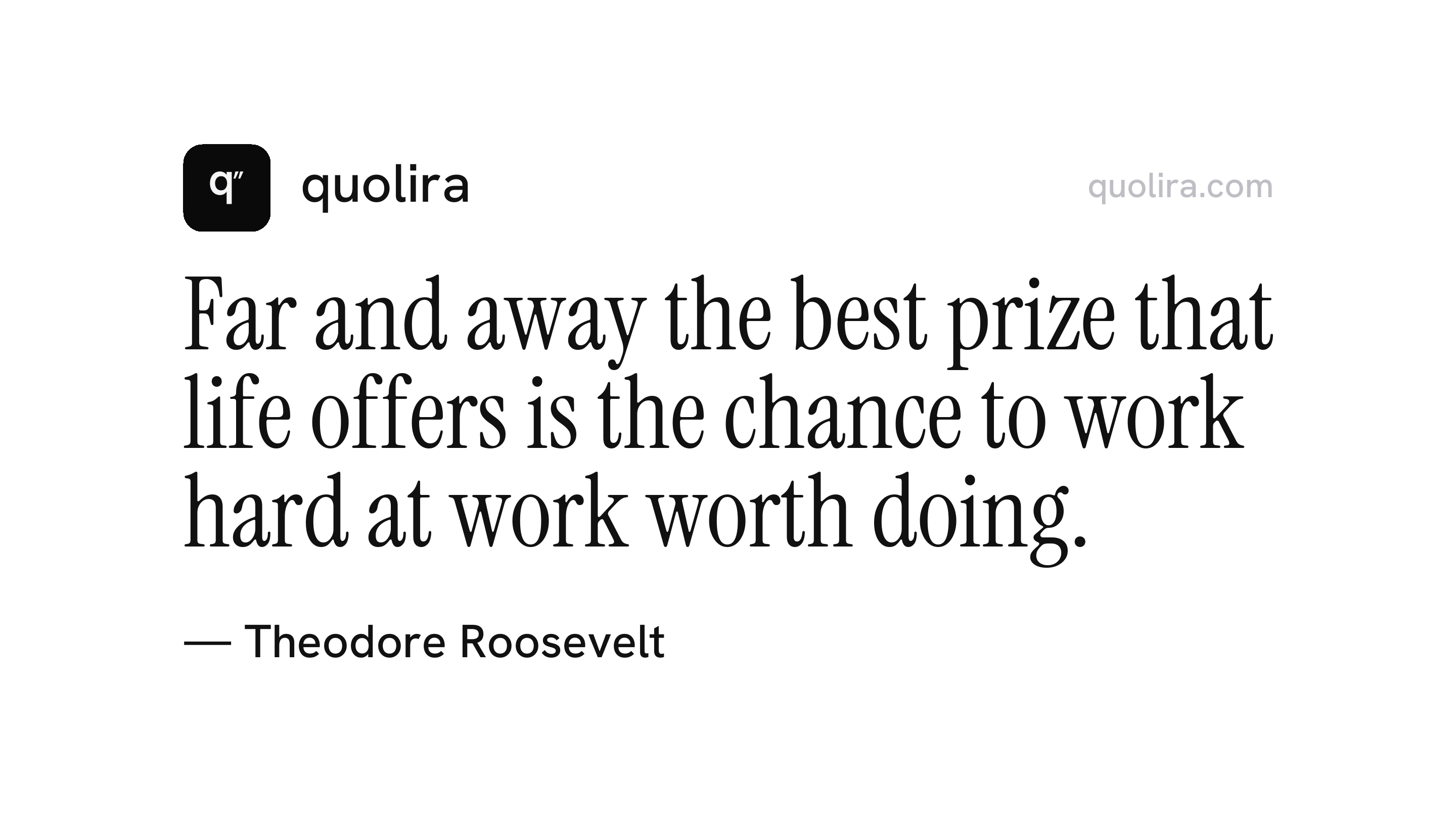
“Far and away the best prize that life offers is the chance to work hard at work worth doing.”
Theodore Roosevelt · Labor Day speech, Syracuse, 1903
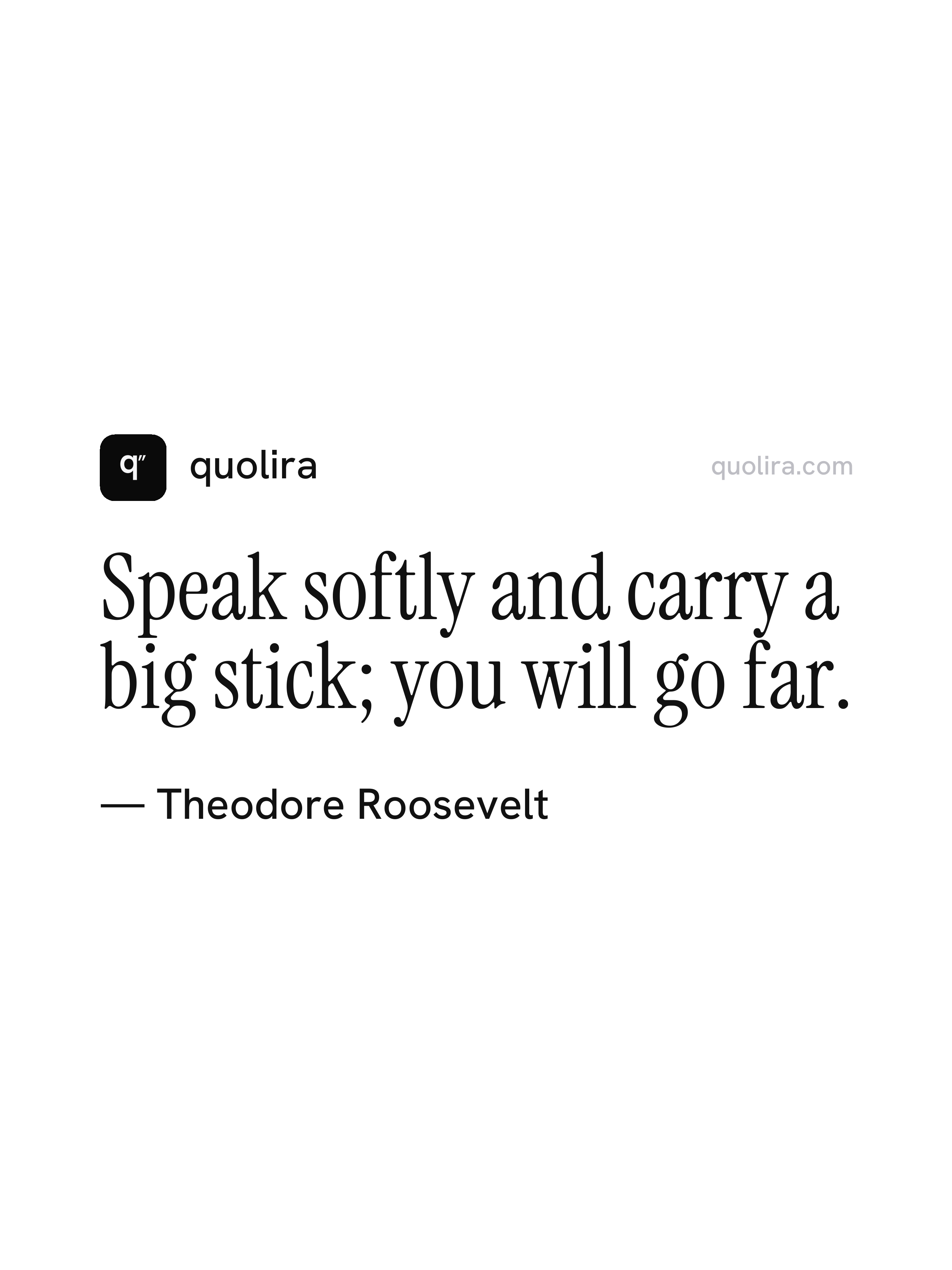
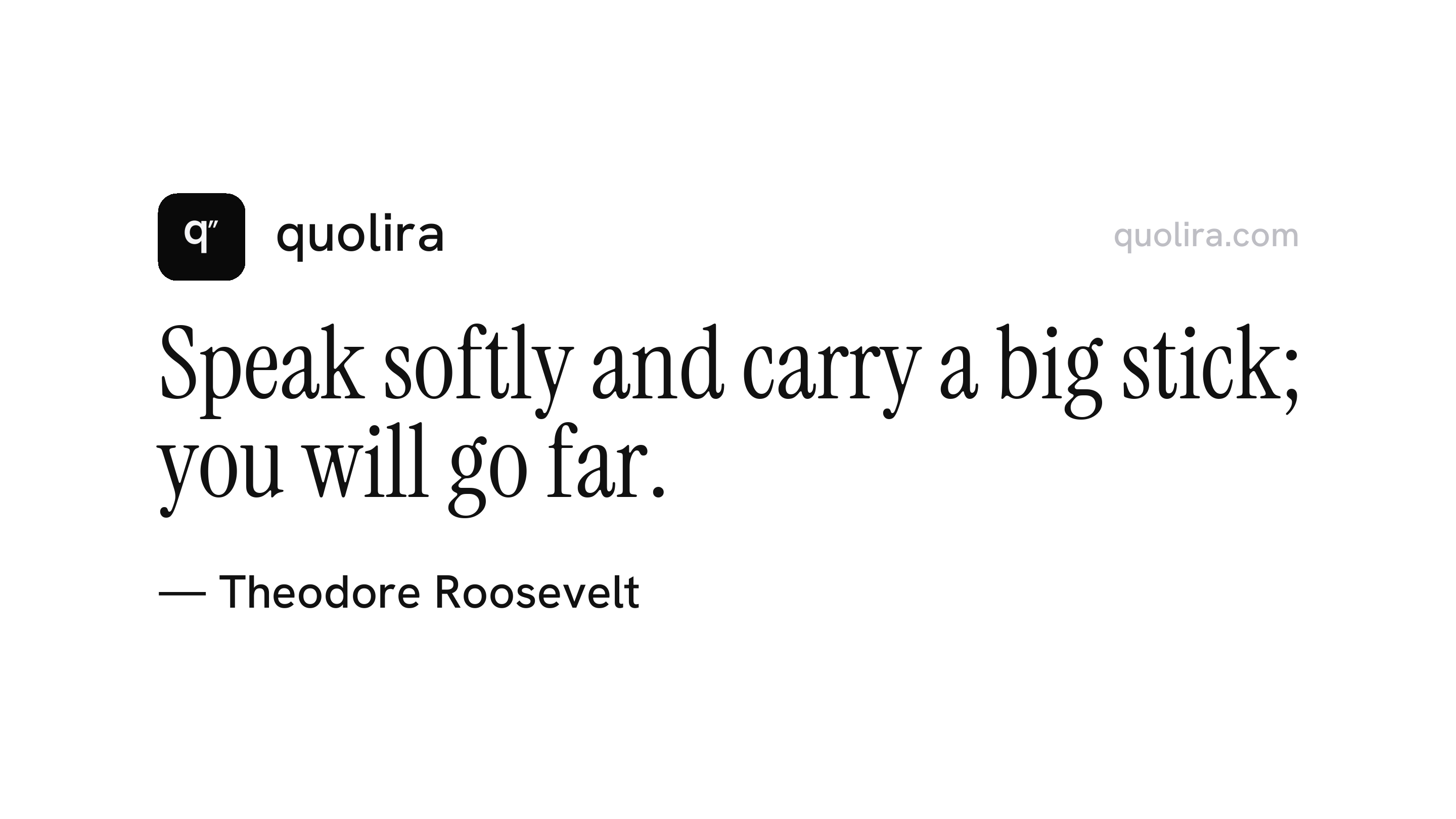
“Speak softly and carry a big stick; you will go far.”
Theodore Roosevelt · Minnesota State Fair speech, 1901
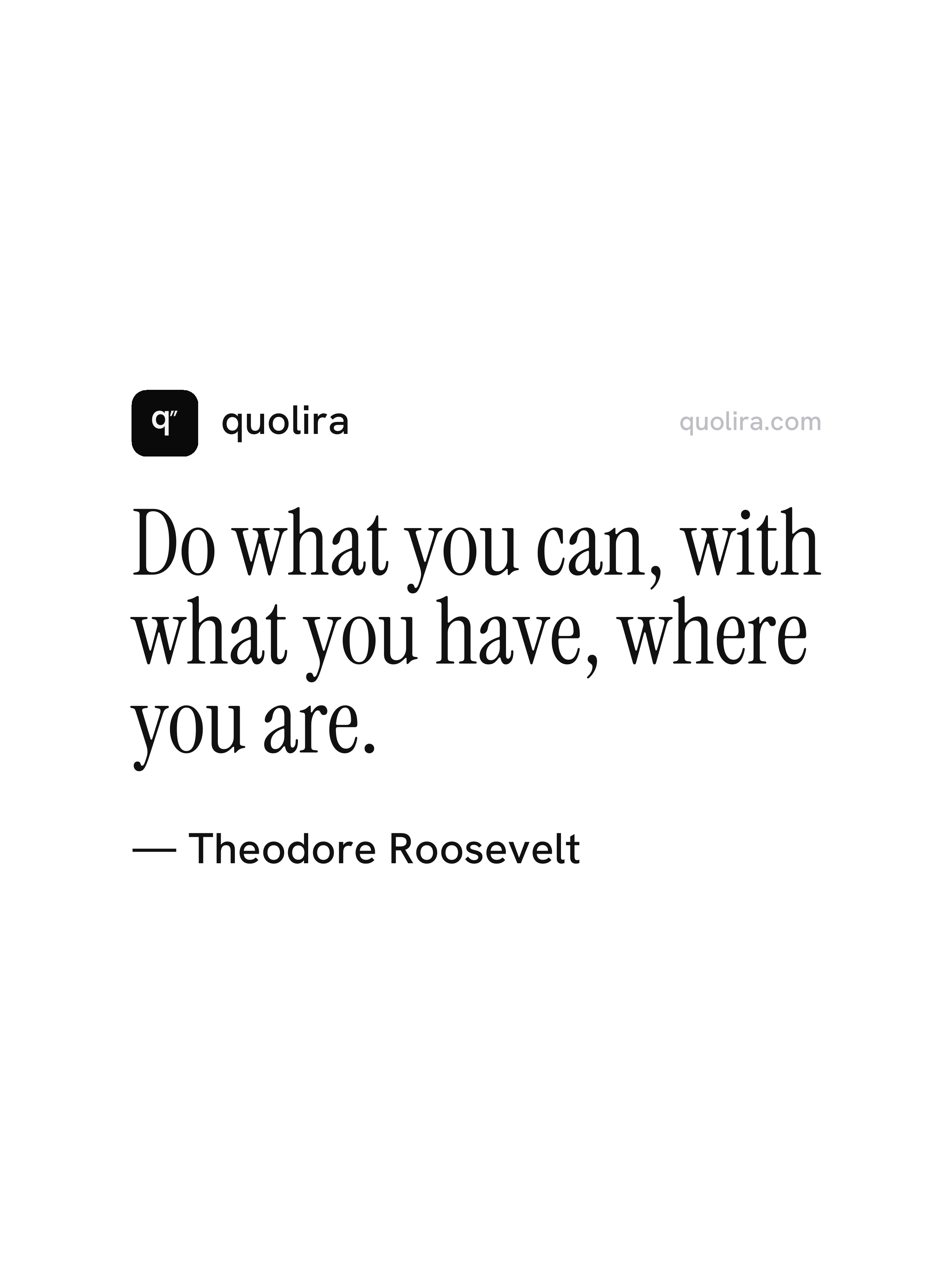
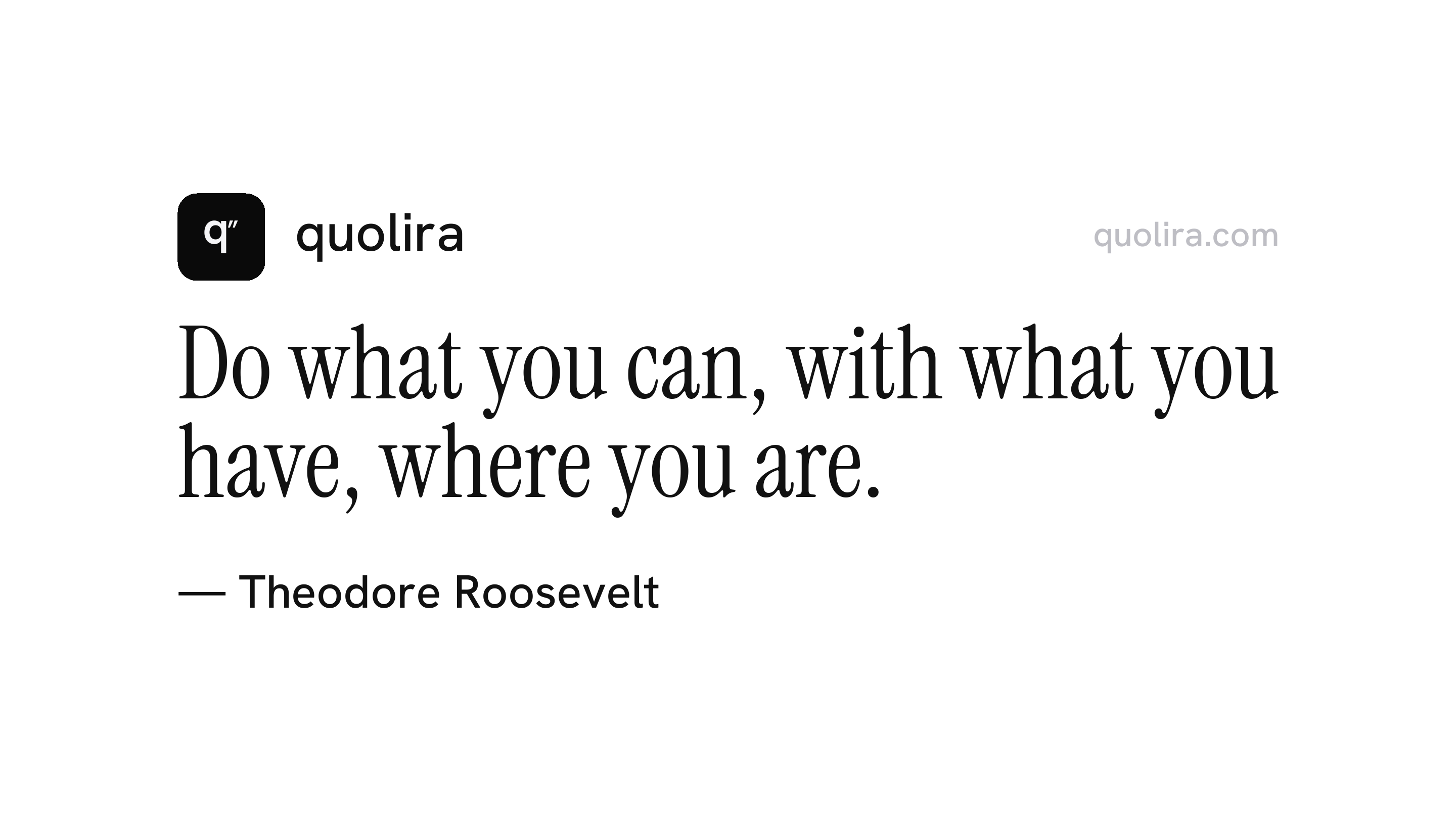
“Do what you can, with what you have, where you are.”
Theodore Roosevelt · Autobiography, 1913
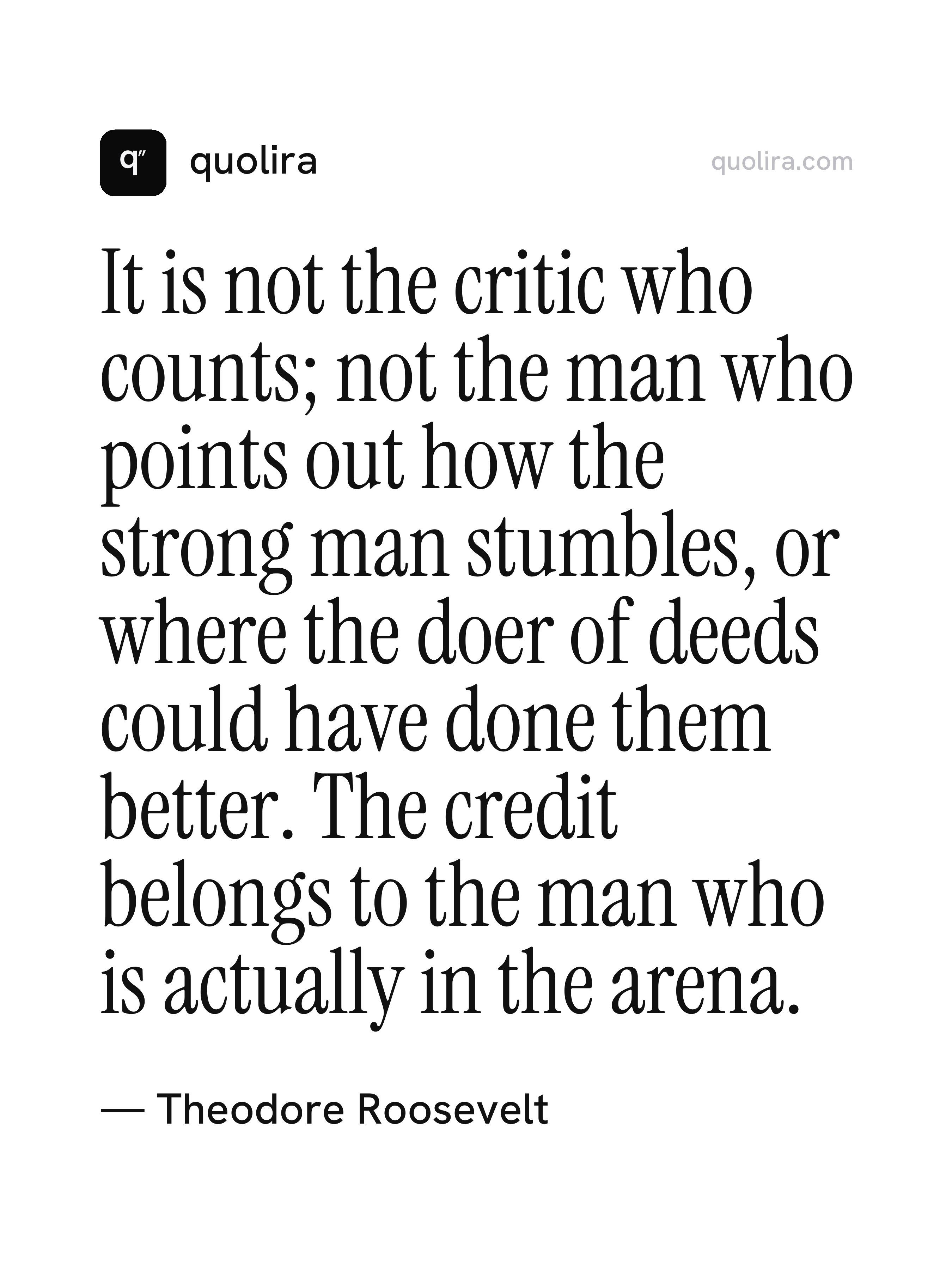
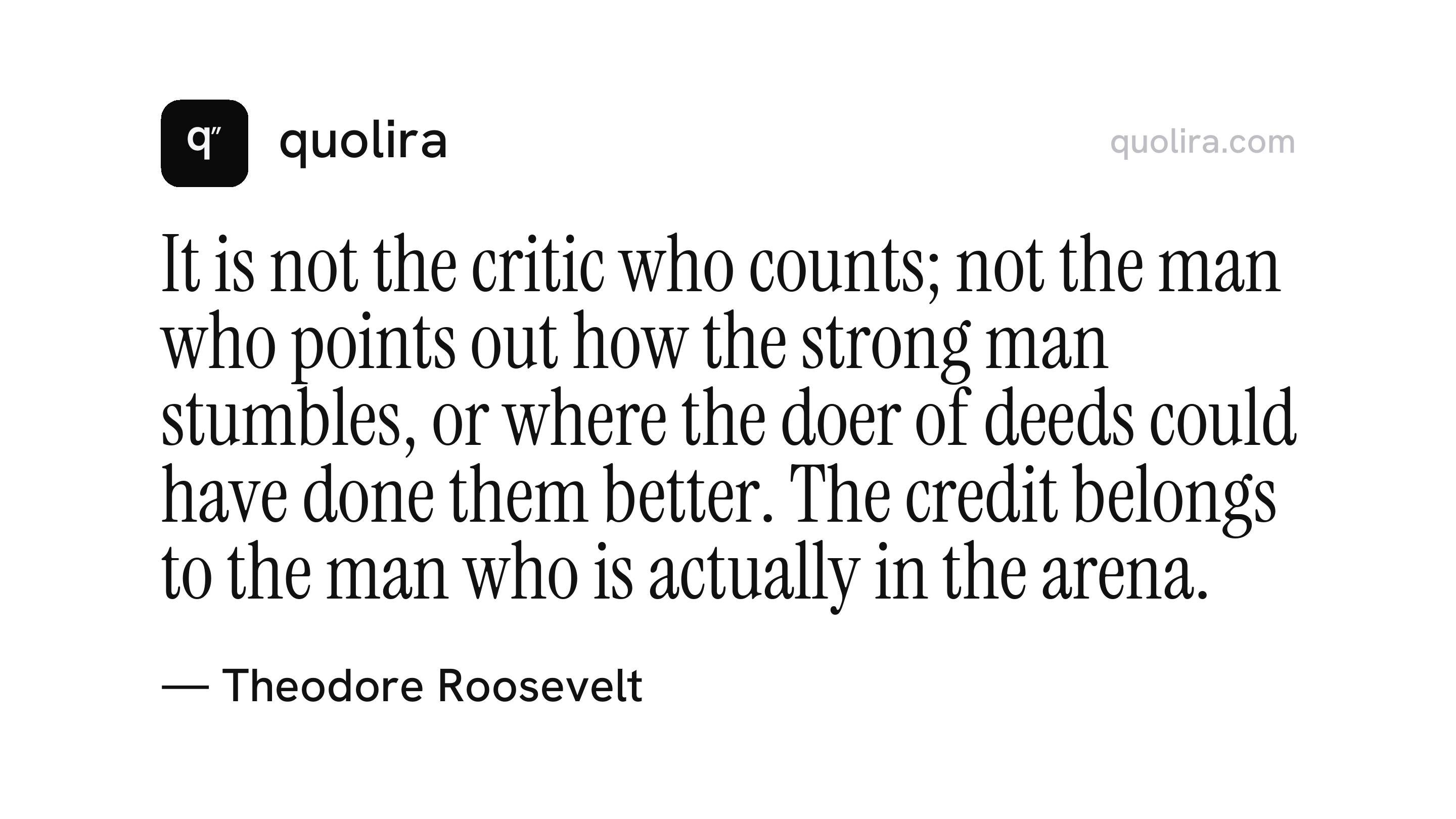
“It is not the critic who counts; not the man who points out how the strong man stumbles, or where the doer of deeds could have done them better. The credit belongs to the man who is actually in the arena.”
Theodore Roosevelt · Citizenship in a Republic speech, Paris, 1910
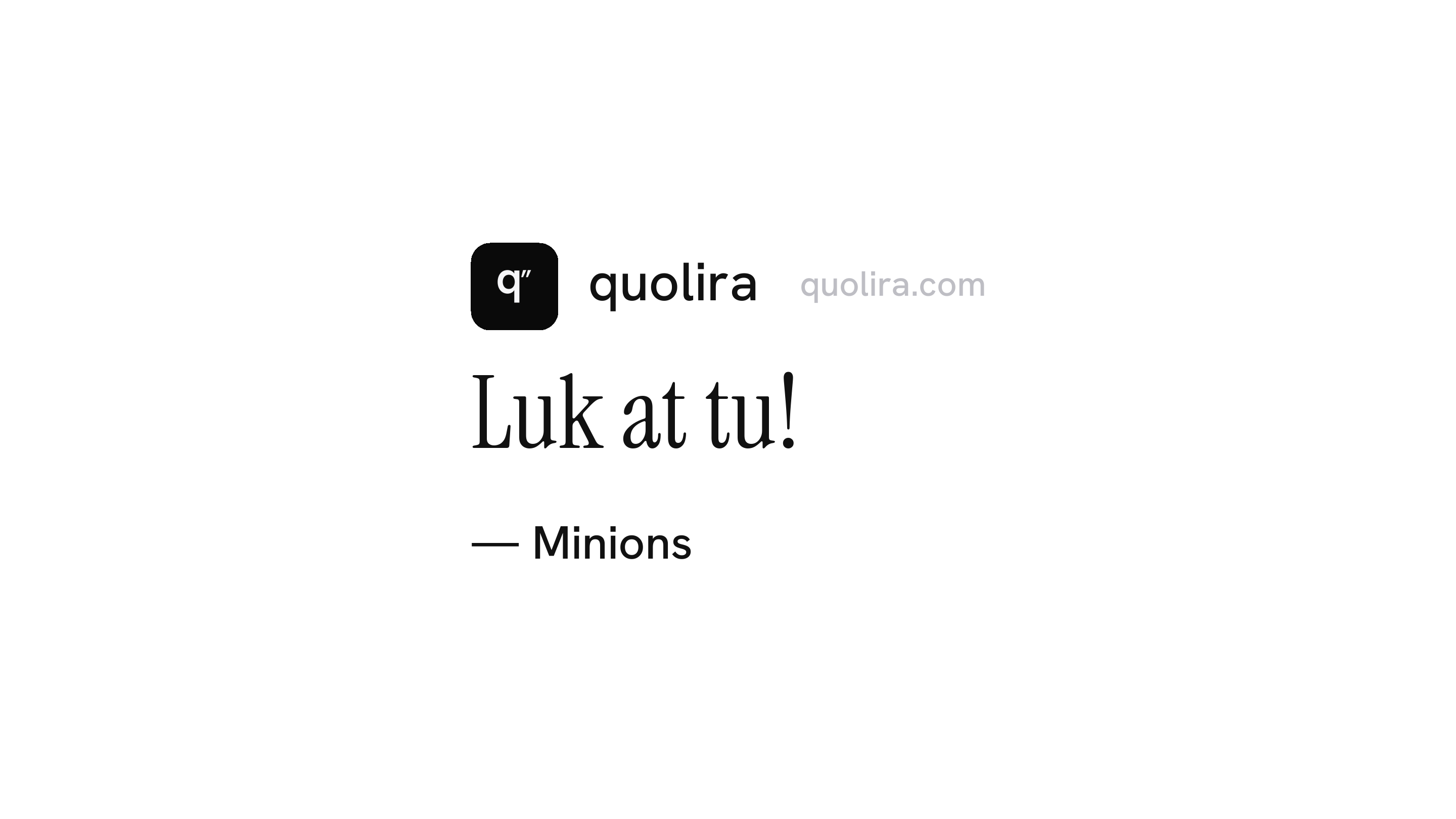
“Luk at tu!”
Minions · Despicable Me franchise
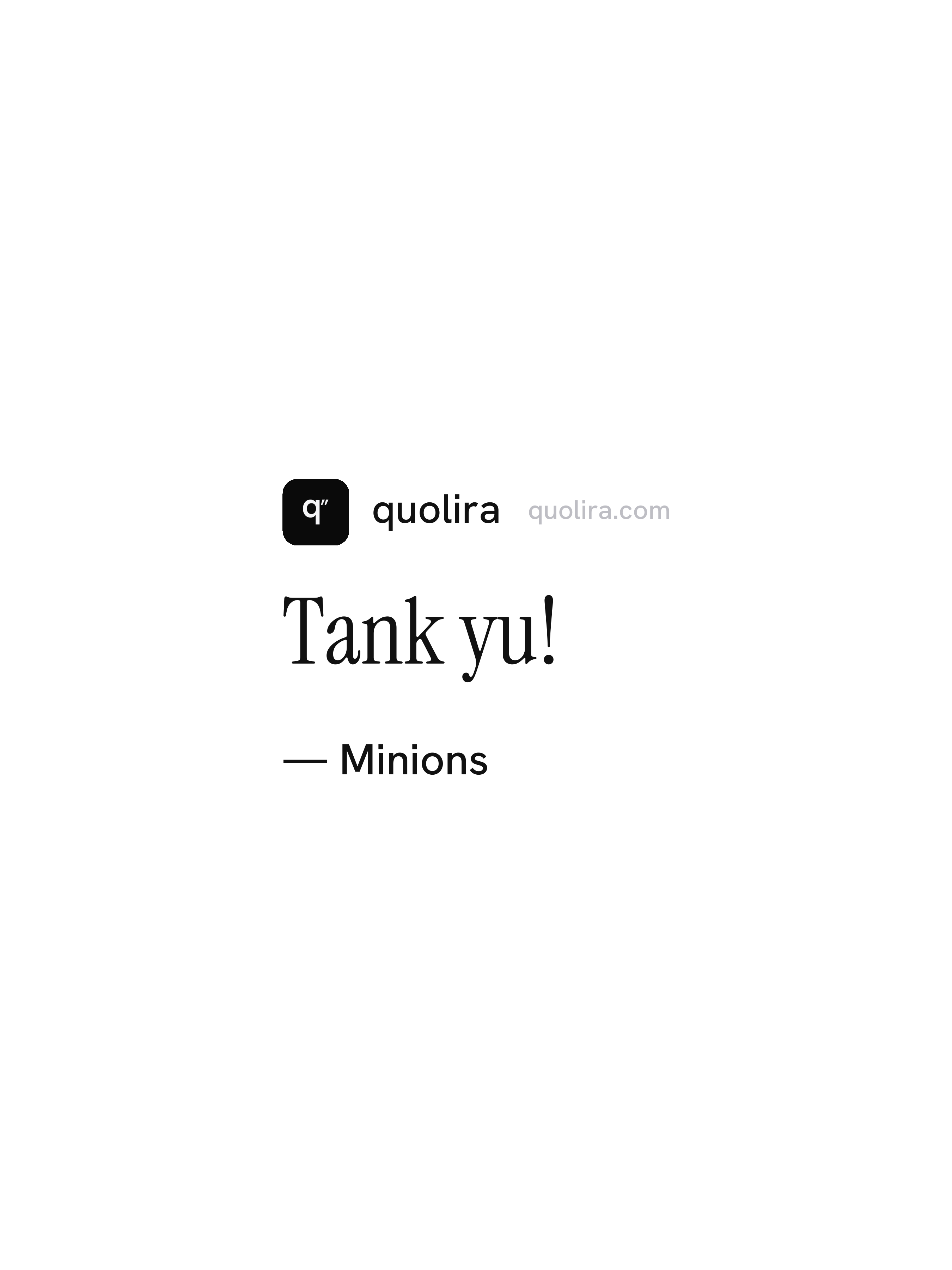
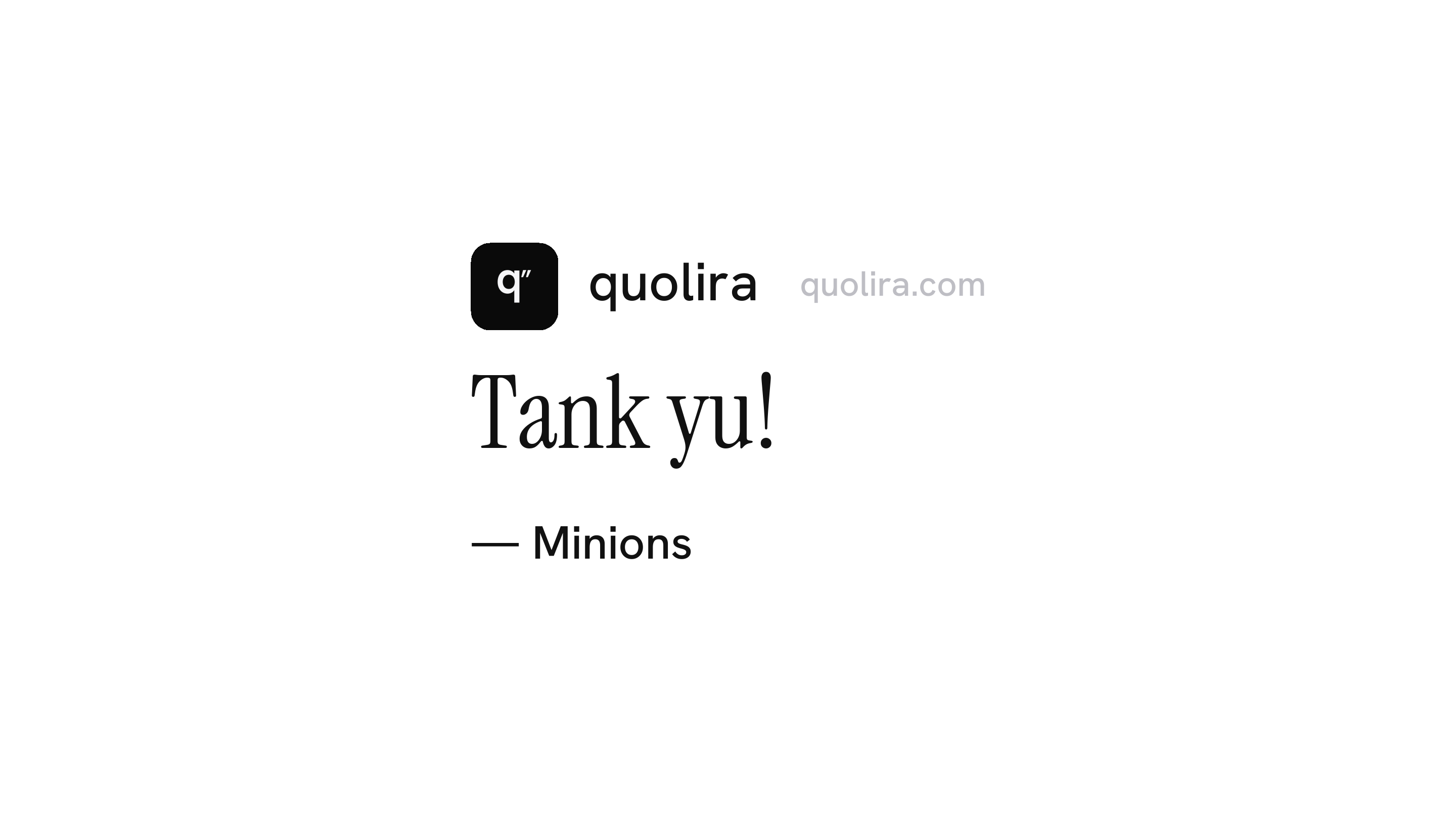
“Tank yu!”
Minions · Despicable Me franchise
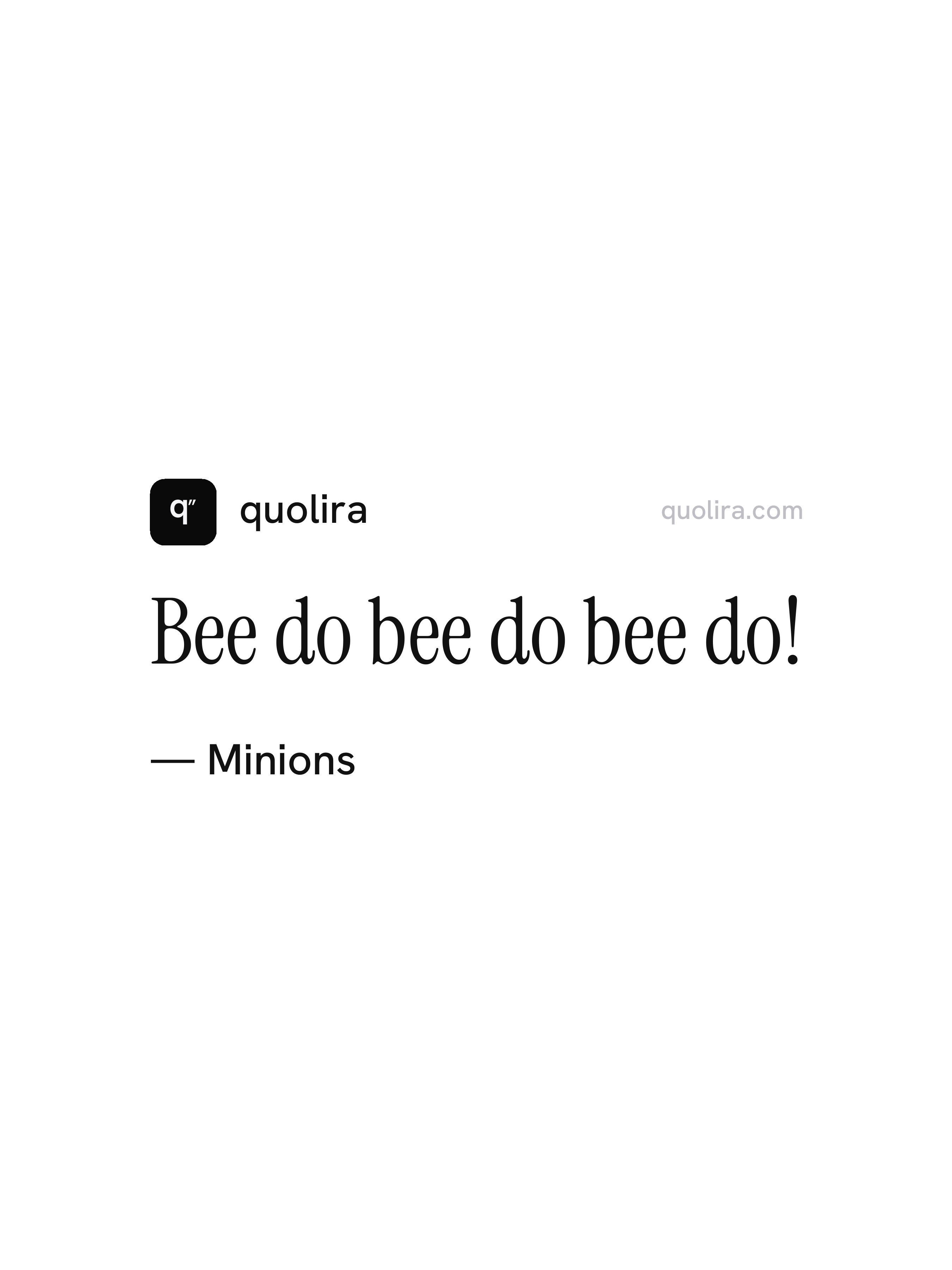
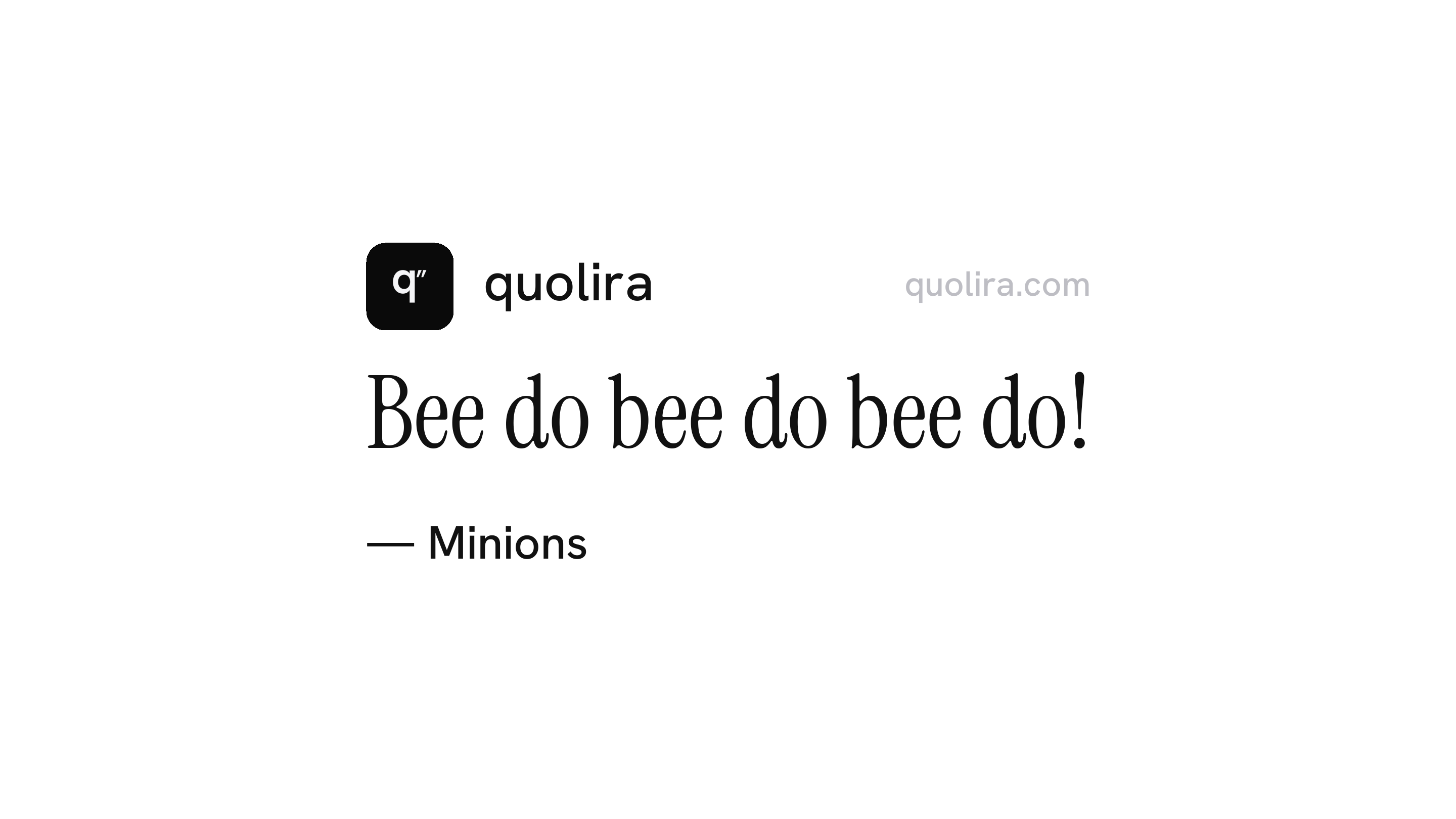
“Bee do bee do bee do!”
Minions · Despicable Me, 2010
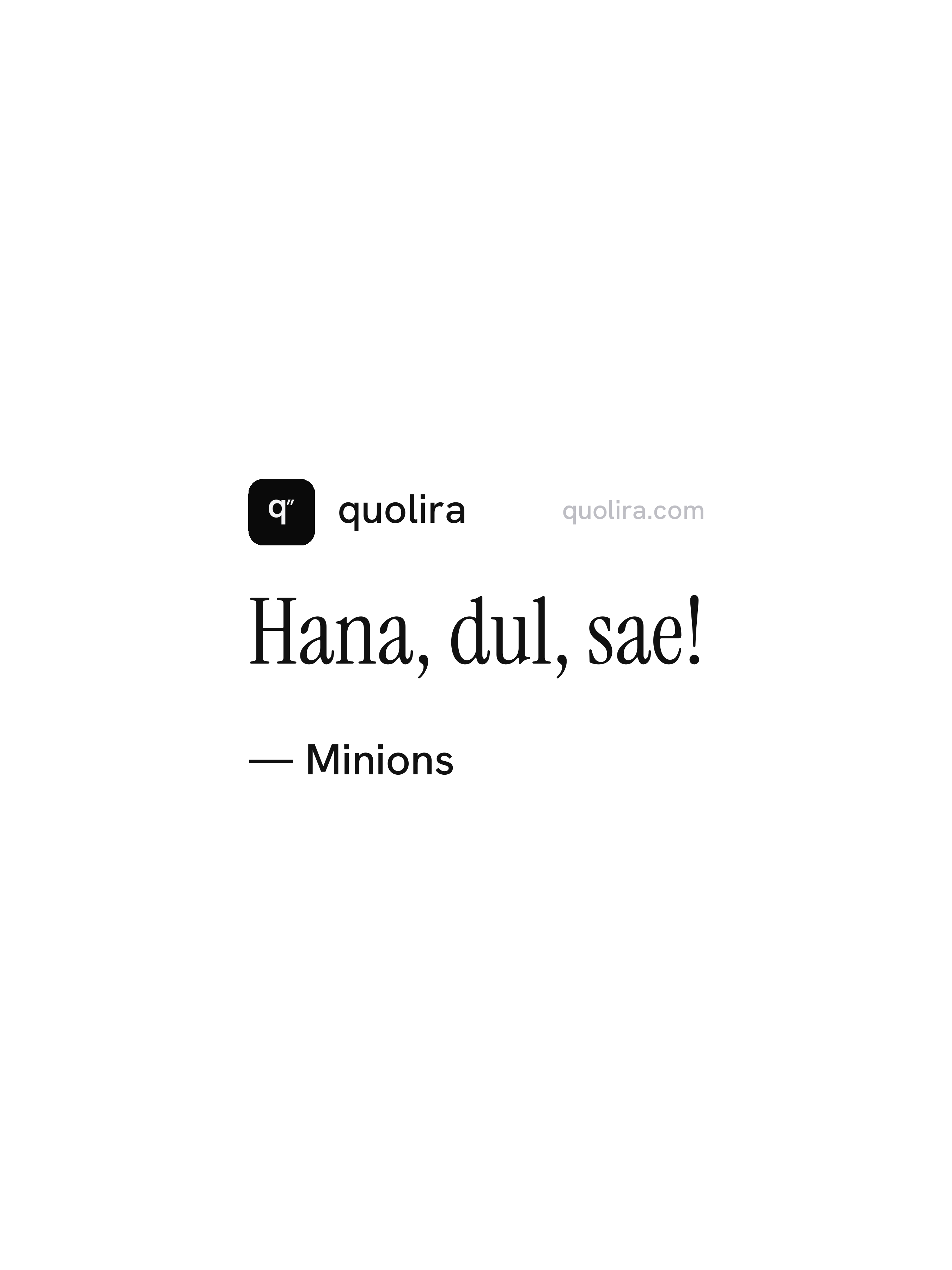
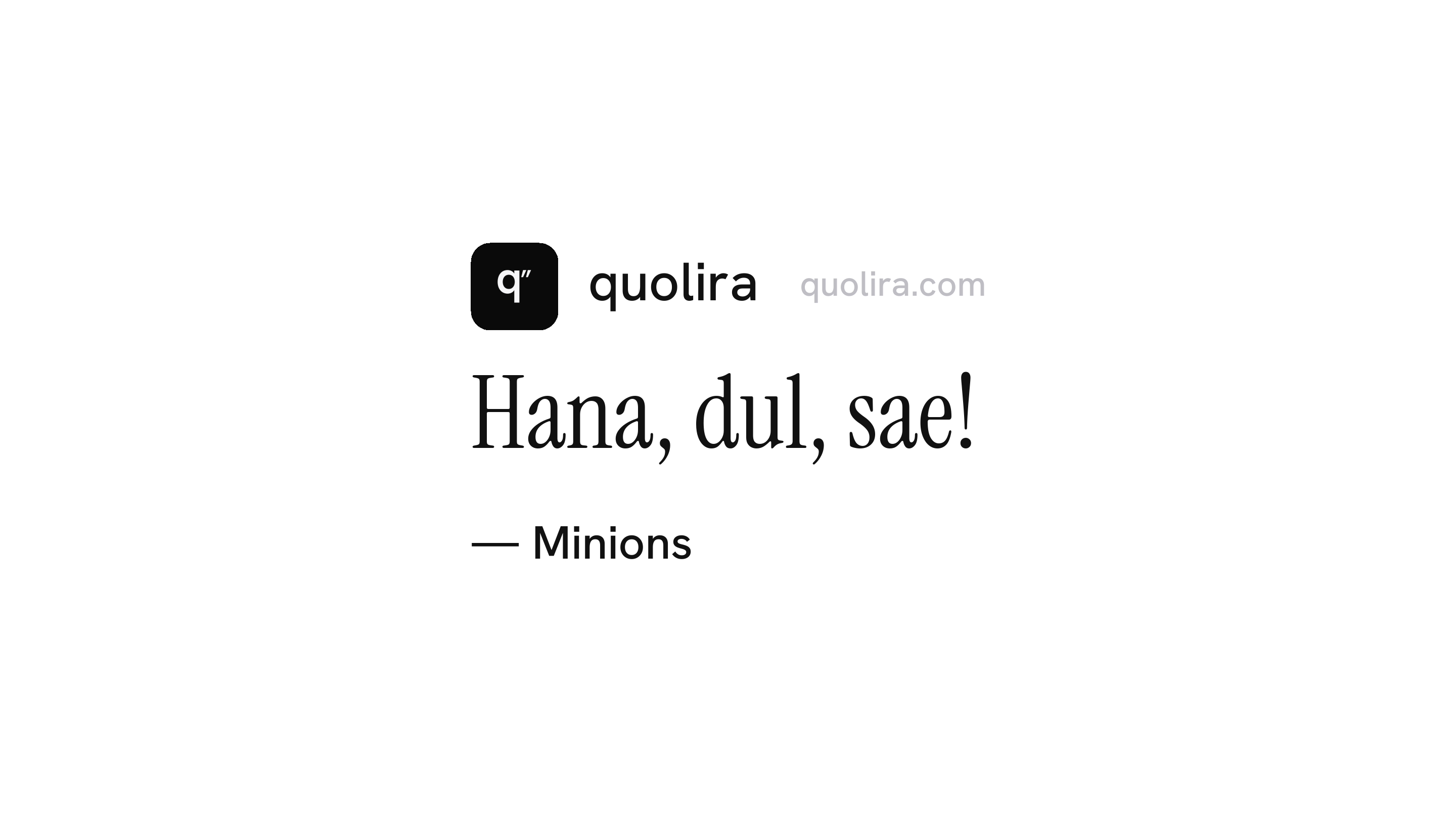
“Hana, dul, sae!”
Minions · Despicable Me franchise
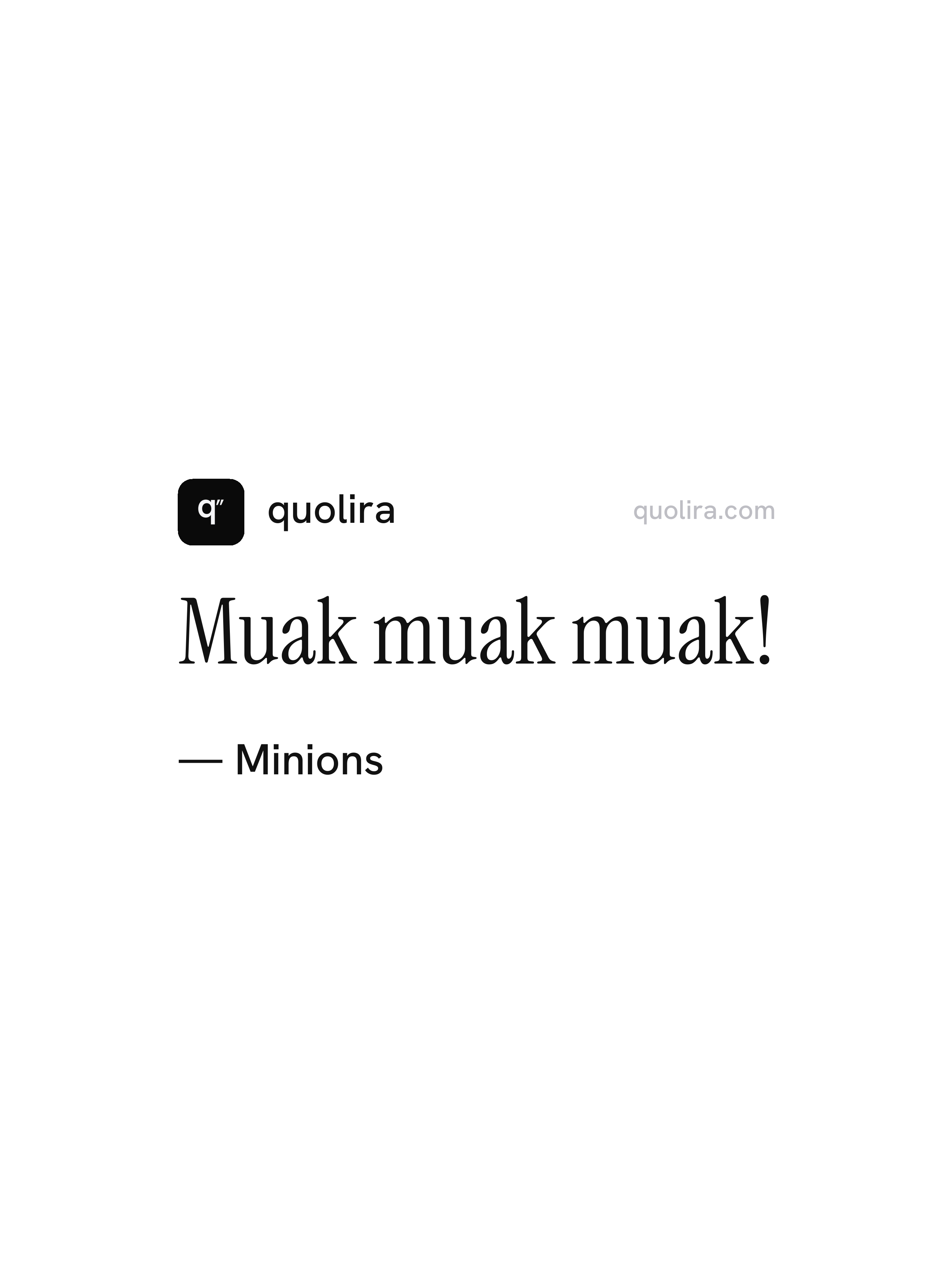
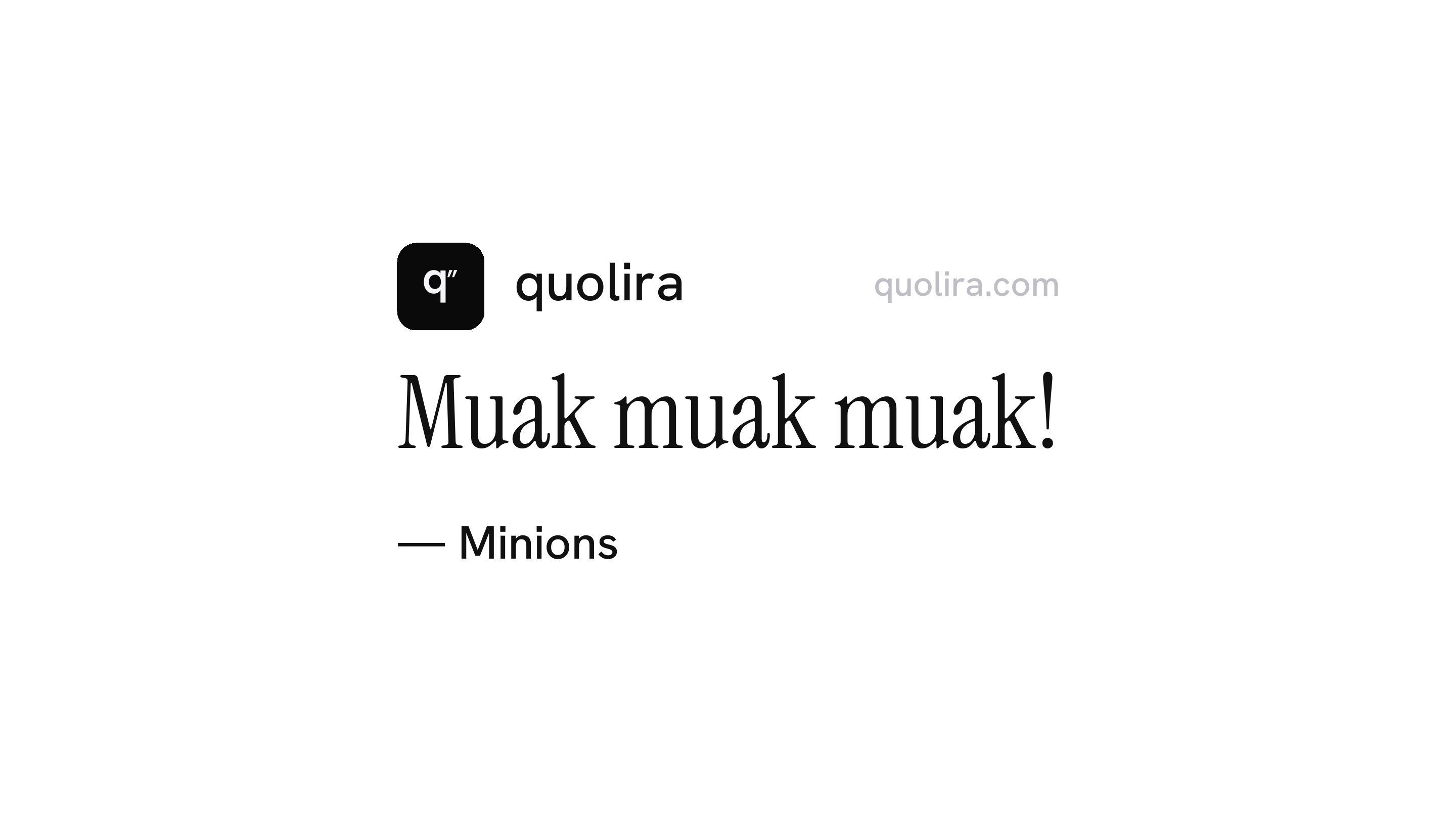
“Muak muak muak!”
Minions · Despicable Me franchise