16 Quotes About Regret and the Things We Wish We Had Done
A short list of the lines people keep returning to when they look back and wish they had moved sooner.

The most common answer to searches for quotes about regret is the same: the thing you didn't try tends to hurt longer than the thing that went wrong. This list of 16 Quotes About Regret gathers lines from poets, philosophers, a Stanford commencement speech, and a palliative care nurse who recorded what her dying patients wished they had done. Some lines circulate online with the wrong author, so I stuck to ones with a traceable source. The strongest regret quotes come first, followed by sections on lost time, courage, and choosing to live. Each comment says where the line came from and what it asks of you this week. If you are writing a card, a eulogy, or a note to someone who feels stuck, you will find a line here that fits the moment. Use the comments as a starting point, and check the source before you print a line under a name.
The Most Famous Quotes About Regret
For of all sad words of tongue or pen, The saddest are these: 'It might have been!'
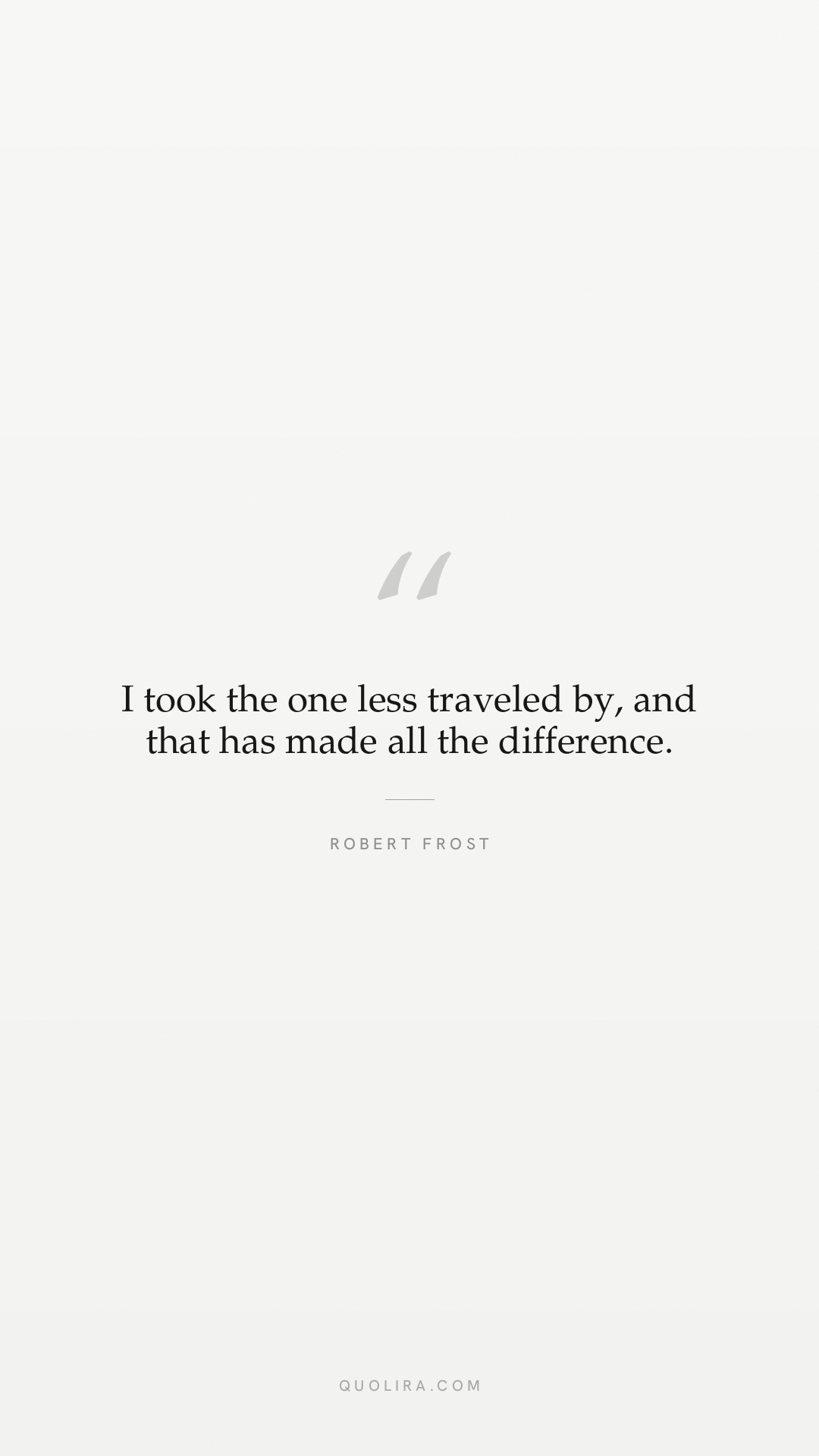
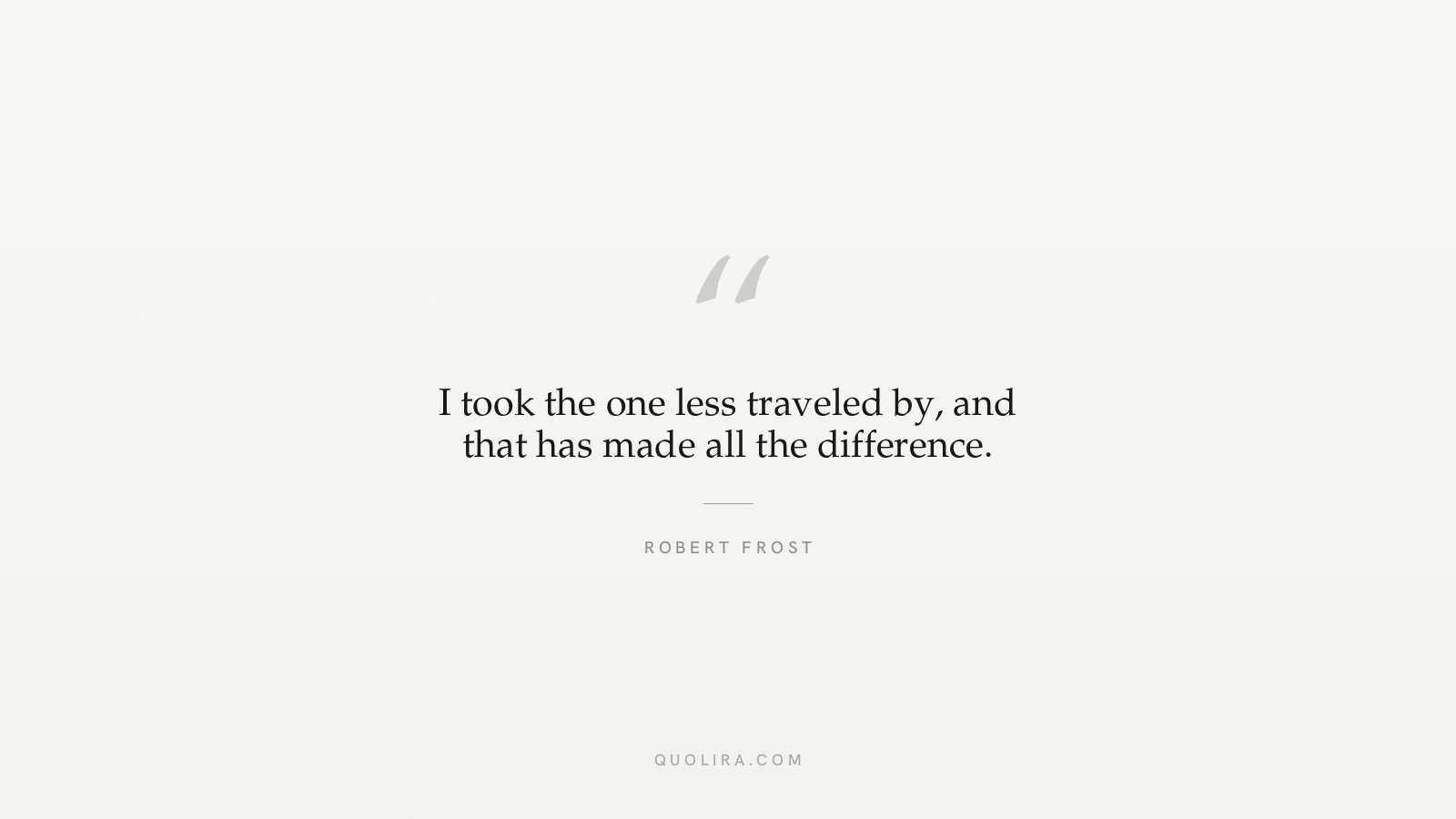
I took the one less traveled by, and that has made all the difference.
Robert Frost The Road Not Taken, 1916
Frost published this poem in 1916 in Mountain Interval. The speaker says he will tell the story 'with a sigh' someday, and that sigh is the regret, arriving long after the choice.

What's done cannot be undone.
William Shakespeare Macbeth, Act 5, Scene 1 (Lady Macbeth), c. 1606
Lady Macbeth says this while sleepwalking and trying to wash invisible blood from her hands. It is a grim line, but a useful one: the past stays fixed, so the only open question is what you do next.

The fault, dear Brutus, is not in our stars, but in ourselves.
William Shakespeare Julius Caesar, Act 1, Scene 2 (Cassius), c. 1599
Cassius says this to Brutus, pushing him to own his choices. That is why the line keeps showing up in conversations about regret: blaming the stars is always easier.

Remembering that I'll be dead soon is the most important tool I've ever encountered to help me make the big choices in life.
Steve Jobs Stanford University commencement address, 2005
Jobs gave this speech at Stanford in 2005, and he treats mortality as a decision tool. Try the test yourself: if today were your last, would you still spend it on what is currently on your calendar?

Quotes About Regret on Lost Time
Lost time is never found again.
Benjamin Franklin Poor Richard's Almanack
Franklin printed this line in Poor Richard's Almanack, the yearly almanac he published in Philadelphia. It is short, sharp, and still accurate: the hour you waste does not come back on a later date.

Dost thou love life? Then do not squander time, for that's the stuff life is made of.
Benjamin Franklin Poor Richard's Almanack
Franklin's question is blunt: if you love life, stop spending it on small things. Most time regret comes from a thousand small afternoons, and this line asks you to notice them.
I wish I hadn't worked so hard.
Bronnie Ware The Top Five Regrets of the Dying, 2011
Ware recorded this in The Top Five Regrets of the Dying (2011). It is a regret about time, and it sounds small until you hear it at the end of a life.

What's done is done.
William Shakespeare Macbeth, Act 3, Scene 2 (Macbeth), c. 1606
Macbeth says this after committing murder, trying to settle his mind. It is a grim lesson in moving on, and it shows that moving on is harder than the line sounds.
Quotes About Regret and Finding Courage
Far better it is to dare mighty things, to win glorious triumphs, even though checkered by failure, than to rank with those poor spirits who neither enjoy much nor suffer much, because they live in the gray twilight that knows neither victory nor defeat.
Theodore Roosevelt Citizenship in a Republic, speech in Paris, 1910
Roosevelt delivered this speech in Paris in 1910. It is his case for daring: the people who never try avoid failure, but they also miss the victories that make a life worth remembering.

Most people go through life.
placeholder

Quotes About Regret and Choosing to Live
I went to the woods because I wished to live deliberately, to front only the essential facts of life, and see if I could not learn what it had to teach, and not, when I came to die, discover that I had not lived.
Henry David Thoreau Walden, 1854
Thoreau moved to Walden Pond in 1845 and published Walden in 1854. The regret he fears is a life lived without noticing it, which may be the most honest fear on this list.

To strive, to seek, to find, and not to yield.
Alfred, Lord Tennyson Ulysses, 1842
Tennyson's Ulysses is an aging hero who refuses to settle down, and this line is his battle cry. It is the opposite of regret: keep going, so your story does not end with a list of things you never tried.
Ah, but a man's reach should exceed his grasp, or what's a heaven for?
Robert Browning Andrea del Sarto, 1855
Browning wrote this poem in 1855 about a painter who settles for comfort and then mourns it. The line is a challenge: aim past what you can reach, because the alternative is looking back at a smaller goal.

I wish I'd had the courage to live a life true to myself, not the life others expected of me.
Bronnie Ware The Top Five Regrets of the Dying, 2011
Ware lists this first in The Top Five Regrets of the Dying (2011). It is a regret about courage and about living the life other people expected of you.

Nor all your Piety nor Wit shall lure it back to cancel half a Line, nor all your Tears wash out a Word of it.
Omar Khayyam The Rubaiyat of Omar Khayyam, English version by Edward FitzGerald, 1859
This is a loose English version of a Persian verse, published by Edward FitzGerald in 1859. The stanza says piety, wit, and tears cannot change what is already written, which makes it the purest regret poem on this list.

How to Use These Regret Quotes
A quote about regret is most useful when it points at one specific choice. Read a line, then ask which decision it is about. Maybe it's the job you never applied for, the call you kept putting off, or the friendship you let fade. Name that decision in one sentence before you move on.
Lines from Frost, Whittier, and Browning can feel like sad poems. Read them as maps instead. Each one points at a fork in the road, and each fork may still be in front of you.
Lost Time: When the Days Slip Away
Franklin's line about lost time sounds like a warning from a calendar, and it is one. Time doesn't return on a later date, so every week you spend on things you don't care about is a week you can't reuse.
Seneca argues that most people waste a great deal of their lives. That's the part worth sitting with. Time regret rarely comes from one big mistake. It builds from small afternoons that felt harmless when they happened.
Bronnie Ware's line, "I wish I hadn't worked so hard," is a good test case. Many people who work hard do so for reasons they care about. The sting usually comes later, when they count the dinners, walks, and rest that got traded away without a clear decision.
Try a simple audit. Look at last week's calendar and mark the hours you would describe as chosen. Then mark the hours you would describe as drifting. You don't need to fix everything at once. Change one recurring commitment this month and see what opens up.
Courage: The Regret of the Road Not Taken
Roosevelt's line, "You must do the thing you think you cannot do," is often quoted before a hard task, and it works there. Courage in the regret sense usually means acting on something small first. Send the email. Sign up for the class. Say the true thing in the meeting.
Theodore Roosevelt's Paris speech makes a related argument. He praises people who dare mighty things, even when they fail, over people who live in a gray space where nothing is won or lost. Trying carries the risk of failure. Not trying carries the risk of a life with no memorable moments at all.
Beckett's advice from Worstward Ho is the most practical of the group. Try, fail, and try again, with more care each time. He assumes you will fail, and that assumption is what makes his advice usable on a Tuesday afternoon.
Ware's regret, "I wish I'd had the courage to live a life true to myself," often grows from years of small deferrals. Most people who carry it did not make one dramatic mistake. They made many quiet ones, and each one felt reasonable. Honest choices, made often, are the usual remedy.
Choosing to Live: Practical Steps
Jobs gave the Stanford graduates a test: picture your last day and ask whether you'd still be doing what you're doing. Most people find the test uncomfortable, and that discomfort is useful. Run it once a month, not once a lifetime.
Mary Oliver's question, "what is it you plan to do with your one wild and precious life?" is easy to answer on paper and harder to answer in a calendar. Write one sentence that starts with "This year I will." Keep it short enough to check at the end of the year.
Tennyson's "To strive, to seek, to find, and not to yield" fits this step. Ulysses keeps moving, so his story still has chapters left to write. Pick one direction and take one step in it.
If you are already carrying a regret, try a three-part exercise. First, write the specific thing you wish you had done. Second, write what that choice would have cost you and what it would have given you. Third, pick one action you can take this week that moves in that direction. Regret that turns into one action tends to soften faster than regret you replay at night.
Kierkegaard's line about understanding life backwards is a reminder to be gentle with your past self. You made the choice with the information you had. The regret is real, and it also records what you cared about at the time.
Common Misunderstandings
Many people treat every regret as proof they chose wrong. Sometimes a regret only shows that you wanted two good things and could only have one. That still hurts, but it is a different problem, and it calls for a different response.
Another mistake is quoting a line without checking it. Lines attributed to famous people spread quickly online, and the wording often drifts. Check the book, speech, or play before you print a line under a name.
A third misunderstanding is that regret means you should stop thinking about the past entirely. Lady Macbeth's line reminds us that the past is fixed. The next decision is still open, and that's where your energy works best. Looking back is fine when it leads somewhere.
Keep exploring
Regret tells you what you care about. Pick one line from this list and ask what you can still do this week.
Frequently asked questions
What is the most famous quote about regret?
Did Mark Twain really say 'Twenty years from now you will be more disappointed by the things you didn't do'?
Where does 'What's done cannot be undone' come from?
What did Steve Jobs say about regret in his Stanford speech?
What were the top regrets of the dying?
How do you stop living with regret?
Keep reading
The Mountain Is You: Why Your Biggest Obstacle Lives Inside Your Pattern
Brianna Wiest's argument that your own repeated pattern is the real obstacle, and how to stop blaming outside circumstances.

Ichigo Ichie Meaning: The Japanese Idea That Every Meeting Happens Once
A tea ceremony phrase that asks you to notice the people in front of you while they are still there.




















25 Quotes About Loneliness and Being Alone That Still Sting
Real lines from poets, philosophers and novelists on the ache of being alone, and the quiet that sometimes follows it.
Whittier wrote this in Maud Muller (1854), about a judge and a farm girl who let a moment slip that could have changed both their lives. The line names the most common regret: the thing you almost did, and never will.