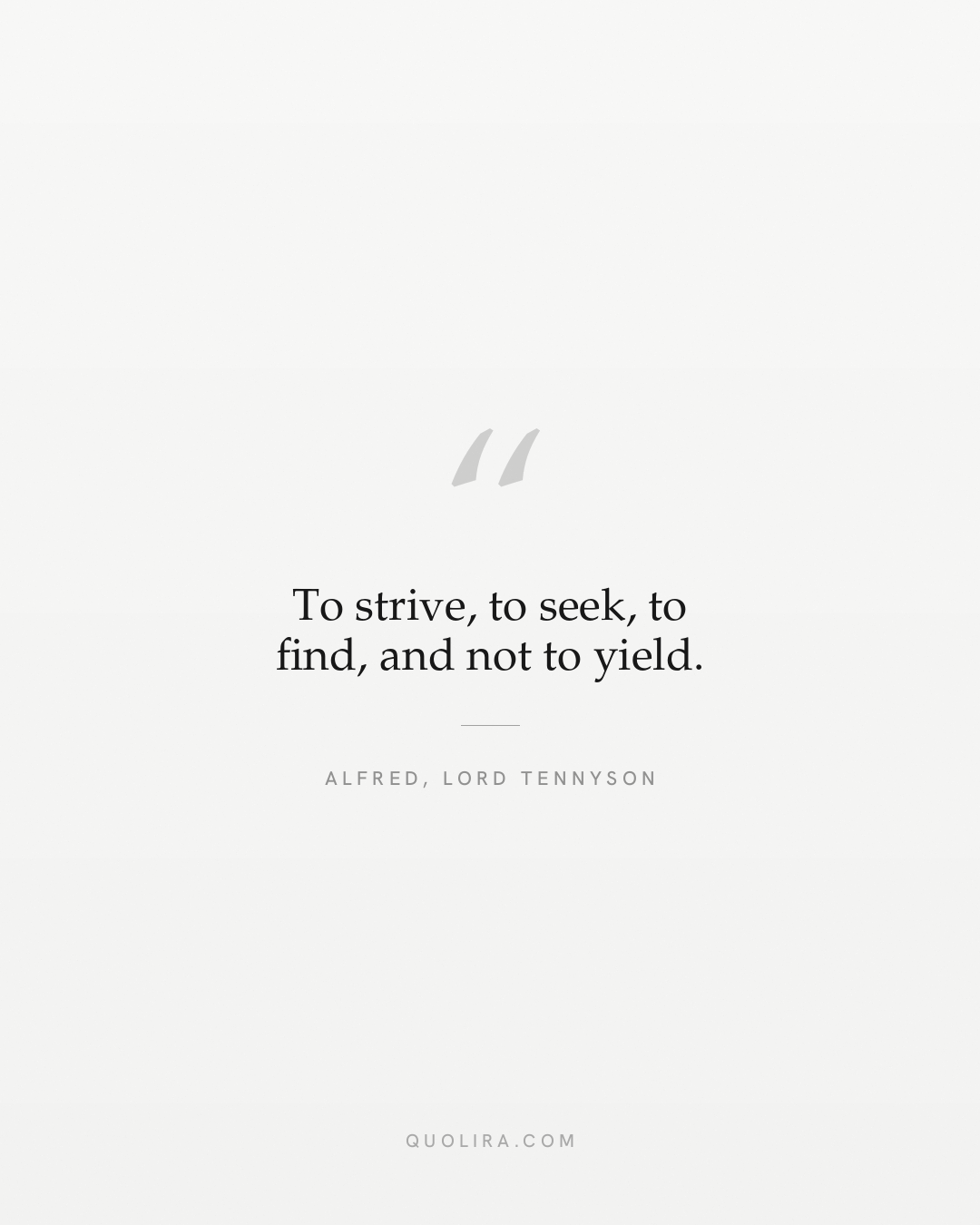
“To strive, to seek, to find, and not to yield.”
Alfred, Lord Tennyson · Ulysses, 1842
 quolira
.com
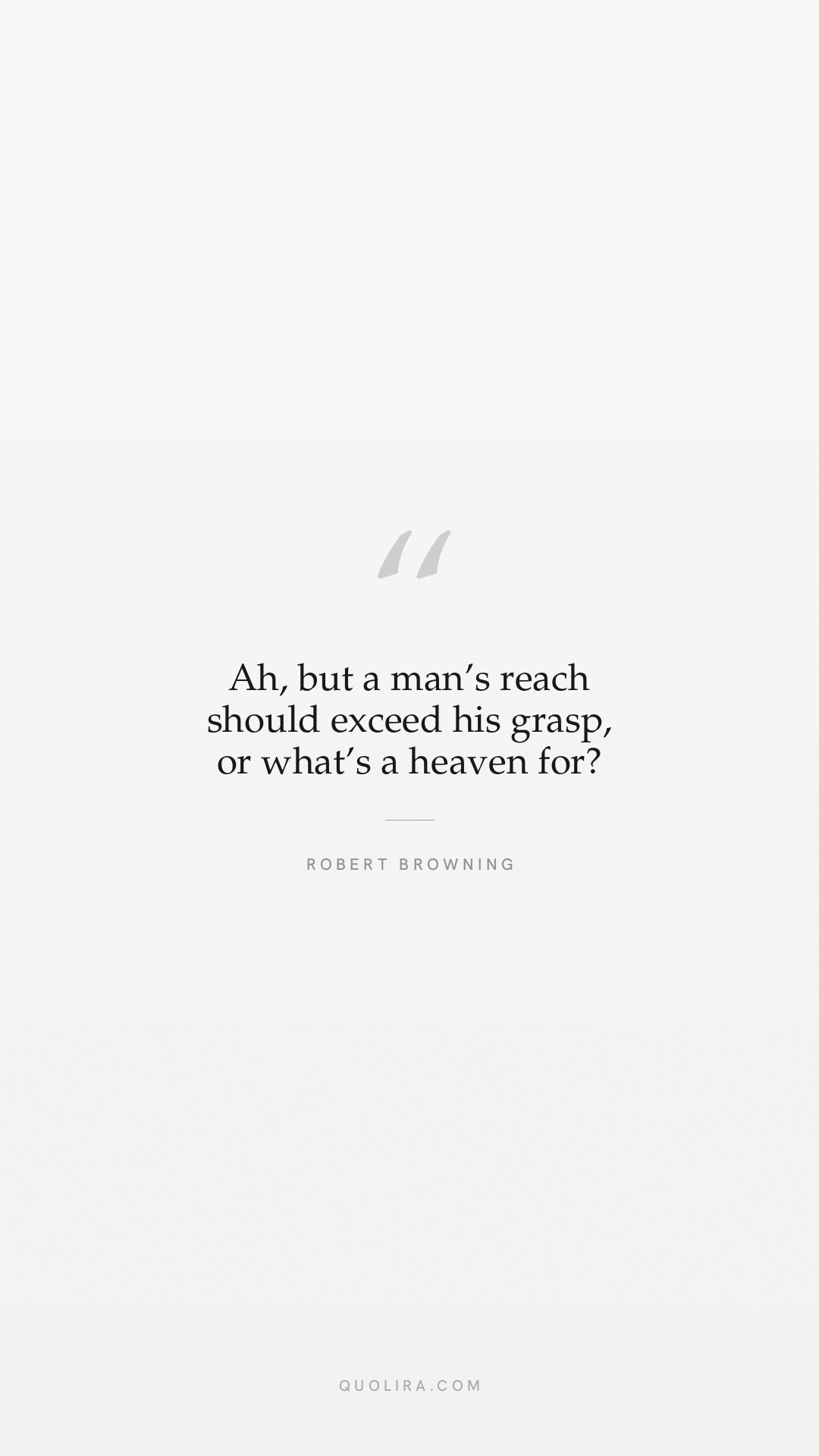
Robert Browning said it, in Andrea del Sarto, 1855.
Browning wrote this poem in 1855 about a painter who settles for comfort and then mourns it. The line is a challenge: aim past what you can reach, because the alternative is looking back at a smaller goal.
From the collection: 16 Quotes About Regret and the Things We Wish We Had Done · More Robert Browning quotes
The line says that ambition should reach beyond what a person can actually grasp, because aiming higher is what gives life its purpose. A person who never stretches toward something greater has little reason to hope. The sentence values the striving itself as much as any achievement.
The words are spoken by the painter Andrea del Sarto in the poem Andrea del Sarto, published by Robert Browning in 1855 in the collection Men and Women. The speaker is a Florentine artist who is admired for his technical skill but feels his work never reached the heights he once imagined. The poem is a dramatic monologue, so the speaker's views are his own and are not offered as the poet's direct statement. The line expresses an ideal that the speaker himself seems to have failed to meet.
Robert Browning (1812 to 1889) was an English poet best known for his dramatic monologues, which let a single speaker reveal character through a revealing moment. He married the poet Elizabeth Barrett Browning, and the couple spent much of their later life in Italy. Browning's work often explores ambition, love, and moral compromise through complicated and sometimes unreliable voices.
“To strive, to seek, to find, and not to yield.”
Alfred, Lord Tennyson · Ulysses, 1842
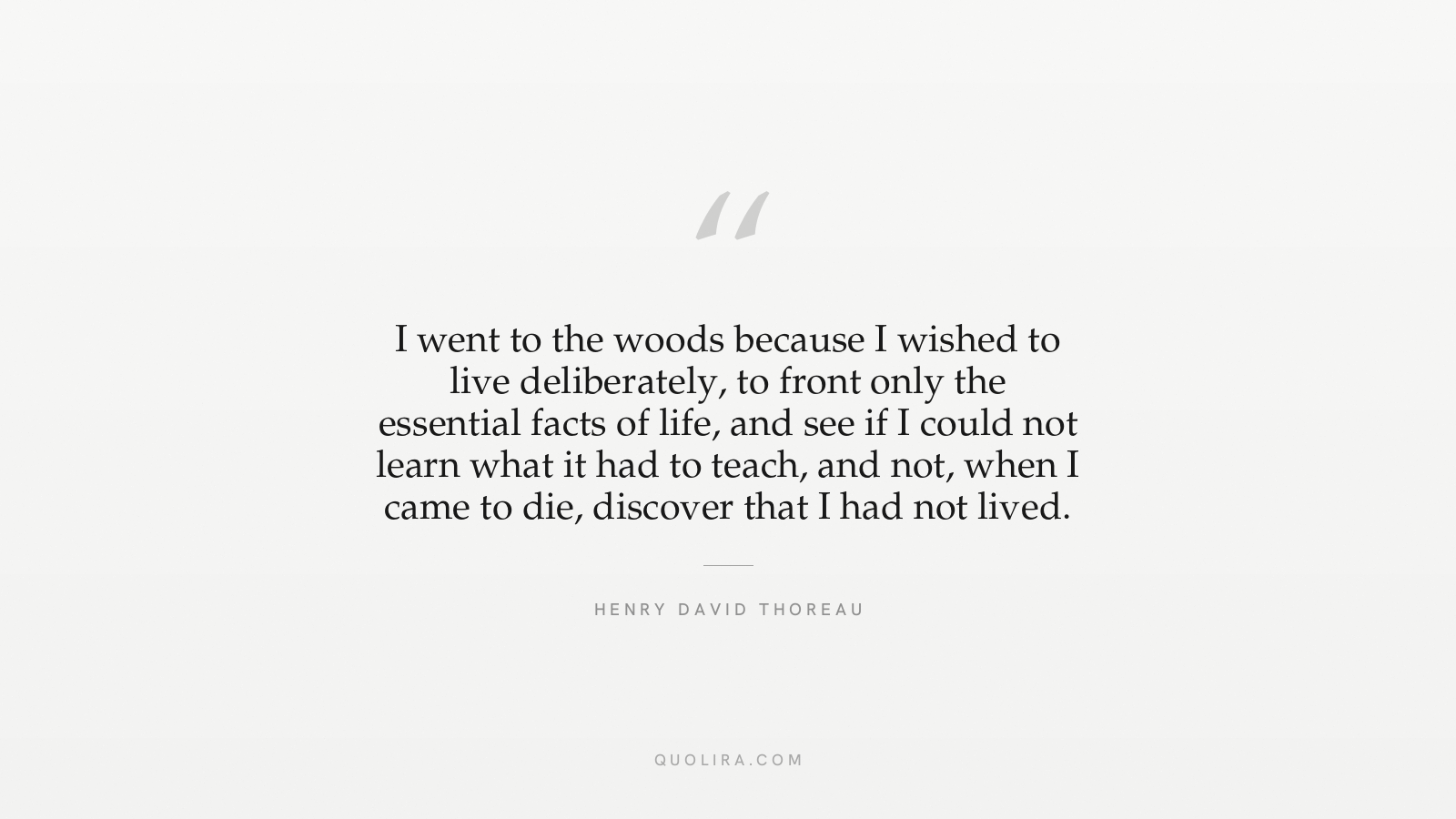
“I went to the woods because I wished to live deliberately, to front only the essential facts of life, and see if I could not learn what it had to teach, and not, when I came to die, discover that I had not lived.”
Henry David Thoreau · Walden, 1854
“Most people go through life.”
Ernest Hemingway · placeholder
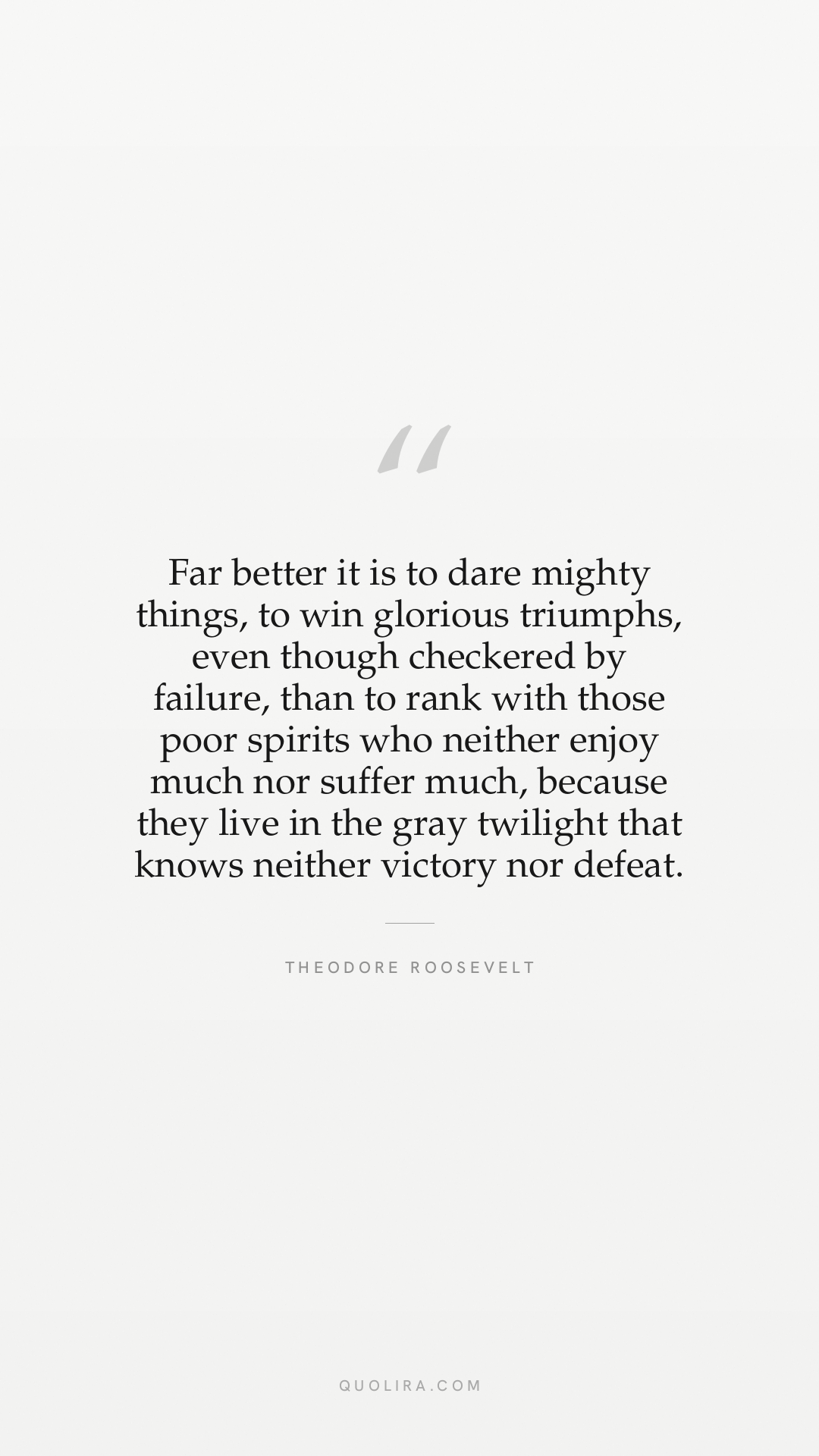
“Far better it is to dare mighty things, to win glorious triumphs, even though checkered by failure, than to rank with those poor spirits who neither enjoy much nor suffer much, because they live in the gray twilight that knows neither victory nor defeat.”
Theodore Roosevelt · Citizenship in a Republic, speech in Paris, 1910
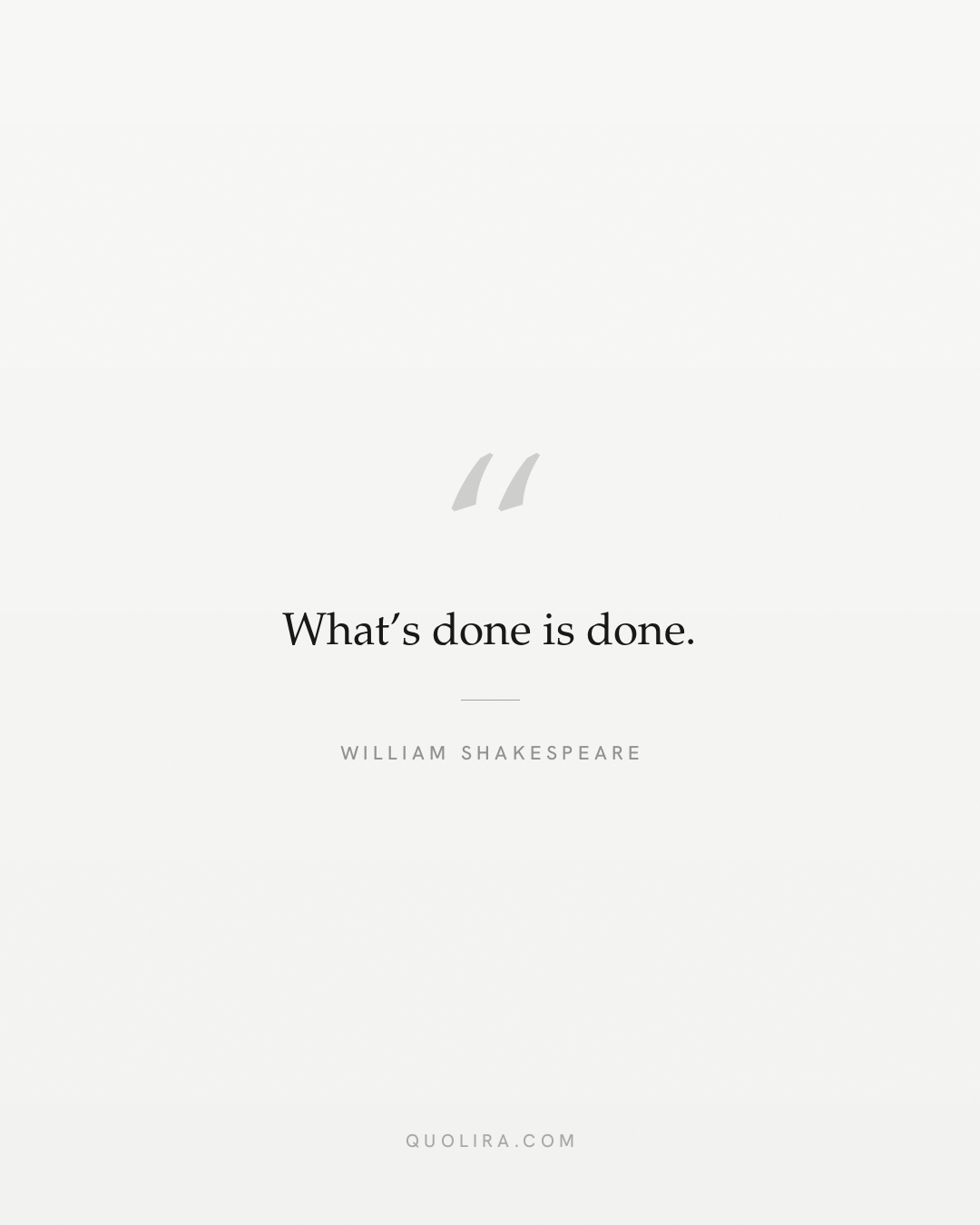
“What's done is done.”
William Shakespeare · Macbeth, Act 3, Scene 2 (Macbeth), c. 1606
“I wish I hadn't worked so hard.”
Bronnie Ware · The Top Five Regrets of the Dying, 2011
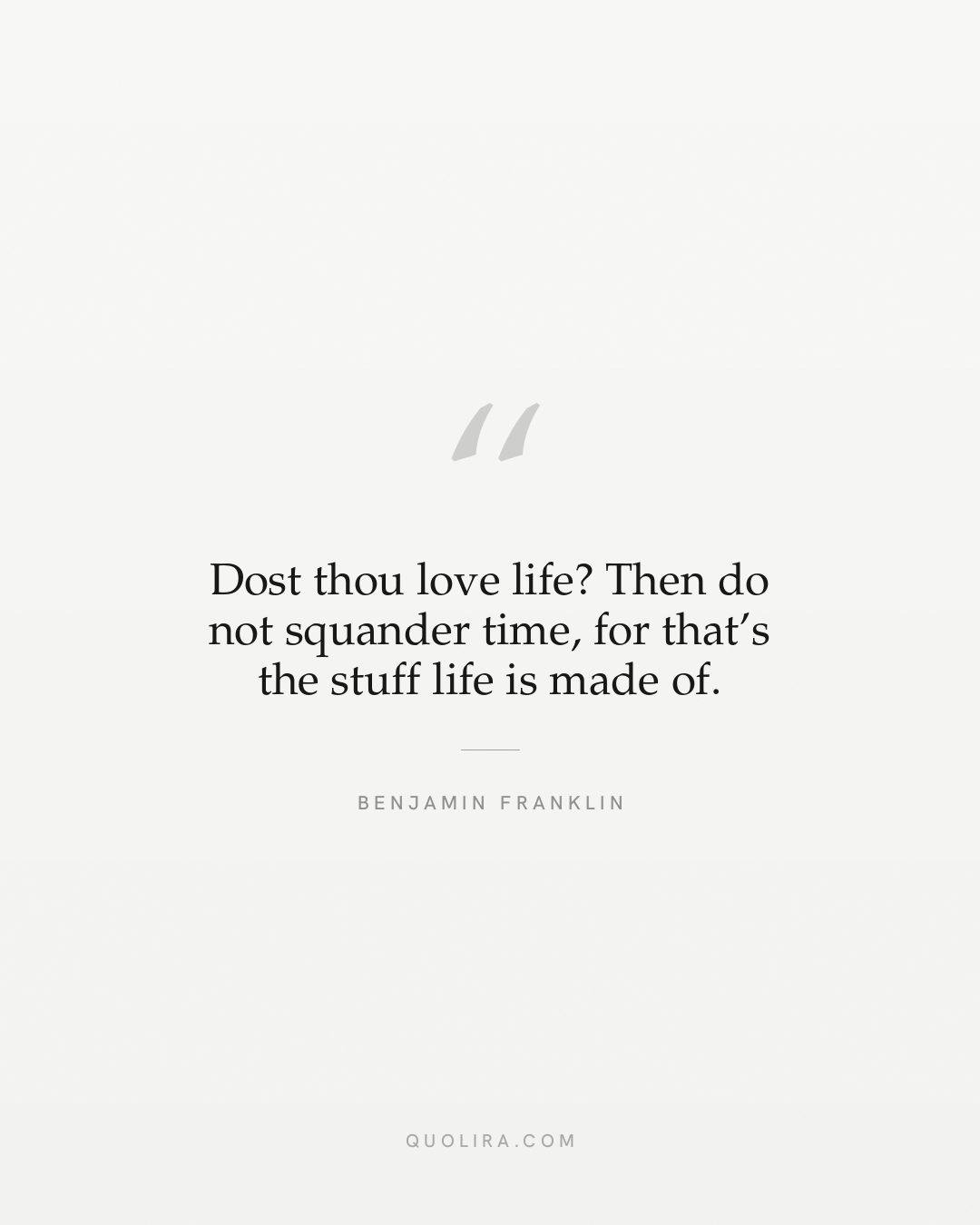
“Dost thou love life? Then do not squander time, for that's the stuff life is made of.”
Benjamin Franklin · Poor Richard's Almanack
“Lost time is never found again.”
Benjamin Franklin · Poor Richard's Almanack
“Remembering that I'll be dead soon is the most important tool I've ever encountered to help me make the big choices in life.”
Steve Jobs · Stanford University commencement address, 2005
“The fault, dear Brutus, is not in our stars, but in ourselves.”
William Shakespeare · Julius Caesar, Act 1, Scene 2 (Cassius), c. 1599
“What's done cannot be undone.”
William Shakespeare · Macbeth, Act 5, Scene 1 (Lady Macbeth), c. 1606
“I took the one less traveled by, and that has made all the difference.”
Robert Frost · The Road Not Taken, 1916