“Patience and time do more than strength or passion.”
Jean de La Fontaine · Fables, Book II, 1668
 quolira
.com
quolira
quolira.com
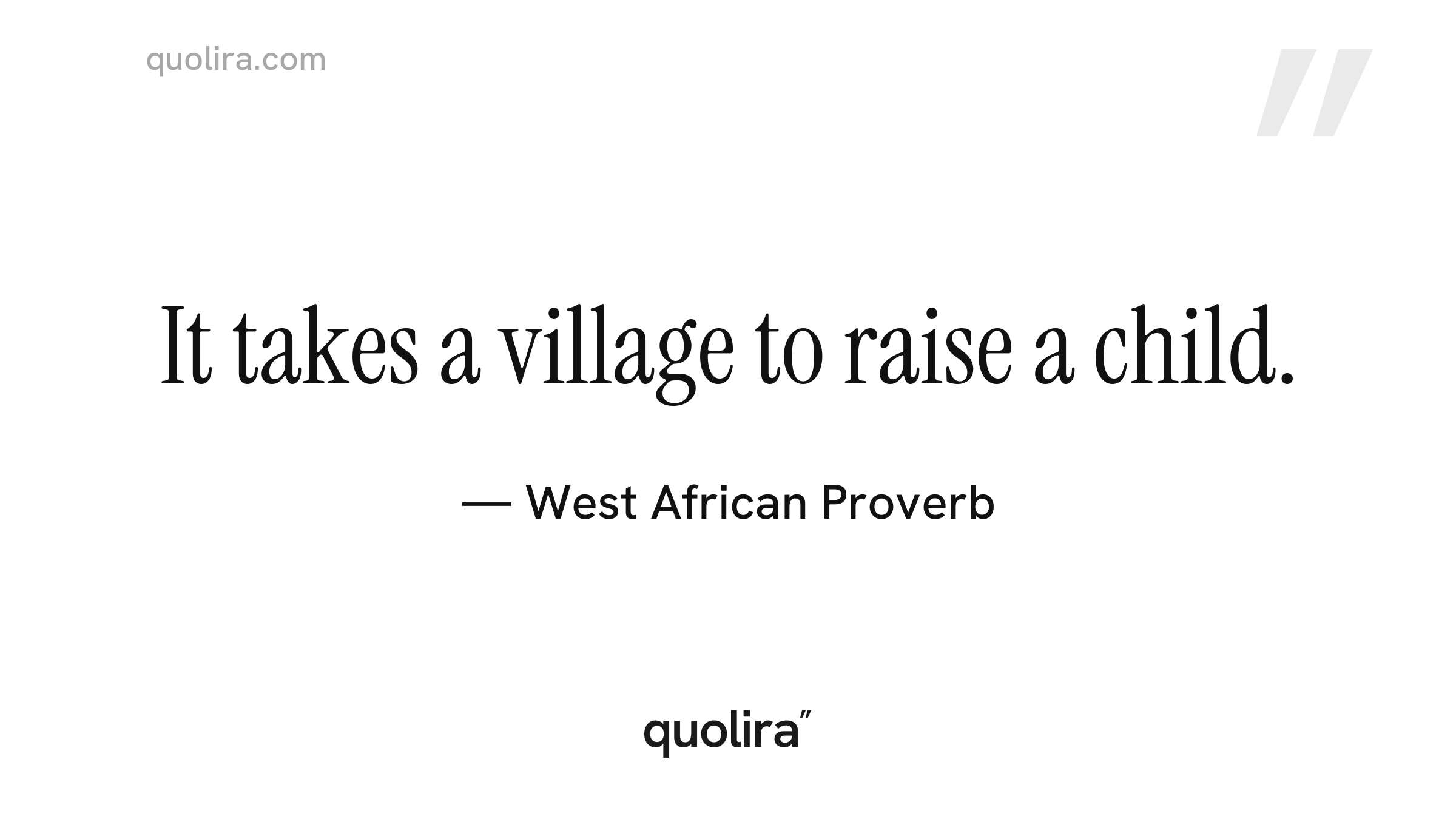
This proverb expresses the idea that raising a child well is a collective responsibility, not a task that falls on parents alone. A child grows and develops through contact with many people: neighbors, elders, teachers, and the wider community all contribute to shaping who that child becomes. The phrase is a reminder that human development is inherently social and that a healthy community takes an active interest in its youngest members.
The saying speaks to something many people feel but rarely articulate: that the private family unit, on its own, is rarely enough to give a child everything they need. It calls on communities to stay engaged with the children around them rather than treating child-rearing as someone else's private concern. In a world where people increasingly live at a distance from extended family and longtime neighbors, the proverb carries a quiet urgency, inviting people to reconnect with a broader sense of shared obligation.
This line works well whenever you want to make a point about communal responsibility, shared effort, or the limits of going it alone. It fits naturally in conversations about education, social support, community building, or the importance of mentorship. It can open a speech, anchor a paragraph in an essay, or appear as a caption for a photo that shows people coming together around children or young people. Its brevity and warmth make it easy to adapt to many different contexts without losing its meaning.
“Patience and time do more than strength or passion.”
Jean de La Fontaine · Fables, Book II, 1668
“All fine architectural values are human values, else not valuable.”
Frank Lloyd Wright · The Natural House, 1954
“There is no such thing as good writing. There is only good rewriting.”
Louis Brandeis · attributed
“I think architecture is one of the predominant orderings of human experience.”
Richard Meier
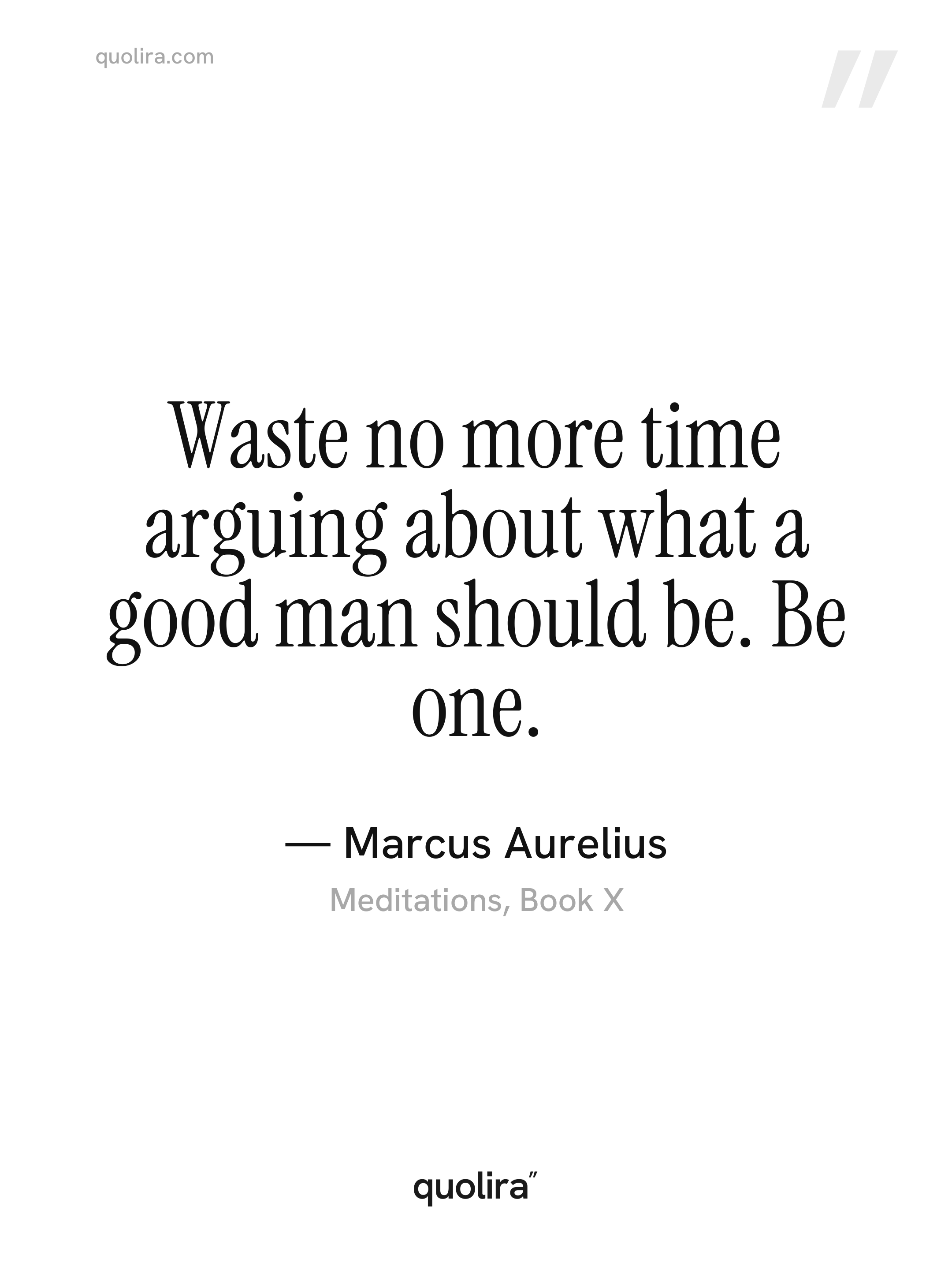
“Waste no more time arguing about what a good man should be. Be one.”
Marcus Aurelius · Meditations, Book X
“The love of truth lies at the root of much humor.”
Robertson Davies
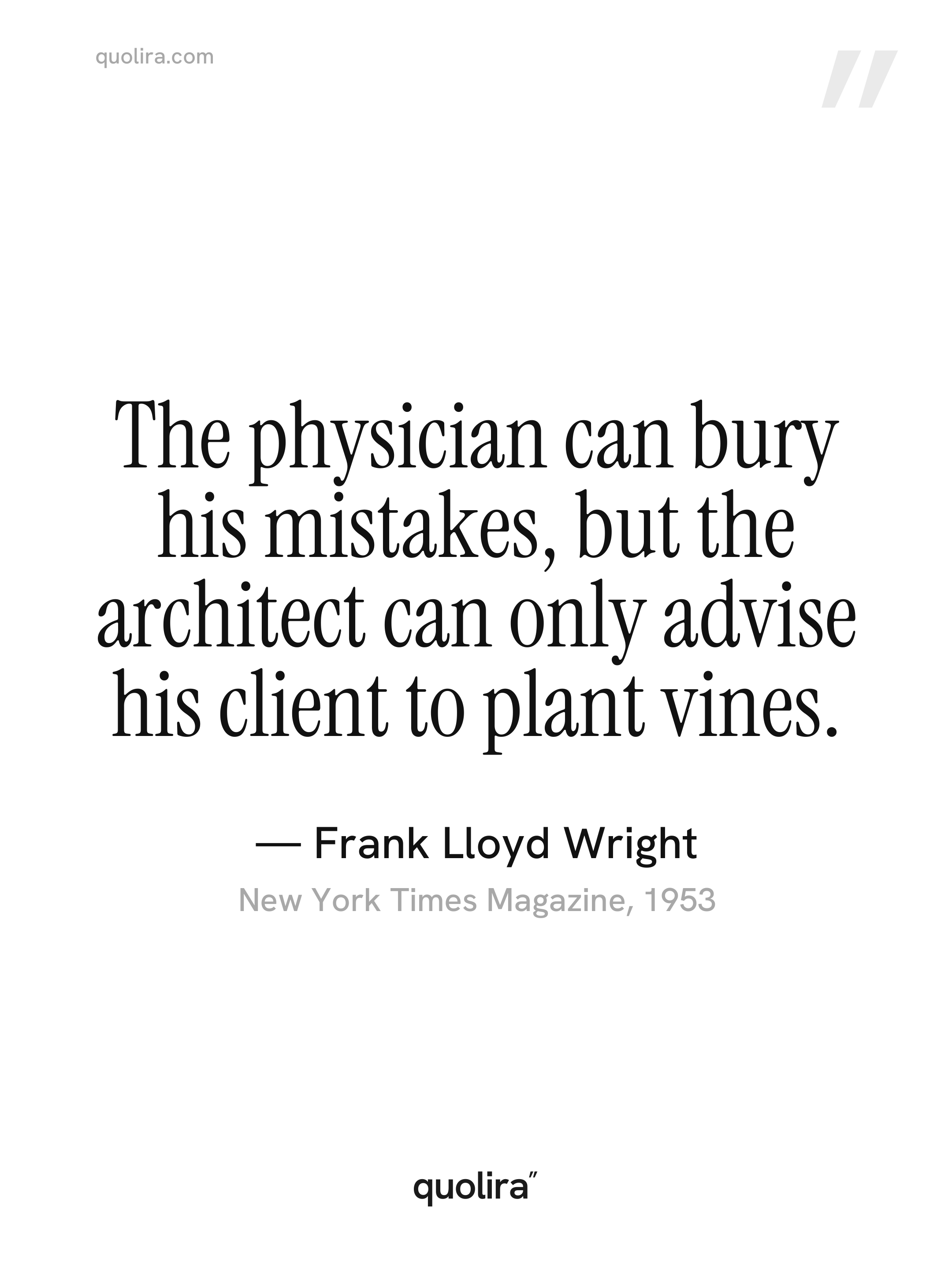
“The physician can bury his mistakes, but the architect can only advise his client to plant vines.”
Frank Lloyd Wright · New York Times Magazine, 1953
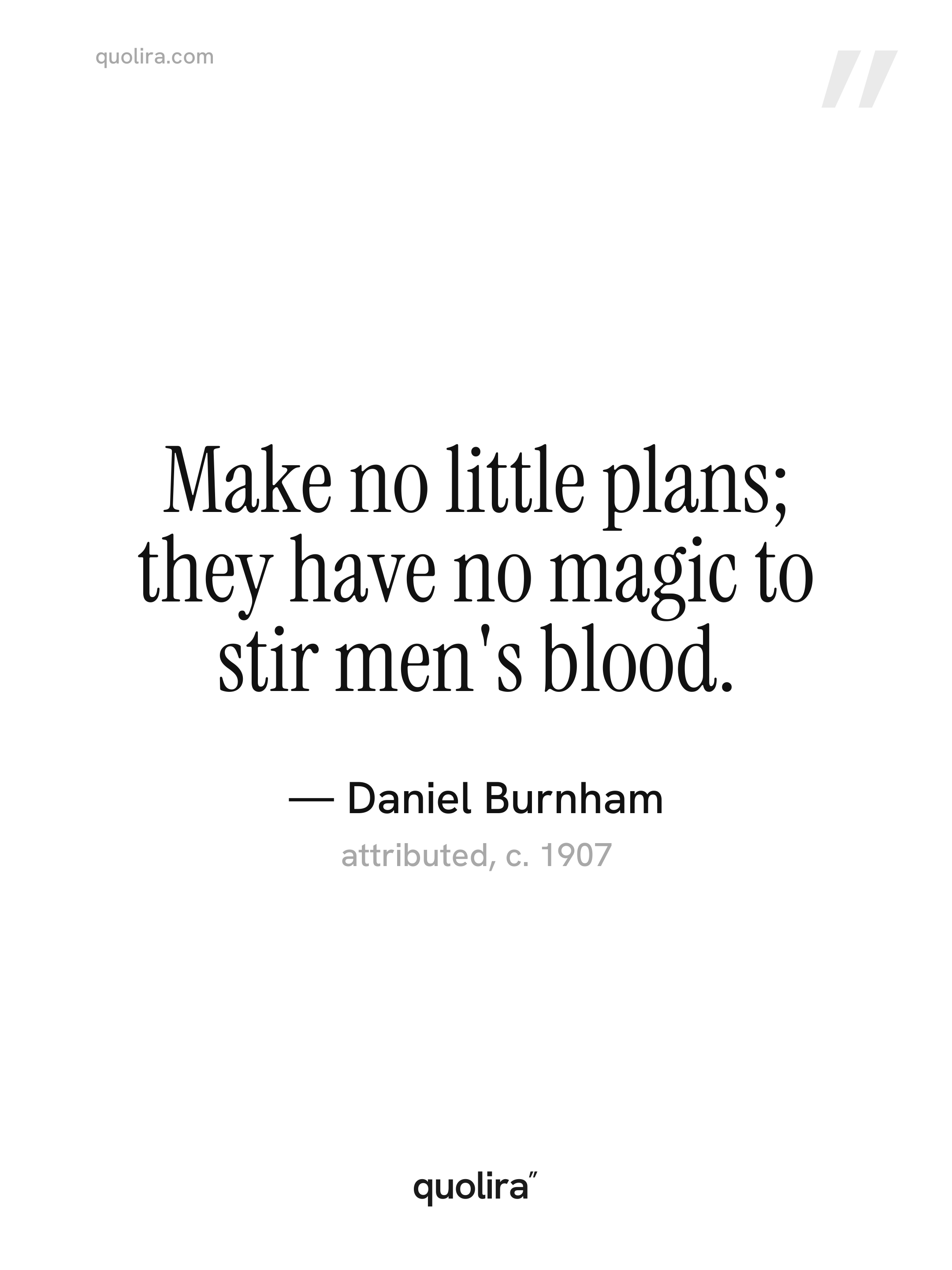
“Make no little plans; they have no magic to stir men's blood.”
Daniel Burnham · attributed, c. 1907
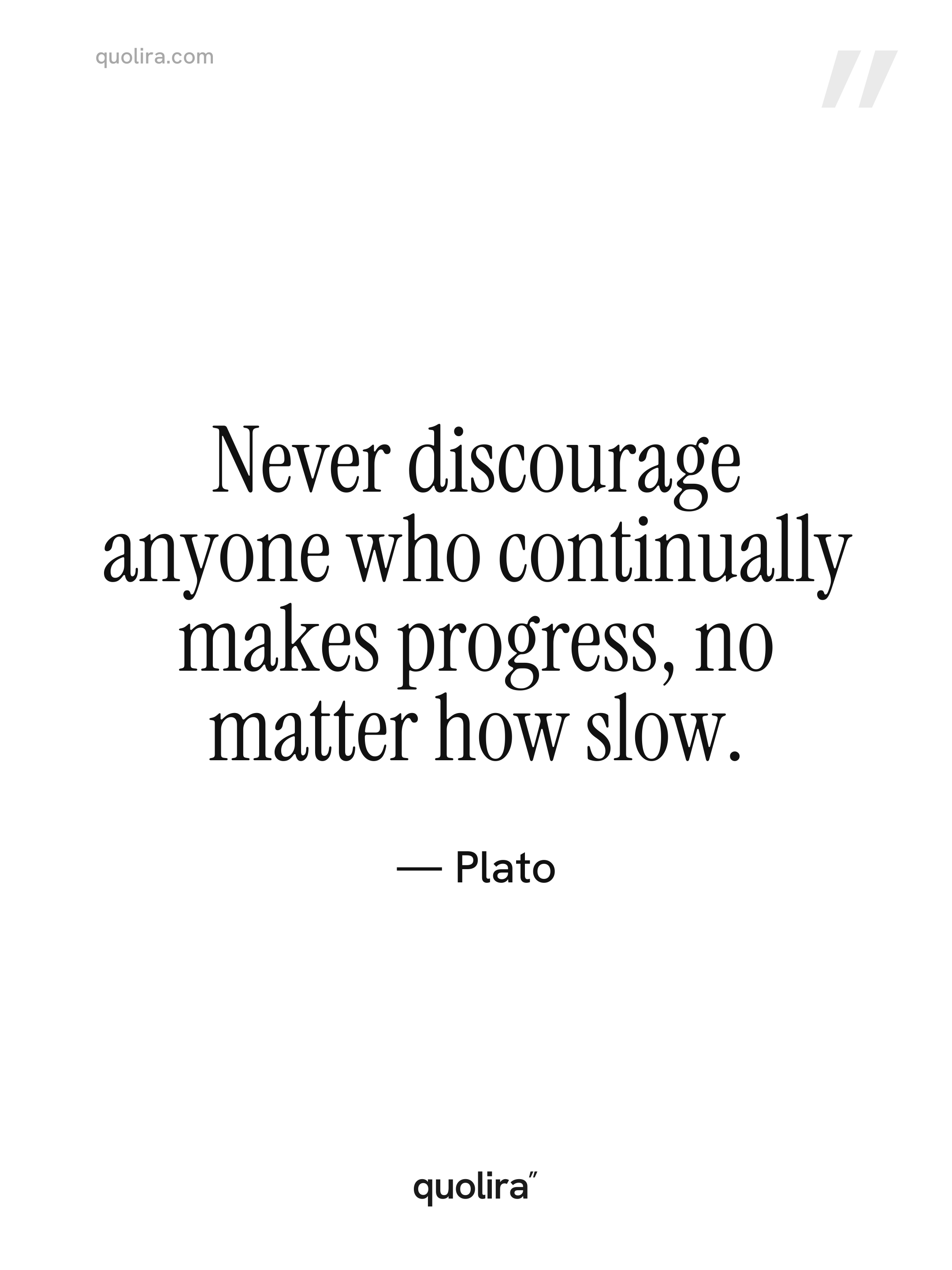
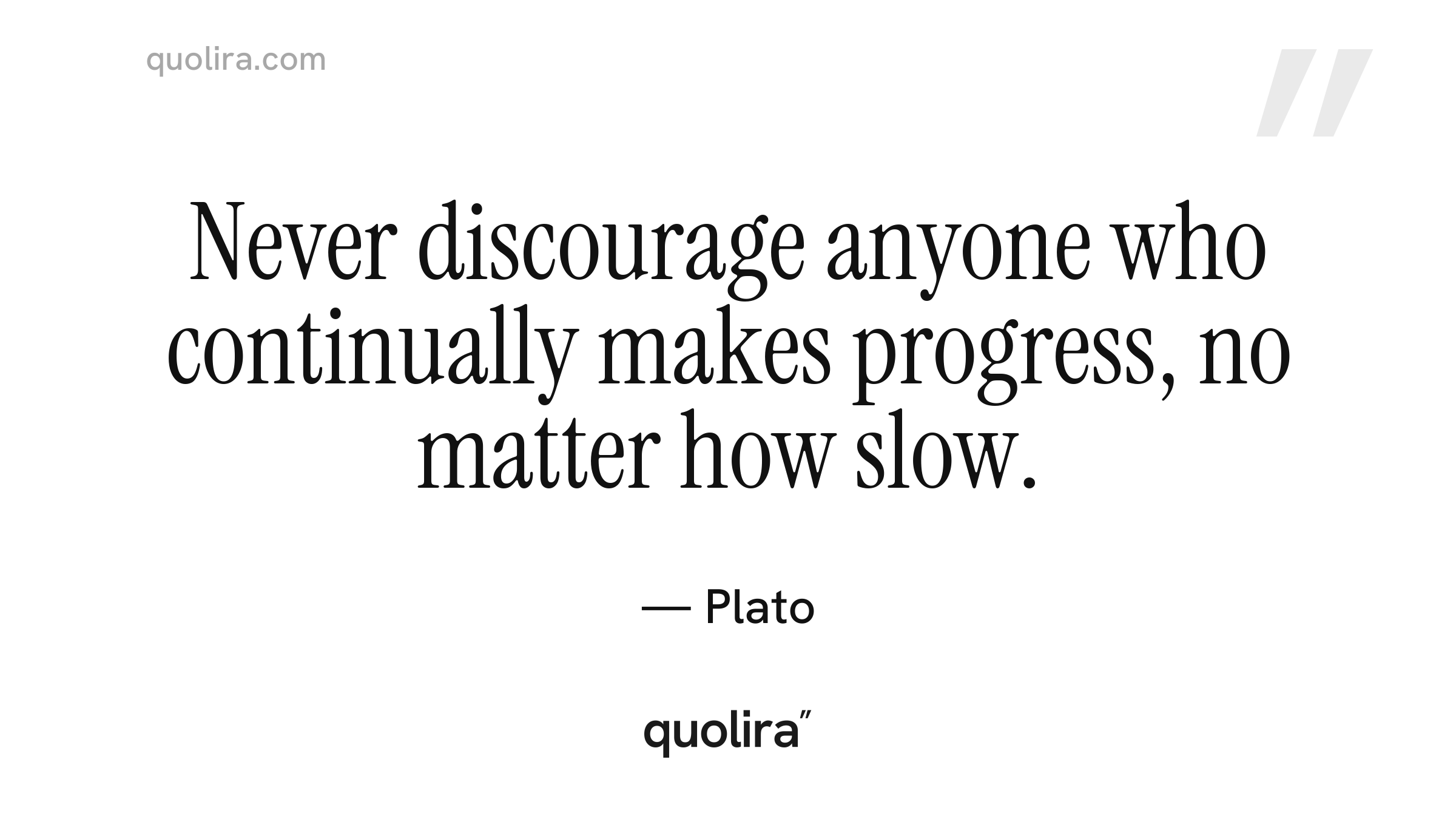
“Never discourage anyone who continually makes progress, no matter how slow.”
Plato
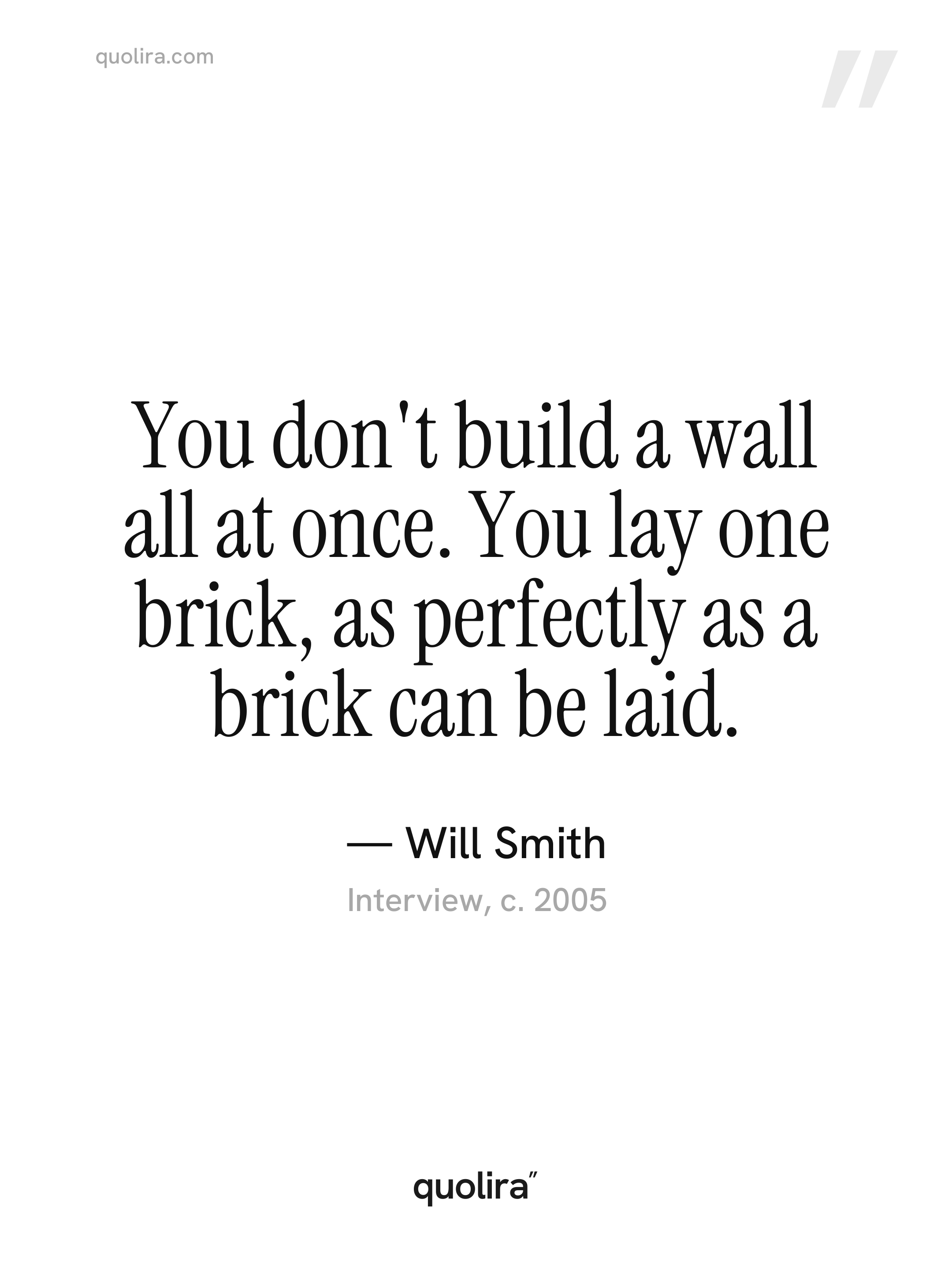
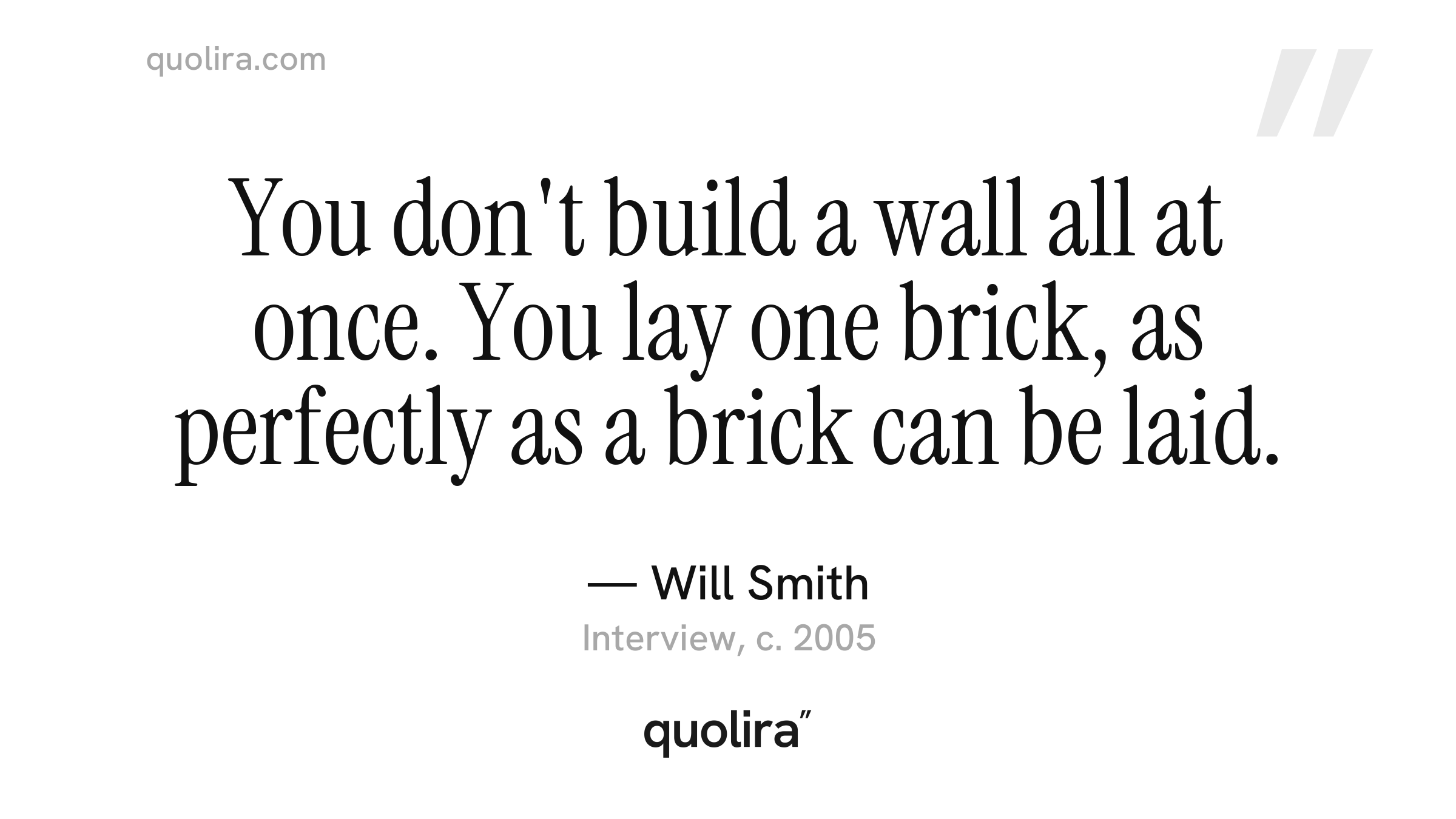
“You don't build a wall all at once. You lay one brick, as perfectly as a brick can be laid.”
Will Smith · Interview, c. 2005
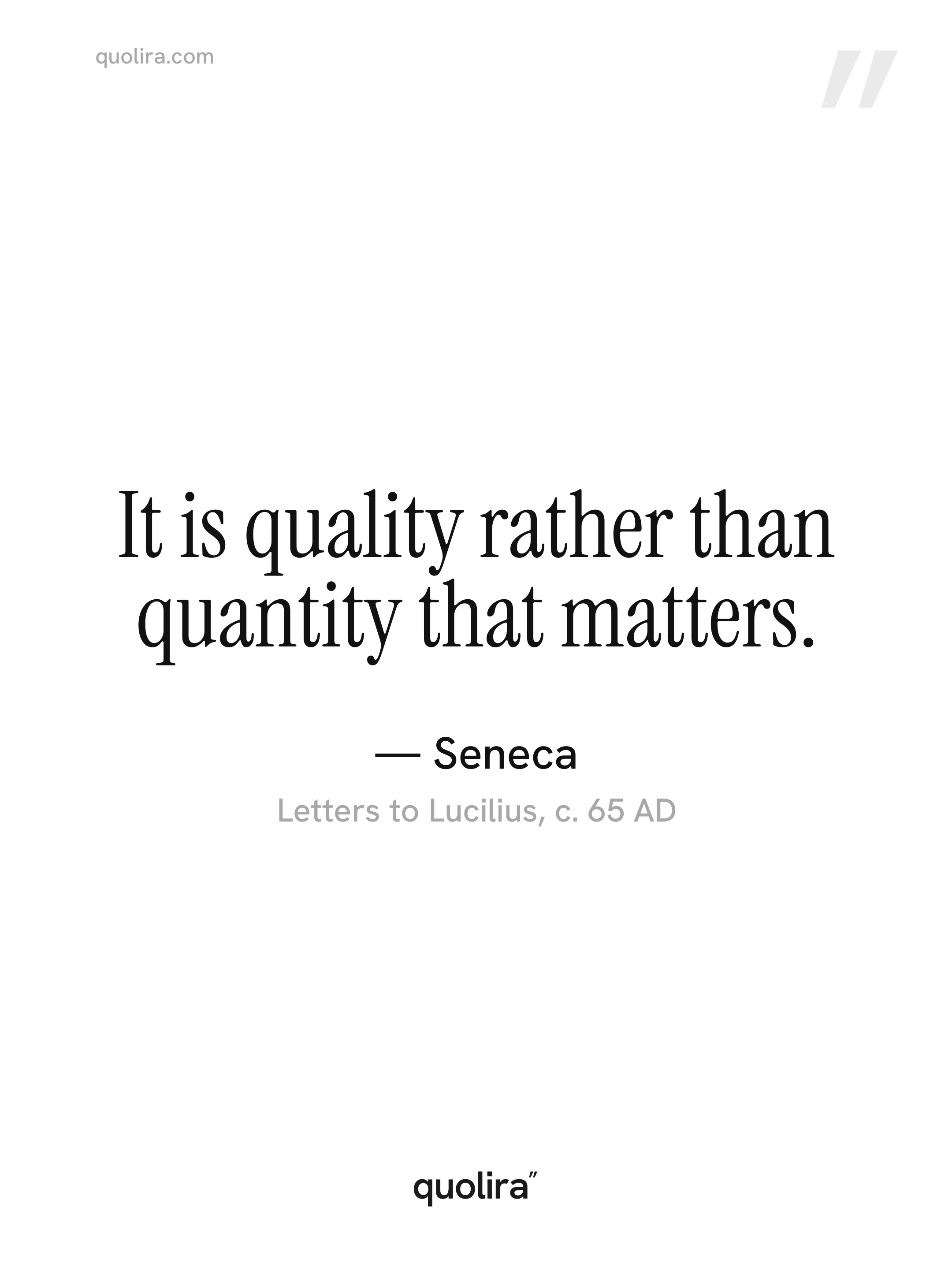
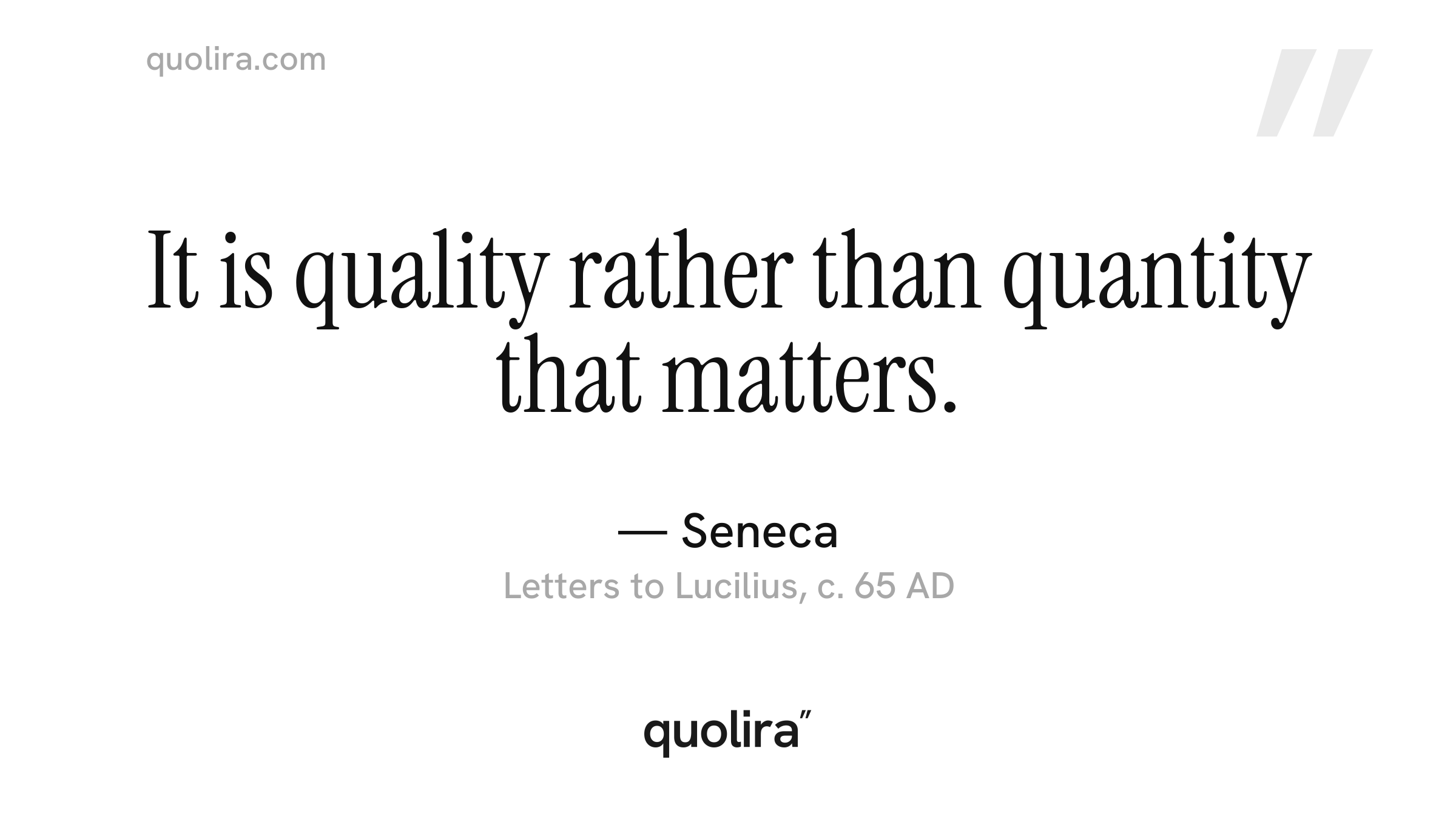
“It is quality rather than quantity that matters.”
Seneca · Letters to Lucilius, c. 65 AD
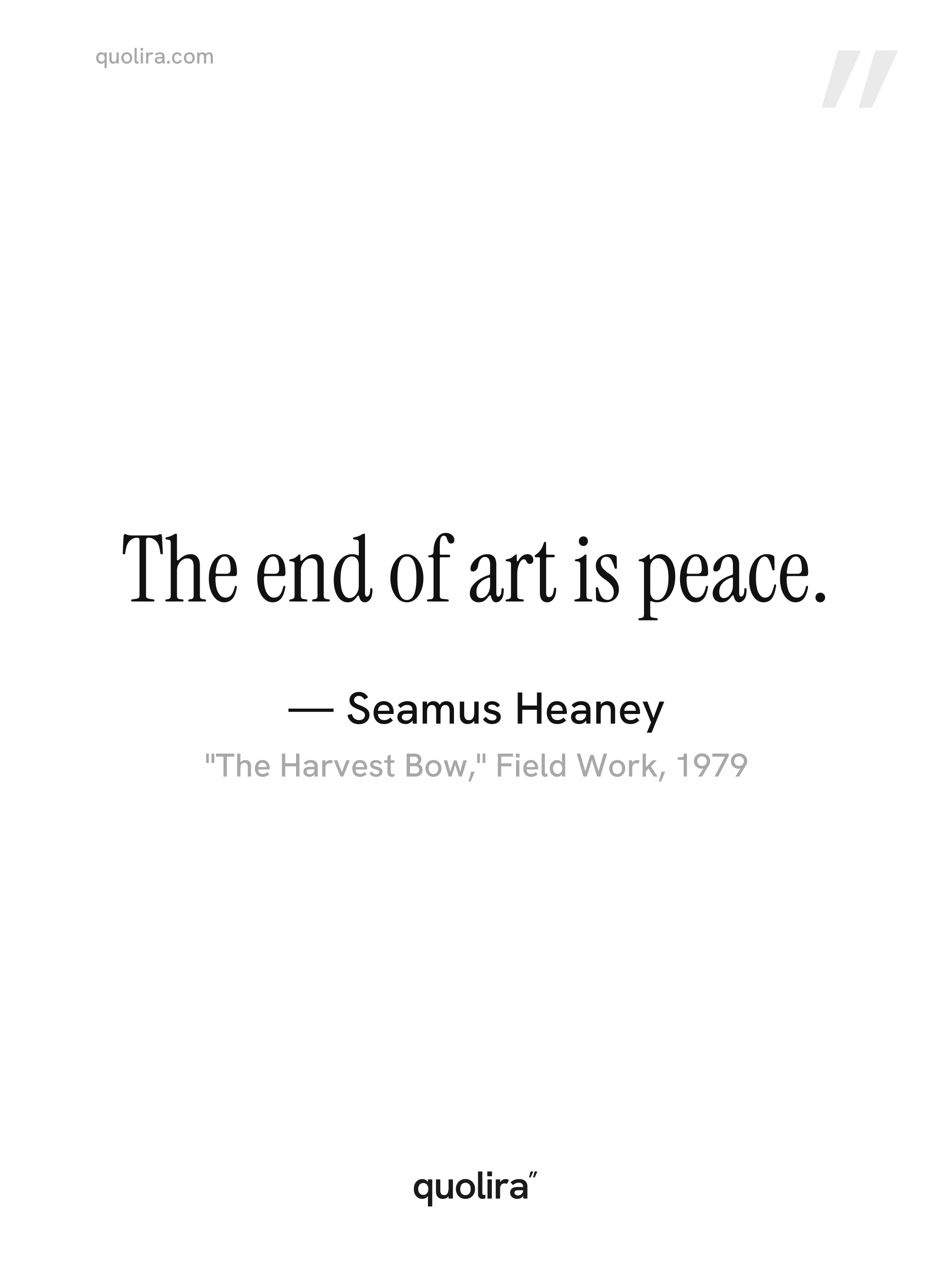
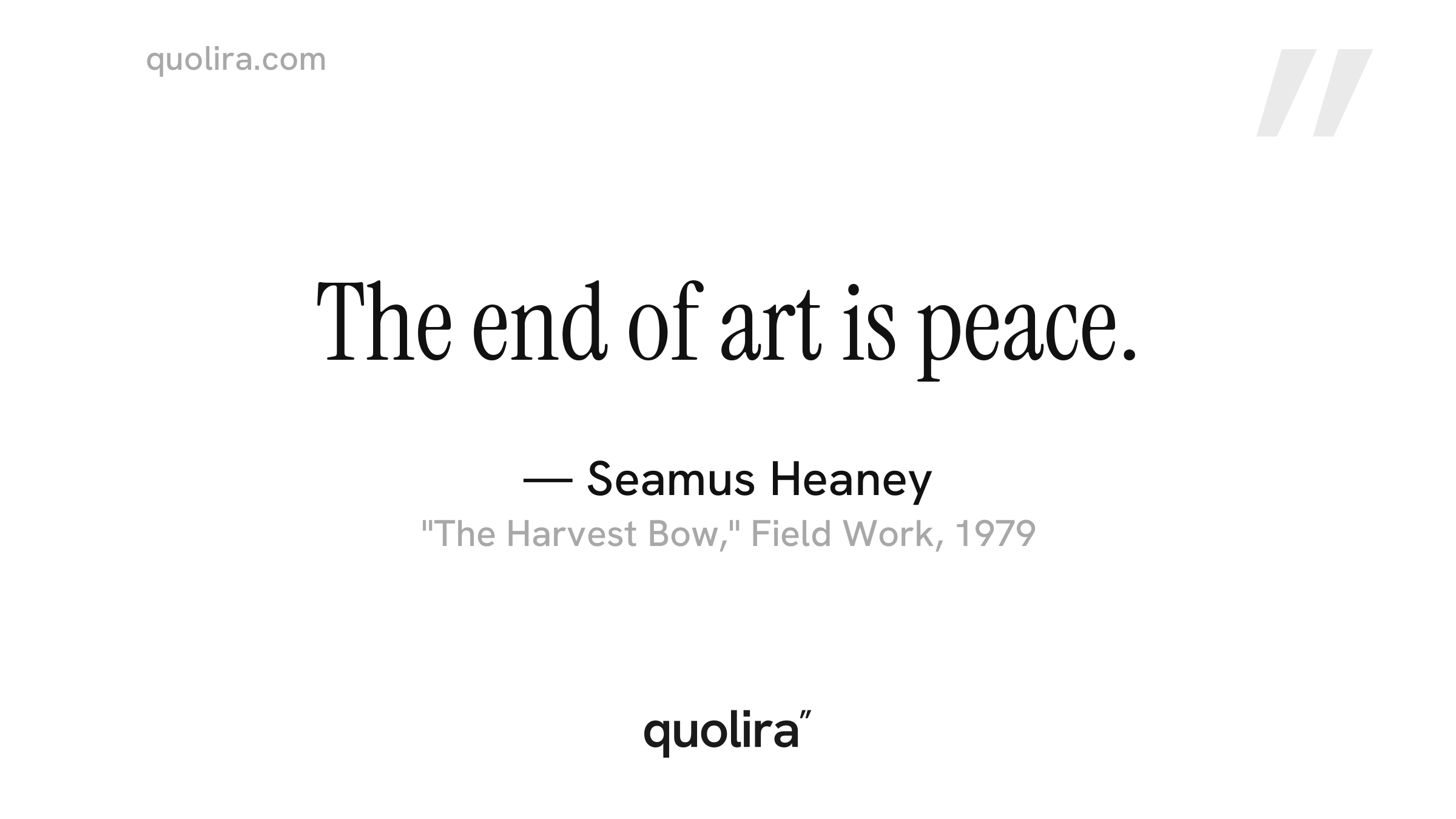
“The end of art is peace.”
Seamus Heaney · "The Harvest Bow," Field Work, 1979