“You believe you know what goes on in your mind, which often consists of one conscious thought leading in an orderly way to another.”
Daniel Kahneman · Thinking, Fast and Slow, Introduction
 quolira
.com
Daniel Kahneman said it, in Thinking, Fast and Slow, Introduction.
Kahneman makes this point early to show that most of what you believe arrives without a traceable route. It sounds obvious until you try to explain where a hunch came from.
From the collection: 18 Thinking, Fast and Slow Quotes on Intuition, Doubt, and Hidden Bias · More Daniel Kahneman quotes
This quote means that many of the impressions and ideas that enter awareness arrive without any clear record of where they came from. People often experience a conclusion before they can trace the steps that produced it, which makes the origin of their beliefs harder to inspect than they assume.
Kahneman offers this observation in the introduction to Thinking, Fast and Slow, the 2011 book that explains how the automatic and deliberate parts of the mind divide the labor of thinking. Much of the book rests on the idea that the fast, intuitive system generates quick impressions that the slower system often accepts without checking. The passage prepares readers for later chapters on biases and errors by showing that awareness is not the same as understanding. A thought can feel self-generated and still be the product of processes the person cannot observe directly.
Daniel Kahneman was an Israeli-American psychologist known for research on how people make judgments under uncertainty, much of it carried out with Amos Tversky. That work became a foundation for behavioral economics. Kahneman received the Nobel Memorial Prize in Economic Sciences in 2002, sharing the award with Vernon Smith. He taught for many years at Princeton University and died in 2024.
“You believe you know what goes on in your mind, which often consists of one conscious thought leading in an orderly way to another.”
Daniel Kahneman · Thinking, Fast and Slow, Introduction
“And when you are sorrowful look again in your heart, and you shall see that in truth you are weeping for that which has been your delight.”
Kahlil Gibran · The Prophet (1923)
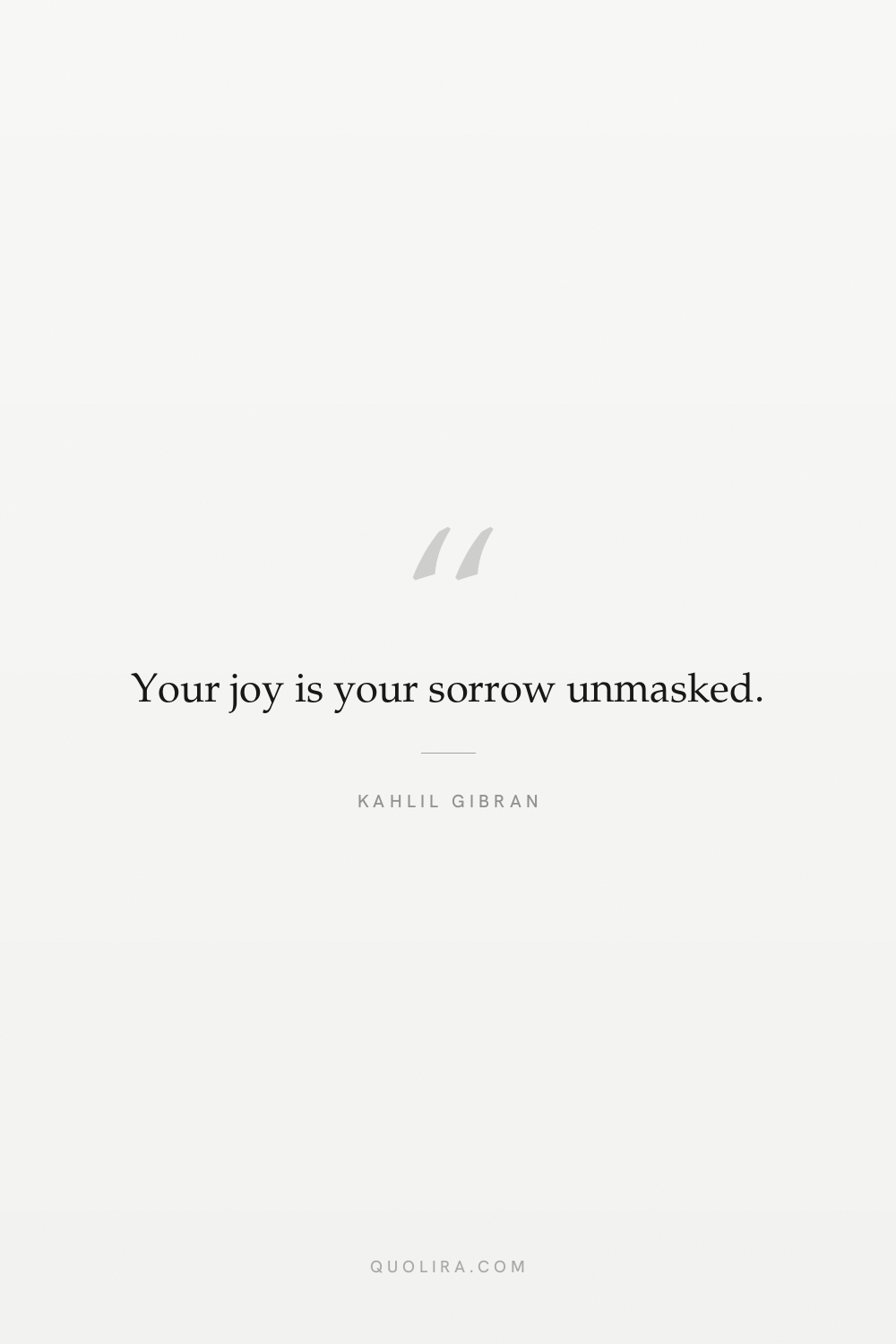
“Your joy is your sorrow unmasked.”
Kahlil Gibran · The Prophet (1923)
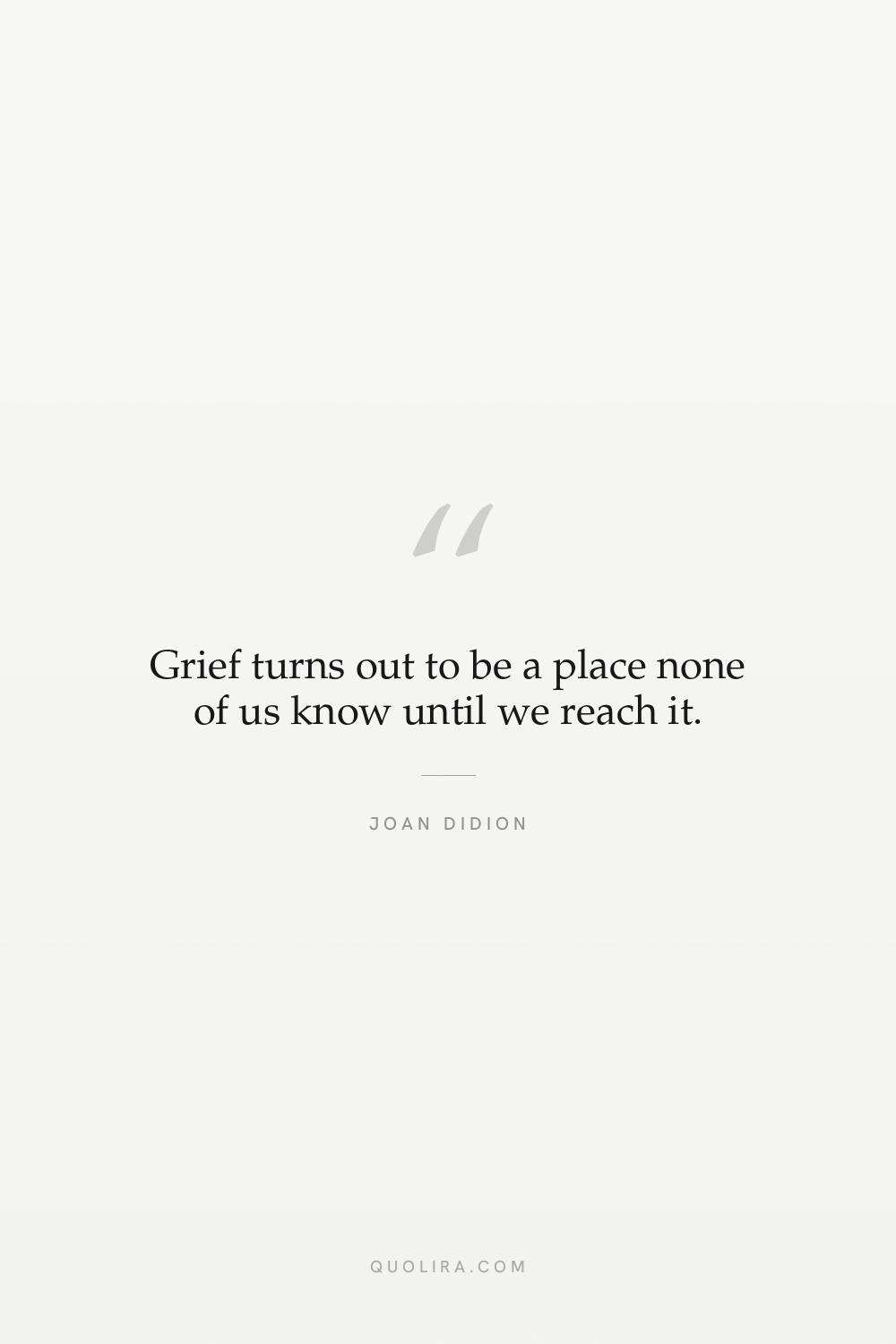
“Grief turns out to be a place none of us know until we reach it.”
Joan Didion · The Year of Magical Thinking (2005)
“It is better to go to the house of mourning, than to go to the house of feasting: for that is the end of all men; and the living will lay it to his heart.”
Ecclesiastes · Ecclesiastes 7:2
“A time to weep, and a time to laugh; a time to mourn, and a time to dance.”
Ecclesiastes · Ecclesiastes 3:4
“There is no agony like bearing an untold story inside you.”
Maya Angelou · I Know Why the Caged Bird Sings (1969)
“But I have that within which passeth show; these but the trappings and the suits of woe.”
William Shakespeare · Hamlet, Act 1, Scene 2
“Grief fills the room up of my absent child.”
William Shakespeare · Richard II
“There is no grief like the grief that does not speak.”
Henry Wadsworth Longfellow · Hyperion (1839)
“O for the touch of a vanish'd hand, and the sound of a voice that is still!”
Alfred, Lord Tennyson · Break, Break, Break (1842)
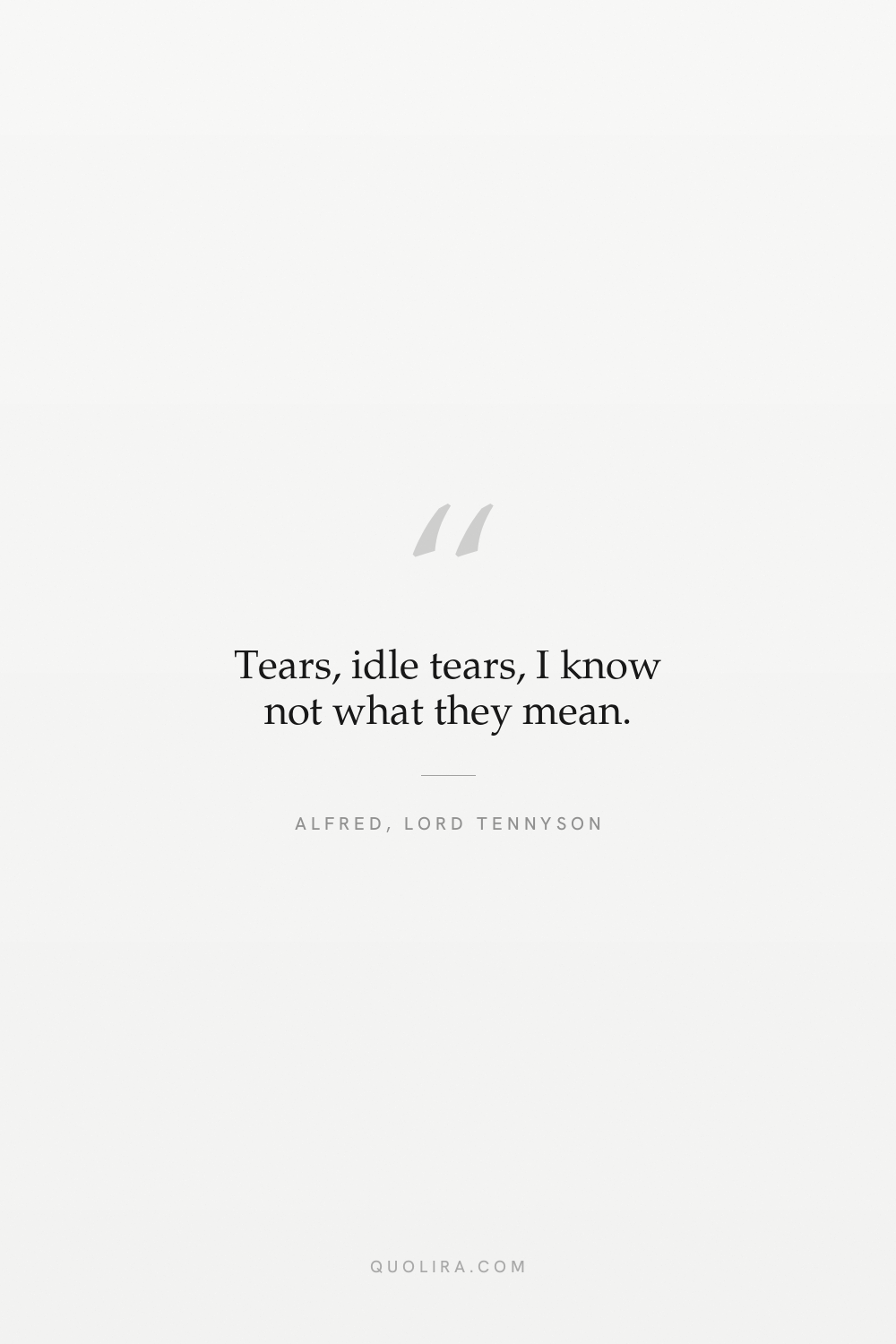
“Tears, idle tears, I know not what they mean.”
Alfred, Lord Tennyson · The Princess (1847)