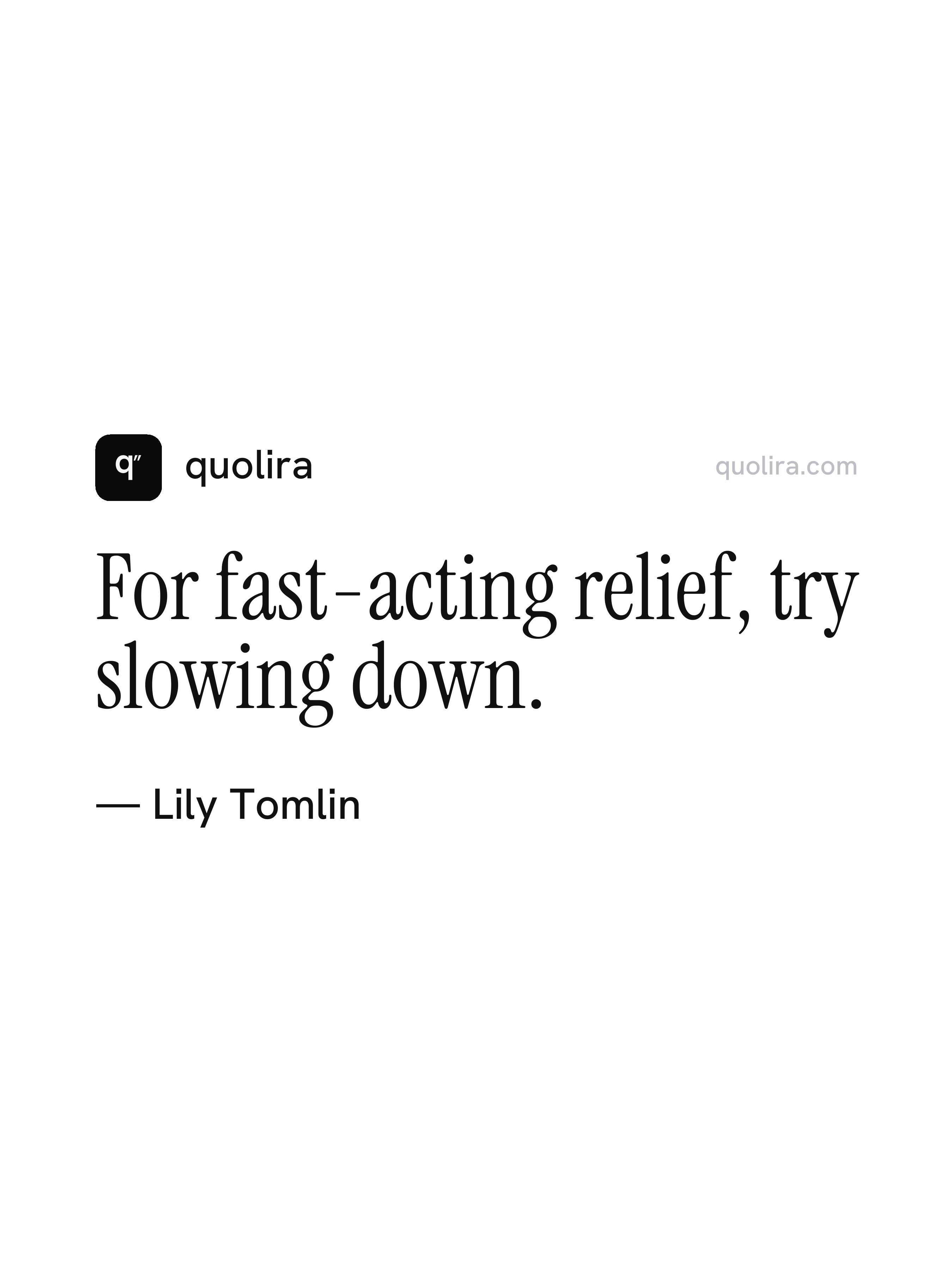
“For fast-acting relief, try slowing down.”
Lily Tomlin
 quolira
.com
quolira
quolira.com
Thoreau is not encouraging dishonesty or the abandonment of ethics. He is pushing back against a narrow, rule-bound approach to goodness, one that is satisfied with simply avoiding wrongdoing. His point is that moral caution, taken too far, can make a person timid and small. True virtue, in his view, is active and purposeful: it reaches toward something larger than personal righteousness.
This line comes from a letter Thoreau wrote to Harrison Blake, a friend and admirer with whom he maintained a long correspondence. The letters are some of Thoreau's most candid and philosophically rich writing, often more personal in tone than his published works. The idea fits naturally with his broader thinking about deliberate living and the danger of living a life that is cautious but hollow. He believed that a person who is merely good, in the conventional sense, may still be wasting the deeper possibilities of their time on earth.
Henry David Thoreau was a nineteenth-century American writer, philosopher, and naturalist. He is best known for his book about the two years he spent living simply near Walden Pond in Massachusetts, and for his influential essay on civil disobedience. Thoreau was associated with the Transcendentalist movement and was a close friend and sometime protege of Ralph Waldo Emerson. His work continues to shape thinking about self-reliance, conscience, and the relationship between individuals and society.
“For fast-acting relief, try slowing down.”
Lily Tomlin
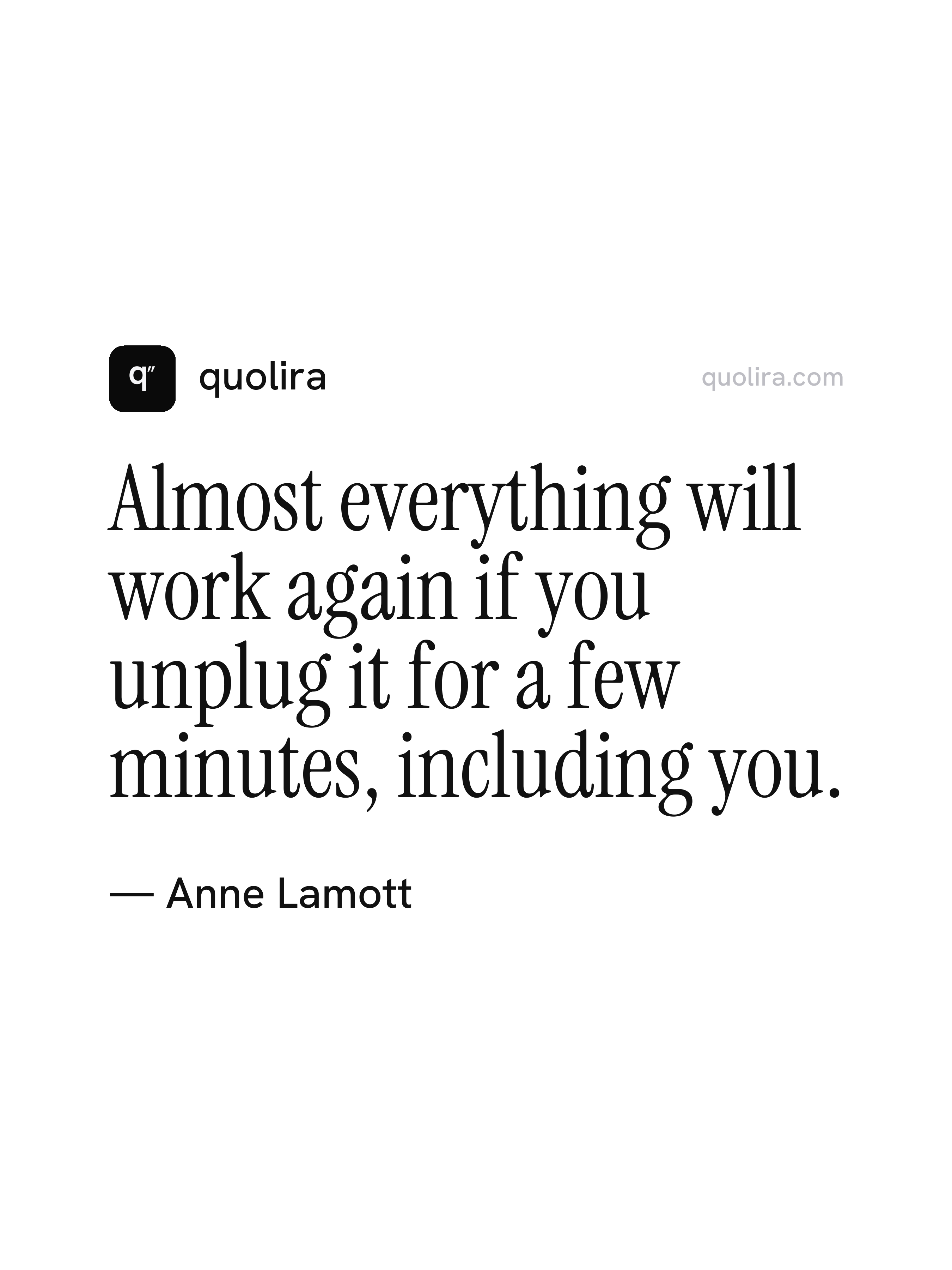
“Almost everything will work again if you unplug it for a few minutes, including you.”
Anne Lamott
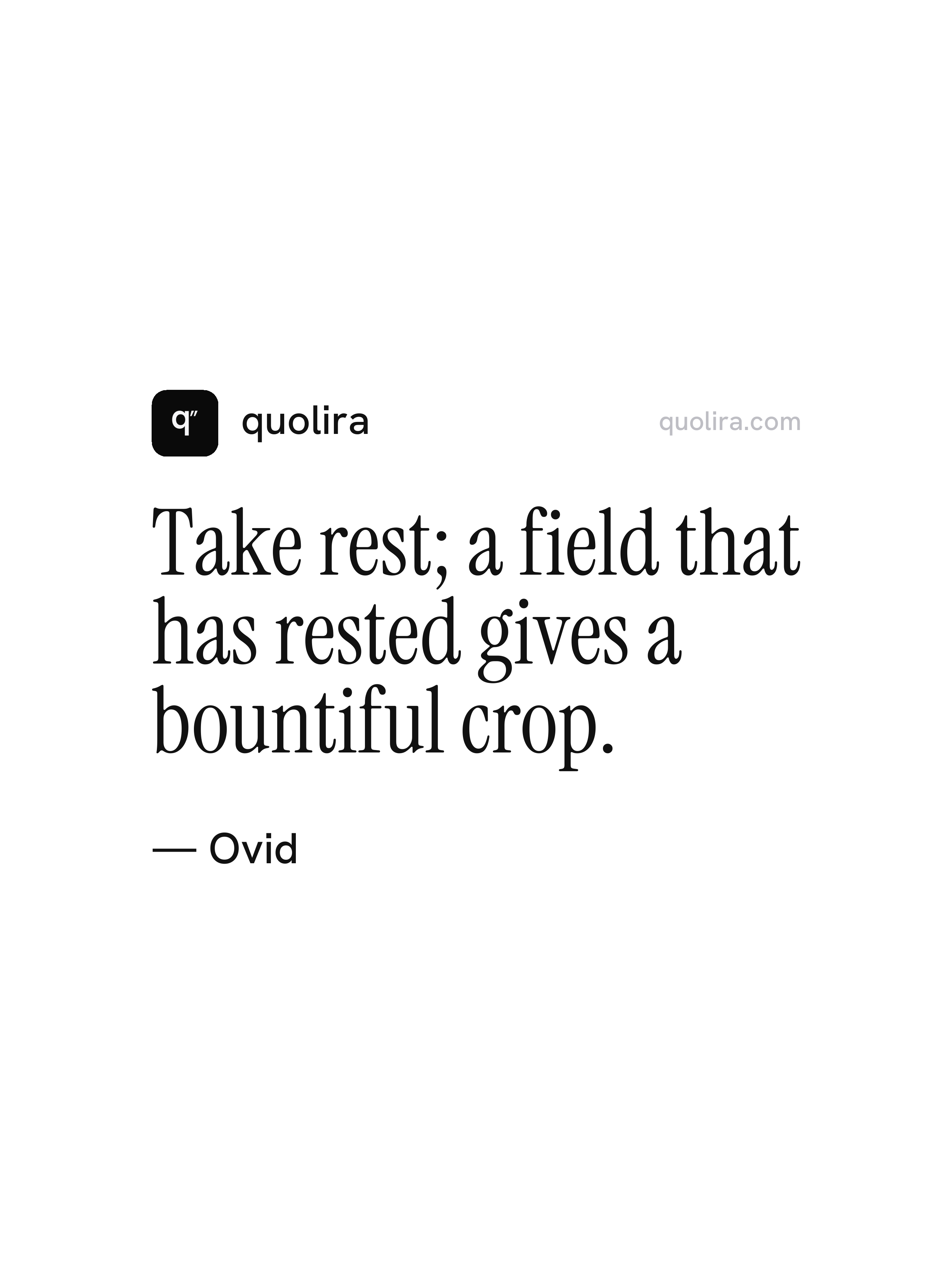
“Take rest; a field that has rested gives a bountiful crop.”
Ovid
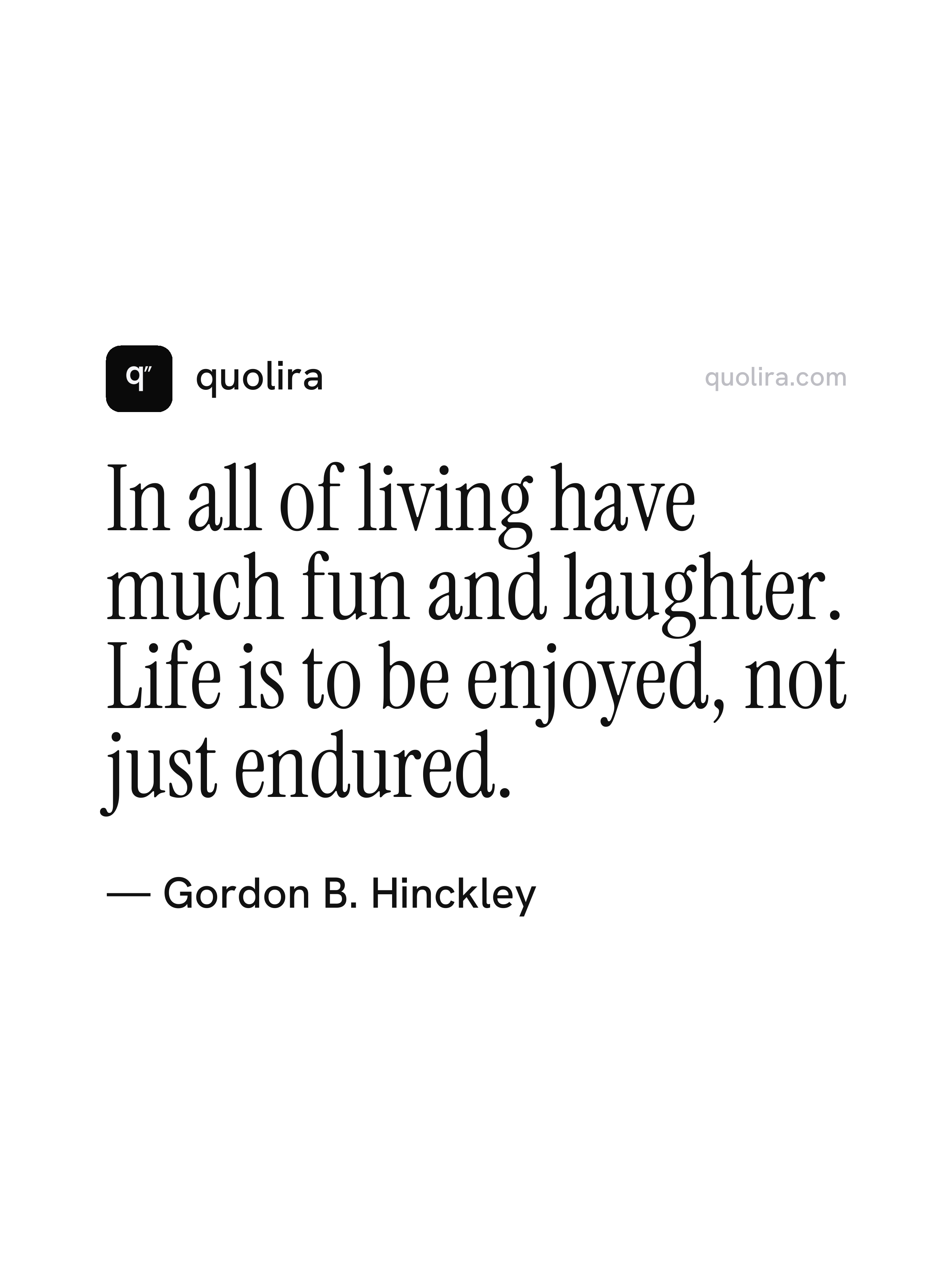
“In all of living have much fun and laughter. Life is to be enjoyed, not just endured.”
Gordon B. Hinckley
“The time you enjoy wasting is not wasted time.”
Bertrand Russell
“There is virtue in work and there is virtue in rest. Use both and overlook neither.”
Alan Cohen
“Rest and be thankful.”
William Wordsworth · Poem title, 1803
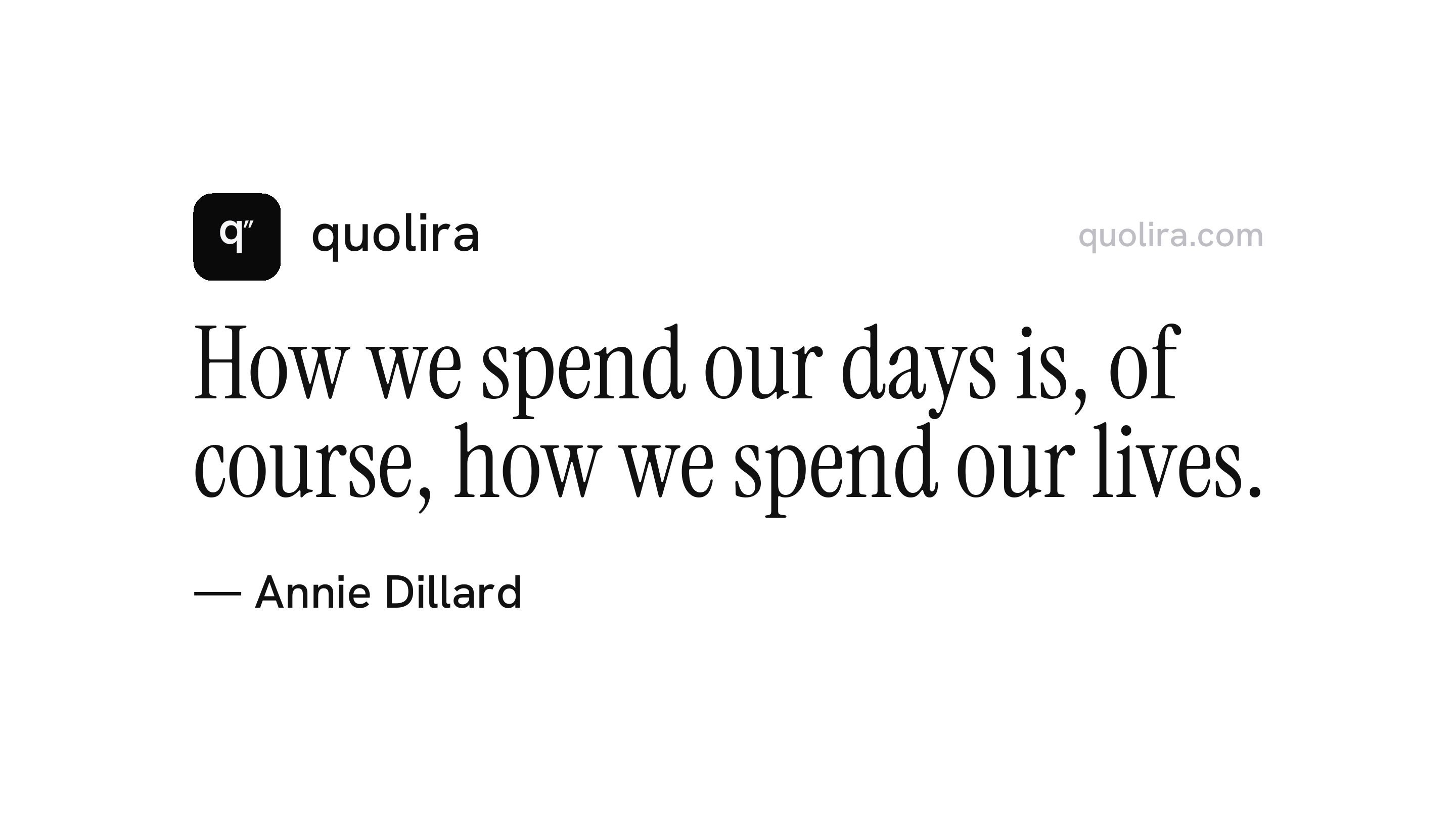
“How we spend our days is, of course, how we spend our lives.”
Annie Dillard · The Writing Life, 1989
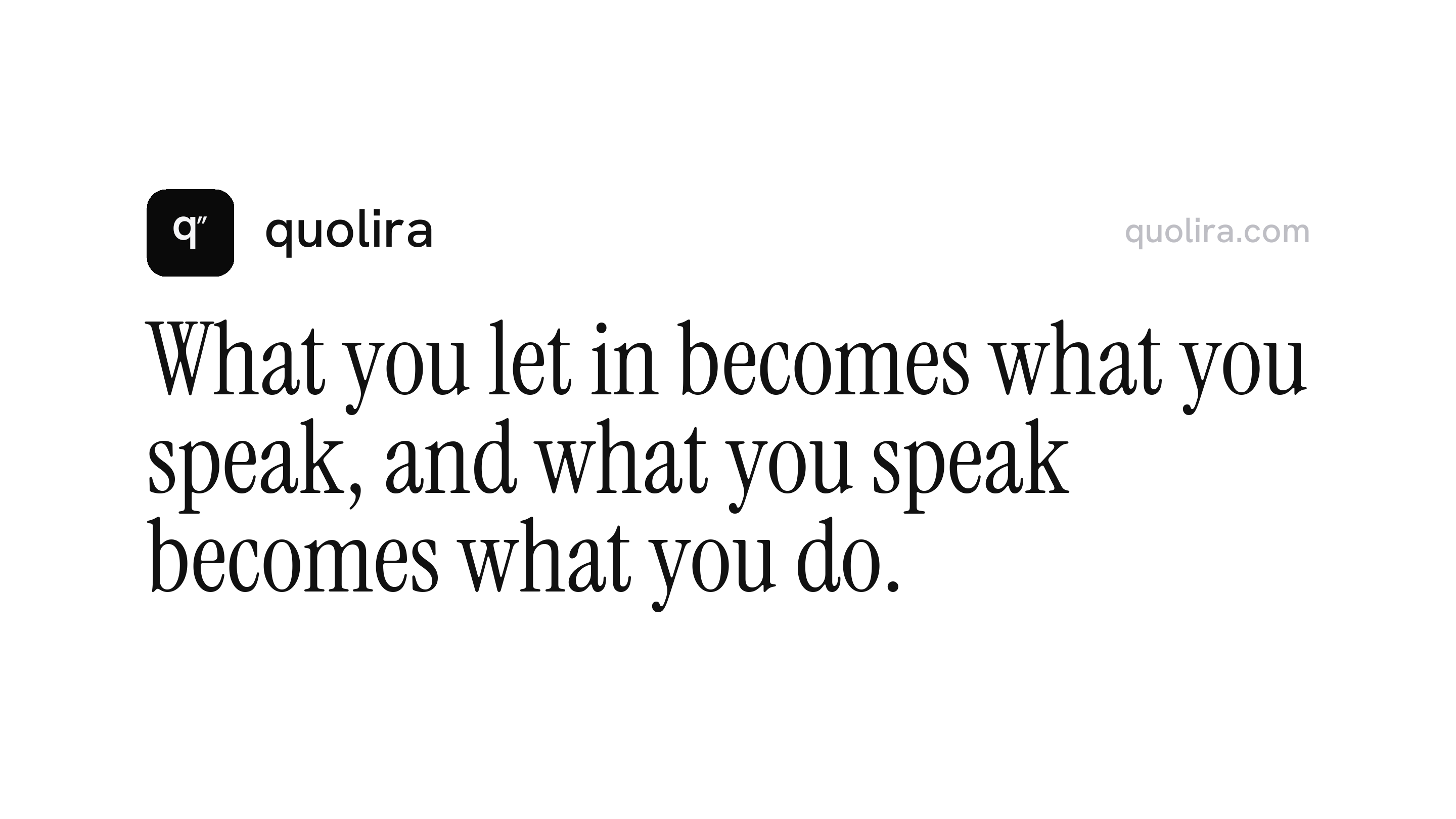
“What you let in becomes what you speak, and what you speak becomes what you do.”
Original
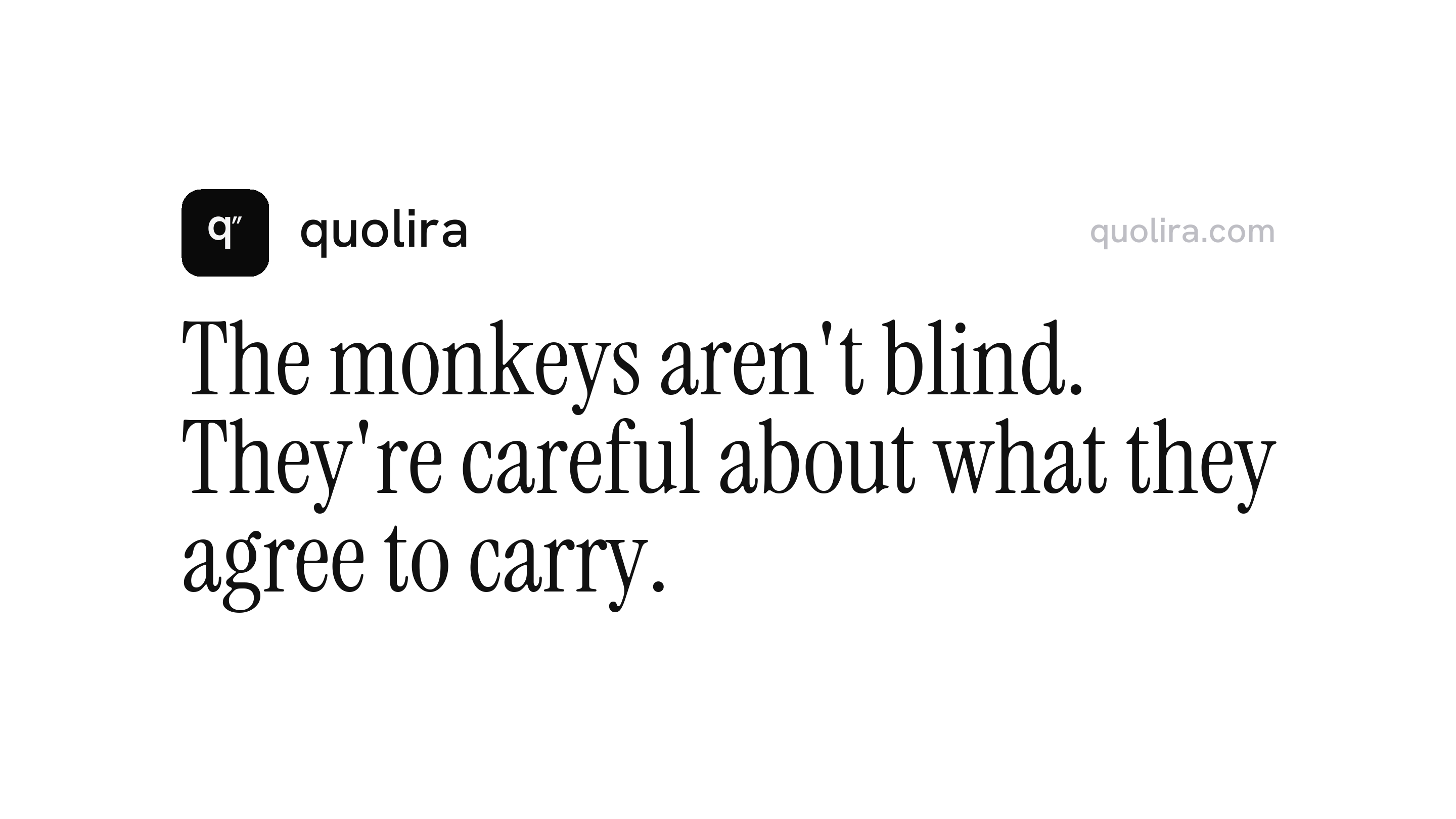
“The monkeys aren't blind. They're careful about what they agree to carry.”
Original
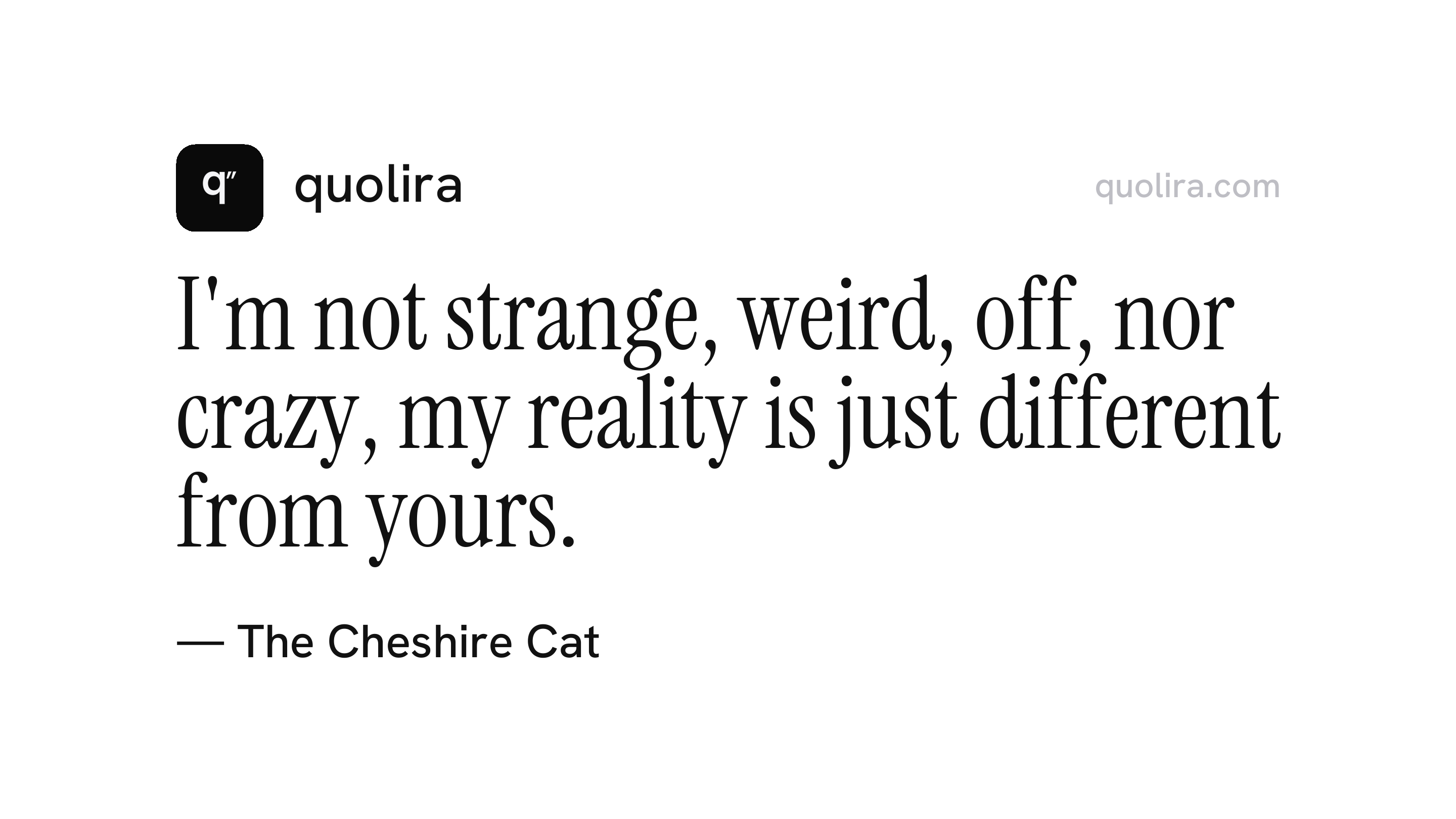
“I'm not strange, weird, off, nor crazy, my reality is just different from yours.”
The Cheshire Cat · Popularly attributed to the Cheshire Cat, not in Carroll's original text
“I could tell you my adventures, beginning from this morning, but it's no use going back to yesterday, because I was a different person then.”
Alice · Alice's Adventures in Wonderland, 1865