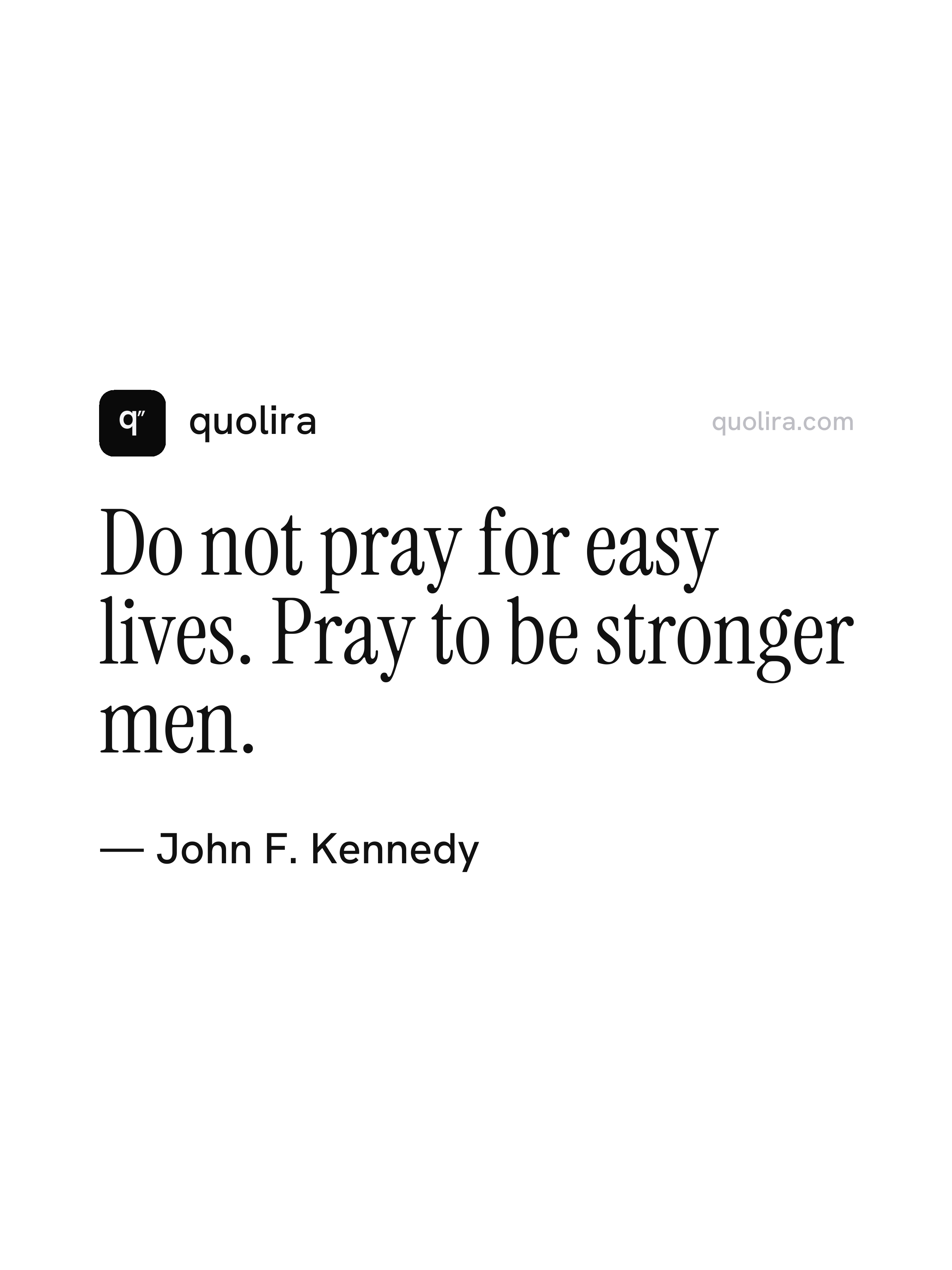
“Do not pray for easy lives. Pray to be stronger men.”
John F. Kennedy · Address to the National Prayer Breakfast, 1963
 quolira
.com
quolira
quolira.com
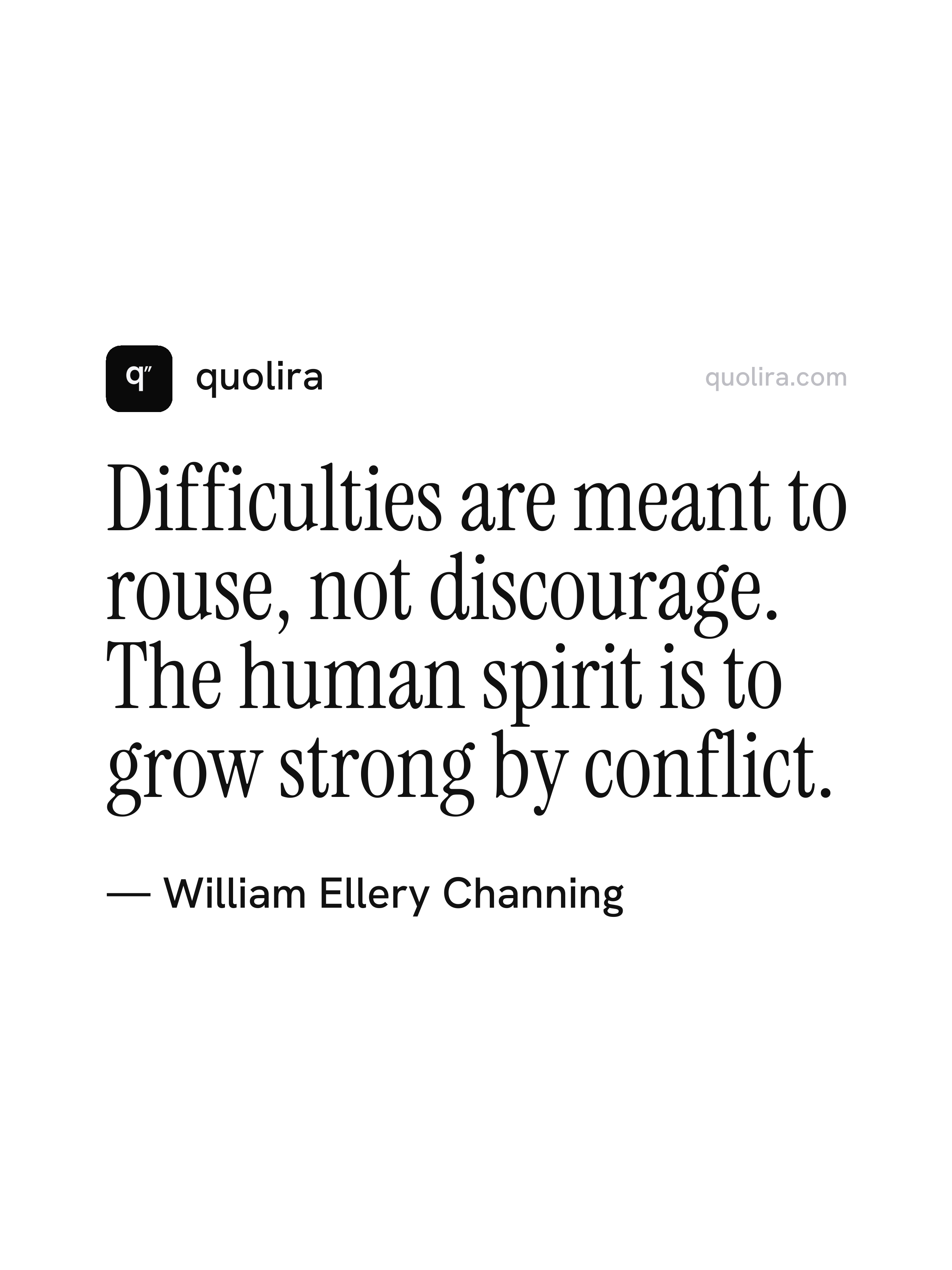
Channing is making a case for reframing difficulty entirely. Rather than treating hardship as a sign that something has gone wrong, he presents it as the very mechanism by which a person grows. The word "rouse" is carefully chosen: it implies that struggle wakes something in us that comfort leaves dormant. The underlying claim is optimistic even though the subject is adversity. A spirit that has never been tested has never had the chance to discover what it is truly capable of.
This line comes from Channing's 1838 essay "Self-Culture," a lecture he delivered and later published that argued every person has both the right and the duty to develop their own moral and intellectual capacities. The essay was part of a broader Unitarian and transcendentalist conversation happening in New England at the time, one that emphasized individual moral development, inner freedom, and the cultivation of character. The idea that conflict strengthens the spirit connects directly to that tradition of serious personal self-examination.
William Ellery Channing was an American Unitarian minister and writer who lived from 1780 to 1842. He was one of the most influential religious figures in early nineteenth-century America, widely regarded as the leading voice of Unitarian Christianity in the United States during his lifetime. His sermons and essays explored themes of human dignity, moral growth, and the capacity of every individual for spiritual development. His work had a significant influence on later thinkers associated with the transcendentalist movement, including Ralph Waldo Emerson.
“Do not pray for easy lives. Pray to be stronger men.”
John F. Kennedy · Address to the National Prayer Breakfast, 1963
“A year from now you may wish you had started today.”
Karen Lamb · widely attributed to Karen Lamb
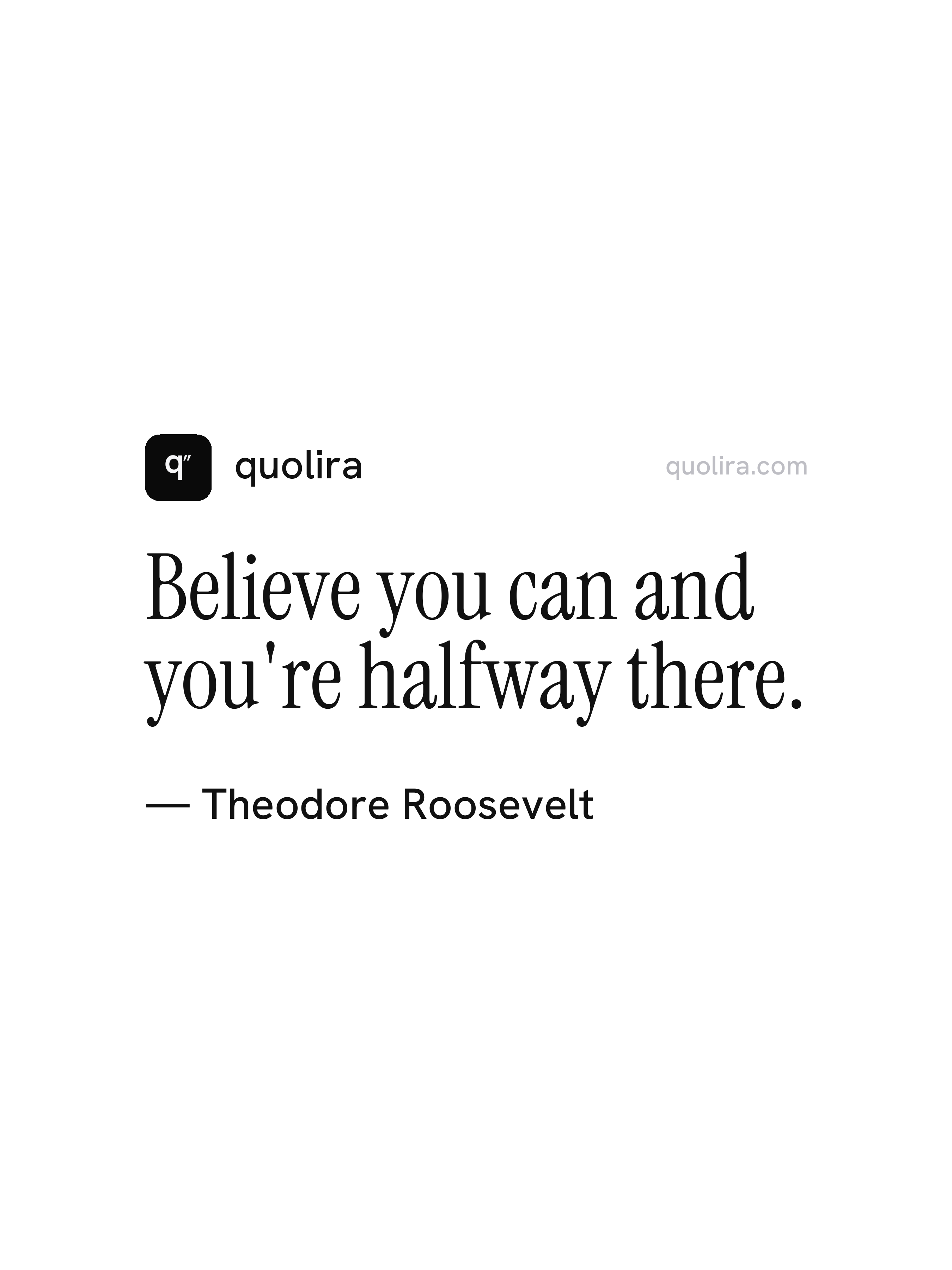
“Believe you can and you're halfway there.”
Theodore Roosevelt · widely attributed to Roosevelt
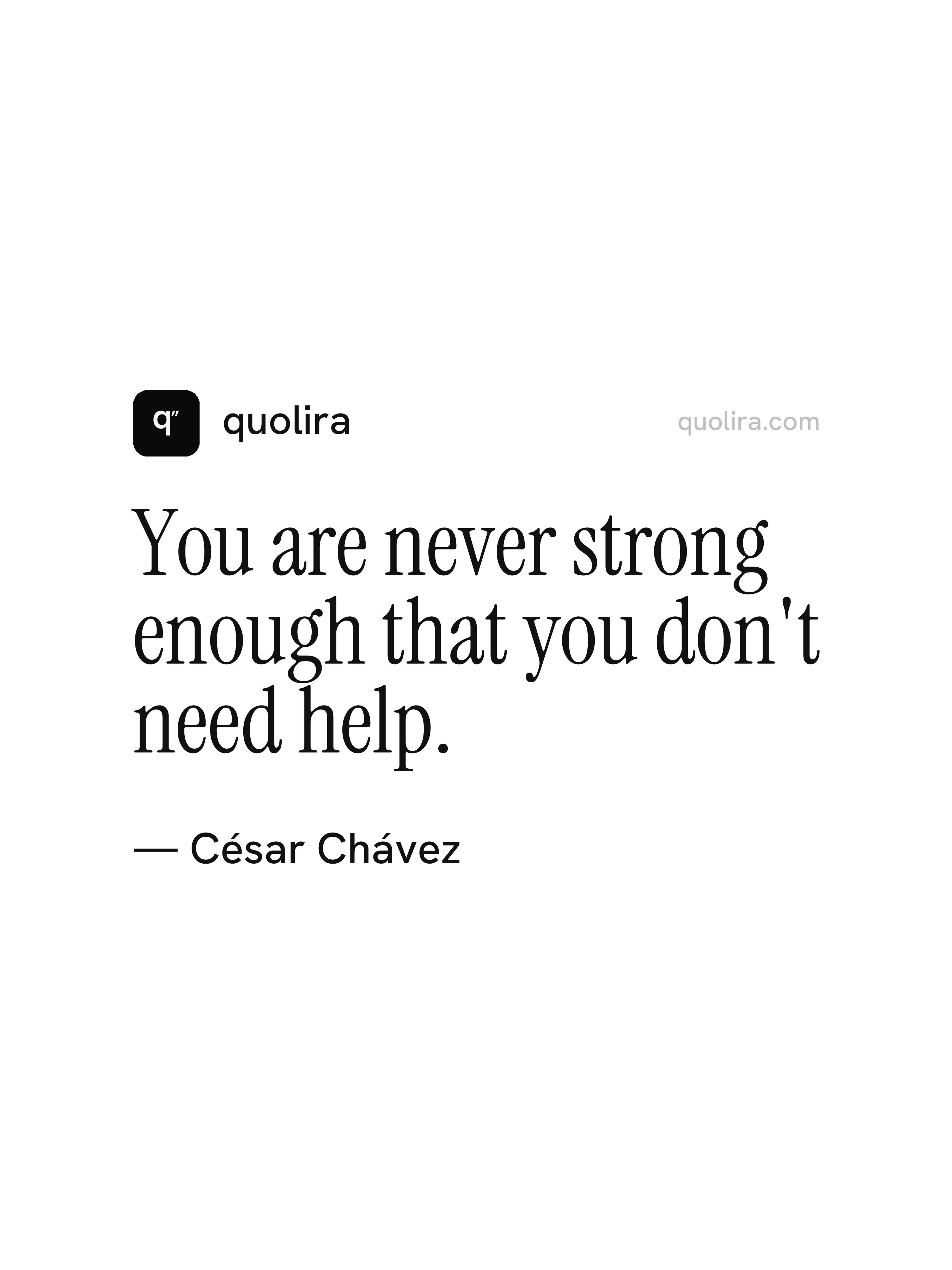
“You are never strong enough that you don't need help.”
César Chávez · widely attributed, labor movement speeches
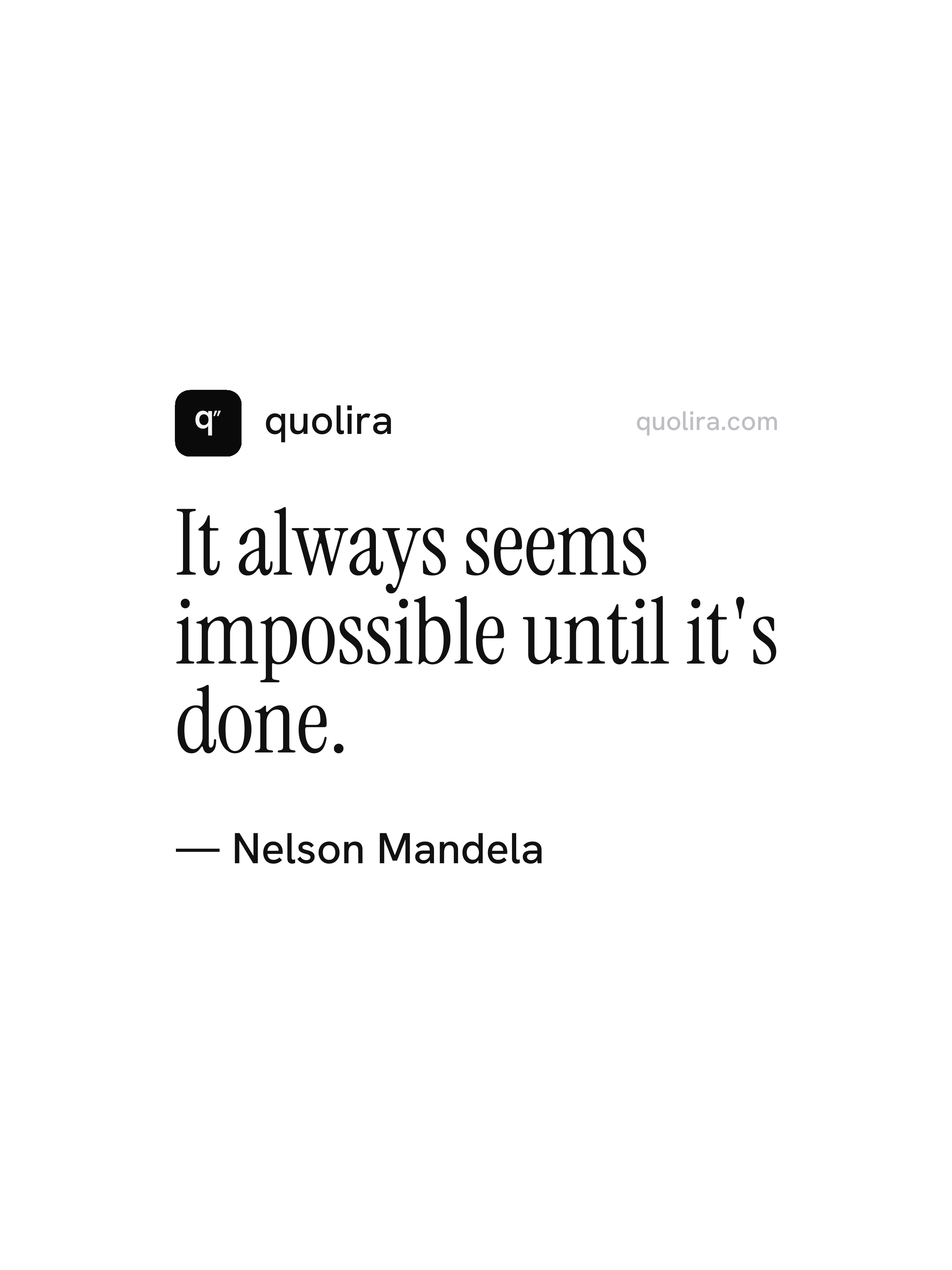
“It always seems impossible until it's done.”
Nelson Mandela · widely attributed, various speeches post-1990
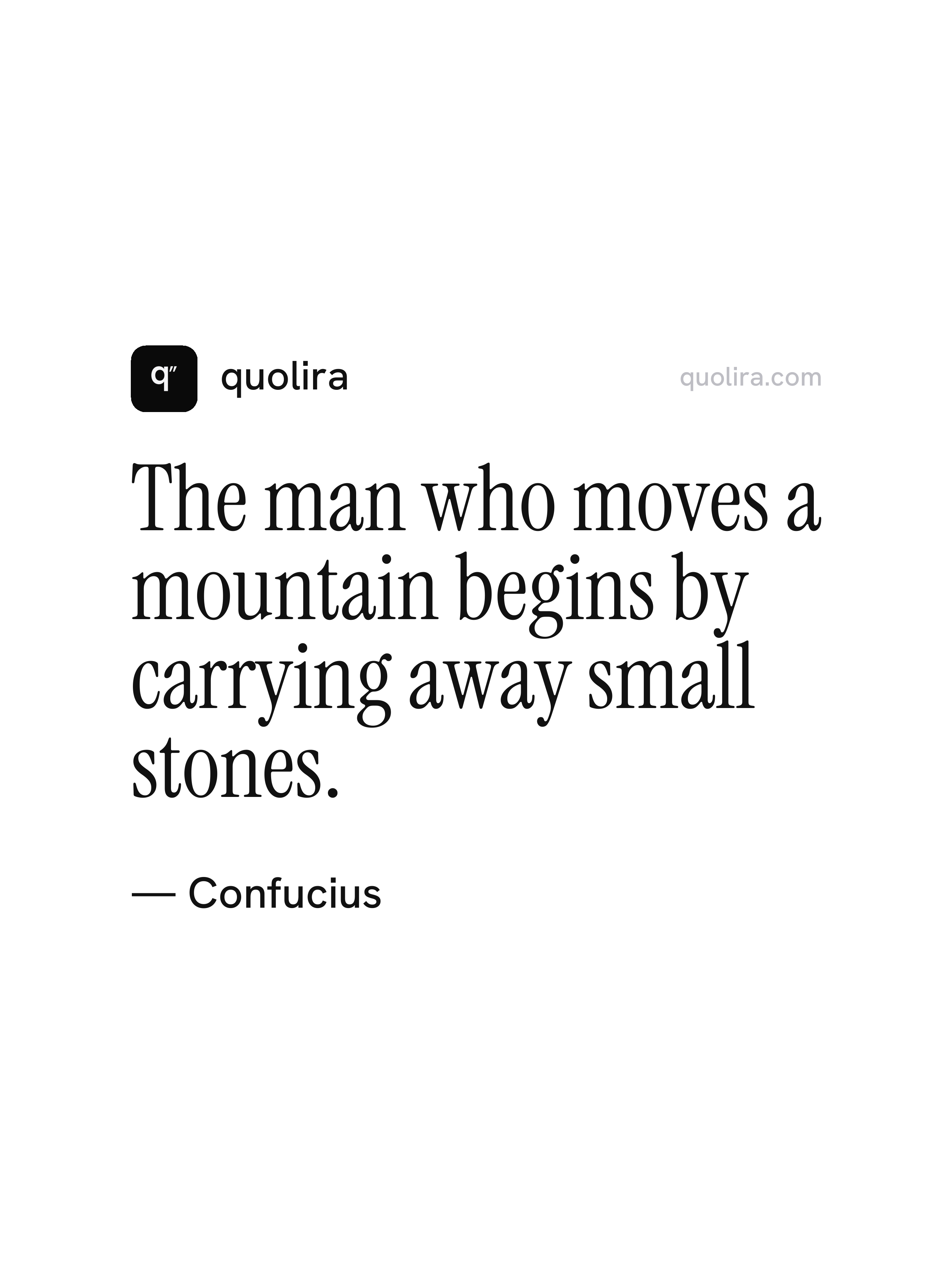
“The man who moves a mountain begins by carrying away small stones.”
Confucius · attributed to Confucius, various collections
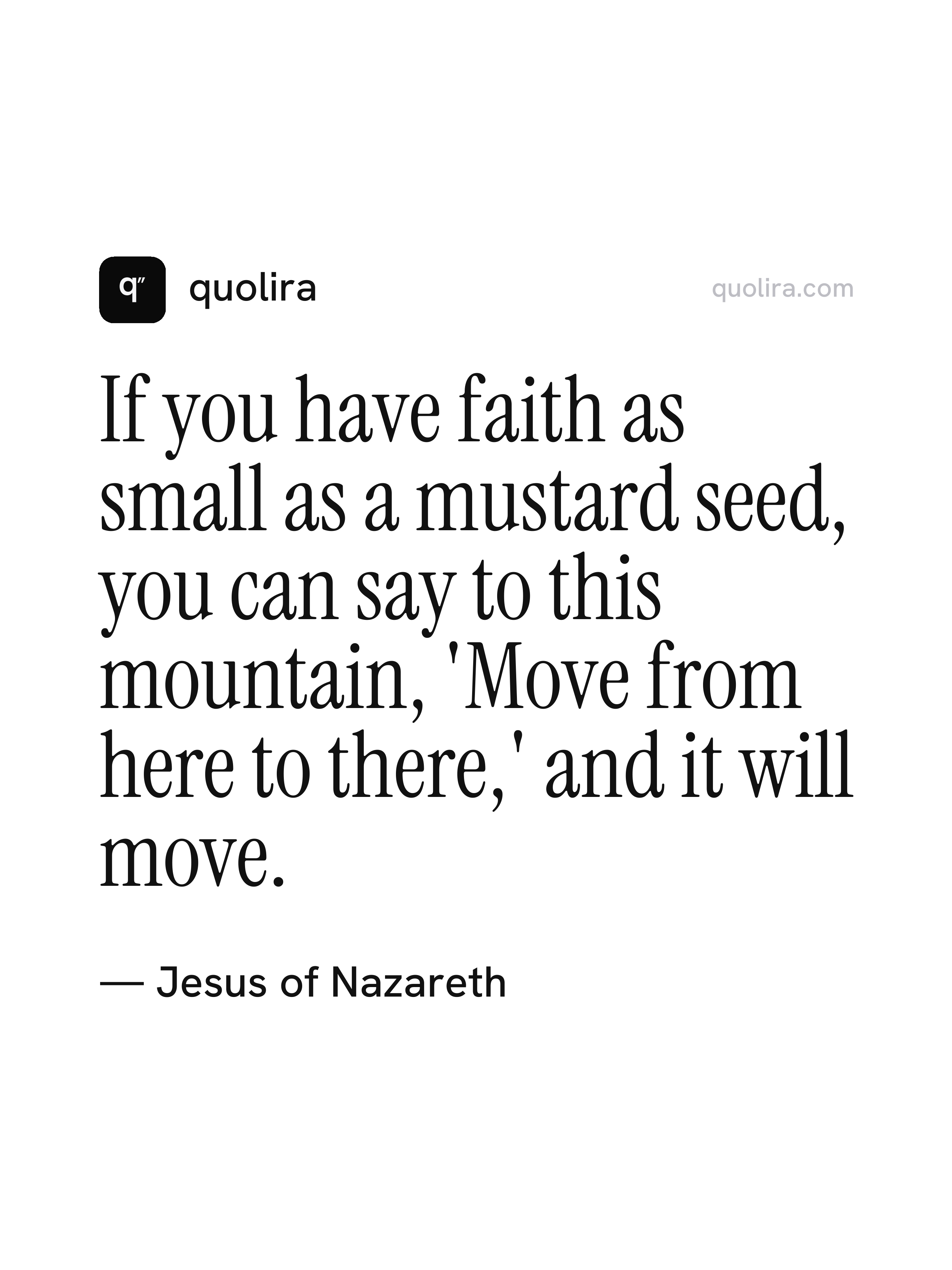
“If you have faith as small as a mustard seed, you can say to this mountain, 'Move from here to there,' and it will move.”
Jesus of Nazareth · Matthew 17:20, New International Version
“One day our descendants will think it incredible that we paid so much attention to things like the amount of melanin in our skin or the shape of our eyes or our gender instead of the unique identities of each of us as complex human beings.”
Franklin A. Thomas · widely attributed to Franklin A. Thomas, former president of the Ford Foundation
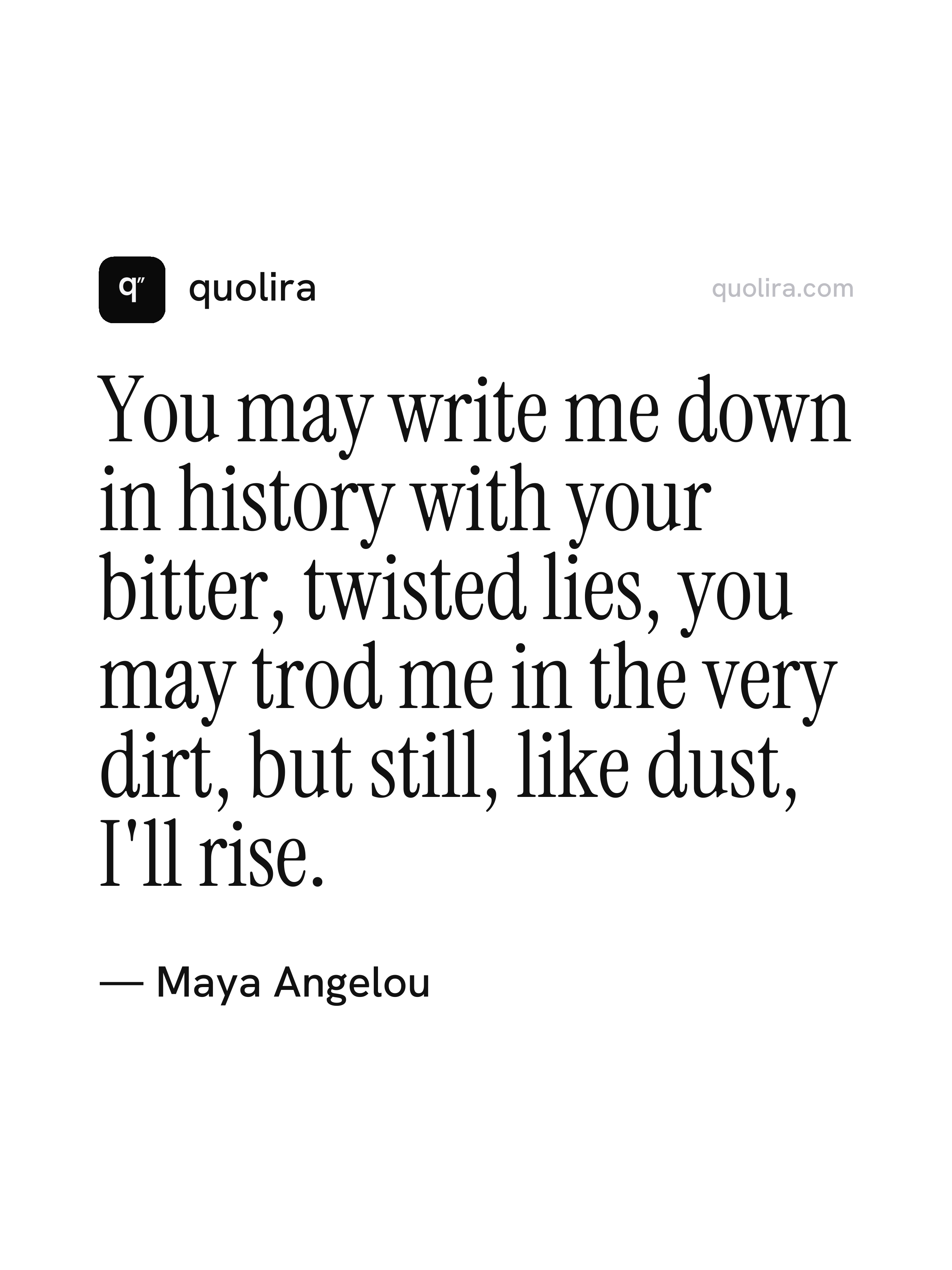
“You may write me down in history with your bitter, twisted lies, you may trod me in the very dirt, but still, like dust, I'll rise.”
Maya Angelou · "Still I Rise," And Still I Rise, 1978
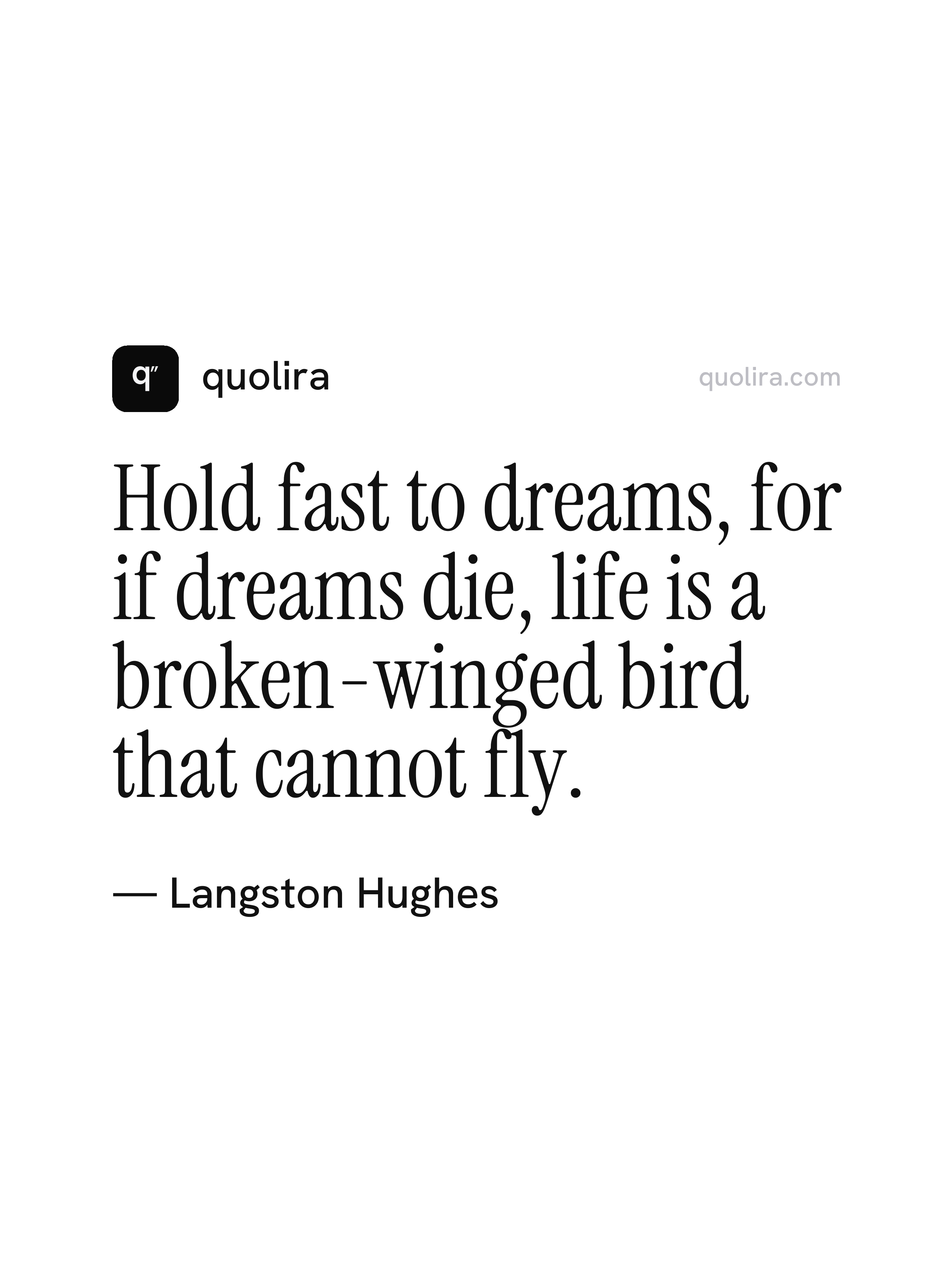
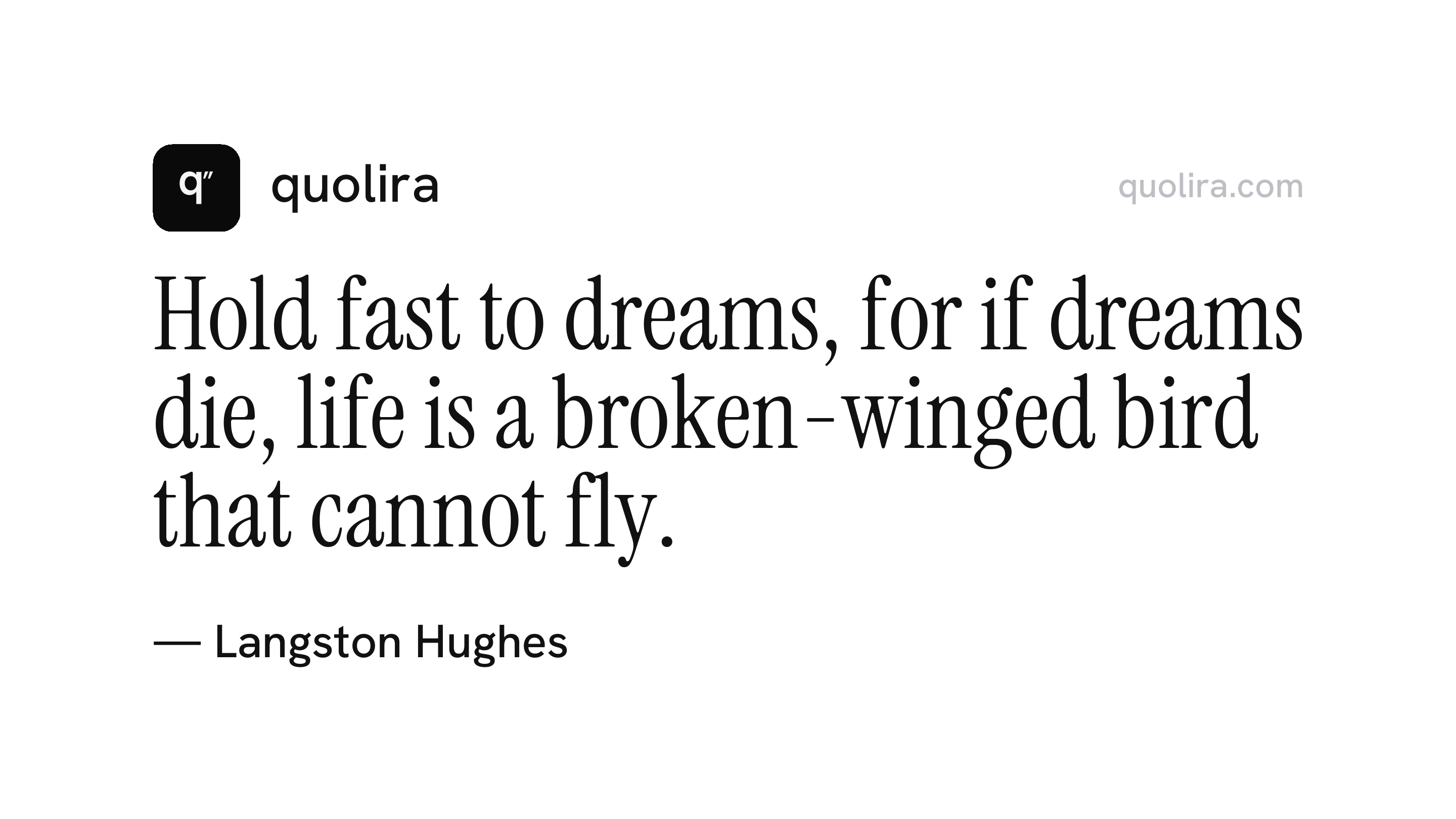
“Hold fast to dreams, for if dreams die, life is a broken-winged bird that cannot fly.”
Langston Hughes · "Dreams," 1922
“I am not tragically colored. There is no great sorrow dammed up in my soul, nor lurking behind my eyes. I do not mind at all.”
Zora Neale Hurston · "How It Feels to Be Colored Me," World Tomorrow, 1928
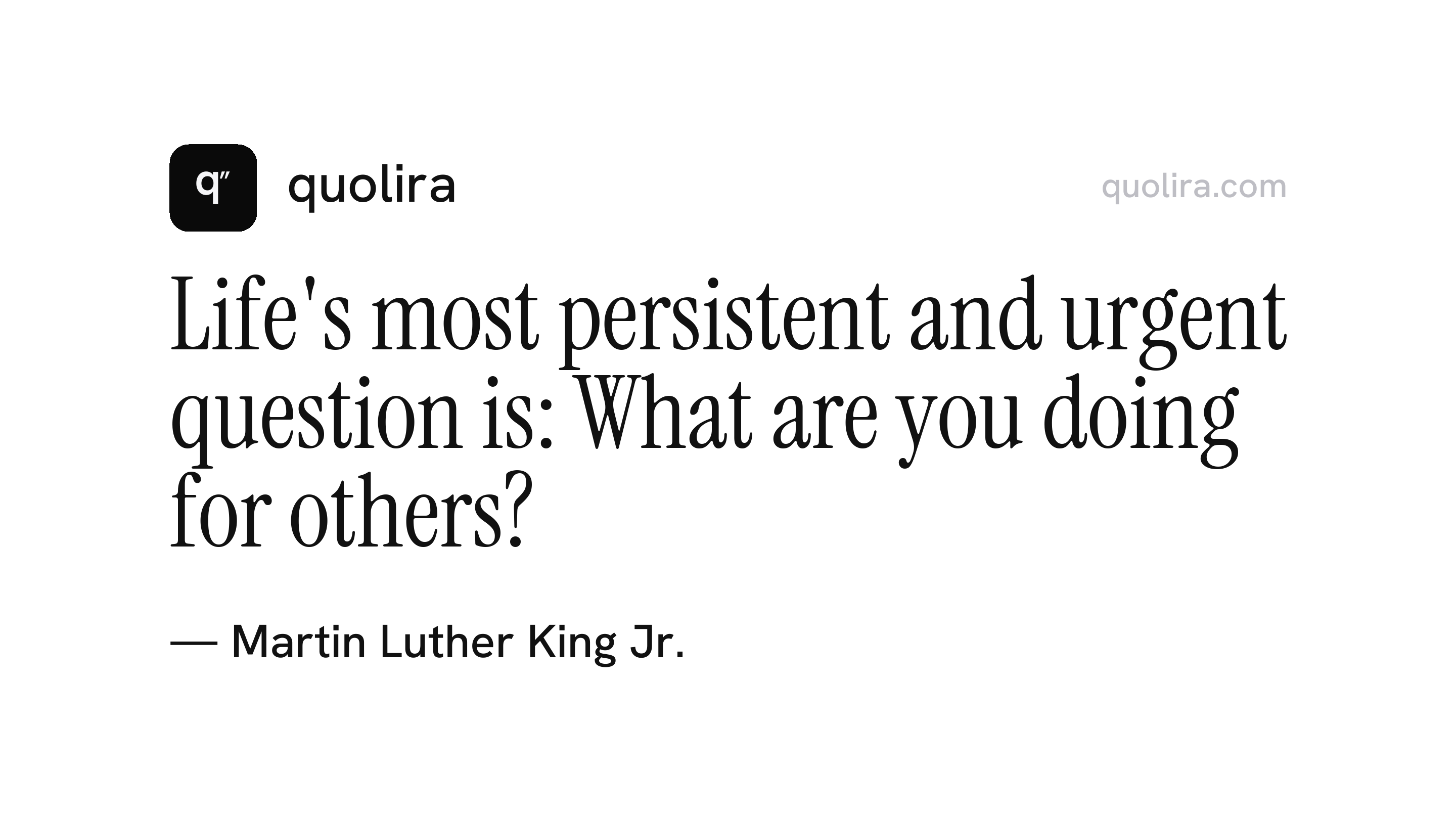
“Life's most persistent and urgent question is: What are you doing for others?”
Martin Luther King Jr. · "A Question of Life or Death," speech, Louisville, Kentucky, March 1956