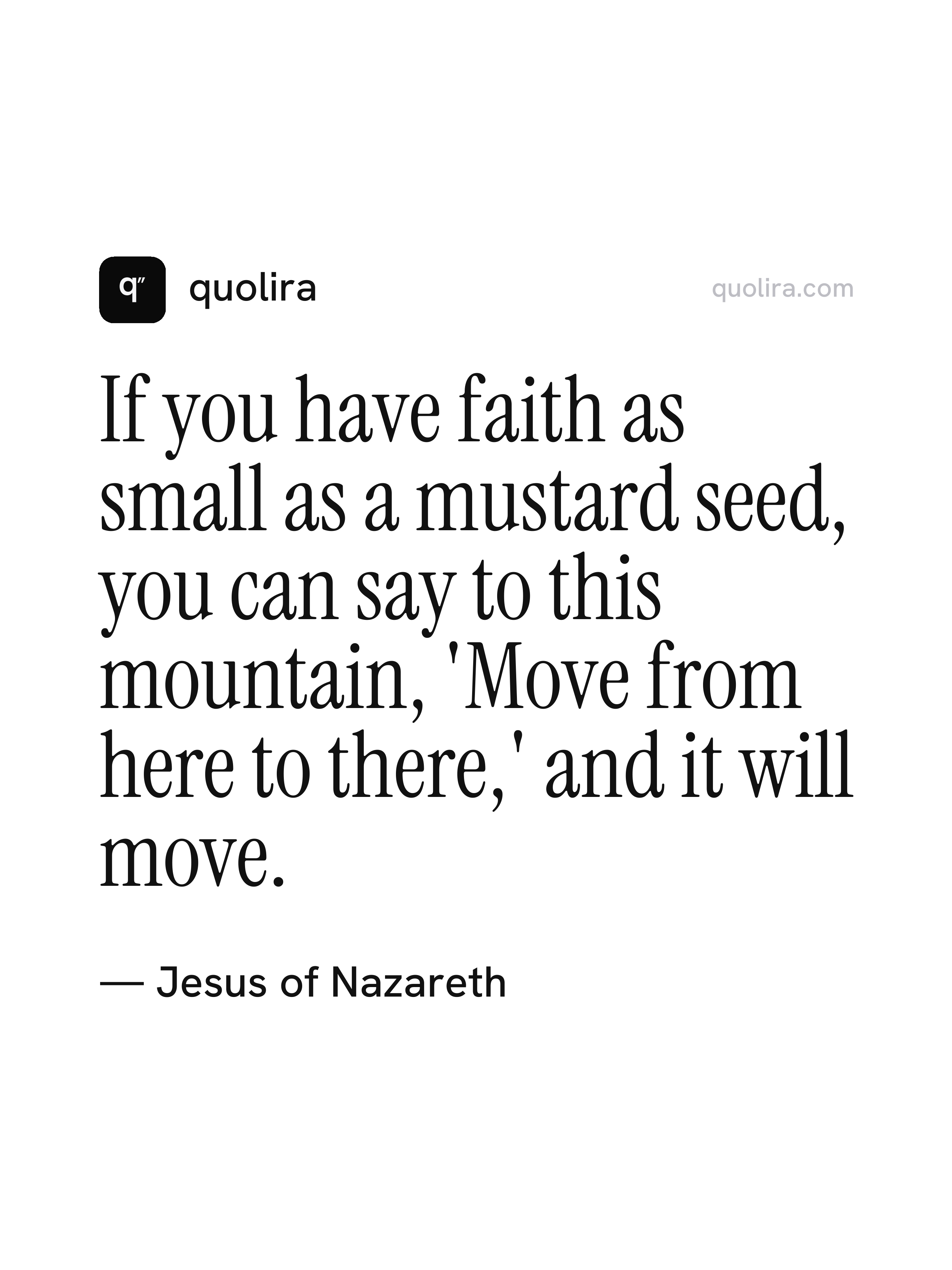
“If you have faith as small as a mustard seed, you can say to this mountain, 'Move from here to there,' and it will move.”
Jesus of Nazareth · Matthew 17:20, New International Version
 quolira
.com
quolira
quolira.com
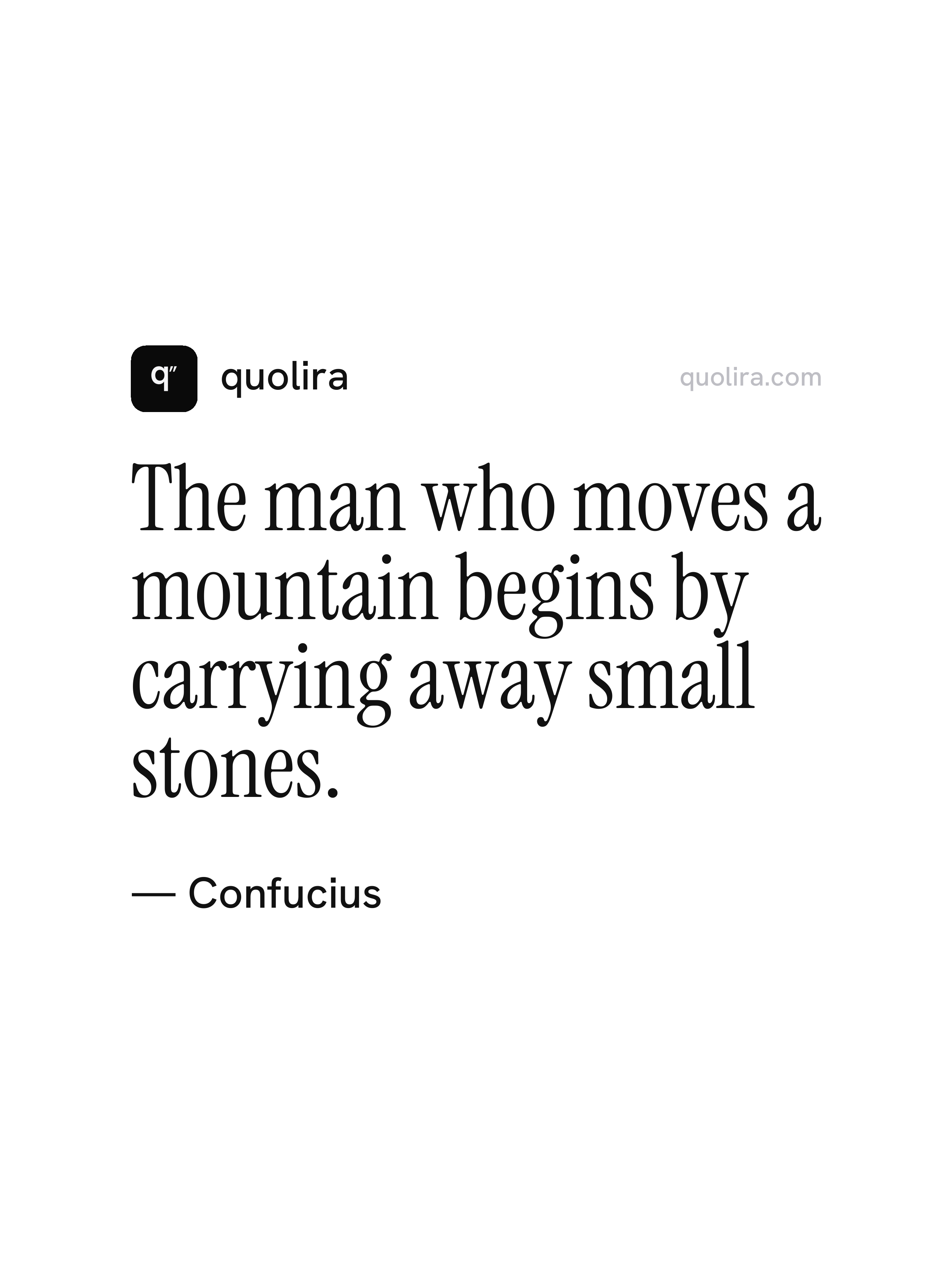
This saying captures a practical and deeply human truth: the largest and most daunting tasks become achievable only when broken into their smallest possible components. A mountain does not disappear through a single heroic act but through the patient, repetitive work of removing one stone at a time. The quote is an encouragement to begin, no matter how overwhelming the goal appears, and to trust that consistent small effort accumulates into something significant.
The saying is attributed to Confucius, the ancient Chinese philosopher whose teachings shaped much of East Asian moral and social thought. His ideas were passed down through disciples and compiled into texts over generations, which means that many sayings circulate under his name in various wordings and translations. Whether or not this exact phrasing originates directly from a specific classical text, it aligns closely with the practical wisdom and emphasis on steady self-cultivation that characterize Confucian philosophy broadly.
Confucius, known in Chinese as Kong Qiu, lived in China roughly five centuries before the common era. He was a teacher and thinker who placed great importance on personal virtue, social relationships, and the responsibilities of those in positions of authority. His ideas were gathered by his followers into the Analects, a collection of sayings and conversations that became one of the most influential texts in Chinese history. His influence extended far beyond China, shaping philosophy, governance, and education across East Asia for millennia.
“If you have faith as small as a mustard seed, you can say to this mountain, 'Move from here to there,' and it will move.”
Jesus of Nazareth · Matthew 17:20, New International Version
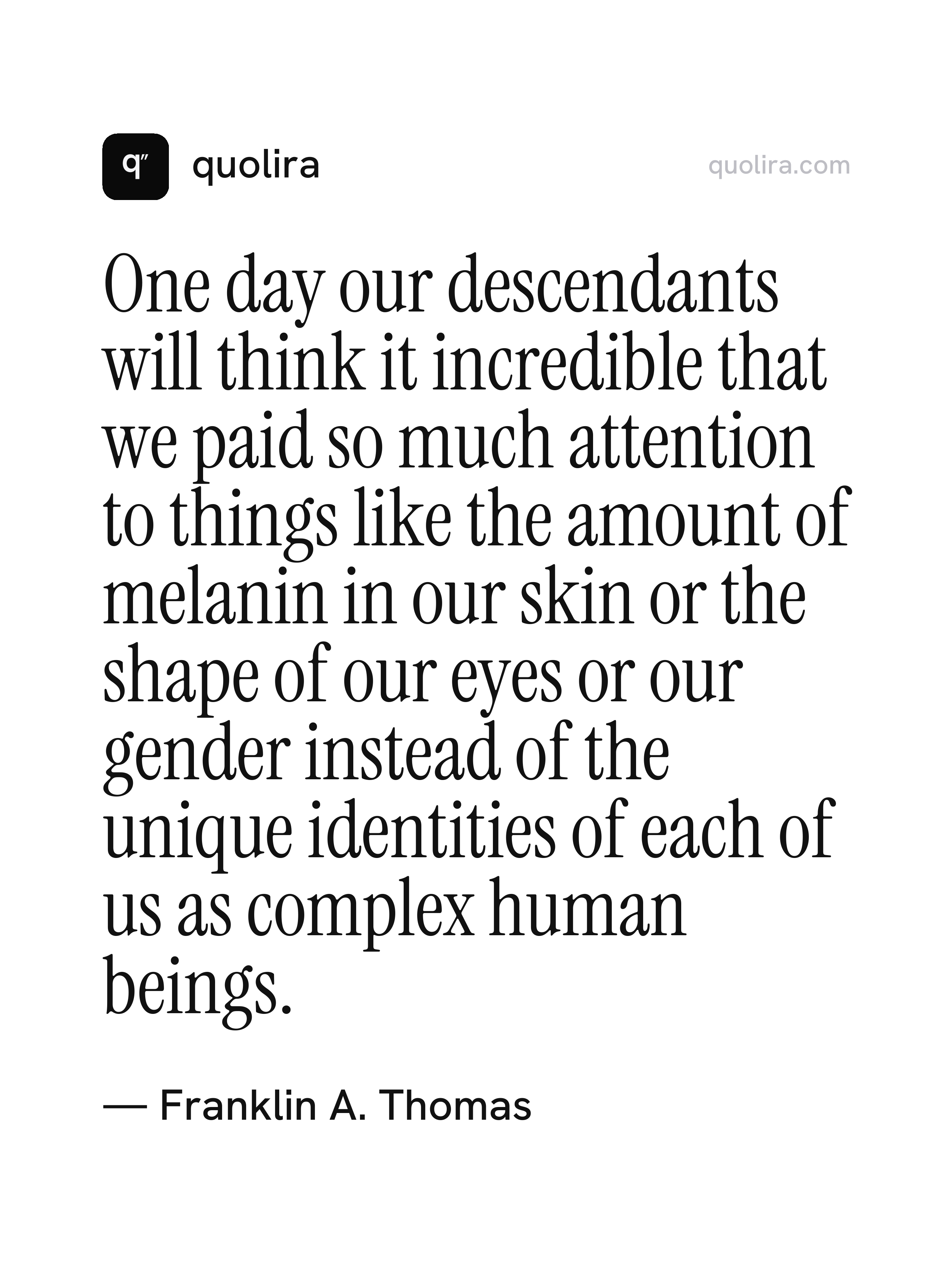
“One day our descendants will think it incredible that we paid so much attention to things like the amount of melanin in our skin or the shape of our eyes or our gender instead of the unique identities of each of us as complex human beings.”
Franklin A. Thomas · widely attributed to Franklin A. Thomas, former president of the Ford Foundation
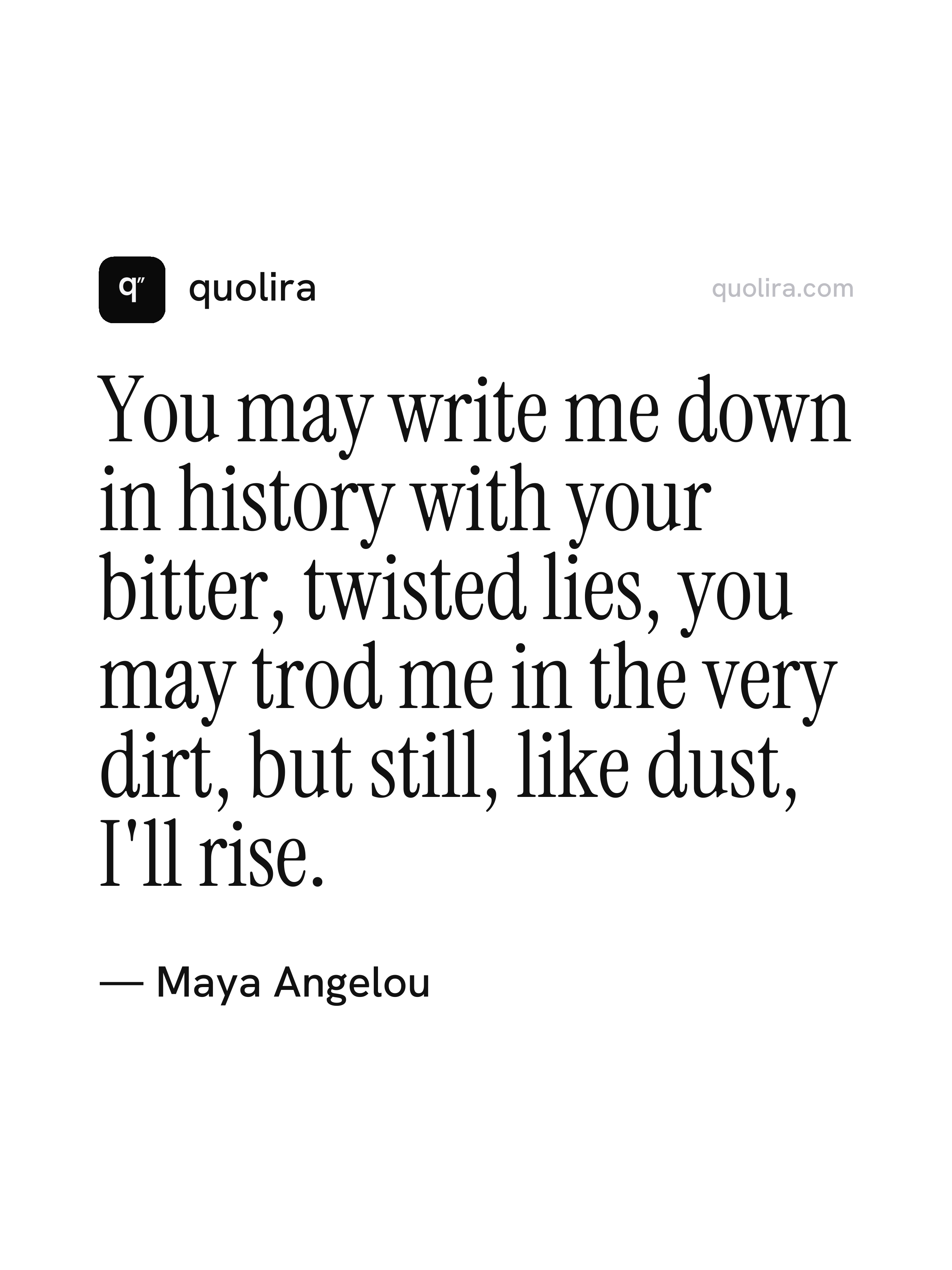
“You may write me down in history with your bitter, twisted lies, you may trod me in the very dirt, but still, like dust, I'll rise.”
Maya Angelou · "Still I Rise," And Still I Rise, 1978
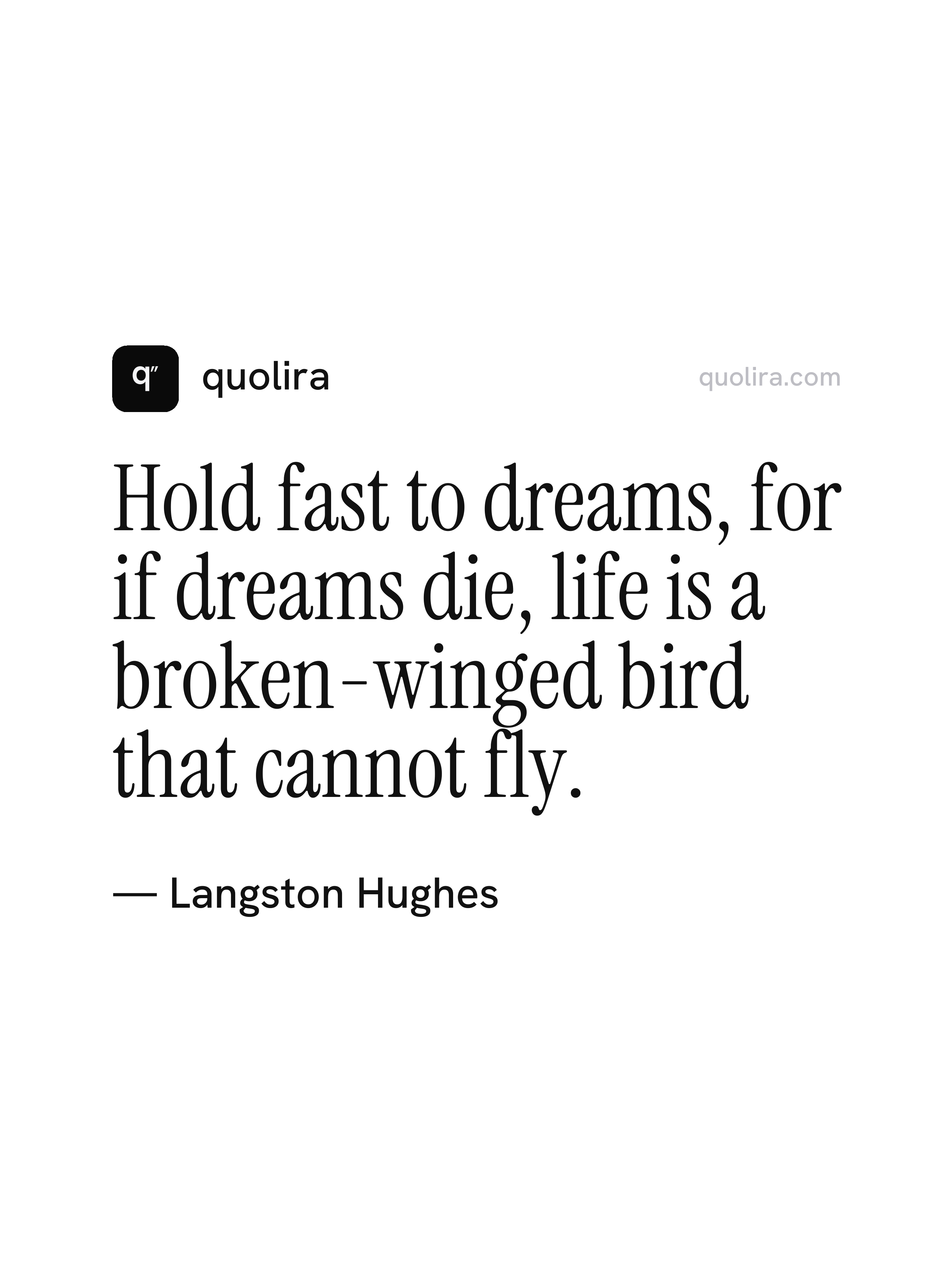
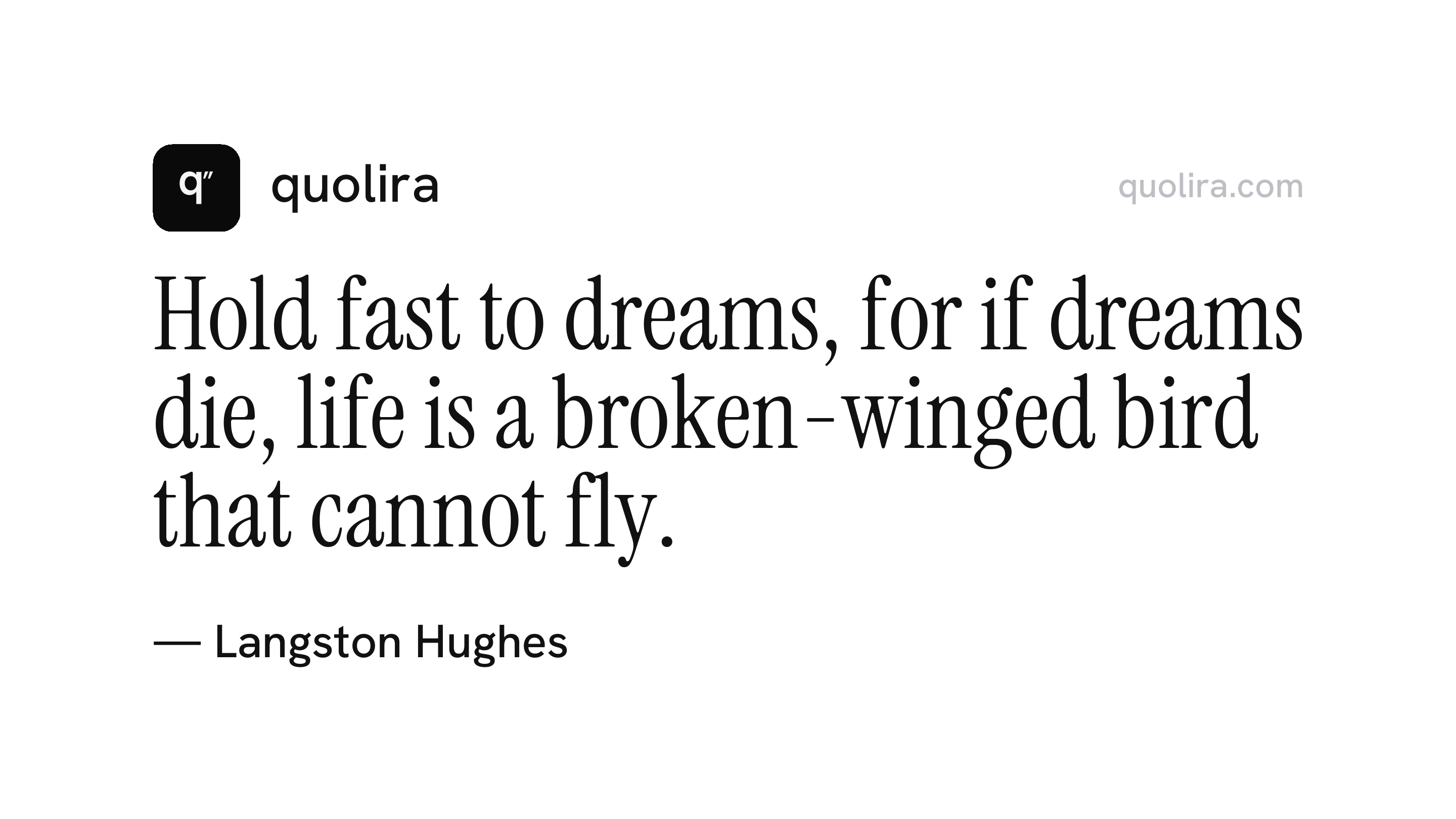
“Hold fast to dreams, for if dreams die, life is a broken-winged bird that cannot fly.”
Langston Hughes · "Dreams," 1922
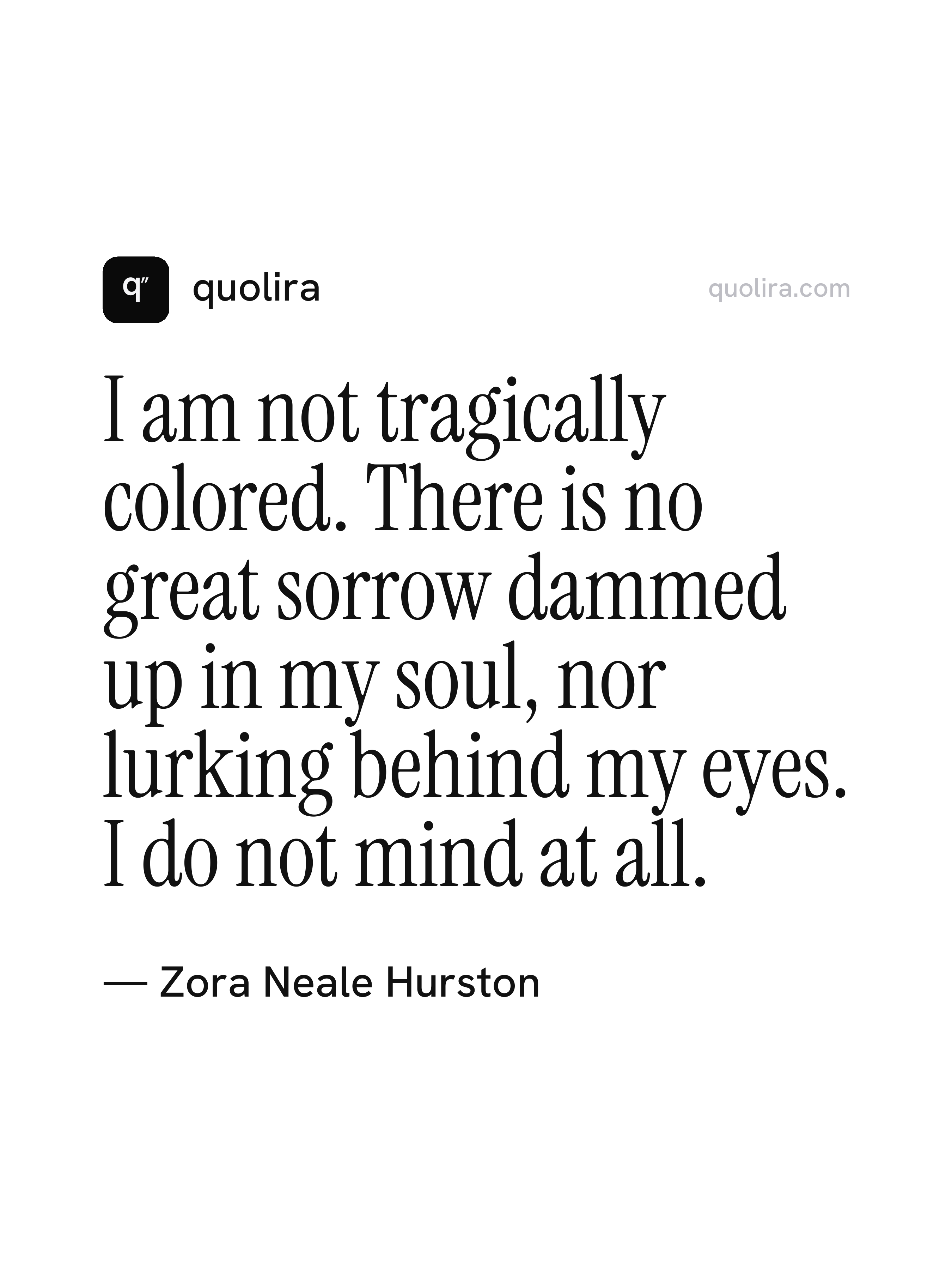
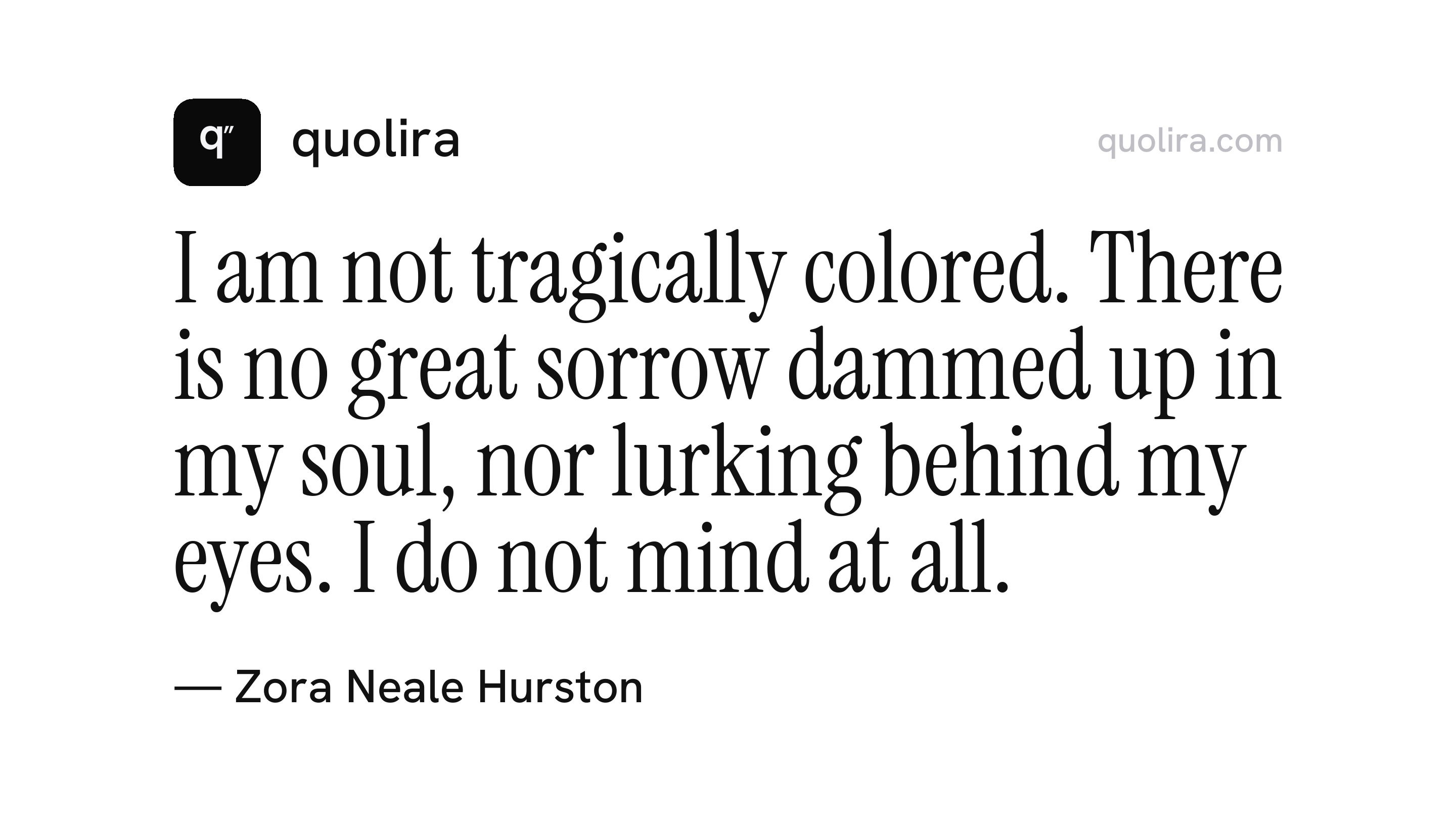
“I am not tragically colored. There is no great sorrow dammed up in my soul, nor lurking behind my eyes. I do not mind at all.”
Zora Neale Hurston · "How It Feels to Be Colored Me," World Tomorrow, 1928
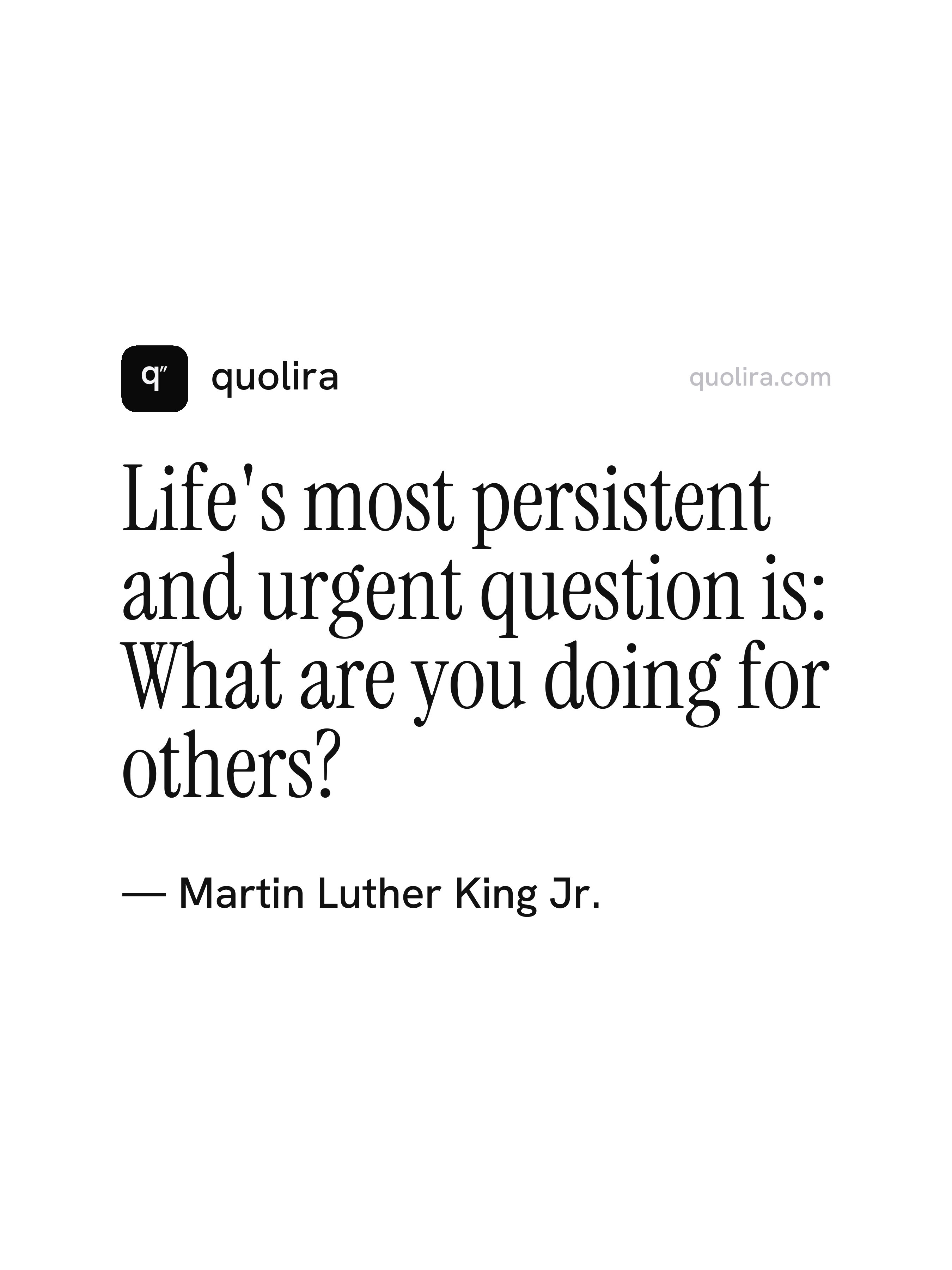
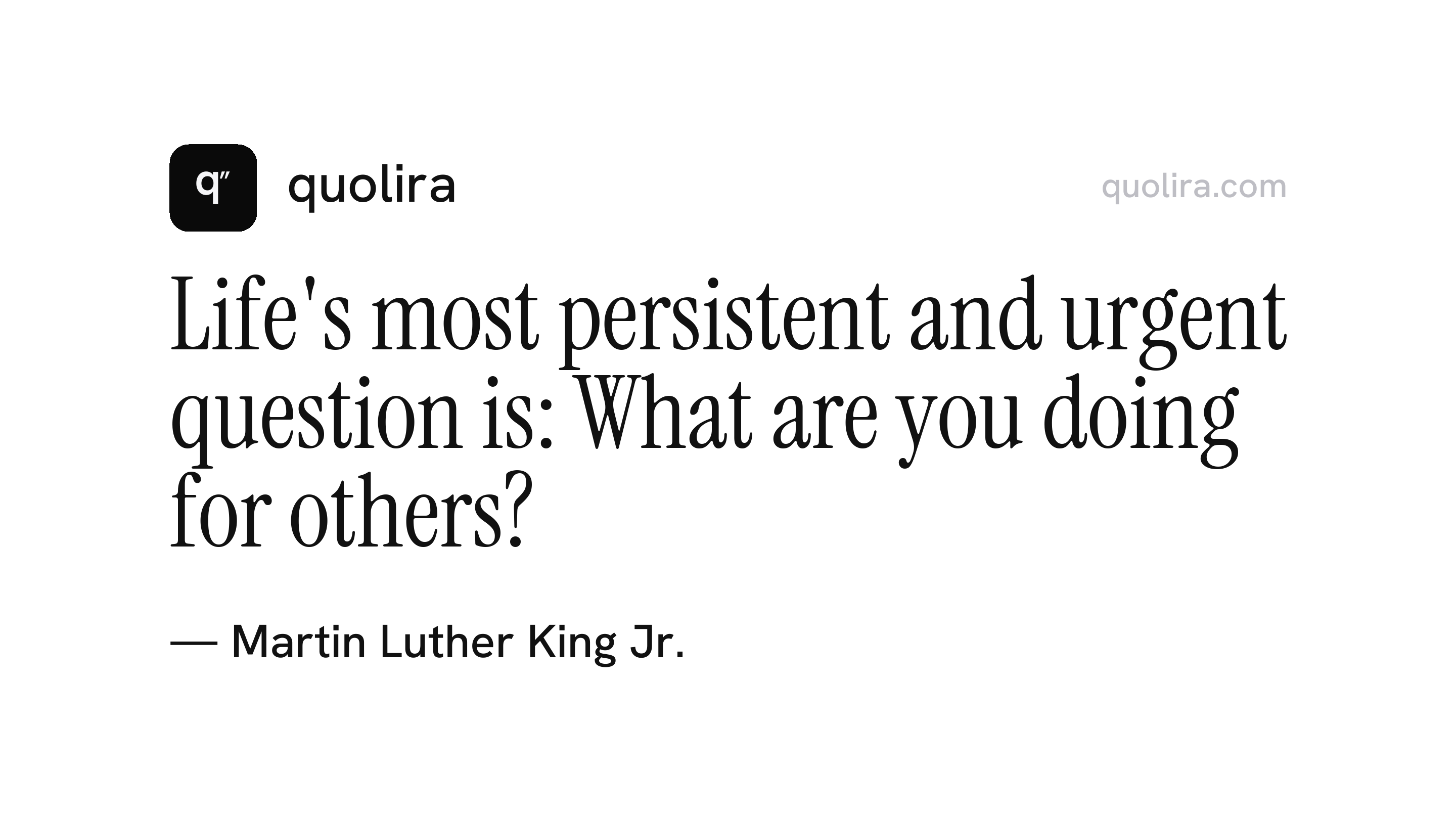
“Life's most persistent and urgent question is: What are you doing for others?”
Martin Luther King Jr. · "A Question of Life or Death," speech, Louisville, Kentucky, March 1956
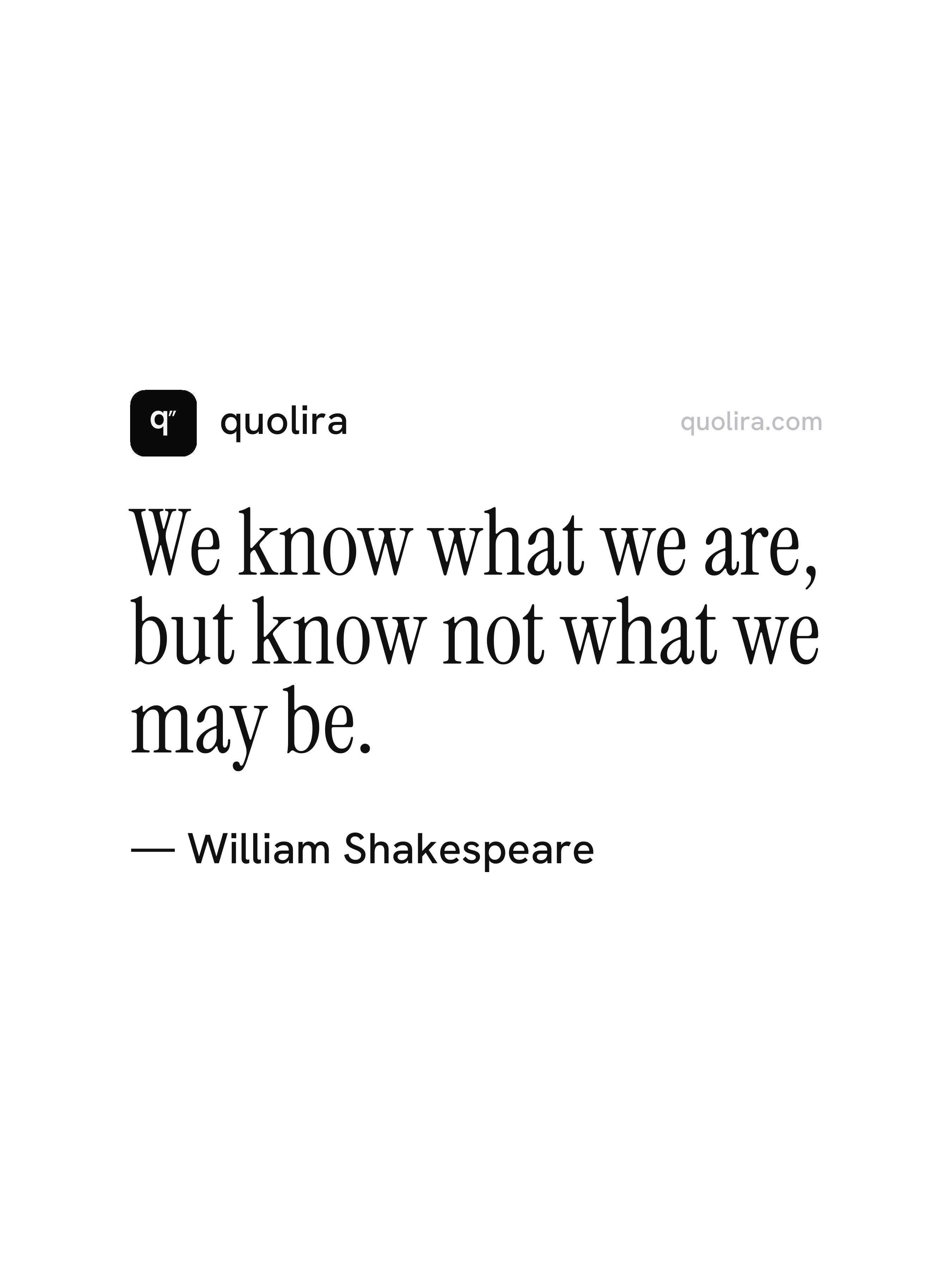
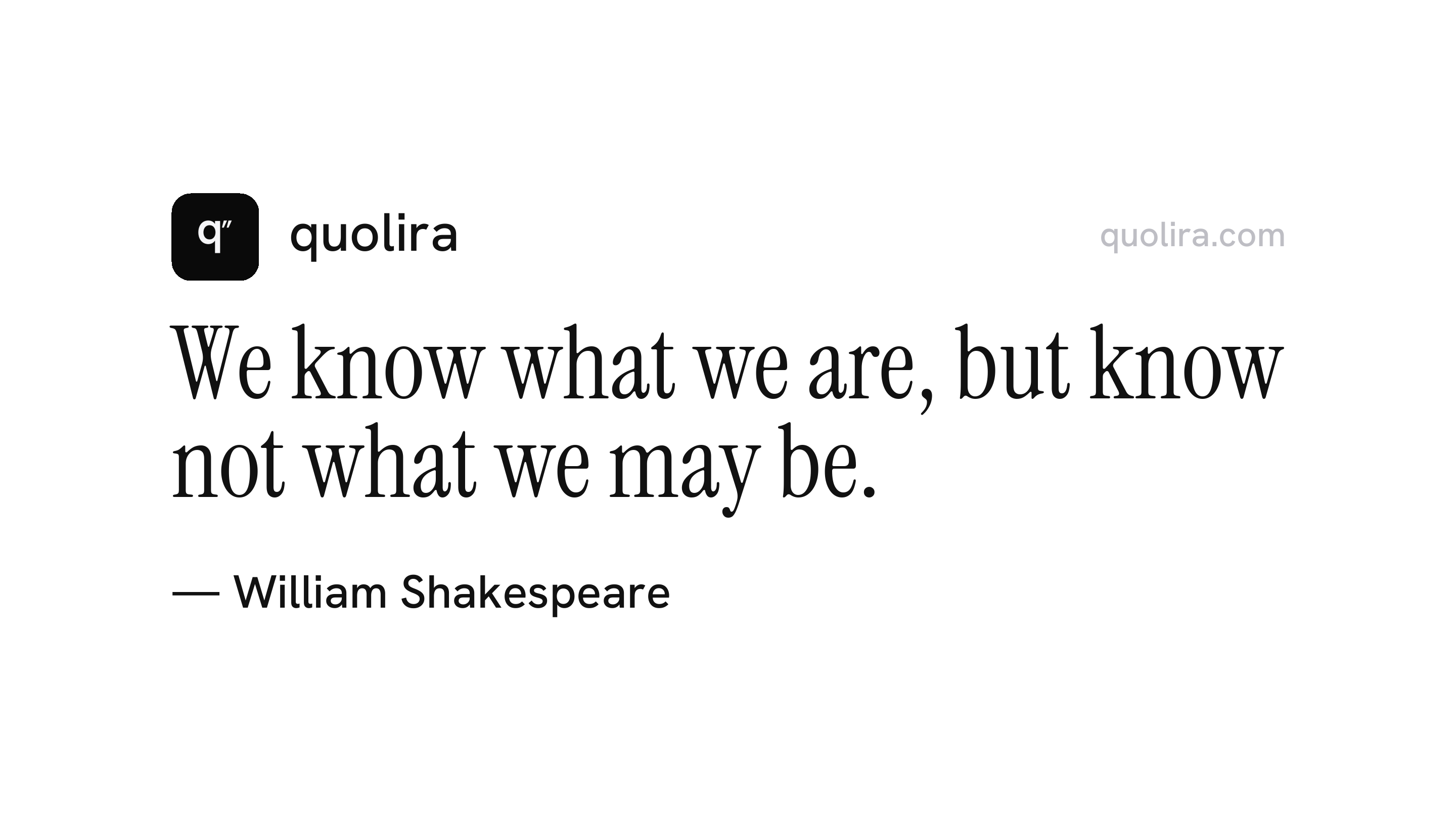
“We know what we are, but know not what we may be.”
William Shakespeare · Hamlet, Act 4, Scene 5
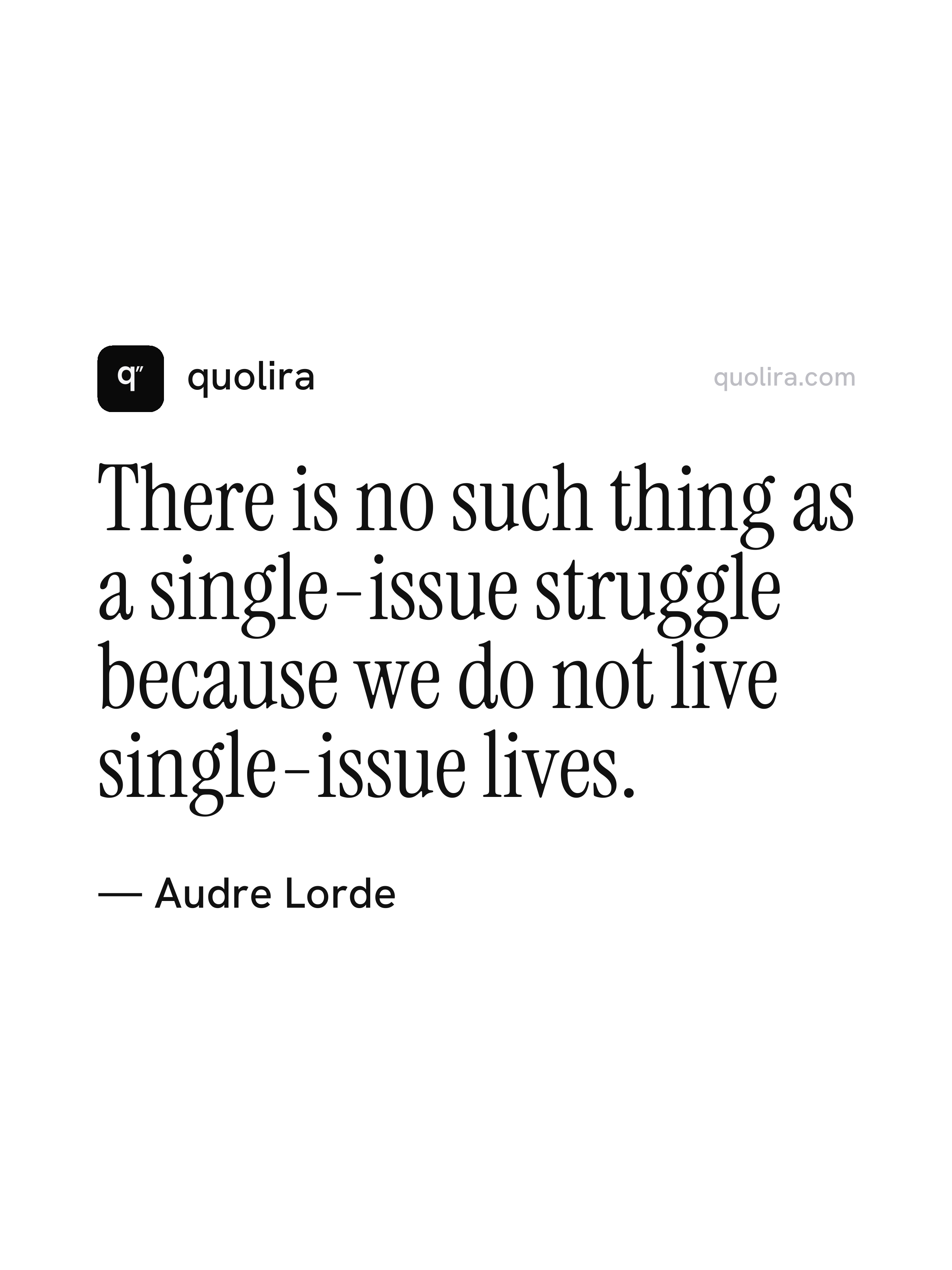
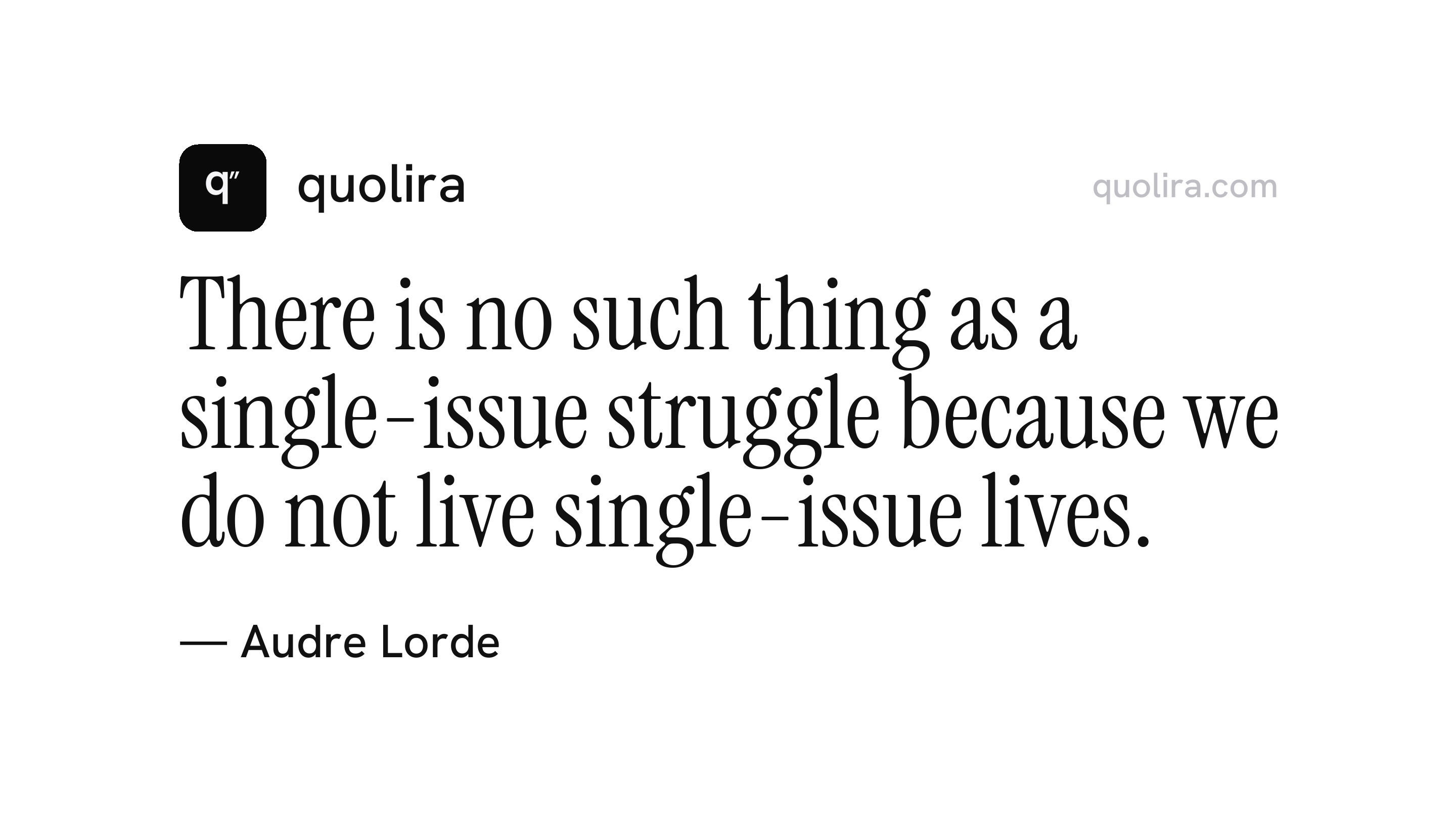
“There is no such thing as a single-issue struggle because we do not live single-issue lives.”
Audre Lorde · "Learning from the 60s," speech at Harvard, February 1982
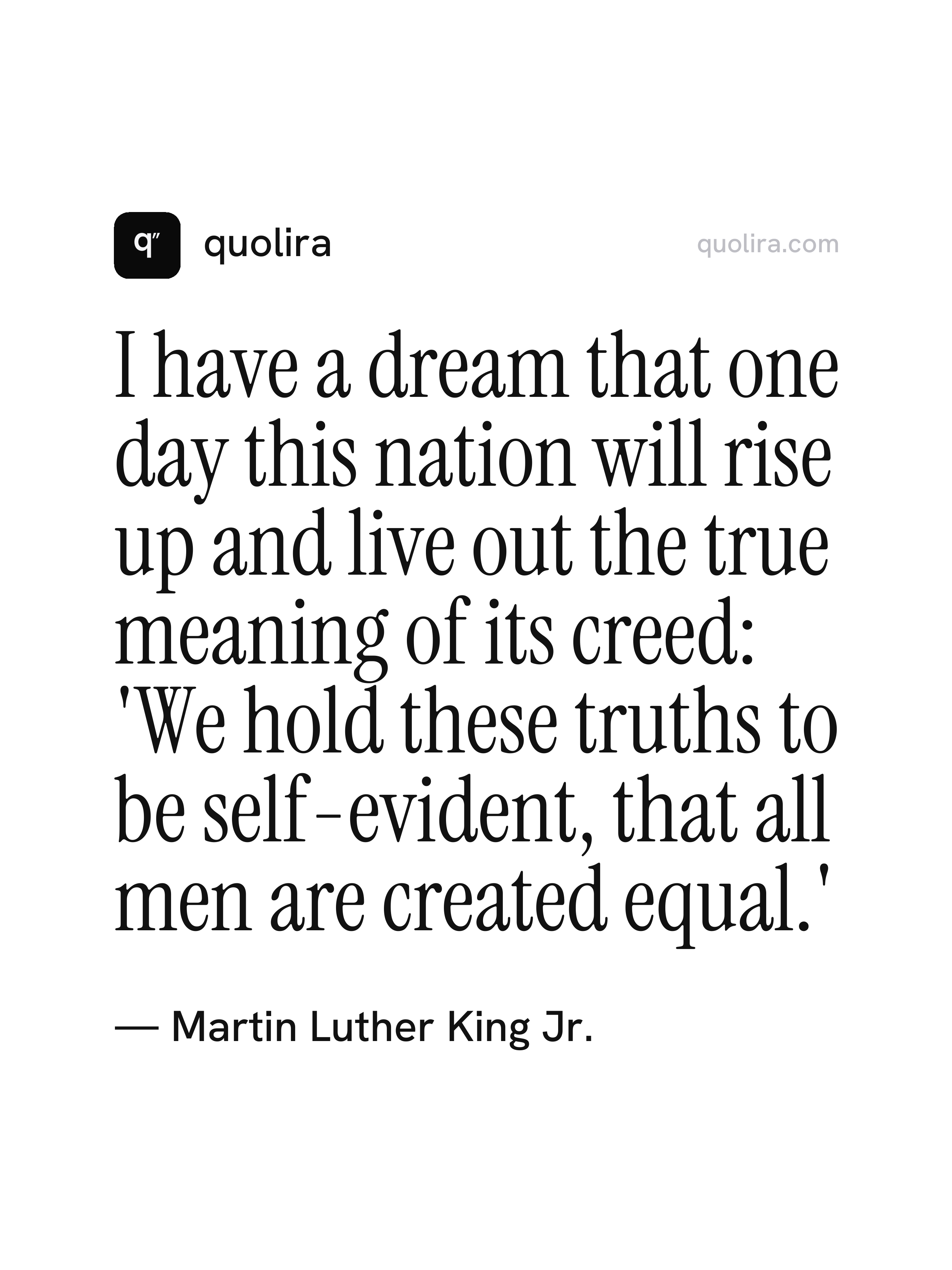
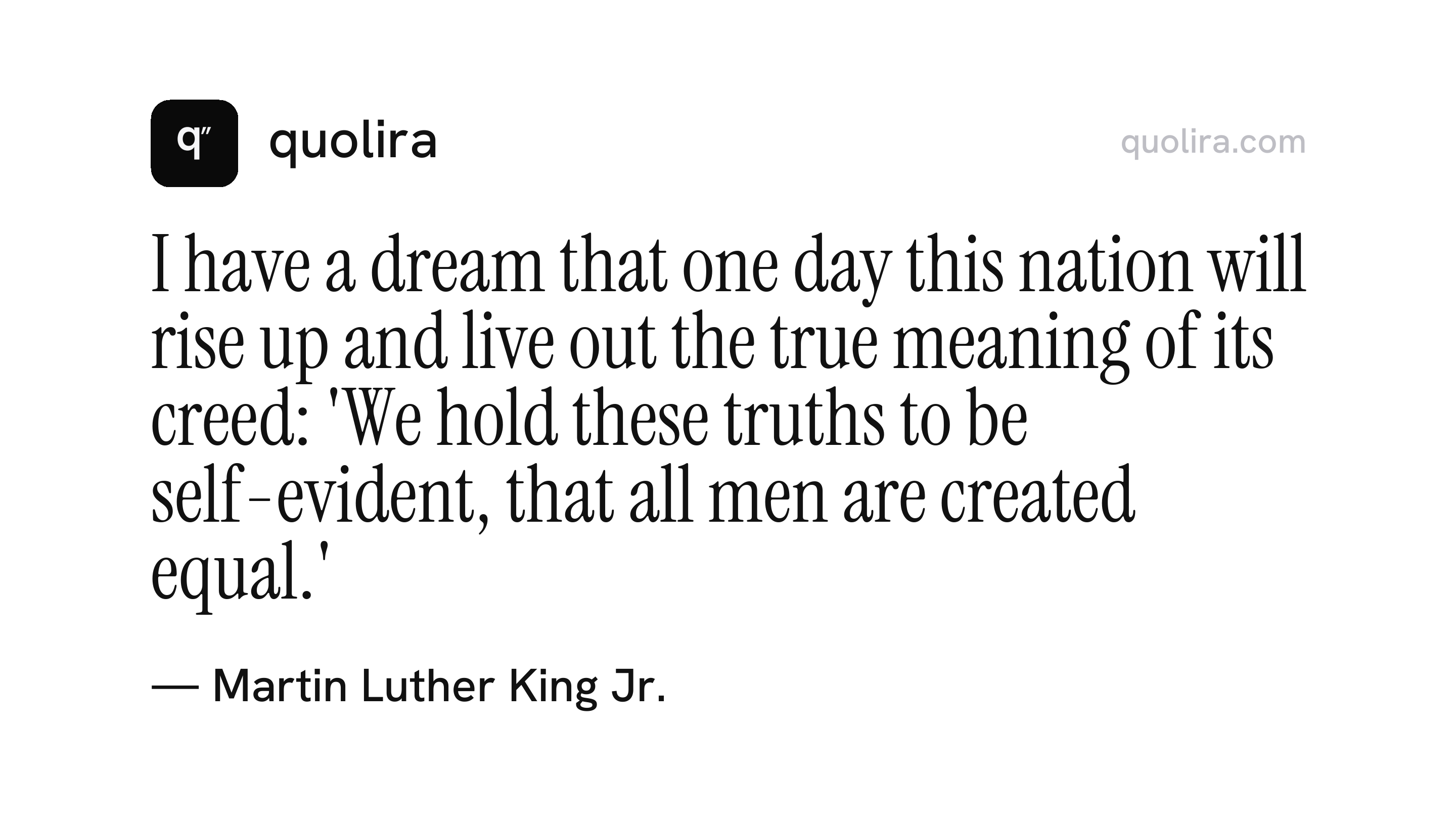
“I have a dream that one day this nation will rise up and live out the true meaning of its creed: 'We hold these truths to be self-evident, that all men are created equal.'”
Martin Luther King Jr. · "I Have a Dream" speech, Lincoln Memorial, August 28, 1963
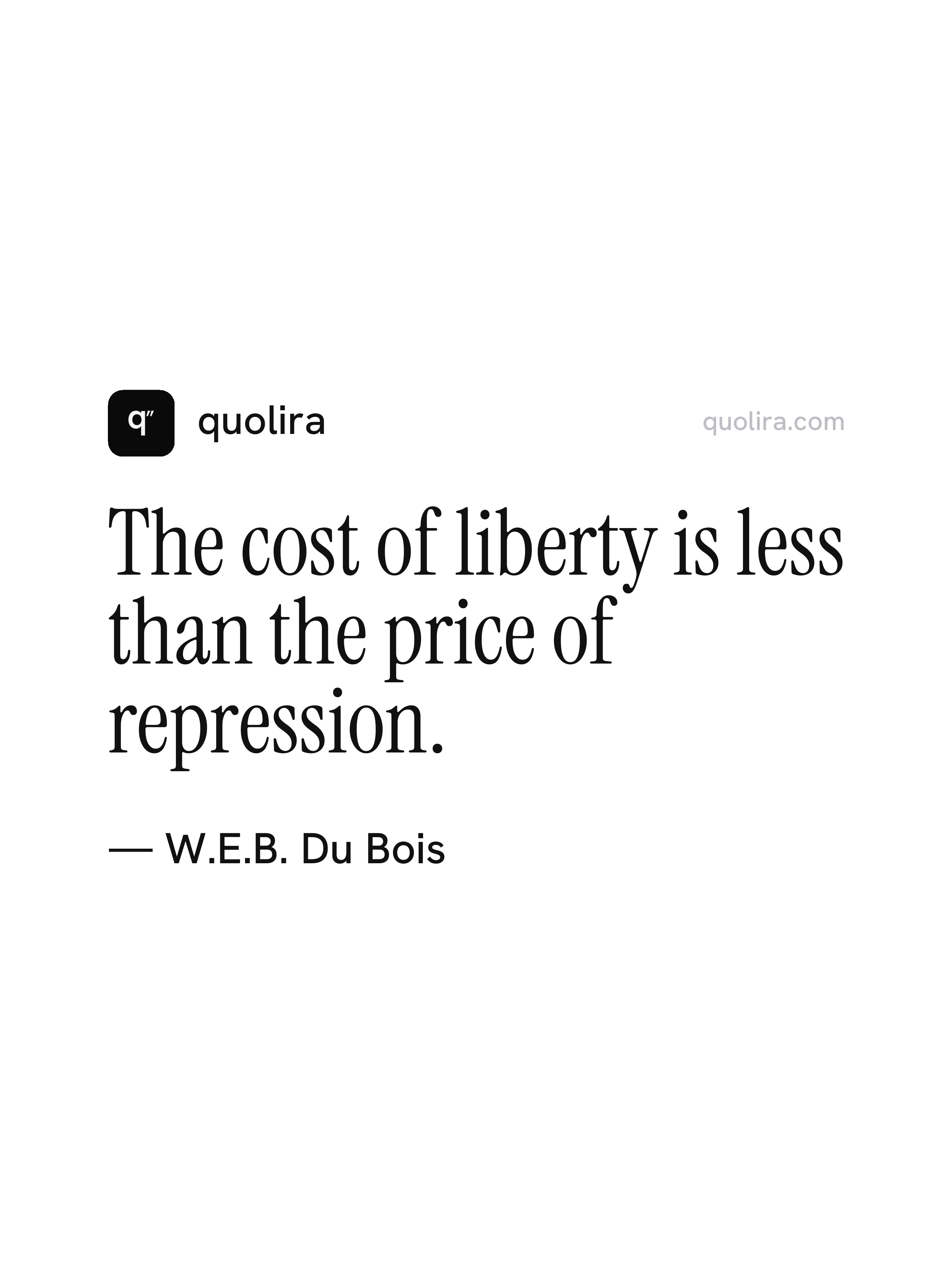
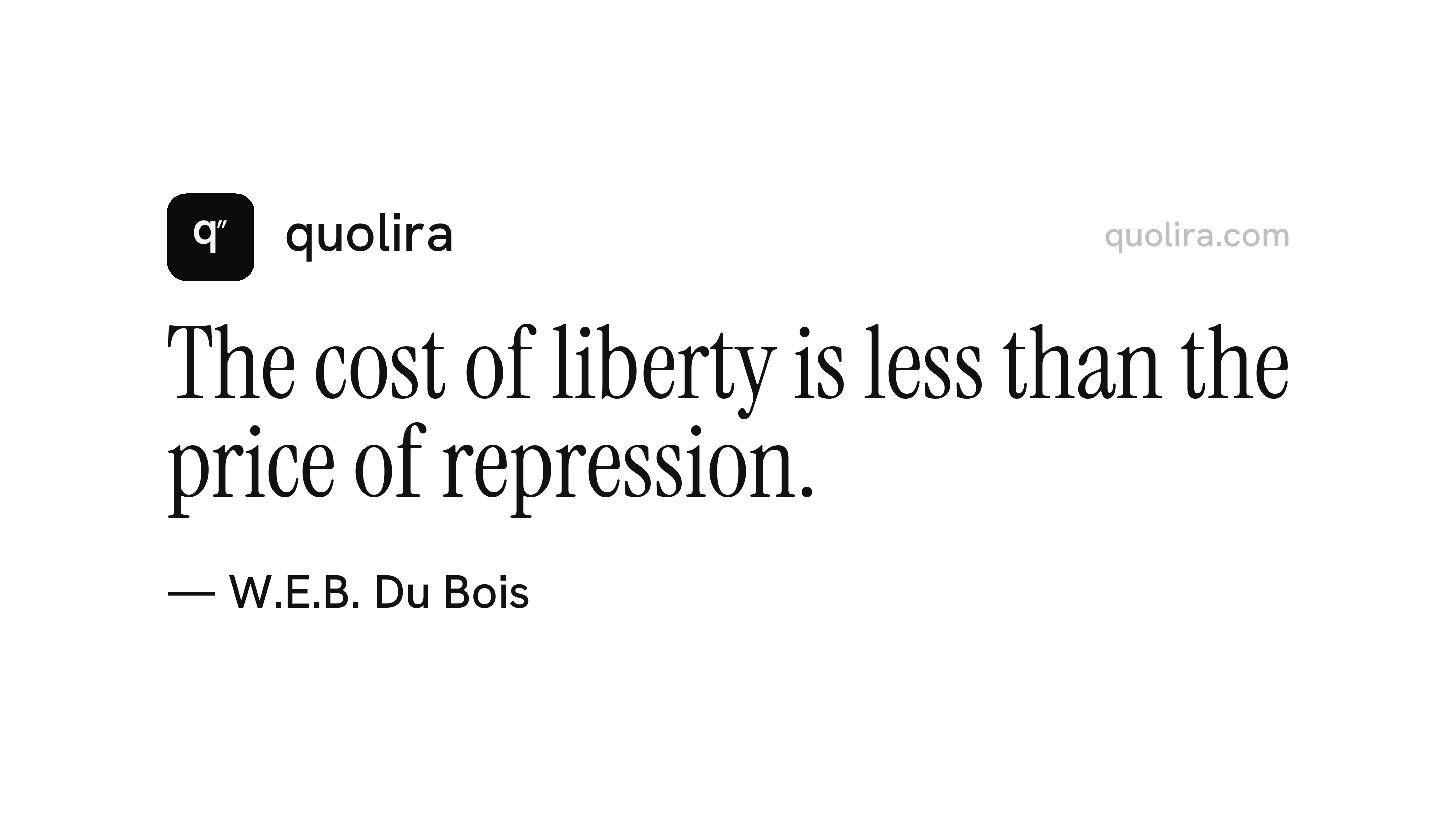
“The cost of liberty is less than the price of repression.”
W.E.B. Du Bois · "John Brown," 1909
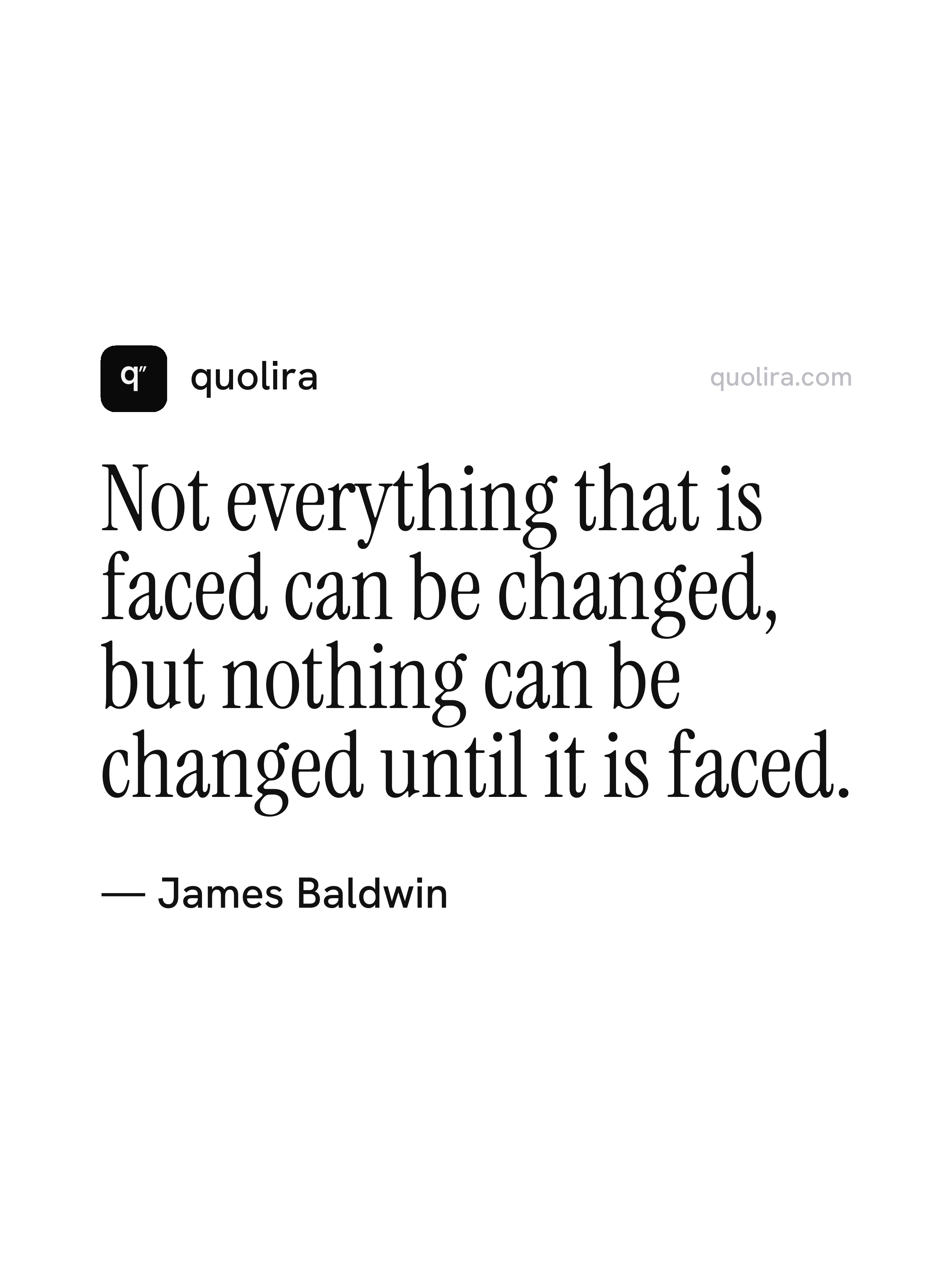
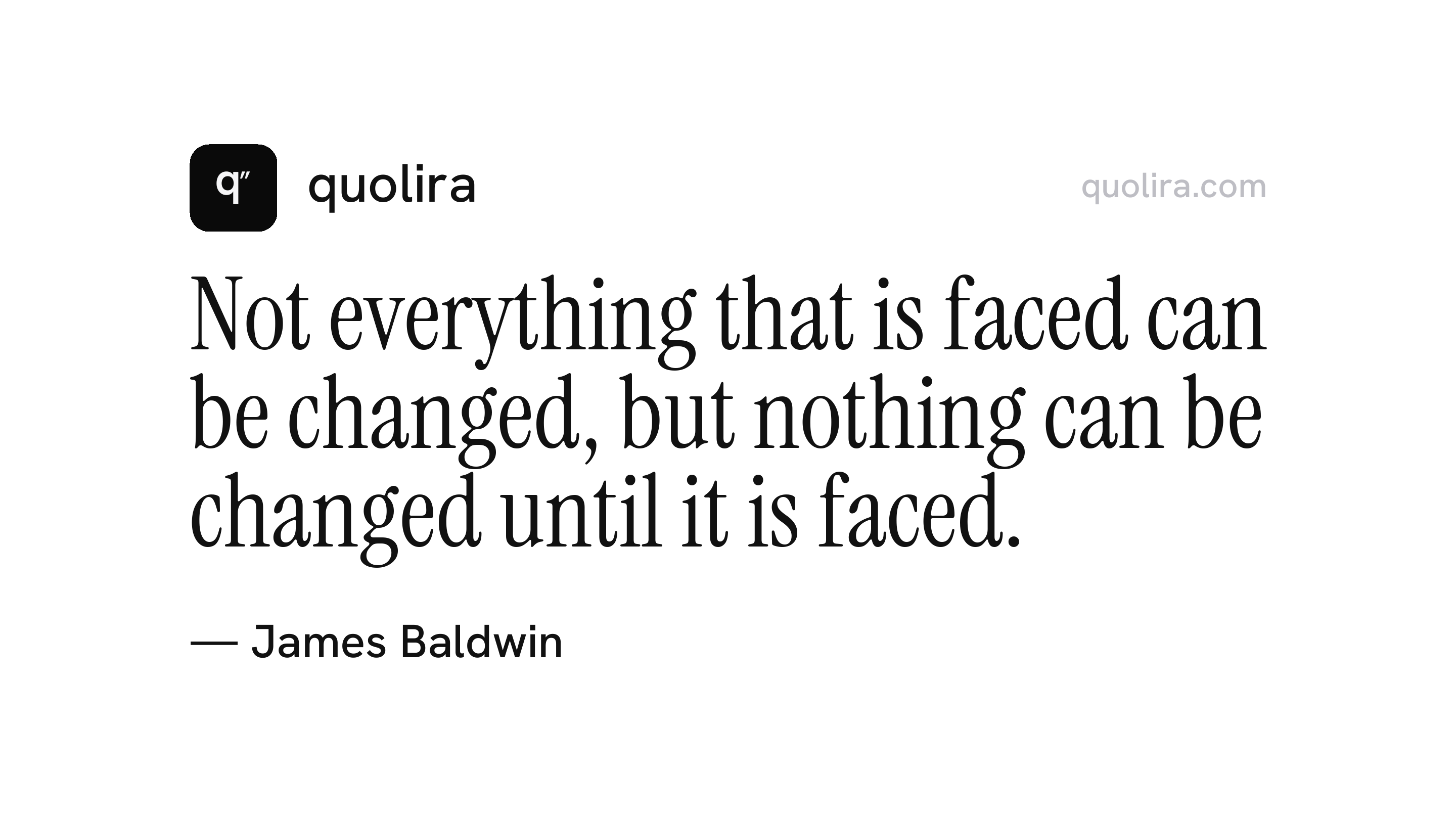
“Not everything that is faced can be changed, but nothing can be changed until it is faced.”
James Baldwin · "As Much Truth As One Can Bear," The New York Times Book Review, 1962
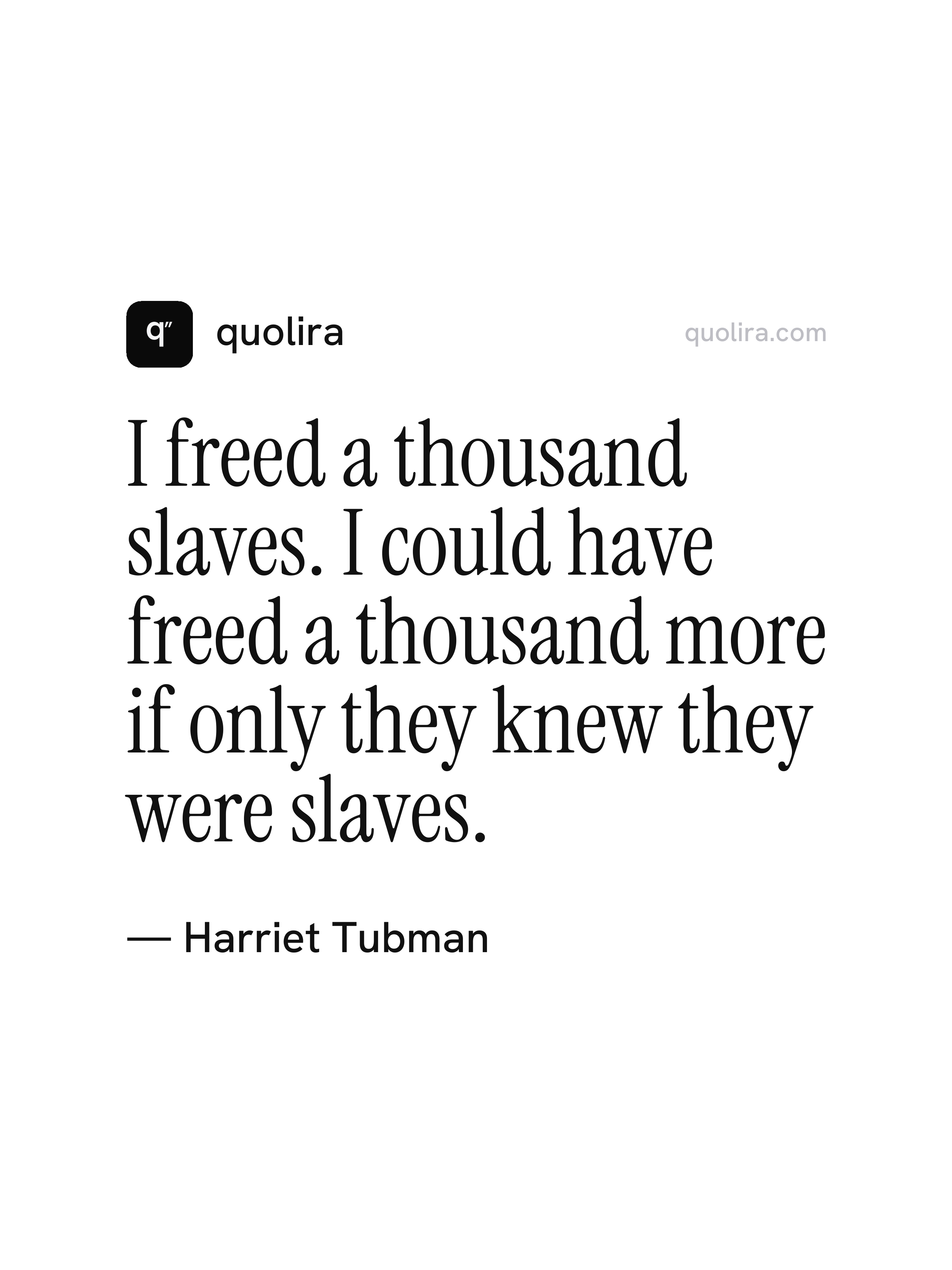
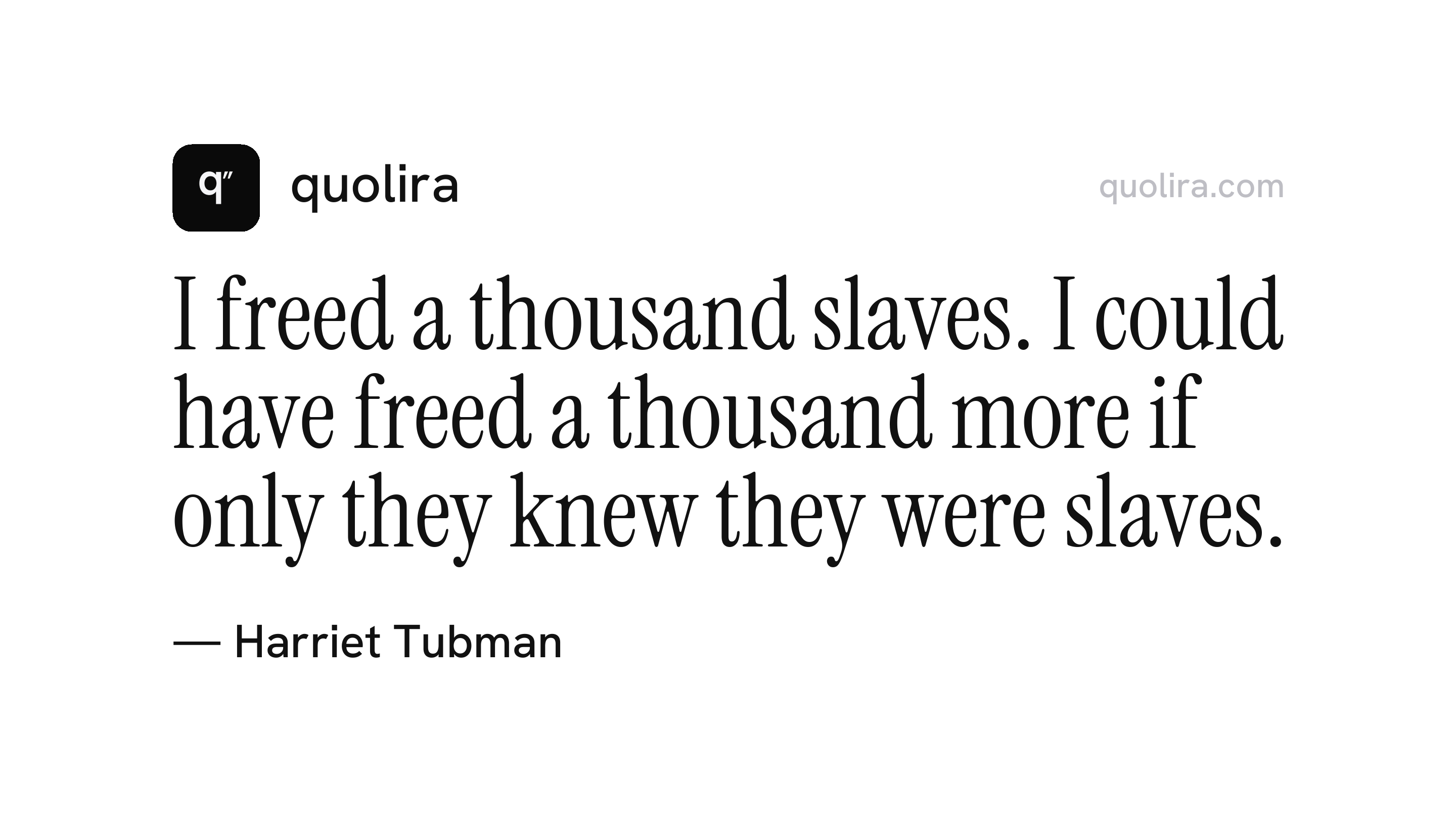
“I freed a thousand slaves. I could have freed a thousand more if only they knew they were slaves.”
Harriet Tubman · widely attributed, circa 1896