“The books one reads in childhood, and perhaps most of all the bad and good bad books, create in one's mind a sort of false map of the world.”
Oscar Wilde · De Profundis, 1905
 quolira
.com
quolira
quolira.com
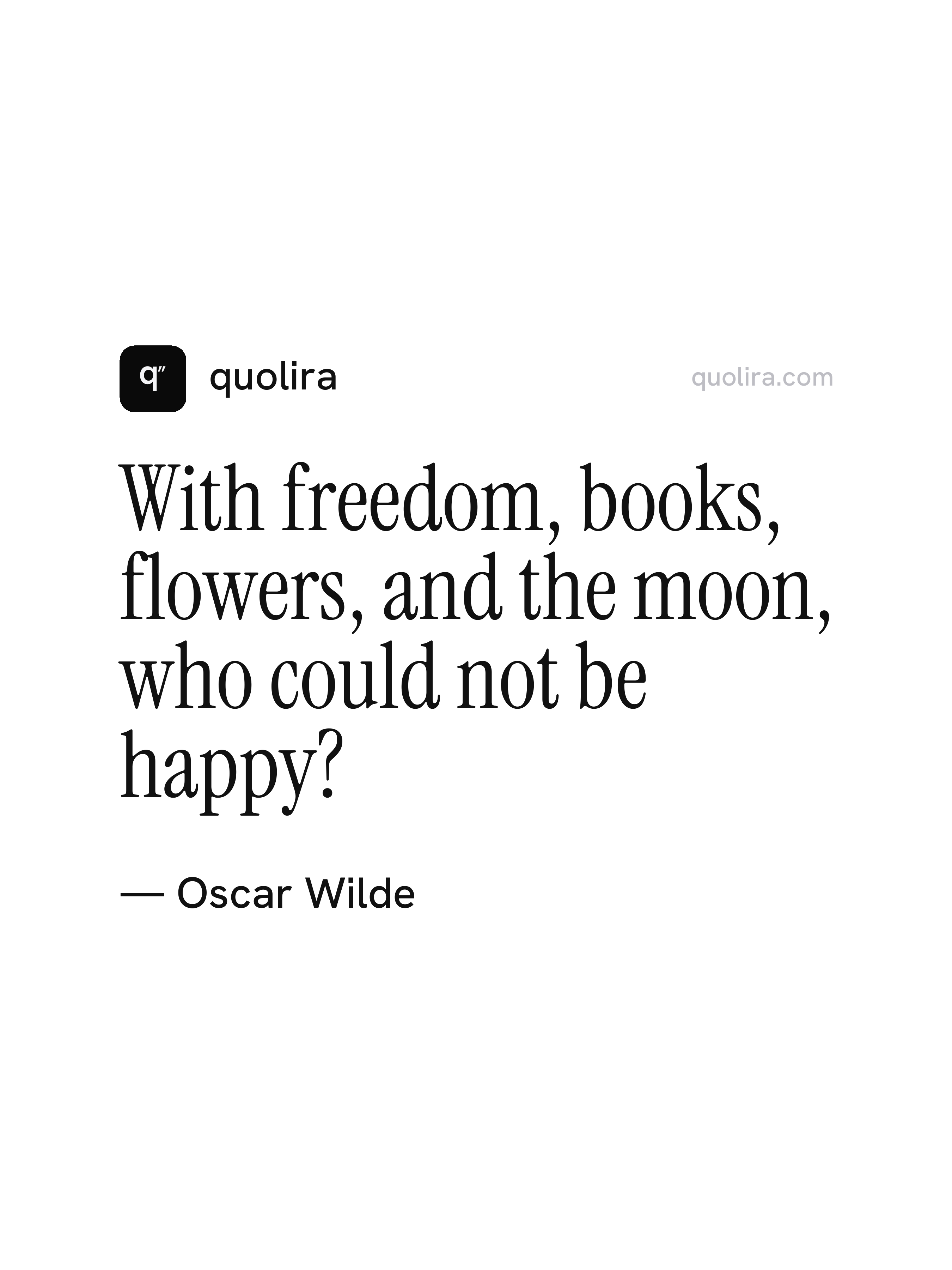
The quote proposes a simple and almost disarmingly modest recipe for happiness. Rather than pointing to wealth, ambition, or social standing, it singles out freedom, the companionship of books, the quiet beauty of flowers, and the soft presence of moonlight. Together these suggest that contentment depends not on grand achievements but on a certain quality of attention: being alive to beauty and at liberty to enjoy it.
This line is widely attributed to Wilde and has circulated in print and online for many years, though it does not appear in a definitively identified single work. It fits naturally with Wilde's broader thinking as expressed across his essays, letters, and conversations, particularly his belief in the Aesthetic movement's central idea that beauty is not a luxury but a necessity of the fully lived life. Whether or not its precise origin can be pinpointed, the sentiment is consistent with his voice and values.
Oscar Wilde was an Irish playwright, poet, and essayist who flourished in late Victorian England. He was one of the most prominent advocates of Aestheticism, a movement that championed art and beauty as ends in themselves rather than as servants of moral or practical purposes. His plays, his novel, his poetry, and his correspondence reveal a writer of enormous range and seriousness, even when he appeared to be simply charming or entertaining his audience.
“The books one reads in childhood, and perhaps most of all the bad and good bad books, create in one's mind a sort of false map of the world.”
Oscar Wilde · De Profundis, 1905
“Nowadays people know the price of everything and the value of nothing.”
Oscar Wilde · Lady Windermere's Fan, 1892
“The soul is born old but grows young. That is the comedy of life. And the body is born young and grows old. That is life's tragedy.”
Oscar Wilde · A Woman of No Importance, 1893
“He was always late on principle, his principle being that punctuality is the thief of time.”
Oscar Wilde · The Picture of Dorian Gray, 1890
“The only difference between a caprice and a lifelong passion is that the caprice lasts a little longer.”
Oscar Wilde · The Picture of Dorian Gray, 1890
“To define is to limit.”
Oscar Wilde · The Picture of Dorian Gray, 1890
“Yet each man kills the thing he loves.”
Oscar Wilde · The Ballad of Reading Gaol, 1898
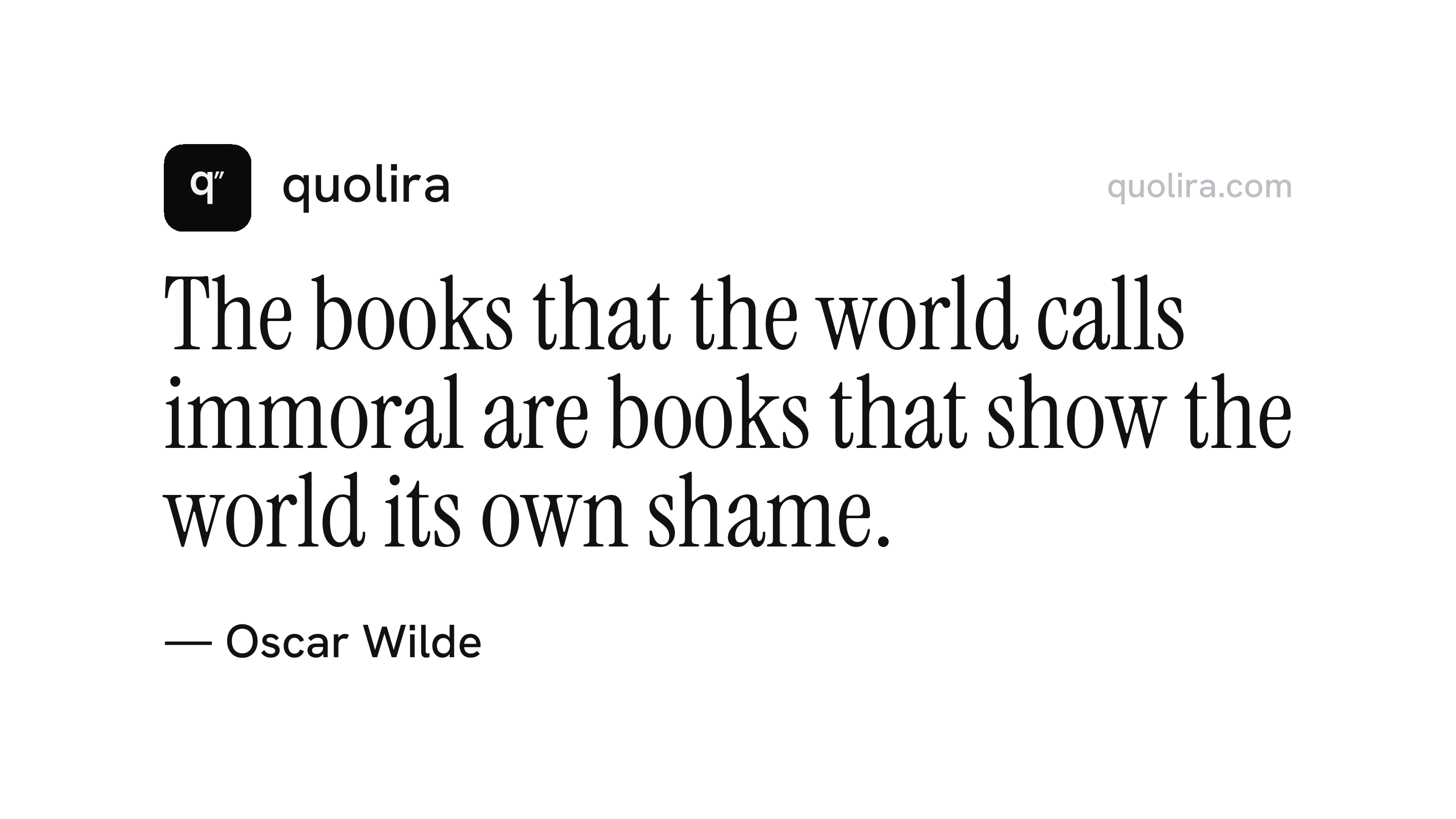
“The books that the world calls immoral are books that show the world its own shame.”
Oscar Wilde · The Picture of Dorian Gray, 1890
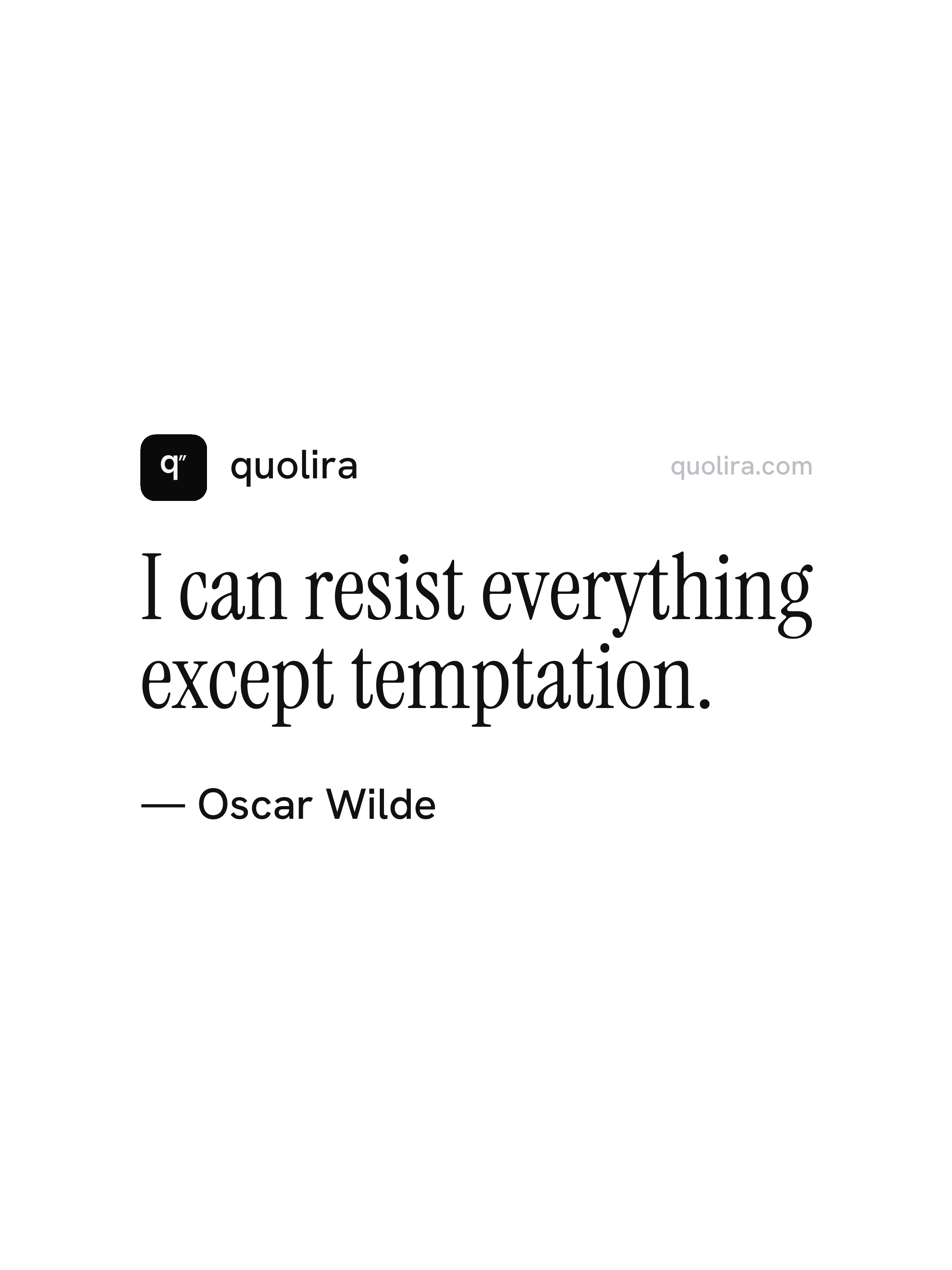
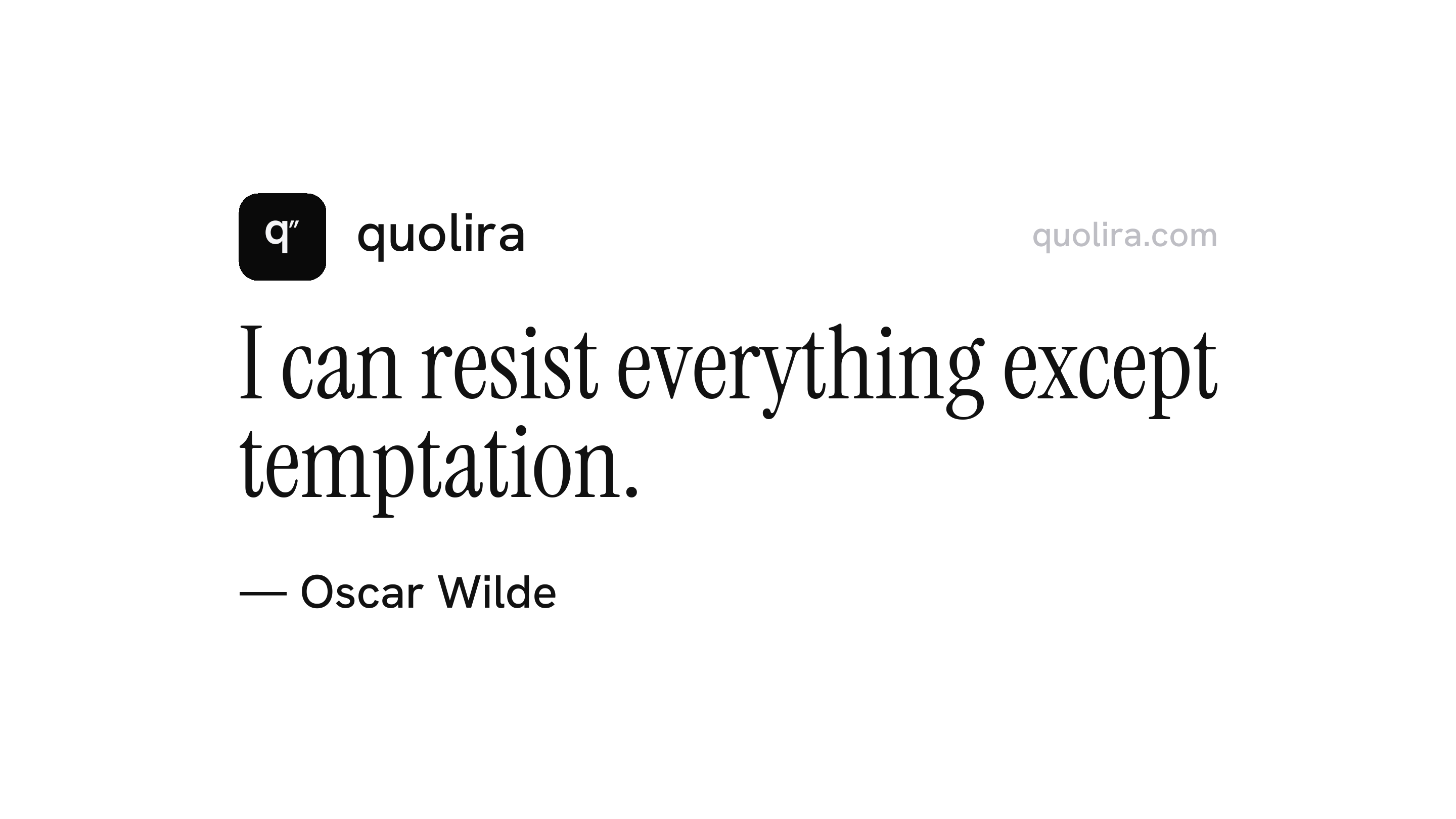
“I can resist everything except temptation.”
Oscar Wilde · Lady Windermere's Fan, 1892
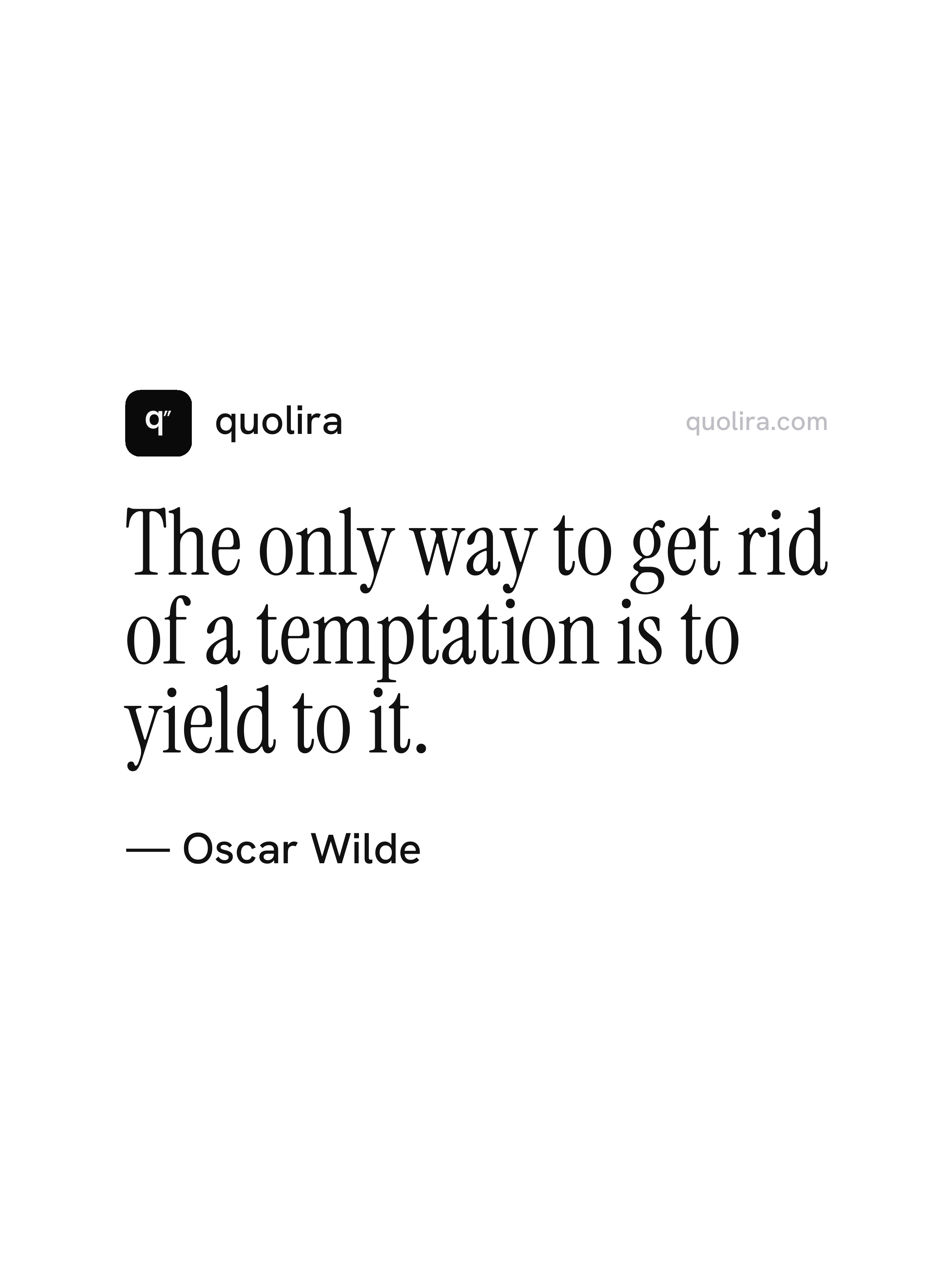
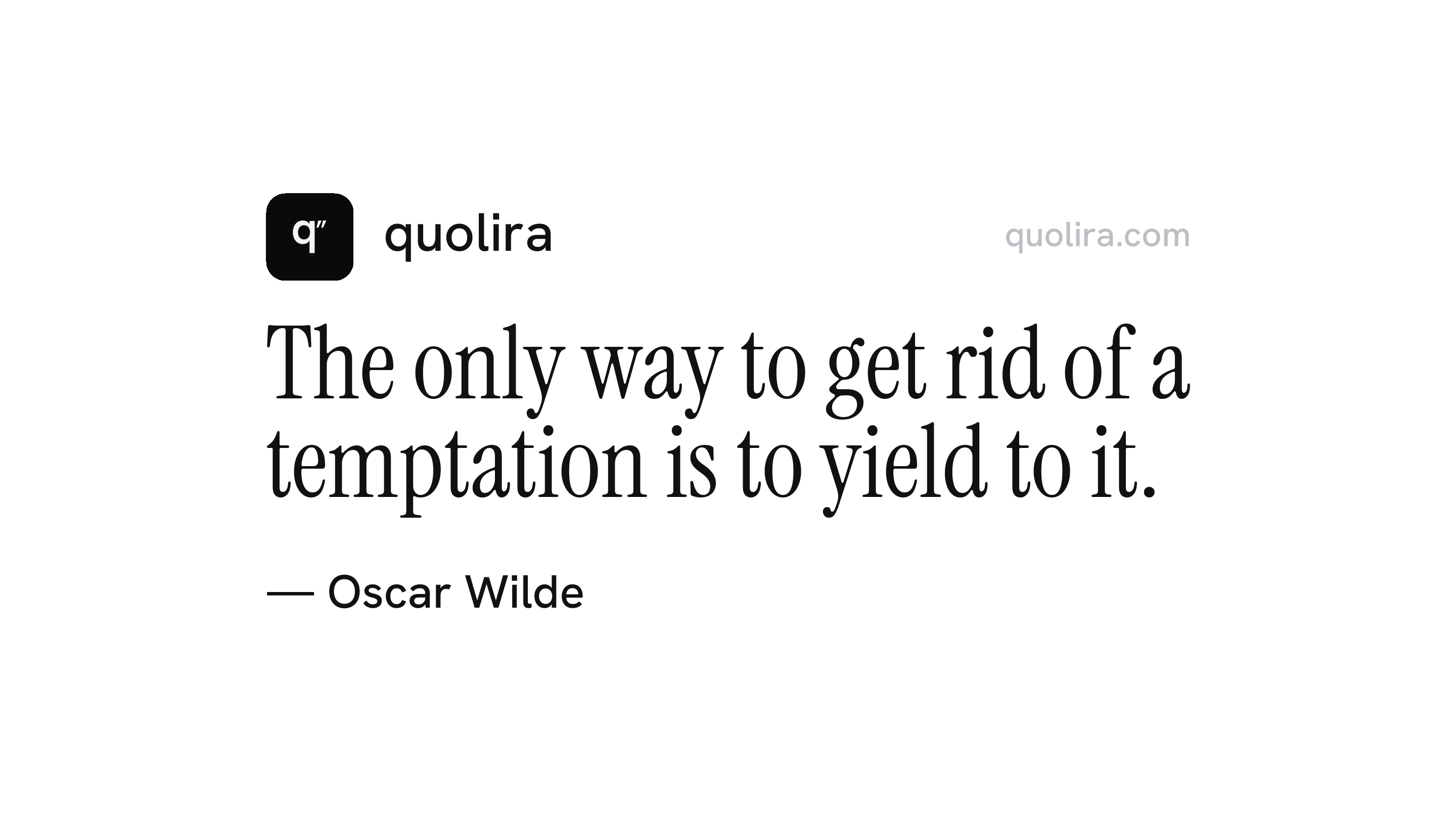
“The only way to get rid of a temptation is to yield to it.”
Oscar Wilde · The Picture of Dorian Gray, 1890
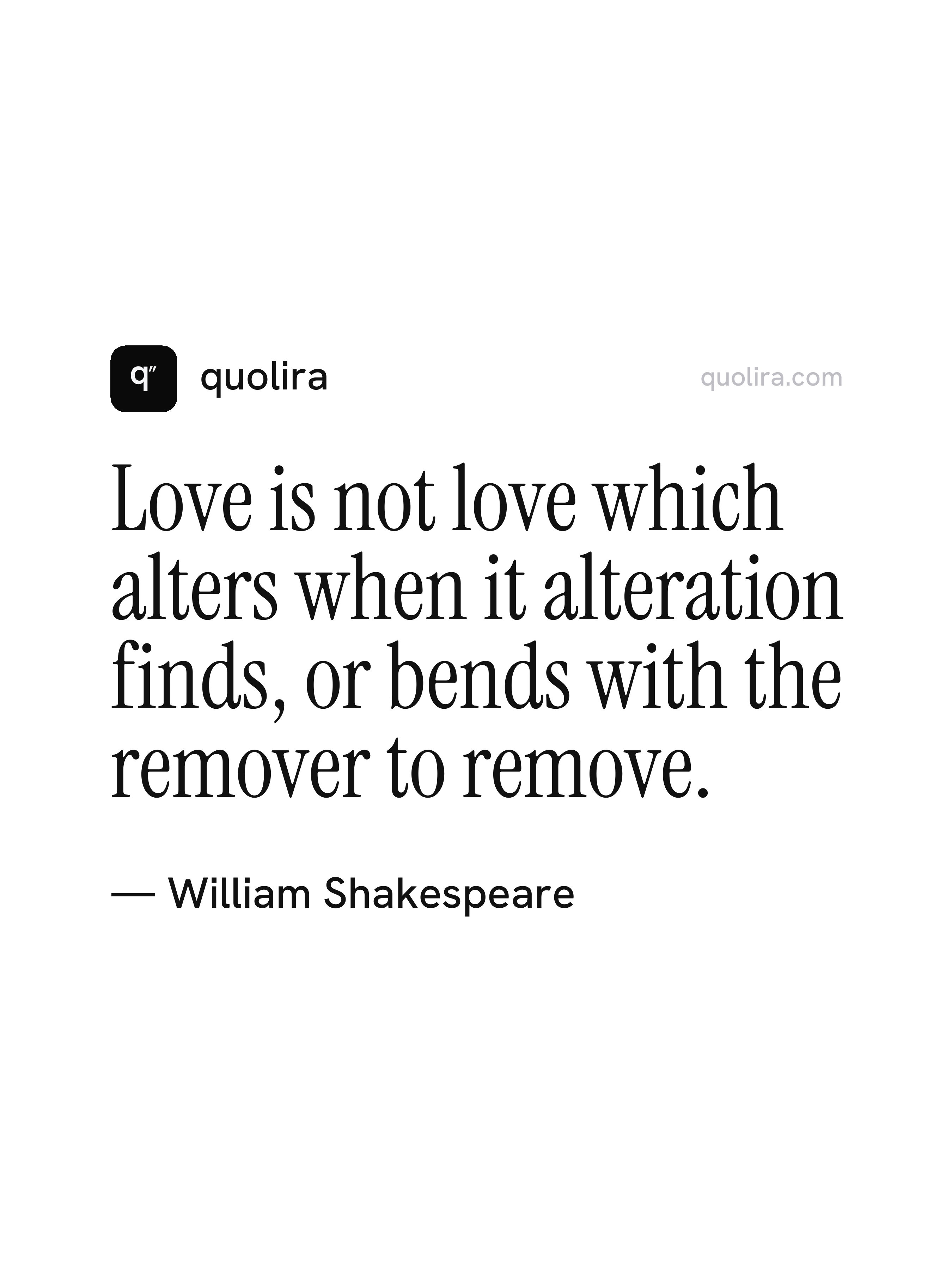
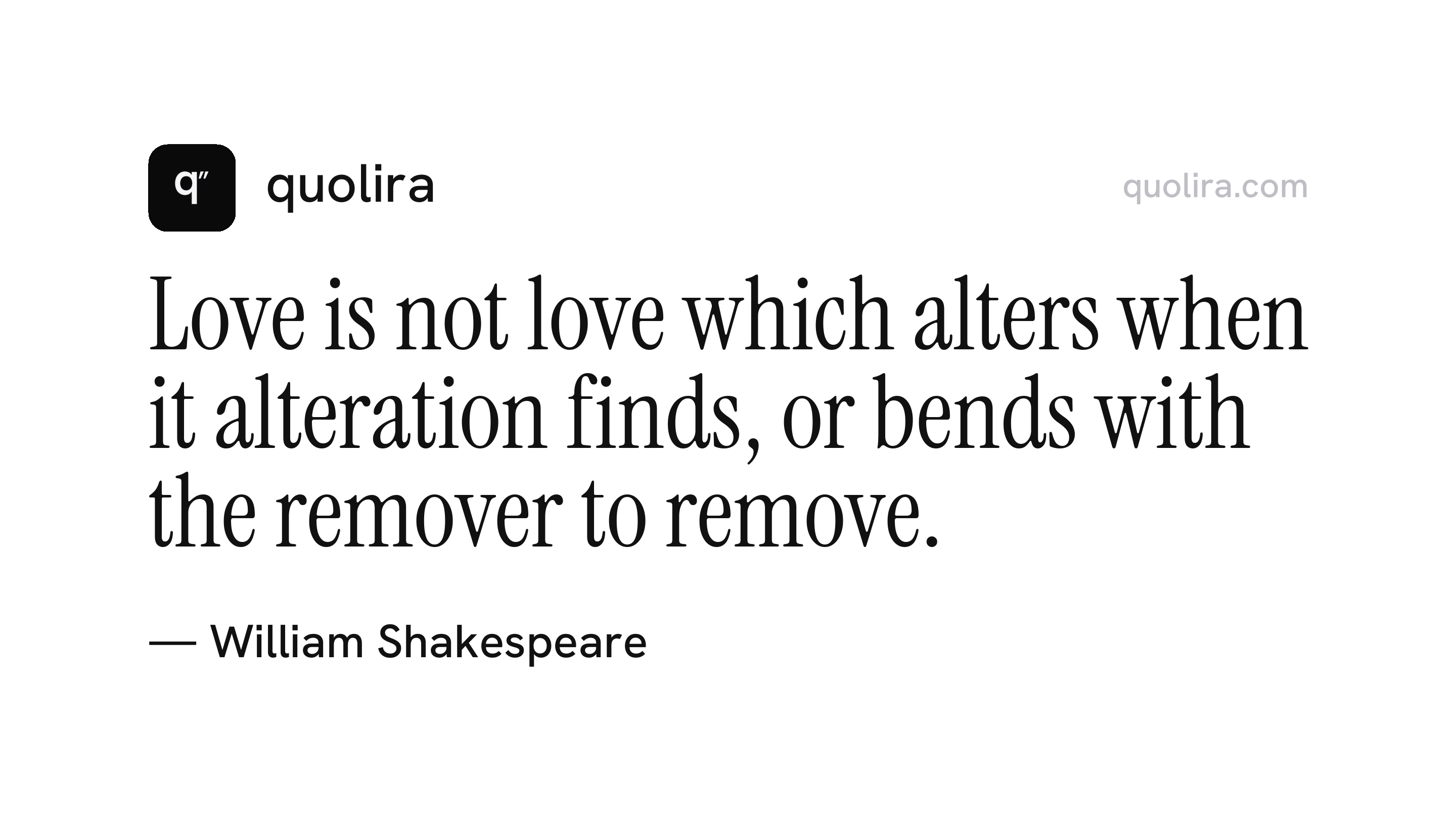
“Love is not love which alters when it alteration finds, or bends with the remover to remove.”
William Shakespeare · Sonnet 116, c. 1609
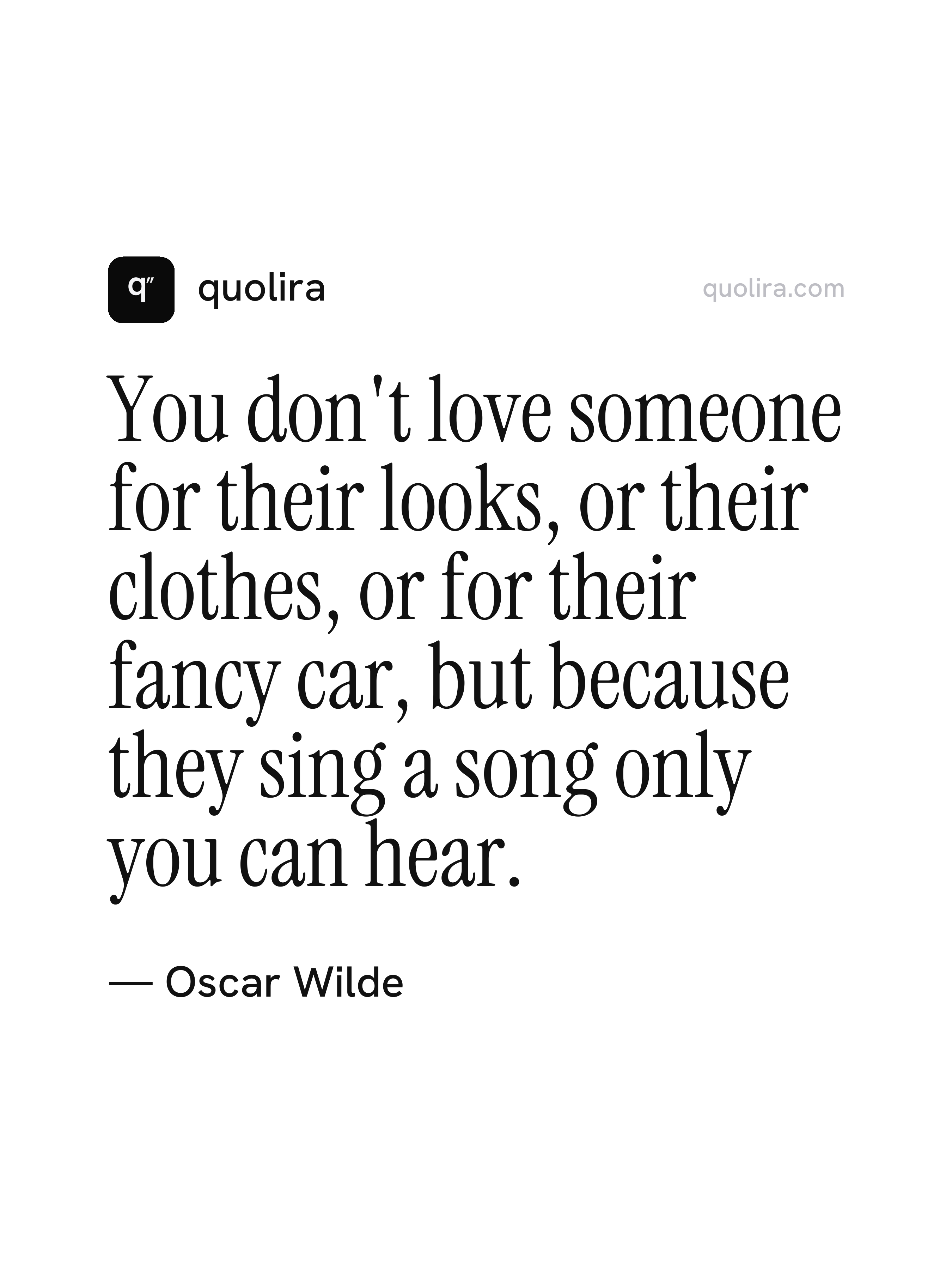
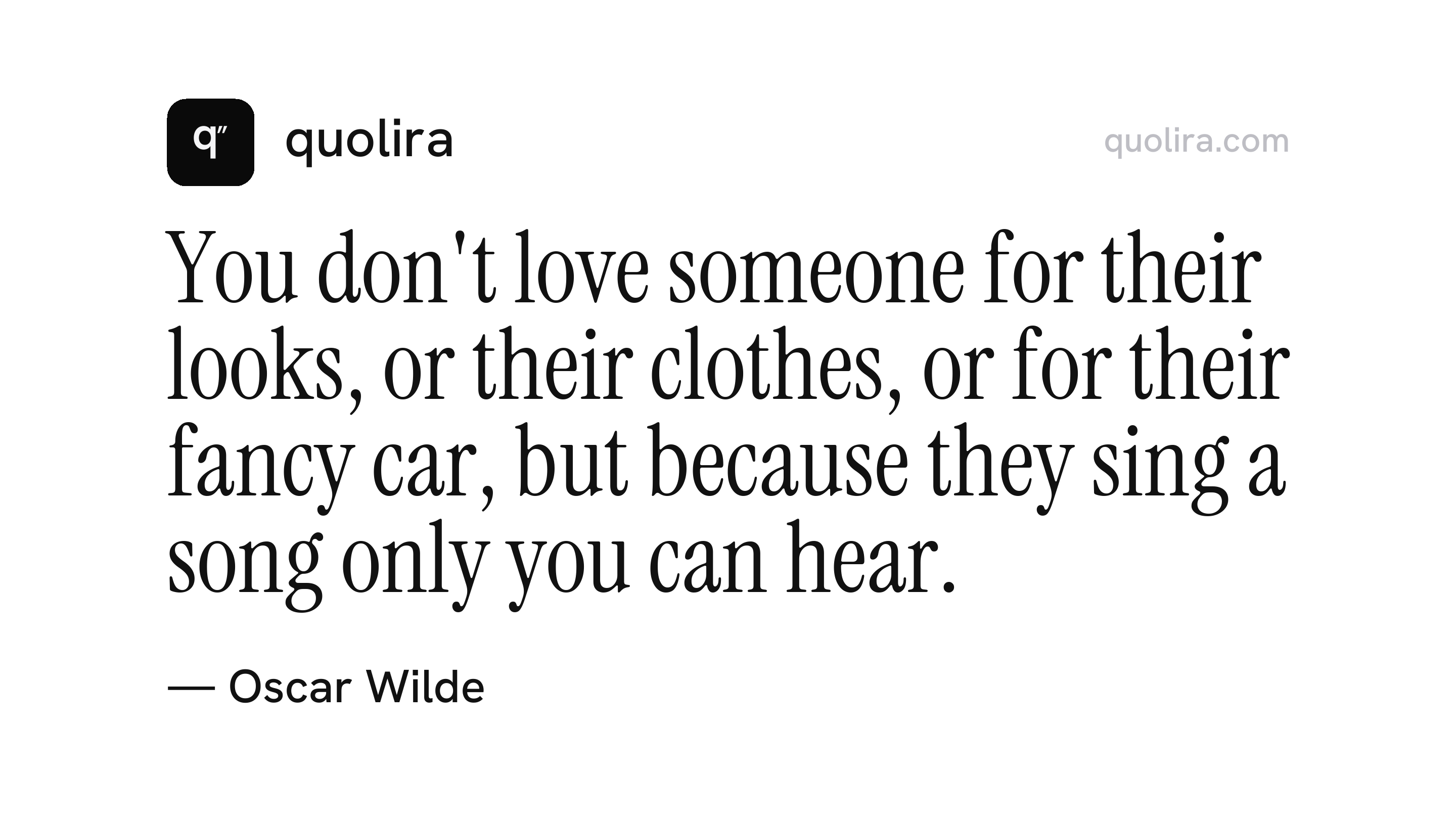
“You don't love someone for their looks, or their clothes, or for their fancy car, but because they sing a song only you can hear.”
Oscar Wilde