“Bear and forbear.”
Epictetus · See Aulus Gellius, Attic Nights, Book XVII, chapter 6
 quolira
.com
Cesare Pavese said it, in This Business of Living.
Pavese describes forgiveness arriving quietly, when you finally feel tired of the other person's nonsense. There's no triumph or grand speech in it. That plainness is why this line feels honest.
From the collection: 25 Quotes About Forgiveness: Famous Forgiveness Quotes That Free You · More Cesare Pavese quotes
This quote means that forgiveness often arrives not as a dramatic act but as a quiet shift in feeling, when resentment fades into indifference. The speaker notices that a person who once caused pain now seems merely tiresome, and at that point forgiveness is already complete. The insight is that release can come through weariness rather than heroic effort.
The line comes from This Business of Living, a selection of reflections drawn from the personal diary of Cesare Pavese. The diary was published after his death in 1950, and the material reflects his habit of recording observations about memory, emotion, and daily life. The passage is presented here as it appears in that collected English edition, and readers should consult that book for the full surrounding entry.
Cesare Pavese (1908 to 1950) was an Italian novelist, poet, and translator who was known for spare prose and close attention to rural landscapes and inner life. He also translated several American writers into Italian, which shaped his own style. His private diary, kept over many years, is valued for its candid and reflective tone. Because the passage is taken from a personal record rather than a public address, it reads as an intimate observation about how grievances dissolve over time.
“Bear and forbear.”
Epictetus · See Aulus Gellius, Attic Nights, Book XVII, chapter 6
“One should forgive one's enemies, but not before they are hanged.”
Heinrich Heine · Statement of 1848, as quoted in The Cynic's Lexicon (1984) by Jonathon Green
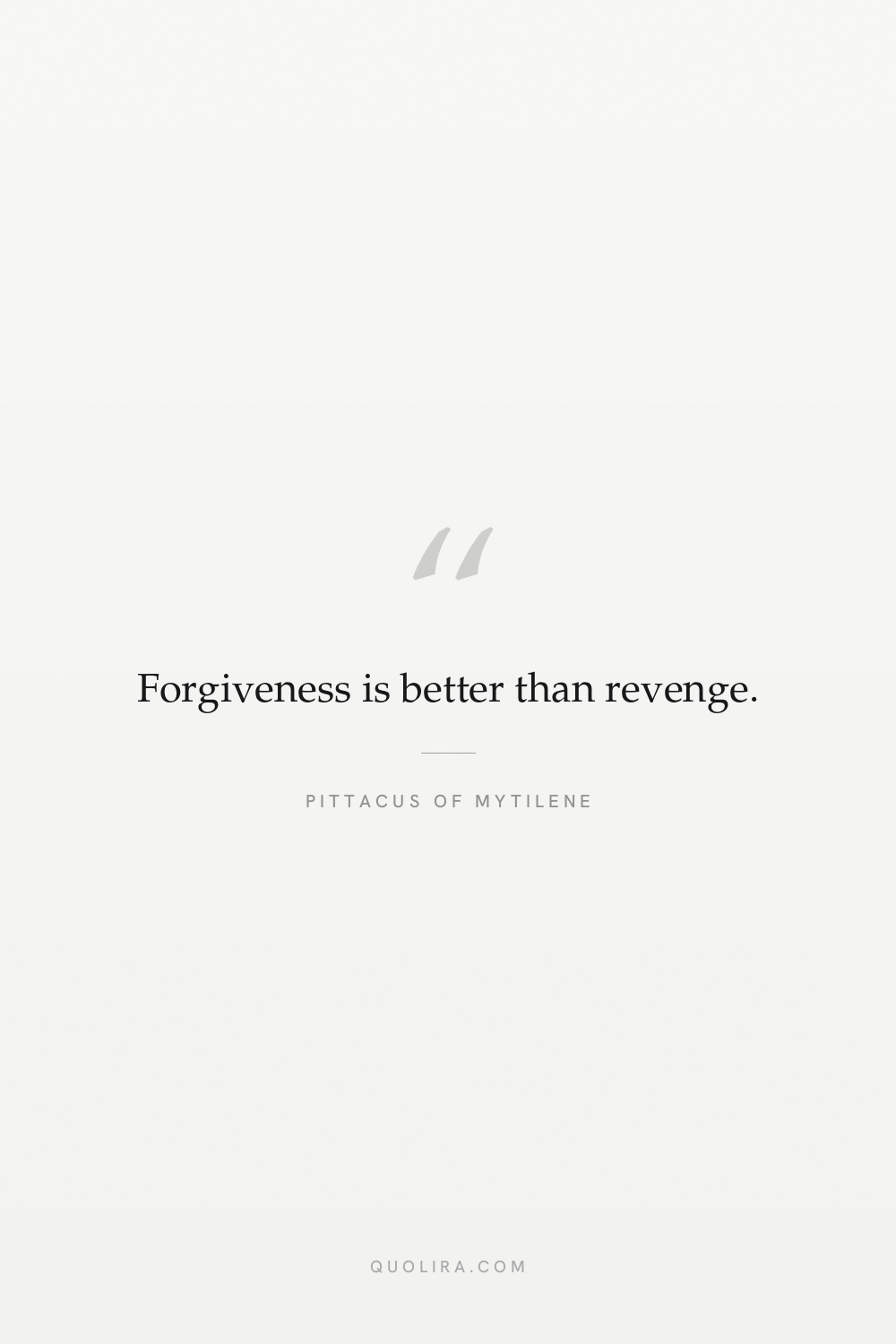
“Forgiveness is better than revenge.”
Pittacus of Mytilene · As quoted by Diogenes Laërtius, Life of Pittacus
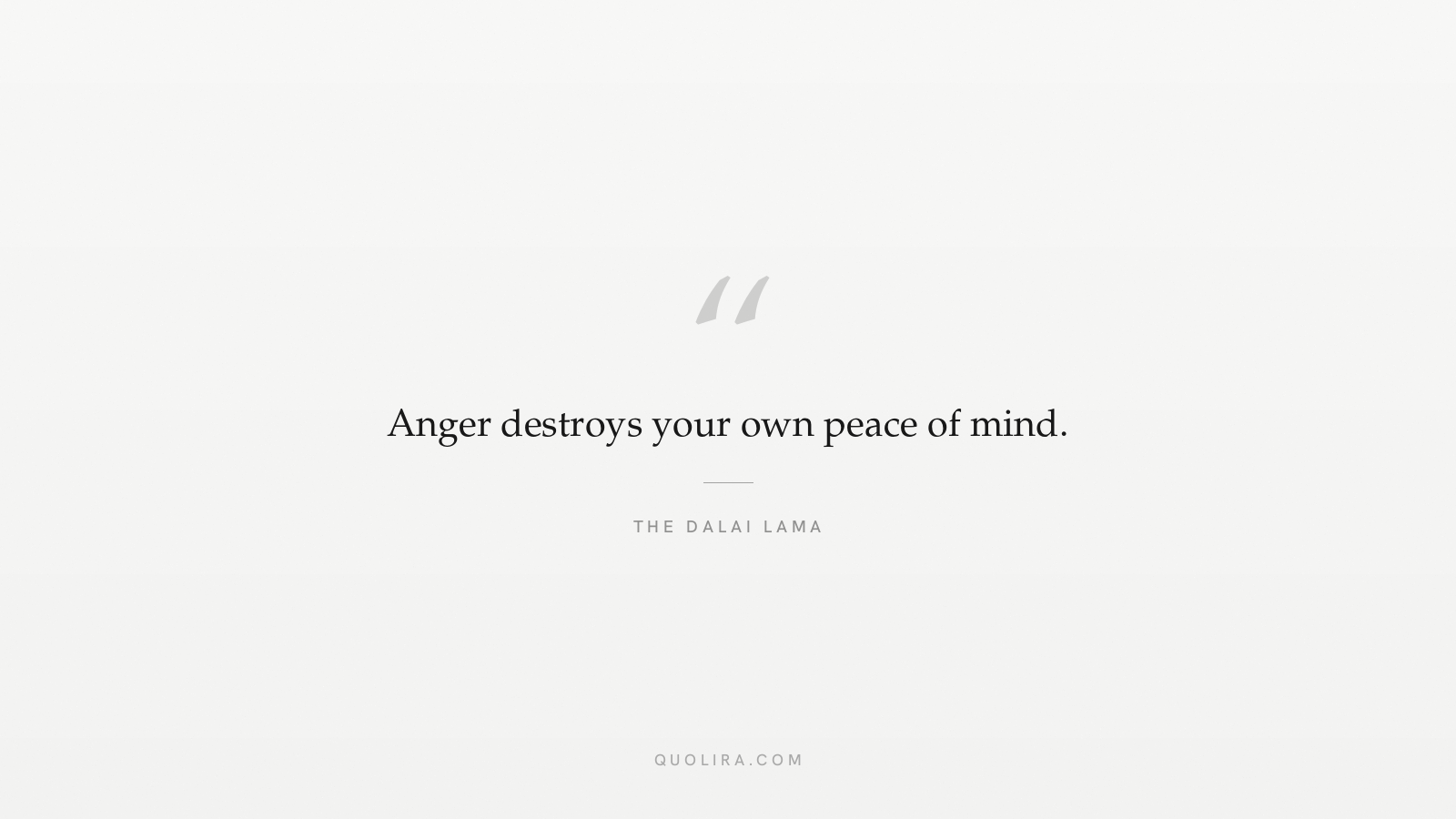
“Anger destroys your own peace of mind.”
The Dalai Lama · The Wisdom of Forgiveness (2004) by the Dalai Lama and Victor Chan
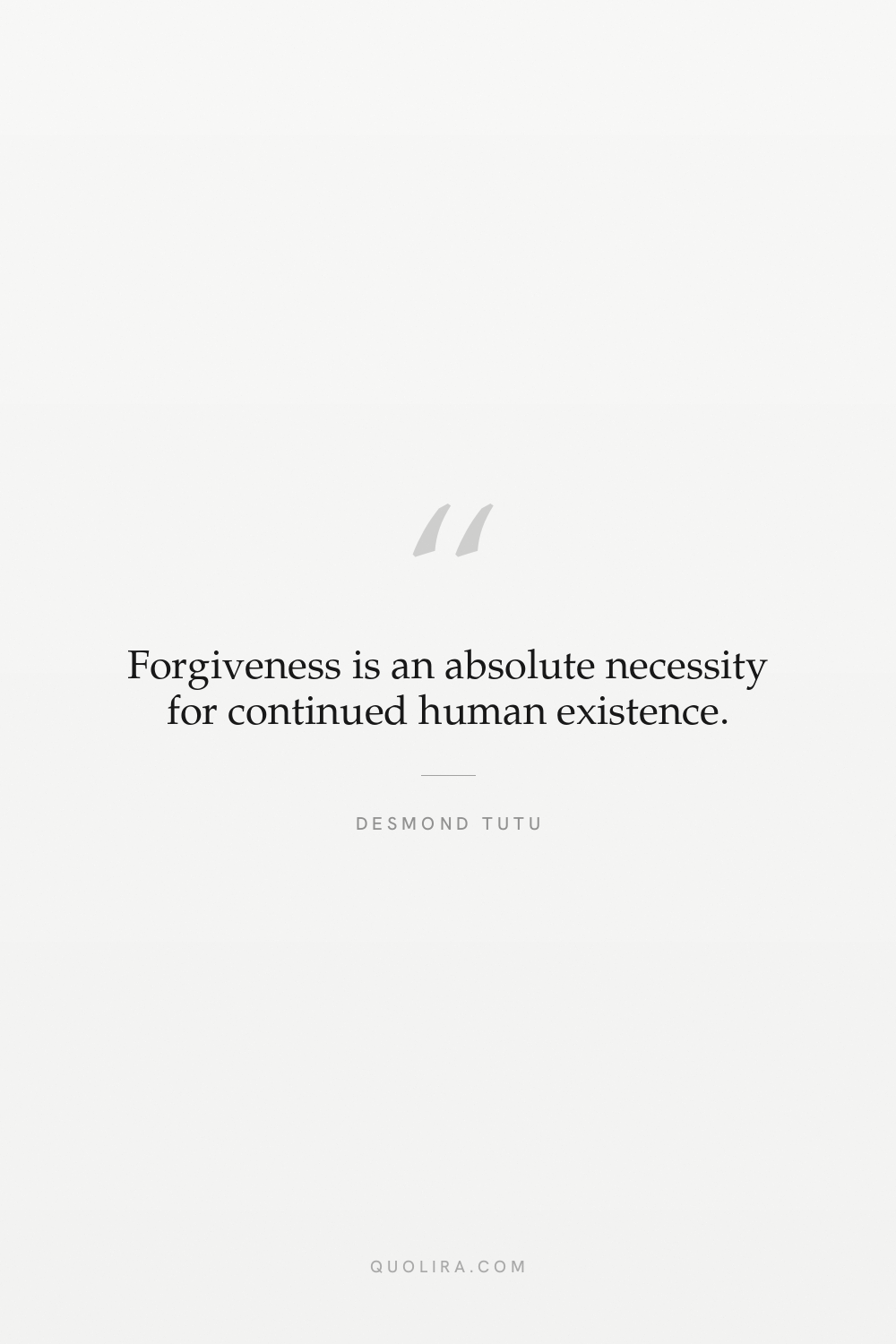
“Forgiveness is an absolute necessity for continued human existence.”
Desmond Tutu · Quoted in Pastoral Care for Post-Traumatic Stress Disorder (2002) by Dalene Fuller Rogers and Harold G. Koenig
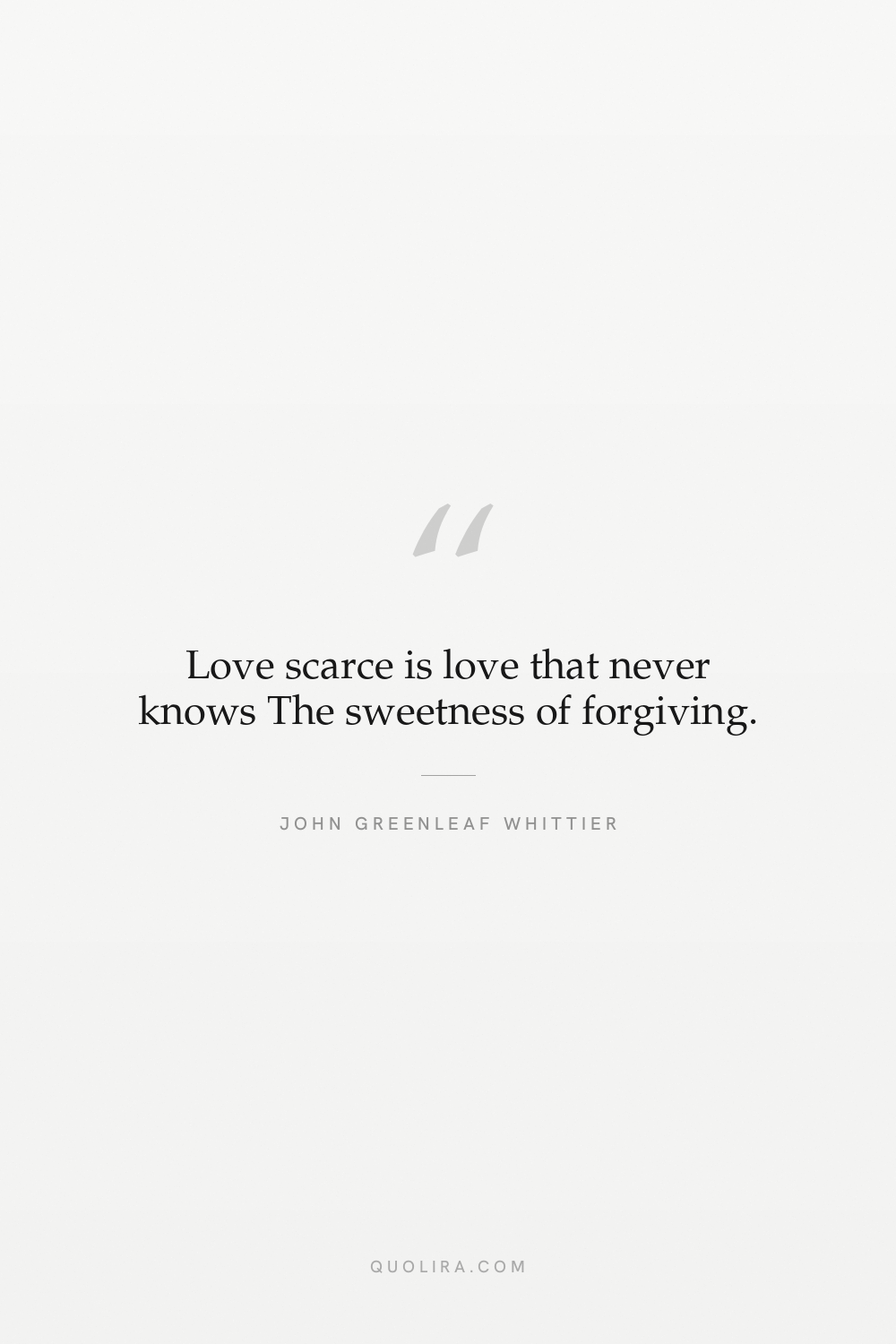
“Love scarce is love that never knows The sweetness of forgiving.”
John Greenleaf Whittier · Quoted in Dictionary of Burning Words of Brilliant Writers (1895)
“Forgiveness of the present is even more important than forgiveness of the past.”
Eckhart Tolle · The Power of Now (1997)
“The brave only know how to forgive.”
Laurence Sterne · Sermon, Joseph's History Considered
“Never does the human soul appear so strong as when it foregoes revenge, and dares to forgive an injury.”
Edwin Hubbell Chapin · Quoted in Dictionary of Burning Words of Brilliant Writers (1895)
“Surely it is much more generous to forgive and remember, than to forgive and forget.”
Maria Edgeworth · An Essay on the Noble Science of Self-Justification
“If your brother sins, rebuke him, and if he repents, forgive him.”
Jesus · Luke 17:3 (NIV)
“Be kind and compassionate to one another, forgiving each other, just as in Christ God forgave you.”
Paul of Tarsus · Ephesians 4:32 (NIV)