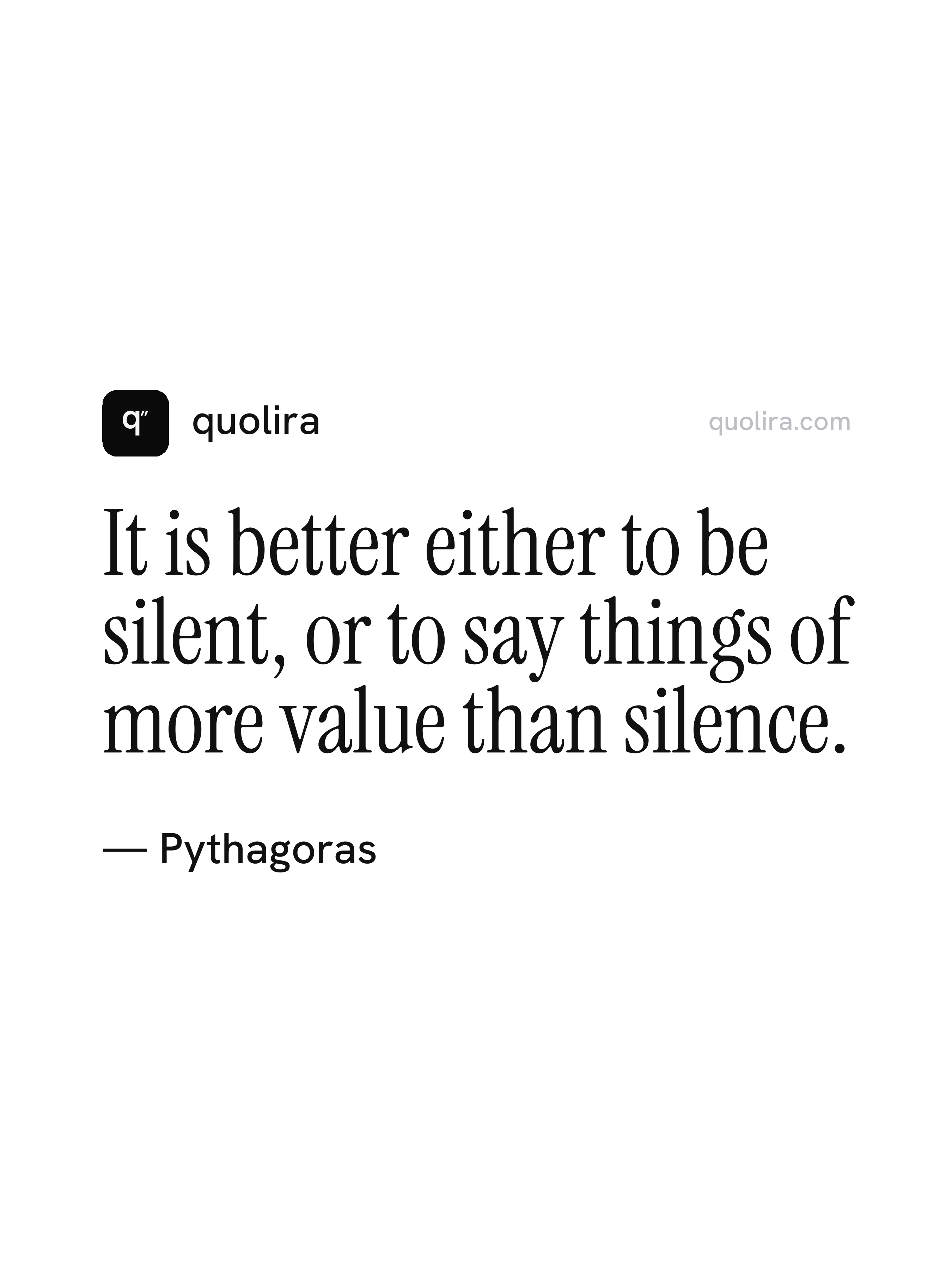
“It is better either to be silent, or to say things of more value than silence.”
Pythagoras
 quolira
.com
quolira
quolira.com
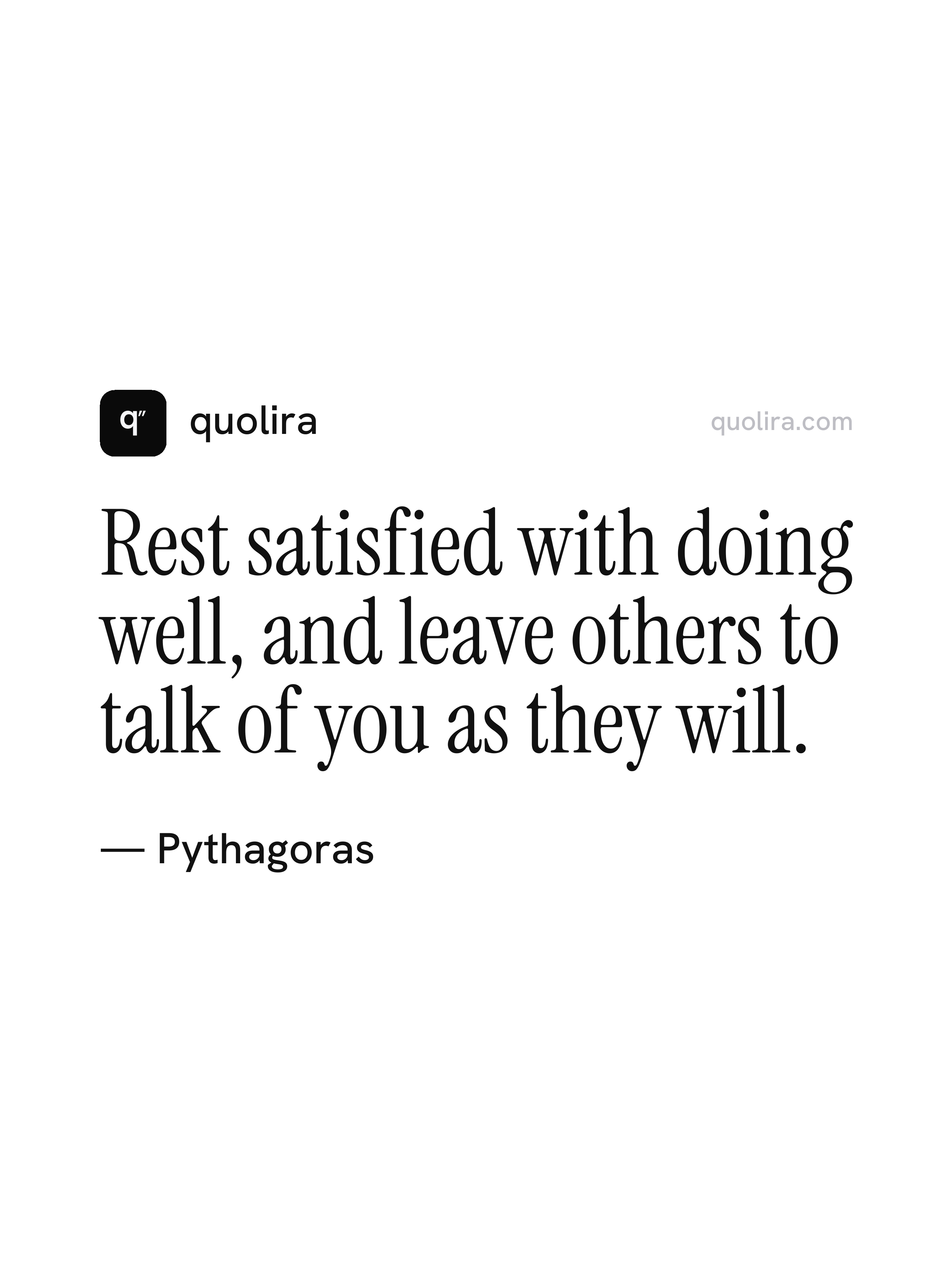
This line encourages a shift of attention away from reputation and toward conduct itself. The point is that doing what is right should be its own reward and its own measure. What others say, whether praise or criticism, is beyond your control and ultimately beside the point. If you act well, that fact stands regardless of how it is perceived or discussed by those around you. The instruction is, in effect, a call to stop performing virtue for an audience and to simply practice it.
The separation of personal integrity from public opinion is a theme that appears frequently in ancient moral philosophy. Thinkers across different schools grappled with the temptation to live for reputation rather than for genuine goodness, and many concluded that chasing approval was a distraction from real ethical development. In the Pythagorean tradition, which emphasized internal discipline and the cultivation of the soul, this kind of advice fits naturally. Acting well while remaining indifferent to commentary reflects a mature confidence in one's own standards rather than dependence on the judgment of others.
Pythagoras was a Greek philosopher and mathematician of the sixth century BCE whose influence extended across mathematics, cosmology, music theory, and ethics. He established a community of followers who lived according to shared principles and devoted themselves to both study and self-improvement. The details of his biography are difficult to confirm with precision, as surviving accounts were written long after his lifetime and blend reliable tradition with legend.
“It is better either to be silent, or to say things of more value than silence.”
Pythagoras
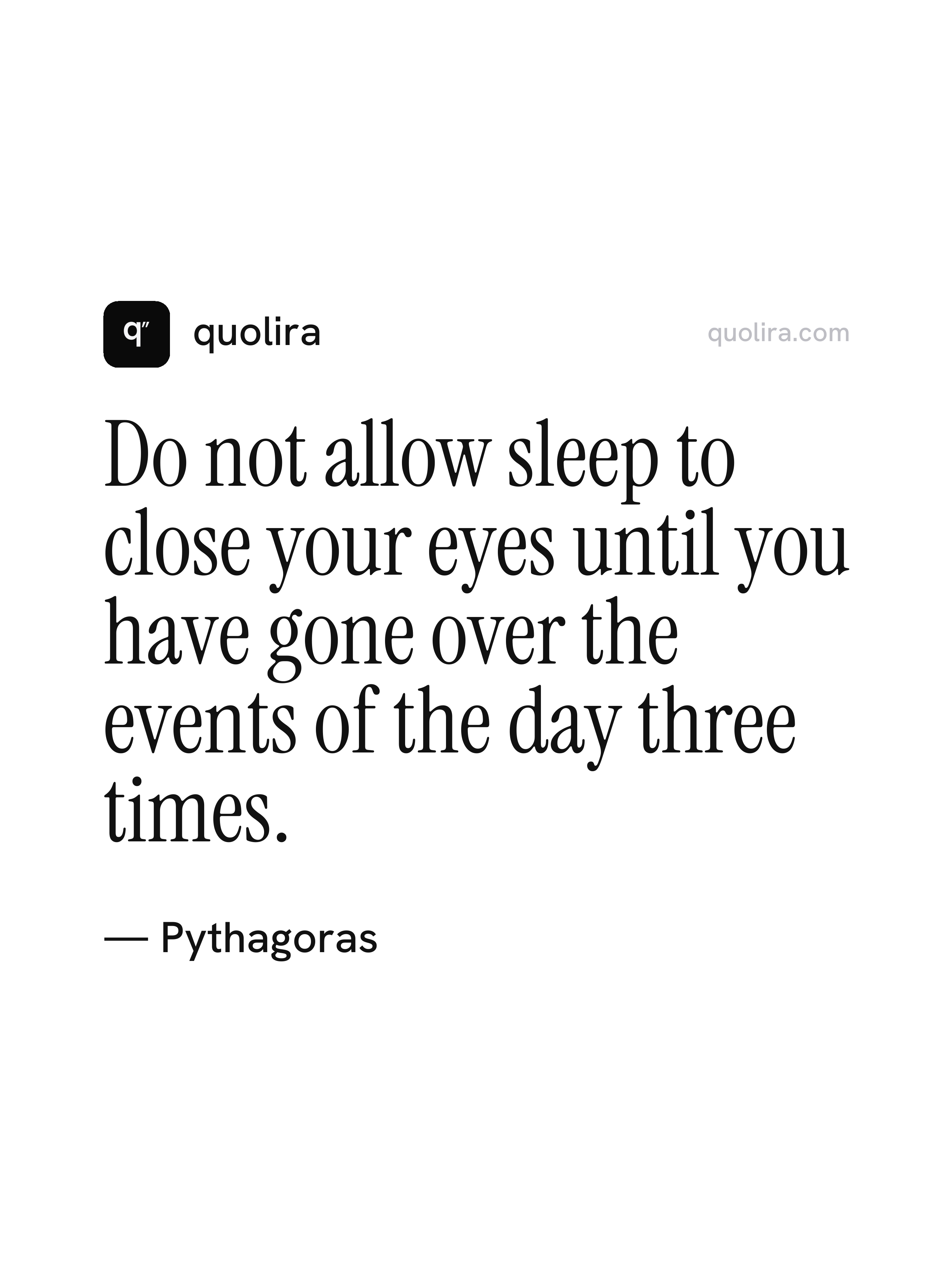
“Do not allow sleep to close your eyes until you have gone over the events of the day three times.”
Pythagoras · Golden Verses
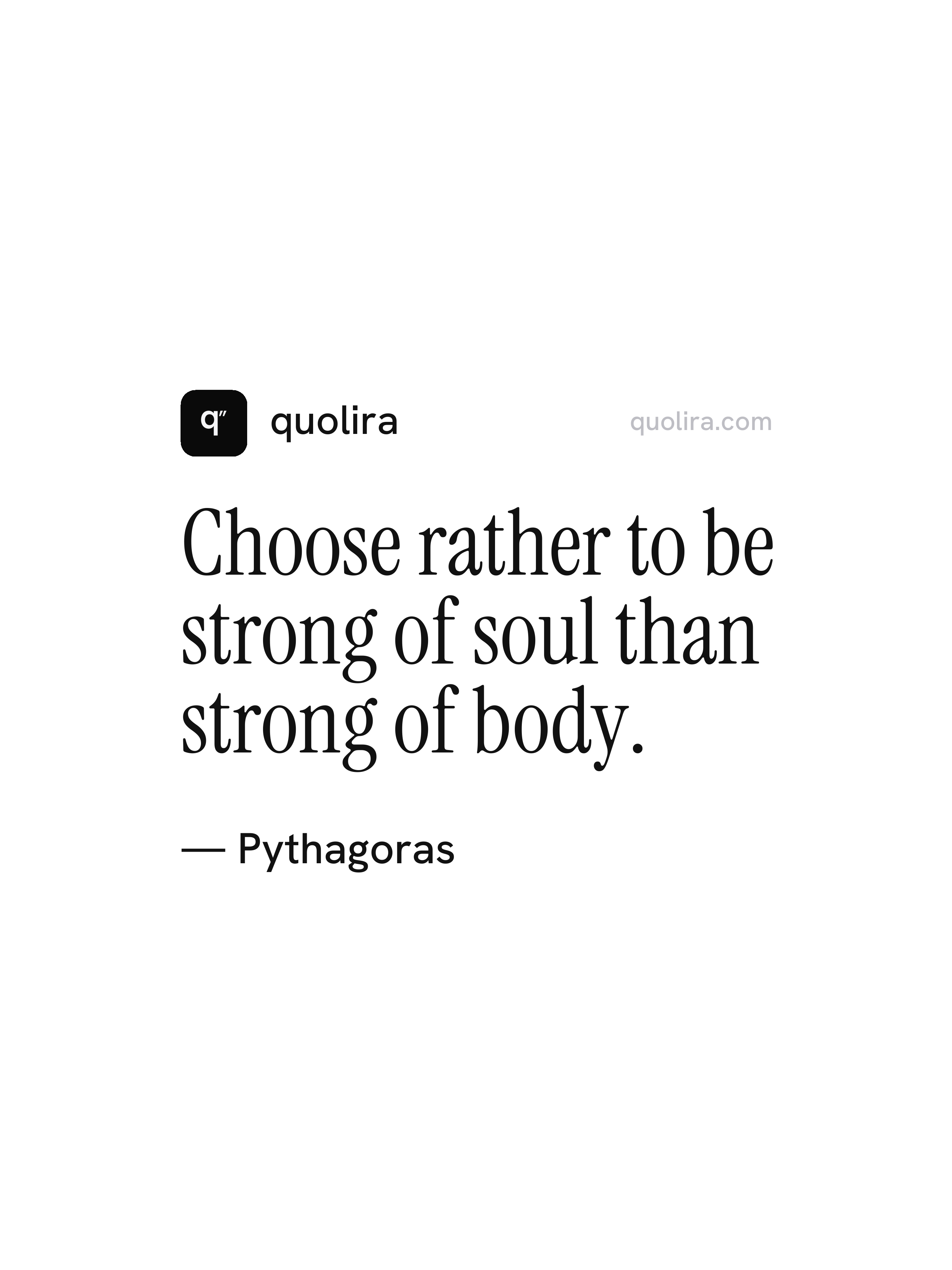
“Choose rather to be strong of soul than strong of body.”
Pythagoras
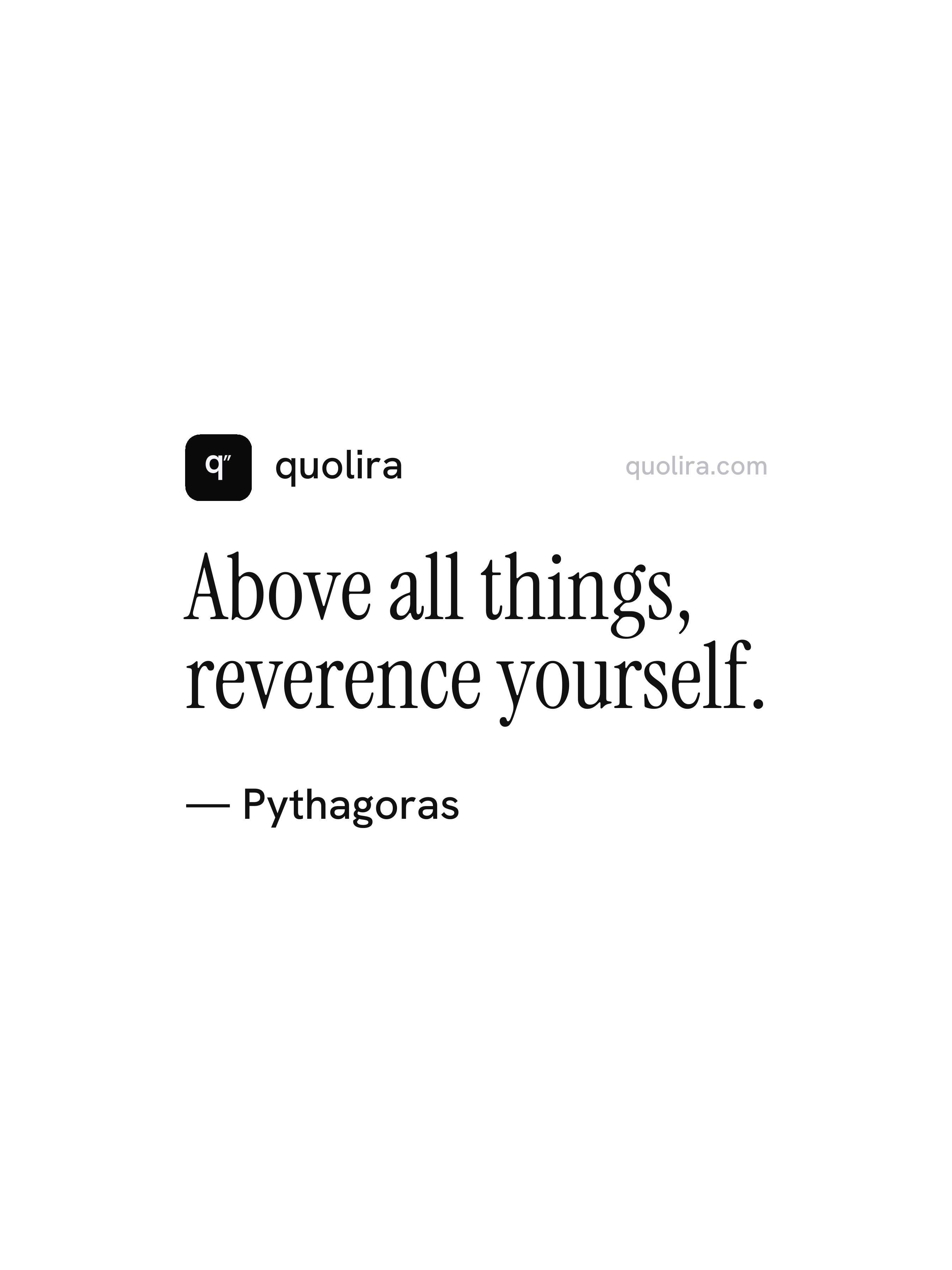
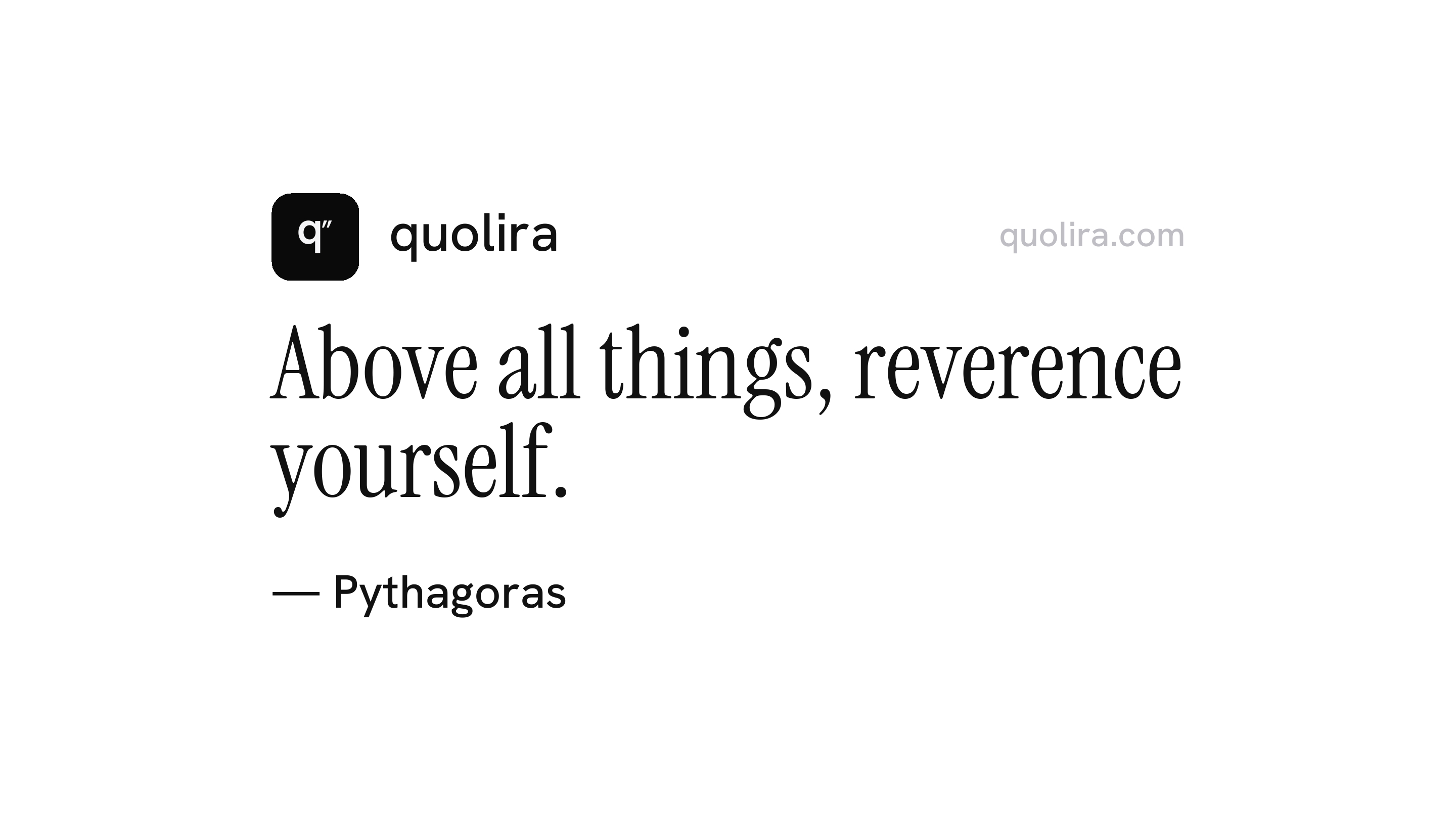
“Above all things, reverence yourself.”
Pythagoras · Golden Verses
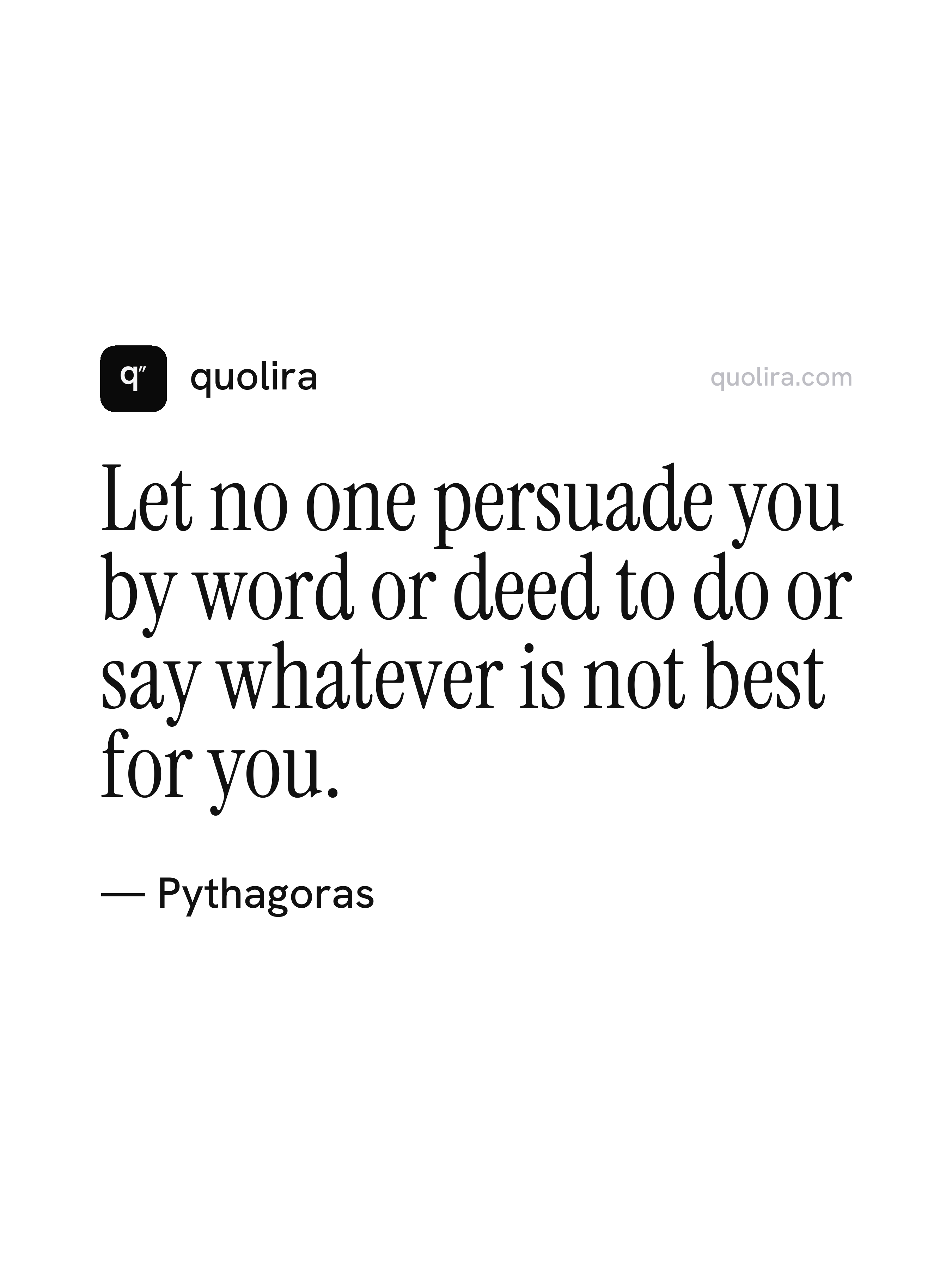
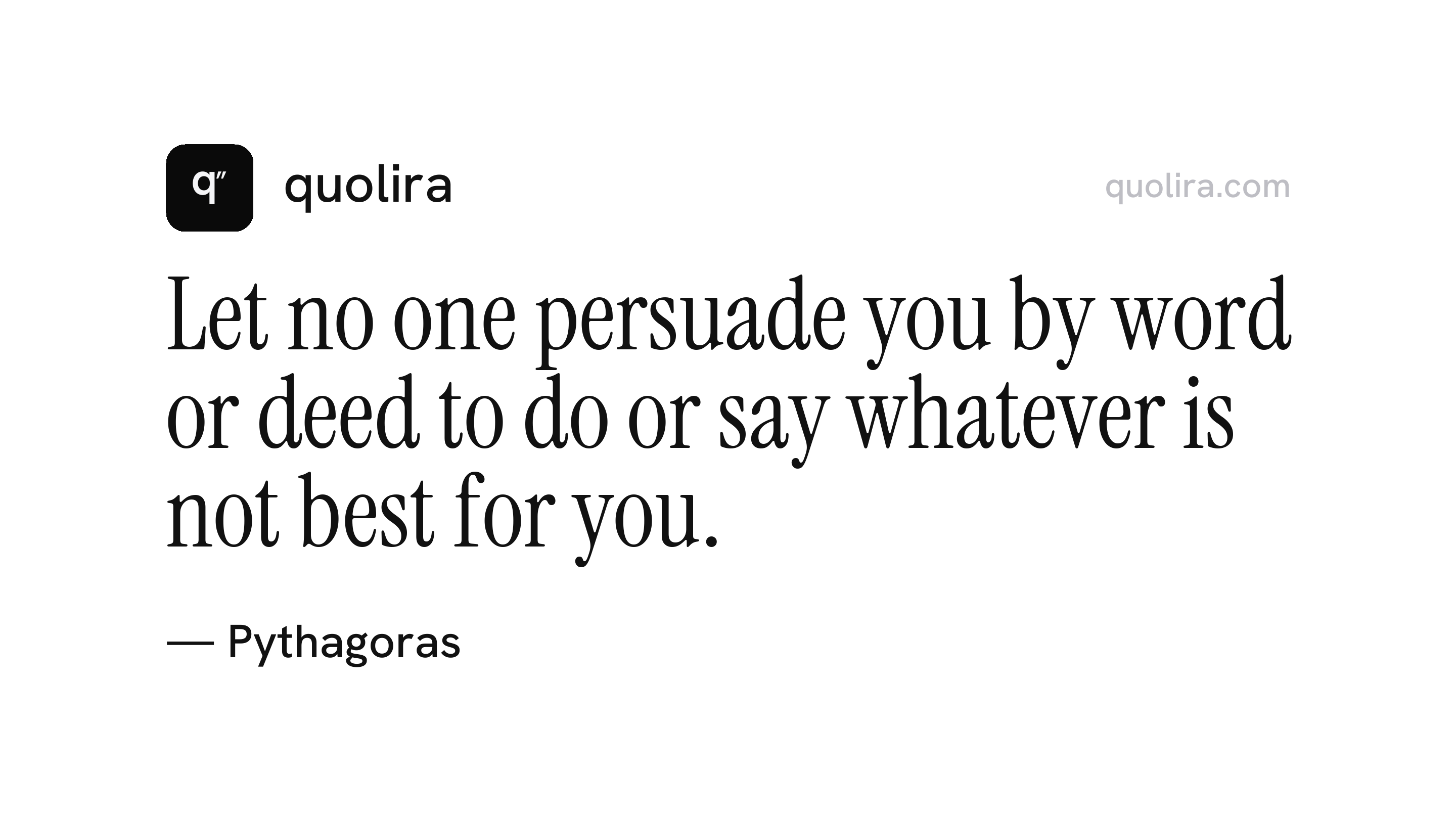
“Let no one persuade you by word or deed to do or say whatever is not best for you.”
Pythagoras · Golden Verses
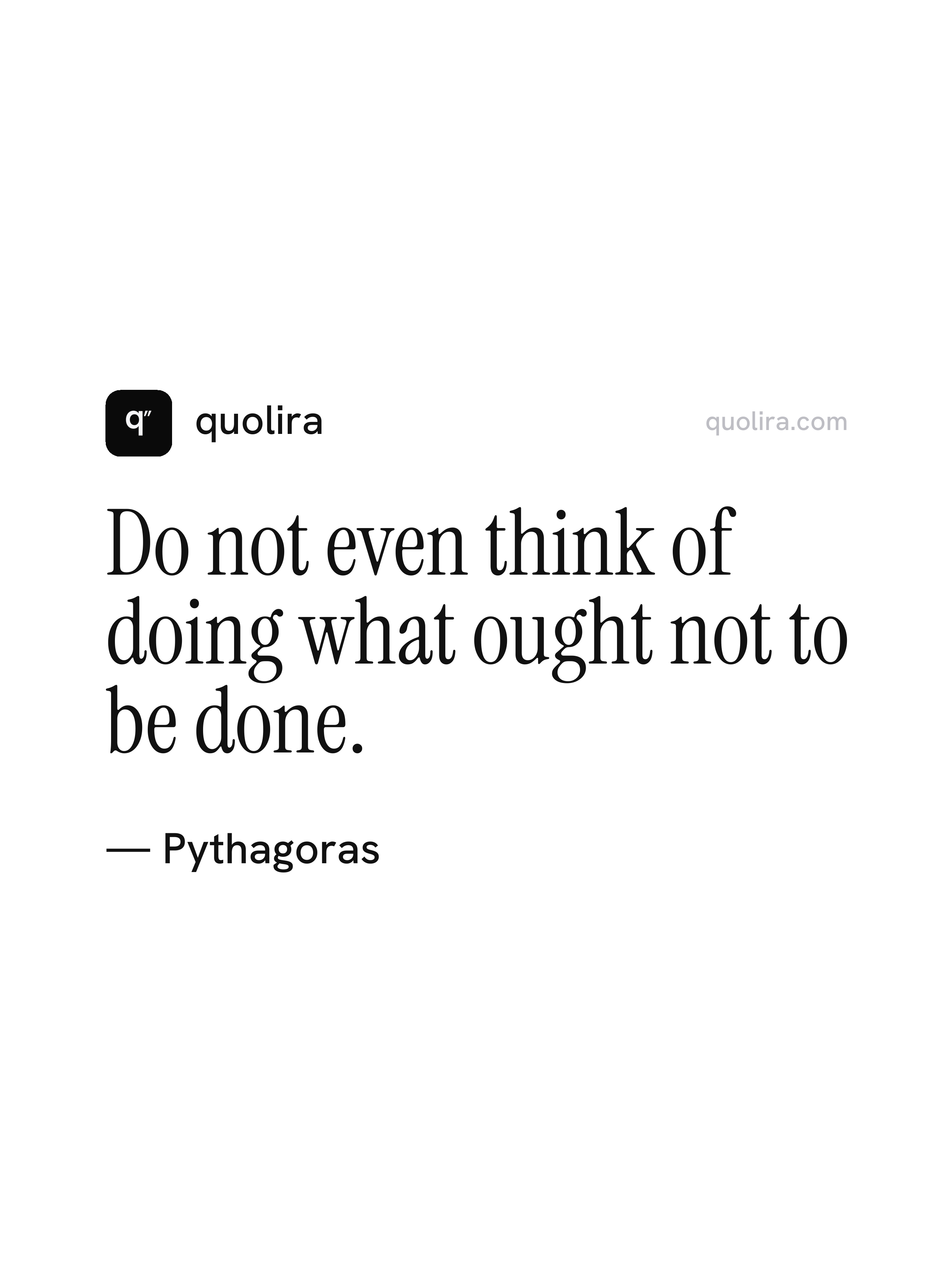
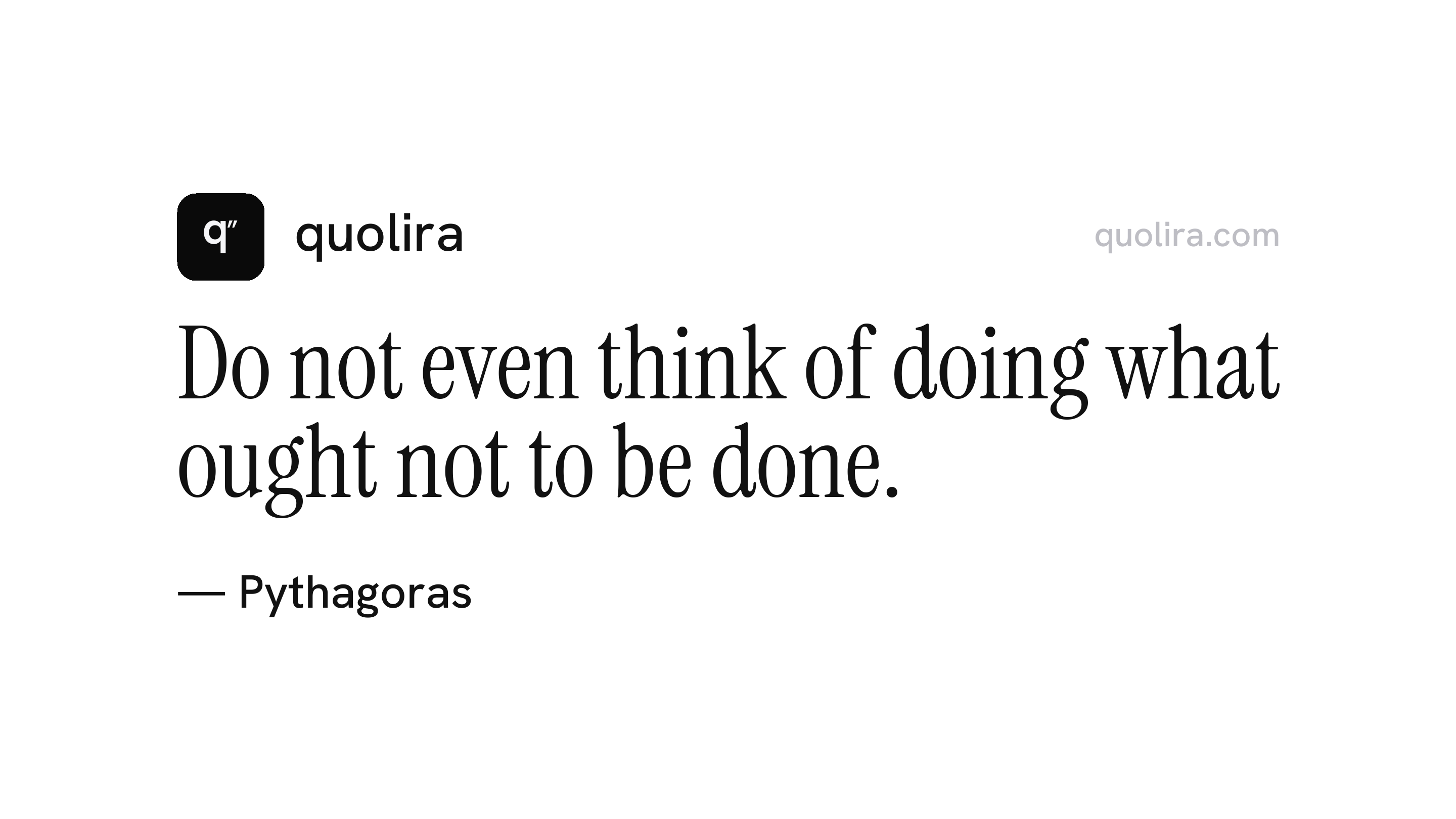
“Do not even think of doing what ought not to be done.”
Pythagoras · Golden Verses
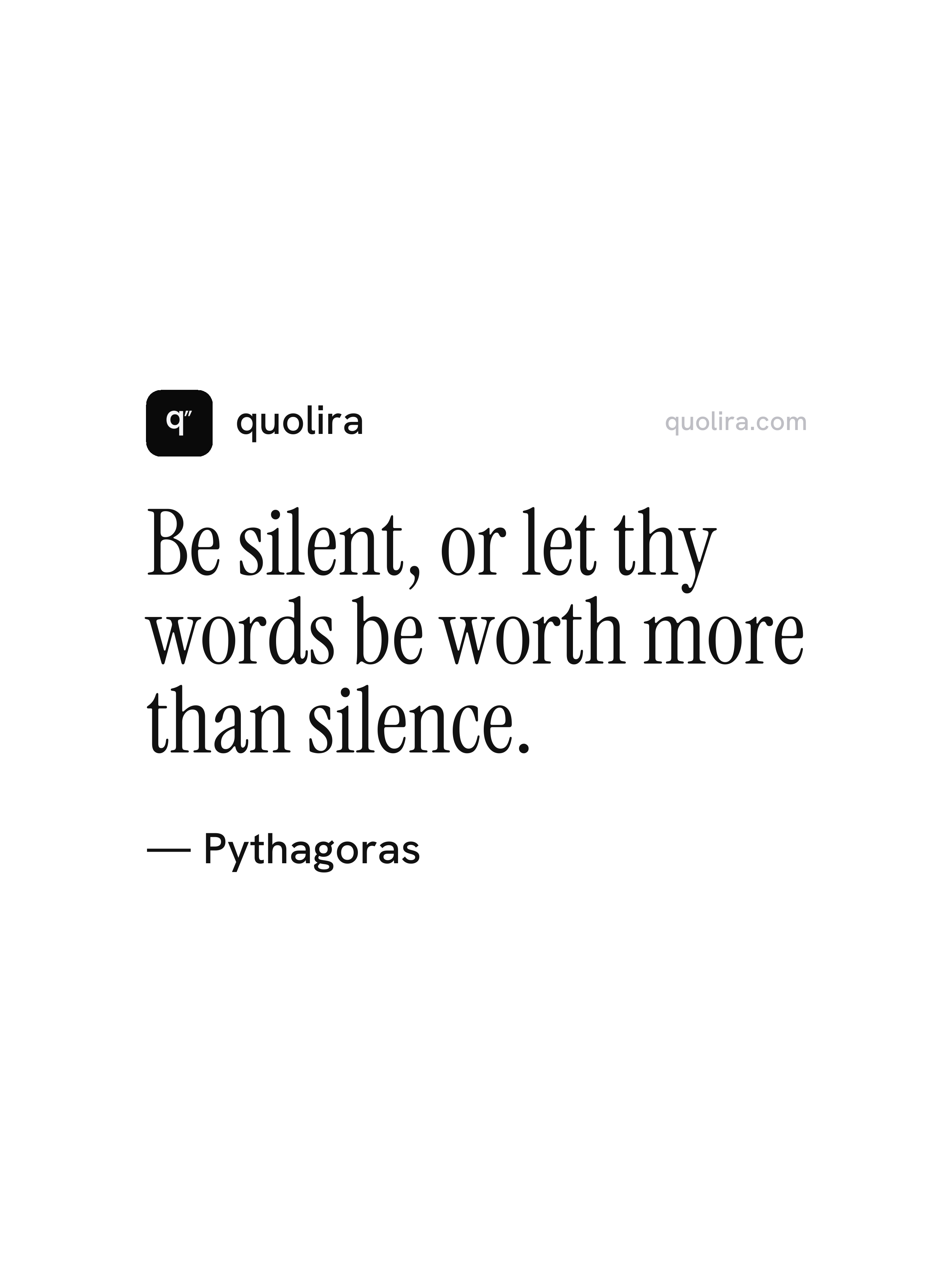
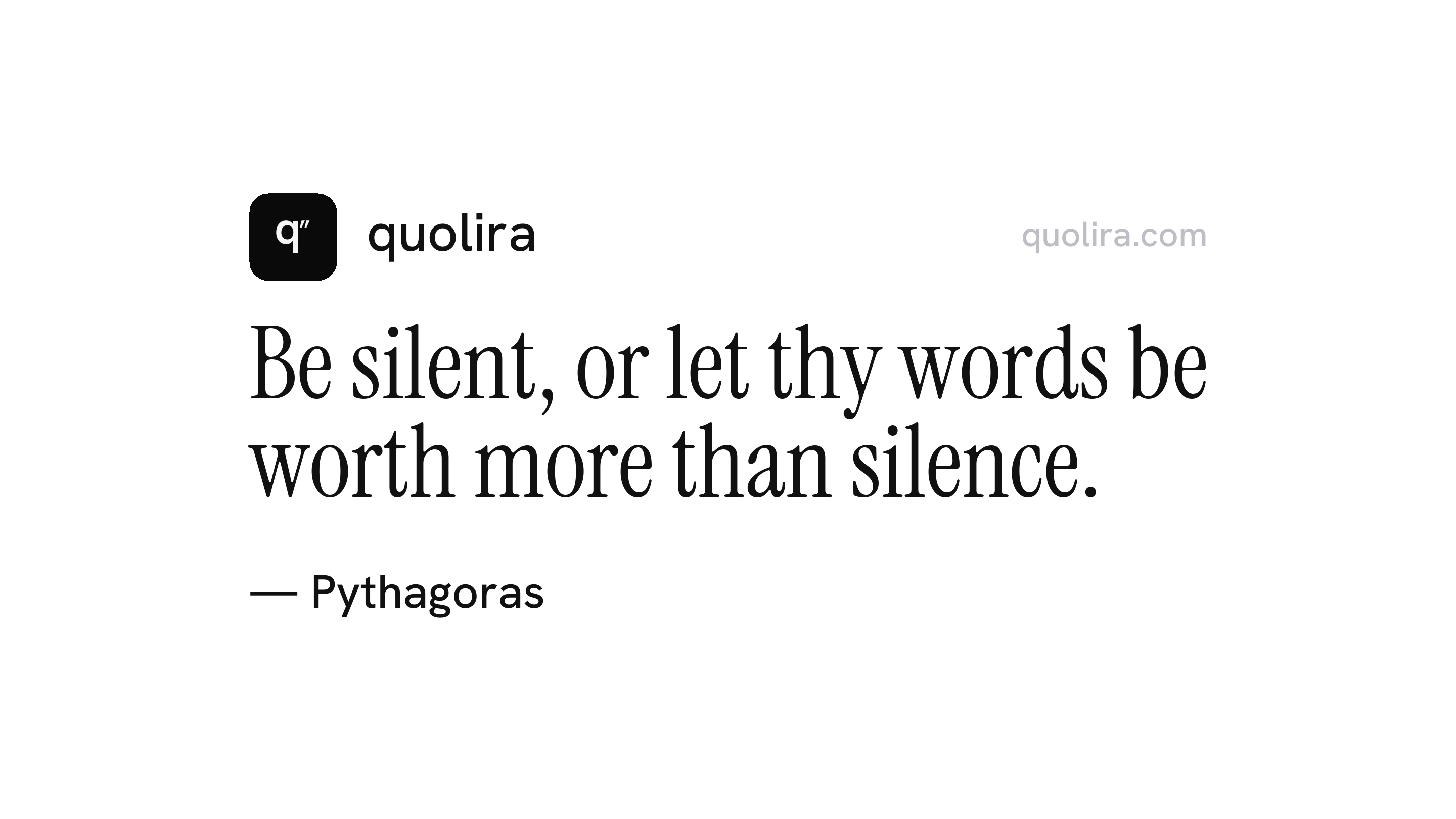
“Be silent, or let thy words be worth more than silence.”
Pythagoras
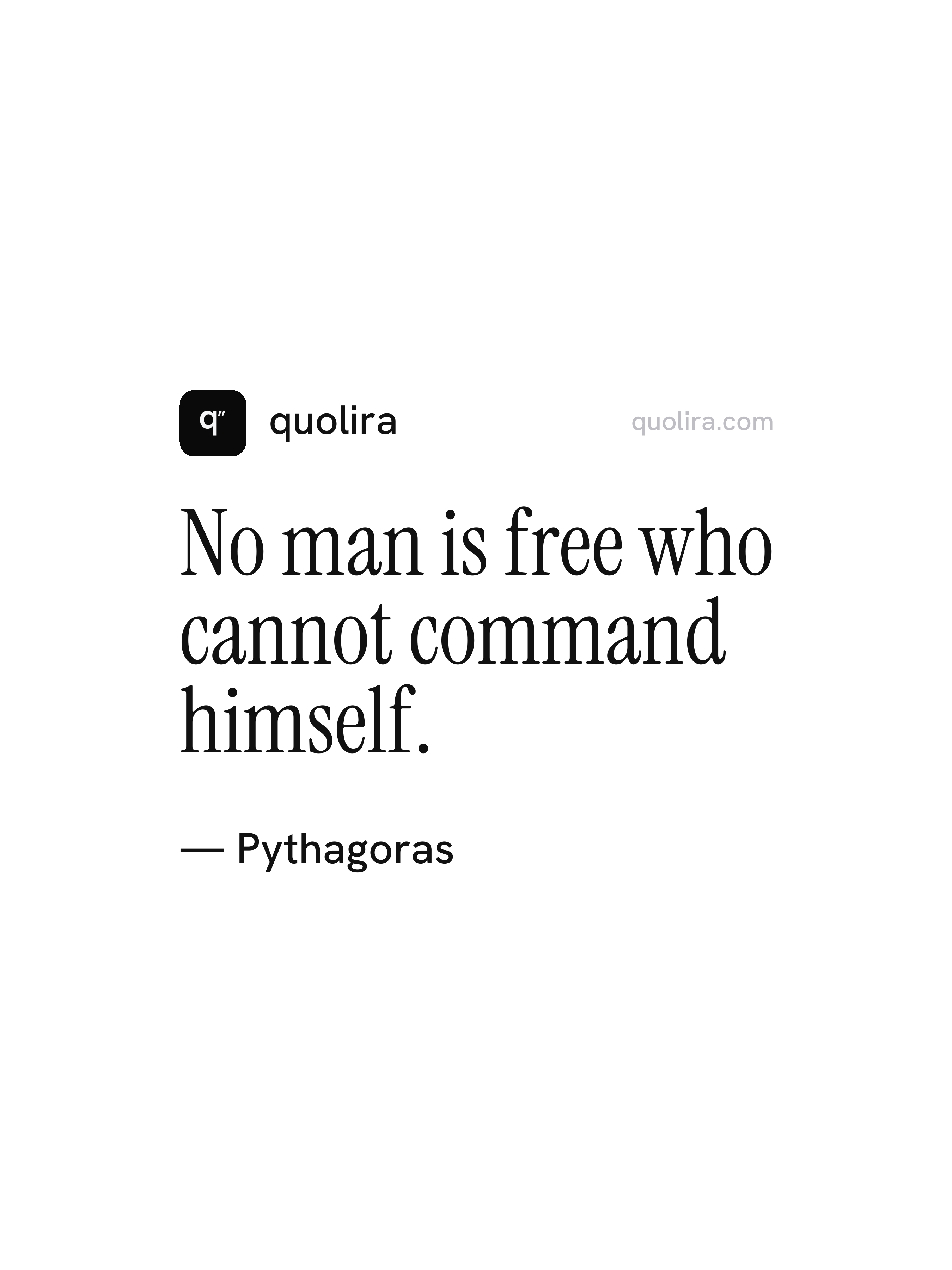
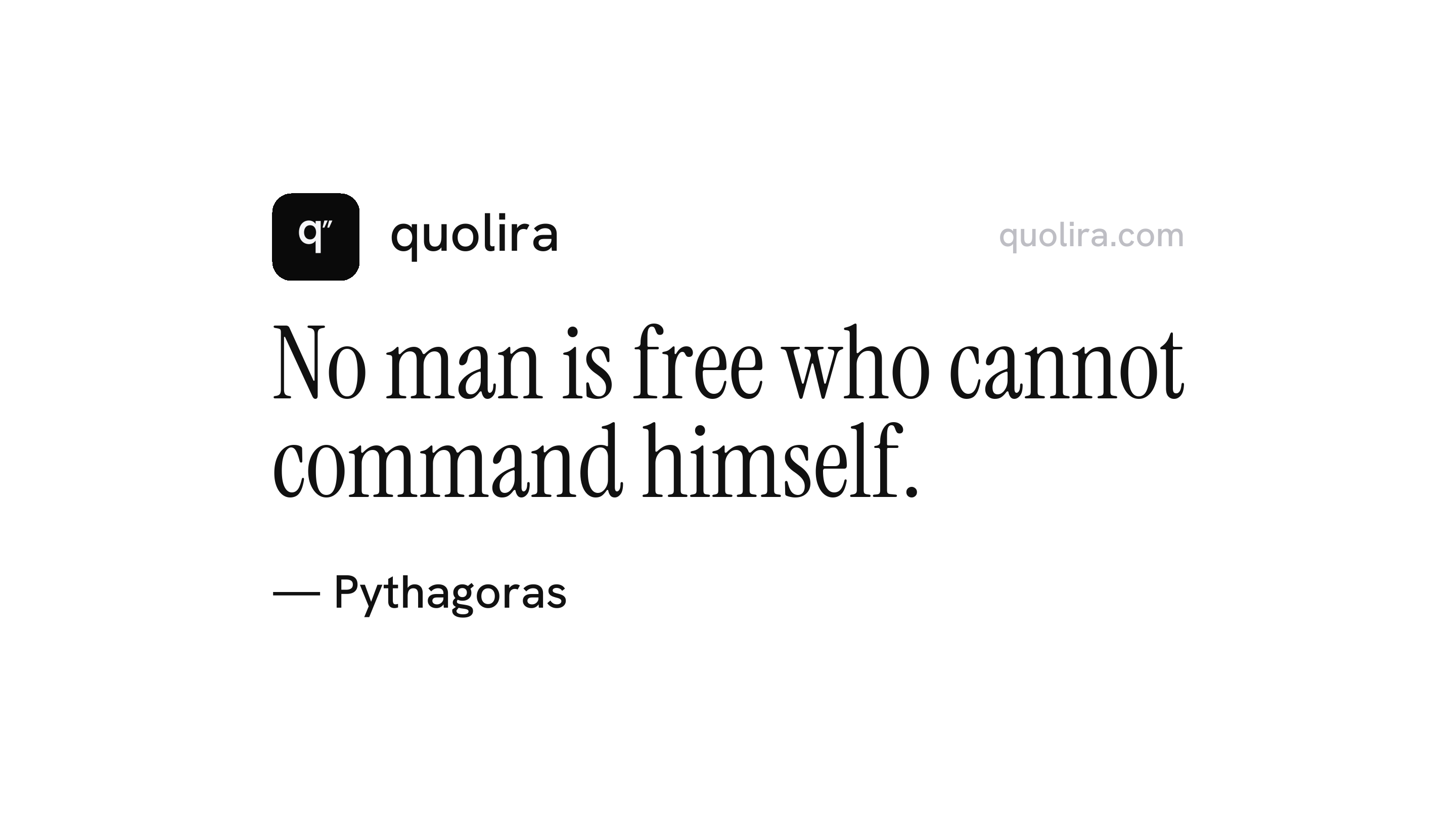
“No man is free who cannot command himself.”
Pythagoras
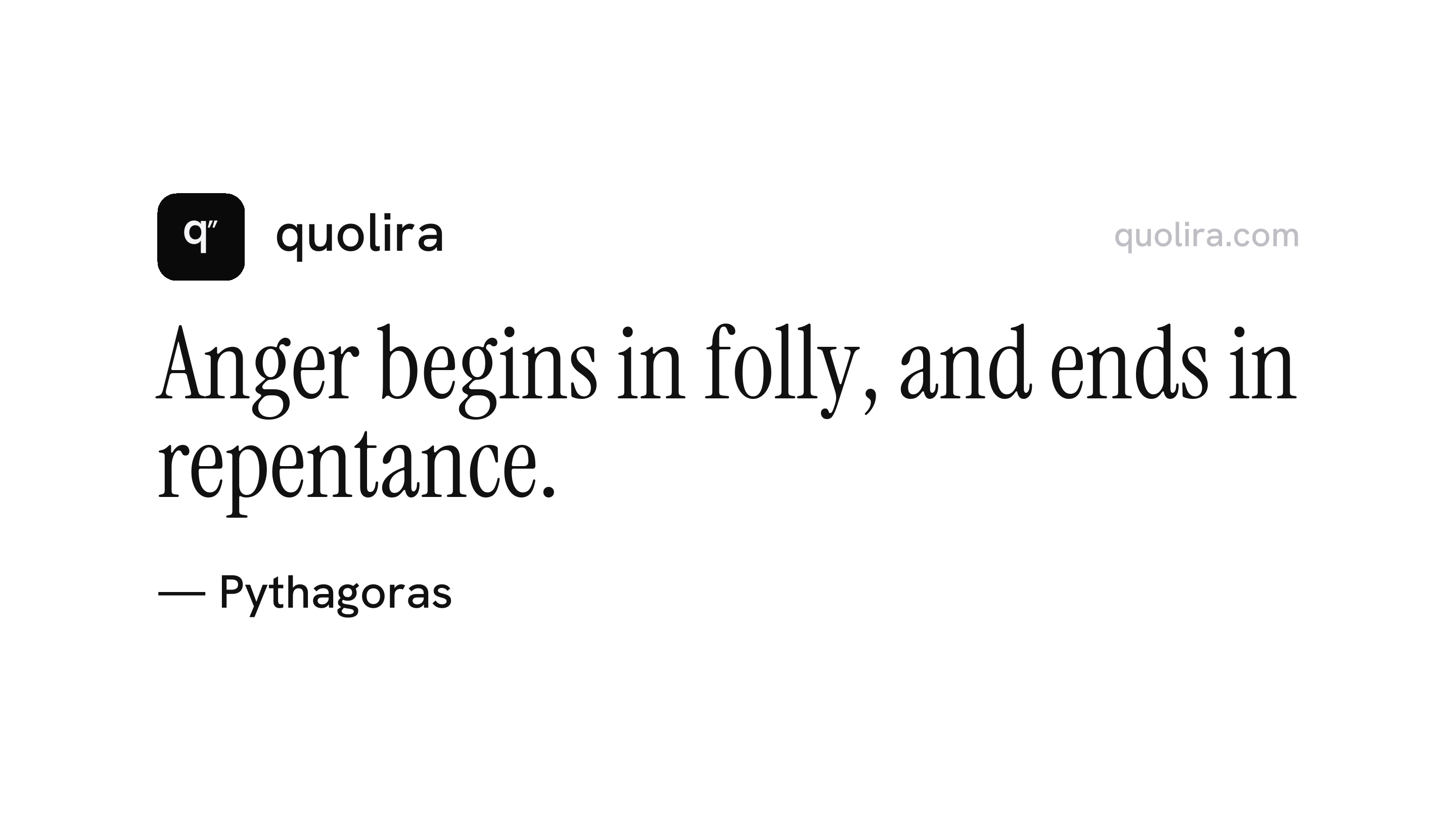
“Anger begins in folly, and ends in repentance.”
Pythagoras
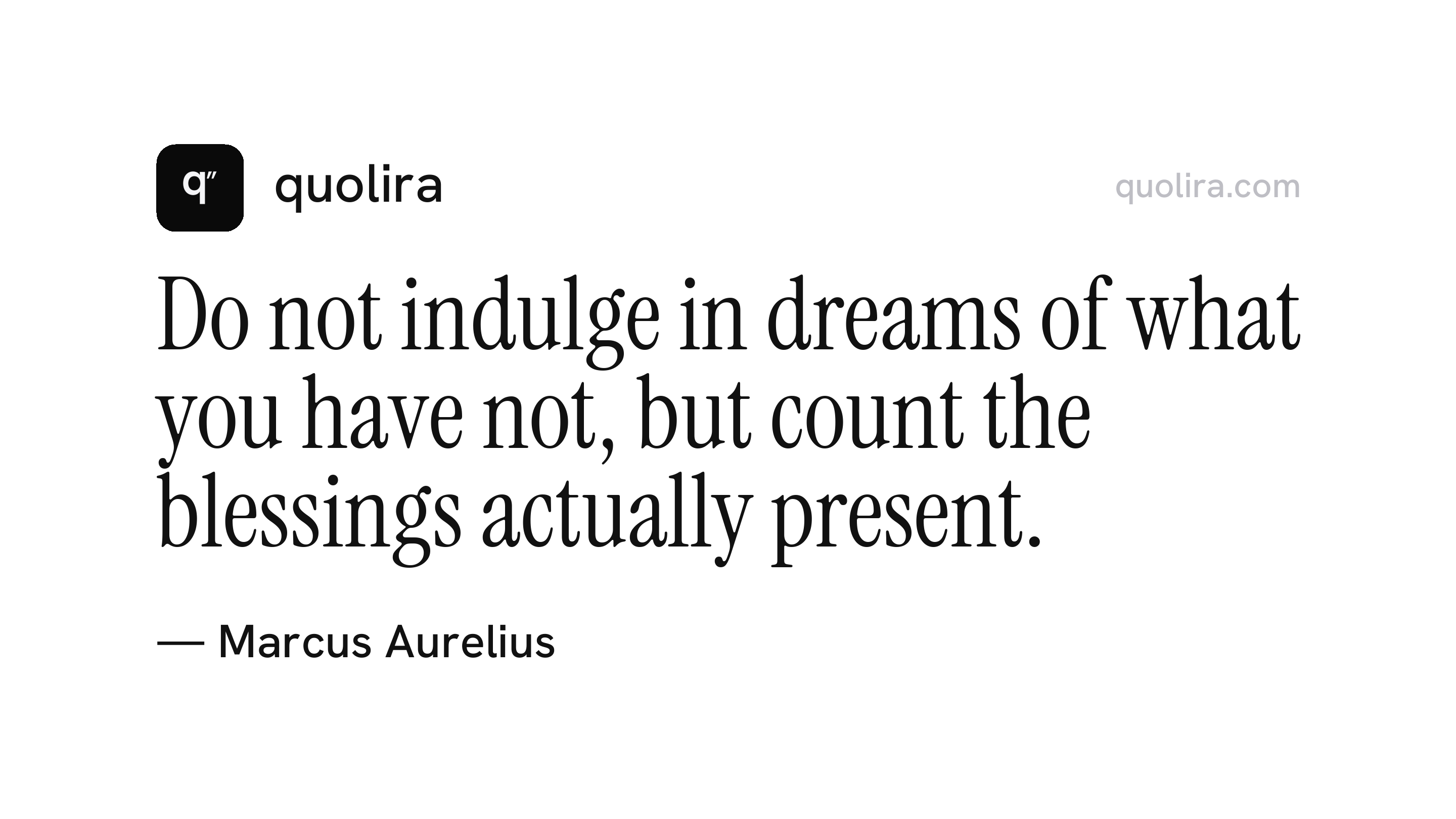
“Do not indulge in dreams of what you have not, but count the blessings actually present.”
Marcus Aurelius · Meditations
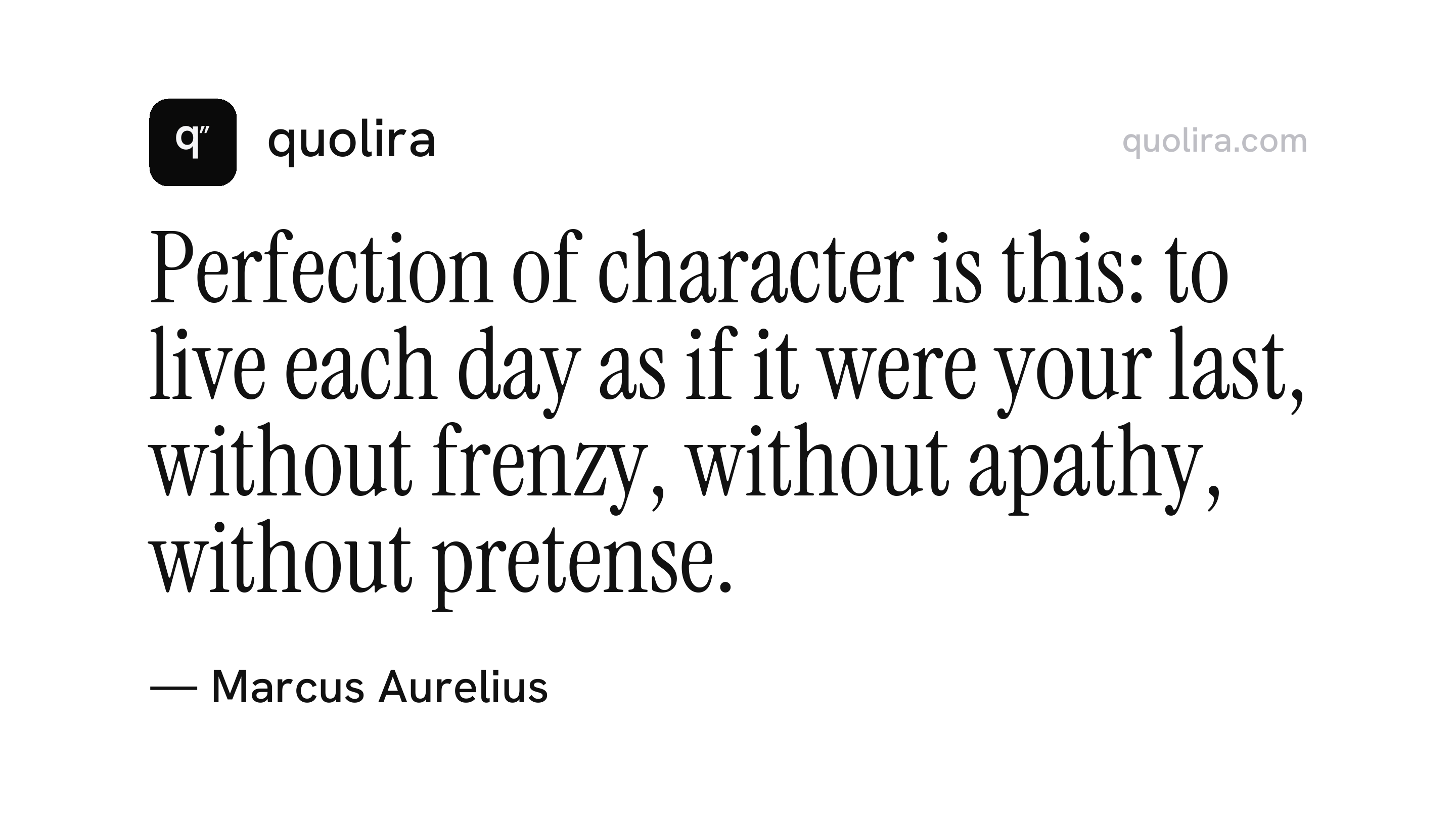
“Perfection of character is this: to live each day as if it were your last, without frenzy, without apathy, without pretense.”
Marcus Aurelius · Meditations
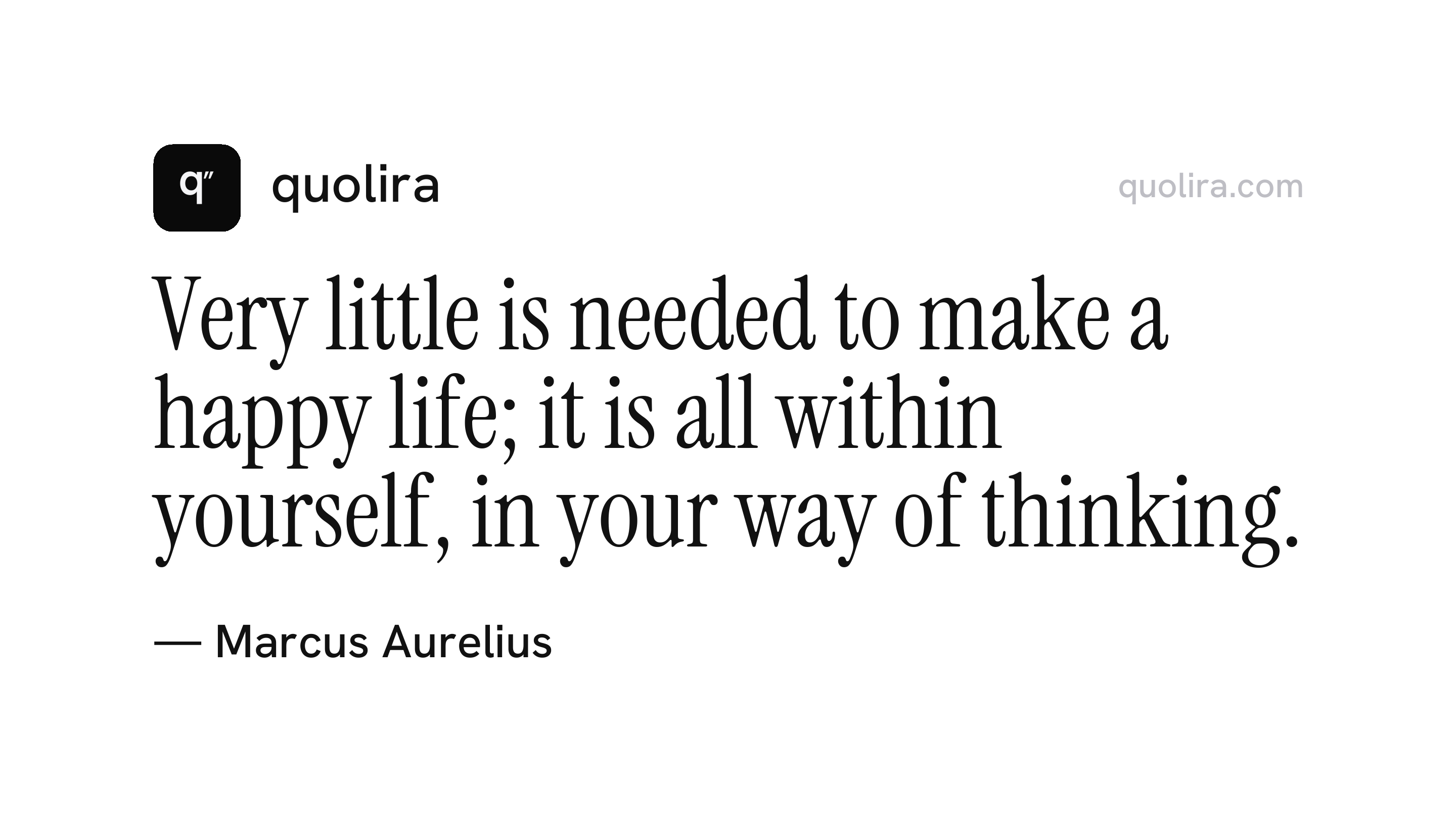
“Very little is needed to make a happy life; it is all within yourself, in your way of thinking.”
Marcus Aurelius · Meditations