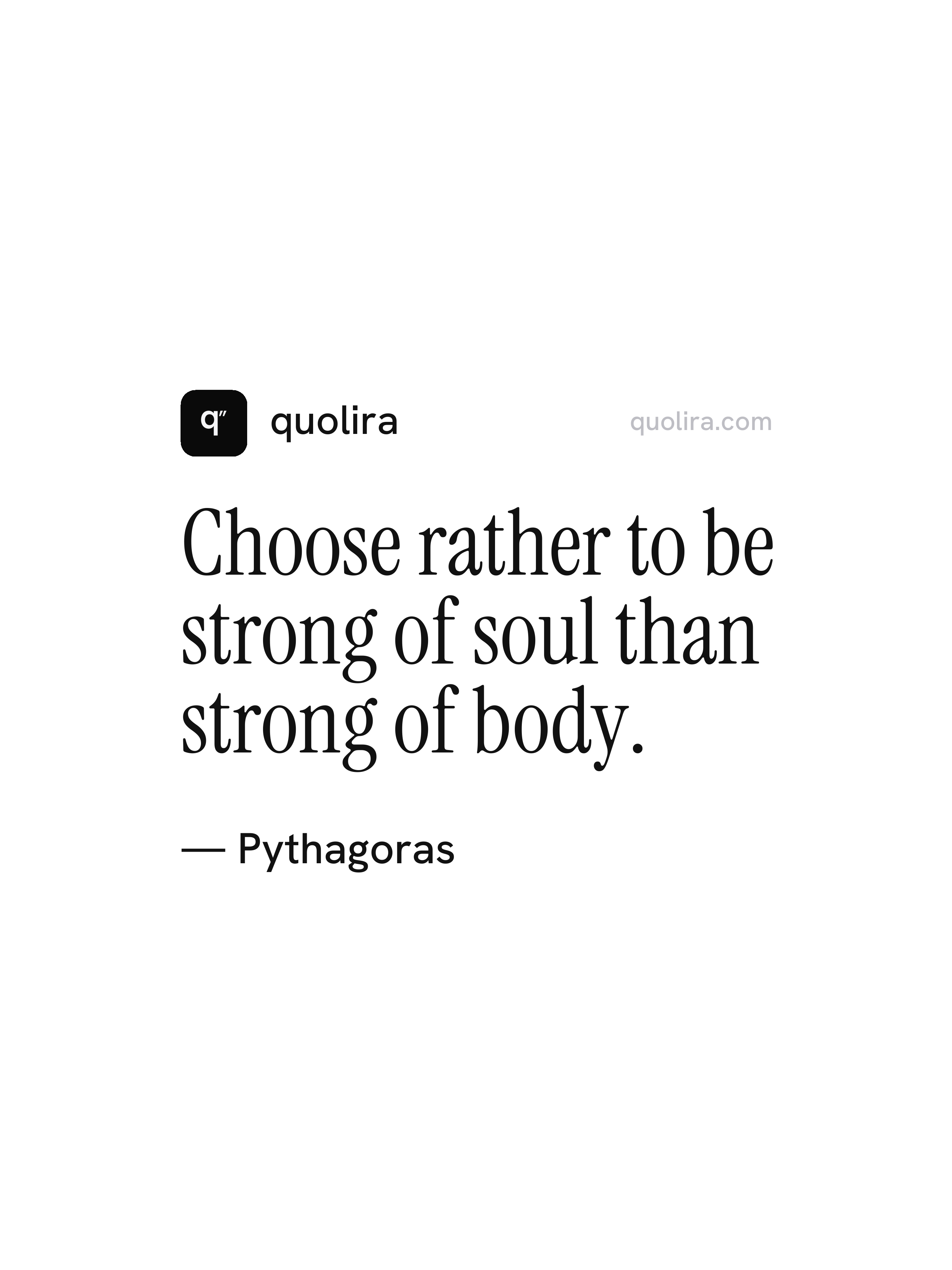
“Choose rather to be strong of soul than strong of body.”
Pythagoras
 quolira
.com
quolira
quolira.com
This is a prescription for daily self-examination. The advice is to review the day's events three times before sleep, not as a ritual of self-punishment, but as a practice of honest reflection. By revisiting what you did, said, and chose, you develop a clearer picture of where your behavior matched your values and where it fell short. Repeated nightly, this kind of review gradually sharpens judgment and strengthens self-awareness over time.
The instruction appears in the Golden Verses, a text associated with the Pythagorean way of life. Evening reflection was a recognized practice in several ancient philosophical traditions, valued because the quiet of night removes the noise and distraction of daily activity and makes honest assessment more possible. For the Pythagoreans, who placed great importance on self-mastery and continuous moral development, such a practice was not optional but part of the discipline required to live well. The number three carried symbolic significance in Pythagorean thought, which may also explain the specific formulation here.
Pythagoras was a Greek philosopher and mathematician of the sixth century BCE whose ideas shaped much of subsequent Western philosophy. He is perhaps most widely known for the geometric theorem that bears his name, but his philosophical contributions were equally significant, particularly his teachings on ethics, the soul, and the relationship between mathematics and the natural world. His followers formed a close community, and his teachings were passed down through their collective memory and later written accounts.
“Choose rather to be strong of soul than strong of body.”
Pythagoras
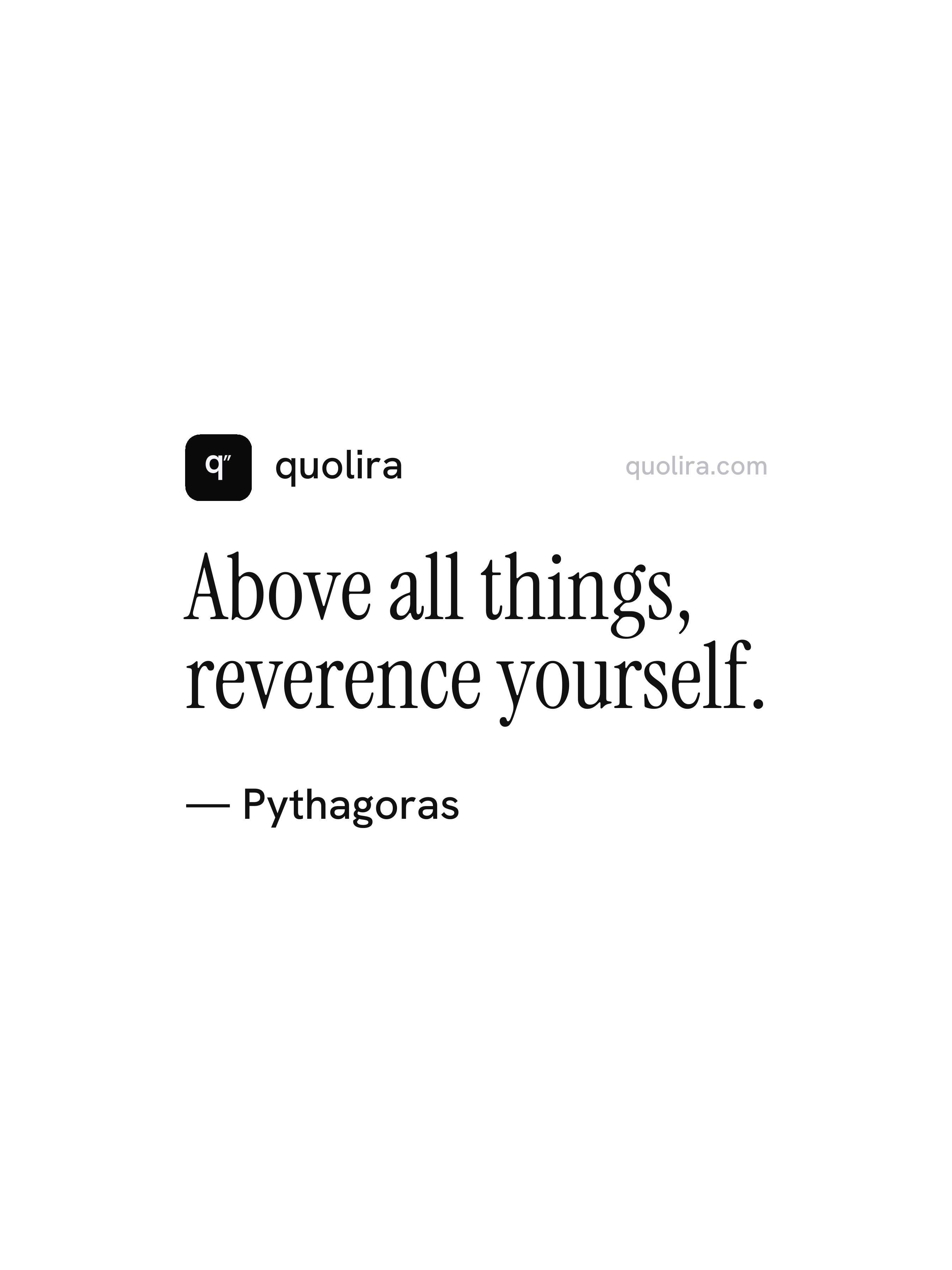
“Above all things, reverence yourself.”
Pythagoras · Golden Verses
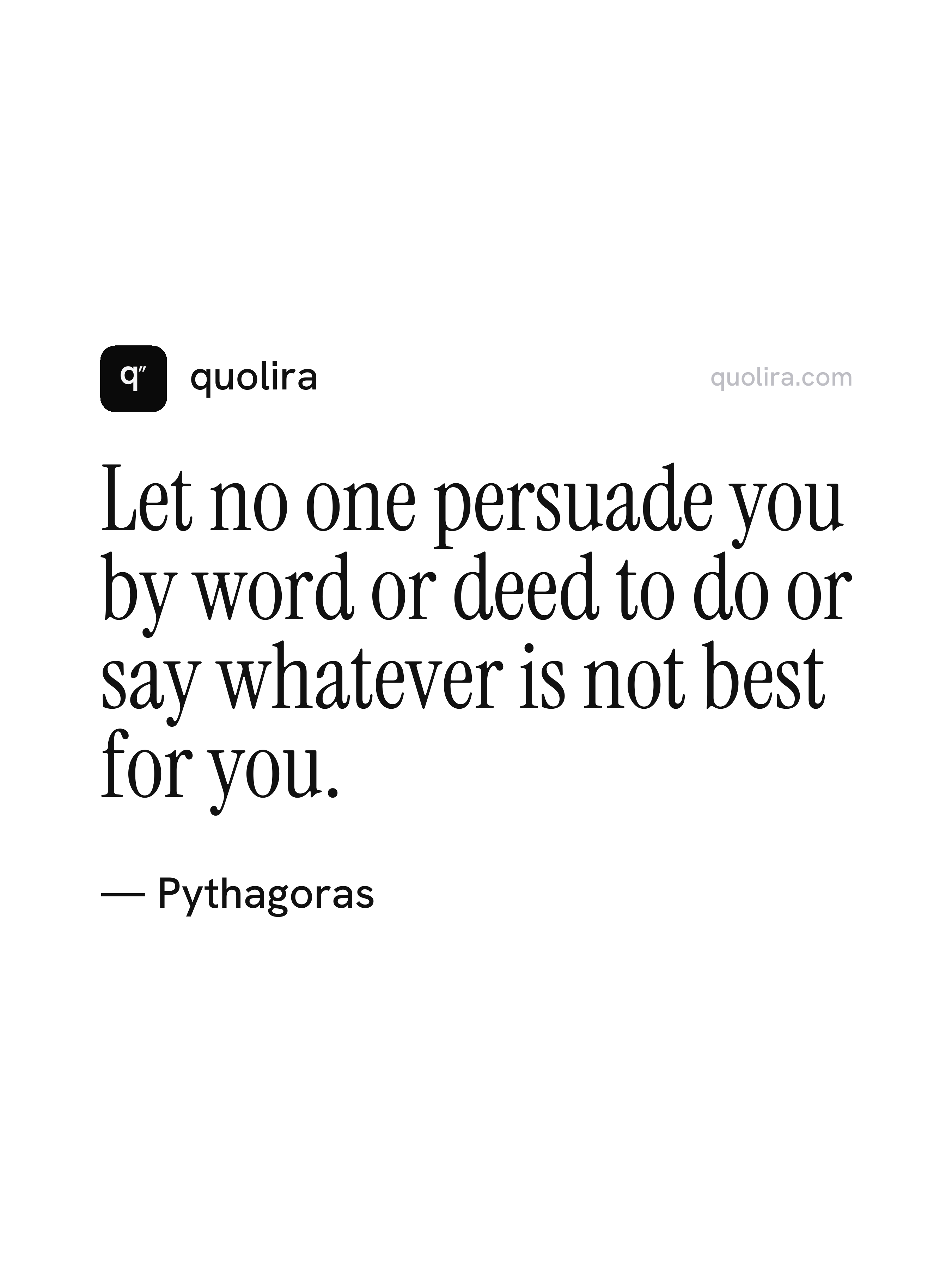
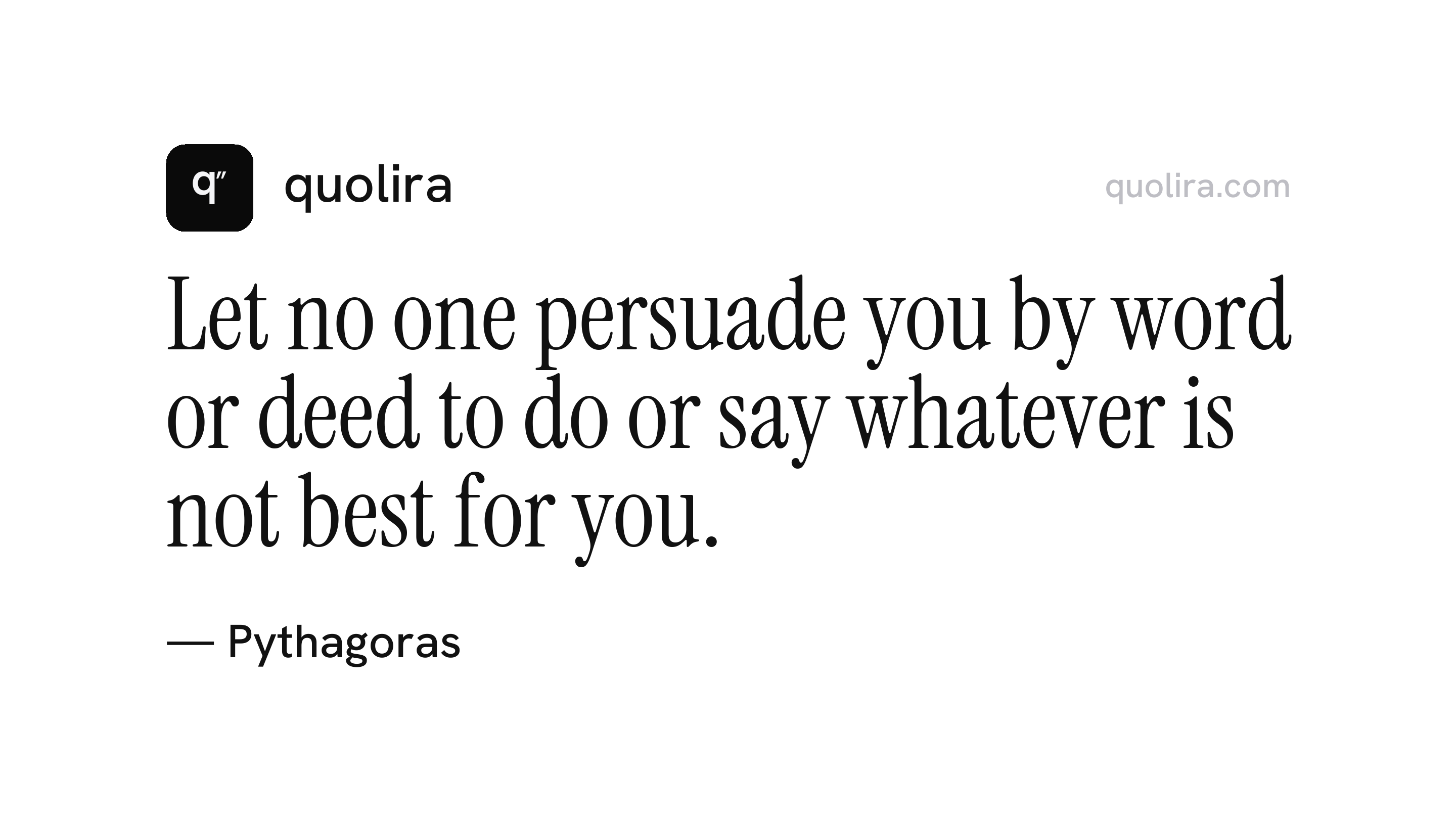
“Let no one persuade you by word or deed to do or say whatever is not best for you.”
Pythagoras · Golden Verses
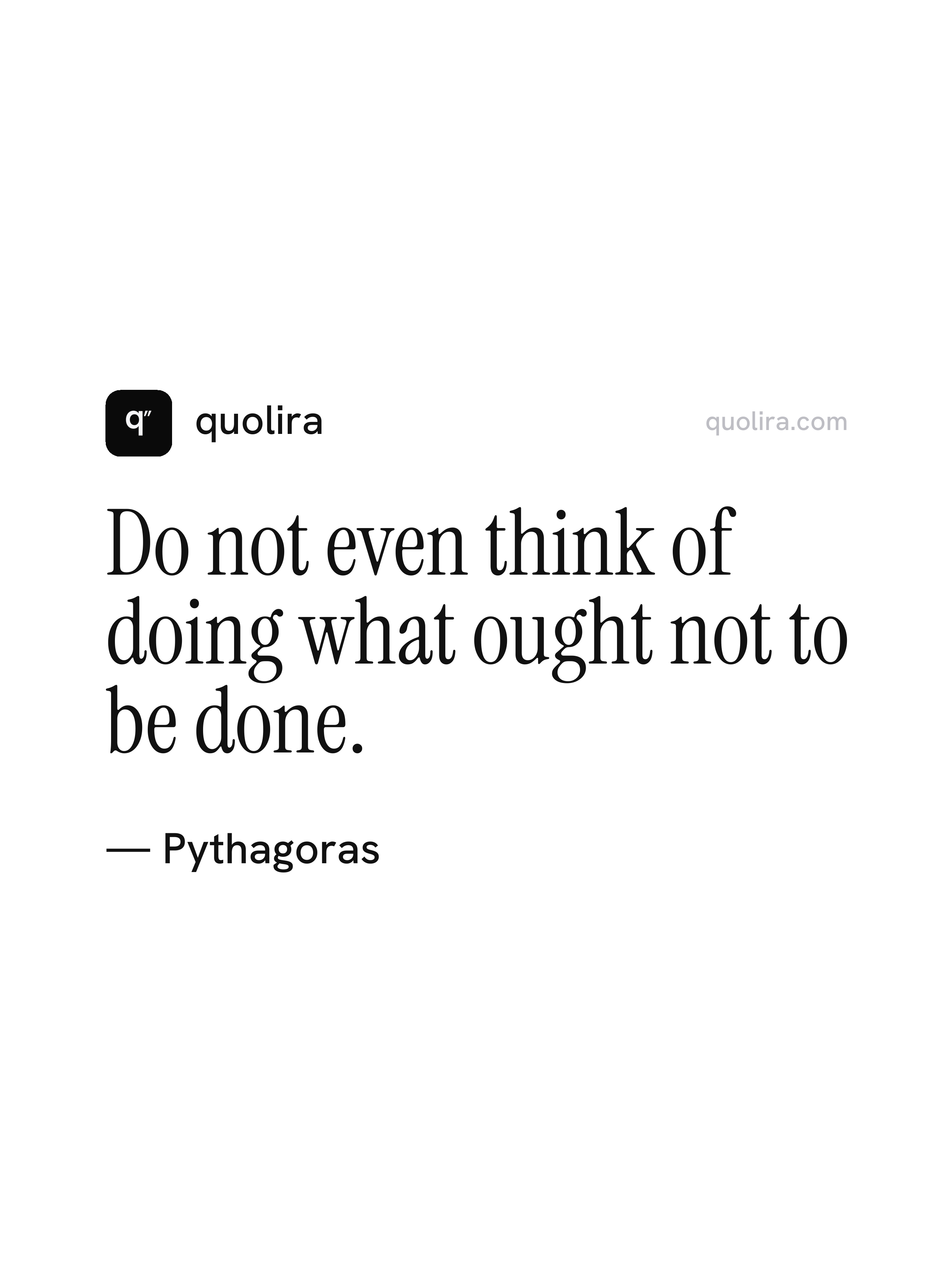
“Do not even think of doing what ought not to be done.”
Pythagoras · Golden Verses
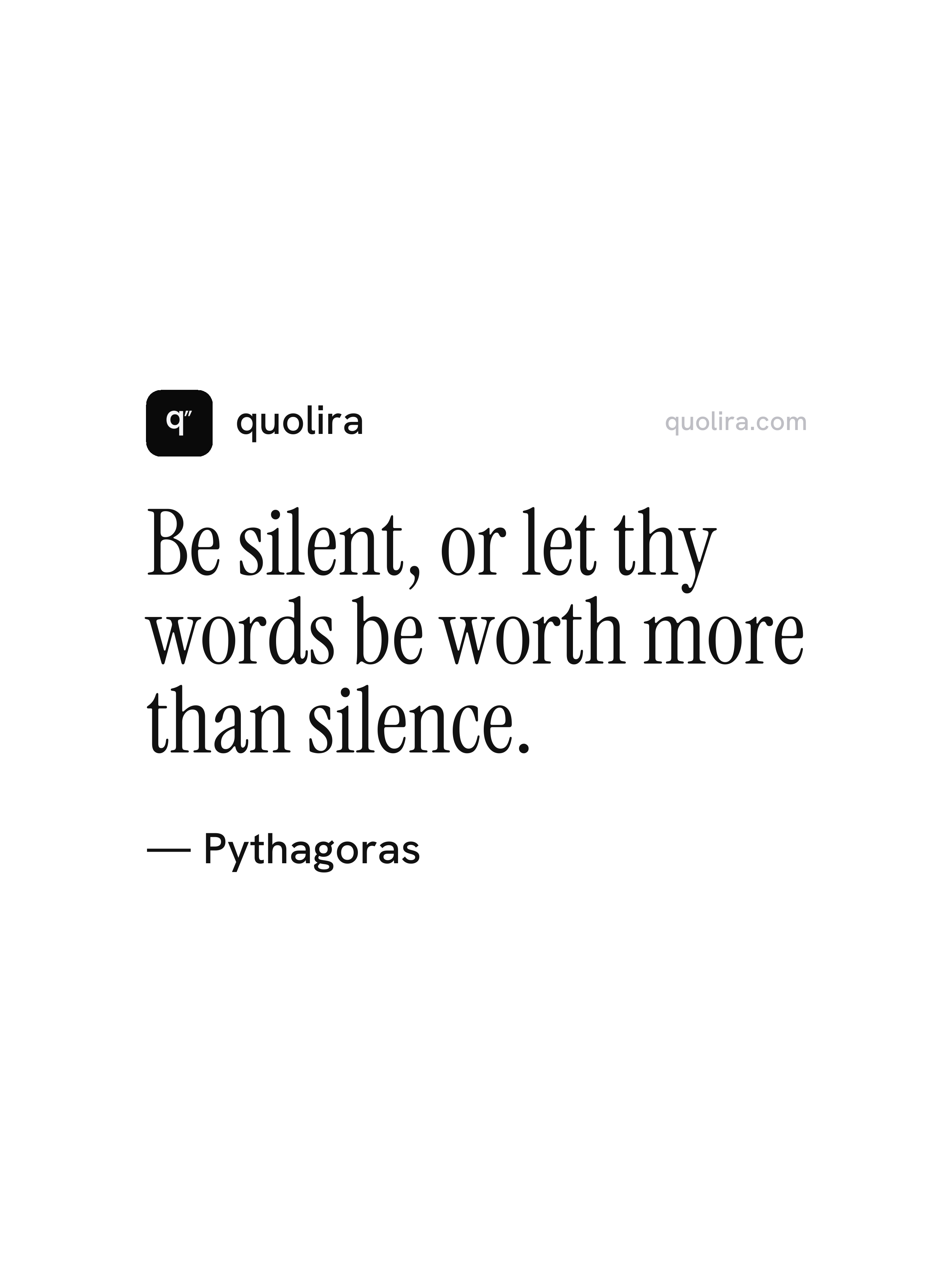
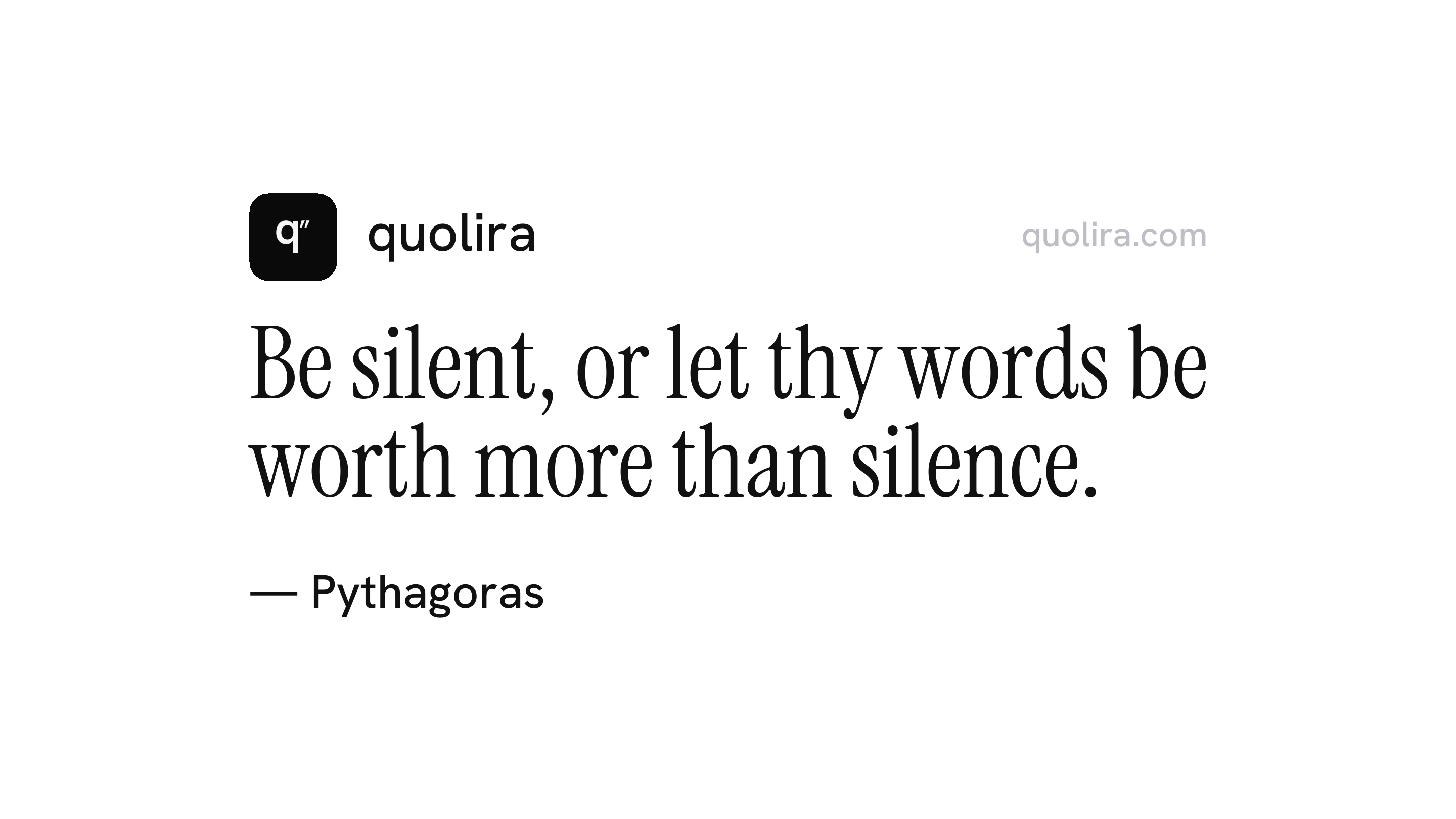
“Be silent, or let thy words be worth more than silence.”
Pythagoras
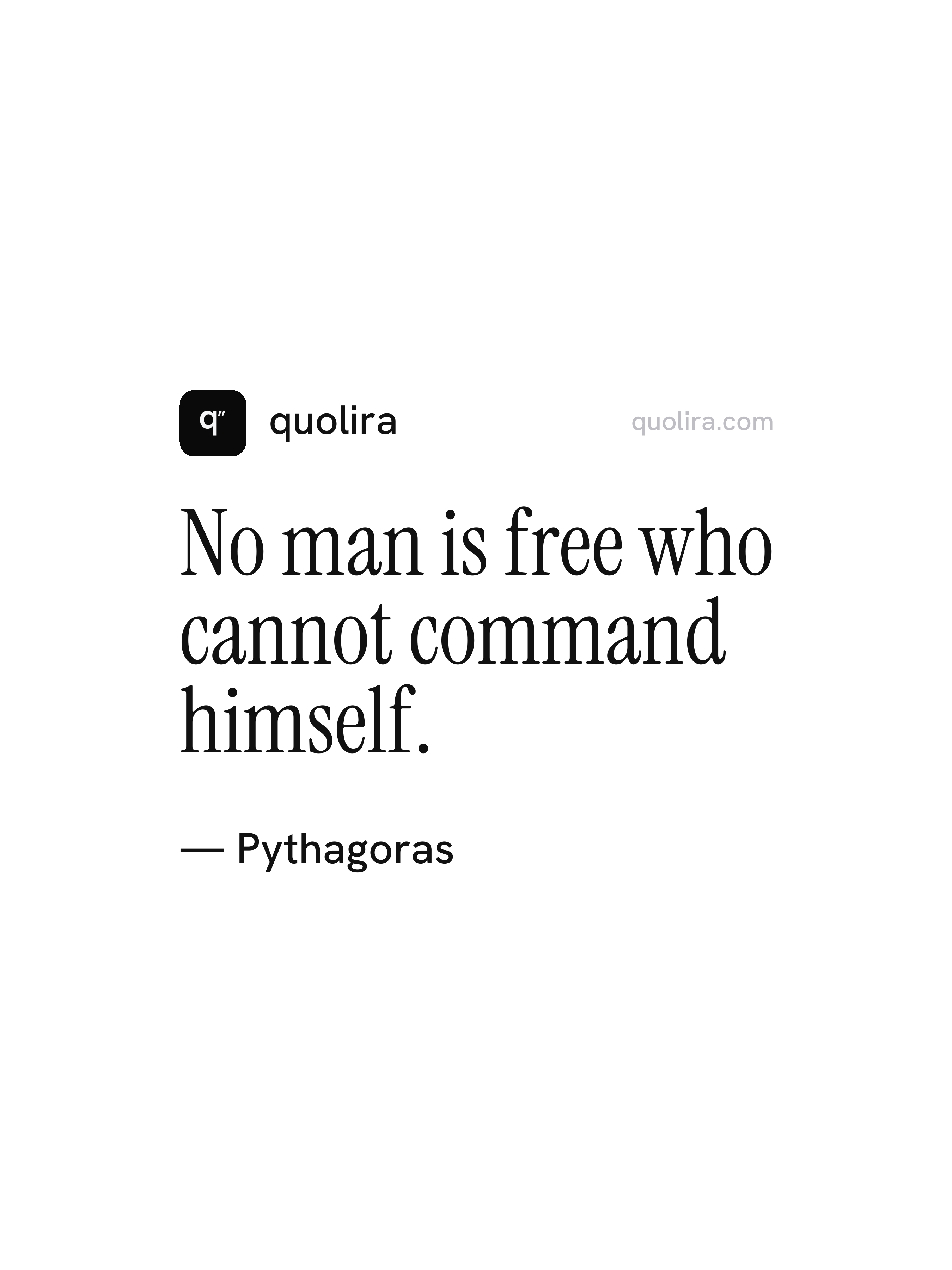
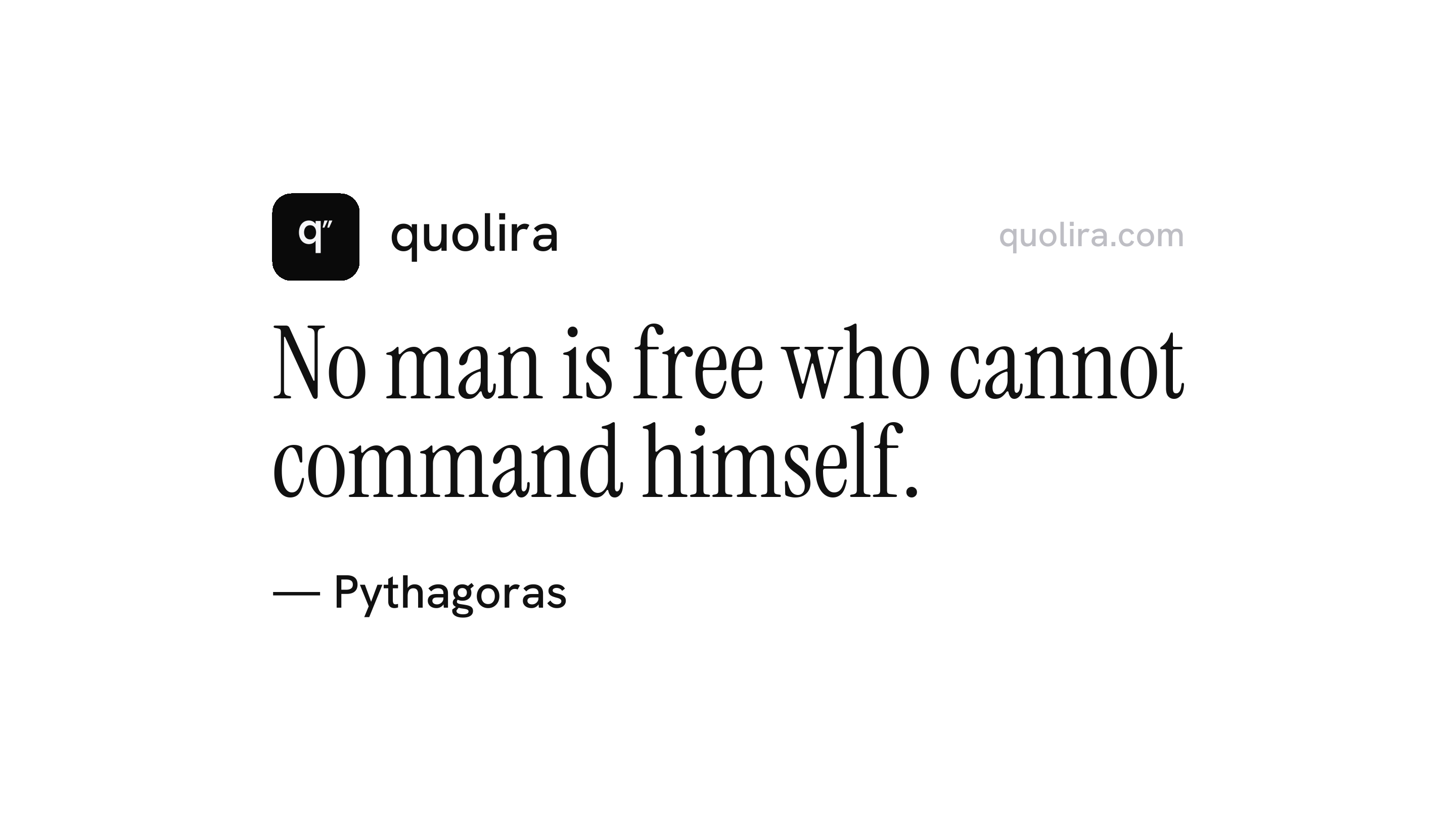
“No man is free who cannot command himself.”
Pythagoras
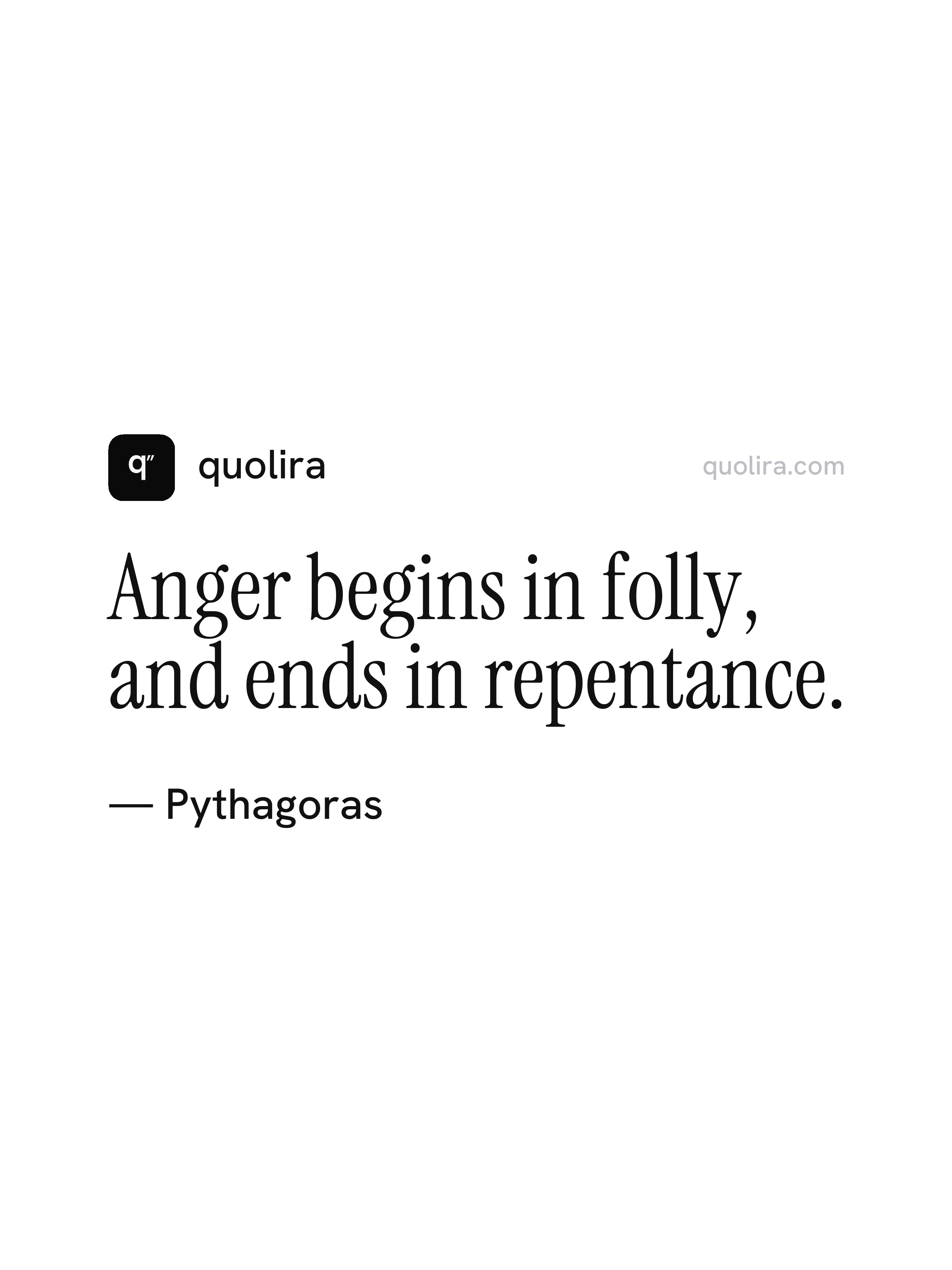
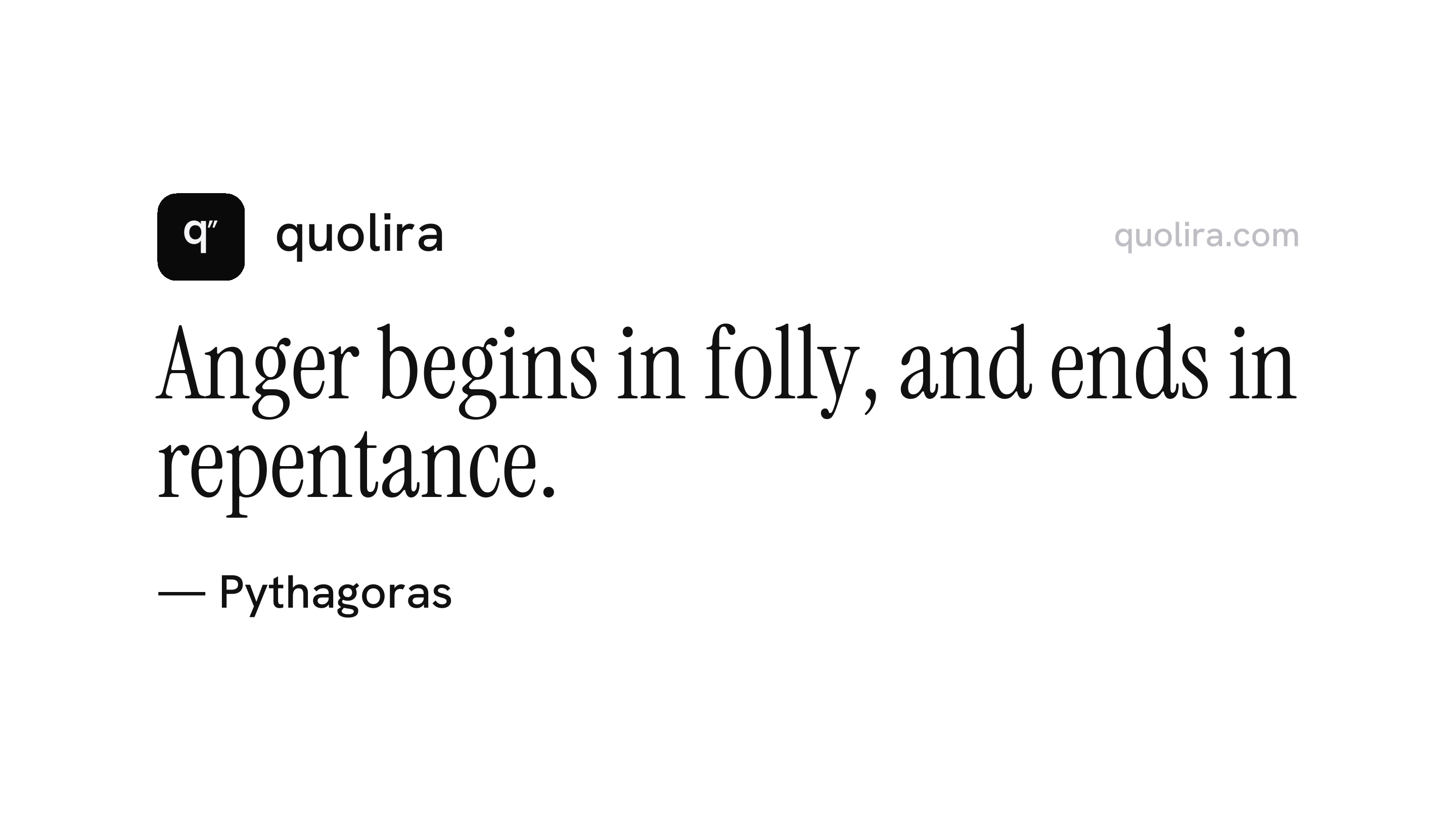
“Anger begins in folly, and ends in repentance.”
Pythagoras
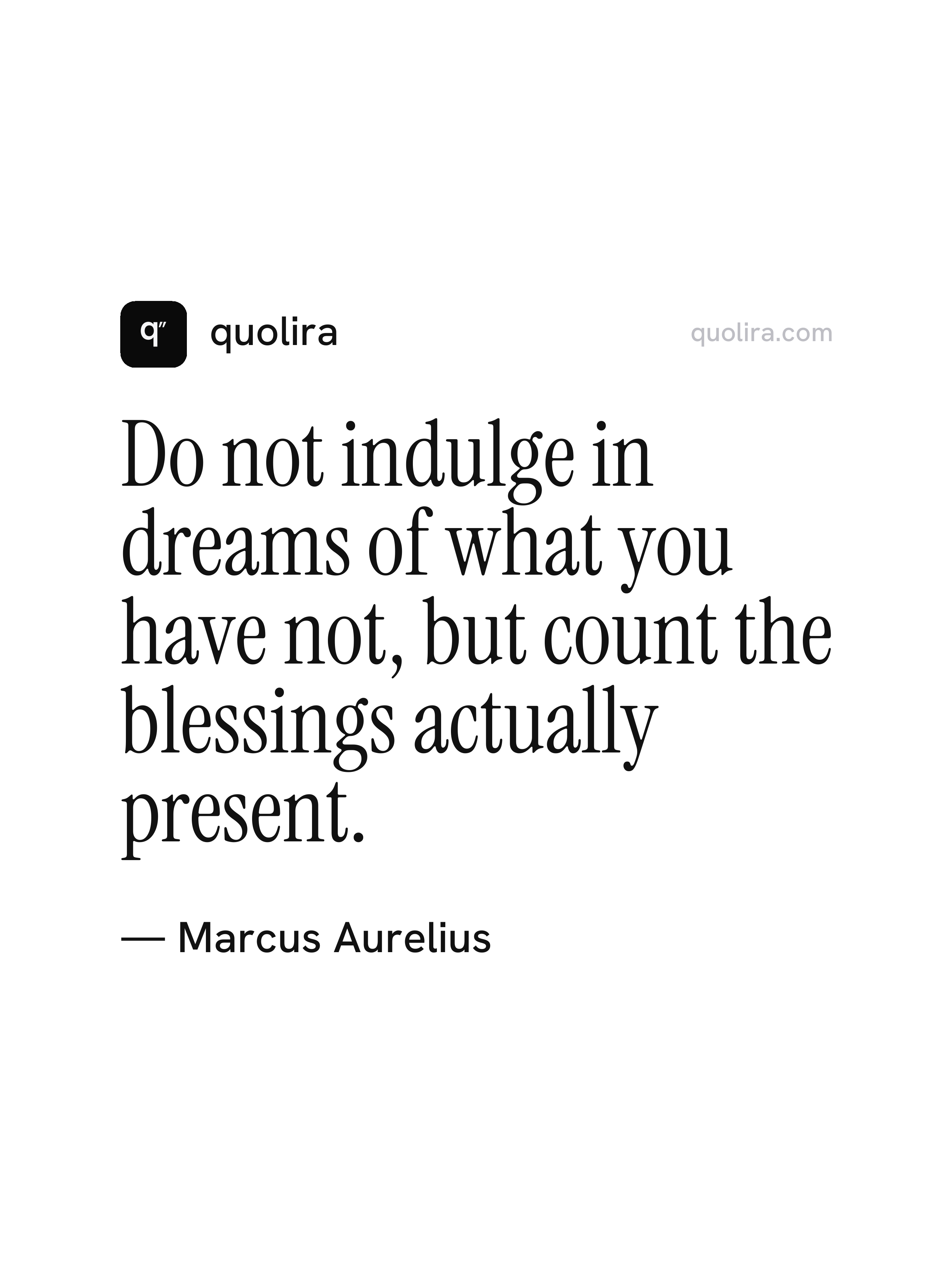
“Do not indulge in dreams of what you have not, but count the blessings actually present.”
Marcus Aurelius · Meditations
“Perfection of character is this: to live each day as if it were your last, without frenzy, without apathy, without pretense.”
Marcus Aurelius · Meditations
“Very little is needed to make a happy life; it is all within yourself, in your way of thinking.”
Marcus Aurelius · Meditations
“Receive without pride, relinquish without struggle.”
Marcus Aurelius · Meditations
“When you wake up in the morning, tell yourself: the people I deal with today will be meddling, ungrateful, arrogant, dishonest, jealous, and surly.”
Marcus Aurelius · Meditations, Book 2