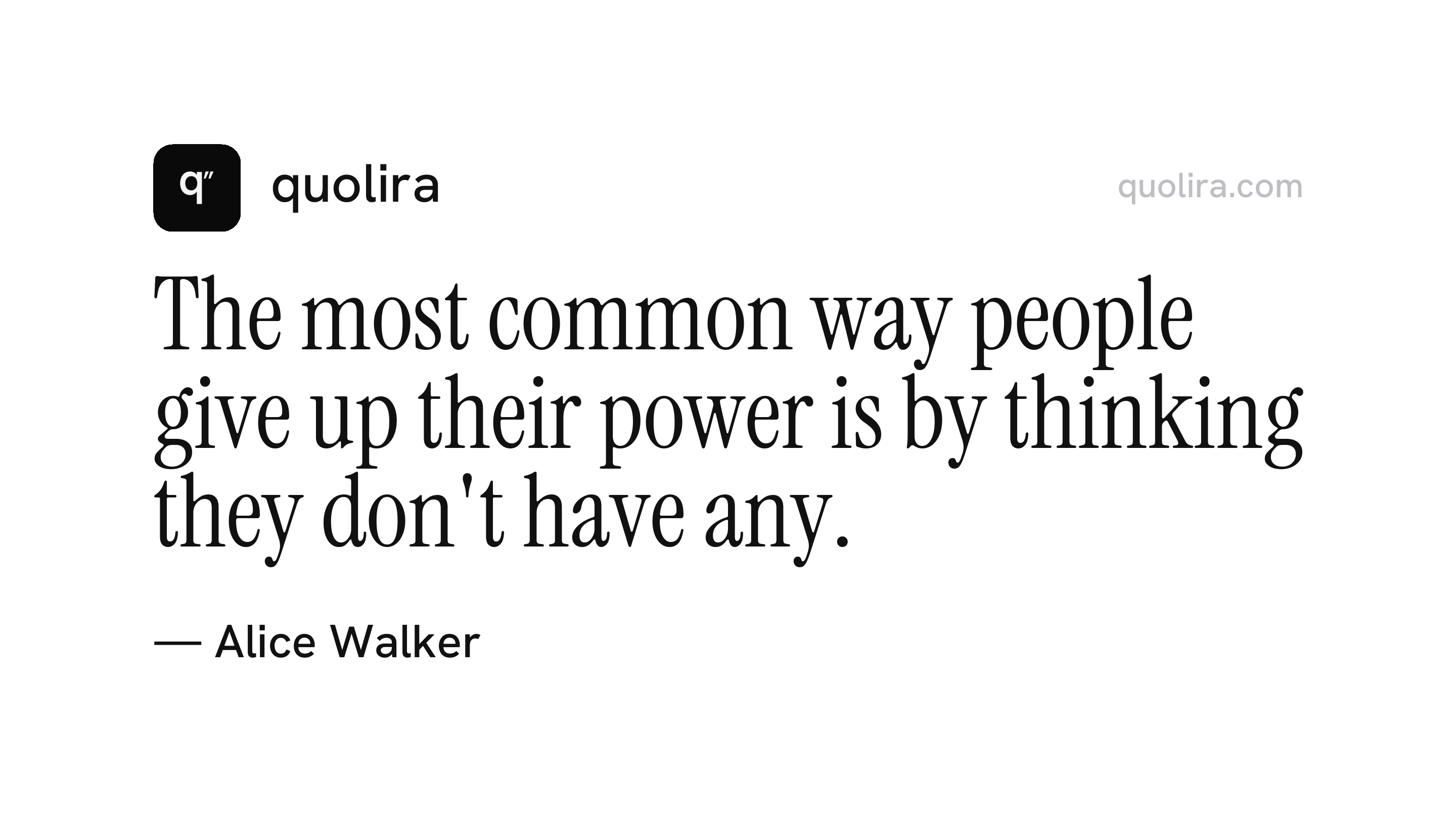
“The most common way people give up their power is by thinking they don't have any.”
Alice Walker
 quolira
.com
quolira
quolira.com
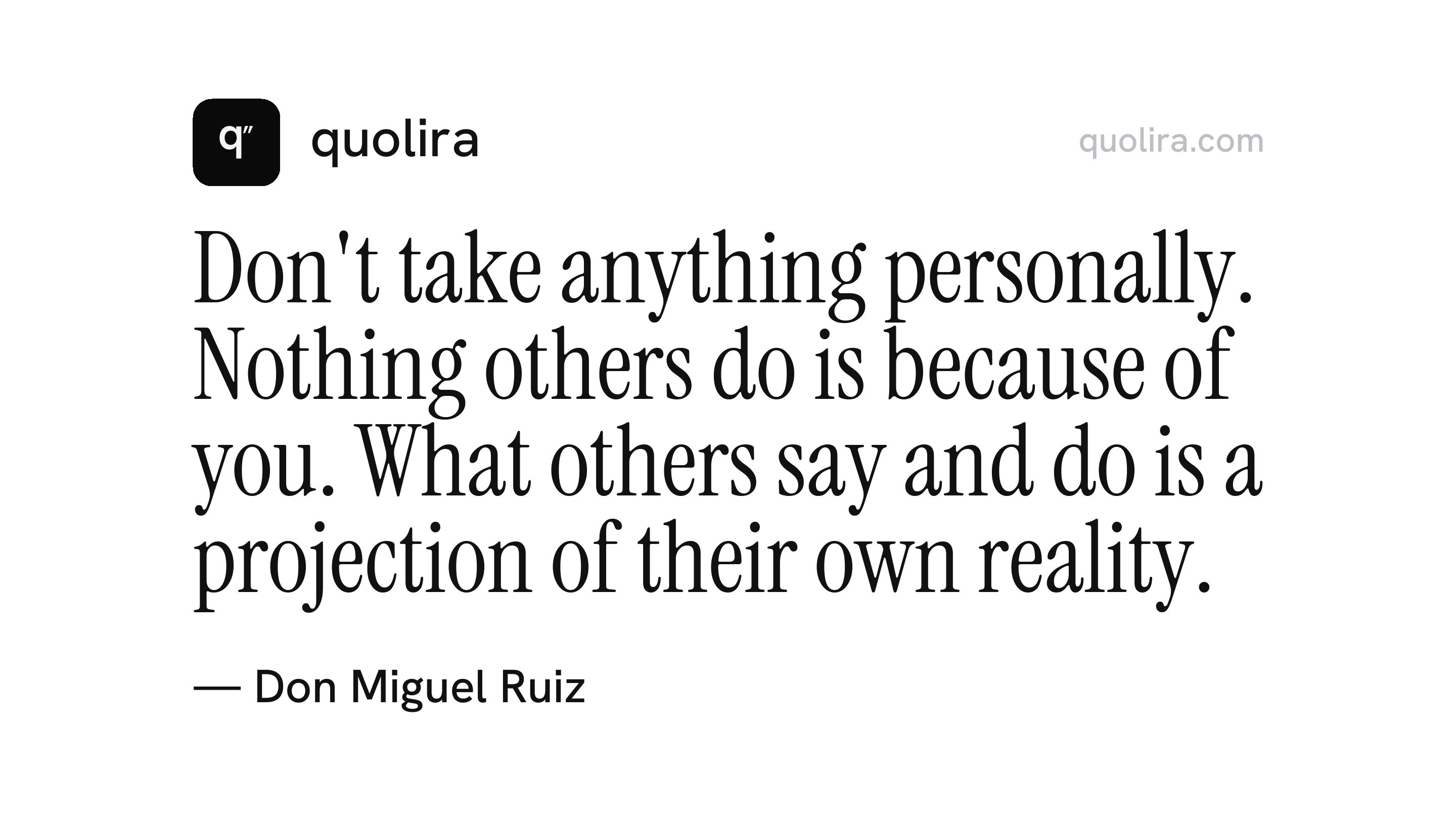
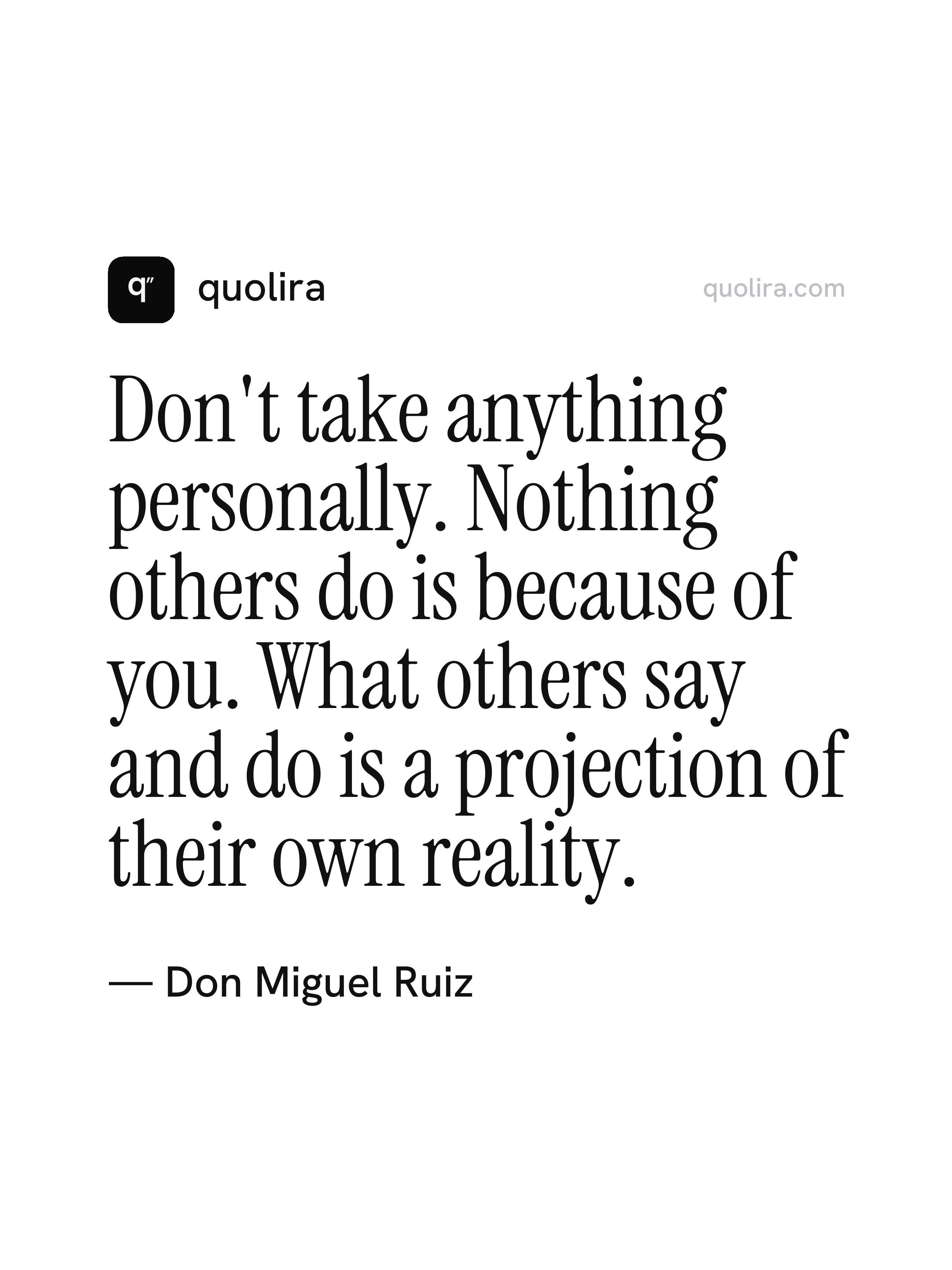
Ruiz is making a case for a kind of emotional detachment that is actually liberating rather than cold. When someone criticizes, judges, or lashes out at you, their behavior reflects their own inner world, their fears, beliefs, wounds, and assumptions, not an objective truth about who you are. Taking their words or actions as a personal verdict gives them a power over your sense of self that they have not earned. The invitation is to observe others' behavior with understanding rather than absorbing it as a statement about your worth.
This idea appears in The Four Agreements, published in 1997, a self-help book rooted in Ruiz's interpretation of ancient Toltec wisdom from the indigenous traditions of Mexico. The book presents four principles intended to free the reader from self-limiting beliefs and unnecessary suffering. The second agreement, not taking anything personally, is considered by many readers to be both the most challenging and the most transformative of the four. The book became an enduring bestseller and has introduced these ideas to millions of readers across many languages and cultures.
Don Miguel Ruiz is a Mexican author and spiritual teacher who drew on his upbringing and his later study of the Toltec tradition to develop his teachings. After a significant personal experience that redirected his life, he left a medical career to focus on sharing a philosophy aimed at personal freedom and emotional wellbeing. His work blends ancestral knowledge with accessible modern language, and The Four Agreements remains his most widely read and influential title.
“The most common way people give up their power is by thinking they don't have any.”
Alice Walker
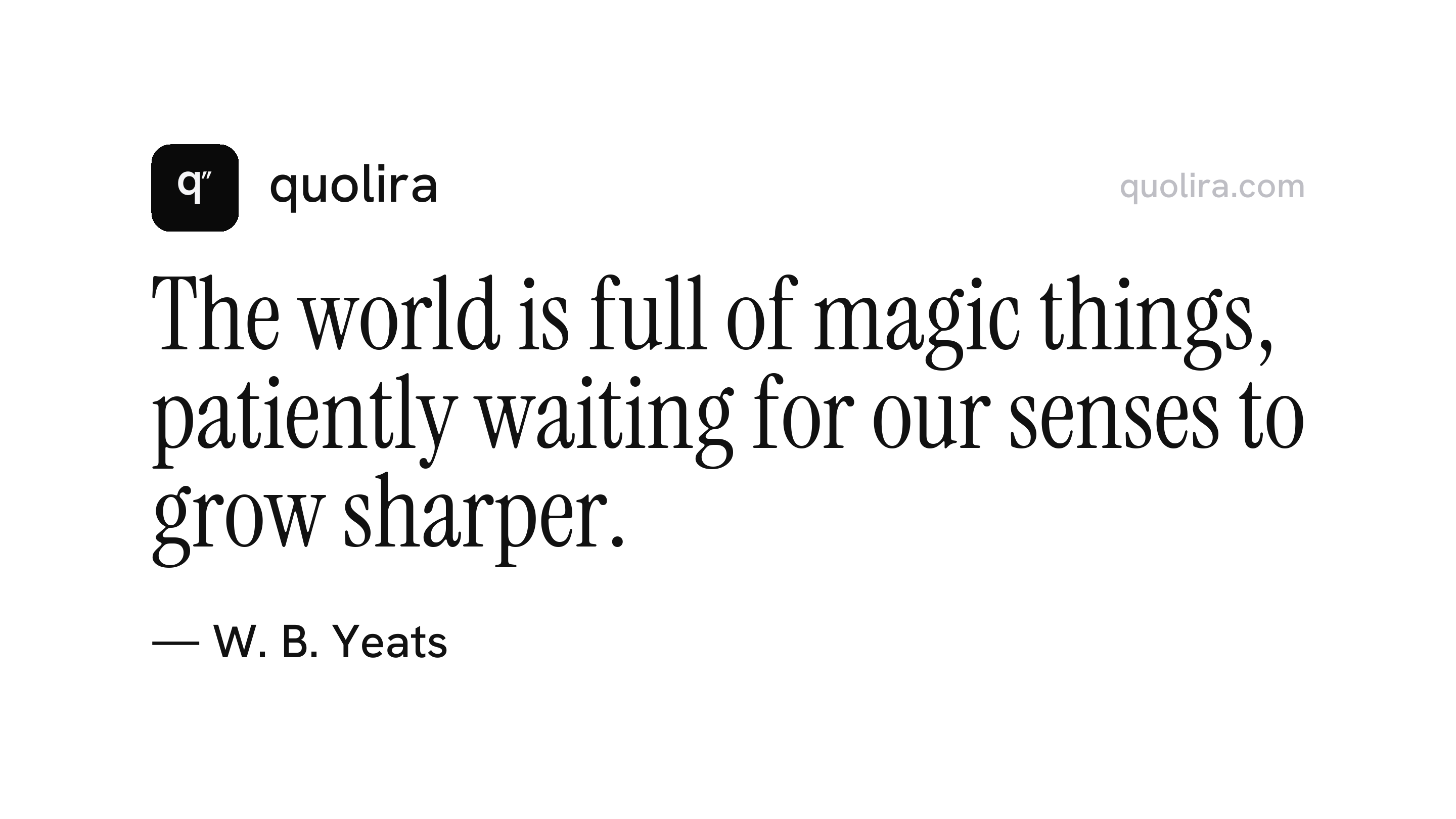
“The world is full of magic things, patiently waiting for our senses to grow sharper.”
W. B. Yeats
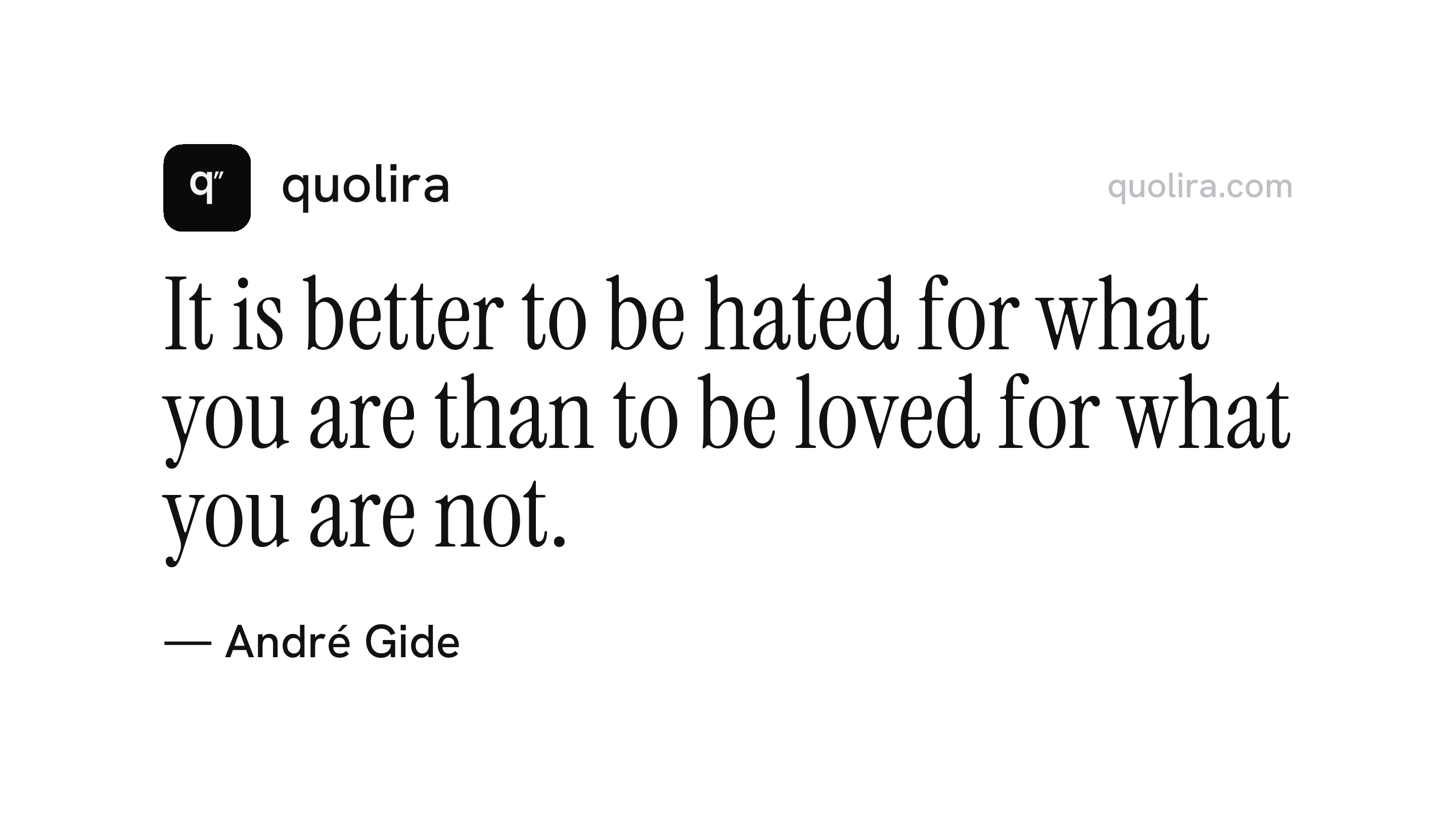
“It is better to be hated for what you are than to be loved for what you are not.”
André Gide · Autumn Leaves, 1950
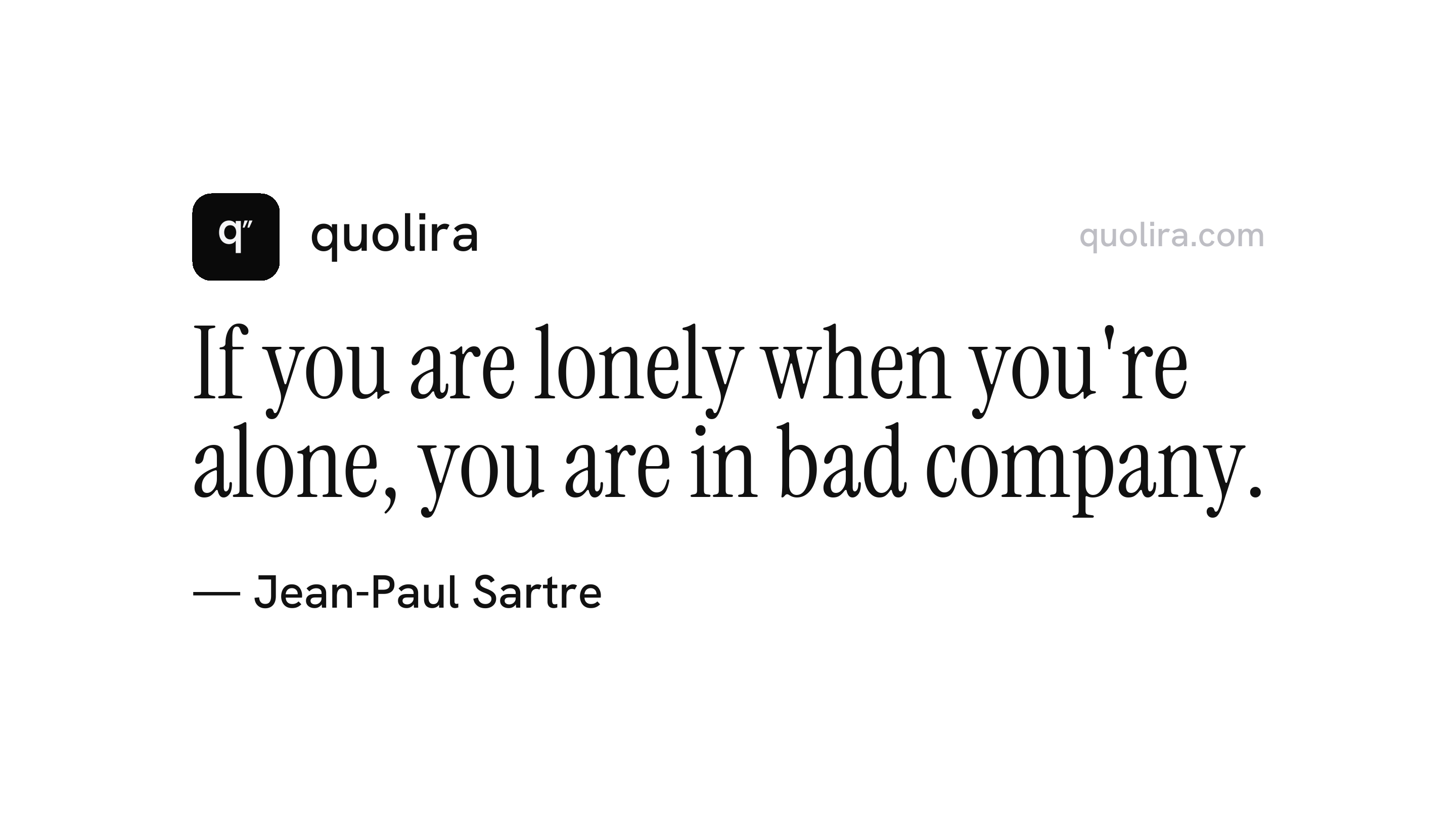
“If you are lonely when you're alone, you are in bad company.”
Jean-Paul Sartre
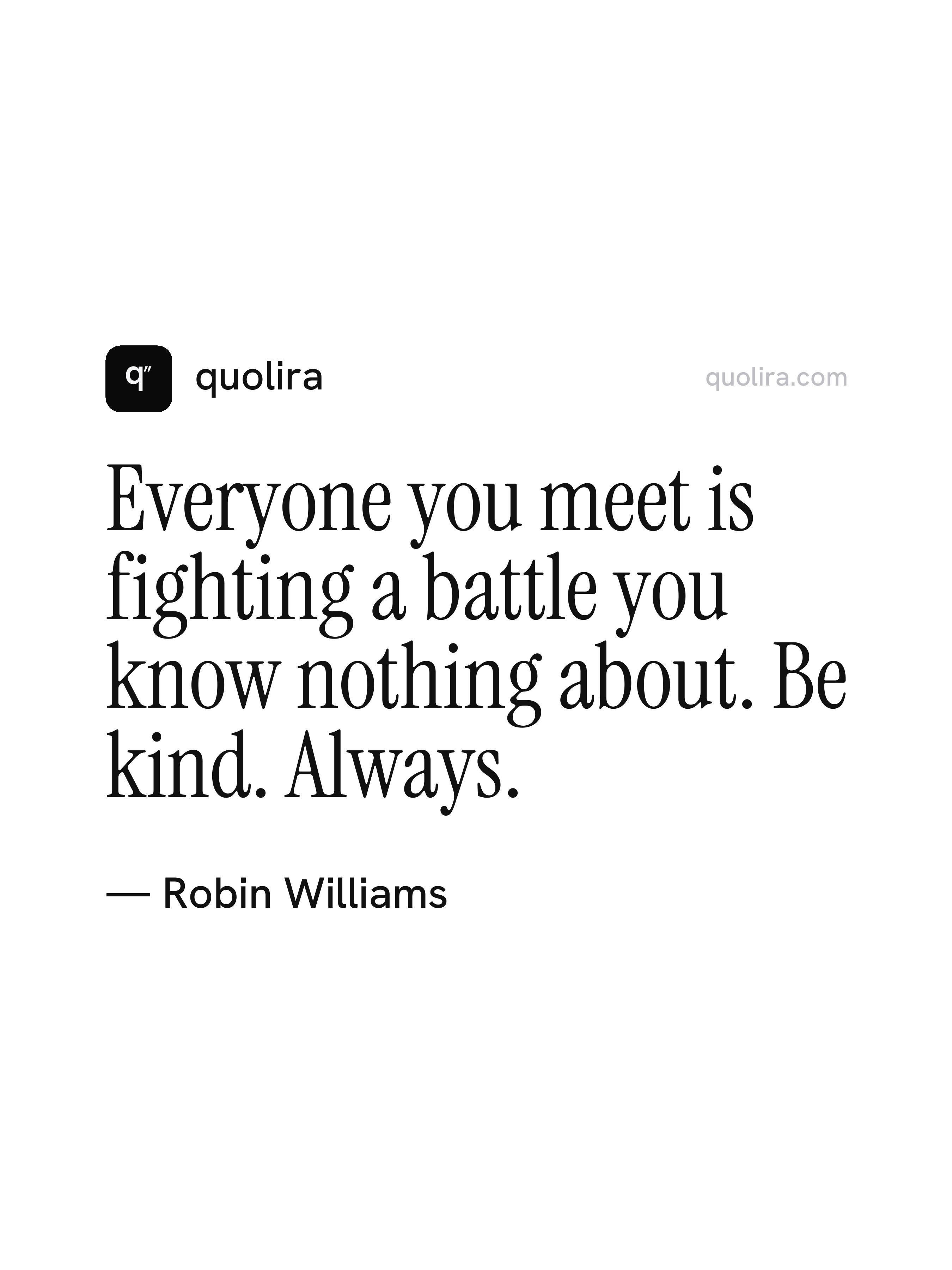
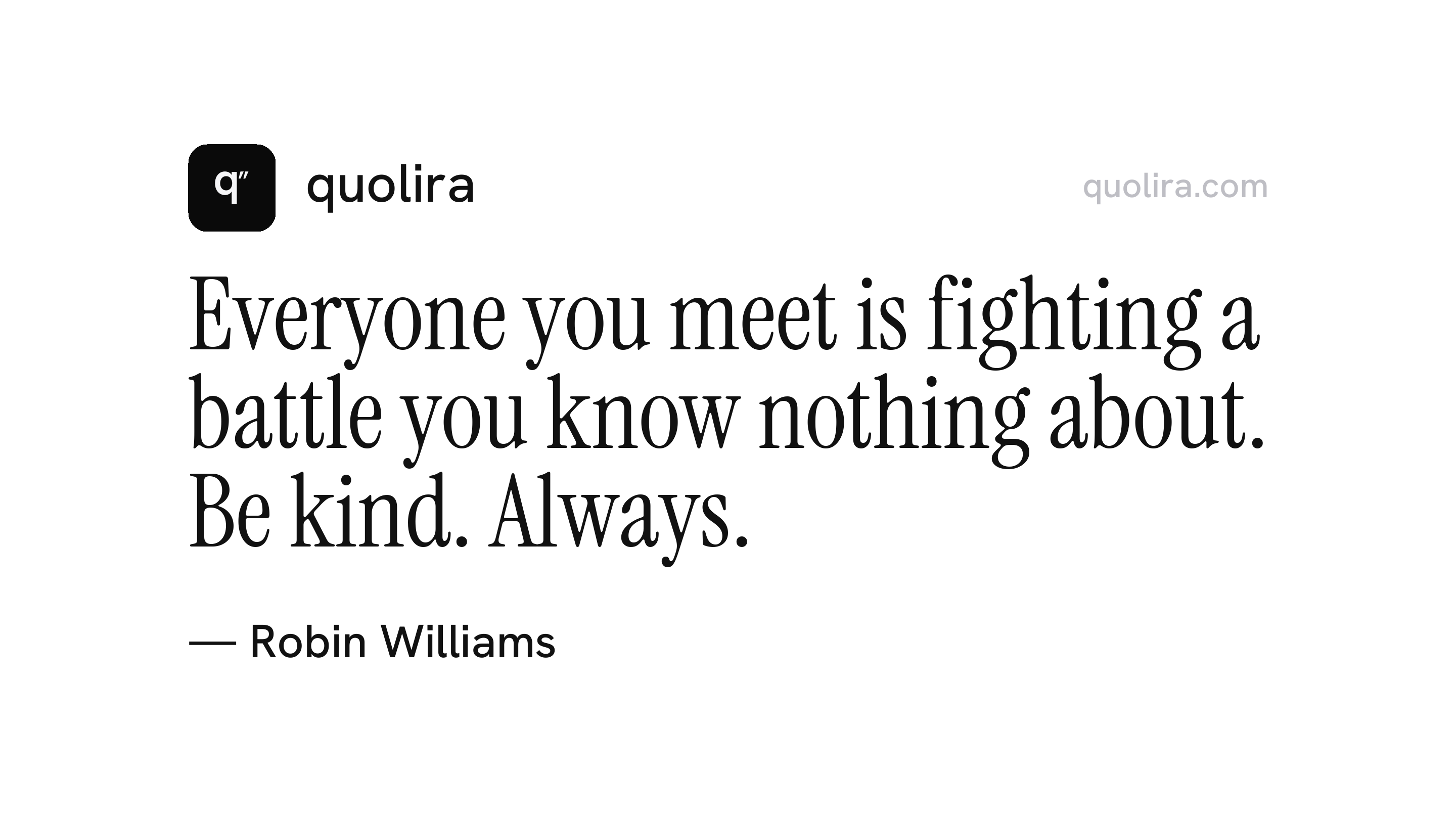
“Everyone you meet is fighting a battle you know nothing about. Be kind. Always.”
Robin Williams
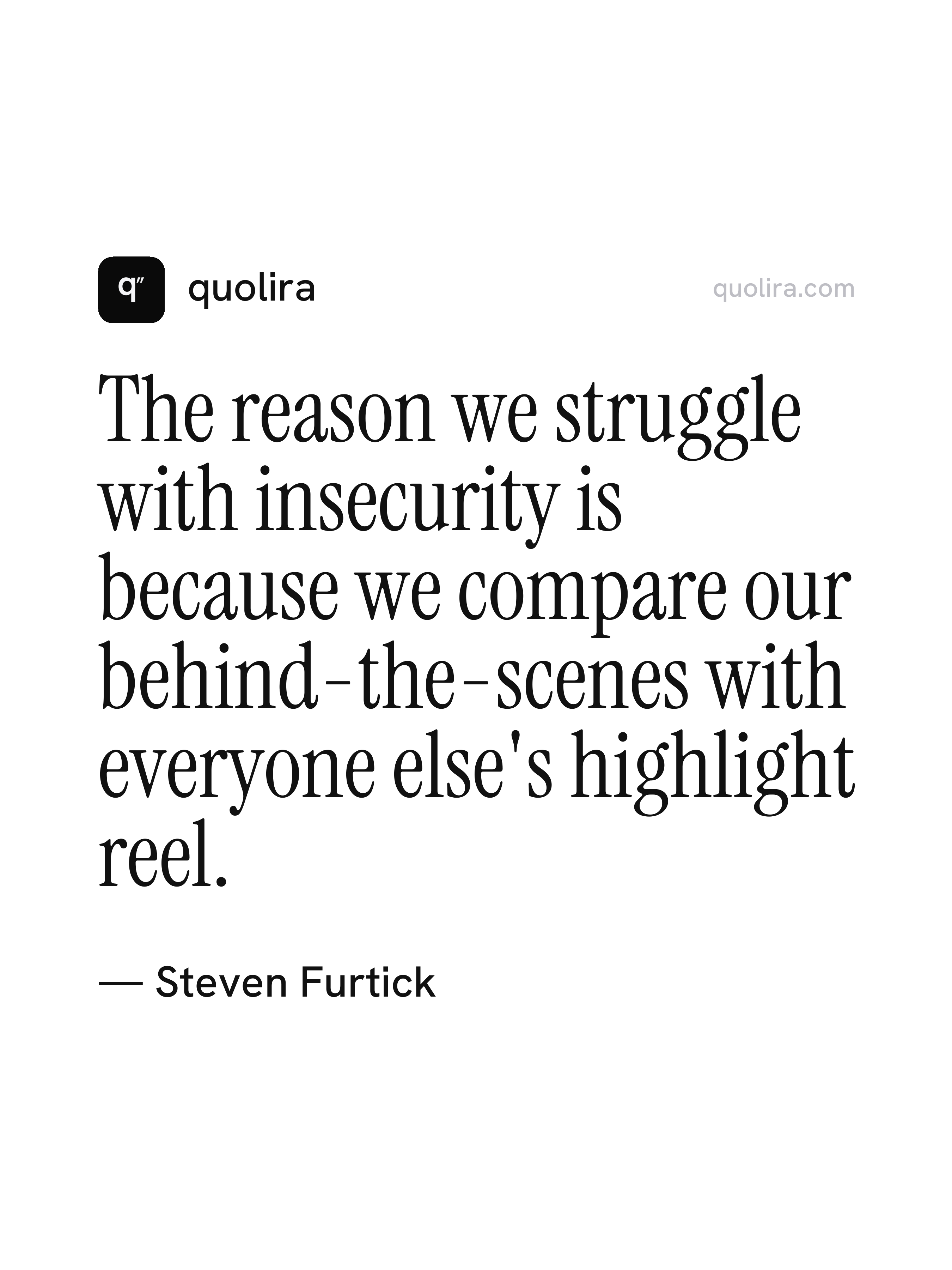
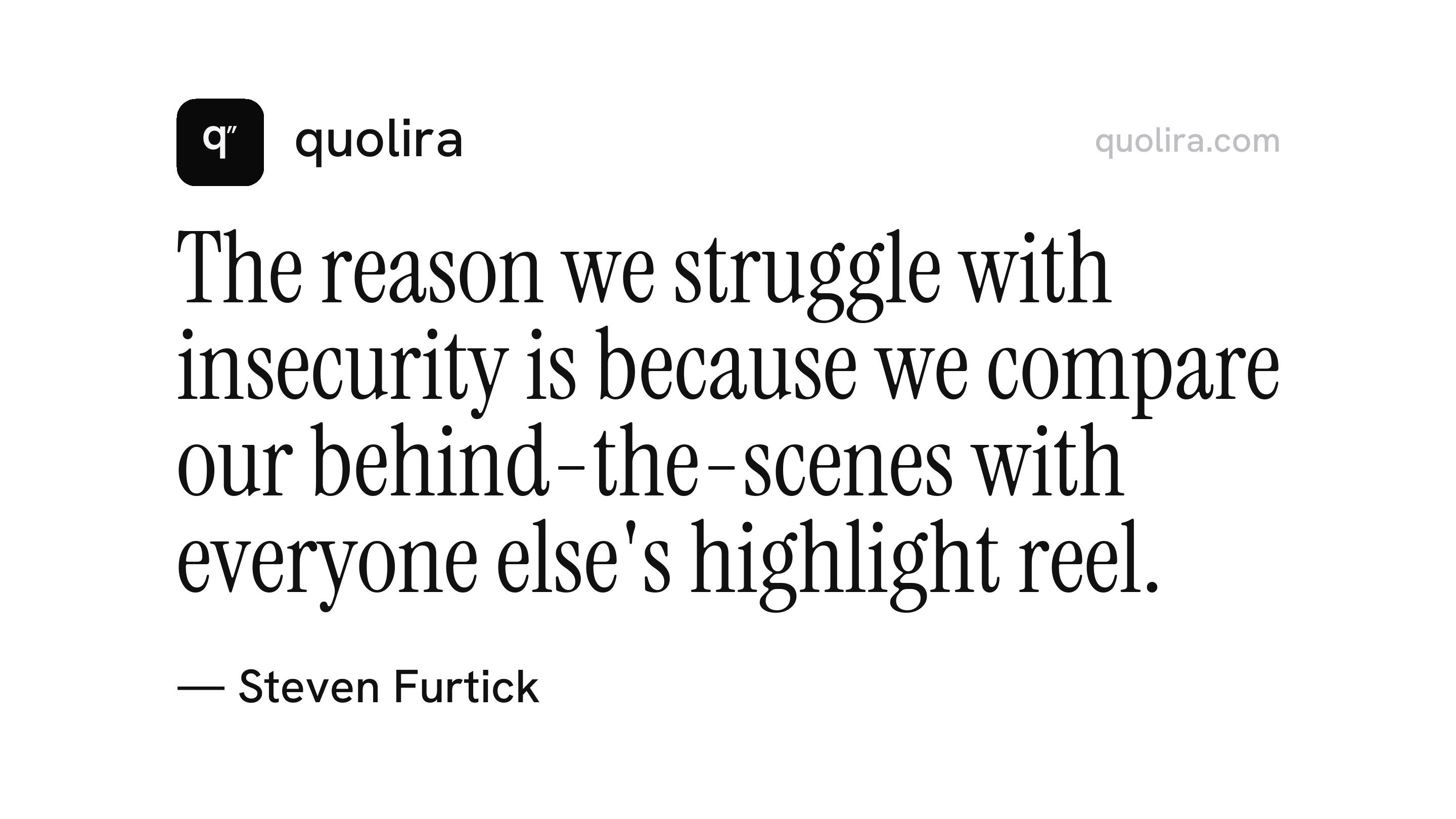
“The reason we struggle with insecurity is because we compare our behind-the-scenes with everyone else's highlight reel.”
Steven Furtick
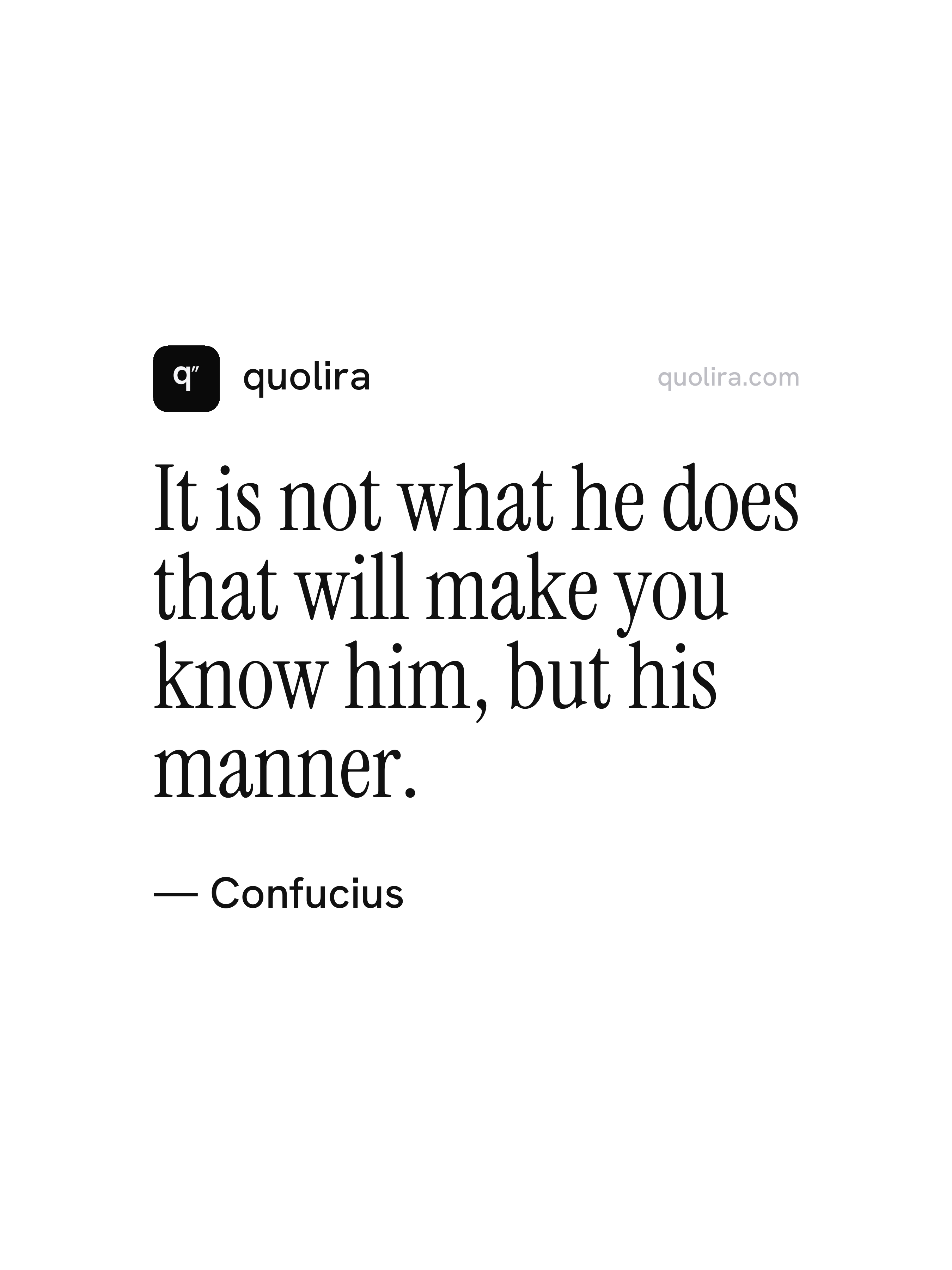
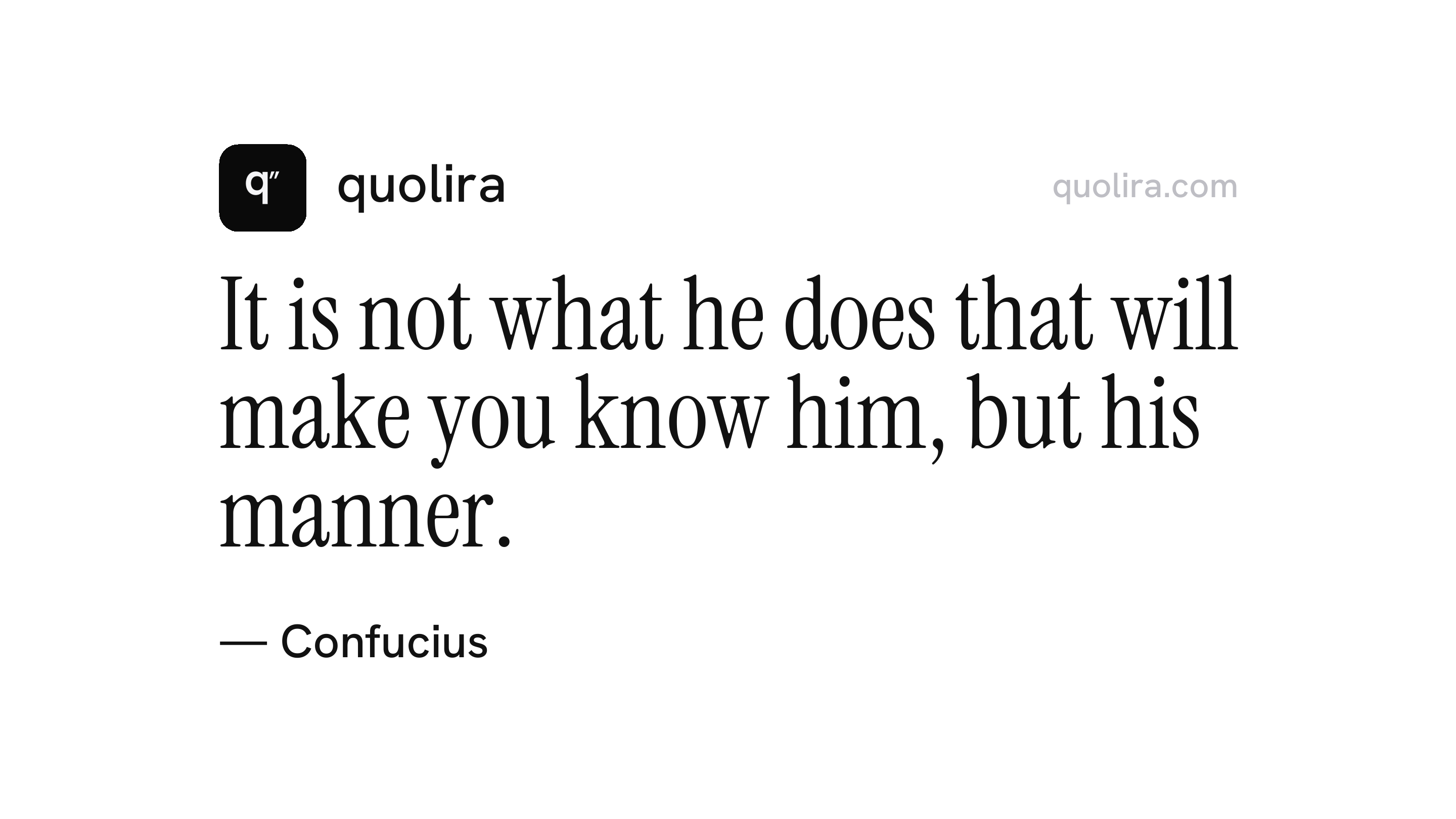
“It is not what he does that will make you know him, but his manner.”
Confucius · The Analects
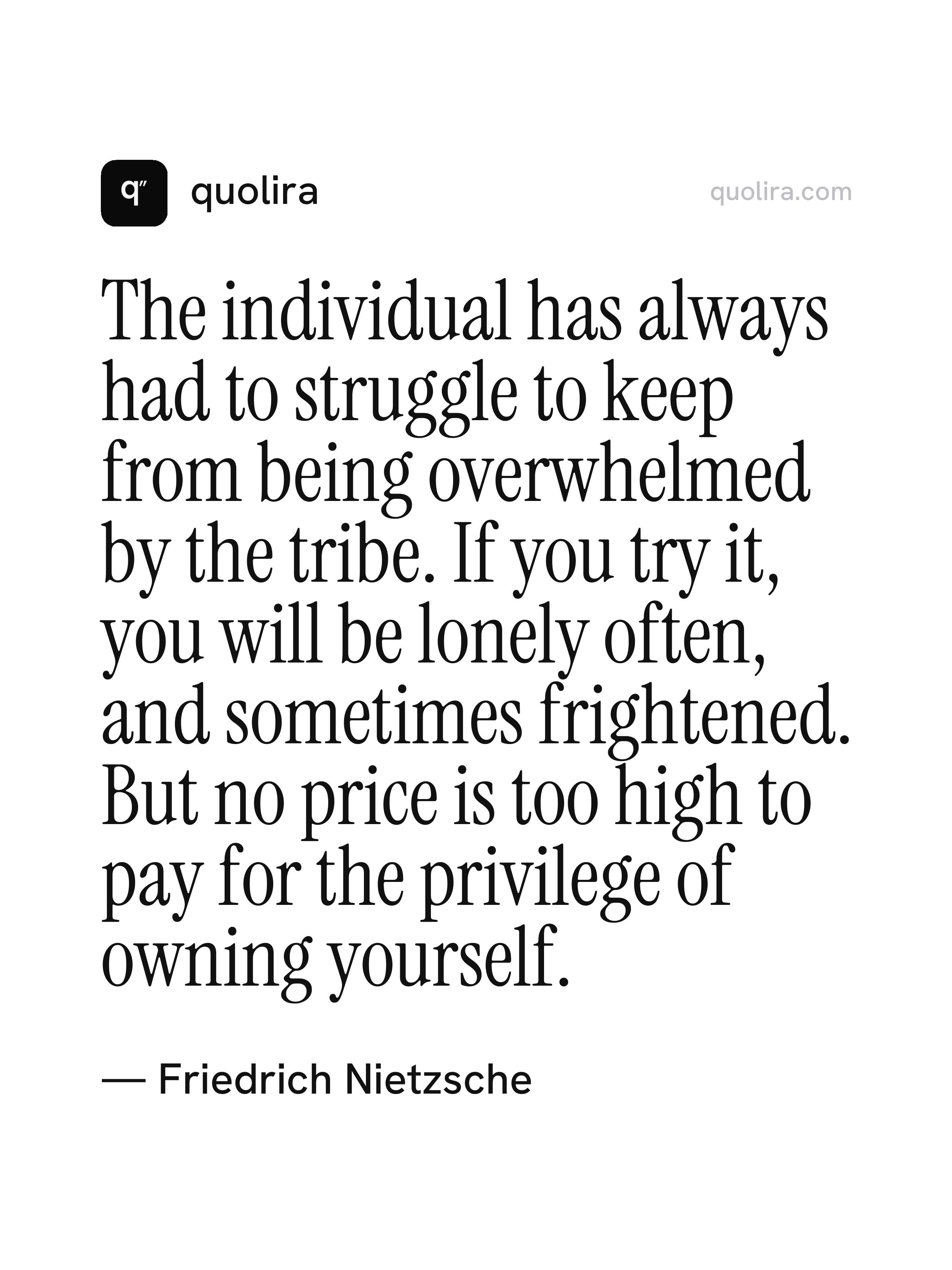
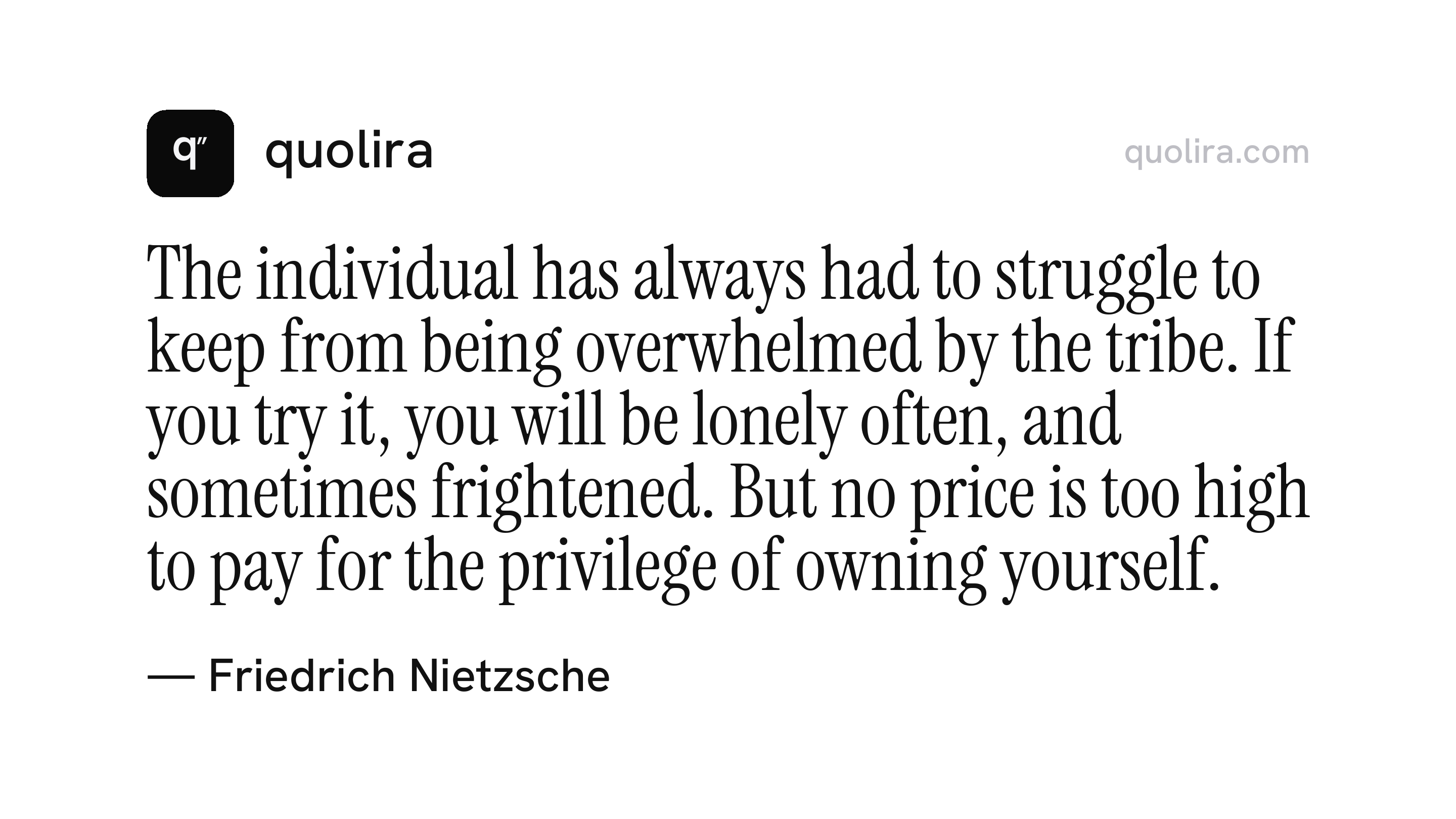
“The individual has always had to struggle to keep from being overwhelmed by the tribe. If you try it, you will be lonely often, and sometimes frightened. But no price is too high to pay for the privilege of owning yourself.”
Friedrich Nietzsche
“We are all born originals; why is it so many die copies?”
Edward Young · Conjectures on Original Composition, 1759
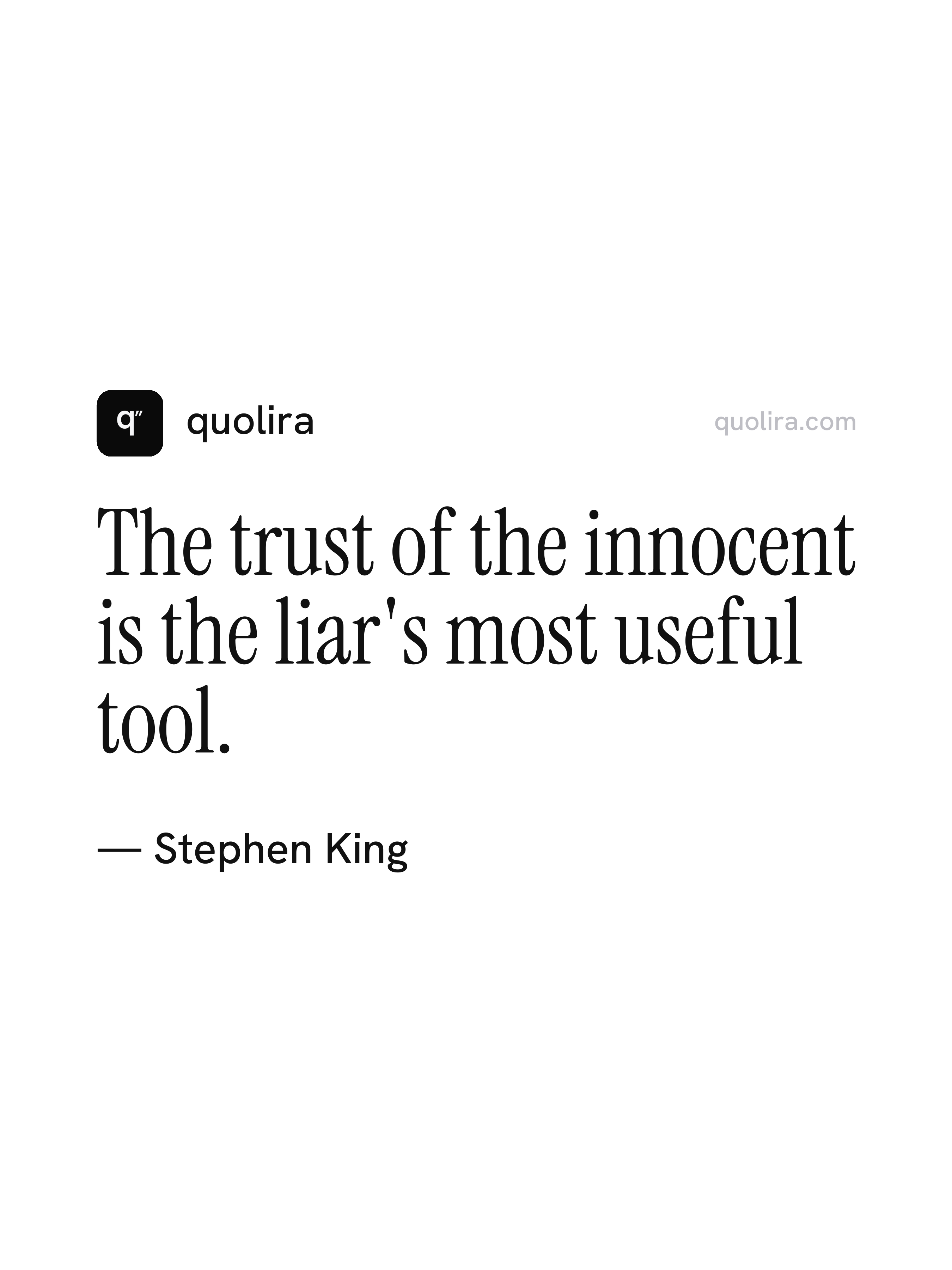
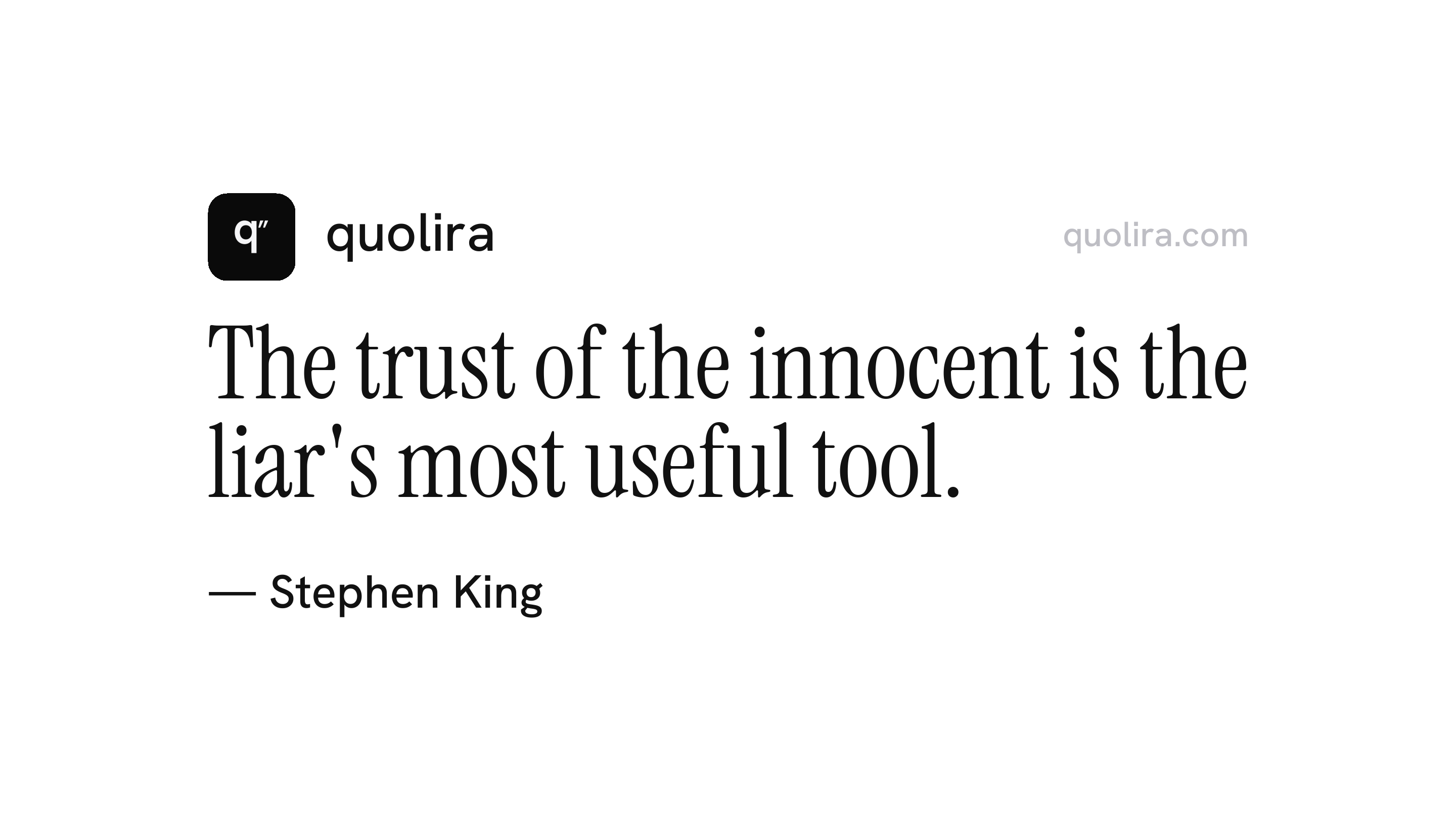
“The trust of the innocent is the liar's most useful tool.”
Stephen King · Needful Things, 1991
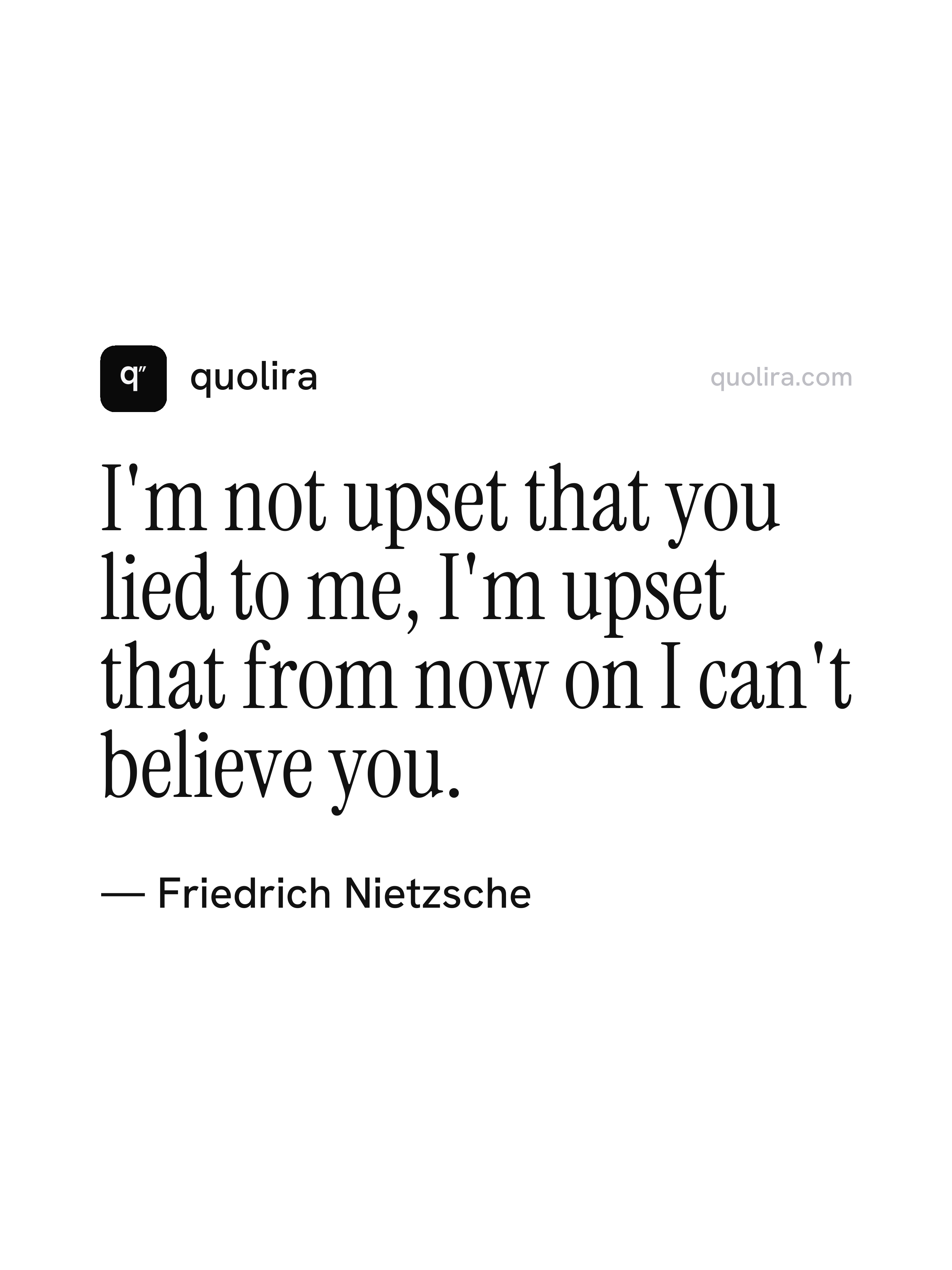
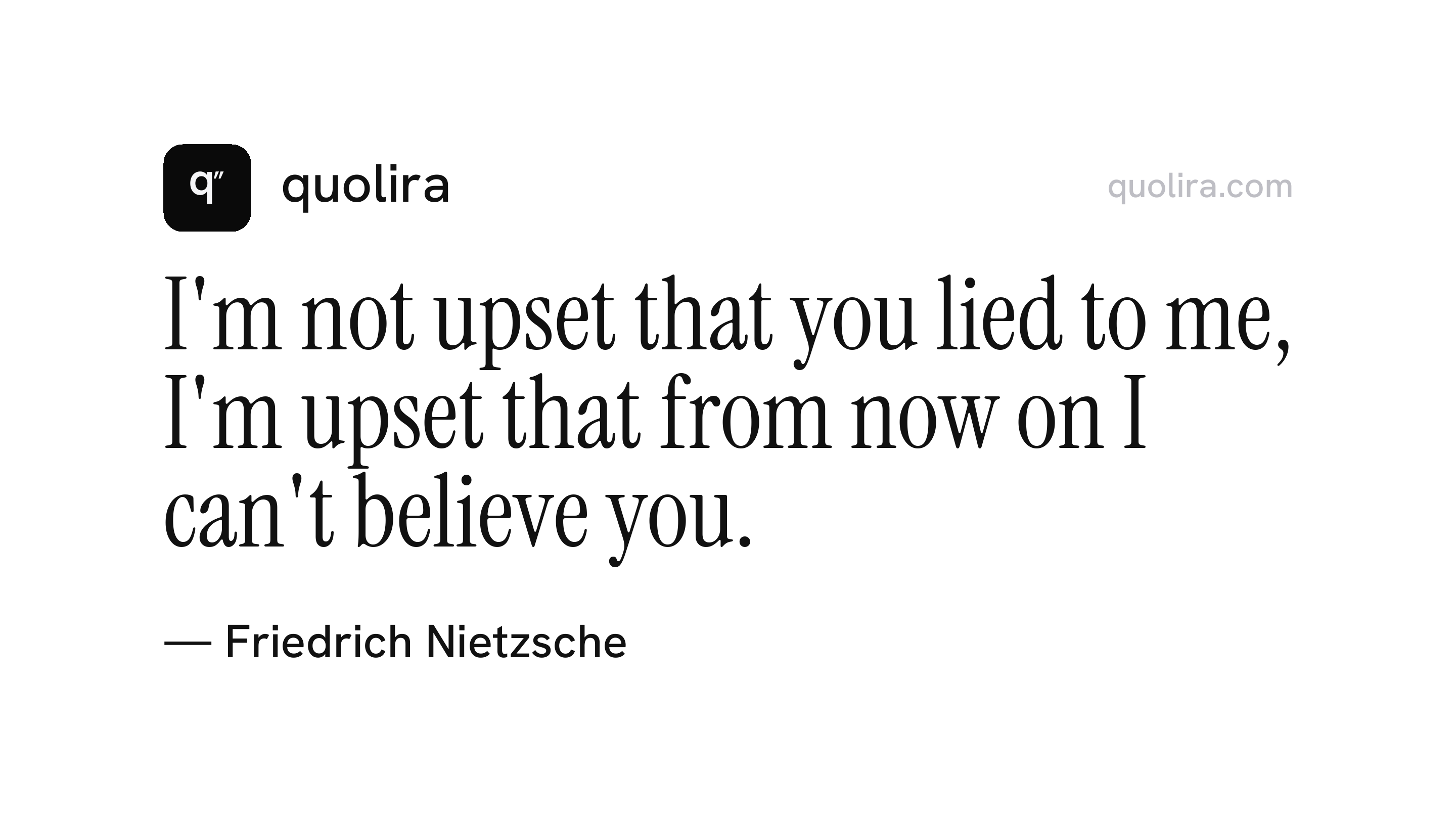
“I'm not upset that you lied to me, I'm upset that from now on I can't believe you.”
Friedrich Nietzsche · Beyond Good and Evil, 1886
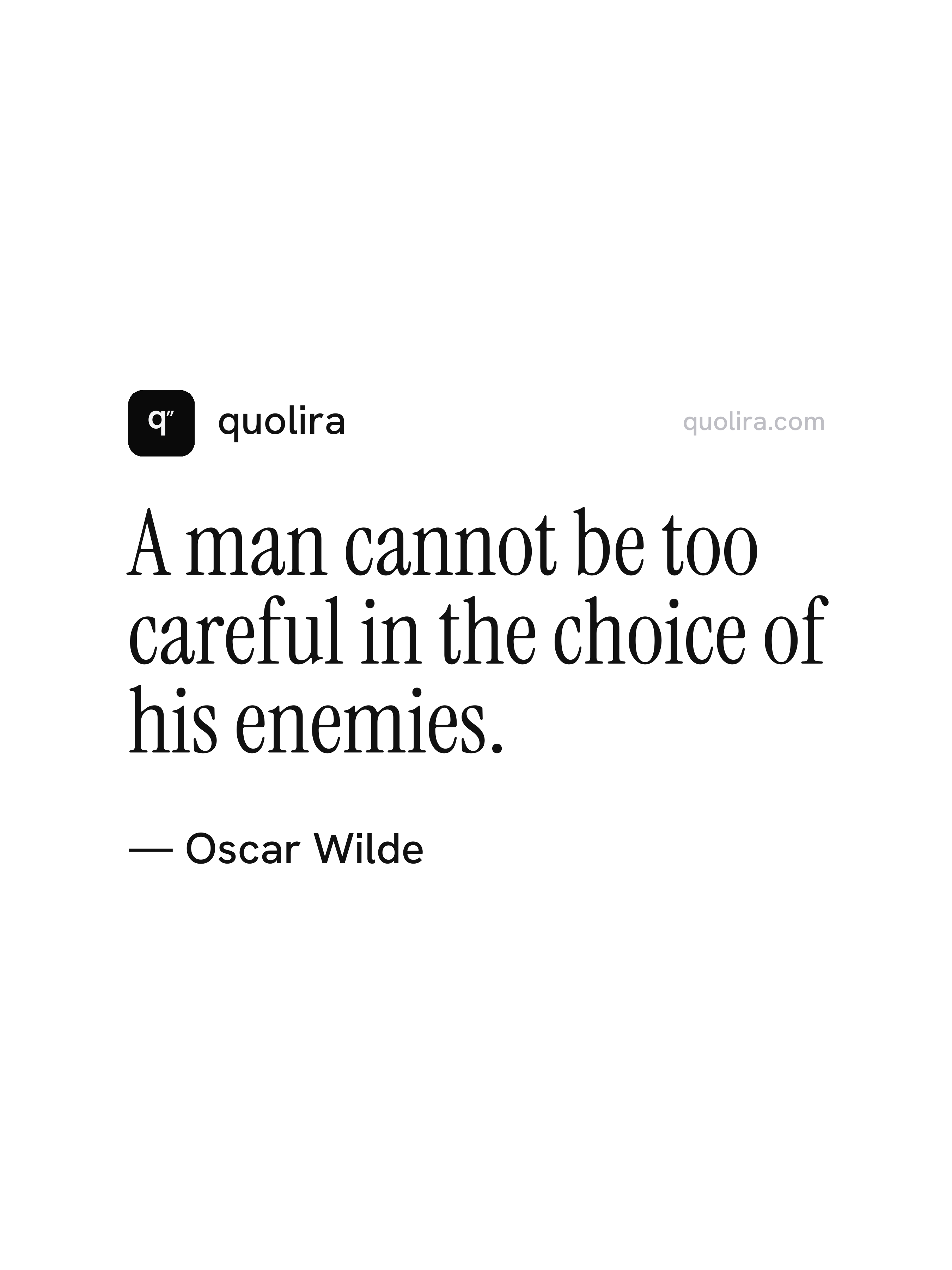
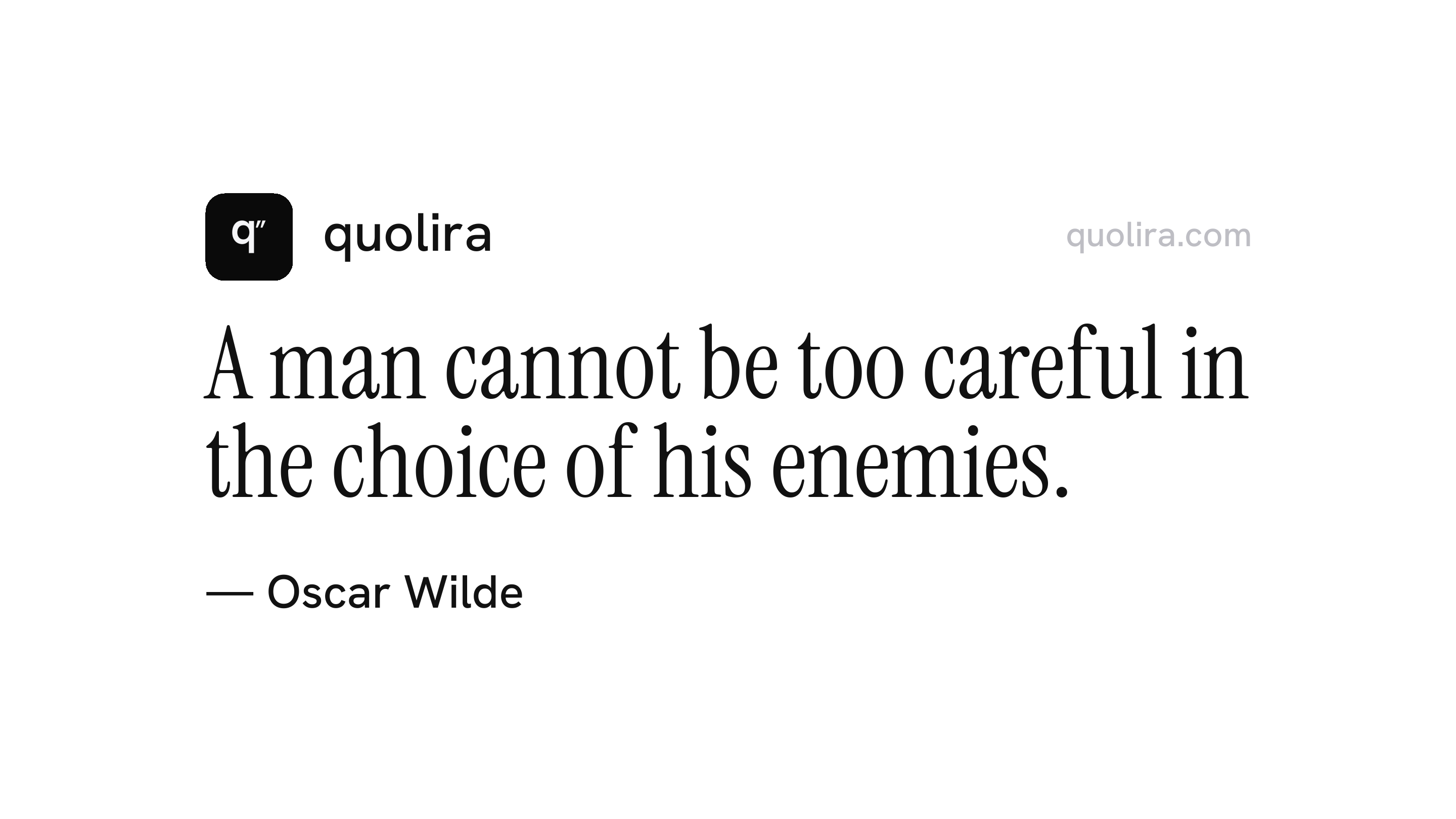
“A man cannot be too careful in the choice of his enemies.”
Oscar Wilde · The Picture of Dorian Gray, 1890