“The trouble is, you think you have time.”
Jack Kornfield · Buddha's Little Instruction Book, 1994
 quolira
.com
quolira
quolira.com
Emerson is encouraging a kind of surrender to natural rhythm rather than forcing outcomes through impatience. Nature does not rush its processes: seasons change on their own timetable, trees grow without urgency, and rivers find their way without anxiety. The suggestion is that human beings would do well to absorb this quality, trusting that things unfold in their own time if the conditions are right and the effort is steady.
Emerson was deeply preoccupied with the relationship between human beings and the natural world, seeing nature not merely as scenery but as a teacher and a mirror. This line reflects his broader belief that the laws governing the natural world have something instructive to offer anyone willing to observe carefully. Patience, for Emerson, was not passive resignation but an active and confident alignment with deeper processes. This theme appears throughout his essays and lectures, which encouraged readers to look outward to nature and inward to intuition as guides for living.
Ralph Waldo Emerson was an American essayist, lecturer, and poet who lived from 1803 to 1882. He was a central figure in the Transcendentalist movement, which held that individuals could find truth and meaning through direct experience of nature and through trusting their own inner voice. His essays and addresses had a significant influence on American intellectual and literary culture, and his ideas continue to resonate with readers interested in self-reliance, spirituality, and the natural world.
“The trouble is, you think you have time.”
Jack Kornfield · Buddha's Little Instruction Book, 1994
“Every moment is a fresh beginning.”
T. S. Eliot
“Do what you can, with what you have, where you are.”
Theodore Roosevelt
“Life is really simple, but we insist on making it complicated.”
Confucius
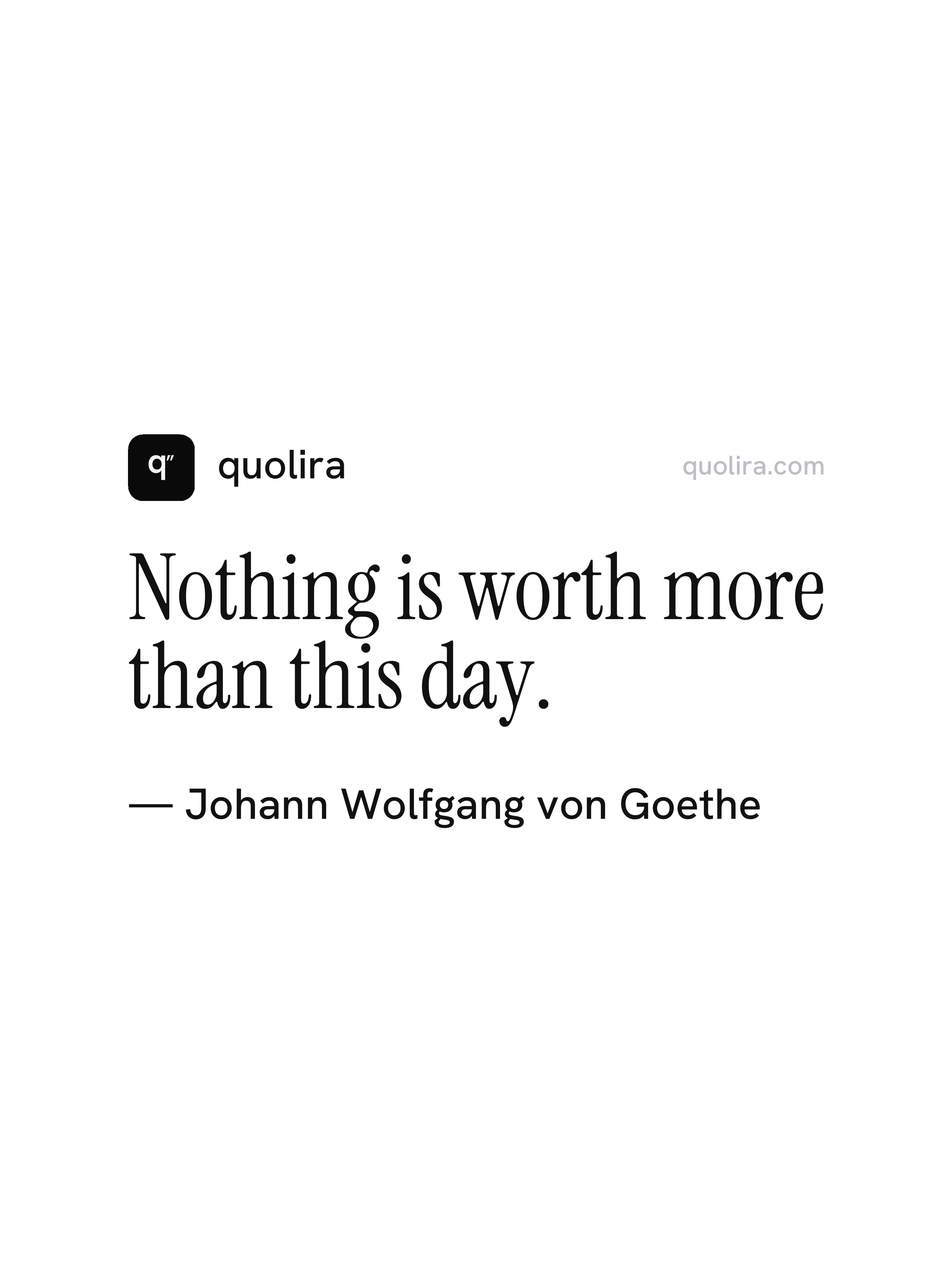
“Nothing is worth more than this day.”
Johann Wolfgang von Goethe
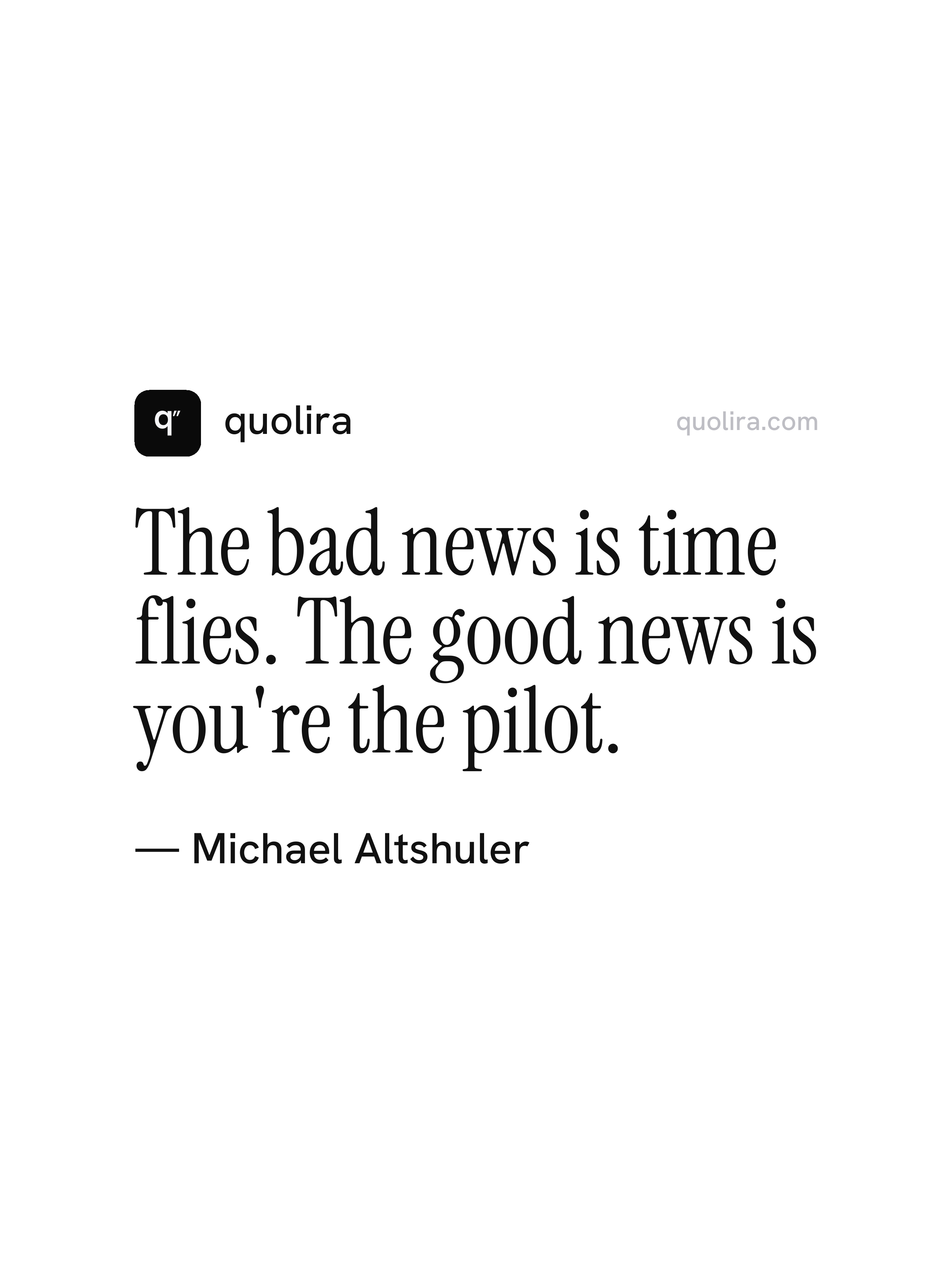
“The bad news is time flies. The good news is you're the pilot.”
Michael Altshuler
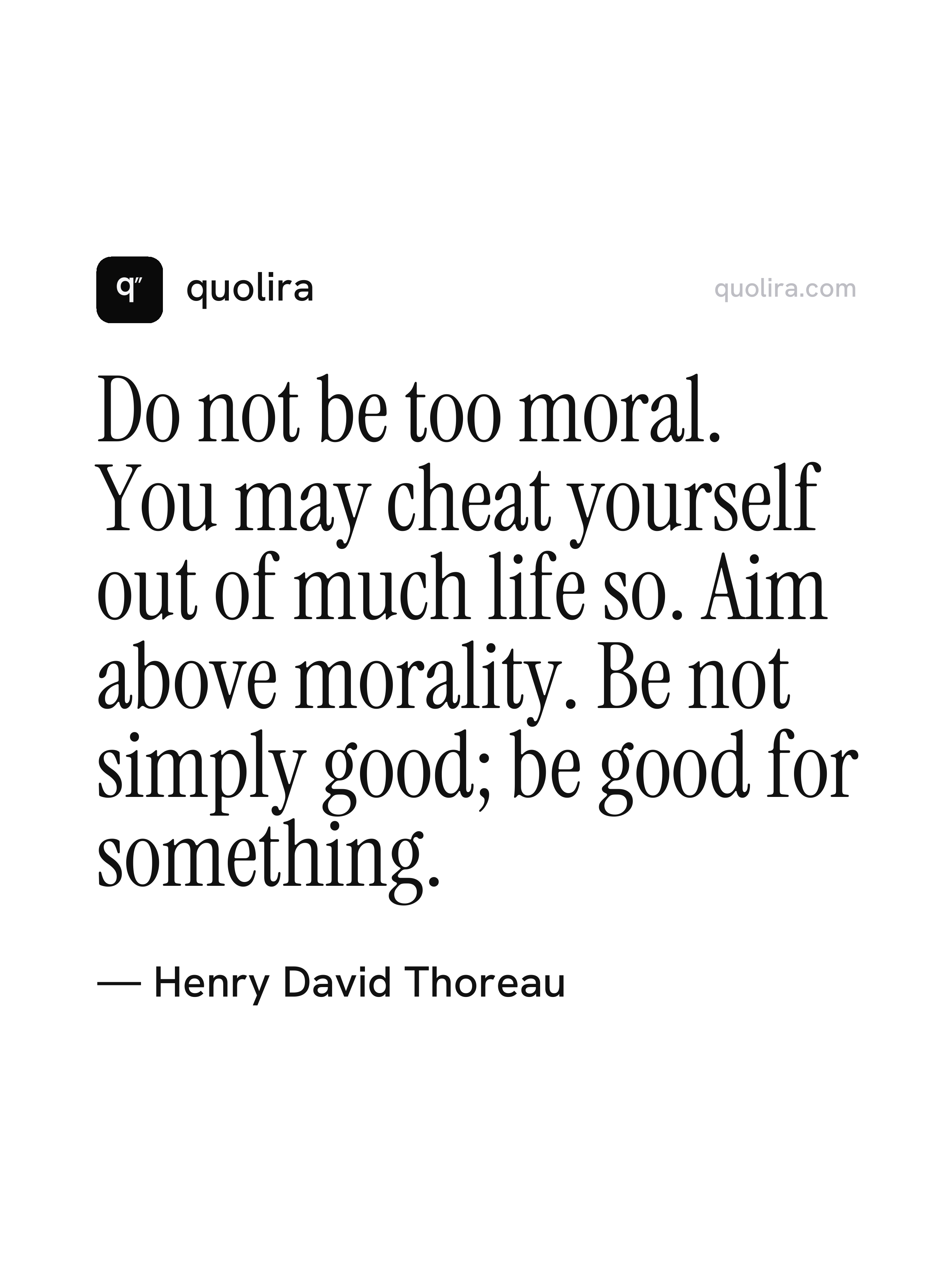
“Do not be too moral. You may cheat yourself out of much life so. Aim above morality. Be not simply good; be good for something.”
Henry David Thoreau · Letter to Harrison Blake, 1848
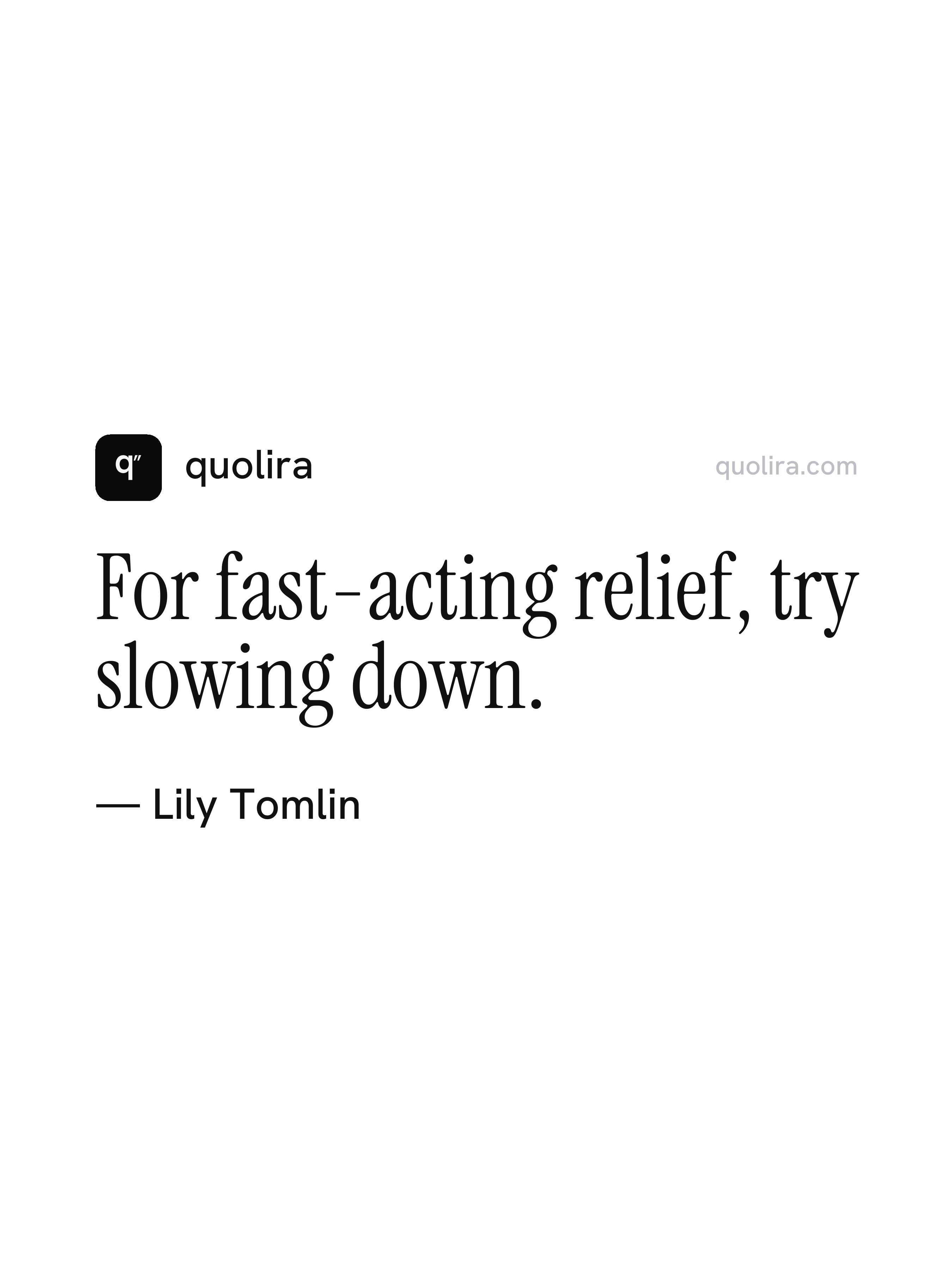
“For fast-acting relief, try slowing down.”
Lily Tomlin
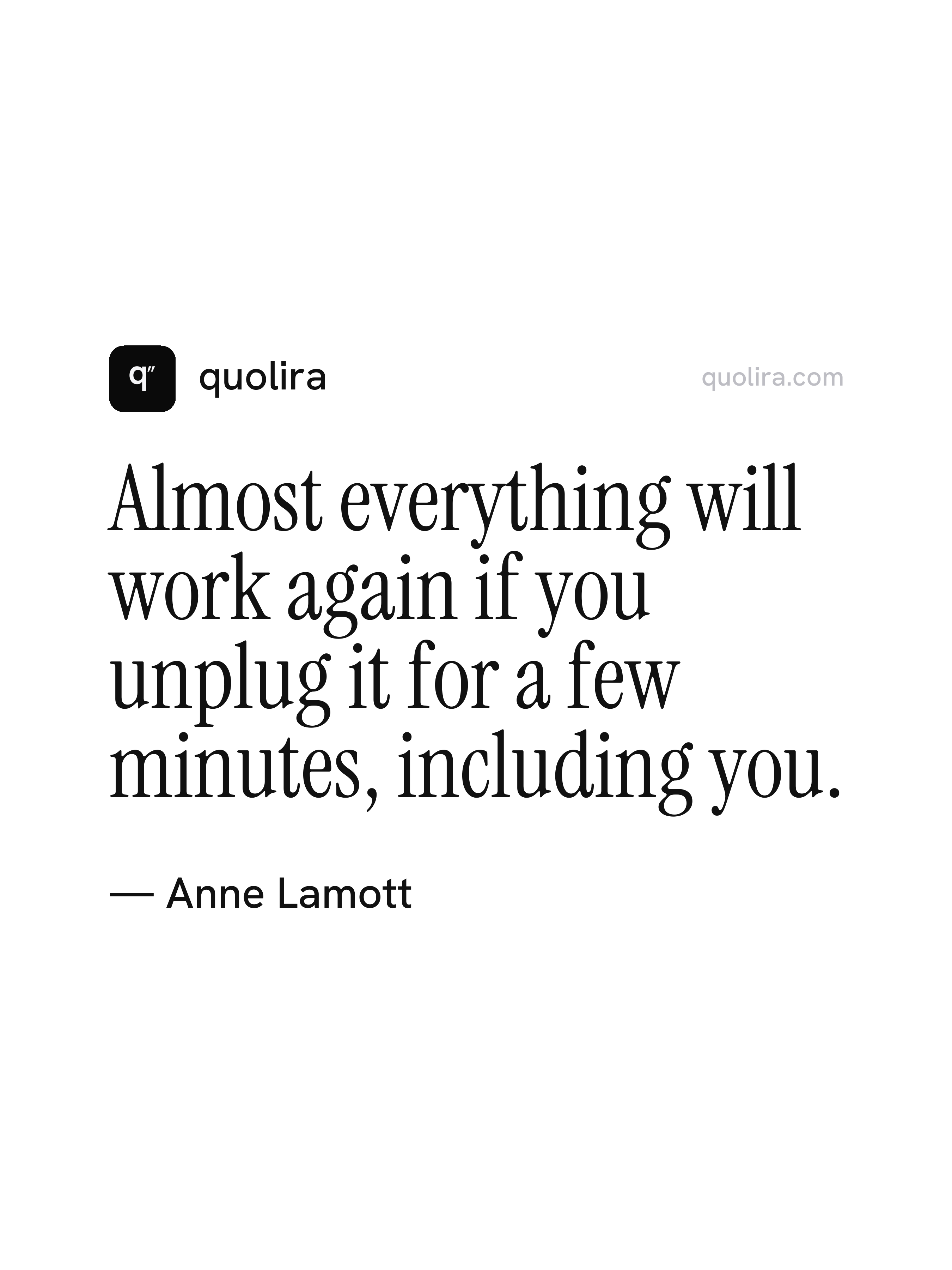
“Almost everything will work again if you unplug it for a few minutes, including you.”
Anne Lamott
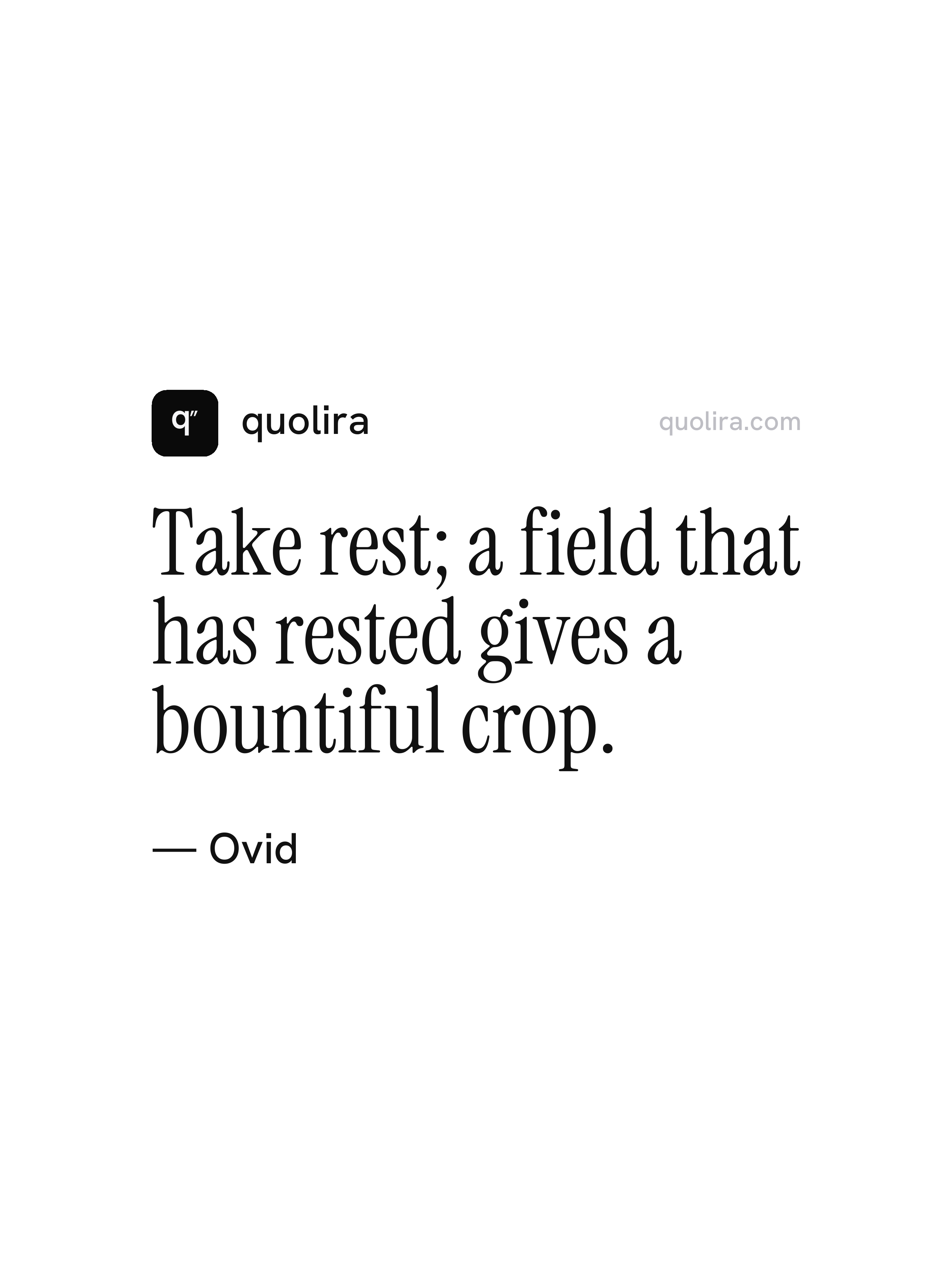
“Take rest; a field that has rested gives a bountiful crop.”
Ovid
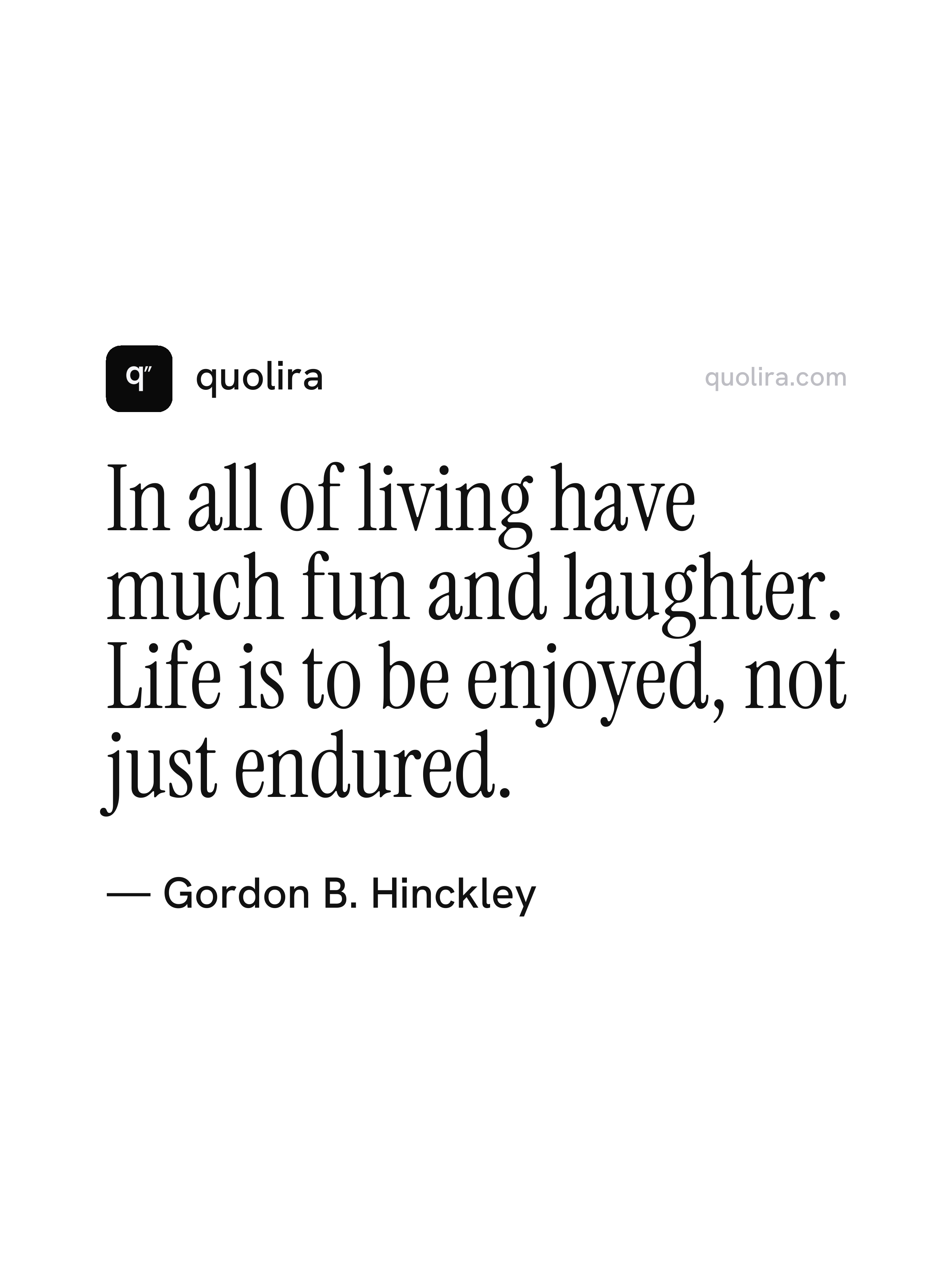
“In all of living have much fun and laughter. Life is to be enjoyed, not just endured.”
Gordon B. Hinckley
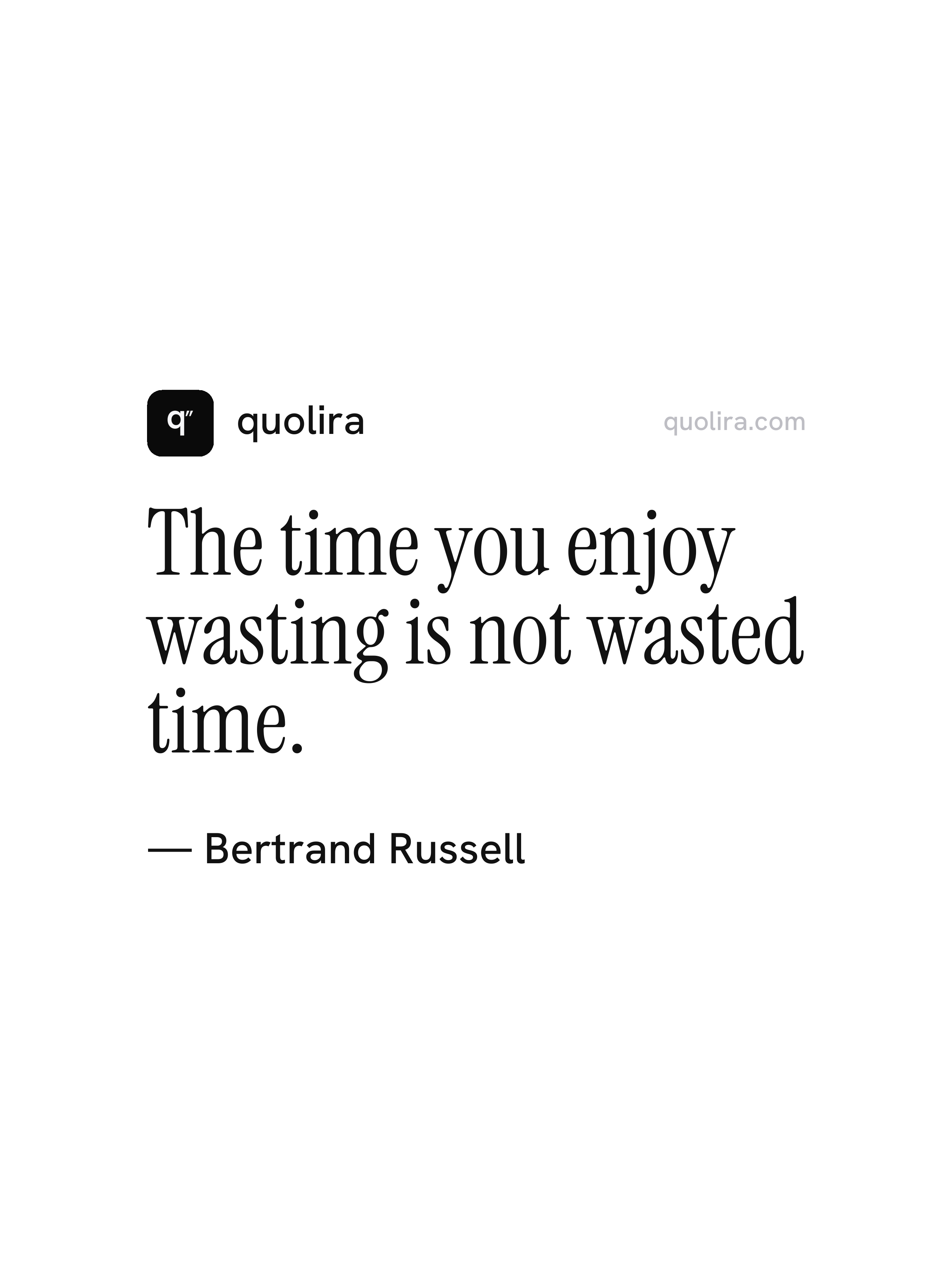
“The time you enjoy wasting is not wasted time.”
Bertrand Russell