“It does not matter how slowly you go as long as you do not stop.”
Confucius
 quolira
.com
quolira
quolira.com
This quote challenges two of the most common emotional responses to achievement and setback. It argues that neither success nor failure is a permanent state. Victory does not guarantee anything about what comes next, and defeat does not mean that everything is over. What actually determines a person's path is whether they have the resolve to keep going regardless of what the scoreboard currently reads. Courage, in this sense, is not about feeling confident but about continuing anyway.
This line is frequently attributed to Winston Churchill and reflects the kind of defiant, steadying tone associated with his public speeches and writings. Churchill led Britain through one of the most dangerous periods in modern history, and his words were often aimed at sustaining morale in the face of enormous uncertainty. Whether this particular line came from a formal speech or a piece of writing, it carries the unmistakable quality of his broader message: that resilience and determination are more decisive than any single outcome.
Winston Churchill served as Prime Minister of the United Kingdom during the Second World War and again in the early 1950s. He was also a prolific writer and historian, and he received the Nobel Prize in Literature in 1953 for his body of written work. Churchill's career spanned decades of British political life and included significant setbacks long before his most celebrated achievements. That personal experience with failure and recovery likely shaped the conviction with which he spoke about persistence and the refusal to treat any single moment as the final word.
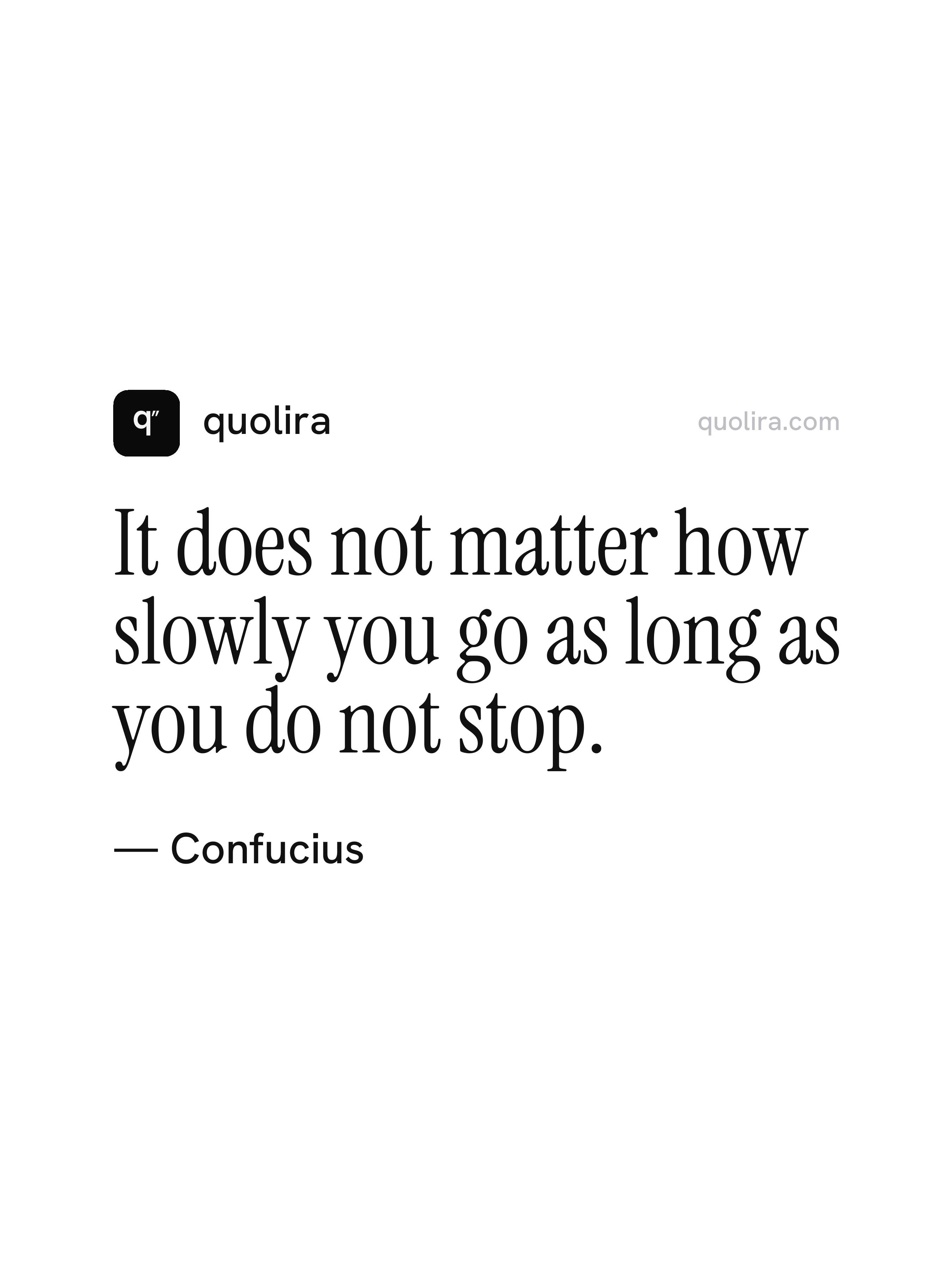
“It does not matter how slowly you go as long as you do not stop.”
Confucius
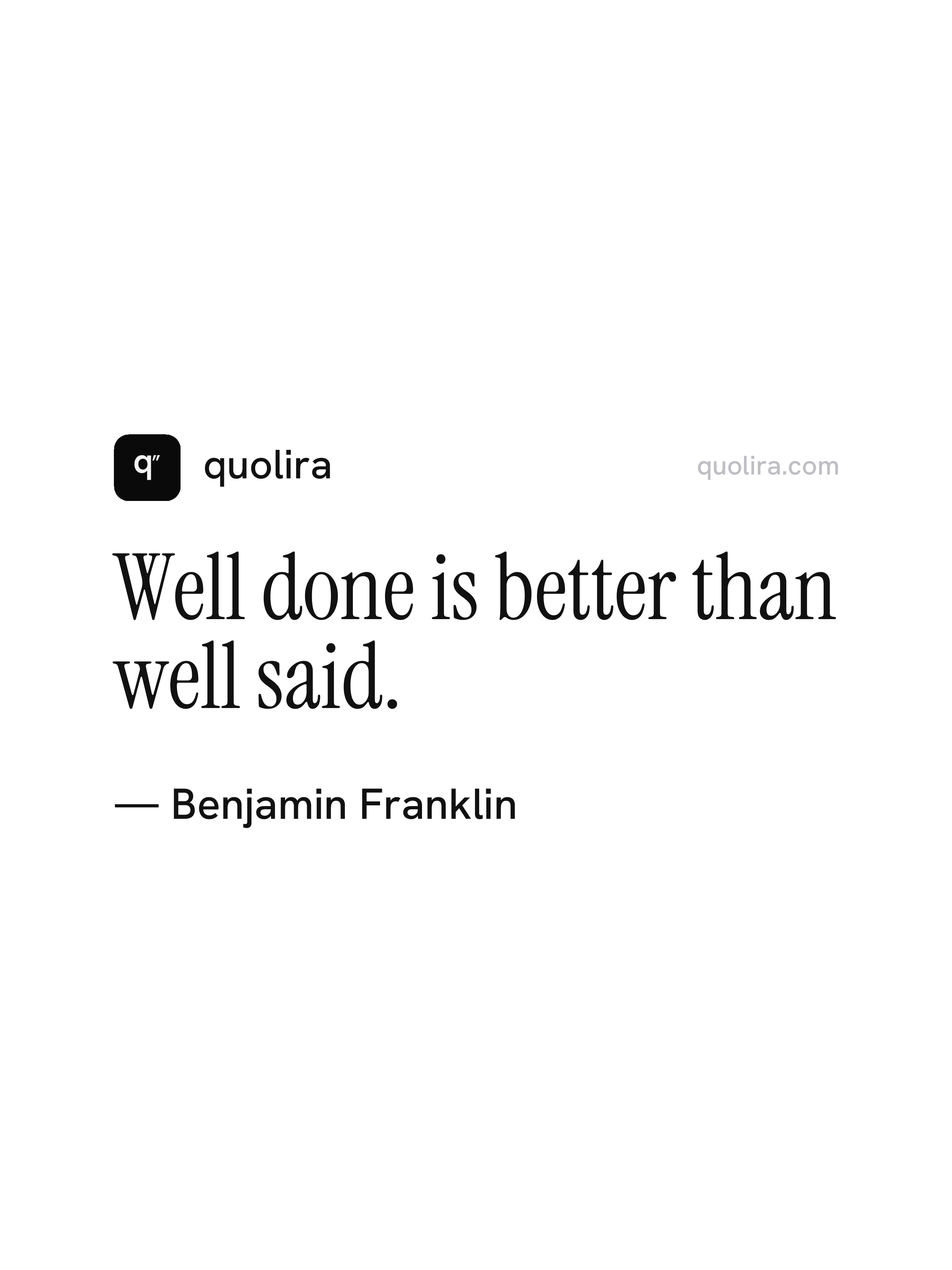
“Well done is better than well said.”
Benjamin Franklin · Poor Richard's Almanack
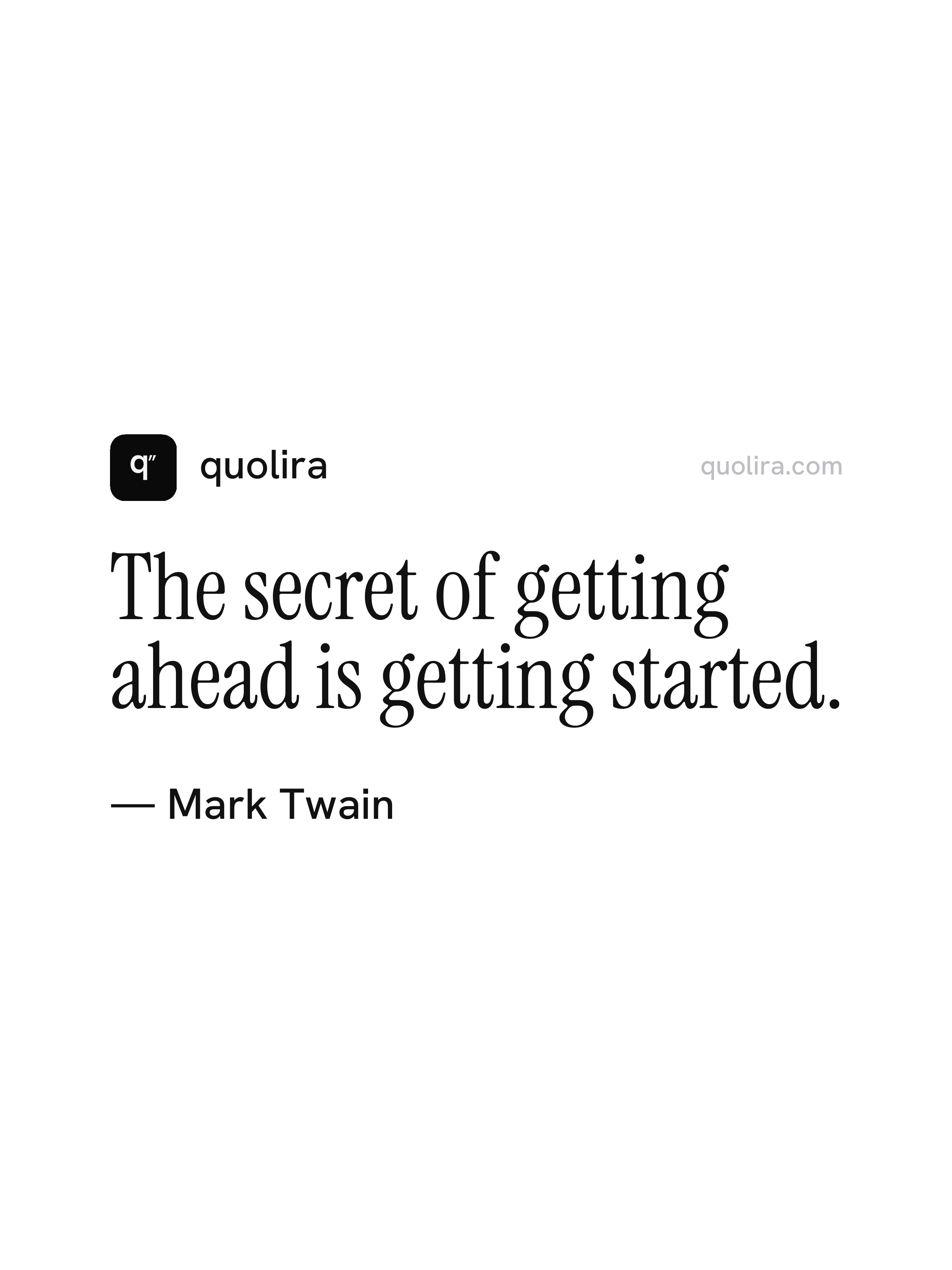
“The secret of getting ahead is getting started.”
Mark Twain
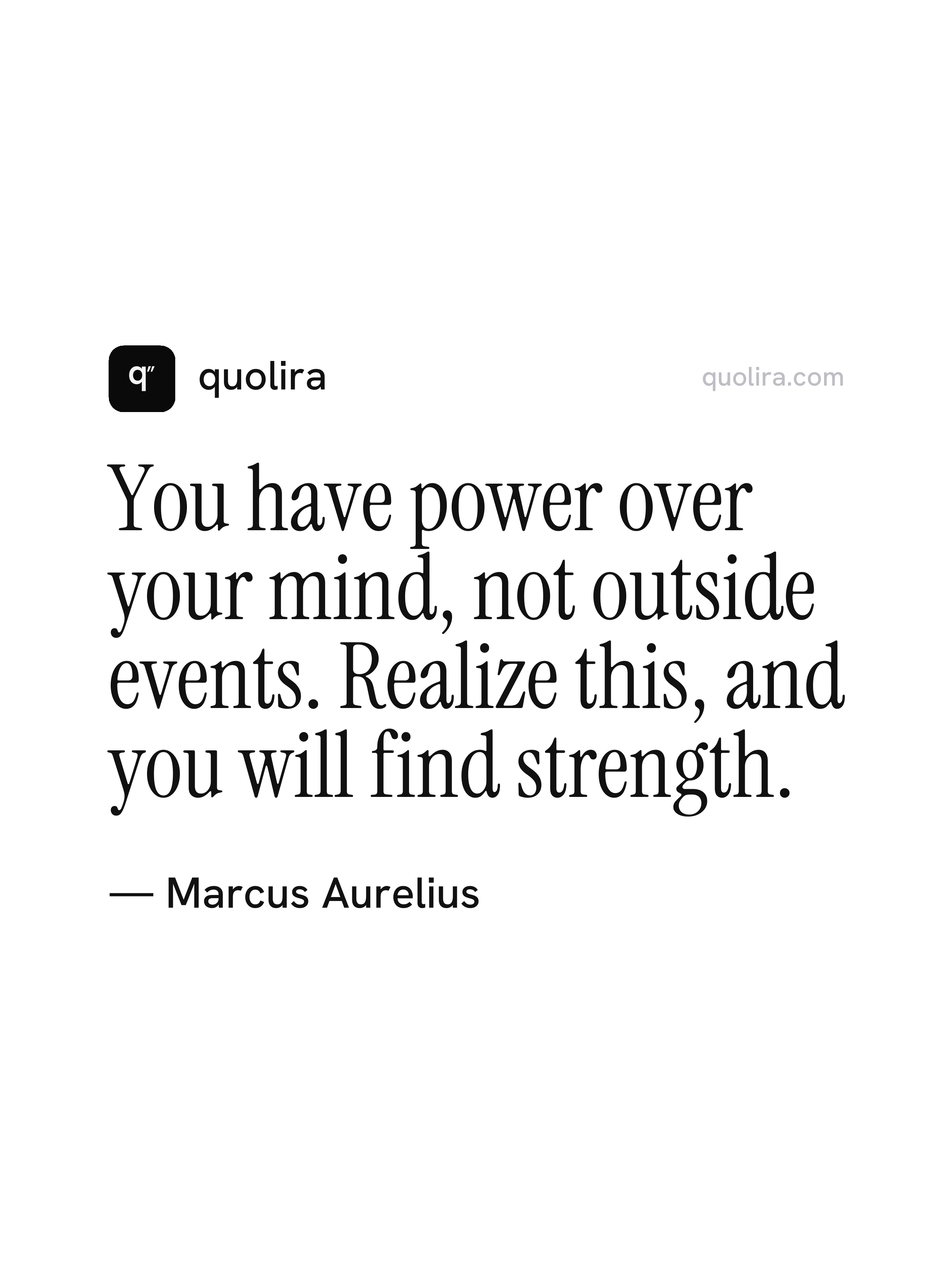
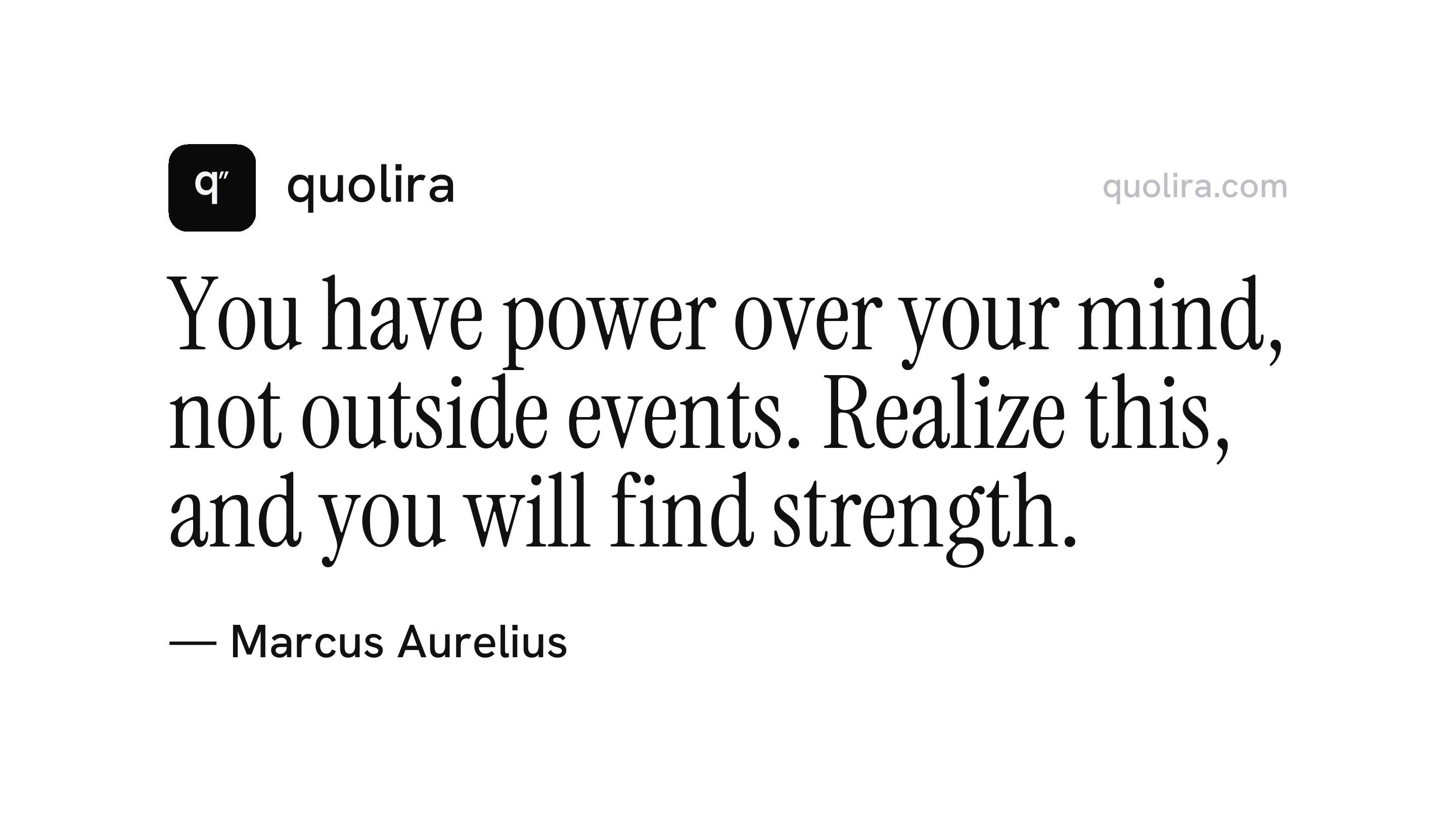
“You have power over your mind, not outside events. Realize this, and you will find strength.”
Marcus Aurelius · Meditations
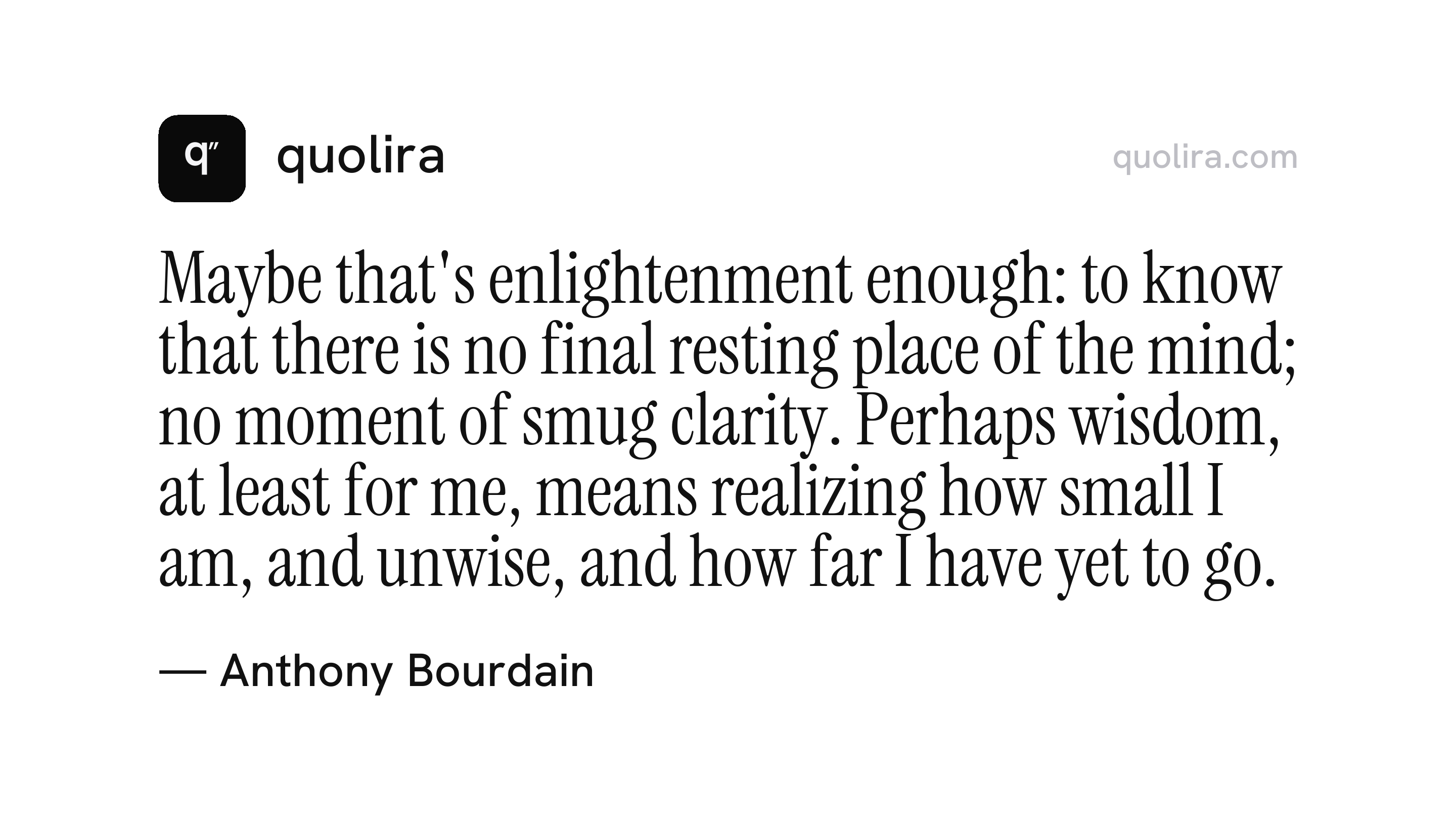
“Maybe that's enlightenment enough: to know that there is no final resting place of the mind; no moment of smug clarity. Perhaps wisdom, at least for me, means realizing how small I am, and unwise, and how far I have yet to go.”
Anthony Bourdain · The Nasty Bits, 2006
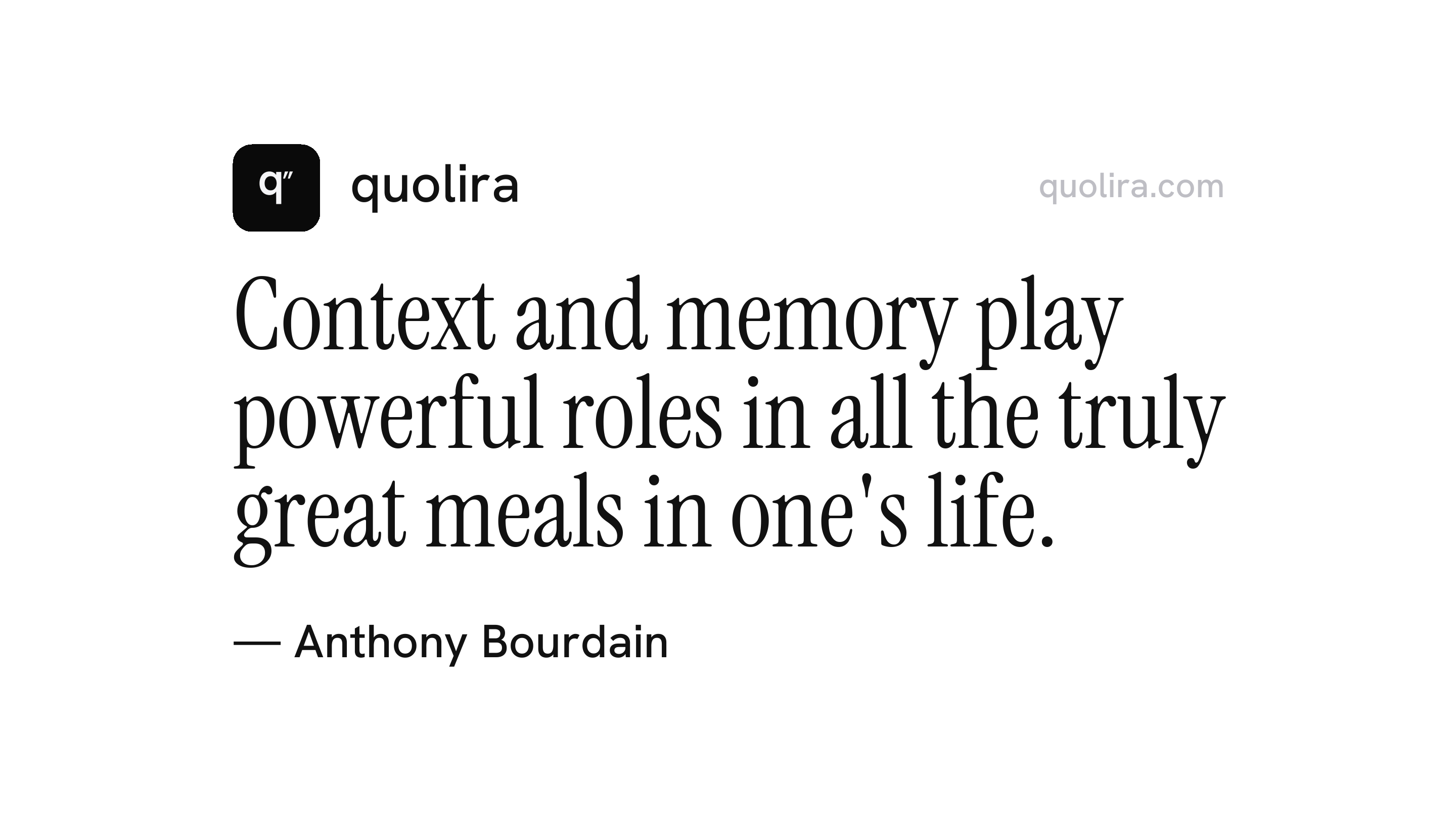
“Context and memory play powerful roles in all the truly great meals in one's life.”
Anthony Bourdain · Medium Raw, 2010
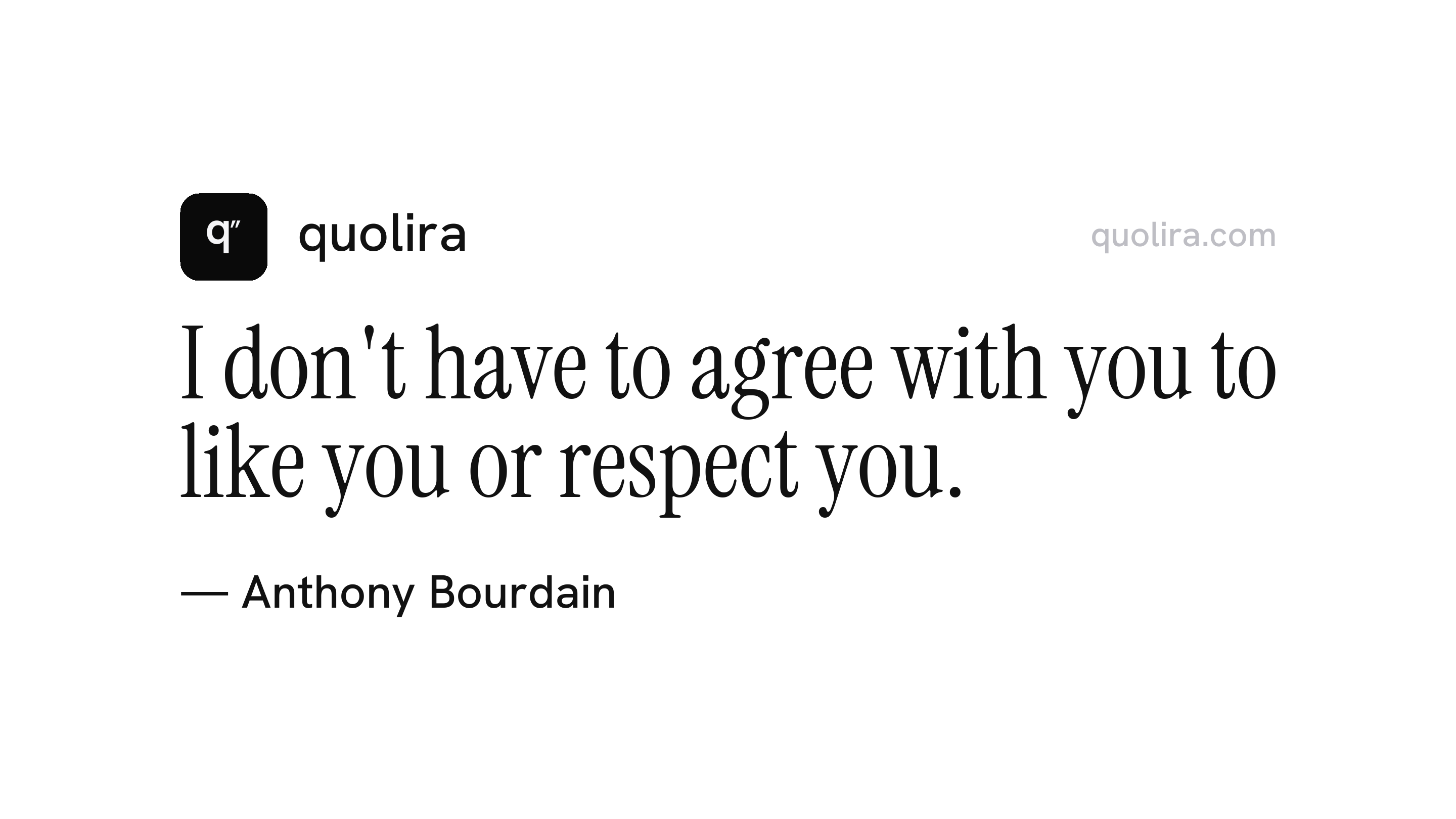
“I don't have to agree with you to like you or respect you.”
Anthony Bourdain
“Luck is not a business model.”
Anthony Bourdain
“I'm a big believer in winging it. I'm a big believer that you're never going to find the perfect city travel experience or the perfect meal without a constant willingness to experience a bad one.”
Anthony Bourdain
“Do we really want to travel in hermetically sealed popemobiles through the rural provinces of France, Mexico and the Far East, eating only at Hard Rock Cafes and McDonalds? Or do we want to eat without fear, tearing into the local stew, the humble taqueria's mystery meat, the sincerely offered gift of a lightly grilled fish head?”
Anthony Bourdain · Kitchen Confidential, 2000
“The Way of the Pirate, as far as cooking goes, consists of a willingness to work hard, a willingness to put up with discomfort, and a certain recklessness.”
Anthony Bourdain · Kitchen Confidential, 2000
“Meals make the society, hold the fabric together in lots of ways that were charming and interesting and intoxicating to me.”
Anthony Bourdain