“They that sow in tears shall reap in joy.”
King James Bible · Psalm 126:5 (KJV)
 quolira
.com
Julian of Norwich said it, in Revelations of Divine Love (c. 1395).
Julian was an English anchoress who recorded her visions in the late 1300s. The repetition is deliberate, and it gives you a phrase that can carry weight through every bad week of the season.
From the collection: 18 Winter Hope Quotes for Hard Days That Still Shine · More Julian of Norwich quotes
This line says that despite present suffering, everything will ultimately be well, and that God's purpose will bring every part of creation to a good end. The repetition is meant to steady the reader, not to deny pain. The statement is an assurance of ultimate restoration rather than a claim that difficulties are unreal.
Julian of Norwich wrote about visions she described as showings, which she received during a severe illness and then reflected on at length in the years that followed. The text is known as Revelations of Divine Love, and it exists in a short and a long version. The phrase appears in the long text, where Julian considers God's love as the source and end of all things and reflects on the suffering of sin without denying its reality. The sentence is often quoted alone, but in the book it is part of a patient meditation on trust.
Julian of Norwich was an anchoress in England in the late fourteenth century, living a life of enclosed devotion attached to a church in Norwich. Her real name is not recorded in any surviving document, and the name Julian is generally thought to come from the church where she lived. Her book is among the earliest known works in English by a woman, and she is remembered for careful, personal theology that speaks of God's tenderness toward humanity.
“They that sow in tears shall reap in joy.”
King James Bible · Psalm 126:5 (KJV)
“For I know the thoughts that I think toward you, saith the LORD, thoughts of peace, and not of evil, to give you an expected end.”
King James Bible · Jeremiah 29:11 (KJV)
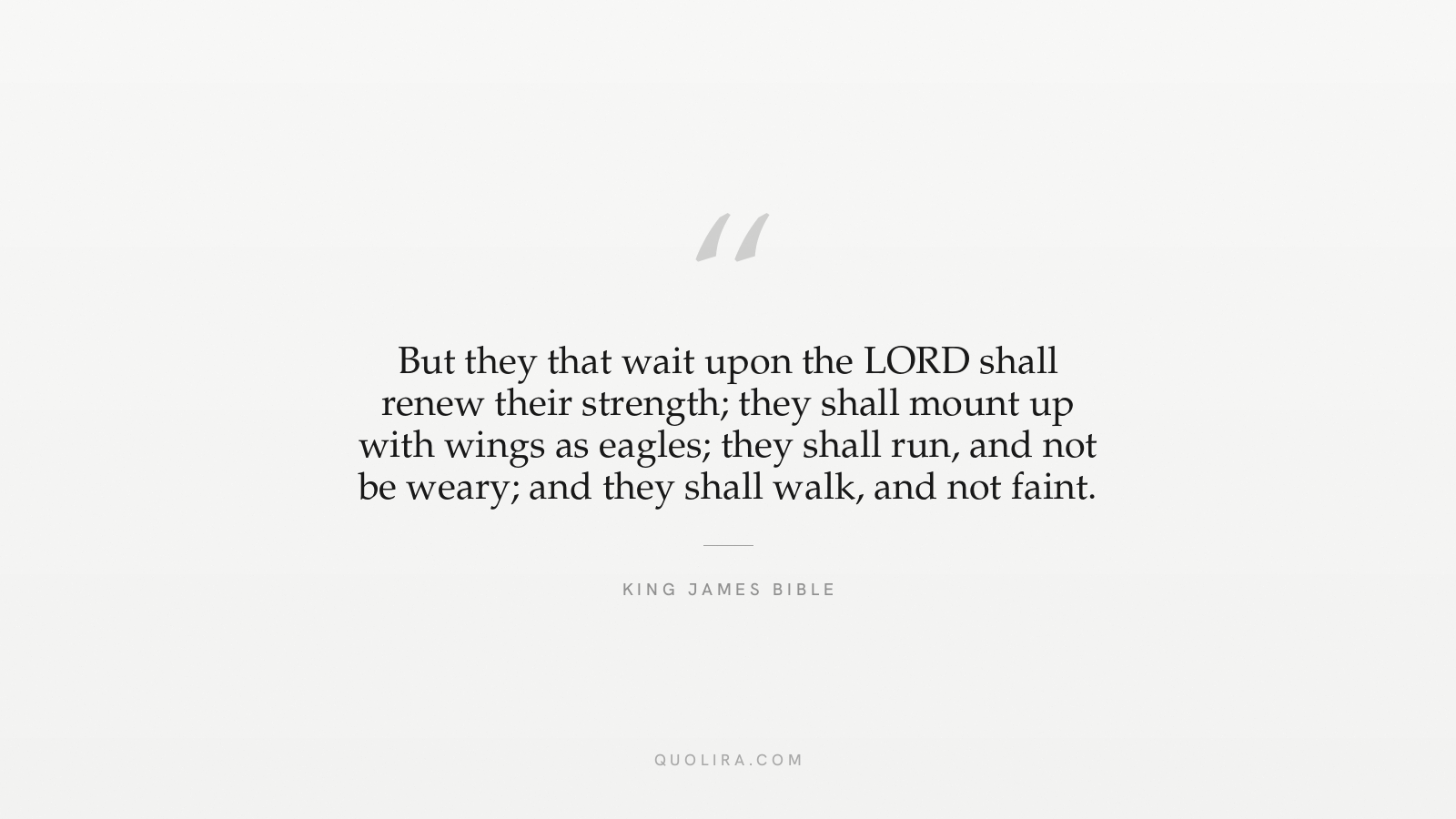
“But they that wait upon the LORD shall renew their strength; they shall mount up with wings as eagles; they shall run, and not be weary; and they shall walk, and not faint.”
King James Bible · Isaiah 40:31 (KJV)
“And hope maketh not ashamed.”
King James Bible · Romans 5:5 (KJV)
“Now faith is the substance of things hoped for, the evidence of things not seen.”
King James Bible · Hebrews 11:1 (KJV)
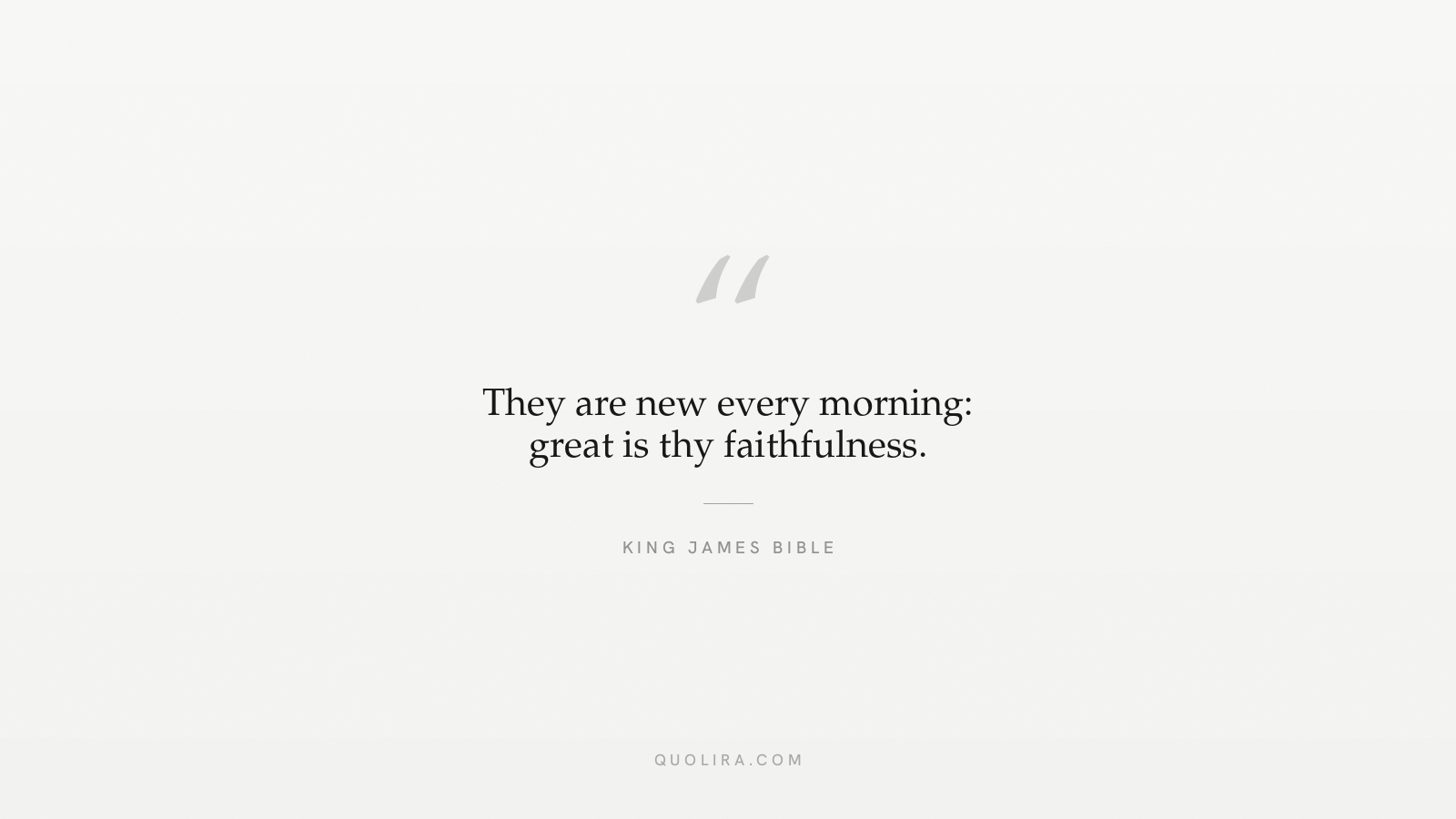
“They are new every morning: great is thy faithfulness.”
King James Bible · Lamentations 3:23 (KJV)
“Weeping may endure for a night, but joy cometh in the morning.”
King James Bible · Psalm 30:5 (KJV)
“It was the spring of hope, it was the winter of despair.”
Charles Dickens · A Tale of Two Cities (1859), Book 1, Chapter 1
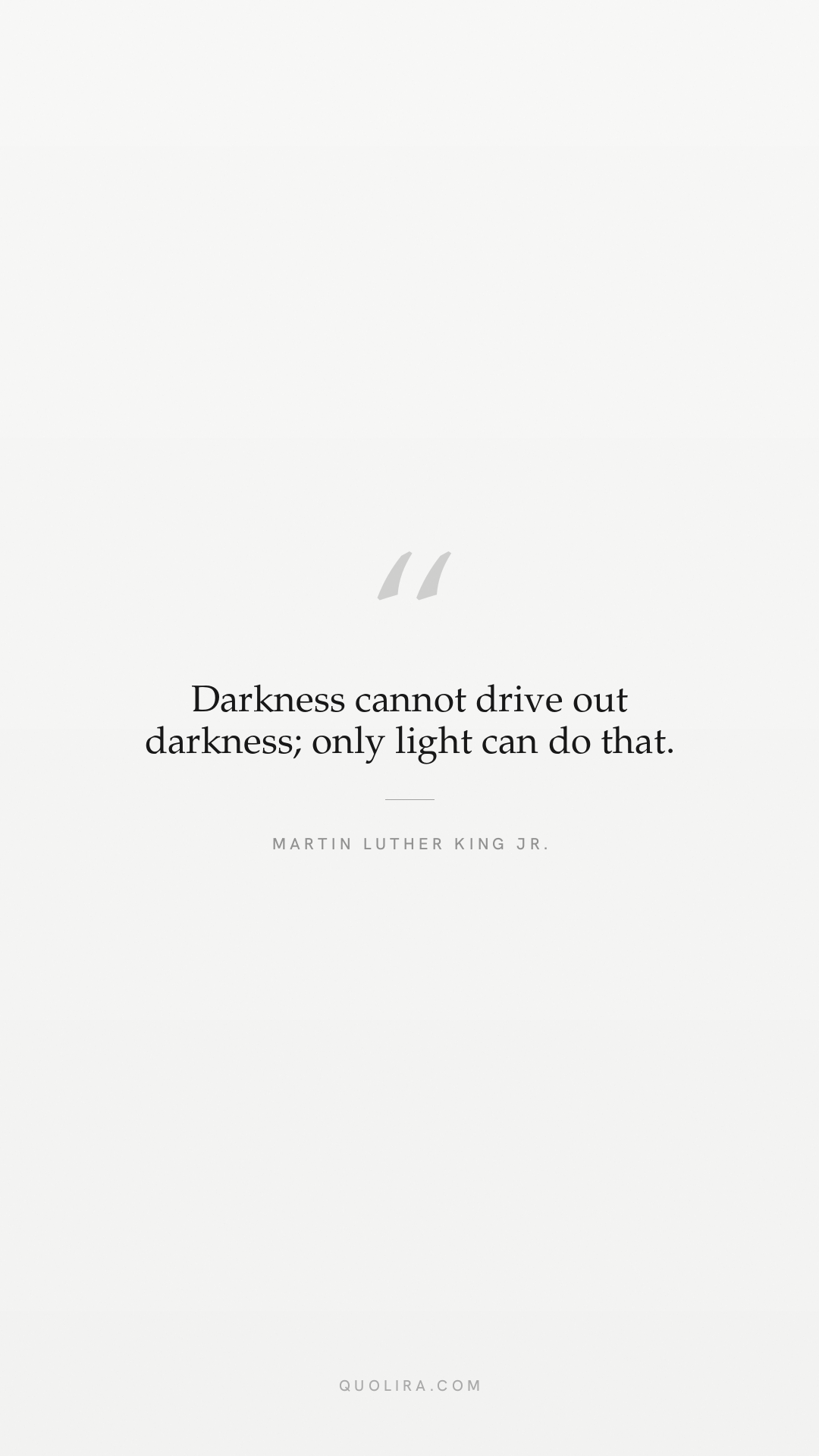
“Darkness cannot drive out darkness; only light can do that.”
Martin Luther King Jr. · Strength to Love (1963)
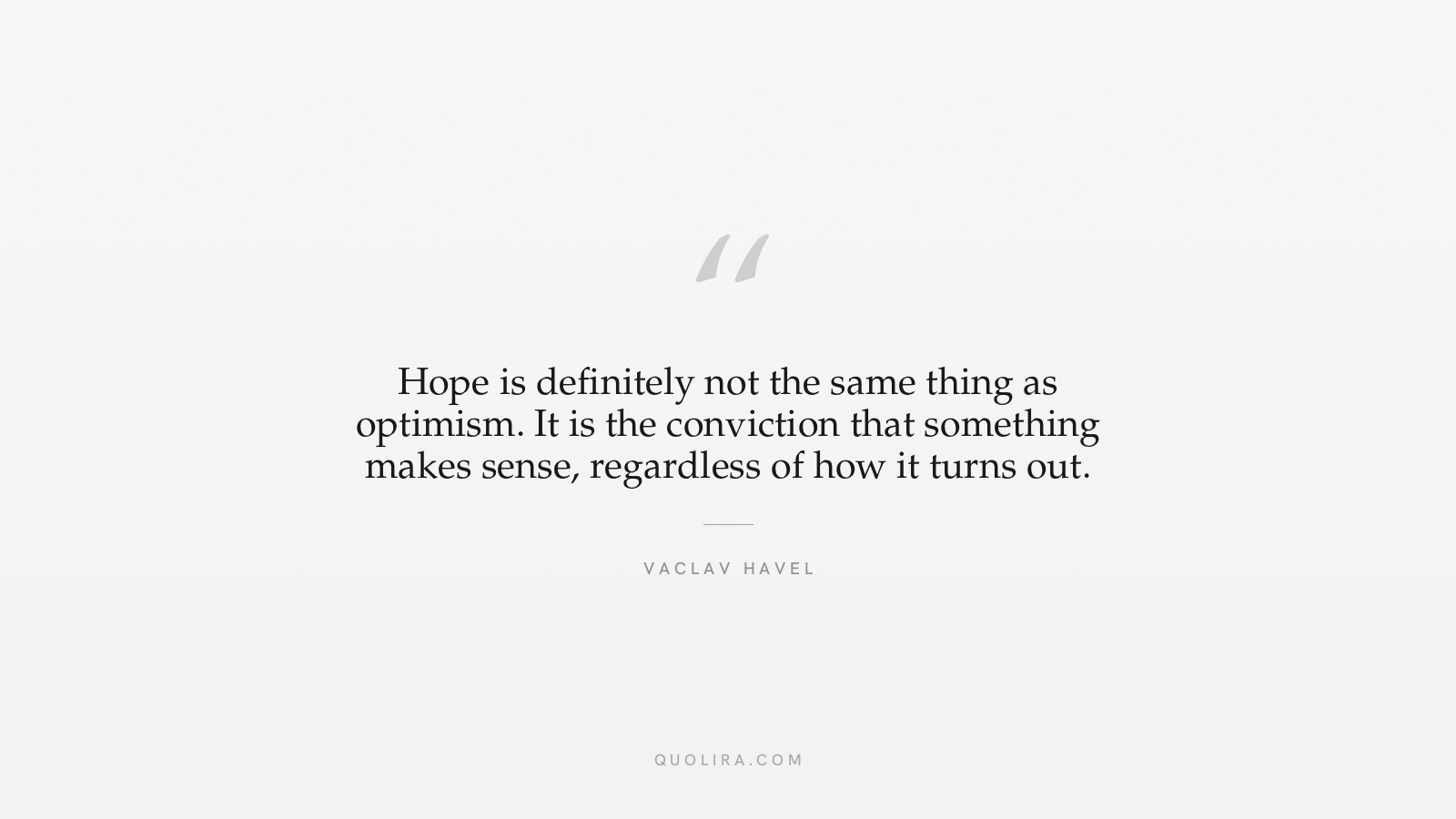
“Hope is definitely not the same thing as optimism. It is the conviction that something makes sense, regardless of how it turns out.”
Vaclav Havel · Disturbing the Peace (1986)
“Hope is the thing with feathers / That perches in the soul.”
Emily Dickinson · Poem written around 1861, published 1891
“Wealth is what you don't see.”
Morgan Housel · The Psychology of Money (2020), chapter 9: Wealth is What You Don't See