“Everything comes in time to him who knows how to wait.”
Leo Tolstoy · War and Peace (1869)
 quolira
.com
Benjamin Franklin said it, in Poor Richard's Almanack (1736).
Franklin printed this in Poor Richard's Almanack in 1736, while he was building his printing business in Philadelphia. It is a practical bet: people who keep at a goal tend to reach it, and people who quit early rarely do. Read it as a note to your future self.
From the collection: 25 Quotes on Patience That Teach You to Wait · More Benjamin Franklin quotes
The line means that a person who is willing to be patient will eventually obtain what they desire. Patience is described as a practical tool for reaching goals rather than a mere virtue.
The line appears in *Poor Richard's Almanack* for 1736, a yearly publication that mixed weather forecasts, calendars, and short sayings about thrift, hard work, and good conduct. Its proverbs were meant to be practical and memorable for ordinary readers. This saying belongs to that tradition, offering advice to anyone trying to build a life through steady effort instead of impulsive action.
Benjamin Franklin was an American printer, writer, and public figure who lived in the eighteenth century. He published *Poor Richard's Almanack* under a pseudonym, and it became one of the best-known almanacs in the colonies. Franklin was also active in civic life, science, and diplomacy, and his writings often emphasized self-improvement and frugality. His proverbs remain widely quoted, and this one is among the most direct statements of his view that patience pays off.
“Everything comes in time to him who knows how to wait.”
Leo Tolstoy · War and Peace (1869)
“All things come round to him who will but wait.”
Henry Wadsworth Longfellow · Tales of a Wayside Inn (1863)
“They also serve who only stand and wait.”
John Milton · When I Consider How My Light Is Spent (c. 1652)
“In the beginner's mind there are many possibilities, but in the expert's there are few.”
Shunryu Suzuki · Zen Mind, Beginner's Mind (1970)
“It's not so much something you have to create as it is something you have to return to.”
Brianna Wiest · The Mountain Is You, Chapter 7: From Self-Sabotage To Self-Mastery
“Powerful people are not the most aggressive; aggression is usually a self-defense mechanism.”
Brianna Wiest · The Mountain Is You, Chapter 6: Building A New Future
“Most of the problems that exist in our lives are distractions from the real problem, which is that we are not comfortable in the present moment, as we are, here and now.”
Brianna Wiest · The Mountain Is You, Chapter 5: Releasing The Past
“You change your life when you start doing the truly scary thing, which is showing up exactly as you are.”
Brianna Wiest · The Mountain Is You, Chapter 5: Releasing The Past
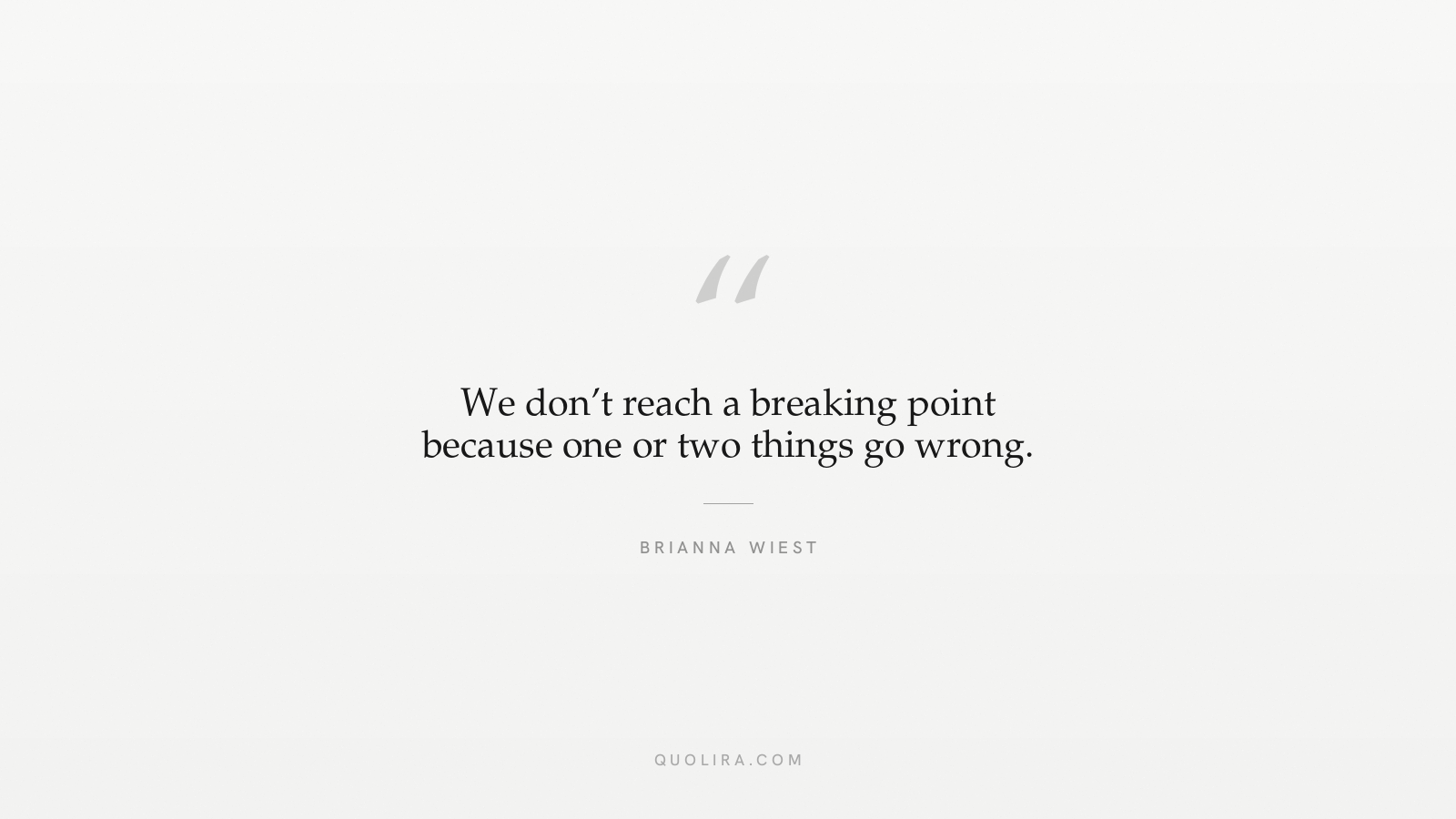
“We don't reach a breaking point because one or two things go wrong.”
Brianna Wiest · The Mountain Is You, Chapter 1: The Mountain Is You
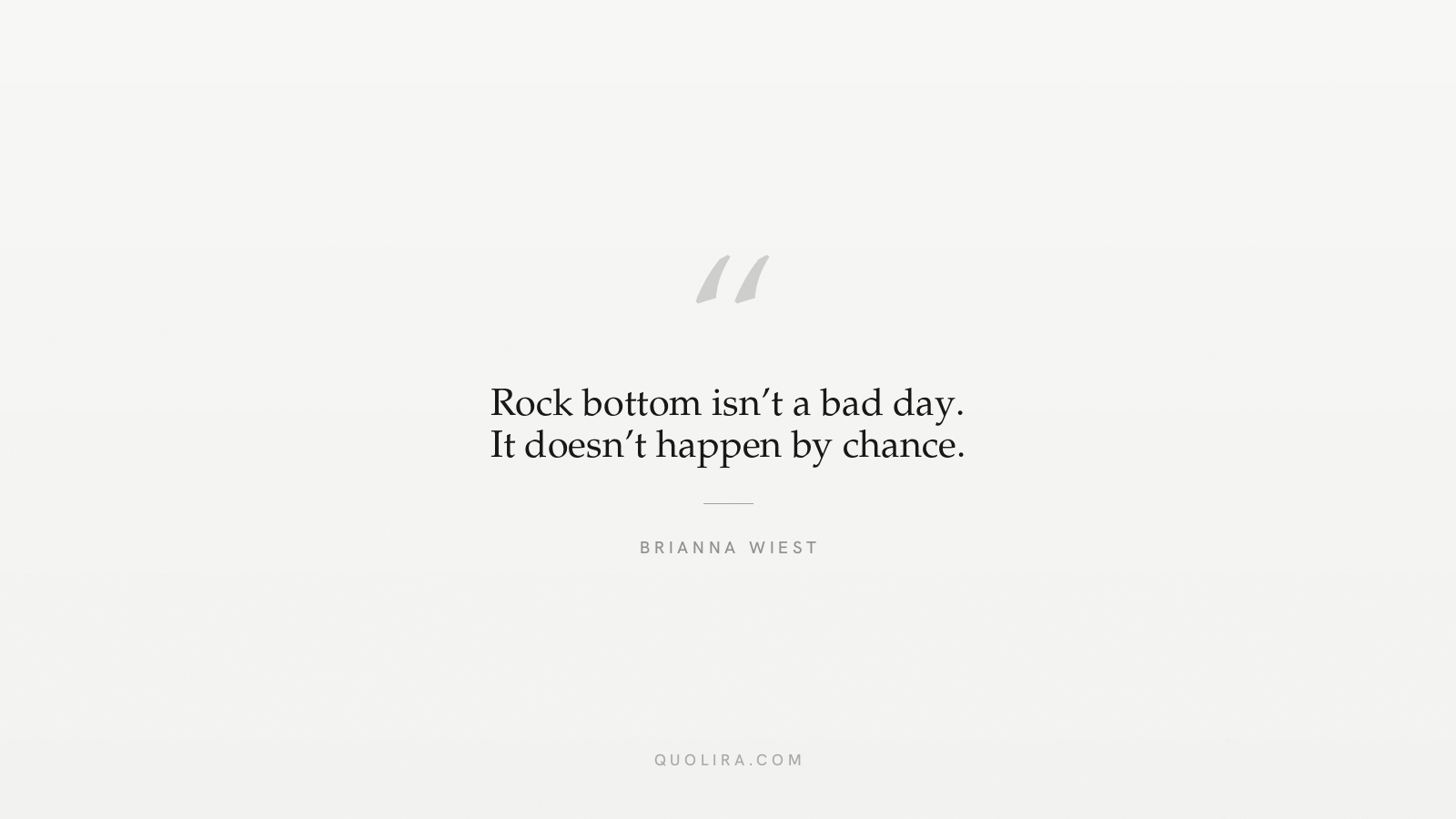
“Rock bottom isn't a bad day. It doesn't happen by chance.”
Brianna Wiest · The Mountain Is You, Chapter 1: The Mountain Is You
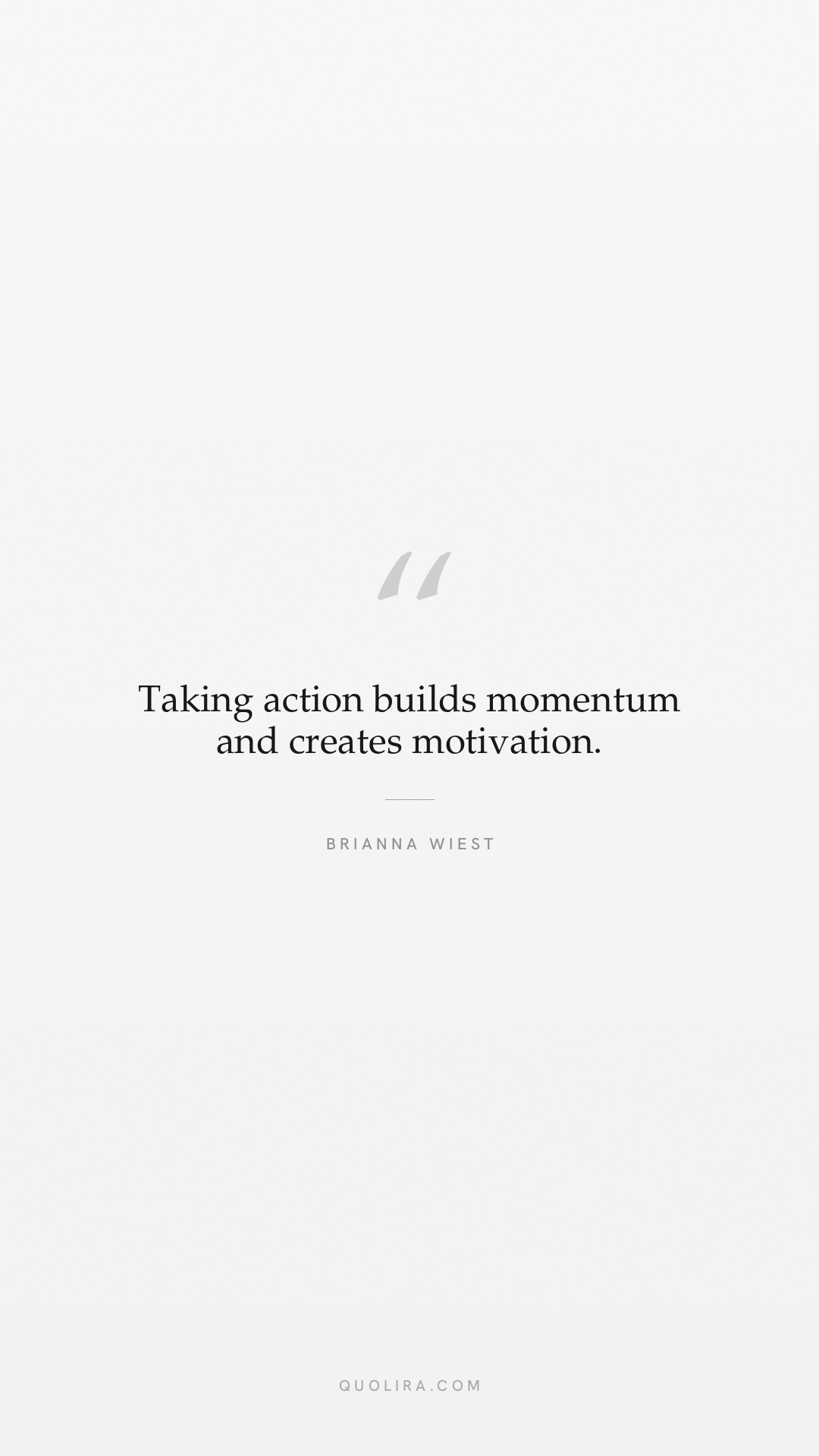
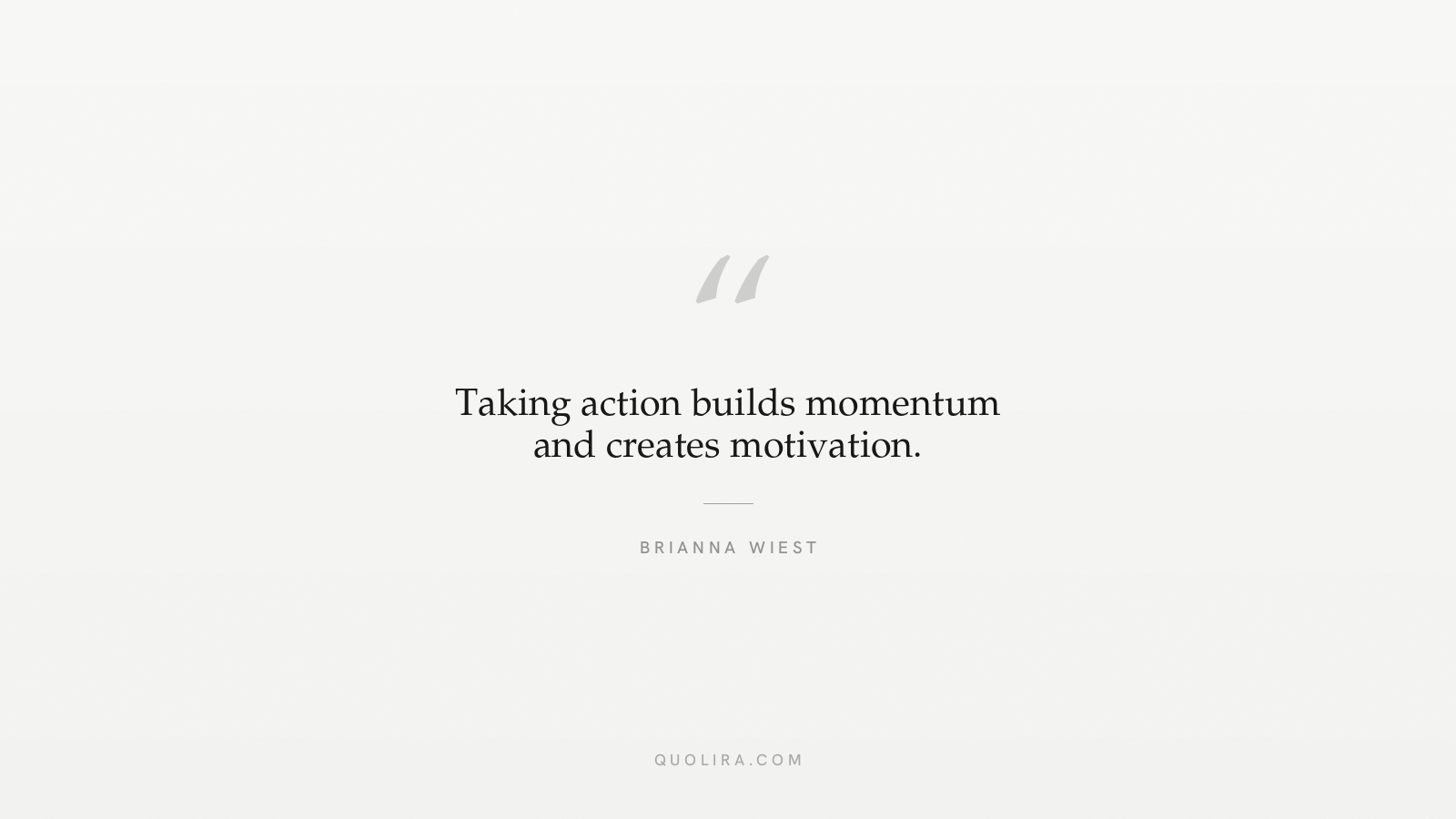
“Taking action builds momentum and creates motivation.”
Brianna Wiest · The Mountain Is You, Chapter 2: There’s No Such Thing As Self-Sabotage
“It is essential that you learn to take action before you feel like doing it.”
Brianna Wiest · The Mountain Is You, Chapter 2: There’s No Such Thing As Self-Sabotage