“Devotion to duty is the highest form of worship of God.”
Swami Vivekananda
 quolira
.com
quolira
quolira.com
William James is pointing to something he considered a bedrock fact of human psychology: that people do not simply want to be tolerated or even liked, they want to feel genuinely valued. The word "craving" is important here. It is stronger than "desire" or "preference," suggesting that the need for appreciation is not a polite wish but something close to a hunger. This insight implies that acknowledgment and recognition are not luxuries in human relationships but genuine necessities.
William James was one of the most influential thinkers in the development of modern psychology and philosophy in the United States. He wrote and lectured extensively on human motivation, emotion, habit, and the nature of the self. This observation reflects his broader interest in understanding what actually drives human behavior, as opposed to what people assume or wish drove it. His approach was pragmatic and grounded in real experience, and statements like this one demonstrate his gift for capturing something complex in plain, memorable language.
William James lived from 1842 to 1910 and spent much of his academic career at Harvard University, where he taught philosophy and psychology. He is often credited as one of the founding figures of American psychology and the philosophical movement known as pragmatism. His books addressed topics ranging from religious experience to habit formation to the nature of truth. His writing style was notably accessible for a serious thinker of his era, which helped his ideas reach a wide audience both during his lifetime and afterward.
“Devotion to duty is the highest form of worship of God.”
Swami Vivekananda
“Love does not consist in gazing at each other, but in looking outward together in the same direction.”
Antoine de Saint-Exupery · Wind, Sand and Stars, 1939
“Faith is the bird that feels the light when the dawn is still dark.”
Rabindranath Tagore
“He who has a why to live can bear almost any how.”
Friedrich Nietzsche · Twilight of the Idols, 1889
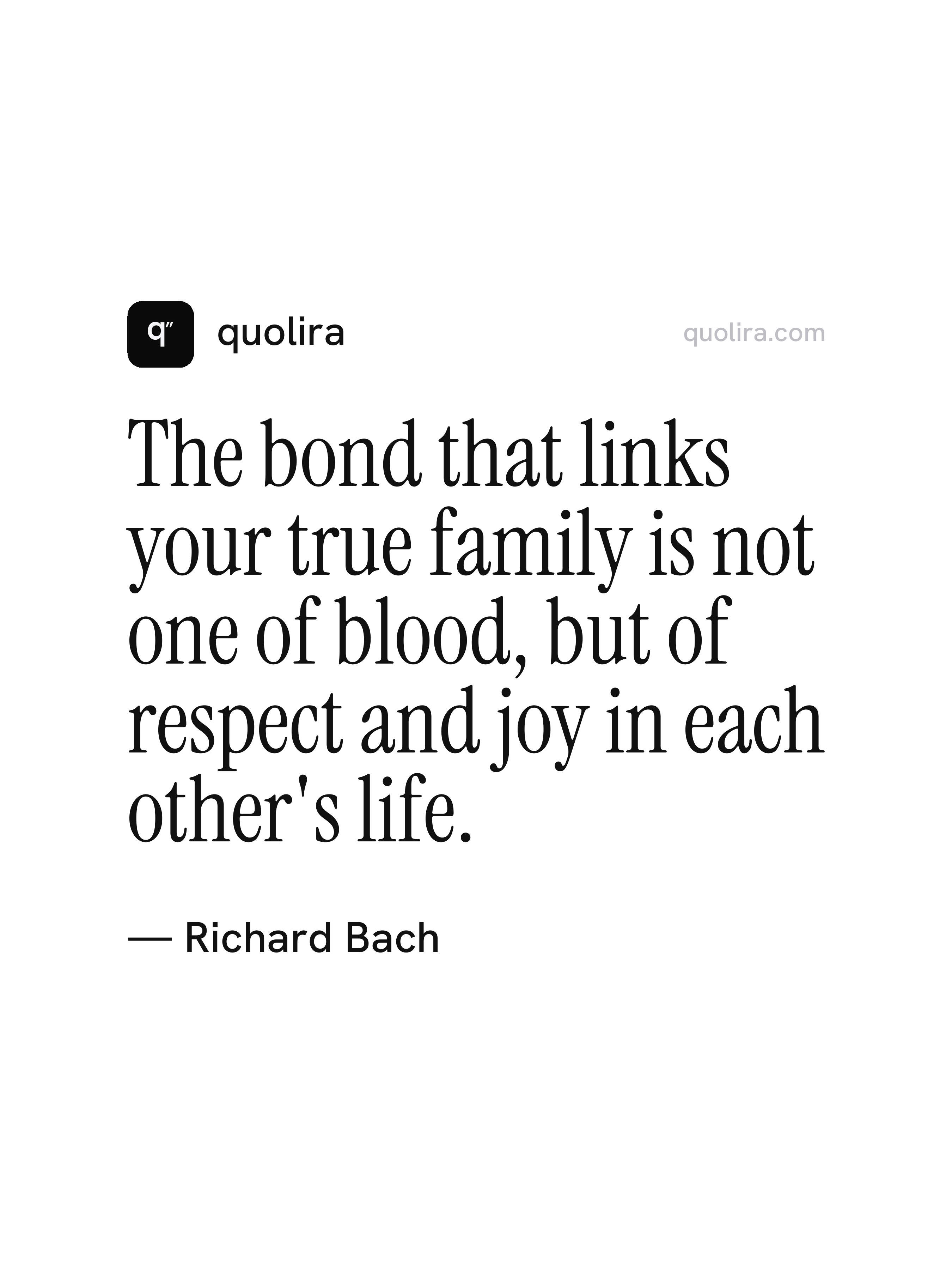
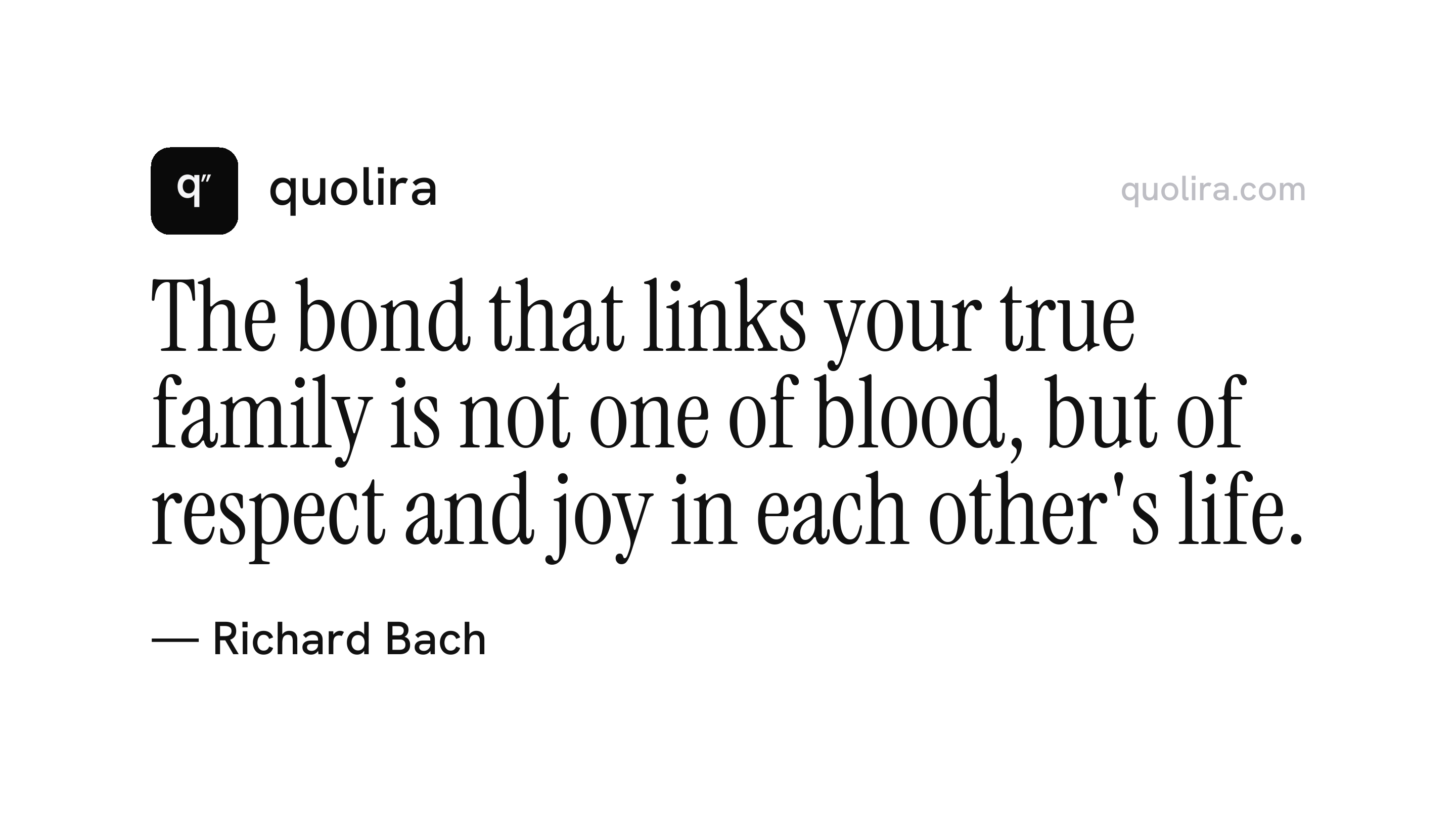
“The bond that links your true family is not one of blood, but of respect and joy in each other's life.”
Richard Bach
“A successful marriage requires falling in love many times, always with the same person.”
Mignon McLaughlin · The Neurotic's Notebook, 1960
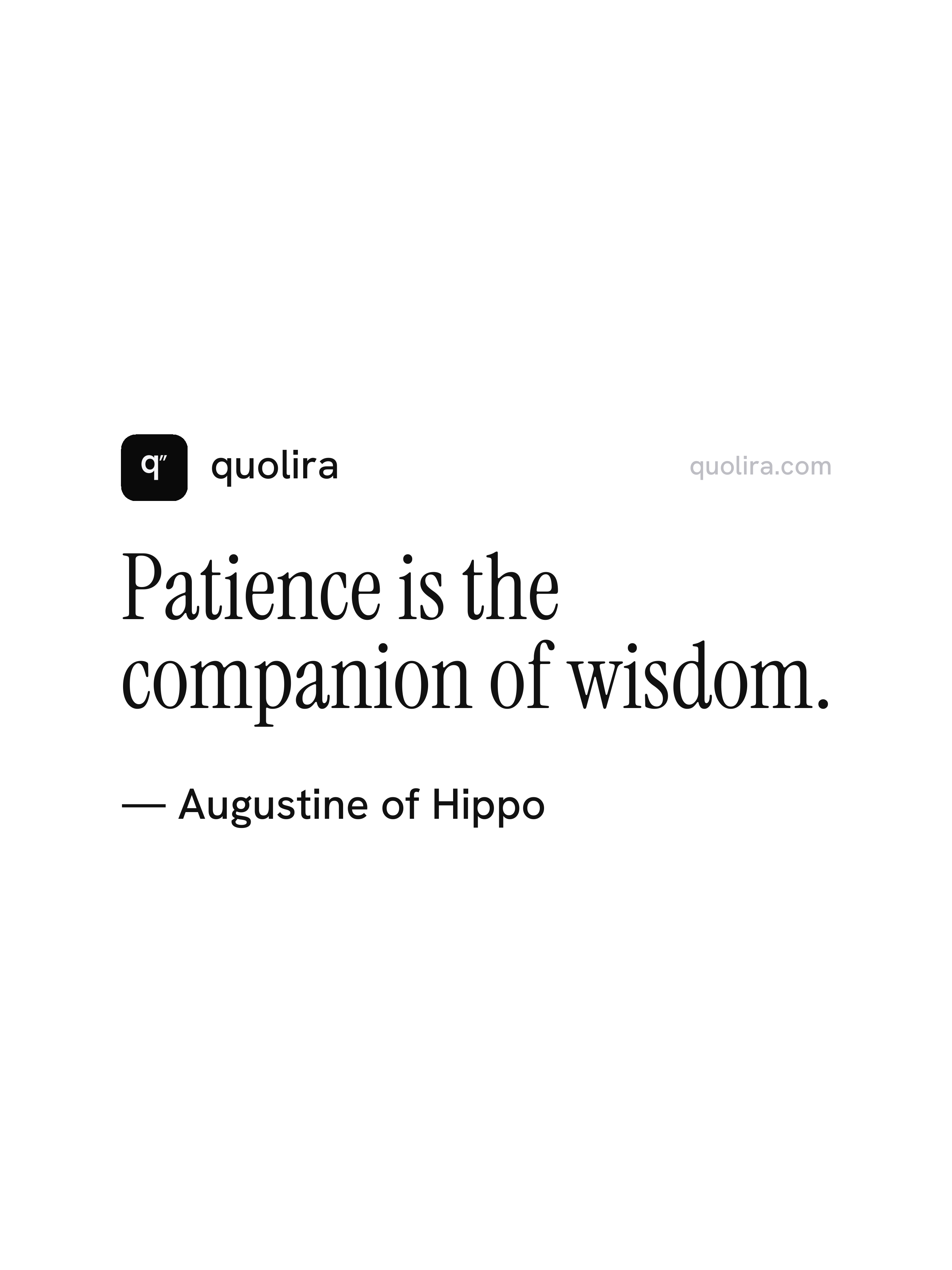
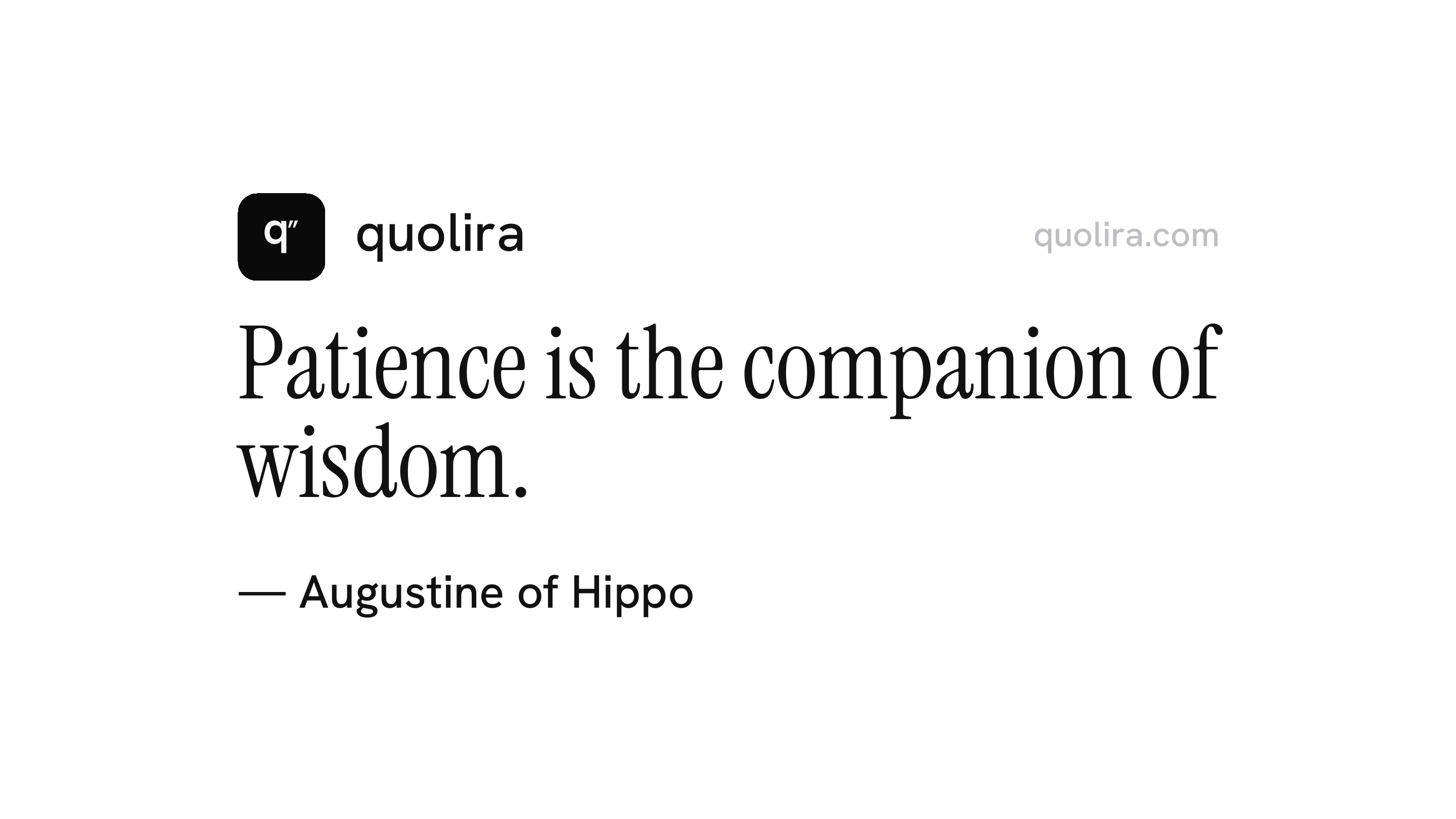
“Patience is the companion of wisdom.”
Augustine of Hippo
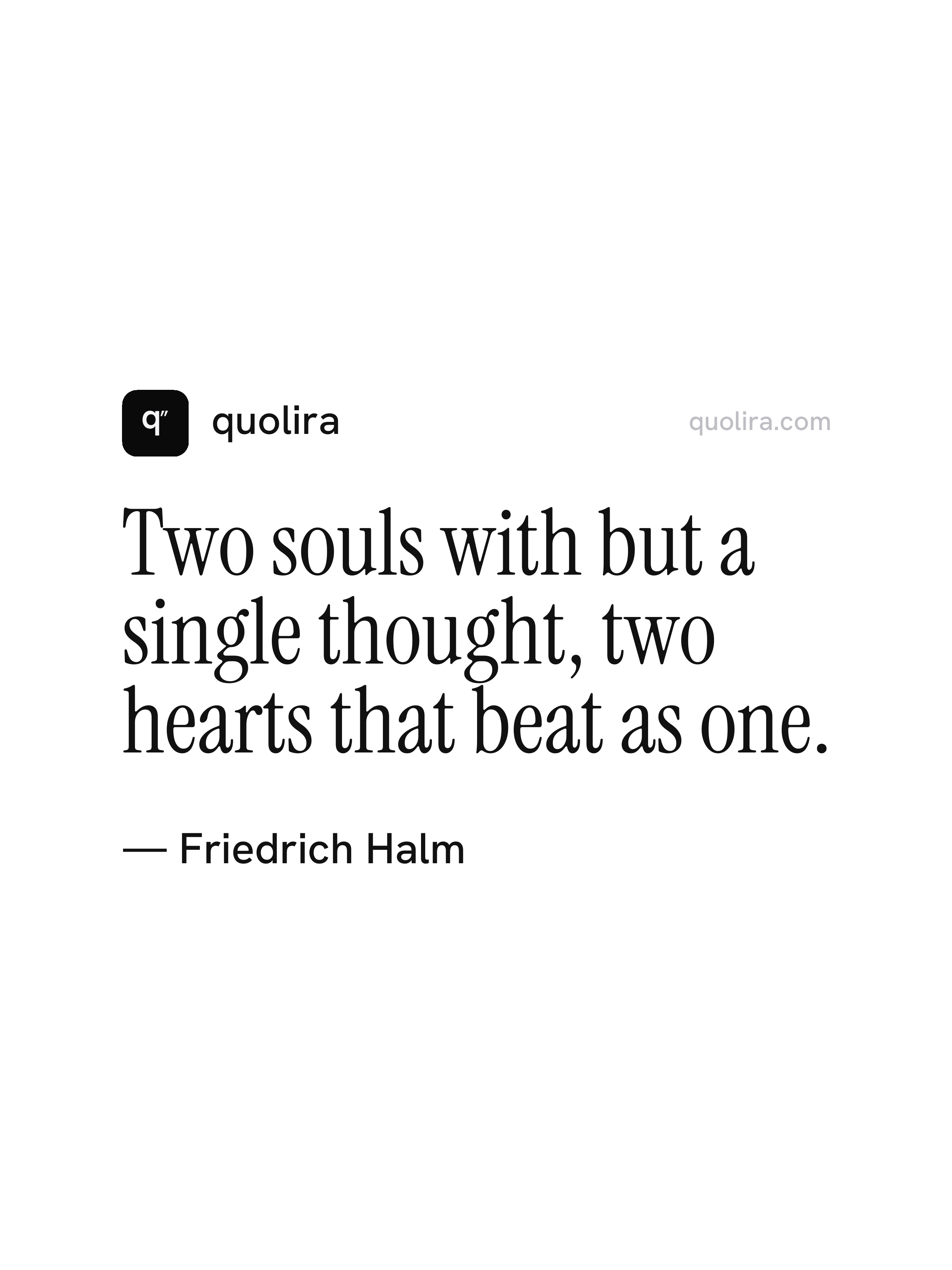
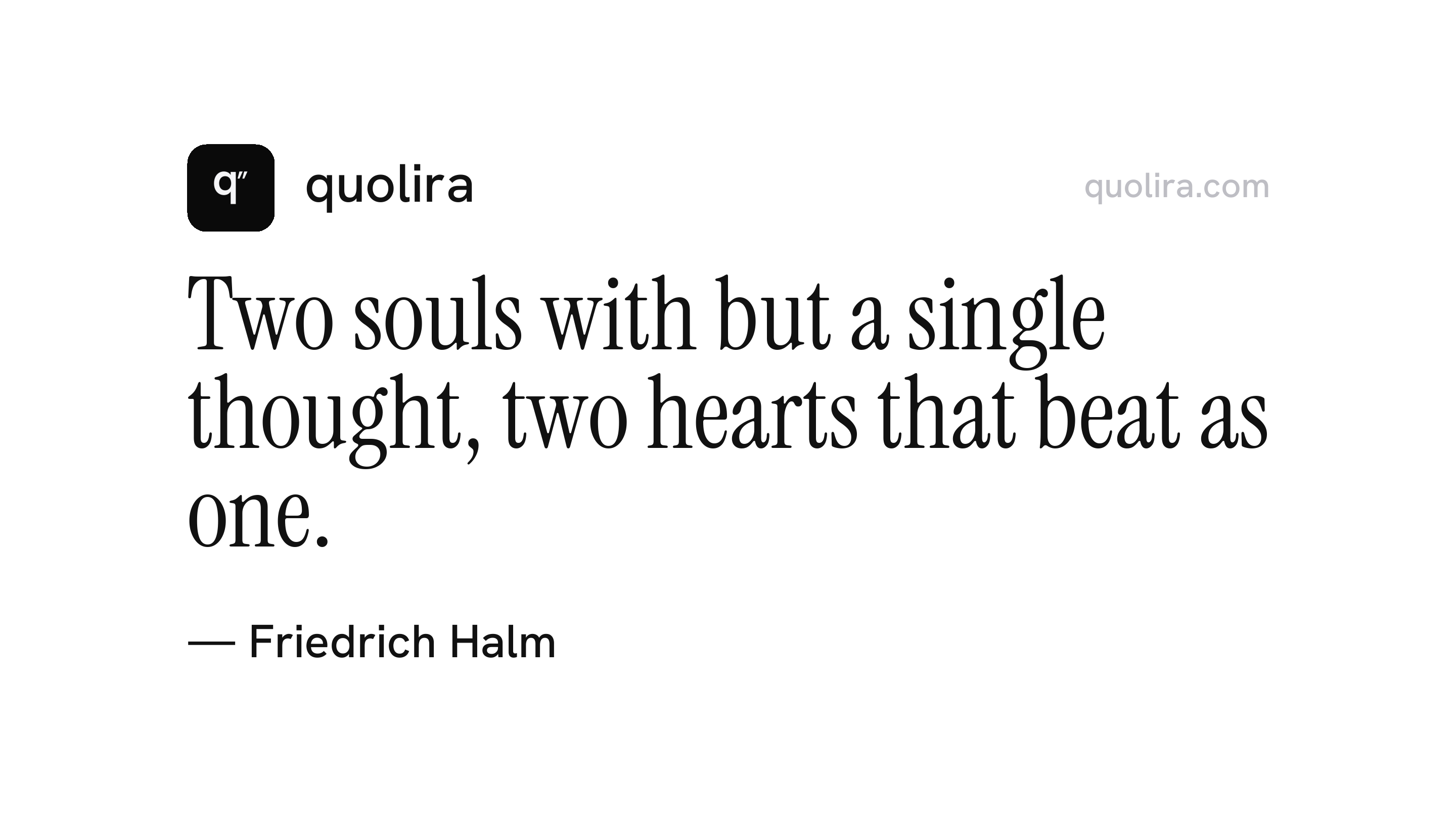
“Two souls with but a single thought, two hearts that beat as one.”
Friedrich Halm · Der Sohn der Wildnis
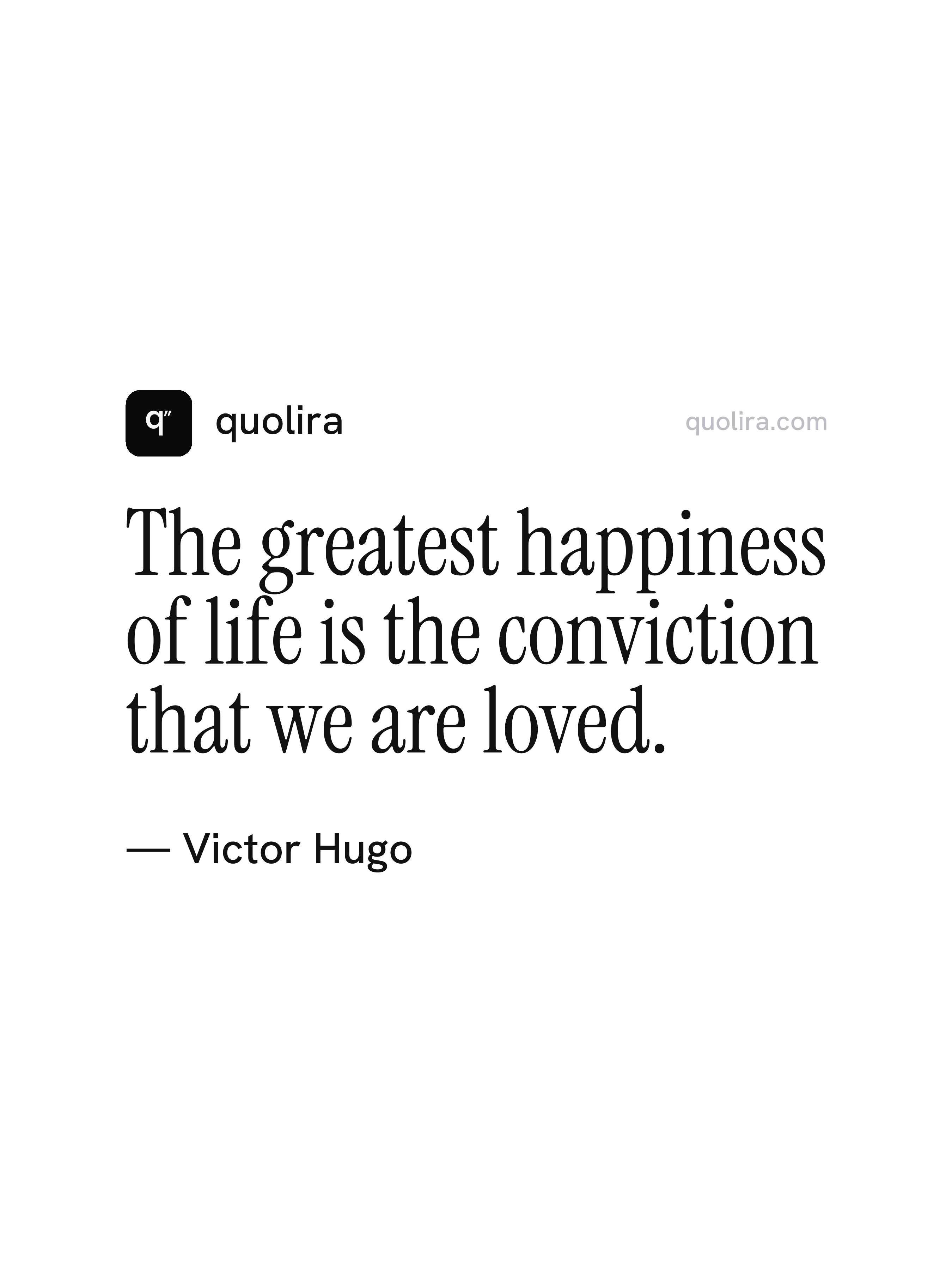
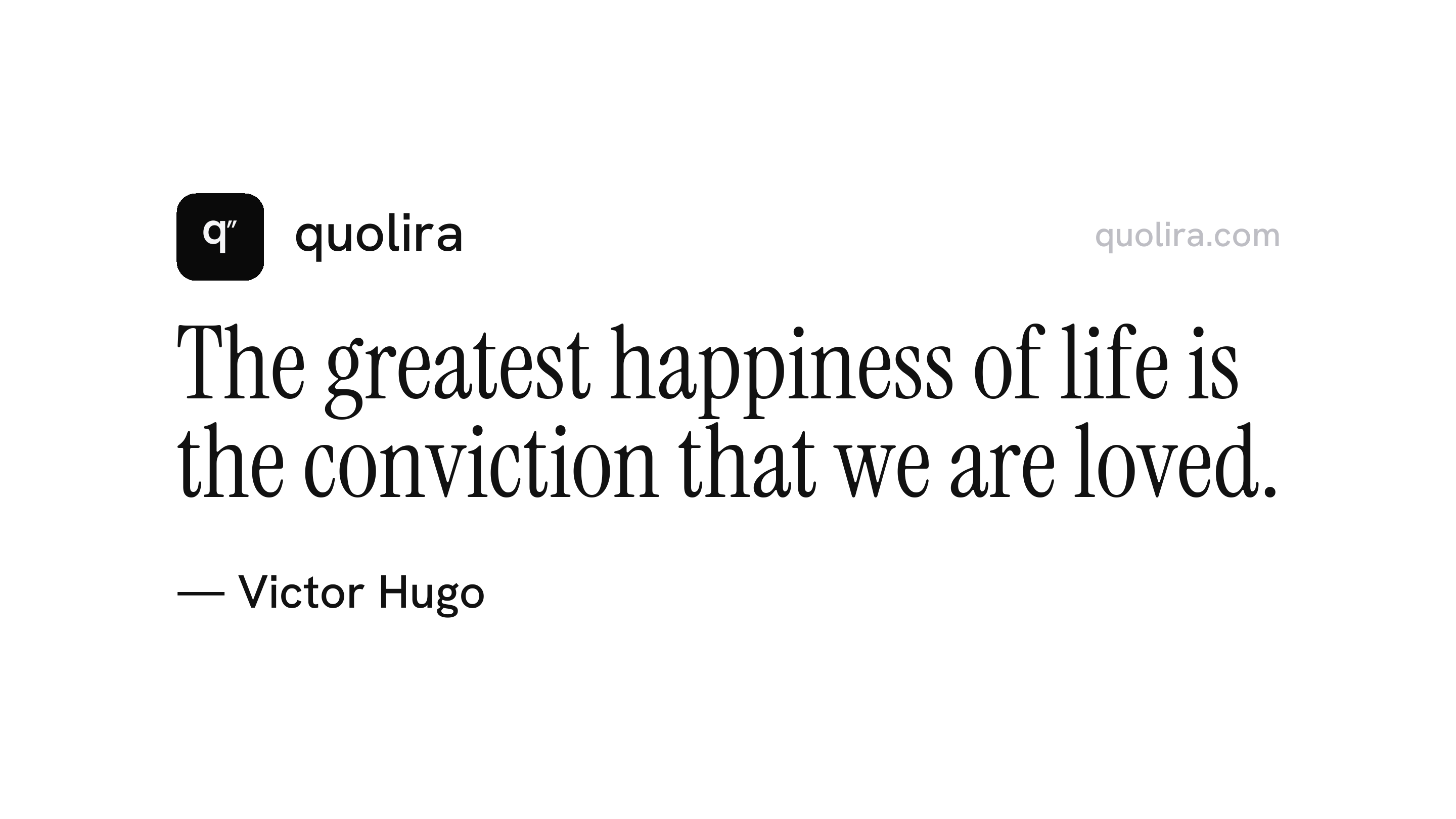
“The greatest happiness of life is the conviction that we are loved.”
Victor Hugo · Les Miserables, 1862
“Love is the only thing that can be divided without diminishing.”
Khalil Gibran
“Where women are honored, there the gods are pleased.”
Manusmriti · Manusmriti 3.56
“Honesty is the first chapter in the book of wisdom.”
Thomas Jefferson