“My father used to play with my brother and me in the yard. Mother would come out and say, You're tearing up the grass. We're not raising grass, Dad would reply. We're raising boys.”
Harmon Killebrew
 quolira
.com
quolira
quolira.com
This short statement draws a clear line between two ways a life can end, or more broadly, two ways a person can choose to live. It does not glorify death for its own sake. Instead, it insists that the quality of how one lives and how one faces the end of life matters more than mere survival. A life prolonged through surrender, submission to injustice, or the abandonment of one's principles is described here as a kind of humiliation, something worse in moral terms than death itself. The quote is a declaration that honor and self-respect are not negotiable.
This saying is attributed to Imam Hussain ibn Ali in the context of the events at Karbala in 680 CE. Faced with an ultimatum to submit to an authority he considered unjust, Hussain refused, and the phrase captures the moral logic of that refusal. It has been passed down through Islamic historical and literary tradition as an explanation of why he made the choice he did. For centuries it has served as a rallying statement for those who see in his example a model of resistance grounded not in recklessness but in a considered commitment to living and dying with integrity.
Imam Hussain ibn Ali is one of the most deeply venerated figures in Islamic history. As the grandson of the Prophet Muhammad and the son of Imam Ali, he carried enormous symbolic and religious weight even during his lifetime. His death at Karbala transformed him into a martyr whose story is retold and mourned annually across the Muslim world. His attributed sayings, particularly those from the days leading up to Karbala, are studied as moral philosophy as much as religious teaching, and this statement is among the most frequently quoted of them all.
“My father used to play with my brother and me in the yard. Mother would come out and say, You're tearing up the grass. We're not raising grass, Dad would reply. We're raising boys.”
Harmon Killebrew
“The quality of a father can be seen in the goals, dreams and aspirations he sets not only for himself, but for his family.”
Reed Markham
“There's something like a line of gold thread running through a man's words when he talks to his daughter, and gradually over the years it gets to be long enough for you to pick up in your hands and weave into a cloth that feels like love itself.”
John Gregory Brown · Decorations in a Ruined Cemetery
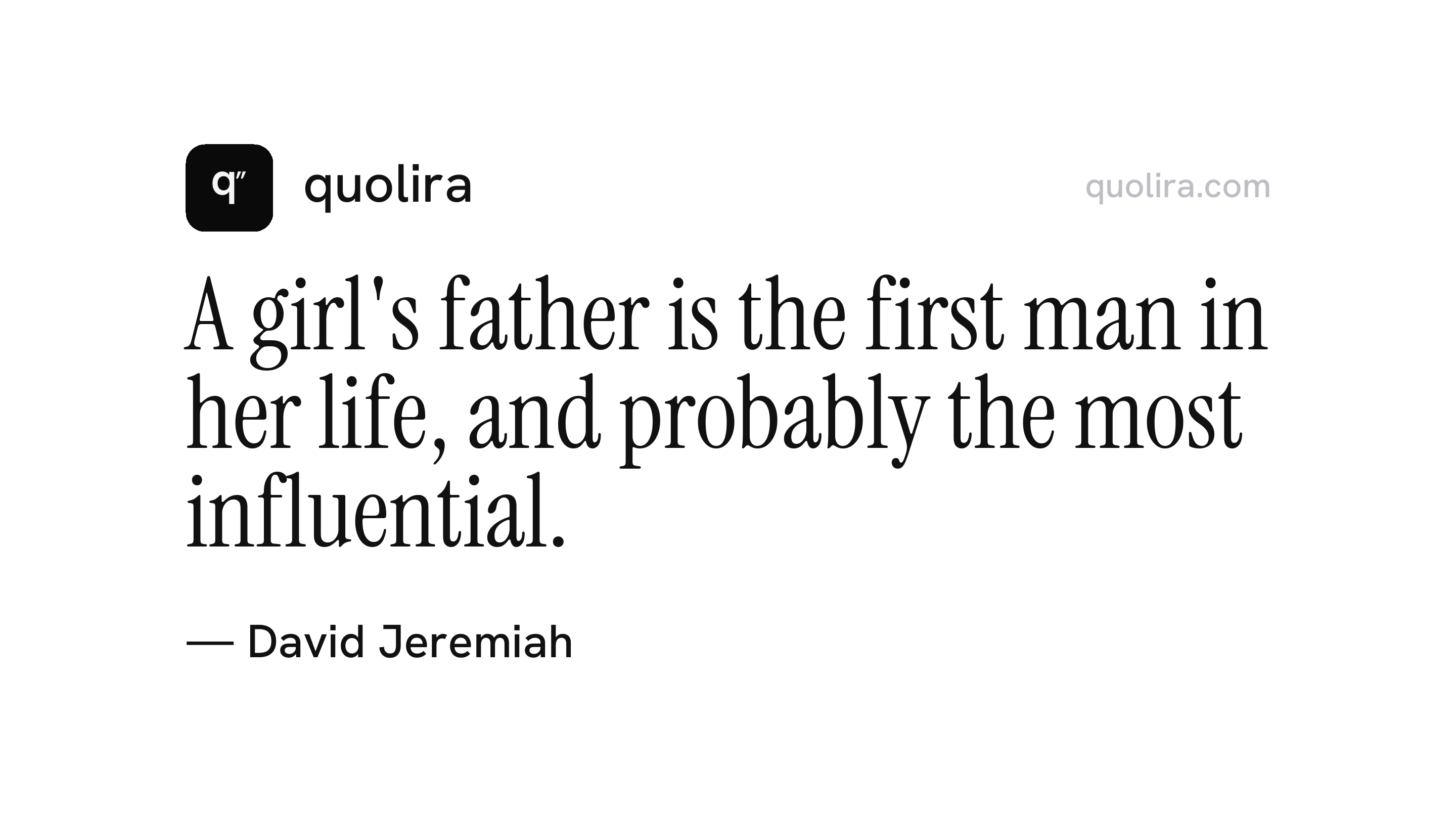
“A girl's father is the first man in her life, and probably the most influential.”
David Jeremiah
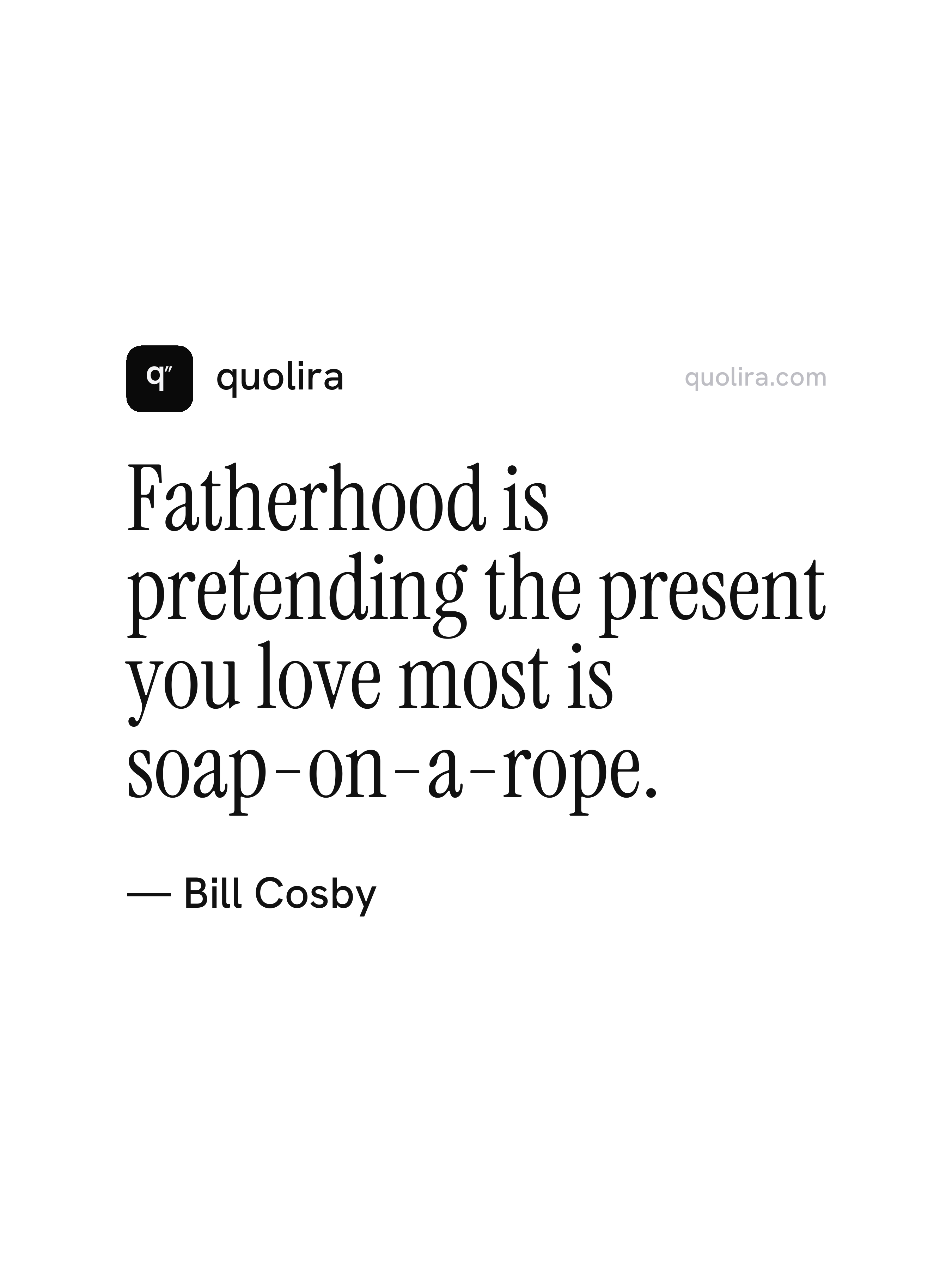
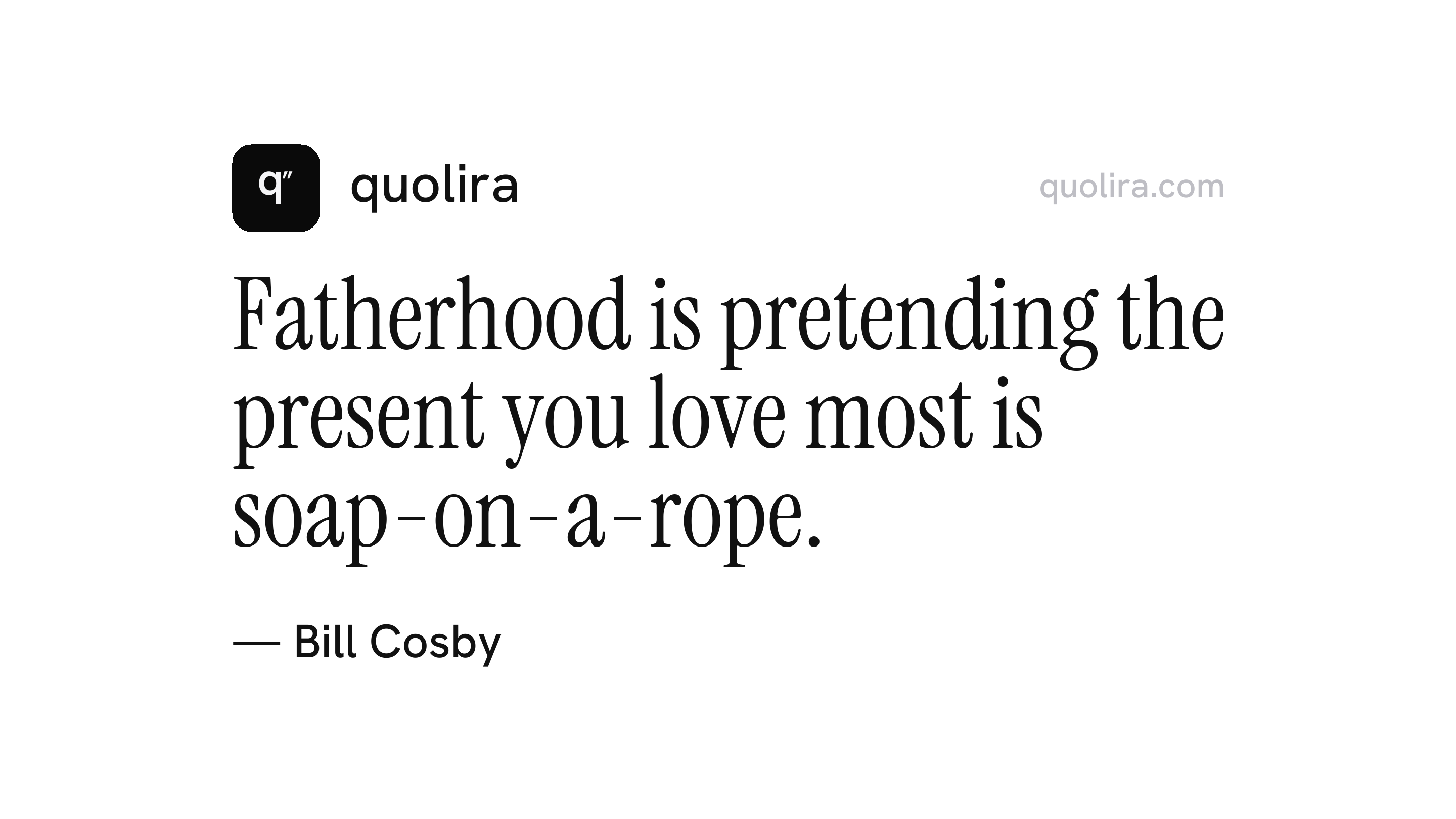
“Fatherhood is pretending the present you love most is soap-on-a-rope.”
Bill Cosby · Fatherhood, 1986
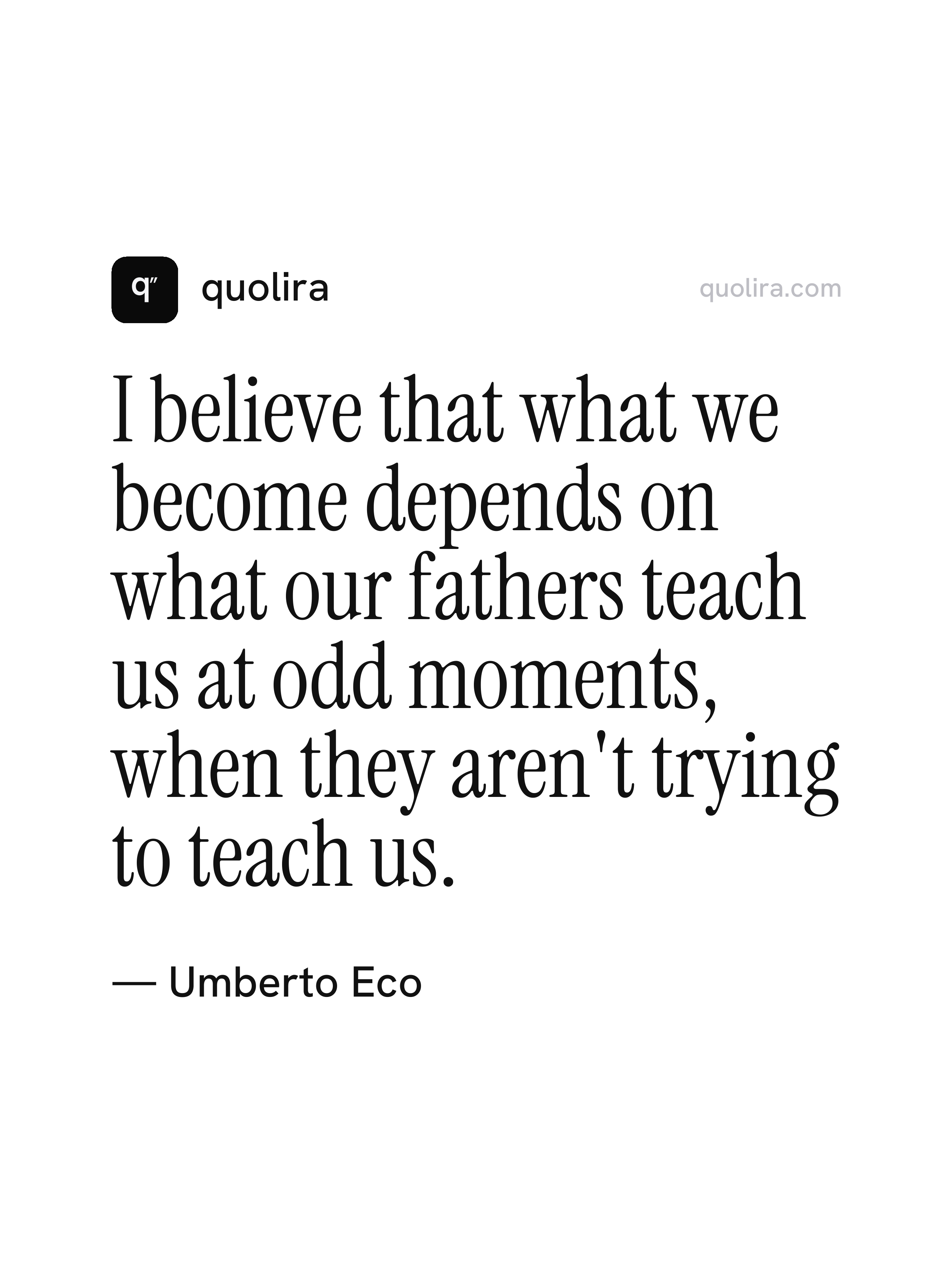
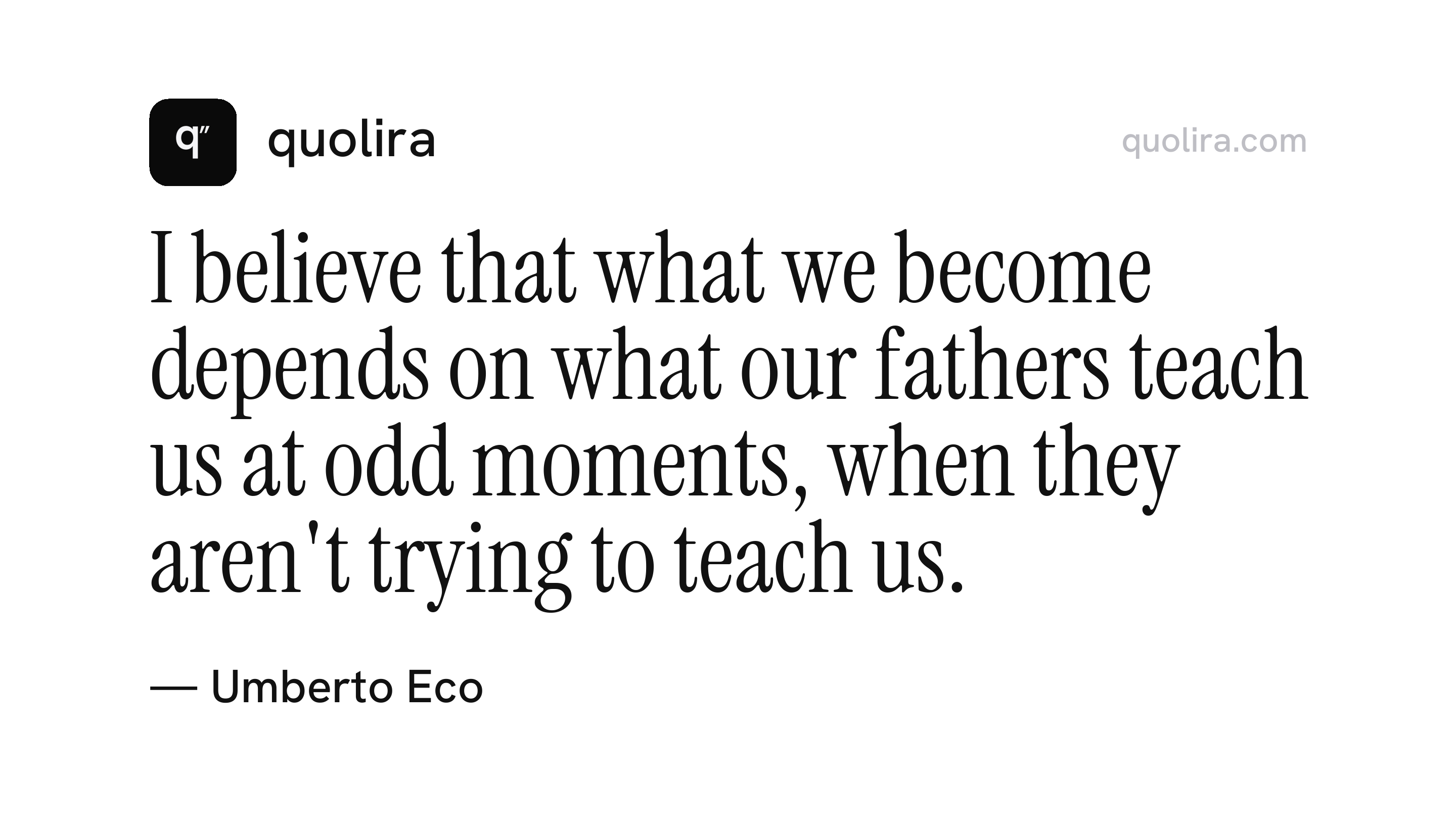
“I believe that what we become depends on what our fathers teach us at odd moments, when they aren't trying to teach us.”
Umberto Eco · Foucault's Pendulum
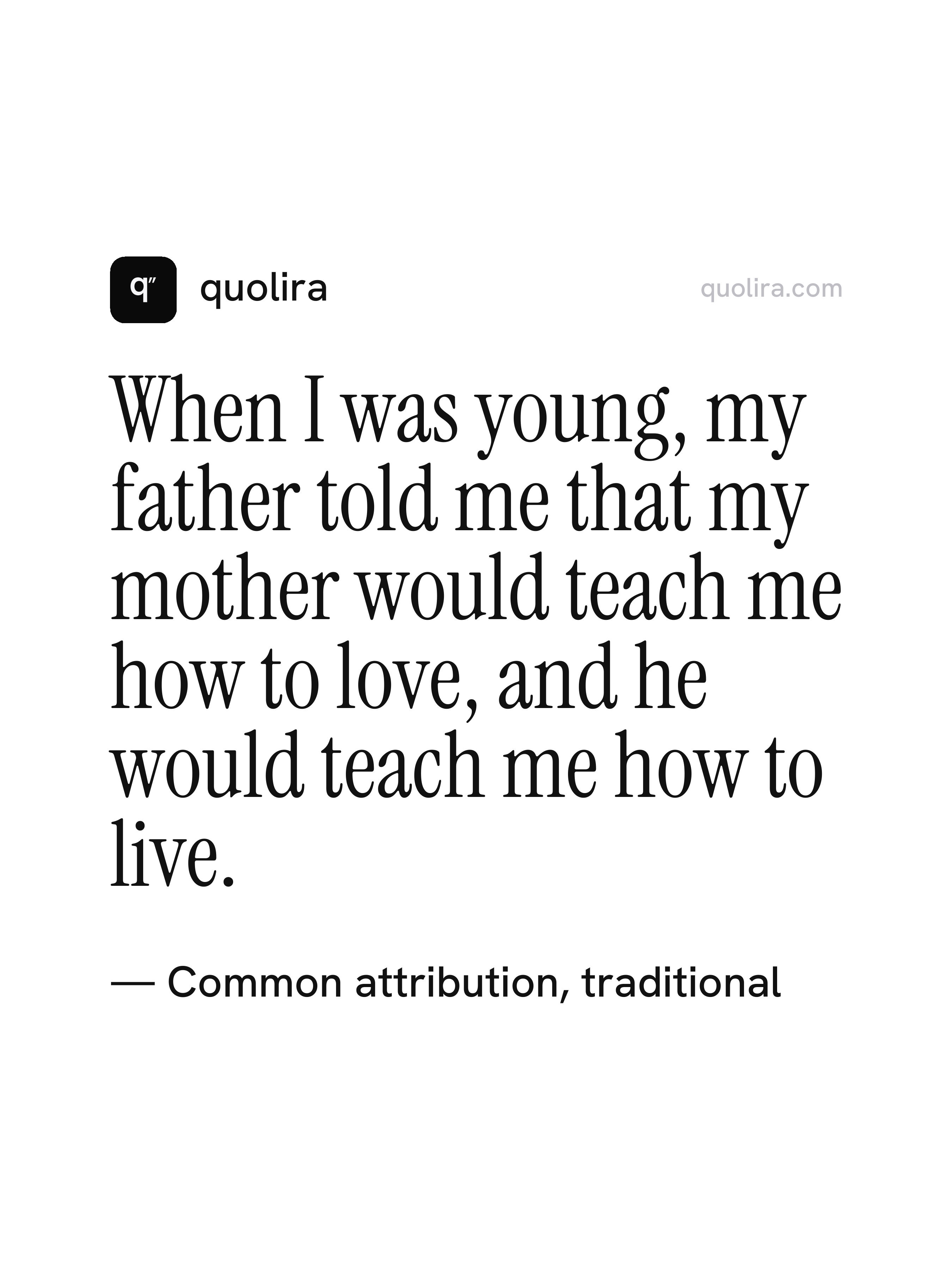
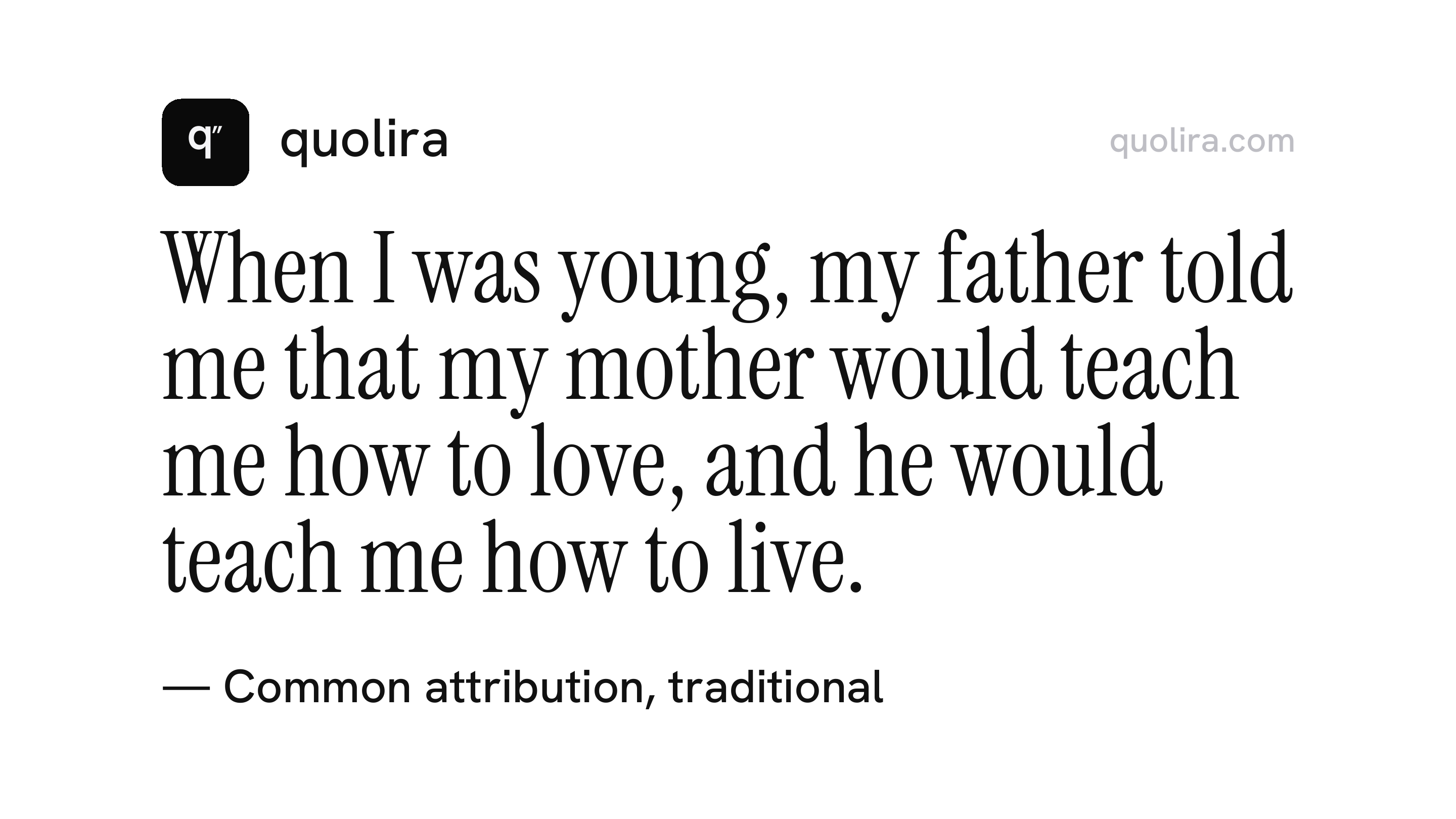
“When I was young, my father told me that my mother would teach me how to love, and he would teach me how to live.”
Common attribution, traditional
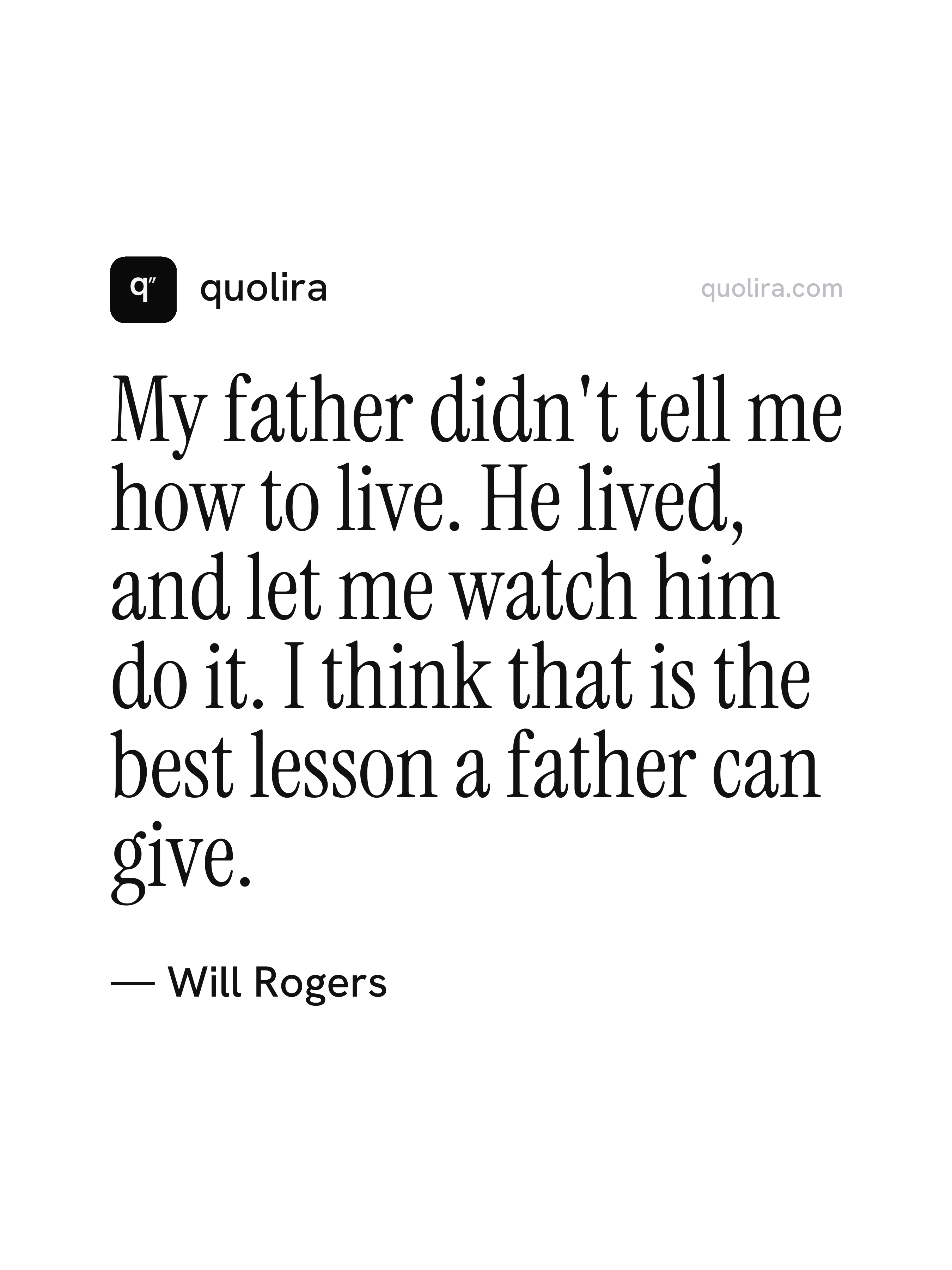
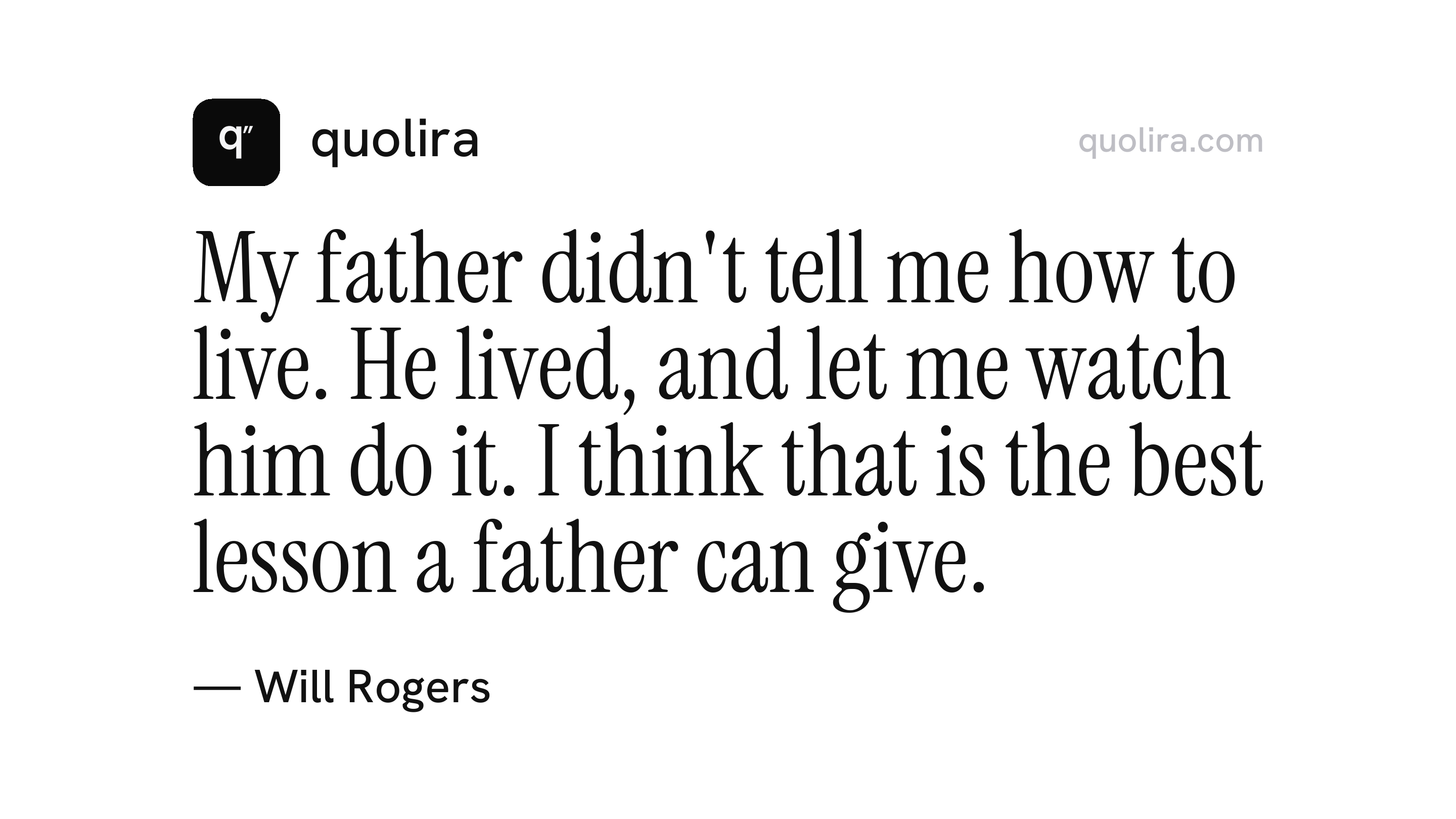
“My father didn't tell me how to live. He lived, and let me watch him do it. I think that is the best lesson a father can give.”
Will Rogers
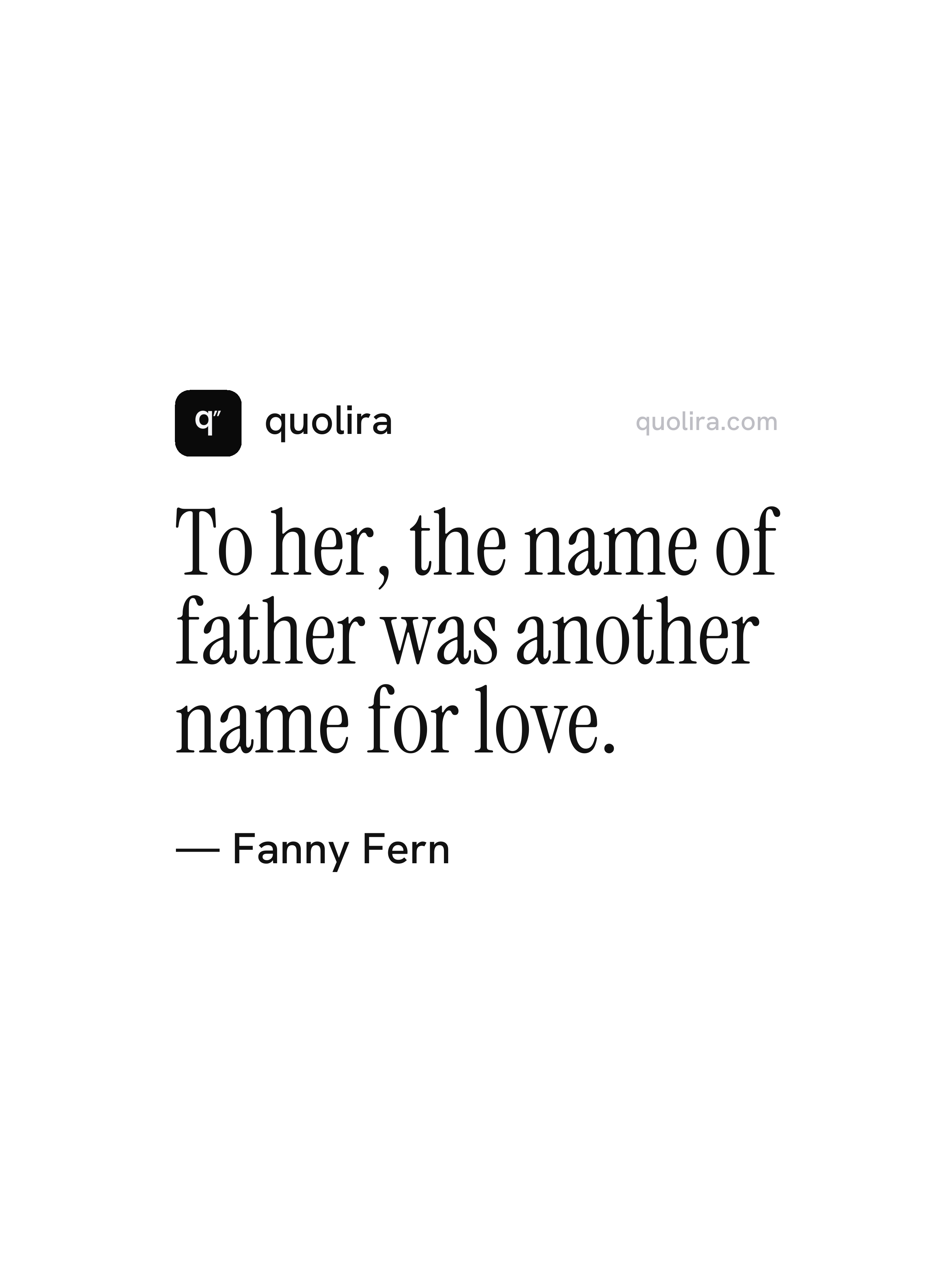
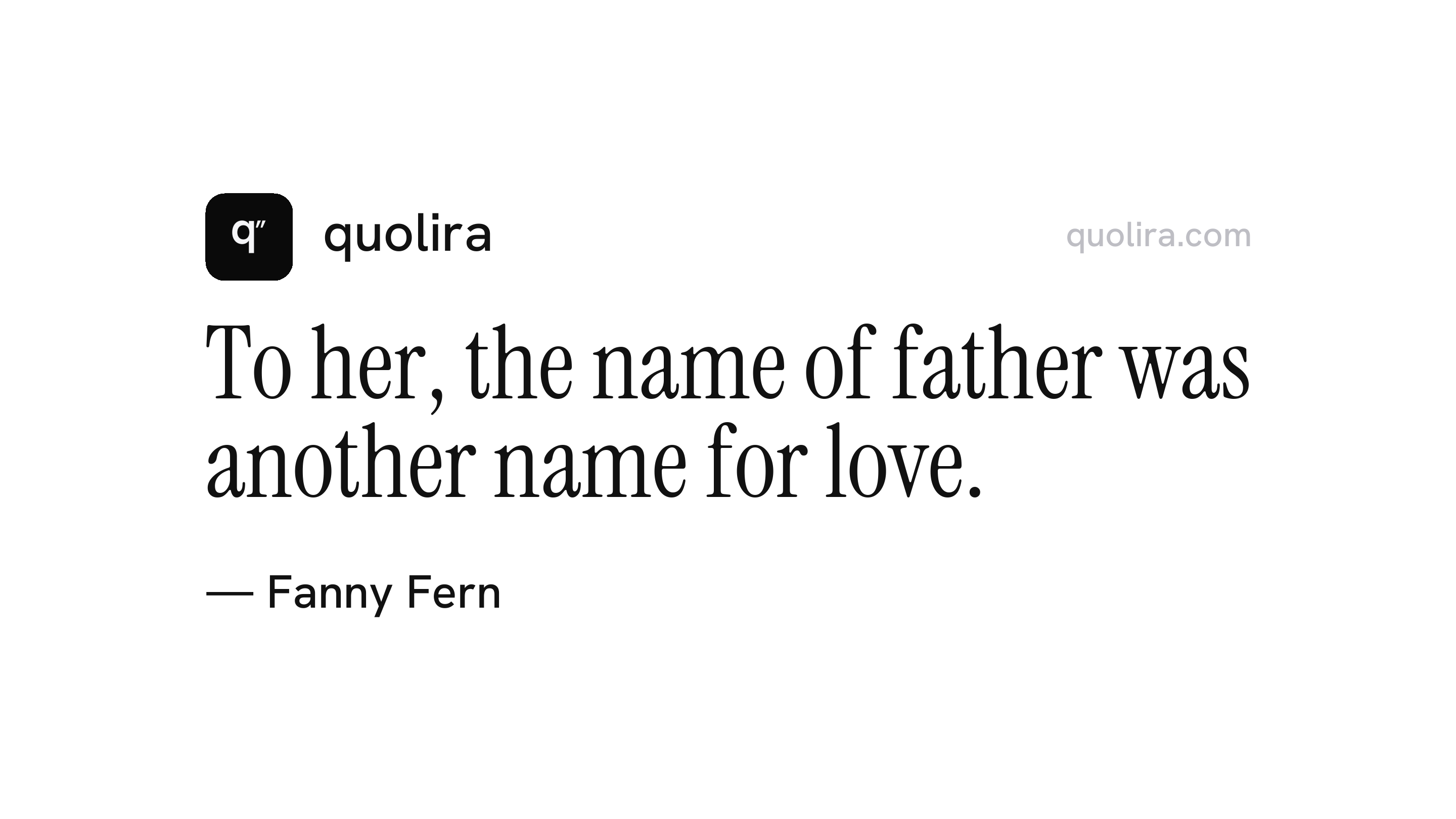
“To her, the name of father was another name for love.”
Fanny Fern
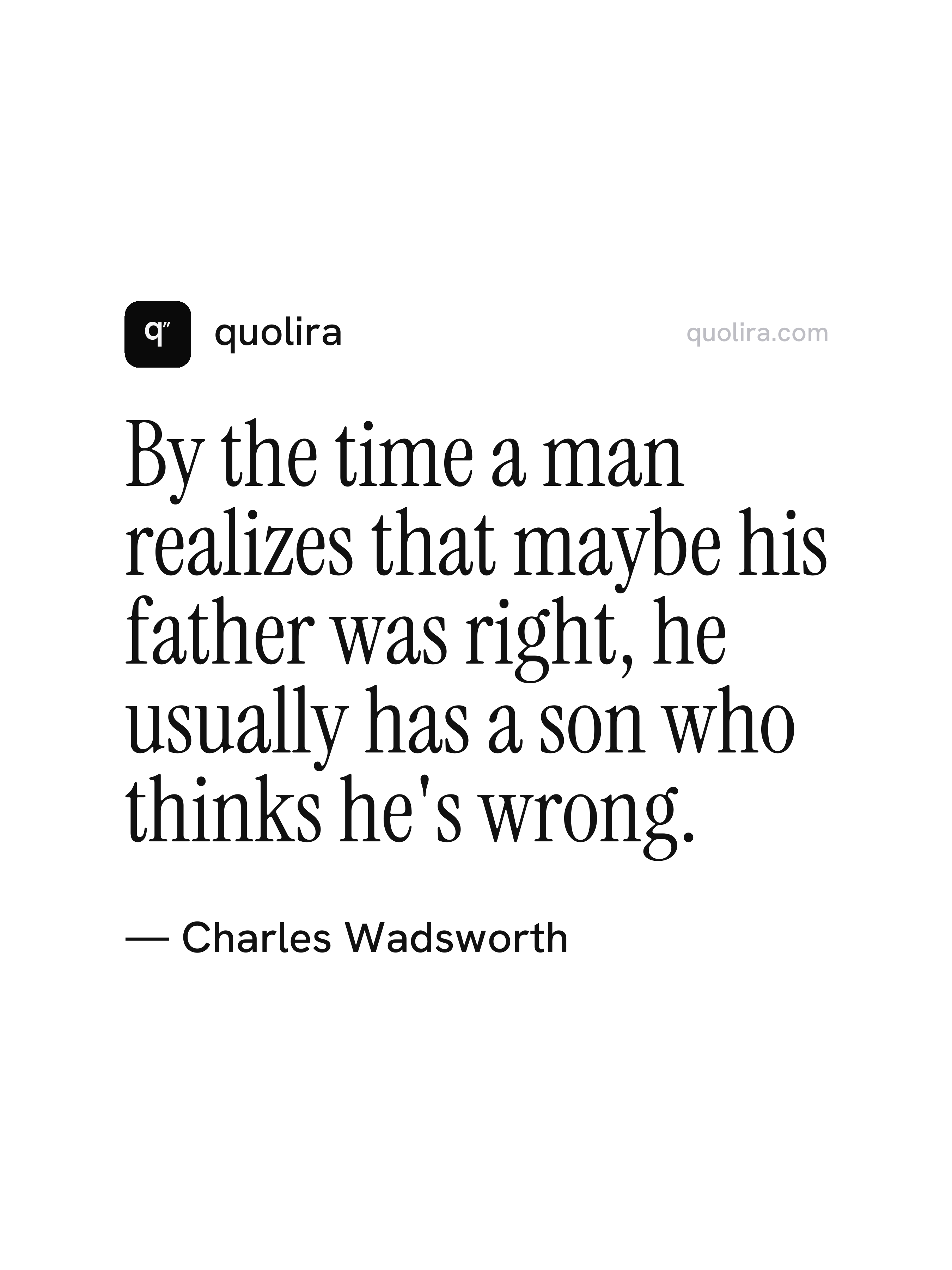
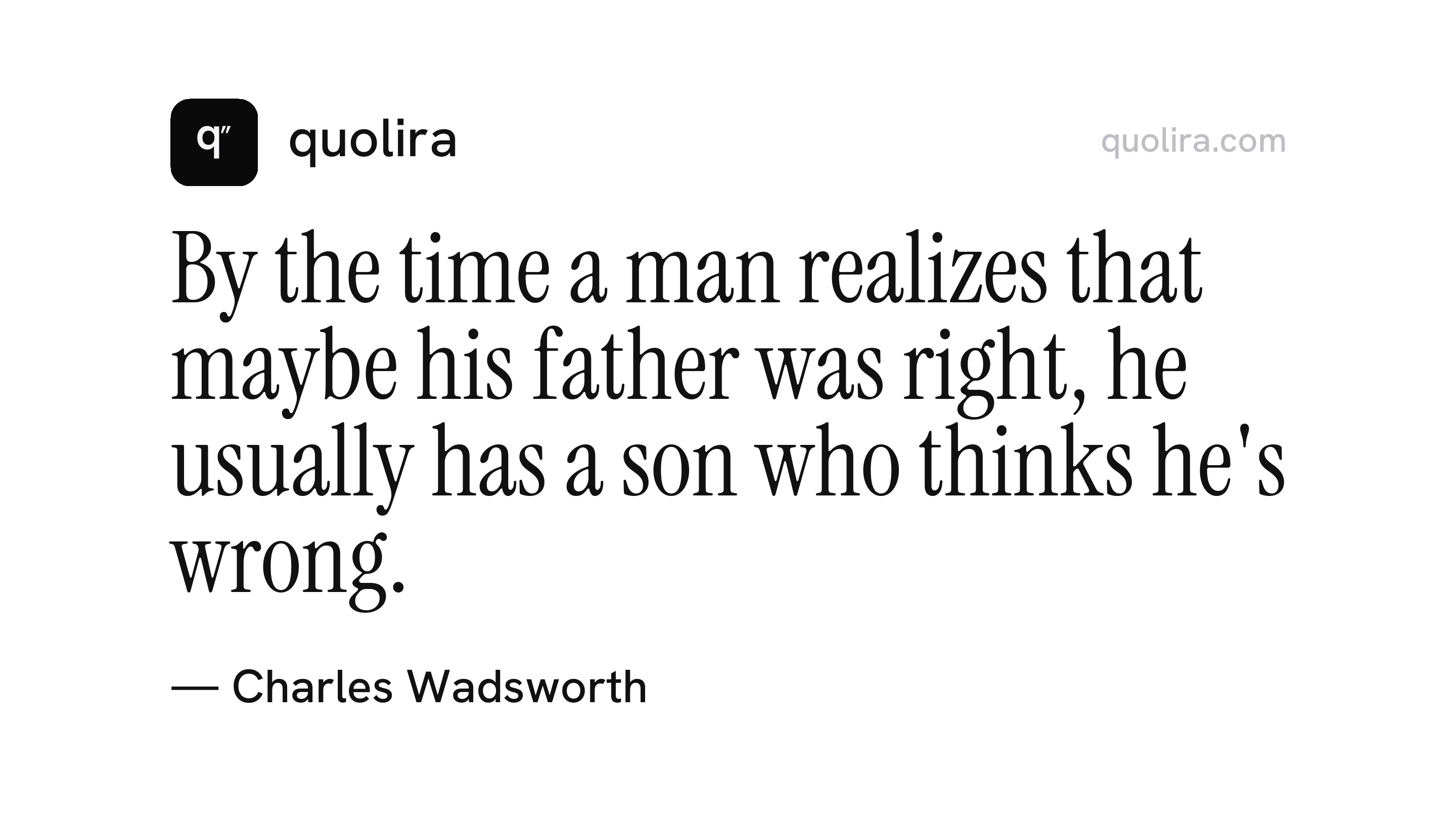
“By the time a man realizes that maybe his father was right, he usually has a son who thinks he's wrong.”
Charles Wadsworth
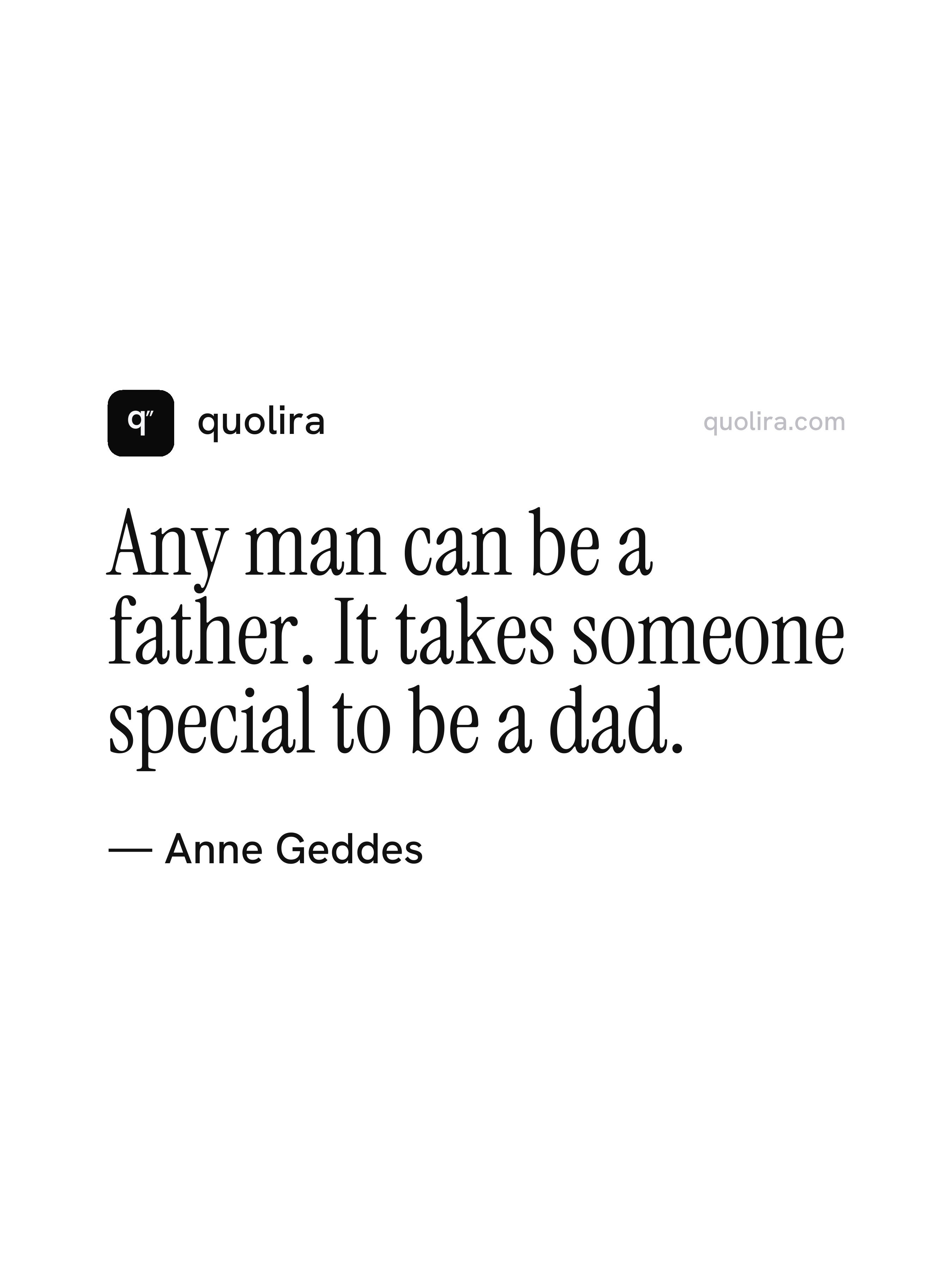
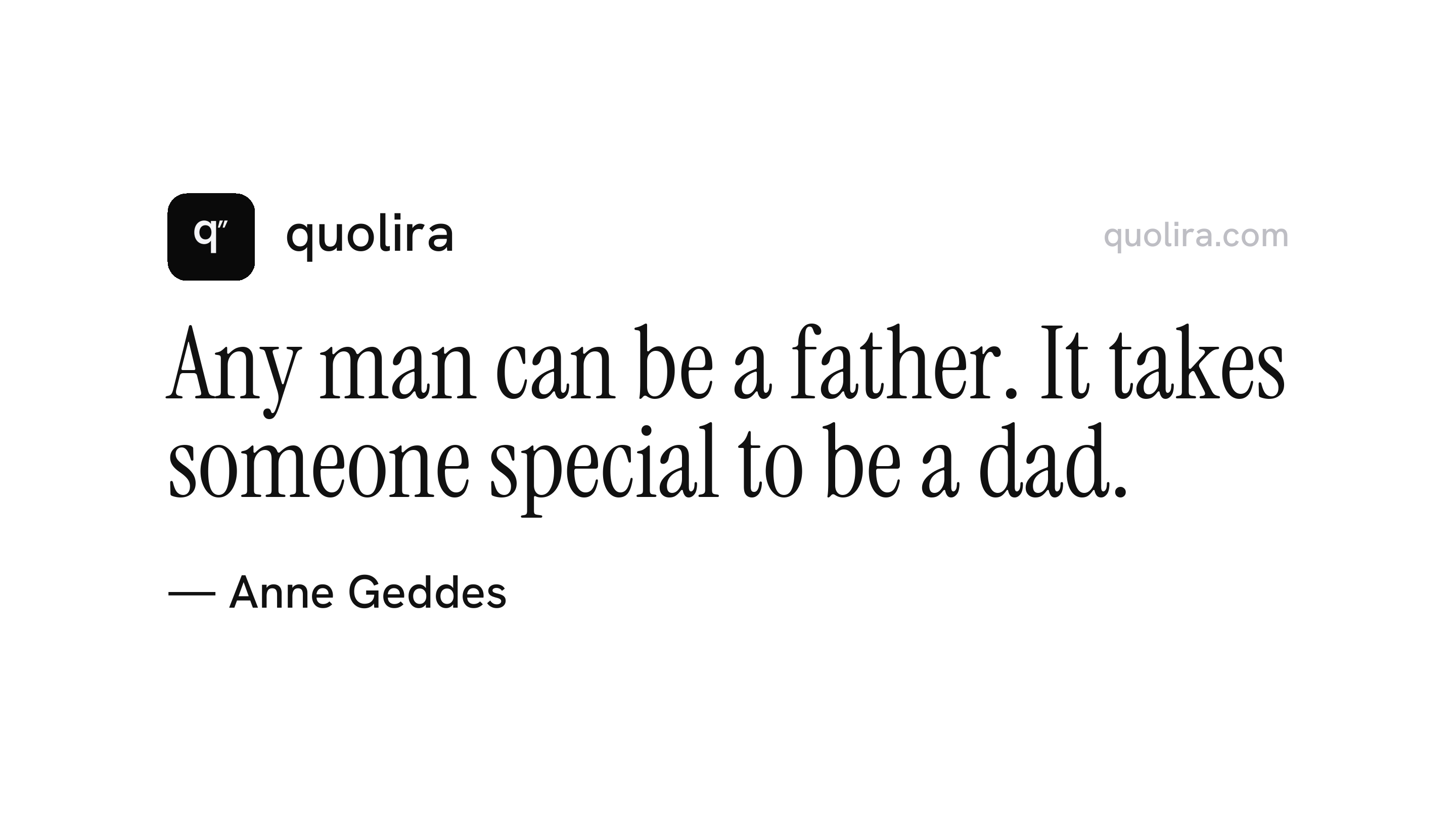
“Any man can be a father. It takes someone special to be a dad.”
Anne Geddes
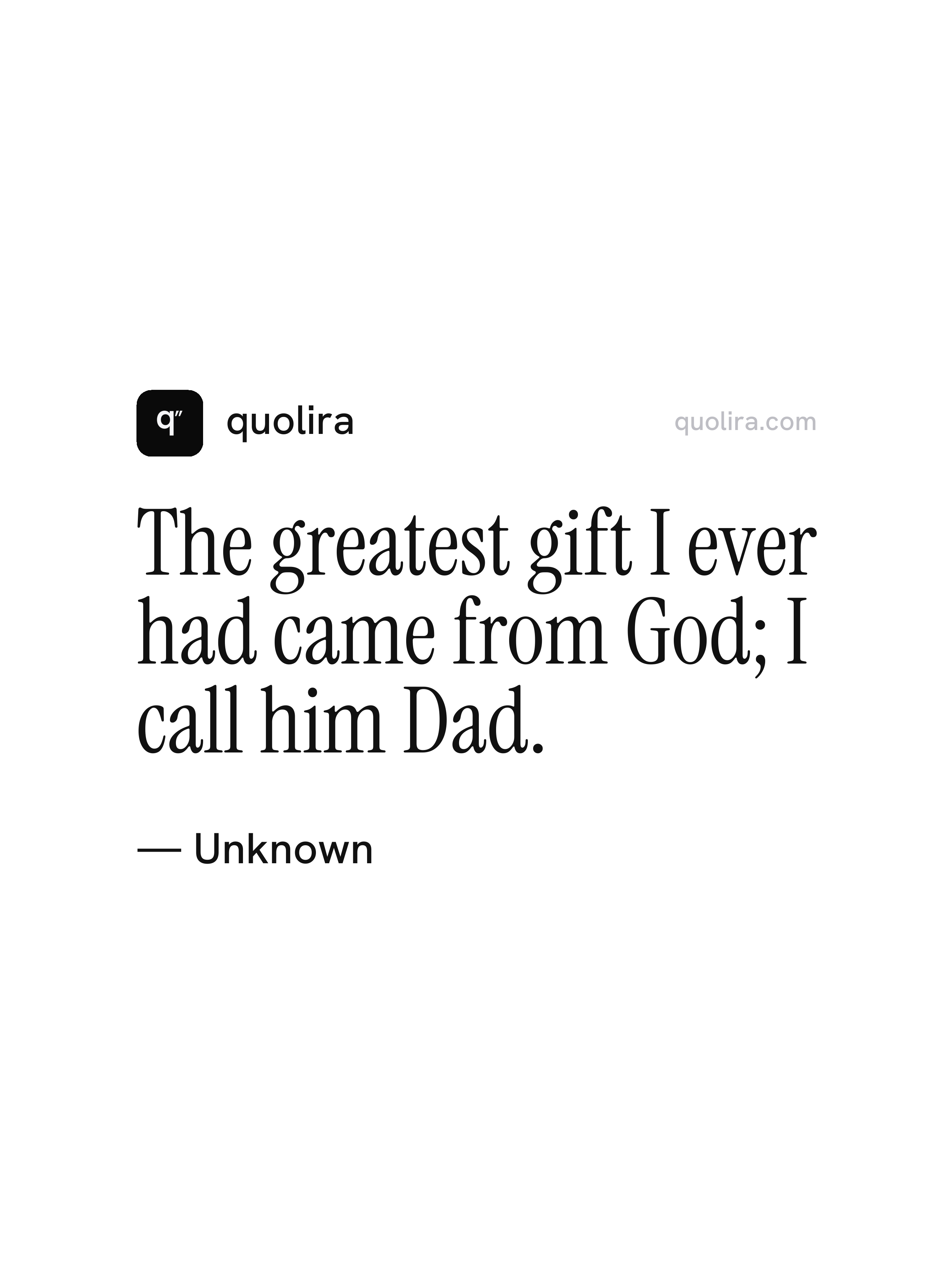
“The greatest gift I ever had came from God; I call him Dad.”
Unknown