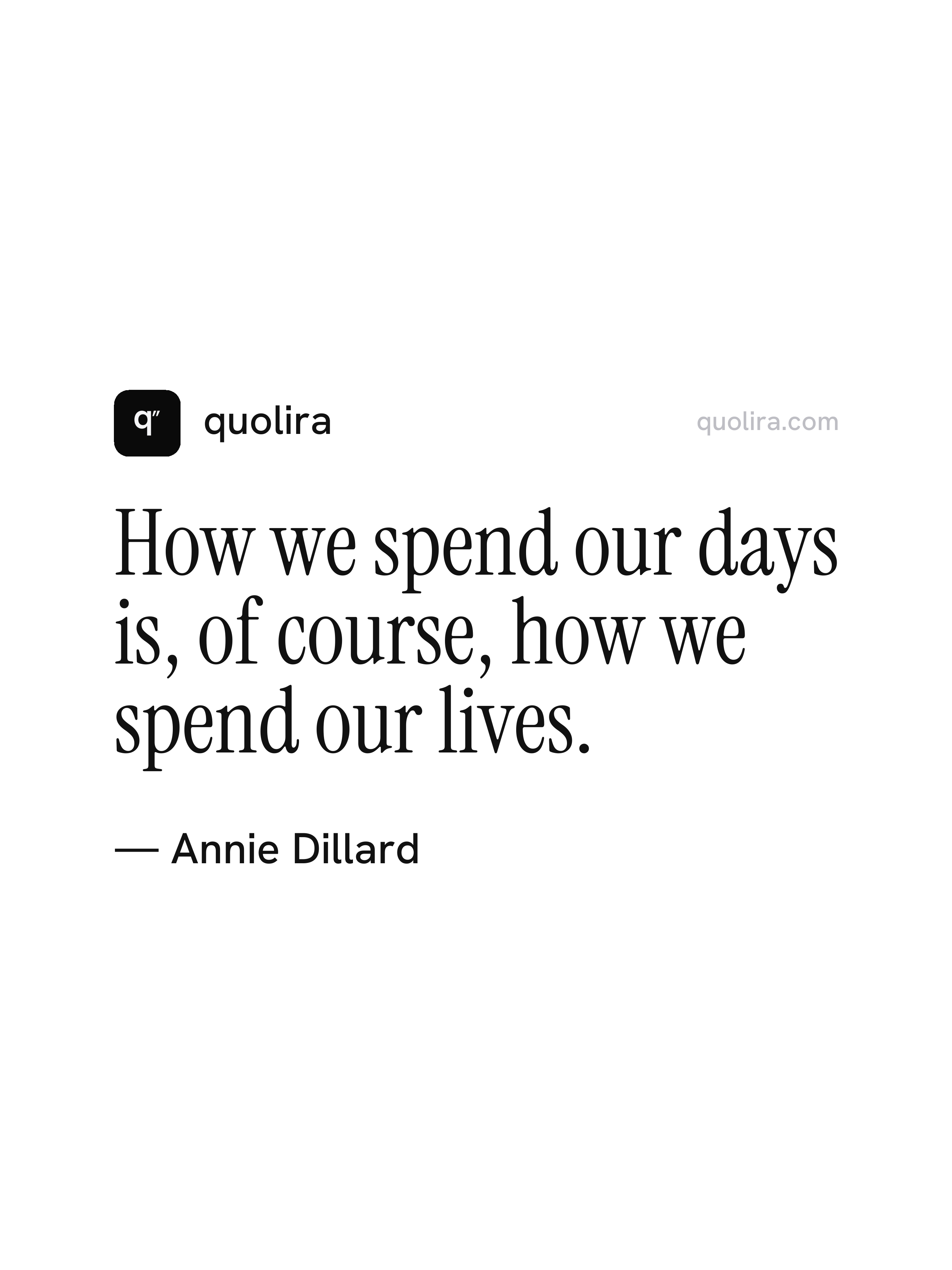
“How we spend our days is, of course, how we spend our lives.”
Annie Dillard · The Writing Life, 1989
 quolira
.com
quolira
quolira.com
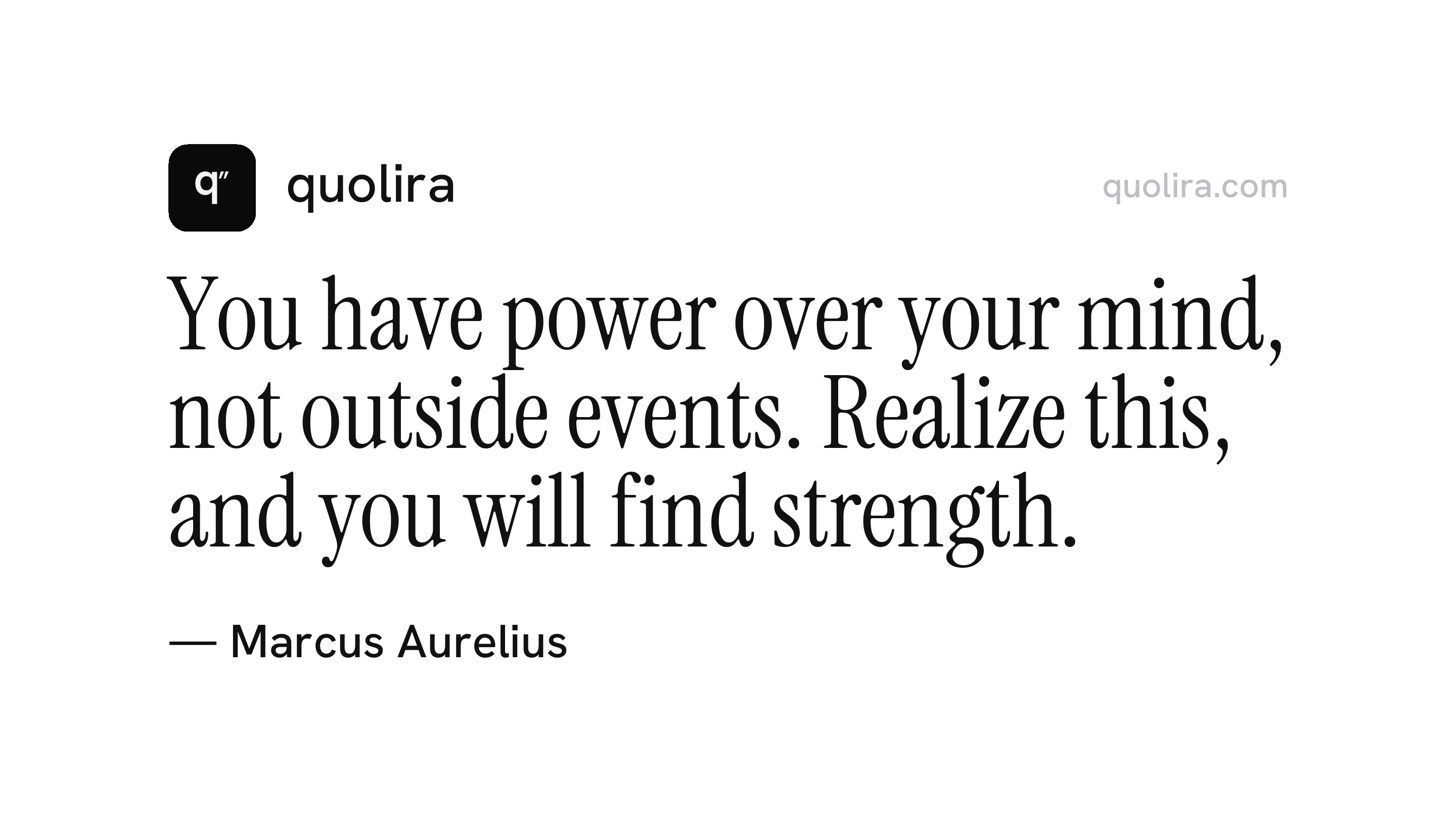
This passage draws a clear boundary around what a person can genuinely govern: the activity of the mind itself. Weather, other people's opinions, accidents of fate, and the countless shifting conditions of the world lie outside that boundary. The strength the line points toward is not physical or social power but an interior steadiness, the ability to meet difficult circumstances without being defined or destroyed by them.
Marcus Aurelius wrote his reflections in a work now known as the Meditations, composed as a private journal rather than a text intended for publication. He returned repeatedly to ideas drawn from Stoic philosophy, particularly the central distinction between what is and is not within our control. The fact that he was, as Roman emperor, one of the most powerful people in the ancient world makes the exercise more remarkable: he was reminding himself, from a position of enormous external power, that inner discipline mattered more than any circumstance he could command.
Marcus Aurelius ruled the Roman Empire during the second century CE and is remembered both as a capable and conscientious ruler and as a Stoic philosopher. His private journals, later titled Meditations, were written in Greek and were not intended for public reading, which gives them an unusual candor. They record his attempts to live according to Stoic principles, including humility, reason, and equanimity in the face of difficulty. His reign coincided with significant military challenges, plagues, and the weight of imperial responsibility, all of which pressed against the ideals he tried to maintain.
“How we spend our days is, of course, how we spend our lives.”
Annie Dillard · The Writing Life, 1989
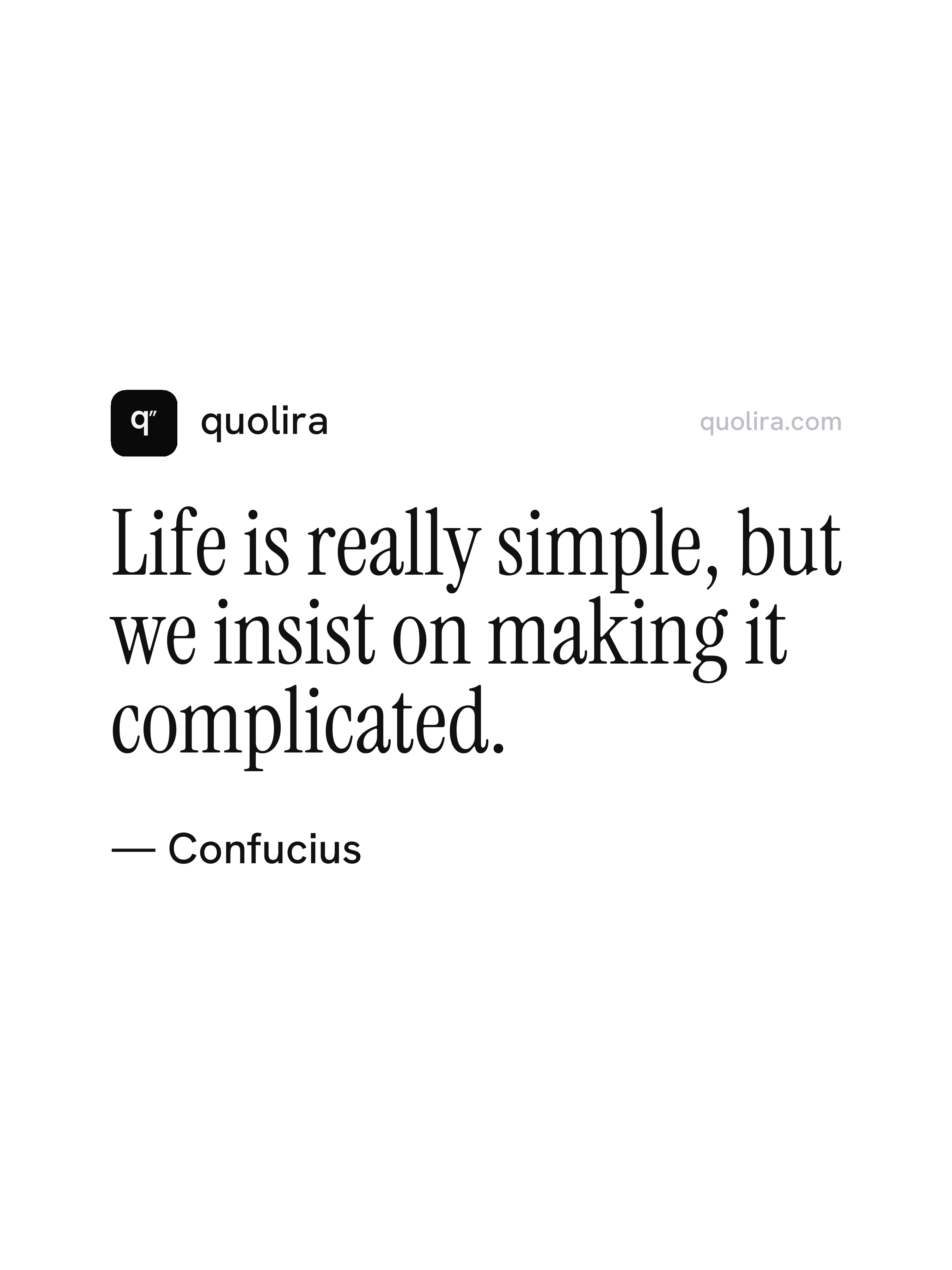
“Life is really simple, but we insist on making it complicated.”
Confucius
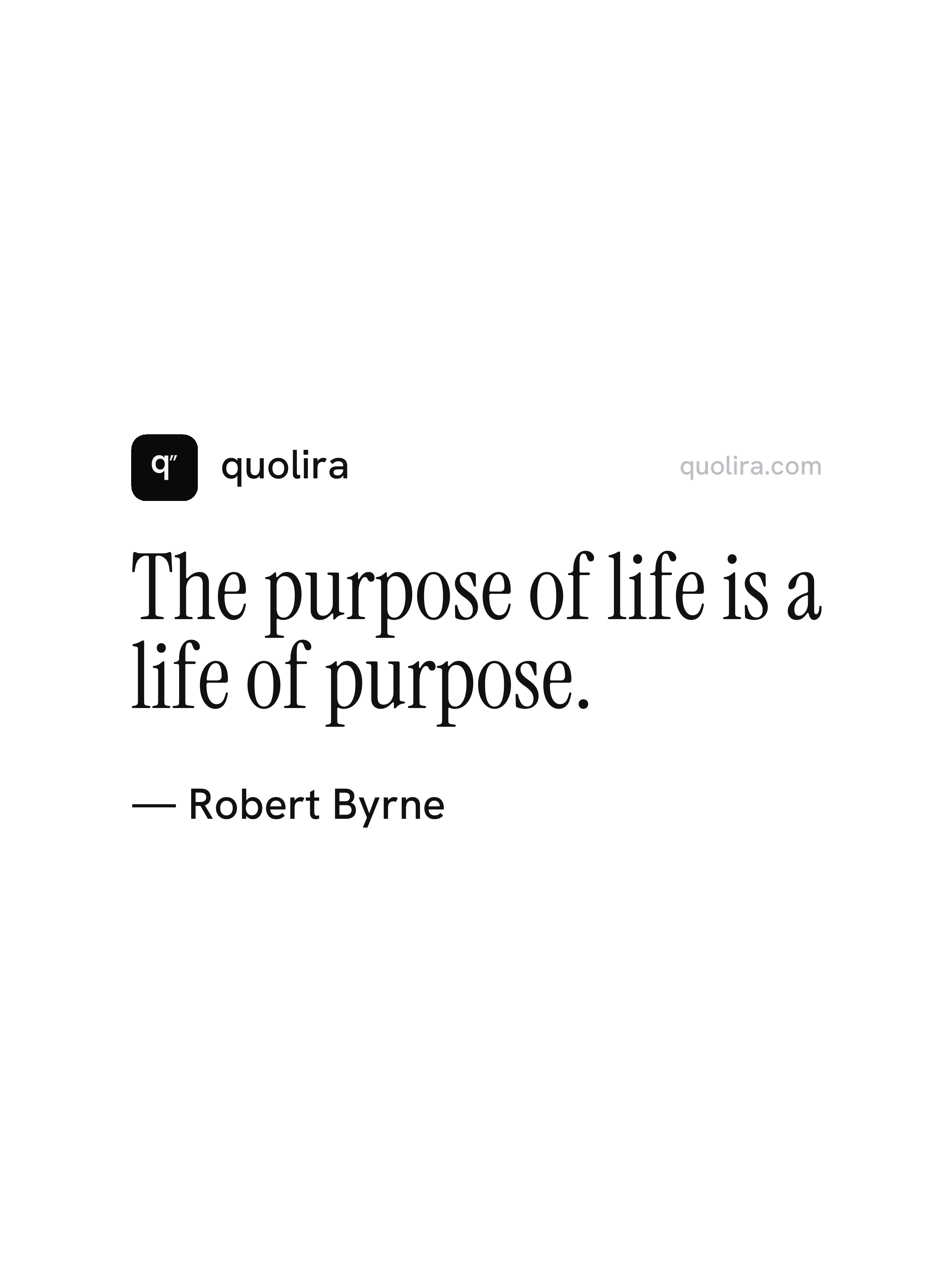
“The purpose of life is a life of purpose.”
Robert Byrne
“Life is not measured by the number of breaths we take, but by the moments that take our breath away.”
Maya Angelou
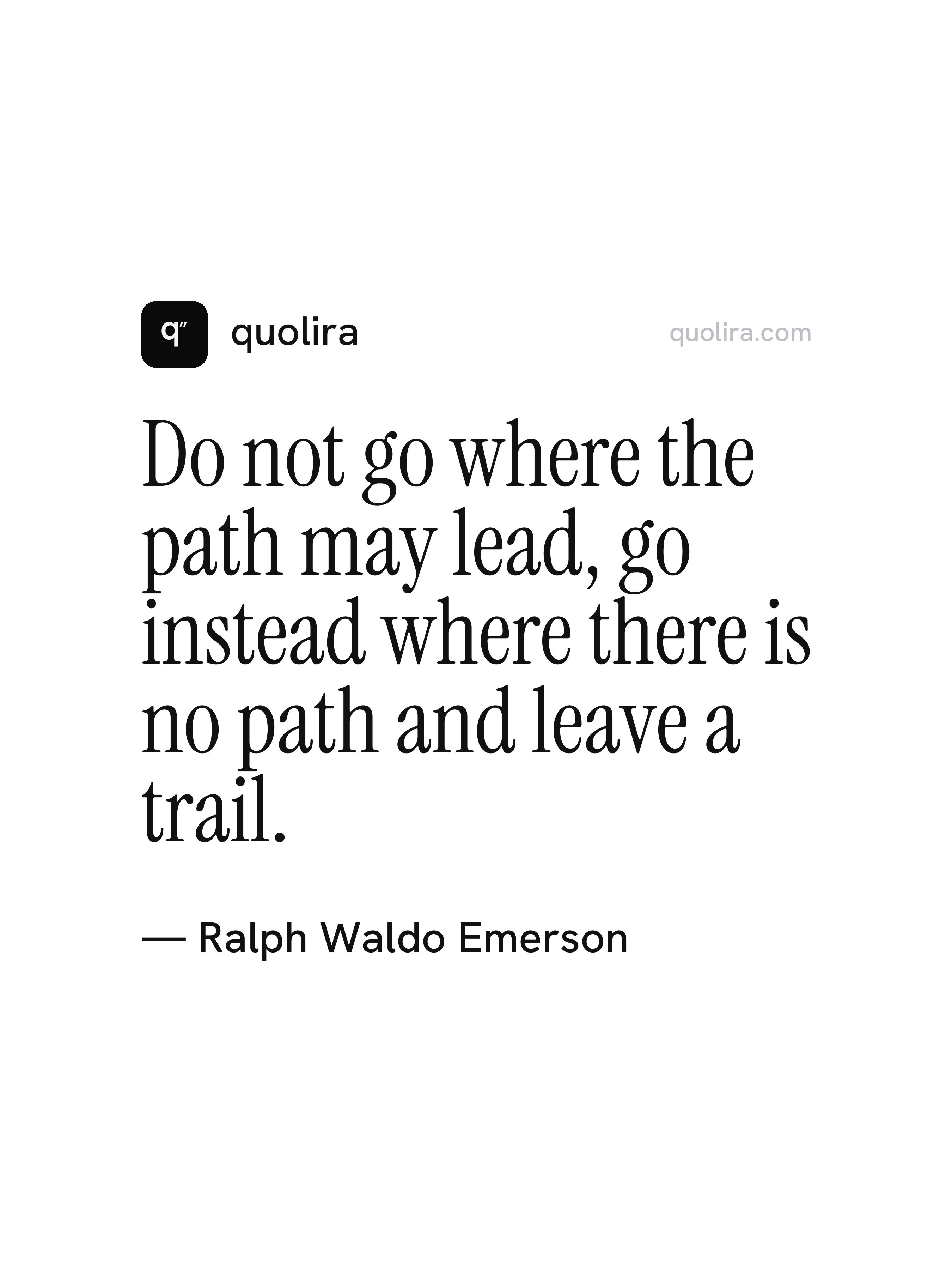
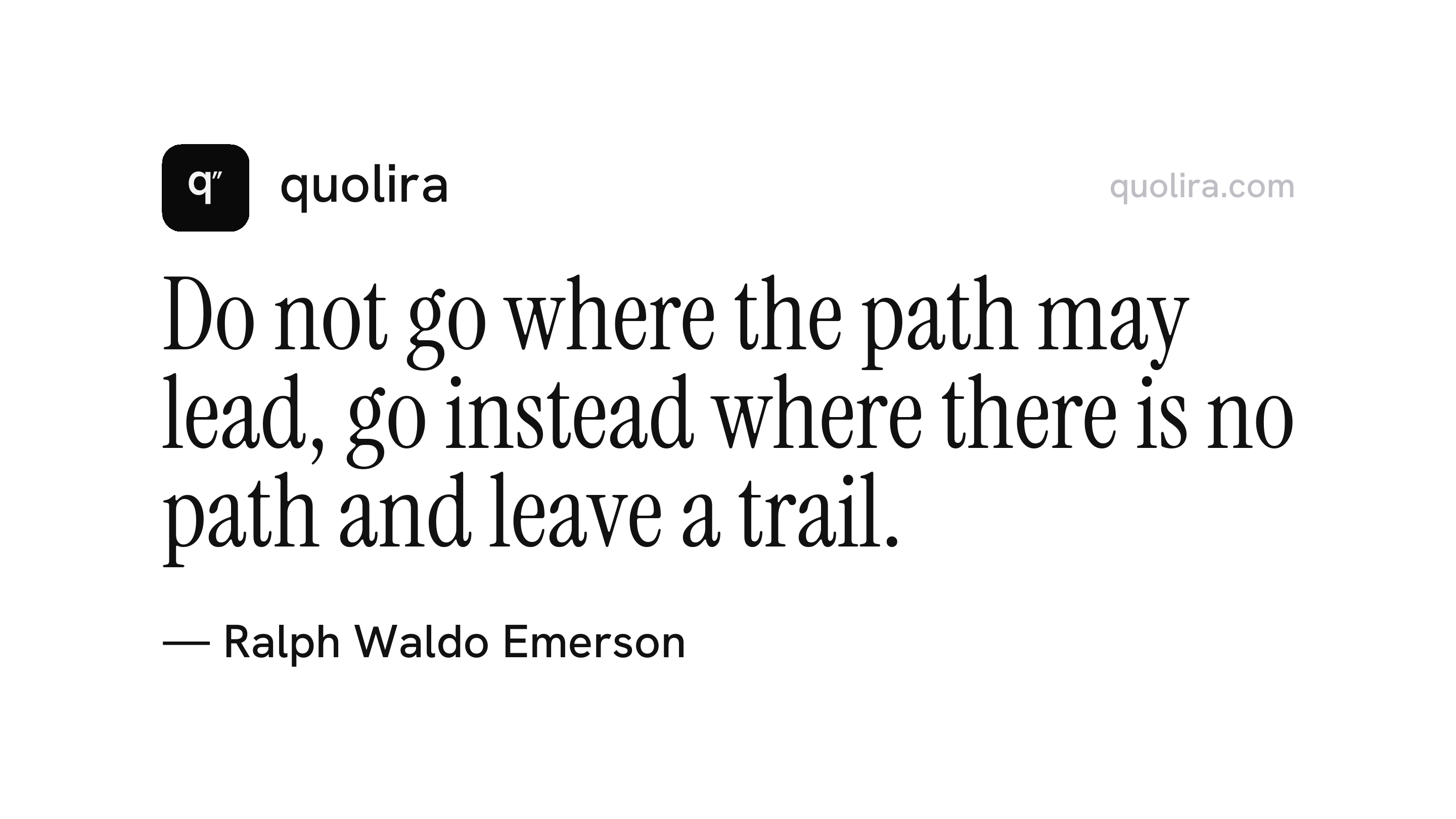
“Do not go where the path may lead, go instead where there is no path and leave a trail.”
Ralph Waldo Emerson
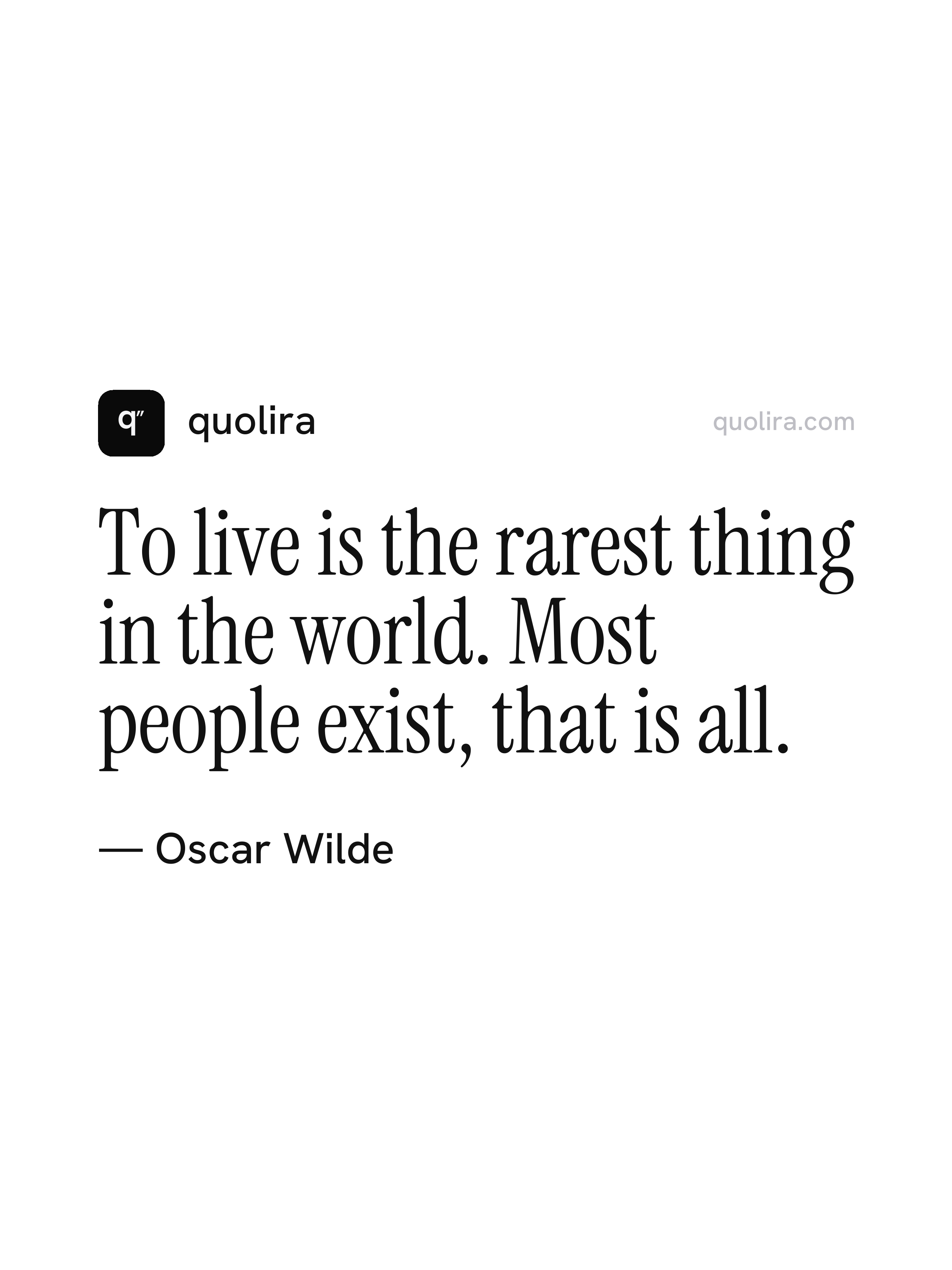
“To live is the rarest thing in the world. Most people exist, that is all.”
Oscar Wilde · The Soul of Man Under Socialism, 1891
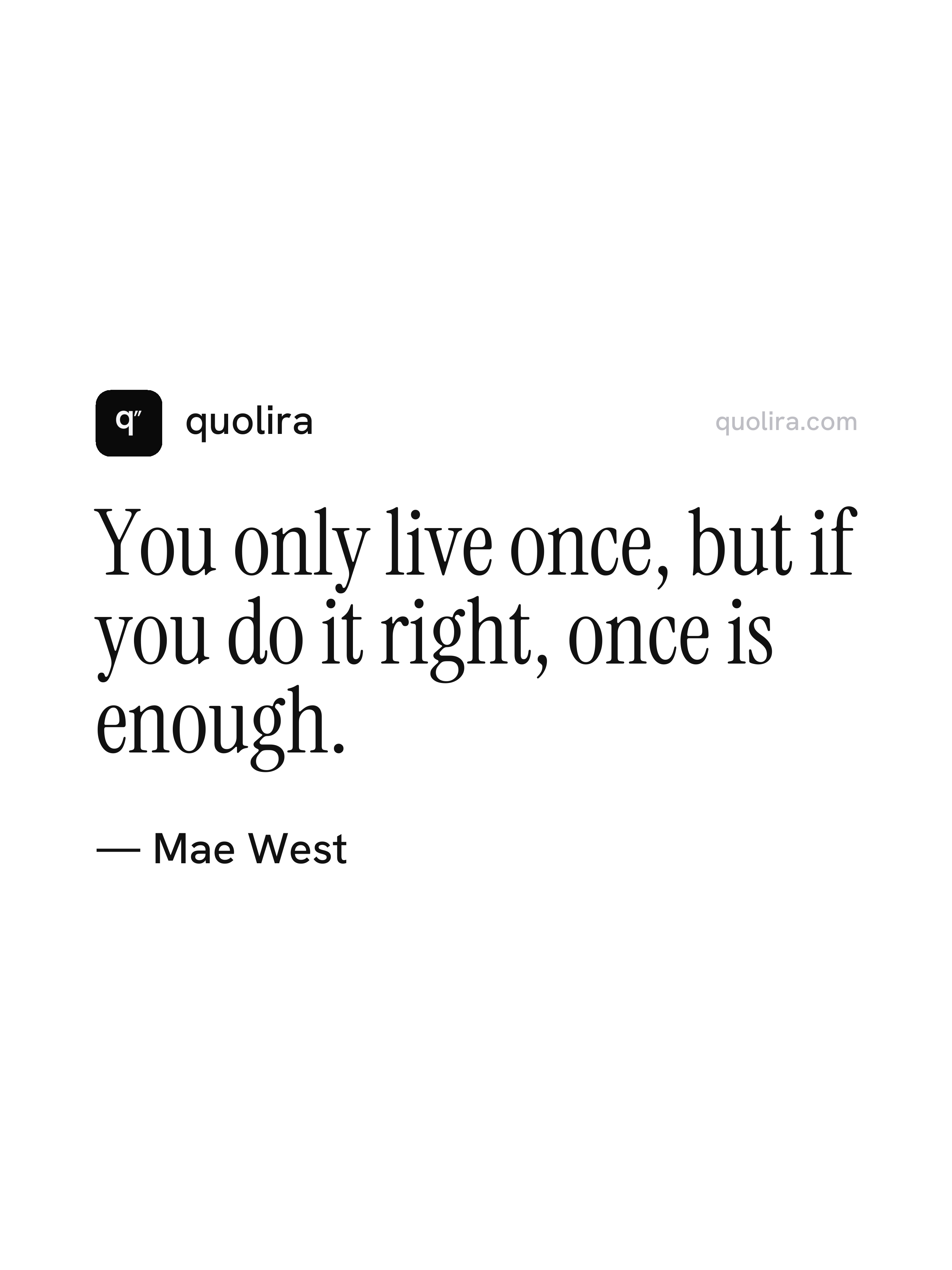
“You only live once, but if you do it right, once is enough.”
Mae West
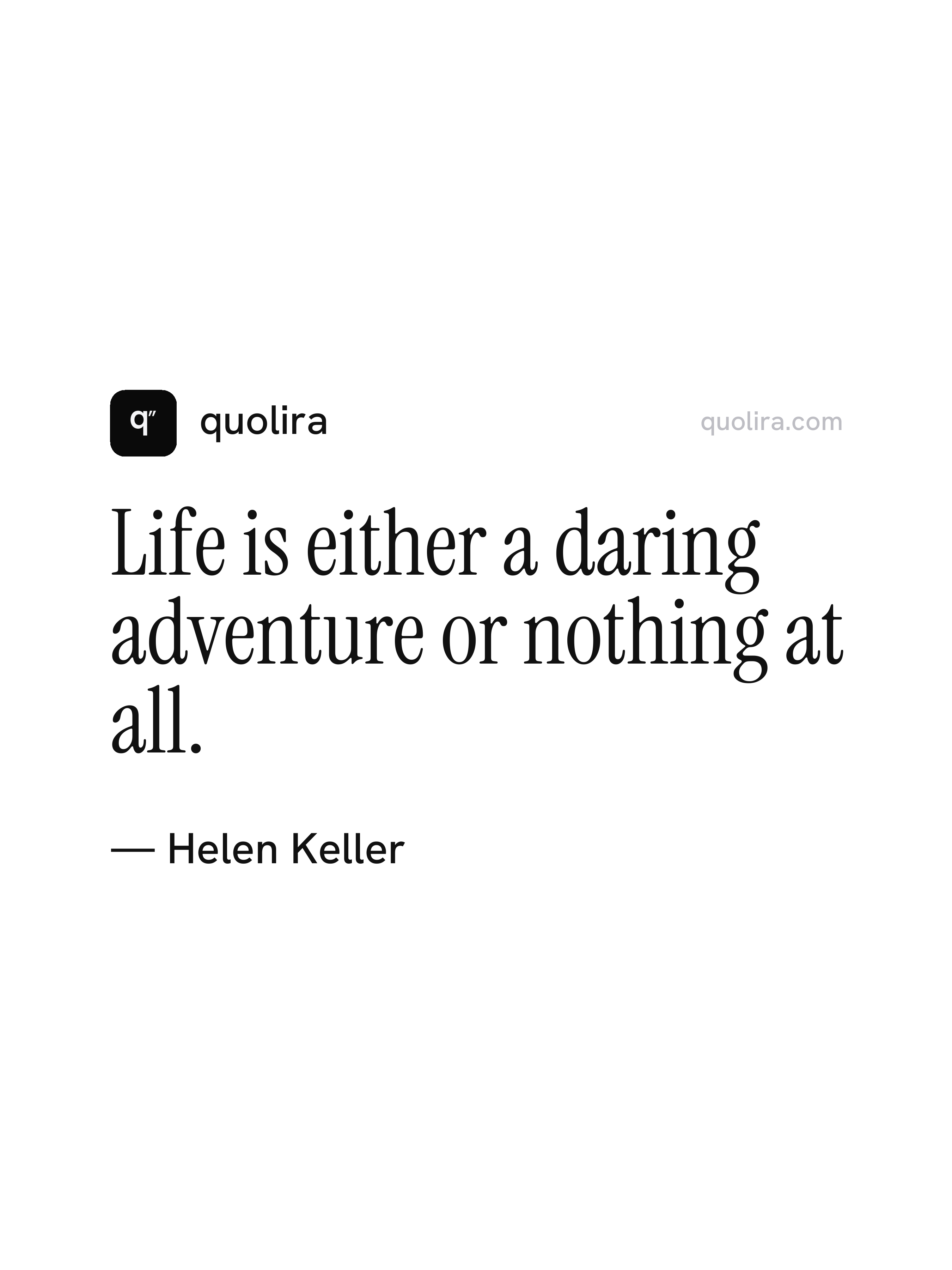
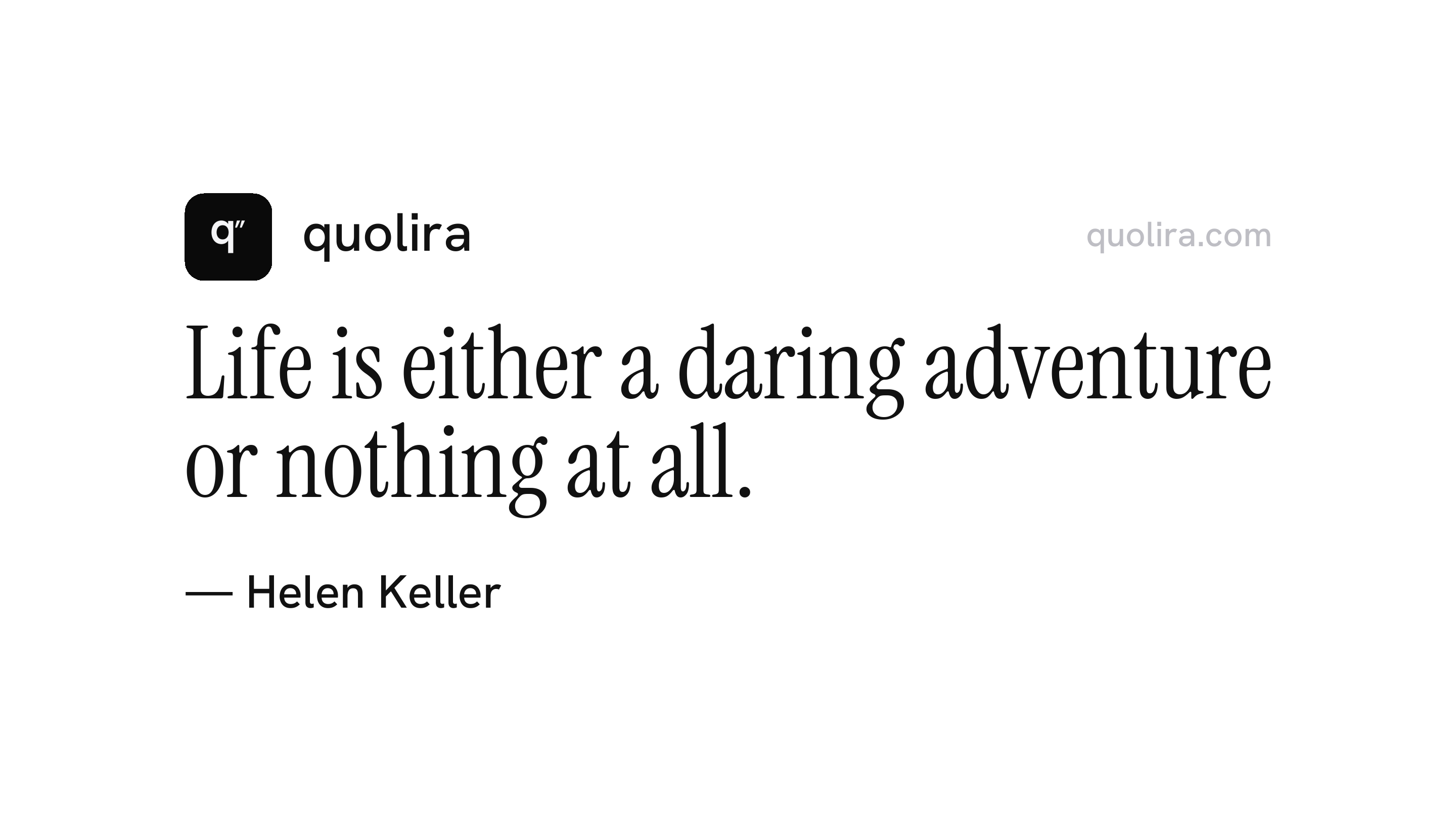
“Life is either a daring adventure or nothing at all.”
Helen Keller · The Open Door, 1957
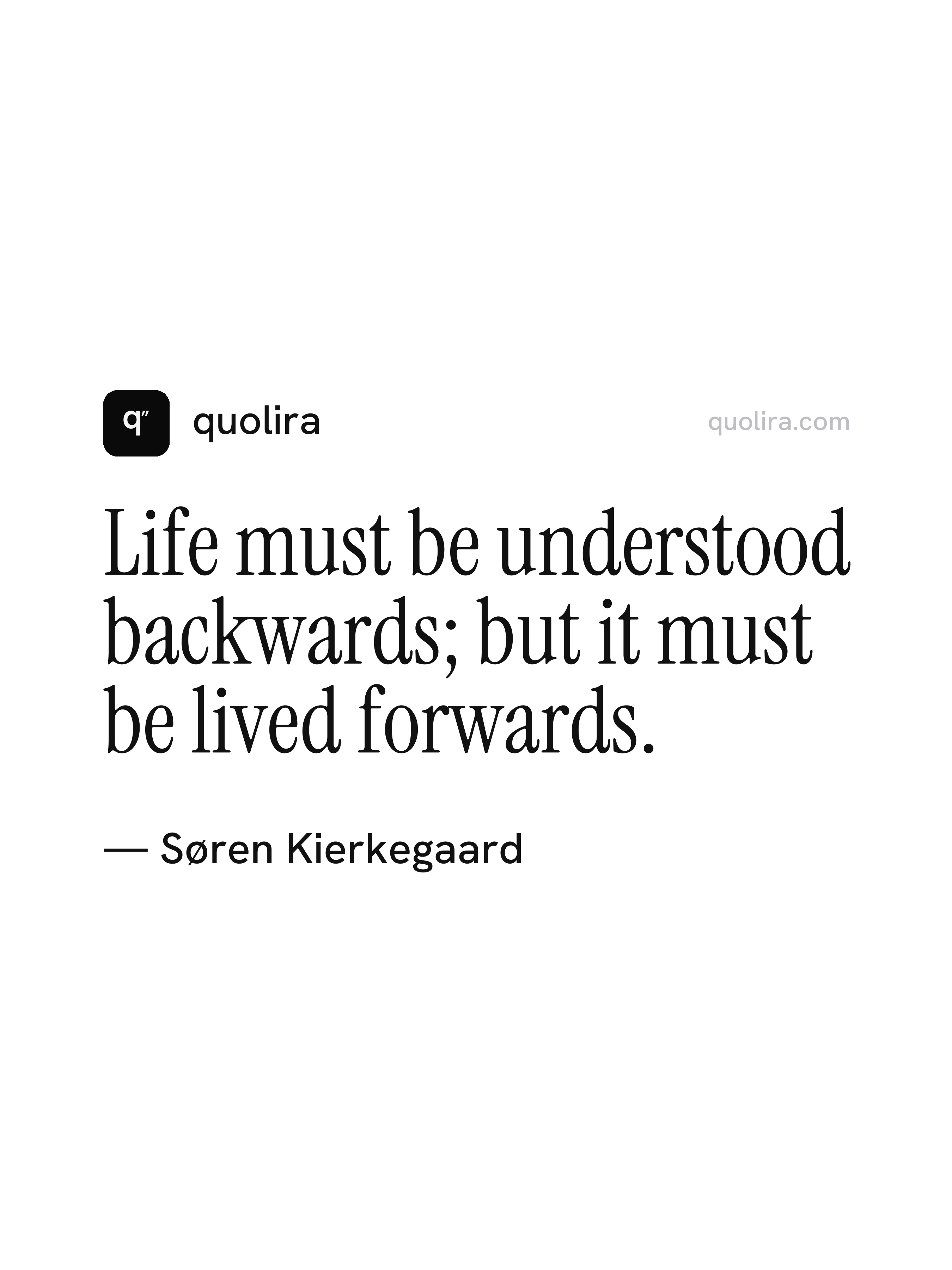
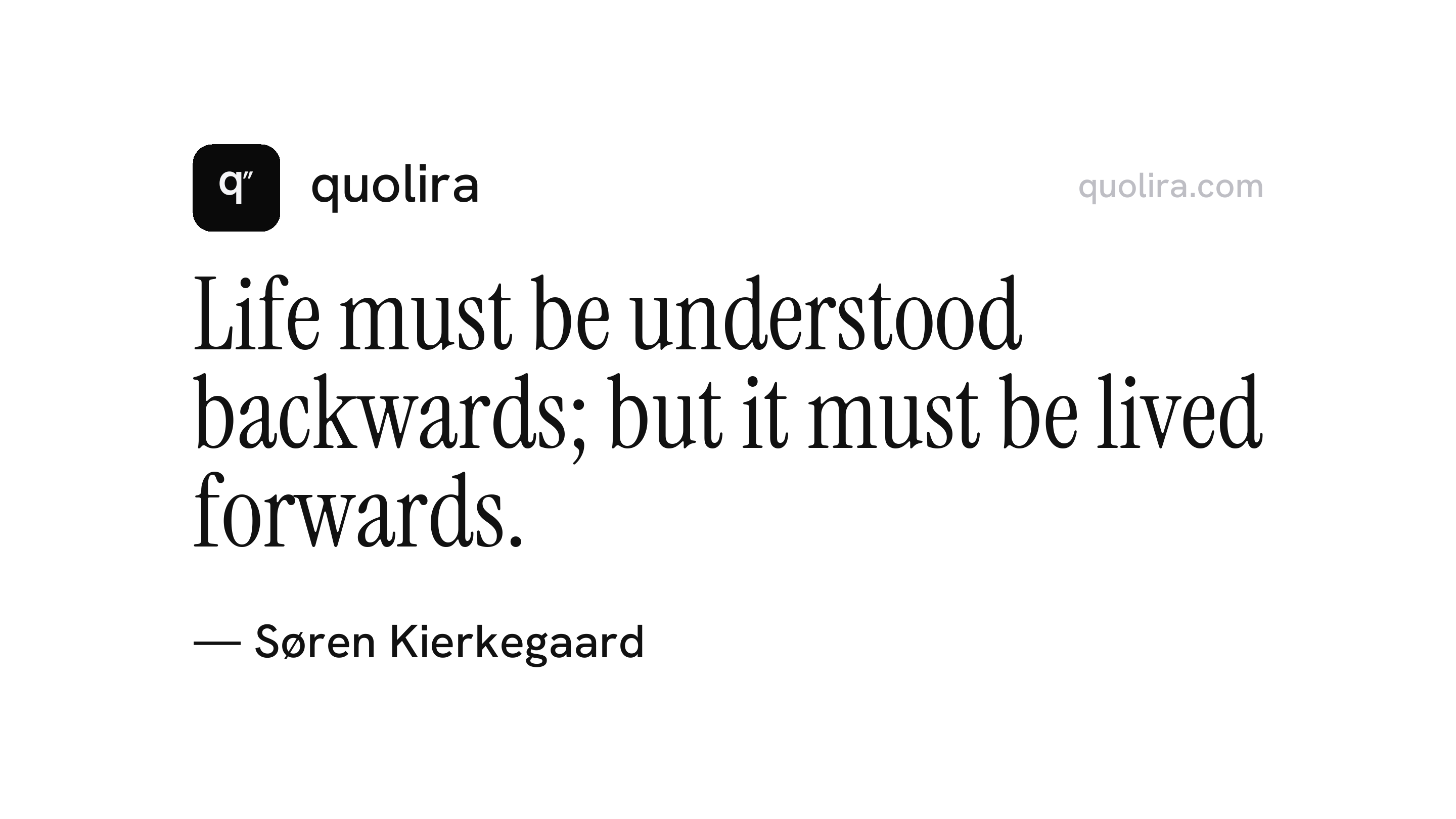
“Life must be understood backwards; but it must be lived forwards.”
Søren Kierkegaard · Journals, 1843
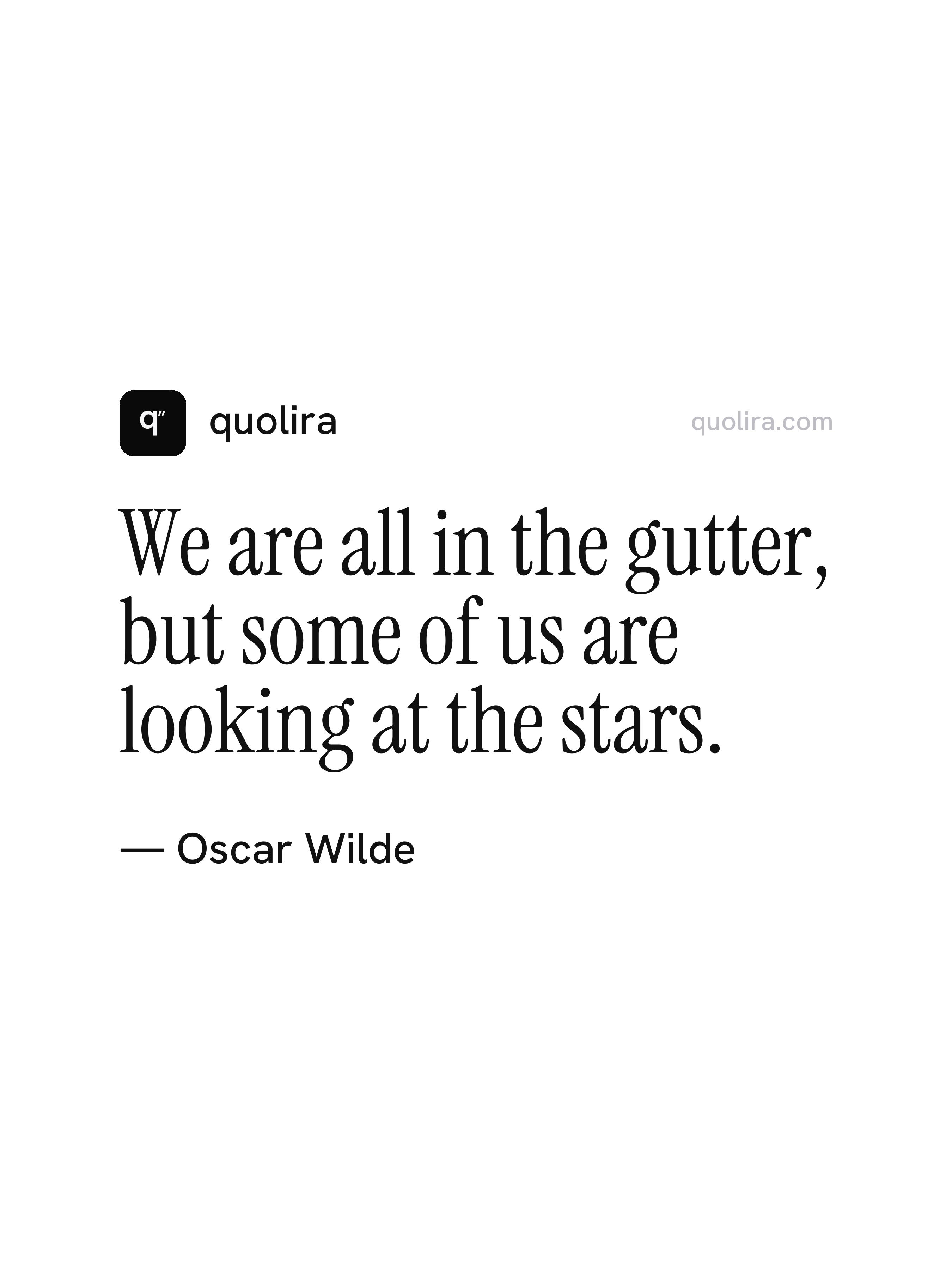
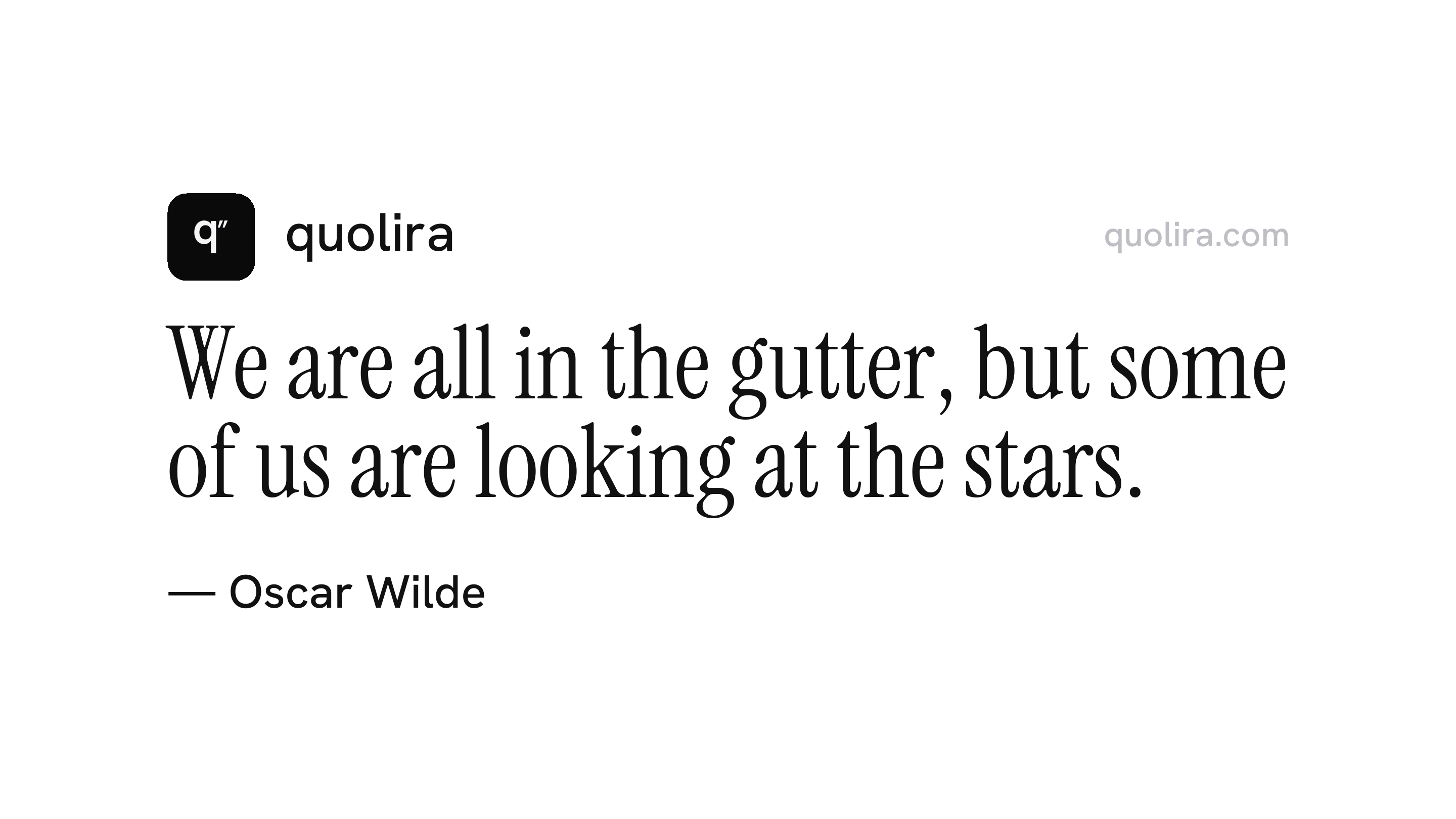
“We are all in the gutter, but some of us are looking at the stars.”
Oscar Wilde · Lady Windermere's Fan, 1892
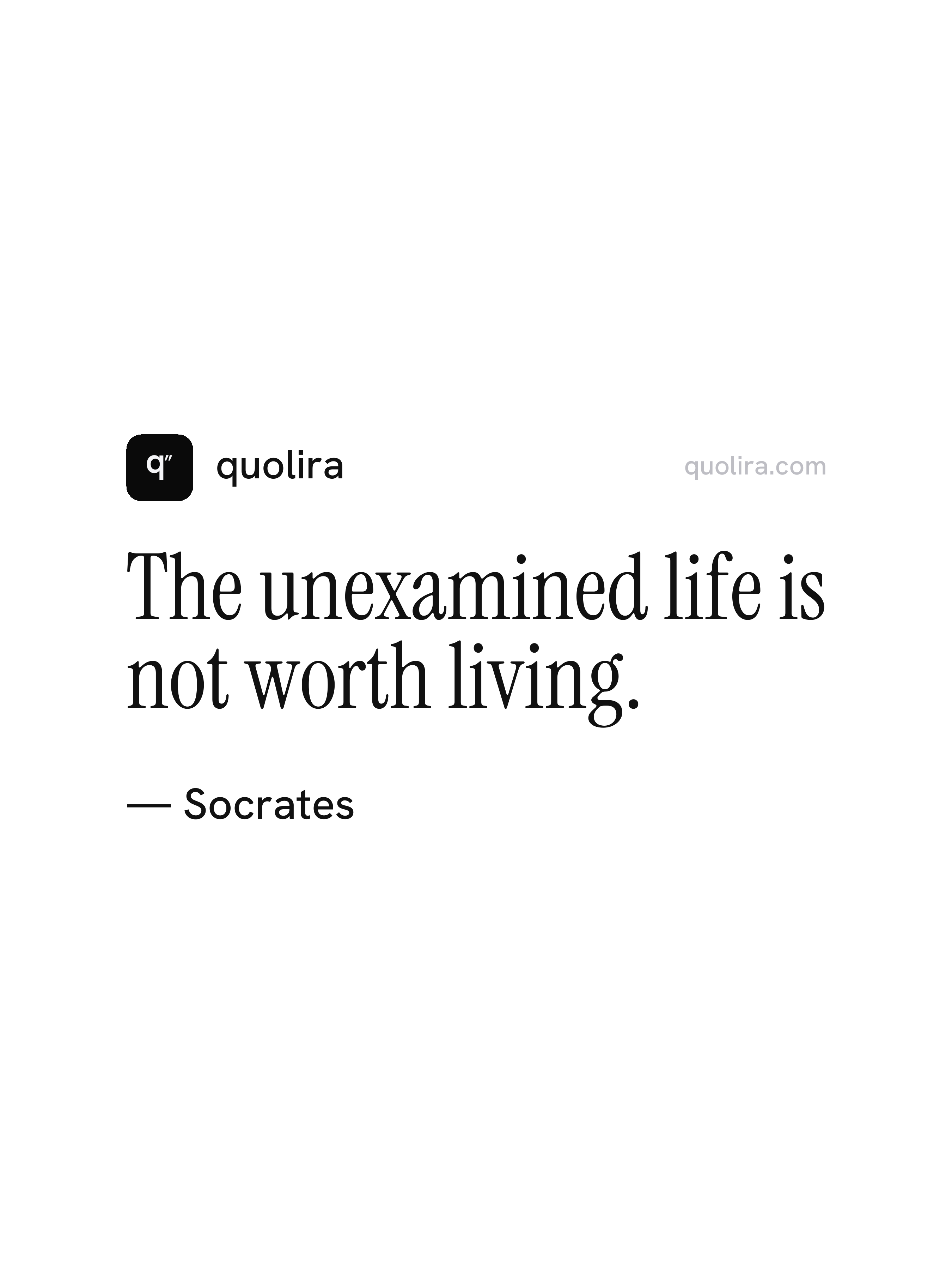
“The unexamined life is not worth living.”
Socrates · Plato's Apology, 399 BC
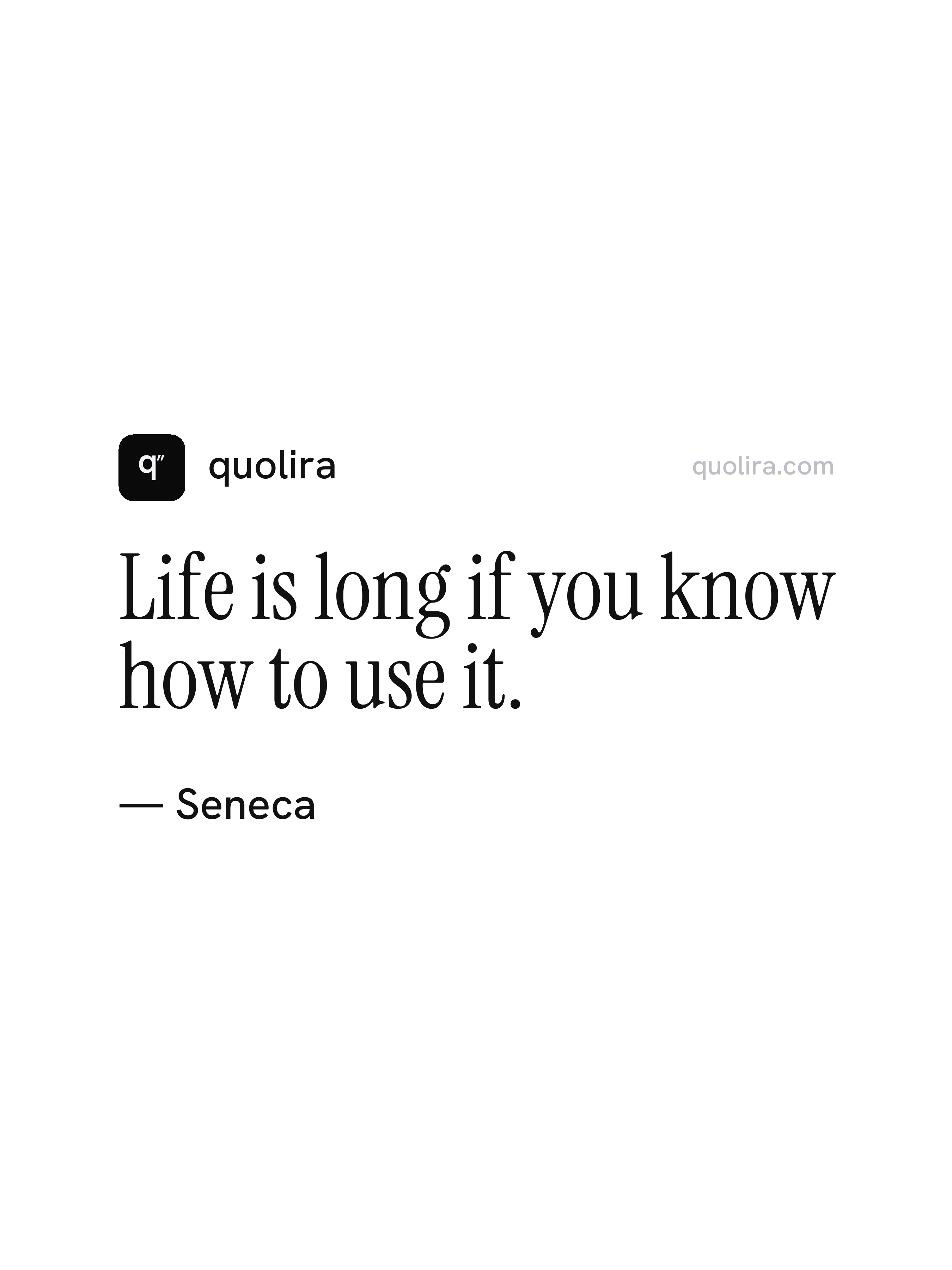
“Life is long if you know how to use it.”
Seneca · On the Shortness of Life, c. 49 AD