“Summer afternoon—summer afternoon. To me those have always been the two most beautiful words in the English language.”
Henry James · Edith Wharton's memoir, A Backward Glance
 quolira
.com
quolira
quolira.com
Stevens draws a surprising parallel between the quality of a summer night and the quality of a thought that has fully arrived. Both share a certain completeness, a sense of things having settled into their right form without remainder. The line suggests that the beauty of a summer night is not just sensory but intellectual, that it satisfies something in the mind the way a well-shaped idea does.
This line appears in "Harmonium," Stevens's first collection of poetry, published in 1923. The book introduced his distinctive voice to readers, one marked by rich imagery, philosophical playfulness, and an ongoing concern with the relationship between imagination and reality. The summer night, for Stevens, is a recurring kind of canvas, a moment when the world seems to pause and become available to the mind in an unusually clear way. The poem from which this comes belongs to a collection full of sensuous images that carry genuine philosophical weight.
Wallace Stevens spent most of his professional life working as an insurance executive in Hartford, Connecticut, while writing poetry that placed him among the most important American poets of the twentieth century. His work is known for its philosophical depth, its love of color and sound, and its sustained meditation on how the imagination gives meaning to the world. He received the Pulitzer Prize for Poetry and the National Book Award late in his career, bringing wider recognition to work he had long pursued quietly alongside his business life.
“Summer afternoon—summer afternoon. To me those have always been the two most beautiful words in the English language.”
Henry James · Edith Wharton's memoir, A Backward Glance
“The days are longer and the responsibilities are fewer, and you feel yourself expand and stretch and come alive again.”
Vivian Gornick · Unfinished Woman
“Dignity under pressure is its own kind of answer to the world.”
Original
“Endurance is not the absence of pain. It's the decision to keep your hands steady while you feel it.”
Original
“Morning without you is a dwindled dawn.”
Emily Dickinson · Poem Fr949, c. 1864
“Each day is a little life: every waking and rising a little birth, every fresh morning a little youth.”
Arthur Schopenhauer · "Counsels and Maxims", 1851
“Lose an hour in the morning and you will be all day hunting for it.”
Richard Whately · "Apophthegms", 1854
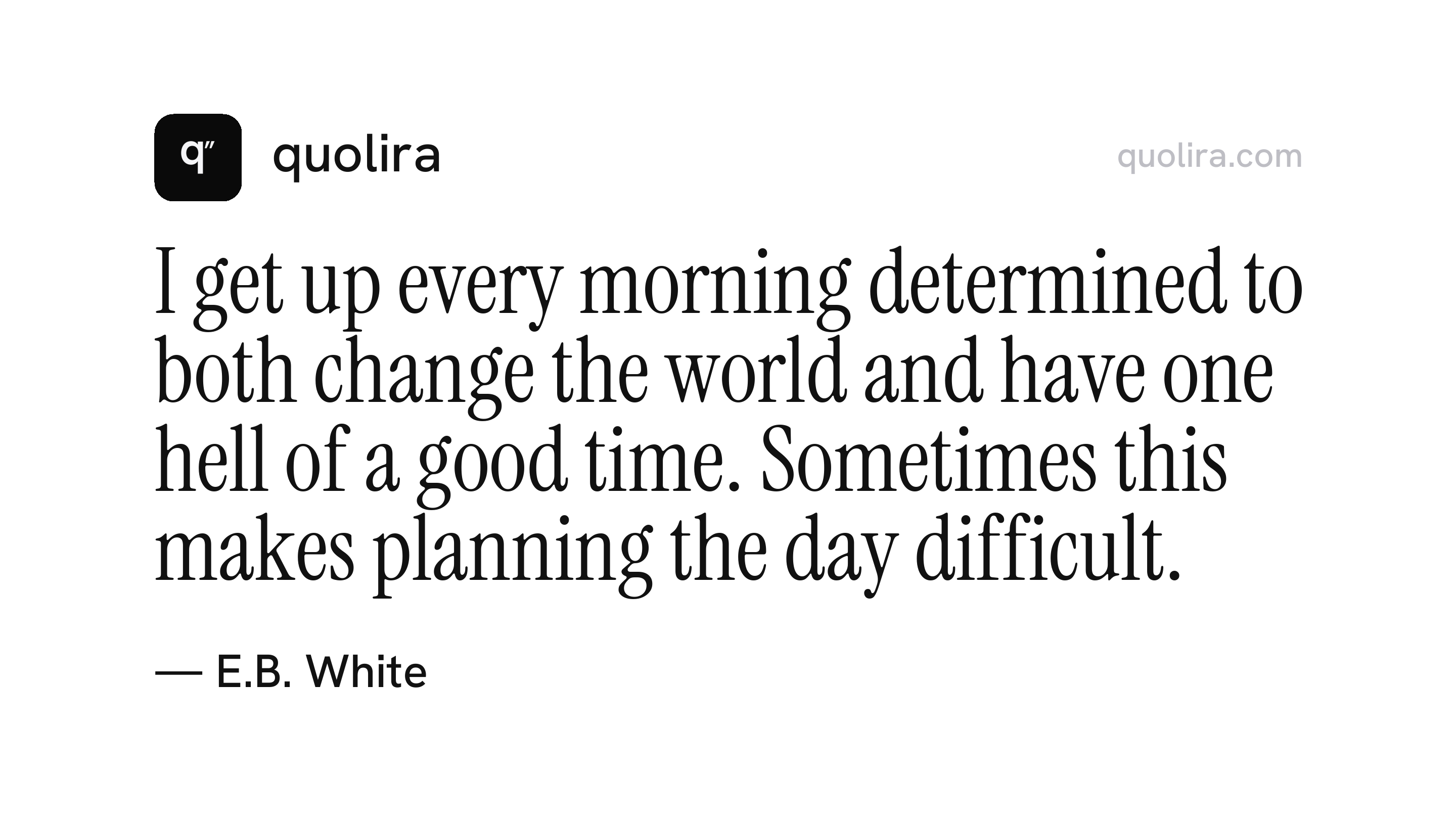
“I get up every morning determined to both change the world and have one hell of a good time. Sometimes this makes planning the day difficult.”
E.B. White
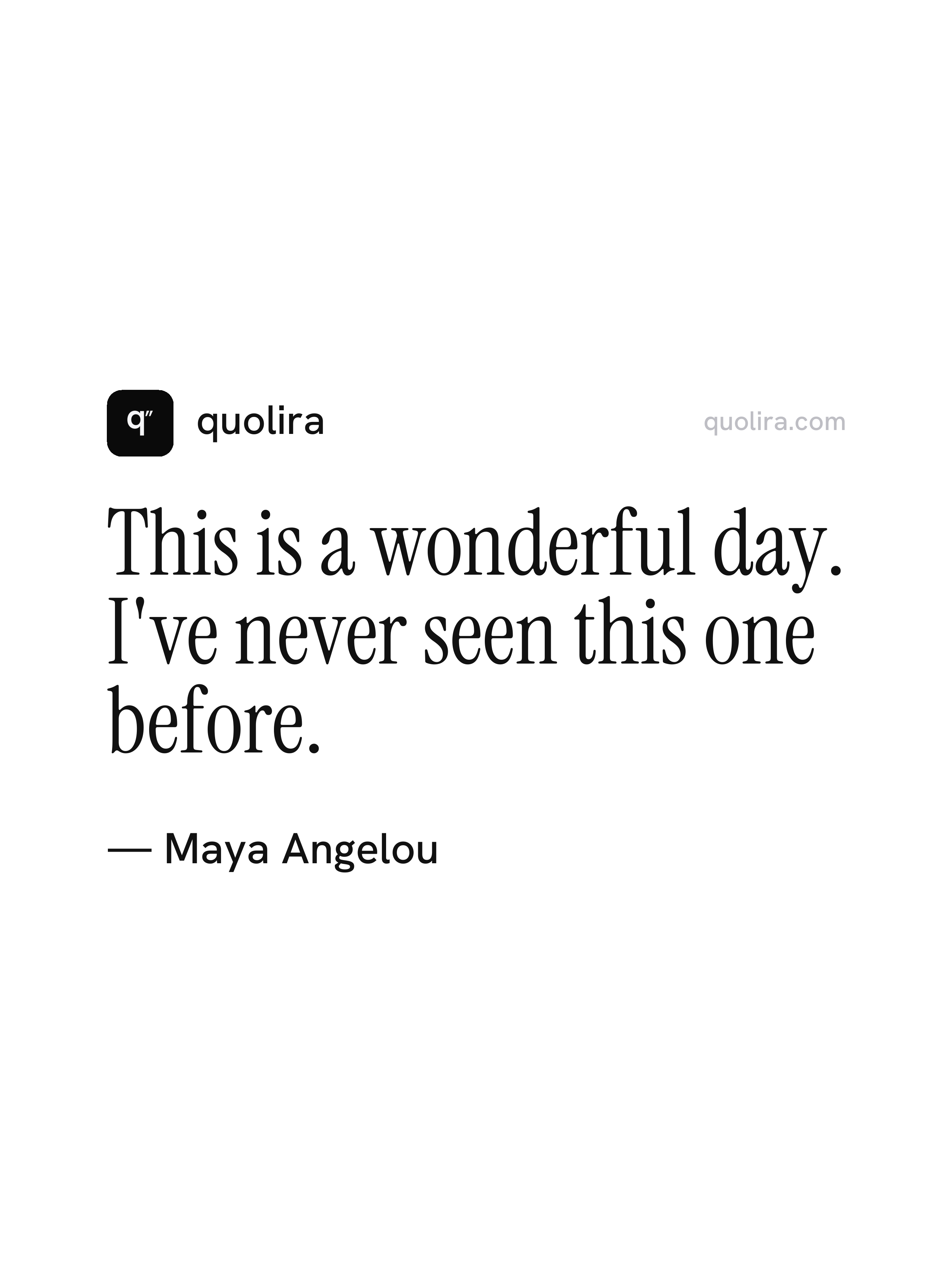
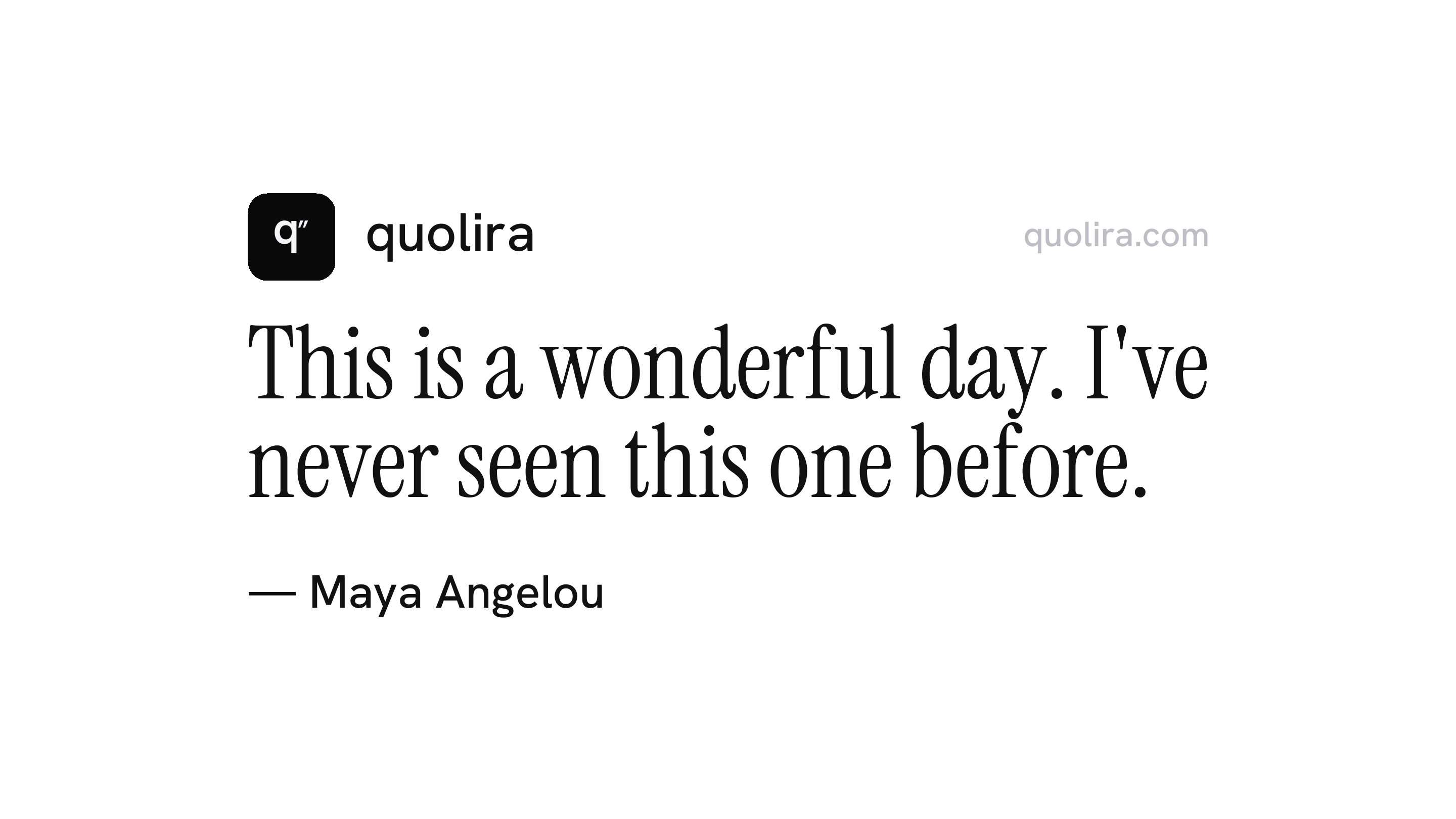
“This is a wonderful day. I've never seen this one before.”
Maya Angelou
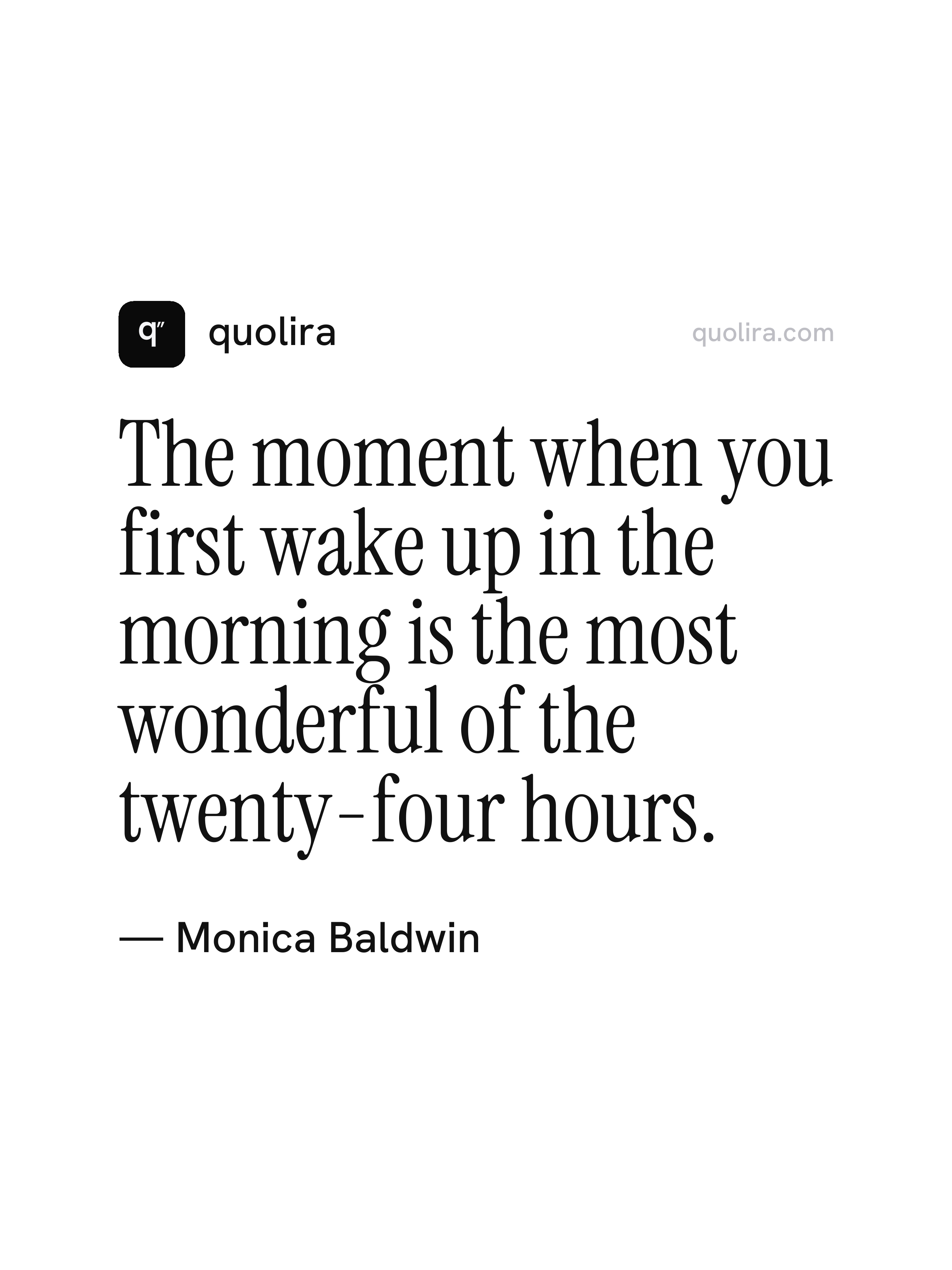
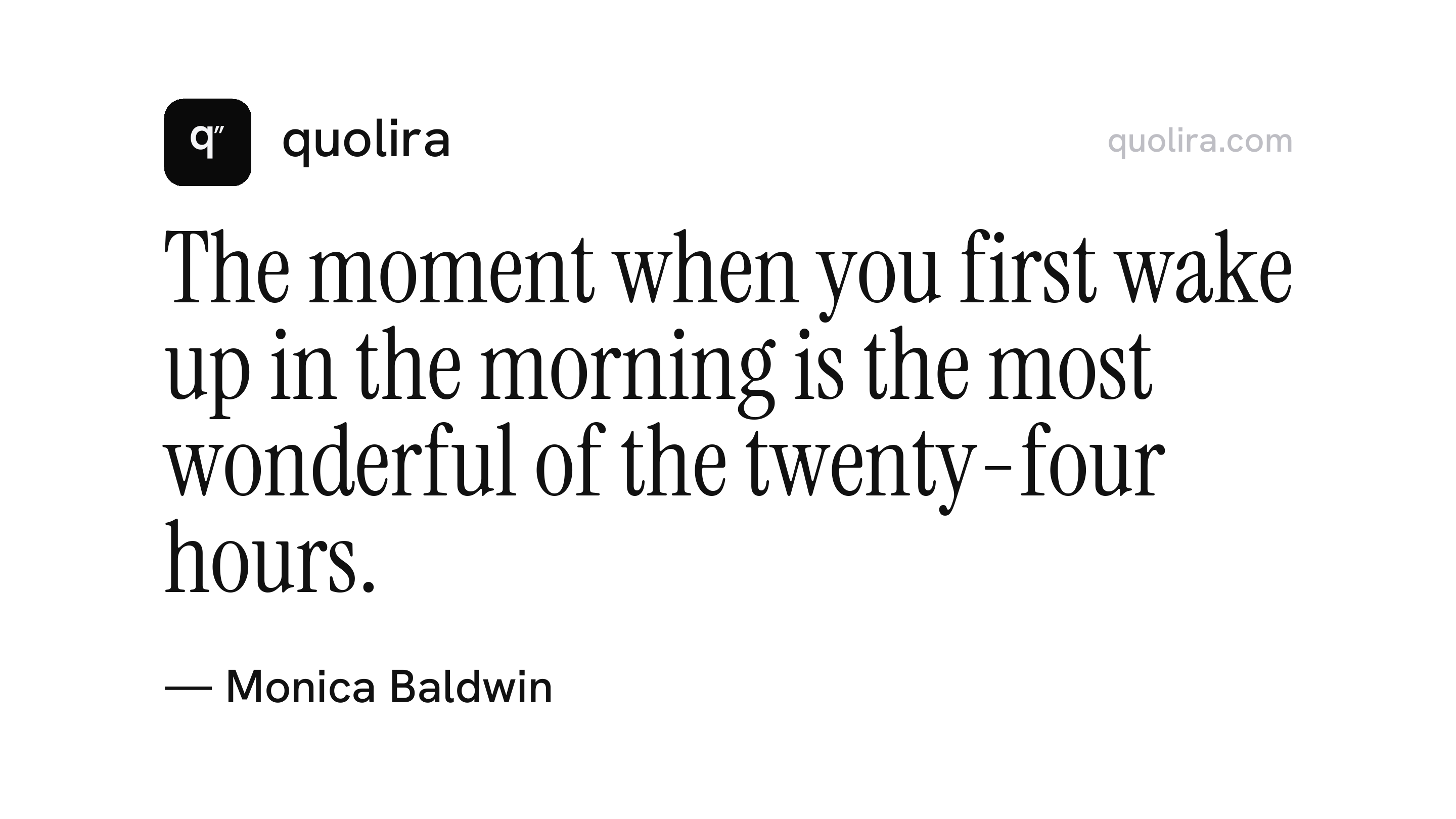
“The moment when you first wake up in the morning is the most wonderful of the twenty-four hours.”
Monica Baldwin · "I Leap Over the Wall", 1949
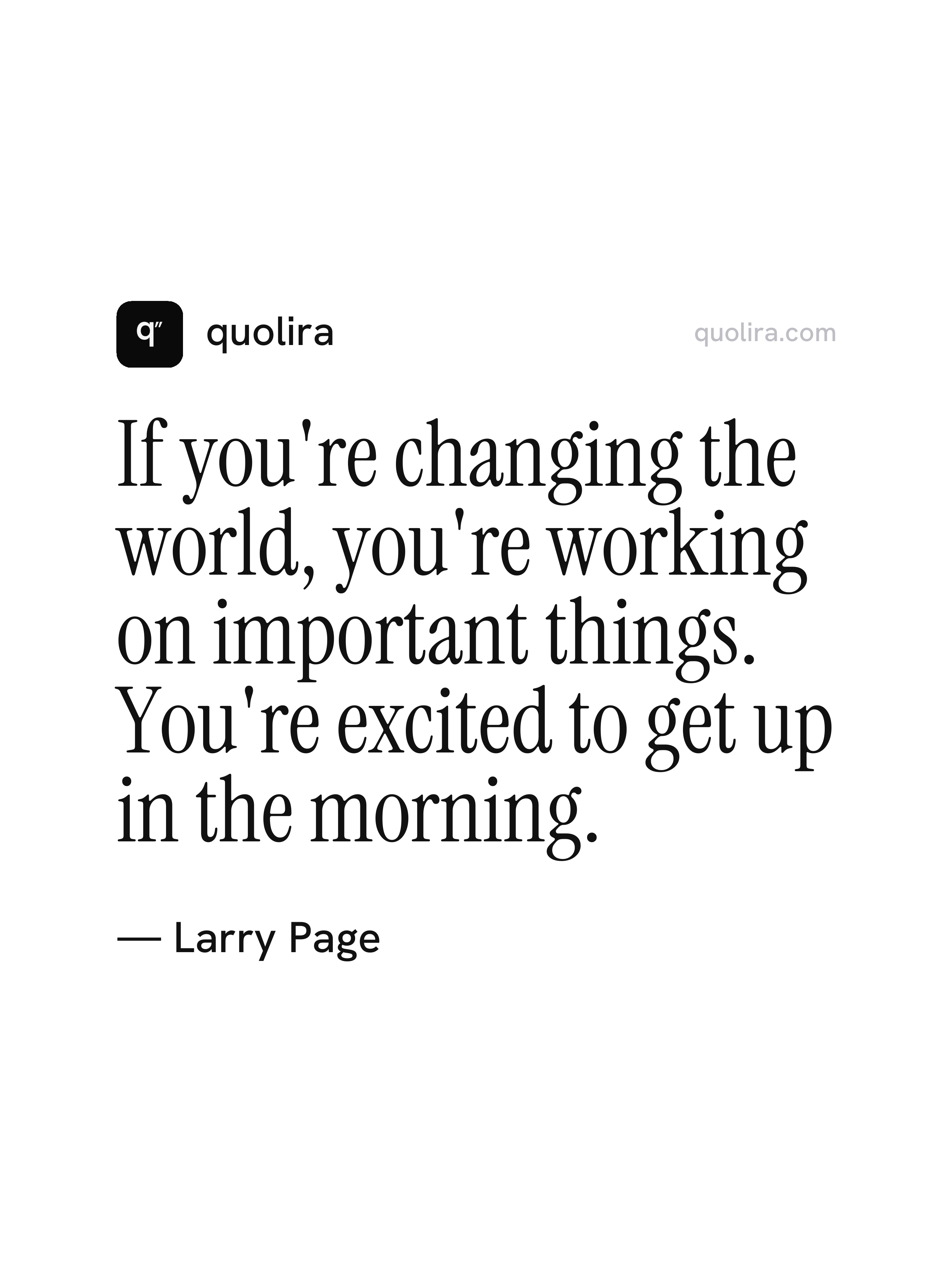
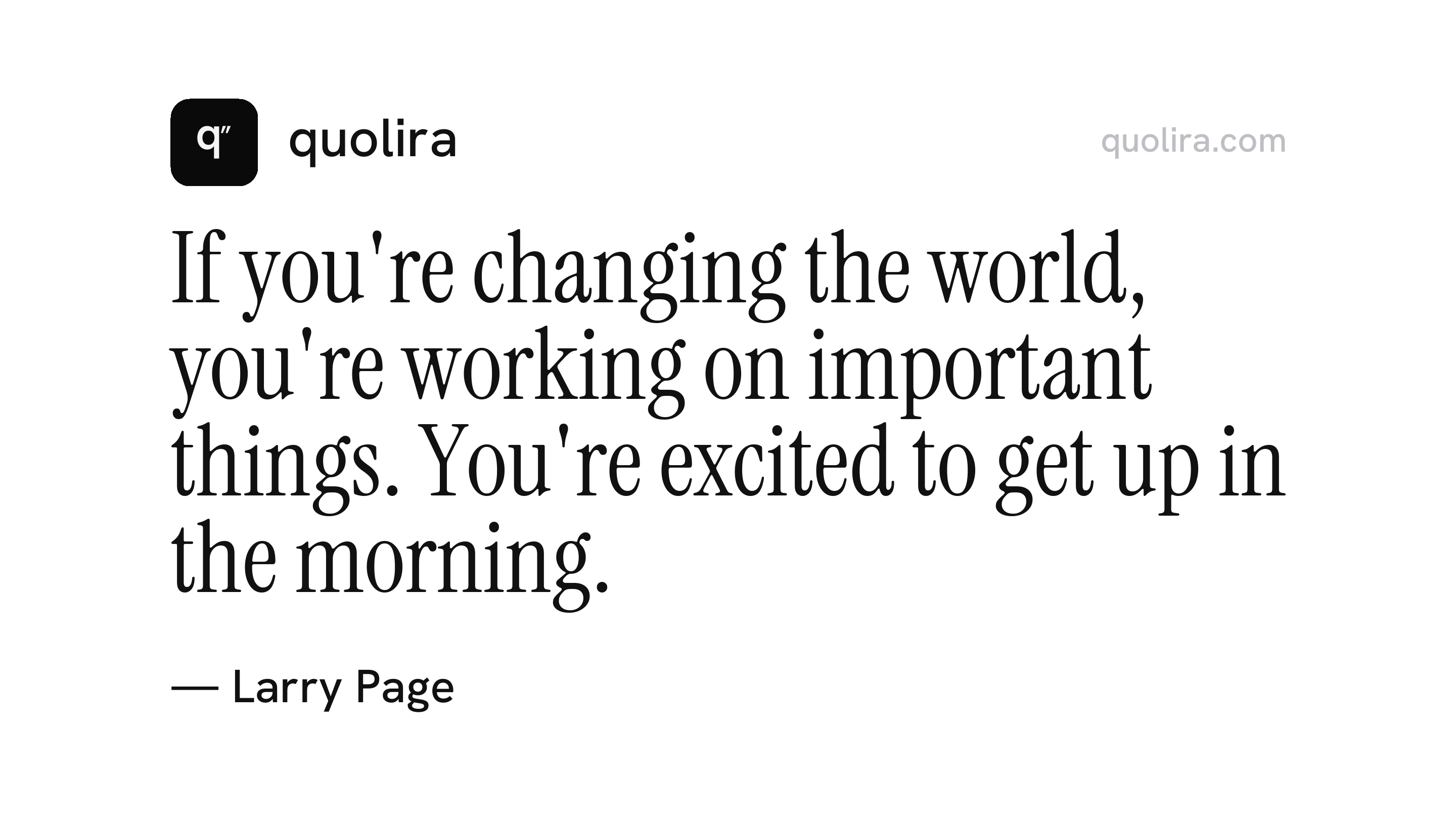
“If you're changing the world, you're working on important things. You're excited to get up in the morning.”
Larry Page · University of Michigan commencement address, 2009
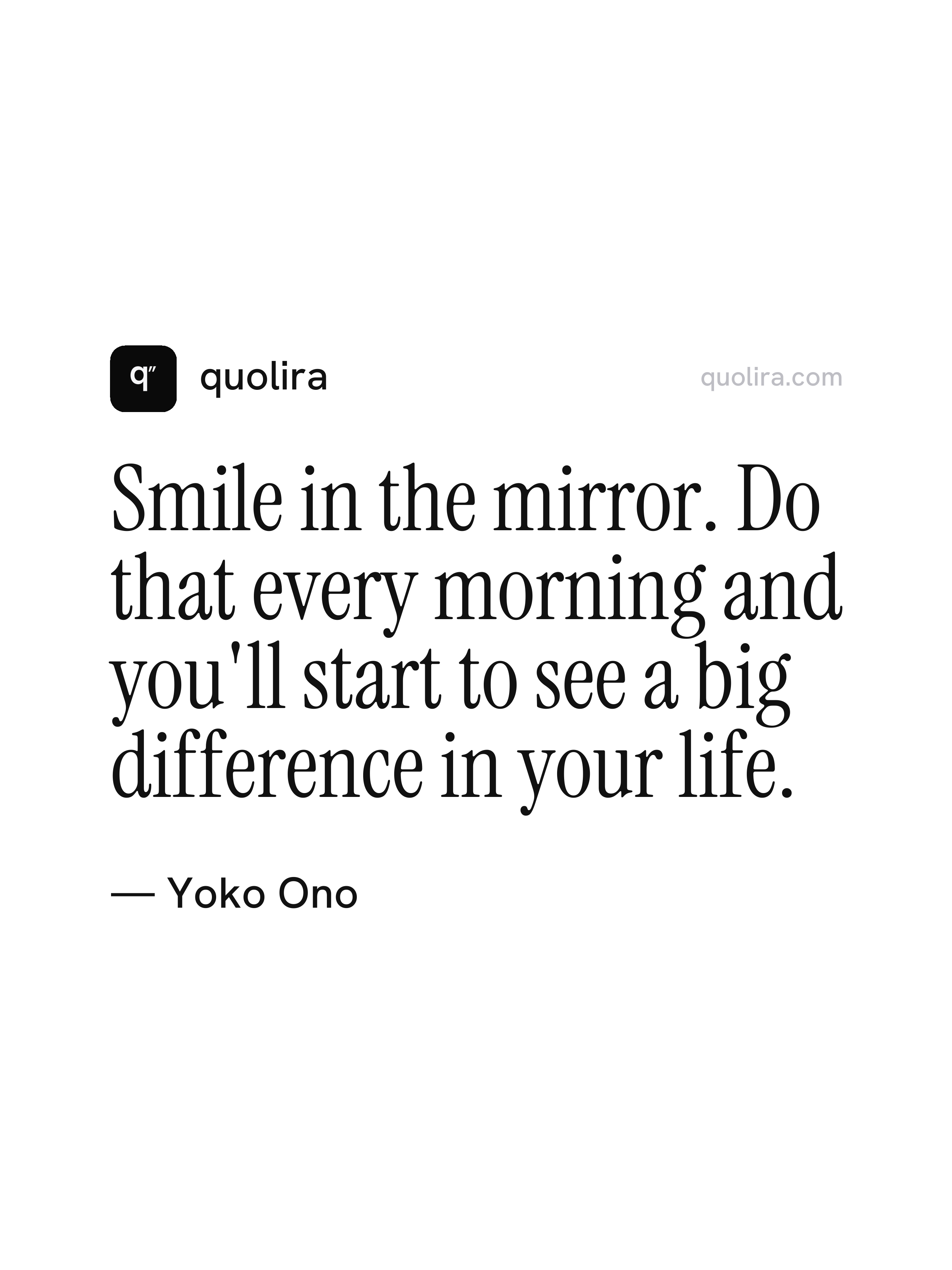
“Smile in the mirror. Do that every morning and you'll start to see a big difference in your life.”
Yoko Ono